Tag: Tata

  • Apple’s Key Supplier Tata Boosts Security Measures Amid Dark Web Data Leak Investigation

    Apple’s Key Supplier Tata Boosts Security Measures Amid Dark Web Data Leak Investigation

    Tata Electronics, a primary supplier for tech giant Apple in India, has increased its internal security measures following a potential leak of confidential client files on the dark web, according to a source from Tata and two industry representatives.

    In response to the incident, Tata has engaged an international consultant to perform a forensic audit. The company has also reported the incident to the Indian government and its customer base. The source from Tata chose to remain anonymous due to the sensitive nature of the situation.

    The cybercrime group known as World Leaks claimed responsibility for uploading over 200,000 files onto the dark web. These files allegedly include design documents for components used by both Apple and Tesla, another of Tata’s clients. The authenticity of the data remains unverified.

    Tata acknowledged the occurrence of a “cybersecurity incident” but assured that its operations were not affected, without providing further details.

    In addition to Apple and Tesla, the leaked data is believed to include at least 16 files and folders from Taiwan Semiconductor Manufacturing Co (TSMC) and 23 from Qualcomm. Both companies supply parts for iPhones.

    Increased Security Measures

    Following the breach, Tata Electronics strengthened security protocols across all its facilities and offices. Remote access to sensitive internal tools, such as those used for placing purchase orders, was limited to a select group of employees. Prior to the incident, these tools were more accessible. The updated protocols apply across Tata Electronics and are not limited to specific factories.

    The investigation into the breach continues, with Apple’s security team reportedly collaborating closely with Tata. The security enhancements include stricter regulations for accessing Tata’s official network from outside the company’s premises.

    Implications for Tata and its Clients

    Tata Electronics, led by former Intel and Applied Materials executive Randhir Thakur, is a critical part of Apple’s strategy to expand iPhone production outside China. However, the breach poses a significant setback to Apple’s supply chain. Tata is also facing scrutiny over alleged farmland contamination near one of its iPhone parts plants in India.

    World Leaks claimed to have published more than 204,341 files containing Tata Electronics data, amounting to over 630.4 gigabytes. The exposed documents include purported “product reliability test” details of a TSMC component and mechanical specifications for a power management integrated circuit from Qualcomm.

    Despite the challenges, India is expected to manufacture 26% of the world’s iPhones by 2026, a significant increase from the 6% it produced four years ago, as reported by research firm Counterpoint.

    Questions & Answers

    How has Tata Electronics responded to the data breach?
    Tata Electronics has increased internal security measures, limited remote access to sensitive systems, and engaged an international consultant for a forensic audit.

    What does the leaked data purportedly contain?
    The data allegedly contains design documents from Apple and Tesla, and files from Taiwan Semiconductor Manufacturing Co and Qualcomm.

    What are the potential impacts of the breach on Tata and its clients?
    The breach could interrupt Apple’s supply chain and increase scrutiny on Tata, which is already facing allegations of farmland contamination in India.
  • Air India Appeals to Tata, Singapore Airlines for Bailout Amid $2.4B Loss Crisis

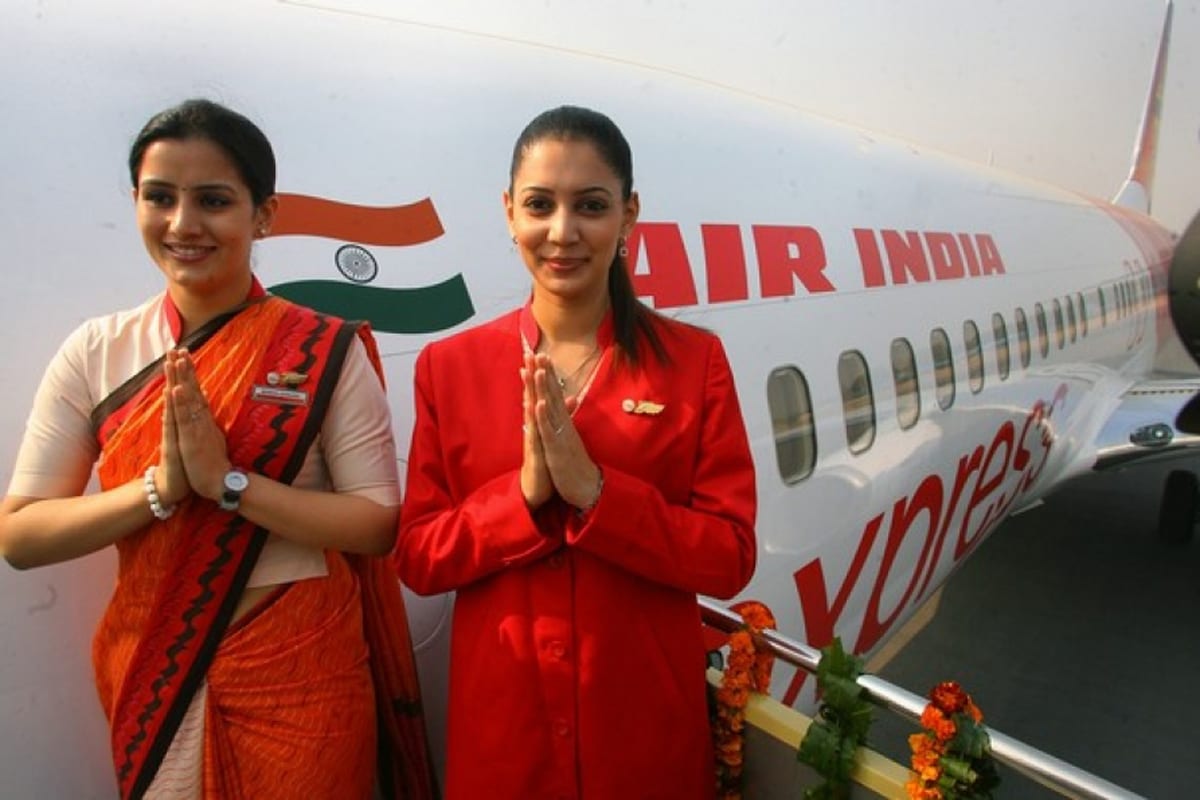
    Air India Appeals to Tata, Singapore Airlines for Bailout Amid $2.4B Loss Crisis

    Air India has reported an annual deficit surpassing INR220 billion ($2.4 billion), a more substantial loss than initially anticipated. This unexpected financial setback has led the airline to seek monetary aid from its stakeholders.

    Fiscal Losses and Contributing Factors

    The fiscal loss was recorded for the financial year ending March 31. This period was characterized by various unfortunate incidents such as the deadly crash of a Boeing 787 Dreamliner, the shutting down of Pakistani airspace for Indian airlines, and escalating conflict in the Middle East.

    Air India’s principal owner, Tata Group, and minority shareholder Singapore Airlines, which holds a 25.1% stake, are currently engaged in discussions to infuse new capital into the struggling airline. However, the exact amount being deliberated remains undisclosed and may not completely address the airline’s financial needs. This shortfall might necessitate Air India to seek additional avenues for funding.

    Critical Period for Air India

    The unprecedented loss arrives at a critical juncture for Air India. The company’s CEO, Campbell Wilson, announced his intention to resign later in 2026. The airline was designated the least safe in the most recent annual audit by the aviation regulator, despite ambitious expansion plans. The carrier has also grappled with efforts to enhance service standards and yields.

    Air India began the fiscal year on a more positive note, with operating profits reported in early April 2025. Nevertheless, circumstances took a downward turn following the closure of Pakistani airspace to Indian airlines after a short-lived conflict in May. This situation necessitated longer routes to the United States and Europe. Subsequently, the fatal Dreamliner crash in June, which resulted in more than 240 casualties, further disrupted operations, compelling the airline to reduce both international and domestic services.

    External Pressures

    The airline also faced external pressures such as punitive tariffs imposed by the U.S. President on India and stricter controls on foreign worker visas. Air India found itself among the most adversely impacted foreign carriers due to the escalating tensions in the Middle East. This crisis disrupted flights to Europe and the U.S., requiring longer and costlier routes amidst rising jet fuel prices.

    Singapore Airlines, which acquired its minority stake following the merger of its local affiliate Vistara with Air India in 2024, has also faced a negative impact on its earnings due to the airline’s declining performance.

    Questions & Answers

    What is the extent of Air India’s annual loss?
    Air India has reported an annual loss of over INR220 billion ($2.4 billion).

    What factors have contributed to Air India’s substantial loss?
    Several factors have contributed to this loss, including an unexpected Boeing 787 Dreamliner crash, the closure of Pakistani airspace to Indian airlines, conflict in the Middle East, and punitive tariffs imposed by the U.S. President on India.

    What steps are being taken to mitigate the loss?
    The principal owner, Tata Group, and Singapore Airlines are discussing an infusion of fresh capital. However, the exact amount under consideration remains undisclosed.

  • Tata Motors Restructures Into Two Entities, Aiming For Enhanced Business Focus

    Tata Motors Restructures Into Two Entities, Aiming For Enhanced Business Focus

    In a major strategic move, Tata Motors has announced a significant restructuring of its company. As of October 14th, the company was divided into two separate entities – Tata Motors Passenger Vehicles and TML Commercial Vehicles. Despite the split, the passenger vehicles division remained listed on the stock exchange under the name “Tata Motors.” However, this will change as of October 24th when the name will officially become “Tata Motors Passenger Vehicles,” complete with a new logo.

    Consolidation of Commercial Vehicle Division

    Tata Motors has also unveiled plans to consolidate its Commercial Vehicle (CV) division and all associated investments under one dedicated entity. Concurrently, the Passenger Vehicle (PV) business and its related assets will be placed in a separate company. This move is intended to streamline operations and create a sharper focus on the different business segments.

    The restructuring has had a notable impact on the company’s share price, which has seen a significant drop since the division was announced. This change, however, reflects the separation of the commercial vehicle business rather than a reduction in investor value.

    Specialized Entities for Robust Operations

    The restructuring has led to the formation of two specialized entities. Tata Motors Passenger Vehicles Limited will be responsible for cars, SUVs, EVs, and the Jaguar Land Rover business. In contrast, the newly formed Tata Motors Limited will concentrate exclusively on commercial vehicles like trucks, buses, and pickups. This strategic split is intended to enhance business focus and unlock greater value in India’s vibrant automotive sector.

    The newly formed Tata Motors Commercial Vehicles Limited (TMLCV) is set to be renamed Tata Motors Limited once the necessary regulatory approvals have been secured. Until then, TMLCV shares will remain unlisted, a process that typically takes between 45 to 60 days. Meanwhile, the previous derivative contracts expired on Monday, and fresh F&O contracts for Tata Motors Passenger Vehicles Limited (TMPVL) started trading on Tuesday. However, TMLCV won’t be available for F&O trading immediately.

  • Tata Motors Expands EV Focus

    Tata Motors Expands EV Focus

    Tata Motors is placing a significant emphasis on the electric vehicle (EV) sector with a series of product launches in a bid to substantially increase its market share by 2030. According to the company’s recently published annual report for the fiscal year 2022-23 (April-March), Tata Motors anticipates that EVs will account for 25 percent of its product portfolio within five years and reach 50 percent by 2030.

    In the March quarter, Tata Motors achieved a major milestone by surpassing annual EV sales of 50,000 units, constituting 12 percent of its overall sales. Over the past three years, Tata Motors, as the leading player in India’s EV market, witnessed a remarkable surge in volumes, escalating from 1,300 units to over 50,000 units.

    The company foresees a considerable surge in EV demand as more options become available to consumers. During the fiscal year 2023-24, Tata Motors aims to focus on achieving substantial volume growth, making strategic investments, maintaining healthy underlying unit economics, and remaining competitive in the market. N Chandrasekaran, Chairman and Non-executive Director, expressed confidence in the company’s future prospects, asserting that Tata Motors is rebounding after several challenging years and remains committed to fulfilling its financial obligations while contributing to a greener future.

    Tata Motors presently boasts the widest range of EV offerings in India, encompassing hatchbacks, sedans, and sports utility vehicles (SUVs) catering to both premium and mass market segments. Moving forward, the automaker intends to capitalize on this strategic advantage by expanding its EV sales and after-sales network, as well as charging infrastructure throughout the country. By implementing these initiatives, Tata Motors aims to tap into the untapped potential and broaden its customer base.

    Jaguar Land Rover (JLR), Tata Motor’s subsidiary, is also making significant strides in the EV domain. The company has set its sights on transforming Jaguar into a fully electric luxury brand, and its strategic plan is progressing as intended. Adrian Mardell, the interim CEO, announced that the first new all-electric Jaguar vehicle will be unveiled in 2024, with customer deliveries commencing in 2025. Later this year, JLR plans to commence pre-orders for the inaugural pure electric Range Rover. Despite the challenging market conditions, JLR remains committed to delivering on its “Reimagine” strategy and is confident in the unwavering support and dedication of its skilled workforce.

  • Tata Motors Launches Its First Registered Vehicle Scrapping Facility

    Tata Motors Launches Its First Registered Vehicle Scrapping Facility

    Tata Motors launched its first Registered Vehicle Scrapping Facility (RVSF) in Jaipur, Rajasthan today. The facility is called Re.Wi.Re which stands for Recycle with Respect and has a capacity of 15,000 vehicles per annum. The company also claims that the facility uses eco-friendly methods to dispose of the vehicles, which will go through a strict documentation process before being dismantled. It is developed and operated by Tata Motors’ partner Ganganagar Vaahan Udyog Pvt. Ltd. to scrap end-of-life passenger and commercial vehicles of all brands. The facility was inaugurated by Hon’ble Union Minister of Road Transport and Highways, Shri Nitin Gadkari.

    Speaking at the inauguration ceremony, Hon’ble Union Minister of Road Transport and Highways, Government of India, Shri Nitin Gadkari said “The National Vehicle Scrappage Policy was introduced with the aim to promote circular economy by creating an ecosystem for phasing out unfit and polluting vehicles and to achieve a lower carbon footprint in the country by replacing them with greener and more fuel-efficient vehicles. I congratulate Tata Motors for setting-up this quality facility that is at par with global standards. We are working towards positioning India as a vehicle scrapping hub for the entire South Asian region and need more such state-of-the-art scrapping and recycling units in India.”

    Mr. Girish Wagh, Executive Director, Tata Motors, said, “The inauguration of this RVSF (Registered Vehicle Scrapping Facility) heralds a new beginning in responsible scrapping of end-of-life vehicles. With globally benchmarked and optimised recycling processes, we intend to yield maximum value from the scrap for future use and minimise waste for the overall betterment. We appreciate the visionary efforts of Shri Gadkari ji in enabling the National Vehicle Scrappage Policy and look forward to setting-up Re.Wi.Re facilities across the country in collaboration with our partners. These decentralised facilities will benefit the customers, share the economic value generated, create employment while addressing the need of scrapping vehicles in every part of the country in an eco-friendly manner.”

  • Tata Motors Take A Dig At Mahindra As Nexon EV Crosses 35,000 Unit Sales

    Tata Motors Take A Dig At Mahindra As Nexon EV Crosses 35,000 Unit Sales

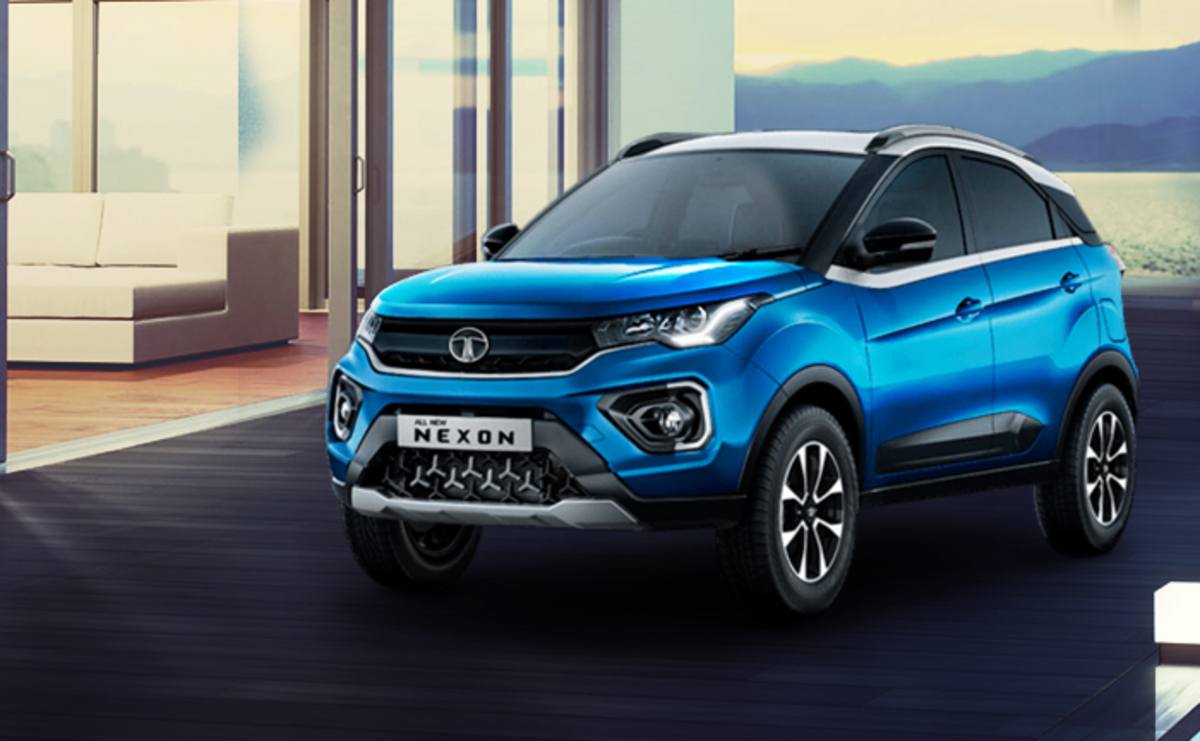
    Tata Motors recently announced that its popular Nexon EV has crossed the 35,000 unit sales mark. Tata Motors posted the achievement on its social media channels, while also taking a dig at the upcoming Mahindra XUV400. Tata Motors posted an image that read 35,000 is greater than OO, where the OO was written in the same font that Mahindra uses for the XUV400.

    The soon-to-be-launched Mahindra XUV400 one-ups the Nexon EV in almost all the fields, except on the feature front. Its longer, and has better specs than the Nexon EV, but it is not as feature packed as the Nexon EV.

    The Nexon EV has been the bestseller EV in India for a while, Mahindra aims to dethrone the SUV once the XUV400 is launched early next year.

  • Tata Motors Takes A Frugal Road Less Travelled

    Tata Motors Takes A Frugal Road Less Travelled

    To make its first electric vehicle for the consumer market, India’s Tata Motors Ltd repurposed an unused shop floor at its flagship plant. Here, there’s no fancy assembly line – Nexon SUV bodies designed for gasoline models are wired and fitted with battery packs by hand.

    The area, which could be mistaken for a prototype lab, initially made just eight SUVs a day. But demand has shot up over the two years since the Nexon EV’s launch. Tata now makes more than 100 a day though much of that is now handled at another plant nearby.

    Even with this humble start, which draws on India’s tradition of ‘jugaad’ – a word referring to frugal DIY innovation and workarounds, Tata dominates the country’s fledgling electric car market.

    That contrasts sharply with other major automakers which have poured billions of dollars into EV tooling and technology from the get-go, though Tata’s success also owes much to government subsidies and high tariffs that keep out imports from rivals like Tesla Inc.

    Going into India’s untried market for EVs, Tata knew it had to make an affordable car for an extremely cost-conscious population. Instead of building an EV plant or line which would be expensive and take time, it decided to pick an existing successful model and work on outfitting it with a battery pack.

    An EV plant for a nascent market would have been “a huge amount of investment sitting on the potential of emerging volumes. We didn’t want to do that,” Anand Kulkarni, vice president of product line and operations at Tata Passenger Electric Mobility, told Reuters.

    Tata also limited upfront investment by relying on Tata group companies for a range of EV components and infrastructure, and by choosing a cheaper battery chemistry type.

    That enabled it to price the Nexon EV around $19,000 – not necessarily cheap in India but affordable for the upper-middle class and not much more expensive than the top version of the Nexon gasoline model.

    With just the Nexon EV and one other model for fleet sales, Tata commands 90% of India’s electric car sales, giving it an all-important first-mover advantage even if EVs account for only 1% of the overall auto market.

    Last June, Tata outlined aggressive plans to launch 10 electric models by March 2026. This financial year alone, it wants to quadruple EV production to 80,000 cars, sources have said.

    Those ambitions attracted $1 billion in investment from U.S. private equity firm TPG, valuing its EV business at $9 billion – far below some EV startups but equivalent to 40% of Tata Motors’ market value.

    “This has definitely given us a significant head-start. It now gives us a force multiplier to aggressively move on EVs,” said Shailesh Chandra, managing director of Tata Motors Passenger Vehicles and the EV subsidiary.

    Tata has also earmarked $1 billion of its own money to fund its EV plans and by 2025 Chandra expects electric models to make up a quarter of its sales.

    Longer-term, Tata is working on an EV-specific car platform and wants its first car using that architecture to launch in 2025. The company is also evaluating the need for a dedicated EV plant, Kulkarni said.

    In the meantime, it plans to modify combustion engine platforms to build EVs with bigger batteries and longer driving ranges. Those models are likely to hit the market in about two years.

    The Nexon EV has a relatively modest real-world driving range of around 200 km per charge.

    The range is, however, sufficient for most potential Indian buyers, a Tata survey of consumers showed, prompting it to choose a 30 kilowatt hour iron-based battery from China’s Gotion High Tech Co which is cheaper than other lithium-ion batteries. Tata has also judged it safer for India’s tropical weather conditions, Kulkarni said.

    Gotion is working with Tata AutoComp Systems on assembling the battery packs and on the battery management system.

    Tata AutoComp, which sources most of the EV parts, is one of several Tata conglomerate firms that Tata Motors leans on – a huge advantage at a time when many automakers are ploughing funds into becoming more vertically integrated and less reliant on suppliers.

    Tata Power Company Ltd is setting up charging stations, Jaguar Land Rover contributes to design while Tata Chemicals Ltd has plans for battery recycling and local cell manufacturing.

    When Tata began EV production in 2020, most parts were imported. Today, Tata AutoComp produces around 50% of the components in-house, its CEO, Arvind Goel, told Reuters.

    “Our plan is to localise everything,” he said.

    All of the motor’s parts except the magnet are due to be produced locally over the next couple of years. Excluding the cells, the battery will be made in-house and the company is working on its own battery management system, Goel added.

    Tata’s EV business is, however, set to face challenges. The government wants 30% of all cars sold in the country to be electric by 2030 and while that goal may look optimistic, competition is on its way.

    South Korea’s Hyundai Motor and Kia Motors plan to start selling EVs in India this year although their models are set to be bigger and pricier. Expectations are also high for some rivals to launch gasoline-electric hybrids.

    “The major threat will come when competitors like Hyundai launch EV models in a similar price band and as Toyota and Suzuki’s hybrid cars come into the market,” said Gaurav Vangaal, associate director at S&P Global Mobility.

    And like other automakers, Tata is struggling to source semiconductors amid a global shortage that has become its biggest challenge in ramping up production and has caused a 5 month backlog in EV orders.

    That said, Tata intends to make the most of its enviable lead in India’s EV market. It has accrued a trove of data from monitoring the 25,000 EVs it has on the road – particularly relevant for developing electric cars in hot climates, says Kulkarni.

    “India has several hotspots which make it a challenge for electrification. Developing EVs in this market provides us with rich data, information which can flow back into our development process. I can’t tell you the kind of head start this gives us,” he said.

  • India’s Tata launches “super app” in challenge to Amazon, Walmart

    India’s Tata launches “super app” in challenge to Amazon, Walmart

    India’s Tata Group on Thursday launched its much-awaited e-commerce “super app” offering everything from apparel to air tickets in a renewed push for a slice of a fast growing market dominated by Amazon.com and Walmart’s Flipkart.

    Tata Neu, which has been in the works for about two years, is a single platform for the group’s brands, including Westside fashion, Air Asia tickets, Croma electronics, the Taj group of hotels, BigBasket online grocery and 1mg online pharmacy.

    “Our aim is to make the lives of Indian consumers simpler and easier,” Tata’s Chairman N Chandrasekaran said on LinkedIn, adding that its joint venture airline Vistara and recently acquired Air India, as well as watch brand Titan will be available on the app soon.

    The 154-year-old group, which raked in $103 billion in revenue in 2020-21, is a leading player in steelmaking, IT outsourcing and utilities but arguably best known internationally as the owner of British luxury car brand Jaguar Land Rover. It also makes cars at home under its own brand.

    Tata also has an expansive offline retail portfolio, including a joint venture with Starbucks Corp. Its fashion and watch stores are ubiquitous on Indian high streets and it operates stores for Inditex fashion brand Zara.

    Despite launching the Tata CliQ online marketplace in 2016, the group has been a minnow in an e-commerce market widely projected to be worth $200 billion by 2026. With Tata Neu the group is determined to change that, sources told Reuters last year.

    Tata Neu will offer a membership program and a cross-brand loyalty scheme where customers can earn and redeem rewards while making purchases on the app.

  • Tata Punch Introduces Engine, Design, Launch Expectations

    Tata Punch Introduces Engine, Design, Launch Expectations

    Tata Motors will pull the wraps off the Punch micro SUV on October 4, 2021. The Indian carmaker will begin accepting pre-bookings for the car on the same day itself. However, select Tata Motors dealers are already taking unofficial bookings for the mini SUV for a token amount ranging up to ₹ 11,000. The Indian carmaker is expected to launch the Punch in the coming weeks, probably around Diwali. It will be the first SUV to employ the ALFA-ARC (Agile Light Flexible Advanced Architecture), developed under Impact 2.0 design language. Here’s all you can expect from the Tata Punch micro SUV.

    The soon-to-be-launched Punch will be the brand’s new entry-level SUV and will be slotted below the Nexon subcompact SUV in the product lineup. The Punch stays true to the HBX concept in terms of design, as the production version has not deviated much from the concept model. The carmaker had previously confirmed that about 90 per cent of styling elements would be retained from the concept.

    The upcoming Tata Punch is likely to be offered in four trim options – Pure, Adventure, Accomplished and Creative. There will be three mono-tone and six dual-tone colour options to choose from. The mini SUV looks like a baby Safari with its aggressive front end sporting a signature split lighting design. It will come equipped with premium features like projector headlamps with LED DRLs, LED taillamps and beefy bumper, underbody and side cladding, faux roof rails and sporty alloy wheels.

    On the inside, the micro SUV will sport a minimalist dashboard with a dual-tone black and white paint scheme. Based on the previous teasers, we can say that the micro SUV will feature a Harman-sourced touchscreen infotainment system with Apple CarPlay and Android Auto. It will also get a multi-functional flat-bottom steering wheel, analog-digital instrument panel, automatic climate control, engine start-stop button, fabric upholstery, and more. The top-spec model is likely to get the iRA connected car tech.

    The Tata Punch is likely to be powered by a 1.2-litre Revotron petrol engine tuned to make 85 bhp of maximum power with a peak torque of 113 Nm. The same mill also does duty on the Tiago entry-level car and the Altroz premium hatchback. Transmission options could include a 5-speed manual as standard along with an optional AMT unit.

  • Tata Puts Post-Pandemic Bet On Digital

    Tata Puts Post-Pandemic Bet On Digital

    Tata Group plans to invest in digital, high-end electronics and healthcare in a post-pandemic world, the $100 billion conglomerate’s chairman said on Thursday. Tata, whose operations span hotels, steel, airlines, electronic goods and technology services, will also place big bets on electric vehicles, renewable energy and battery storage, N Chandrasekaran, who is also known as Chandra, added.

    “When you look at trends for the future, definitely there are clear signs you can pick up. Anything that is digital, we’re making a big bet on,” Chandra told the Reuters Next conference.

    The coronavirus pandemic has accelerated the adoption of technology, changing the way people live, work and consume as well as how companies operate, he added.

    Tata has already made public its intent to launch an umbrella app enabling access to all its consumer businesses, Chandra said, in a concept borrowed from China where apps such as Alipay allow everything from hotel bookings to e-commerce. Tata is also building an online business-to-business platform.

    The owner of British luxury brand Jaguar Land Rover (JLR) is placing big bets on electric vehicles as well as on battery storage and renewable energy for consumer and industrial use.

    “We are very serious about electric vehicles,” Chandra said, adding that Tata is investing in developing clean technology cars at home through Tata Motors and at JLR.

    Automakers are investing in EVs, largely driven by tighter government regulations on polluting vehicles, with Tesla, now the world’s most valuable car company, readying plans to launch in India this year.

    Chandra said the adoption of technology and shift in consumer and corporate behavior will lead to the creation of new and shared workplaces closer to where people live.

    Meanwhile, there will be a higher degree of automation in Indian factories driven by greater use of artificial intelligence, internet of things or connected devices and data.

    With some of these changes unlikely to reverse, Chandra is looking at new opportunities for Tata, particularly as India’s economy springs back from damage during the early stages of the pandemic last year.

    “I’ve been quite surprised with the speed with which the economy is recovering and bouncing back,” he said, adding that several Tata companies are already recovering losses as demand picks up except in areas like airlines.

    COVID-19 has also forced Tata to be more resilient to disruption in the global supply chains it depends on and for Chandra, one way to do this is to be a part of it.

    “There are couple of industries we have already identified. One is electronics, high-tech manufacturing, where we’ve already started the foray and we are developing plans for the future.”

    Tata also plans to cater to growing demand for medical devices in India and around the world, Chandra said.

  • Tata grabs bigger slice of AirAsia India

    Tata grabs bigger slice of AirAsia India

    A number of bids have been put forward for India’s loss-making national carrier, including one on behalf of its employees. The Indian government had tried to offload its stake in Air India in 2018 but failed to attract a single bid. One group is representing employees and plans to offer them a controlling stake in the struggling airline. Another bid is reported to have been put forward by the Tata Group, which originally founded the airline in 1932.

    Tata, which owns Jaguar Land Rover, sold its stake to the government in the 1950s. India’s Prime Minister Narendra Modi is keen to sell the government’s entire interest in the airline, which has been kept aloft by a bailout and racked up billions in debts. The airline has many assets, including prized slots at London’s Heathrow airport, a fleet of more than 100 planes and thousands of trained pilots and crew. One of the bids put in ahead of this week’s deadline was from US-based investment firm, Interups.

    Under its plan, Interups will hold 49% of Air India while a controlling stake of 51% will be held by its employees.

    “We are giving an open offer to employees of Air India to substantially own the airline,” Interups chairman Laxmi Prasad told the BBC.

    “Our group will invest the entire monies required for the airline, with no capital requirement from employees to contribute into the acquisition effort.”

    Calling them the “backbone to run the airline”, Mr Prasad added that the 51% stake would be “in exchange for the deep intangible contribution you all would be making for the airline.”

    “No-one knows Air India better than its employees and management.”

    “Any new owners will need to invest heavily in Air India, improving its technology and customer services operations,” said Jitendra Bhargava, former Executive Director of Air India and author of the book, The Descent of Air India.

    “But India is a growing market and offers huge potential. My take is that Air India is better run as a private company than by bureaucrats.”

    Interups, which specialises in turning companies around, says it has also targeted another Indian airline, and if successful, will merge it with Air India. They have not specified which airline that could be.

    “The combined operations will make Air India a global leader for passenger traffic to and from India,” said Mr Prasad.

    He described the potential battle with Tata for the airline as David versus Goliath. “But David mastered the winning, and we are equally confident.”

    The Indian government is expected to notify the qualified bidders in early January 2021.

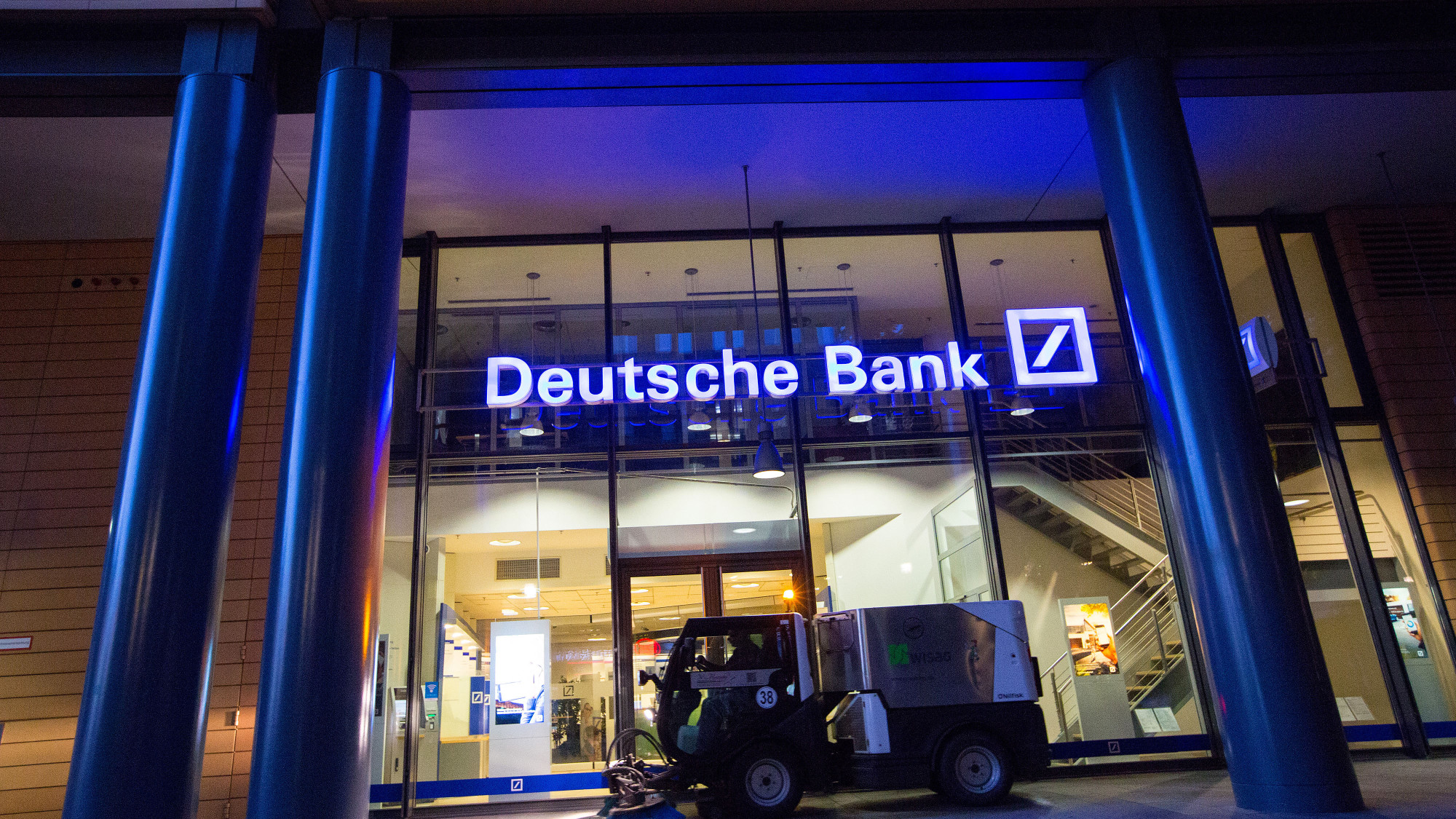
  • Deutsche Bank in Talks with Tata to Offload Tech Unit

    Deutsche Bank in Talks with Tata to Offload Tech Unit

    Deutsche Bank is reportedly in advanced talks to sell its technology services unit to India’s Tata Consultancy Services.

    Tata Consultancy Services – Asia’s biggest software exporter and the tech subsidiary of Indian conglomerate Tata group – could take over Deutsche Bank’s Postbank Systems, according to a «Bloomberg» report citing unnamed sources.

    There are expectations for a deal to materialize by year-end though negations are ongoing and no conclusions have been made.

    If successful, Tata Consultancy would onboard Postbank System’s 1,400 employees while Deutsche Bank would come closer to its restructuring target to reduce 18,000 jobs.

    The Bonn-based technology unit generated revenue of 533 million euros ($629 million) in 2015, the latest annual figures available.

    Bottom lines aside, the bank is currently focused on importing Postbank’s operational capabilities by merging with its technology in a move that would render Postbank System’s obsolete by 2021-end and shed 1 billion euros ($1.18 billion) of operational costs, the report added.

  • Tata Motors Roll Out 1000th Nexon EV From Its Pune Plant

    Tata Motors Roll Out 1000th Nexon EV From Its Pune Plant

    Tata Motors on Tuesday announced a momentous milestone in the EV segment by rolling out the 1000th Nexon EV from its Pune plant in India. The Indian car manufacturer has achieved this significant landmark in just over six months after the launch of the electric vehicle portraying that the demand and interest for EVs are increasing across the country. The Nexon EV has also helped the carmaker to post a market share of 62 percent in the electric car segment in the first quarter of FY21. Tata Motors’ Nexon EV is the first of its new generation electric cars with the Ziptron technology.

    The EV was launched in the country earlier this year in the presence of the Tata Group Chairman, Ratan Tata and Tata Motors CEO, Guenter Butschek. The EV is priced in India from ₹ 13.99 (ex-showroom, India) for the XM variant. However, the top-end variant – XZ+ costs ₹ 15.99 lakh (ex-showroom, India). The electric SUV is offered in three variants – XM, XZ+, XZ+.

    Shailesh Chandra, President – Passenger Vehicle Business, Tata Motors Ltd. said, “Acceptance of EVs is accelerating fast, and we are seeing growing interest in it from all parts of the country. The rollout of the 1000th Nexon EV in a short time span, despite the challenges of Covid-19, reflects the rising interest of personal segment buyers in EVs. Tata Motors will continue to innovate and develop comprehensive sustainable mobility solutions to meet global standards. EVs are the future and as the industry leader, we are committed to making them desirable and a mainstream choice for the customers.”

    The Tata Nexon EV comes powered by the Ziptron technology offering zippy performance and a range of 312 km on a single charge. The EV also gets fast charging capability, IP67 rated battery as well as class-leading safety features, and 35 connected car features. The electric powertrain makes 245 Nm of peak torque, which is enough for the EV to sprint to clock 100 kmph under 9.9 seconds.

    To further accelerate the adoption of EVs in the country, the homegrown automaker has announced an e-mobility ecosystem called ‘Tata uniEVerse’. Powered by Tata uniEVerse, the customers will get a host of e-mobility options including charging solutions, retail experiences and easy financing options.

  • Tata Starbucks opens all-women stores

    Tata Starbucks opens all-women stores

    Tata Starbucks has opened two stores in India operated entirely by women as part of the firm’s efforts to address systemic inequities in opportunities for female workers within the country.

    The two female-staff-only stores are located in Delhi and Mumbai, and constitute a step forward in Tata Starbucks’ commitment to expanding the representation of women in the workforce. The program also includes initiatives to offer opportunities to women that take into account the responsibilities of motherhood. The firm offers 100-per-cent gender pay equity and aims to ensure women make up 40 percent of its total workforce by the end of 2022.

    Tata Starbucks says it will double the number of its female-led stores by the end of this year in the interests of empowering and supporting women leaders.

    “Tata Starbucks remains focused on creating and strengthening opportunities for women and fostering diversity across our organization,” said Tata Starbucks CEO Navin Gurnaney.

    “We are proud to open these all-women stores that will increase our commitment to diversity and inclusion in India and empower our female partners in new and meaningful ways.”

  • Tata Warns Of Another Loss At JLR As Demand Slow To Pick Up

    Tata Warns Of Another Loss At JLR As Demand Slow To Pick Up

    India’s Tata Motors warned that its luxury car unit, Jaguar Land Rover (JLR), may post another quarterly loss as the coronavirus crisis saps demand and cripples its supply chain. The pandemic has taken a heavy toll on automakers globally and piled pressure on Tata Motors, which has been trying to improve JLR’s cash flows by reining in costs after geopolitical and regulatory challenges hurt the British carmaker’s sales.

    Tata Motors raised its cost-savings target for JLR by 1 billion pounds ($1.31 billion) and now expects to save 6 billion pounds in costs by March 2021, Chief Financial Officer PB Balaji said on Friday, noting that it had already achieved savings of 4.7 billion pounds.

    Unit sales at JLR, which accounts for most of the company’s revenue, fell over 42% during the quarter

    “As much as we take on costs and reduce cash burn, demand is a very important lever for this business,” Balaji said, adding that even though sales were improving demand was not coming back in a hurry.

    Unit sales at JLR, which accounts for most of the company’s revenue, fell over 42% during the quarter, while its EBITDA (earnings before interest, tax, depreciation and amortization) margin was 3.5%.

    Earlier this week, JLR named ousted Renault boss Thierry Bollore as its next chief executive, with a mission to return the carmaker to profit. Balaji said while JLR’s electrification plans are on track, the company may drop or go back to the drawing board on certain projects that are not “great on financial returns”. He did not specify which projects were being re-looked at.

    JLR’s electrification plans are on track, said Chief Financial Officer PB Balaji

    Tata Motors reported a consolidated net loss of 84.38 billion rupees ($1.13 billion) for its first quarter, compared with a loss of 36.98 billion rupees a year earlier. The company said it expects a gradual pickup in demand and an improvement in supply in the second half of fiscal 2020-2021.