Retail News CRM

Tag: Tata

  • Tata Comms trials live 360-degree video streaming

    Tata Comms trials live 360-degree video streaming

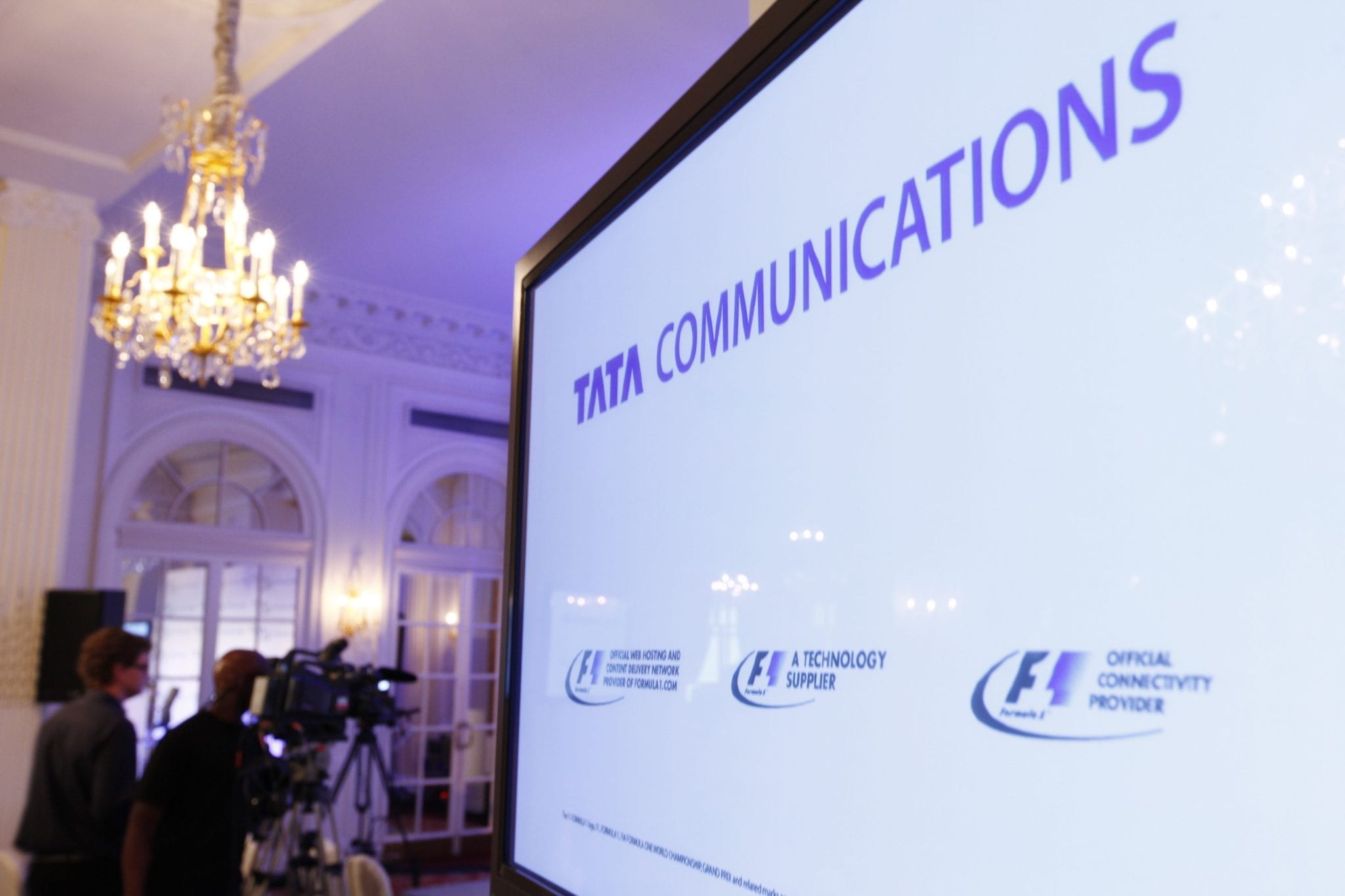
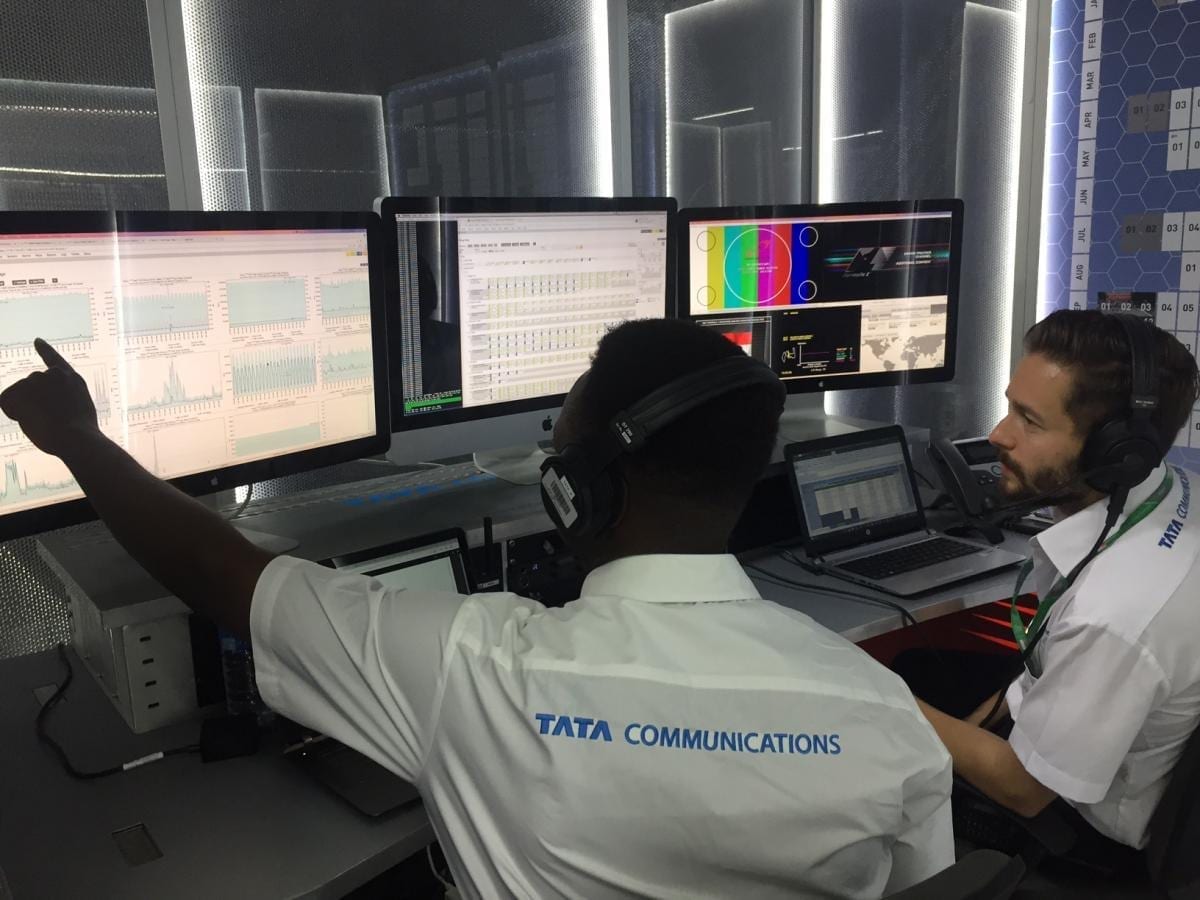
    Tata Communications and Formula 1 have conducted a test of truly live 360-degree video streaming at the 2017 Formula 1 Singapore Airlines Singapore Grand Prix.

    To-date, any 360-degree video experiments in sports have been hampered by a 30-second delay between the 360-degree video and live TV feeds, preventing a widespread adoption of the technology.

    This proof-of-concept by Tata Communications and Formula 1 is the first time when the live 360-degree video feeds and TV broadcast have been shown in complete sync.

    There were two 360-degree cameras at the Marina Bay Street Circuit in Singapore in the trackside and paddock to show how viewers at home could immerse themselves in the world of F1 and experience these exclusive areas through a virtual reality (VR) like environment via the Official F1 App.

    For example, during a Grand Prix build-up, fans could use their tablet to access a live 360-degree video feed from the paddock and see the biggest names in the sport. Or, during a race, as a driver pulls into the pits for a tyre change, fans could complement the action on TV with a 360-degree view of everything that is happening in the pit lane in real-time.

    The live video feeds from the two cameras were distributed from the Marina Bay Street Circuit in Singapore back to Europe using Tata Communications’ Media Ecosystem. This includes the Video Connect service, which brings together traditional video contribution and IP connectivity globally in the cloud, underpinned by Tata Communications’ global network.

    “Eliminating the delay in 360-degree video means that, for the first time, it’s possible to offer fans truly live 360-degree video experiences on a global scale,” said Mehul Kapadia, managing director of Tata Communications’ F1 Business.

    “This will enable sports and entertainment organisations to engage with their audiences in new ways and generate new revenue streams – helping the 360-degree video and VR market achieve its $60 billion potential,” said Kapadia.

  • Tata Teleservices may be wound down

    Tata Teleservices may be wound down

    Indian conglomerate Tata Group is reportedly considering winding down its struggling mobile operation Tata Teleservices after failing to find a potential buyer.

    Cciting unnamed sources, Tata Group chairman N Chandrasekaran is evaluating suspending its telecoms operations to tackle the operator’s mounting debt.

    If the operations are wound down, Tata Group may need to take financial losses due to Tata Teleservices’ total debt of around 340 billion rupees ($5.3 billion), and lenders may need to take a haircut on the value of their debt owed, according to the report.

    But according to the report, a closure can only happen once these lenders agree to a loan recast program

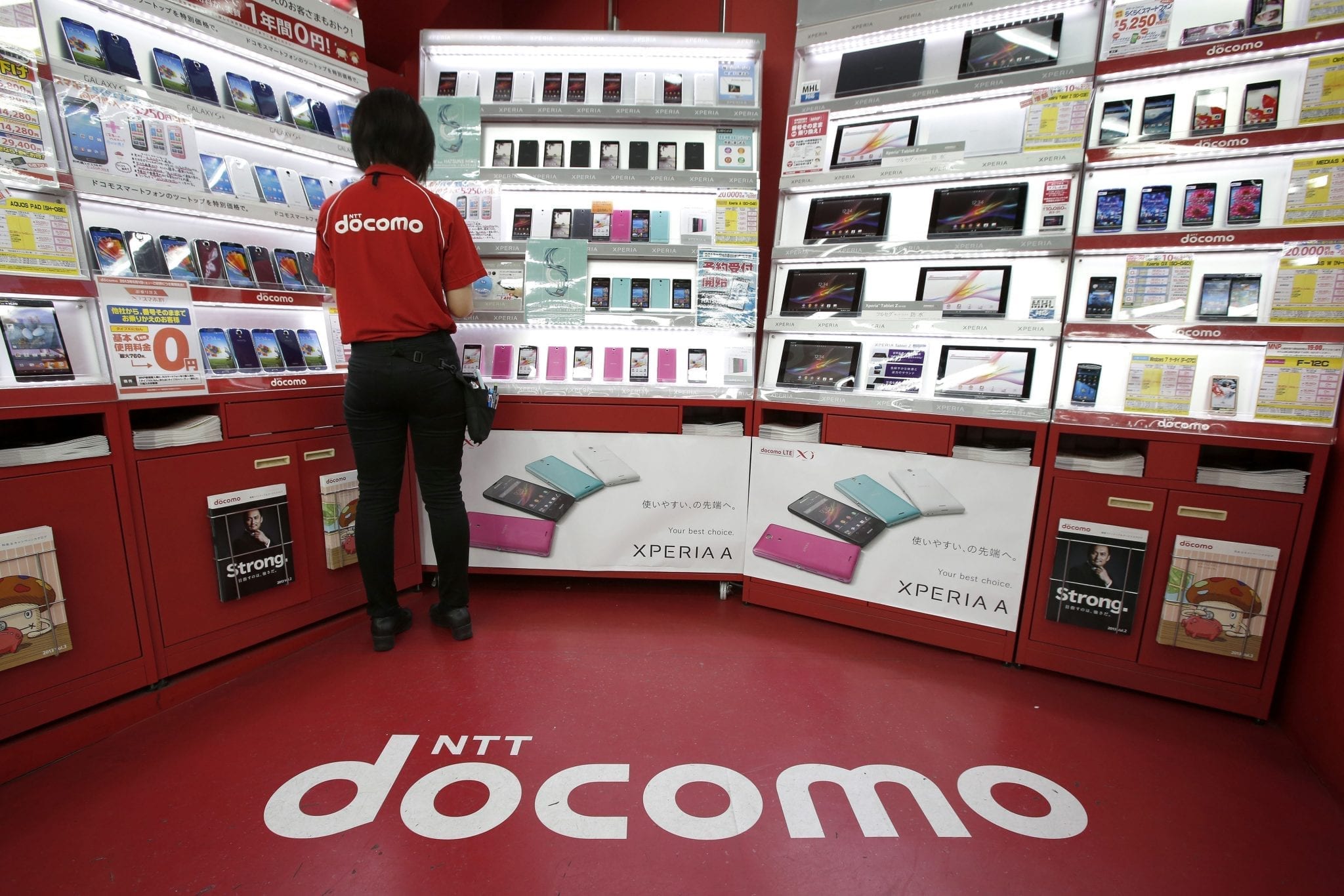
    Tata Teleservices still has around 45 million customers for a 4% share of the total market. But the operator has been seeking a sale or merger ever since joint venture partner NTT DoCoMo decided to pull out of its 26% shareholding, exercising its option to require Tata Group to buy back DoCoMo’s stake in the venture

    The company has held discussions with Airtel, Vodafone and even newcomer and Reliance Jio, but no deal has eventuated, leaving dissolving the company the most viable option.

    A nominee of Tata Sons’ largest shareholder has also recently suggested that Tata Teleservices file for bankruptcy.

  • VW Group, Tata end talks on emerging markets tie-up

    VW Group, Tata end talks on emerging markets tie-up

    Cooperation talks between Germany’s Volkswagen Group and India’s Tata Motors about joint development of a car for emerging markets have ended amicably, the two companies said on Thursday.

    The collapse of the talks is a further blow to Volkswagen’s (VW) efforts to develop a cheap vehicle platform for Asian markets, after an earlier alliance with Japan’s Suzuki Motor Corp (7269.T) also fell apart.

    In March Tata Motors and VW announced a Memorandum of Understanding (MoU) for a long-term partnership to explore joint development of products for customers in India and other markets.

    The German group’s Czech arm Skoda, commissioned by VW to lead the talks with Tata, was exploring a possible entry-level car platform together with the Indian manufacturer, using Tata’s AMP vehicle platform as a basis, a VW group source said.

    Skoda dropped the idea of developing the AMP platform on fears that it would need significant further investment to meet future crash-test and engine emissions requirements and would instead explore parent VW’s MQB platform for possible further savings, said the source, who declined to be named.

    “The two companies have come to the conclusion that at the present point of time the technical and economic synergies cannot be realized in the desired way,” Skoda said on Thursday, confirming a Reuters story.

    “We have evaluated the technical feasibility and degree of synergies for the envisioned partnership. We have concluded that the strategic benefits for both parties are below the threshold levels,” said Tata Motors Chief Executive Guenter Butschek, the German automotive and aerospace industry veteran who joined the Indian company last year.

    But the two automakers, which also studied joint development of components, did not rule out the possibility of collaboration in the future after holding what Skoda called “constructive talks” over the past five months.

    VW shares closed 0.7 percent lower at 127.15 euros. Tata Motors shares plunged 9 percent to 380.20 rupees, after the company reported lower than expected first-quarter results.

    Foreign carmakers like VW, General Motors (GM.N) and Fiat Chrysler (FCHA.MI) have struggled in India where more nimble rivals such as Maruti Suzuki (MRTI.NS) and Hyundai Motor (005380.KS) have cornered two thirds of the market.

    Tata, which is also struggling to boost sales, has been trying to turn round its loss-making domestic business by modernising its products, improving efficiency and streamlining its organization.

    In May, General Motors said it would stop selling cars in India from the end of this year, drawing a line under two decades of battling in one of the world’s most competitive markets where small cars make up the bulk of sales.

    India is expected to become the world’s third-largest car market by 2020 but passenger vehicle sales have slowed in recent months due to policy changes and a new nationwide sales tax.

    In 2009 VW attempted to break into the low-cost car market in India by forging a tie-up with Suzuki Motor Corp but the deal failed due to cultural and business differences and was ended in 2015 following a fierce legal dispute.

    The German group is looking for new overseas markets as it struggles to draw a line under its emissions scandal. In China VW has been working with joint venture partner FAW on an economy car and is planning to build affordable electric vehicles with JAC Motor (600418.SS) from next year.

    “We haven’t been able yet to claim a share of the booming business with cheap small cars and Tata means another setback in that respect,” a senior VW brand manager told Reuters. “But VW has changed a lot structurally since the Suzuki debacle, so we’ll keep trying.”

    The breakdown of talks with Tata was mainly for economic reasons rather than differences over control, as the AMP architecture turned out to be too expensive, the VW source said.

    A push by VW group headquarters to decentralize power after the dieselgate scandal and assign greater responsibilities to the individual brands and business regions for vehicles and technology will help VW find the right partner, the manager said, without being more specific.

  • Tata Aims to Build on Recent Truck Gains in Thailand

    Tata Aims to Build on Recent Truck Gains in Thailand

    Indian automaker Tata is moving production in Thailand as part of a company reset that aims to increase its Thai sales 83% this fiscal year to roughly 3,000 units.

    With a 10-year contract up at the Thonburi Automotive Assembly Plant in the south of Bangkok, Tata has signed a renewable 5-year pact with the Bangchan General Assembly plant, 20 miles (34 km) west of central Bangkok.

    Since its opening in 1970, Bangchan has been the home to assembly operations for 14 brands.

    Production will begin at Bangchan after the installation of assembly equipment at a cost the Bangkok Post puts at TB500 million ($14.5 million). The facility will have a capacity of 8,000 Tata Xenon pickups and 2,500 Tata Super Mint pickup trucks in a 1-shift operation.

    Tata says Xenon production will launch in September.

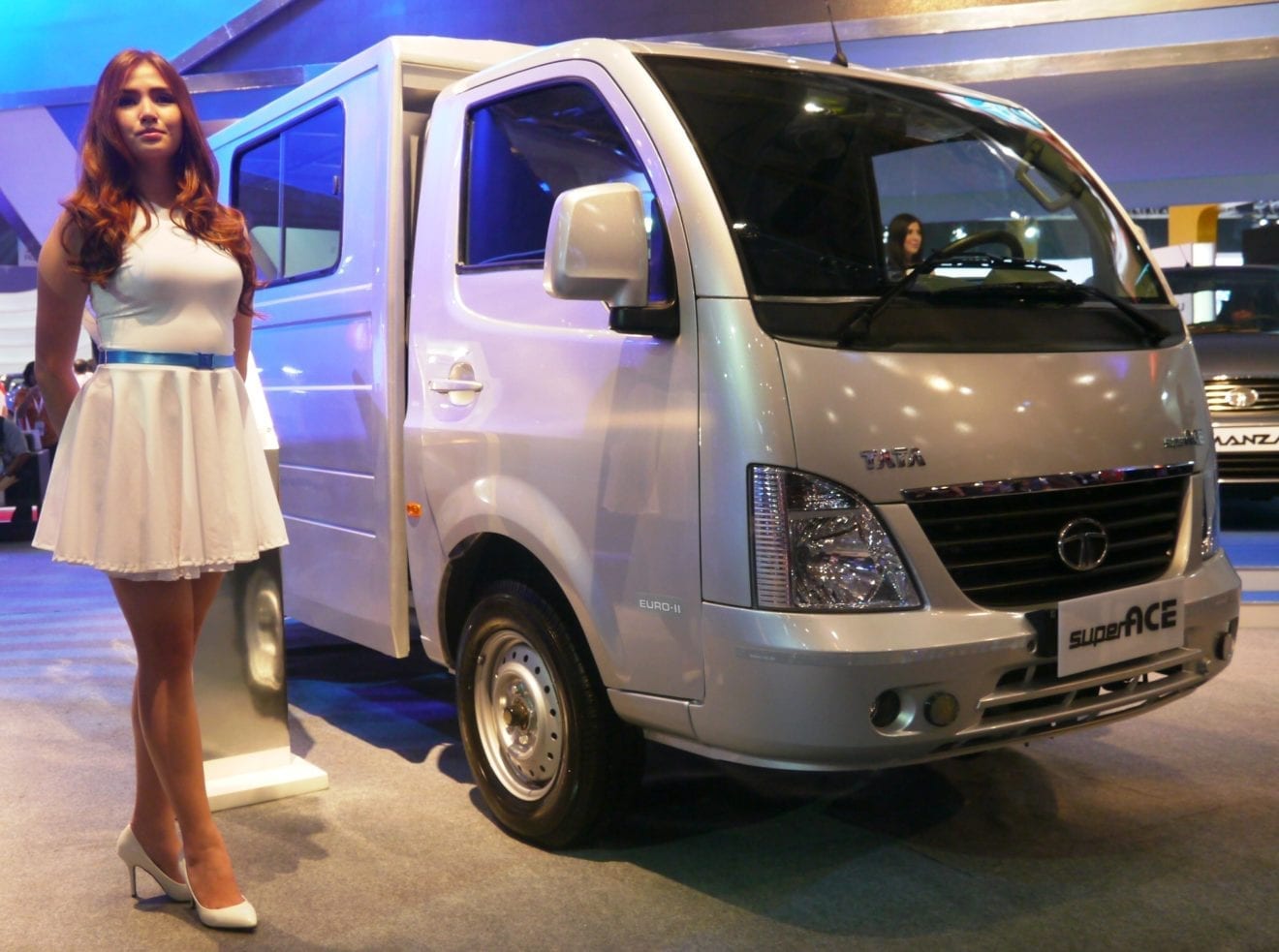
    The automaker says its Tata Super Ace line will be assembled in both right-hand and left-hand drive versions.

    To help reach its local sales target, Tata says it also will introduce more models to local showrooms.

    Tata Thailand CEO Sanjay Mishra says sales grew 19% year-on-year in the 2016 fiscal year ending March 31. “Fiscal year 2016 marked Tata’s best retail performance in Thailand ever,” he says in a statement.

    “Fiscal-year 2017 is a big step for the company’s future – we are making announcements for exciting new models as well as assembly upgrades and initiatives, new investment for the Super Ace Mint small truck and emerging opportunities that will deliver profitable and sustainable growth in Thailand.”

    Sales of Xenon pickups, the automaker’s core product in the Thai market, rose 38% to 1,398 units last year, The Nation newspaper reports.

    “With the major-change Xenon pickup to be launched in Q4 of this year, we expect to deliver 2,100 units of the new model – 1,800 domestic and 300 export – 500 units of the Super Ace Mint truck for a market share of about 10% for this type of car, 300 units of the Ultra and 100 units of heavy trucks this year,” Mishra says.

    “Our goal is being a full-range trucking solution provider, and we will be the only player in the entire commercial-vehicle segment.”

  • Tata Communications posts $32.5m Q4 loss

    Tata Communications posts $32.5m Q4 loss

    Tata Communications has reported a 2.09 billion rupee ($32.5 million) net loss for the fourth quarter, with earnings impacted by issues including the impact of the demonetization of India’s 500 and 1000 rupee banknotes.

    Gross revenue fell 10% year-on-year to 43 billion rupees, with ebitda down 35.9% over the same period to 5.03 billion rupees.

    Besides the effect of demonetization, revenue was negatively impacted by the loss of revenue arising from the sale of 17 data centers in India and Singapore for $663 million in May last year.

    Cable repair costs, employee-related expenses and legal fees associated with the court battle over NTT DoCoMo’s stake in the Tata DoCoMo joint venture also contributed to the decline.

    With the Delhi High Court recently declaring the validity of the settlement agreement between Tata Teleservices, holding company Tata Sons and DoCoMo, entitling the Japanese operator to collect the $1.18 billion award reached in an earlier settlement agreement, Tata Communications said it has made a provision of 8.72 billion rupees for the current quarter.

    For the full year, Tata Communications reported a net profit of 12.23 billion rupees, or $184 million in US dollar terms, as well as 5.2% lower gross revenue of 194.9 billion rupees.

    “Market demand for our services remain strong and we continue to increase our wallet share with large global enterprises,” Tata Communications CEO Vinod Kumar commented.

    “The conclusion of the Data Center and Neotel deals makes us stronger, more agile. This will help drive focus and momentum into our evolution from a traditional telco to a next generation digital enablement provider.”

  • Volkswagen and Tata agree to explore cooperation in India

    Volkswagen and Tata agree to explore cooperation in India

    Volkswagen has signed an agreement with Tata Motors to explore cooperation in India, company sources close to the matter said, as the German carmaker tries once again to conquer emerging markets.

    After months of talks, the carmakers have signed a memorandum of understanding (MoU) to deepen exchanges about technology, components and platforms, and analyze overlaps that could come from cooperation, one of three company sources said.

    VW, already the biggest carmaker by sales in China, is embracing electric cars and looking for new markets as it battles to recover from its diesel emissions scandal.

    A previous VW attempt to expand in emerging markets through an alliance with Suzuki Motor Corp. (7269.T) collapsed in 2015 after a fierce dispute.

    Winning emerging market share is an obvious goal for global automakers, but has yet to prove significantly profitable, except perhaps for budget-car champion Renault.

    “Covering entry-level segments will be crucial for major carmakers’ long-term growth plans,” said Ferdinand Dudenhoeffer, head of the Center of Automotive Research at the University of Duisburg-Essen.

    “A successful budget car can be a feeder to the rest of the brand,” said Dudenhoeffer, a former sales director of PSA Group’s Germany operations.

    VW’s efforts to make inroads in low-cost markets include China, the world’s biggest auto market, where it has scrapped a pre-dieselgate program and redrawn the plans for a budget car, company sources said. VW has pared costs for its MQB mass-market platform, sources told Reuters at the Geneva auto show.

    The vehicles will likely be introduced in 2019-2020 and may cost in the area of 8,000 euros to 10,000 euros ($8,500 to $10,500), sources said. VW had repeatedly failed in previous years to hit cost targets for a budget car priced between 6,000-8,000 euros.

    An announcement on budget models for China could be made at the Shanghai auto show next month, they said.

    VW views the budget car project as essential to protect its market-leading position in China against aspiring local manufacturers.

    “They’re offering relatively high quality at very aggressive prices,” VW brand chief Herbert Diess told Reuters in Geneva. “This is a concern for us.”

    VW is also working on a budget car for Latin America and has revamped its MQB architecture in a way that allows for greater savings on the models, sources said in Geneva.

    “We will continue to work on the budget car and we will offer good solutions here in the foreseeable future,” Chief Executive Matthias Mueller told Reuters in Geneva, without elaborating.

    In India, the owner of British luxury carmaker Jaguar Land Rover is restructuring its car business to cut its platforms to two from six to boost production efficiencies and adjust more quickly to market trends.

    “We confirm that we are in talks with VW for a potential alliance but an announcement will be made at an appropriate time,” a spokesman for Tata said.

    With a very low vehicle penetration rate, India, the world’s second most populous country, is a big attraction for Western carmakers as they search for growth.

    A spokesman for VW said it was discussing ways to expand its product portfolio with tailor-made solutions in India with both its car brands and potential partners.

    Light vehicle sales in India are expected to more than double to 7.1 million cars by 2025 from 3.4 million last year, according to IHS Markit.

  • India won’t relax FDI rules for DoCoMo case

    India won’t relax FDI rules for DoCoMo case

    The Indian government does not intend to relax rules regarding foreign investments to allow Japan’s NTT DoCoMo to exit its Tata DoCoMo joint venture at a pre-determined price.

    The government has taken the view that there is no case for bending the rules for a single company.

    Rules that have been in place since 2007 – almost two years before Tata Group and NTT DoCoMo entered the joint venture – stipulate that no foreign investor is entitled to exit its investment at a pre-determined price or with assured return, the report states.

    But the agreement between NTT DoCoMo and Tata Group stipulated that DoCoMo was entitled to sell its shares at the highest of either the market price or half the initial subscription price.

    An arbitration court recently found Tata Group’s majority shareholders and Tata Teleservices liable for $1.17 billion in damages due to the failure to live up to the shareholder agreement, even though the Reserve Bank of India is prohibiting the company from doing so due to the rules.

    The government is considering amending the regulations for future foreign direct investments, introducing a price band rather than the current fair price stipulation, to make the market more attractive to investors. But the finance ministry has ruled out applying the rules retroactively to cover the DoCoMo transaction.

  • Zara India cuts prices as rival arrives

    Zara India cuts prices as rival arrives

    To be more affordable for the market, Zara India has cut its merchandise prices by 10 to 12 per cent.

    The Spanish fashion brand took this move to coincide with the entry of rival H&M into India, reports the Business Standard.

    Established in India for six years in a joint venture with Tata’s Trent, Zara has 16 stores and is planning to open more. H&M has three stores after arriving late last year.

    Though it has become the fastest fashion brand to achieve $100 million revenues, Zara has seen a slowdown in sales growth. Its prices are reportedly 30 per cent higher than H&M. It has 7013 stores internationally, while H&M has about 3900 in 61 markets.

    Both brands are in malls in India’s National Capital Region, such as Select City Walk in Delhi and Mall of India in Noida. In Mumbai, H&M is planning to open a store next to Zara in High St Phoenix and in Phoenix Market City, Kurla, where Zara also has a store.

    Zara’s sales in India were down from 43 per cent in 2014 to 23 per cent last year, according to the Trent annual report.

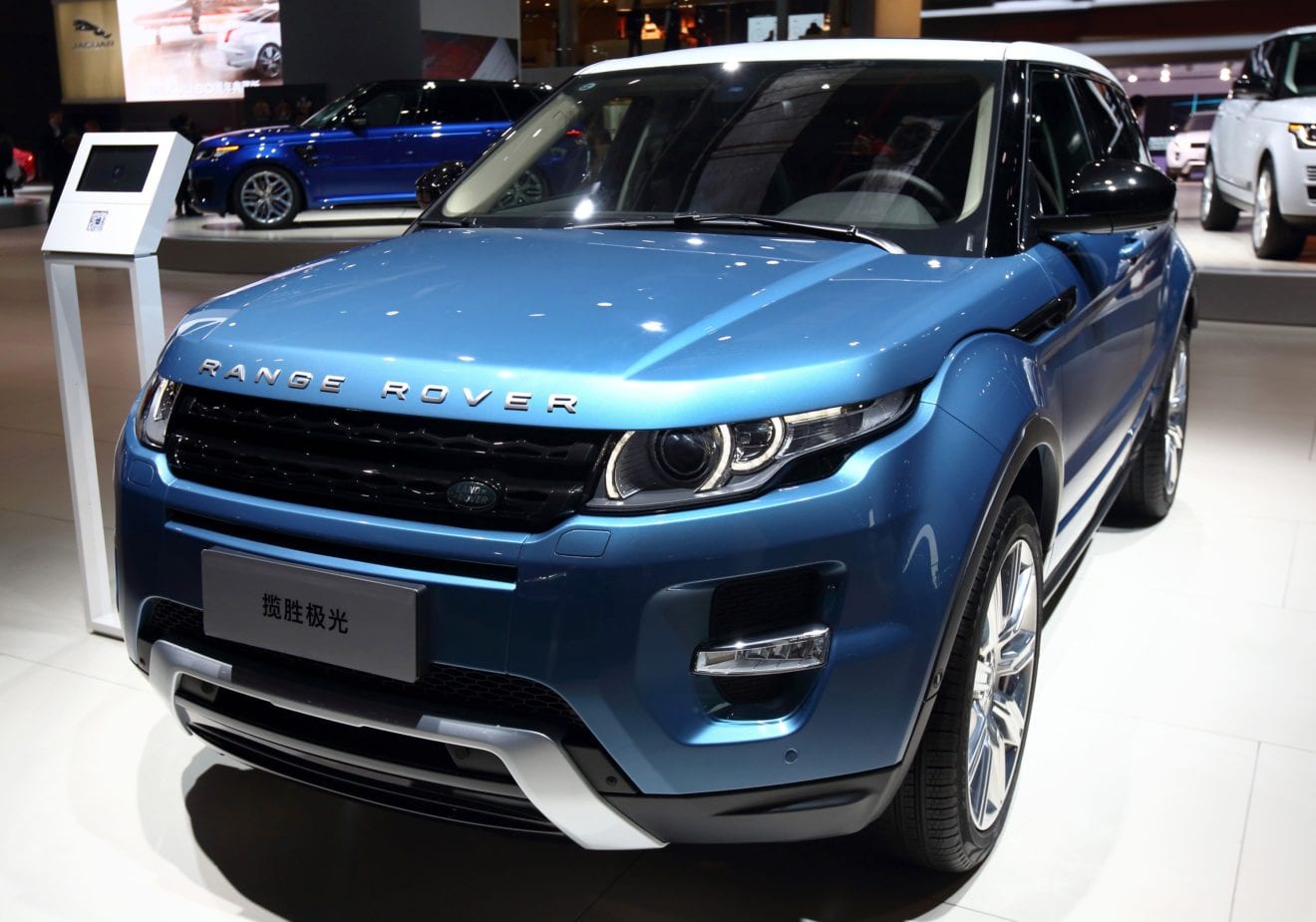
  • Tata Motors & Jaguar Land Rover: China Drag Diminished?

    Tata Motors & Jaguar Land Rover: China Drag Diminished?

    Tata stock, down 25% so far this year, is off by 54% over 12 months, prompting Goldman Sachs to close its sell rating on Tata Motors equity Monday. Citi Analysts Manish A. Somaiya and Esha Ranganath note that for the Jaguar Land Rover unit, while China revenue accounted for a third of fiscal 2015 earnings, China is only about 19% of fiscal year to-date retail volume compared to 27% in the prior year. They write:

    “Management cited the 10% year-over year decrease in China retail volumes for the fiscal third quarter (including joint ventures vs. -32% in the fiscal second quarter and -33% in the fiscal first quarter) as an indication that declines in the region have stabilized while still citing the region as a main factor in lower year-over-year earnings before interest, taxes, depreciation and amortization (EBITDA) (we assume this is a function of JV transition and higher China margins) …”

    The Citi analysts raised their issuer weighting on Jaguar Land Rover (TTMTIN) to Marketweight from Underweight, and raised their senior notes ratings to Neutral from Sell. With their sell rating last fall, they cited weak China revenue. The fresh decision reflects the following:

    1. “Management actions including capex reduction bolstering liquidity,
    2. Volume growth in other regions offsetting a softer China and,
    3. Possible stabilization of decline in China.

    While we still anticipate a negative free cash flow year and slightly higher gross leverage of 0.9x at fiscal 2016 year-end (vs. 0.8x currently), we like the company’s strong balance sheet and could see investor focus on higher quality defensive names providing a positive technical. Additionally, we continue to monitor potential execution risk from focus on multiple product launches …

    Guidance included FY2016 capex reduction to £3.3 billion ($4.7 billion) from £3.5 billion previously and indications of negative free cash flow (FCF) in the near to medium term (albeit offset by a strong balance sheet and cash balance). On the call, management reaffirmed EBITDA margins at the lower end of 14-16% range as a result of model mix, launch costs, and mixed economic conditions incl. China. At the same time, management aims to fund capex from operating cash flows as evidenced this quarter and anticipates continued working capital benefit during fiscal fourth quarter given seasonal benefits during the second half of the fiscal year. At a high level, we estimate FY2016 EBITDA of £2.9 billion, implying a 14% margin in-line with low end of guidance. Our FCF use estimate of ~£1.0 billion for the year results in gross leverage increasing slightly to 0.9x at year end.”

  • Deadly virus could force Tata to rebrand new car

    Deadly virus could force Tata to rebrand new car

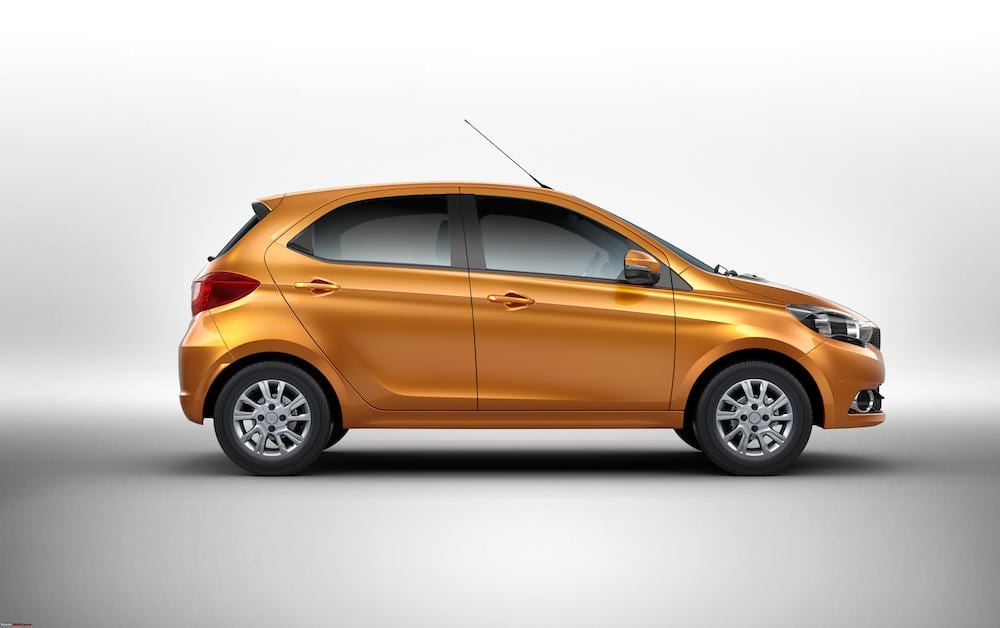
    It’s a bad time to be called Zica – even if it’s a car we are talking about and not the deadly virus that’s gone global. Zica is a new hatchback from Indian carmaker Tata’s stable, while the mosquito-borne virus that has gone global is called Zika. But who cares about spelling when they both sound the same?

    Such is the panic over the similarity that Tata is reviewing the name –  even though its origins are innocuous enough. Zica is short for “zippy car.” But no amount of shouting that from the rooftops can help now, it seems.

    “The decision to name our car happened many months back when we could not have foreseen any of the recent events. In view of the recent developments, we are now evaluating the situation,” Minari Shah, Tata’s head of corporate communications was quoted.

    Rebranding is often undertaken by corporates for better impact. For instance, Hutbitat, a big data real estate search engine for Australian properties, rebranded to Homekoala after realising that people had trouble understanding the original name and remembering it thereafter.

    Sometimes when a business expands into new markets or domains, a company’s original name may begin to feel ill-suited.

    Startups like Near and Inshorts were called AdNear and News in Shorts before they shed the first words in their names. Few may remember that real estate portal CommonFloor, which was recently acquired by online classifieds site Quikr, was once called Apna Ilaka (“Our Neighborhood” in Hindi). Rebranding obviously worked well in these cases and the new names stuck.

    But the Tata Zica seems to have been caught off guard by the virus.

  • Croma to open around a dozen stores in India this year

    Croma to open around a dozen stores in India this year

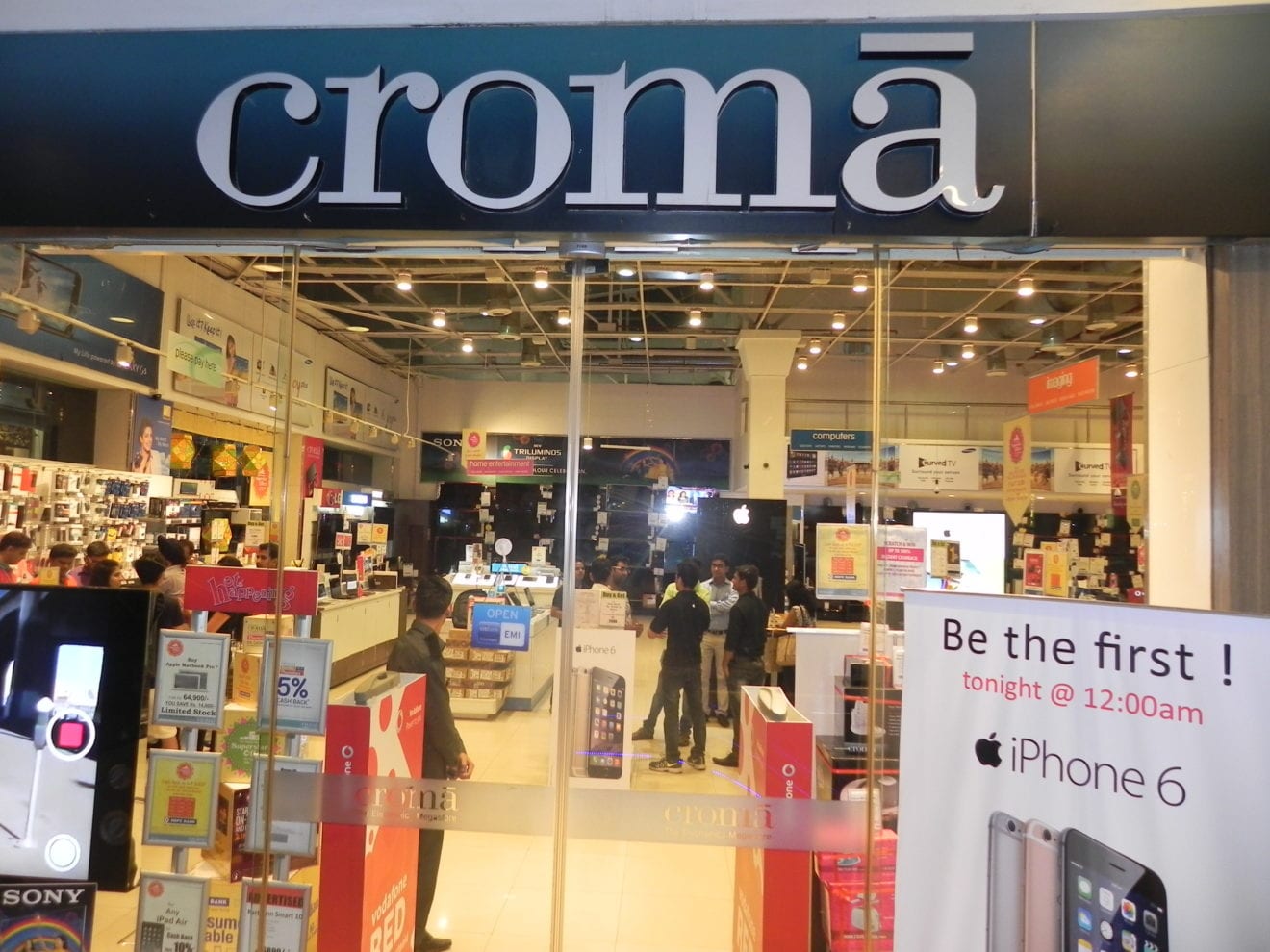
    Croma, consumer durables and electronics chain of the Tata Group, is looking to open a dozen more stores this financial year.

    In April, the first month of 2015-16, it launched three stores. Two more are being readied for launch in a month or so. “We have budgeted for around 10 new stores in FY16 but might exceed that, depending on the quality of location and store layout, if we get the right rental. We continue to focus sharply on calibrated growth in our chosen markets,” said a spokesperson.

    Croma’s first chief executive and managing director, Ajit Joshi, quit the chain recently after eight years at the helm. Its chief financial officer, Avijit Mitra, is interim CE. Croma runs about 100 stores. It is also looking to launch new products in home appliances, the spokesperson said.

    About six per cent of overall revenue comes from its private labels; in home appliances, the share of revenue is 25 per cent.

    Croma’s rival, Reliance Digital, which entered the fray later than the former, has become the biggest durables chain in the country, with about 1,100 stores. Its Digital Mini Express has also become largest mobile phone retailer.

    “Croma continues to lead the consumer durables & information technology (CDIT) organised retail market in store throughput. In the immediate future, Croma will penetrate deeper into the top CDIT markets of India,” the chain had said earlier.

    The chain is yet to break even. Asked to comment, the spokesperson said: “Financial information is internal to the company. We are progressing toward our financial goals as per plan.” Croma entered e-commerce in 2012 and tied up with Snapdeal last year to sell its products.

    “We are already a step ahead in terms of omni-channel retailing and are in the process of rolling out some exciting customer-facing services this financial year, which will be announced once the pilots stabilise,” the spokesperson said.

  • Tata International to set up outlets for footwear brands

    Tata International to set up outlets for footwear brands

    Tata International, the global trading and distribution company of the Tata group, is planning to set up exclusive branded outlets for four new footwear brands. The company will launch these for the domestic market by September this year.