Retail News CRM

Tag: Technology

  • AirPass helps Aussie retailers woo Chinese shoppers

    AirPass helps Aussie retailers woo Chinese shoppers

    Recently, Australia fintech company AirPay Financial Technologies announced its regional collaboration with China leading mobile payment technology company SwiftPass to form a new lifestyle brand “AirPass”. Connecting Australian merchants directly with Chinese consumers, AirPass lets local retailers accept WeChat Pay and Alipay both online and offline, as well as reach overseas markets to make the most of the global Chinese spending boom.

    AirPass is a lifestyle brand backed by Australian fintech startup AirPay Financial Technologies, in partnership with leading Chinese mobile payment provider SwiftPass. The new brand brings China’s most popular ePayment, eStore, eCard, eMarketing and eWallet services to Australia, allowing Chinese tourists, students and migrants to make over the counter purchases by simply scanning a QR code on their smartphone.

    The payment platform can also be integrated into Australian e-commerce websites and mobile apps, taking advantage of AsiaPay’s PayDollar payment gateway. Supporting multiple shopping cart plugins, PayDollar provides a one-stop online payment solution allowing local merchants to accept Alipay, WeChat Pay, Visa, MasterCard, Amex, PayPal and ZipPay

    “AirPass is providing a user-friendly platform for Australian retailers to build their own eStore to facilitate marketing and payment – which is the key to entering the Chinese consumer market,” says SwiftPass Technologies VP Tong Liu.

    Meanwhile, the AirPass app for iOS and Android lets Australian retailers connect directly with Chinese shoppers. AirPass assists Australian retailers and brands with setting up their own WeChat eStore to tap into Chinese social marketing channels. This allows local retailers to sell products via the WeChat ecosystem, reaching new customers in China along with Chinese communities around the globe.

    AirPass’ arrival in Australia comes as Boxing Day saw record high sales to Chinese shoppers across major retailers and shopping centre groups such as Westfield, Chadstone, QVB and Pacific Fair.

    “We are thrilled to announce our regional partnership with SwiftPass and recently launch WeChat Pay and Alipay to Australia’s largest and oldest pearling company Paspaley,” says AirPay Financial Technologies chief executive Jimmy Zhu. “There is huge demand from the market pushing us to deliver more advanced payment and marketing products.”

    Another Australian family-owned luxury retailer, Harrolds recently launched a WeChat Official Account and will soon accept WeChat Pay and Alipay in-store.

    Other luxury brands such as Gucci, Saint Laurent, Bottega Veneta, Balenciaga, Valentino, Mulberry, Givenchy, Off-White, Marais, Furla, Folli Follie and Sneakerboy are also adopting the AirPass platform in order to better reach Chinese shoppers.
  • JD.com has just marked a breakthrough for drone delivery in Southeast Asia

    JD.com has just marked a breakthrough for drone delivery in Southeast Asia

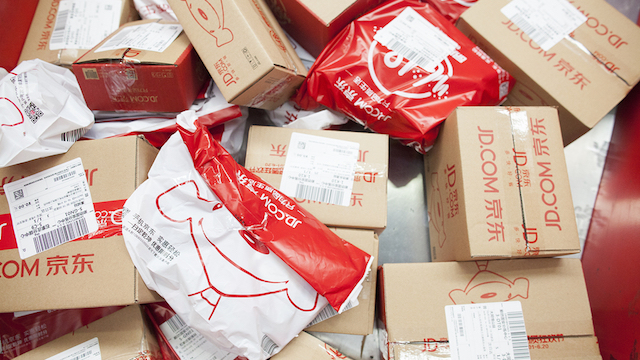
    JD.com announced the completion of Indonesia’s first government approved drone flight – a breakthrough for drone delivery in Southeast Asia. The successful pilot opens the door for future commercial drone use in Indonesia and the Southeast Asia region, subject to further regulatory approvals. Representatives from Indonesia’s Ministry of Transportation, Civil Aviation and Air Navigation were present for the flight. The news was announced during the World Economic Forum Annual Meeting.

    The test flight took place on January 8, 2019, in West Java, Indonesia, where the drone flew from Jagabita Village, Parung Panjang to MIS Nurul Falah Leles Elementary School to deliver backpacks and books to students.


    The items delivered by drone were part of a larger donation of supplies from JD.com to the school. JD has a long history of offering philanthropic support to those in the communities where it operates. The company often taps its technology and nationwide logistics network to provide immediate support for natural disasters such as earthquakes in China.

    JD.com and its JV partner, e-commerce company JD.ID, were early movers in bringing high quality e-commerce to Indonesia. JD.ID, which launched e-commerce operations in 2016, sells 1 million SKUs and serves more than 20 million consumers across the country. Its operations leverage a logistics network consisting of ten warehouses across seven islands, covering 483 cities and 6,500 counties.

    Given the fact that the country is spread out across many islands, the implementation of drones for regular use in e-commerce deliveries, as well as other logistics-related services, will enable citizens in Indonesia to enjoy more efficient and reliable services, and help JD.ID realize its goal of being able to deliver 85% of orders same- or next-day. JD.ID is also committed leveraging its logistics and other resources to support humanitarian efforts like earthquake disaster relief.

    “It is a privilege to have contributed to this important moment in Indonesia’s history,” said Jon Liao, Chief Strategy Officer at JD.com. “We have been using drones for real deliveries in China for over two years now, and have seen the profound impact that the technology can have on people’s lives around the country. We look forward to working closely with WEF and the Indonesian government to realize the full potential of this technology, and provide more convenience to Indonesian citizens.”

    JD.com is a strategic partner of WEF and a partner of WEF’s Centre for the Fourth Industrial Revolution. The C4IR is a global hub for multi-stakeholder cooperation to develop policy frameworks and advance collaborations that accelerate the benefits of science and technology. Leveraging drone technology to deliver supplies to areas in need is a high priority on the C4IR’s agenda. WEF and JD have been working closely together to ensure the success of the pilot in Indonesia.

    “This trial represents the first government approved drone delivery operation in Indonesian history,” said Timothy Reuter, Head of Drones and Tomorrow’s Airspace at the World Economic Forum. “These tests are an opportunity for Indonesia to become a leader in the Southeast Asia region by leveraging drone delivery to improve access to vital medical, humanitarian, and commercial goods in remote areas.”

  • Samsung factories ready to make 5G and foldable phones

    Samsung factories ready to make 5G and foldable phones

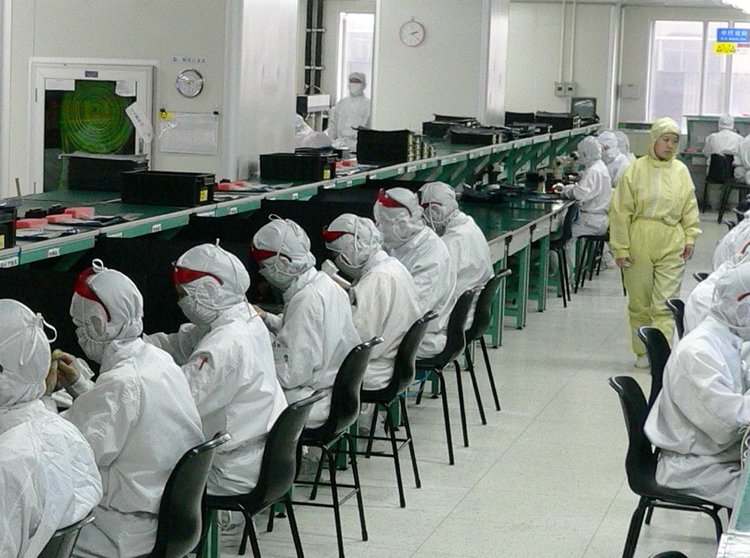
    Samsung Electronics is ready to roll out both 5G and foldable phones, two of most highly-anticipated products from the electronics company. While Samsung has already announced a plan to introduce new Galaxy phones at an unpacking event next month in San Francisco, it is confirmed on Tuesday that Samsung’s global production base in Vietnam has completed preparation to mass-produce 5G phones.

    The 5G phone is tentatively called “Galaxy S10 X.” Two Samsung factories, located in the provinces of Bac Ninh and Thai Nguyen, both north of Hanoi, produce 150 million smartphones a year. The 5G-enabled version of Galaxy S10 produced in Vietnam will be exported globally, starting with the United States. The first one million units of Samsung’s first foldable phone will be produced at the company’s production plant in Gumi, North Gyeongsang.

    The 5G phone “will roll out three to four weeks after the basic Galaxy S10 model hits the market. However, we have finished all preparations to mass produce a 5G phone,” a source from Samsung Electronics said.

    The phone will likely be introduced during the unpacking event on Feb. 20 along with three other versions of Samsung’s 10th-generation Galaxy family: S10, S10+ and S10 light.

    Phones that can connect to the 5G network are expected to bring revolutionary changes in media consumption habits. A 5G phone can download a 1.5 gigabyte movie in under a second.

    Samsung’s first 5G phone is likely to come with a 6.7-inch screen, larger than the 6.1-inch screen of S10 or 6.4-inch screen of S10+.

    The 5G-connected S10 will be powered by the Exynos 9820 chipset.

    Though it is designed for 5G connections, the phone will still be able to connect to 4G LTE as 5G infrastructure development is still underway. Even in Korea, where 5G infrastructure is quickly being built, next-generation connectivity is a work in progress.

    Samsung will first supply 5G phones to five telecom companies, including Verizon, AT&T and Sprint, all in the United States, and SK Telecom and KT in Korea

    Although the 5G phone will be introduced at the unpacking event, the actual launch of the model will come a bit later than the new S10s.

    While basic versions will be released in early March, the actual 5G-capable models will be available at the end of March.

    Samsung has greatly tightened security at its S10 production sites in Vietnam factories after a picture of the Galaxy S10 was leaked online.

    As for the company’s foldable phone, tentatively dubbed the “Galaxy F,” initial production will take place at the Gumi plant. Industry sources project that Samsung is likely to introduce the foldable phone at the unpacking event as well, but will release the phone April at the earliest.

    Federico Casalegno, head of the Samsung Design Innovation Center in North America, said “the foldable phone is a breakthrough in technology innovation,” during a press briefing last week.

    Industry insiders say the main reason for making foldable phones at the local Gumi plant is to prevent technology leaks and better control the initial production volume of the phone.

    “We are not yet ready to mass-produce foldable phones as well in Vietnam,” a spokesperson from Samsung said. “The first one million units of foldable phones and 5G phones to be sold in the Korean market will be produced at the Gumi plant, which is in charge of producing our premium products.”

  • KT, Hyundai Mobis join to develop connected-car tech

    KT, Hyundai Mobis join to develop connected-car tech

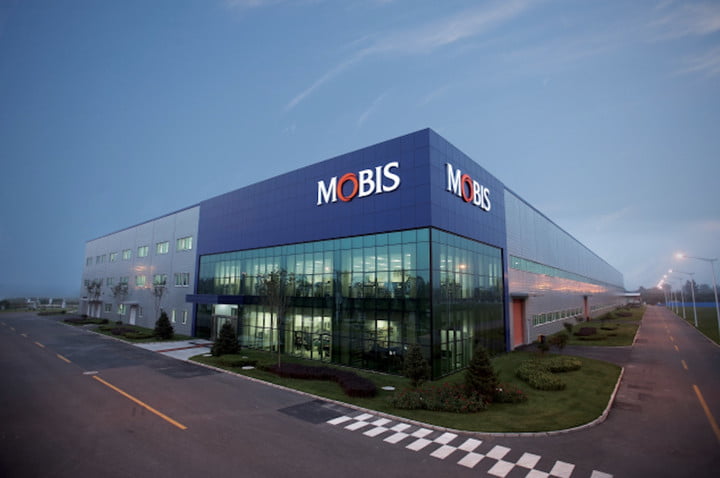
    KT said Thursday that it will collaborate with Hyundai Mobis to develop self-driving and connected-car technology.  The two companies agreed to work on real-time navigation technology and vehicle-to-everything technology, which will allow cars to communicate with connected devices. To enable development, the telecommunications company said it will install 5G infrastructure at the Hyundai Mobis test-drive course in Seosan, South Chungcheong.

    The fast 5G network will allow sensors on a Hyundai Mobis self-driving car to send significant amounts of data to servers immediately to allow for accurate real-time traffic navigation. The process takes minutes in existing 4G networks.

    The cooperation comes as the two prepare for the fast-growing connected car market. Industry researcher IHS Markit predicted connected-car sales to reach 72.5 million units by 2023 from 24 million units in 2015.

  • Mercedes EV to launch in Korea

    Mercedes EV to launch in Korea

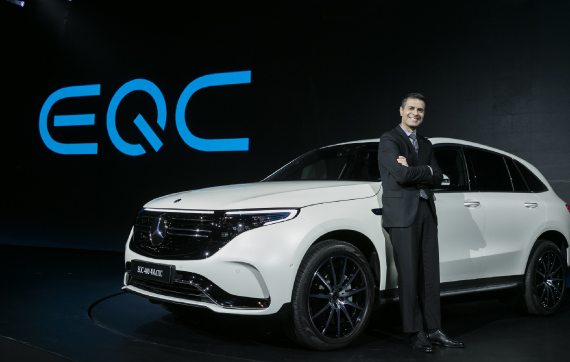
    Mercedes-Benz Korea is setting its sights on the local eco-friendly auto market with the introduction of an all-electric vehicle (EV) along with hybrid offerings this year. The Korean unit of the German brand announced Thursday that it will be introducing 14 new models to the local market this year including the EQC, the first model under its electric EQ brand, as well as four plug-in hybrid EVs at a New Year’s press conference at the Hotel Shilla in central Seoul.

    “2019 will be the year of the EQ,” said Dimitris Psillakis, CEO of Mercedes-Benz Korea. “We will do our utmost to provide the best products and services in the upcoming era of future mobility.”

    The premium electric SUV EQC, unveiled globally last September, is the German automaker’s current flagship EV. The promised hybrid models will range from SUVs to sedans, according to the automaker.

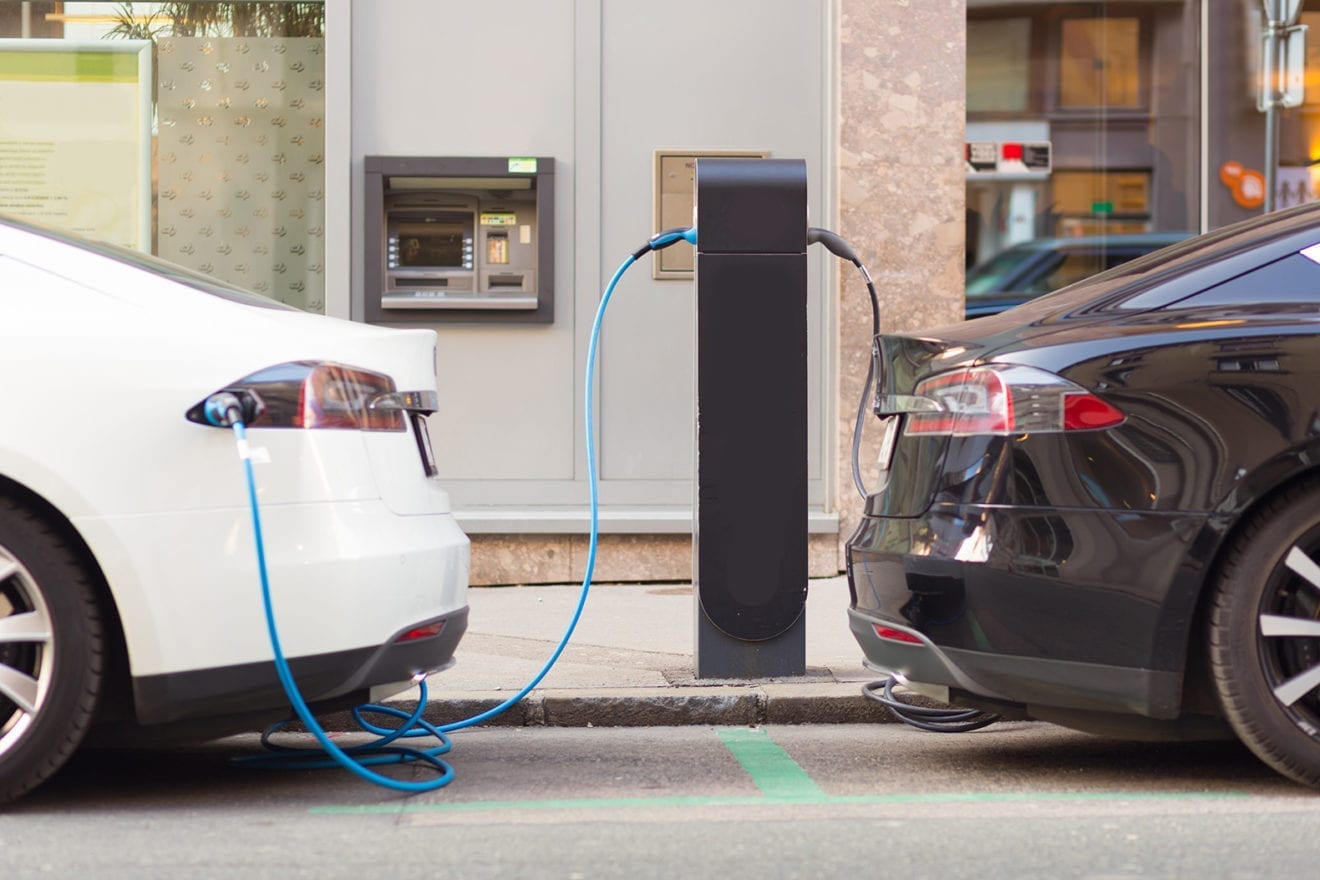
    Along with its entry into the local EV market, the German brand announced that it is also preparing its charging infrastructure.

    Mercedes-Benz Korea said EQC buyers will have access to its combined charging network, which will offer a wide range of charging stations nationwide. EQC drivers will also have access to a one-on-one concierge service that will recommend the nearest charging station to drivers.

    Mercedes-Benz Korea’s push into eco-friendly vehicles comes as it was embroiled in controversy last year regarding its vehicles’ emissions certifications.

    Last month, the automaker said it will appeal a court decision after it was found guilty of violating environmental and customs laws regarding the emissions certification process. The company was fined 2.81 billion won ($2.5 million) and an employee in charge of certifications was handed an eight-month sentence.

    Regarding the legal action, Psillakis promised that the company is following up on the newest regulations.

    “We have a very different changing and toughening regulatory environment around us,” said Psillakis. “We place processes to safeguard so that we can adapt to the new regulations as fast as possible.”

    The company also addressed concerns surrounding recall plans for its vehicles equipped with faulty Takata airbags, saying that it is planning a mass recall in the second quarter of this year of around 30,000 vehicles.

    The German automaker was the best-selling imported brand last year, selling 70,798 vehicles in the country.

    With last year’s sales, the Korean market is the fifth-largest market for the brand after China, the United States, Germany and Britain.

  • Seoul, SKT to add 5G to transport system

    Seoul, SKT to add 5G to transport system

    Sensors on roads will be able to alert cars when people are jaywalking and bus stops will tell buses to slow down in crowded areas when Seoul’s 5G infrastructure is ready, the city’s government and SK Telecom said in a joint statement Thursday. The Seoul Metropolitan Government and SK Telecom have teamed up on an initiative called the Cooperative-Intelligent Transport System, an upgrade of the current transportation system in Seoul. The pilot program will run until the end of 2020 with a budget of roughly 25.4 billion won ($22.6 million).

    Seoul already has a digitized public transportation system with signboards at bus stops telling passengers when the next bus is coming and whether it is crowded, and T-Money cards that enable people to transfer between various means of public transportation with little additional cost. The city aims to use 5G to make that transport system even safer.

    SK Telecom will supply 2,000 5G devices for buses, taxis and traffic signal controllers so they can connect with the 5G network. The mobile carrier said the devices will be co-developed with Samsung Electronics.

    Buses and taxis installed with 5G will constantly share data with bus stops, traffic lights and other traffic infrastructure. SK Telecom and the Seoul government will look for dangerous situations by analyzing the shared data to prevent accidents. As SK Telecom operates the country’s largest navigation app – T Map – the carrier said it will send out warnings through the app to reach the largest number of drivers possible.

    SK Telecom said there are about 30 safety services the 5G-based transportation system can offer.

    Roads installed with 5G sensors can detect jaywalkers, the mobile carrier said. While cars may have difficulty spotting people in the dark or during bad weather, 5G-connected sensors will alert nearby cars and prevent accidents. In 2017, 9,590 accidents were caused by jaywalkers, the largest cause of road accidents for pedestrians, according to data from the Korea Road Traffic Authority.

    The country’s largest telecom company also said 5G connectivity between cars can prevent secondary accidents by sending warning messages to following cars when an accidents occur in areas with poor visibility, such as around a corner or a bend in the road.

    As well as partnering on safety services, Seoul and SK Telecom are also preparing to jointly establish an autonomous driving test-bed in Sangam-dong, western Seoul, by the first half of this year. A self-driving vehicle will run back and forth between Digital Media City Station and buildings in the area. The SK Telecom-operated autonomous vehicle will begin running in the area from June at the earliest.

    “The Cooperative-Intelligent Transport System project is a futuristic business that combines state-of-the-art digital technologies, like 5G, autonomous driving, artificial intelligence (AI) and the cloud,” said Ryu Young-sang, an executive vice president of SK Telecom. “We hope to offer a range of traffic safety data to Seoul citizens using 5G and reduce traffic accidents.”

  • Frost & Sullivan calls for strong incentive policy for electric vehicles in Malaysia

    Frost & Sullivan calls for strong incentive policy for electric vehicles in Malaysia

    Frost & Sullivan which is “mildly positive” on growth of total industry volume (TIV) for vehicles in 2019, said a strong incentive policy is required for electric vehicles (EVs) to take off in Malaysia. “Currently what we are waiting for is if the (NAP) National Automotive Policy mentions anything about EV. Unless there is a strong policy coming up focused on EV, otherwise we will not see any major uptake in EV sales in Malaysia,” said associate partner and senior vice president of mobility at Frost & Sullivan, Vivek Vaidya.

    He said the uptake for EV will also depend on factors such as incentives for manufacturers, forward distributors and customers coupled with the development of infrastructure for charging stations. Vivek added that there is a possibility of the new national car being an EV given leads of it being low energy and technology neutral.

    A survey carried out by Frost & Sullivan found that 30% of its respondents were willing to consider EVs even though such vehicles are yet to make a presence in Malaysia, signaling a latent demand for EVs.

    On the overall automotive market, Vivek expects Malaysia to registers vehicle sales of 609,700 units in 2019, 1.4% growth against 601,300 units in 2018, driven by growth in domestic consumption, private investments and new model launches.

    The passenger vehicle segment is expected to perform better than the commercial vehicle segment, which is likely to be impacted by low public spending.

    The passenger vehicle volume is projected to grow to 544,121 units in 2019 from 536,371 units in 2018, while the commercial vehicle volume is estimated to rise to 65,579 units from 64,929 units.

    Worth noting is that demand for vehicles went up by 4.2% during the tax holiday period last year.

    “Usually after a tax break period, the volume shrinks in the subsequent quarter but in 2018, strong consumer sentiment ensured Q4 volume matched last year figures to end the year on a positive note,” Vivek said.

  • AS Watson reports success with predictive modelling marketing

    AS Watson reports success with predictive modelling marketing

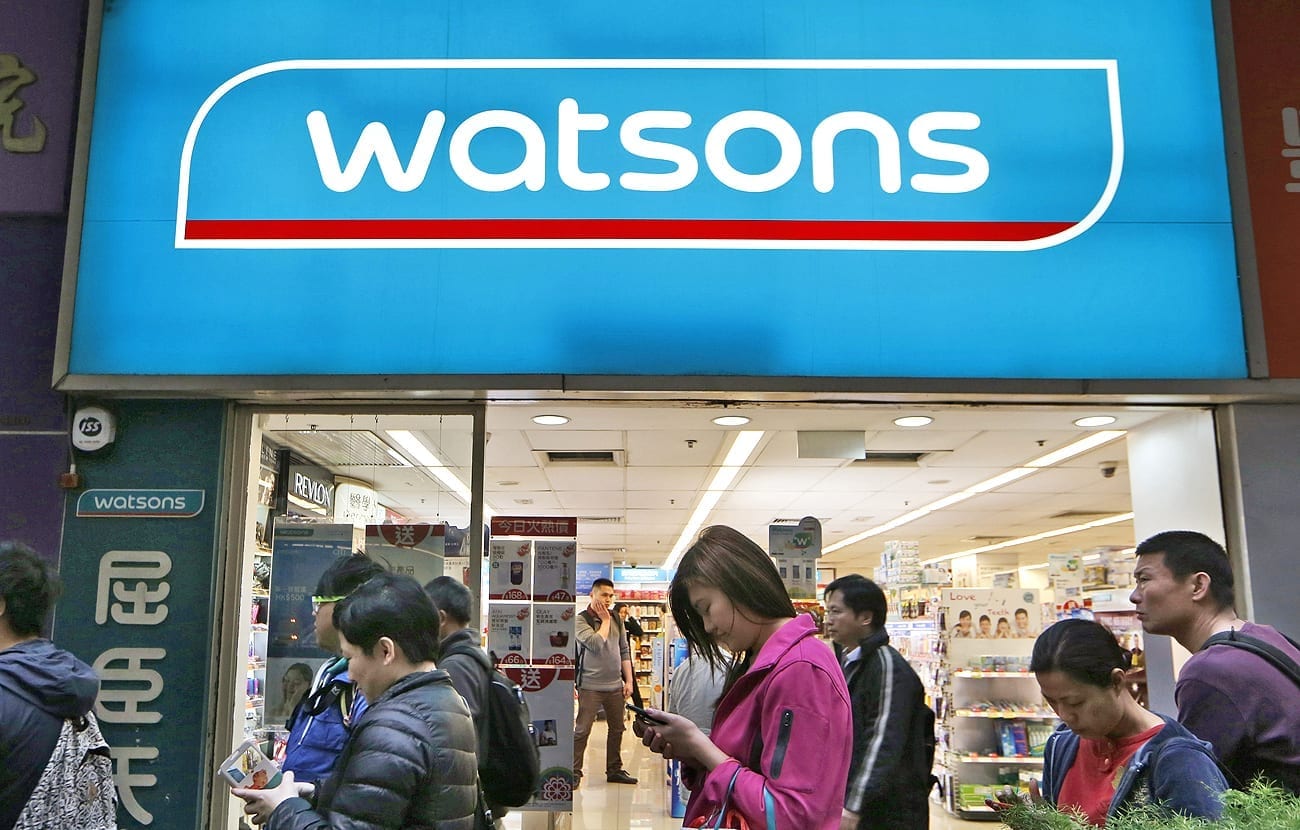
    International health and beauty retailer AS Watson Group says its use of predictive modelling technology is delivering successful product launches. The firm has worked in close partnership with brands to help them penetrate specific demographics or enter new markets. Recently this included Jeffree Star Cosmetics launching exclusively at ICI Paris XL in Europe, and in Asia a continuing long-term partnership with Maybelline at Watsons Thailand – both of which achieved targeted results.

    “At AS Watson, due to our extensive global knowledge of the beauty industry and CRM data, we are able to help niche brands like Jeffree Star and major brands including Maybelline launch products onto the market,” explains Malina Ngai, AS Watson Group COO.

    “Using our integrated online and offline model, this allows us to create these types of brand partnerships to specifically target and engage the right customers.”

    L’Oreal and AS Watson Group developed a long-term partnership working together to drive sales, while in 2018, Watsons Thailand partnered with Maybelline on a year-long CRM program.

    Supported by the AS Watson DataLab, the group’s customer intelligence team, this campaign was designed to communicate offers to relevant customers through electronic direct mail. Watsons targeted members in three phases in order to recruit new category shoppers, grow each customer’s basket value and engage customers in new product offers.

    To ensure the campaign built on data insight to target the right members, Watsons used a three-stage approach to accurately identify customers and ensure they were provided with the most attractive offers.

    This three-stage campaign saw more than 3.5 million emails delivered to members, attracting more than 170,000 customers to buy into the brand. This targeted and focused approach saw double-digit percentage of the brand’s sales directly attributable to this campaign. In addition, Maybelline’s sales and the number of members recorded double-digit growth compared to the previous year.

    L’Oreal Thailand’s GM consumer products division Geoff Bellingham said two of the biggest challenges a brand faces are acquiring new customers and then having those customers shop again with the brand.

    “Our Watsons Thailand CRM program allowed us to successfully achieve both of those goals for Maybelline. All customers and especially beauty shoppers want relevant, more personally curated offers and this partnership was carefully created to ensure the right offers for right people.

    “The activity is just one example of the close and successful collaboration between Watsons and L’Oreal”.
    ICI Paris XL launched world-renowned beauty influencer Jeffree Star’s cosmetic range in November, exclusively to customers in The Netherlands and Belgium. To launch the brand ICI Paris XL created a digital campaign to target customers whose data and insight profile indicated they would love the new brand, as well as looking to capture new customers. The digital campaign was created to specifically target those under 35, as this is the brand’s core target market.

    Predictive modelling technology was used to identify and communicate with members who had a high tendency to shop for new makeup brands and trends, and these people received customised emails announcing the launch, bringing the social media personality to life, as well as highlighting hero elements of the cosmetics range. This targeted approach saw more than 300,000 customers receive personalised emails, leading to an open rate of 25 per cent.  Following this, 40 per cent then visited the brand’s page on the ICI Paris XL website with the result that 70 per cent of members under 35 bought into the range during the launch period.

    “Following the success of my brand in the the US, I really wanted to extend my brand’s reach into Europe,” said Jeffree Star. “AS Watson has provided me with an efficient distribution platform as well as the tools to be able to target my fans and beauty lovers that like to create bright, fun and innovative beauty looks.”

  • Telenor Pakistan hosts “The future of Machine Leaning & Artificial Intelligence”

    Telenor Pakistan hosts “The future of Machine Leaning & Artificial Intelligence”

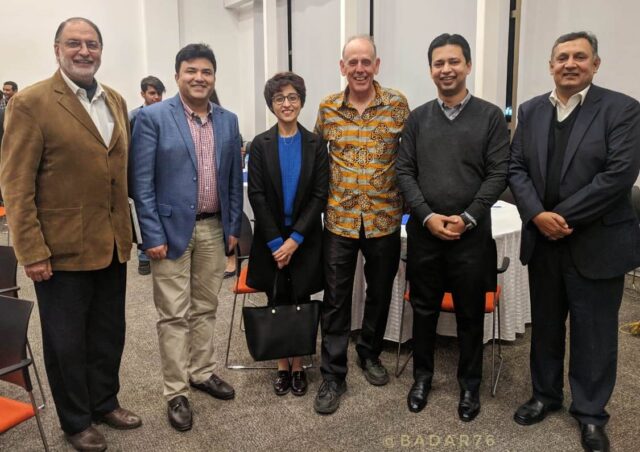
    Stephen Brobst, CTO of Teradata, conducted an enlightening session on the future of Machine Learning (ML) &Artificial Intelligence (AI) at Telenor Pakistan headquarters ‘345’ in Islamabad. The session was attended by Telenor Pakistan employees and executives from across industries including Irfan Wahab Khan, CEO Telenor Pakistan and President OICCI, Haroon Bhatti, Chief Business Officer (CBO) at Telenor Pakistan, BadarKhushnood, Cofounder & VP at Bramerz, QazafiQayyum, Country Manager Teradata, Khimde Ando, CEO Mitsubishi Corporation, Brig. Tahir Mehmood, Director ISPR, AVM Faaiz Amir, Vice Chancellor Air University, Barkaan Saeed, Ex-Chairman PASHA and Retd. Brig. Saleem Ahmed Moeen, CEO SecureTech.

    The participants learned about the future of artificial intelligence, the role of emerging technologies, differences between deep and shallow learning and their application techniques, and the opportunities of using advanced analytics to create high-value outcomes.

    “We have entered a new era of analytics with machine learning and artificial intelligence algorithms beginning to deliver on the long-promised advancement into self-learning systems,” Brobst told the audience. “These approaches allow us to solve previously intractable problems with completely new attack plans.  The appetite of deep learning algorithms for vast amounts of data and the ability to derive intelligence from diverse sets of noisy data allows us to go far beyond previous capabilities in what we used to call advanced analytics,” he added.

    Brobstinformed that in order be successful with the use of new technologieswe need to fully understand their capabilities and limitations. He also stressed the need to develop new skill sets in order to harness the power of deep learning to create business value in an enterprise.

    “In our times of Siri, Alexa, and Google, Machine Learning & Artificial Intelligence are not a part of science fiction anymore; they are our reality,” remarked Irfan Wahab Khan. “For tech companies like Telenor and Terada, the real charm of AI and ML technologies is their ability to recognize patterns and synthesize large amounts of data. Telenor is not only harnessing the strength of AI and Advance Analytics for its own commercial use but is also enabling other organizations to benefit from the technology by offering incisive Market Research insights and ability to run targeted campaigns on its diverse Advertising  assets. The fact that these technologies get smarter with time as increased amounts of data is fed to them makes them acornerstone for all future technologies,” he added.

    Impressive progress is being made in ML & AI technologies globally. From self-driving and learning cars to flying drones circling the skies, the technological advancements of today could already be perceived as something out of a futuristic novel. Gartner, the world’s leading research and advisory company,also predicts that by 2020, AI will become one of the top five investment priorities for at least 30 percent of Chief Information Officers. Being the country’s technology leader, Telenor Pakistan is keeping its people abreast of the latest technological developments to realize its ambition of digitally empowering Pakistan.

  • GreyOrange to launch new products at LogiMAT 2019

    GreyOrange to launch new products at LogiMAT 2019

    Robotics and warehouse automation company, GreyOrange, will launch its new modular sortation system and demonstrate upgraded versions of its Butler and PickPal at LogiMAT 2019, the 17th International Trade Fair for Intralogistics Solutions and Process Management in Stuttgart, Germany on 19-21 February.

    Nowadays, retailers and logistics businesses face many new kinds of complexities and challenges due to the unprecedented growth in volumes, combined with the volatility of peak periods and increased pressure to cut operational costs. GreyOrange will present a portfolio of AI-powered solutions that bring Flexible Automation to life; it reduces complexities and delivers maximum productivity, from inventory management and picking to sortation.

    Sid Chatterjee, Vice President – Products, GreyOrange, said, “The GreyOrange solution portfolio offers a strong business case for Flexible Automation. In the past year it has been adopted globally by industry-leading players in retail, 3PL and e-commerce. At LogiMAT we will demonstrate how our new solutions can help address the complexities of retail distribution. We invite everyone to visit our booth to get a hands-on demo to see how higher throughput can be achieved.”

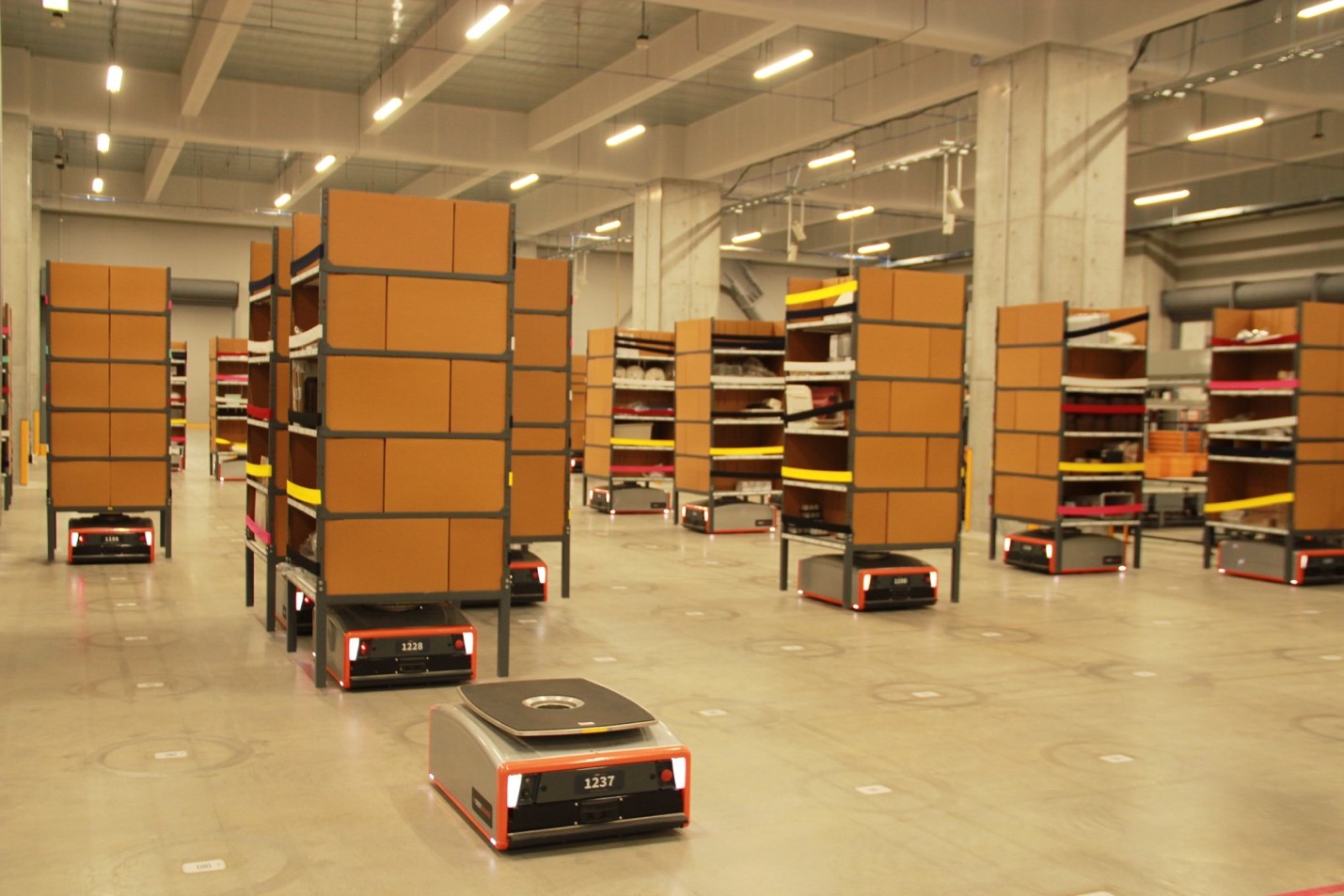
    The new GreyOrange modular sortation system, designed for flexibility and portability, comprises modular components that deliver significantly higher throughput per unit area; it improves space utilization and reduces operating costs. The AI-enabled robotics system can be easily scaled making it more investment-friendly and usable for a range of applications across retail and logistics industries.

    In the demo of the GreyOrange Butler goods-to-person system, visitors will see how this robotics solution uses an AI-first approach to optimize order fulfillment processes from inventory management to order picking. It has been deployed in distribution centres in Japan, India, Europe and the Americas across industries such as 3PL, e-commerce, electronics and retail. Additionally, the Butler PickPal handles high-speed auto-fulfillment with AI-powered shelf picking.

    GreyMatter, the Warehouse Execution System, is the software platform developed by GreyOrange to make flexible warehouse automation a reality, and address the complexities of warehouse operations caused by ever-changing retail trends. By connecting people, processes and material more efficiently using Artificial Intelligence and Machine Learning, it provides granular control and visibility across warehouse processes and enables systems to adapt flexibly to changing business demands.

  • Jaguar’s first electric car roars into Korea

    Jaguar’s first electric car roars into Korea

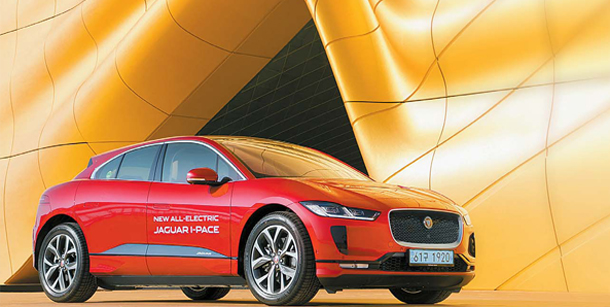
    Luxury carmaker Jaguar introduced the I-Pace, its first electric vehicle (EV), to the Korean market Monday at the Paradise City hotel in Incheon, joining a growing number of EV automakers in the country. The luxury brand’s all-electric sport-utility vehicle (SUV) sports an electric powertrain that produces up to 400 horsepower and a 333-kilometer (207-mile) driving range.

    “The I-Pace is a high-performance electric car that has battery and electric motor technology developed from our experience in electric motor sports Formula E,” said Baek Jung-hyun, CEO of Jaguar Land Rover Korea. “Jaguar will lead the future of premium electric cars through the I-Pace.”

    The vehicle, originally unveiled in the global market early last year, was delayed for launch in Korea due to the certification process, according to Jaguar Land Rover Korea.

    The automaker has prepared charging infrastructure for the product’s launch, installing 52 charging stations in 26 of its showrooms. The company has also installed 52 chargers and 26 fast-charging stations in its service centers.

    The fast-charging stations can charge vehicles to up to 80 percent in just 40 minutes.

    For maintenance, the carmaker promised to establish 10 new service centers so that there will be a total of 37 by the end of this year.

    Jaguar Land Rover Korea is also promising an eight-year or 160,000-kilometer warranty for its battery system and will install home-charging systems for free for those customers who receive their vehicles by March 31 this year.

    The luxury brand’s all-electric car enters the budding local EV market that has seen rapid growth over recent years.

    A total of 21,375 EVs were sold between January and September last year, up from 13,826 sold in 2017. The Ministry of Environment plans to have 350,000 EVs and 10,000 fast-charging stations in the country by 2022.

    Jaguar’s newest offering joins the short list of electric SUVs in Korea, which include Tesla’s Model X and Hyundai Motor’s subcompact SUV Kona EV, both released last year in the local market.

    The I-Pace will be sold from Jan. 23 with a starting price of 110.4 million won ($98,300) that climbs to 128 million won for its highest trim, the EV400 First Edition.

  • LG teams up with Google to develop VR offerings

    LG teams up with Google to develop VR offerings

    LG U+ is partnering with Google to produce three-dimensional (3-D) virtual reality (VR) video, the company said Friday. Ha Hyun-hwoi, CEO of the mobile carrier, said augmented reality (AR) and virtual reality offerings demonstrate to customers the potential of next-generation 5G networks. He made the comments during a press briefing Wednesday at the Consumer Electronics Show in Las Vegas.

    He added that LG U+ is determined to become the leading player in AR and VR, and the partnership with Google is a stepping stone in achieving that goal.

    According to LG U+, the smallest mobile carrier in the country, with 3-D VR video, viewers feel they are actually at a sports stadium or a performance hall. The technology requires 10 times the bandwidth when compared with two-dimensional high-definition videos, which is why the faster and higher-capacity 5G network is crucial to the mass production and distribution of VR video, LG said.

    The two companies will first establish an equally-invested fund and develop 3-D VR video in the first half of this year. LG U+ will take charge of design and production. The mobile carrier will also have rights to local market distribution. Google’s YouTube will own retail rights globally. The Korean company said its collaboration with Google will continue following the development of pilot material.

    The first offerings will be centered on videos of globally-popular K-pop stars. A tour around K-pop star homes, following the star for the whole day and backstage tours are some of the ideas suggested so far, LG said.

    The video will run exclusively on YouTube and LG U+’s over-the-top (OTT) VR content platform. OTT refers to streaming entertainment that is delivered directly to users over the internet without going through intermediaries, like television.

    The move by LG U+ comes after SK Telecom inked partnerships earlier this month with three local broadcasters – KBS, MBC, and SBS – to create an OTT media service that can counter Netflix.

    It also announced during CES a partnership with Sinclair Broadcast Group to cooperate on media technologies.

    Ha said dependence on OTT will grow together with the commercialization of 5G and that SK Telecom has made a “good choice in partnering with local broadcasters.”

    LG U+ plans to fight competition with its partnership with Google as well as Netflix. Under an agreement reached in November last year, Netflix programing is aired exclusively through LG’s internet protocol TV platform.

  • LG claims to have wowed the industry at Vegas’ CES

    LG claims to have wowed the industry at Vegas’ CES

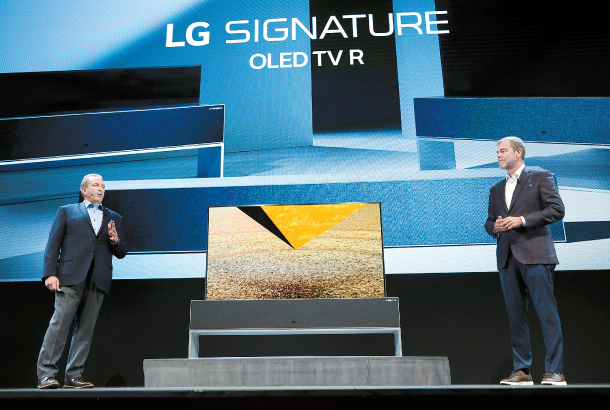
    LG Electronics, one of the leading home appliance manufacturers in the world, said Sunday it received a total of 132 awards at this year’s Consumer Electronics Show (CES) in Las Vegas. It said its products received the coveted CES top innovation title announced by the Consumer Technology Association. LG, which has been a major player in big-screen TVs and is a global leader in the field of organic light-emitting diode (OLED) screens, unveiled the world’s first mass production-capable rollable TV at the gathering that ran from Tuesday through Friday.

    The LG Signature OLED TV R received considerable attention, with Engadget, a multilingual blog network and the official award partner at CES, naming it Best TV Product.

    The innovative TV that allows the big OLED screen to vanish into a long box with embedded speakers was also noted by some 50 media outlets, such as the Wall Street Journal and Cnet.

    The company said its 8K resolution OLED TV and Super Ultra HD TV, as well as an artificial intelligence-equipped TV set, were praised by tech experts from around the world.

    Media outlets and online publications like USA Today and TechRadar, also gave LG HomeBrew, a craft beer making machine, their highest awards, while the waterfall OLED display at the entrance of the company’s booth – made up of 260 flexible panels – won recognition from numerous international IT outlets.

    Beside such products, the company’s LG SuitBot, an exoskeleton that can help physical laborers, and Styler, a clothing care system, received praise at this year’s CES.

    Song Dae-hyun, who heads LG’s home appliance business, said in a press conference over the weekend that the company is aiming expand its presence in the United States through the marketing of premium products.

    He said in the built-in appliance market in North America, LG is targeting high income earners.

    “If LG competes in mid-range consumer appliances, it will struggle and not turn a lot of profit so it makes sense to shift to premium products,” the senior executive said.

    He said that, in particular, the U.S. market is attractive because it has considerable growth potential.

    The executive said to better engage prospective clients, LG opened its first overseas Signature Kitchen Suite showroom in California’s Napa Valley.

    The Experience and Design Center is the second of its kind after one in southern Seoul, with another to be built in New Jersey.

    Unlike other countries, the United States has always been a so-called builder’s market with the customer having greater say in what kind of appliances go into a home, making it ideal for high-end products.

  • BMW adding Tmall genie to connected-cars in China

    BMW adding Tmall genie to connected-cars in China

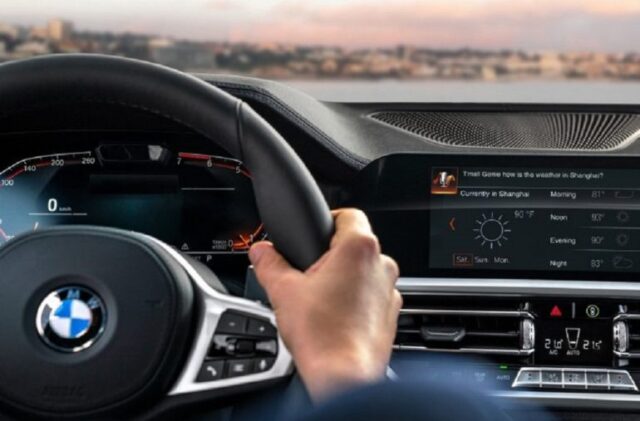
    Alibaba Group’s smart assistant, Tmall Genie, will launch in select vehicles from the BMW Group in China by the end of the year, the two companies announced at CES in Las Vegas. Tmall Genie, a product made by Alibaba’s artificial-intelligence research division, A.I. Labs, will be fully integrated in BMW vehicles, offering drivers a number of in-car entertainment and shopping options while on the road, the companies said.

    As Chinese consumers have come to expect a seamless, digital experience both at home and at brick-and-mortar retail spaces, they should expect the same experience in their car, said Dieter May, senior vice president of Digital Services and Products at BMW Group.

    “With the integration of Alibaba’s Tmall Genie in BMW vehicles in China we are adding a digital ecosystem, which will open up new possibilities that customers can access quickly and safely from the car,” May said. “This development sees BMW reaching a new milestone in China in terms of intelligent connectivity between the customer’s vehicle and their digital touchpoints.”

    The global connected-car market is expected to grow 270% by 2022, with more than 125 million connected passenger cars to be shipped between 2018 and 2022, according to a report from market research firm Counterpoint Insights. The report, released last year, pointed to the technology’s rapid uptake in China as one of the key drivers.

    Monday’s announcement follows the integration last year of “BMW Connected,” the German automaker’s connected-car app, with Tmall Genie. Consumers with Tmall Genie in their home could perform functions such as double checking to make sure the doors and windows of their BMW were open or closed. Now, they will be able to operate vehicle functions through the in-car Tmall Genie.

    Drivers can also use Tmall Genie to place online orders, view cinema listings, listen to their favorite playlist or check the weather at their destination, as well as access information from Tmall Genie via audio output or in text and image form on the BMW Display Screen. And they can use Tmall Genie to call up appointments saved in BMW Connected.

    “We launched the ‘AI+Car’ solution last year to provide a more-intelligent and connected experience for Chinese car users through Tmall Genie’s AI-powered voice interaction and service capabilities for cars,” said Alibaba Group Vice President Miffy Chen, who serves as general manager of Alibaba A.I. Labs.

    “Among our collaboration with premium automakers, we are very glad that BMW will be the first premium auto brand to bring selected car models that fully integrate Tmall Genie to the China market,” she said.

    The deal with BMW Group is just the latest involving Tmall Genie’s integration with automobiles. In September, A.I. Labs said it would integrate Tmall Genie into some vehicles made by Gothenburg, Sweden-based Volvo Cars, giving drivers the ability to monitor and control their smart home devices from their cars. Tmall Genie is also compatible with Volvo’s connected-car app, as well as those of Germany’s Daimler and Audi.

    Elsewhere in the autos sector, Alibaba Cloud in September said it would collaborate with German engineering and electronics company Robert Bosch GmbH on a self-parking feature in select sites in China that is powered by cloud software. At the same time, Alibaba also unveiled the latest model of its internet car in partnership with U.S. automaker Ford, which was part of a tie-up signed by the two companies in 2018. Ford Kuga SUV customers now can order a 10.4-inch center screen and software powered by Alibaba-designed operating system AliOS.

  • Korean start-ups also shine at CES in Las Vegas

    Korean start-ups also shine at CES in Las Vegas

    Industry big boys aren’t the only companies exhibiting at this year’s Consumer Electronics Show (CES). Over 1,200 start-ups have set up at the event’s Eureka Park, reserved for smaller companies, to capture the attention of consumers and possibly become the next unicorn (a start-up valued at over $1 billion).

    Of the start-up companies from Korea, those that developed through the “Israeli start-up” model have grabbed the most attention from the media. The model refers to companies with a weak capital base that grows with investment from other IT companies or venture capital firms. Many Korean start-ups that took part in CES this year got investments from IT giants such as Naver or Kakao.

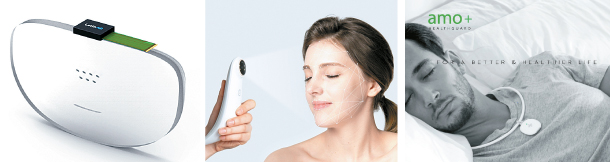
    Augmented reality (AR) and virtual reality (VR) company LetinAR is one of the hottest start-ups. LetinAR produces smart glass lenses that makes use of “Pin Mirror” technology. The company incorporates the pinhole effect, which makes vision clearer by looking through a small hole, and applies it for use in VR and AR.

    LetinAR also created a lens that provides vision of up to 80 degrees. While humans can see up to 150 degrees, existing products are typically limited to 50 degrees.

    “The 80-degree vision is like looking at a 120-inch TV from a meter away [3.28 feet],” said Choi Kyung-on, a director at the company. “If our product becomes commercialized … we will be able to release smart glasses the size of large conventional glasses within three years.”

    While smart glasses got a lot of headline in 2013 with the introduction of Google Glass, the product failed due to the difficulty of developing a lens with a wide-viewing angle.

    Meanwhile, beauty artificial intelligence (AI) start-up lululab won the CES Innovation Award in the biotech sector for its AI skin care assistant Lumini.

    The device analyzes skin conditions such as its wrinkles and pores and provides product information and recommendations personalized for a user.

    “[Users] can use personalized AI skin analysis service without the help of a store employee,” explained Choe Yong-joon, CEO of lululab.

    The company was born in Samsung Electronics’ start-up incubator, C-Lab.

    AMO Lab is another promising start-up from Korea. The company, which got investment from Naver last September, specializes in products that improve users’ quality of sleep.

    The company recently developed AMO+, a device worn like a necklace, which sends out minute electrical signals to the body to improve sleep.

    According to recent test results, users’ parasympathetic nervous systems became active when wearing the device.

    “We are currently discussing collaboration with U.S. and European companies after prototype development,” said Kim Min-kyu, CEO of AMO Lab.

    WELT, another alumnus of Samsung’s C-Lab, gained attention for releasing a smart belt in collaboration with French luxury brand S.T. Dupont. WELT’s smart belt can be used for two months with a single charge and provides basic health information.