Retail News CRM

Tag: telco

  • Fiji Boosts Connectivity: Vodafone, Digicel, and Telecom Fiji Awarded 5G Licenses

    Fiji Boosts Connectivity: Vodafone, Digicel, and Telecom Fiji Awarded 5G Licenses

    The Ministry of Trade, Co-operatives, Micro, Small and Medium Enterprises and Communications in Fiji has granted 5G spectrum licenses to Vodafone Fiji, Digicel Fiji, and Telecom Fiji, marking a significant milestone for the nation’s digital landscape. These licenses became effective yesterday, September 15, 2025, paving the way for a carefully staged rollout of next-generation mobile technology that promises to transform connectivity across the archipelago.

    Three Stages to a 5G Future

    The government’s ambitious plan for 5G deployment unfolds in three distinct phases, extending from 2025 to 2028. The initial phase focuses on establishing coverage in four key urban centers, including the vibrant capital, Suva, where existing infrastructure—such as fiber optics and power networks—can support advanced services. As we look ahead to 2026 and 2027, coverage will expand to additional regions, inviting both excitement and anticipation about the possibilities of ultra-fast mobile connectivity.

    Vodafone Fiji Leads the Charge

    Vodafone Fiji, the nation’s frontrunner in telecommunications with over 850,000 subscribers and an impressive 85% market share, is set to spearhead the deployment. The company has already conducted extensive testing, positioning itself as a crucial player in this technological leap. In close pursuit, Digicel Fiji, a member of the multinational Digicel Group, is preparing to join the fray, eager to enhance its service offerings across Fiji and beyond.

    Telecom Fiji’s Expanding Role

    As part of this vibrant ecosystem, Telecom Fiji is set to broaden its services in conjunction with the 5G rollout. Meanwhile, the government remains committed to upgrading rural and maritime areas to 4G, ensuring that no region is left behind in the digital revolution. It’s a collaborative effort that promises to stitch together the urban and rural divides in communication access. After all, who’d have thought that a tiny archipelago in the Pacific could become a tech powerhouse?

    A Vision for Digital Transformation

    Deputy Prime Minister and Minister for Communications, Hon. Manoa Kamikamica, highlighted the broader implications of this rollout, stating, “This rollout not only addresses local challenges but also positions Fiji as a regional leader in digital transformation.” With these licenses, Fiji is not only enhancing connectivity but also fueling innovation and bolstering its digital economy across the Pacific.

    Questions & Answers

    What are the key features of Fiji’s 5G rollout?
    Fiji’s 5G rollout will occur in three phases from 2025 to 2028, starting with major urban centers, including Suva, and expanding to additional areas in subsequent years.

    Which companies have been granted the 5G licenses?
    Vodafone Fiji, Digicel Fiji, and Telecom Fiji have received the 5G spectrum licenses, with Vodafone leading the initial deployment phase.

    How does the government plan to support rural areas in this rollout?
    The Fijian government is committed to upgrading rural and maritime networks to 4G, ensuring that all regions benefit from improved connectivity as the nation embraces digital transformation.

  • Thailand’s NBTC Unveils Plan to Provide Free Spectrum for Private 5G Networks in Factories

    Thailand’s NBTC Unveils Plan to Provide Free Spectrum for Private 5G Networks in Factories

    The National Broadcasting and Telecommunications Commission (NBTC) of Thailand is stepping up its game in the race towards Thailand 4.0 by announcing a groundbreaking allocation of free spectrum aimed at factories and enterprises. This initiative is set to supercharge the country’s ambitions for technological advancement within its manufacturing sector.

    Free Spectrum for Enhanced Operations

    In a bold move, the NBTC plans to release 100 MHz of bandwidth in the 4,800 MHz band under a private network operator (PNO) license. This means that factories and enterprises can apply for allocation at no cost, so long as they utilize it to enhance their internal operations—a win-win for industry players eager to innovate.

    Boosting Industrial Capabilities through Collaboration

    NBTC Commissioner Somphop Purivigraipong detailed the vision behind this initiative, emphasizing that the allocation is tailored for factories looking to optimize their operations. “Factories can collaborate with equipment vendors or telecom companies to deploy solutions for 5G private network operations,” he noted, heralding a new era of connectivity and automation within Thailand’s industrial landscape.

    A Push Towards Private 5G Adoption

    This forward-thinking initiative is expected to catalyze the adoption of private 5G networks throughout Thailand’s manufacturing and enterprise sectors, paving the way for enhanced automation, operational efficiency, and comprehensive digital transformation. Imagine a bustling factory floor where every machine is interlinked, sharing data in real time—those visions are closer to reality than ever before.

    A Competitive Bidding Process

    While the free allocation caters to non-profit operations, enterprises eyeing the potential of private 5G for commercial purposes will still need to bid at auction for access to the 4,800 MHz band. Telecom operators can join in if they intend to function as PNOs; however, there are crucial stipulations—the licensees won’t be allowed to offer consumer mobile services or link the band with existing 2,600 MHz services. This strategic limitation underscores the NBTC’s commitment to fostering dedicated private networks.

    Unlocking Advanced Applications

    Despite limited mass-market 5G usage across Thailand—primarily leveraged for video streaming and as an add-on to 4G—there’s still a strong belief within the NBTC that private 5G networks hold the key to unlocking advanced applications like industrial IoT (IIoT), robotics, and real-time analytics. By granting spectrum access, the NBTC aims to not just elevate Thailand’s manufacturing game but to position the country as a frontrunner in industrial 5G adoption in Asia.

    Questions & Answers

    What is the purpose of the 4,800 MHz spectrum allocation?
    The 4,800 MHz spectrum allocation is primarily aimed at assisting factories and enterprises in optimizing their internal operations through the deployment of private 5G networks.

    How does this initiative support Thailand’s industrial ambitions?
    By granting free spectrum access, the NBTC hopes to drive the adoption of private 5G technology, enhancing automation, efficiency, and digital transformation across the country’s manufacturing sector.

    What are the restrictions placed on the use of the allocated spectrum?
    Enterprises that wish to use the spectrum for commercial purposes must bid at auction, and telecom operators cannot provide consumer mobile services or integrate it with existing 2,600 MHz services, ensuring a focused approach to private network development.

  • Singtel and UTES Join Forces to Boost AI Upskilling Initiative Through Renewed MoU

    Singtel and UTES Join Forces to Boost AI Upskilling Initiative Through Renewed MoU

    The Singtel Group has reestablished its memorandum of understanding (MoU) with the Union of Telecoms Employees of Singapore (UTES) in a move that underscores their commitment to workforce transformation. This partnership aims to prepare employees with vital skills in artificial intelligence (AI), positioning AI as a cornerstone of the Group’s strategy to drive business growth and enhance customer experiences.

    Fostering Growth Through Learning

    The MoU was unveiled at the annual BIG Learning Fiesta, a month-long celebration featuring various workshops and talks specifically designed to foster the professional and personal development of Singtel’s workforce. This latest agreement builds on earlier collaborative efforts between the Singtel Group and UTES, highlighting the shared vision of advancing employee capabilities.

    Back in 2019, Singtel made a significant move by investing SGD 45 million over three years into a development framework known as the ACT initiative, aimed at boosting digital skills across its workforce. With this renewed MoU, the focus shifts towards accelerating training in AI, emerging technologies, sustainability, and essential skills. Employees will be empowered to design their own learning pathways, adopting a skills-first approach that aims to transform roles and cultivate a future-ready workforce.

    Staying Ahead in the Skills Race

    In a further commitment to employee development, Singtel announced in 2022 an annual investment increase of SGD 20 million dedicated to enhancing training programs. The launch of Singtel 8George—a learning academy for employees across experience levels—reflects the Group’s proactive response to rapid technological changes. This ongoing initiative supports the broader adoption and integration of AI across the organization. So far, around 13,000 employees in Singapore, or 95% of the workforce, have successfully completed a foundational AI training program that covers diverse topics like generative AI, data analytics, and responsible AI practices.

    Singtel is on a mission for all of its Singapore-based employees to undergo AI training, with plans to designate 3,000 as AI practitioners and 300 as specialists. This strategy aligns seamlessly with Singapore’s updated National AI Strategy, which aspires to train 15,000 AI practitioners to bolster the nation’s AI development and innovation.

    A Vision for the Future

    Singtel Group CEO, Mr. Yuen Kuan Moon, eloquently articulated the company’s forward-looking vision:

    “AI is transforming the way we live and work, and even redefining what jobs will look like in the future. That’s why we’re moving just as fast to prepare our people for this change. This MoU reflects our unwavering commitment to helping everyone at Singtel to learn, grow, and thrive in an age of accelerated change.”

    “To be truly AI-ready, we’re putting skills first, empowering our people to build the critical capabilities they need, with technology as their trusted co-pilot. By learning how to make the most of AI, our people will be able to seize new opportunities with confidence, make smarter decisions, and play a leading role in driving sustainable growth for the business and for themselves.”

    Singtel has laid out its AI strategy to encompass three essential roles: adopter, builder-provider, and enabler of AI through its connectivity, digital infrastructure, and digital services sectors. This structured plan is set to create diverse AI-related career paths within the Group, including fresh opportunities in data centers like Nxera, which recently celebrated its inaugural Sustainable AI Data Centre Career Day in collaboration with industry partners.

    Questions & Answers

    What is the purpose of Singtel’s renewed MoU with UTES?
    The renewed MoU aims to enhance workforce transformation by equipping Singtel employees with essential skills in artificial intelligence (AI), while fostering a culture of continuous learning.

    How many employees will undergo AI training at Singtel?
    Singtel plans to train all Singapore-based employees in AI, designating 3,000 as AI practitioners and 300 as AI specialists as part of its broader strategy to embrace AI.

    What significant investment did Singtel make for employee training in recent years?
    In 2022, Singtel increased its annual investment in training programs to SGD 20 million, further emphasizing its commitment to employee development amidst rapid technological changes.

  • U Mobile and EDOTCO Unveil Exciting ULTRA5G Experience at Mandarin Oriental!

    U Mobile and EDOTCO Unveil Exciting ULTRA5G Experience at Mandarin Oriental!

    U Mobile, Malaysia’s cutting-edge 5G network provider, has unveiled the ULTRA5G experience in partnership with EDOTCO, the country’s leading digital infrastructure partner. This launch took place at the prestigious Mandarin Oriental, Kuala Lumpur (MO) and signifies a pivotal move towards delivering extensive and reliable 5G connectivity across Malaysia.

    First Hotel in Malaysia with Comprehensive 5G Coverage

    This landmark achievement positions the Mandarin Oriental as the first hotel in Malaysia to offer complete 5G coverage on every floor. Guests who choose U Mobile’s connectivity plans can access a superior ULTRA5G experience, enjoying seamless high-speed internet in various locations within the hotel, including ballrooms, meeting rooms, event spaces, and common areas. These advancements are supported by innovative in-building coverage (IBC) solutions meticulously installed throughout the property.

    Redefining Guest Experiences with Advanced 5G Technology

    The ULTRA5G initiative enables sophisticated applications such as 4K livestreaming for conferences and immersive virtual meetings. With attributes like low latency, high capacity, and network slicing capabilities, the technology is set to redefine how business events are conducted.

    Woon Ooi Yuen, Chief Technology Officer of U Mobile, expressed enthusiasm about the initiative: “U Mobile is thrilled to offer our ULTRA5G experience at the Mandarin Oriental, supported by EDOTCO’s 5G in-building coverage infrastructure, ensuring uninterrupted 5G connectivity on every floor. This initiative will enable smart hotel applications, enhance efficiency, safety, and guest experiences, while also facilitating 4K conference livestreaming and immersive virtual meetings that will elevate the hotel and the MICE sector.”

    Expanding Connectivity Across Malaysia

    Yuen further emphasized that this is merely the onset of their 5G journey in collaboration with EDOTCO, as plans are in place to extend the ULTRA5G experience to more key locations such as airports, hospitals, and convention centers. This expansion aims to solidify U Mobile’s commitment to providing the widest and deepest 5G coverage in the country.

    EDOTCO’s Director of Malaysia Business, Gayan Koralage, underlined the significance of their partnership: “We are proud to be U Mobile’s first partner in implementing 5G in-building coverage. EDOTCO’s neutral-host model allows for quicker deployment, reduces redundant assets, and enhances digital experiences. By providing this platform, we ensure that building owners, operators, and technology providers connect seamlessly, improving digital experiences for Malaysians while contributing to the nation’s economic growth.”

    Welcoming 5G Innovations in the Heart of Kuala Lumpur

    KLCC Property Holdings Berhad (KLCCP), which oversees a portfolio of iconic properties in the Kuala Lumpur City Centre, has welcomed the connectivity enhancements at the Mandarin Oriental. Datuk Sr. Mohd Salem Kailany, Chief Executive Officer of KLCCP, noted, “The introduction of 5G at the Mandarin Oriental is a significant step in enhancing the guest experience and solidifying Kuala Lumpur City Centre’s status as a premier destination for hospitality, MICE, and tourism. This partnership between U Mobile and EDOTCO not only benefits our tenants and guests but also plays a vital role in Malaysia’s digital transformation, starting in the heart of the capital.”

    The launch of the ULTRA5G experience at MO follows U Mobile’s announcement at the Mobile World Congress in Barcelona earlier this year, where they recognized EDOTCO as one of their preferred IBC partners. The two companies will continue to join forces in expanding the ULTRA5G experience while exploring new opportunities for consumers, businesses, and industries, aiming for an ambitious 80% coverage of populated areas by the latter half of 2026.

    Questions & Answers

    What is the significance of the ULTRA5G experience at the Mandarin Oriental?
    The ULTRA5G experience makes the Mandarin Oriental the first hotel in Malaysia to feature complete 5G coverage on every floor, enhancing connectivity for guests across various spaces within the hotel.

    How does ULTRA5G impact business events held at the hotel?
    The ULTRA5G technology supports advanced applications like 4K livestreaming for conferences and immersive virtual meetings, promoting seamless communication and interaction during events.

    What future plans does U Mobile have for expanding 5G coverage?
    U Mobile aims to collaborate further with EDOTCO to extend the ULTRA5G experience to key locations such as airports and hospitals, with a goal of achieving 80% coverage of populated areas by mid-2026.

  • Viettel Amplifies Vietnam’s Digital Growth and Defense Strategy for a Bold Future

    Viettel Amplifies Vietnam’s Digital Growth and Defense Strategy for a Bold Future

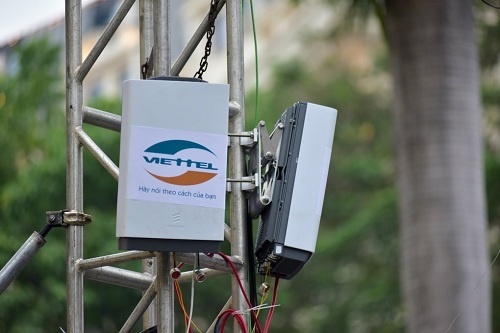
    Viettel Group has made headlines with its ambitious investment of approximately USD 1 billion in two pivotal national projects: the An Khanh Data Center in Hanoi and the Viettel Research & Development (R&D) Center in Hoa Lac. This substantial commitment is part of a larger initiative celebrating the 80th anniversary of the August Revolution on August 19 and National Day on September 2, underscoring Viettel’s leadership in advancing strategic technologies per the Politburo’s Resolution 57-NQ/TW, which aims to establish a national network of research centers and high-tech labs.

    A Hub of Innovation Takes Shape

    Spanning 13 hectares in the Hoa Lac Hi-tech Park, the Viettel R&D Center represents a total investment of VND 10 trillion (USD 380 million). Designed to be a comprehensive innovation hub, this facility will feature six smart buildings and is slated for completion by 2030. The R&D Center will address the full innovation cycle, from research and design to prototyping and manufacturing, focusing on creating high-tech “Made in Vietnam” products. It will cater to both defense and civilian technology, prioritizing advancements in propulsion systems, unmanned aerial vehicles (UAVs), remote sensing satellites, radar systems, and cutting-edge civilian applications in big data, AI, and cloud computing. Built to international standards, the R&D hub will boast smart, green designs while emphasizing safety and cybersecurity. When fully operational, it is projected to attract 2,500 highly skilled professionals and significantly bolster Vietnam’s national defense modernization efforts.

    A Data Center to Power Digital Transformation

    In tandem, the An Khanh Data Center is set to become the largest facility of its kind in northern Vietnam, located on a 1.9-hectare site in Hanoi’s An Khanh commune. Equipped with an investment of VND 17.5 trillion (USD 664.9 million), the center will have a designed capacity of 60 MW, with Phase 1 expected to go live in the second quarter of 2026. Plans are in place to evolve this facility into Viettel’s second hyperscale data center by 2030. Adhering to Uptime Tier III standards, the data center will integrate Viettel’s proprietary AI for operations, a five-layer security framework, and cutting-edge cooling technologies. Its sustainable design aligns with Vietnam’s Net Zero emissions goal, and it is poised to play a crucial role in the nation’s digital transformation, serving governmental agencies, the Ministry of National Defense, major enterprises, and national-level AI initiatives.

    Expanding the Technological Landscape

    Currently operating 14 data centers across Hanoi, Da Nang, Ho Chi Minh City, and Binh Duong, Viettel has an aggressive expansion plan. The company is in the process of constructing 11 more centers, aiming to establish a total of 24 data centers with a combined capacity of 560 MW by 2030 — a strategic move designed to meet 40% of Vietnam’s projected data demand. Aside from these two flagship projects, Viettel is also ramping up the construction of additional critical tech infrastructure, including the Tan Phu Trung Data Center in Ho Chi Minh City and the Viettel Tower in Da Nang. As we navigate this exciting technological landscape, one can only wonder: how many more innovative spaces can one company create before they run out of land?

    Questions & Answers

    What are the main features of the Viettel R&D Center?
    The Viettel R&D Center will span 13 hectares and feature six smart buildings, focusing on the entire innovation cycle from research to manufacturing, particularly in high-tech defense and civilian applications.

    How will the An Khanh Data Center contribute to Vietnam’s digital transformation?
    The An Khanh Data Center, with a designed capacity of 60 MW, will serve government agencies and major enterprises, playing a key role in supporting national data needs and integrating advanced technologies like AI.

    What is Viettel’s long-term expansion plan for data centers in Vietnam?
    Viettel aims to establish 24 data centers by 2030 with a total capacity of 560 MW, targeting to meet 40% of Vietnam’s projected demand for data services.

  • Malaysia’s Open DC Revamps Data Centres to Power the Future of Banking and Finance

    Malaysia’s Open DC Revamps Data Centres to Power the Future of Banking and Finance

    Open DC, the data centre division of Malaysia’s Extreme Broadband (EBB), is taking a significant step towards modernising its AI data centres to bolster security and improve network performance. The company has entered into a strategic partnership with Nokia, a move that promises to reshape the landscape of data connectivity across Malaysia.

    Revolutionizing Connectivity Across Malaysia

    Through this collaboration, Open DC will implement Nokia’s cutting-edge IP network solution to connect its data centres, which are strategically located across six key sites, including CJ1 Cyberjaya, JB1 Menara MSC Cyberport, JB2 Menara Ansar in Johor Bahru, PE1 Menara Suntech, PE2 Bayan Lepas Industrial Park in Penang, and the future D8-1 facility in Kedah. With this infrastructure upgrade, the firm aims to meet the rigorous demands of the banking and financial services sector.

    Aligning with National Vision

    This initiative is not just about enhancing performance; it also aligns perfectly with Malaysia’s National Cloud Computing Policy and the government’s MYDIGITAL vision, advocating for a robust digital economy. Open DC will leverage Nokia’s comprehensive IP networking portfolio—featuring advanced tools like the data centre gateway, data centre fabric, and quantum-safe networks—to create a future-ready digital infrastructure.

    Prioritizing Energy Efficiency and Cybersecurity

    The deployment of Nokia’s 7250 and 7220 Interconnect Routers will significantly improve performance while simultaneously reducing energy consumption—a dual win for sustainability and operational efficiency. In an age where cyber threats loom large like an unexpected rainstorm, the upgraded infrastructure introduces automation and DDoS mitigation tools, reinforcing Open DC’s resilience against such challenges.

    A Joint Venture for Innovation

    In a further demonstration of their commitment to innovation, EBB and Nokia have signed a Memorandum of Understanding (MoU), setting the stage for collaborative development of next-gen data centre solutions and quantum-safe networks. This partnership will not only craft a joint go-to-market strategy focused on AI and data centre connectivity, but it will also encompass offerings like multi-cloud access, enterprise connectivity, and enhanced DDoS protection for clients.

    Empowering the Future of Enterprises

    Open DC’s Managing Director, Wong Weng Yew, expressed enthusiasm about the partnership, stating that Nokia’s solutions will enhance security, scalability, and sustainability while opening new avenues for revenue generation among enterprises. With this alliance, businesses may find their digital footprint expanding in ways they had only imagined.

    Questions & Answers

    What is the primary aim of Open DC’s partnership with Nokia?
    The collaboration focuses on modernising Open DC’s AI data centres to enhance security and improve network performance across multiple sites in Malaysia.

    How many data centres will be interconnected through this initiative?
    The partnership will interconnect data centres located at six sites, including facilities in Cyberjaya, Johor Bahru, Penang, and an upcoming site in Kedah.

    What technological solutions will Open DC implement from Nokia?
    Open DC will utilize Nokia’s IP networking portfolio, including advanced routers and automation tools designed for high performance, energy efficiency, and robust cybersecurity protections.

  • Telecom Egypt Reinvents Global Subsea Cable Network with 14 New Landings in Just Five Years!

    Telecom Egypt Reinvents Global Subsea Cable Network with 14 New Landings in Just Five Years!

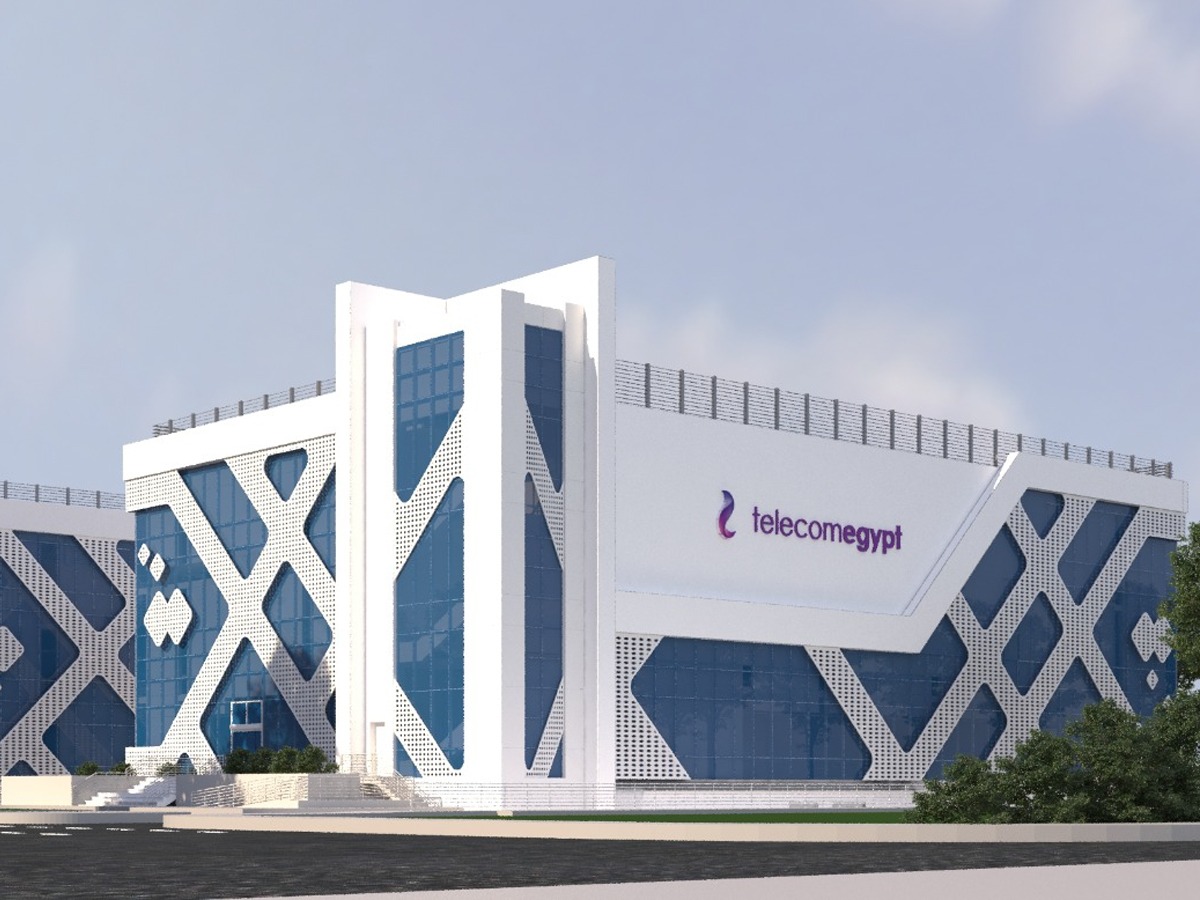
    As the digital landscape rapidly evolves, connectivity has emerged as a cornerstone for economic growth in Asia and beyond. Telecom Egypt is positioning itself as a pivotal enabler, leveraging its strategic geographical location that connects Asia, Africa, and Europe. The company is laying a robust subsea cable infrastructure designed to bolster connectivity, enhance resiliency, and solidify the region’s digital future.

    Innovating for a Bandwidth-Heavy World

    In an exclusive conversation with Telecom Review Asia, Mohamed Nasr, the Managing Director and CEO of Telecom Egypt, described how the company is adapting its infrastructure to meet surging demands posed by bandwidth-intensive applications such as artificial intelligence and cloud computing. The underwater landscape of today is dynamic, and Telecom Egypt’s investments are setting new benchmarks for subsea cable resilience and interconnectivity.

    Meeting Future Demands with Strategic Growth

    Telecom Egypt has long been a critical hub for subsea cables, channeling traffic between three continents. Its geographical advantages allow it to remain a key player in global data flow, crucial for addressing the increasing demand for ultra-low latency and massive bandwidth. Currently, more than 90% of intercontinental traffic—amassing over 270 terabits per second—flows through its network. To maintain its leadership position in this burgeoning market, the company is actively partnering with technology providers and subsea operators to expand its infrastructure and enhance service quality.

    Resiliency in the Face of Growing Data Traffic

    To handle rising data demands, Telecom Egypt is focused on facilitating uninterrupted high-capacity data flow. The company’s commitment to resilience is reflected in its strategic investments in new subsea cable systems, landing points, and crossing routes. Notably, the company has extended its infrastructure eastward to the Sinai Peninsula, establishing new landing points in Sharm El Sheikh and Taba. With a coastline stretching over 3,000 kilometers, Telecom Egypt boasts fourteen geodiverse subsea cable landing points, linked by a network of trans-Egypt crossing routes that connect East and West.

    A Commitment to Expanding Subsea Infrastructure

    Telecom Egypt’s proactive approach is evident in its management of subsea cable landings. In the past five years alone, the company has successfully facilitated the landing of fourteen systems, linking seven major subsea cable projects to its shores. Among them, 2Africa stands out as one of the world’s largest subsea cable ventures, extending 45,000 kilometers and significantly boosting internet capacity across Africa while also meeting the soaring connectivity demands of the Middle East. Meanwhile, innovations like the Coral Bridge and Red Sea Festoon projects further reinforce the network’s resilience by offering high-capacity solutions.

    Building a Future-Ready Data Highway

    Telecom Egypt’s ambitious AAE-2 cable project marks a significant milestone as the company expands its position as a global data connectivity provider. This initiative will forge a new digital link from Hong Kong and Singapore to Italy, traversing Thailand, the Arabian Peninsula, and Egypt. The AAE-2 aims to create an advanced data highway interconnecting Asia, Africa, and Europe, enhancing capacity to support digital transformation initiatives across these regions.

    Fortifying Connectivity Beyond Borders

    Telecom Egypt’s strategic partnerships with global technology providers are crucial for widening its connectivity footprint. As it works to enhance routes to Europe, new entry points are being established in Albania and Greece, with links to major European hubs. By collaborating with over 170 stakeholders, the company is fostering resilience through diverse Mediterranean routes while simultaneously developing connections to Asia and Africa through its extensive operation in the Red Sea.

    Navigating Geopolitical Challenges with Strategic Diversification

    In a world marked by geopolitical uncertainty, Telecom Egypt actively mitigates connectivity risks by developing diverse subsea and terrestrial routes. Projects like AAE-2, along with ongoing collaborations in the Arabian Peninsula, demonstrate the company’s commitment to maintaining Egypt’s role as a foundational anchor for reliable international connectivity. As the digital world hurtles forward, Telecom Egypt’s strategic vision and investments position it not just as a facilitator of global communication, but as a defining player in the future of digital infrastructure.

    Questions & Answers

    How is Telecom Egypt adapting to the rise of AI and cloud computing?
    Telecom Egypt is enhancing its infrastructure to meet growing demands for high bandwidth and low latency, which are critical for AI and cloud computing applications. The company is investing in innovative subsea cable systems and is establishing strategic partnerships with technology providers to bolster its networks.

    What recent milestones has Telecom Egypt achieved in subsea cable landings?
    In the last five years, Telecom Egypt facilitated the landing of 14 subsea cable systems, including notable projects like 2Africa, which remains integral to enhancing internet capacity in Africa and beyond.

    How does Telecom Egypt plan to ensure operational excellence during uncertain times?
    The company focuses on monetizing its infrastructure through innovative business models, leveraging network automation, and ensuring high-quality service to adapt swiftly to changing demands in the market.

  • Viettel Bolsters Vietnam’s Digital Transformation and Defense Strategies for a Progressive Future

    Viettel Bolsters Vietnam’s Digital Transformation and Defense Strategies for a Progressive Future

    Viettel Group is set to make waves in Vietnam’s tech landscape with a remarkable investment of approximately USD 1 billion in two major projects: the An Khanh Data Center in Hanoi and the Viettel Research & Development (R&D) Center in Hoa Lac. These initiatives not only celebrate Vietnam’s 80th anniversary of the August Revolution on August 19 and National Day on September 2 but also underscore Viettel’s commitment to driving technological advancement as outlined in the Politburo’s Resolution 57-NQ/TW.

    A Hub for Innovation: Viettel’s R&D Center Takes Shape

    Spanning an impressive 13 hectares within the Hoa Lac Hi-tech Park, the Viettel R&D Center boasts a total investment of VND 10 trillion (USD 380 million). Featuring six state-of-the-art buildings designed as a comprehensive innovation hub, this facility aims for completion by 2030. It will encapsulate the entire innovation cycle, from research and design to prototyping and manufacturing, promoting the development of high-tech “Made in Vietnam” products.

    With a focus on both defense and civilian technology, the center will delve into key areas including propulsion systems, unmanned aerial vehicles (UAVs), remote sensing satellites, radar systems, and advanced civilian applications in big data, artificial intelligence, and cloud computing. Notably, the R&D hub will be built to international standards that prioritize sustainability, safety, and cybersecurity, while promising to attract 2,500 skilled professionals who will bolster Vietnam’s modernization efforts in national defense.

    The An Khanh Data Center: A Giant in Northern Vietnam

    Meanwhile, the An Khanh Data Center is poised to become the largest facility of its kind in northern Vietnam, sprawling over a 1.9-hectare site in Hanoi’s An Khanh commune. This ambitious project, with an investment of VND 17.5 trillion (USD 664.9 million), aims to achieve a designed capacity of a whopping 60 MW. The first phase is scheduled to launch in Q2 of 2026, with plans for further expansion by 2030, transforming this site into Viettel’s second hyperscale data center.

    Adhering to Uptime Tier III standards, the data center will incorporate advanced AI technologies developed by Viettel, alongside a robust five-layer security system and cutting-edge cooling technologies. It is designed with sustainability in mind, aligning seamlessly with Vietnam’s Net Zero emissions target. By providing essential support to government agencies, the Ministry of National Defense, and large enterprises, the center is set to play a pivotal role in the country’s digital transformation and national-scale AI applications.

    Expanding Infrastructure Across Vietnam

    Viettel’s ambitions don’t stop here. Currently operating 14 data centers across major cities such as Hanoi, Da Nang, Ho Chi Minh City, and Binh Duong, with another 11 under construction, the company aims to build a total of 24 data centers with a combined capacity of 560 MW by 2030. This network is expected to satisfy 40% of Vietnam’s projected demand for data services. Alongside these developments, Viettel is also fast-tracking other critical tech infrastructures, including the Tan Phu Trung Data Center in Ho Chi Minh City and the Viettel Tower in Da Nang, revealing a passionate commitment to shaping the future of Vietnam’s digital landscape.

    Questions & Answers

    What is the significance of Viettel’s investment in these projects?
    Viettel’s investment of USD 1 billion underscores its commitment to advancing Vietnam’s technological infrastructure, aligning with national goals for modernization and innovation in line with the Politburo’s directives.

    How will the R&D Center impact Vietnam’s economy?
    The R&D Center is expected to foster high-tech innovation, create 2,500 skilled jobs, and support the production of various advanced technologies, significantly contributing to Vietnam’s economic growth and defense capabilities.

    When is the An Khanh Data Center expected to be operational?
    Phase 1 of the An Khanh Data Center is scheduled to launch in the second quarter of 2026, with plans for further expansion by 2030, enhancing Vietnam’s digital infrastructure.

  • Axiata Achieves MYR 431 Million Profit Amid Strategic Realignment and Focused Execution

    Axiata Achieves MYR 431 Million Profit Amid Strategic Realignment and Focused Execution

    Axiata Group Berhad has unveiled a remarkable profit after tax and minority interest (PATAMI) of MYR 430.7 million for the first half of 2025, more than doubling from last year. This impressive growth showcases the company’s disciplined approach to cost management, bolstered cash flow, and significant debt reductions, alongside gains from its ambitious 5*5 strategy.

    Dividends and Financial Highlights

    The board has announced a first interim dividend of 5.0 sen per ordinary share, reflecting Axiata’s dedication to shareholder returns. Operating free cash flow (FCF), after leases, surged over 90% year-on-year to MYR 868.7 million, with the company’s cash reserves standing at a healthy MYR 4.9 billion. While revenue experienced a slight decline of 0.9% year-on-year on a constant currency basis, earnings before interest, taxes, depreciation, and amortization (EBITDA) grew by 2.3%. The underlying PATAMI rose by 39% to MYR 203.7 million, driven by stronger earnings before interest and taxes (EBIT) and reduced finance costs.

    Leadership Insights on Strategy and Growth

    Chairman Tan Sri Shahril Ridza Ridzuan attributed the robust performance to Axiata’s strategic clarity and disciplined execution, expressing optimism about progress in key markets and asset portfolios. He noted that the MYR 1 billion in dividends received year-to-date reflects the company’s strong financial footing and commitment to rewarding shareholders.

    Group CEO and Managing Director Vivek Sood also emphasized the positive outcomes of the company’s realignment strategies, stating, “Axiata’s performance reflects the strength of our strategic realignment and disciplined execution, with a focus on operational excellence and a fortified balance sheet.” He underscored the significance of the XLSMART merger and the exit from Myanmar as crucial elements of the 5*5 strategy, aimed at minimizing structural risks and enhancing financial flexibility.

    Future Outlook: Focusing on Earnings and Dividends

    As Axiata looks ahead, Sood highlighted that improvements in cash flow and shareholder yield will be prioritized in the latter half of 2025. “Our key priorities will include driving operational performance and executing strategic portfolio adjustments to ensure optimal capital allocation,” he affirmed, emphasizing the goal of enhancing dividend yields.

    Questions & Answers

    What were Axiata’s PATAMI figures for the first half of 2025?
    Axiata reported a profit after tax and minority interest (PATAMI) of MYR 430.7 million, which more than doubled compared to the previous year.

    How has Axiata’s financial performance affected its dividends?
    The board declared a first interim dividend of 5.0 sen per ordinary share, showcasing the company’s ongoing commitment to delivering shareholder returns as part of its strong financial performance.

    What strategies has Axiata implemented for future growth?
    Axiata’s future growth strategies include prioritizing cash flow improvement, executing necessary portfolio moves, and enhancing operational performance to optimize capital allocation and boost dividend yields.

  • Indosat Unveils Sovereign SOC, Boosting Cybersecurity Resilience for Indonesia

    Indosat Unveils Sovereign SOC, Boosting Cybersecurity Resilience for Indonesia

    In a significant milestone for Indonesia’s cybersecurity landscape, Indosat Ooredoo Hutchison, in collaboration with global security giant Cisco, has unveiled the nation’s first Sovereign Security Operations Center (SOC). This initiative marks a pivotal moment in enhancing Indonesia’s digital resilience and safeguarding its cybersecurity as the country evolves in the tech-driven age.

    Pioneering Local Cyber Defense

    The Sovereign SOC features the inaugural local deployment of the Splunk Cloud Platform and Splunk Enterprise Security, meeting the stringent SOC 2 compliance standard. This powerful platform offers AI-driven, real-time threat detection and visibility across both hybrid and multi-cloud environments. With sensitive data staying within Indonesian jurisdiction, this enables government agencies and businesses to quickly identify and address cyber threats all while adhering to data sovereignty regulations.

    Empowering Through Security

    “Everything that is connected must be protected,” emphasized Vikram Sinha, President Director and CEO of Indosat, highlighting the critical nature of digital security in today’s interconnected world. He added, “Together with Cisco, we are not just launching a security platform; we are enabling a strategic safeguard for the nation. This Sovereign SOC is about protecting our infrastructure, empowering our people, and securing the digital economy at scale.” It’s clear: this is no ordinary safety net; it’s a bold defense against rising cyber threats that have become increasingly sophisticated.

    Addressing Rising Threats

    The launch of the Sovereign SOC comes at a time when cybersecurity concerns are mounting. According to Cisco’s Cybersecurity Readiness Index, a staggering 91% of organizations in Indonesia experienced an AI-related cyber incident over the past year. In response, the SOC provides a centralized defense mechanism aimed at the nation’s core sectors, including finance, healthcare, transportation, and public services.

    A Robust Digital Future

    “This Sovereign SOC represents a bold step forward in building a secure, digital future for Indonesia,” stated Dave West of Cisco, underlining the shared commitment to securing the nation’s technological growth. Cisco is eager to partner with Indosat and national stakeholders to lay the groundwork for secure AI transformation and develop a future-ready digital infrastructure that propels the digital economy to new heights.

    Enhancing Skills for Tomorrow

    In tandem with its cybersecurity initiatives, Indosat and Cisco are on a mission to train one million Indonesians in cybersecurity and networking skills by 2030. This ambitious program builds upon the Cisco Networking Academy, which has already empowered over 500,000 students through 200 institutions. The SOC also aims to serve as a training hub for Cyber Resilience Labs, providing real-world simulations and industry-focused training initiatives.

    Broadening Accessibility

    The Sovereign SOC isn’t just for large enterprises and government bodies; it’s also tailored for Indonesia’s thriving small and medium-sized enterprises (SMEs). By offering affordable and accessible cybersecurity solutions, the SOC aims to bolster the defenses of over 10,000 SMEs, allowing them to engage confidently in the digital marketplace. Interestingly, studies indicate that even modest enhancements in digital skills can significantly elevate Indonesia’s productivity and cybersecurity stance, potentially boosting the nation’s GDP.

    Collaboration for Cyber Sovereignty

    This public-private partnership epitomizes the need for collective action in ensuring Indonesia’s digital sovereignty. By aligning with local content mandates and international best practices, Indosat and Cisco are setting a new standard for secure and sovereign innovation in the AI landscape, demonstrating that collaboration is key to facing the digital challenges ahead.

    Questions & Answers

    What is the main purpose of the Sovereign Security Operations Center (SOC) in Indonesia?
    The Sovereign SOC aims to strengthen Indonesia’s cybersecurity and digital resilience by providing a centralized defense system that allows for real-time threat detection and compliance with data sovereignty regulations.

    How does the SOC aim to support small and medium-sized businesses (SMEs) in Indonesia?
    The SOC is designed to offer affordable and accessible cybersecurity services, enabling over 10,000 SMEs to enhance their defenses and thrive in the digital economy.

    What is the long-term vision for training in Indonesia’s cybersecurity landscape?
    Indosat and Cisco aim to train one million Indonesians in cybersecurity and networking skills by 2030, cultivating a digitally resilient workforce to support the nation’s ongoing digital transformation.

  • Indosat Teams Up with Google Cloud to Unveil Innovative AI Semantic Search Feature

    Indosat Teams Up with Google Cloud to Unveil Innovative AI Semantic Search Feature

    Indosat Ooredoo Hutchison has unveiled a groundbreaking artificial intelligence-powered Semantic Search feature within its myIM3 and bima+ applications, a move that promises to transform the way customers engage with digital services. Developed in collaboration with Google Cloud, this feature enhances the relevance, personalization, and efficiency of users’ search experiences, helping them find products and services tailored to their needs with ease.

    The technology harnesses Google Cloud’s Vertex AI platform, enabling the system to glean valuable insights into customer behavior and preferences. As a result, searches for data packages, lifestyle features, loyalty programs like IMPoin and BonsTri, and more can now be customized to meet each individual’s specific desires. It’s like having a personal shopper in your pocket—one that actually listens!

    Innovative Partnership for a Smarter Future

    Bilal Kazmi, Director and Chief Commercial Officer at Indosat, explained the significance of this advancement.

    “With the support of Google Cloud, we are delivering a search system that is not only intelligent but also delivers tangible value, enhancing both user convenience and business performance. This collaboration represents a strategic step towards providing smarter, more personalized, and relevant digital experiences for our customers. At Indosat, we are committed to ensuring that technology makes life easier, brings services closer, and serves as a powerful tool to empower Indonesia in navigating the digital era.”

    Boosting Engagement Through Local Understanding

    Fanly Tanto, Country Director for Google Cloud in Indonesia, noted the impact of advanced AI in meeting diverse user needs.

    “As an industry leader through Google Cloud’s Indonesia BerdAIa program, Indosat is at the forefront of innovation using enterprise AI. Vertex AI Search’s ability to comprehend queries in both Bahasa and English, including semantic meanings and spelling variations, will help surface highly relevant digital service recommendations for millions of myIM3 and bima+ users. This deployment showcases how Google Cloud’s open platforms can seamlessly integrate with custom-built AI models to create smarter, more personalized digital experiences for customers.”

    Given the growing demand for personalization in retail, the new AI-driven search technology is poised to significantly enhance user experience. A recent McKinsey study indicated that 71% of consumers expect brands to personalize interactions, highlighting how essential this technology has become in modern retail.

    A Treasure Hunt for Users

    To celebrate this launch, Indosat will roll out an interactive campaign titled “30 Days of Treasure Hunt,” running from August 21 to September 19, 2025. This initiative seeks to further engage users in a fun and immersive way.

    Notably, this Semantic Search technology is enhanced by Sahabat-AI, an open-source large language model (LLM) tailored specifically for the Indonesian language. Sahabat-AI is adept at understanding diverse local contexts, including various regional languages and dialects, enabling more engaging and meaningful customer interactions across urban and rural landscapes alike.

    Questions & Answers

    What is the main feature introduced by Indosat Ooredoo Hutchison?
    The new feature is an AI-powered Semantic Search that enhances search relevance and personalization within the myIM3 and bima+ applications.

    How does the Semantic Search technology improve user experience?
    It utilizes Google Cloud’s Vertex AI to understand customer behavior and preferences, allowing for tailored searches and recommendations, thus making user interactions more efficient and relevant.

    What marketing campaign is Indosat launching alongside this feature?
    Indosat is introducing an interactive campaign called ’30 Days of Treasure Hunt,’ set to run from August 21 to September 19, 2025, designed to engage users in a fun way.

  • U Mobile Unveils ULTRA5G: A Game-Changer for Malaysia’s 5G Experience!

    U Mobile Unveils ULTRA5G: A Game-Changer for Malaysia’s 5G Experience!

    U Mobile has officially unveiled ULTRA5G, the new moniker for its 5G service, during a launch event at its headquarters in Berjaya Times Square (BTS). This catchy name not only captures the essence of the ultra-fast speeds and extensive coverage that U Mobile aims to provide, but it also reassures users who will now see the ULTRA5G indicator lighting up their devices, a direct result of the company’s ambitious in-building coverage (IBC) initiative.

    Redefining Connectivity Through Advanced Technology

    This advancement marks a pivotal moment in U Mobile’s mission to deliver robust 5G access in both indoor and outdoor spaces across Malaysia. ULTRA5G relies on cutting-edge, enterprise-grade network technology, ready to adapt to the evolving digital landscape of the nation.

    A Roller Coaster of Experience

    To showcase ULTRA5G’s capabilities, U Mobile orchestrated groundbreaking events, including Malaysia’s first-ever 4K livestream of an 800-meter indoor roller coaster ride at Berjaya Times Square Theme Park—boasting the title of Asia’s longest multi-inverted indoor ride. As thrill-seekers zipped around at speeds of 70 km/h, ULTRA5G effortlessly maintained a seamless connection, making the livestream an exhilarating testament to the network’s extensive reliability.

    The excitement didn’t stop there. U Mobile also introduced an engaging mixed-reality experience alongside a demonstration of 5G network slicing, emphasizing both performance and diverse service offerings. If you thought roller coasters were just for an adrenaline rush, think again—this one was a high-speed communications race too.

    Empowering the Future with 5G

    Woon Ooi Yuen, Chief Technology Officer of U Mobile, expressed pride in the launch, stating, “U Mobile is proud to launch ULTRA5G, our brand new name for our 5G experience that is supported by our next-gen network. As the nation’s newest 5G network provider, U Mobile is focused on enabling digital transformation for consumers and businesses alike. ULTRA5G brings enhanced digital experiences, from ultra-reliable streaming and immersive gaming to high-quality video calls in crowded areas. For enterprises, ULTRA5G opens doors to advanced use cases like XR (extended reality), robotics, smart cities, and IR 4.0 automation. With deployment ahead of schedule, U Mobile is also doubling down on indoor coverage to ensure the widest and deepest 5G experience in Malaysia.”

    Aiming for Widespread Accessibility

    ULTRA5G isn’t confined to BTS; the 5G network has also made strides at Penang Bridge 1, utilizing just two towers to provide uninterrupted connectivity for daily commuters. This event signifies the much-anticipated rollout of U Mobile’s next-generation 5G network, with aspirations for 80% coverage of populated areas (CoPA) by the second half of 2026.

    U Mobile promises to keep the public informed about ULTRA5G’s expansion, which is set to quicken in critical locales such as airports, hospitals, convention centers, and other significant venues across the country. This initiative aligns perfectly with the company’s vision of establishing Malaysia’s most comprehensive and trustworthy 5G network.

    Questions & Answers

    What is ULTRA5G?
    ULTRA5G is U Mobile’s branding for its 5G service, emphasizing ultra-fast speeds, reliable connectivity, and extensive coverage.

    How did U Mobile demonstrate the capabilities of its ULTRA5G network?
    They showcased Malaysia’s first 4K livestream of an indoor roller coaster ride, ensuring a seamless connection throughout the ride’s duration at 70 km/h.

    What are U Mobile’s plans for ULTRA5G coverage?
    U Mobile aims to achieve 80% coverage of populated areas by the second half of 2026 and will focus on key locations such as airports and hospitals for rapid deployment.

  • Vodafone Idea and IBM Unveil Exciting New AI Innovation Hub to Transform Retail Experience

    Vodafone Idea and IBM Unveil Exciting New AI Innovation Hub to Transform Retail Experience

    Vodafone Idea (Vi) is embarking on a transformative journey, partnering with IBM to streamline its operations and enhance customer experiences through cutting-edge technology. This strategic alliance aims to harness the power of artificial intelligence (AI) and a unified DevOps model, ultimately accelerating Vi’s digital initiatives.

    Navigating the Digital Landscape with an AI Innovation Hub

    At the heart of this initiative lies the newly established AI Innovation Hub, designed to continually modernize Vi’s IT and business processes. This hub will unite experts from both Vi and IBM Consulting, who will co-develop AI solutions, automation tools, and digital accelerators utilizing IBM’s state-of-the-art AI technologies. The collaboration will ensure seamless integration of AI into Vi’s development and operational frameworks, forging new pathways for efficiency.

    Commitment to Intelligent Innovation

    Jagbir Singh, Chief Technology Officer of Vodafone Idea Limited, expressed enthusiasm about the partnership, stating, “Our collaboration with IBM marks a pivotal milestone in Vi’s digital journey. It reflects our commitment to AI-led innovation and our ambition to drive accelerated growth through intelligent decision-making and automation. The AI Innovation Hub will play a critical role in modernizing our operations and expediting our go-to-market execution of critical business initiatives through faster software development cycles, setting new benchmarks for the telecom industry.”

    Enhancing Agility and Exploring New Horizons

    This alliance is not merely about technology; it’s also about envisioning smarter digital experiences and enhancing IT agility to tap into new revenue streams. By leveraging IBM’s extensive global partner ecosystem and industry expertise, Vi aims to reinforce its long-term digital resilience while driving ongoing innovation.

    IBM’s Role in India’s Telecom Evolution

    Juhi McClelland, Managing Partner at IBM Consulting for Asia Pacific, highlighted the significance of their collaboration with Vi, stating, “India’s telecom sector stands at the crossroads of surging data consumption, rapid digital transformation, and large-scale 5G deployments. Our collaboration with Vi allows IBM to serve as a strategic enabler to help modernize the organization’s IT ecosystem and fast-track their digital transformation.” The AI Innovation Hub exemplifies the potential of co-creation, as IBM consultants lend their expertise to build a future-ready digital foundation.

    Strengthening a Long-Standing Partnership

    Rishi Aurora, Managing Partner at IBM Consulting India & South Asia, noted that their partnership with Vi spans more than 17 years. “This recent collaboration marks a significant step in redefining how AI and automation can transform telecom operations at scale. With the AI Innovation Hub and unified DevOps execution, we’re bringing together the best of IBM’s global expertise to help Vi deliver superior customer experiences, drive innovation, and strengthen digital resilience for the future.”

    With these collaborative efforts, Vi is set to design and adopt rapid and seamless digital experiences, underscoring the pivotal role of AI in enhancing customer-focused service delivery. As this partnership unfolds, the telecom landscape in India may soon witness a blend of creativity and technology that could spark a revolution.

    Questions & Answers

    What is the main goal of Vi’s partnership with IBM?
    The partnership aims to optimize operations, enhance service reliability, improve customer experiences, and accelerate digital initiatives using AI and a unified DevOps model.

    How will the AI Innovation Hub benefit Vi?
    The AI Innovation Hub will modernize Vi’s IT and business processes by co-developing advanced AI solutions and automation tools with expertise from both Vi and IBM Consulting.

    What does this collaboration signify for the future of India’s telecom sector?
    This collaboration positions IBM as a strategic enabler for Vi, helping to modernize its IT ecosystem, enhance operational efficiencies, and fast-track digital transformation amidst rising data consumption and 5G deployments.

  • M1-Simba Merger: A Groundbreaking Moment for Singapore’s Telco Landscape After Liberalization!

    M1-Simba Merger: A Groundbreaking Moment for Singapore’s Telco Landscape After Liberalization!

    Keppel Ltd. has embarked on a significant shift in Singapore’s telecommunications landscape by announcing its divestment of an 83.9% stake in M1 Ltd. to Simba Telecom. This landmark deal, valued at SGD 1.43 billion (USD 812 million), marks the first telecom consolidation in Singapore’s history. The arrangement involves Keppel selling its stake in M1 for approximately SGD 1.0 billion (USD 778 million) in cash while retaining the company’s ICT business. This move allows Keppel to sharpen its focus on high-growth connectivity sectors like data centers and subsea cables.

    A New Strategic Direction for Keppel

    As a founding shareholder of M1 since 1994, Keppel’s CEO, Loh Chin Hua, views this transaction as part of a broader strategy to transform the company into an asset-light global asset manager and operator. The merger will synergize M1 and Simba, currently positioned as the third and fourth largest telecom operators in Singapore, respectively, placing them in a better position to compete against giants Singtel and StarHub.

    Synergies Galore

    Loh emphasized the benefits of this strategic maneuver, stating that the partnership represents a “strategic path to sustainable growth” for Singapore’s telecom sector. He expressed confidence in the efficiencies the combined entities will achieve, saying:

    M1 and Simba are a highly synergistic combination. Together, they can scale more efficiently, optimize infrastructure, and accelerate 5G and digital investments, greatly enhancing service quality while contributing to a more resilient, future-ready telco industry.

    Competitive Edge and Growth Opportunities

    In a landscape where competition is fierce, Keppel cited Simba, owned by Australia’s Tuas Ltd., as having submitted the best all-cash offer among bidders, which underscores the attractive valuation for the acquisition. Interestingly, the two companies share minimal resource overlap, opening up avenues for new revenue streams and job creation within the industry.

    Enhancing the Consumer Experience

    According to Keppel’s statement, the upcoming transaction will bolster Singapore’s telco sector, delivering advantages to both industry players and consumers alike. The newly combined entity promises to accelerate investments in 5G and digital infrastructure, ultimately enhancing service quality. It’s a tale of merging to thrive, as the collaboration aims to create a resilient digital ecosystem rich in future technology investments, including cybersecurity, artificial intelligence (AI), and sustainability.

    Regulatory Approval in Process

    The Infocomm Media Development Authority (IMDA) has confirmed that both parties have signed the sale and purchase agreement (SPA) and will conduct a thorough assessment under the Telecom and Media Competition Code. This scrutiny is crucial to ensuring the transaction is advantageous for consumers, sustains market competition, and supports ongoing growth in the sector.

    Questions & Answers

    What does Keppel’s divestment of M1 represent for the telecommunications sector in Singapore?
    This divestment marks a historic consolidation in Singapore’s telecom landscape, allowing M1 and Simba to form a powerful entity to compete more effectively against market leaders like Singtel and StarHub.

    How does Keppel plan to benefit from this transaction?
    By restructuring its involvement with M1, Keppel aims to turn into an asset-light global asset manager, concentrating on high-growth sectors like data centers and subsea cables while still retaining a stake in M1’s ICT business.

    What are the potential benefits for consumers following this deal?
    Consumers could see enhanced service quality and a more resilient digital ecosystem, as the merged entity is expected to accelerate investments in 5G technologies and future innovations such as AI and cybersecurity.

  • Indosat Launches Innovative AI Solution to Tackle Digital Fraud and Protect Consumers

    Indosat Launches Innovative AI Solution to Tackle Digital Fraud and Protect Consumers

    Indosat Ooredoo Hutchison, in an impressive collaborative effort with Indonesia’s Ministry of Communications and Digital Affairs, has unveiled an innovative AI-powered Anti-Spam and Anti-Scam solution, aimed at bolstering protection for Indonesians against the troubling rise of digital fraud. This initiative comes at a critical time as the recent Asia Scam Report 2024 from the Global Anti-Scam Alliance (GASA) reveals that a staggering 65% of Indonesians encounter scam attempts on a weekly basis, ranging from pesky phishing texts to misleading job offers and dubious investment schemes.

    A Commitment to Digital Protection

    Vikram Sinha, President Director and CEO of Indosat Ooredoo Hutchison, stated: “At Indosat, we believe digital protection is a fundamental right for every Indonesian. Our partnership with Tanla to deploy this AI-powered Anti-Spam and Anti-Scam solution illustrates how technology can safeguard daily digital lives. Built on Indosat’s own AI factory using state-of-the-art NVIDIA Blackwell GPUs, this solution enhances Indonesia’s ability to combat spam and scams in real time, thereby reinforcing public trust and national digital resilience.”

    The Technology Behind the Solution

    The system utilizes Indosat’s advanced AIvolusi5G framework to identify suspicious numbers and filter malicious activities as they occur. The brilliance of this solution lies in its on-network processing capability, which does not require high-tech devices or expensive connections—making it accessible to everyone, regardless of their location or device specifications. It’s as though advanced technology has decided to play nice with the everyday user.

    A Vision of Collaboration

    Developed in partnership with Tanla, along with support from global allies like Mastercard, GASA, and the GSMA, this initiative embodies the Indonesian principle of “gotong royong,” or mutual cooperation. By seamlessly blending public and private contributions, Indosat aims to establish a regional standard for telco-led digital safety initiatives.

    Government Support for a Safe Digital Landscape

    Nezar Patria, Vice Minister of Communications and Digital Affairs of Indonesia, praised Indosat’s efforts, emphasizing the importance of collaboration in creating a secure digital environment. He remarked, “AI should bring technology closer and open more opportunities for society to grow. Indonesia does not want to simply consume technology; instead, we aim to play a pivotal role in shaping AI that meets the real needs of our community.”

    A Step Towards Inclusivity

    Indosat views this innovation as a cornerstone of its transformation into an AI-centric company, committed to delivering secure and inclusive technology solutions. Through its ‘AI for All’ campaign, the company pledges that AI will be accessible to everyone, ensuring that no one is left behind in this digital revolution. This latest launch is a vital piece of Indosat’s larger mission to empower the nation and enhance the well-being of all Indonesians.

    Questions & Answers

    How does the AI-powered Anti-Spam and Anti-Scam solution work?
    The solution employs Indosat’s AIvolusi5G framework to detect suspicious numbers and filter out malicious activities in real time, ensuring efficiency and accessibility for all users.

    What motivated the development of this initiative?
    The increasing frequency of scam attempts reported in the Asia Scam Report 2024 highlighted the urgent need for effective digital protection tools in Indonesia.

    How does Indosat’s partnership with other organizations enhance this effort?
    The collaboration with Tanla and support from global entities such as Mastercard and GASA showcases a united front in combating digital fraud, emphasizing the collective responsibility to create a safe online environment for all Indonesians.