Tag: tesla

  • Tesla To Commence India Operations By Early 2021

    Tesla To Commence India Operations By Early 2021

    Tesla, the American electric carmaker is expected to make its debut in the Indian market by early next year. The company reportedly will be accepting pre-bookings for the Model 3 and deliveries will follow later in the year, probably by the end of the first quarter of 2021-22. In a recent interview with Indian Express, the Union Minister for Road Transport and Highways and MSME, Nitin Gadkari has confirmed that the electric giant will start operations in the country by early 2021.

    Nitin Gadkari told Indian Express, “The minister underlined the push for electrical cars in the country and said a lot of Indian companies were also working on electrical vehicles that might be more affordable, but technically as advanced as the Tesla. He said Tesla will start operations first with sales and then maybe look at assembly and manufacturing based on the response to the cars. India is going to become a number 1 manufacturing hub for auto in five years.”

    It was earlier this year in October when CEO Elon Musk confirmed Tesla’s entry into the Indian market by 2021. This information was revealed by Musk while replying to a Tweet from a handle – ‘Tesla Club India’. Moreover, the electric vehicle manufacturer is also exploring options to open an R&D centre and a battery manufacturing facility in India.

    Tesla is expected to make its India debut with the Model 3, which reportedly could be a more affordable version. Moreover, it will come to India as Completely Built-Up (CBU) unit. Likely to be priced somewhere around ₹ 55 lakh, it might not be retailed in the country via dealerships as the EV will be handing direct sales. However, there is no official confirmation from the company regarding the same.

  • Elon Musk’s Boring Company Proposes Citywide Expansion In Las Vegas

    Elon Musk’s Boring Company Proposes Citywide Expansion In Las Vegas

    Elon Musk’s hobby project – the Boring Company – is planning a citywide expansion of its underground tunnel system which it has been building in Las Vegas. The startup wants to build a 16-kilometer loop that serves the famous Las Vegas strip that connects the casino hotels with the downtown area of the city including its McCarran International Airport. All these loops will obviously be powered by Tesla vehicles. In addition to this, it even wants to build another loop that connects the properties owned by Caesars entertainment that includes Caesar’s palace properties. This proposal will make the tunnels that will enable transportation from the Las Vegas Convention center which is the home of CES to hotel’s like the Mandalay Bay just three minutes long as opposed to 30 minutes during peak traffic hours.

    As reported by the Las Vegas Review-Journal, a proposal was floated to the Car County officials after the Las Vegas Convention and Visitors Authority (LVCVA) finished buying the Las Vegas Monorail which filed for bankruptcy in September.

    Following the acquisition, LVCVA killed a non-compete agreement that prevented the Boring Company from digging any tunnels that served the same areas as the monorail. This monorail is not expected to reopen till 2021.

    While all of this is quite impressive, the Boring Company has been laggard in completing its original project. It is still working on its first underground people-mover which will open to the public below the Convention Center. It was originally slated for a January 2021 opening in time for CES 2021, but those plans are now not in play as CES thanks to the pandemic is a virtual event and generally, work has been slower in the wake of the COVID19 crisis.

    The Boring Company has plans of shuttling up to 4,000 people per hour through its tunnels using Tesla Model 3s and Tesla Model Xs which will operate alongside a tram built on the Model 3 platform that will be able to fit up 16 people. This tram and the cars will move autonomously, though they will also have drivers.

    Originally the LVCVA paid the Boring Company $48.6 million to build tunnels, but that cost has already swollen up to $52.5 million. If this expansion goes through, the Boring Company, will not get such a sweet deal. It will have to pay for the cost of the construction of the main tunnel of the new citywide loop, while properties that want a station will have to pay to have them built. This proposal will be put in front of the Las Vegas City Council on Wednesday and in front of the county officials in February.

  • Uber Sells Its Controversial Self Driving Unit To Aurora For $4 Billion

    Uber Sells Its Controversial Self Driving Unit To Aurora For $4 Billion

    Uber’s self-driving car unit which incorporated Otto, the self-driving trucking start-up founded by Waymo’s co-founder Anthony Levandowski was at the heart of its feud with Alphabet. It was also a long term project for Uber founder Travis Kalanick. Uber now, has sold its Advanced Technology Group to self-driving start-up Aurora for $4 billion.

    Uber’s deal with Aurora values the start-up at $10 billion but it also comes with a few riders. Uber makes an investment of $400 million into the start-up, it gets a 26 percent stake in the company and its CEO Dara Khosrowshahi gets a seat on its board. This deal entails Aurora taking over Uber’s self-driving project in its entirety and continuing that work, presumably with Uber being one of the prime customers for the technology.

    This is neat inflation of the valuation of Aurora which was previously valued at $7.25 billion over 20 months ago with counting the likes of SoftBank, Denso and Toyota as its investors. It is also backed by Amazon, Hyundai and venture capital biggies like Sequoia and Greylock. Suffice to say, it has a hefty tailwind behind it.

    Aurora notably is also a self-driving start-up which was founded by Chris Urmson who was also the leader of Google’s self-driving car project which turned into Waymo. He was, ironically, Levandowski’s boss. He exited Google in an amicable way, unlike Levandowski who left disgruntled as Urmson was made the head of the project.

    Aurora was founded in 2017 after he left Google along with Sterling Anderson, the former director of Tesla’s Autopilot technology and Drew Bagnell who led Uber’s autonomy and perception tech before the arrival of Levandowski.

    “With the addition of ATG, Aurora will have an incredibly strong team and technology, a clear path to several markets, and the resources to deliver,” Chris Urmson, co-founder and CEO of Aurora, said in a statement. “Simply put, Aurora will be the company best positioned to deliver the self-driving products necessary to make transportation and logistics safer, more accessible, and less expensive.

    “Few technologies hold as much promise to improve people’s lives with safe, accessible, and environmentally friendly transportation as self-driving vehicles,” said Khosrowshahi in a statement. “For the last five years, our phenomenal team at ATG has been at the forefront of this effort-and in joining forces with Aurora, they are now in pole position to deliver on that promise even faster.”

    This marks an end to the contentious and safety riddled self-driving project that Uber pursued since 2015. Levandowski and the Otto acquisition trigged arbitration requests from Google for Levandowski and Lior Ron which were denied. By 2017, Waymo had filed a case against Uber for trade secret theft and patent infringement, but this case was settled by 2018 when Khosrowshahi was in-charge.

    Despite the lawsuit, Uber pursued the technology. It even wanted to pursue it after the settlement but when one of its test cars with a driver behind it struck and killed a pedestrian, it caused Uber to stop all testing. By 2019, the unit was spun off after getting $1 billion in funding from Toyota, Denso and the Vision Fund by SoftBank.

    Despite this, the Uber ATG group was losing money. In November, the ATG group and other technologies unit which includes Uber Elevate lost $303 million in nine months with the quarter ending September 30, 2020. In its S1 document, it further revealed that $457 million of R&D expense was incurred by the ATG and other technologies group. This was happening at a time where Uber’s core ride-hailing business was ravaged by the pandemic.

    While all this has happened, Anthony Levandowski, whose start-up was a strategic acquisition for Uber’s self-driving overtures for Uber founder and former CEO Travis Kalanick finds himself in jail for 18 months after pleading guilty for theft of trade secrets. In a way, the saga comes a full circle.

  • Volkswagen Bets On Porsche Racecar Engineer To Help Overtake Tesla

    Volkswagen Bets On Porsche Racecar Engineer To Help Overtake Tesla

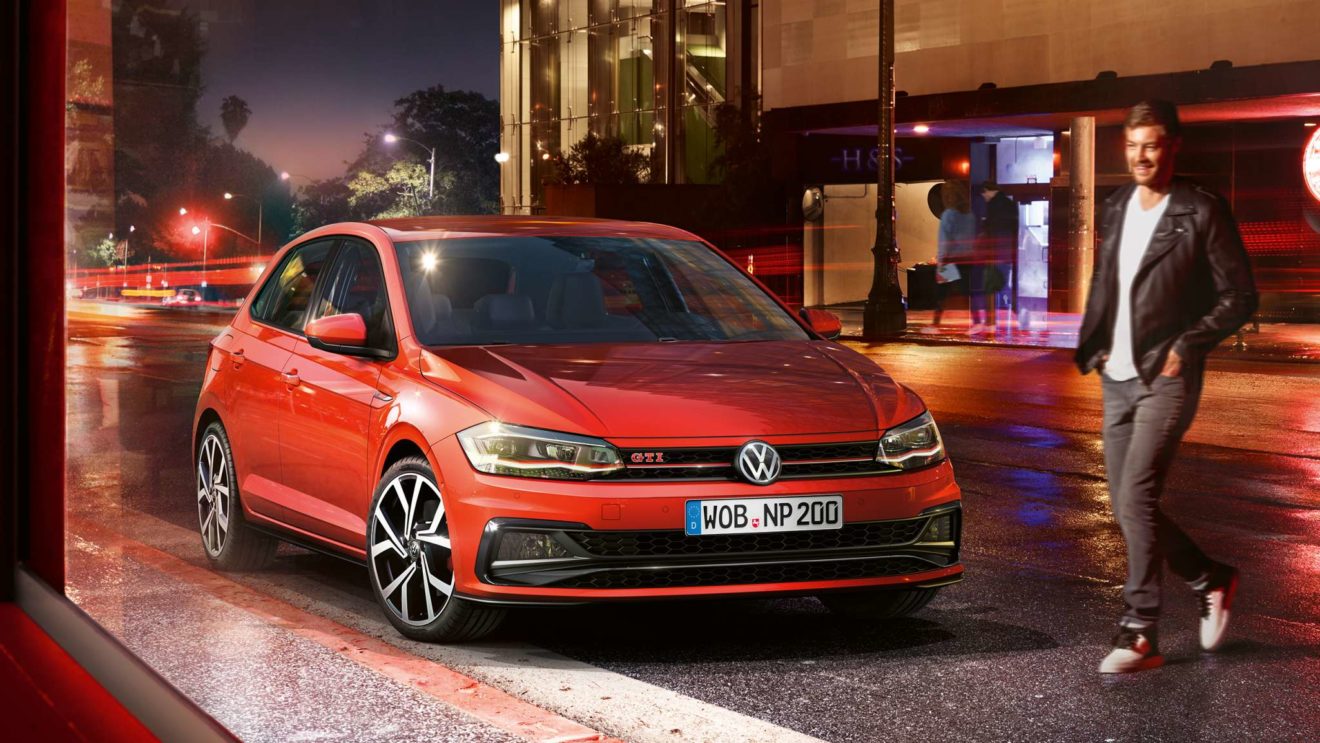
    Alexander Hitzinger, a 49-year-old engineer who defected to Apple after helping to develop Porsche’s winning 919 racecars, has been lured back to Volkswagen Group for perhaps his biggest challenge yet – building an electric car to take on Tesla. While Volkswagen, the world’s largest automaker, has been rolling out electric vehicles from the ID.3 compact to the high-end Porsche Taycan, analysts say it needs a more comprehensive system that integrates electric power with new self-driving and infotainment technologies if it hopes to overtake Tesla.

    It has turned to Hitzinger, whose ability to conceptualize clean-sheet designs and manage projects helped Porsche develop a racecar that won the Le Mans endurance race in 2015, 2016, 2017. After a stint working on Apple’s autonomous cars, Hitzinger now heads up Volkswagen’s “Project Artemis”, named after the Ancient Greek goddess of hunting, with the aim of chasing down electric car pioneer Tesla. “At Porsche, I always thought of a vehicle as a comprehensive system. This is a very important point. It is what Tesla does well,” he explained in a video interview.

    The task of building a car has gotten more complex with the advent of electric and autonomous driving technologies, forcing new battery-driven powertrains to compete for electricity with camera, radar, and lidar sensors, plus infotainment systems. Rather than stitching together separately designed systems, Artemis wants to create something new and seamlessly integrated, from the ground up, Hitzinger told Reuters. “The idea behind Artemis is to have a comprehensive understanding of the vehicle. When something is optimized, this has knock-on effects and these need to be understood.”

    Volkswagen’s “Project Artemis”, named after the Ancient Greek goddess of hunting, with the aim of chasing down electric car pioneer Tesla

    Allocating processing power between propulsion, automated driving and infotainment systems such as satellite navigation and music streaming is a key challenge, he said.

    “The human-machine interface, the interior design, the exterior design, aerodynamics and the range are all interconnected. If I modify something on the exterior, it will impact the aerodynamics and the efficiency,” Hitzinger said.

    Volkswagen Group, whose brands range from budget Seats and Skodas to high-end Audis and Bentleys is now focussing on developing systems that can handle all these new demands.

    The car, which is due to be produced in 2024, will make use of components developed for Porsche and Audi’s premium electric vehicle platform, PPE. The group’s factory in Hanover, Germany, is being retooled to build an electric sport-utility vehicle for Audi, Bentley and Porsche.

    Having a small team of highly qualified engineers, who are empowered to take decisions unencumbered by the corporate bureaucracy of the Volkswagen empire, should end up producing a better vehicle more quickly.

    Analyst say VW needs a more comprehensive system that integrates electric power with new self-driving and infotainment technologies if it hopes to overtake Tesla.

    Project Artemis will have between 200 and 250 staff once Hitzinger is done hiring, up from 10 at present.

    “I am putting the team together on a top-down basis. The managers come first. Then I look for A-players, who will attract other A-players. I don’t want managers, but people who love to develop technologies, who are prepared to take risks,” he said.

    Artemis will seek to draw on existing skills within the Volkswagen Group, such as expertise in making vehicle bodies at Audi, but take the lead in developing new techniques that speed up production and improve the customer experience.

    “We want to set new standards for what a customer can do in a vehicle and how he interacts with the car,” Hitzinger said.

    He declined to elaborate on what user experiences the new car would offer, citing the confidential nature of the project.

    He also declined to comment on a power struggle unfolding at Volkswagen, which has convened its executive committee to meet on Tuesday to decide whether to extend CEO Herbert Diess’s contract.
  • China Grants Tesla Green Light To Start Selling Shanghai-Made Model Y SUV

    China Grants Tesla Green Light To Start Selling Shanghai-Made Model Y SUV

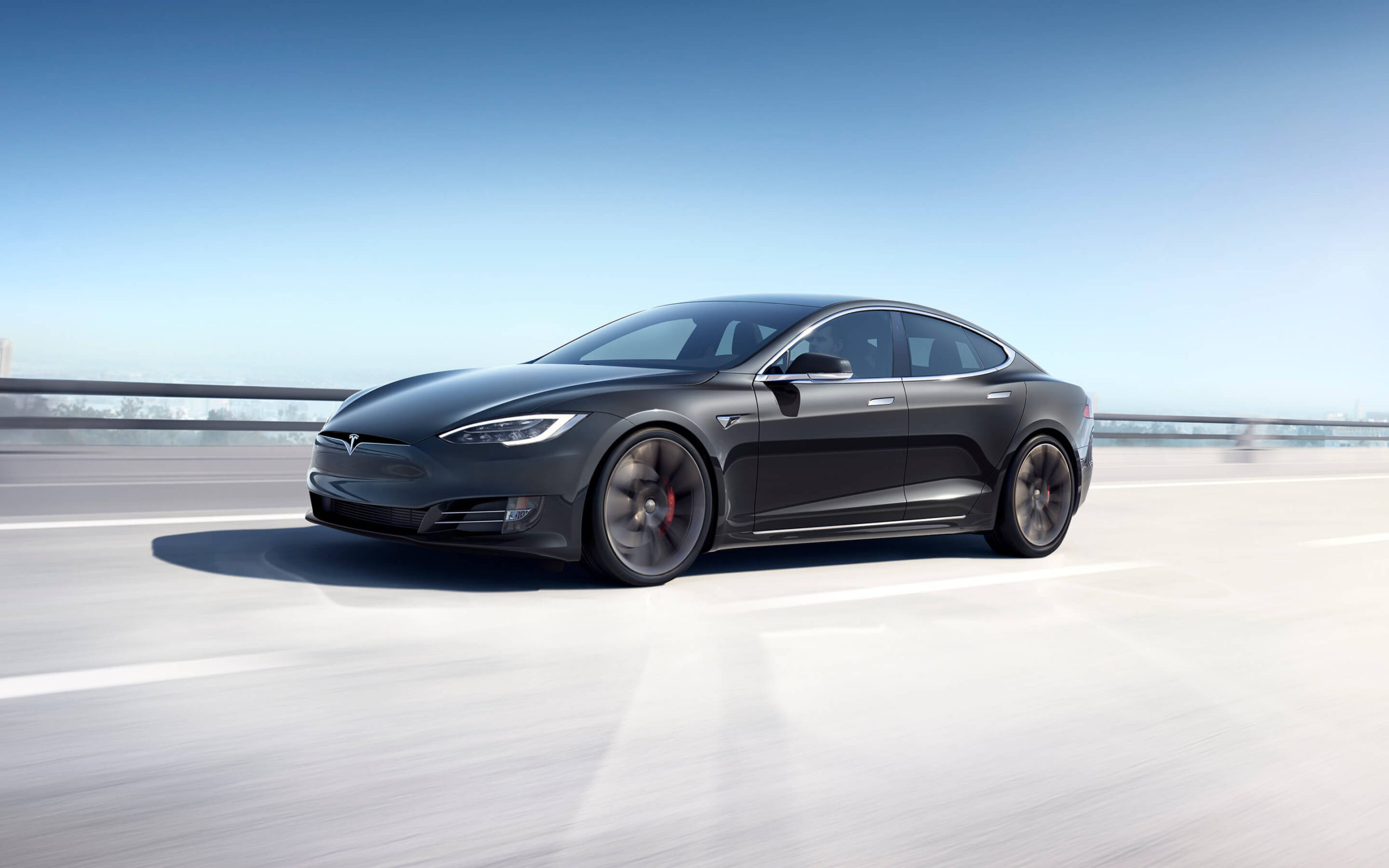
    Tesla Inc has obtained permission to start selling its Shanghai-made Model Y sports utility vehicle in China. The Ministry of Industry and Information Technology published the approval on its website on Monday.

    Tesla, now sells its Model 3 electric cars in China and has been building new car manufacturing capacity in Shanghai to make its Model Y SUVs. It applied for the Shanghai-made Model Y SUV sales permission earlier this month.

    It started delivering vehicles made in its Shanghai factory last December and sold more than 13,000 vehicles in China in October.

    The company has started exporting China-made Model 3 cars to Europe and said last week it plans to also start making electric vehicle chargers in China in 2021.

  • Tesla Plans To Produce Electric Car Chargers In China

    Tesla Plans To Produce Electric Car Chargers In China

    Tesla Inc plans to start manufacturing electric vehicle (EV) chargers in China in 2021, according to a document submitted to the Shanghai authorities by the U.S. firm which is seeking to expand sales in the world’s biggest car market.

    Tesla, which now sells its Model 3 electric cars in China and plans to deliver its Model Y sport utility vehicles in 2021, plans to invest 42 million yuan ($6.4 million) in a new factory to make the chargers, also known as charging piles, near its car plant in Shanghai, the document seen by Reuters said.

    China, which offers hefty subsidies for electric vehicles as it seeks to cut down on pollution from petrol or diesel cars, has been expanding its nationwide network of charging points, one of the biggest challenges to encouraging the adoption of EVs.

    The factory, which Tesla expects to complete in February, will have the capacity to make 10,000 chargers a year, according to the document submitted by Tesla

    It now imports the chargers, usually installed in charging stations or car parks, from the United States.

    Tesla, which sold over 13,000 vehicles in China last month, did not immediately respond to a request for comment.

    The Shanghai car factory, central to Tesla’s global growth strategy, aims to produce 150,000 Model 3 sedans this year and has started exporting some vehicles to Europe.

    Executives at Tesla said this year that the firm would expand its charging network to provide better service.

  • California’s New Coronavirus Curfew Does Not Apply To Tesla Workers

    California’s New Coronavirus Curfew Does Not Apply To Tesla Workers

    Workers at Tesla Inc’s California vehicle factory are deemed essential and are not impacted by the state’s latest restrictions to curb a new surge in coronavirus infections, the California health department said on Friday. Tesla and local California officials in March engaged in a heated months-long standoff over restrictions imposed to curb the first wave of infections, which culminated in the company’s chief executive, Elon Musk, defying health orders, suing local officials and threatening to leave the state. California’s governor on Thursday imposed a curfew on social gatherings and other nonessential activities

    Beginning on Saturday, the stay-at-home order prohibits non-essential business from 10 p.m. until 5 a.m. each day and applies in the majority of the state’s counties, including Alameda County, where Tesla’s factory is located.

    Workers at Tesla Inc’s California vehicle factory are not impacted by the state’s latest restrictions to curb a new surge in coronavirus infections.

    Asked whether the order applied to workers at Tesla’s Fremont factory, the California Department of Public Health in a statement said it did not apply to employees deemed essential workers, with manufacturing listed as an essential workforce.

    “The Critical Manufacturing Sector identifies several industries to serve as the core of the sector including Transportation Equipment Manufacturing Products,” the office said.

    CNBC first reported on the health department’s policies. Under California law, local counties can impose more restrictive measures than mandated by the state. Alameda County on Friday did not immediately respond to a request for comment.

    In a statement on Monday the county’s health department said it was following state guidance, but may act to restrict activities beyond the state’s requirements.

    During the initial virus outbreak in March, local officials ordered Tesla to halt production and Tesla’s factory remained shut down for roughly six weeks. Billionaire Musk in early May defied county orders by reopening the factory, telling county officials he stood ready for arrest.

  • Tesla Surges For Second Day Ahead Of S&P 500 Debut

    Tesla Surges For Second Day Ahead Of S&P 500 Debut

    Shares of Tesla surged 10% to end near a record high on Wednesday, extending a two-day rally after it was announced the electric car maker will join the S&P 500.

    The California company’s stock has jumped nearly 20% since S&P Dow Jones Indices announced late on Monday it would add Tesla to Wall Street’s most-watched benchmark as of Dec. 21, a change that will force index funds to buy around $50 billion (GBP 38 billion) of its stock.

    A blockbuster quarterly report in July cleared a major hurdle for Tesla’s potential inclusion in the S&P 500, leading to speculation that the company, now with a market capitalization over $450 billion, might be added to the index and spark a surge in demand for its shares.

    Up about 500% in 2020, Tesla has become the most valuable auto company in the world, by far, despite production that is a fraction of rivals such as Toyota Motor, Volkswagen and General Motors .

    Its stock tumbled 21% in one session on Sept. 8 after it was left out of a group of companies being added to the S&P 500, underscoring how much many traders expected it to be added.

  • Tesla Launches World’s Largest Supercharger Station

    Tesla Launches World’s Largest Supercharger Station

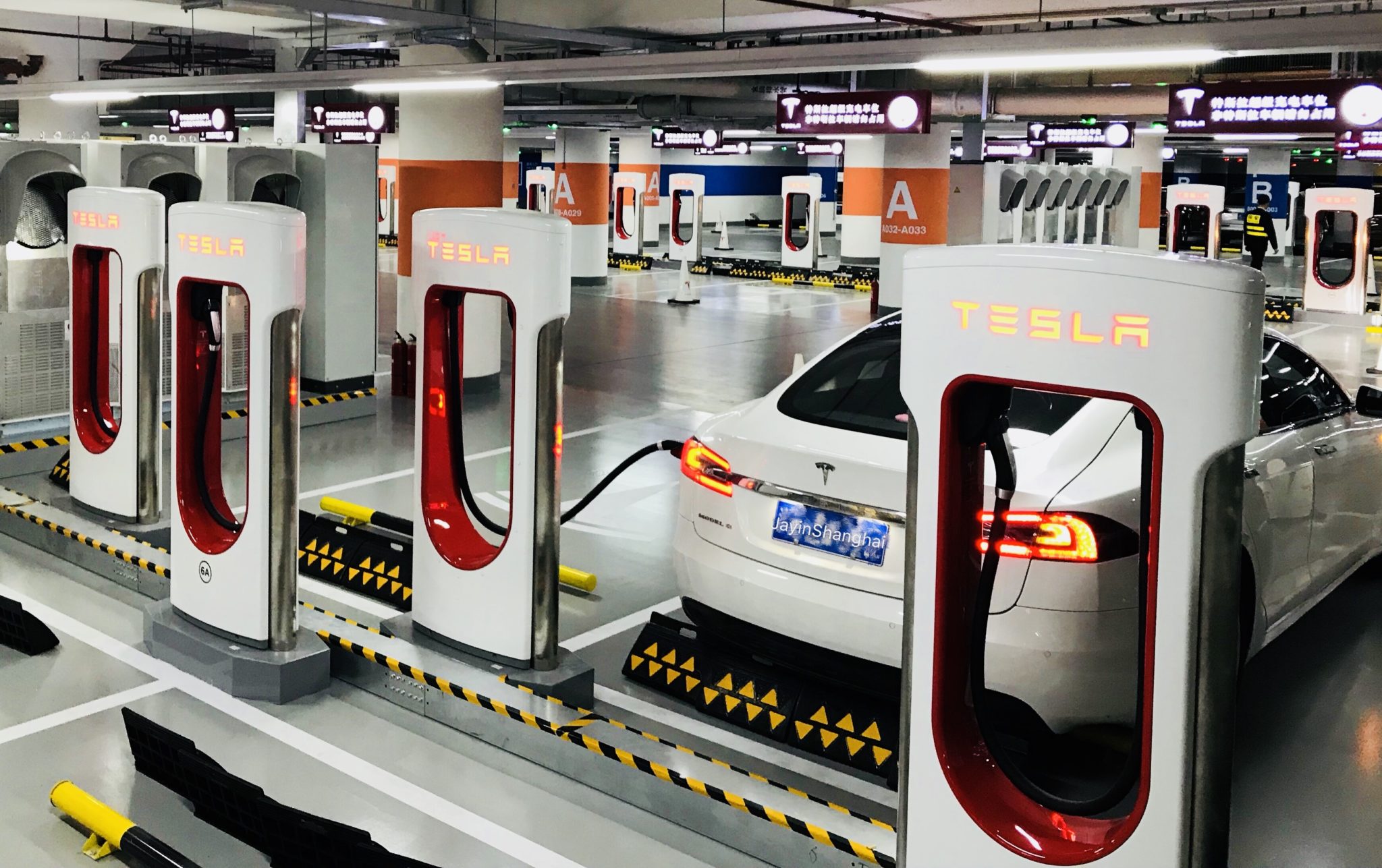
    Tesla has been expanding its supercharger network at a rapid pace and now the world’s most valuable automaker has unveiled the world’s largest supercharger station in Firebaugh, California. This supercharger station has been in development for a couple of months and it will have 56 supercharging stalls. In China, Tesla already has stations with 50 stalls, 56 is a new record.

    This is going to make the supercharger station significantly larger than the average station Tesla has in the US. The station is located between the Bay Area and Los Angeles which is obvious as Elon Musk himself stays in Los Angeles and Tesla’s original market was predominated by people in Silicon Valley and Hollywood. These two also represent the two largest markets for the electric car maker.

    Tesla has also built solar canopies, a restaurant and convenience stores at the location which makes the charging pitstop a little more engaging. The solar canopies are meant to provide shade to the vehicles while also helping power the supercharger station.

    This comes after the company has launched a new self-driving beta which improves the autonomous capabilities of its cars. It also comes at a time where the company has unveiled new models of the Model 3 and Model Y which have a greater range.

  • Tesla Is Looking To Move to AMD Navi Chips For The Media Control Units On Its Cars

    Tesla Is Looking To Move to AMD Navi Chips For The Media Control Units On Its Cars

    While Tesla has moved away from Nvidia’s silicon for its self-driving autonomous car capabilities, it still uses Nvidia’s Tegra mobile chips for the media control unit or MCU on its vehicles. It seems like Tesla wants to fully break up as it is considering AMD’s new Navi chips which form the basis for its new GPUs and the GPUs AMD has supplied both Microsoft and Sony for the Xbox Series X and PlayStation 5.

    Tesla has already switched to Intel-based x86 processors for its MCU on many vehicles and AMD’s Navi system on chips will have the same x86 architecture which will make the transition less painful. Patrick Schur has shared a document on Twitter which indicates that Tesla is particularly looking to move to AMD’s Navi 23 chip.

    Announced in October, AMD’s latest chips are said to match Nvidia’s GPUs in performance and outflank Intel’s CPUs in the same department while being significantly cheaper than products from the two companies.

    “Groundbreaking AMD RDNA 2 gaming architecture delivers up to 2X higher performance and up to 54 percent higher performance-per-watt compared to AMD RDNA-based graphics cards,” AMD says in a press statement describing its new Navi chips which are based on the RDNA 2 architecture.

    Tesla has also been hiring game developers which could mean that the world’s most valuable automaker could be very serious about gaming inside the vehicle. It is a strange choice but GPU compute these days is regardless more important than GPU compute for even AI tasks.

    This chip is said to be more powerful than Nvidia’s chips.

    Tesla has been at the forefront of this trend – it developed its own self-driving chip which it claims is better than Nvidia’s Xavier platform. For this, it even hired legendary chip designer Jim Keller, who has had stints at Intel, AMD and Apple. Jim Keller left Tesla in 2019 to join Intel but his stint at the iconic Santa Clara-based company also came to an end in June of this year.

  • The Layout Of Tesla’s Nevada Gigafactory

    The Layout Of Tesla’s Nevada Gigafactory

    Tesla’s famous Nevada Gigafactory has been under construction for three years but it has only been completed 30 percent. It is one of the key strategic assets for Tesla to secure battery cell supply. In fact, some of the space in the Gigafactory was reserved for Panasonic as the leading electric car maker had partnered with the Japanese company. Panasonic is said to deploy a new battery cell production capacity at the facility which Tesla will use to build battery packs for its vehicles and Powerwall products.

    Originally, the plant was to produce 105GWh battery cells per year and 150GWh of battery packs per year. This would’ve made this Gigafactory the largest building in the world. But this hasn’t happened as both Tesla and Panasonic have just used up 30 percent of the space and focussed its energies on optimizing the current production facility. Panasonic’s Celina Mikolajczak, its Vice President for battery technology in North America has revealed what the future expansions are in-store for the Gigafactory. Mikolajczak was actually formerly at Tesla where she was an expert in batteries and technical leaders in the development and validation of lithium-ion batteries.

    Mikolajczak has released a slide that shows the plan for the future sections of the Gigafactory. Panasonic currently occupies the majority of the factory, but future expansions are meant to give Tesla more manufacturing space, more battery manufacturing space for Panasonic and additional space for raw materials.Now this factory has 13 battery cell assembly lines 24 hours per day 7 days a week producing 35GWh of battery cells per year. With the extra space, the factory could top beyond the 105GWh battery cell capacity.

  • Tesla’s Release Of New ‘Self-Driving’ Software Closely Watched By U.S. Regulator

    Tesla’s Release Of New ‘Self-Driving’ Software Closely Watched By U.S. Regulator

    The U.S. auto safety regulator said on Thursday it was closely watching Tesla Inc’s release of a software version intended to allow its cars to drive themselves, saying it stood ready to protect the public against safety risks. Tesla on Tuesday night released a beta, or test version, of what it calls a “Full Self Driving” software upgrade to an undisclosed number of “expert, careful” drivers. The release prompted online posts by excited recipients who shared video snippets of their car driving apparently autonomously on city streets at night.

    During a Tesla earnings call on Wednesday, Chief Executive Elon Musk said the latest upgrade was planned to be widely released by the end of this year, with the system becoming more robust as it collected more data.

    “NHTSA has been briefed on Tesla’s new feature, which represents an expansion of its existing driver assistance system. The agency will monitor the new technology closely and will not hesitate to take action to protect (the) public against unreasonable risks to safety,” the National Highway Traffic Safety Administration said in a statement.

    NHTSA in July said its special crash investigation team had “looked into 19 crashes involving Tesla vehicles where it was believed some form of advanced driver assistance system was engaged at the time of the incident.”

    Musk for years has promised self-driving for the company’s vehicles but missed several self-imposed deadlines.

    Researchers, regulators and insurance groups say true self-driving is still years away and more complex than companies anticipated several years ago. They have criticized Tesla’s promotion of its existing semi-automated Autopilot system as dangerously misleading.

    A consortium of self-driving technology companies, Partners for Automated Vehicle Education (PAVE), which includes Ford Motor Co, General Motors Co and Google’s self-driving unit Waymo, criticized Tesla’s approach.

    “Public road testing is a serious responsibility and using untrained consumers to validate beta-level software on public roads is dangerous and inconsistent with existing guidance and industry norms,” PAVE said in a Thursday statement.

    Autopilot and similar advanced driver assistance systems can provide steering, braking and acceleration support under limited circumstances, generally on highways.

    Tesla’s website describes the new software release as “Autosteer on City Streets,” saying the system requires active driver supervision and does not make the car autonomous.

    Tesla owners can purchase “Full Self Driving” for $8,000 in hopes of eventually receiving the upgrade. Musk said early Thursday the price would rise by $2,000 on Monday, but later in the day tweeted U.S. price hikes would be pushed to Thursday next week. Similar price increases will apply in other countries as the test version was released there, he added.

    On Twitter, Tesla owners receiving the test version posted videos of their experience, claiming the car “literally sees everything,” setting indicators on its own and navigating turns even without clear lane markings. https://bit.ly/3kpgvUu

    They also posted a picture of the software update release notes, which said the system “may do the wrong thing at the worst time,” urging drivers to keep their hands on the wheel and pay extra attention.

    Reuters could not reach Tesla for comment on NHTSA’s statement and to confirm the authenticity of the release note.

  • Tesla May Build A Battery Plant In Indonesia

    Tesla May Build A Battery Plant In Indonesia

    Tesla is reportedly planning to build a facility for making batteries in Indonesia a report by CNBC revealed. “Minister of Industry (Menperin) Agus Gumiwang confirmed about Tesla’s plan, he said that Tesla would later be directed to build a factory in Batang. Currently, the discussion process between Tesla and the government is still ongoing,” says the report.

    “I said you put the investment here today, we will give the reserves. So, if we always change from commodity base to downstream. So, we see production downstream. That will turn Indonesia into a great country into the global supply chain,” said Indonesia’s coordinating minister of maritime affairs and investment, Luhut Binsar Pandjaitan.
    Reportedly, this facility would come up in Batang. All this comes after Tesla CEO Elon Musk pleased with mining companies to increase their Nickel production. Tesla was already in talks with the Indonesian government for building a new venture for nickel as the South East Asian country has rich reserves of the mineral.

    Indonesia has banned exporting Nickel which could be one of the reasons why Tesla is now keeping to invest in the country. Tesla has already outlined its vision for scaling the production of its batteries to 200 GWh by 2023 and 3 TWh by 2030 and the only way it will achieve this ambitious target is by having a facility in Indonesia.

  • Tesla Is Pushing New Software Update To Increase The Range The Model Y

    Tesla Is Pushing New Software Update To Increase The Range The Model Y

    Tesla has been relentlessly improving its cars and now a new software update that is coming to the relatively new Model Y will enhance the range of the vehicle. The software update numbered 2020.40.7 is behind these new efficiency improvements.

    “Your car’s range has increased with new software that improves the efficiency of the motors and the climate control systems,” Tesla said in the update release notes.

    It also notes that there is no impact on the efficiency of the HVAC system or the performance of the vehicle with these range enhancements. Fundamentally, there are no trade-offs.

    “Note: These changes do not impact acceleration or overall climate control performance,” Tesla added.

    As reported by Electrek, a Tesla Model Y owner noted the new software update accounted for a meager enhancement in range to something between 320 and 325 miles. Tesla officially has also enhanced the range of the Model Y from 316 miles to 325 miles.

    This is not the first time the company has done this as it recently increased the range of the Model 3 by 15 miles.

  • Tesla To Export China-made Model 3 vehicles to Europe

    Tesla To Export China-made Model 3 vehicles to Europe

    Tesla said on Monday it would start exporting China-made Model 3 cars to more than 10 European countries this month, joining a growing number of automakers using China as an export hub for electric vehicles.

    The U.S. carmaker, which started delivering vehicles made in its Shanghai factory in December, will export China-made cars this month to countries including Germany, France, Italy and Switzerland, it said in a statement.

    Elsewhere, German rival BMW is preparing to export its electric iX3 model, made at a joint venture plant in Shenyang, China, to Europe, while Daimler is shifting production of its Smart branded city cars to Hangzhou Bay.

    Tesla has been expanding in China even as tensions between Washington and Beijing have been escalating. The Shanghai factory, Tesla’s first car plant outside of the United States, aims to build 150,000 vehicles this year.

    “Support from Chinese government towards the industry, innovative local companies and customers embracing new technologies make China the best market for smart electric vehicles,” Tesla said, adding it would expand car production, charging and sales networks in China.

    The electric vehicle maker, which sold more than 11,000 Model 3 cars last month in China, the world’s biggest auto market, is also building new car manufacturing capacity in Shanghai to make its Model Y sport-utility vehicles.

    Reuters reported in September that Tesla was planning to export Model 3 vehicles made in China to Asian and European markets, citing people familiar with the matter.

    The export of the Model 3 to Europe comes as Tesla is in the process of building a German factory on the outskirts of Berlin and after the German government announced a subsidy of up to 9,000 euros for buyers of electric cars, including the Model 3.