Tag: Textile

  • Government to take firm action against illegal textile imports

    Government to take firm action against illegal textile imports

    The government plans to take firm action against illegal imports of textile and textile products as these have been hindering business and impacting ind ustrial growth in the manufacturing sector.

    “We will take firm action against importers who have so far misused facilities to avoid official levies by the government,” Finance Minister Sri Mulyani said at a press conference here on Thursday.

    She stated that strengthening the textile industry and the textile products sector was very important as this sector has been asked to increase production to boost national exports.

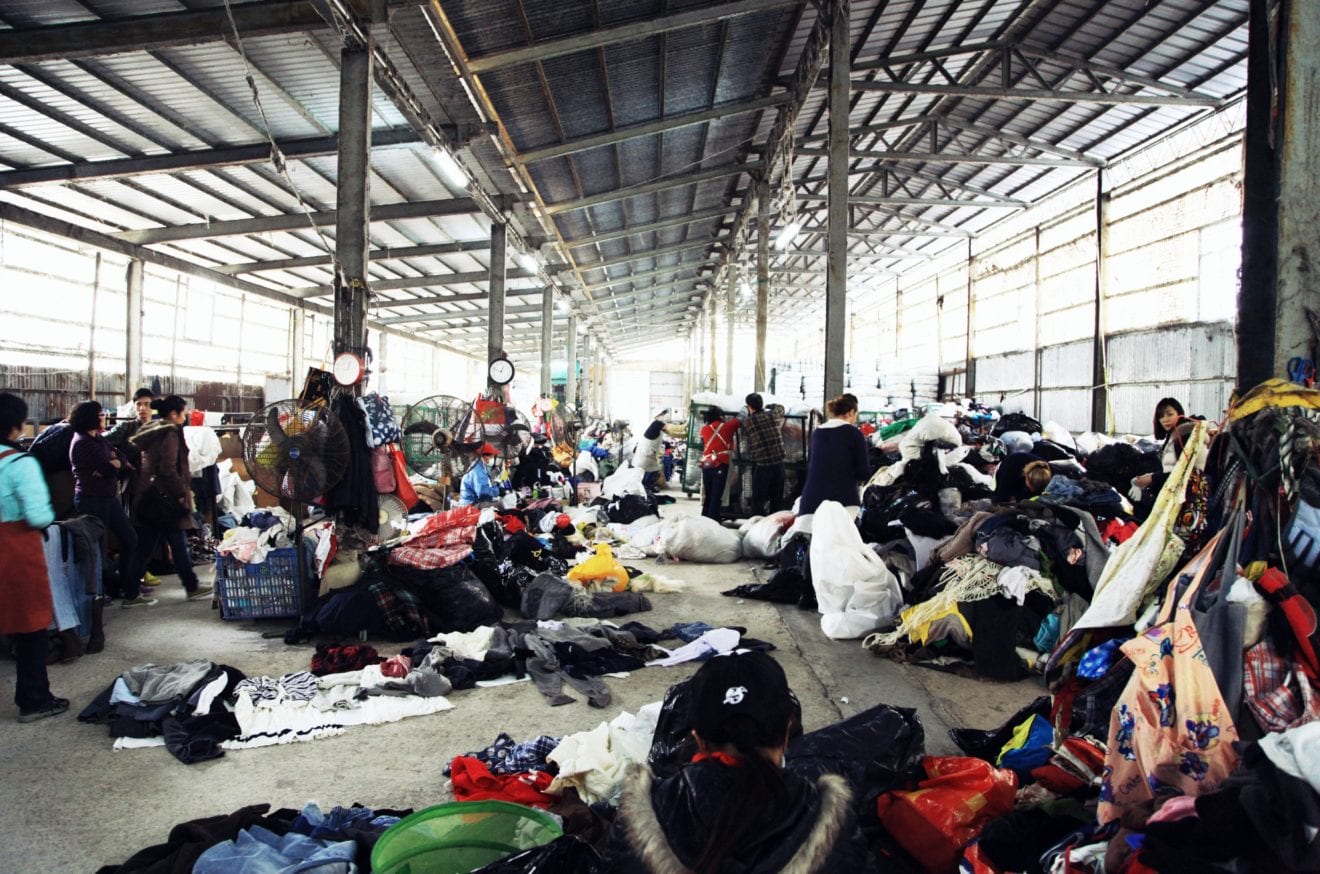
    Smuggling of used clothes into several regions of the country to meet the increasing demand for cheap clothes has been disrupting growth of textile and textile products sector.

    Certain people were illegally importing products. These people held import licenses to transfer goods to other parties. Businessmen dealing in textile and textile products exploited these licensed importers.

    “We will enforce the law. We have invited police officers to a meeting attended by the chief of the crime investigation department to take a stronger and more consistent action against illegal imports,” she assured.

    Sri Mulyani informed that she would also invite other ministries to review regulations relating to textile and textile products imports. Some of these regulations overlap and run against the needs of the public, trade and industry.

    The TPT (textile and textile products) is a labor intensive industry that can absorb a lot of workers and even create new jobs in the distribution and trade sectors, she added.

    In 2016, Indonesias TPT exports contributed 9.61 percent to the total non-oil and gas exports, which is the second highest after palm oil exports, recorded at 10.3 percent.

    Based on national law enforcement data in 2015, 162 cases of smuggling were aborted by the Directorate of Customs and Excise of the Ministry of Finance. Until October this year, 151 cases of TPT smuggling cases had come to light.

    The Directorate of Customs and Excise would tighten coordination and supervision in cooperation with the Corruption Eradication Commission, the Indonesia Police, the Ministry of Trade as well as the Ministry of Industry to solve the TPT import problem.

    With improved TPT import policies and their implementation, the national manufacturing industry is expected to grow while domestic prices of TPT would be more stable and state revenues more optimal.

  • Hong Kong textile cos eye Make in India to cut costs

    Hong Kong textile cos eye Make in India to cut costs

    India is rising, not only as a new choice of relocating labour-intensive industries from China, but also as a retail market of good potential, says a research report by The Hong Kong Trade Development Council (HKTDC).

    In recent years, the sustained rise in production costs on the Chinese mainland has eroded the profit margins of many Hong Kong companies with labour-intensive factories located on the Chinese mainland, prompting them to seek alternative production bases elsewhere.

    While Southeast Asian countries offer many choices, the HKTDC report says India offers many advantages as an alternative production base, along with the added advantage of having a domestic market of great potential.

    According to the report, the majority of Indian garment producers are focused on the domestic market, as their product quality was generally lower than the standards required by overseas importers.

    Despite this, many big Indian exporters have successfully lined up with international buyers, including department stores, retail chains and brands.

    The paper was written after a recent field trip to India that included factory visits and interviews with garment manufacturers.

    In the four years to 2014, India’s garment exports increased at an average annual rate of 12 per cent, surpassing China’s 9 per cent, in line with Bangladesh’s 13 per cent and eclipsed by Vietnam’s 17 per cent.

    With advantages of raw materials and prospects of vertical integration, India is a strong garment exporting country and a location worth considering for factory relocation in relation to labour-intensive manufacturing, such as garment-making.

    The report pointed out that while China is the undisputed world leader in exporting textiles and garment products, many have overlooked India’s position as the world’s second biggest exporter of textile and garment products in 2014, selling a total of $36 billion, during the year, far behind China’s $399 billion.

    For textile exports alone, India was second after China in 2014, with a share of 5.8 per cent of the global market, compared to China’s enormous 35.6 per cent share.

    HKTDC says it is not surprising that the bulk of garment manufacturing in India is for the domestic market, supported by the country’s huge capacity in textiles production.

    India stands out to be a substantial exporter in both garments and textiles. In 2014, India imported textiles worth only $3.8 billion, lagging much behind Vietnam’s $12 billion, Bangladesh’s $6.8 billion, and just ahead of Cambodia’s $3 billion, the report said.