Tag: Thailand

  • Thailand’s land prices skyrocket amid urban growth

    Thailand’s land prices skyrocket amid urban growth

    Land prices in Bangkok capital city of Thailand has skyrocketed 75% in recent years due to infrastructure development along with urbanization driven by mass transit expansion.

    Saenphin Sukhee, chief executive of residential developer Frasers Property Home (FPH), said land prices in Bangkok continued to grow despite the Covid-19 pandemic with an average increase of 70-75% during 2020-2022.

    Saenphin said actual prices of land have risen beyond appraisal land prices. Financial institutions cannot catch up with the rise. As a result, FPH got project loans lower than they should.

    The Real Estate Information Center (REIC) has recently reported the price index of vacant land in Greater Bangkok in the fourth quarter in 2022 at 381.4 points, an increase 12.5% compared to the same period in 2021 and rose 3.4% from the third quarter of 2022.

    REIC acting director-general Vichai Viratkapan said rices of vacant land kept increasing but the rises remained lower than the five-year pre-pandemic average of 14.8% year-on-year and 4.1% quarter-on-quarter during 2015-2019.

    He said the lower growth was derived from the global economic slowdown due to the pandemic and the Russia-Ukraine conflict and the normal collection of the land and building tax in 2021-2022.

    Meanwhile, land in outer Bangkok locations saw a rising change in prices as land prices remained low, viable to develop low-rise houses at affordable prices for mass market demand.
  • Indonesia surpasses Thailand as Vietnam’s largest car exporter

    Indonesia surpasses Thailand as Vietnam’s largest car exporter

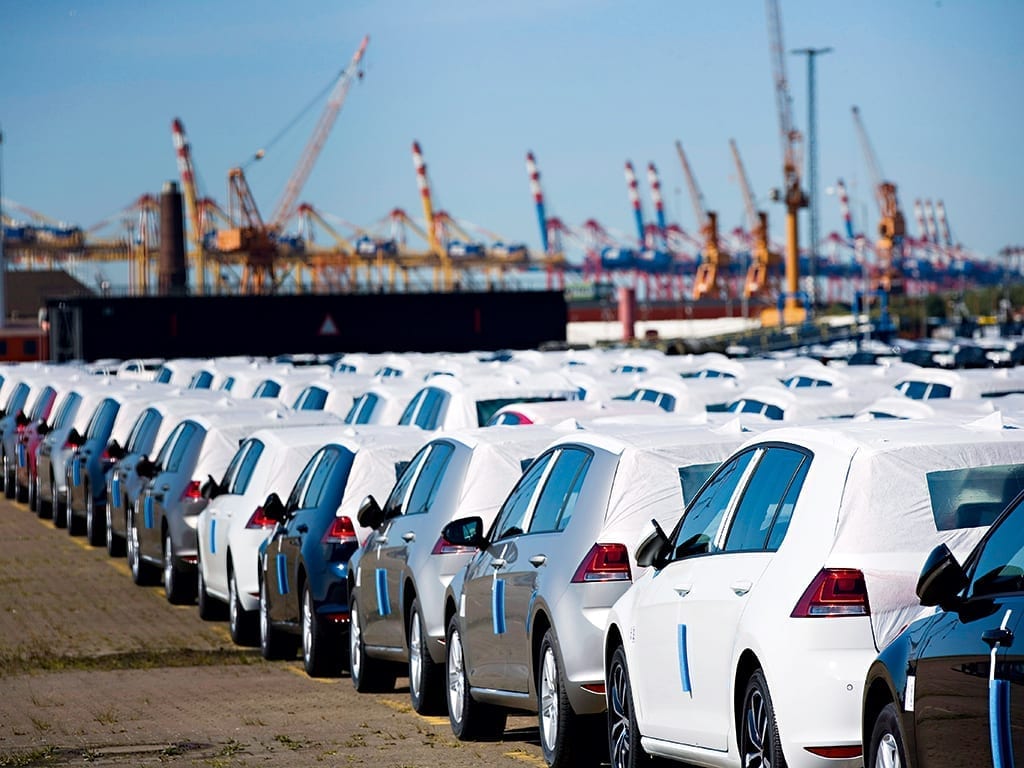
    Indonesia surpassed Thailand as Vietnam’s largest car exporter in 2022, with 72,671 cars exported.

    According to statistics released by Vietnam Customs, Vietnam imported 173,467 cars in 2022, an 8.5% increase from 2021.

    Indonesia, Thailand and China were the biggest car exporters to Vietnam, but Indonesia surpassed Thailand to be the country that exported the most cars to Vietnam, with 72,671 cars exported in total, a 64.2% increase from 2021, and worth $10.5 billion.

    Thailand exported 72,032 cars worth $1.42 billion to Vietnam in 2022, a 10.9% decrease in number from 2021. The number of cars imported from Indonesia and Thailand amounted to 144,703 cars, accounting for 83% of all imported cars. China stood in third place, exporting 17,240 cars to Vietnam in 2022.

    For the first time in decades, the number of cars sold in Vietnam in 2022 reached 508,547 cars, according to statistics from the Vietnam Automobile Manufacturers’ Association and TC Motor.

  • Thailand’s New Year spending to hit $2.9B

    Thailand’s New Year spending to hit $2.9B

    Consumer spending during the New Year holiday is expected to reach 103 billion baht ($2.96 billion), pushed by the country’s continued economic recovery from the pandemic.

    The estimated spending is an expansion of 20.1% from the 85.7 billion baht posted during the previous New Year period, the highest increase since 2007 and the first time in three years consumption exceeds 100 billion baht.

    “Consumer spending is expected to be the most active in three years during the upcoming New Year festive season, boosted in part by the government’s recently approved ‘Shop Dee Mee Khuen’ tax rebate scheme,” said Thanavath Phonvichai, president of the University of the Thai Chamber of Commerce (UTCC). “This will be good for the economy.”

    On Tuesday, the cabinet approved a series of stimulus packages to increase consumer spending during the New Year period, including the Shop Dee Mee Khuen tax rebate scheme, under which consumers can claim up to 40,000 baht in tax deductions for goods and services purchased between Jan 1 and Feb 15.

    The maximum spending eligible for tax deduction is split into two parts: 30,000 baht for products or services for shoppers who receive paper tax invoices, and another 10,000 baht for shoppers who ask for electronic invoices.

    The measure does not cover the purchase of some products and services, including alcoholic beverages, cigarettes, cars, motorcycles, boats, hotel rooms, tour guide fees, utility bills, mobile phone bills, internet service bills and insurance premiums.

    According to Mr Thanavath, the tax rebate scheme is expected to generate about 60 billion baht worth of spending, which would help drive the country’s economic growth in the first quarter of next year by 0.1-1.0 percentage points.

    Saowanee Thairungroj, a member of the UTCC’s advisory board, said most of the spending will be slated for parties, overseas travel and merit- making. Spending on luxury goods and popular New Year gifts is predicted to increase from the previous year, she said.

    Ms Saowanee said average spending is estimated at 33,944 baht per person, up from 30,634 baht in the same period last year.

    Luxury products represent 45.8% of average spending, followed by travel at 18.4%, durable goods at 14.4%, parties at 11.3%, garments and shoes at 3.9%, liquor/wine at 3.5%, merit-making at 2.6%, and others for the remainder.

    The survey found notably higher consumer spending on luxury products, travel, durable goods, liquor/wine and parties, with spending on luxury products increasing to 15,556 baht per person from 14,142 baht last year.

    Spending on travel rose to 6,262 baht from 5,445 baht, durable goods gained to 4,899 baht from 4,082 baht, parties increased to 3,835 baht from 3,335 baht, and liquor/wine rose to 1,173 baht from 656 baht in the previous New Year season.

    In terms of requests from the government, most respondents cited tackling corruption, more consumer spending stimulus measures, a reduced cost of living and higher daily wages.

    For 2023, people also expressed concerns about increased use of drugs, the economic outlook, the high cost of living, unemployment, debt and fresh Covid-19 outbreaks.

  • Tesco faces legal claims over worker conditions at Thai clothing factory

    Tesco faces legal claims over worker conditions at Thai clothing factory

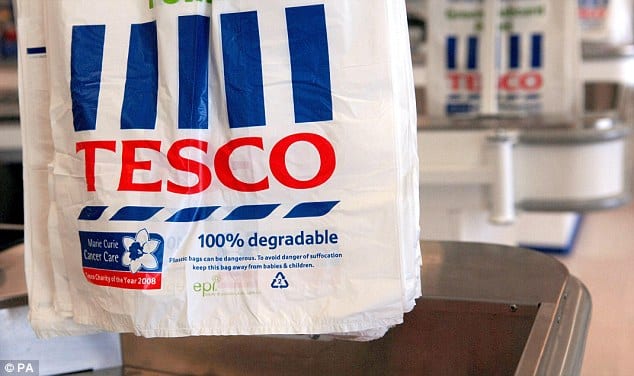
    A group of 130 former employees at VK Garment Factory in Thailand are suing the supermarket and auditing specialists Intertek.

    The workers, represented by law firm Leigh Day in the UK, claimed that they were paid up to £4 a day, working seven days a week, and “trapped in a cycle of forced labour and debt bondage”.

    VK Garment Factory, which is located in Mae Sot, employs a workforce of predominantly Burmese migrant workers.

    The legal claim said that the unlawful practices were not identified, despite both Tesco and Intertek carrying out audits at the factory.

    Tesco conducted operations in Thailand from 1998 to 2020 but sold its Thai and Malaysia interests for £8bn at the end of 2020.

    A Tesco spokeswoman said: “Protecting the rights of everyone working in our supply chain is absolutely essential to how we do business. In order to uphold our stringent human rights standards, we have a robust auditing process in place across our supply chain and the communities where we operate.

    “Any risk of human rights abuses is completely unacceptable, but on the very rare occasions where they are identified, we take great care to ensure they are dealt with appropriately, and that workers have their human rights and freedoms respected.

    “The allegations highlighted in this report are incredibly serious, and had we identified issues like this at the time they took place, we would have ended our relationship with this supplier immediately. We understand the Thai labour court has awarded compensation to those involved, and we would continue to urge the supplier to reimburse employees for any wages they’re owed.”

  • Thai coffee chain Café Amazon struggles to expand in Vietnam

    Thai coffee chain Café Amazon struggles to expand in Vietnam

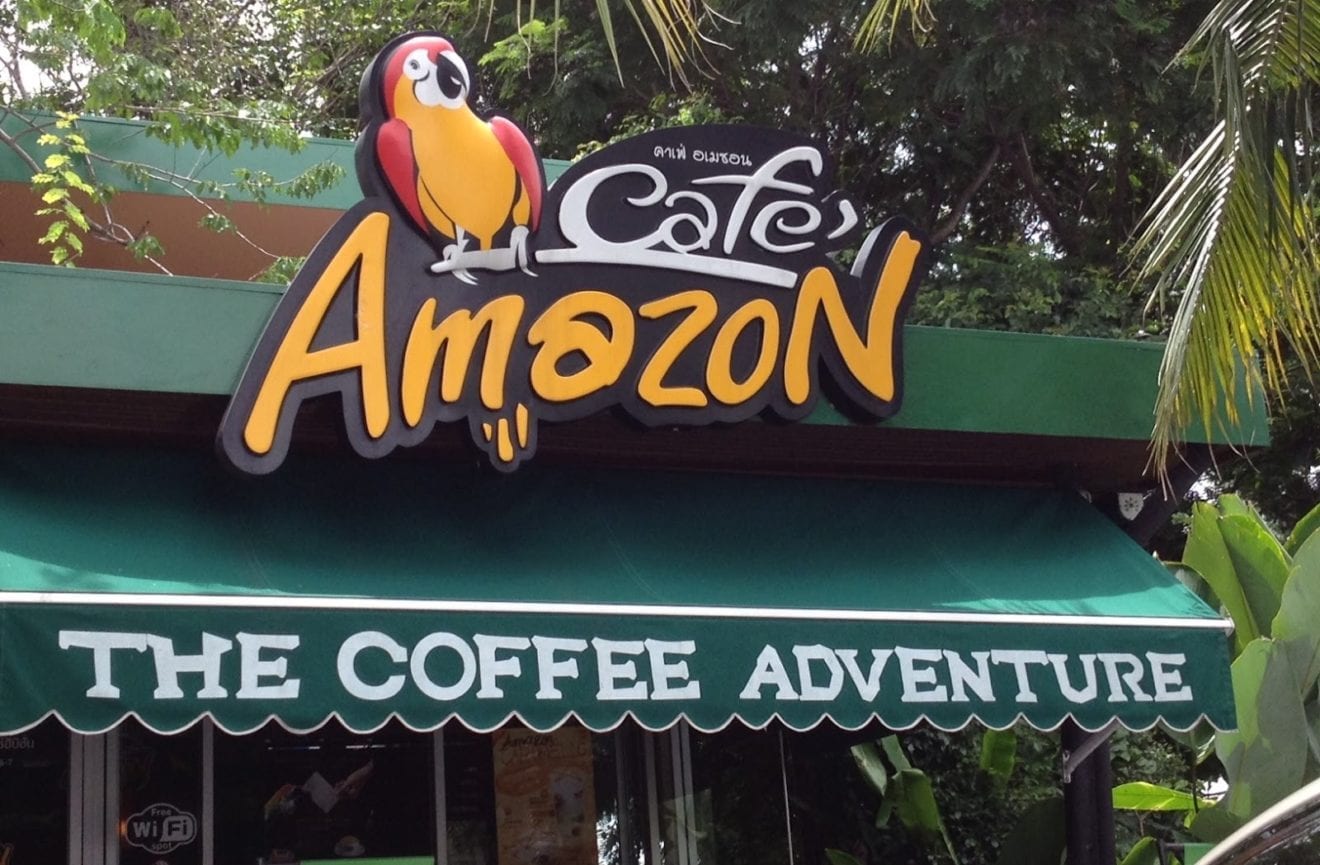
    Thai coffee chain Café Amazon, which entered Vietnam two years ago, has been slow in expanding due to intense competition and the Covid-19 pandemic stymieing its plans.

    With 15 outlets mostly in Ho Chi Minh City and some southern localities, it remains a world away from its biggest competitor, Highlands Coffee, which has 573 across the country.

    Café Amazon hopes to have 20 stores by the end of this year, none in the north.

    Other competitors The Coffee House has 153 stores, Phuc Long has 118 stores and 1,062 kiosks and small outlets and Trung Nguyen Legend has 95 stores and 572 E-Coffee outlets.

    In contrast, in Thailand, Café Amazon had over 3,400 stores as of mid-2021.

    “Everyone knows the Vietnam food and beverage market is difficult and so we are in the process of opening new stores while researching into Vietnamese consumption habits,” A-Tathak Srinon, marketing director of Café Amazon Vietnam, said.

    The Vietnam operation is 60% owned by Thai state-owned oil and gas firm PTT Public Company Ltd and 40% by retail giant Central Group.

    Its first store opened in the southern province of Ben Tre in October 2020, followed soon after in two other southern localities.

    But with Covid raging in 2021, restrictions were in place year-long, which included F&B businesses having to close for months.

    Besides, it has been unable to open coffee shops at gas stations, a strategy that has underpinned its success in Thailand, where most of its outlets are in PTT Oil fuel stations.

    Srinon said Vietnamese gas stations are smaller than in Thailand and not suitable for setting up coffee shops.

    The chain is therefore is focusing on its menu to distinguish itself from other competitors, he said.

    Last week it launched three new drinks with a distinctly Thai taste, including one called Tom Yum Ice Tea.

  • Line Man Wongnai in talks to buy Foodpanda’s Thai unit

    Line Man Wongnai in talks to buy Foodpanda’s Thai unit

    Thailand-based food delivery platform and unicorn Line Man Wongnai is negotiating to acquire the local unit of Foodpanda.

    German online food-delivery service provider Delivery Hero owns Foodpanda Thailand.

    Citing people familiar with the matter, the news agency reported that the food delivery platform was earlier valued at $100m, but due to market headwinds, the deal amount could be reduced.

    A source familiar with the development added that the deal is yet to be finalized and talks could still fail.

    Line Man Wongnai was established in 2020 following the merger of delivery service firm Line Man and Thai restaurant review platform Wongnai.

    The food delivery platform achieved unicorn status after securing $265m in a Series B round led by GIC, a Singapore sovereign wealth fund; and Line Corporation, the operator of a Japanese messaging app, in September.

    In August, food delivery companies Foodpanda, Grab and Deliveroo agreed to launch an association in Singapore to shape guidelines to support merchants and delivery staff.

    Called Digital Platforms Industry Association (DPIA), the organisation is intended to help identify improvement areas and facilitate collaboration with the government and industry stakeholders.

    Meanwhile, Central Restaurants Group, a Thail restaurant chain operator, plans to open 30 new KFC restaurant units in 2023.

    As part of this initiative, the franchisee plans to make an investment of THB400m ($11.5m).

    The group plans to open 15 restaurants in Bangkok, while the remaining units are planned in the upcountry region.

  • Tesla Launches EVs In Thailand Amid Competition From Cheaper Brands

    Tesla Inc launched two electric vehicle (EV) models in Thailand on Wednesday, marking its first foray into the regional autos hub that has long been dominated by Japanese manufacturers.

    The launch of two EVs with prices ranging between 1.7 million baht to 2.5 million baht (($48,447 to $71,205) comes as Thailand makes a push for EV adoption and production by offering tax cuts and subsidies.

    The U.S. automaker plans to start selling its EVs in Southeast Asia’s second-biggest economy via online channels, with deliveries set to start early next year. But it faces stiff competition from Chinese brands like BYD and Great Wall Motors, which have set up showrooms and distribution partners in recent years to reach customers and offer EVs with prices starting at 800,000 baht.

    Tesla did not provide details on sales targets.

    Thailand is Asia’s fourth-largest auto assembly and export hub for companies like Toyota Motor Corp and Honda Motor Co Ltd. It produces about 1.5 million to 2 million vehicles annually, of which about half are exported.

    Fuel-based vehicles, especially made by Japanese brands, still dominate the market and uptake of EVs has gradually gained momentum, with about 7,000 new battery EVs registered in the first ten months of 2022, according to the Thailand Automotive Institute, up from 2,000 last year.

    Customers who showed up to Tesla’s launch in a luxury mall in central Bangkok said they were interested in the new cars being offered.

    “I’m excited. The price differences aren’t significant (from other EV brands),” said office worker Thitipun Paisirikul, 36, adding he expected the re-sale value of the car would be high.

    The government wants at least 30% of vehicles produced in the country to be electric by 2030.

    State-owned energy firm PTT Group this year announced a $1 billion joint venture with Taiwan’s Foxconn to produce EVs in Thailand.

  • AirAsia Revamps Super Plus Unlimited Plan To Include Long-Haul Flights

    AirAsia Revamps Super Plus Unlimited Plan To Include Long-Haul Flights

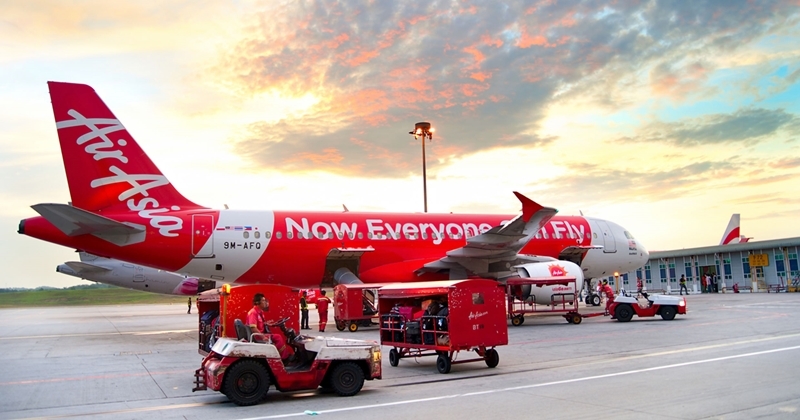
    In March, AirAsia launched a subscription service called Super+ that provides unlimited flights in Malaysia and across the ASEAN region as one of its main attractions. Fast forward to today, the service has been revamped to include long-haul flights from AirAsia X.

    Instead of just a single option, the AirAsia Super+ subscription service has now been divided into two. The first, the Super+ Lite is the closest to the original iteration and promises unlimited flights to destinations across Southeast Asia.

    That being said, the new Lite option is now priced much higher at RM888 per year. As a comparison, the original Super+ subscription costs RM639, which is a noticeable difference of RM249.

    As for the long-haul AirAsia X flights have been put into the Super+ Premium option, which comes with a price tag of RM2,288 per year. Each option includes additional perks, such as unlimited 5% discounts on hotels available via the AirAsia platform.

    AirAsia Super+ subscribers can also obtain 10% discounts on AirAsia Ride service in Malaysia, Indonesia, and Thailand. That being said, the discount on the AirAsia Ride is capped at RM2 in Malaysia while it is also capped at THB16 (~RM2.02) in Thailand and IDR6,500 (~RM1.84) in Indonesia.

    Not to forget, Super+ Lite and Premium customers would also receive 800 and 2,000 AirAsia points, respectively. However, the original bonus perks, such as COVID-19 insurance coverage and free delivery on food orders no longer available with the newly revamped Super+ offerings.

    Quite some policies from the original Super+ service have been retained for the revamp. Among them includes three no-shows limit, a 14-day advanced booking requirement, and no bookings for selected embargo periods.

    While Super+ subscribers are able to book their flights from today onwards, the date for the flights starts from 1 January 2023. Unlike the original Super+ version from earlier this year, AirAsia did not announce any customer limit or purchase deadline for the revamped options but nevertheless, the CEO of Capital A, Tony Fernandes at the launch event today noted that the offering would not be made available forever.

    The announcement of the newly revamped Super+ subscription service seemed rather timely, as Capital A has recently revealed its plan to offload the company’s aviation businesses which includes AirAsia Malaysia, Thailand, Indonesia, and the Philippines to AirAsia X. If the plan goes through, it will result in the creation of a new consolidated aviation group and may also help elevate both Capital A and AirAsia X out of their current PN17 classification by Bursa Malaysia.

  • Vietnam auto production ranks 4th in Southeast Asia

    Vietnam auto production ranks 4th in Southeast Asia

    Vietnam ranks fourth in Southeast Asia in auto production in the first 10 months at 362,000 units, up 16.4% year-on-year, according to the General Statistics Office.

    Thailand leads the region with nearly 1.6 million units made in the period, followed by Indonesia, 1.2 million, and Malaysia, 567,700, according to the ASEAN Automotive Federation.

    Many auto factories have recently been established in Vietnam, including Toyota, Honda, Ford, Kia, and Hyundai. Vietnam company VinFast has also been expanding with a focus on the global electric vehicle market.

    Some brands such as Skoda (Czech) and Chery (China) are planning to assemble cars in Vietnam through domestic partners in the next 1-2 years.

    Vietnam also imports cars from the regional leaders Thailand and Indonesia.

    Vietnam also ranked first in year-on-year auto sales growth in the first 10 months at 52.2%, followed by Malaysia at 50.7%.

    The country saw 322,963 units sold, against the leader Indonesia’s 851,413.

  • Low-quality rice imports to be restricted

    Low-quality rice imports to be restricted

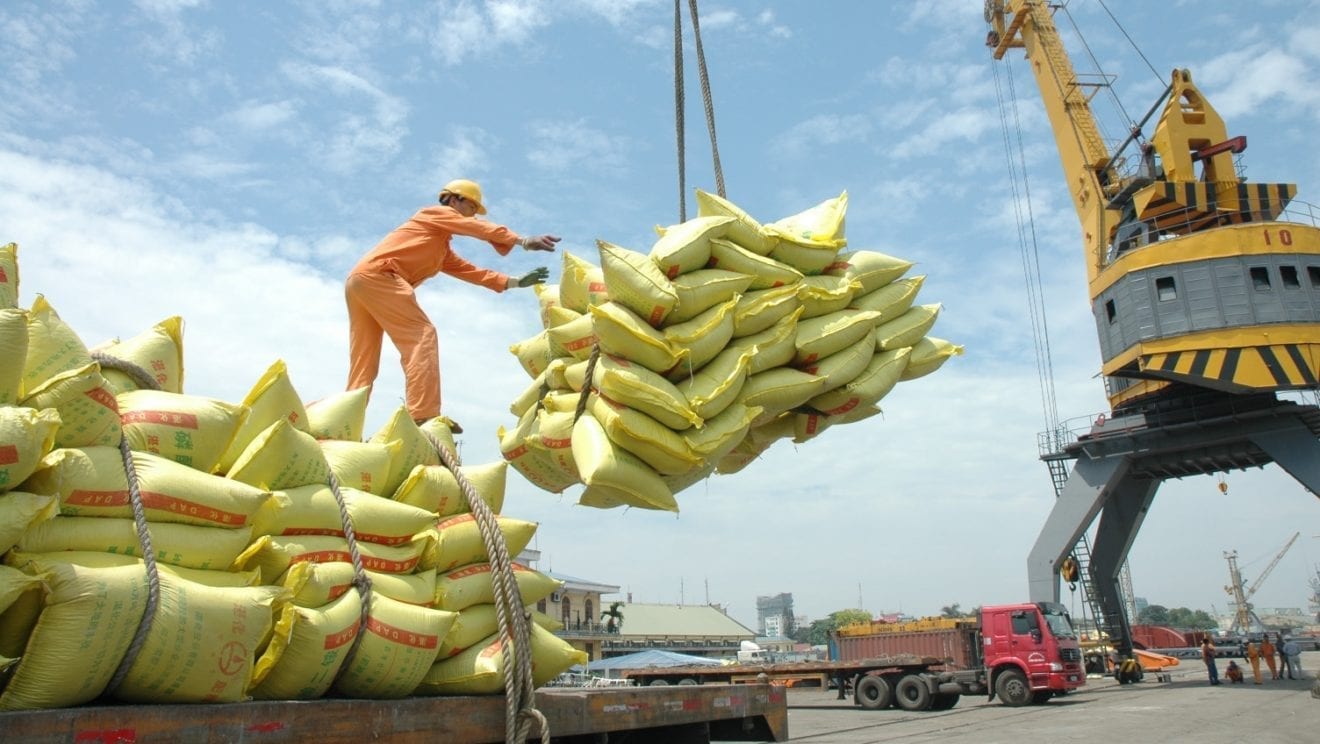
    The Ministry of Industry and Trade is drafting a decree on rice trade to limit the import of low-quality grain.

    The volume of low-grade rice imported from India has surged due to low vietnaprices and zero import tax under the ASEAN-India Free Trade Area, potentially affecting Vietnam’s own rice production and food security.

    Last year Vietnam imported a million tons of rice from various countries, including over 72% from India, according to ministry statistics.

    The low-quality grain, including broken, imported from India is mainly used to make noodles, cakes, animal feed, beer, and liquor.

    Vietnam, which exports 6-6.5 million tons of mainly high-grade rice annually to 156 countries and territories, had imported only around 5,000 tons of Indian rice in 2019, according to the ministry.

    Pham Thai Binh, general director of Trung An Hi-tech Farming Joint Stock Company, said “Vietnamese farmers’ income is still very precarious. Instead of importing low-quality rice, enterprises can buy rice in the domestic market, helping increase selling prices and farmers’ income.”

    According to the draft decree, if rice import volumes increase sharply, potentially affecting domestic production, they will be restricted. Besides, rice traders face stiffer penalties for failure to make quarterly and annual reports on exports and inventories as required.

  • Thai durian farmers feel threatened as Vietnam makes China debut

    Thai durian farmers feel threatened as Vietnam makes China debut

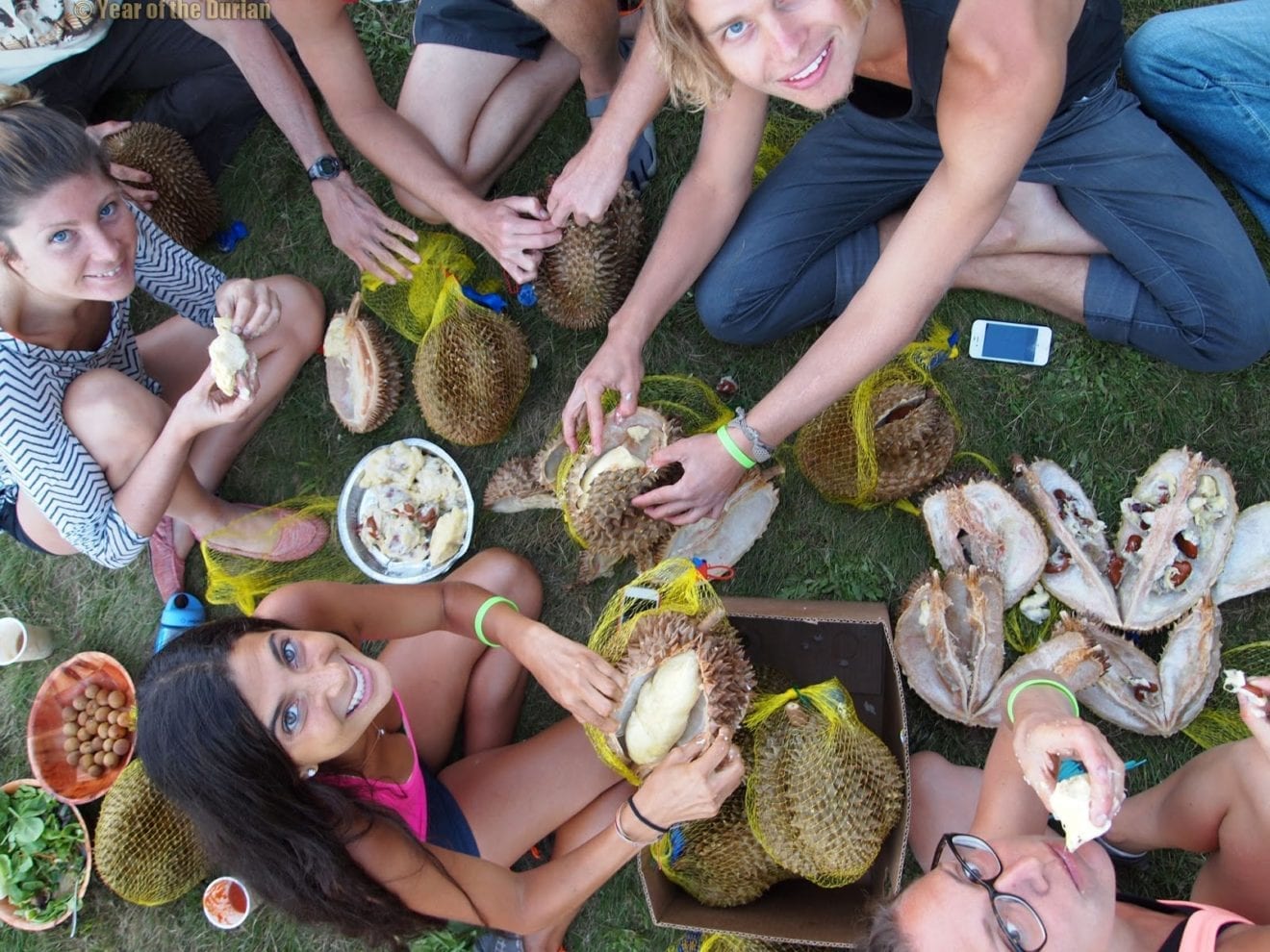
    Thai farmers who’ve enjoyed a virtual monopoly in exporting fresh durian to China are worried about Vietnam entering the fray because the latter’s proximity to the importer generates several advantages.

    When Vietnam’s first batch of fresh durian was exported to China under official quota in September, Thai farmer Busaba Nakpipat said she was concerned about heightened competition in a market that Thailand has dominated for decades.

    “Thailand used to be the only country allowed to export fresh durians to China, while Vietnam used to export processed durian,” she said. “But now Vietnam is our competitor and it worries me.”

    During a trip to Vietnam in September, Busaba saw an increasing number of durian orchards and found there was large potential in the country to further expand cultivation of the special fruit.

    Vietnam has been exporting processed durian to China for years, but now that the export of fresh durian to the world’s largest consumer market has been approved, local farmers see a great opportunity to make bigger profits.

    China has approved exports of fresh durian from nearly 3,000 hectares in Vietnam. It took Vietnam four years to negotiate the approval as China has become a difficult market with high quality standards.

    “Our exports need to meet Chinese consumers’ standards and we need to respect their desires and regulations. That is how we can ensure a sustainable export channel to this market,” said To Ngoc Son, deputy head of the Asia and Africa division under the Ministry of Industry and Trade.

    Industry insiders in Thailand view this development with some trepidation because its market dominance is threatened now.

    Thailand was the first country to export fresh durian to China. In 2021, Thai durian exports to China grew at a record 68% year-on-year to more than 875,000 tons.

    However, Vietnamese farmers have an advantage over their Thai counterparts because they can afford to pick durians for export later than in Thailand. Shipments from Vietnam take less time to reach China, said Thai academic and agriculture specialist Sakda Sinives.

    “Even without any clear difference in terms of taste … the riper fruit from Vietnam will slowly attain higher prices from buyers, while the price of durians from Thailand will fall. This quality control issue is why Thai [durian production] will fall as farmers can no longer shoulder the costs,” Sakda said.

    Sakda said that many traders operating in Thailand – more than a few acting on behalf of buyers from mainland China – have moved to Vietnam, lured by higher profit margins though very few Vietnamese farms have received export approval from China, he added.

    Long way to go

    However, Vietnamese officials say farmers in the country have a long way to go in improving their standards and practices to ensure export of high quality fruit.

    The nearly 3,000 hectares of durian orchards approved for exports to China only account for 3.5% of total area dedicated to cultivating the fruit.

    In the Central Highlands province of Dak Lak, where many durian orchards are located, only 16 out of 25 applications were approved by Chinese officials.

    “Some farmers are not aware of the benefits of being approved. Of those who have been approved, some do not keep a careful record of their farming activities,” said Vo Thanh Toan, an agriculture expert in Krong Pak District.

    Other officials have said that Chinese buyers have warned Vietnamese farmers about the failure to follow their standards by growing durian in the same area with other fruits, which increases the risks of pests and diseases. Some farmers have been warned about low hygiene and weak anti-Covid-19 measures.

    Nguyen Thi Thu Huong, deputy head of the Plant Protection Department, expressed concern at a recent forum that some Vietnamese durian farmers who have not been approved by Chinese officials are looking for ways to export to the neighboring country illegally.

    Farmers have registered to export 1.3 million tons of durian to China a year, which is double the approved amount by Chinese officials, suggesting that unapproved farmers are trying to add their fruit to the inventory of approved ones, she said.

    “If Chinese officials find out, all our negotiations and efforts of the last four years will be thrown away.”

  • Lotus’s launches smart community centre flagship store

    Lotus’s launches smart community centre flagship store

    Thailand’s retail chain Lotus’s has opened a Smart Community Centre concept dubbed Lotus’s North Ratchapruek in the northwest of Bangkok.  Operated by Ek-Chai Distribution System, the $42 million project spans more than 47,000sqm and is home to 130 shops and a hypermarket, which features more than 28,000 products. A majority of tenants are new partners, who have opened a branch in conjunction with Lotus’s for the first time.  “The new Lotus North Ratchaphruek Smart Community Center w

    “The new Lotus North Ratchaphruek Smart Community Center will be a model for renovating existing Lotus branches and opening new branches in the future,” said Sompong Rungnirattisai, CEO at Ek-Chai Distribution System.

    Rungnirattisai said the company plans to roll out several hypermarkets next year by adopting concepts from the North Ratchapruek branch.

    Earlier this year, the operator disclosed it was to invest US$354 – $382 million in store openings, store revamps and the development of infrastructure and online systems.

    The company has recently shifted its focus to expanding omnichannel and introducing new retail formats, including the Smart Urban Supermarket concept, Smart F&B Heaven and Open Air Mall.

  • Thai grocery retailer Big C eyes $500 million IPO

    Thai grocery retailer Big C eyes $500 million IPO

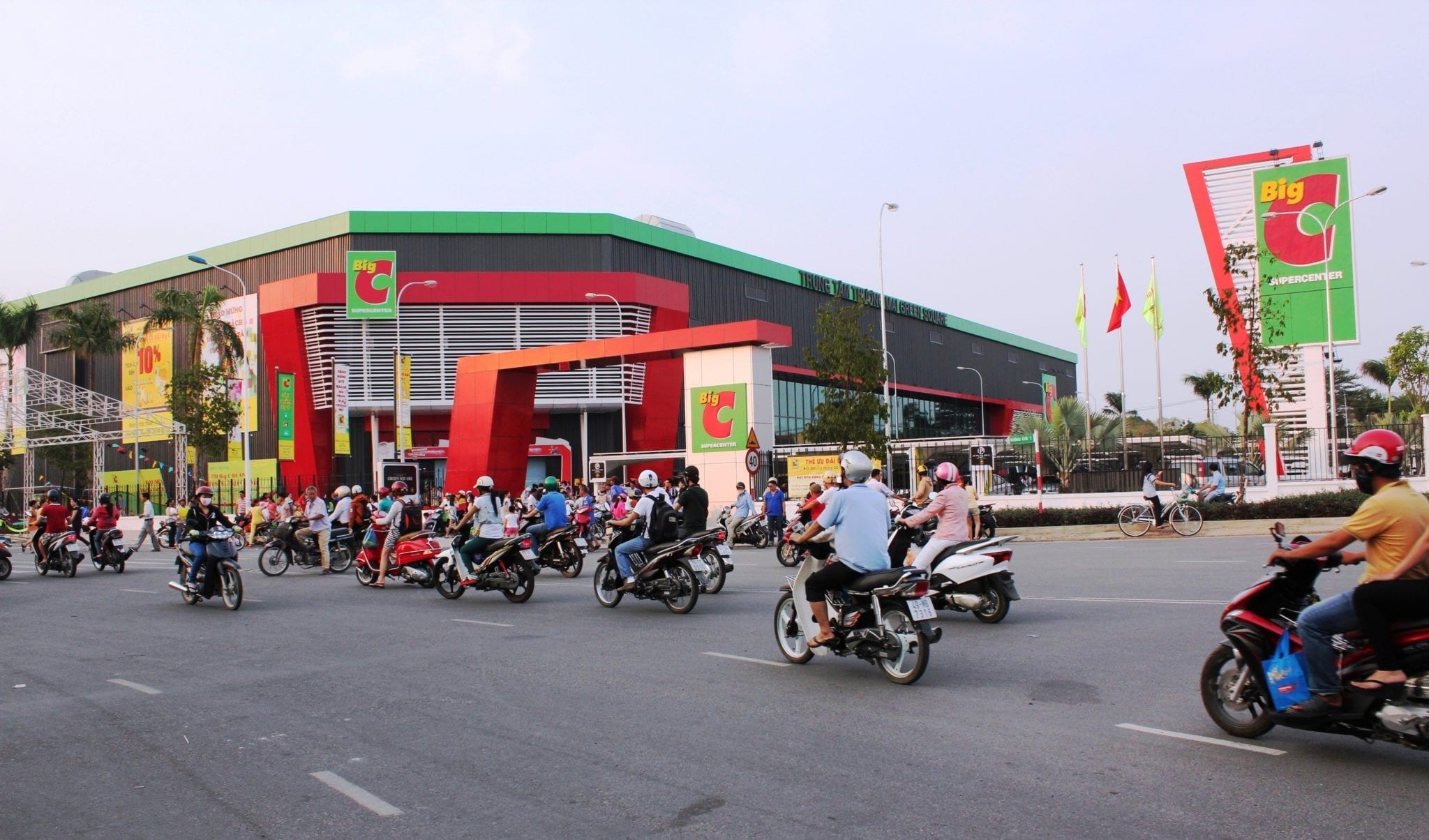
    Big C Supercenter, which runs supermarkets and convenience stores in South-east Asia, is considering going public again in Bangkok through an initial public offering that could raise more than US$500 million, according to people familiar with the matter.

    The Bangkok-based company is sounding out investment banks for proposals for the share sale, which could happen as soon as next year, the people said, asking not to be identified as the information is private.

    Discussions are ongoing and details of the potential offering such as fundraising size and timing could still change, the people said. An investor relations representative for Berli Jucker, the owner of Big C, said they have no information on the IPO plans so far.

    Big C was founded by Thailand’s Central Group in 1993 and opened its first store on Chaengwattana Road. The company raised about US$112 million in a Thai IPO in 2012.

    TCC Holding, controlled by Thai billionaire Charoen Sirivadhanabhakdi, in 2016 agreed to purchase a 58.6 per cent stake in Big C for 3.1 billion euros (S$4.34 billion) from French retailer Casino Guichard Perrachon. Big C was delisted in 2017 after Berli Jucker, a subsidiary of TCC, took it private.

    Big C operates 1,792 stores including convenience stores, supermarkets and hypermarkets in Thailand, Vietnam, Laos and Cambodia, according to its latest presentation. The company earlier this year acquired 18 Kiwi Mart stores in Cambodia and plans to rebrand them into Big C Mini stores.

  • Bangkok’s Amarin Plaza to be rejuvenated as Gaysorn Amarin

    Bangkok’s Amarin Plaza to be rejuvenated as Gaysorn Amarin

    Gaysorn Property is revamping the Amarin Plaza shopping centre in the heart of Bangkok with the property due to reopen in the fourth quarter of next year as Gaysorn Amarin.

    The complex will be reopened under the concept “Old-New Spirit” – featuring a blend of modern design and Roman post-modern architecture. The design is in partnership between Gaysorn Village and Hong Kong-based design studio CL3.

    There will be four components in the shopping mall: fashion style, food style, life & wellness style and work style.

    “The redevelopment will enable Gaysorn Village to become more than a leading lifestyle destination in the heart of Bangkok,” said Charn Srivikorn, chairman of Gaysorn Property.

    “We are seeking to bring the best of placemaking to transform our three buildings, which are Gaysorn Tower, Gaysorn Center and Gaysorn Amarin, into a venue that provides everyone with the opportunity to immerse themselves in a truly inspirational creative environment with unique designs and services.”

    The facade will be created with an architectural concept dubbed “Gaysorn Cocoon,” as well as green spaces and the Hanging Garden, which will function as a meeting and socialising space. There will also be a multifunctional area called The Piazza and an event venue The Forum.

    Gaysorn Property says the relaunch of Gaysorn Amarin late next year will bring tourism and economic vibrancy to the Ratchaprasong district, transforming it into Bangkok’s “Capital of Lifestyle District” with necessary and diverse facilities. One of the city’s largest malls, CentralWorld, is located diagonally opposite the new development.