Retail News CRM

Tag: Thailand

  • Vietnamese struggle to buy iPhones in Singapore, Thailand

    Vietnamese struggle to buy iPhones in Singapore, Thailand

    As Thailand was selected to be among Apple’s tier-1 markets for the second year, many Vietnamese traders chose the country, believing that there would be less competition in line. But it turned out that too many people had the same idea. Dinh Cong, a tech connoisseur in Ho Chi Minh City, said that things were “chaos” as too many people showed up at Thailand’s Apple Stores.

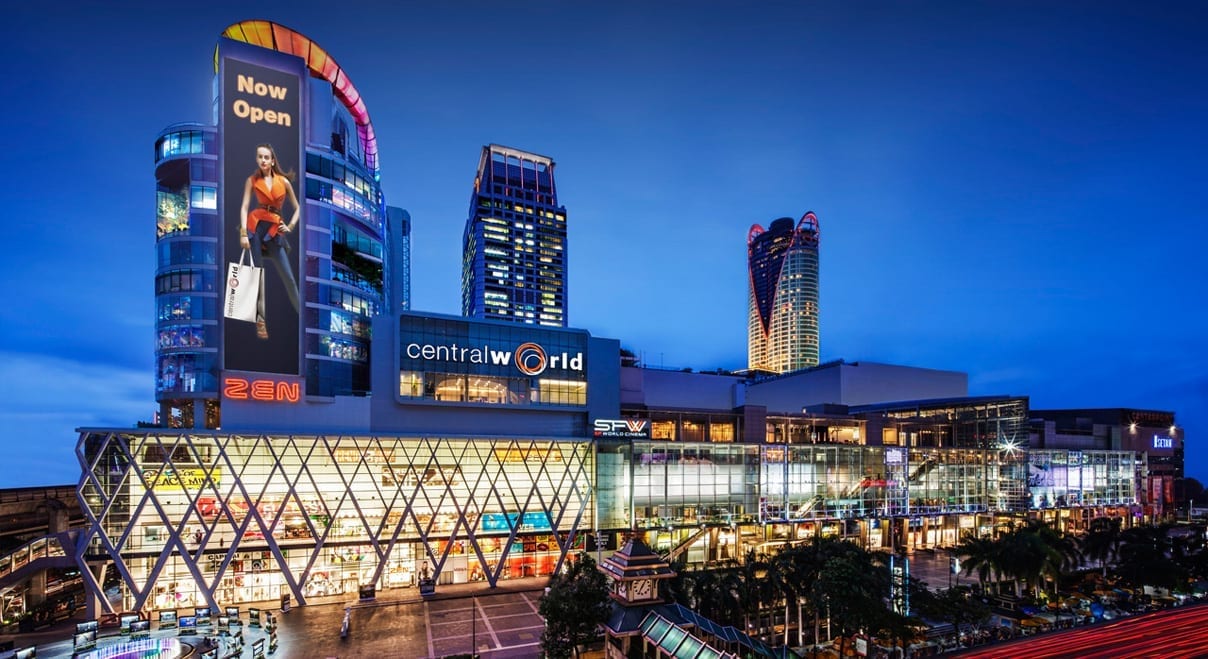
    Apple Stores at Bangkok’s Central World and Iconsiam gave the top queuers wrist bands on Thursday afternoon and then cleared the crowd. Trader Tuan Anh said that this was an organizational improvement from, last year, showing that early queuers and customers who pre-ordered would be prioritized.

    But Thanh Tung in the northern province of Quang Ninh said that even though he was the 20th queuer, the store said there were no iPhone 15 Pro Max models available after the few first customers. Vietnamese traders most hunt the Pro Max option as they can sell them in Vietnam at up to VND70 million ($2,872), 49% higher than Apple’s official prices.

    “Many had to leave empty-handed due to the limited stock,” Tung said.

    In Singapore, many people showed up from 5 a.m. at the Apple Store on Orchard Road.

    “Most were from Vietnam,” said trader Minh Khoi, who was among the queuers. By opening time, hundreds were seen at the store. Khoi said that supply could not meet demand, and the Pro Max option ran out after the first 50 customers.

    “Traders were willing to pay a VND10 million ($410.3) difference whenever someone came out of the store with a Pro Max.”

    Tuan Thanh, an iPhone seller in HCMC, said that his group was divided into three to gather enough iPhone 15s for customers who have pre-ordered.

    Although the earliest iPhone 15 Pro Max models in Vietnam were sold at VND60-70 million, their prices quickly dropped,.

  • Siam Piwat unveils US$28 million plan to attract visitors to Thailand

    Siam Piwat unveils US$28 million plan to attract visitors to Thailand

    Siam Piwat Co Ltd, has unveiled a four-pillar strategy it says will help boost its strengths as Thailand’s leading real estate and retail developer and maintain its leadership as a developer of global destinations, as part of its move to underpin the government’s plan to draw overseas visitors back in the post-pandemic era.

    As the owner and operator of world-renowned retail destinations including Siam Paragon, Siam Center, and Siam Discovery – and a joint venture partner of IconSiam and Siam Premium Outlets Bangkok – the company is well placed to support the government’s new tourism promotion policy.

    The company will invest more than 1 billion THB (US$28 million) during the fourth quarter to help the government achieve its target of 30 million overseas visitor arrivals into Thailand – and plans to double that investment next calendar year.

    “Siam Piwat is the leading developer of global destinations that have not only served as tourist magnets and solidified Thailand’s position as the top destination among global visitors for a long time, but are also highly successful and widely recognised in the global real estate industry,” said Chadatip Chutrakul, CEO of Siam Piwat Group.

    “Siam Piwat is prepared to move forward at full throttle. We are confident that the government will be able to transform our tourism sector into a formidable asset and create phenomena that will firmly establish Thailand as a premier destination on the map for travellers from all over the world,” she concluded.

    Siam Piwat’s four strategic pillars comprise world-class shopping leadership and leadership in luxury retail; hosting world-class events and MICE leadership; elevating Thai art and establishing Bangkok as a global art hub; and introducing Thailand’s soft power to the global stage.

    During the first eight months of this year, Siam Piwat’s shopping malls combined welcomed 14 million visitors, representing a 46 per cent increase over last year. Those visitors spent an average of 8500THB (US$238) each. The company also hosts the most affluent customer base in Thailand.

    As it works to help realise the country’s inbound tourism targets, Siam Piwat has developed four-pillar strategies of its own, in concert with the government’s.

    Leadership in creating extraordinary shopping experiences and strengthening its dominance in the luxury retail segment: Siam Piwat will join forces with luxury brands, tenants, and business partners to open 20 new shops of luxury brands during the fourth quarter – many of them making their Thai debut. The company will launch pop-up stores and world-class events in collaboration with more than 40 brands between now and the end of next year. All the leading luxury brands at Siam Paragon and IconSiam are preparing to expand their store spaces to become the regionally largest flagships.

    Leadership in world-class events and global MICE: Siam Piwat is working with state agencies, the Thailand Convention and Exhibition Bureau (TCEB) and the private sector to attract business travellers and high-spending tourists from across the world. The Royal Paragon Hall on the fifth floor of Siam Paragon and True Icon Hall on the seventh floor of IconSiam have this year hosted about 40 major events, while bookings are already at 70 per cent for next year. Siam Piwat will work within a global ecosystem of partners across businesses including airlines, hospitality, tourism and restaurants, to accommodate diverse event formats, and support Thailand in becoming the leading international MICE destination in Southeast Asia. In addition, Siam Piwat is currently in talks with a world-class event organiser to jointly invest and build a new convention centre in Bangkok.

    Leadership in promoting Thai art and establishing Bangkok as a global art hub: Siam Piwat has been a pioneer in supporting and hosting Thai artists for more than 15 years. It was the first company to publicly exhibit the works of Thai artists in shopping centres and has enhanced the role of Thai artists in supporting quality tourism. The company plans to work with the government and state agencies to establish Bangkok as Southeast Asia’s art hub to exhibit global art pieces, such as Art Basel and Frieze, in order to attract global artists to Thailand and create an opportunity for Thai artists to showcase their art alongside their global peers.

    In 2026, Siam Piwat plans to open the 8000sqm River Museum on the eighth floor of IconSiam. As Thailand’s first international-grade museum it will be able to showcase global masterpieces at the same level as leading museums in Europe and North America. This is part of a strategy to attract public art industry figures as well as collectors of artworks from around the world. In doing so, Siam Piwat hopes to attract a new category of affluent travellers that will help strengthen Thai tourism in the long term.

    Leadership in introducing Thailand’s soft power to the global stage: Over the past decade, Siam Piwat has developed a platform of opportunities to promote Thailand’s soft power and bring together the best of the best that Thailand has to offer from across industries including food, film, fashion and design. In addition, Siam Piwat has created SookSiam, bringing together more than 6000 independent SME businesses from across all 77 of Thailand’s provinces to showcase the many forms of Thai identity. SookSiam attracts at least 70,000 visitors daily and is widely shared by visitors on social media channels worldwide. Siam Piwat has also worked to develop Thai brands through its retail business, including IconCraft, ODS and Ecotopia – which have successfully helped businesses expand overseas. The company will continue working with Thailand’s Ministry of Commerce and Ministry of Interior and world-class partners to elevate Thailand’s soft power and draw global recognition.

    “Siam Piwat is ready to join hands with all parties to promote the tourism and hospitality industry, establish Thailand’s position as the top global destination, and support the government’s policy to bolster the tourism industry,” said Chadatip. “This will play a vital role in driving the Thai economy, stimulating economic activities, generating income, and creating employment for many people.”

    Siam Piwat says the tourism industry is vital to the nation, attracting many international visitors. The presence of those visitors yields far-reaching benefits, not only to tourism


  • Vietnamese firms look to Thailand amid export challenges

    Vietnamese firms look to Thailand amid export challenges

    Many Vietnamese companies are looking to the Thai market to export their products this year as demand declines in the U.S. and EU.

    Puripan Bunnag, senior vice president of the Thailand Convention and Exhibition Bureau, said in the first half of this year around 35,000 people from Vietnam have visited Thai exhibitions and fairs to explore opportunities to sell their products, a 20-30% increase from last year.

    Vietnam’s exports to Thailand have risen by 2% year-on-year this year to US$4.3 billion. Some main products included crude oil, metals, machinery, vegetables, and seafood.

    Bunnag said Thai consumers like Vietnamese agriculture produce.

    Nguyen Huu Nam, deputy head of the Vietnam Federation of Commerce and Industry in HCMC, said exports have been plagued by difficulties this year, including a decline in orders from the U.S. and the E.U., two key markets.

    Large Thai companies such as Central Retail, CP and SGC have been helping Vietnamese businesses export to Thailand, he said.

    Some fruits such as mango, longan and lychee have been sold in Central Retail’s supermarkets in Thailand at four or five times higher prices than in Vietnam, he added.

    Central Group has also recently partnered with 19 Vietnamese companies including King Coffee, Trung Nguyen Group, Napoli Coffee, Bibica (snacks), and Acecook and Vifon (instant noodles) to sell their products in Thailand.

    Napoli Coffee CEO Nguyen Duc Hung said that there are great opportunities for Vietnamese businesses to partner with Thai firms when they attend fairs in that country.

    “We have learned a lot of marketing and packaging techniques from Thai firms to attract international buyers.”

    Vietnam runs a trade deficit with Thailand. Last year it exported $7.5 billion worth of goods to Thailand but imports topped $14.1 billion.

    Industry insiders said Thailand protects its own businesses, making it hard for Vietnamese products to find their way there.

  • Thailand’s Big C to enter Hong Kong

    Thailand’s Big C to enter Hong Kong

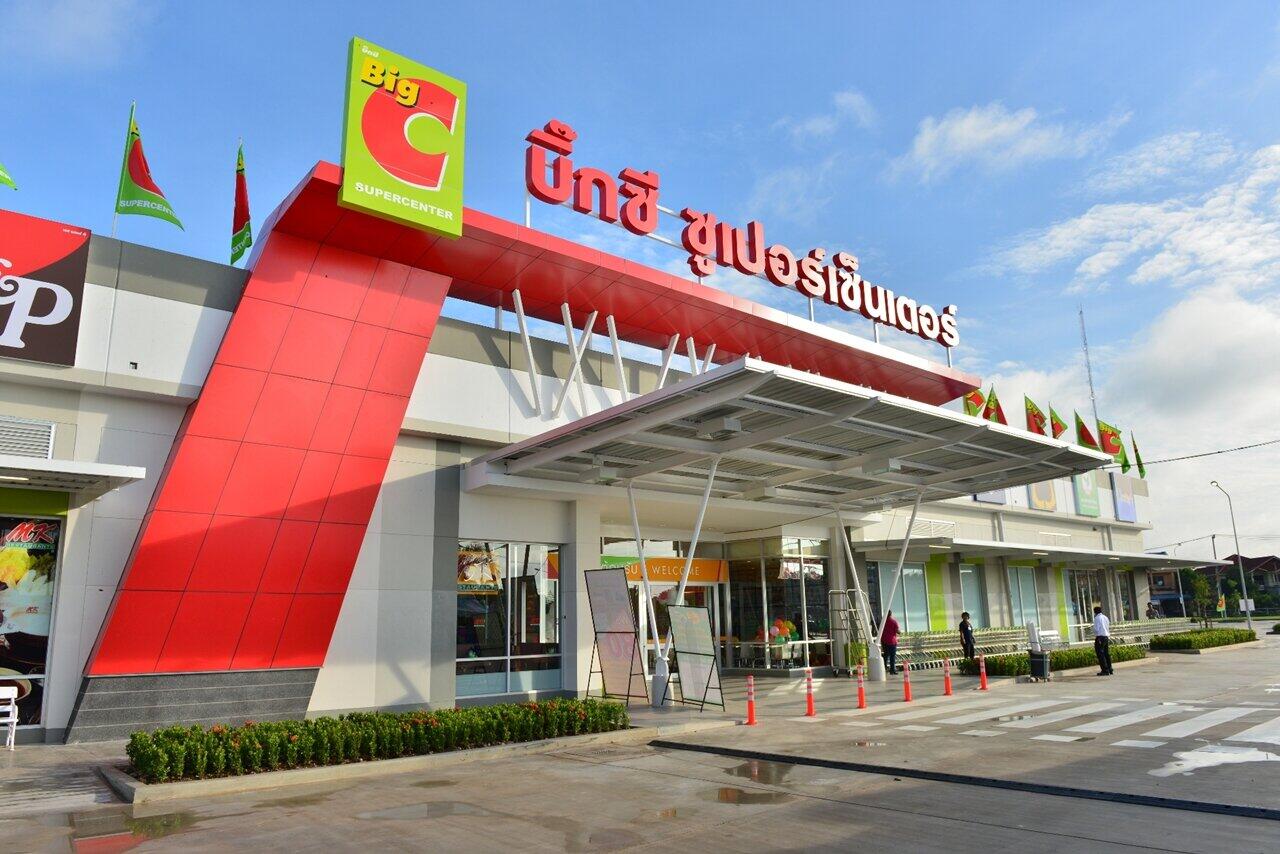
    Big C Supercenter, the Thai supermarket chain owned by one of the richest families in the Southeast Asian nation, will enter Hong Kong next month and also seek a dual listing in the city and Thailand as early as the fourth quarter, according to a top executive.

    The Bangkok-headquartered retailer has acquired grocery chain AbouThai, which operates 24 outlets in the city, and will rebrand them as Big C starting next month, Aswin Techajareonvikul, CEO and president of Big C Retail Corp, said in an exclusive interview with the Post on Monday.

    Aswin also separately met Financial Secretary Paul Chan Mo-po and Hong Kong Exchanges and Clearing (HKEX) CEO Nicolas Aguzin to discuss the group’s listing plan during his visit.

    “We all believe in Hong Kong’s prospects and growth potential,” he said. “Even though there were some challenges during Covid-19, Hong Kong can bounce back quickly. Hong Kong is a leading financial hub in Asia linking Southeast Asian markets with mainland China.”

    Hong Kong is Big C’s first foray outside Southeast Asia, taking on some the city’s retailers including Wellcome and ParknShop. The retailer is part of billionaire Charoen Sirivadhanabhakdi’s business empire, which includes Thai Beverage, the nation’s largest brewer and maker of Chang beer. Aswin is Charoen’s youngest son-in-law.

    Big C operates about 2,000 retail stores under the Big C Supercenter, Big C Market, Big C Foodplace and Mini Big C brands in its home market of Thailand, Laos, Cambodia and Vietnam.

    Big C, which did not disclose the acquisition price for AbouThai, will invest HK$158 million (US$20.2 million) in the next three years to open 25 stores a year for a total of 99 stores by the end of 2026 and hire more than 500 additional staff, Aswin said.

    “Ninety-nine is a lucky number, which means longevity in Chinese culture,” he said. “We also have a very long-term vision in Hong Kong, which is to turn Big C into the best premium Thai supermarket.”

    Big C Supercenter was founded in 1993 by Thai retail conglomerate Central Group and listed on the Stock Exchange of Thailand (SET) in 2012. It was delisted in 2017, a year after it was taken over by trading house Berli Jucker, owned by the Sirivadhanabhakdi family, for over US$6 billion. Berli Jucker’s sales rose 3.4 per cent in the second quarter to 39.4 billion baht (US$1.1 billion).

    Aswin said the group plans to have a dual listing in Hong Kong and Bangkok. Earlier this year it filed an application with SET to list Big C Retail Corp (BRC), the holding company of the Big C Supercenter. It is exploring a listing application in Hong Kong, he added.

    He expects the listings to take place as soon as the fourth quarter, but the final decision will depend on market conditions. Aswin declined to comment on the fundraising, but analysts expect the firm to raise as much as US$1 billion.

    “A listing in Hong Kong will pave the way for future opportunities to cooperate with other leading companies listed in the city,” Aswin said. “Hong Kong’s active trading volumes and exposure to Chinese and global investors make it an ideal location for BRC to list outside our home market.”

    The China Securities Regulatory Commission in March added international firms listed in Hong Kong to the southbound Stock Connect for mainland Chinese investors to trade.

    Aswin said the plan to list in the city was largely because of the active marketing efforts of the Hong Kong government and the HKEX.

    “Last year, when Chief Executive John Lee came to Thailand for the Apec meeting, he held a dinner meeting with a few Thai business executives, where a Hong Kong stock exchange representative invited us to list our company in Hong Kong,” he said. “Which is why we explored opportunities to list here.”

    Big C’s listing will be a huge achievement for Aguzin, a former JPMorgan banker who has helmed the HKEX since 2021, as he has been keen on attracting international companies. Towards that end, Aguzin has overseen the opening of HKEX offices in New York and London and has also visited the Middle East and Southeast Asia to market the city.

    The listing will also boost Big C’s links with mainland China, whose outlets are widely visited by Chinese tourists in Thailand, Aswin said.

    The Sirivadhanabhakdis have been operating a family office in Hong Kong for many years, through which they have been making investments. Aswin said the investments will increase in the coming years after the Hong Kong government in March offered additional benefits, including tax incentives, to encourage wealthy families to expand their family offices.

    “Both my father-in-law and I are of Chinese origin,” Aswin said. “We speak Chinese at home; all my three children speak Putonghua. We always travel to Hong Kong for good food and visit the Wong Tai Sin Temple. It is happy memories in Hong Kong.”

  • Thailand’s KBank in talks to buy Vietnam lender in up to $1B deal

    Thailand’s KBank in talks to buy Vietnam lender in up to $1B deal

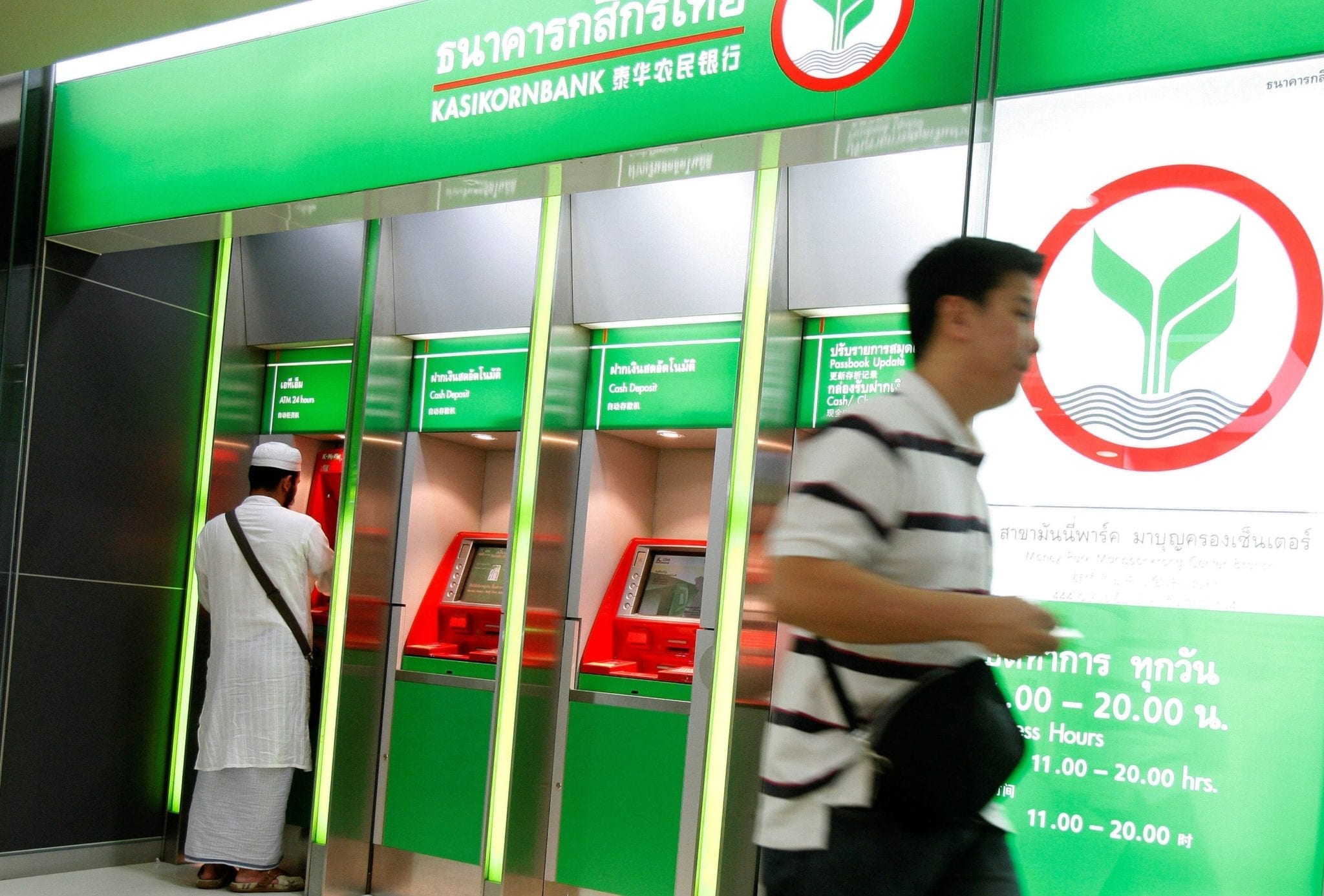
    Thailand’s second-biggest lender Kasikornbank is in talks to buy consumer finance provider Home Credit Vietnam in a deal of up to $1 billion that would further its push to expand in Vietnam, two sources said.

    The Bangkok-based lender, also called KBank, hopes to become one of Vietnam’s top 20 banks in terms of assets by 2027. It has total assets worth $119.7 billion, second only to Bangkok Bank in Thailand, Refinitiv data showed.

    The news comes at a time when Vietnamese banks are under pressure as a slowing economy and protracted turmoil in the real estate sector have stoked an uptick in bad loans and triggered broad rate cuts.

    A potential deal would underscore a trend of consolidations in Asia’s finance sector and make KBank’s the second-largest M&A transaction in Vietnam’s financial industry this year after the sale of a $1.5 billion stake in Vietnam Prosperity Joint Stock Commercial Bank to Japan’s Sumitomo Mitsui in March, according to Refinitiv data.

    KBank has talked to financial advisors to explore the potential acquisition, according to the two sources, although deliberations are still ongoing and no final decision has been made.

    “KBank is currently operating KBank Biz Loan solution, a credit service for small-scale retail stores. The potential deal with Home Credit will enable the bank to promote access to financial services for small business clients,” said one of the sources familiar with the matter.

    The sources declined to be named as the matter is private.

    KBank and Home Credit Group did not respond to Reuters‘s requests for comments.

    Vietnam, home to more than 100 million people, possesses a fast-growing working-age population where KBank estimated that over 69% of the population has no bank account, the highest in Asia.

    In June, the Thai lender obtained the Vietnamese central bank’s approval to raise its core capital for its business in the country to $285 million from $80 million, to become its second-biggest foreign bank.

    It had set a target of $400 million in net income, with outstanding loans of 180 billion baht ($5.13 billion) and customer base of 8.4 million in the country within 2027.

    Home Credit Vietnam, part of Netherlands-headquartered non-bank financial institution Home Credit Group, started operations in the Southeast Asian country in 2008 and has grown to now employ 6,000 staff serving 12 million customers, according to its website.

    Besides cash loans, the company offers installment loans to buy motorbikes and consumer durables. It has 9,000 outlets in Vietnam, its website shows.

    Home Credit Group is controlled by the Czech Republic’s biggest investment group, PPF, which was founded by late billionaire Petr Kellner. It reported a wider loss in the first half of 2022, mainly due to the impact from the sale of Russian operations.

  • Central Retail posts growth in revenue, profit

    Central Retail posts growth in revenue, profit

    Its net profit stood at THB2.31b during the quarter.

    Central Retail Corporation (CRC) reported its net profit grew by more than 75% year-on-year to THB2.31b in the first quarter.

    Over the same period, the company’s total revenue went up by 12% to THB63.2b.

    “The company achieved a 30% sales growth in the fashion category, 9% growth in the food category. Sales in the hardline category in the Thai market also continue to grow at 9% despite the downward trend in the industry,” Yol Phokasub, CEO, Central Retail Corporation (CRC), said.

    “These results are positive signals, which are indicative of Central Retail’s further growth prospect in 2023, reaching its growth targets and driving up revenue by 12-15%.”

    The company noted Central and Robinson Department Stores continued to grow and develop as a result of its mission to deliver next-level shopping experiences to its customers.

    Moreover, Central and Robinson Department Stores continue to grow and develop as a result of its mission.

  • Gentle Monster to launch in Thailand

    Gentle Monster to launch in Thailand

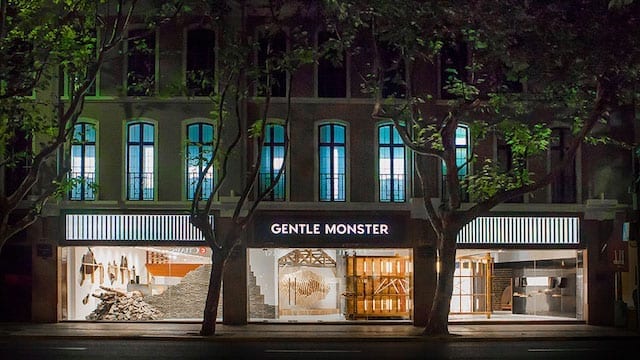
    Set to open this August 25, the first flagship store in Thailand will occupy a 340 sqm space in Emquartier, marking another milestone for the luxury brand’s success. Drawing inspiration from its signature futuristic and avant-garde aesthetics, the store promises to echo the brand’s experimental approach to design.

    Gentle Monster’s fans can eagerly anticipate an array of exclusive offerings, including the Bold Collection with its galactic motifs and the collaborative collections with the French luxury house, Maison Margiela.

    To commemorate its store launch in Bangkok, the brand is set to release a ‘Bangkok Limited Edition’ collection this coming September.

    Originating from Seoul in 2011, Gentle Monster, founded by Hankook Kim, has consistently captivated audiences with its unconventional beauty and boundary-pushing designs.

  • Low prices make Thai persimmons popular

    Low prices make Thai persimmons popular

    Crunchy persimmons imported from Thailand sell for VND35,000 (US$1.5) per kilogram at wholesale markets in HCMC, VND5,000-10,000 lower than the Vietnamese variety.

    My Linh, the owner of a fruit stall in Go Vap District, said she had sold out 100 kilograms of Thai persimmons in two days.”It was very cheap, so I switched to selling Thai persimmons instead of the Vietnamese variety.”

    According to Thanh, the owner of a fruit stall at Ba Chieu market in Binh Thanh District, Thai persimmons are eye-catchingly yellow and sweet, and so attracts customers.

    “Every day, I sell three to five boxes (of 10 kg). Its retail price is VND55,000-60,000 per kilogram, while that of Da Lat persimmon is VND70,000-80,000.”

    A shop owner named Mai in Tan Binh District, who sells several tons of Thai persimmons a day, said due to higher harvests this year the fruit was exported to Vietnam at low prices.

    “I am selling three varieties of persimmons to markets: from Thailand, China and Da Lat. Currently the Thai fruit has the lowest price, with color and uniformity (in terms of size and quality) better than the other two.”

    A manager of the Thu Duc Agricultural Product Wholesale Market said Thai persimmons are being sold in the market for the first time, and are popular thanks to their low price.

  • Vietnam to impose anti-dumping duties on Thai sugarcane products

    Vietnam to impose anti-dumping duties on Thai sugarcane products

    Vietnam has imposed anti-dumping and countervailing duties on sugarcane products from several Thai companies from August 18 to June 15, 2026.

    The duties will be imposed on the Mitr Phol Sugar group, Asia’s largest sugar and bioenergy manufacturer, along with four affiliated companies and Czamikow Group Limited.

    The Thai Roong Ruang Industry group, Thailand’s second-largest sugar manufacturer, along with its five affiliated companies, will also see duties imposed, according to the Ministry of Industry and Trade.

    The lowest rate of anti-dumping duties will be 25.73% and the highest at 32.75%. The highest rate of countervailing duties will be 4.65%.

    In June 2021, Vietnam officially began to impose anti-dumping and countervailing duties on sugarcane imported from Thailand. At the time, the rate was 47.64%. In August 2022, the ministry decided to keep this rate.

    Investigations revealed that Thailand’s sugarcane products entering the Vietnamese market have caused great damage to local production, resulting in 3,300 people losing their jobs and 93,225 farmer’s families affected, authorities have said.

  • Thai AirAsia X resumes Sapporo flights

    Thai AirAsia X resumes Sapporo flights

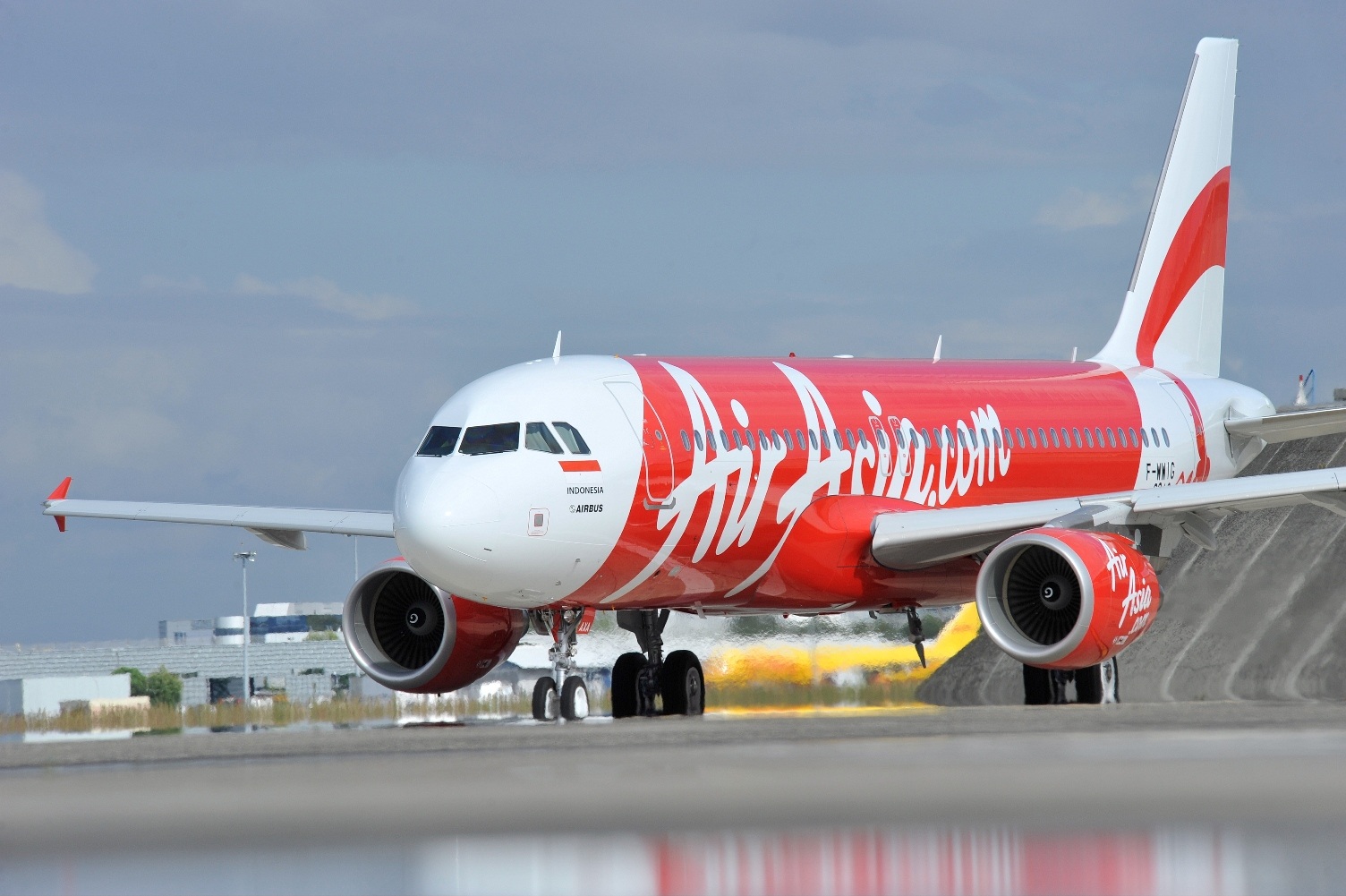
    Thai AirAsia X (XJ) will resume its Bangkok (Suvarnabhumi) – Sapporo route starting from 29 October 2023 to capture the winter season tourist traffic to Japan’s gateway city for winter sports and snow attractions.

    Flying a direct daily service Thai AirAsia X presents promotional fares starting at THB6,990 available for booking through 30 September 2023 for travel from 29 October 2023 to 30 March 2024 via the AirAsia Superapp.

    Thai AirAsia X chief executive officer Tassapon Bijleveld said: “Sapporo and the island of Hokkaido are high potential destinations beloved by Thai travellers. The island can be visited all year round with different attractions during the summer and winter periods and is home to wonderful seafood, including the famed Taraba crab.”

    Various experiences are available on Hokkaido, especially during the transition from autumn to winter, when it is most beautiful. Visitors can enjoy Sapporo’s winter festival, ski resorts, Moiwa Mountain, and Sapporo Beer Museum. Or they can venture to nearby cities such as Otaru, Asahikawa and Niseko, each offering end-of-year activities.

    “Resuming flights to Sapporo brings more choice to Thai and international travellers and Japanese travellers looking for economical ways to visit Thailand. This route has always received significant interest, and we are bringing it back at a wonderful AirAsia price,” Tassapon concluded.

    Thai AirAsia X flies Bangkok (Suvarnabhumi Airport) directly to Tokyo (Narita) 14 times a week and Osaka 10 times a week.

  • Batik Air Malaysia, AirAsia X Cleared To Launch Central Asia Routes

    Batik Air Malaysia, AirAsia X Cleared To Launch Central Asia Routes

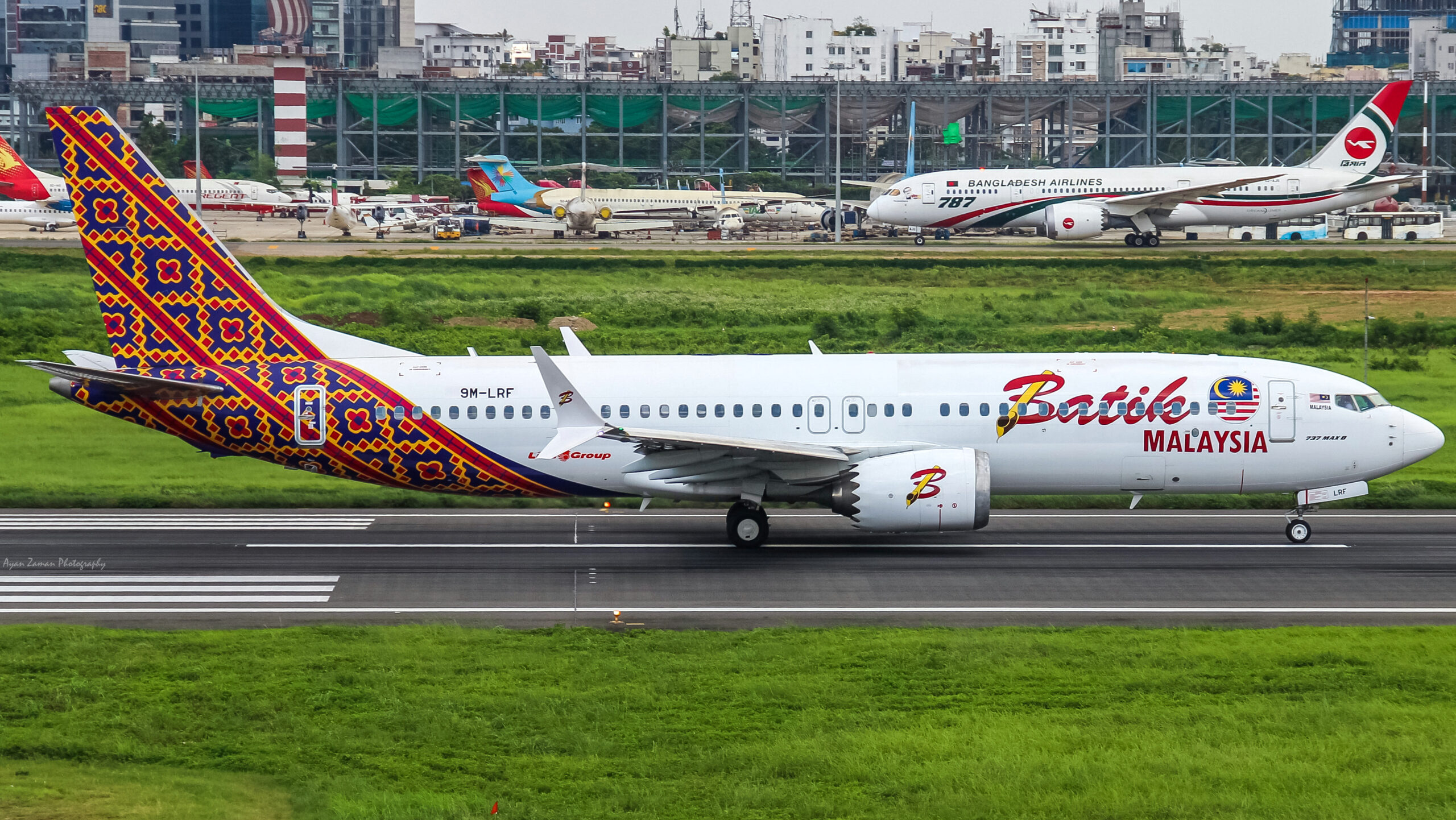
    The Malaysian Aviation Commission (MAVCOM) has granted air traffic rights to Batik Air Malaysia and AirAsia X, enabling them to expand their networks into Central Asia.

    Under these newly awarded rights, Batik Air has received approval to initiate scheduled flights linking Kuala Lumpur and Tashkent, Uzbekistan. Concurrently, AirAsia X has been given the go-ahead to inaugurate a route connecting Kuala Lumpur with Almaty, Kazakhstan. The move paves the way for both Batik Air and AirAsia X to launch their first flights to Central Asia.

    According to data provided by OAG Schedules Analyser, Batik Air has already scheduled the launch of the Tashkent service, with flights set to operate twice a week from Nov. 1 using Airbus A330 aircraft. The carrier will compete on the sector with Uzbekistan Airways, which resumed the route in November 2022 after a hiatus of more than two years because of the pandemic. It currently provides a 2X-weekly service aboard A321neos.

    In the Kuala Lumpur-Almaty market, AirAsia X will be the sole operator of nonstop flights between the cities if the route launches as planned. Air Astana previously provided a direct link, but last operated the flights in October 2020.

    Alongside awarding the traffic rights for Kuala Lumpur-Tashkent and Kuala Lumpur-Almaty, MAVCOM says it approved 55 other requests between April and June 2023, consisting of 43 international and 12 domestic routes. The total represented an 87.5% increase year-on-year, signalling “an invigorated momentum within the aviation sector.” The number of air traffic applications during the second quarter of 2023 was also 5.3% higher than during the same period in 2019.

    “As part of the commission’s continued efforts to ensure that Malaysia’s aviation industry remains dynamic and responsive to global travel trends, we have approved [air traffic rights] for various new destinations as well as to establish new hub connections,” says MAVCOM Executive Chairman Datuk Seri Hj. Saripuddin Hj. Kasim.

    “These decisive measures are specifically tailored to enhance connectivity, spur economic growth and catalyse the recovery of the aviation sector. We are particularly encouraged to see airlines seizing these opportunities for expansion.”

    In addition to securing permission to fly to Tashkent, Batik Air also gained rights to serve Okinawa, Japan. The airline intends to open a Kuala Lumpur-Taipei, Taiwan-Okinawa route on Aug. 16, operating four times per week using Boeing 737-800s.

    Elsewhere, Malaysia Airlines’ LCC subsidiary Firefly has been approved to launch flights from Kota Kinabalu, on the island of Borneo, to Tokyo Narita and Taipei, while AirAsia has been awarded a host of rights, including a routing from Kuala Lumpur to Jaipur, India, and from the northwestern Malaysian state of Penang to Hong Kong.

    MYAirline has also been cleared to serve several destinations in Indonesia, Thailand and Vietnam from Kuala Lumpur. These include Ho Chi Minh City and Da Nang, Vietnam; Jakarta, Indonesia; and Krabi, Thailand. Airlines are required to utilize the air traffic rights allocated within six months from the approved date.

  • Lychees enter Thailand’s major shopping malls

    Lychees enter Thailand’s major shopping malls

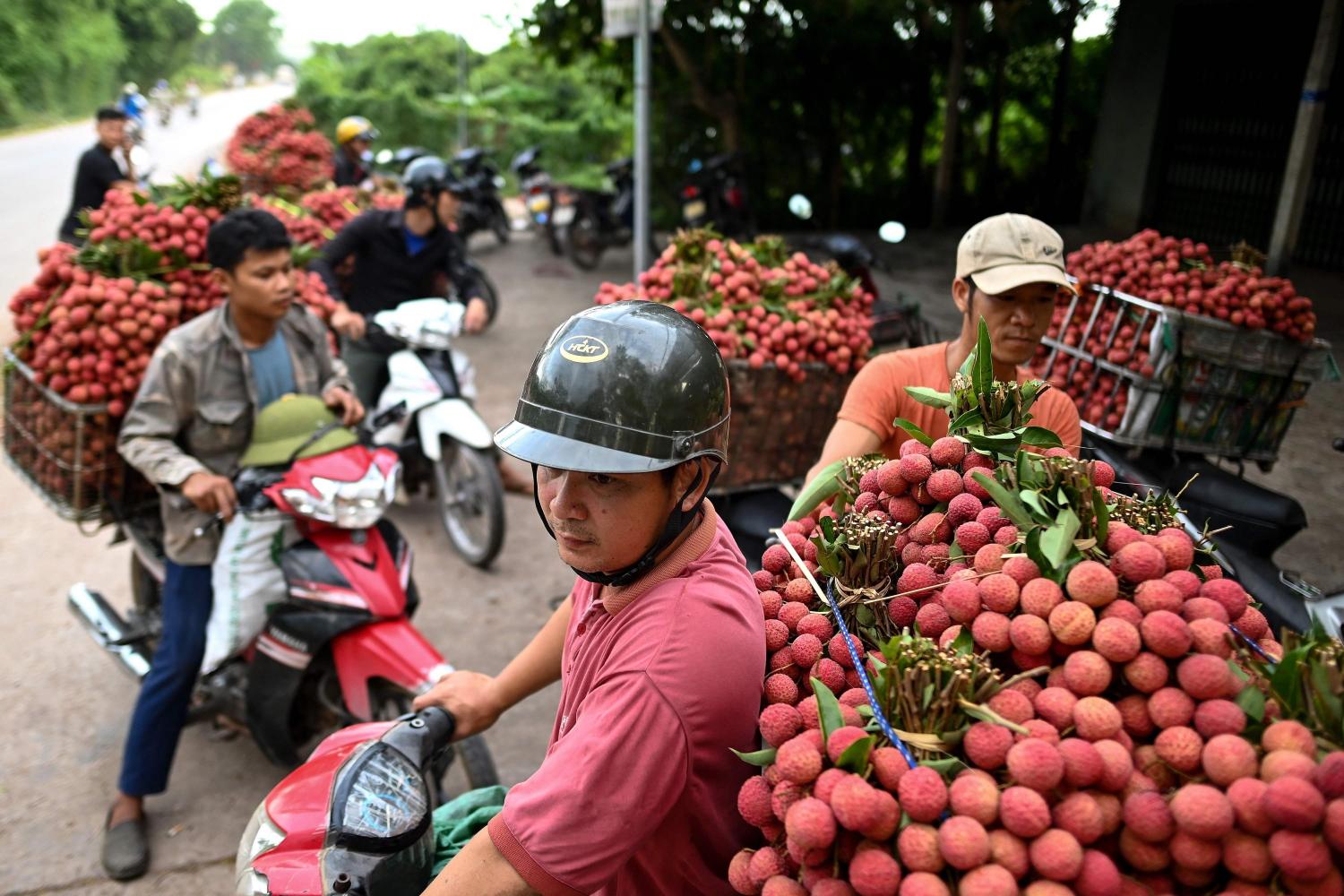
    Vietnamese lychees were already present in Thailand a few years ago, but this is the first time that the fruits are on sale at a major supermarket chain in the country.

    “I am very happy to be one of the pioneering firms to bring fresh lychees to Thai consumers,” said Nguyen Xuan Viet, Chairman of Vifoco, exporter of lychees to Thailand. “My company hopes to export from 1,000 – 2,000 tonnes of fresh lychee to Thailand next year.”

    At the Siam Paragon shopping mall, the lychees from Vietnam have attracted attention from shoppers.

    Somkiat Wongsakulchai, chief executive of Ekthai, distributor of Vietnamese lychees in Thailand, said that his company will expand the distribution of Vietnamese lychees to more branches next year.

    Lychee is grown in many localities in Vietnam, mostly in the north, with Bac Giang province known as the country’s lychee growing hub.

    The province harvested 199,500 tonnes of lychee in 2022 and earned over 290 million USD from lychee sales and support services.

    Bac Giang lychee has affirmed its brand and value in many countries and territories around the world with 75,900 tonnes shipped abroad, making up 38% of the accumulative sales.

  • Thailand expedites durian exports to compete with Vietnam

    Thailand expedites durian exports to compete with Vietnam

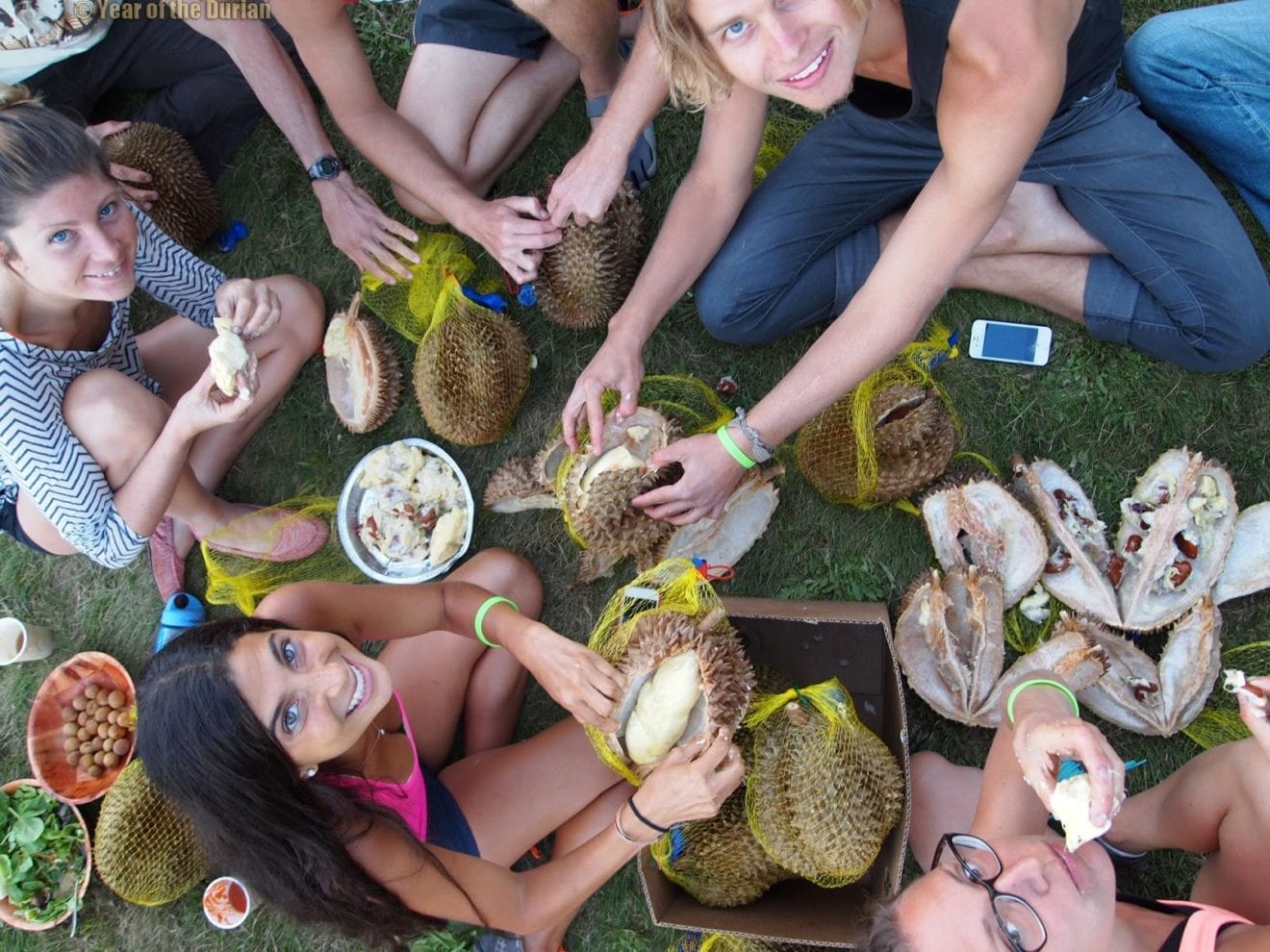
    Thai exporters are halving the time it takes to deliver durian to China, from 8 days to four days, in order to better compete with Vietnam over the pungent fruit.

    Thailand shipped 477,700 tons of fresh durian to China in the first five months, valued at a record high of $1.75 billion and the highest in 30 years, according to official data.

    This is because the country has been utilizing a new railway connecting it with Laos and China which help reduce transportation time.

    TerapongTechasathian, Assistant Chief Operation Officer at Pan-Asia Silk Road Ltd, which operates the railway, said that in April the company set the record by transporting 25 containers of durians from Thailand to China in one day.

    The train arrived at the destination in 4.5 days, quicker than the original estimate of six days, he added.

    In March, Thailand raised its durian export quality to retain Chinese customers.

    CEO of Vietnam’s fruit exporters Vina T&T, Nguyen Dinh Tung, said that Thailand is making moves to consolidate its durian market share in China amid rising competition from Vietnam.

    Vietnamese fresh durian exports to China in the first five months surged 18 times to $477 million. China accounted for 95% of all durian exports from Vietnam.

    Vietnamese durian can be harvested all year round, which is an advantage compared to Thai durian, Tung said. But Thailand has more advantage in shipment time, he added.

    Dang Phuc Nguyen, general secretary of Vietnam Fruits & Vegetables Association, said that Vietnam’s border with China means it is easier to export to there by road.

    Exporting by train from Thailand to China is fast but costly, he added.

    Vietnamese exporters need to be prepared to compete with rising competition not only from Thailand but also Malaysia and the Philippines for the Chinese market, with demand forecast to reach 2 million tons a year in the future, Nguyen said.

    Increasing exports quality, building brands and investing in technology to enhance preservation are key tasks, he added.

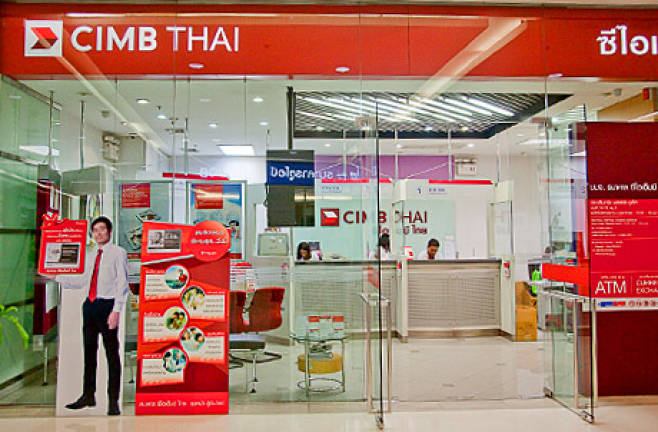
  • CIMB Thai, Positive Thinking Company partner to establish software development center

    CIMB Thai, Positive Thinking Company partner to establish software development center

    CIMB Thai Bank and Positive Thinking Company, a leading technology company in Asia-Pacific, have announced to establish an expert software development center for CIMB Thai in Hanoi.

    The Vietnam Software Development Center in Hanoi is expected to add powerful engineering expert resources and accelerate the digital journey of CIMB Thai, a member of CIMB Group.

    “With the vision of becoming a digital-led bank with ASEAN reach, we look forward to the collaboration to help accelerate our ambitious digital evolution roadmap aimed at offering customers a best-in-class digital banking experience,” said Paul Wong Chee Kin, President & CEO of CIMB Thai.

    “The Vietnam Software Development Center in Hanoi will be the latest highlight in our fast-moving digital journey, joining existing digital hubs in Bangkok and Chiang Mai as a collective engine of excellence that will support our long-term digital aspirations.-

    The partnership will scale up digital resources and drive products and services across CIMB Thai’s offerings.

    Pieter van Diermen, CEO of Positive Thinking Company APAC, a member of Collaboration Betters The World (CBTW) Group, said the strategic tech partnership would help CIMB Thai set up their first software development center in Vietnam, through the distinctive Build Operate Transfer (BOT) model of Positive Thinking Company.

    “During our 20 years of experience in building custom software and product development centers in Vietnam, we have witnessed the local market grow an ever more talented pool of highly motivated and well-rounded software engineers,” said Pieter van Diermen.

    “The Vietnam Software Development Center will be a powerful addition to the current expert engineering teams of CIMB Thai and will make remarkable contributions to its inspiring digital journey.”

    The Vietnam Software Development Center kicks off with a team based in Hanoi. The team is working closely with the CIMB’s engineering teams in Thailand to deploy new features and enhancements on the CIMB Thai mobile banking application as well as other digital touchpoints.

    With an average of 55,000 new engineers graduating each year, Vietnam’s software development sector is flourishing and becoming a major player in the worldwide software product engineering market.

    Vietnam is also predicted to become the second-largest digital economy in Southeast Asia by 2025.

    Through its scalable and cost-effective BOT model, Positive Thinking Company has established more than 15 software development centers in Vietnam to assist its global clients in accelerating their product roadmaps and digital transformation journeys.

    Positive Thinking Company is a founding partner of Collaboration Betters The World, a global tech group and ecosystem with a global team of 4,000 tech talents. Its core expertises in APAC include software product engineering (developing web and mobile apps, enterprise apps, platforms & eCommerce) and the unique Build Operate Transfer (BOT) Model (building custom software and product development centers on behalf of global clients such as Atlassian, National Australia Bank, and many more).

    CIMB Thai Bank Public Company Limited is driven by its vision to be a digital-led bank with ASEAN reach delivering wealth management, treasury, consumer banking, corporate banking and ASEAN-related products and services.

    CIMB Group is a leading focused ASEAN bank and one of the region’s foremost corporate advisors. The group is headquartered in Kuala Lumpur, Malaysia, and offers consumer banking, commercial banking, investment banking, Islamic banking and asset management products and services.

    The bank had around 33,000 staff and over 20 million customers as of the end of December 2022.

  • Gelatissimo opens stores in Thailand, Singapore, Hawaii

    Gelatissimo opens stores in Thailand, Singapore, Hawaii

    Australian gelato chain Gelatissimo has opened five new stores – including in Thailand and Singapore – taking its international store network to 70.

    One store has opened in Sunny Laguna in Phuket, Thailand, another in Hawaii’s Royal Hawaiian Center at Waikiki and a third at Jewel Changi Airport in Singapore. In Australia, the company opened stores in Rhodes, NSW, and Highpoint, Victoria.

    The overseas stores will feature unique, locally inspired flavours such as the Phuket exclusive, Mango Sticky Rice and the Hawaiian Pina Colada along with its core flavours served globally.

    Gelatissimo CEO, Braeden Lord, said the refreshed brand and store experience creates a “destination for locals” to make memories.

    “We are so proud to be achieving all our expansion plans both in Australia and overseas and this year has plenty more openings and new launches in the pipeline,” he said.

    All new locations will feature Gelatissimo’s contemporary new store design which combines gelato’s Italian heritage and the brand’s Aussie roots.