Retail News CRM

Tag: Thailand

  • Love, Bonito unveils new brand identity, revamped assortment strategy

    Love, Bonito unveils new brand identity, revamped assortment strategy

    Southeast Asian omnichannel fashion brand Love, Bonito has unveiled its new brand identity after 13 years of operation, introducing a change in its assortment strategy as part of the campaign.

    The brand’s name was redesigned with a cleaner font, while the clean bold logo was complemented by a heart-shaped monogram that was formed by the brand’s initials ‘LB’. While the brand is commonly known for its signature peach tone, the brand has expanded its colour palette with Bold Brown, Cool Pink and Heart Red.

    The company said its new image reflects the maturity and sophistication alongside its loyal community. The new look will be rolled out in physical stores in key markets such as Singapore, Malaysia, Indonesia and Hong Kong, with the flagship in Tun Razak Exchange Mall being the first location to be fully rebranded. The brand will also shift to a sassier tone of voice.

    “While many of our Asian cultures have been known to be more conservative, we want the world to see who the multifaceted Asian women are in this 21st century,” said Dione Song, CEO of Love, Bonito. “By doing so, we too want to let Asian women know that it is perfectly alright to be unabashedly ourselves while keeping to our roots and heritage.

    “Our consistent double-digit year-on-year growth since 2020 has been an encouraging sign,” Song added. “The vision of being the go-to destination for Asian women is big, and we are just getting started.”

    Love, Bonito said it will reduce the number of styles produced by 60 percent, streamlining its assortment to three key lines: Signatures, Staples, and capsule collections.

    “Our assortment overhaul was born out of the desire to create a resilient business as we continuously widen our global footprint,” said Pat Achakulwisut, chief commercial officer at Love, Bonito. “We want to make smarter strategic investments across various business functions, from design, production, merchandising to supply chain as well as overall operations.”

    The campaign follows the brand’s expansion into the US and the Philippines last year. Love, Bonito ships to 20 countries worldwide.

  • Opportunity for Vietnam as Indonesia to import 1.6M tons more rice

    Opportunity for Vietnam as Indonesia to import 1.6M tons more rice

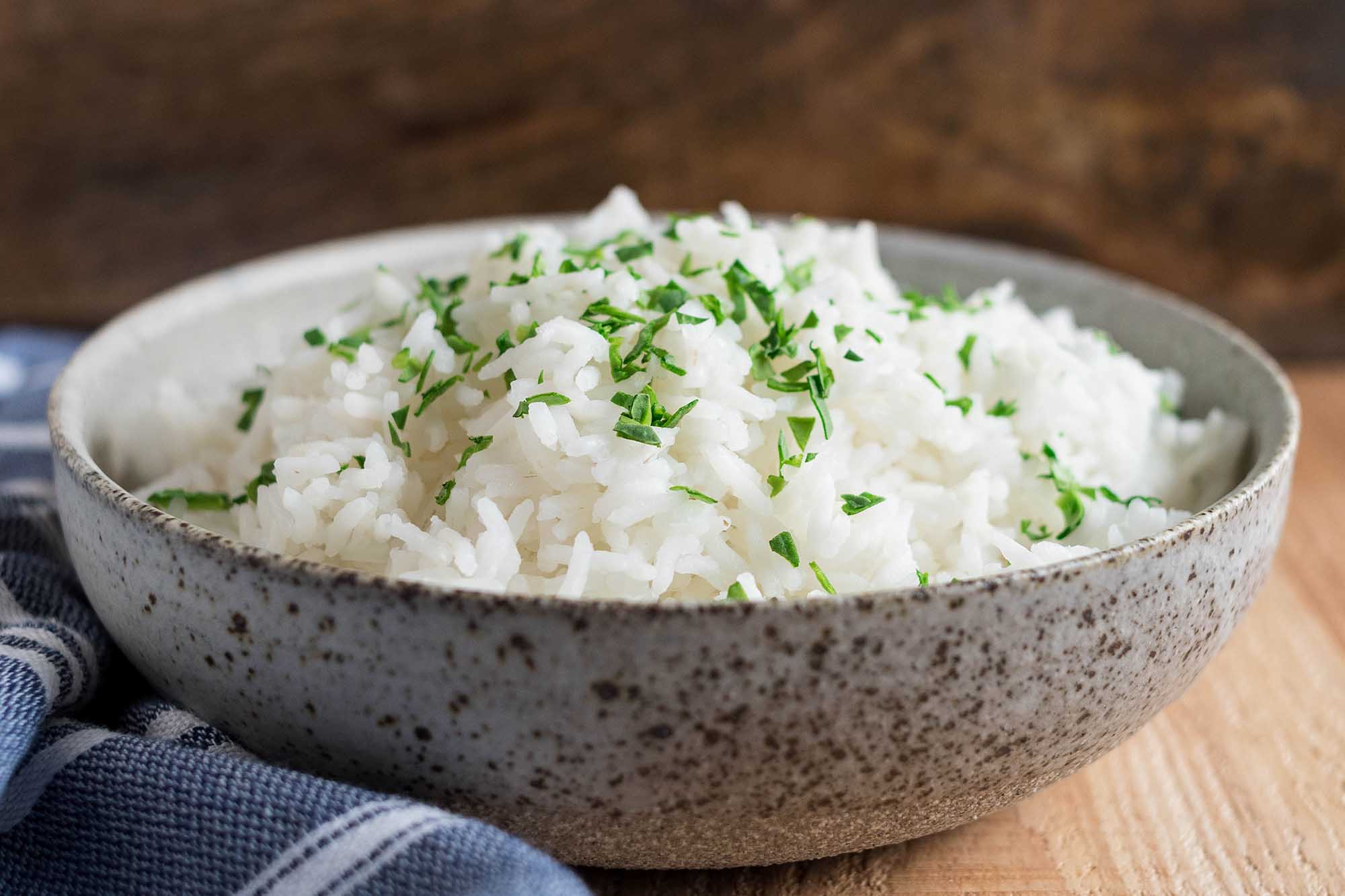
    Indonesia plans to increase rice imports by 1.6 million tons this year, giving Vietnamese exporters a big opportunity, the Vietnam Trade Office in that country said.

    The import licenses for the additional quota would be issued soon by its Ministry of Trade once legal procedures are completed, it said.
    It will increase the country’s rice imports to 3.6 million tons this year.

    Vietnamese exporters could capitalize on this opportunity, but would have to compete on price with many other countries, according to the head of a government agency in Dong Thap Province, one of the largest rice producers in the Mekong Delta.

    According to the official, Vietnam has advantages in terms of delivery times and quality, but its prices are high.

    “If businesses offer competitive prices, the chances of winning bids will be better.”

    The trade office advised businesses to push exports in the early months of the year since Indonesia’s main rice harvest has been delayed by two to three months due to a water shortage caused by the El Nino phenomenon.

    Indonesia imported 441,930 tons of rice in January, an 82% increase year-on-year, including 32,340 tons from Vietnam.

    Thailand accounted for 129,780 tons.

    Last month seven Vietnamese companies won a bid to export 300,000 tons of rice to Indonesia.

    Last year Indonesia was the second largest importer of Vietnamese rice, buying over 1.1 million tons or nearly nine times the volume it had imported in 2022.

  • AirAsia flies to Okinawa

    AirAsia flies to Okinawa

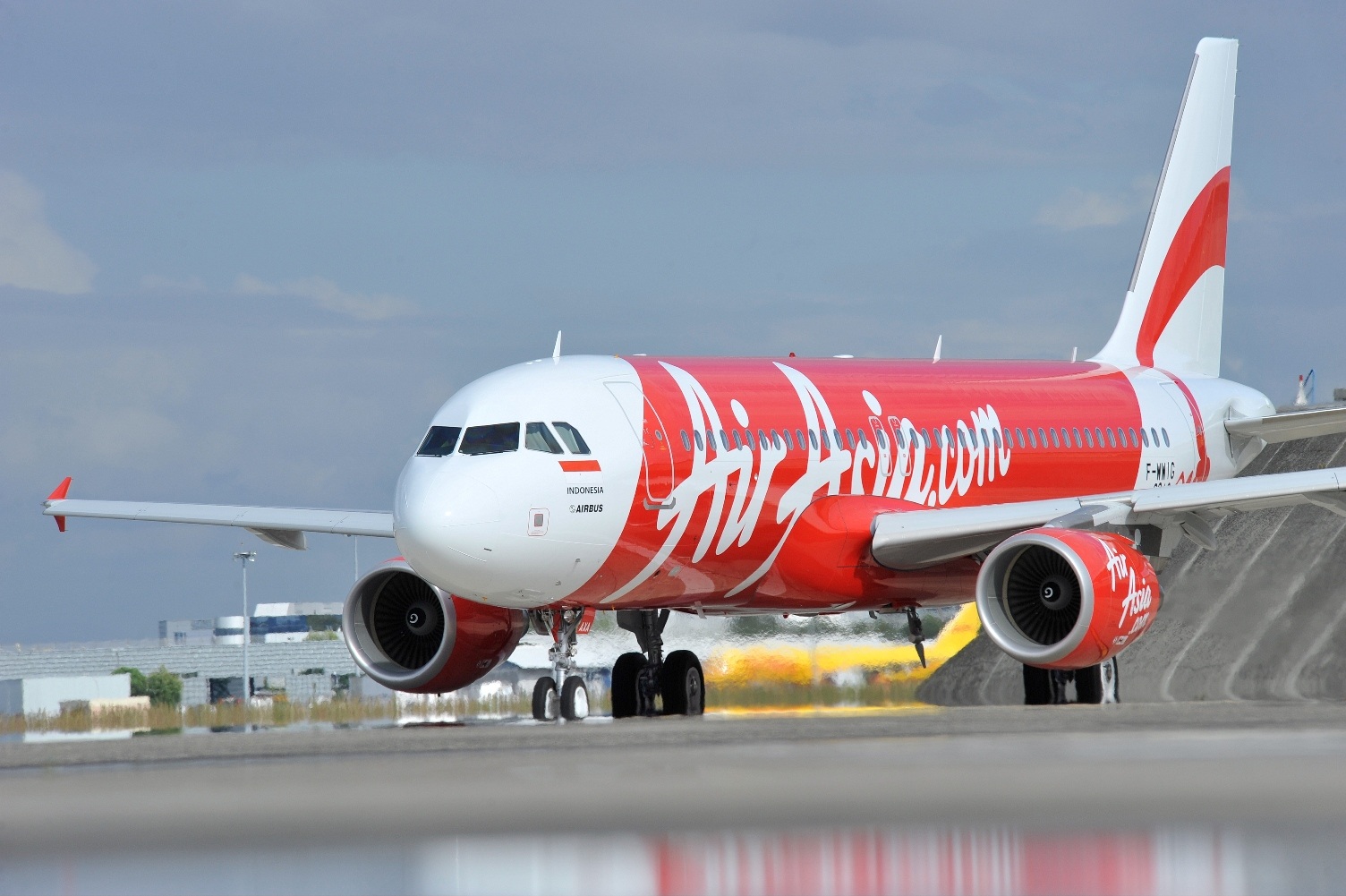
    AirAsia expands services to Japan from its Bangkok hub by introducing direct flights from Bangkok Don Mueang airport to Okinawa, a popular holiday destination in Japan’s south.

    Four weekly flights to Okinawa will start on 2 April 2024, with services scheduled on Tuesday, Thursday, Saturday and Sunday.

    Known as the “Hawaii of Japan,” it’s well known for the sightings of giant whale sharks, and foodies love its seafood cuisine. Fares are on sale starting at THB3,490 per trip for bookings through 21 February 2024 for travel from 2 April to 26 October 2024.

    AirAsia Thailand chief executive officer Santisuk Klongchaiya commented: “Based on  strong  demand, Thai AirAsia (FD) will now be flying direct to Okinawa in Japan for the very first time, marking the second route to Japan flown by Thai AirAsia after we re-introduced flights post-pandemic to Fukuoka in October 2022.”

    Okinawa is a major island in south Japan known for its white sand beaches, stunning sea, massive aquarium and unique culture. Home to various tourist destinations, the island also boasts one-of-a-kind Okinawan cuisine, making it an excellent choice for anyone looking for a new take on Japan.

    Thai AirAsia (FD) will operate two direct routes to Japan, Bangkok (Don Mueang) – Fukuoka with daily flights and Bangkok (Don Mueang) – Okinawa four times a week starting 2 April.

  • Vietnamese durian and coffee farmers see unprecedented profits in 2023

    Vietnamese durian and coffee farmers see unprecedented profits in 2023

    The record prices of durian, coffee, and rice in 2023 brought significant profits to farmers in the Central Highlands and the Mekong Delta.

    Thoai, a garden owner in the Mekong Delta province of Can Tho, stated that durian farmers had never had a bumper harvest like last year.

    The price of this fruit remained high during the peak season, reaching up to VND140,000 (US$5.73) per kilogram at times. For the first time in over a decade, he earned a profit of several billion dong from selling durians.

    The high demand is continuing through 2024. In the days leading up to this year’s Lunar New Year holiday, which lasts from Feb. 8-14, many gardens in the Mekong Delta were busy harvesting off-season durians for export to China, where many people use durians as gifts for the holiday.

    Each five-kilogram durian could be sold for nearly VND1 million ($41), equivalent to about VND200,000 per kilogram.Not only in the Mekong Delta, but durian farmers in the Central Highlands also made a large profits last year due to the continuously peaking prices of this fruit.

    Cuong, a garden owner in the region’s Dak Lak province, reported earning VND120 billion after harvesting 40 hectares of durians.

    2023 was a bumper year for the key agricultural crops of Dak Lak Province, according to Vu Duc Con, deputy director of the Dak Lak Department of Agriculture & Rural Development.

    Specifically, thanks to good prices of durians, the province earned about VND12,000 billion after harvesting 200,000 tons.

    Another agricultural product that brought in huge revenue and helped farmers “change their lives” last year was coffee.

    Hoa, from the Central Highlands province of Kon Tum, said her family harvested seven tons of coffee beans in 2023.

    With a highest-ever selling price of VND76 million per ton, her family earned more than VND530 million last year. After deducting costs, she made a profit of over VND200 million, she said.

    Thoai, Cuong, and Hoa are not the only farmers who had a year with “never-seen-before profit.”

    “2023 was the brightest year for the export picture of the agricultural sector,” said Dang Phuc Nguyen, Secretary-General of the Vietnam Fruit and Vegetable Association.

    According to him, agriculture continued to affirm its position as a pillar of Vietnam’s economy, with the export value of agriculture, forestry, and fisheries exceeding US$53 billion.

    Some agricultural products set historic peaks, including fruits and vegetables exports, which surged 70% year-on-year, bringing in more than $5.6 billion, with durians, bananas, jackfruits, longans, and watermelons recording an increase of up to four times compared to the same period.

    Rice exports also increased by more than 36% in value.

    “Vietnamese agricultural products broke through in export turnover and price, even as the domestic and global economy declined,” said Nguyen.

    The high global demand for food, along with many fruits being officially exported to the vast market of China, helped Vietnamese agricultural products increase in value and quality, he said.

    China is also the largest import market for many Vietnamese agricultural products, at $11.5 billion last year, of which durians alone accounted for more than $2 billion.

    Besides durians, 13 other agricultural products have been officially exported to this market, such as bird’s nests and their products, sweet potatoes, dragon fruits, longans, rambutans, mangoes, jackfruits, and watermelons.

    Similarly, rice also brought a bumper harvest to farmers.

    In previous years, countries like Indonesia, Chile, Ghana bought Vietnamese rice in dribs and drabs, but increased their purchases several times over in 2023. Indonesia moved from the eighth- to the second-largest buyer of Vietnamese rice, after the Philippines last year.

    The Ministry of Agriculture & Rural Development’s 2024 forecast suggests that Vietnamese agricultural products will continue to achieve many successes since the U.S., China, and many Middle Eastern countries favor Vietnamese agricultural products.

    The impact of El Nino is expected to reduce the global food supply, presenting an opportunity for Vietnamese agricultural products like rice, durian, and coffee.

    For instance, China continued to purchase Vietnamese durians at high prices as Vietnam is the only country with off-season fruits. For rice, seven Vietnamese enterprises won bids to supply 300,000 tons of rice, accounting for 60% of the amount of rice Indonesia wants to import in early-2024, earlier this month.

    However, the export of agricultural products also poses many challenges that require solutions from authorities.

    “Agriculture is still developing sporadically, small-scale, and spontaneously in Vietnam,” said Minister of Agriculture & Rural Development Le Minh Hoan.

    “So, authorities, associations, and businesses need to engage with farmers from the beginning to provide them with enough information, so that they can adjust production.”

    Minister Hoan also mentioned that the implementation of planting area codes has only been at a promotional level currently. The ministry will make it mandatory for farmers to comply soon.

    “Everything must meet standards and regulations to avoid the situation of spontaneous agricultural development,” he said.

  • Thailand’s wine tax reform could be opportune for Aussie winemakers

    Thailand’s wine tax reform could be opportune for Aussie winemakers

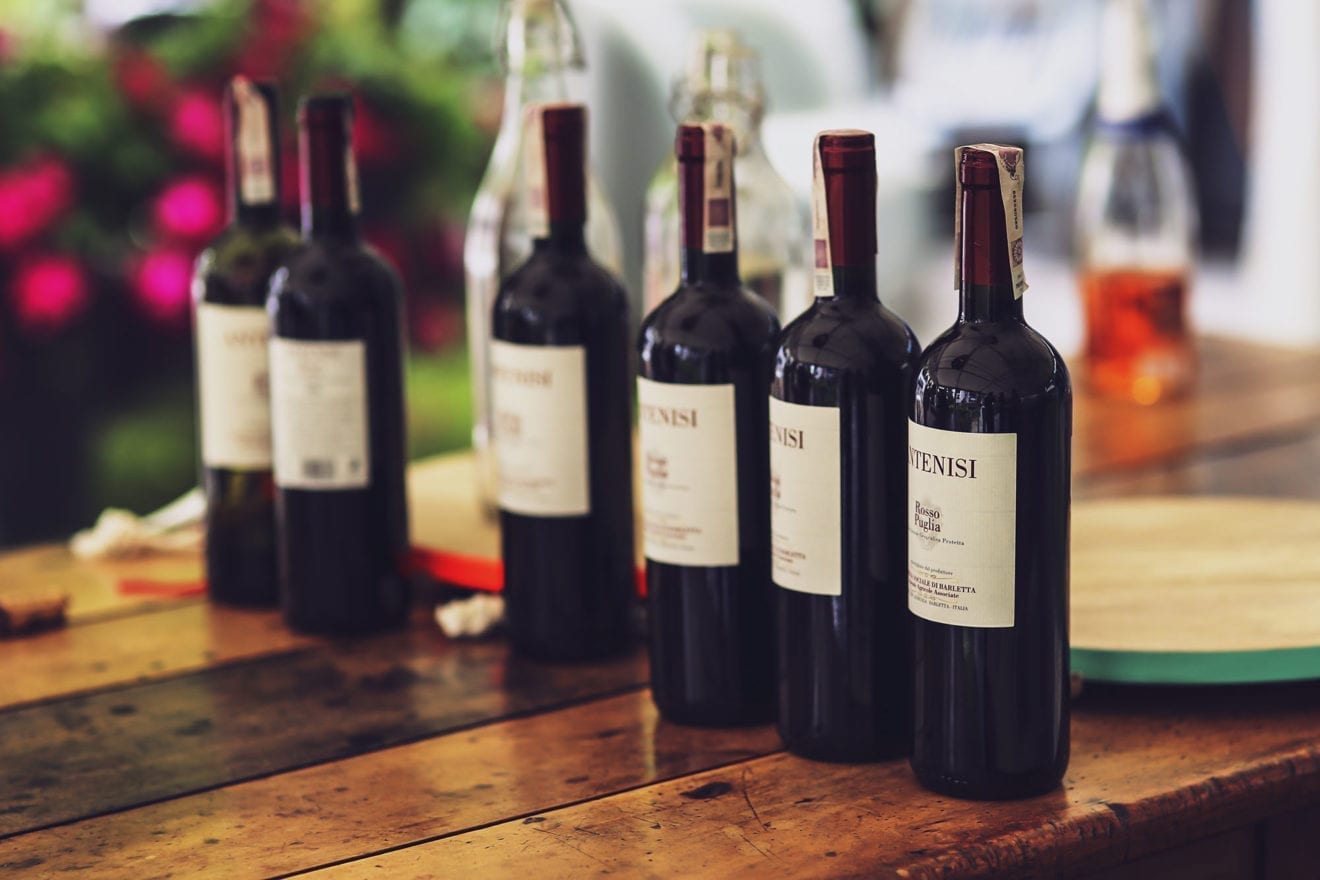
    A new wine tax regime in Thailand – where wine drinkers have always been taxed higher than those who prefer beer or spirits – could open the way for higher exports from Australia winemakers.

    The move comes after the government introduced a series of relaxations on liquor sales. Last year, the Thai government lifted a 50-year-old ban on the sale of alcoholic beverages in the afternoon, from 2 pm to 5 pm, and extended the operating hours of entertainment venues such as nightclubs and bars to boost the tourism industry.

    According to government spokesperson Chai Wacharonke, the steep import tariffs on wines, which currently stand at 54 per cent and 60 per cent of declared value, will be abolished indefinitely.

    Moreover, the excise tax on wine will be reduced from 10 per cent to 5 per cent and on spirits from 10 per cent to zero to help small-scale producers.

    The tax cuts are expected to considerably lower the cost of imported wines in Thailand. The country has been known for imposing an average tax of around 250 per cent on wine, which includes import tariffs, excise tax, municipal tax, and 7 per cent VAT.

    However, the change in tariffs could impact the country’s revenue.

    In the previous year, the government generated as much as A$7.6 billion in tax coffers from alcohol, beer, and other beverages, including $2.8 billion from alcoholic drinks.

    The new tax measures will take effect shortly, added Wacharonke.

  • Vietnam cooperate on rice exports with Thailand and Philippines

    Vietnam cooperate on rice exports with Thailand and Philippines

    Vietnam has agreed with Thailand as well as the Philippines to strengthen rice export cooperation to ensure regional and global food security.

    The consensus was reached when Vietnamese Prime Minister Pham Minh Chinh met with Thai counterpart Srettha Thavisin and Filipino President Ferdinand Romualdez Marcos on the sidelines of the ASEAN-Japan Commemorative Summit on Sunday in Tokyo.

    The Vietnamese and Thai prime ministers agreed to lift the two-way trade between the two countries to US$25 billion soon, through creating more favorable conditions for importing and exporting goods, including rice.

    Thailand is currently Vietnam’s largest trading partner in ASEAN, with import-export turnovers reaching $21.5 billion last year. Meanwhile, it is the 9th largest foreign investor in Vietnam.

    Vietnam and Thailand will also implement the “Three Connections” Initiative which focuses on new areas such as digital transformation, green transformation, and the circular economy.

    The Vietnamese prime minister and the Filipino President agreed to step up rice export cooperation to ensure regional and global food security when both countries export rice to many nations, and the Philippines imports Vietnamese rice.

    Among Vietnamese rice importers, the Philippines currently imports the most. In the first nine months of this year, the Philippines imported 2.4 million tons of rice worth $1.5 billion from Vietnam.

    Data from the Ministry of Agriculture and Rural Development shows in the first 11 months, Vietnam earned $4.4 billion from exporting 7.75 million tons of rice to many countries around the world.

    The average price of Vietnamese rice was $568 per ton, surging 17% over the same period last year, sometimes reaching nearly $650 per ton.

  • Thai fashion brand Pomelo opens in Cambodia

    Thai fashion brand Pomelo opens in Cambodia

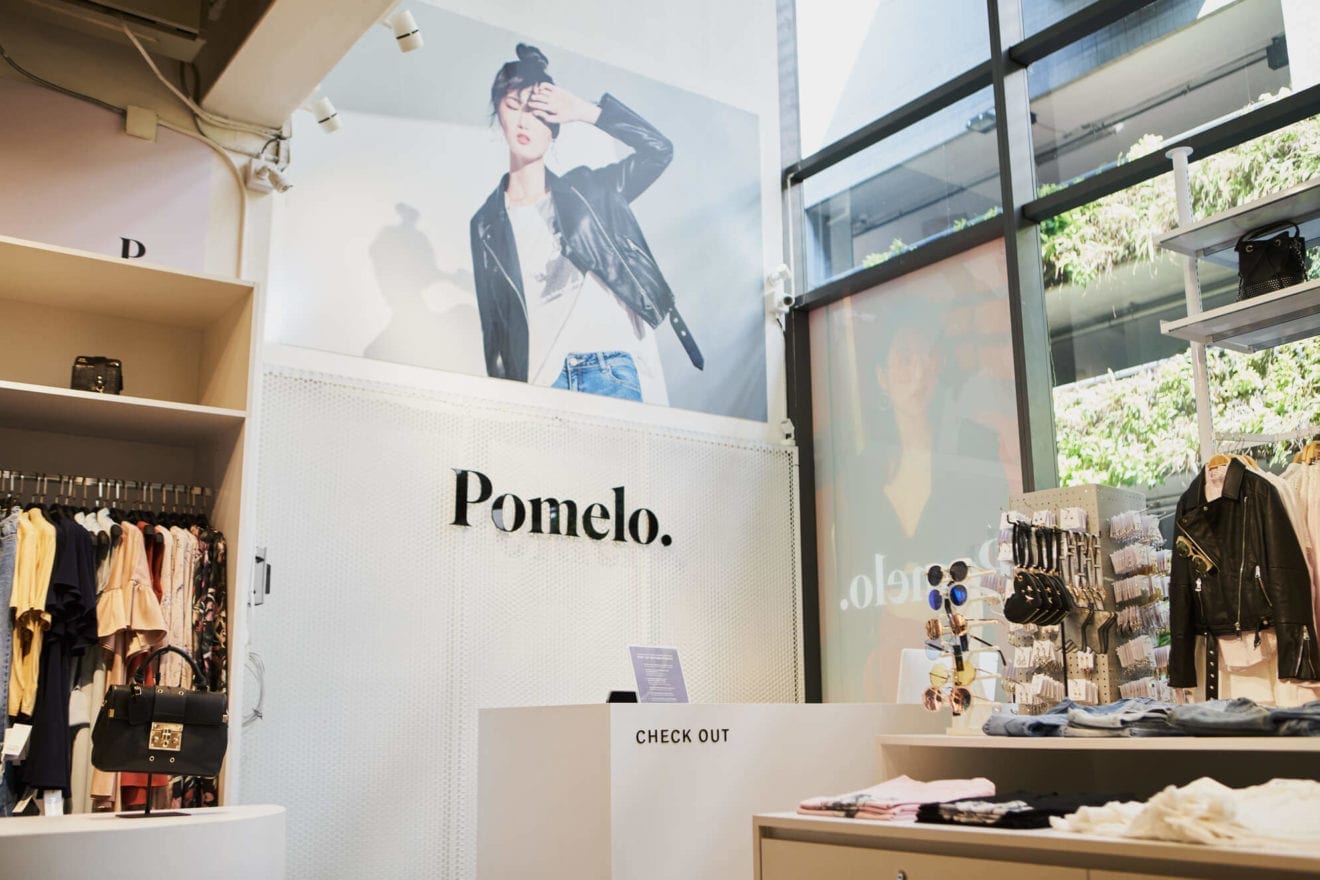
    Thai omnichannel fashion retailer Pomelo will launch in Cambodia in the first quarter of next year with physical stores and an e-commerce platform.

    The company has signed a partnership agreement with local distributor Zando Group to make its Cambodian debut and the launch is also part of a strategy to expand further within Southeast Asia.

    Pomelo, founded in 2013 by David Jou and Casey Liang, has developed from an internet-only fashion firm to a major Southeast Asian omnichannel retailer, with physical stores in Thailand, Singapore, Malaysia, and Indonesia, as well as online shipping to 50 countries.

    The brand opened its first store in Thailand in 2018 with the Tap, Try, Buy concept, which allows customers to order an infinite number of things online without paying anything upfront.

    Due to its growing economy, rising middle class, and increased demand for high-quality products, Cambodia’s retail sector has attracted major foreign labels in recent years.

    MLB, a South Korean streetwear brand, also opened its first physical store in Cambodia earlier this year, in collaboration with Vietnamese distributor Maison Retail Management International (MRMI).

  • KBank Financial Conglomerate acquires additional investments in Bank Maspion

    KBank Financial Conglomerate acquires additional investments in Bank Maspion

    KASIKORNBANK FINANCIAL CONGLOMERATE has acquired additional investments in PT Bank Maspion Indonesia Tbk (Bank Maspion) in Indonesia through KASIKORN VISION FINANCIAL PTE. LTD. (KVF) and PT. KASIKORN VISION FINANCIAL INDONESIA. Following the capital injection, the post-investment valuation of Bank Maspion stands at 15.441 billion Baht, an increase of 8.0 billion Baht. Therefore, the subsidiaries increased its stake in Bank Maspion to 84.55 percent, from 67.68 percent, reaffirming its position as a controlling shareholder in this Indonesian bank. The move also reinforces KBank’s goal of becoming the largest bank in East Java.

    Mr. Pattarapong Kanhasuwan, Chairman of KASIKORN VISION FINANCIAL COMPANY PTE. LTD. (KVF), said, “KASIKORNBANK FINANCIAL CONGLOMERATE initially acquired a stake in Bank Maspion in 2017. In the latest development, the subsidiaries have acquired additional shares in Bank Maspion, increasing its stake to 84.55 percent. The valuation of Bank Maspion after the capital injection amounted to 15.441 billion Baht, increasing 8.0 billion Baht. This strategic move will contribute significantly to the continuous growth of Bank Maspion, strengthening its operations and enhancing its customer service capabilities, while fortifying KBank’s position as the controlling shareholder of Bank Maspion.”
    KBank has leveraged its more than 78 years of experience in the banking business, along with its capability and expertise in financial innovations and technologies, to cement Bank Maspion’s strengths in all aspects. Such endeavors are intended to ensure that Bank Maspion becomes a “Right Financial Partner” that can provide services beyond traditional financial products in order to support the growth of customers’ businesses and facilitate Indonesia’s long-term economic growth through the implementation of business strategies that focus on three customer segments, namely corporate, SME and retail.

    • Corporate customer segment has exhibited bright growth prospects and is a major driver of the Indonesian economy. With that in mind, KBank intends to enhance Bank Maspion’s service provision capability and deepen client relationships in order to be a potential source of financing and offer comprehensive banking services.
    • For the SME customer segment, KBank has developed and improved products and services to make it easier to audit income, approve loans and lift various restrictions in order to respond to customers’ needs more quickly while also maintaining the security of related transactions. KBank is planning to offer P2P lending soon, as well.
    • As for the retail customer segment, KBank aims to expand its retail customer base through the design and development of various products and services, including Payroll, QRIS (Indonesian Standard QR Payment), deposit accounts, and personal loans, while introducing marketing campaigns to meet the diverse needs and behaviors of retail customers in their daily lives.

    Mr. Pattarapong added that the capital injection is in alignment with the Bank’s strategy of business expansion to become A Regional Bank of Choice within AEC+3. The focus is on enhancing capabilities in financial innovations and technologies to provide services beyond banking solutions in response to current changes. KBank’s competitive advantage of a service network in key strategic areas across the region will strengthen connectivity between Indonesia and the AEC+3 market. The effort is in line with KBank’s goal of becoming the largest bank in East Java by 2027.

  • DHL Express unveils newly expanded hub in Hong Kong

    DHL Express unveils newly expanded hub in Hong Kong

    DHL Express has completed the expansion of its Central Asia Hub or CAH in Hong Kong, which can now handle six times more shipment volume than when it was first established in 2004.

    The leading express operator has spent 562 million euros on the Hong Kong hub over the last 19 years with two phased developments in both 2008 and 2017. Given its location in Hong Kong, the hub is important gateway to Asia and the rest of the world and today it handles close to 20 percent of the company’s global shipment volume.

    DHL Express said it initiated the final expansion of the facility to complement the launch of Hong Kong International Airport’s three-runway system, which is set to be completed by 2024.

    With direct access to airside and landside, the newly expanded state-of-the-art facility, with double the total warehouse space at 49,500 square metres, is currently the only dedicated and purpose-built air express cargo facility at Hong Kong International Airport with an automated material handling system and peak handling capacity of 125,000 shipments per hour. It currently handles over 200 dedicated flights per week.

    DHL Express said that it expects to handle plus 50 percent of the current volume or up to 1.06 million tonnes per annum when operating at full capacity, six times the shipment volume of when the hub was first established in 2004.

    The company’s Asia Pacific air network operates with four hubs, one in Hong Kong, Shanghai, Singapore and Bangkok, linking to 900 express facilities in the region. The newly expanded hub in Hong Kong is expected to help strengthen the world city’s role as a trans-shipment hub for the Guangdong-Hong Kong-Macao Greater Bay Area, as well as support Hong Kong airport’s long-term goal to become the ‘e-commerce fulfillment centre of Asia’.

    To address the issue of sustainability, DHL has installed solar panels on the hub’s roof and deployed a battery storage system that can store excess solar power and release it as needed,saving 125,000 kWh of electricity annually and reducing 49 tonnes of carbon emissions. Other environmentally friendly features include electric forklifts, LED lights and highly efficient air-cooled chillers.

  • 2024 Honda Dream arrives from Cambodia

    2024 Honda Dream arrives from Cambodia

    A motorbike dealer has just imported a batch of the latest model of the Honda Dream, an iconic vehicle that was all the craze a few decades ago.

    Previously the bike used to sell for VND100 million (US$3,970), while the new one is marked at $2,500 in Cambodia, from where they are imported.

    The Dream was a classic vehicle near and dear to many generations of Vietnamese, but was discontinued long ago in many countries, leaving Cambodia the sole manufacturer in Southeast Asia.

    The 2024 model retains its nostalgic long, sleek body with the name “Dream” etched right beneath its rear seat handle. However, the traditional square panels are replaced with more low-key rounded ones, a design choice that does not sit well with the majority of Vietnamese bike enthusiasts due to the striking similarity to SYM motorbikes.

    The Dream utilizes a combination of imported and locally produced parts.

    Honda and Yamaha are the two largest imported motorbike brands.

    Some dealers speculate that the new Dream, like the previous Wave 125i imported from Thailand, will fetch a hefty VND80 million, twice the price of similar models assembled locally.

    With a barely noticeable difference in horsepower, technology or design priced like a premium automatic or performance motorcycle, the 2024 Honda Dream will have a hard time attracting young customers who usually lean toward sleek and modern designs.

    It will likely only attract wealthy collectors nostalgic for the good old days.

  • Sportswear label Anta opens outlet in Thailand

    Sportswear label Anta opens outlet in Thailand

    Chinese sportswear brands Anta has launched its first brick-and-mortar store in Thailand as part of its expansion plan in the Southeast Asia market.

    Located in Bangkok’s CentralWorld, the store covers an area 230sqm, embraces the Thai culture, and features designs in collaboration with local artists.

    Anta’s entry into Thailand marks the brand’s fourth expansion in the Southeast Asia market following the Philippines, Malaysia and Singapore.

    “You will also see that this is the first store in Anta where we devised a social space for customers to try on shoes, and while doing so able to engage in a bit of co-creation on the sticker bomb on the floor – we have additional stickers also for you to be a part of the co-creation process, to add onto the sticker bomb,” the brand wrote on its official statement.

    With more than 30 years of operation, Anta has a portfolio of brands including Fila, Descente, Kolon Sport, Arc’teryx, Salomon, Wilson, Peak Performance, and Atomic.

    The company is reportedly planning to launch its brand Fila in Thailand before the end of this year, and Salomon, Wilson and Descente by next year.

  • TBH Skincare rolls out in 857 Coles stores

    TBH Skincare rolls out in 857 Coles stores

    TBH Skincare has partnered with Coles Supermarkets and will be stocked in 857 stores across Australia.

    The move follows the brand’s recent merger with fellow beauty company Boost Lab under the new umbrella, York Street Brands. Earning more than $6 million in annual turnover just three years after launch, TBH Skincare expects to bring in an estimated $20 million in combined revenue annually.

    “We have been in discussions with Coles for several months, and we couldn’t be more excited,” said Rachael Wilde, co-founder of TBH Skincare.

    “Seeing over 115,000 units leave our warehouse just for the first order and thinking of how many people that will reach is a dream come true.”

    TBH Skincare began as an e-commerce channel in 2020, launching with its Acne Hack Spot Treatment product. Since then, the brand has expanded its product range and stockists, with more than 1200 stores now carrying its products.

    “My mission has been to give consumers ease in access so they feel empowered, and now I feel like, as a brand, we can say that confidently,” said Wilde.

  • Duck Donuts opens its first Thailand store in Bangkok

    Duck Donuts opens its first Thailand store in Bangkok

    Pennsylvania-based Duck Donuts has opened its first store in Thailand in partnership with local franchisee The Great Restaurant Group Co.

    Located at the Siam Discovery shopping centre in Bangkok, the outlet is the first of 10 Duck Donuts stores The Great Restaurant Group Co. plans to open across Thailand by the end of 2028. “Bringing Duck Donuts to Bangkok is a momentous occasion for us.

    We’re excited to introduce our made-to-order donuts to the vibrant city of Bangkok and offer the local community a delightful, customizable experience. We believe in the power of sweet moments, and we can’t wait to create memorable experiences for our guests in Thailand,” said Betsy Hamm, CEO, Duck Donuts.

    Thailand is Duck Donuts’ third market entry in 2023, following its debut in Egypt and Qatar in February and August, respectively.

    Founded in North Carolina in 2007, the bakery café chain currently operates 131 stores across the US, alongside two stores in each of Canada and Puerto Rico and a single site in Saudi Arabia.

    Further international expansion is also on the cards, with Duck Donuts planning to open first stores in Pakistan and Curacao in 2024, alongside franchise agreements to enter the UK, Australia, the Bahamas and Iraq.

  • Siam Piwat commits to using 100 per cent renewable energy by 2030

    Siam Piwat commits to using 100 per cent renewable energy by 2030

    Retail developer Siam Piwat Group has pledged to target net-zero greenhouse gas emissions by 2050, starting with a commitment to using 100 percent renewable energy by 2030.

    Siam Piwat – the owner and operator of Siam Paragon, Siam Center, and Siam Discovery, and a joint venture partner of IconSiam and Siam Premium Outlets Bangkok – says it wants to “lead the charge” in developing a smart ecosystem across its properties.

    As part of its net-zero journey, the company will sign a memorandum of understanding with world-class companies on sustainability by early next year as it works to reinforce its leadership in world-class sustainable destination development.

    “Siam Piwat has long been recognised by various world-class brands for centring its business on sustainable concepts and practices,” said Naratipe Ruttapradid, COO of Siam Piwat Co.

    “Guided by the vision to benefit society at large and elevate the quality of life for all, we strive to use our business as a platform of opportunities, for developing individual capabilities, and to ensure that all parties involved grow and succeed with us. We also prioritise environmental conservation everywhere we operate and promote resource efficiency and reutilisation.”

    Siam Piwat will develop partnerships with government bodies, universities, suppliers, local authorities and tenants to connect its business to people, society, and the environment as it accelerates projects that will power the business with clean energy. It anticipates this will push forward the Siam Piwat 360° Waste Journey to Zero Waste waste management program, and help develop the Bangkok commercial district of Pathumwan into a model of a smart eco-district.

    Naratipe said Siam Piwat wants to become Thailand’s first retail property developer to collaborate with the world’s premier brands and organisations on sustainability in pursuit of the United Nations’ sustainability goals and meet new global standard of business practice.

    Siam Piwat continues to be as committed as ever to leveraging its capabilities and business networks to create an urban model for environmental revitalisation and to drive the adoption of renewable energy and 360° waste management.

    Associate Professor, Dr Singh Intrachooto, a consultant and expert in the field of sustainability, has been a key driver and co-developer of Siam Piwat’s sustainability initiatives and eco-projects for more than a decade. He said Siam Piwat has long been a pioneer in championing sustainability and is now embracing new eco initiatives across its operations.

    Among the green initiatives that Singh has worked with Siam Piwat to develop are eco-projects aimed at transforming shopping centres into learning centres on sustainability, and Kheo Siam, a book explaining environmental issues in Thailand and worldwide, eco-trends, and Siam Piwat’s approaches to environmental management.

    He also played a pivotal role in advancing eco-community development and bringing to life Ecotopia at Siam Discovery – Asia’s first and largest eco-lifestyle retail hub. This initiative was born from Siam Piwat CEO Chadatip Chutrakul’s vision to empower communities and producers of eco-friendly product at all levels.

    “I can say with confidence that Siam Piwat has robust and concrete environmental practices that meet and often endeavour to surpass internationally accepted standards,” said Singh.

    Clean power towards net-zero

    Siam Piwat has incorporated environmental management into its business operations, starting with energy conservation and energy efficiency enhancement. For example, it has replaced lighting with LED bulbs to save energy and it uses AI-powered environmental control systems within its buildings.

    The company has expanded its use of clean energy – as can be seen from the installation of rooftop solar panels at IconSiam which produce more than 1 million kWh annually and reduce greenhouse gas emissions by about 550 tCO2e per year. Siam Piwat also collaborated with Gunkul Engineering to develop and install a rooftop solar PV system covering more than 20,000sqm at Siam Premium Outlets Bangkok, generating more than 4.8 million kWh of electricity annually and reducing greenhouse gas emissions by approximately 4300 tCO2e per year.

    Working with partners, Siam Piwat has installed electric vehicle charging stations to serve customers of its shopping centres.

    All these initiatives form part of Siam Piwat’s efforts to lower greenhouse gas emissions and contribute to the creation of a low-carbon society.

    Currently, the company is collaborating with several leading clean energy organisations in Thailand – including SCG Cleanergy, a subsidiary of the Siam Cement, and B.Grimm Power – to procure renewable energy, with the goal of enabling every shopping centre under Siam Piwat Group to successfully transition towards renewable energy and reduce its reliance on electricity generated from fossil fuels. The target is to increase the use of renewable energy compared to the total electricity consumption across all areas under Siam Piwat’s direct management to 30 per cent by 2026 and to achieve 100 per cent renewable energy in all areas by 2030.

    Meeting waste management challenges

    Meanwhile, Siam Piwat is working to address Thailand’s waste management challenges by promoting the optimisation of resource efficiency by way of circular economy through the Siam Piwat 360° Waste Journey to Zero Waste. This program aims to promote efficient waste management through setting up a Recycle Collection Center in collaboration with various partners to collect and sort cleaned waste for recycling to be repurposed or upcycled for added value.

    Some of the upcycled products are also available for sale in Ecotopia, the group’s retailer of green products inside Siam Discovery. Siam Piwat’s goal is to divert 50 per cent of its waste from landfill by 2030.

    Aware of Thailand’s growing volume of electronic waste (e-waste), Siam Piwat has partnered with Synnex’s Trusted by Synnex E-Waste program to set up collection points for e-waste in Siam Paragon.

    Strategy for the development of Pathumwan as a smart model

    Along with a focus on its own properties, Siam Piwat is working to involve various communities in the Pathumwan business community in the heart of Bangkok to help create a world-leading smart ecosystem.

    To this end, the company is collaborating with Associate Profesor Niramon Serisakul, director of the Urban Design and Development Center, Center of Excellence in Urban Strategies (UddC-CEUS) at the Faculty of Architecture, Chulalongkorn University.

    “Pathumwan is the epicentre of shopping destinations for Thai and international visitors of all ages,” said Niramon. “It offers a diverse range of shopping centres, department stores, and community malls – both vertical and horizontal – catering to every individual’s lifestyle.

    “The area is home to educational institutions, tutoring schools, offices, mixed-use buildings, and more, so Siam Piwat’s role as a leader in elevating Pathumwan into a smart eco-district will enhance its competitive edge and enable it to maintain its position as a premier creative economic district and a driver of Thailand’s economy.”

    Siam Piwat’s key mission is to advance sustainability in order to enable Thailand to achieve its sustainable development goals and create a better world for all.

  • Gordon Ramsay’s group set to open 14 restaurants in Thailand

    Gordon Ramsay’s group set to open 14 restaurants in Thailand

    Gordon Ramsay Restaurants, owned by the namesake world-renowned chef, is expected to open 14 locations in Thailand as part of its expansion in Asia.

    The first two restaurants will open at Emsphere Mall in Bangkok in December through a partnership with Tanachira Group. Twelve more outlets are to be opened in the coming years.

    Located on the mall’s ground floor, the Bread Street Kitchen & Bar will feature a sophisticated all-day dining experience, with the menu consisting of Gordon Ramsay classics such as Beef Wellington and Fish & Chips.

    The Street Pizza will be on the first floor, offering bottomless sourdough pizzas, hot wings, fries, beers and cocktails, along with live music in a vibrant atmosphere.

    “This new partnership with Tanachira Group continues our global growth, whilst bringing our fantastic casual and premium casual brands to a new audience in Bangkok,” said Andy Wenlock, CEO of Gordon Ramsay Restaurants.

    The expansion into Thailand follows the group’s recent openings of four restaurants in South Korea and two in Malaysia.

    Gordon Ramsay Restaurants currently operates 37 restaurants in the UK and 35 restaurants internationally, including the US, South Korea, Malaysia, France, Dubai, and Singapore.