Retail News CRM

Tag: Thailand

  • Thailand loosen EV production regulations

    Thailand loosen EV production regulations

    Thailand’s Board of Investment (BoI) has announced that the government would extend deadlines for electric vehicle (EV) manufacturers to meet domestic production quotas, addressing weak local market demand.

    Under the current EV 3.0 incentive program, manufacturers must produce one locally assembled EV for every imported EV or a 1:1 ratio.

    Companies failing to meet this quota in 2024 will face a stricter 1.5:1 production-to-import ratio by 2025.

    The policy aims to encourage automakers to establish EV assembly plants in Thailand, which has attracted EV-related investments totaling 80 billion THB ($2.3 billion).

    To further support the struggling auto industry, the government will extend domestic EV production requirements to the end of 2027. This move comes as Thailand grapples with stagnant market conditions caused by slow economic growth and tight credit policies.

    The Federation of Thai Industries (FTI) recently revised its 2024 automobile production forecast down to 1.5 million units, the lowest since 2021, citing weak domestic demand.

    During January and October, total car sales in Thailand dropped 26.2% year-on-year to 476,350 units, with pickup truck sales plunging 43%.

    The decline is attributed to stricter auto loan regulations amid concerns over rising non-performing loans and Thailand’s high household debt.

  • Thailand to build new bridge to Cambodia

    Thailand to build new bridge to Cambodia

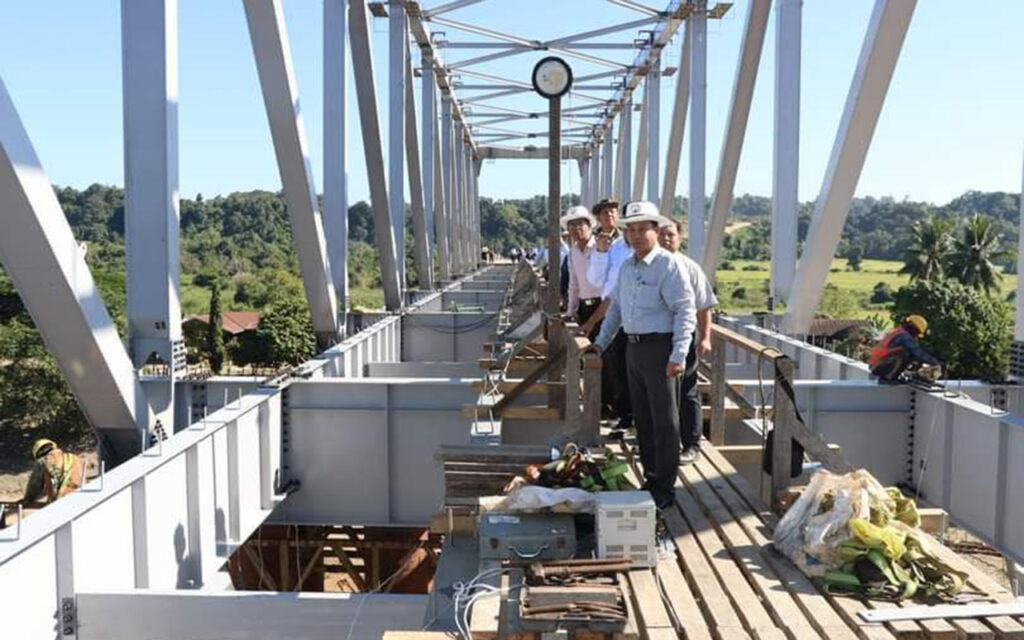
    The Thai government is constructing a new bridge to link Chanthaburi province in eastern Thailand with Pailin province in Cambodia, with an estimated cost of 15 million baht (US$431,400).

    During his visit to the Ban Pakkad border checkpoint in Pong Nam Rong district on Nov. 21, Deputy Prime Minister and Interior Minister Anutin Charnvirakul highlighted the bridge’s potential to boost cross-border trade and tourism between the two nations.

    Named the New Chanthaburi-Pailin Friendship Bridge, this concrete structure will replace the temporary steel bridge currently connecting the two provinces. The new bridge will span approximately 40 meters and include 3-meter-wide pedestrian walkways on each side of the vehicular lanes.

    With its improved design and infrastructure, the bridge is expected to significantly enhance logistics and trade efficiency between Thailand and Cambodia, fostering stronger economic ties.

  • AIS Leads the Way in Southern Thailand with SEA COVERAGE Network

    AIS Leads the Way in Southern Thailand with SEA COVERAGE Network

    The network is equipped to handle the anticipated increase in usage during the year-end and peak tourism season in the south. It incorporates advanced technology to enhance its digital infrastructure and serve various sectors, including government, services, fisheries, tourism, hospitality, restaurants, and both local and international tourists.

    Kitti Ngarmchatetanarom, Chief Technology Officer at AIS, expressed, “Our goal is to establish a comprehensive digital infrastructure in the southern region that is extensive, advanced, and well-connected to the Ecosystem Economy in all aspects. This means that every area covered by the AIS signal network not only facilitates digital communication but also promotes the growth of the southern economy, including tourism, services, tour operators, hotels, ferry services, yacht and speedboat businesses, restaurants, and even the coastal and deep-sea fisheries industries.”

    Paiboon Rinsakun, Head of Regional Operations, South, AIS, added, “AIS has significantly enhanced service quality, network reliability, and SEA COVERAGE (both the Gulf of Thailand and Andaman coasts), encompassing coastal regions, islands, and sea routes—by land, sea, and air. We have developed our network structure to continuously expand coverage while integrating signal transmission systems, technological advancements, and renewable energy to tackle the unique challenges posed by geographical features from coastal areas to the open sea.”

    Currently, AIS’s 5G and 4G networks blanket more than 95% of southern Thailand, focusing on prominent tourist spots recognized globally, such as Ratchaprapa Dam in Surat Thani, Maya Bay in Krabi, and Surin Islands National Park in Phang Nga. These initiatives aim to meet the demands of tourists who want to capture photos, videos, and create content to share instantly on social media.

    “To accommodate both Thai and international tourists exploring the natural wonders of southern Thailand during the peak season, we assure that AIS SEA COVERAGE will ensure optimal performance. We are confident that AIS’s robust digital infrastructure will play a crucial role in supporting the recovery and expansion of the tourism sector and contribute to the sustainable development of the ocean economy,” Ngarmchatetanarom concluded.

  • Thailand launches digital durian initiative to boost farmers’ income

    Thailand launches digital durian initiative to boost farmers’ income

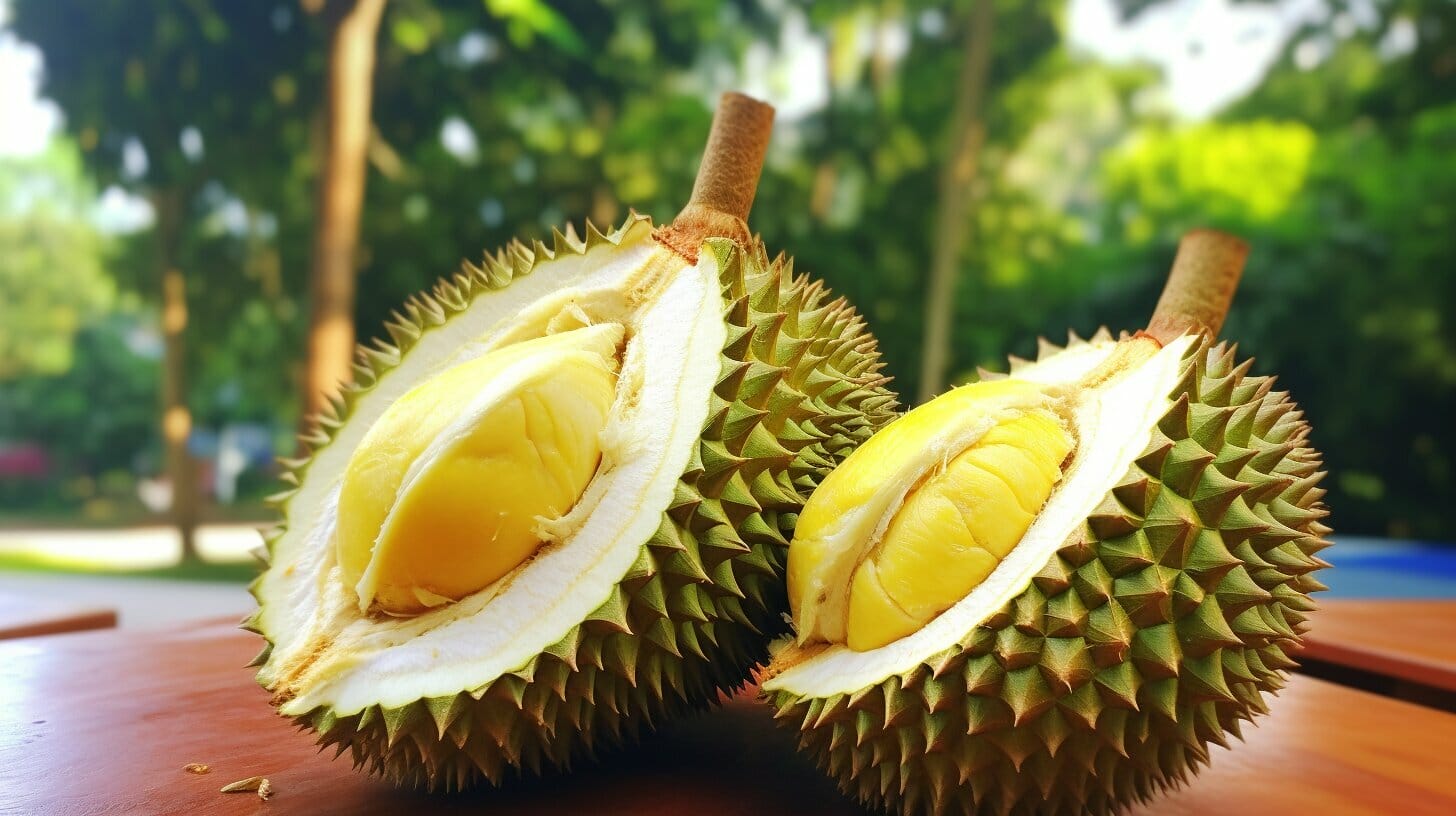
    Thailand has kicked off the One Tambon, One Digital (OTOD) “Digital Durian” project to help 8.8 million durian farmers improve their productivity.

    Thailand’s Digital Economy Promotion Agency President Nuttapon Nimmanphatcharin said the OTOD Digital Durian initiative aims to engage over 6,100 durian farming households in adopting digital platforms for recording cultivation data within a two-year timeframe.

    The collection of this data will contribute to creating “big data” for Thailand’s agricultural sector, especially the durian sector. Pantanu Wannagangsai, advisor to the Ministry of Digital Economy and Society (DES), said the above-mentioned project aligns with the government’s policies which aim to solve issues of debt, income, cost of living and social stability. It is expected to contribute to building consumer confidence both domestically and internationally, promoting high-value Thai products globally amid fierce competition, especially from China and countries in the Southeast Asian region, he added.

    Thailand has 1.02 million rai of durian plantation areas and produce 1.53 million tonnes. Durian accounts for 69% of all exported fruits, or 991,557 tonnes last year, and the major durian export market is China.

    In addition, 12,200 farmers in 23 provinces are expected to be trained on e-commerce applications and certification for Good Agricultural Practice, supporting the development of a national agriculture platform.

  • Thailand inspection finds imported Shine Muscat grapes safe for consumption

    Thailand inspection finds imported Shine Muscat grapes safe for consumption

    All imported Shine Muscat grapes have met food safety standards, according to the Thai Food and Drug Administration (FDA), responding to public concern about recent reports of chemical contamination.

    The agency’s food and drug inspection division seized 6.93 tonnes of the grapes on Nov. 5 to run chemical residue tests, under its Hold Test Release protocol.

    The fruit met all regulatory standards, so the FDA approved them for import and domestic sale, its deputy director-general Lertchai Lertvut said. gtraPublic concern arose last month when the Thailand Consumers’ Council reported that 23 out of 24 Shine Muscat grape samples it tested were found to contain hazardous chemical residues beyond the acceptable legal limit.

    Some were contaminated with chlorpyrifos and endrin aldehyde, which are banned under Thai food safety laws.

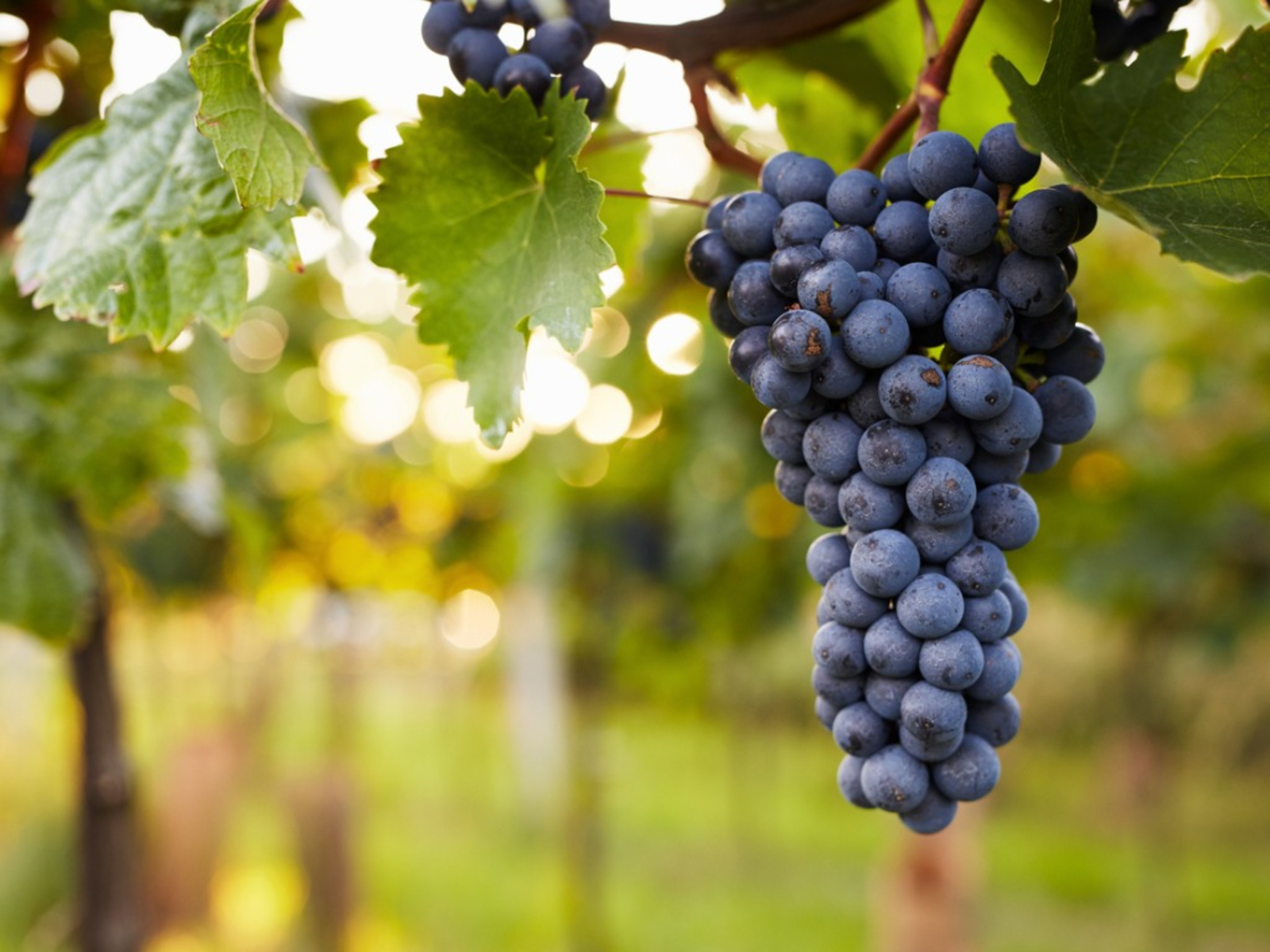
    Shine Muscat grapes are a variety originating from Japan that features a yellow-green hue, crisp flesh, no seeds, and delightful sweetness.

  • GDS to Invest USD 1B in Thai Data Hub with Amata Partnership

    GDS to Invest USD 1B in Thai Data Hub with Amata Partnership

    GDS has announced that they will invest up to USD 1 billion over the next five years in data center projects in Chonburi, in partnership with real estate developer, Amata.

  • Thailand eyes sending more workers to Singapore

    Thailand eyes sending more workers to Singapore

    Thailand’s Ministry of Labor is planning to export more workers, particularly those in the shipyard sector, to Singapore.

    Singapore is looking for welders in the shipbuilding sector, skilled workers in electronic parts, and experienced construction workers, and the huge demand for these jobs presents a good opportunity for Thailand to send more workers there, quoted Thai Labor Minister Phiphat Ratchakitprakarn as saying on Sunday.

    The minister said he and the ministry’s permanent secretary, Boonsong Thapchaiyuth, met with officials from from the Labor Office in Singapore, Singaporean businesspeople, and Ureerat Chareontoh, the Ambassador of Thailand to Singapore, over the weekend at the Thai embassy in Singapore.

    The discussion is expected to make way for broader employment opportunities and facilitate the labor market in Singapore, he noted.

    “Thais can come to work in Singapore as the jobs will help develop their skills, and make money to support their families.”

    Thai workers can secure roles as general laborers, welders, painters, and ship platers, and start working without having to pass tests, he added.

    Boosting labor exports aligns with the ministry’s key strategy of promoting Thai workers’ skills through international exposure and generating income for their families back home.

    Some 4,000 Thai workers are currently employed in Singapore, holding various roles in construction, manufacturing, welding, flight attendant, electronic parts production, pipe assembly, and other general labor positions, as reported by Thai news website Thaiger.

  • Thailand’s Industrial Sector Takes a Leap Forward

    Thailand’s Industrial Sector Takes a Leap Forward

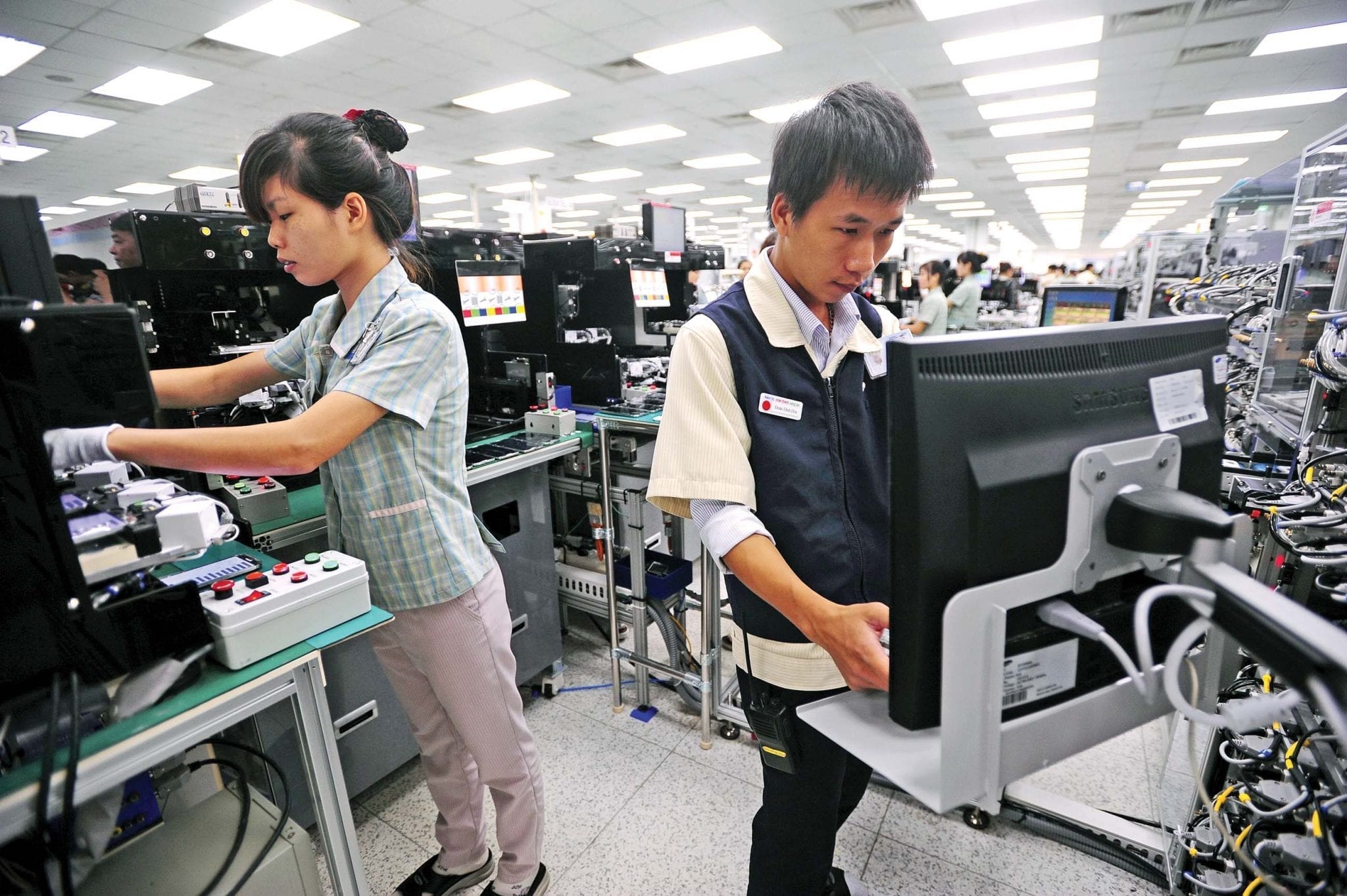
    The collaboration aims to support the IoT and AI Manufacturing Line Analysis Project through several key objectives. It focuses on advancing technology by promoting the integration and expansion of IoT and AI technologies within Thailand’s industrial sector.

    A core working group will be established to ensure the TGI stays ahead of technological advancements. The initiative will also create a knowledge transfer hub, serving as a central resource for sharing information on IoT and AI technologies related to production processes. Additionally, the partnership will organize seminars, training sessions, and educational activities to transfer specialized knowledge to industrial personnel and educational institutions.

    Under the terms of the MOU, Mobile Innovation Company Limited (MI) will provide significant support to the TGI, including offering training courses and technical education at no cost; supplying the necessary equipment, tools, and teaching materials; and co-organizing training sessions and educational activities aligned with the project’s objectives. In return, the TGI will develop and maintain the TGI Smart Factory room; assign dedicated staff to collaborate with MI in designing and implementing teaching content; and facilitate training, seminars, and consultations as part of the IoT & AI Manufacturing Line Analysis Project.

    Additionally, NTT Com will provide exhibits, educational materials, and services; implement related support activities such as exhibitions, training, seminars, and consultations; and promote understanding of the services and their details.

    This collaboration represents a significant advancement in Thailand’s industrial sector towards modernization and technological excellence. The partnership between TGI, MI, and NTT Com signifies a unified effort to equip Thailand’s workforce with the skills and knowledge needed to succeed in an increasingly automated and intelligent industrial environment.

  • Thailand’s rice export prices dip to 14-month low

    Thailand’s rice export prices dip to 14-month low

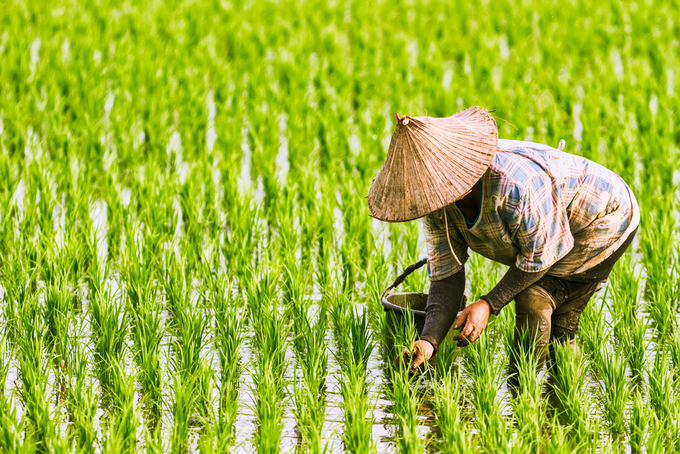
    Thai rice export prices fell to a 14-month low this week due to weak demand and competition from other rice exporting countries.

    Thai 5% broken rice was priced at US$560 per ton, the lowest level since July 20, 2023 and down from $565 last week.

    A Bangkok-based trader said on Thursday that prices could fall further if the Thai baht depreciates. Another trader said the market was waiting to see changes in Indian rice policy in the coming months and that supply was in the harvesting stages.

    Meanwhile, Vietnamese 5% broken rice was exported at $565 per ton on Thursday, according to the Vietnam Food Association, also down from around $580 last week.

    “Prices fell on competition from other suppliers such as Thailand, Cambodia and Myanmar,” a trader based in Ho Chi Minh City said.

  • Thailand mulls extending welfare benefits to freelancers

    Thailand mulls extending welfare benefits to freelancers

    The Thai Government is considering granting freelance workers the same welfare benefits as those registered with the Social Security Fund (SSF), given that they pay income taxes.

    According to Minister of Tourism and Sports Sorawong Thienthong, the Government is in discussion with several agencies to set up a welfare system to protect freelancers, such as tour guides, ride-hailing service drivers, and online content creators.

    Under the new system, freelancers could claim medical and other welfare benefits, just like other workers who are registered with the Social Security Office. However, they must declare their income and pay the required taxes, he said.

    Sorawong said the move followed a discussion with representatives from various civil and labor advocacy groups, during which they outlined the potential challenges in setting up such a system.

    The inputs from these groups will serve as the basis for a bill on welfare coverage for freelance workers that the government plans to present in the next parliamentary session, he said.

  • Thai currency rises to highest level in 19 months

    Thai currency rises to highest level in 19 months

    Thai businesses are pressing the central bank to take measures to stabilise the domestic currency (baht), which has rapidly gained strength and could impact fourth-quarter growth.

    Speaking at a press conference on September 23, Deputy Chairman of the Thai Chamber of Commerce (TCC) Phot Aramwattananon said the baht has strengthened faster than anticipated and was affecting exports and tourism.

    He expressed concerns over the impact of the rising baht on export competitiveness, particularly in agriculture and food products. TCC has urged the Bank of Thailand (BoT) to manage the baht’s stability in line with domestic and global economic conditions.

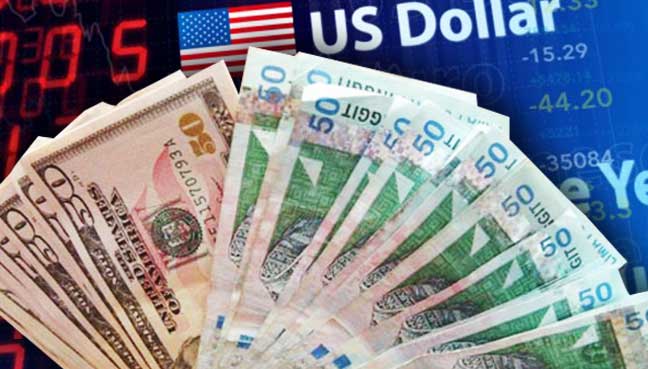
    As of September 23, the baht hovered around 32.8 to the U.S. dollar, trading at its strongest level in more than 19 months. It has gained 13% against the dollar since a low in April of 37.17.

    An appropriate level was 34 baht to the greenback, said TCC Chairman Sanan Angubolkul, adding it was seeking a meeting with the central bank and finance ministry to discuss economic stimulus, interest rate reduction, and debt resolution.

    Thailand’s household debt is projected to reach THB16 trillion in 2024, or 90.8% of GDP, among the highest ratios in Asia.

    In contrast, BoT Governor Sethaput Suthiwartnarueput downplayed the baht’s strength, asserting it has minimal impact on exports.

    The TCC also adjusted its 2024 growth forecast upwards from 2.5% seen previously to a range of 2.6% to 2.8% due to policies of the new government to revive the economy.

  • Vietnam rubber exports hit $1.7B in 8 months

    Vietnam rubber exports hit $1.7B in 8 months

    Vietnam exported 1.12 million tons of rubber worth US$1.76 billion in the first eight months of 2024, customs data show.

    This marked a 7.2% year-on-year decline in volume but a 8.4% growth in value from the same period last year, according to the General Department of Customs.

    Vietnam shipped out 209,726 tons of rubber worth nearly $345 million in August alone, up 12.7% in volume and 12% in value from the previous month.

    The average export price was $1,637 per ton, a 1.1% month-on-month decrease but up 26.8% from a year ago.

    Rubber exports are forecast to reach $3-3.5 billion this year, a $200-400 million increase from 2023.

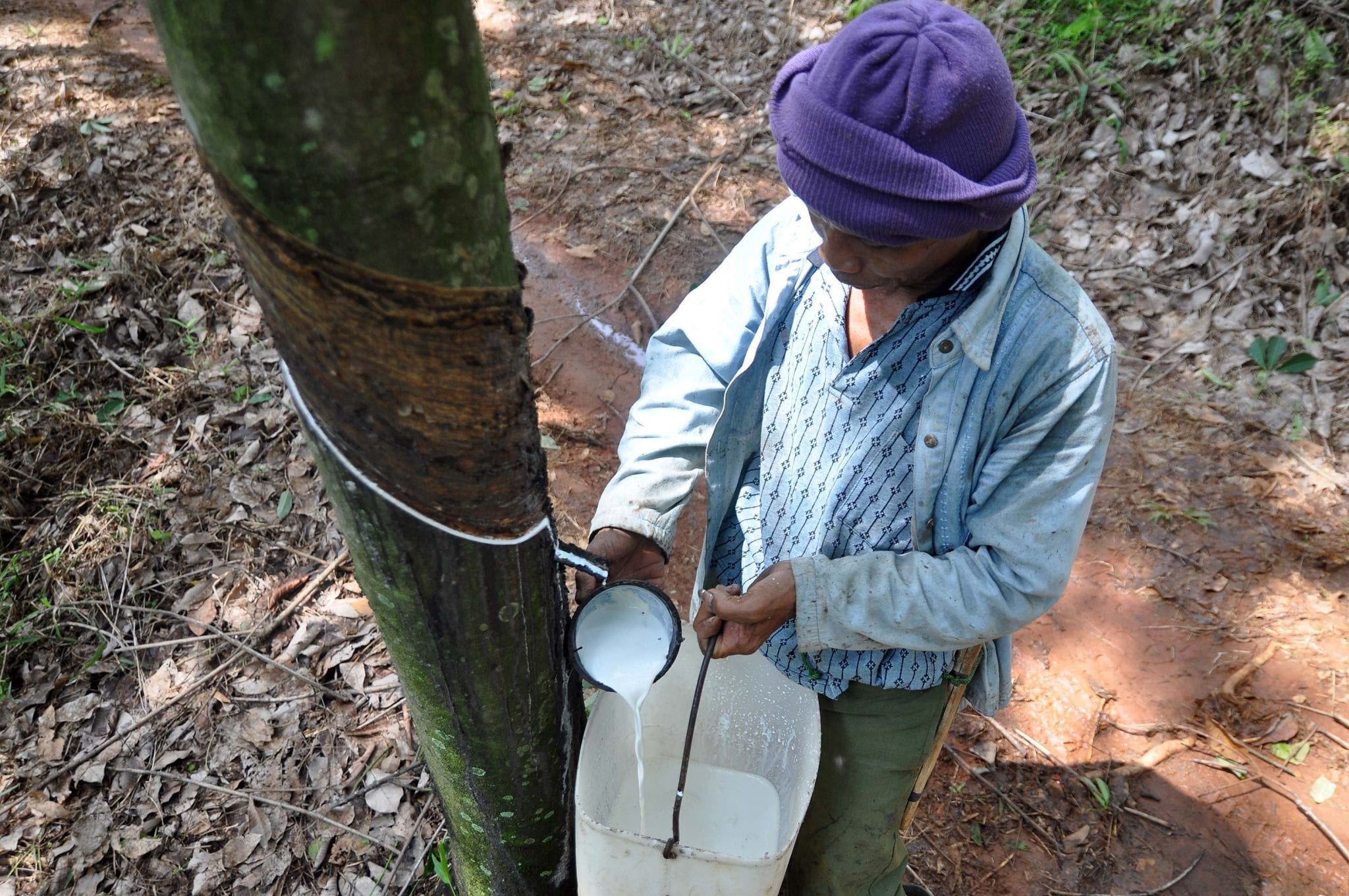
    The country currently has a latex output of 1.3 million tons per year from 910,000 hectares of rubber plantations, according to the Vietnam Rubber Association.

    Every year, more than 300,000 tons of rubber are used in processing and manufacturing, leaving a large amount of raw material for export. This has opened up considerable export potential for the local industry, especially in the context of potential global supply shortages in the 2024 – 2025 period.

  • Thai rice prices dip to one-year low

    Thai rice prices fell to their lowest in over a year as bidders were forced to reduce their prices in a recent auction held by Indonesia.

    Thai 5% broken rice was priced at US$550-565 per ton this week, the lowest since July 20, 2023, down from $585 quoted last week.

    A Bangkok-based trader said the market still considers Thai prices too high. However, flash floods have been hurting short-term harvest yields, so prices might improve down the road.

    Another trader said competitors weighed prices down and that Thai bidders lost out to other exporters in a recent auction held by Indonesia due to higher prices.

    There will be demand from African and European customers before October because those orders would be delivered before late December, the trader said.

    Meanwhile, Indian rice export prices extended losses this week to hit an eight-month low.

    Indian 5% broken parboiled rice was quoted at $534 per ton, the lowest since mid-January, and down from the $540 a week earlier.

    According to the Vietnam Food Association, Vietnamese 5% broken rice was offered at $567 per ton on Thursday, down from $575 a week ago.

    A trader based in Ho Chi Minh City said trading activity remains slow while demand is weak.

    Traders said the ongoing floods in northern Vietnam might have an impact on rice production, though rice for export is mostly grown in the Mekong Delta in the south.

  • Banana prices double in Thailand

    Banana prices double in Thailand

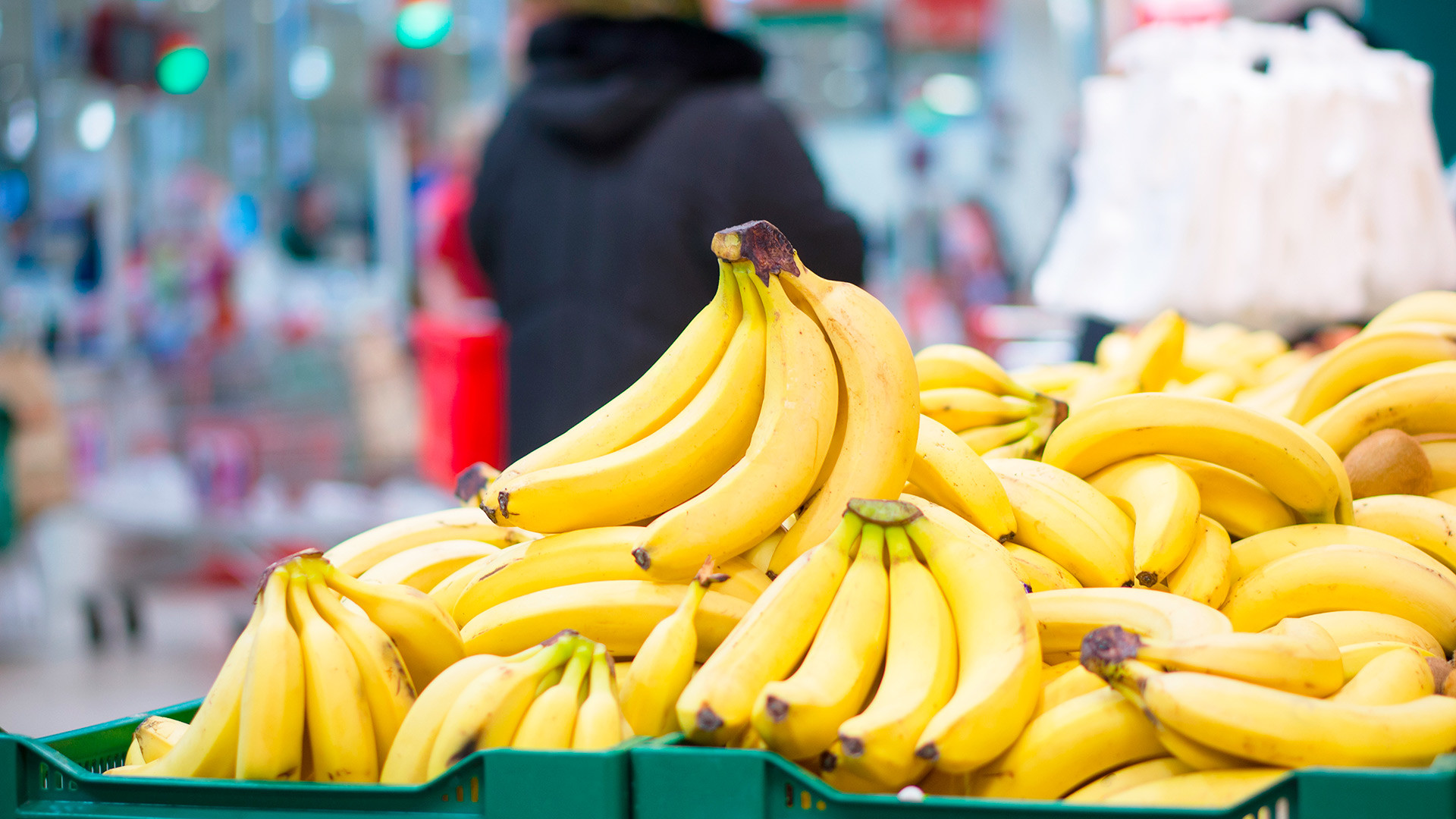
    The price of kluay hom thong banana or “golden bananas” in Thailand has doubled to 30 baht (US$0.89) amid growing demand.

    Somchai Nunual, leader of the golden banana and fruit safety group in Bang Kaew district in Thailand’s Phatthalung province, said the price hike was due to the growing popularity of the fruit, while the lack of rain since the second half of last year has curtailed the supply of bananas to the market.

    Bang Kaew district has been the center of the bananas in the province since farmers discovered the soil in the district is more suited to growing bananas than rubber, rice or oil palm.

    Thailand’s Ministry of Agriculture and Cooperatives predicted that the kluay hom thong banana harvest this year will amount to just 32,000 tons, a massive drop from last year’s 120,000 tons.

    Farmers made an average of 278 baht per 100 bananas last year, up from 243 baht in 2022, according to the ministry. It forecast that banana farmers will pocket 292 baht per 100 fruits this year.

    The kluay hom thong banana is one of Thailand’s main fruit exports, with 80% going to Japan and the rest largely to China and Cambodia.

    Japan allows Thailand a quota of 8,000 tons of the fruit annually, but the actual export volume is only half that because farmers cannot produce enough of the fruit that meets Japanese standards, according to the Internal Trade Department.

  • Thai wellness brand Panpuri opens first international flagship in Hong Kong

    Thai wellness brand Panpuri opens first international flagship in Hong Kong

    Thai wellness brand Panpuri has made its international debut, beginning with its first flagship located in K11 Musea, Hong Kong.

    Designed in partnership with MLKK Studio, the boutique is inspired by the concept of “The Perfumist’s Chamber”, which combines the “elegance” of Thai culture with the “dynamic energy” of Hong Kong.

    The company said a key design element is the fusion of Thai-made, Hong Kong-familiar mosaic tiles locally known as Mak Suk. The terracotta shade – integral to Thai architecture – and Hong Kong’s urban landscape create a visual bridge between the two cultures.

    At the boutique’s core lies a Bespoke Sensorial Bar where customers can design their signature scent with the help of Panpuri Scent specialists. It has six product formats, from essential oils to perfume diffusers, and a collection of 65 fragrances.

    Pramote Dechaboonsiripanich, MD Panpuri, said the Hong Kong launch serves as the brand’s gateway to the Mainland and an ideal location for expansion.

    “Our data also shows that Hong Kong customers rank among our top clients, so this move allows us to serve both local and international customers better,” said Dechaboonsiripanich.

    The company aims to expand to three or four stores in Hong Kong and establish its main office, capitalising on the city’s status as a “strategic gateway” to the region.