Retail News CRM

Tag: Thailand

  • Thai Farmers Rally for PM to Enlist Blackpink’s Lisa in Boosting Fruit Exports

    Thai Farmers Rally for PM to Enlist Blackpink’s Lisa in Boosting Fruit Exports

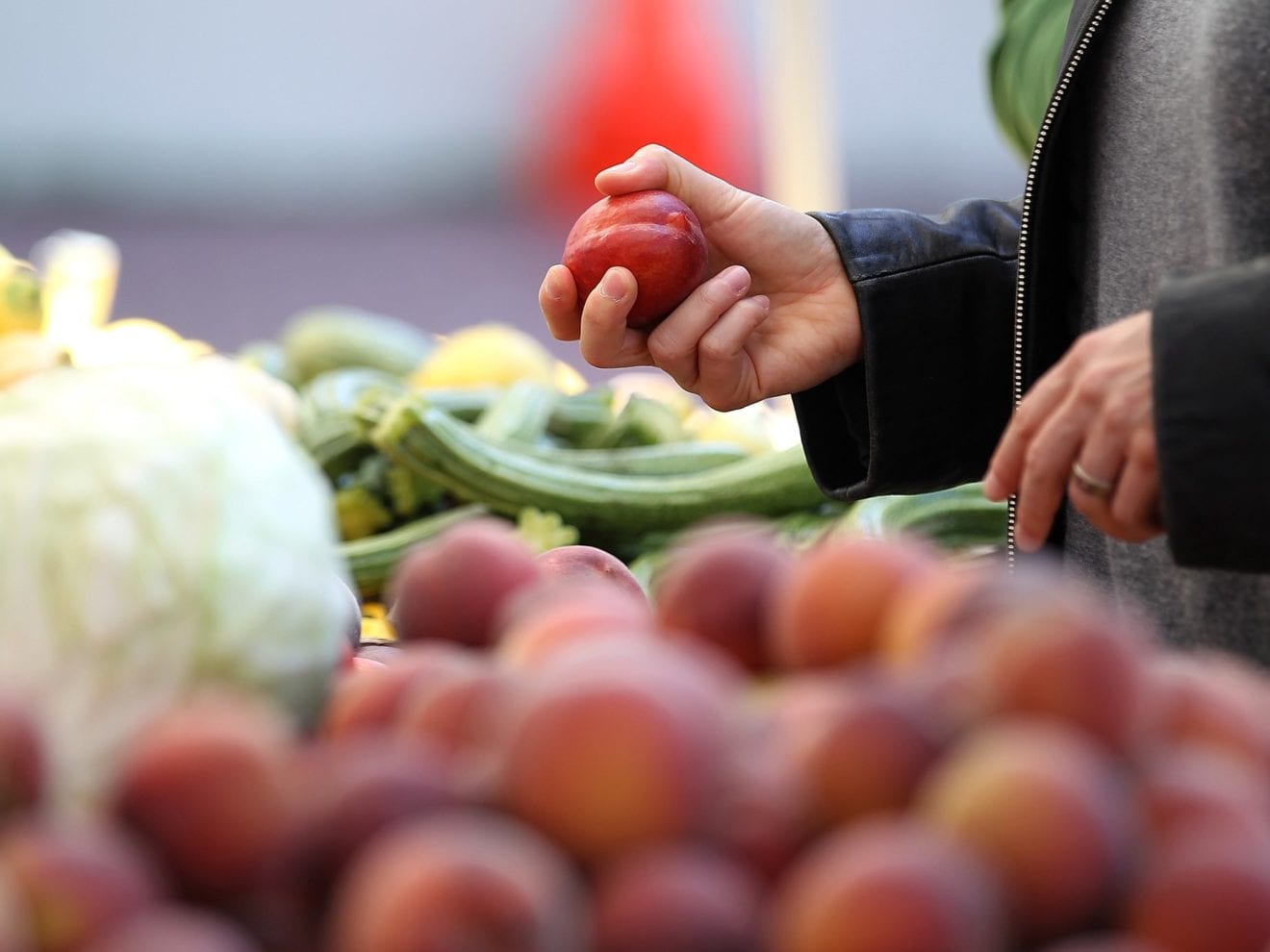
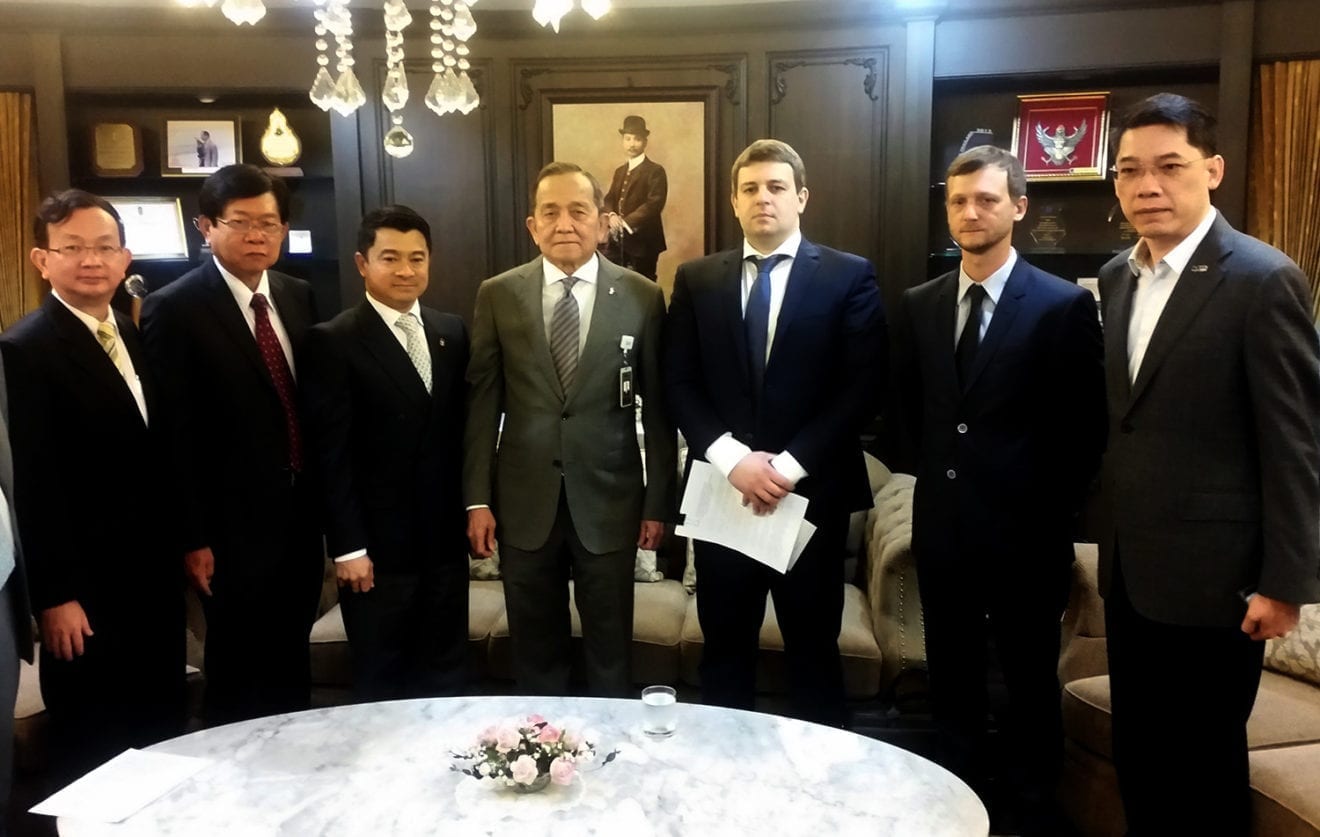
    Thai fruit growers have turned to Prime Minister Paetongtarn Shinawatra with an innovative proposal: enlist K-pop sensation Lisa (Lalisa Manoban) of Blackpink to champion the global promotion of Thai fruits. This request came during the Prime Minister’s recent visit to Chanthaburi province, where farmers highlighted Lisa’s star power as a key to accessing new markets beyond China.

    The farmers passionately argued that Lisa’s endorsement could significantly boost Thailand’s fruit exports, potentially generating over THB 500 billion (approximately US$15 billion) annually. Currently, the nation’s fruit export revenue stands at a considerably lower THB 200–300 billion. With Lisa’s impressive global presence—she boasts over 105 million Instagram followers and holds ambassadorial roles with luxury brands like Celine and Bulgari—the farmers believe her involvement could elevate Thai products on the international stage.

    During the meeting, farmers addressed several pressing challenges, including the critical need for faster customs clearance at border checkpoints, where shipments can face delays of up to 12 days. They urged for clearer regulations to combat premature harvesting of durians, which negatively affects both weight and quality. In addition, they advocated for better policies to address labor shortages, suggesting the extension of work permits for migrant laborers and enabling them to move between provinces for job opportunities. A proposed THB 100 million compensation fund for durian farmers and locals affected by wild elephant incursions also featured prominently in their discussions.

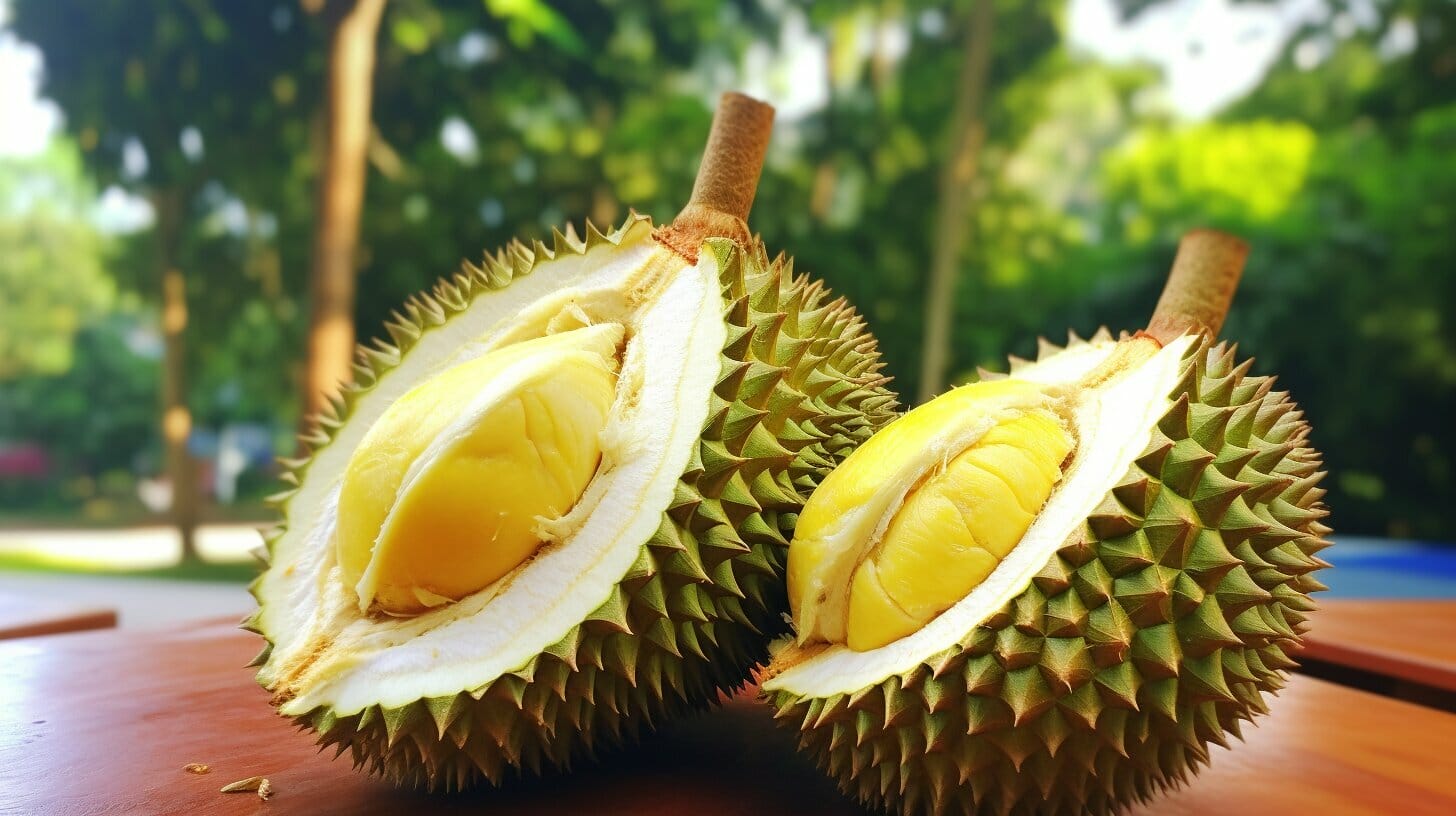
    In response, Prime Minister Paetongtarn assured the farmers that the government is working with companies to purchase surplus produce, thereby minimizing waste. She pledged to streamline export processes and confirmed that the Ministry of Labour will tackle agricultural workforce shortages. As part of her visit, the Prime Minister explored an exhibition by the Young Smart Farmer group, where innovative durian sales through livestreaming were showcased. She also took part in a durian-cutting event, highlighting her commitment to the fruit sector.

    Who knew a K-pop star could be the missing ingredient in boosting Thailand’s fruit exports?

    Questions & Answers

    What was the main request from Thai fruit growers to the Prime Minister?
    They urged Prime Minister Paetongtarn Shinawatra to invite K-pop star Lisa to promote Thai fruits globally, believing her popularity could enhance exports.

    What challenges did the farmers discuss during their meeting?
    They highlighted customs delays, premature harvesting regulations, labor shortages, and proposed a compensation fund for those affected by wild elephants.

    How did the Prime Minister respond to their concerns?
    She committed to improving export processes, addressing labor shortages, and collaborating with companies to purchase surplus produce to reduce waste.

  • Thai Investors Reap $1.3 Billion in Dividends from Leading Vietnamese Firms

    Thai Investors Reap $1.3 Billion in Dividends from Leading Vietnamese Firms

    Data compiled reveals that Thai investors have been thriving on their stakes in a variety of Vietnamese companies, particularly in the dairy, beverage, plastics, and retail sectors. The spotlight is on Vinamilk, a dominant player in the dairy market, which has showered its Thai shareholders with a staggering VND16.1 trillion in dividends since 2013.

    Vinamilk and Its Sweet Returns

    Vinamilk, which boasts the largest share of the dairy market, has garnered significant attention, especially from Fraser & Neave, a beverage giant that holds a 20.4% stake in the company. In a strategic move, Sirivadhanabhakdi’s TCC Holdings acquired Singapore-based Fraser & Neave back in 2013. Last year alone, Vinamilk dished out VND1.85 trillion in dividends to Fraser & Neave. Despite several attempts in recent years to increase their stake further through the stock market, those plans have been thwarted by challenging market conditions.

    Sabeco: A ‘Crown Jewel’

    Sirivadhanabhakdi’s investment strategy doesn’t stop at Vinamilk. He maintains a controlling interest in Sabeco, one of Vietnam’s leading breweries. In 2017, ThaiBev, operating under Sirivadhanabhakdi, splurged $4.8 billion to acquire 53.6% of Sabeco from the Vietnamese Ministry of Industry and Trade. Over eight years, ThaiBev has raked in over VND14 trillion in dividends from Sabeco, with 2024 marking a record payout of VND3.44 trillion. At a press conference in September 2022, Thapana Sirivadhanabhakdi, CEO of ThaiBev, characterized Sabeco as a “crown jewel,” highlighting its unique value in the crowded regional beer market.

    Diverse Investments Across Sectors

    Beyond the dairy and beverage arenas, TCC Holdings also made headlines with its $704 million acquisition of the Metro supermarket chain, repackaging it as Mega Market. This reflects the breadth of Thai investment in Vietnam, with the acquisition of Binh Minh Plastics standing out as particularly lucrative. Nawaplastic, a subsidiary of Thailand’s SCG Group, took control of Binh Minh in 2018, purchasing 24.2 million shares from the State Capital Investment Corporation and reportedly benefiting from VND2.5 trillion in dividends since 2012.

    SCG’s interests extend further into Vietnam, controlling companies such as Tan Bien Packaging and Duy Tan Plastics while also operating a major petrochemical complex in Ba Ria – Vung Tau Province. This facility, costing over $5 billion, has a remarkable annual capacity of 1.4 million tons of products. As the Thai footprint deepens, they are also eyeing sectors like finance and retail. The Siam Commercial Bank is involved with Home Credit Vietnam, and Central Retail Group boasts brands like GO! (formerly Big C) and Nguyen Kim, solidifying Thailand’s formidable presence in the Vietnamese retail landscape.

    Trust in Vietnam’s Economic Prospects

    Thai investment continues to flourish, with a 2024 HSBC survey revealing that 66% of Thai businesses are keen on investing in Vietnam. The confidence level among Thai investors stands at a robust 93%, just behind Vietnam (98%) and Singapore (94%). Data from the Foreign Investment Agency highlights that Thailand has been Vietnam’s 13th largest investor since 1988, with total investments exceeding $14.7 billion, primarily fueling the manufacturing sector, which receives 74% of their financial commitment.

    Could this surge of investments make Vietnam the Silicon Valley of Southeast Asia? Only time will tell!

    Questions & Answers

    How much have Thai shareholders made from Vinamilk since 2013?
    Thai shareholders have benefitted from a remarkable VND16.1 trillion in dividends from Vinamilk since 2013.

    What characterizes ThaiBev’s investment strategy in Vietnam?
    ThaiBev’s strategy is focused on long-term growth, with plans to dominate the beer market and expand across Southeast Asia, as evidenced by their significant stake in Sabeco.

    What sectors do Thai investors primarily focus on in Vietnam?
    Thai investors predominantly invest in the manufacturing sector, with 74% of their capital directed towards this area, reflecting their strong interest in production capabilities within Vietnam.

  • Thai Government Enlists Influencer to Boost Durian Sales in China Market

    Thai Government Enlists Influencer to Boost Durian Sales in China Market

    Thailand’s Commerce Ministry is harnessing social media’s power to supercharge its durian and fruit exports, particularly targeting the lucrative Chinese market. By collaborating with renowned influencer Taiyuan Lao Ge, who boasts over 93 million followers on Kuaishou, the ministry hopes to shatter previous export records in both volume and value through an upcoming live-selling event.

    Scheduled for May 11 and 12, the broadcast aims to showcase not only the celebrated golden pillow durian but also an array of Thai fruits, including mangoes, longans, mangosteens, and various seasonal delights. Last year, Taiyuan achieved remarkable success, selling over a billion baht’s worth of Thai durian—approximately US$30.25 million—in just a single day.

    This initiative is a vital part of the ministry’s broader strategy to promote Thai agricultural products, especially during the booming harvest season that has brought forth exceptional quality produce. Commerce Minister Pichai Naripthaphan emphasized the significance of leveraging Chinese influencers for live online sales, a tactic poised to elevate Thai fruit’s global standing.

    To enhance the export process, the ministry is actively engaging with private sector partners and Chinese online platforms. Pichai revealed ongoing discussions with Wu Zhiwu, Minister Counsellor at the Chinese Embassy in Thailand, to refine and improve durian trade mechanisms. In his discussions, Pichai urged Chinese authorities to ease inspection protocols and expedite clearance processes at border crossings, particularly by augmenting inspection capabilities and personnel to ensure smooth operations during this peak production period.

    In a promising development, China’s customs have committed to operating around the clock to facilitate imports of Thai durians amidst the harvest season frenzy.

    With China accounting for a staggering 98% of Thailand’s durian exports last year—valued at around $4 billion—there’s a lot at stake in this flavorful campaign. Thai durians are not just fruits; they are becoming a sensation that’s ripe for the picking.

    Questions & Answers

    **What is the main goal of Thailand’s Commerce Ministry in launching the live-selling event?**
    The main goal is to enhance the volume and value of fruit exports, particularly targeting the Chinese market through an engaging online sales event led by influencer Taiyuan Lao Ge.

    Why is Taiyuan Lao Ge significant for this campaign?
    Taiyuan Lao Ge is noteworthy because he has a massive following of over 93 million on Kuaishou and previously achieved impressive sales for Thai durian in a single day, making him an influential figure in driving consumer interest.

    How does the Thai government plan to improve durian exports to China?
    The Thai government plans to streamline inspection protocols, improve border clearance processes, and engage Chinese customs for smoother operations during peak harvest times, all while promoting their products through influencer-driven campaigns.

  • Thailand Lifts Alcohol Ban on Five Buddhist Holidays at Airports and Hotels, Boosting Tourism Appeal

    Thailand Lifts Alcohol Ban on Five Buddhist Holidays at Airports and Hotels, Boosting Tourism Appeal

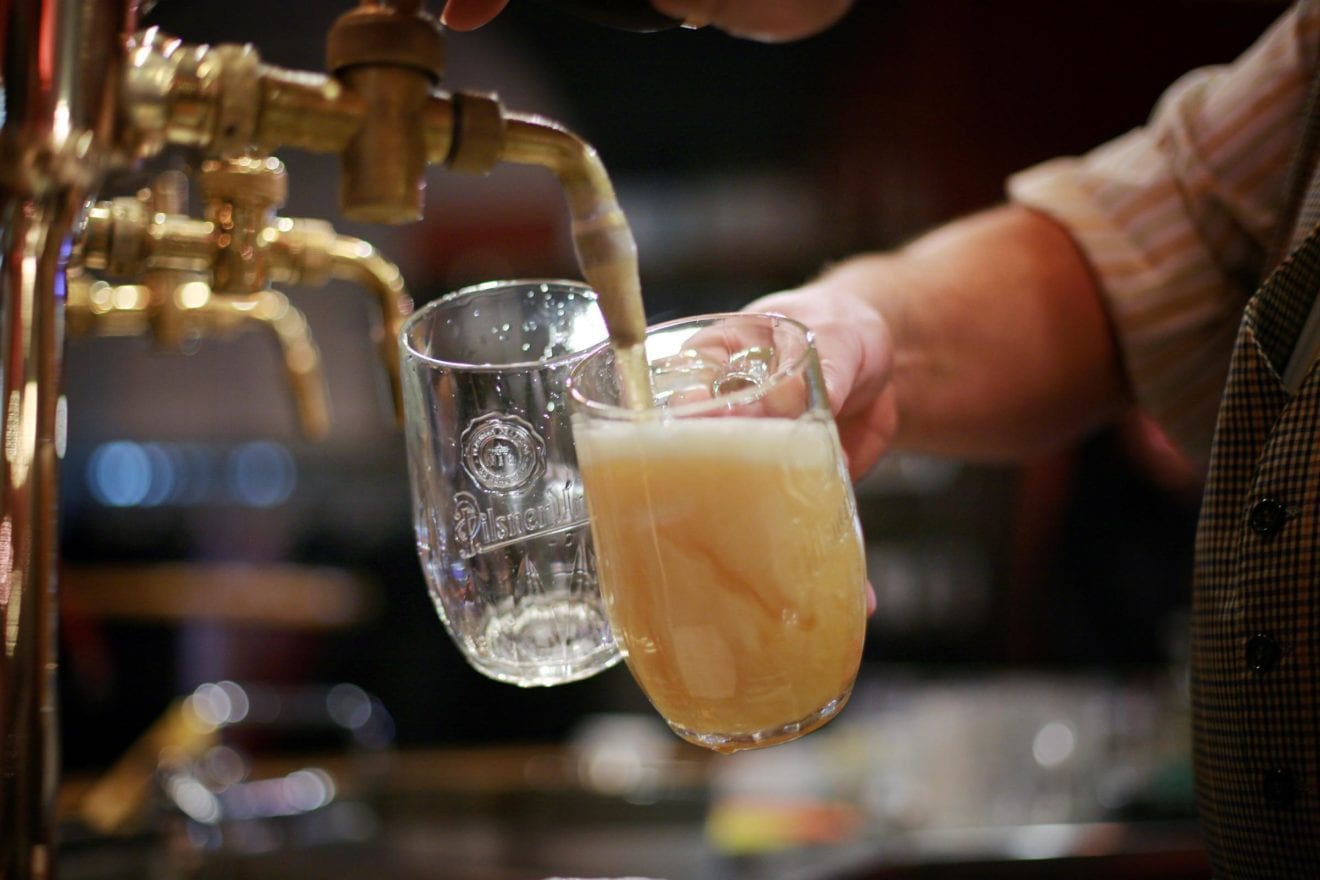
    Thailand is stepping into a new era for travelers, as the government embarks on a journey to boost tourism by allowing limited alcohol sales during five prominent Buddhist holidays. Specifically, from Saturday, international airports, hotels, venues hosting major events, and select nightlife spots will welcome patrons looking to raise a glass—even on days traditionally marked by sobriety.

    Selected Venues, Select Days

    However, not every establishment will be joining the celebration; the rule relaxation is strategically aimed at specific locations rather than a blanket policy. In a statement reported by the Bangkok Post, government spokesman Jirayu Houngsub emphasized that the change is part of the “Amazing Thailand Grand Tourism and Sports Year 2025” campaign, aimed at providing a much-needed boost to the tourism industry. “It will directly benefit businesses in the tourism sector,” he noted.

    Despite its reputation as a premier tourist hotspot known for stunning beaches, lively nightlife, and being the only Southeast Asian nation to decriminalize cannabis, Thailand has often left visitors scratching their heads. Tourists frequently encounter closed bars during religious holidays, even amid peak travel seasons.

    A Cautious Celebration

    People’s Party MP Taopiphop Limjittrakorn, a notable advocate for liberalizing Thailand’s alcohol laws, urged caution in celebrating this change. He pointed out that the ban on alcohol sales persists for many retail outlets. “Roadside food stalls, convenience stores, and supermarkets are not included in the new announcement. They still cannot sell alcohol,” he shared on Facebook.

    In recent months, Thailand has taken significant steps toward relaxing restrictions in the alcohol sector. Earlier this year, lawmakers in the House of Representatives passed an amended alcohol control bill, repealing an outdated 1972 military decree that prohibited alcohol sales before 11 a.m. and during certain afternoon hours. This exciting legislation is currently making its way through the Senate, paving the way for further changes in the beverage industry.

    Who knows—maybe soon, you’ll be sipping a cold one during sunset by the beach, even on a holiday!

    Questions & Answers

    What are the specific locations where alcohol sales will be allowed during Buddhist holidays?
    Alcohol sales will be permitted at international airports, hotels, venues hosting major events, and select nightlife spots.

    Why was this change implemented?
    The change is part of the “Amazing Thailand Grand Tourism and Sports Year 2025” campaign aimed at stimulating the tourism sector and benefiting related businesses.

    Are all businesses allowed to sell alcohol during these holidays?
    No, the new regulations only apply to select locations, and many places like roadside food stalls, convenience stores, and supermarkets will still be prohibited from selling alcohol.

  • Thailand Outshines Southeast Asia with Soaring Gold Demand

    Thailand Outshines Southeast Asia with Soaring Gold Demand

    Thailand has emerged as a shining star in Southeast Asia’s gold market, showcasing a remarkable 17% increase in gold demand during the first quarter of the year. A report from the World Gold Council reveals that this surge is the most significant growth among five countries analyzed in the region.

    In total, consumer demand in Thailand reached 9.1 tons, marking a robust trend in the country’s appetite for gold. Meanwhile, neighboring nations such as Singapore, Malaysia, and Indonesia experienced more modest growth rates ranging from 5% to 8%. In a surprising twist, Vietnam faced a decline of 15%, painting a mixed picture across the region’s gold consumption.

    Gold Bars and Coins Shine Bright

    Thailand’s inclination towards gold bars and coins has shown an impressive 25% year-on-year increase, totaling 7.4 tons. This shift underscores the Thai investors’ growing preference for gold as a safe-haven asset amid swirling uncertainties in the global economy. Louise Street, senior markets analyst at the World Gold Council, noted the tumultuous start to the year for global markets—characterized by trade disputes, unpredictable U.S. policy shifts, and rekindled recession fears. All these factors have contributed to a particularly shaky environment for investors.

    In light of such challenges, it’s no wonder that the demand for gold in the first quarter has reached its highest levels since 2016, according to Street. Globally, gold demand—including over-the-counter trades—tallied 1,206 tonnes during the same period, achieving a slight increase of 1% year on year, despite gold prices surging past US$3,000 per ounce. Although the price may seem daunting for some, others see it as an opportunity to invest in a timeless asset.

    In a world where investments can feel as volatile as a rollercoaster ride, isn’t it refreshing to find stability in shimmering gold?

    Questions & Answers

    What was Thailand’s gold demand in the first quarter?
    Thailand’s gold demand rose to 9.1 tons in the first quarter, reflecting a 17% year-on-year growth.

    How did the gold demand in Thailand compare to other Southeast Asian countries?
    Thailand led the growth in gold demand, while Singapore, Malaysia, and Indonesia saw increases between 5% and 8%, and Vietnam experienced a decline of 15%.

    What factors contributed to the increase in gold demand?
    The rise in gold demand is attributed to investors seeking safe-haven assets amidst trade turmoil, geopolitical tensions, and recessionary fears, creating a highly uncertain market environment.

  • Thailand Boosts Economy with $15B Investment in Retail Growth

    Thailand Boosts Economy with $15B Investment in Retail Growth

    Thailand Plans $15 Billion Economic Stimulus to Combat GDP Slowdown

    In a strategic move to bolster its economy, Thailand’s Ministry of Finance has unveiled plans to inject over THB 500 billion (approximately $15 billion) aimed at increasing the nation’s GDP growth by more than 1.8%. The initiative focuses on stimulating consumer spending, enhancing investment, and providing soft loans as key drivers for economic recovery.

    Response to IMF’s Downward Revision

    This announcement comes in the wake of the International Monetary Fund (IMF), which has revised Thailand’s GDP growth forecast for 2025 from 2.9% down to 1.8%. This adjustment is largely attributed to the effects of reciprocal tariffs imposed by the United States. Notably, Thailand stands out as the only ASEAN nation with its GDP projection lowered to below 2%, and the IMF anticipates a further decline to 1.6% for 2026.

    Government’s Commitment to Economic Monitoring

    Deputy Prime Minister and Minister of Finance, Pichai Chunhavajira, described the IMF’s forecast as a preliminary evaluation. He acknowledged external challenges, including tariff policies from the U.S., but expressed confidence in the government’s ability to monitor economic conditions and implement timely stimulus measures to cushion any potential slowdown.

    “We are fully committed to maintaining growth at previous levels,” said Chunhavajira. He indicated that discussions are underway regarding appropriate funding sources for the stimulus package, involving collaboration with key agencies like the National Economic and Social Development Council and the Bank of Thailand.

    Strategic Use of Fiscal Resources

    Permanent Secretary of the Finance Ministry, Lavaron Sangsnit, emphasized Thailand’s robust fiscal position while outlining the strategic deployment of the THB 500 billion stimulus package. “Stimulating domestic consumption will generate immediate economic benefits, while investment is crucial for supporting structural reforms,” he noted.

    Funding sources for the initiative remain under consideration, including options for budget reallocation, utilizing THB 150 billion left from previous stimulus efforts, and leveraging state financial institutions for lending purposes. Further details on specific projects linked to the stimulus package are expected to be clarified by next month, depending on global economic trends.

    Implications for the Retail Sector

    This significant economic intervention by the Thai government is poised to have a considerable impact on the retail landscape, igniting consumer trends and brand expansion opportunities. As consumer demand surges in response to increased spending power, retailers may find new avenues to engage with customers, ultimately fostering growth in the domestic economy.

  • How Vietnam is overtaking Thailand as favorite destination for Indian travelers

    How Vietnam is overtaking Thailand as favorite destination for Indian travelers

    Vietnam’s landscapes, growing upscale tourism infrastructure, globally recognized cuisine, and expanding network of direct flights have made it a top destination for travelers from India in Southeast Asia, steadily surpassing Thailand.

    For years, Thailand was the go-to destination for Indian travelers visiting the region. However, more Indian tourists are now turning their attention to Vietnam, which offers a similar experience at more affordable prices. In late March, The Economic Times published an article titled “Forget Thailand, Vietnam is the new playground for Indian tourists,” noting that Vietnam is now drawing more interest from Indian travelers than any other Southeast Asian destination.

    New playground for India’s wealthy

    Vietnam has become a strong contender among high-end Indian travelers, as they seek alternatives to Japan and Singapore after visiting Thailand’s popular islands like Koh Samui and Phuket. The rising presence of luxury hotels, particularly in beach destinations like Phu Quoc, is attracting India’s elite.

    The Economic Times highlights that India’s wealthy organize approximately 5,000 ultra-luxury weddings annually, with budgets ranging from $250,000 to $500,000. Despite intense competition, JW Marriott Phu Quoc Emerald Bay successfully hosted the wedding of Indian billionaire Rushang Shah in 2019 and another billionaire couple’s ceremony in early 2024. The arrival of luxury brands like The Luxury Collection and Ritz Carlton Reserve in Phu Quoc further bolsters the island’s appeal.

    Beyond luxury stays, Phu Quoc offers a range of experiences that appeal to Indian travelers.

    Sun Paradise Land in southern Phu Quoc features attractions like the Guinness World Record-holding “Kiss of the Sea” multimedia show, nightly fireworks, the world’s longest three-wire cable car, and the Kiss Bridge.

    “Phu Quoc offered so many surprises. A morning cable car ride over the sea, fireworks at night… I’ve never experienced anything like that anywhere else,” said Rohan Khanna, a visitor from New Delhi.

    In addition to Phu Quoc, Ha Long Bay is also becoming a popular destination for Indian travelers. More and more wealthy Indian families are choosing Phu Quoc and Ha Long for milestone events, positioning Vietnam as a top Asian wedding destination. With its natural beauty, luxury hotels, and professional event services, both locations are proving ideal for hosting special moments.

    Outstanding culinary experiences

    Food plays a decisive role for Indian tourists when choosing a travel destination. Given the diversity in dietary and religious preferences across India, catering to halal or halal-friendly standards is essential to ensure repeat visits.

    Top tourist destinations in Vietnam, such as Sun World Ba Na Hills in Da Nang and Sun World Fansipan Legend in Sa Pa, have embraced these dietary needs, offering Indian tourists familiar flavors that meet their cultural requirements.

    Da Nang, which was added to the Michelin Guide’s 2024 expansion, has seen a significant increase in Indian visitors.

    Da Nang welcomed 222,000 Indian tourists in 2024, accounting for 5.3% of total international arrivals. Nearly 50% of Indian visitors to Vietnam chose Da Nang as their primary destination, solidifying its position as the most popular Vietnamese city among Indian travelers.

    Affordable food prices in Da Nang and other beach destinations like Phu Quoc also add to Vietnam’s appeal.

    Compared to regional competitors like Thailand, seafood in Vietnam is significantly more affordable. Thailand’s Nation Story even noted that seafood in Phu Quoc costs about half as much as in Thailand.

    More direct flights

    Vietnam’s growing network of direct flights from major Indian cities is also contributing to the rising demand. There are currently around 56 direct flights per week between the two countries. Several new direct routes, including one from Ahmedabad to Da Nang, were launched in 2024.

    Sandeep Arya, Indian Ambassador to Vietnam, shared that aviation authorities from both countries are planning to add 14 more flights connecting cities like New Delhi, Chennai, and Mumbai with Vietnam. India is also encouraging airlines like Vietnam Airlines, Vietjet, and IndiGo to open more direct routes to boost tourism.

    According to the General Statistics Office, international arrivals to Vietnam in the first quarter of 2025 exceeded 6 million, a 29.6% increase year-on-year. Over 143,000 of these visitors were from India, continuing the trend of double-digit growth compared to the same period last year.

    In 2024, Vietnam welcomed more than 500,000 Indian tourists, making India one of its most promising inbound markets. With an expanding range of competitive offerings, Vietnam is well on its way to becoming the top destination for Indian travelers in Southeast Asia by 2025.

  • Thai rice prices hit over three-year low

    Thai rice prices hit over three-year low

    Prices of rice shipped from Thailand declined to an over three-year low this week due to US President Donald Trump’s move to impose import tariffs and an existing market surplus.

    Meanwhile, India’s rice export prices neared a two-year low on subdued demand. The US announced to impose a flat 26% tariff on all goods being exported by India to the US, a 36% tariff on goods from Thailand, and 37% on Bangladeshi products.

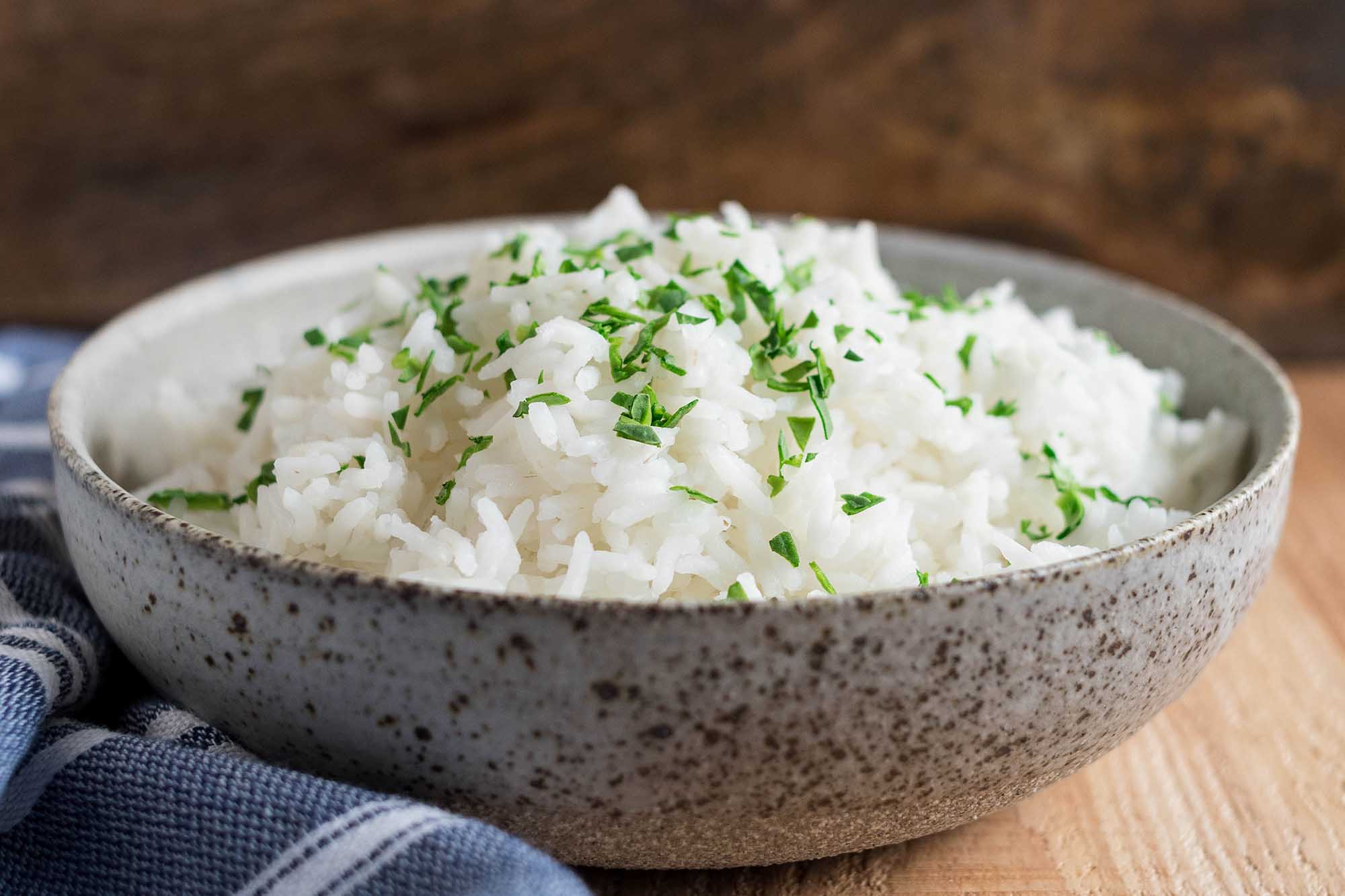
    Thailand’s 5% broken rice fell to $395-400 per tonne, its lowest since January 2022.

    Meanwhile, India’s 5% broken parboiled variety was quoted at $392-400 per tonne and fell to its lowest level in nearly 22 months on subdued demand from African buyers amid ample supplies. Indian 5% broken white rice was priced at $380 – 385 per tonne this week.

    Overseas buyers incurred losses due to the sharp drop in prices over the last few weeks, so they are cautious about new purchases, said Himanshu Agrawal, executive director at Satyam Balajee, a leading rice exporter.

    According to traders, Vietnam’s 5% broken rice was offered at $405-410 per tonne.

    A Ho Chi Minh City-based trader said that prices edged up as the major winter-spring harvest is almost over. The Trump administration’s new tariffs will not have any direct impacts on rice exports from Vietnam.

    Traders said domestic prices are also rising, led by prices of fragrant rice.

    Meanwhile, domestic rice prices in Bangladesh stayed elevated despite efforts to import the grain, hitting consumers hard.

  • Thailand proposes China facilitate durian export

    Thailand proposes China facilitate durian export

    The Commerce Ministry of Thailand has recently requested the China Customs to extend the working hours at the Mohan checkpoint on the border with Laos to facilitate durian inspections.

    Specifically, the closing time will be changed from 5.30pm to 8.30pm, according to Deputy Minister Napintorn Srisunpang.

    Chinese authorities will also increase the number of inspection laboratories from three to five, adding more officials to streamline the process at this checkpoint, Napintorn said.

    He revealed that discussions with customs officials at multiple checkpoints indicated that Thai durian is free from contamination by Basic Yellow 2 (BY2) dye or cadmium.

    Previously, only 30% of durian imports underwent testing, but since January all containers must be checked for BY2 and cadmium contamination by certified laboratories in Thailand, plus face complete inspection upon arrival at Chinese borders.

    Napintorn said this heightened scrutiny has resulted in delays, with transport times stretching up to eight days. Concerns have been raised that during peak seasons, the inspection process could extend to as long as 10 days, potentially resulting in delivery times of up to 20 days, which may compromise quality and negatively impact sales of Thai durian.

    Due to expanded cultivation and improved yields, durian production is anticipated to rise by 37% year-on-year in 2025, reaching over 1.7 million tonnes, up from 1.2 million tonnes in 2024.

    Last year, domestic consumption was at 280,000 tonnes with 800,000 tonnes exported, 97% of which went to China. This year, exports are projected to increase to 1.3 million tonnes, while domestic consumption is expected to grow to 400,000 tonnes.

  • Bangkok declares end of disaster situation

    Bangkok declares end of disaster situation

    The Bangkok Metropolitan Administration’s Disaster Prevention and Mitigation Command Center has issued an official announcement, stating that the disaster situation in the metropolitan area caused by an earthquake has now ended.

    All areas in the city are no longer disaster zonas, except for the area around the construction site of the new State Audit Office (SAO) building on Kamphaeng Phet 2 Road, Chatuchak district, the statement said on April 3.

    The center stated that although the overall disaster situation in Bangkok has returned to normal, search and rescue operations are still ongoing at the collapsed building. Officials from various agencies, including rescue workers, structural engineers, and medical teams, are continuing rescue efforts using modern equipment and technology to minimize risks to the personnel involved.

    The center explained that the operation area has been divided into zones, with task forces mobilized to search for those who may still be trapped inside. Drones are being used to survey from above, and special equipment is being employed to detect life signs.

    Additionally, a team of experts specializing in rescue operations in collapsed areas has been deployed to assist in the mission.

    The BMA urged the public to refrain from approaching the construction site to ensure safety and avoid hindering the work of the rescue teams. The public is also advised to closely follow updates from the relevant authorities and adhere to official guidance.

    Individuals affected or with relevant information can contact the appropriate agencies for assistance, the BMA added.

  • United Airlines expands Asia network with new flights to Vietnam, Thailand, Philippines

    United Airlines expands Asia network with new flights to Vietnam, Thailand, Philippines

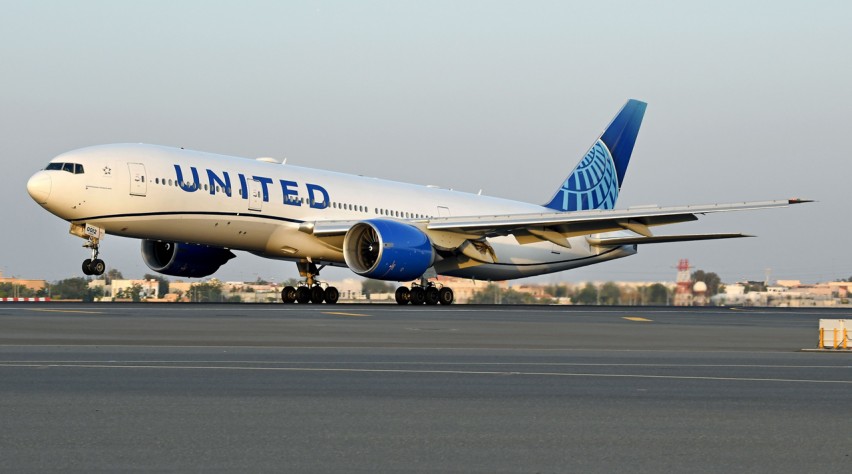
    The United Airlines plans to add daily flights to Vietnam and Thailand in October, further expanding the network for the U.S.-based carrier that already has the most Asia service, reported CNBC.

    In the expansion, its airplanes from Los Angeles and San Francisco that are headed for Hong Kong will then go on to the two new destinations: Thailand’s Bangkok and Vietnam’s Ho Chi Minh City, with service set to begin on Oct. 26.

    On Oct. 25, United Airlines plans to add a second daily nonstop flight from San Francisco to Manila, the Philippines, and on Dec. 11, it will launch nonstops from San Francisco to Adelaide, Australia, which will operate three days a week.

    The news site noted that the carrier has been adding far-flung destinations not served by rivals to its routes, like Nuuk, Greenland, and Bilbao, Spain, which will start later this year. Getting the mix right is especially important as carriers seek to grow their lucrative loyalty programs and need attractive destinations to keep customers spending.

  • Thailand to tax influencers and online sellers

    Thailand to tax influencers and online sellers

    The Thai Revenue Department has urged social media influencers and online sellers to file their annual income tax by the end of March to avoid fines and penalties.

    Director-General Pinsai Suraswadi expressed concern that many young earners, including e-commerce vendors, influencers, and product reviewers, have never filed income tax returns.

    Thailand’s e-commerce platforms, such as Shopee, Lazada, and TikTok, host around 3 million online sellers, while an estimated 2 million full-time influencers and content creators generate billions in revenue. A recent survey found that many in this group, particularly younger individuals, fail to report their earnings or pay taxes.

    Pinsai warned that the Revenue Department can audit records up to five years back and that failure to file tax documents will lead to penalties. However, he reassured earners that filing errors can be corrected.

    A study by Tellscore, FutureTales LAB, and the Thailand Institute for Mental Health Sustainability (Tims) estimated that Thailand’s content creator industry contributes at least THB45 billion (US$1.25 billion) annually to the economy.

    The country has around 2 million full-time content creators, rising to 9 million when part-time creators and “micro-influencers” are included.

  • Thailand to lift 53-year ban on afternoon alcohol sales

    Thailand to lift 53-year ban on afternoon alcohol sales

    Thailand is set to ease its restrictions on alcohol sales and advertising in an effort to support the beverage industry and boost tourism.

    Lawmakers of the House of Representatives on Wednesday voted to approve an amended alcohol control bill, though it still requires Senate approval to become law.

    The bill is set to repeal a 1972 military decree that prohibits alcohol sales before 11 a.m. and between 2 p.m. and 5 p.m

    The new regulations will also ease advertising advertising restrictions, permitting the promotion of alcoholic beverages.

    Current laws prohibit displaying the names, trademarks, or images of alcoholic products for promotional purposes.

    Lawmaker Chanin Rungtanakiat, a deputy head of the house committee overseeing the Bill, stated that the amendments aim to reduce “unreasonable control” to encourage economic growth.

    These relaxed regulations follow a broader trend of loosening control over Thailand’s alcohol market, which has historically been dominated by a duopoly of Singapore-listed Thai Beverage Pcl and Boon Rawd Brewery Co.

    Earlier in 2025, legislation was passed to support liquor production by microbreweries and small distilleries.

    Thailand is implementing various measures to enhance its appeal as a key tourist destination. It is the only Asian country with legal marijuana and is also planning to legalize casinos.

    Prime Minister Paetongtarn Shinawatra announced in February that the government would review several alcohol-related restrictions that could impact tourism, such as the prohibition on alcohol sales on Buddhist holy days and through online platforms.

  • Thai Airlines halts certain domestic flights due to air pollution

    Thai Airlines halts certain domestic flights due to air pollution

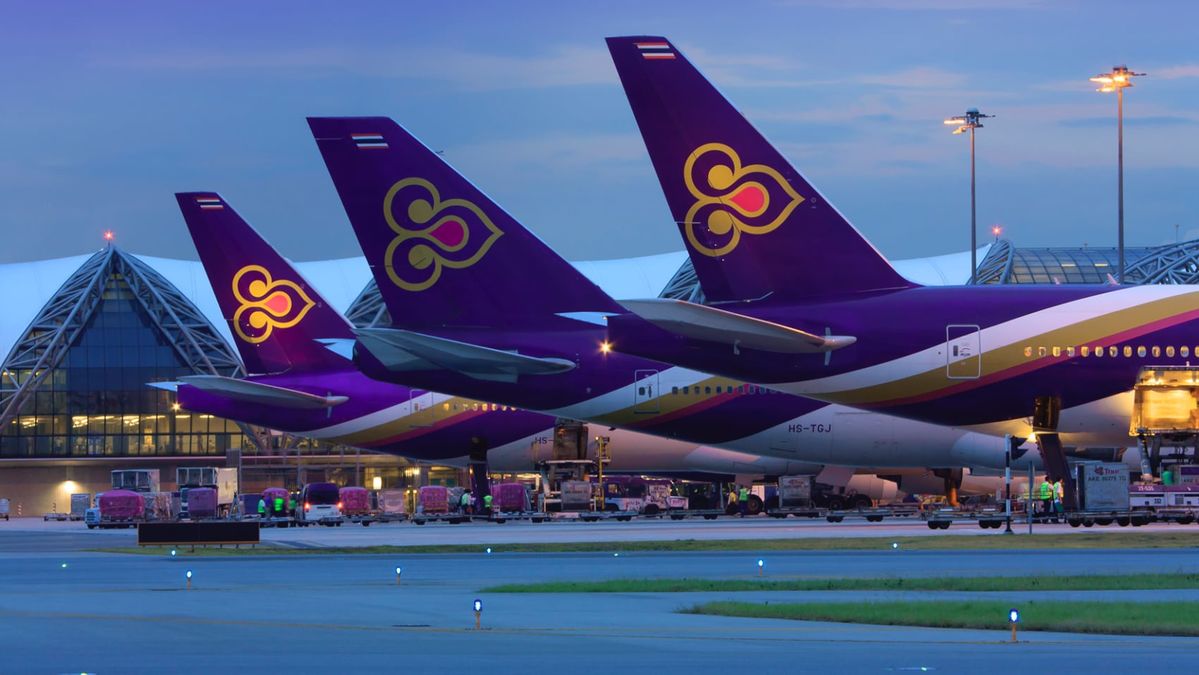
    Bangkok Airways, one of Thailand’s main airlines, said on Wednesday that it will suspend flights between Bangkok and a northern province for more than a month because of poor visibility caused by air pollution.

    The carrier said flights from Bangkok to the north-western town of Mae Hong Son will be suspended because smog is expected to make visibility too poor to land. The company experienced the same problem in 2024, when smog levels were extremely high.

    The airport authority in Mae Hong Son, a popular stop of travelers in northern Thailand, announced on Facebook last week that flights would be suspended from March 15 to April 20.

    Air pollution spikes in Thailand, especially in the north, between December and April as farmers burn stubble to prepare land for the next crop season. The Thai government banned crop burning early in 2025, with violators facing fines and legal action, although it is not yet clear what impact the measures are having.

    The air quality index for Mae Hong Son was 7.9 times greater than World Health Organization guidelines, according to IQ Air data, which measures global air pollution.

  • DHL sees new opportunities in Thailand with its Strategy 2030

    DHL sees new opportunities in Thailand with its Strategy 2030

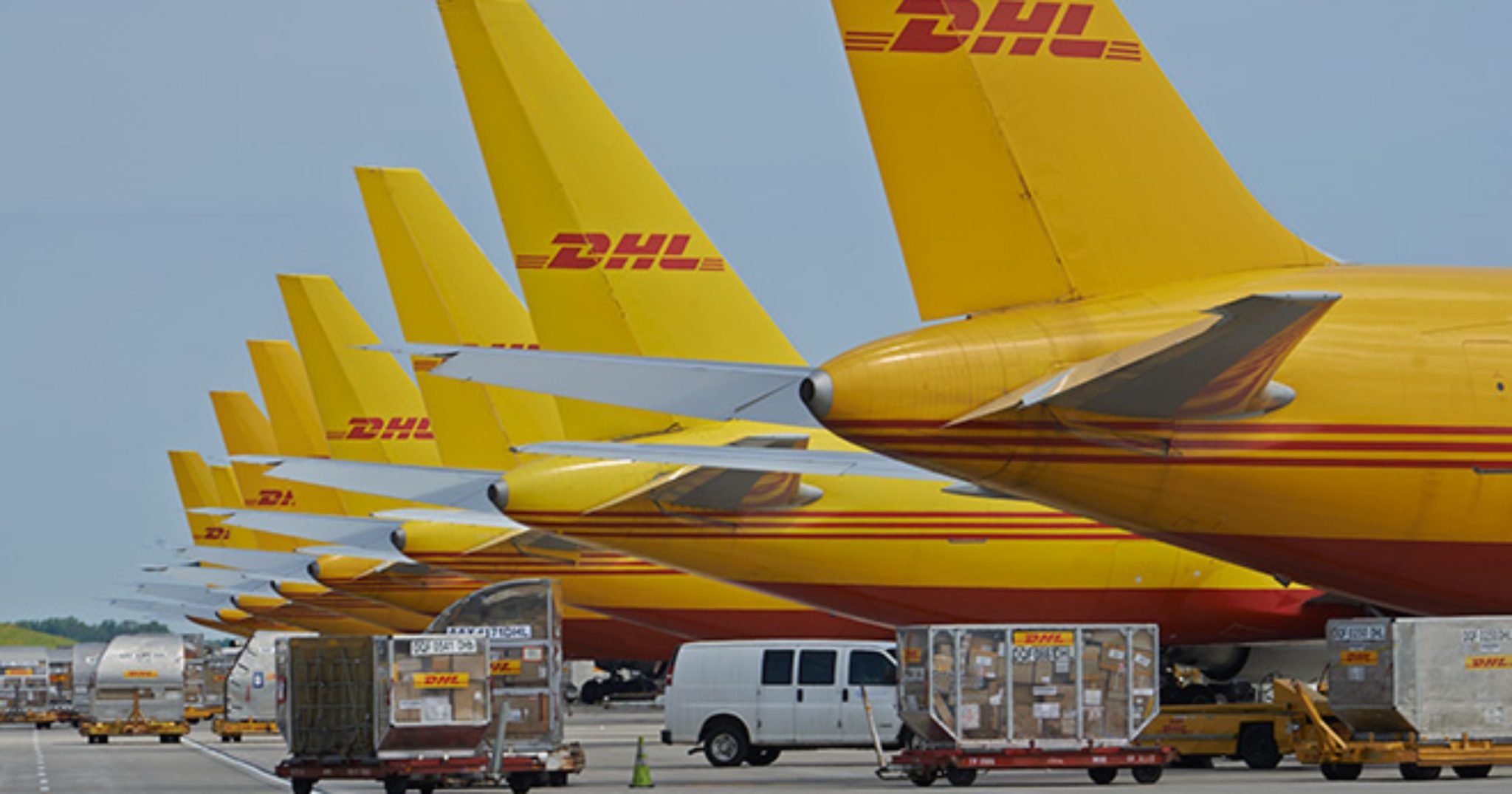
    DHL, the world’s leading logistics company announced its strengthened commitment to Thailand through its Strategy 2030 – Accelerate Sustainable Growth, with opportunities to position Thailand as a key regional hub as more businesses look to build supply chain resiliency in Asia Pacific.

    Thailand hosts all four DHL divisions operating in full force, enabling Thai businesses to access DHL’s global network and solutions from a one-stop logistics partner. DHL’s Strategy 2030 addresses five key megatrends shaping Thailand’s economic landscape: Global Trade, E-Commerce, Sustainability, Digitalization and Evolving Workforce.

    While these industry changes present new challenges, DHL’s strong track record and global footprint position it uniquely to seize significant opportunities for additional growth. Other than the megatrends, DHL also sees opportunities for Thailand in the following key growth initiatives:

    Geographic tailwinds

    DHL will build on its strong global footprint and local expertise to capitalize on geographic tailwinds. This addresses the profound shift in growth of trade lanes, diversification of global supply chains, and the needs of fast-growing companies around the world.

    While Vietnam and Indonesia have gained much attention for supply chain diversification, Thailand’s strong manufacturing base in the automotive and electronics sector gives it an advantage. The Ministry of Commerce announced that exports expanded by 5.4% throughout 2024, the highest annual figure in the nation’s economic history.

    Key markets such as United States, China, Japan and the European Union were the main drivers for the growth with the United Kingdom emerging as a promising market for Thai businesses.

    New energy

    The transformation of the renewable energy and auto-mobility sectors requires dedicated logistics solutions, and DHL sees opportunities for Thailand as a key Southeast Asia destination for EV production. This is bolstered by the Government’s effort to attract foreign manufacturers to establish local production bases.

    DHL’s extensive solutions across the EV supply chain will help Thailand achieve its goal of having EVs account for 30% of its vehicle production by 2030.

    E-commerce

    Thailand’s e-commerce sector is experiencing rapid expansion. According to the Thailand E-Commerce Association, the market value is projected to grow from $26.5 billion in 2023 to $32 billion in 2025, reflecting an approximate 21% increase over two years, translating to a compound annual growth rate (CAGR) of about 10%. DHL plays a crucial role in supporting Thailand’s vibrant SME sector, which comprises 3.2 million businesses contributing 35% of the country’s GDP.

    Success stories such as Gentlewoman and Fairtex demonstrate how local Thai brands can tap on DHL’s comprehensive logistics solutions to achieve international growth. The combination of DHL’s global reach and local expertise provides Thai businesses with the capabilities they need to compete effectively in the global marketplace.

    Initiatives such as DHL’s GoTrade program provide capacity-building assistance to more than 9,000 SMEs worldwide. In Thailand, DHL Express developed the program, in collaboration with key government agencies including DITP and OSMEP, to help Thai businesses effectively navigate international trade opportunities.

    In addition to facilitating international trade, DHL eCommerce supports e-retailers, SMEs, and brands in penetrating the Thailand market by offering reliable, high-quality delivery solutions at an affordable price from DHL eCommerce. DHL’s commitment to excellence ensures businesses of all sizes and sectors can grow and succeed in an increasingly digital and competitive domestic landscape.

    DHL reaffirms long-standing commitment to Thailand

    DHL’s long-standing commitment to Thailand is demonstrated through its comprehensive operational footprint and continued investment in infrastructure and capabilities. It currently employs more than 9,300 people across the four divisions.

    DHL Supply Chain currently manages over 678,000 sqm of warehouse space across more than 70 facilities, including those in the Eastern Economic Corridor. Through its extensive transport network, the company efficiently handles approximately 4,800 vehicle loads daily. The company is making significant investments in developing more sustainable warehouses and is also set to expand its electric vehicle fleet by 300% over the next three years.

    DHL Express operates a robust aviation and ground network encompassing one regional hub at Suvarnabhumi Airport, 15 service centers, 131 owned and partnered service points, all facilitating international door-to-door express deliveries. The network supports 85 dedicated flights weekly while 100% of service centers are equipped with solar panels for renewable energy generation.

    DHL Global Forwarding specializes in air, ocean, rail, and road freight forwarding services. With seven offices and three warehouses totaling 8,480 sqm across Thailand, DHL Global Forwarding serves more than 2,000 customers. The new DHL International Multimodal Hub marks a significant investment in strengthening Thailand’s position as a regional trade center. The facility streamlines shipping processes by enabling seamless transitions between different modes of transport and simplifying customs procedures at a single location. This facility also offers valuable connectivity for landlocked neighbors like Laos, providing diverse transportation options.

    Meanwhile, DHL eCommerce’s extensive nationwide delivery network — comprising 151 last-mile depots, over 2,000 vehicles, and 230 service points — ensures full market coverage, with up to 97% next-day delivery service. Committed to continuous innovation, DHL eCommerce invests in advanced solutions to enhance service quality for e-retailers, SMEs, brands, and enterprise customers. A major hub upgrade is planned for 2026 to further strengthen its capabilities.

    Leading the way in sustainable logistics: The green logistics provider of choice

    xWith the company’s goal of achieving net-zero greenhouse gas emissions by 2050, DHL’s commitment to sustainability in Thailand is demonstrated through comprehensive initiatives across all four divisions. The company has made significant progress in vehicle fleet electrification, with all divisions implementing EVs in their operations.

    DHL Express Thailand has emerged as a pioneer, becoming the first international express logistics provider to deploy an e-bike and EV fleet in Thailand. The company has achieved 21% fleet electrification with more than 50 electric vehicles for first and last-mile deliveries. It also supports customers in reducing their scope 3 emissions by utilizing sustainable aviation fuel (SAF) via the GoGreen Plus service.

    DHL Supply Chain reinforces this commitment through its more sustainable transportation with the deployment of more than 30 electric vehicles in collaboration with retail, consumer, and automotive sector customers, while implementing the Certified GoGreen Specialist program, which has trained more than 80% of DHL Supply Chain employees. In addition, the company is implementing sustainable warehousing practices with the development of Thailand’s first fully renewable energy warehouse in 2025.

    DHL Global Forwarding demonstrates more sustainable road freight across Asia through logistics optimization, multimodal transport, and electric vehicles. The EV fleet in Thailand is projected to eliminate 85,000 kilograms of CO2 emissions annually. DHL Global Forwarding leads sustainable logistics innovation through GoGreen Plus, offering carbon emission reduction options via sustainable marine and aviation fuels, enabling customers to easily reduce their main haul carbon emissions across all trade lanes.

    DHL eCommerce has deployed electric vehicles on shuttle routes between depots in Bangkok and urban areas. The company plans to introduce electric linehaul trucks for short-distance routes in Q2 2025. In addition, DHL eCommerce aims to convert 50% of its owned Bangkok last-mile fleet to EVs within the next two years.