Retail News CRM

Tag: Thailand

  • Thailand Boosts Bangkok Minimum Wage to $12 Daily, Enhancing Economic Opportunities for Workers

    Thailand Boosts Bangkok Minimum Wage to $12 Daily, Enhancing Economic Opportunities for Workers

    The recent announcement by the National Wage Committee heralds a significant shift for workers in Thailand’s hospitality and entertainment sectors, as reported by Bangkok Post. About 700,000 employees are set to benefit from an impending 7.5% increase in the minimum wage—an enhancement that will bring the daily wage from THB372 to THB400 in Bangkok and the surrounding provinces.

    New Wage Structure Expands Nationwide

    Currently, the THB400 rate is restricted to tourist-heavy areas like Phuket, Chon Buri, Rayong, Chachoengsao, and the island of Koh Samui. After a three-hour debate, the wage augmentation garnered a two-thirds majority support among committee members, as affirmed by Boonsong Thapchaiyut, both the committee chairman and permanent secretary of the Ministry of Labour.

    “This wage increase is focused initially on the tourism and service sectors, where we believe employers will feel less financial strain,” Boonsong stated, clarifying that the THB400 daily wage will apply to hotels rated two stars and above, as well as any establishments with over 50 rooms or a restaurant.

    Support for Businesses Amid Changes

    To ease any potential financial burden on businesses—especially amid these changes—the Ministry of Labor has collaborated with six commercial banks to provide THB30 billion in soft loans. Additionally, discussions about further relief measures are underway.

    Analysts at Finansia Syrus Securities, as reported by Kaohoon International, expect that the minimum wage adjustment will have a minimal impact on Thailand’s retail industry, particularly in Bangkok. This is largely because the capital’s wage figures only account for around one-third of the overall sales in the sector. Most major retail businesses in the city are already exceeding the current minimum wage levels.

    As this wage increase takes effect, one can only wonder: will ice cream cones start costing a fortune as prices rise to cover the new wages?

    Questions & Answers

    What is the new minimum wage for Bangkok and surrounding provinces?
    The minimum wage will increase from THB372 to THB400.

    How many workers are expected to benefit from this wage increase?
    Approximately 700,000 workers nationwide will benefit.

    What sectors will the new wage apply to?
    The THB400 daily wage will apply to the tourism and entertainment sectors, including hotels rated two stars and above, and establishments with over 50 rooms or a restaurant.
  • Thai retail giant to invest $1.1 bln for expansion in Vietnam

    Thai retail giant to invest $1.1 bln for expansion in Vietnam

    Thailand’s Central Retail Corporation plans to invest $1.1 billion in Vietnam in the next five years to expand its stores network.

    It said Vietnam’s wholesale and retail sector grew 7 percent year-on-year in the last quarter of 2020, and growth is likely to be strong this year, making it one of the most attractive markets in the world.

    Philippe Broianigo, CEO of Central Retail Vietnam, said the five-year plan would focus on multi-sector and multi-platform development.

    The company opened four shopping centers last year in central and southern Vietnam, and renamed five Big C supermarkets as “GO!”.

    It plans to invest $211 million for expansion this year, opening stores in the northern provinces of Thai Nguyen, Thai Binh and Lao Cai and the southern provinces of Ba Ria-Vung Tau and Tay Ninh.

    Over nine years in Vietnam, foods have proven to be a key product for Central Retail, contributing 70 percent of its revenues.

    With 37 shopping centers and 230 stores in 37 cities and provinces, it serves an average of 175,000 customers a day.

  • Aesop Expands In Bangkok: New Boutique Marries Australian Design With Traditional Thai Architecture

    Aesop Expands In Bangkok: New Boutique Marries Australian Design With Traditional Thai Architecture

    Aesop, the well-known Australian cosmetics brand, has recently expanded its presence in Bangkok by opening its fourth boutique at Central Chidlom.

    Inspiration & Design

    This new boutique boasts a unique design, unlike any other. Aesop’s own in-house design team, based in Melbourne, has taken inspiration from the traditional Thai architecture. The design is marked by curved silhouettes, distinctively characteristic of Thailand’s traditional rooftops.

    The boutique’s interior features an aesthetic infused with bamboo, underscoring the brand’s commitment to local materials and sustainable practices. This design choice is a nod to the enamelled tiles seen on traditional Thai rooftops, which are often supported by wooden frames and trusses.

    Store Features

    Prominent in the store is a standalone terraced display table and several shelving units, all of which are enveloped by bamboo. This common interior material is frequently used across Thailand, reflecting the brand’s integration of local traditions into its store design.

    Product Range

    The most recent addition to Aesop’s portfolio of boutiques will carry the brand’s comprehensive range of products. These include their complete line of skincare, haircare, and body care products, each promising the high-quality experience that Aesop is renowned for.

    Questions & Answers

    What inspired the design of the new Aesop boutique in Bangkok?

    The design of the new boutique was inspired by traditional Thai architecture, particularly the curved silhouettes of the country’s traditional rooftops.

    What materials were used in the construction of the new Aesop boutique?

    The boutique prominently features bamboo in its construction, a common material used throughout Thai architecture and interior design.

    What products will the new Aesop boutique carry?

    The boutique will carry Aesop’s full range of skincare, haircare, and body care products.

  • Phuket Beckons: Thai Developers Attract US and Chinese Buyers Amid Bangkok Market Slowdown

    Phuket Beckons: Thai Developers Attract US and Chinese Buyers Amid Bangkok Market Slowdown

    Phuket’s real estate market is poised for a significant influx of new properties, with approximately 10,000 new flats set to hit the market this year, according to property consultancy Colliers, as highlighted by the South China Morning Post. New project launches have started happening weekly, creating a buzz in the region.

    The Supply-Demand Conundrum

    However, the situation is complicated by a rising unsold inventory in Phuket, which stood at 4,982 units across 16 projects by the end of the fourth quarter last year. “Developers are counting on the upcoming high season to attract new buyers to the island,” commented Nasupha Suwansri, vice-president at Juwai IQI, a leading real estate broker managing over US$4 trillion in global listings.

    A Record Year for Launches

    The surge in new supply could further intensify the existing oversupply issue. Colliers reported a staggering 14,700 units launched across 56 projects last year, with only 64% finding buyers. This scenario reflects increasing competition among Thai developers, particularly as sales growth in Bangkok cools and mortgage rejection rates rise.

    Developers Shift Focus

    Many prominent Thai developers are shifting their focus to Phuket due to sluggish sales in Bangkok. Stuart Reading, managing director of group property development at Banyan Group Residences, noted, “There is an oversupply situation for certain projects in Phuket priced between US$100,000 and US$200,000. They are pushing many of these developments.” In contrast, Banyan, which has maintained its Phuket land bank for years, is taking a more measured approach and plans to unveil US$1 billion in luxury residential projects over the next two to three years, notably targeting Hong Kong buyers.

    Fostering Foreign Interest

    Meanwhile, T.H Group is optimistic about international investor demand for its Ayana project. They are hosting around 100 American passport holders—many of them Asian-Americans looking to retire in Thailand—for property viewings in both Bangkok and Phuket later this month. “This is the first time we have encountered such a large-scale American property viewing group,” shared Allen Su, Ayana’s project leader.

    The Dynamics of Foreign Investment

    Chinese buyers remain the largest group of foreign investors in Bangkok flats, but demand saw a 19% drop to 1,481 units valued at THB6.12 billion (US$187 million) in the first quarter. “The Bangkok condo market is recovering, but it presents a mixed picture,” remarked Kashif Ansari, co-founder and group CEO of Juwai IQI, noting that local buyers are cautious due to policy uncertainties while Chinese investors continue to be pivotal.

    In the first half of last year, Chinese buyers represented 39.5% of all foreign buyers in Thailand’s condo market, acquiring 2,872 units for THB13.2 billion, as per the Government Housing Bank and reported by Thai PBS. The popular locations for foreign buyers included Bangkok, Phuket, Chiang Mai, and Samut Prakan, indicating a diverse interest in Thailand’s real estate landscape. After all, who wouldn’t want a slice of paradise?

    Questions & Answers

    What is driving the increase in new flats in Phuket?
    Developers are launching around 10,000 new flats this year, hoping to capitalize on the high season to attract more buyers to the island.

    How is the unsold inventory affecting the market?
    The unsold inventory has climbed to nearly 5,000 units, contributing to concerns about oversupply and heightened competition among developers.

    Which foreign buyer group remains key to the market?
    Chinese buyers continue to dominate the foreign investment scene, comprising a significant portion of the market despite a recent dip in demand.

  • Red Bull Heir in Thailand Shifts $1.1B Stake to Trust Firm, Signaling Major Financial Move

    Red Bull Heir in Thailand Shifts $1.1B Stake to Trust Firm, Signaling Major Financial Move

    Chalerm Yoovidhya, the heir to the Red Bull energy drink empire, has made a significant financial maneuver, transferring his 2% stake in the company—valued at approximately $1.1 billion—to a trust firm based in Geneva. This strategic move, documented in an Austrian regulatory filing, took place on May 20. However, the filing did not elaborate on the motives behind the transfer, the individual who will ultimately control the stake, or where the investment might lead in the future.

    In a statement, a representative for Red Bull remarked, “Fiduciary solutions such as this are common in order to ensure long-term continuity in large, successful companies.” Fides Trustees, the trust firm involved, specializes in assisting affluent families and individuals worldwide in adjusting their personal financial structures amid evolving circumstances.

    At 74, Chalerm received his stake nearly four decades ago when his late father, Chaleo Yoovidhya, collaborated with Austrian entrepreneur Dietrich Mateschitz to introduce the Red Bull brand to global markets. Chaleo’s journey started in poverty in northern Thailand, where he juggled various jobs before founding TC Pharmaceutical Industries in 1962. It was here that he developed the energy tonic Krating Daeng, which translates to “red bull” in Thai, according to the Wall Street Journal.

    The drink caught the attention of Mateschitz in 1982, leading to a partnership that transformed it into a worldwide sensation. The duo each invested $500,000, securing a 49% stake in the venture, while Chalerm retained the remaining 2%. Today, the Yoovidhya family still commands a 49% stake in Red Bull, which is currently valued at an impressive $27.9 billion based on the company’s market performance and industry comparisons. Last July, Forbes named them Thailand’s wealthiest family, boasting a staggering net worth of $36 billion.

    Red Bull may just give you wings, but Chalerm Yoovidhya seems to have secured a wealth of possibilities for the future!

    Questions & Answers

    What prompted Chalerm Yoovidhya to transfer his stake in Red Bull?
    While the exact reason remains undisclosed, such fiduciary arrangements are common to ensure long-term business continuity.

    How long has Chalerm held his stake in Red Bull?
    Chalerm received his 2% stake nearly four decades ago, when his father partnered with Dietrich Mateschitz to create the brand.

    What is the current valuation of the Red Bull company?
    Red Bull’s estimated worth stands at approximately $27.9 billion, with the Yoovidhya family owning a 49% stake in the brand.

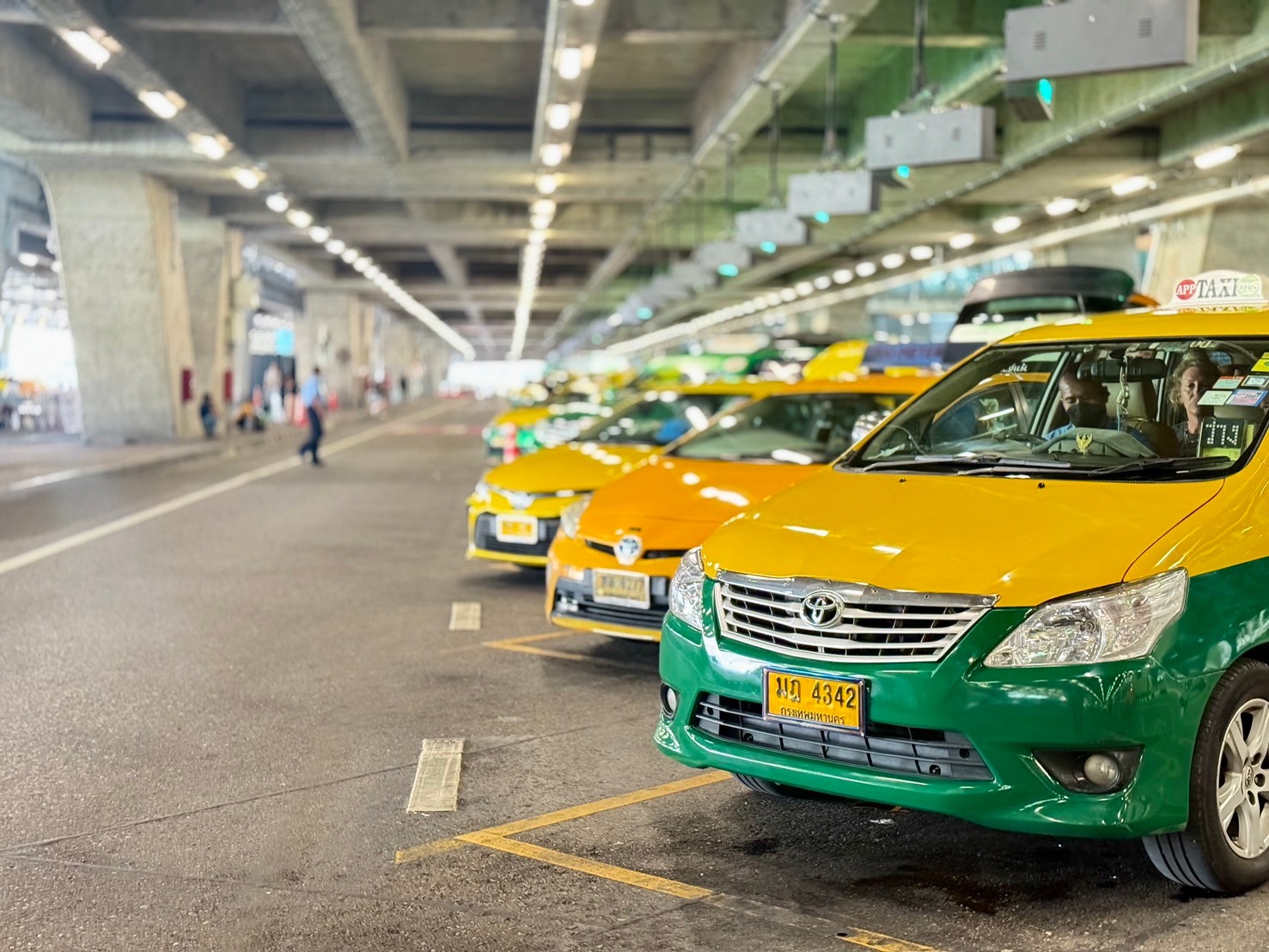
  • Passenger Ejected from Bangkok Taxi Over $6 Flat Fare Dispute: What Happened Next?

    Passenger Ejected from Bangkok Taxi Over $6 Flat Fare Dispute: What Happened Next?

    In the bustling streets of Bangkok, a typical taxi ride turned into a drama that has now gone viral. A passenger found himself on the wrong side of a fare dispute when a taxi driver demanded a flat rate of BHT200 (approximately US$6.08), bypassing the meter altogether. This unusual encounter escalated quickly, prompting the passenger to call the police after he was unceremoniously kicked out of the vehicle.

    Posting the shocking incident on TikTok under the username @auppatam1 on May 29, the passenger recounted how the ride began with the meter running, but things took a turn when he refused to pay the inflated flat fare. When he asked to see the driver’s license or public transport ID, the driver denied having any such documentation, revealing instead that the vehicle’s registration had expired. The situation intensified as the passenger took a picture of the taxi’s license plate for evidence, which sparked an aggressive response from the driver. Ultimately, feeling unsafe, the passenger reached out to the police for assistance.

    The video quickly garnered attention and criticism on social media, with many users expressing their frustration over the lack of enforcement against fare violations. This incident has only amplified the concerns of locals and visitors alike, further solidifying a growing trend of avoidance when it comes to hailing taxis in Bangkok, a city where navigating transport can sometimes feel more taxing than the fares themselves.

    This saga raises questions about ride-hailing norms in the city and whether authorities will take action. After all, it’s hard to ignore that one bad ride can leave a lasting impression, much like a rogue tourist in a crowded market!

    Questions & Answers

    What triggered the police involvement in this taxi dispute?
    The passenger called the police after the driver demanded a flat fare instead of using the meter and forcibly removed him from the taxi.

    How did the situation escalate after the passenger exited the taxi?
    After photographing the taxi’s license plate, the passenger faced aggressive behavior from the driver, prompting him to seek police intervention.

    What has been the public reaction to this incident?
    The video of the dispute has sparked widespread criticism on social media, as many users expressed frustration over frequent fare issues, which deter them from using taxis in Bangkok.

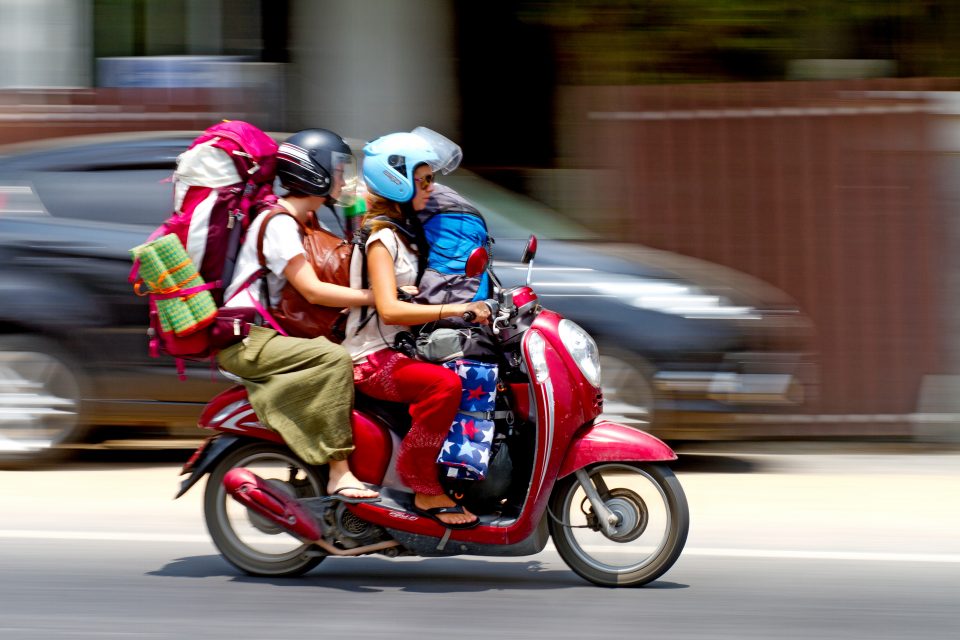
  • Thailand quadruples fine for not wearing helmets

    Thailand quadruples fine for not wearing helmets

    As part of a nationwide initiative to enhance road safety, Thailand has recently increased the penalty for riding motorcycles without helmets to 2,000 baht (US$60). This four-fold increase from the previous fine of 500 baht takes effect from June 1st. The move is part of a broader strategy to enforce law compliance and reduce fatalities, particularly in high-traffic areas, accident-prone zones, and locations in close proximity to schools.

    Increased Fines for Non-Compliance

    The Royal Thai Police (RTP) is spearheading this road safety campaign. Pol Lt Gen Nithithorn Chintakanon, who serves as the Commander of the Traffic Police Bureau as well as the Head of the RTP’s Traffic Police Image Enhancement Taskforce, has warned motorcycle riders and passengers about the severe consequences of non-compliance. If both the rider and passenger are discovered without helmets, the fine could potentially be doubled.

    Nithithorn emphasized the mandatory nature of wearing helmets under the Land Traffic Act. The stipulation applies to both riders and passengers alike, with the aim of significantly reducing the risk of injury during accidents.

    Road Safety in a Nation of Motorcycles

    Thailand, a nation with 21.6 million registered motorcycles, faces a considerable challenge in ensuring road safety. With a population that exceeded 71.6 million as of May 2025, ensuring compliance with traffic safety regulations, including the use of helmets, is critical in protecting the lives of the country’s millions of motorcyclists.

    Questions & Answers

    What is the new fine for riding motorcycles without helmets in Thailand?
    The new fine for riding motorcycles without helmets in Thailand is 2,000 baht (US$60).

    What could lead to a doubling of the fine?
    If both the rider and passenger are found riding without helmets, the fine could be doubled.

    Why is the policy of mandatory helmet wearing enforced?
    The policy of mandatory helmet wearing is enforced to reduce the risk of injury to both riders and passengers, thereby improving overall road safety.

  • Bangkok named world’s best city for working remotely

    Bangkok named world’s best city for working remotely

    Bangkok, the capital city of Thailand, has been recognized as the best location globally for remote work. This ranking comes from a recent study conducted by QR Code Generator, an organization specializing in QR technology solutions. The study assessed various cities worldwide using criteria including internet speed, access to remote work visas, and overall cost of living. Each city was rated on a scale of 0 to 100.

    Bangkok led the pack with a score of 69.98. The city was lauded for its high-speed mobile internet, affordable living costs, and rich cultural offerings.

    The city’s unique blend of modern and traditional attractions, coupled with its lively street life, makes it an attractive destination for digital nomads. Not to mention, the city’s delicious food and beautiful temples add to its allure.

    Coming in second place was Bucharest, Romania, with a score of 65.62. Bucharest was praised for its easy access to remote work visas, abundant green spaces perfect for outdoor activities, and a rich arts and architecture scene.

    Rio de Janeiro, Brazil, earned the third spot with a score of 62.35. The city’s strong local purchasing power played a significant role in its high ranking.

    Buenos Aires, Argentina, secured the fourth position, being recognized as one of the most affordable cities globally when it comes to groceries and dining.

    Rounding out the top five was Beijing, China, which was appreciated for its high-speed broadband and mobile networks, ensuring reliable global connectivity for remote workers.

    Reacting to these rankings, a spokesperson from the Thai government, Sasikarn Watthanachan, shared that a new Destination Thailand Visa has been introduced. This visa aims to attract foreign nationals who wish to combine travel with remote work or participate in cultural and medical activities.

    In addition, the spokesperson highlighted that the Thai government is also making efforts to boost tourism by extending its visa-free scheme to 93 countries and territories, allowing stays of up to 60 days.

    Questions & Answers

    What criteria were used to rank the cities in the study?
    The criteria included internet speed, access to remote work visas, and overall cost of living.

    Which city topped the rankings?
    Bangkok, Thailand, topped the rankings.

    What measures is the Thai government taking to attract remote workers?
    The Thai government has introduced a new Destination Thailand Visa to attract foreigners looking to combine travel with remote work. They are also expanding a visa-free scheme to 93 countries and territories, allowing stays of up to 60 days.

  • Covid cases in Thailand on the decline

    Covid cases in Thailand on the decline

    Thailand has recently reported 65,880 Covid-19 cases and three fatalities within a seven-day period, according to an announcement by Thai Public Health Minister Somsak Thepsuthin. This figure signifies a marked reduction from the country’s annual peak. The data, collected between May 25th and 31st, illustrates that the majority of newly identified cases are among individuals aged 30-39, with a reported 12,403 cases. This age group is closely followed by those in their 20s, with 10,368 cases, and individuals who are 60 years old and above, reporting 9,590 cases.

    Preparation for Handling the Situation

    Minister Somsak has urged healthcare professionals to be ready to manage the ongoing situation. He referred to a report by the Division of Epidemiology, suggesting that the virus’s impact may be lessening, with the peak of the outbreak now behind them.

    In order to protect themselves and others, Somsak has advised individuals to wear face masks in crowded or high-risk areas and to carry out self-testing to prevent inadvertent transmission to susceptible individuals. Other recommendations include regular hand-washing, consuming thoroughly cooked food, and avoiding touching the face, eyes, nose, and mouth.

    Proactive Measures and Other Health Updates

    The Public Health Minister stated that he has ordered healthcare professionals to ensure an adequate supply of medication and medical supplies for patients and vulnerable individuals.

    In addition, Somsak pointed out that there has been a decrease in influenza cases. The highest number of flu patients are between the ages of five and nine, with the majority of fatalities occurring among elderly patients and those with pre-existing health conditions.

    Questions & Answers

    What is the recent Covid-19 situation in Thailand?
    As per the Thai Public Health Minister, Thailand reported 65,880 Covid-19 cases and three deaths within a week. This is a significant decrease from the country’s annual peak.

    What measures has the Public Health Minister suggested to combat the spread of Covid-19?
    The Minister has advised individuals to wear face masks in crowded or high-risk areas, carry out self-testing, regularly wash hands, consume thoroughly cooked food, and avoid touching the face, eyes, nose, and mouth.

    What is the situation regarding influenza in Thailand?
    According to Minister Somsak, there has been a decrease in influenza cases. The disease is most prevalent among children aged five to nine, and the majority of fatalities occur amongst the elderly and those with pre-existing health conditions.

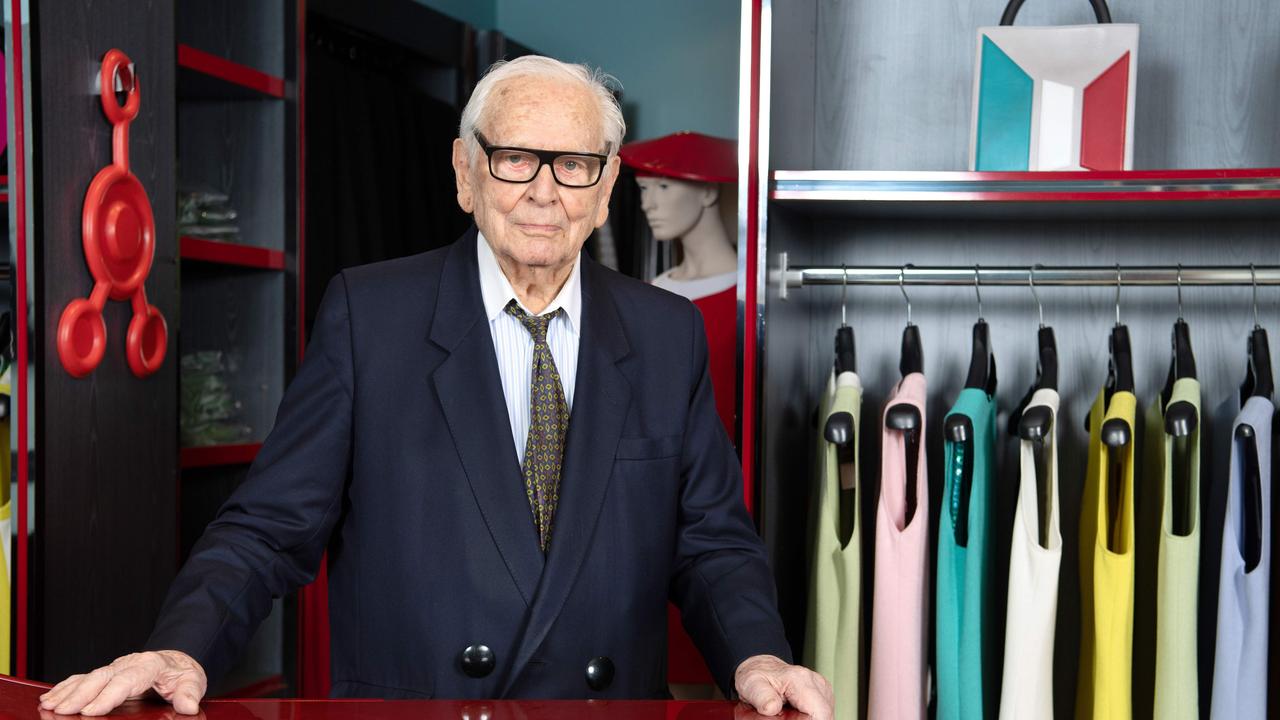
  • Vietnam’s Pierre Cardin Shoe Distributor Expands by Acquiring Thai Competitor

    Vietnam’s Pierre Cardin Shoe Distributor Expands by Acquiring Thai Competitor

    Emall Vietnam, the distributor for the prestigious Pierre Cardin shoe line, has taken a bold step by acquiring the franchise rights for the brand in Thailand. This strategic move marks a significant milestone in the company’s journey, as it welcomes a Thai operation that boasts 40 successful years and a loyal customer base in the millions under its wing, as confirmed by CEO Pham Minh Thang in a recent interview.

    Operating 100 stores across Vietnam under the Pierre Cardin and Oscar brands, Emall is not just a distributor; it also manufactures shoes, making strides in the competitive footwear industry. For the past seven years, Emall has been exporting its Pierre Cardin shoes to Thailand, asserting that the quality of its products stands tall against those produced in Thailand and China.

    “Thailand is a leading retail market for luxury brands in the region,” Thang emphasized. He further added that establishing a strong presence there opens new avenues for Southeast Asian expansion, particularly in challenging markets like Singapore.

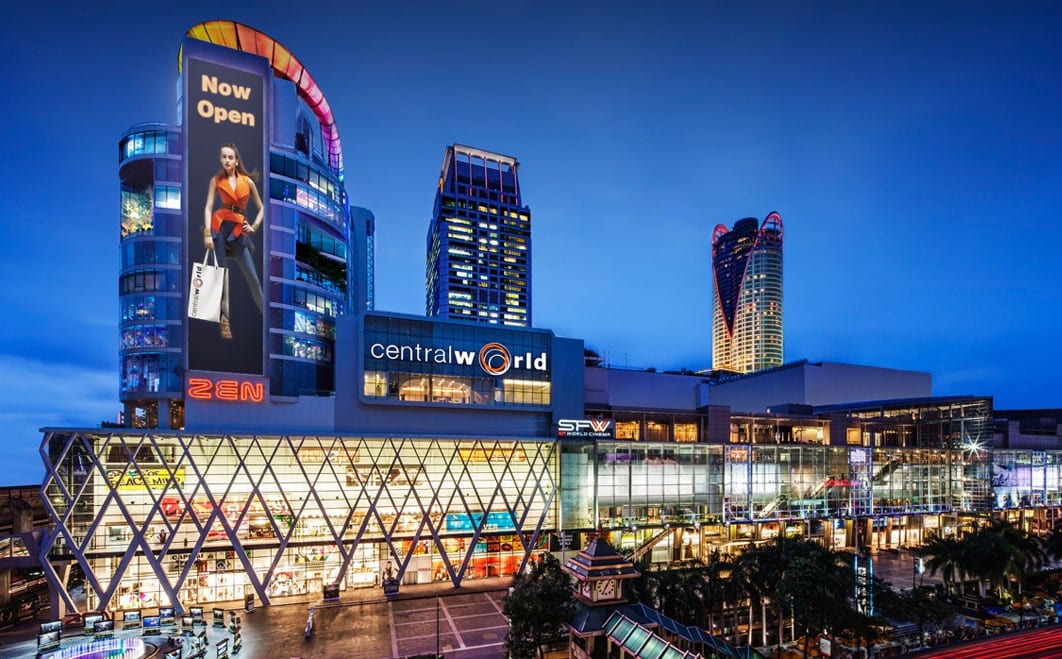
    The acquisition process, which kicked off in March, is projected to double Emall’s revenues from Pierre Cardin footwear. To capitalize on this growth, Emall has plans to unveil additional retail locations in Thailand starting in July, eyeing high-profile shopping hotspots such as Central World and Siam Paragon. Back in Vietnam, the Pierre Cardin shoe range is available in over 50 shopping centers, making it a familiar name among luxury footwear enthusiasts.

    As this acquisition unfolds, many are curious about what lies ahead for retail dynamics in the region. Will Emall’s ambitious plans attract a wave of new luxury consumers? Who knows, perhaps future shoppers in Thailand will find themselves in an exclusive shoe wonderland!

    Questions & Answers

    **What led to Emall Vietnam’s acquisition of the Pierre Cardin franchise in Thailand?**
    The acquisition was driven by a strategic vision to expand Emall’s presence in a leading luxury retail market and significantly boost revenues.

    When does Emall plan to open new retail stores in Thailand?
    Emall intends to open new retail locations starting in July, targeting iconic shopping destinations such as Central World and Siam Paragon.

    How does the quality of Emall’s products compare to those produced in Thailand and China?
    Emall asserts that its Pierre Cardin shoes are comparable in quality to those manufactured in Thailand and China, bolstering its competitive edge in the luxury footwear market.

  • Thailand’s Largest Bank Takes Bold Step: Foreign Tourists Unable to Open Accounts Amid Fraud Crackdown

    Thailand’s Largest Bank Takes Bold Step: Foreign Tourists Unable to Open Accounts Amid Fraud Crackdown

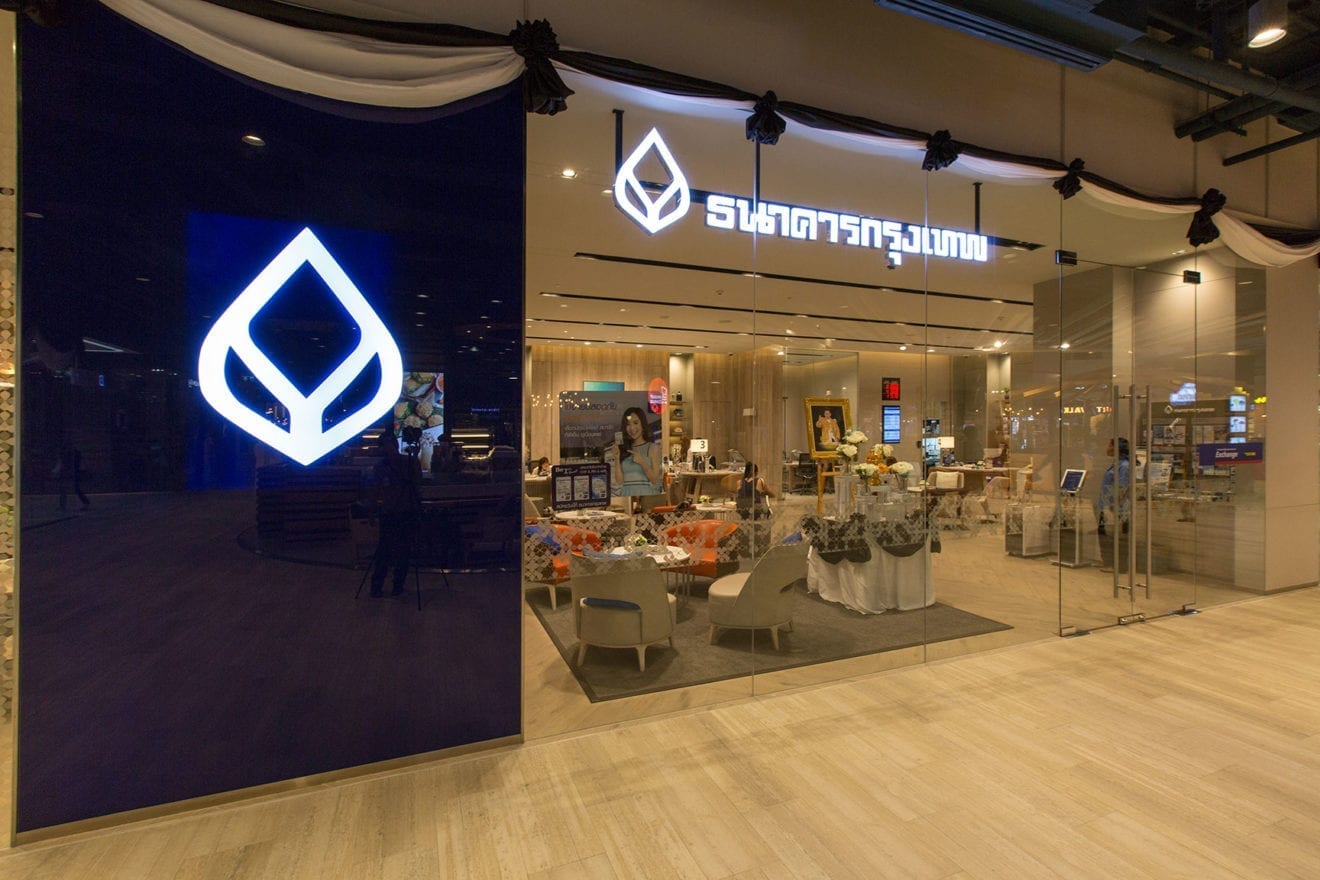
    In a significant policy shift, Bangkok Bank, Thailand’s largest bank by assets, has halted account openings for certain foreign customers without long-term residency. This move is a part of a broader crackdown on fraud that could impact visitors and some expatriates.

    Tightened Restrictions

    The bank’s updated policy also limits access to credit card services and mobile banking for individuals who do not meet the newly established eligibility criteria. “Customers flagged as suspicious under regulatory guidelines are required to undergo identity verification,” the bank stated, as reported by the Bangkok Post.

    Impact on Foreign Nationals

    The effects of this policy shift are already being felt, as numerous foreigners have taken to social media to express their frustrations over frozen accounts and blocked cards. The Bangkok Community Help Foundation has also received several similar reports.

    Exceptions to the Rule

    According to the Russian state news agency TASS, a spokesperson for Bangkok Bank confirmed that tourists are now ineligible to open accounts, though exceptions are made for foreigners with Thai spouses, property ownership, or long-term visa status. “An account with Bangkok Bank can be opened by foreigners present in the country under retirement or non-immigrant visas,” the spokesperson clarified.

    Seeking Assistance

    Customers navigating account issues or looking for further clarification are encouraged to reach out to Bangkok Bank through its official support channels. After all, even banks need a little TLC from their customers!

    Questions & Answers

    What prompted Bangkok Bank to implement this new policy?
    Bangkok Bank is cracking down on fraud, leading to a restriction on account openings for foreign customers without long-term residency.

    Who is still eligible to open an account at Bangkok Bank?
    Foreigners with Thai spouses, property ownership, or long-term visa status, including retirement or non-immigrant visas, can still open accounts.

    How can affected customers get assistance?
    Customers facing issues with their accounts should contact Bangkok Bank through its official support channels for help.

  • Bangkok’s Suvarnabhumi Airport Stays Open Amid Taxi Drivers’ Protest Warnings

    Bangkok’s Suvarnabhumi Airport Stays Open Amid Taxi Drivers’ Protest Warnings

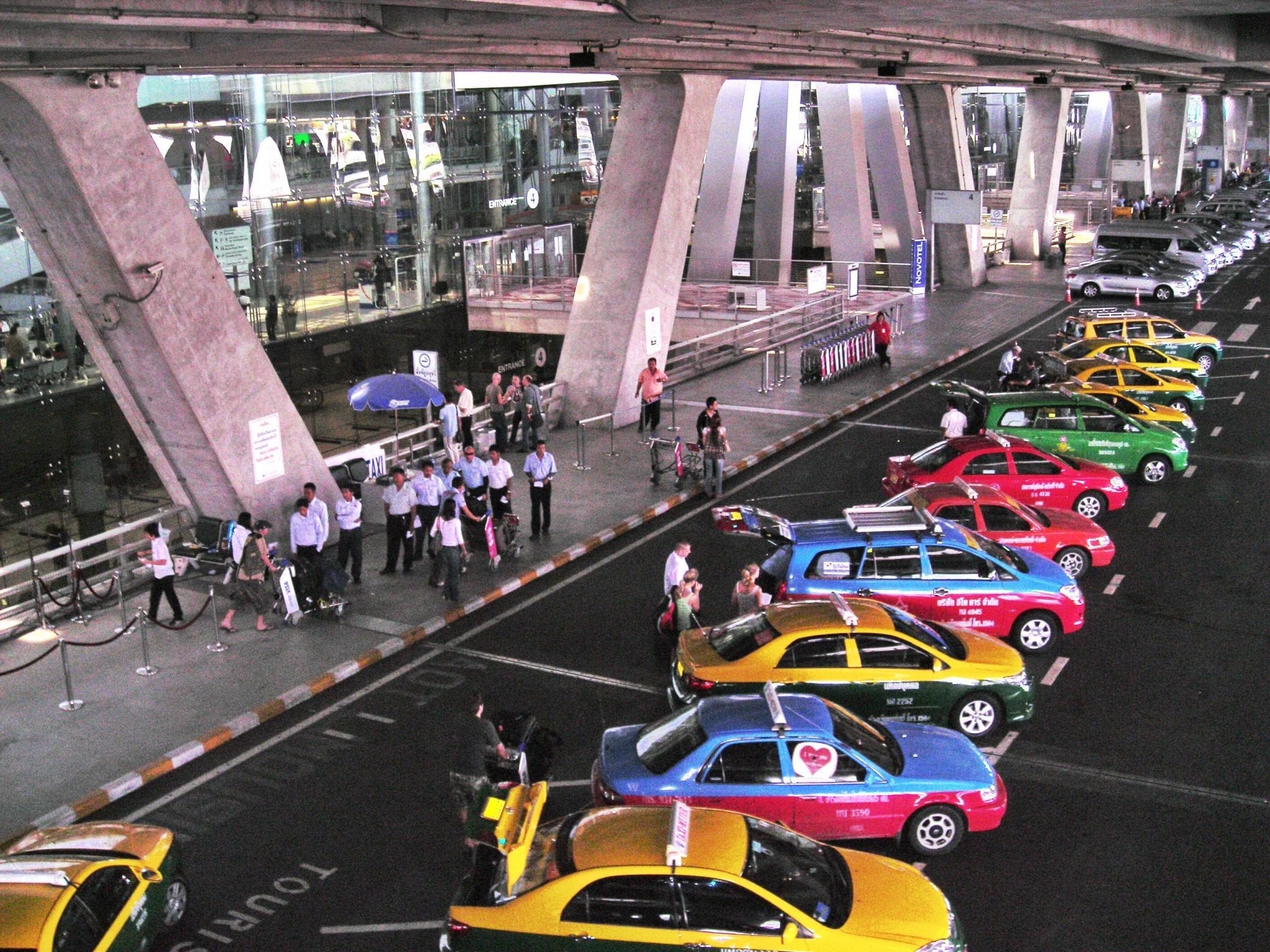
    Thailand’s Ministry of Transport has affirmed that Bangkok’s Suvarnabhumi Airport will remain operational despite threats from traditional taxi drivers planning to stage a blockade in response to the rising popularity of ride-hailing services.

    Taxi Drivers Voice Their Concerns

    Frustrations among taxi drivers have bubbled to the surface, as they argue that app-based platforms like Grab and Bolt are distorting the market with lower fares and lighter regulations, which they claim seizes a significant portion of their income. On May 21, a crowd of taxi drivers converged near Government House, issuing a stark warning: they would take drastic measures unless the government mandated a ban on these app-based services at the airport.

    In a firm rebuttal, the Department of Land Transport made it clear that any interference with airport access would not be tolerated, stating, “There cannot be any blockage of airports. Any wrongdoers will face legal action,” declared Director-General Chirute Visalachitra, as reported by Bangkok Post.

    Statistics Speak Volumes

    Currently, Suvarnabhumi records about 6,000 traditional metered taxi trips every day, compared to approximately 5,000 rides provided by ride-hailing apps, many of which operate using conventional taxis. Chirute emphasized the need for traditional taxi drivers to embrace the technological shift, saying, “Technology is undeniable. Taxi drivers must adapt.”

    Public Sentiment Shifts

    Tourists and locals have expressed long-standing grievances with traditional taxi services, spotlighting frequent issues such as meter refusals, inflated prices, and confusing routes, as highlighted by Pattaya Mail. One exasperated tourist remarked, “Even when they use the meter, they take the longer way—do they not know about Google Maps?” Another visitor stated that they immediately downloaded the Bolt app upon arriving at the airport, clearly favoring its reliability.

    The tide is turning, with many Thai passengers opting for ride-hailing services due to their perceived dependability, transparent pricing, and enhanced safety.

    And let’s be honest—between the taxi wars and tech transformations, one can’t help but wonder if we’re witnessing the dawn of a vehicular soap opera at Suvarnabhumi!

    Questions & Answers

    Will Suvarnabhumi Airport be affected by the taxi drivers’ protests?
    No, the Ministry of Transport has confirmed that the airport will remain open despite the protest threats.

    What are the main concerns expressed by traditional taxi drivers?
    Drivers are worried that ride-hailing services create an “unfair competition” by offering lower prices and operating under lighter regulations.

    How do passengers feel about traditional taxis compared to ride-hailing services?
    Many passengers prefer ride-hailing services for their reliability and clear pricing, as they have faced frequent issues with traditional taxi services, including inflated fares and longer routes.

  • Boss Coffee brings back fan-favourite Iced Mocha across Down Under

    Boss Coffee brings back fan-favourite Iced Mocha across Down Under

    Suntory Boss Coffee has relaunched its Iced Mocha in Australia and New Zealand, boasting an enhanced recipe that combines flash-brewed coffee and a rich chocolate taste. The drink is designed as a sweet yet invigorating refreshment, targeting busy professionals, students, and any individual in need of a caffeine lift.

    Morgan Loveridge, Head of Market Execution at Suntory Boss Coffee & Future Brands, stated that the revised Iced Mocha has achieved impressive results in taste tests, with a purchase intent of 80%. Consumers have expressed that the addition of Iced Mocha enhances the overall appeal of the Suntory Boss Coffee range.

    Suntory Boss Coffee first entered the Australia and New Zealand market in 2019 and has since secured a significant market share with 52.8% in Australia and 69.5% in New Zealand. The Iced Mocha variety was first introduced to their range in 2023.

    The complete array of Suntory Boss Coffee is accessible in supermarkets, petrol stations, and convenience stores across the two countries.

    Questions & Answers

    What is the revised recipe of Suntory Boss Coffee’s Iced Mocha?
    The improved recipe of Suntory Boss Coffee’s Iced Mocha combines flash-brewed coffee with a rich chocolate flavour.

    Who is the target market for Suntory Boss Coffee’s Iced Mocha?
    The Iced Mocha drink is aimed at busy professionals, students, and anyone needing a caffeine boost.

    Where can customers find the Suntory Boss Coffee range?
    The full range of Suntory Boss Coffee is available in supermarkets, petrol stations, and convenience stores in Australia and New Zealand.

  • Thailand’s Car Sales Surge Back to Life After Nearly Two-Year Decline

    Thailand’s Car Sales Surge Back to Life After Nearly Two-Year Decline

    Domestic car sales in Thailand experienced a glimmer of hope in April, marking a 1% year-on-year increase—the first boost in nearly two years, as reported by the Federation of Thai Industries (FTI). This slight recovery comes as a welcome surprise amid a string of declines in both vehicle production and exports.

    Ongoing Challenges in Vehicle Production

    Despite the uptick in sales, production figures told a different story. In April, car manufacturing dipped by 0.4% from the previous year, totaling 104,250 units. This marks the 21st consecutive month of declining production, following a relatively steep 6.1% drop in March. Meanwhile, the export of vehicles fell by 6.3% compared to the same period last year, although this decline represents a gentler decrease than the 14.9% seen in the prior month.

    Thailand’s Role in the Automotive Landscape

    As Southeast Asia’s premier auto manufacturing hub, Thailand plays a crucial role as an export base for some of the globe’s leading car manufacturers, including heavyweights like Toyota, Honda, and China’s BYD. While car sales may be on the rise, the industry continues to grapple with production challenges—proving that the road to recovery is still a winding one. Who knew car sales could be just as turbulent as a roller coaster ride!

    Questions & Answers

    What factors contributed to the rise in car sales in Thailand?
    The increase in car sales is attributed to growing consumer demand, providing a much-needed boost after an extended period of decline.

    How has production been affected recently?
    Car production fell by 0.4% in April compared to the same time last year, marking the 21st straight month of decreased output.

    What is Thailand’s position in the automotive sector?
    Thailand remains Southeast Asia’s largest automotive production center and serves as an export base for major car manufacturers like Toyota, Honda, and BYD.

  • Cambodia Enters China’s Booming Durian Market, Challenging Vietnam, Thailand, and Malaysia

    Cambodia Enters China’s Booming Durian Market, Challenging Vietnam, Thailand, and Malaysia

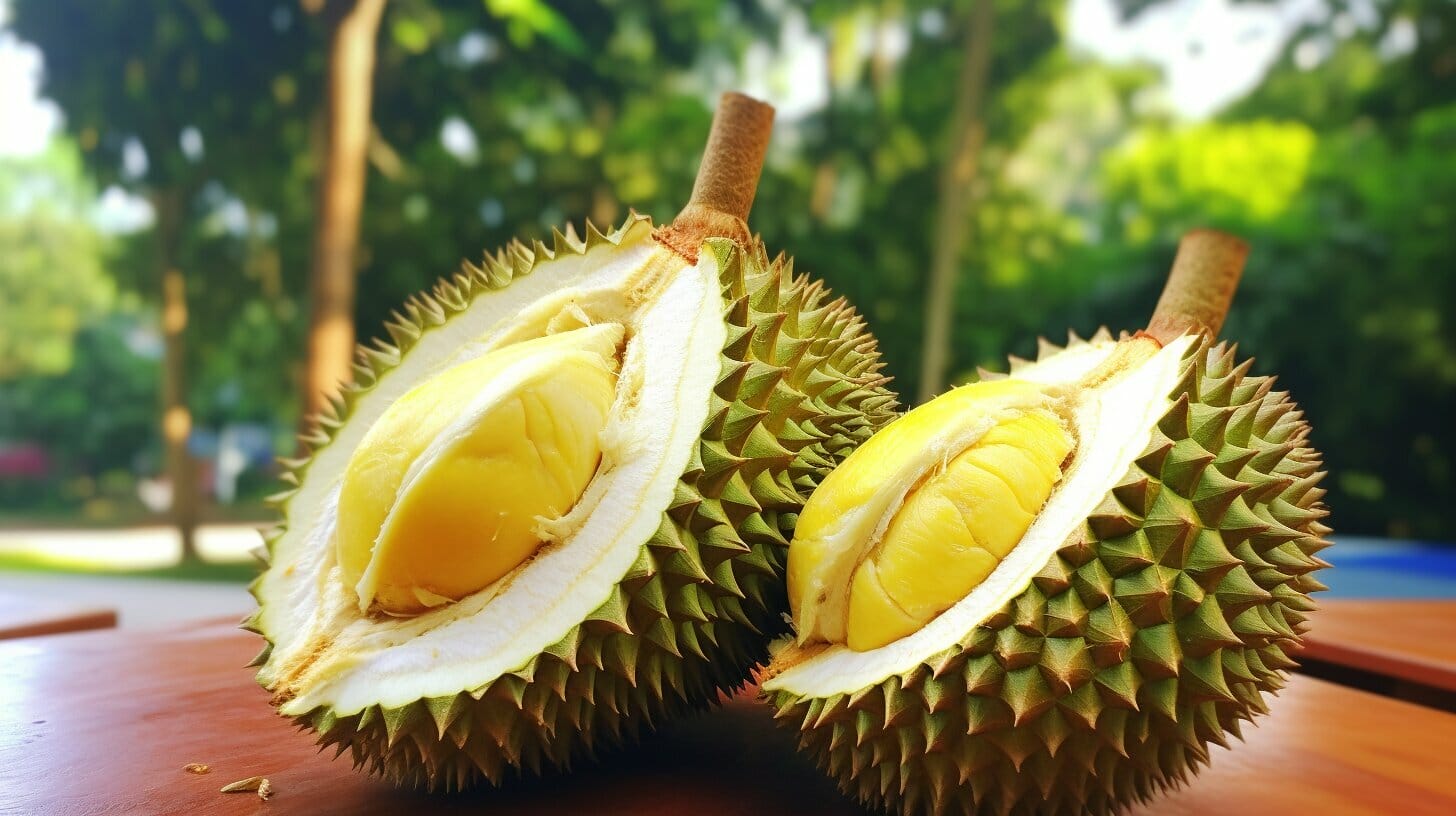
    China’s General Administration of Customs has recently opened doors for fresh durian shipments from Cambodia that comply with food safety standards, a significant development following the signing of a phytosanitary protocol between Cambodia’s Ministry of Agriculture, Forestry and Fisheries and Chinese authorities in late April. This newfound opportunity is poised to transform Cambodia’s durian industry and delight the palates of Chinese consumers who have long been enamored with the so-called “king of fruits.”

    Building a Path to Export

    Following the accord, Cambodia’s agriculture department has taken proactive steps, urging durian growers, farming communities, and processing facilities to register for exports to China. Plans are already underway to compile a list of fresh durian plantations and processing factories, set to be submitted to the Chinese side for evaluation and review in May 2025, as reported by the Khmer Times.

    Breaking into the Chinese Market

    As Cambodia seeks to make its mark, it faces the challenge of standing out in a marketplace that has already been saturated by competitors with established reputations. “It lacks the long-standing brand recognition of Thailand’s Monthong or Malaysia’s premium Musang King,” stated Lim Chin Khee, an adviser at Malaysia’s Durian Academy, highlighting the uphill battle for Cambodia’s emerging durian brand.

    Chinese consumers are currently spoiled for choice, with last year’s record durian imports amounting to an impressive US$6.99 billion, primarily driven by Thailand and Vietnam, which together accounted for nearly 99% of the market share. The competition isn’t stopping there; Indonesia is gearing up to export its own durians, while Laos is eyeing entry into this lucrative market.

    Can Cambodian Durian Compete?

    Despite this fierce competition, the unique Au Khak variety, predominantly grown in Cambodia’s Kampot and Kampong Cham provinces, is beginning to generate interest among discerning Chinese durian enthusiasts. Zhao Yu, a 38-year-old durian aficionado from Shanghai, expressed her curiosity but admitted she needed time to explore the Cambodian variety before adding it to her list of favorites.

    However, experts believe that Cambodian farmers hold significant potential. Lim assured that with the right investment and foreign technical support—especially from China—Cambodian durians could soon rival those from more established producers. The sentiment was echoed by Wang Wenbin, the Chinese ambassador to Cambodia, who expressed his enthusiasm during a recent visit to a durian farm in Kampot, proclaiming Au Khak to be “the best durian in the world.” He optimistically hinted at a future filled with Cambodian durians gracing the tables of Chinese consumers.

    In 2024, Cambodia exported over 12 million tons of agricultural products valued at $5.3 billion across 95 markets. The agriculture sector significantly contributes to the nation’s economy, accounting for approximately 16.7% of its GDP. Recent deals have also set the stage for other Cambodian products like swiftlet nests and crocodiles to enter the Chinese market, further diversifying Cambodia’s agricultural exports.

    Khim Finan, the undersecretary of state, views these efforts as vital in expanding Cambodia’s agricultural market, boosting farmers’ incomes, and fostering overall economic growth through agriculture.

    As Cambodia steps into this new era of durian exports, one can only wonder how the world will react. Will Cambodian durians become the next big sensation in China, or will they remain the fruity underdog in the kingdom of durians?

    Questions & Answers

    What recent development has allowed Cambodia to export durians to China?
    China’s General Administration of Customs started permitting fresh durian shipments from Cambodia after a phytosanitary protocol was signed with the Cambodian Ministry of Agriculture in late April.

    What challenges does Cambodia face in exporting durians to China?
    Cambodia lacks the brand recognition of established competitors like Thailand and Malaysia, which could hinder its ability to attract Chinese consumers who have a wide range of options available.

    What other agricultural products from Cambodia are set to enter the Chinese market?
    In addition to durians, Cambodia has signed protocols for the export of swiftlet nests and crocodiles, which could diversify its agricultural offerings in China.