Retail News CRM

Tag: Thailand

  • Oh!some Expands Regional Presence With New Bangkok Store, Unveils Disney Collaboration

    Oh!some Expands Regional Presence With New Bangkok Store, Unveils Disney Collaboration

    The lifestyle brand Oh!Some is making its debut in Thailand, signaling further growth in its regional presence, which includes a recent inauguration in Ho Chi Minh City.

    Store Location and Interior Concept

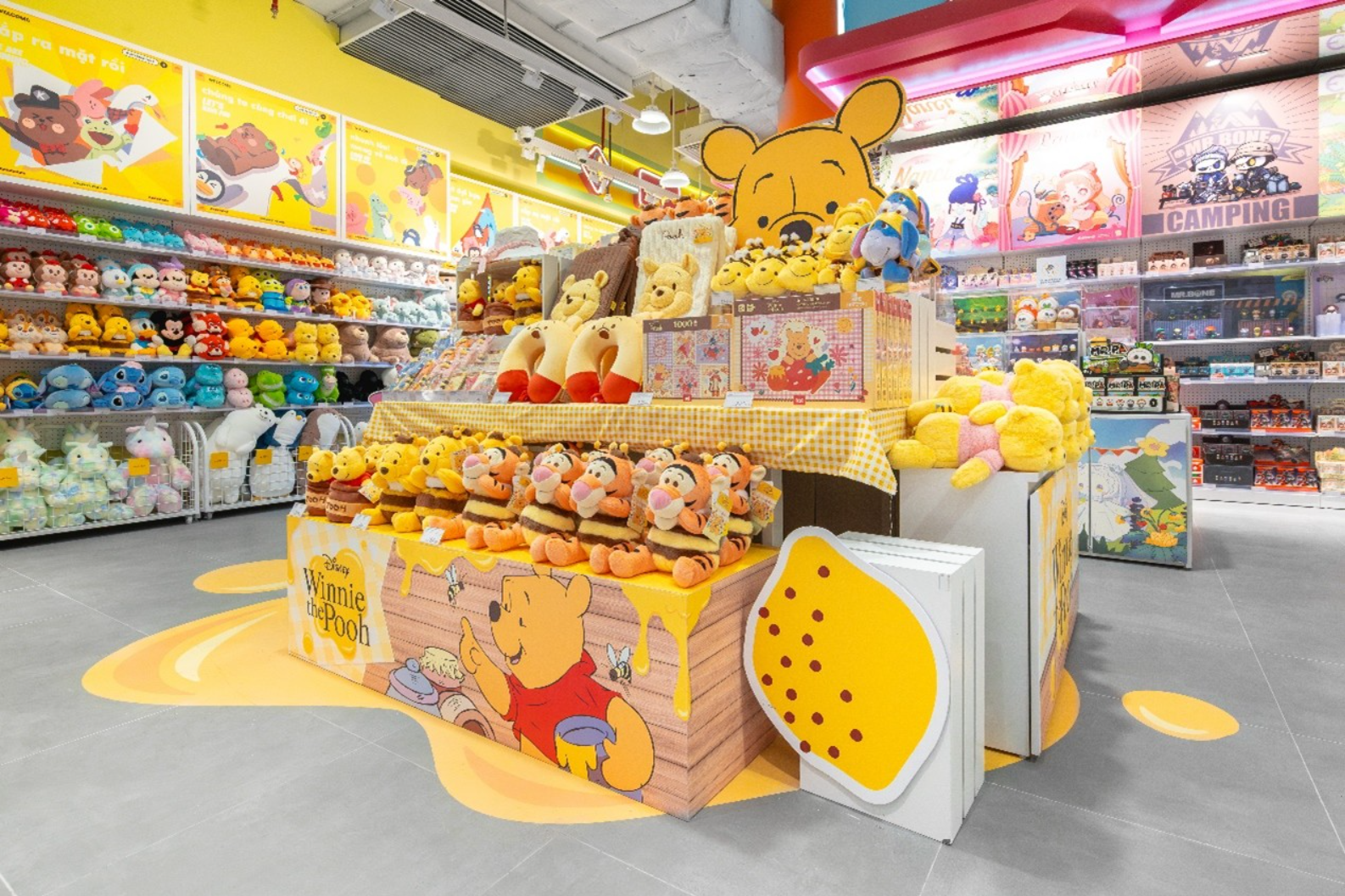
    Oh!Some’s newest retail branch will be positioned in Samyan Mitrtown, right in the heart of Bangkok. The store’s interior is conceived with an “ice and snow world” theme, a design specifically crafted to entice the Gen Z demographic through its captivating and photogenic displays.

    Product Line and Collaborations

    The product portfolio at the store will span across several categories. Customers can expect to find items ranging from beauty and skincare products, fragrances, and stationery to toys, collectibles, snacks, and home decor.

    In addition to its regular offerings, the store will also feature exclusive merchandise produced in collaboration with Disney. These exclusive collections will showcase beloved characters such as Stitch, Winnie the Pooh and a future line inspired by Mickey Mouse with a denim theme.

    Existing Presence and Future Plans

    At present, Oh!Some operates over 130 stores spread out across Singapore, Vietnam, Malaysia, and Indonesia. The brand has further expansion plans within the city of Bangkok, with more branches set to open in various districts later in the year.

    Questions & Answers

    What is the interior design concept of the new Oh!Some store in Bangkok?
    The store features an “ice and snow world” theme designed to attract Gen Z consumers with visually striking, photo-friendly displays.

    What kind of products will be available in the new Oh!Some store?
    The store will offer a range of products across categories, including beauty and skincare, fragrances, stationery, toys, collectibles, snacks, and home decor.

    Does Oh!Some have any collaborations planned for their new store in Bangkok?
    Yes, the store will have exclusive items produced in collaboration with Disney, including themed collections featuring Stitch, Winnie the Pooh, and a forthcoming denim-inspired Mickey Mouse line.

  • Bangkok Bank Says Absence of Virtual Bank License Isn’t a Major Setback for Growth Plans

    Bangkok Bank Says Absence of Virtual Bank License Isn’t a Major Setback for Growth Plans

    The future of virtual banking in Thailand appears to be a slow burn, as Bangkok Bank’s prospects in this emerging sector suggest limited revenue potential in the near term. According to CGS International’s analyst briefing held on July 23, 2025, the investment house assesses that significant business revenue from virtual banking is unlikely to materialize within the initial five years of operation.

    Virtual Banking License not a Major Concern

    In light of this outlook, CGS International asserts that Bangkok Bank’s absence of a virtual banking license will not pose a substantial problem for the institution. Their report, published on July 29, emphasizes that the current landscape of virtual banking in Thailand is still in its infancy, and immediate revenues from this venture are expected to be minimal.

    Steady Growth Targets Amid Caution

    This cautious approach comes as Bangkok Bank’s management maintains its financial targets for 2025, aiming for a loan growth of 3% to 4%. They also forecast a nonperforming loan (NPL) ratio of 3%, a net interest margin (NIM) of 2.8% to 2.9%, and modest low single-digit growth in net fee income, alongside credit costs projected between 0.9% and 1%.

    Potential Challenges on the Horizon

    However, CGS International warns of downside risks that could impact these targets, including negative loan growth, a lower-than-expected NIM due to potential policy rate cuts, reduced net fee income, and elevated credit costs. They noted that Bangkok Bank’s loan growth for Q2 2025 was a mere 0.7% from the end of 2024, and a subdued demand outlook is anticipated for the latter half of the year, particularly due to uncertainties surrounding the impact of U.S. tariffs on private investments. More rate cuts could further compress the bank’s NIM, leaving it to navigate treacherous waters ahead.

    Can Virtual Banks Make a Splash? We’ll See!

    While the virtual banking sector in Thailand may seem like a distant wave, observers are curious to see if any competitor can make a meaningful splash before the competition gets out to sea.

    Questions & Answers

    What is the expected revenue outlook for virtual banking in Thailand?
    The revenue generated by virtual banking in Thailand is anticipated to be minimal in the first five years, according to CGS International’s analysis.

    How is Bangkok Bank performing financially in 2025?
    Bangkok Bank is targeting a 3% to 4% loan growth, with a nonperforming loan ratio of 3% and a net interest margin between 2.8% and 2.9% for 2025, while facing potential economic headwinds.

    What risks could impact Bangkok Bank’s financial targets?
    Downside risks include negative loan growth, lower-than-expected net interest margins due to monetary policy adjustments, reduced net fee income, and elevated credit costs.

  • Thailand’s Tourism Decline Casts Shadow on Struggling Stock Market

    Thailand’s Tourism Decline Casts Shadow on Struggling Stock Market

    Thailand’s tourism sector, a critical pillar of its economy, is facing significant turbulence, largely due to a steep decline in foreign visitor numbers. This downturn is sending ripples through tourism-related stocks, impacting everyone from airlines to hoteliers and retailers. As a result, the Thai equity market is struggling to keep pace with its regional counterparts.

    Recent weeks have seen a modest rise in share prices, buoyed by the initiation of a new government travel subsidy scheme. However, analysts are quick to temper any enthusiasm with caution. They point to two major factors constraining growth: the waning influx of Chinese tourists, who previously played a pivotal role in the industry, and a noticeable dip in consumer spending among locals. Additionally, the simmering border conflict between Thailand and Cambodia is casting a shadow of uncertainty over the sector, heightening concerns about both travel safety and economic stability.

    Optimism may be a tough sell these days, but many in the industry are finding creative ways to draw in visitors. After all, in tourism, as they say, sometimes it takes a little bit of magic to make customers forget their worries.

    Questions & Answers

    What factors are contributing to the decline in Thailand’s tourism sector?
    The decline is primarily driven by a drop in the number of foreign visitors, particularly from China, along with decreased spending among Thai consumers and regional tensions, such as the conflict with Cambodia.

    How has the Thai government responded to these challenges?
    The Thai government has launched a travel subsidy program aimed at boosting tourism and encouraging domestic travel, which has led to a slight increase in share prices recently.

    What is the outlook for tourism-related stocks in Thailand?
    While there has been a recent uptick in share prices due to government initiatives, analysts remain cautious, highlighting ongoing challenges that could affect future performance.

  • King Power To Close Key Branches In Cost-cutting Strategy Amid Pandemic Downturn

    King Power To Close Key Branches In Cost-cutting Strategy Amid Pandemic Downturn

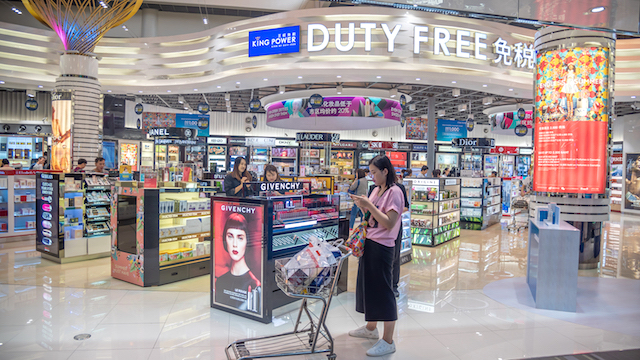
    King Power, a leading duty-free company in Thailand, has made the announcement that it will be closing its branches in Srivaree, Pattaya, and Mahanakhon by September. This move forms part of a broader cost-cutting strategy that involves a voluntary redundancy program for employees across all branches.

    The Reason for the Closure

    Initially, the three stores slated for closure played a significant role in the company’s earnings, catering largely to tour groups. However, the business model has since been deemed unsustainable, according to CEO Nitinai Sirismatthakarn. He highlights the unfavorable business structure of these branches and the need to streamline the company’s workforce to maintain a competitive edge in a shifting market.

    The COVID-19 pandemic has also had a notable impact on sales. While airport duty-free stores have been less severely affected, sales at the downtown outlets have dipped considerably.

    Employee Compensation and Store Operations

    King Power’s staff, who choose to take part in the redundancy program, will receive compensation in line with labor law. Additional payments will be made based on the length of service. Employees will also have the option to transfer to other branches.

    After the closure of the three branches, the company will continue its operations at three other downtown locations – Rangnam, One Bangkok, and Phuket.

    Renegotiations and Downturns

    Simultaneously, King Power is renegotiating its concession contracts with Airports of Thailand (AOT) for five airports. Despite earlier intentions to terminate these contracts, revised payment terms have now been agreed upon. This is happening against the backdrop of a wider downturn in Thailand’s tourism sector, with a significant decrease in visitor numbers this year.

    Investor concerns have been raised due to a 35.6% fall in AOT shares since the beginning of the year, which could indicate potential revenue losses for King Power. To review the concession agreements, two state universities have been commissioned by the airports. Sirismatthakarn supports this as a “check and balance” mechanism.

    Questions & Answers

    What is the reason for King Power’s closure of three branches?
    King Power will be closing three of its branches as part of a cost-cutting initiative. The business model of these branches is no longer sustainable due to their unviable business structure and the need to streamline operations in response to a changing market landscape.

    What will happen to the employees affected by the closures?
    Employees who opt for the voluntary redundancy program will receive compensation as per labor law, with additional payments based on their length of service. They also have the option to transfer to other branches.

    What is the current state of King Power’s concession contracts with Airports of Thailand (AOT)?
    King Power is presently renegotiating its concession contracts with AOT for five airports. While initial plans were to terminate these contracts, revised payment terms have now been reached.

  • Taobao Thailand Sees 60% Surge in User Registrations After Launching Localized App Experience

    Taobao Thailand Sees 60% Surge in User Registrations After Launching Localized App Experience

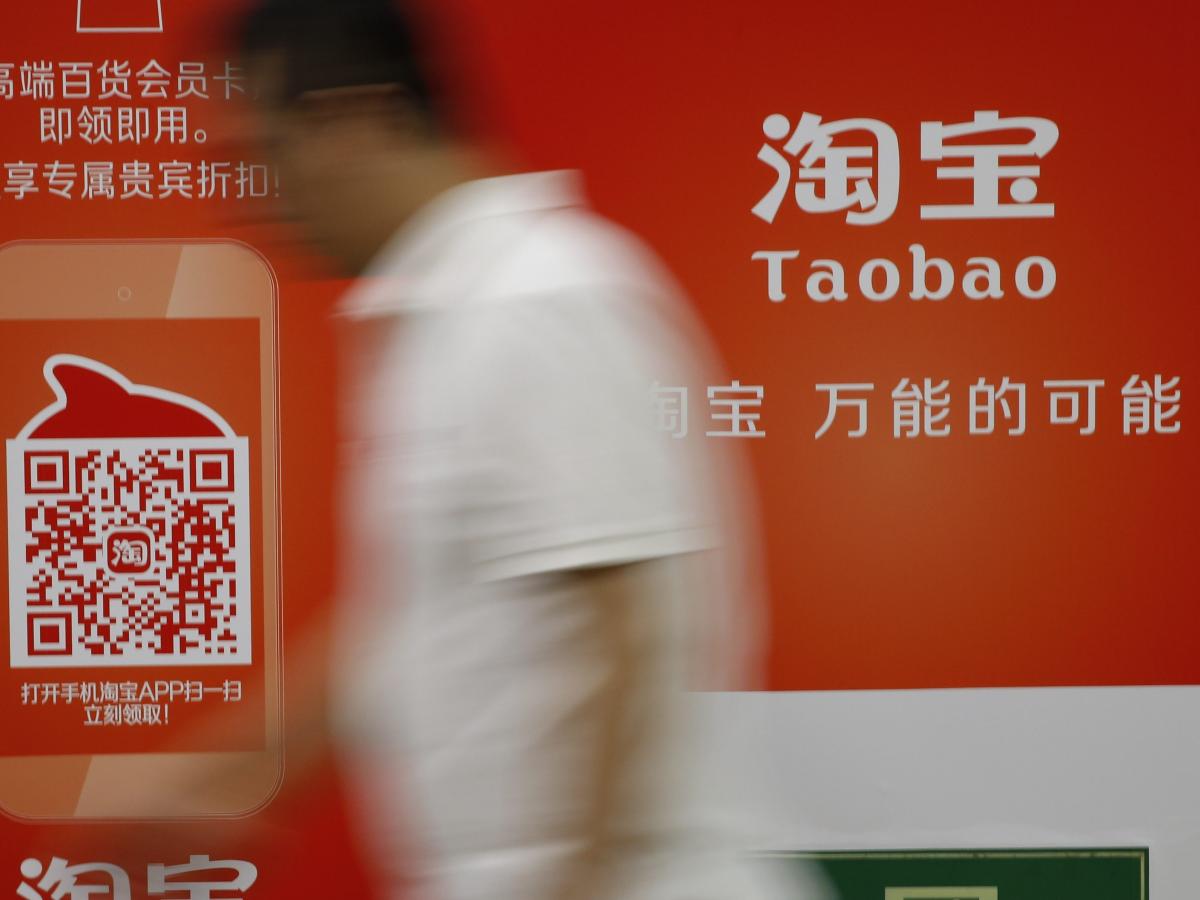
    Taobao, the renowned online shopping platform under Alibaba Group, is witnessing an impressive surge in user registrations in Thailand following the launch of a localized version tailored for this vibrant market. According to reports from Alibaba International Digital Commerce Group (AIDC), the number of new users registering has soared by 60% year-on-year within just a month of the launch, which took place at the end of May.

    Record-Breaking Sales During 618 Shopping Festival

    In a testament to its successful adaptation, Taobao’s Thai platform achieved remarkable sales during its midyear 618 shopping festival, showing significant growth in gross merchandise volume across various categories, including clothing, consumer electronics, and home furnishings. Notably, the local gross merchandise volume for women’s shoes has doubled compared to last year, report AIDC and Zhao Jing, manager of Taobao Thailand. It seems Thailand’s consumers are ready to step up their shoe game!

    Localized Features Driving Engagement

    One factor fueling this growth is the use of Alibaba’s innovative AI translation technology. This allows Thai users to navigate the app comfortably in their native language, and make payments in baht, creating a seamless shopping experience. This localized effort is part of Alibaba’s broader strategy to expand its customer base across Southeast Asia, complementing the existing Chinese and English interfaces available on Taobao.

    Global Ambitions Amid Domestic Challenges

    The move to localize and grow in Thailand is also aligned with Alibaba’s aggressive overseas expansion strategy, a response to slowing domestic demand and intensifying competition from rivals such as PDD Holdings’ Pinduoduo and ByteDance’s Douyin. Just last month, Taobao announced plans to expand its free global delivery service to 12 countries and regions, marking a significant step in its globalization efforts, as noted by ChinaDaily.

    Last September, Taobao made headlines when it launched its English version in Singapore and Malaysia—its first foray into non-Chinese languages—with a swift rollout into additional markets afterward. With these strategic initiatives, Taobao is clearly gearing up to conquer new frontiers in the bustling Asian retail landscape.

    Questions & Answers

    What factors contributed to the 60% increase in user registrations on Taobao in Thailand?
    The 60% increase is largely attributed to the launch of a localized app version that uses AI translation technology, allowing users to navigate in their native language and make payments in baht.

    What categories saw notable sales growth during Taobao’s 618 shopping festival in Thailand?
    Sales growth was particularly strong in categories such as clothing, consumer electronics, and home furnishings, with women’s shoes seeing a remarkable doubling of gross merchandise volume year-on-year.

    How is Taobao adapting its offerings to compete globally?
    To enhance its international presence, Taobao has introduced localized versions in different languages and expanded its free global delivery service to 12 countries, positioning itself against competitors in the global e-commerce arena.

  • Revolutionary Satellite Technology Launches to Combat PM2.5 Pollution with Advanced Burn Tracking Solutions

    Revolutionary Satellite Technology Launches to Combat PM2.5 Pollution with Advanced Burn Tracking Solutions

    The Thai government, in collaboration with the Office of the Cane and Sugar Board (OCSB) and Thaicom Public Company Limited, has launched an ambitious technological initiative aimed at combating sugarcane field burning. This innovative platform leverages satellite technology, geospatial data, and artificial intelligence (AI) to monitor and track burning activities. Remarkably, it’s not just limited to sugarcane; future applications may address various agricultural pollution sources, particularly those that contribute to PM2.5 levels.

    Economic Impact of the Sugar Industry

    In 2024, the sugarcane and sugar industry made a significant dent in the Thai economy, contributing over THB 184 billion. As of mid-2025, the industry had already generated more than THB 92.5 billion, underscoring its importance. The International Sugar Organization (ISO) notes that Thailand produces 5% of the world’s sugar, making it the fifth largest producer globally and accounting for a noteworthy 9% of sugar exports.

    The Burn Tracking Platform: A Game Changer

    The newly unveiled Burn Tracking platform offers a comprehensive analytical system designed to monitor sugarcane field burning. Utilizing satellite-based space and geospatial technology, the platform provides a user-friendly dashboard that allows for quick access to data regarding burning activities. Users can monitor cultivation areas, crop yields, and forecasts for cane delivery to sugar mills. The system has a particular knack for identifying heat spots and burned areas, making the data not just accessible but also actionable.

    Government Commitment and Measurable Results

    Mr. Bainoy Suwanchatree, Secretary General of the OCSB, emphasized the government’s commitment to transforming the industry into a modern and eco-friendly sector. “A major focus has been tackling PM2.5 pollution caused by sugarcane burning during the 2024/2025 harvesting season,” he stated. To this end, the OCSB has introduced six measures aimed at reducing emissions. These include promoting advanced agricultural technology and machinery, along with supporting satellite-based research and development.

    These initiatives have yielded impressive results: fresh cane accounted for an astounding 85% of the total crushed volume, translating to 78.3 million tons, while burned cane made up a mere 15% (or 13.68 million tons). This significant drop from the previous year’s 29% reflects a concerted effort to reduce reliance on burning practices.

    Looking Ahead: Thailand’s Bio Hub Vision

    Looking forward, Mr. Suwanchatree outlined an ambitious vision to boost farmers’ incomes and support downstream industries, aiming to position Thailand as the Bio Hub of ASEAN by 2027. Strategic plans include developing bioplastics to tackle environmental issues, further decreasing sugarcane burning, and curbing carbon emissions. The OCSB will also spearhead the establishment of a national network of BioExcellent Centers to promote innovations in sugarcane farming and production efficiency — think of it as planting the seeds for a vibrant green future.

    The Role of Satellite Technology

    Mr. Patompob (Nile) Suwansiri, CEO of Thaicom Public Company Limited, remarked on the platform’s potential: “By melding space technology with satellite data and AI analysis, we’ve created a formidable tool that not only improves air quality but also helps in minimizing PM2.5 pollution.” While the platform’s immediate application is in the sugarcane sector, its capabilities can easily be adapted for use across various agricultural landscapes.

    Questions & Answers

    What is the Burn Tracking platform?
    The Burn Tracking platform is an analytical system that uses satellite technology and geospatial data to monitor and track sugarcane field burning, with plans to expand its application to other agricultural pollution sources.

    How has the Thai sugar industry performed financially in recent years?
    In 2024, the sugarcane and sugar industry contributed over THB 184 billion to the economy, with more than THB 92.5 billion generated by mid-2025.

    What measures are being taken to reduce PM2.5 emissions?
    The OCSB has implemented six key measures, including promoting advanced agricultural technology, which have resulted in a substantial reduction of PM2.5 pollution attributed to sugarcane burning.

  • Bangkok Bank Set to Fall Short of 2025 Net Interest Margin Goals: What This Means for Investors

    Bangkok Bank Set to Fall Short of 2025 Net Interest Margin Goals: What This Means for Investors

    Bangkok Bank is bracing for a challenging financial landscape as it navigates potential interest rate cuts in the latter half of 2025. According to a recent report by UOB Kay Hian, the esteemed Thai bank is expected to fall short of its target net interest margin (NIM) as it faces the prospect of two rate reductions: a 25 basis point cut in October and another in December.

    A Daring Forecast Amid Rate Cuts

    While Bangkok Bank is forecasting that the December cut will hold its NIM steady above 2.8%, UOBKH analysts predict a dip, projecting the ratio to settle at approximately 2.7% by year-end. For context, the NIM reflects the net interest income from loans after accounting for interest paid to depositors, a crucial metric for banks in assessing profitability.

    A Mixed Bag of Earnings Results

    In its latest financial report, the bank announced a flat year-on-year earnings result for Q2 2025, logging THB11.8 billion—a figure that was also down by 6% compared to the previous quarter. Surprisingly, this outcome beat UOBKH’s estimates, offering a glimmer of hope amid the forecasted challenges. Corporate loans stood as the sole bright spot in an otherwise stagnant loan growth landscape, revealing a complex interplay of sectors within Bangkok Bank’s operations.

    Non-Interest Income Shows Resilience

    On a more upbeat note, the bank’s non-interest income surged by 22% year-on-year to THB12.7 billion. However, it did experience an 8% decline quarter-on-quarter, illustrating the pressure on various income streams. Adding to the caution, credit costs and the nonperforming loan (NPL) ratio registered an uptick in the second quarter, compelling Bangkok Bank to set aside THB10.7 billion in provisions.

    Looking Ahead With Caution

    UOBKH analyst Thanawat Thangchadakorn expressed a cautious outlook on the rising NPL trend, suggesting it might mirror last year’s patterns. Although Bangkok Bank maintains its credit cost target at 1% for 2025, it acknowledges the possibility of exceeding this level, estimating a year-end credit cost of approximately 137 basis points. As the bank charts its course through an uncertain financial environment, all eyes will be on its ability to adapt and navigate these impending challenges.

    Questions & Answers

    What interest rate cuts is Bangkok Bank anticipating for late 2025?
    Bangkok Bank is expecting two rate cuts in the final months of 2025, specifically a 25 basis point cut in October and another in December.

    How did Bangkok Bank’s earnings perform in Q2 2025 compared to expectations?
    The bank reported a flat earnings outcome of THB11.8 billion for Q2 2025, surpassing UOBKH’s estimates despite being 6% lower than the previous quarter.

    What challenges is Bangkok Bank facing regarding its nonperforming loans?
    Bangkok Bank is experiencing an increase in nonperforming loans, prompting it to set aside THB10.7 billion in provisions to address this issue, aligning with a trend seen in the previous year.

  • Bangkok Condo Supply Hits 16-Year Low, Signaling Major Shift in the Real Estate Market

    Bangkok Condo Supply Hits 16-Year Low, Signaling Major Shift in the Real Estate Market

    Thailand’s property market is navigating a turbulent landscape, with new condo launches plummeting by a staggering 94% year-on-year, resulting in only 373 units introduced in the first half of the year. This downturn marks the lowest level since 2009, a year when the market was still shaking off the effects of the subprime mortgage crisis, surpassing even the declines experienced during the peak of the Covid-19 pandemic, according to a recent report by property service firm Colliers Thailand.

    This alarming trend has prompted a crucial reassessment of strategies among property developers and market analysts alike. “This is not merely a seasonal slowdown but rather a pronounced reflection of buyer hesitation and a cautious approach from developers,” stated Pattarachai Thaweewong, director of research at Colliers International Thailand. He emphasized that, despite a slight uptick in the market between 2022 and 2023, there is still a long way to go before it regains its pre-crisis momentum.

    The downturn in 2025 is particularly stark when viewed against the historical backdrop, where the second quarter typically sees an average of 8,000 to 12,000 new condo launches each year. The supply crisis has persisted from the previous quarter, evidenced by the installation of 6,306 new condo units in Bangkok—an impressive 72% increase compared to last year, but a troubling 35% decline from the fourth quarter of 2024, as reported by Bangkok Post.

    Thaweewong attributes this substantial drop to several key factors: high interest rates are significantly impeding the purchasing power of genuine buyers, while rising costs for construction materials and land are squeezing developer profit margins. Furthermore, ongoing economic uncertainty paired with an unclear government policy direction continues to erode confidence in the market.

    In light of these challenges, many developers are opting to delay new project launches, shifting their focus towards mitigating existing inventory while bolstering cash flow—a prudent but perhaps surprising strategy in a market where fresh launches are typically anticipated. Interestingly, as the Bangkok market cools, property developers are pivoting towards Thailand’s vibrant southern island, Phuket. This shift aims to capitalize on the burgeoning demand from tourists and retirees primarily from China and the U.S.

    Colliers reports that around 10,000 new flats are set to hit Phuket’s market this year, with new project launches taking place weekly, creating a scenario reminiscent of a frenetic game of real estate Tetris, as developers scramble to align their offerings with market demand, as mentioned by South China Morning Post.

    Questions & Answers

    What caused the significant decline in new condo launches in Thailand?
    High interest rates, escalating development costs, and ongoing economic uncertainties are primary factors leading to buyer hesitation and developer caution.

    How does the current condo launch situation compare to previous years?
    The current figures show a 94% year-on-year decline, marking the lowest level of new launches since 2009, significantly less than the second quarter average of 8,000 to 12,000 launches seen over the last decade.

    Where are developers focusing their efforts amid the downturn in Bangkok?
    Developers are increasingly targeting Phuket, with plans for around 10,000 new flats this year, catering to rising demand from tourists and retirees from abroad.

  • Central Pattana Unveils Plans For Mixed-use ‘central Park’ In Bangkok’s Heart

    Central Pattana Unveils Plans For Mixed-use ‘central Park’ In Bangkok’s Heart

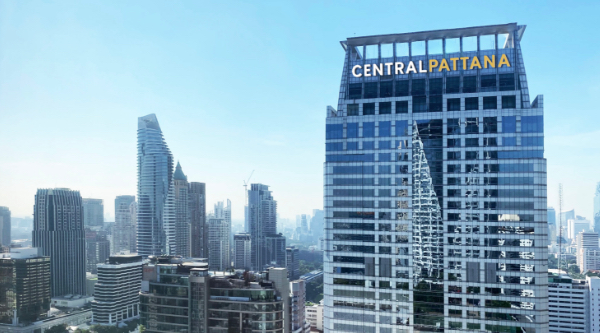
    Central Pattana, based in Thailand, has announced plans to launch a new shopping centre named Central Park in Bangkok this September. This move constitutes a significant portion of a widespread mixed-use development.

    About the Project

    With a vast area of 130,000 square meters, the project encompasses retail space, a rooftop park, and a high-end office tower. Its design is intended to merge commercial, lifestyle, and environmental features within a central urban location.

    The forthcoming shopping centre will boast an array of Thai and international fashion brands. It is predicted to cater to both local consumers and overseas visitors.

    The Rooftop Park

    One of the development’s distinguishing features is an 11,200 square meter rooftop park. Touted as the largest of its kind in Thailand, this elevated green space will offer panoramic views of the Bangkok skyline.

    Inspiration and Location

    Situated at the crossroads of Silom and Rama, Central Park Bangkok is inspired by the likes of Central Park in New York and Hyde Park in London.

    The project also includes a 43-story office tower situated next to Lumpini Park. The building is striving for LEED Gold, Well Platinum, and WiredScore Gold certifications.

    The offices, which are directly linked to the shopping centre, are devised to foster a mixed-use environment catering to urban professionals.

    In the words of Central Pattana, this flagship project is “geared to become a world-class retail destination in the heart of Bangkok,” with the aim of promoting Thailand’s retail sector onto the international stage.

    Questions & Answers

    What is the anticipated date for the opening of Central Park Bangkok?
    Central Park Bangkok is slated to open in September.

    What elements does the Central Park Bangkok project incorporate?
    The project combines a shopping centre, a rooftop park, and a high-end office tower, aiming to blend commercial, lifestyle, and environmental facets in a central urban location.

    What kind of brands will the shopping centre feature?
    The shopping centre will showcase a variety of Thai and international fashion brands, targeting both local customers and international tourists.

  • Thailand Braces for $6B Export Setback as US Considers Tariff Increase

    Thailand Braces for $6B Export Setback as US Considers Tariff Increase

    Thailand could face a staggering loss of up to 200 billion baht (approximately US$6.14 billion) in export revenue this year if the United States moves forward with proposed tariffs ranging from 25% to 36% on Thai goods, warns a forecast from the University of the Thai Chamber of Commerce (UTCC).

    Tariff Hurdles Ahead

    Thanavath Phonvichai, the President of UTCC, highlighted a critical window for Thailand to negotiate a more favorable tariff outcome, aiming to reduce these rates to 20% before the tariffs are set to be implemented on August 1. However, Phonvichai cautioned that reaching a final deal with U.S. officials remains uncertain, adding an extra layer of uncertainty to the already precarious situation.

    Political Instability Threatens Economic Stability

    The stakes are further raised by Thailand’s internal political landscape. Phonvichai indicated that potential political unrest, including a possible dissolution of parliament or delays in passing an economic stimulus budget, could slash GDP growth by up to one percentage point. If such outcomes unfold, economic growth might dip below 1% for the year, significantly lower than the previously projected 1.7%.

    Impact on Exports and Consumer Confidence

    If the 25% to 36% tariffs are implemented for the entire year, the UTCC projects that exports valued between 400 billion and 600 billion baht could be adversely impacted. This anticipated setback comes in the wake of a significant decline in consumer confidence, with the index dropping to 52.7 in June, marking its lowest point in 28 months. Public optimism appears to be wilting, perhaps just like a garden in the harsh heat of the Thai summer.

    Questions & Answers

    What are the potential consequences of the U.S. tariffs on Thailand’s economy?
    Thailand could lose up to 200 billion baht in export value, which could push its GDP growth below 1% for the year.

    When are the potential U.S. tariffs set to take effect?
    The tariffs are scheduled to be implemented on August 1, leaving Thailand limited time to negotiate more favorable rates.

    How has consumer confidence been affected recently in Thailand?
    The consumer confidence index fell to 52.7 in June, the lowest level in nearly two and a half years, reflecting widespread public concern about the economic outlook.

  • Cafe Amazon Drives Record-breaking Quarter For Thailand’s Ptt Oil And Retail Business

    Cafe Amazon Drives Record-breaking Quarter For Thailand’s Ptt Oil And Retail Business

    PTT Oil and Retail Business (OR), the lifestyle and retail subsidiary of Thailand’s PTT Group, has announced a record-breaking financial performance for the first quarter of this year. This success is largely attributable to its leading brand Cafe Amazon, which experienced a period of significant expansion throughout Southeast Asia.

    Noteworthy Performance

    Cafe Amazon sold over 112 million cups of coffee during the first quarter, emphasizing the strength of the brand. With 391 stores now in operation outside of Thailand, the cafe chain has become a key driver of OR’s earnings growth. The company’s total revenue hit an impressive US$5.6 billion, with net profits increasing by 46 per cent from the last quarter to approximately $134 million. This represents a 17.6 per cent growth year-on-year.

    ML Peekthong Thongyai, CEO of OR, credited the robust performance to the resilience of the business model. “Our strong performance this quarter underscores our long-term strategic direction. We are expanding with a clear purpose, delivering value for individuals, contributing to community prosperity and demonstrating our commitment to environmental responsibility.”

    Global Expansion

    Cafe Amazon’s reach extends to nine markets. These include Cambodia, Laos, Vietnam, the Philippines, Malaysia, Oman, Saudi Arabia, Bahrain, and Japan.

    The cafe chain is part of OR’s wider Global Business segment. This segment reported a 30.8 per cent year-on-year increase in sales volume together with an 81.5 per cent rise in EBITDA.

    Peekthong reiterated the company’s mission beyond monetary profit. “We’re not just about selling fuel or coffee. Our goal is to build platforms that strengthen local economies, encourage entrepreneurship, and facilitate long-term, sustainable growth.”

    OR oversees 415 PTT Stations and 391 Cafe Amazon outlets across Asia and the Middle East.

    Questions & Answers

    What factors contributed to OR’s record-breaking financial performance?
    The company attributes its success to the significant expansion of Cafe Amazon, which sold over 112 million cups of coffee in the first quarter.

    What markets does Cafe Amazon currently operate in?
    The cafe chain operates in nine markets, including Cambodia, Laos, Vietnam, the Philippines, Malaysia, Oman, Saudi Arabia, Bahrain, and Japan.

    What is OR’s greater mission beyond selling products?
    OR aims to build platforms that strengthen local economies, promote entrepreneurship, and facilitate sustainable, long-term growth.

  • Krungthai Bank Announces Upcoming ATM System Maintenance: What You Need to Know

    Krungthai Bank Announces Upcoming ATM System Maintenance: What You Need to Know

    As Asia continues to be a global retail powerhouse, new strategies and trends are emerging that are reshaping the landscape. One of the most talked-about phenomena in the region is the rise of omnichannel retail, which has transformed how businesses engage with consumers. Retailers are increasingly blending online and offline experiences, recognizing that today’s shoppers crave flexibility, convenience, and a seamless journey from browsing to purchasing.

    Unlocking the Power of Omnichannel Retailing

    In major Asian markets, brands are embracing technology to fortify their omnichannel strategies. Retailers are deploying innovative solutions like mobile apps, augmented reality, and personalized marketing to capture the ever-elusive, tech-savvy consumer. In China, for example, businesses are taking advantage of super apps that combine shopping, social media, and payment systems all in one platform, making it easier than ever for consumers to navigate their buying decisions.

    The pandemic has accelerated this shift. Consumers, now accustomed to the convenience of digital shopping, are less loyal to brands that fail to meet their expectations. As a result, retailers are rethinking their strategies, finding ways to integrate their physical stores with digital platforms to create a more engaging shopping experience. This shift is not without its challenges; inventory management, consistent branding, and rapid order fulfillment are just a few of the hurdles that retailers must overcome in this new digital age.

    The Growing Importance of Sustainability

    Sustainability is no longer just a buzzword in retail; it’s becoming a critical factor influencing consumer choices across Asia. As awareness around environmental issues grows, brands are finding that adopting sustainable practices can significantly enhance their appeal. Companies are now looking at everything from ethically sourced materials to eco-friendly packaging, which resonates particularly well with younger consumers.

    In Japan, for instance, retailers are focusing on recycling initiatives and reducing plastic waste, showcasing their commitment to sustainability as a core aspect of their business identity. This trend is more than just ethical; it’s financially savvy, as studies indicate that consumers are willing to pay a premium for products they perceive as environmentally friendly.

    Surprising Retail Innovations on the Horizon

    The future of retail in Asia is not just about adapting to current trends; it’s also about anticipating the next big thing. One surprising innovation gaining traction is the rise of social commerce, where platforms like TikTok are turning into virtual marketplaces. Imagine scrolling through a feed filled with videos and discovering you can buy that stylish jacket or trendy gadget without ever leaving the app—it’s an exciting prospect that could redefine shopping.

    Retailers are also exploring the potential of artificial intelligence and machine learning to predict consumer behavior, manage supply chains, and personalize marketing efforts. This technologically driven approach not only streamlines operations but also fosters deeper connections with customers by offering tailored experiences.

    As the retail landscape evolves, one thing is clear: adaptability is key. Brands that are willing to embrace change and innovate will not only survive but thrive in the dynamic Asian retail market.

    Questions & Answers

    What is omnichannel retailing, and why is it important in Asia?
    Omnichannel retailing refers to the seamless integration of online and offline shopping experiences. It’s crucial in Asia due to the region’s tech-savvy consumers who expect a flexible and convenient shopping journey.

    How are brands in Asia addressing sustainability?
    Many Asian retailers are adopting sustainable practices, such as using eco-friendly materials and reducing plastic waste, to appeal to environmentally conscious consumers, especially younger shoppers who prioritize sustainability.

    What are some innovative trends shaping the future of retail?
    Trends like social commerce, where platforms like TikTok facilitate shopping, and the use of AI to personalize shopping experiences are at the forefront of innovation, promising to transform how consumers interact with brands.
  • Bangkok Bank Launches Paybooc QR Payments: A New Era for Cashless Transactions in Thailand

    Bangkok Bank Launches Paybooc QR Payments: A New Era for Cashless Transactions in Thailand

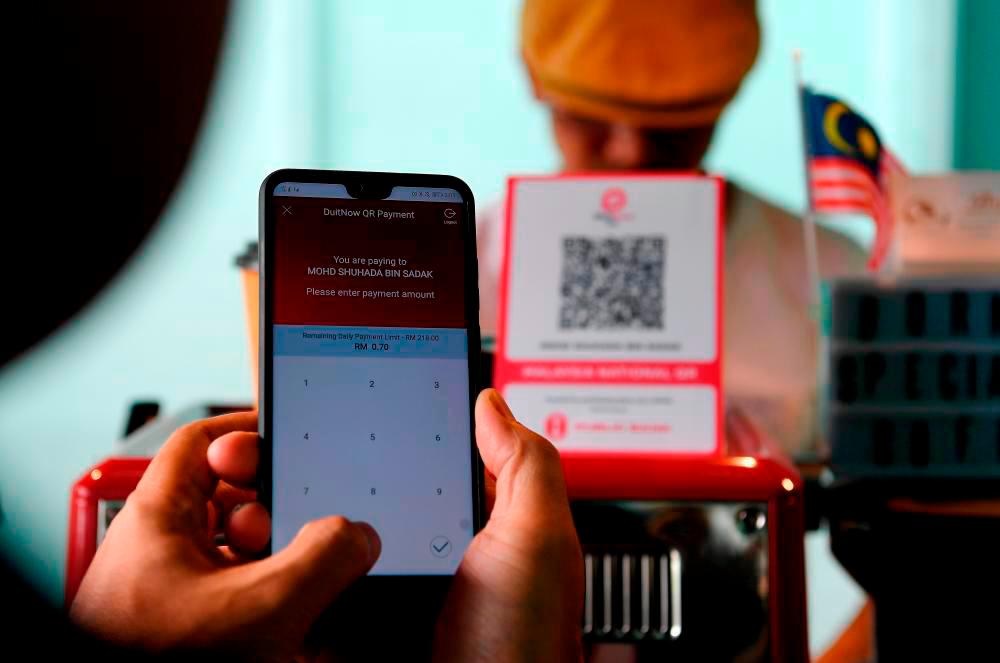
    Korean travelers are set to revolutionize their payment experiences in Thailand, thanks to an innovative collaboration between Bangkok Bank and BC Card, a prominent South Korean payment service provider. The launch of cross-border QR payments through the Paybooc app allows South Koreans to shop and pay with ease while exploring all that Thailand has to offer, utilizing real-time exchange rates for transactions.

    A Gateway for Seamless Travel Peering into 2025

    This partnership does not just stop at providing convenience for travelers from South Korea; it also aims to create a reciprocal system. Soon, Thai customers will be able to scan QR codes in South Korea, making cross-border transactions as effortless as a stroll down a busy street. “It’s like carrying a magic wallet that opens doors in another country,” said one industry insider, capturing the essence of this technology.

    Tourism Expectations and Economic Impact

    Looking ahead, the tourism landscape is set to flourish, with projections estimating around 2 million South Korean tourists will visit Thailand in 2025, according to Chaiyarit, the senior executive vice president at Bangkok Bank. Thai tourists, known for their high spending patterns—averaging THB59,000 per trip—will greatly benefit from the Cross-Border QR Payment service, further boosting the economies of both nations.

    Expanding Horizons—Bangkok Bank’s Wide Reach

    Bangkok Bank is not just focusing on these two markets; it currently operates QR payment services across eight markets, including Vietnam, Indonesia, Malaysia, Singapore, Laos, Hong Kong, South Korea, and Cambodia (inbound service only). This extensive network positions the bank to facilitate seamless transactions and enhance the travel experience for its customers.

    Bridging Borders with Technology

    The integration of QR payment technology not only streamlines financial transactions for tourists but also represents a significant step toward fostering stronger economic ties between South Korea and Thailand. As digital payment options continue to evolve, the two nations are positioning themselves at the forefront of a new era for global travel, where currency exchange headaches may soon become a relic of the past.

    Questions & Answers

    How does the new QR payment system work for South Korean travelers?
    Travelers utilizing the Paybooc app can instantly make QR payments in Thailand at real-time exchange rates.

    What future plans do Bangkok Bank and BC Card have for the QR payment system?
    They plan to allow Thai customers to scan and pay in South Korea, enhancing cross-border financial interactions.

    Why is the influx of South Korean tourists significant for Thailand’s economy?
    With projections of 2 million South Korean visitors by 2025 and their high average expenditure, these tourists are poised to significantly boost Thailand’s tourism revenue.

  • China, Myanmar, Thailand Unite to Combat Rising Telecom Fraud Threats Together

    China, Myanmar, Thailand Unite to Combat Rising Telecom Fraud Threats Together

    In a decisive move against burgeoning criminal enterprises, China, Myanmar, and Thailand have committed to strengthening their collaboration in dismantling elaborate scam networks proliferating across Southeast Asia, with a particular focus on the notorious Myawaddy region. This area has gained infamy as a major hub for fraudulent activities, and the three nations aim to eradicate such operations.

    Strengthening Cross-Border Alliances

    China’s Ministry of Public Security unveiled this agreement following a recent trilateral ministerial meeting dedicated to intensifying efforts against telecom fraud. Attended by law enforcement officials from each country, the high-level gathering was a platform for discussing comprehensive action plans to apprehend suspects and obliterate scam centers in Myawaddy and other known hotbeds of deceit. The endeavors have already seen over 5,400 Chinese nationals repatriated to China for investigation linked to their involvement in fraud schemes.

    Past Success Fuels Future Initiatives

    This isn’t China’s first foray into collaborative law enforcement; the nation has previously allied with its Southeast Asian neighbors to tackle telecom fraud. In 2024 alone, joint operations between Chinese and Myanmar police led to the arrest of more than 53,000 suspects within major scam compunds along the China-Myanmar border. China’s effectiveness in this realm was further demonstrated by the successful repatriation of 268 suspects engaged in cross-border telecommunications fraud, through cooperation with Laos.

    A Call for Broader Alignment

    China’s strategy is not limited to these three nations. The government is actively encouraging additional Southeast Asian countries, such as Cambodia and Vietnam, to partake in its crusade against online gambling and telecom scams, which frequently operate in tandem. Guo Jiakun, spokesperson for the Chinese Foreign Ministry, articulated that engaging in these battles is essential for protecting the common interests of China and its regional partners. It’s a bit like forming a super team against digital villains, where every country’s participation can tilt the scales of justice.

    Supporting Regional Frameworks

    International support for this trilateral initiative has been forthcoming. Benedikt Hofmann, Acting Regional Representative of the United Nations Office on Drugs and Crime (UNODC) for Southeast Asia and the Pacific, deemed the cooperation as “encouraging,” highlighting its potential to pave the way for deeper, sustained regional cooperation in the fight against crime.

    Questions & Answers

    How are China, Myanmar, and Thailand planning to strengthen their cooperation against telecom fraud?
    The three nations recently met to agree on intensified joint crackdowns on telecom fraud, including the commitment to arrest all suspects and eliminate scam operations, particularly in Myawaddy.

    What past successes have contributed to the current efforts against scam networks?
    In 2024, a collaborative effort led to the arrest of over 53,000 suspects in Myanmar, as well as the repatriation of 268 suspects involved in cross-border telecom fraud.

    Which other countries is China encouraging to join this fight against online scams?
    China is inviting Cambodia and Vietnam to participate in the fight against telecom scams and online gambling, emphasizing the need for a united front in safeguarding regional interests.

  • Boucheron opens boutique in Bangkok’s Siam Paragon

    Boucheron opens boutique in Bangkok’s Siam Paragon

    Boucheron Launches New Boutique in Bangkok’s Siam Paragon

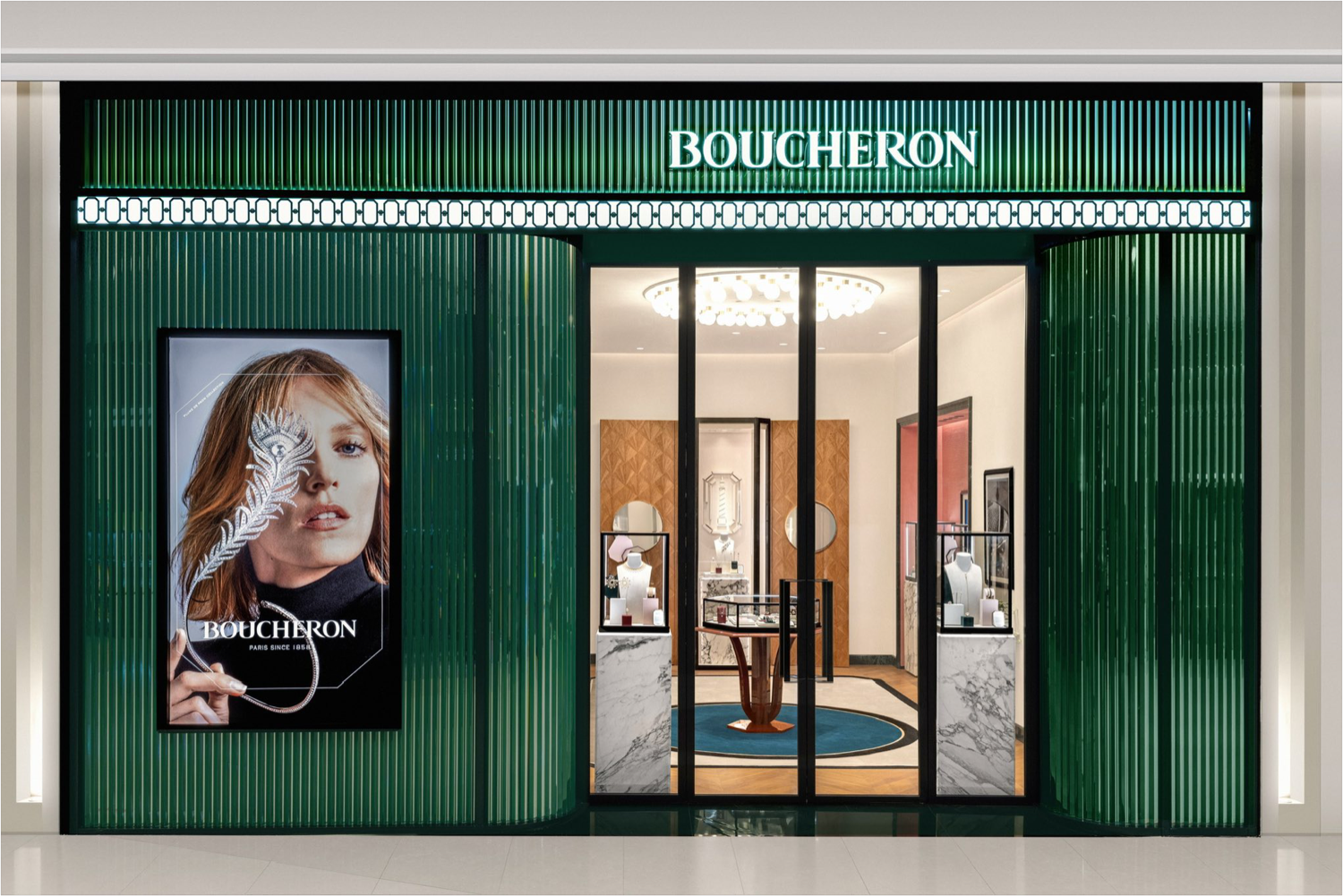
    Boucheron, a high-end jewellery designer, has revealed their brand-new boutique, conveniently situated in the Siam Paragon, a prominent shopping destination in Bangkok.

    Boutique’s Prime Location

    The boutique finds its home on the bustling ground floor of the shopping centre, nestled among a variety of other high-end fashion and accessory brands.

    Inspired Design Elements

    The aesthetic design of the Boucheron boutique incorporates aspects inspired by the brand’s flagship store in Place Vendome, Paris and the architectural beauty of traditional Thai temples.

    Uniquely Designed In-House

    The boutique, designed by its own team, boasts a front door comprising of bright glass prisms which sport the brand’s signature green hue, arranged in a grosgrain pattern. The walls, adorned with a white wash finish, are aesthetically punctuated with a variety of colours and motifs. The flooring, a parquet design, is tastefully covered with large rugs showcasing graphic patterns.

    Exquisite Furnishings

    Artfully selected furniture, including marble-columned displays and marble-top counters, are tastefully paired with luxurious fabrics and traditional Thai wooden cabinets.

    Exclusive VIP Room

    The boutique’s VIP room is a vision of luxury, with walls adorned with fabric panels, timber slats, and decorative cabochons. Colourful seating, a brass coffee table, and beautifully appointed photographs by French artist Yves-Vincent Davroux complete the elegant setting.

    Questions & Answers

    What is the inspiration behind the design of the new Boucheron boutique?
    The design of the new Boucheron boutique is inspired by the brand’s flagship store in Place Vendome, Paris and the architectural beauty of traditional Thai temples.

    What are the unique elements of the boutique’s design?
    The boutique’s unique design elements include its signature green glass prism front door, whitewashed walls with contrasting colours and motifs, parquet flooring with large graphic rugs, and curated marble and wood furnishings.

    What features does the VIP room offer?
    The VIP room features walls adorned with fabric panels, timber slats, and decorative cabochons, colourful seating, a brass coffee table, and photographs by French artist Yves-Vincent Davroux.