Tag: Thailand

  • CIMB Expands Wealth Services into Singapore and Thailand, Targeting Southeast Asias Rising Affluent Class

    CIMB Expands Wealth Services into Singapore and Thailand, Targeting Southeast Asias Rising Affluent Class

    CIMB Group, Malaysia’s second-largest bank in terms of assets, has announced its intention to expand its private wealth business to Singapore and Thailand by the end of the year. This move is part of a larger plan to double the bank’s wealth assets under management by 2030.

    Targeting Southeast Asia’s Growing Affluent Segment

    Haniz Nazlan, the CEO of group consumer banking at CIMB, revealed on Monday that this expansion activity is targeting the rapidly increasing affluent segment in Southeast Asia. This strategic move follows the successful launch of the bank’s private wealth business in Indonesia earlier in the year and in Malaysia on the same day.

    According to Nazlan, the ASEAN economy, worth US$4 trillion, has been experiencing robust annual economic growth rates of approximately 4%, which is significantly higher than many developed markets. This economic dynamism is expected to stimulate a 5% to 6% annual increase in the region’s affluent population. Furthermore, the middle class is projected to comprise between 65% and 70% of the ASEAN population by 2030.

    Factors such as growing incomes, escalating cross-border investments, and a notable surge in intergenerational wealth transfers are propelling the market.

    A New Service for High Net-Worth Clients

    Daniel Cheong, CIMB’s head of consumer banking for Malaysia, revealed that the new private wealth service is tailored to clients who have at least RM1 million ($244,612) in assets under management. This offering is positioned above CIMB Preferred, the bank’s mass-affluent priority banking segment, which requires a minimum of RM250,000 in assets.

    CIMB’s Private Wealth service offers clients dedicated relationship managers, treasury solutions, investment advisors, customized investment products, succession planning, and digital wealth capabilities.

    Nazlan noted that affluent clients are progressively seeking advice that goes beyond mere investment product selection. He explained that they want guidance on wealth protection, preparation of their children’s futures, access to global opportunities, and making informed decisions in an unpredictable world.

    Nazlan disclosed that CIMB’s wealth assets under management (AUM) were approximately RM250 billion in the preceding year. However, he refrained from providing interim growth targets or customer acquisition figures, stating that it is still the early stages of the Private Wealth proposition’s rollout.

    Questions & Answers

    What is CIMB Group’s plan for its private wealth business?
    CIMB Group plans to expand its private wealth business to Singapore and Thailand by year-end, aiming to double its wealth assets under management by 2030.

    Who are the target clients of the new CIMB private wealth service?
    CIMB’s private wealth service targets high net-worth clients who have at least RM1 million ($244,612) in assets under management.

    What are the key services offered by CIMB’s Private Wealth service?
    CIMB’s Private Wealth service offers dedicated relationship managers, investment advisors, treasury solutions, succession planning, customizable investment products, and digital wealth capabilities.
  • Thailand Rolls Out Plans to Promote 300,000 Tons of Southern Durian amidst Oversupply Concerns

    Thailand Rolls Out Plans to Promote 300,000 Tons of Southern Durian amidst Oversupply Concerns

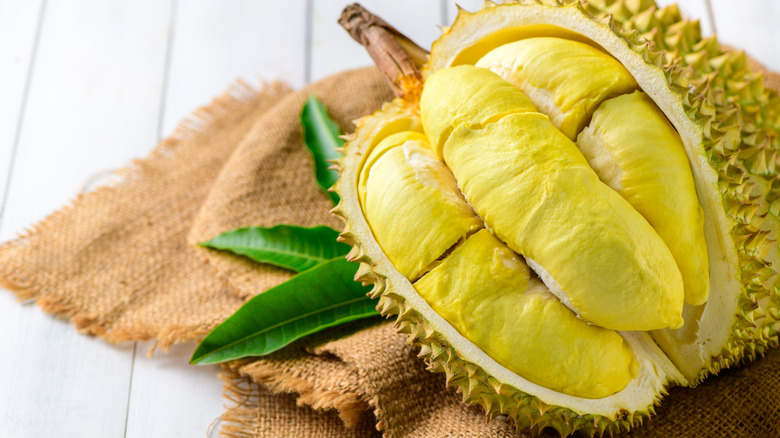
    Thailand is working to stimulate the consumption and distribution of 300,000 metric tons of southern durian due to an oversupply caused by a decline in exports to China, primarily related to quality issues. The director-general of the Department of Internal Trade, Wittayakorn Maneenetr, revealed that the durian production in southern Thailand is expected to reach 752,515 tons this year, marking an increase of 30% compared to the last season. Around 35% of the produce has already hit the market, with almost 489,199 tons remaining undistributed.

    According to Maneenetr, the early-season price drop is linked to China’s temporary halt in orders due to the quality concerns associated with unripe durians, and the growing competition from foreign suppliers and domestic production from Thailand’s eastern and northeastern regions.

    Market Stabilization Measures

    To balance out prices, the department has stepped in with initiatives like advance purchases and consumer-targeted promotional campaigns. Currently, Southern Monthong durians are priced at 85-105 baht (US$2.5-3.1) per kilogram for AB grade, 60-80 baht for C grade, and 40-55 baht for D grade.

    The designed plan to distribute 300,000 tons of southern durian involves selling 3,700 tons through advance purchase contracts, 9,000 tons via consumption promotion campaigns, and 281,000 tons through off-farm distribution networks. Additional measures encompass establishing direct sales outlets, subsidizing postal delivery costs, and encouraging processing initiatives.

    Under its medium-term strategy, the Ministry of Commerce is aiming to engage tourists through consumption campaigns, collaborate with food brands to create durian-based menus, and organize field trips for foreign ambassadors to the major durian-producing provinces, including Chumphon, Surat Thani, and Nakhon Si Thammarat.

    Despite the seasonal challenges, the overall durian exports from Thailand remain strong. From the start of the year until July 5, Thailand has exported 908,047.46 tons of durian in 55,831 shipments, which generated more than 104.19 billion baht.

    Questions & Answers

    What were the main reasons for the drop in durian exports to China?
    The decline in exports was primarily due to quality issues associated with unripe durians, leading to a temporary suspension of orders from China.

    What are the prices for different grades of Southern Monthong durians?
    AB grade durians are priced at 85-105 baht per kilogram, C grade durians at 60-80 baht, and D grade durians at 40-55 baht.

    What strategies are being implemented to boost durian consumption and distribution?
    Strategies include advance purchases, consumption promotion campaigns, setting up direct sales outlets, subsidizing postal delivery costs, and supporting processing initiatives. Furthermore, there are plans to engage tourists and collaborate with food brands to create durian-based menus.

  • ThaiBev Mulls Over Sale of Thailands Premier KFC Franchise Amid Profit Drop

    ThaiBev Mulls Over Sale of Thailands Premier KFC Franchise Amid Profit Drop

    ThaiBev, owned by Charoen Sirivadhanabhakdi, is reportedly contemplating the sale of its KFC franchise business in Thailand – the largest of its kind in the country. The fast-food chain’s operations are overseen by The QSR of Asia. This takeover was initiated when the subsidiary purchased 240 restaurants from Yum Restaurants International in 2017 for an estimated US$335 million.

    ThaiBev’s Expanding Portfolio and Challenging Profits

    Since the initial acquisition, the number of outlets has more than doubled to over 500 across Thailand, solidifying QSR’s position as the country’s largest franchise. However, this expansion has brought its own set of challenges for ThaiBev. The company, known for producing Chang, has experienced a 21.7% decrease in profits, according to its latest annual fiscal statements.

    The drop in profits is reportedly due to the expenses incurred from the continual expansion of the restaurant chain. Nonetheless, ThaiBev remains a significant player in the market, despite the challenges and costs associated with operating a booming fast-food business.

    The Future of ThaiBev’s KFC Franchise

    Currently, ThaiBev is working with the Bank of America Corp to gauge interest in potential transactions relating to the KFC franchise. However, it is important to note that there are no guaranteed sales at this point. The future of the KFC franchise under ThaiBev’s ownership remains uncertain.

    Questions & Answers

    Who currently owns the largest KFC franchise business in Thailand?
    ThaiBev, owned by Charoen Sirivadhanabhakdi, currently holds the largest KFC franchise business in Thailand.

    What has been the impact of the franchise expansion on ThaiBev’s profits?
    The expansion of the franchise has led to a 21.7% drop in ThaiBev’s profits, largely due to the costs associated with the ongoing growth of the restaurant chain.

    What is the future of ThaiBev’s KFC franchise?
    ThaiBev is contemplating the sale of its KFC franchise and is working with the Bank of America Corp to assess interest in potential transactions. However, no sale is guaranteed at this time.

  • Thailand Plans $362M Mega Cruise Terminal on Koh Samui to Boost Tourism

    Thailand Plans $362M Mega Cruise Terminal on Koh Samui to Boost Tourism

    Thailand is advancing a significant cruise terminal project, valued at THB12.2-billion (US$362-million), on Koh Samui, the country’s second-largest island. The terminal has been designed to accommodate large cruise ships and is part of 262 substantial transport initiatives slated for completion by 2027. The collective investment for these projects totals THB229.76 billion, as divulged by the Transport Ministry.

    Project Management and Approval Process

    The Marine Department is overseeing this major development, which aims to bolster maritime transportation, host larger cruise vessels and facilitate the growth of Thailand’s cruise tourism industry. The project is presently under review by the Transport Ministry, and once approved in principle, it will be put forward to the Cabinet for further approval.

    Simultaneously, applications for land usage under the jurisdiction of pertinent agencies such as the Royal Forest Department are being processed. The ministry expects Cabinet approval by 2027, followed by the bidding process in 2028. Construction is anticipated to begin shortly after and operations are projected to start by 2032, with an operational period of 30 years.

    Projected Benefits and Economic Impact

    Upon completion, the terminal is slated to serve between 200,000 and 400,000 tourists annually and should be able to manage approximately 240 cruise ship dockings each year. A study of the project estimates that the terminal could produce around THB46 billion in economic value over its 30-year lifespan, with an economic rate of return exceeding 15%.

    Koh Samui, located in the Gulf of Thailand and approximately 700 kilometers south of Bangkok, is the country’s second-largest island after Phuket. The island is renowned for its stunning beaches, luxurious resorts, vibrant nightlife, and access to nearby marine attractions such as the Mu Ko Ang Thong National Marine Park.

    Questions & Answers

    What is the main purpose of the cruise terminal project on Koh Samui?
    The cruise terminal project aims to enhance maritime transportation, accommodate larger cruise vessels, and support the growth of Thailand’s cruise tourism industry.

    When is the terminal expected to commence operations?
    The terminal is projected to start operations by 2032, with an operational period of 30 years.

    What is the expected economic impact of the terminal?
    The terminal could generate approximately THB46 billion in economic value over 30 years, with an economic rate of return surpassing 15%.

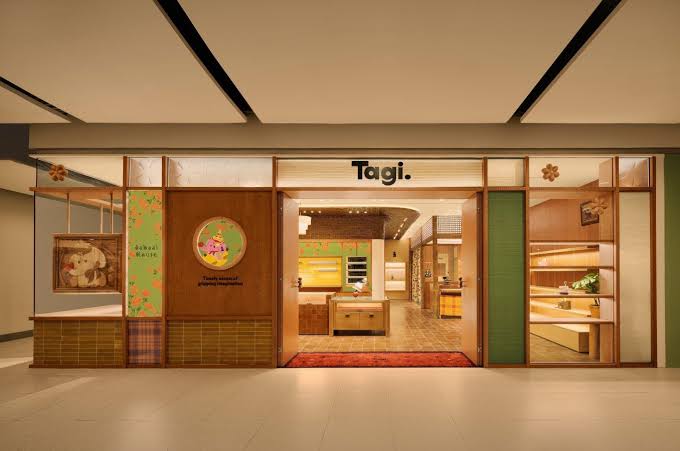
  • Tagi Breaks International Barriers with First Retail Store in Bangkok’s CentralWorld

    Tagi Breaks International Barriers with First Retail Store in Bangkok’s CentralWorld

    Chinese lifestyle brand Tagi has embarked on its first international venture with the launch of a physical retail outlet at CentralWorld in Bangkok. Positioned on the second tier of the mall’s Eden Zone, this store presents a broad selection of the Shanghai-centric brand’s accessory collection to the Thai consumer market. This includes their signature bulky phone cases and puffer laptop bags, along with an assortment of other lifestyle products.

    Tagi, an acronym for ‘Timely access of gripping imagination’, was established in 2019 in Shanghai. The brand builds everyday accessories that incorporate an element of fun into their design. Tagi’s product lines are recognized for their vivid color contrasts, checkered motifs, and natural shapes, transforming functional items into statement fashion pieces.

    This brand has steadily grown in popularity, especially among Generation Z and young millennial consumers in China. This is largely credited to Tagi’s distinct visual branding and its effective use of social media platforms.

    The opening of the store in Bangkok denotes the beginning of Tagi’s global growth strategy. This strategic move also offers Thai customers direct access to the brand’s collections, thereby eliminating the need for cross-border pre-orders or shipping procedures.

    In addition to this, Tagi opened a temporary pop-up store at Changi Airport earlier this year.

    Questions & Answers

    What is Tagi known for?

    Tagi is known for its playful and colorful designs of everyday accessories, including phone cases and laptop bags. They incorporate bold color blocking, checkered patterns, and organic silhouettes into their designs, transforming functional items into fashion pieces.

    Who is Tagi’s primary consumer base?

    Tagi mainly targets Generation Z and young millennial consumers. Its distinctive visual identity and effective use of social media have helped it gain popularity among these demographics.

    What is the significance of Tagi’s store opening in Bangkok?

    The Bangkok store marks the first step in Tagi’s international expansion, giving Thai shoppers direct access to its collections. This eliminates the need for cross-border pre-orders or shipping, making it easier for customers to get their hands on Tagi products.

  • Jaspal Ropes in Globally-experienced Damien Corcoran as New CEO to Bolster International Expansion

    Jaspal Ropes in Globally-experienced Damien Corcoran as New CEO to Bolster International Expansion

    Renowned Thai retailer Jaspal has announced the appointment of Damien Corcoran as their new Chief Executive Officer with immediate effect. Corcoran boasts an impressive background in international leadership, with extensive experience in retail and consumer sectors spanning Europe, the Middle East, and Asia.

    A Proven Leader

    Corcoran’s most recent role was at the helm of the Isle of Man Meat Company, serving as chairperson. Earlier, he demonstrated his leadership prowess as the CEO of Grandiose Supermarkets and Catering in Dubai. Corcoran also held the position of international vice-president at Whole Foods Market, where he guided the company through expansion into international markets in the wake of its acquisition by Amazon.

    His expertise lies in a number of areas, including business transformation, retail operations, commercial strategy, and international growth – all skills that will prove invaluable in his new role.

    Steering Jaspal Towards Future Growth

    As Jaspal’s new CEO, Corcoran will spearhead the business’s ongoing efforts to solidify its market position and extend its international reach. Jaspal’s portfolio is home to 19 brands, showcasing popular in-house labels such as Jaspal, CPS, Lyn, CC Double O, Lyn Around, Jelly Bunny, and CPS Coffee.

    In addition, Jaspal holds distribution rights for a number of international brands like Fred Perry, Asics, Diesel, Puma, Melissa, Marithé + François Girbaud, and Satur. The company operates over 400 retail outlets and points of sale globally, complemented by its robust e-commerce platforms.

    Jaspal expressed that Corcoran’s appointment marks a significant stride in its long-term growth strategy, aimed at bolstering its competitive stance and opening up new avenues of opportunity across the region.

    Questions & Answers

    Who is the new CEO of Jaspal?
    Damien Corcoran has been appointed as the new CEO of Jaspal.

    What previous roles has Damien Corcoran held?
    Corcoran has previously served as the chairman of the Isle of Man Meat Company, CEO of Grandiose Supermarkets and Catering in Dubai, and international vice-president at Whole Foods Market.

    What is Jaspal’s growth strategy under Corcoran’s leadership?
    Under Corcoran’s leadership, Jaspal aims to strengthen its market position and expand its global presence.

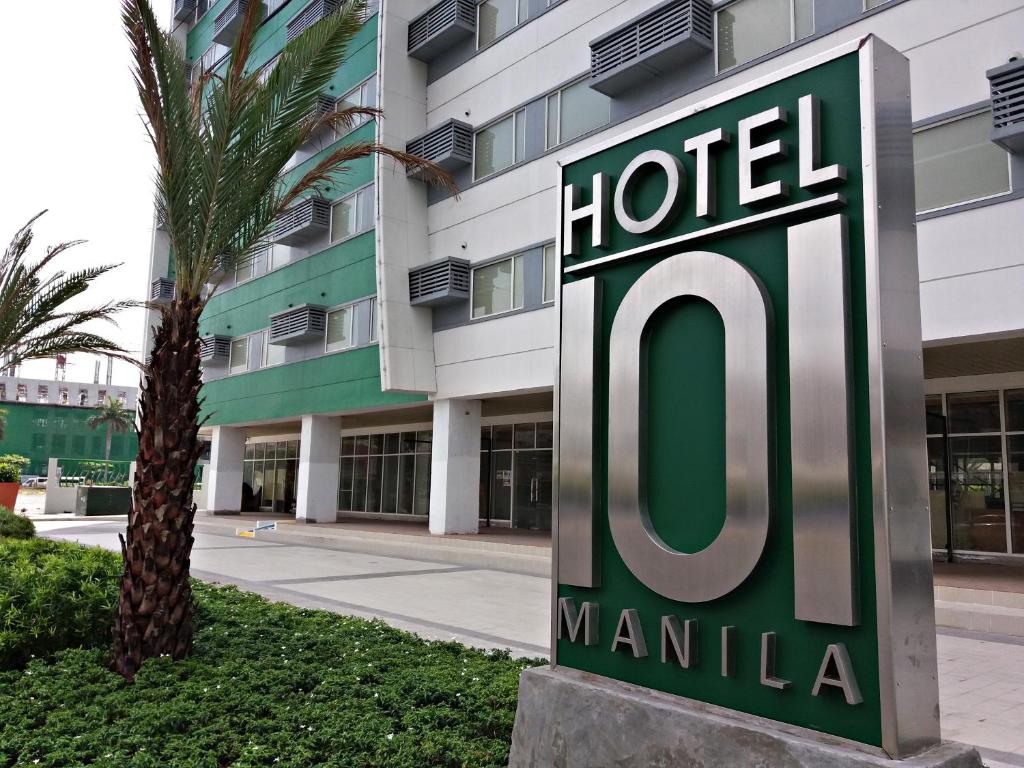
  • Jollibee Billionaire-Backed Hotel101 Pours $200M into Thai Hotel Expansion

    Jollibee Billionaire-Backed Hotel101 Pours $200M into Thai Hotel Expansion

    Hotel101 Global, a venture supported by Jollibee Foods founder Tony Tan Caktiong, is marking its expansion into Thailand with an investment of US$200 million. This investment is aimed at the development of three new hotels in Southeast Asia’s top tourist destination.

    Expansion and Development Plans

    The company plans to launch these developments over the next three years. The first hotel will be situated in Bangkok, with the subsequent projects planned for Pattaya and Phuket. Collectively, these three hotels are expected to provide over 2,000 rooms.

    Hotel101 Global is a division of DoubleDragon, a collaborative enterprise between Caktiong, who has a net worth of $1.1 billion, and property tycoon Edgar Sia II, who holds $310 million in assets.

    Hotel101-Bangkok is projected to produce 1.9 billion baht ($57 million) in sales once all units are sold. This hotel is set to be completed by 2029 and will occupy an 8,336-square-meter site on Phahon Yothin Road, close to Don Mueang International Airport. Guests can expect a variety of amenities, including meeting spaces, a conference center, modern rooms, all-day dining, a swimming pool, a full-size gym, a business center, a children’s pool, parking, and luggage storage.

    Hotel101, which inaugurated its first property in the Philippines in 2016, joined Nasdaq in July of the previous year. This listing is anticipated to aid Sia in his ambition of constructing 1 million hotel rooms across 100 countries by 2050.

    Existing Ventures and Future Projects

    At present, the company runs two hotels in the Philippines, which together comprise 1,124 rooms. As part of its global expansion, Hotel101 unveiled its first international property, the 680-room Hotel101-Madrid, in March. The 482-room Hotel101-Niseko in Hokkaido, Japan, is set to open in December.

    This year, the company is also planning to launch the 519-room Hotel101-Davao and the 548-room Hotel101 Cebu in the Philippines. According to Hotel101, these new additions, along with Hotel101-Niseko, will introduce a record 2,229 new hotel rooms by 2026.

    In addition to these, Hotel101 is working on projects in Los Angeles and Saudi Arabia, where it aims to construct 10,000 rooms worth $2.5 billion across several cities.

    The company’s approach is centered on building a global hotel network characterized by identical, standardized rooms at all of its properties to enhance efficiency and affordability.

    Questions & Answers

    What is the investment plan of Hotel101 for their expansion into Thailand?
    Hotel101 Global plans to invest US$200 million to develop three hotels in Bangkok, Pattaya, and Phuket.

    What amenities can guests expect at the new hotels?
    Guests can anticipate amenities such as meeting spaces, a conference center, modern rooms, all-day dining, a swimming pool, a full-size gym, a business center, a children’s pool, parking, and luggage storage.

    What is the company’s long-term goal?
    The long-term goal of Hotel101 is to develop 1 million hotel rooms across 100 countries by 2050, as facilitated by their listing on Nasdaq.

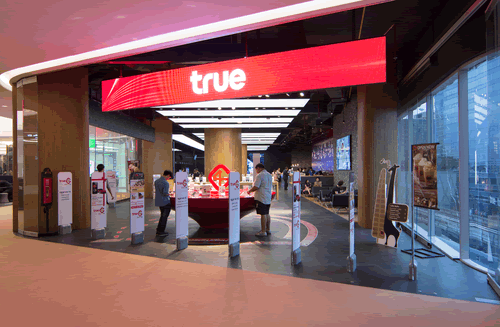
  • Mysterious $1B Investment in True Telecom Sparks Investigation by Thailands Market Regulator

    Mysterious $1B Investment in True Telecom Sparks Investigation by Thailands Market Regulator

    The Thai market regulator has initiated an investigation after an individual surfaced with an estimated one billion US dollars in shareholdings in telecom titan True Corporation, thereby becoming one of its largest shareholders. The regulatory body intends to gather further details and seek explanations from relevant entities in compliance with the standard procedures, as per a recent announcement.

    Stake Increase and Company Backing

    The individual, identified as Supaporn, disclosed in a regulatory filing last week that she had amplified her stake in True, which is based in Bangkok, from 3.9% by purchasing shares through an international broker. Her investment equates to roughly 32 billion baht ($960 million), calculated based on True’s closing price on Monday.

    True Corporation enjoys the backing of Charoen Pokphand Group (CP Group), one of the largest conglomerates in Thailand, and holds the position of the country’s second-largest mobile phone service provider. Earlier this year, Arise Digital Technology, under the control of True’s chairman Suphachai Chearavanont, bought approximately a 25% stake in True from Norway’s Telenor for 39 billion kroner (US$3.9 billion). Both CP Group and Telenor had studied the possibility of merging their telecom units in 2021.

    This deal also included an opportunity to buy an extra 5.4% stake within a two-year timeframe.

    Discrepancies and Legal Implications

    However, there seem to be some inconsistencies in the details provided by Supaporn in her regulatory filing, according to a statement issued by True. The firm stated that it has never offered preference shares to the public and currently does not have any outstanding preference shares. The company has reportedly informed the SEC about the inconsistency.

    The Thai regulator has issued a warning that stern legal measures would be enforced if the ongoing probe uncovers any breaches of the prevailing regulations.

    True also mentioned that the disclosure made by Supaporn about her augmented stake was labeled as preliminary, indicating that the details are incomplete and remain under scrutiny.

    On a different note, this Monday marked the completion of the sale of a 10% stake in True by the CP Group, achieved via a series of transactions as per an official statement.

    Questions & Answers

    What initiated the review by the Thai market regulator?
    The review was initiated after an individual emerged owning nearly one billion US dollars in shareholdings in True Corporation, making her one of its largest shareholders.

    Who is backing True Corporation?
    True Corporation is backed by Charoen Pokphand Group, one of Thailand’s largest conglomerates.

    How did True Corporation react to Supaporn’s regulatory filing?
    True Corporation pointed out some inconsistencies in Supaporn’s filing, stating that the company has never offered preference shares to the public and currently does not have any outstanding preference shares. The firm has notified the SEC about the discrepancy.

  • Thailand Auto Industry Braces as Car Exports Skid amid Middle East Tensions and EV Competition

    Thailand Auto Industry Braces as Car Exports Skid amid Middle East Tensions and EV Competition

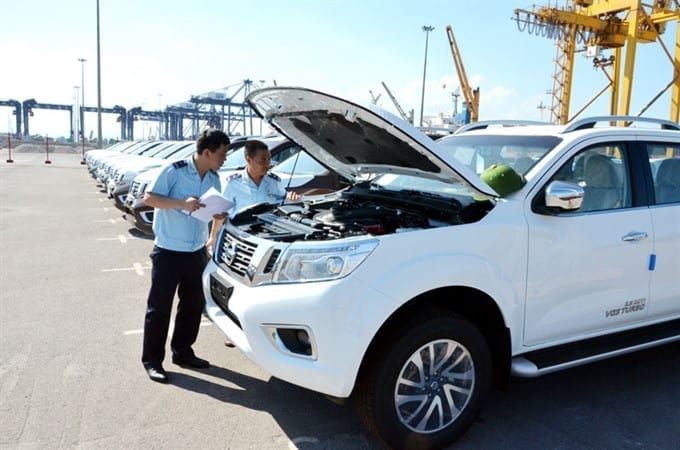
    In May, Thailand’s automotive industry experienced a sharp decline in vehicle production, which fell 17.94% year-on-year to 114,214 units. The slump was primarily due to decreased exports amidst political tensions in the Middle East and reduced demand in key markets. Consequently, the combined production for the first five months of the year fell by 1.13% to 587,759 units, as reported by the Federation of Thai Industries.

    Factors Influencing the Decline

    According to Surapong Paisitpattanapong, an advisor to the federation’s Automotive Industry Club chairperson, production for exports decreased by a staggering 36.20% in May. Completely built-up (CBU) vehicles saw a significant drop, down 26.69% year-on-year to 59,434 units in the same month.

    The federation identified two major contributors to this downturn. The first was the political instability in the Middle East, which resulted in a 66.14% plunge in exports due to the conflict between the U.S. and Iran. The second was the Australian and Oceania market, where exports slipped 37.18% due to stricter carbon control regulations and increased competition from Chinese electric vehicles. Consequently, exports of CBUs fell 24.36% year-on-year to 41.72 billion baht (approximately US$1.28 billion) in May.

    Growth in Domestic Sales and Electric Vehicles

    Contrary to the declining exports, domestic vehicle sales in Thailand increased by 10.6% year-on-year to 57,765 units in May. This was majorly driven by the increasing popularity of battery electric vehicles (BEVs). Electric passenger car sales surged by 61.19% to 18,034 units as consumers sought to mitigate higher fuel costs.

    Over 150 billion baht was invested in the industry in the first five months of the year. Government economic stimulus measures also helped to increase confidence. However, growth in the pickup truck market, a significant segment of Thailand’s automotive industry, was minimal at 0.21%.

    Despite mixed production figures, Thailand’s EV industry remained optimistic. New registrations for BEVs hit 21,619 units in May, marking an increase of 55.14%. The total registered BEVs in Thailand reached 468,757 units as of May 31. Meanwhile, motorcycle production also saw an uptick in May, growing 9.67% year-on-year to 230,691 units.

    Questions & Answers

    What led to the decline in vehicle production in Thailand?
    The reduction was primarily due to a decrease in exports, fuelled by geopolitical tension in the Middle East and lower demand in major markets.

    Which segment of the automotive industry in Thailand saw an increase despite the overall decline?
    Domestic sales and the electric vehicle segment experienced growth, with the latter seeing new registrations rise to 21,619 units in May.

    What is the outlook for the electric vehicle industry in Thailand?
    Despite mixed production numbers, the electric vehicle industry in Thailand is showing positive signs of growth, with increasing new registrations and consumer interest.

  • Damien Licciardi: From Richemont to Cartiers New MD in Thailand

    Damien Licciardi: From Richemont to Cartiers New MD in Thailand

    Luxury jewelry brand Cartier has announced the appointment of Damien Licciardi as the Managing Director (MD) for its operations in Thailand. This appointment is effective immediately.

    Licciardi’s Professional Background

    Damien Licciardi steps into the role of MD at Cartier with over a decade of experience in the luxury retail industry. Licciardi has spent the past 12 years with Richemont, a Switzerland-based international distributor of luxury goods. During his tenure at Richemont, Licciardi served in various high-ranking roles. He held the positions of General Manager and Chief Financial Officer for the company’s Mexico operations. More recently, he was the Chief Operating Officer of Richemont’s Thailand business.

    Licciardi’s multi-faceted experience with Richemont, from operational roles to senior leadership responsibilities, has provided him with a broad understanding of the luxury retail sector.

    Licciardi’s Remarks on His Appointment

    Expressing gratitude upon his appointment, Licciardi acknowledged the exciting opportunity to be a part of Cartier. He expressed his admiration for the brand, its distinctive culture, unique craftsmanship, and its talented team. Licciardi notes that he is looking forward to continuing his learning and development journey at Cartier.

    He also expressed his heartfelt appreciation to Cartier’s regional and headquarters management for entrusting him with this new role. Licciardi thanked his teams, partners, and colleagues who have supported him in moving into this new chapter in his career. He gave special thanks to his wife and family for their steadfast support and for embarking on this new adventure alongside him.

    Questions & Answers

    Who has been appointed as the new Managing Director for Cartier Thailand?
    Damien Licciardi has been appointed as the new Managing Director for Cartier Thailand.

    What was Damien Licciardi’s previous role before joining Cartier?
    Before joining Cartier, Damien Licciardi was the Chief Operating Officer of Richemont’s Thailand business.

    What are Licciardi’s sentiments concerning his new role at Cartier?
    Licciardi expressed gratitude and excitement for his new role at Cartier, acknowledging the brand’s unique culture and craftsmanship, and expressing his eagerness to continue his learning and development with the company.

  • Siam Piwat Elevates Luxury Ecosystem with Global Giants: A Bid to Become Thailands Hub for High-Net-Worth Clients

    Siam Piwat Elevates Luxury Ecosystem with Global Giants: A Bid to Become Thailands Hub for High-Net-Worth Clients

    Siam Piwat Group, a leading Thai developer and operator of renowned shopping outlets like Siam Paragon, Siam Center, and Siam Discovery, has announced a strategic alliance with four major luxury brands: Belmond, Galeries Lafayette, Insignia, and MJets. The partnership aims to establish a “borderless” ecosystem, providing high-end travel, shopping, and lifestyle services for their affluent clients. This collaboration is expected to reinforce Siam Piwat’s Global Privilege Partnership and take its ‘Global Luxury Ecosystem’ to the next level.

    Strategic Collaboration for Luxury Market

    The group, which controls over 70% of Thailand’s luxury market, aims to connect private aviation, ultra-luxury hotels and resorts, premier department stores, and bespoke lifestyle services, all under a single network of privileges available both domestically and internationally. Saruntorn Asaves, the first executive VP of customer centricity and relationship at Siam Piwat, outlined the group’s strategy as being centered on “co-creation and collaboration” with global partners to create unique experiences for both Thai and international customers.

    Siam Piwat’s expertise in serving high-net-worth individuals is demonstrated through its OneSiam membership base. Asaves reported that, in 2025, high-net-worth members spent over 1 million baht per transaction, with their annual spending exceeding average customers by 35 times. She emphasized this as proof of the “immense and unrivalled purchasing power” of their top-tier clients.

    Introducing New Partnerships

    The newly onboarded partners in the Global Privilege network contribute their expertise in various fields. Belmond, an LVMH Group member, provides an assortment of ultra-luxury properties and train journeys; Galeries Lafayette offers its flagship Paris Haussmann department store; Insignia contributes high-end lifestyle and membership services; and MJets offers private aviation and airport lounge access.

    These collaborations promise to offer unique services to OneSiam members. For instance, Belmond will provide personalized travel planning and VIP welcoming at their hotels and trains. Insignia will offer 24/7 bespoke services, including access to exclusive events and hard-to-obtain restaurant reservations. MJets aims to offer private jet services, premium lounges, and chauffeur transfers from the runway to Siam Piwat’s properties. Lastly, Galeries Lafayette will extend exclusive hospitality to Siam Piwat members, including complimentary gifts, VIP lounge access, and expedited tax refunds with qualifying purchases.

    Questions & Answers

    What is the main purpose of Siam Piwat’s strategic collaboration with Belmond, Galeries Lafayette, Insignia, and MJets?
    The main goal of this alliance is to create a “borderless” ecosystem that combines high-end travel, shopping, and lifestyle services for their affluent clients, both in Thailand and internationally.

    What special offers will be available to OneSiam members as a result of these partnerships?
    OneSiam members will have access to personalized travel planning, VIP welcomes at hotels and trains, 24/7 bespoke services, private jet services, access to premium lounges, chauffeur transfers, and complimentary gifts and VIP lounge access at Galeries Lafayette with qualifying purchases.

    How does Siaw Piwat plan to serve high-net-worth individuals?
    Siam Piwat plans to connect private aviation, ultra-luxury hotels and resorts, premier department stores, and bespoke lifestyle services under a single network of privileges, thereby providing a holistic luxury lifestyle experience to high-net-worth individuals.

  • Thai Beer Tycoon Dismisses Family Exec Following Brothers Abuse Claims

    Thai Beer Tycoon Dismisses Family Exec Following Brothers Abuse Claims

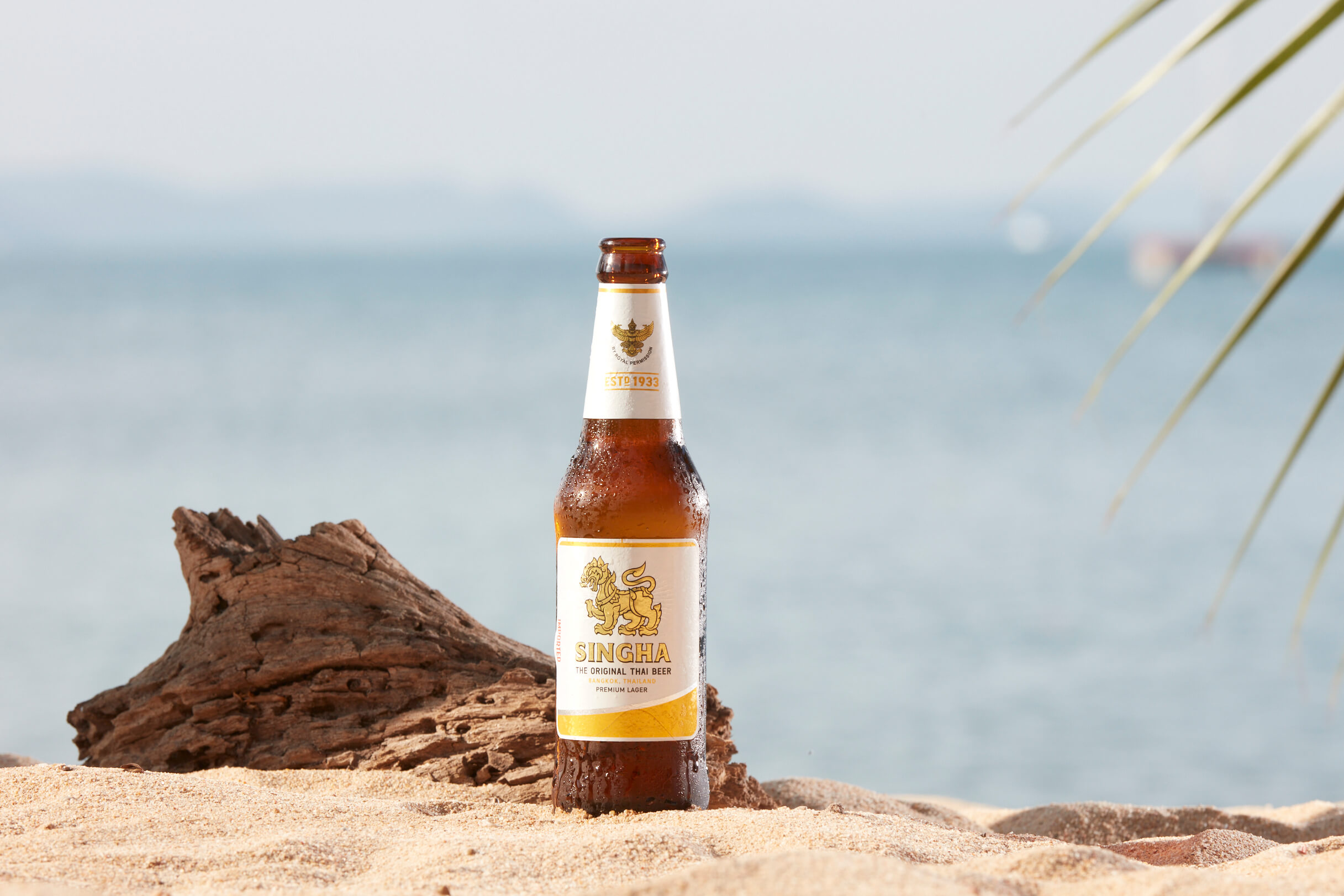
    A prominent member of Thailand’s Bhirombhakdi family, known for their control of Singha Beer, was dismissed from the family’s business empire due to allegations of sexual abuse. The dismissal followed several days of public controversy ignited by the allegations.

    A Family Rift

    Siranudh Scott, an environmental activist from the Bhirombhakdi family, accused his elder brother of sexually abusing him during his teenage years. Scott announced these allegations in an emotional video posted on his Facebook page. He claimed that his family was aware of the abuse, citing a taped confession as proof, but took no action against it.

    Scott expressed his disillusionment with his family, stating his unwillingness to be identified as a Singha heir and his desire to distance himself from a family that he felt lacked empathy for him. Scott, a marine conservationist known for his work with his group Sea You Strong in southern Thailand, is the son of a Scottish father.

    Company Response

    Following the allegations, the family’s business conglomerate, Boonrawd Brewery Company, announced the dismissal of Sunit, Scott’s brother, from all his positions within the company. In a statement, the company expressed regret for Scott’s experiences and declared their cooperation with authorities in ongoing investigations.

    The statement was given by the company’s CEO, Bhurit Bhirombhakdi, who is also a cousin of the two men. Bhurit additionally shared a letter from Sunit, in which the accused resigned from all his duties until the matter could be thoroughly investigated and resolved. Although Sunit has denied the allegations of sexual abuse, he admitted to instances of rough play between boys.

    The Bhirombhakdi family, who are identified as Thailand’s fifteenth wealthiest family by Forbes, with an estimated net worth of $1.75 billion, have interests extending beyond Singha Beer. They are also engaged in food manufacturing, hotel operations, power, and property.

    Questions & Answers

    What led to the dismissal of a member from the Bhirombhakdi family’s business empire?
    The dismissal occurred following allegations of sexual abuse made by Siranudh Scott against his elder brother, Sunit, which stirred public controversy.

    Who announced the dismissal from the family’s business empire?
    CEO Bhurit Bhirombhakdi, the cousin of the two men, announced the dismissal in a statement.

    What are the other business interests of the Bhirombhakdi family?
    Apart from Singha Beer, the family’s business interests include food manufacturing, hotels, power, and property.

  • Alaia Boosts Southeast Asia Presence with First Luxury Boutique in Bangkok

    Alaia Boosts Southeast Asia Presence with First Luxury Boutique in Bangkok

    Thai shoppers can now enjoy the elegant and sculptural designs of Alaia, as the brand has expanded its Southeast Asian presence by opening its inaugural boutique in Bangkok.

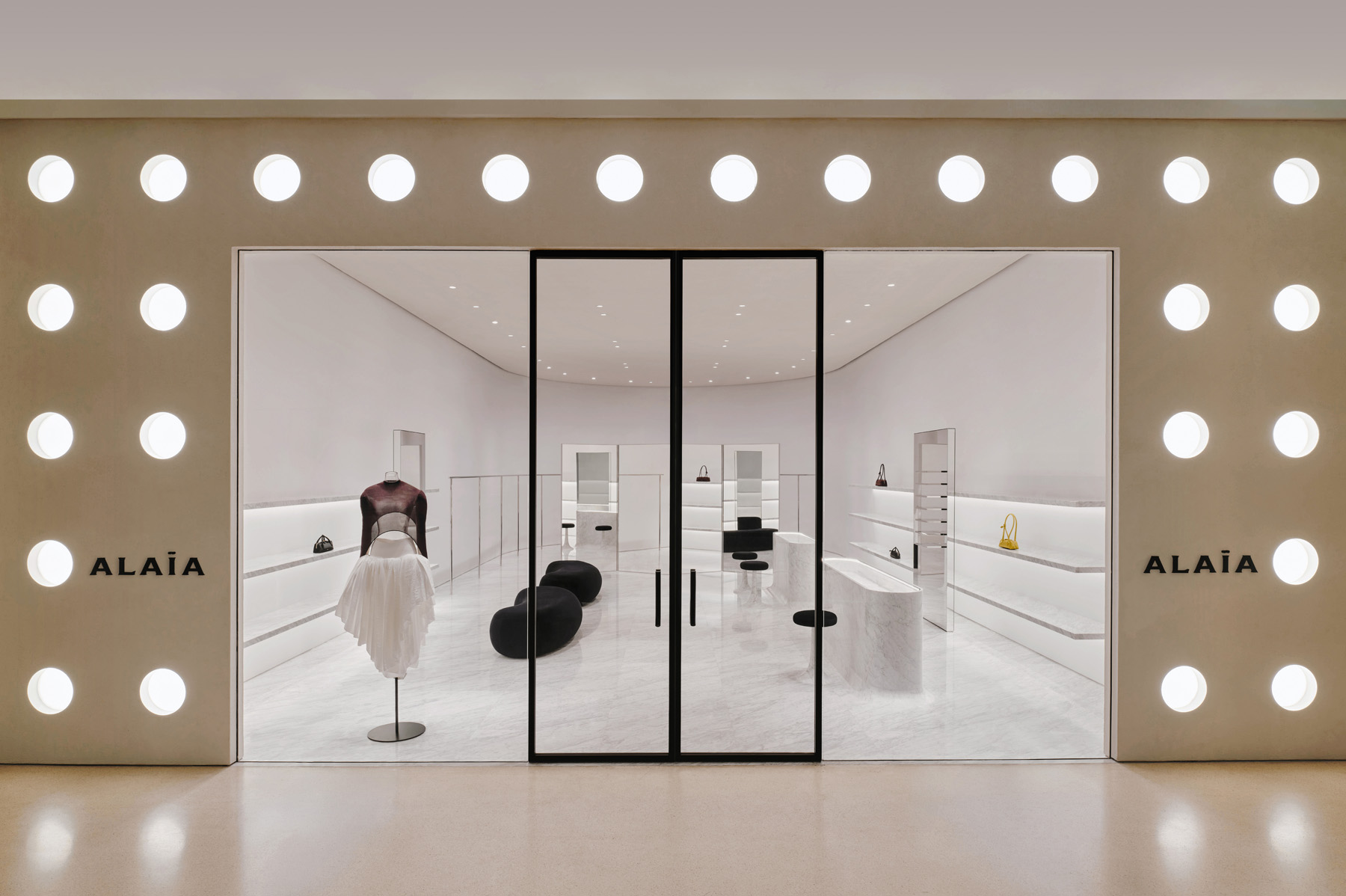
    The luxury retail venue, Central Embassy, is host to the new store. The boutique carries a robust product line consisting of ready-to-wear clothing, handbags, footwear, and accessories. These items reflect Alaia’s commitment to craftsmanship, style, and meticulous attention to detail.

    Architectural Design Enhances Shopping Experience

    The award-winning architecture firm, Halleroed, was tasked with designing the store’s interior, which showcases a minimalist aesthetic that enhances the shopping experience. The firm masterfully incorporated sculptural interiors and curved forms, with a color scheme marked by a neutral palette. The aesthetic choices are punctuated by the use of marble, stainless steel, and leather finishes throughout the store.

    The goal of this design strategy was to create a retail environment that stands as a testament to Alaia’s design philosophy and Parisian heritage. According to the brand, this immersive retail experience is meant to echo the maison’s design ethos, inviting shoppers into a space that feels as meticulously crafted as the products themselves.

    Alaia was first established in 1964 by Azzedine Alaia, a Tunisian couturier who made Paris his home. Since its inception, the brand has experienced a significant uptick in its global retail expansion, particularly throughout Asia. The brand was purchased by Richemont in 2007, marking another milestone in its growth trajectory.

    Questions & Answers

    What products does Alaia’s new boutique in Bangkok offer?
    The newly opened Alaia boutique in Bangkok offers a wide range of products, including ready-to-wear clothing, handbags, footwear, and accessories.

    Who designed the store’s interior and what style elements were used?
    The boutique’s interior was designed by the architecture firm Halleroed. The design highlights a minimalist aesthetic featuring sculptural interiors, curved forms, and a neutral color palette. Marble, stainless steel, and leather finishes were used to accent the space.

    What was the aim of the store’s design according to the brand?
    Alaia states that the purpose of the store’s design was to create an immersive retail environment that reflects the brand’s design philosophy and its Parisian heritage.

  • Bread Ahead Bakes Up Asian Expansion: Launches First Store in Bangkok with Exclusive Doughnut Delights

    Bread Ahead Bakes Up Asian Expansion: Launches First Store in Bangkok with Exclusive Doughnut Delights

    UK-based bakery company, Bread Ahead, has initiated its Asian expansion strategy with the inauguration of its first outlet in Thailand, located in Siam Paragon, on May 30. This marks a significant milestone for the brand as it looks to expand its footprint in the region.

    The Bangkok store, a result of a collaboration with Passion Restaurant Group, represents the first step of the brand’s comprehensive growth plan in this region. The company has revealed plans to inaugurate six more stores in the coming 12 months.

    Introducing the ‘Hot Doughnut Theatre’

    The new store, situated on the ground floor in Gourmet Eats, will showcase Bread Ahead’s innovative ‘Hot Doughnut Theatre’ concept to Thai consumers. This unique approach offers customers the experience of watching their doughnuts being freshly made, filled, and finished live throughout the day.

    The menu primarily features Bread Ahead’s distinctive doughnut range, with a particular emphasis on two flavours which will be exclusive to the Thai market: Matcha & White Chocolate and Hojicha & Dark Chocolate.

    According to Bread Ahead’s founder, Matthew Jones, “Bangkok is an incredibly vibrant city known for its food, creativity, and hospitality. Siam Paragon is the perfect location for our first Asian bakery. This is an enormous moment for us as we open in Asia for the first time. It feels like the beginning of a very unique journey. We are proud to introduce Bread Ahead to Bangkok first, and we consider this as the initiation of a much grander journey – with Thailand leading the way as we continue our expansion across Asia. This is an incredibly exciting time for the brand, and we are eagerly looking forward to what the future holds.”

    Successful Growth Story

    Bread Ahead, established in 2013, has emerged as one of the most distinguished brands in the UK, boasting six bakery outlets across London. The brand also disclosed ambitions last year to extend its presence to the Philippines.

    Questions & Answers

    What is the ‘Hot Doughnut Theatre’ concept?
    The ‘Hot Doughnut Theatre’ is a unique approach by Bread Ahead where customers can watch their doughnuts being freshly made, filled, and finished live throughout the day.

    What flavours will be exclusive to the Thai market?
    Bread Ahead’s Thai menu will feature two exclusive doughnut flavours – Matcha & White Chocolate and Hojicha & Dark Chocolate.

    What are Bread Ahead’s expansion plans in Asia?
    Bread Ahead has kicked off its Asian expansion with the launch of its first store in Thailand. The brand plans to open six more outlets in the region over the next 12 months and has also shown interest in the Philippines.

  • Singapore and Thailand Rank High on Worlds Happiest Economies Index

    Singapore and Thailand Rank High on Worlds Happiest Economies Index

    Singapore and Thailand have been identified as two of the world’s “happiest” economies according to the annual Misery Index by Steve Hanke, a Johns Hopkins University economist. Singapore took the second spot globally, just behind Taiwan, achieving a Misery Index score of 2.6. This index gauges the economic conditions experienced by the average citizen. A lower score suggests stable employment, controlled prices, affordable credit, and rising incomes.

    Singapore’s high ranking is attributed to a robust labor market characterized by a mere 2.0% unemployment rate, a 1.2% inflation rate, and a real GDP per capita growth of 4.3%. Thailand followed closely in third place, with a score of 3.1, buoyed by low inflation and steady employment. Consumer prices dropped by 0.3%, unemployment was at 0.8%, and the real GDP per capita rose by 2.5%.

    Hanke noted that Singapore and Thailand’s stable inflation and reasonably low borrowing costs resulted from prudent management of their money supply. In spite of Thailand’s moderate GDP growth, the falling consumer prices and minimal unemployment imply that the Thai citizens are not experiencing a sluggish economy in their daily lives.

    Southeast Asia’s Economic Health

    Other Southeast Asian economies also surpassed larger competitors, with Malaysia, Cambodia, and Vietnam ranking in the bottom quintile of the index. The Philippines, Laos, and Indonesia also had commendable performances. However, Myanmar, currently experiencing conflict, was the exception, ranking 14th.

    Steve Hanke, who had previously acted as the chief economic advisor to the president of Indonesia, described Southeast Asia as “one of the healthiest economic regions globally.” Nevertheless, he observed that high unemployment and increased bank-lending rates negatively impacted the Philippines’ economic outlook.

    Overall, Hanke attributed the region’s economic resilience to pragmatic central banking, generally open trade regimes, and high savings rates funneled into productive investments. He highlighted the Philippine economy’s rapid growth in recent years, particularly before the pandemic, attributing this to its dynamic monetary policies and financial stability.

    However, he cautioned that disruptive events like the Gulf conflict could lead to inflationary pressures, with countries heavily reliant on energy imports from the Middle East, such as Thailand and the Philippines, being the most vulnerable.

    The Misery Index is calculated using four factors: unemployment, inflation, bank-lending rates (which are added together), and the growth rate of the real gross domestic product (which is subtracted). A total of 178 economies were evaluated, with Venezuela being identified as the most miserable, scoring 556.5 due to the world’s highest inflation rate of 475% and a 35% unemployment rate.

    In contrast, Taiwan emerged as the happiest economy with a score of 2.1 – an achievement driven by a high global demand for semiconductors and artificial intelligence hardware, leading to a 9.2% increase in real GDP growth per capita, while keeping unemployment, inflation, and bank-lending rates low.

    Questions & Answers

    What is the annual Misery Index?
    The annual Misery Index is a measure developed by Steve Hanke, an economist at Johns Hopkins University, to gauge the economic conditions experienced by the average citizen. It factors in elements like stable employment, controlled prices, affordable credit, and rising incomes.

    Which economies ranked as the “happiest” according to the Misery Index?
    Taiwan ranked as the “happiest” economy, followed by Singapore and Thailand in second and third place respectively.

    What factors could potentially impact the economic outlook of Southeast Asian countries?
    Events like the Gulf conflict, which could lead to inflationary pressures, could impact the economic outlook. Countries heavily reliant on energy imports from the Middle East, like Thailand and the Philippines, are considered the most vulnerable.