Tag: Thailand

  • Thai Fragrance Powerhouse PanPuri Unleashes Bold Expansion across Asia, Eyes Luxury Retail Hubs in Nine Countries

    Thai Fragrance Powerhouse PanPuri Unleashes Bold Expansion across Asia, Eyes Luxury Retail Hubs in Nine Countries

    Panpuri, a prominent fragrance brand from Thailand, has recently announced an aggressive expansion plan that aims to establish 16 new retail outlets across Asia within the year.

    This initiative marks a significant step in the company’s comprehensive growth blueprint, which envisions over 80 retail locations spread across nine countries by the end of the decade. The new establishments will primarily be located in high-end shopping centers and bustling business districts.

    Since 2024, Panpuri has successfully penetrated markets in Hong Kong, Singapore, and Macau. In line with their expansion plans this year, the company intends to make substantial inroads into the Japanese market, launching first in Tokyo before branching out into other major cities. The fourth quarter will see the brand’s debut in China, with initial focus areas being Shanghai and Beijing.

    Vorravit Siripark, the founder and CEO of Puri Company Limited, stated, “Japan and China are crucial markets for us.” He added, “Consumers in these markets have a keen eye for craftsmanship, detailing, ambiance, and emotional values – qualities that align closely with Panpuri’s brand essence.”

    Siripark emphasized the role of localization in the company’s growth strategy. Every store will be designed to resonate with the culture and pace of the city it is located in, while ensuring the brand’s unique atmosphere is maintained.

    The upcoming Panpuri stores will prioritize immersive sensory experiences, marrying fragrance narratives with aspects of wellness, hospitality, and emotive design.

    North Asia’s contribution to Panpuri’s total revenue is projected to reach 30 per cent by 2029, with the brand aiming for a total revenue of THB 3 billion (approximately US$92 million). While North Asia holds prominence in the company’s plans, Siripark stressed that Southeast Asia will continue to be a cornerstone of their long-term vision.

    In Siripark’s words, “Thailand will always be our home, the hub of our creativity, and the source of our emotional grounding.” He further stated, “We persist in making considerable investments here, especially in wellness experiences and next-gen retail concepts. We also see immense potential in cities like Singapore, where there is a growing fondness for fragrance, ritualistic experiences, and more emotive forms of luxury living.”

    Questions & Answers

    What is Panpuri’s expansion plan for this year?
    Panpuri intends to open 16 new stores across Asia as part of its expansion plan for the year.

    What is the key focus of the next generation of Panpuri stores?
    The next generation of Panpuri stores will prioritize immersive sensorial experiences, marrying fragrance narratives with aspects of wellness, hospitality, and emotive design.

    What is the company’s revenue target by 2029?
    Panpuri aims to generate a total revenue of THB 3 billion (approximately US$92 million) by 2029.
  • CRC Sports Targets Thai Sneaker Market with 40% Stake in JD Sports Deal

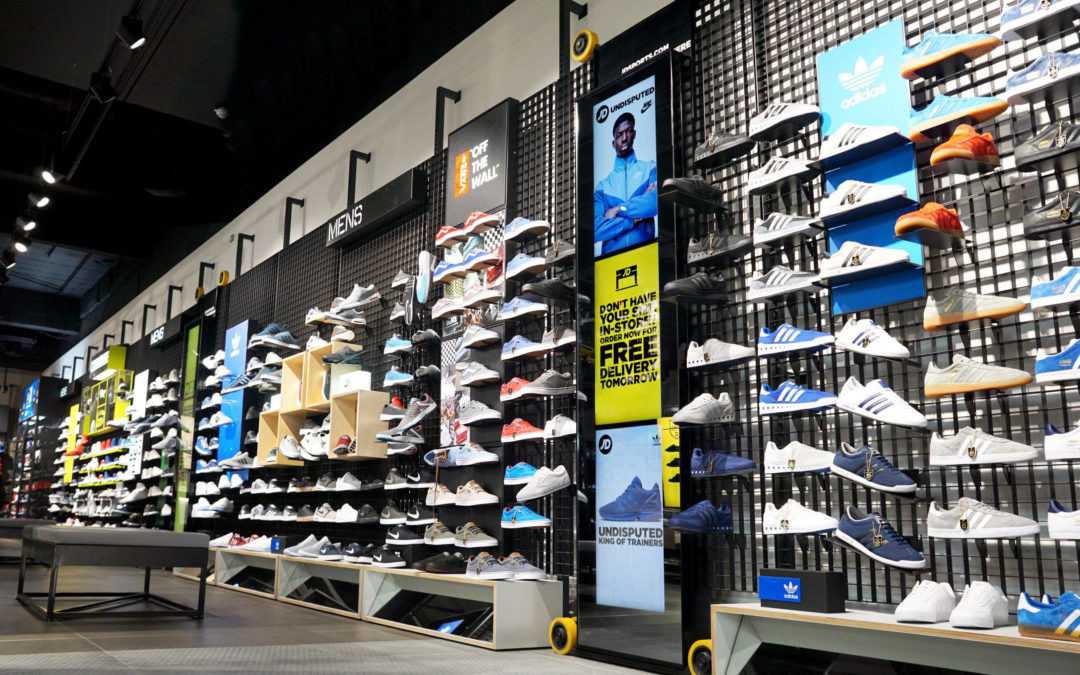
    CRC Sports Targets Thai Sneaker Market with 40% Stake in JD Sports Deal

    CRC Sports, a division of Central Retail, has recently acquired a significant 40% stake in JD Sports Thailand. This strategic move is aimed at bolstering the company’s standing in Thailand’s rapidly expanding sports fashion sector.

    The transaction is projected to expedite growth in the premium sneaker and athleisure sectors, predominantly among the younger demographic. By merging CRC Sports’ expansive local retail network with JD Sports’ worldwide brand affiliations and merchandising expertise, the partnership is anticipated to be a formidable force in the market.

    Benefits of the Collaboration

    Tai Chirathivat, the CEO of Central Retail Brands and Specialties (CRBS), has highlighted the numerous benefits this collaboration brings. He emphasized that this partnership not only enhances their access to exclusive global products and licensing rights but also paves the way for the company to penetrate the sports lifestyle market fully. This sector, which is currently valued at over 35 billion baht (approximately US$1.1 million), is growing at an impressive annual rate of around 6%.

    With this acquisition, the company aims to seize up to 40% of the market share and emerge as the unrivaled leader in the sports lifestyle sector.

    JD Sports, a prominent player in the global market, currently runs more than 4,900 stores across 49 countries, hosting distinguished brands such as Nike, Adidas, New Balance, and On. Meanwhile, JD Sports Thailand operates 15 stores.

    On the other hand, CRC Sports operates over 129 stores throughout Thailand, featuring brands like Supersports, Rev Runnr, and Mono Store.

    Questions & Answers

    Why did CRC Sports acquire a stake in JD Sports Thailand?
    The acquisition aims to strengthen CRC Sports’ position in Thailand’s swiftly growing sports fashion market and accelerate its expansion in the premium sneaker and athleisure sectors.

    What advantages does the partnership between CRC Sports and JD Sports bring?
    The partnership combines CRC Sports’ extensive local retail network with JD Sports’ global brand affiliations and merchandising expertise, enhancing their access to exclusive global products and licensing rights.

    What is the growth rate of the sports lifestyle market in Thailand?
    The sports lifestyle market in Thailand is growing at an average annual rate of around 6%, and is currently valued at over 35 billion baht (approximately US$1.1 million).

  • Turmoil in Thailand: Livestream Durian Sales Spark Controversy Over Pricing Amid Surplus

    Turmoil in Thailand: Livestream Durian Sales Spark Controversy Over Pricing Amid Surplus

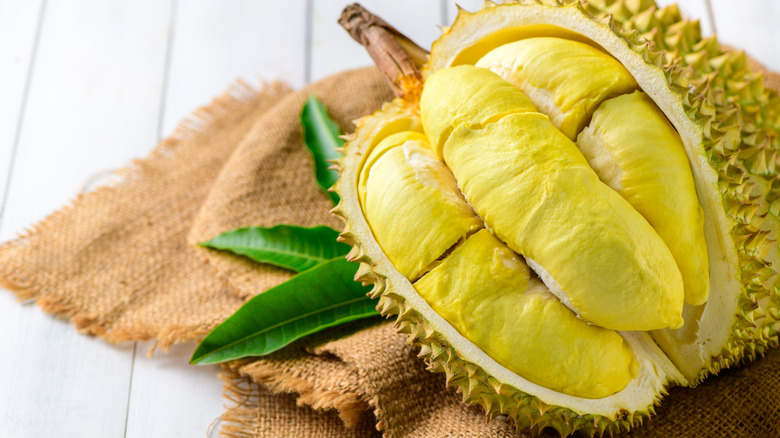
    Last Tuesday, a significant event took place, featuring Suphajee Suthumpun, Thailand’s deputy prime minister and commerce minister, and one of the country’s most influential online merchants, Pimrypie. Pimrypie is recognized for her diverse range of products, from her brand of fish sauce to luxurious perfumes. The occasion was held in anticipation of a 33% increase in Thailand’s durian production this year, and it attracted approximately 800,000 viewers. Within hours, it generated roughly 200,000 orders. However, the announcement of the price sparked a significant controversy.

    Concerns Over Low Pricing

    Farmers expressed apprehension that the government’s indication of a low price could set a maximum price instead of a minimum price for wholesalers. They argued that the significant discount could depress farm gate prices in an already burdened season. Puk Pimsorn, a durian seller who sources directly from orchards, argued that selling durians for 100 baht per kilogram would result in retailer losses, particularly at 100 baht per fruit. This pricing could impact the market by driving consumers towards cheaper options over quality produce, leaving other sellers unable to compete without suffering losses.

    Sommai Panasri, a durian shop owner, shared similar concerns, suggesting the campaign would further strain durian retailers already struggling with economic slowdown, rising fuel costs, and expensive transportation. Additionally, Panusak Saipanich, president of the Thai Durian Association, noted that a retail price of 100 baht left farmers with meagre or no profit once logistics and middleman fees were accounted for.

    Despite the growing backlash, Pimrypie clarified that the livestream intended to support durian growers and highlight the sector’s challenges, not to distort market pricing. She added that she had never organized such a vast campaign before and had incurred personal losses exceeding 10 million baht from the sales.

    Government Response and Durian Market Conditions

    The Ministry of Commerce responded swiftly to the controversy. A deputy spokesman clarified that the promotion only applied to “secondary-grade” fruits with visual imperfections. Suphajee distanced herself from the campaign, stating the ministry only sets standards and does not organize or endorse individual sales promotions. She noted the 100-baht price as a “sales-promotion technique,” not a value indicator, and reassured that market prices remain satisfactory.

    Durian is one of Thailand’s most profitable agricultural exports. The country is currently preparing for a potential excess, caused by increased cultivation due to strong prices in the late 2010s. This year’s rise in output is being exacerbated by global economic uncertainty, which is making consumers more cautious, increasing transport costs, and extreme heat, which is expected to yield smaller, lower-grade fruits.

    Competition is also intensifying, particularly as Vietnam expands its market share, now holding over 40% of the market within just three years. Meanwhile, Malaysia, though it exports smaller volumes, has built a reputation for high-quality durians that command higher prices.

    Despite the stable prices of Thai export-grade durians and the market not collapsing, the sector is preparing for a significant test in May when peak harvest volumes are expected to arrive. To mitigate potential issues, the commerce minister has outlined a strategy aimed at stabilizing prices and supporting growers by increasing domestic consumption and expanding overseas sales.

    Questions & Answers

    What is the controversy regarding the durian market in Thailand?
    There were concerns that the government’s indication of a low price for durians might set a maximum rather than a minimum price for wholesalers, which could potentially depress prices at farm gates.

    What was Pimrypie’s response to the backlash on the livestream?
    Pimrypie clarified that the livestream was intended to support durian growers and highlight the sector’s difficulties, not to distort market pricing. She revealed that she had incurred personal losses exceeding 10 million baht from the sales.

    What is the government’s approach to mitigate potential issues in the durian market?
    The government’s strategy involves stabilizing prices and supporting growers by increasing domestic consumption and expanding overseas sales. The plan includes expanding export routes, investing in storage and processing, and training farmers in live commerce and content creation to reduce reliance on middlemen.

  • Thai AirAsia Trims Seat Capacity by 30% Amid Soaring Fuel Prices and Slowing Travel Demand

    Thai AirAsia Trims Seat Capacity by 30% Amid Soaring Fuel Prices and Slowing Travel Demand

    In response to escalating aviation fuel costs and a decrease in mid-year travel demand, Thai AirAsia is set to curtail its overall seat capacity by about 30% for the months of May and June.

    Adapting to Market Changes

    The airline stated on Tuesday that it would meticulously adjust flight frequencies for domestic routes. Internationally, the airline has temporarily suspended and decreased frequencies, primarily on Indian routes, due to elevated operating costs.

    Phairat Pornpathananangoon, the CEO of the budget airline, reported that they are actively working on cost management strategies to counterbalance the sustained surge in aviation fuel prices and the expected mid-year travel downturn.

    Managing Seat Capacity and Flight Frequencies

    The airline is also focusing on effectively managing seat capacity to aptly meet the travel demand. Simultaneously, it is maintaining a balance by ensuring the fares reflect actual costs while remaining affordable for its customers.

    In the case of Thailand’s domestic network, the airline plans to reduce its flight schedules at Suvarnabhumi Airport. During May and June, it will only maintain direct services from Suvarnabhumi to Chiang Mai and Phuket.

    Meanwhile, for Don Mueang Airport, the airline intends to persist with its complete network across all destinations. The flight frequencies will be strategically adjusted to mirror actual passenger demand.

    Questions & Answers

    What measures is Thai AirAsia taking in response to the increase in aviation fuel prices and decreased mid-year travel demand?
    Thai AirAsia is reducing its overall seat capacity by approximately 30% for May and June. It is also adjusting flight frequencies for domestic routes and has temporarily suspended and decreased frequencies on certain international routes.

    How is Thai AirAsia managing its fares amid these changes?
    The airline is working to ensure that fares remain reflective of actual costs while still being reasonable for its customers.

    What changes will be made to Thai AirAsia’s domestic network?
    The airline plans to scale back its flight schedules at Suvarnabhumi Airport, retaining only direct services from Suvarnabhumi to Chiang Mai and Phuket during May and June. However, it will continue to operate its full network at Don Mueang Airport, adjusting flight frequencies to match passenger demand.

  • Thailand’s Export Boom: Record-Breaking $35.16B Earned in March 2026 Amid Threats of Global Volatility

    Thailand’s Export Boom: Record-Breaking $35.16B Earned in March 2026 Amid Threats of Global Volatility

    Thailand’s merchandise exports experienced a surge for the 21st month in a row in March 2026, reaching a new high of US$35.16 billion, an increase of 18.7% when compared to the previous year. The Ministry of Commerce reported these figures, highlighting a significant growth compared to the 9.9% increase recorded in February. This data further underscores the crucial role of exports in boosting the Thai economy.

    Driving Factors for Growth

    This remarkable performance can largely be attributed to the strength of technology-related products, a robust global supply chain activity, and the temporary relief from certain U.S. tariff measures. Nantapong Chiralerspong, the Director-General of the Trade Policy and Strategy Office (TPSO), added that the recovery in global manufacturing, evident from the stable demand and new orders from international markets, also contributed to this export growth.

    Despite the positive indicators, Chiralerspong issued a word of caution. He pointed out the presence of emerging challenges, particularly the disruptions in shipping through the Strait of Hormuz, which is starting to impact Middle Eastern markets, indicating a potential slowdown.

    Imports and Trade Deficit

    On another note, Thailand witnessed a significant rise of 35.7% in imports in March, bringing the figure to $38.50 billion. This resulted in a trade deficit of $3.34 billion. The first quarter of the year saw total exports from Thailand reaching $96.17 billion, marking an increase of 17.6%. On the other hand, imports surged by 32.4% to $105.65 billion, leading to a trade deficit of $9.48 billion.

    Future Outlook

    The Ministry of Commerce expressed concerns over the uncertain future of export prospects due to global volatility. The ongoing tensions in the Middle East are driving up logistics, energy, and production costs, thereby increasing the pressure on Thailand’s export sector.

    Questions & Answers

    What are the main drivers of Thailand’s recent export growth?
    The recent export growth in Thailand can mostly be attributed to the robust sales of technology-related products, active global supply chain activity, and the temporary relaxation of certain U.S. tariff measures. The recovery in global manufacturing has also supported this growth.

    What challenges is Thailand facing in its export sector?
    Emerging challenges, including disruptions in shipping through the Strait of Hormuz, are starting to impact the Middle Eastern markets, indicating a potential slowdown. Additionally, ongoing Middle East tensions are escalating logistics, energy, and production costs.

    How has the import activity been in Thailand recently?
    Thailand has seen a sharp increase in imports, rising by 35.7% in March 2026 to $38.50 billion. In the first quarter of the same year, imports surged by 32.4% to $105.65 billion.

  • Vietnam’s Dragon Fruit Exports Soar: Thailand and Middle East Demand Spikes in 2026

    Vietnam’s Dragon Fruit Exports Soar: Thailand and Middle East Demand Spikes in 2026

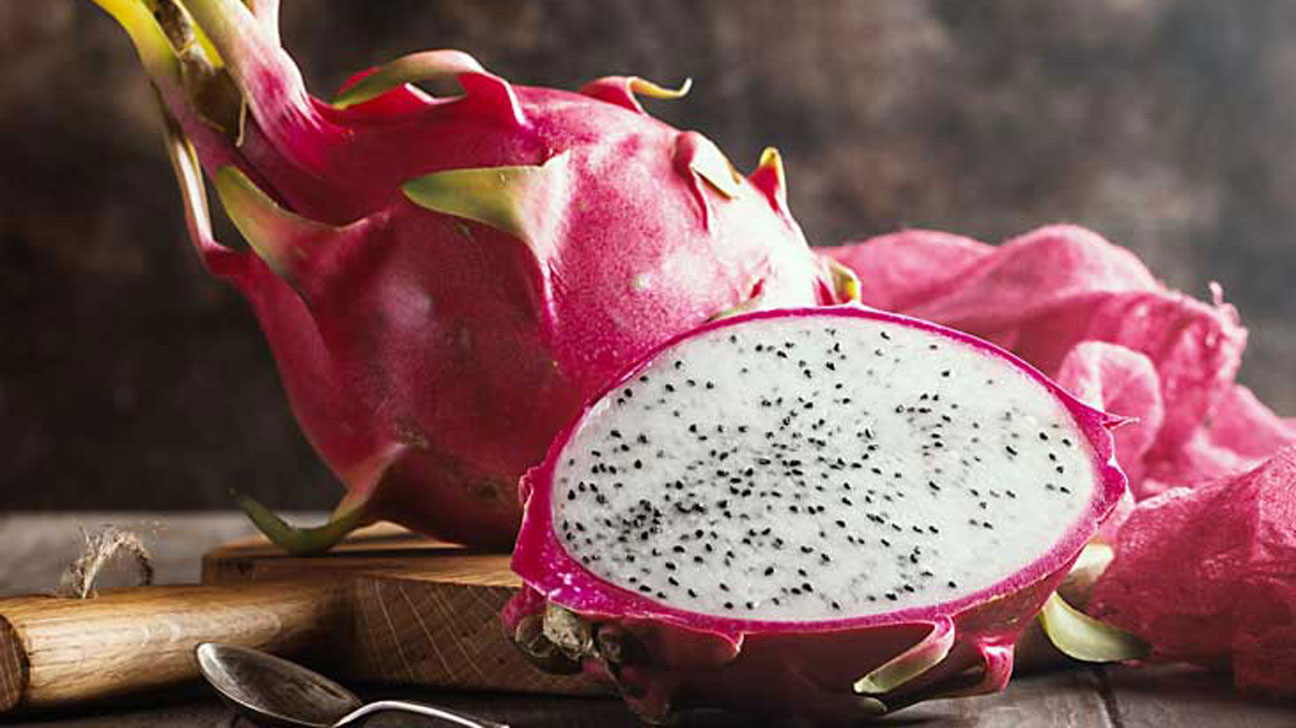
    The initial two months of 2026 witnessed a 14% annual increase in Vietnam’s dragon fruit exports, amounting to US$108.5 million. This surge was primarily driven by a significant hike in deliveries to Thailand and the Middle East.

    Vietnam’s Dragon Fruit Export Market

    Cargo to Thailand experienced an over 2.7-fold increase, amounting to $9.2 million, while shipments to the United Arab Emirates grew by 57% to reach a value of $3.3 million.

    China, however, retained its position as the largest buyer, accounting for $66.5 million of all exports, marking a 5% increase in comparison to previous years. On the other hand, demand from the U.S. saw a considerable decrease, falling by 39% to a value of $4 million.

    These figures from the initial two months of the year could indicate a resurgence of shipments, pointing towards a potential recovery following a period of sustained decline.

    Historical Trends in Dragon Fruit Exports

    Between 2014 and 2018, the annual worth of dragon fruit exports consistently exceeded $1 billion. However, shifts in consumption patterns and increased competition led to a steady decline in the succeeding years.

    The total worth of exports in the first 11 months of the previous year stood at $485.2 million, corresponding to the lowest recorded value since 2014.

    Production and Supply Factors

    Dragon fruit in Vietnam is predominantly harvested between May and September, although some off-season cultivation occurs in January and February. However, supply has been falling in recent years as farmers have transitioned towards more profitable crops.

    Adverse weather conditions have also negatively impacted yield. Widespread flooding towards the end of last year resulted in fungal diseases in plants, significantly affecting dragon fruit production, particularly in Binh Thuan Province, a key cultivation region.

    As a consequence of dwindling supply, farm-gate prices have seen a rise. During the first two months of this year, white-fleshed dragon fruit was sold for VND10,000-15,000 (US$0.38-0.57) per kilogram, and the red-fleshed variety was priced at VND15,000-25,000.

    Questions & Answers

    What led to the surge in Vietnam’s dragon fruit exports in early 2026?
    A significant hike in deliveries to Thailand and the Middle East primarily drove the increase in exports.

    Which is the largest market for Vietnam’s dragon fruit exports?
    China is the largest market, accounting for $66.5 million of all exports.

    What are the factors impacting the supply of dragon fruit in Vietnam?
    A shift by farmers towards more profitable crops and adverse weather conditions causing fungal diseases in plants have led to a decline in dragon fruit supply.

  • Fry to Fly: Thailand’s Innovative Fuel Exchange Turns Used Cooking Oil into Gasoline

    Fry to Fly: Thailand’s Innovative Fuel Exchange Turns Used Cooking Oil into Gasoline

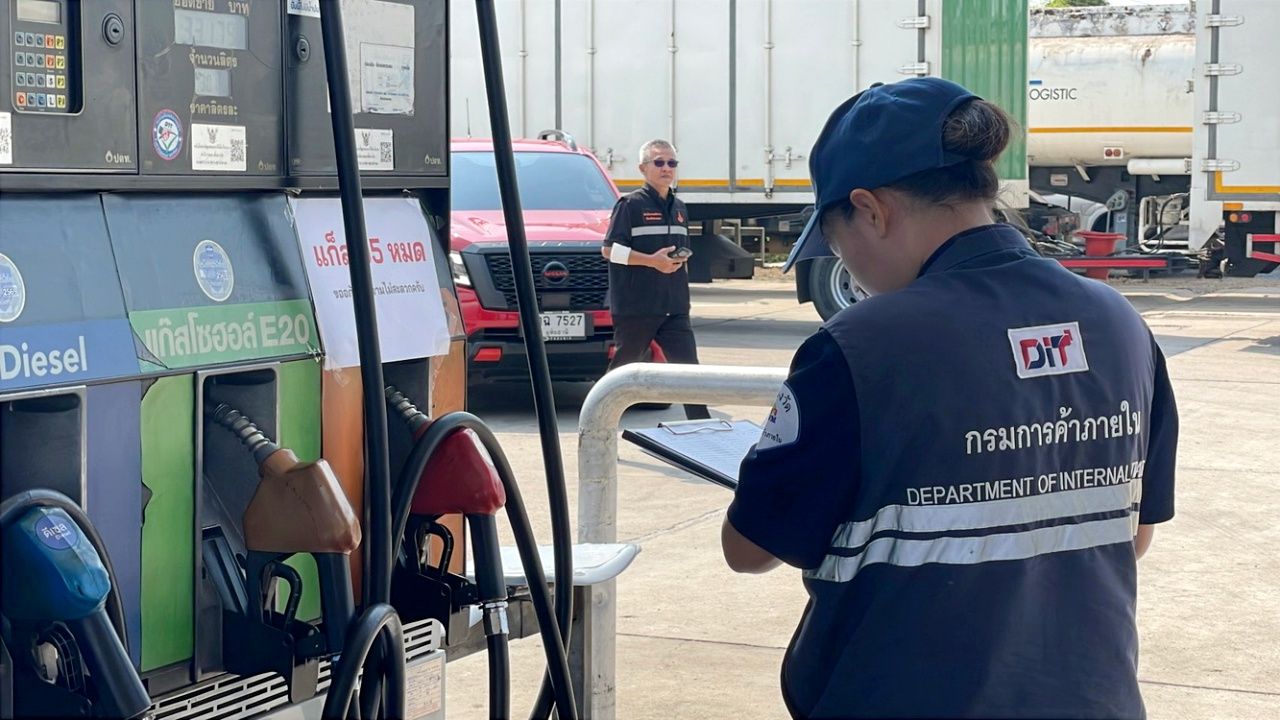
    A leading Thai oil corporation, Bangchak Corporation, has introduced an innovative programme enabling individuals to swap used cooking oil for regular-grade diesel or gasohol, offering relief to the escalating cost of living. Billed as the “Fry to Fly – 2 litres for 1 litre” campaign, it is set to run from April 6-30, with several service stations across Bangkok and neighbouring provinces participating.

    Under this initiative, consumers are invited to bring in 2 liters of used cooking oil, which can be exchanged for 1 liter of either diesel or gasohol fuel on the spot. The offer, however, does not extend to premium fuel grades.

    The campaign is a continuation of Bangchak Corporation’s ongoing efforts to repurpose used cooking oil into sustainable aviation fuel. With this new initiative, the company seeks to provide more immediate, daily benefits to consumers by transforming domestic waste into usable transport fuel. This is particularly crucial in the current climate of increasing energy prices, largely spurred by geopolitical tensions and conflicts in the Middle East.

    Each participant can exchange up to 20 liters of used cooking oil, with the conversion rate set at 1 kilogram of used oil per liter for ease of computation. Fifteen Bangchak service stations in Bangkok, Samut Prakan, Nonthaburi, and Pathum Thani are taking part in this pioneering project.

    Questions & Answers

    What is the “Fry to Fly – 2 litres for 1 litre” campaign about?
    The campaign allows consumers to exchange 2 liters of used cooking oil for 1 liter of regular-grade diesel or gasohol fuel at participating Bangchak service stations.

    What is the purpose of this initiative?
    This initiative is designed to provide direct, everyday benefits to consumers by transforming waste into usable transport fuel, especially during a time of escalating energy costs.

    What is the limit on the quantity of used cooking oil that can be exchanged?
    Each participant can exchange up to 20 liters of used cooking oil under this campaign.

  • Thailand’s Economic Uncertainty: Four Possible Scenarios Amidst Middle East Crisis and Global Energy Market Turbulence

    Thailand’s Economic Uncertainty: Four Possible Scenarios Amidst Middle East Crisis and Global Energy Market Turbulence

    The economic future of Thailand is currently shrouded in uncertainty as the continuing conflict in the Middle East places significant strain on global energy markets. This has compelled authorities to revisit growth projections and caution about escalating risks of stagflation.

    The Impact of Ongoing Middle Eastern Conflict

    According to Danucha Pichayanan, Secretary-General of the National Economic and Social Development Council (NESDC), the ongoing conflict is pressing the global energy markets, instigating oil price instability despite nascent signs of negotiations between the U.S. and Iran.

    NESDC has proposed four potential scenarios to re-evaluate Thailand’s economic course for 2026.

    In the initial scenario, if the skirmishes extend to parts of the region but conclude within a couple of months, disruptions to oil transportation through the Strait of Hormuz and the Red Sea would be temporary, without additional damage to the energy infrastructure. This would lead to a gradual return of oil supply, with prices averaging $85-$95 per barrel for the year. Financial markets will remain unstable, with investors gravitating towards safer assets and the baht devaluing. Thailand’s GDP growth would decelerate to 1.4%, with inflation escalating to 2.7%.

    Before the conflict, Thailand’s economy was projected to grow about 2% this year.

    In the second scenario, if the conflict broadens to incorporate multiple countries and persists for three to five months, oil production infrastructure could potentially be damaged leading to extended supply disruptions. Average oil prices would inflate to $105-$115 per barrel. This would considerably constrict the global energy supply, trigger inflation, and disrupt industrial supply chains. Numerous economies, including Thailand, could enter a stagflationary phase characterized by slowing growth and inflating prices. Thailand’s GDP would deteriorate to 0.9%, with inflation rising to 4.4%.

    The third, more drastic scenario sees a conflict enduring six to nine months, with energy supply from the Middle East slow to recuperate even post-conflict. Oil prices could escalate to $135-$145 per barrel, possibly prompting a severe global recession marked by extensive supply chain disruptions, trade fragmentation, and shortages of both energy and food. In this scenario, Thailand’s GDP growth will sharply plummet to a meager 0.2%, while inflation will surge to 5.8%.

    In the grimmest scenario, if the conflict enlarges beyond the Middle East and intensifies globally, this would result in a prolonged global recession, widespread shortages, and the risk of conflict spilling into other regions. Forecasting oil prices, inflation, or economic growth for Thailand under these circumstances would be virtually impossible.

    NESDC cautioned that the conflict’s impact goes beyond energy prices, pushing up the cost of goods and undermining purchasing power. As demand diminishes amidst rising inflation, the risk of stagflation becomes more pronounced. Concurrently, supply chain disruptions, especially material shortages, could continue to impede production and industrial activity.

    Questions & Answers

    What are the factors driving Thailand’s economic uncertainty?
    The primary factor is the ongoing conflict in the Middle East, which is affecting global energy markets and leading to volatility in oil prices. This uncertainty is causing authorities to reassess Thailand’s growth projections and warn about the increasing risk of stagflation.

    What are the potential outcomes for Thailand’s economy based on the NESDC’s scenarios?
    The outcomes range from a slowdown in GDP growth and a rise in inflation to possible stagflation, severe recessions, and widespread supply chain disruptions depending on the length and spread of the Middle Eastern conflict.

    What is the broader impact of the Middle Eastern conflict on Thailand’s economy?
    Beyond affecting energy prices, the conflict is expected to drive up the cost of goods, reduce purchasing power, and increase the risk of stagflation. It could also lead to sustained supply chain disruptions, particularly due to material shortages, thus negatively affecting production and industrial activities.

  • Central Pattana Propels $3 Billion Mixed-Use Expansion: Heralding a New Era of Urban Growth in Thailand

    Central Pattana Propels $3 Billion Mixed-Use Expansion: Heralding a New Era of Urban Growth in Thailand

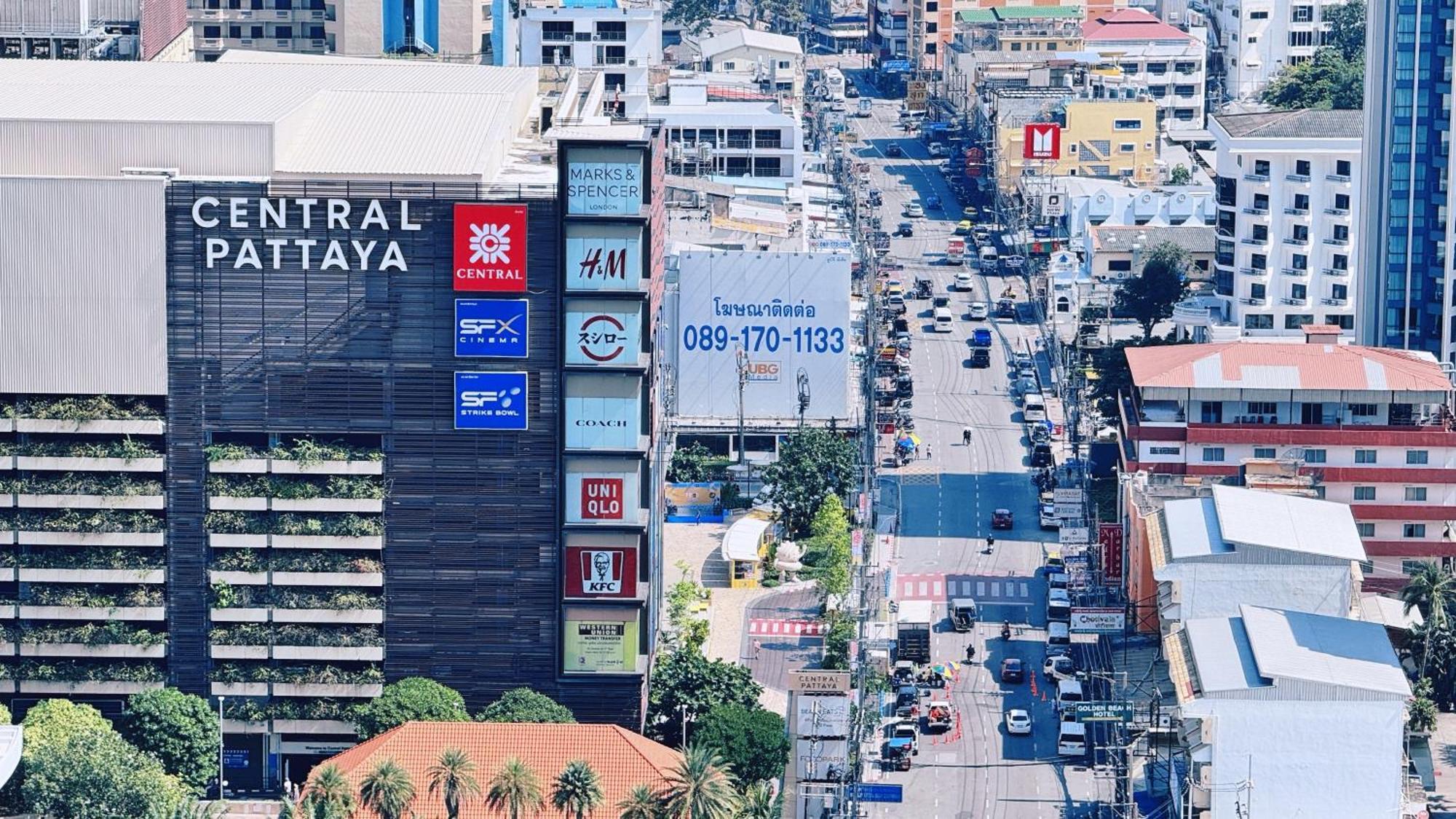
    Central Pattana, a leading retail and property development company, has unveiled ambitious plans to invest approximately $3 billion to broaden its mixed-use portfolio over the next five years.

    Central Pattana’s proposed projects are poised to offer an innovative blend of retail, residential, office, and public spaces. These projects are strategically designed to cater to both urban and regional growth corridors, maximising their reach and potential impact.

    Expansion Across Bangkok

    The expansion will focus on both established and emerging business districts within Bangkok. Prominent regions such as the ‘Super Core CBD’ near CentralWorld and Silom-Rama IV will be targeted, alongside burgeoning zones in Rama 9 and Ladprao-Phahonyothin.

    One of the cornerstone ventures of this ambitious expansion is a project aptly named the ‘City of the Future’. This project, planned to sprawl over approximately 120ha in northern Bangkok, aims to seamlessly integrate elements of sustainability, green spaces, and walkable urban design.

    CEO Wallaya Chirathivat states, “Our model continues to generate sustainable traffic, tenant sales and long-term asset value, while contributing to broader economic ecosystems.”

    Currently, Central Pattana manages a portfolio of 142 projects nationwide, drawing in more than 510 million visitors every year. By 2030, the company aspires to increase its mixed-use projects to 33, supporting over 1.5 million jobs and ensuring a consistent stream of rental income.

    In addition to its Bangkok projects, the company has also declared plans to expand Central Phuket. The emphasis will be on the development of the luxury zone and the addition of roughly 10,000sqm of leasable space. The first phase is slated for completion in the fourth quarter of this year.

    Questions & Answers

    What is the scope of Central Pattana’s investment plans over the next five years?
    Central Pattana intends to invest around $3 billion in the expansion of its mixed-use portfolio over the next five years.

    What does the ‘City of the Future’ project aim to achieve?
    The ‘City of the Future’ project aspires to integrate sustainability, green space, and walkable urban design into a large development in northern Bangkok.

    What are the expansion plans for Central Phuket?
    Central Pattana plans to expand Central Phuket by focusing on the luxury zone and adding approximately 10,000sqm of leasable space. The first phase of this expansion is set to open in the fourth quarter of this year.

  • EssilorLuxottica Expands Southeast Asia Presence with Strategic Stake in Thai Optical Powerhouse Top Charoen

    EssilorLuxottica Expands Southeast Asia Presence with Strategic Stake in Thai Optical Powerhouse Top Charoen

    Global eyewear conglomerate EssilorLuxottica has recently acquired a piece of the pie in Thailand’s optical market, Top Charoen. This move is part of EssilorLuxottica’s expansion plan in Southeast Asia, reinforcing its presence in one of the fastest-growing regions for the eyewear industry.

    Partnership At Its Best

    The financial particulars of the deal were kept under wraps. However, the fusion of the world’s leading eyewear group, EssilorLuxottica, with Top Charoen, one of the largest optical chains in Thailand boasting over 2000 stores nationwide, is noteworthy. This partnership is a result of a long-standing commercial relationship between the two companies. The acquisition strengthens this bond and provides EssilorLuxottica with a deep penetration into Thailand’s retail distribution, a strategic move as global eyewear companies increasingly focus on expanding in the rapidly growing Asian markets.

    Aiming High

    Francesco Milleri, the Chairman and CEO, and Paul du Saillant, Deputy CEO at EssilorLuxottica, commented on the partnership. They expressed that their collaboration with Top Charoen is set to bolster their existing dominance in one of Asia’s most significant countries. The partnership aims to elevate vision care standards and foster growth in the emerging wearable category across the region, they added.

    Moreover, the company leadership is committed to prioritizing their customers’ needs, providing high-quality, innovative vision care products and services. With their combined strengths, they plan to drive awareness and take measures to address the increasing visual health needs of Asia.

    A Brief About Top Charoen

    Established in 1947 in Saraburi, Top Charoen has flourished into a nationwide network operating under various banners. The company has an array of brands like Top Charoen, Luxoptic, Eye Class, Eye Bright, Eye Sport, Big C Optical, Robinson Optical, and Beautiful Optic. In addition to its physical stores, Top Charoen also has a strong e-commerce presence through its own platform and local marketplaces.

    Questions & Answers

    What is the significance of EssilorLuxottica’s stake in Top Charoen?
    This acquisition provides EssilorLuxottica a deep penetration into Thailand’s retail distribution, a strategic move as global eyewear companies increasingly focus on expanding in the rapidly growing Asian markets.

    How will this partnership benefit the eyewear industry in Asia?
    The collaboration aims to elevate vision care standards and foster growth in the emerging wearable category across the region.

    What are some of the brands under Top Charoen?
    Top Charoen operates under various banners such as Top Charoen, Luxoptic, Eye Class, Eye Bright, Eye Sport, Big C Optical, Robinson Optical, and Beautiful Optic.

  • New York Luxury Brand Tiffany & Co. Amplifies Presence in Thailand with Opulent IconSiam Store

    New York Luxury Brand Tiffany & Co. Amplifies Presence in Thailand with Opulent IconSiam Store

    Tiffany & Co, the renowned luxury jeweller from New York, has further extended its presence in Bangkok by inaugurating a new boutique in IconSiam. This marks the esteemed brand’s third establishment in the capital city of Thailand.

    A Distinctive Boutique

    The latest addition to Tiffany’s outlets stands out as the first in Southeast Asia to showcase a façade inspired by Favrile glass, a creation of Louis Comfort Tiffany. Mr. Tiffany, the company’s inaugural art director, developed this unique type of glass in the late nineteenth century.

    Boasting an area of 256 square meters, the boutique has been tastefully designed with plaster walls that are complemented by ceilings adorned with gold leaf. Complementing this opulent interior are customized furniture pieces replete with hand-woven upholstery.

    Exquisite Collections

    The recently opened boutique provides a dazzling showcase for a wide array of Tiffany’s collections. These include the HardWear, Knot, Lock, and T collections from Tiffany. Alongside these, the boutique displays an array of high jewellery pieces, engagement rings, and home accessories.

    All About Love

    A special space within the boutique, named ‘All About Love’, presents an enchanting display of engagement rings. The ivory and silver walls of this section, combined with a diamond-inspired display, create a mesmerizing backdrop for these symbols of commitment.

    Private Salon

    The boutique also houses a private salon, designed for those seeking a more intimate shopping experience. Decked with bespoke furniture and orchid-patterned wallpaper, the salon offers a tranquil escape from the bustling city outside.

    Continued Investment

    The opening of this boutique is indicative of Tiffany & Co’s ongoing commitment to investing in Thailand. This comes after the company’s establishment of previous boutiques in Bangkok.

    Operating over 300 stores worldwide, the company employs more than 14,000 individuals. Since its founding in 1837, Tiffany & Co has become globally recognized for its premium jewellery, watches, and luxury accessories.

    Questions & Answers

    What is unique about the new Tiffany & Co boutique in IconSiam, Bangkok?
    The boutique is the first in Southeast Asia to feature a façade inspired by Favrile glass, a creation of Tiffany’s first art director, Louis Comfort Tiffany.

    What collections can customers expect to find at the new Tiffany & Co boutique?
    Customers can explore a diverse range of collections, including the HardWear, Knot, Lock, and T collections from Tiffany, alongside high jewellery, engagement rings, and home accessories.

    What kind of shopping experience does the new Tiffany & Co boutique offer?
    The boutique offers a luxurious and intimate shopping experience, with a special section called ‘All About Love’ for engagement rings and a private salon for customers desiring a more private shopping environment.

  • Shell Thailand Teams Up with Tops Daily for First Convenience+ Store Launch in Southeast Asia

    Shell Thailand Teams Up with Tops Daily for First Convenience+ Store Launch in Southeast Asia

    Shell Thailand has initiated a significant expansion in its convenience retail sector across Southeast Asia, marking this advancement with the launch of its inaugural Convenience+ store. This venture has been developed in partnership with Tops Daily, a constituent of Central Food Retail.

    New Retail Format for a New Era

    The pilot store, located in Nonthaburi, is the vanguard of Shell Mobility & Convenience’s next-generation retail format in Asia. The forward-thinking design of this store aims to augment the in-store customer experience, fortify retail partnerships, and establish a replicable model for sustained growth. This ambitious strategy was outlined by Theswinder Kaur, the global alliance and commercial head at Shell.

    This Convenience+ outlet in Southeast Asia is the first of its kind, modeled on the successful collaborative approach taken by Shell Oman and AlMeera. Further locations are slated for launch across Thailand before the year’s end.

    Central Retail Corporation’s Redefined Food Business Units

    The unveiling of this new Shell venture has been closely followed by the restructuring of the Central Retail Corporation Public Company Limited (CRC), another significant player in the retail sector. From March 1, CRC has taken steps to amalgamate its three primary food business units, bringing them under the umbrella of the Central Retail Food Group.

    Questions & Answers

    What is the purpose of Shell’s new Convenience+ store in Thailand?
    The Convenience+ store is an integral part of Shell’s strategy to expand its convenience retail sector across Southeast Asia. The store aims to enhance the in-store customer experience and strengthen retail partnerships.

    How does the new Convenience+ store reflect Shell’s future retail plans?
    The Convenience+ store in Nonthaburi introduces Shell’s next-generation retail format in Asia. The scalable model is designed for sustained growth and is expected to be replicated across many more locations in Thailand.

    How does the Central Retail Corporation fit into recent shifts in the retail sector?
    Central Retail Corporation has recently consolidated its three major food business units under the Central Retail Food Group. This move closely follows the launch of Shell’s Convenience+ store and indicates significant changes in the retail sector.

  • Thailand’s DIY Titans Losing Ground Amid Sluggish Economy and Rising Costs: A Deep Dive into the Struggles and Strategies

    Thailand’s DIY Titans Losing Ground Amid Sluggish Economy and Rising Costs: A Deep Dive into the Struggles and Strategies

    Home improvement retail is a sector known for its cyclical nature and susceptibility to shifts in consumer confidence. This is evident in Thailand’s DIY market, Southeast Asia’s largest, which is currently grappling with low consumer confidence, escalating household debt, rising energy costs, and general macroeconomic instability. Retailers are finding their large warehouses less productive, but they continue to add stores. This results in consistent drops in same-store sales and increasingly fierce competition. Profit margins are further threatened by increasing material costs, placing a squeeze on both revenue and net income.

    Home Pro: A Silver Lining Amid Stagnation

    Home Pro and Thai Watsadu are the largest players in this market based on revenue. Home Pro operates 126 stores in Thailand and seven in Malaysia. Despite reporting a decrease of 2.8% in 2025’s annual revenue compared to the previous year, the company is persistently expanding its network of warehouses. The firm’s same-store sales fell by 6.4% and showed weakened momentum during the fourth quarter.

    Interestingly, Home Pro asserts its sales growth is sustainable even though it has witnessed successive years of revenue decline. The company’s home services business, however, shows promise, with a growth rate of over 9% in 2025 as customers shift from DIY to DIFY services, which include installation, renovation, maintenance, and repair.

    Home Pro also earns rent from its Market Village shopping malls, particularly in popular tourist destinations like Hua Hin, Rayong, and the region adjacent to Suvarnabhumi Airport. However, the current geopolitical instability could impact the influx of tourists, predominantly from Europe, further dampening the outlook for 2026.

    Thai Watsadu: Parallel Trajectories

    Thai Watsadu, a subsidiary of Central Retail Corporation, closely competes with Home Pro. Despite experiencing a similar decline in same-store sales, it is on an expansion spree. The company’s total sales in 2025 matched Home Pro’s at about 70.6 billion baht (US$2.2 billion). Apart from DIY warehouses, the company’s portfolio includes electronics and white goods, office supplies, stationery, and home furniture chains.

    At the end of 2025, the Thai Watsadu chain comprised 88 stores, with plans to open an additional three to five locations this year.

    Siam Global House: Amid Pressure

    Siam Global House operates from the small northeastern provincial capital of Roi Et and is a fierce contender for Home Pro and Thai Watsadu. Despite its vast network of 96 warehouses in Thailand, the company’s revenue decreased by 1.9% in 2025 from the previous year, and its net profit fell by 20%.

    Mr DIY: A Potential Winner in the Short Term

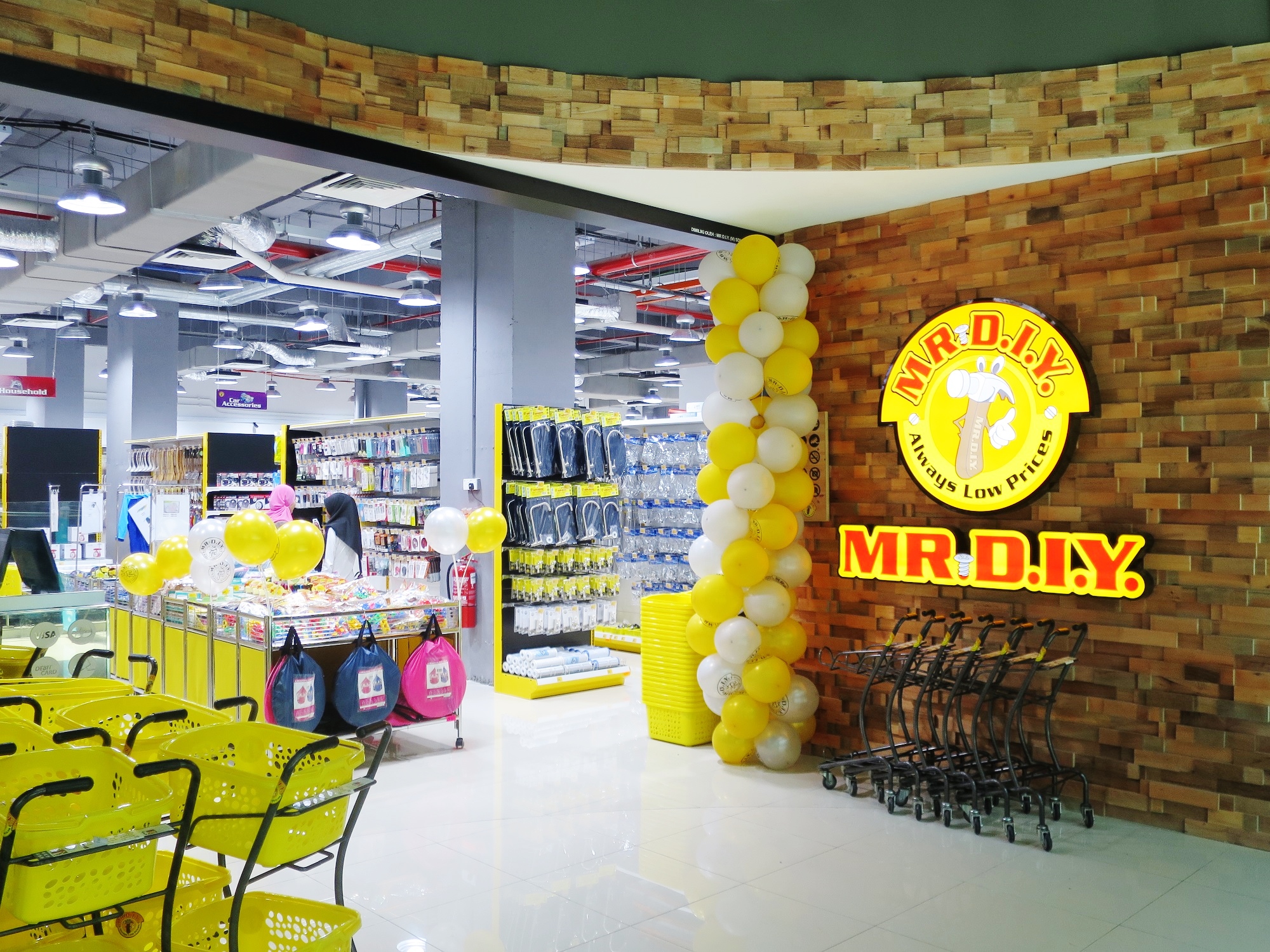
    Malaysia-based Mr DIY, with its smaller store formats, appears better equipped to navigate Thailand’s challenging retail landscape in the short term. With more than 2,000 stores across 10 countries, including approximately 900 in Thailand, Mr DIY offers a limited range of DIY goods that can be easily accommodated in conventional malls and high-traffic shopping areas. This strategy provides the chain with a short-term advantage while the weakening economy and geopolitical tensions continue to impact larger home improvement warehouses.

    The Future: An Uphill Battle

    The general outlook for the sector suggests a slower recovery, with rising materials and operating costs on the horizon. Home improvement retailers, who have already weathered the storm of the Covid-19 pandemic and various geopolitical conflicts, will likely have to delay their expected recovery until beyond 2026.

    Questions & Answers

    What is the current state of the home improvement retail industry in Thailand?
    A: The industry is experiencing a downturn due to weak consumer confidence, rising household debt, and increasing material costs.

    What are the business strategies of major players like Home Pro and Thai Watsadu in response to the challenging market conditions?
    A: Both companies continue to expand their store networks despite declining same-store sales, with Home Pro also focusing on its profitable home services and mall rental businesses.

    Why is Mr DIY potentially better positioned than its competitors in the short term?
    A: Mr DIY’s smaller store formats and limited range of goods make it a flexible fit in conventional malls and busy shopping areas, providing an advantage in the current economic climate.

  • Avocadoria Spreads its Avocado Delights to Bangkok: Dessert Chain’s Third Global Leap

    Avocadoria Spreads its Avocado Delights to Bangkok: Dessert Chain’s Third Global Leap

    Avocadoria, a dessert chain based in the Philippines, is breaking into the Thai market, further broadening its international reach. This will be the third overseas venture for the brand, following its successful introductions in Singapore and the United Arab Emirates.

    Avocadoria has joined forces with local franchise group J&G Green Delights to launch its debut store in Bangkok. The new location is situated within Rama 9 Mall and offers a variety of avocado-centric desserts. Among the offerings are parfaits, popsicles, ice cream, shakes, and cheesecakes, all with a unique avocado twist.

    Success Story of Avocadoria

    Avocadoria was established in 2019 by Czarina Jagto-Sevilla. In a relatively short span of time, the brand has seen impressive growth, boasting 263 branches globally. Its signature item is the “Lover” series. This is a soft-serve ice cream concoction, featuring layers of cream, biscuits, tapioca pearls, nuts, seeds, and of course, fresh avocado.

    The Bangkok branch will also showcase other flavours like Pistachio Knafeh, Avocado Biscoff, and Naked Avocado Light Ice Cream. Additionally, customers can choose from six different types of avocado shake, each with the option of adding personalized toppings.

    Aligning with Local Food Culture

    Jagto-Sevilla expressed that the expansion into Thailand aligns well with Avocadoria’s brand positioning, given the country’s rich food culture. She emphasized that this move represents more than just growth for the company. It is an opportunity to share their story and their culture, all while bringing moments of joy to consumers through their unique desserts.

    Questions & Answers

    What is Avocadoria?
    Avocadoria is a dessert chain based in the Philippines that specializes in avocado-based desserts such as parfaits, popsicles, ice cream, shakes, and cheesecakes.

    Where has Avocadoria expanded to?
    Avocadoria has recently expanded into Thailand, which marks its third international market after Singapore and the United Arab Emirates.

    What is the signature dessert of Avocadoria?
    The brand’s signature dessert is the “Lover” series, a soft-serve ice cream layered with cream, biscuits, tapioca pearls, nuts, seeds, and fresh avocado.

  • ThongSmith: Thailand’s Premium Boat Noodle Brand Sets Sail in Hong Kong’s Dining Scene

    ThongSmith: Thailand’s Premium Boat Noodle Brand Sets Sail in Hong Kong’s Dining Scene

    Bangkok-based noodle brand, ThongSmith, has taken a step onto the international stage by launching its first overseas venture in Wan Chai, Hong Kong. With a reputation in Thailand for its upscale approach to traditional boat noodles, ThongSmith is bringing a touch of Thai street cuisine with a lavish twist to Hong Kong.

    Reimagining Street Food

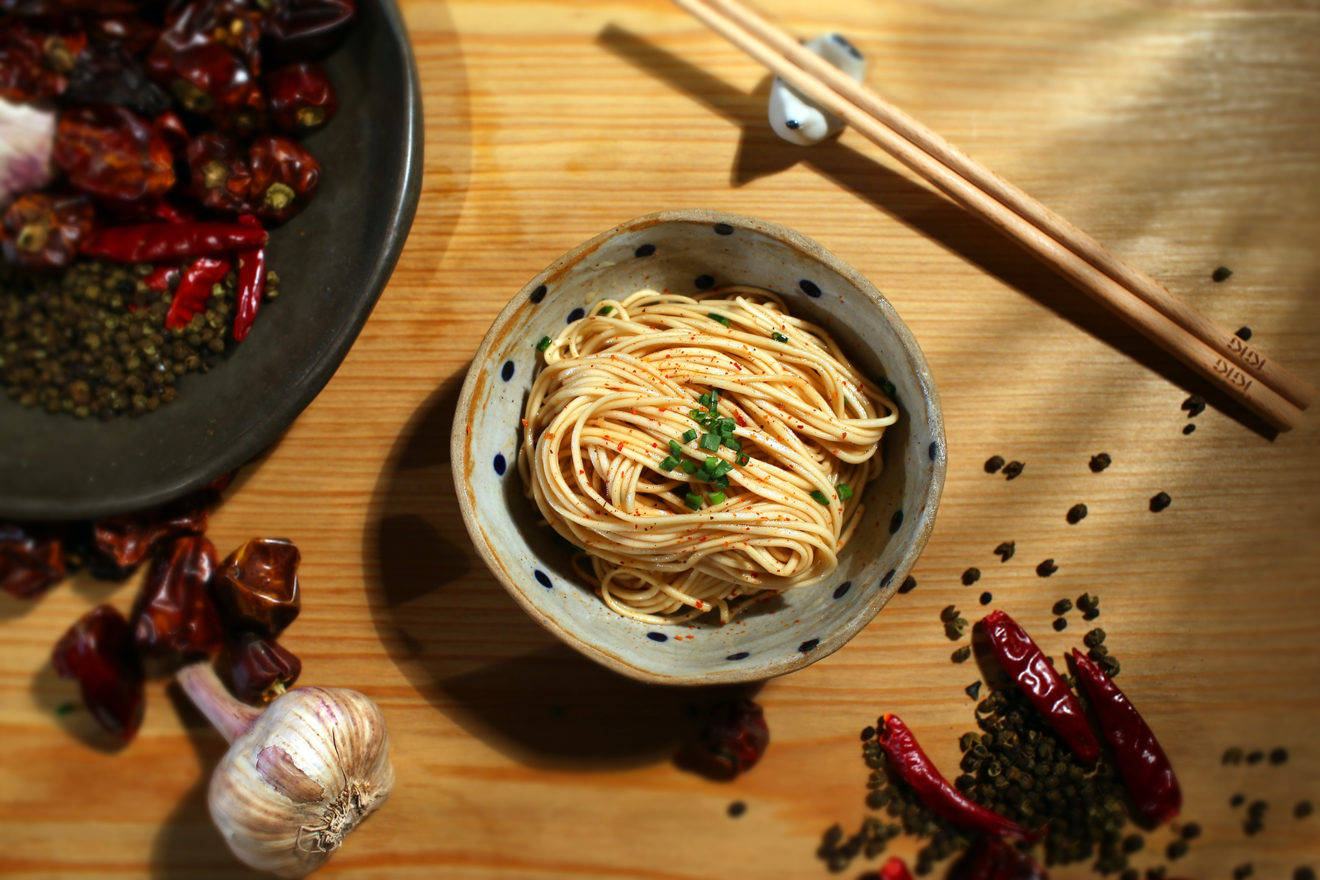
    ThongSmith has carved a niche for itself in Thailand by enhancing traditional boat noodles. This reinvention involves slow-simmering broths and the inclusion of high-grade proteins such as Wagyu beef and Kurobuta pork, setting ThongSmith apart from the usual inexpensive vendors.

    Menu Adaptation

    The menu in Hong Kong follows the same pattern as in Bangkok, providing noodle dishes in addition to rice meals, grilled meats, and desserts. However, these offerings are subtly modified to cater to local tastes.

    ThongSmith’s latest venture represents its inaugural foray beyond Thailand’s boundaries. This move indicates the burgeoning interest of Southeast Asian F&B entrepreneurs in penetrating the fiercely competitive casual dining scene in Hong Kong.

    Brand Growth

    ThongSmith, which was established in 2018, now runs over 20 outlets across Bangkok.

    Questions & Answers

    What is ThongSmith known for in Thailand?
    In Thailand, ThongSmith is renowned for its upscale twist on traditional boat noodles, featuring slow-simmered broths and premium proteins like Wagyu beef and Kurobuta pork.

    How does ThongSmith cater to Hong Kong’s local tastes?
    ThongSmith modifies its Bangkok menu to suit local preferences in Hong Kong, while maintaining its signature noodle dishes, rice meals, grilled meats, and desserts.

    What does ThongSmith’s expansion into Hong Kong signify?
    ThongSmith’s expansion into Hong Kong reflects the growing interest of Southeast Asian F&B operators in entering Hong Kong’s competitive casual dining market.