Tag: Thailand

  • AirAsia’s digital platform eyes more airline partnerships

    AirAsia’s digital platform eyes more airline partnerships

    Malaysian budget carrier AirAsia Group’s travel, e-commerce and fintech unit airasia.com is in partnership talks with several Middle Eastern and European airlines, its chief executive said on Wednesday.

    Airasia.com CEO Karen Chan said the company was working on selling more flights on the online platform.

    “Apart from just selling AirAsia flight tickets, we are now selling any airline’s flight tickets. We are now in serious discussions with quite a few full-service carriers,” Chan said at a CAPA Centre for Aviation event.

    She said the company is working closely with Middle Eastern airlines to drive traffic to pilgrimage destinations.

    “Religious travel has taken a huge delay, and already we are getting a lot of requests from customers for pilgrimages,” she said.

    Airasia.com is also in talks with some European airlines, she said. “Once the international borders are open, all of us are banking on the pent up demand,” she said without providing details.

    Last November, airasia.com announced a strategic partnership with Turkish Airlines for cross-promotion of its flight inventory with AirAsia flights, and offer travel itineraries with discounted fares.

    “Now we can pull their content and inventory onto airasia.com’s platform,” Chan said. The company offers more than 15 lines of products online and via its super-app “to fly, to stay, to shop, to eat”, an earlier media statement showed.

    With the airline business taking a hit from the coronavirus pandemic, AirAsia Group last year rebranded its digital arm as AirAsia Digital, which houses airasia.com.

    Malaysia’s flagship budget airline AirAsia Group said last September it is considering raising capital to expand its digital business.

  • Thai AirAsia says latest virus outbreak has dented business

    Thai AirAsia says latest virus outbreak has dented business

    Thai AirAsia Co Ltd (TAA) said the latest Covid-19 outbreak in Thailand has dented the already weak travel sentiment in the country after the company witnessed a whopping 50% plunge in its domestic flight booking numbers this month.

    “Travel sentiment has plunged lower than last year. This is different this time because people are voluntarily skipping their travel plans even without a nationwide lockdown order from the government,” TAA largest shareholder Tassapon Bijleveld was quoted by the Bangkok Post as saying.

    Tassapon is also an executive chairman of Asia Aviation, a company that owns a 51% stake in TAA, while the remaining 49% stake is held by AirAsia Investment, an investment arm of AirAsia Group Bhd.

    Accoring to him, TAA’s domestic flight numbers shrank by more than 50% as it had to merge and cancel many flights, with the average load factor taking a nosedive this month.

    He added that some flights had only 20 to 30 passengers, a sharp contrast to the resurgent market two months ago.

    “We were just rebounding from the first lockdown last year. Despite hardly any profits, at least we could have had a consistent revenue stream from the domestic market. But this outburst of new cases destroyed us,” said Tassapon.

    Tassapon said most airlines expect the market will continue to be severe in February. He warned that the weak travel sentiment could cause some airlines to cease operations.

    He said the pessimistic outlook for next month is despite the Chinese New Year holidays, citing that “travellers may not increase domestic trips if people are worried about the outbreak”.

    “This could be the quietest Chinese New Year we’ve ever had,” he noted.

    Reuters previously reported that Thailand, which had largely controlled the virus by mid-2020, saw a second wave of outbreaks beginning in December.

    “The government has declared 28 provinces, including Bangkok, as high-risk zones and asked people to work from home and avoid gathering or travel beyond provincial borders, as infection numbers climbed after an outbreak was detected last month at a seafood market near the capital,” said the report dated Jan 4.

    The pandemic-battered aviation industry has adversely impacted most airlines in Thailand financially, as they have received no financial support from the government, particularly the soft loans they have been requesting since last year.

    Eight airlines that teamed up to send the financial aid proposal to the government last year do not have plans to discuss the progress of that proposal as they have already clearly stated their concerns, said Tassapon.

    He said the group conveyed all information to the Thailand’s prime minister and three finance ministers, as well as banks that were assigned to help airlines. But, there has not been any response since.

  • Thai Airways Launches Scenic Fly By and Over Buddhist Attractions

    Thai Airways Launches Scenic Fly By and Over Buddhist Attractions

    Proving the ‘flights to nowhere’ trend is taking off, Thai Airways has given religious tourists a bird’s-eye view of 99 holy places across Thailand. Olivia Palamountain reports.

    Led by “celebrity fortune-teller and religion history expert” Dr Khata Chinbunchon at the end of November, the “Thai Magical Flying Experience Campaign” from Thai Airways gave Buddhists the chance to see 99 sacred sights from the air, complete with chanting.

    Passengers on the Thai Airways flight from Bangkok received Buddhist prayer books and a special in-flight meal while flying over temples in 31 provinces before returning home. Tickets ranged in price from 5,999 baht (£149) to 9,999 baht (£248).

    The sacred sights included Bangkok’s Wat Arun and Wat Phra Kaew (commonly known as the Temple of the Emerald Buddha), Phra Samut Chedi in Samut Prakarn, Wat Phra Boromma That Chaiya in Surat Thani and UNESCO-listed heritage sites in Sukhothai and Ayutthaya, in the kingdom’s central plains.

    Part of a plan to boost domestic tourism, the initiative comes hot on the heels of similar offerings from the likes of Qantas, China Airlines and Eva Air, all of which have launched their own series of scenic and themed flights over the past few months. Globetrotter has also reported on Covid-secure luxury cruises to nowhere, recently launched in Singapore.

    Tourism accounts for up to 20 percent of GDP in Thailand, and in a blow to the national carrier, the kingdom has remained shut to foreign travellers throughout the pandemic. However, the airline had been struggling even before coronavirus turned travel upside down. Estimates suggest it is now buried under £6 billion worth of debt.

    Still, Thai Airways has been a pioneer of creative initiatives that boost revenue. The airline has put bags made from life vests and slide rafts on sale, opened an airline-themed café selling in-flight meals in Bangkok, and a food stall selling dough fritters. It has also opened its Airbus and Boeing flight simulators to the public.

    In the autumn, Thailand reopened its borders to international travelers with the launch of a new 90-day Special Tourist Visa (STV).

  • Thai cement giant buys 7th packaging firm in Vietnam

    Thai cement giant buys 7th packaging firm in Vietnam

    Thai cement giant SCG Group has acquired its seventh packaging company in Vietnam, Bien Hoa Packaging, at a cost of VND2.07 trillion ($89 million).

    The company owns a 94.11 percent stake in the company through its subsidiary Thai Containers Group Company Ltd, according to a recent statement.

    It paid VND171,450 ($7.38) for each share of Bien Hoa Packaging, 84 percent higher than the current market price.

    Bien Hoa’s clients are mainly high-growth consumer brands that are multinationals, the statement said.

    Its three manufacturing facilities in southern Vietnam will enlarge SCG’s customer base in the food, beverage and fast-moving consumer goods segments, it added.

    One of the six companies SCG acquired earlier is the largest in the country, Kraft Vina, a joint venture with Japanese packaging firm Rengo.

    SCG was one of the earliest foreign investors in Vietnam, coming as it did in the 1990s.

    Over the last decade it has been pouring money to acquire major companies, including one of the largest plastic producers, Binh Minh Plastics.

  • Thai occupancy rates holding up despite Covid-19 crunch

    Thai occupancy rates holding up despite Covid-19 crunch

    Thailand’s Accommodation Occupancy Rate (AOR): Whole Kingdom data was reported at 30.400 % in Oct 2020. This records an increase from the previous number of 27.930 % for Sep 2020. Thailand’s Accommodation Occupancy Rate (AOR): Whole Kingdom data is updated monthly, averaging 66.030 % from Jan 2015 to Oct 2020, with 70 observations. The data reached an all-time high of 81.260 % in Jan 2019 and a record low of 2.260 % in Apr 2020.

    Thailand’s Accommodation Occupancy Rate (AOR): Whole Kingdom data remains active status in CEIC and is reported by Bank of Thailand. The data is categorized under Global Database’s Thailand – Table TH.Q004: Hotel Occupancy Rate and Average Room Rate (Monthly).

  • Central Food Hall features robots and stores in Thai stores

    Central Food Hall features robots and stores in Thai stores

    The Central Food Hall supermarket chain has turned to robots to disinfect stores as part of its fight against the coronavirus. The robots use UV-C to sterilize stores.

    The UV-C light reaches 360 degrees and destroys more than 99.99% of all pathogens nearly instantaneously. The robot currently is only disinfecting the Central Food Hall location in the central Chidlom area of Bangkok while the store is closed. The chain indicated it would be employing the robots at other Central Food Hall and Tops Market locations soon.

    The technology has been used for more than three years at Thai factories, companies, hotels, schools and hospitals. Testing indicates the light doesn’t have any harmful side effects on products or food.

    UV-C light has been approved by the Food Standards Agency in the United Kingdom, the U.S. Food and Drug Administration and the Soil Association (Organic Lobby) as an effective method of disinfection.

  • Shopee celebrates record-breaking 12.12 Birthday Sale

    Shopee celebrates record-breaking 12.12 Birthday Sale

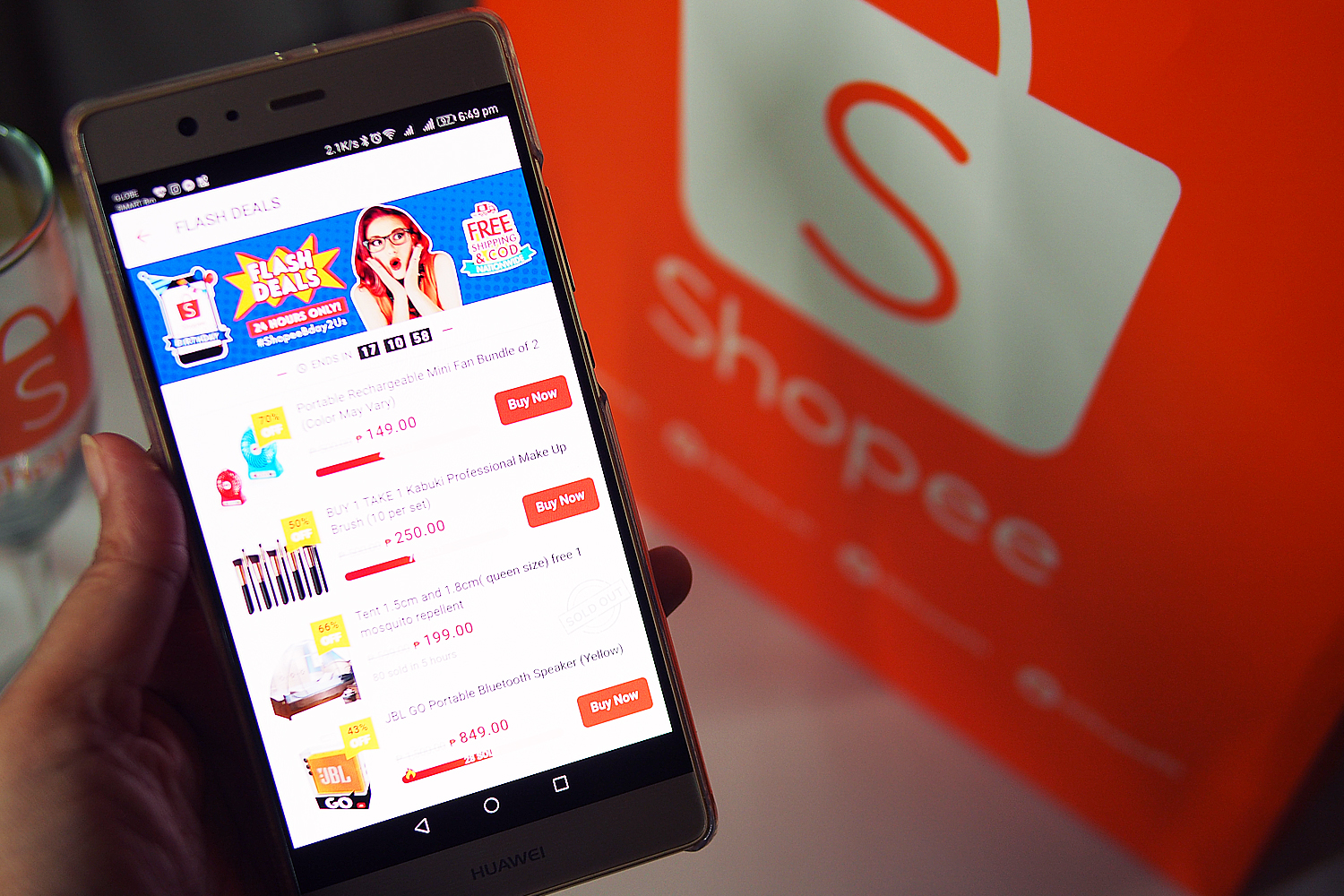
    Shopee, the leading e-commerce platform in Southeast Asia and Taiwan, wraps up the year-end shopping season with a record-breaking 12.12 Birthday Sale. On 12 December, 12 million items were sold in the first 24 minutes and at its peak, 1 million items were bought in a single minute.

    Terence Pang, Chief Operating Officer at Shopee said “We are humbled to end the year on a high note with a groundbreaking 12.12 Birthday Sale. Given the unprecedented year that 2020 has been, we wanted our fifth birthday to be a special day not just for Shopee but for the people we serve. E-commerce has become of increasing importance in our lives and has evolved beyond a platform to access basic needs to one that connects people and businesses. We are glad to have been able to celebrate the past five years with our users, sellers and brand partners and are truly excited for what is to come.”

    Shopee ushered in the festive season with endless fun and greater convenience

    Users joined Shopee every day for four weeks of fun and entertainment leading to 12 December, where they shopped from over 2 billion products. Consumers spent more time on Shopee’s in-app games and features, which offered greater rewards and value.

    • 450 million views were recorded on Shopee Live across the entire 12.12
    • Shopee’s in-app games were played a record of 2.7 billion times
    • Two of Shopee’s newest games, Shopee Bubble and Shopee Candy were a big hit, with a total of 28 million hours played

    The surge in shopping activity was also met with increasing adoption of digital payments. In particular, users enjoyed the convenience of Shopee’s integrated mobile wallet AirPay, with orders paid via the mobile wallet surging 18 times from an average day.

    12.12 Birthday Sale highlights in Thailand

    In Thailand, users enjoyed a constant stream of attractive deals on 12 December, supported by Shopee’s robust ecosystem.

    Thais took this chance to fulfil all their essential and entertainment needs with Home & Living, Beauty & Personal Care and Mobile & Gadgets emerging as the best-selling product categories.

    • Home & Living: Consumers took the time to revitalise their homes on 12 December, with more than 100,000 3D Wallpapers sold.
    • Beauty & Personal Care: Skincare was a big priority as people geared up for the festive season and the new year with 550,000 skincare products sold on 12 December.
    • Mobile & Gadgets: There was strong demand for new phones, gadgets, and electronics accessories. In particular, 400,000 smartphone accessories were sold on 12 December
    • Top Keyword search: On 12 December, the top keywords searched were “iPhone case” and “New Year Gift”, as Thais looked to treat themselves and their loved ones ahead of the new year.
    • Strong demand in the major cities: Shopping activity was highest in Bangkok on 12 December. At its peak, 500,000 items were sold in an hour.

    Powered by the surge in shopping activity, sales peaked for businesses on Shopee. A top electronics retailer recorded THB 7 million in sales per hour on 12 December.


  • Tesco Asia sale to be settled before Christmas

    Tesco Asia sale to be settled before Christmas

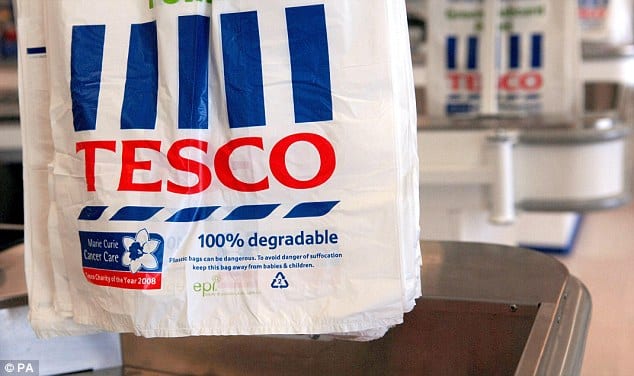
    Tesco announced it has met all conditions for the £8bn ($10.8bn) sale of its businesses in Thailand and Malaysia, which means its shareholders can soon expect a £5bn payout.

    Selling around 2,000 stores in Thailand and 74 in Malaysia to Thai conglomerate CP Group is the last stage of the supermarket giant’s exit from Asia.

    “Tesco is pleased to confirm that CP Group has now reviewed and is satisfied with the formal notice of approval” from the Thai Competition Commission, it said in a statement.

    This, along with the approval it received from the Ministry of Domestic Trade and Consumer Affairs in Malaysia last month, “means there are no further conditions outstanding and the disposal is expected to complete on or around 18 December.”

    Tesco had earlier said it intends to return £5bn of the net proceeds from the sale to shareholders via a special dividend, together with a share consolidation, and plans to make a pension contribution of £2.5bn to the Tesco Pension Scheme once the sale is complete.

    Tesco Group CEO, Ken Murphy, said “I’m confident that the agreement with CP Group will ensure that they are well setup for continued success. This sale allows us to focus on our businesses across Europe and to continue delivering for customers, make a significant contribution to our pension deficit and return value to shareholders.”

    Back in the UK, Tesco announced earlier this month it will repay the government £585m it saved under a business rate holiday for retailers during the pandemic.

    But it also mounted a staunch defence of its decision to take the handout, calling it a “game-changer” and saying “every penny” had been spent responding to the pandemic

  • Sugar producers accuse Thai firms of dumping

    Sugar producers accuse Thai firms of dumping

    Thai companies are allegedly dumping sugar in Vietnam and hurting farmers, according to Vietnamese producers.

    Nguyen Van Loc, general secretary of the Vietnam Sugarcane and Sugar Association, said citing figures from Thailand’s Office of Cane and Sugar Board the average export price of Thai raw and refined sugar is $334 per ton though the cost of sugarcane alone to produce a ton is $410.

    The Thai government in April unveiled a support package of $325 million to sugarcane farmers hit by drought though Brazil had earlier filed a complaint to the World Trade Organization that Thailand had given support to cane growers that was inconsistent with international trade agreements, Loc said at a forum on Monday.

    A decree issued by the Thai government in March showed signs that it was limiting imports to protect domestic producers, he said.

    The influx of cheap Thai sugar is hurting Vietnamese companies and farmers.

    Tran Ngoc Hieu, CEO of Soc Trang Sugar Jsc in the southern province of the same name, said the area under sugarcane in his province has dropped by over 71 percent since 2017 to 2,400 hectares, and is set to fall to 2,000 hectares next year.

    Annual production has fallen 64 percent to 170,000 tons this year, he said. The competition from Thai sugar is the main reason for the declining figures, he added.

    Thai sugar is also smuggled into Vietnam, and whenever smuggled goods are seized, domestic sugar sales rise.

    Tran Thi Yen, a sugarcane farmer in the central province of Phu Yen, said: “Many sugarcane farmers have reduced their farming area or abandoned the farming due to losses.”

    The Trade Remedies Authority of Vietnam is conducting anti-dumping and anti-subsidy investigations into Thai sugar.

    Under ASEAN commitments, Vietnam has to allow unlimited sugar imports from member countries at 5 percent tariff.

    Imports of sugarcane in the first nine months surged five fold year-on-year to 1.06 million tons, with nearly 90 percent of it from Thailand, according to the Trade Remedies Authority.

  • Thai company buys Vietnam solar farm

    Thai company buys Vietnam solar farm

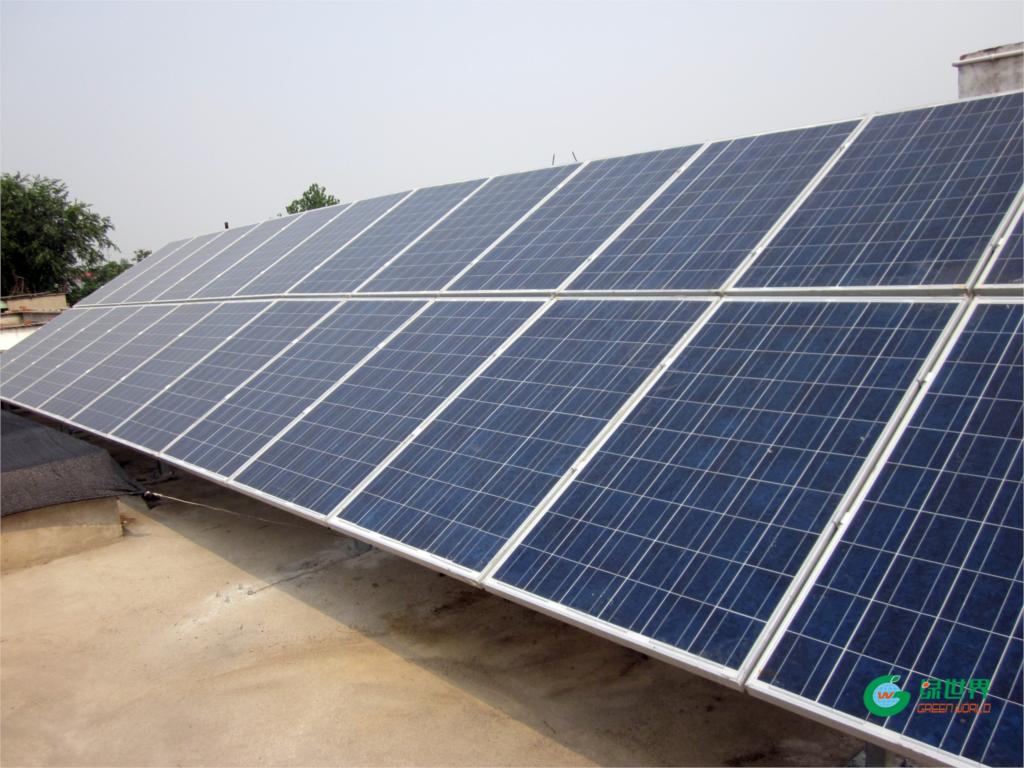
    Thai energy firm Gunkul Engineering Plc has acquired the 50-megawatt Phong Dien II solar power plant in the central Thua Thien Hue Province for $39.9 million.

    The plant is set to begin commercial power generation on December 15 with a feed-in tariff of 7.09 U.S. cents per kilowatt-hour for 20 years.

    The acquisition is part of the company’s plan to expand in Southeast Asia in the renewable energy sector, which it says has low risk and high growth potential

    Other Thai investors have also made moves to buy solar power plants in Vietnam, taking advantage of the country’s incentive feed-in tariffs to promote solar energy amid growing demand for electricity.

    Other Thai energy firms have also been busy in Vietnam.

    Gulf Group increased its ownership of two solar farms in the southern province of Tay Ninh from 49 percent to 90 percent during the second quarter of this year.

    Super Energy Corporation has invested $457 million in four solar power plants in southern Vietnam.

    Power production by Vietnam’s 100 odd solar plants surged 2.3 times year-on-year in the first 10 months to 7.95 billion kilowatt-hours, according to Vietnam Electricity.

  • Thai puts 34 aircraft on sale, including entire 747 fleet

    Thai puts 34 aircraft on sale, including entire 747 fleet

    Embattled Thai Airways has put up its entire Boeing 747 and its 777-200/300 fleet up for sale, as it aims to raise cash amid a long-drawn business rehabilitation process.

    The Star Alliance carrier disclosed on its aircraft trading website that 34 aircraft from its fleet will be put up for sale. Of these, 10 are 747-400s, six are 777-200s and another six are 777-300s.

    Thai Airways has 10 Boeing 747s currently in storage.

    The other aircraft include six Airbus A340-600s, which the carrier has not operated since 2015, and another three A340-500s, which it flew until 2012. Two 737-400s and one A300-600 round up the list of aircraft on sale.

    Thai states that the aircraft offered for sale are on an “as-is, where-is” condition, with most expected deliveries to take place in the second quarter of next year.

    The 10 747s (MSNs 26609, 26610, 27724, 27725, 28705, 28706, 32369, 32370, 33770 and 33771) are powered by GE CF6 engines and were manufactured between 1993 and 2003. They remain in storage, according to Cirium fleets data.

    The 777-200s (MSNs 27726, 27727, 27728, 27729, 27732 and 27733) were built between 1996 and 1998, and are powered by Rolls-Royce Trent 875 engines. Thai’s 777-300s (29150, 29151, 29211, 29212, 29213 and 29214) are fitted with R-R Trent 890s and were built between 1998 and 2000.

    Cirium fleets data shows the carrier has only 11 aircraft in service, with 85 in storage. Thai has a varied fleet, ranging from A330s, A380s and 787s.

    Thai filed for business reorganization in May, as it acutely felt the impact of the coronavirus outbreak. Already in a precarious financial situation, the pandemic saw travel demand collapse and widened the airline’s losses.

    Thailand’s central bankruptcy courts gave the troubled carrier the green light to reorganize in September, allowing it to appoint its rehabilitation organizers.

  • Lu Launches Wealth Management Platform in Thailand

    Lu Launches Wealth Management Platform in Thailand

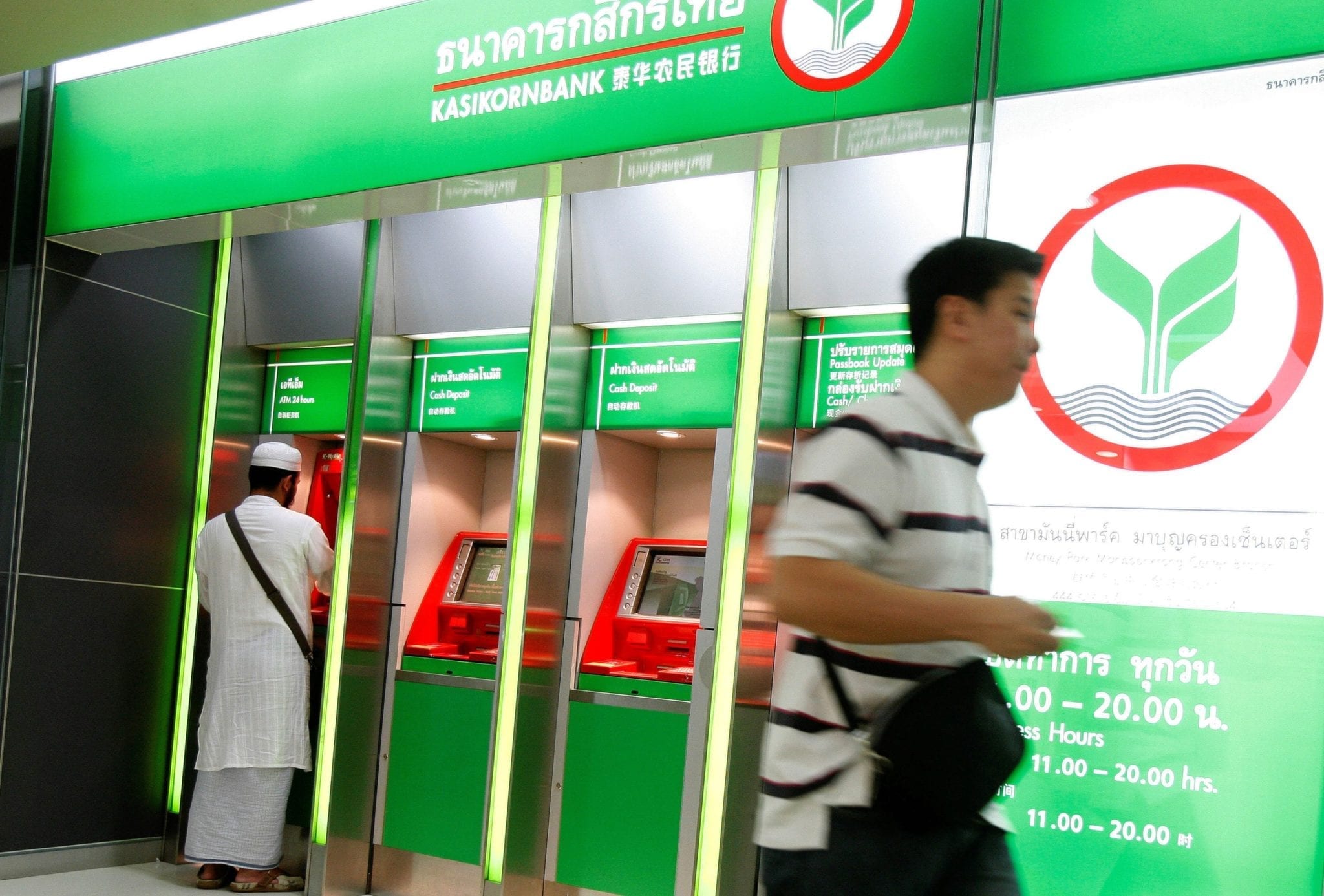
    Lu International, a Singapore-based subsidiary of leading Chinese retail fintech Lufax, is expanding its reach in the region via a strategic partnership with Kasikornbank.

    The FinVest digital investment platform aims to cater to the growing market of retail investors in Thailand by providing access to a full spectrum of onshore and offshore investment products with low minimum investment amounts and management fees, according to an announcement on Tuesday.

    The partnership was previously announced in August. The platform currently offers investors access to more than 600 funds from 15 asset management companies in Thailand, with a minimum of 1,000 baht ($35).

    Established in 1945, Kasikornbank is the fourth-largest commercial bank in Thailand, with 17.3 million customers. The bank also works closely with Geneva-based private bank Lombard Odier, which manages global investment funds on behalf of its private clients. Lombard Odier also acts as an exclusive offshore custodian for Kasikornbank clients, using Singapore as a booking center.

    Thailand is one of the fastest-growing markets in Southeast Asia and continues to see rapid wealth growth and economic development,» Greg Gibb, CEO of Lufax Holding, said in the announcement.

    Thailand’s total outstanding capital market value stands at around 44 trillion baht ($1.46 billion), of which 4.8 trillion baht, or around 10 percent, is invested in mutual funds, Kasikornbank noted.

    Of late, the younger generation has shown increasing interest in mutual funds, preferring to conduct transactions via digital channels and seeking products related to Thai and foreign equity instruments. Moreover, open-architecture investment is growing every year, Patchara Samalapa, Kasikornbank CEO, said.

  • Thai shoppers put trust in card payments when paying online during

    Thai shoppers put trust in card payments when paying online during

    As we pass the halfway point of 2020, the world today looks very different from when we started the year. The impact of the COVID-19 pandemic has affected more than our health, as our daily habits have changed, and how we use goods and services has transformed. We do more online than ever before, buying things we’d never imagined buying remotely: from shopping for groceries to ordering break-time bubble tea from our favorite shop. And not being present in the store means we have changed the way we pay too.

    In reality these changes were already in progress, but the pandemic has accelerated new customer habits. According to a recent study conducted by Visa, the global leader in digital payments, many Thai consumers turned to eCommerce for this first time, with two-thirds saying they were most likely to increase their online shopping.  Similarly, two-thirds said they intended to stick with digital payment methods, including contactless card and ecommerce, instead of reverting back to cash when the situation returns to normal. For digital payments, the new normal is here to stay.

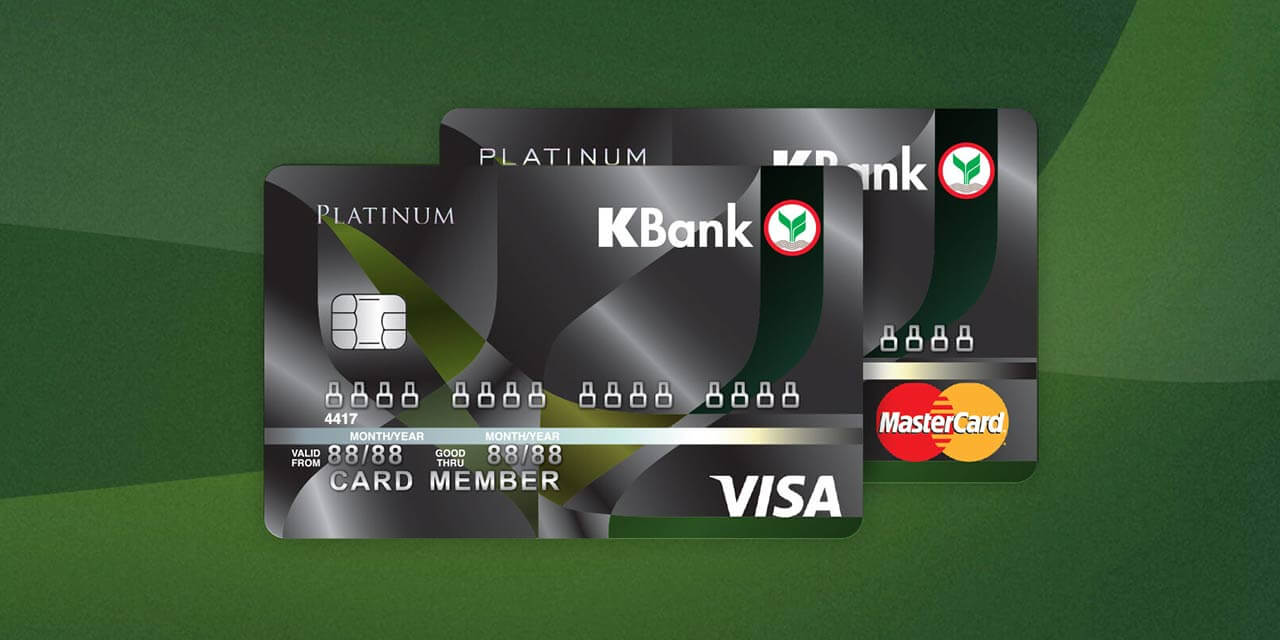
    As more Thai consumers shop and pay with digital payments, KASIKORNBANK and Visa have been working closely to pioneer new ways and solutions to secure digital payments and eCommerce experiences during and after your payment is made.  These are some of the behind the scenes security measures we carry out that will allow you to have more peace of mind when transacting digitally, and will shine a light onto why you should never look at digital payments the same way again.

    One-time password, or OTP, may be familiar. This is most commonly used when you receive a unique password sent by SMS to your phone that you use to authorize your payment.

    EMV CHIP is the small chip you see on your plastic card, and every time you pay this chip generates a dynamic one-time use code for each transaction. Using EMV CHIP cards means we are able to provide an additional layer of security known as dynamic authentication in addition to the real-time fraud scans conducted when the transaction is authorized by the issuing financial institution.

    Visa Advanced Authorisation is a service that uses predictive analytics combined with machine learning and artificial intelligence (AI) to analyse more than 500 unique risk attributes and allocates a risk score for each transaction.  This score is then shared with KBank Credit Card so we can make an informed decision on whether to approve or decline a transaction.  On average, Visa analyses more than six billion pieces of data every day.  When data analytics is used with authentication methods like biometrics to verify the cardholder, payment security is enhanced.

    Visa Tokenization will help ensure no sensitive data is transmitted during an online transaction. It replaces sensitive account information, such as the 16-digit account number, with a unique digital identifier called a token.  This token then allows payments to be processed without exposing actual account details that could potentially be compromised.  This means your card number and expiry date is not shared and your account is kept secure.

    Although most sales transactions are processed, posted and paid for with few problems, you may see a charge on your card that is unfamiliar or incorrect. To settle any disputes, KBank Credit Card has a chargeback policy.  The purpose is to protect cardholders from fraud and unfair billing practices.  This allows cardholders to feel more confident using cards freely, knowing that they will not be held responsible for the actions of identity thieves, deceptive merchants and other fraudsters.

    You can also imagine if your wallet gets stolen with cash in it, it can be virtually impossible to replace that money, unless the wallet is retrieved.  On the other hand, with cards, the process to replace lost or stolen cards is relatively seamless.  All you have to do is contact your card-issuing bank and they will work with you to disable the card and prevent your funds from being exploited by fraudsters.

     

  • Tesco Thailand takeover gets regulatory nod

    Tesco Thailand takeover gets regulatory nod

    Thailand’s competition regulator has given the nod for British retail giant Tesco to sell its supermarket businesses to the Charoen Pokphand Group, despite monopoly concerns.

    The $10.6 billion sale to Thailand’s biggest conglomerate was first flagged in March and also covers Tesco’s operations in Malaysia.
    “The majority of commissioners agreed that the merger of those businesses (could create) market dominance… but it’s not a monopoly,” Thailand’s Office of Trade Competition Commission said in a statement on Friday.

    The regulator said CP Group is not allowed to pursue other retail merger deals during the next three years.

    Thai Retailers and Wholesalers Association president Somchai Pornrattanacharoen, who was on the regulator’s vetting committee, last month publicly expressed concerns that the deal would grant CP Group a monopoly, according to local media.

    It is a boomerang sale of sorts — Tesco has nearly 2,000 grocery stores across Thailand which it bought from CP Group during the Asian financial crisis in 1997-1998.

  • UnionPay Makes Waste Reduction Fashionable with Jay The Rabbit Collaboration

    UnionPay Makes Waste Reduction Fashionable with Jay The Rabbit Collaboration

    UnionPay, a global payment brand, collaborates with Jay The Rabbit, one of Thailand’s favorite cartoon characters with over 1 Million followers across social media platforms to produce re-usable bags aim at reducing one-time plastic bags usage.

    UnionPay Cardholders with a minimum spend of 1,500 Baht* can redeem a UnionPay x Jay The Rabbit canvas bag worth 899 Baht from now till 6 December 2020 at 10 participating department stores in Bangkok which include Central Chidlom, Central @ Central World, Central Ladprao, Central Bangna, Central Pinklao, Siam Paragon Department Store, The Emporium and EmQuartier, The Mall Bangkapi, and The Mall Bang Khae. There are over 4,000 bags to be redeemed. UnionPay X Jay The Rabbit on-ground activities will also take place at Central World on 14 & 15 November 2020.

    Huiming Cai, General Manager of UnionPay International Southeast Asia said, “We hope that these specially designed limited-edition re-usable bags enhance the shopping experience of consumers while raising awareness on reducing the usage of single-use plastic bags.”

    In Thailand, UnionPay partners Bangkok Bank, Bank of China, ICBC Bank, Kasikorn Bank, Kiatnakin Bank, Krungthai Bank, LH Bank and Krungthai Card Company to provide a wide array of payment products and services.