Tag: Thailand

  • Thai startup Pomelo to launch fashion tech platform Prism

    Thai startup Pomelo to launch fashion tech platform Prism

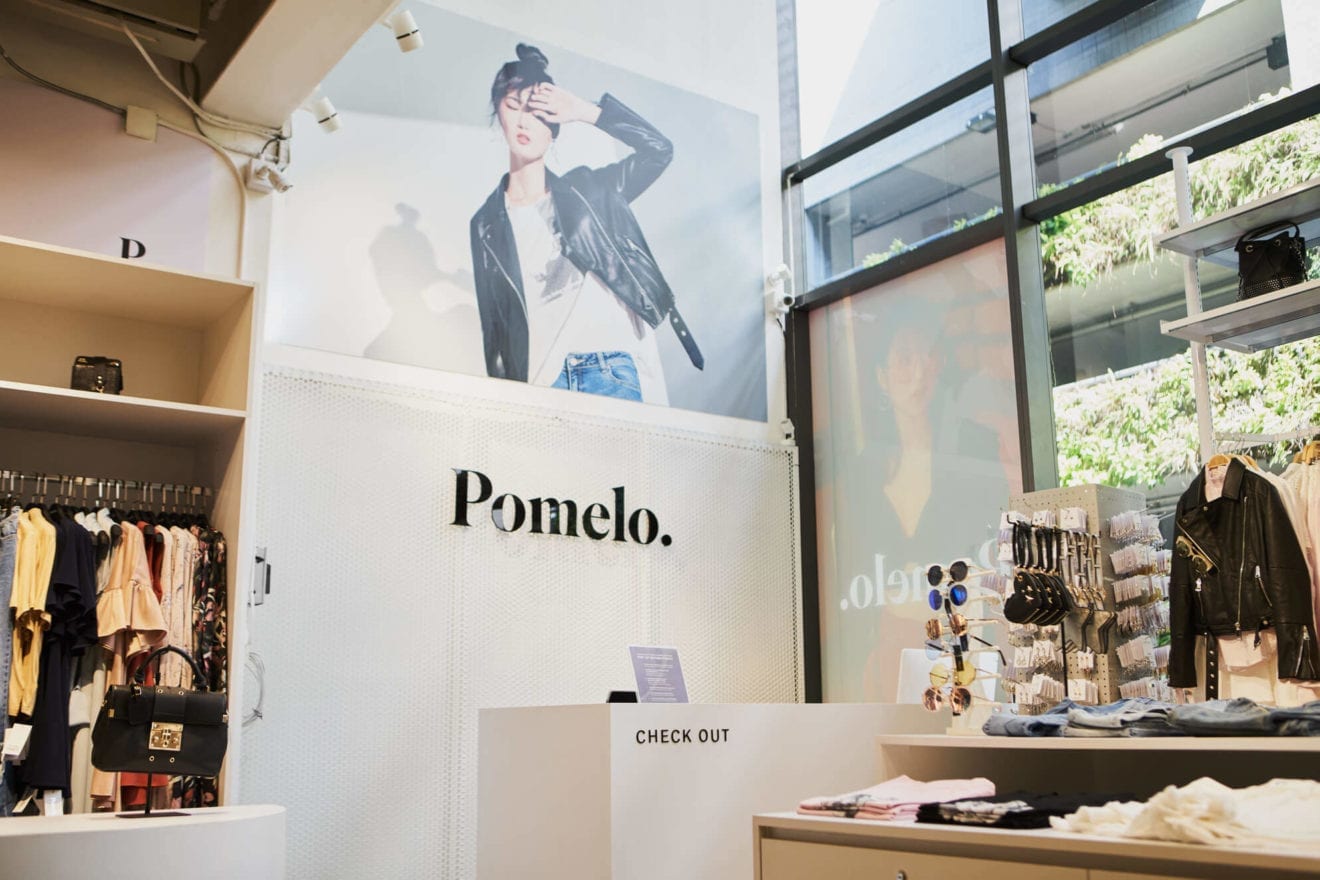
    JD-backed Thai fashion e-commerce startup Pomelo plans to boost revenue by offering its own technology in analytics and demand forecasting to other fashion brands in the region, its CEO David Jou says, amid slowing offline sales.

    The women’s fashion firm, which started as an online business in 2013, plans to launch its business-to-business (B2B) unit, Prism, next month to offer services like demand planning and logistics for other fashion and lifestyle brands.

    The plan comes as physical store sales and traffic have dropped.

    Store traffic in Thailand plummeted 71 percent in the first quarter of this year and about 20 percent in its other markets, said Jou in an interview with Reuters, adding that e-commerce was strong.

    Its B2B service has drawn brands like Levi’s as customers.

    The startup has raised a total of $83 million from investors including Thailand’s largest retailer Central Group and competes with companies like Japan’s Uniqlo.

    Retailers are accelerating digitization due to the pandemic, creating demand for the service, he said.

    Local brands, which already know their customers, can get support in product development, textile sourcing, and supply chain management, Jou said.

    Pomelo would continue to sell its own apparel brand and is planning to add 44 more physical stores on top of its 25 existing locations.

    The company is also experimenting with having customers try on clothes at home in a partnership with ride-hailer, Grab.

  • Thai AirAsia eyes year-end international restart amid worsening financial results

    Thai AirAsia eyes year-end international restart amid worsening financial results

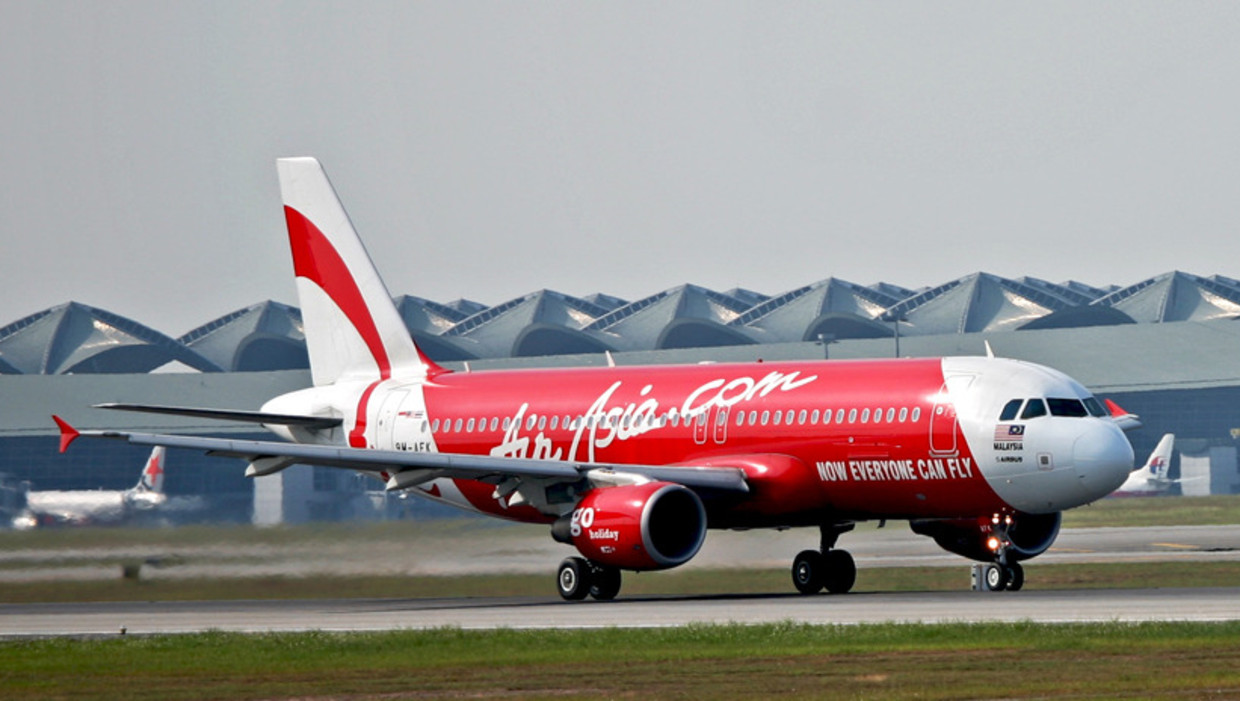
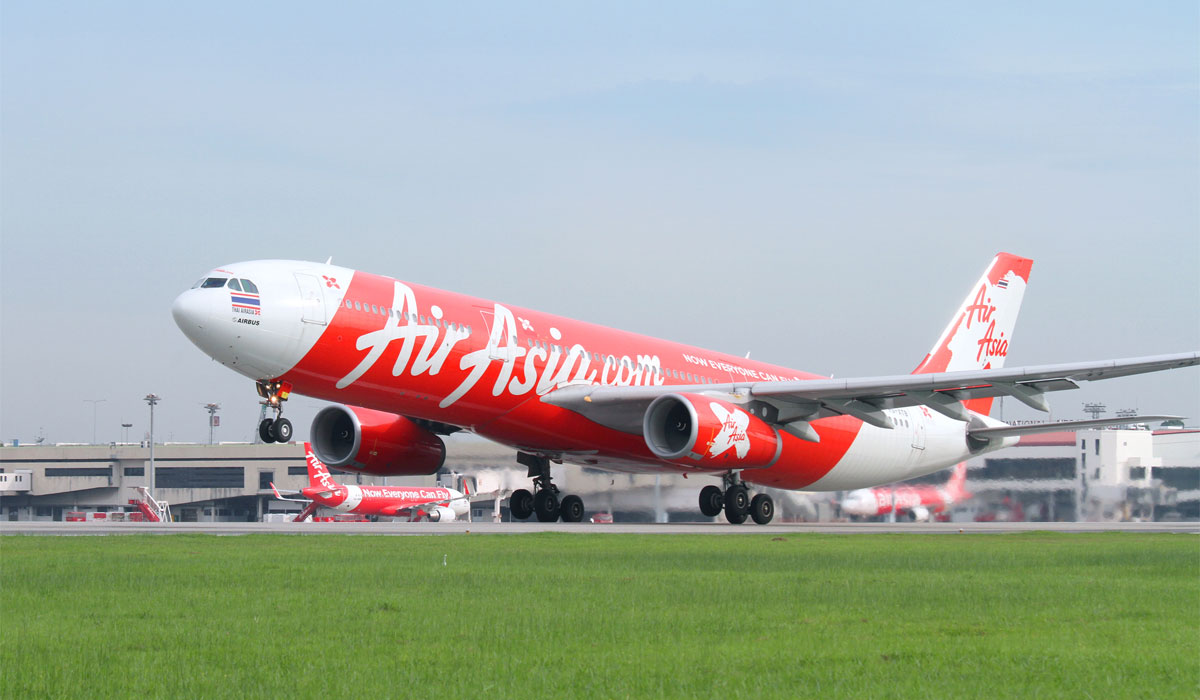
    Thai low-cost carrier Thai AirAsia has warned that the third wave of coronavirus infections in April will impact its profitability, as it sank deeper in the red amid plunging revenue.

  • Central Retail sales rebound to 90 per cent of pre-Covid levels

    Central Retail sales rebound to 90 per cent of pre-Covid levels

    Thai group Central Retail says it achieved 90 percent of its pre-Covid sales performance in the March quarter, the result of what CEO Yol Phokasub described as “thriving on steadily regaining balance” during a time of challenges and uncertainties”.

    First-quarter sales were down 9.7 percent to US$1.56 billion, however, net profit was down 48.4 percent to $14.65 million.

    In a statement, the company said that considering the semi-lockdown situation resulting from the second and third waves of the pandemic – when most businesses stopped trading – the impact on the retail market was more severe than the previous year.

    Phokasub said the company was able to take advantage of a broad portfolio of retail brands which enabled business agility during the Covid crisis, including synergy between the Central and Robinson department stores. It also benefited from the expansion of the Tops Market both within Thailand and in Vietnam, its Go! Malls concept in Vietnam and the recent acquisition of the B2B omnichannel books and stationery business.

    He said that during the year ahead Central Retail plans to increase work efficiency and productivity through technological development and strong cash flow while looking for new business ventures to diversify its portfolio.

    “Central Retail’s long-term vision and business plan before the Covid-19 pandemic remain unchanged, and that is to achieve sustainable and profitable growth.”

  • Thai AirAsia plans IPO for capital injection by new investor

    Thai AirAsia plans IPO for capital injection by new investor

    Thai AirAsia’s parent company has disclosed a corporate and capital restructuring plan for the airline, which involves listing it on the Stock Exchange of Thailand (SET) to accept a Bt3.15 billion ($100 million) loan from a new investor.

    Asia Aviation’s board approved the plan on 26 April, it says in a 27 April SET filing.

    The new investor is not connected to Asia Aviation or Thai AirAsia and will provide the funds in the form of a convertible loan agreement or convertible bonds with zero-coupon issued at par, with an approximately three-year term.

    This will be convertible to ordinary shares in Thai AirAsia at an agreed conversion price of about Bt20.4 per share. The conversion period is expected to be after Thai AirAsia receives approval for an initial public offering.

    Should the investor opt not to convert the loan or bonds into shares, it will hold the investment, which bears 3% interest, until maturity as a creditor.

    Asia Aviation says the investor is currently conducting due diligence and expects to complete the process in mid-May.

    It states that the investor wishes to invest directly in Thai AirAsia rather than through holding shares in Asia Aviation. Taking the airline public would also “increase the opportunities for Thai AirAsia to raise funds by itself rather than being dependent on [Asia Aviation] for fundraising”.

    Concurrently, Asia Aviation plans to convert its shareholders into direct shareholders of Thai AirAsia. This entails dissolving and liquidating Asia Aviation and the company says its board has yet to approve this.

    Asia Aviation holds shares equivalent to 55% of Thai AirAsia’s paid-up capital while AirAsia Investment, which is also the airline’s major creditor, holds shares representing 45%.

    Asia Aviation expects the new investor to hold 11.4% of Thai AirAsia X’s expanded shares issued after it goes public.

  • Singapore and Thailand Link National Payment Infrastructures

    Singapore and Thailand Link National Payment Infrastructures

    In a world-first, the two countries have established a link between Singapore’s PayNow and Thailand’s equivalent PromptPay.

    Customers in Singapore with DBS, OCBC, and UOB accounts, and customers of Bangkok Bank, Kasikorn Bank, Krung Thai Bank, and Siam Commercial Bank in Thailand will be able to securely perform cross-border peer-to-peer transactions of up to S$1,000 or THB25,000 using just their mobile numbers.

    The transactions will take place at the near real-time speed at a fee that is competitive to remittance services. Over time, participating banks and use cases will be scaled up and expanded, the Association of Banks in Singapore said in an announcement on Thursday.

    Monetary Authority of Singapore (MAS) and the Bank of Thailand first mooted the possibility of a link between their respective countries’ networks in 2017.  The announcement said the two sides spent the past few years working to align their target operating model, business rules, technical connectivity as well as legal framework.

    Wee Ee Cheong, ABS chairman, deputy chairman and CEO of UOB, said the initiative is also «an important step to connecting payment systems across ASEAN at scale in the future.

    MAS managing director Ravi Menon previously said MAS is keen to help other central banks in the region to expand the linkage, so that more people across Southeast Asia can benefit.

  • Thailand’s Nok Air extends time to file restructuring plan

    Thailand’s Nok Air extends time to file restructuring plan

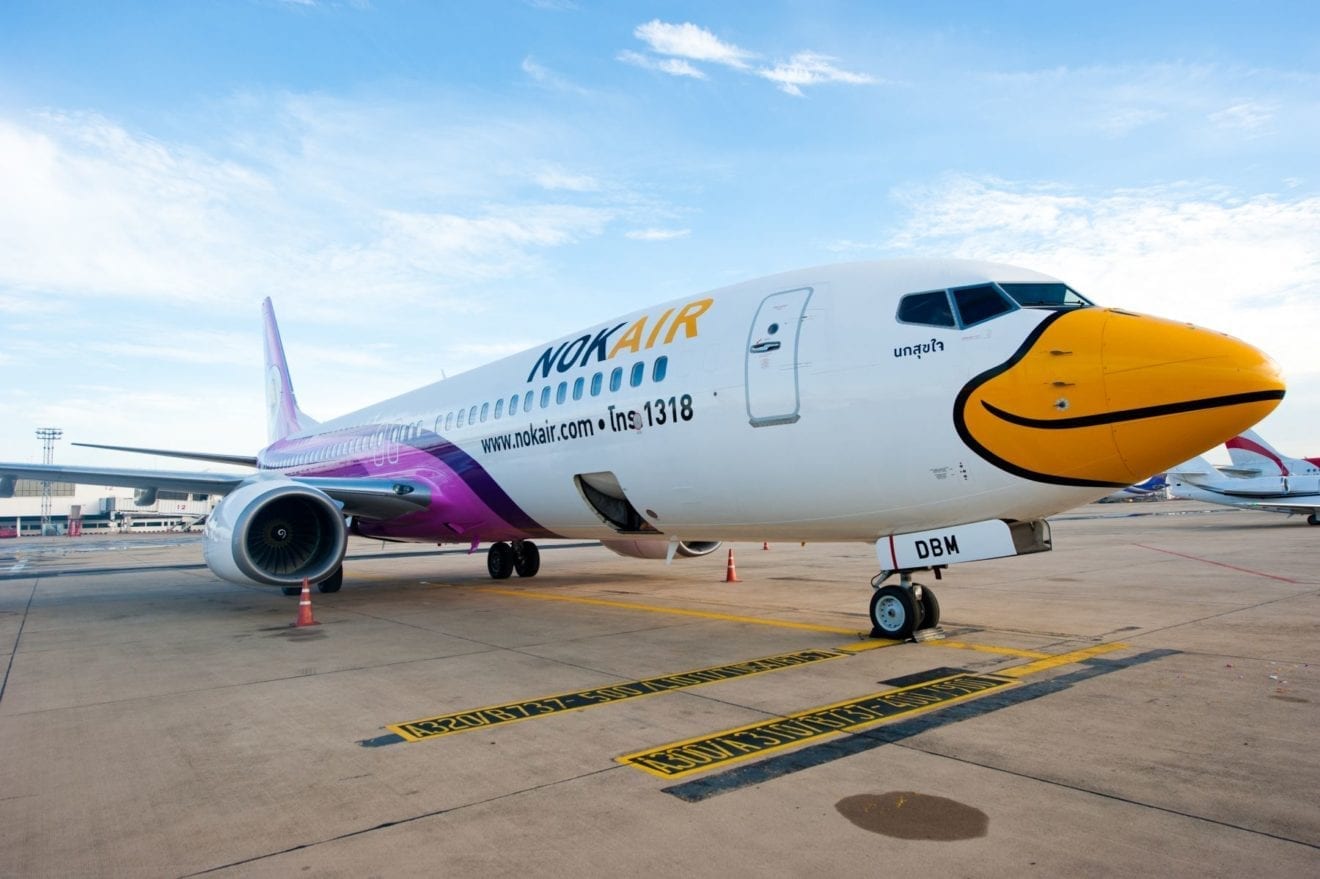
    Nok Air has said in a stock market filing that it has been granted an additional month to file its final restructuring plan, with the new deadline falling on May 15, 2021.

    “This extension is needed to collect additional information required in order to prepare a complete and comprehensive rehabilitation plan to ensure that it will be appropriate for the airline business during the COVID-19 pandemic situation and will receive the approval at the creditors’ meeting,” the low-cost carrier said.

    The airline filed for restructuring in July 2020 and was officially admitted to the procedure on December 15, 2020. According to Thai law, it was initially granted three months to submit a final rehabilitation plan to the Central Bankruptcy Court. It already extended the deadline once, through April 15, 2021. The second extension is also the final one permitted.

    Nok Air underlined that in addition to complex and ongoing negotiations, the previous deadline would have fallen during the celebration of the Thai New Year (Songkran).

  • Citigroup to exit consumer banking in Vietnam

    Citigroup to exit consumer banking in Vietnam

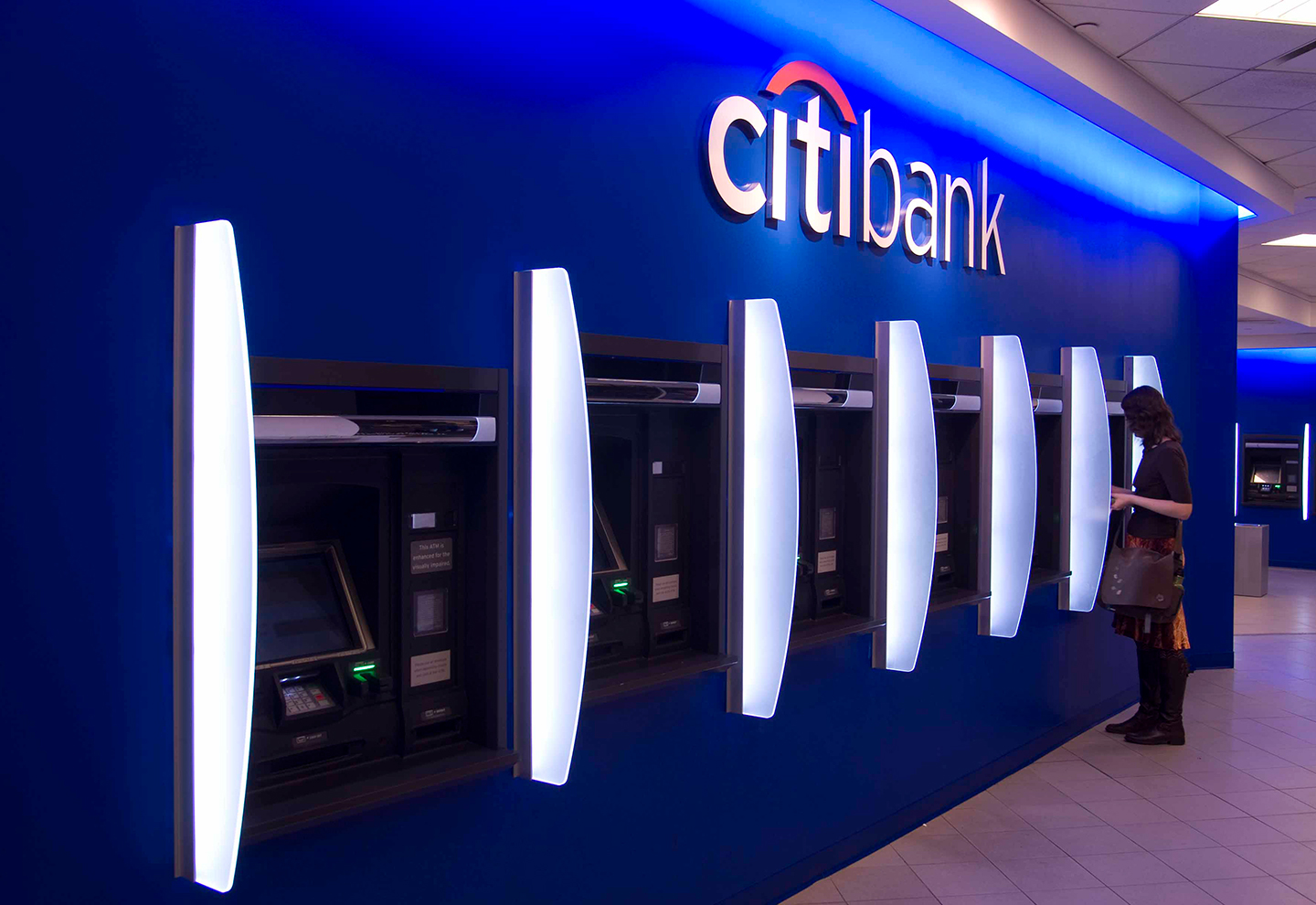
    America’s Citigroup will exit 13 international consumer banking markets, including Vietnam, to shift its focus to four wealth centers.

    The move is part of the bank’s strategic decision to direct investments and resources to businesses with the greatest scale and growth potential, it stated, adding its main markets will include Singapore, Hong Kong, the United Arab Emirates and London.

    Apart from Vietnam, 12 other markets to be affected are Australia, Bahrain, China, India, Indonesia, South Korea, Malaysia, the Philippines, Poland, Russia, Taiwan and Thailand.

    “While the other 13 markets have excellent businesses, we don’t have the scale we need to compete. We believe our capital, investment dollars and other resources are better deployed against higher returning opportunities in wealth management and our institutional businesses in Asia.”

    The bank has not specified when it would leave Vietnam.

    Citigroup in 1994 became the first U.S. financial institution licensed to open a branch in Hanoi. It opened its second branch in Ho Chi Minh City in 1998.

  • Thailand’s top coffee chain to expand in Vietnam

    Thailand’s top coffee chain to expand in Vietnam

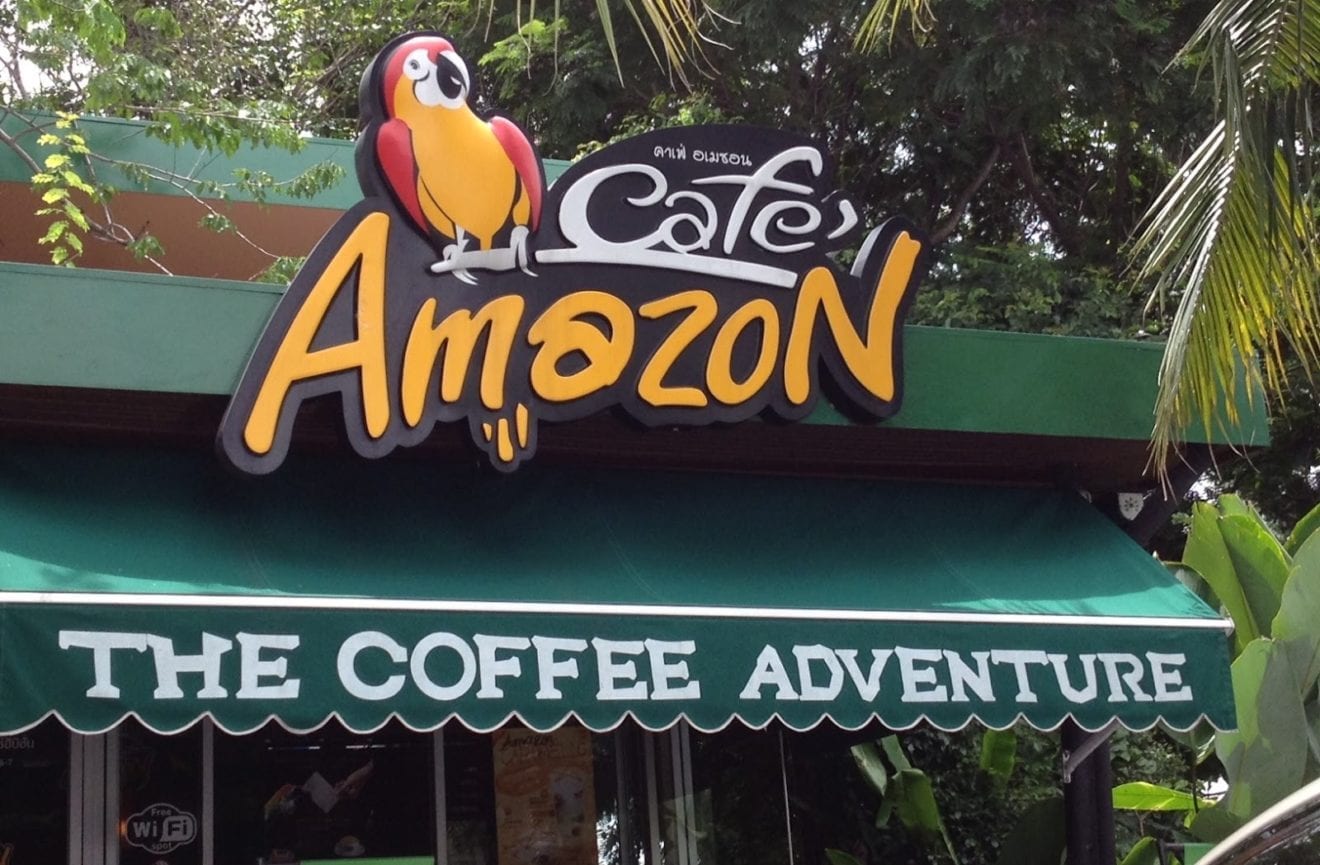
    Thailand’s leading coffee chain Café Amazon plans to expand in Vietnam after five months of establishment in the country.

    A spokesperson said recently the chain sees long-term potential in Vietnam and will expand in Ho Chi Minh City and neighboring provinces this year, but did not reveal specific figures.

    The chain opened its first outlet in southern Ben Tre Province last October, and later two in Tien Giang Province and Tra Vinh Province in December, all in Go! Supermarkets operated by Thai giant Central Retail.

    It also opened in December an outlet in HCMC.

    Thailand’s Central Group owns 40 percent of Café Amazon Vietnam, while the remainder belongs to another Thai fuel distributor PTT Oil and Retail Business.

    Café Amazon has over 3,000 stores in 10 countries.

    In Vietnam, it will have to compete with long-established domestic players like Highlands, Phuc Long, The Coffee House and Trung Nguyen.

    The market in the past has seen the withdrawal of foreign brands like NYDC – New York Dessert Café and Gloria Jean’s Coffees.

  • Foodpanda to drive Covid-19 vaccination awareness campaign across Asia

    Foodpanda to drive Covid-19 vaccination awareness campaign across Asia

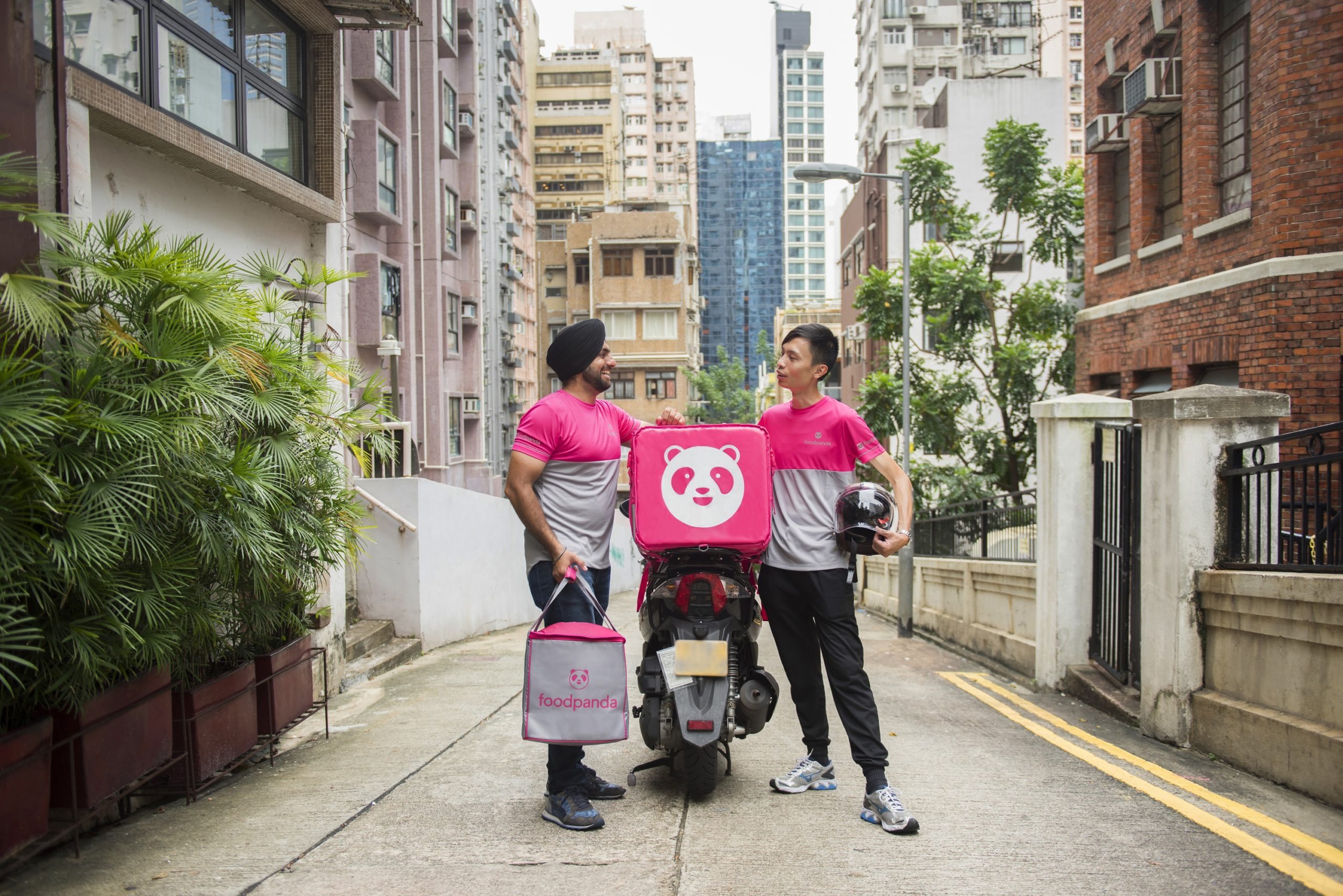
    Food and grocery delivery service Foodpanda has launched a Covid-19 vaccination awareness campaign across Asia in the lead-up to WHO’s World Immunisation Week. The campaign, which aims to reach more than 10 million people across Asia, will include a series of content across digital and social media channels, providing information and resources on local vaccination programs.

    It will be rolled out in phases across Singapore, Malaysia, Thailand, Hong Kong, Cambodia, Japan, Bangladesh, Pakistan, and the Philippines.

    “The region’s battle with Covid-19 is ongoing, and we have to stay vigilant on keeping our ecosystem safe,” said Jakob Angele, CEO of Foodpanda. “Leveraging existing channels with our network of riders, merchants, employees and customers, we can raise greater awareness around fighting misinformation and share information around local vaccination programs so that our entire delivery ecosystem can be informed and mobilized.”

    Besides its social media campaign, Foodpanda will also join hands with local authorities to support vaccination programs in Singapore, Cambodia, and the Philippines.

    “We will continuously explore ways to play a part in the fight against Covid-19.”

  • Thai cement giant to make Vietnam ‘top priority’ market

    Thai cement giant to make Vietnam ‘top priority’ market

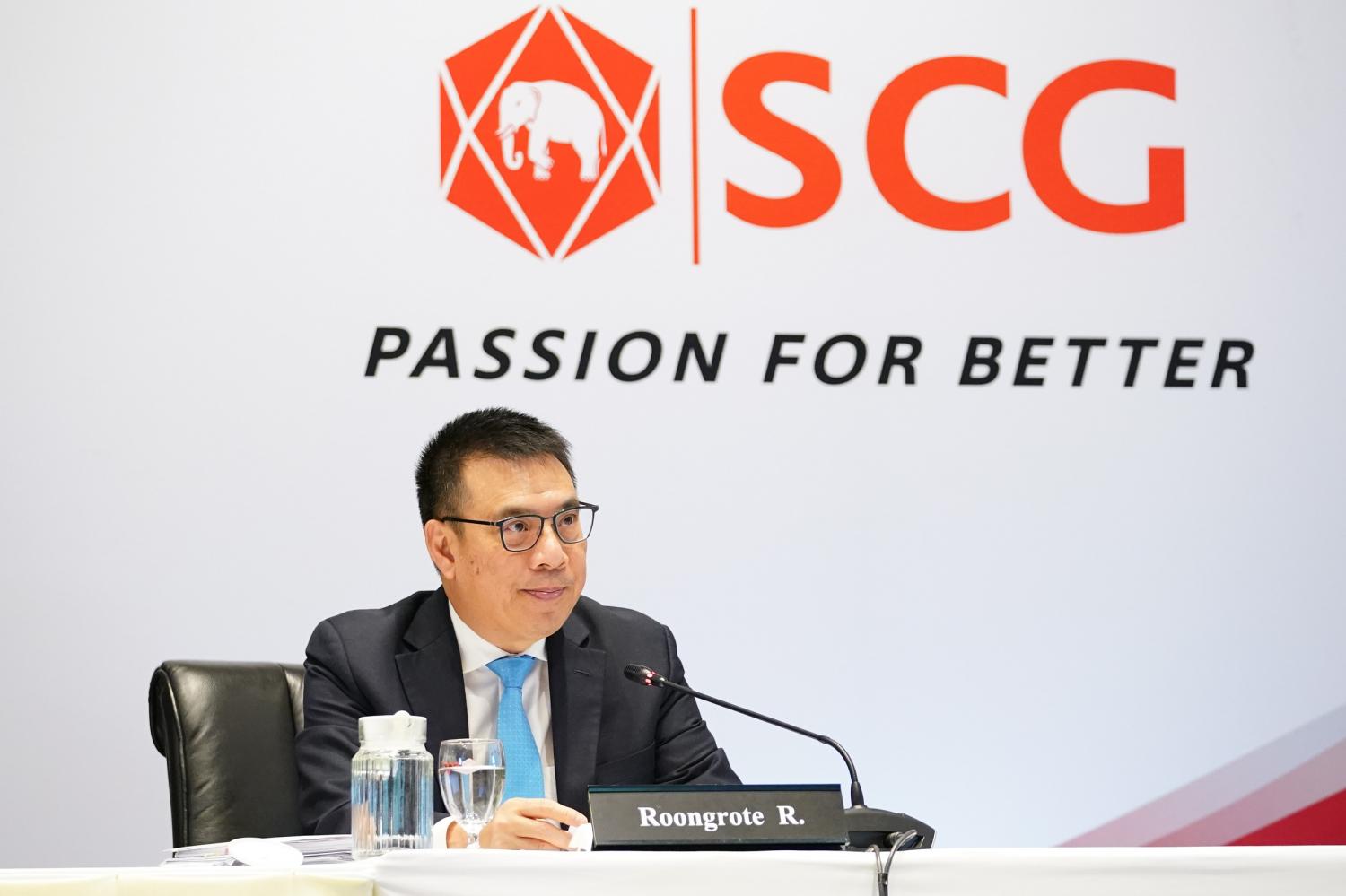
    Siam Cement Group (SCG), one of Thailand’s leading industrial companies, has earmarked Vietnam as its top priority market in upcoming years.

    Once a petrochemicals plant comes online in southern Vietnam, the company anticipates revenue from Southeast Asia excluding Thailand would rise to 35 percent of the total from the current 26 percent, its CEO Roongrote Rangsiyopash told Nikkei.

    “We have several projects ongoing, some big ones like a chemicals complex in northern Vietnam. That one, fortunately, has had no impact from the pandemic,” he added.

    The group has seen a trend of localized production within ASEAN and will make this a focus.

    “For the next few years, I foresee Vietnam would be our top priority,” Roongrote stated.

    SCG recently signed an agreement to buy 70 percent of Duy Tan Plastics, the largest manufacturer of rigid plastic packaging products in Vietnam, bringing its number of packaging companies in the country to eight.

    The group started investing in Vietnam in 1992. It has over 20 subsidiaries in Vietnam in the cement and building materials, chemicals and packaging industries. It has been investing in the packaging industry for over a decade.

  • Rhenus Logistics opens free zone warehouse in Bangkok

    Rhenus Logistics opens free zone warehouse in Bangkok

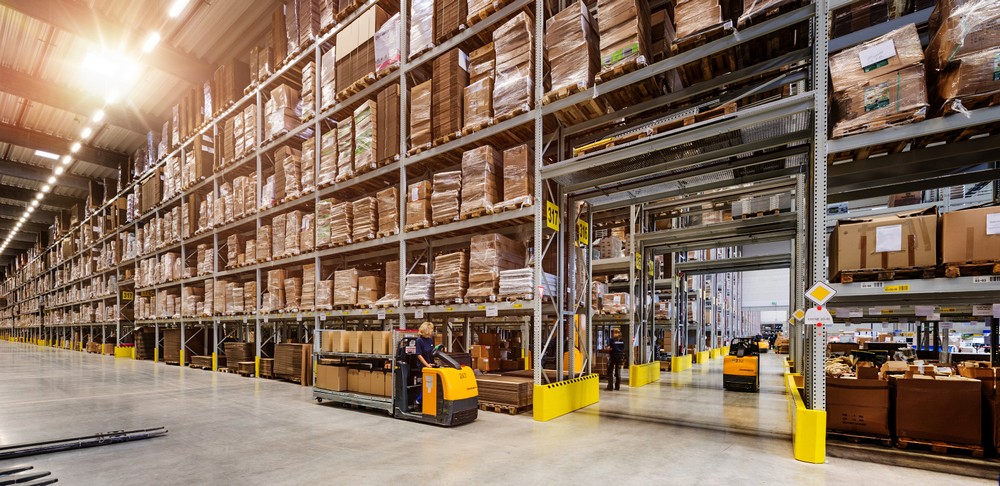
    Global logistics service provider Rhenus Logistics has opened a new free zone warehouse in Bangkok, Thailand, as it aims to serve a wider range of industries.

    The warehouse is strategically located within a 10-kilometre radius of three existing warehouses that house general cargo and dangerous goods.

    Rhenus says the facility, located within Bangkok’s free trade zone, will offer a wider range of services to key industries like manufacturing, medical devices and healthcare, whilst offering better value for customers, including duty exemptions.

    “The warehouse provides added convenience to customers who conduct business in the nearby Bangkok metropolitan city, with its close proximity to key freight hubs at Suvarnabhumi Airport and Thailand’s major sea ports,” the company said.

    Rhenus noted that the facility features its latest in-house technology and an ecofriendly design. Customers in electronics and medical devices with specific storage requirements can safely and securely tap on its 450-sqm temperature and dust-free controlled room, ambient storage facilities and the anti-static testing room.

    The warehouse supports pallet storage for standard cargo and block space for oversized cargo up to 3 tonnes, offers flexible in-transit capacity for large shipments, with comprehensive 24-hour security measures within and around the facility.

    “With its strategic proximity to the Bangkok Free Trade Zone, we hope to better support evolving warehousing needs by providing more space options, improving quality and all while reducing operational costs for our customers,” said Tim Burger, director warehousing and transport, Rhenus Logistics Thailand.

  • Thai fuel player bets US$1.5 billion on coffee

    Thai fuel player bets US$1.5 billion on coffee

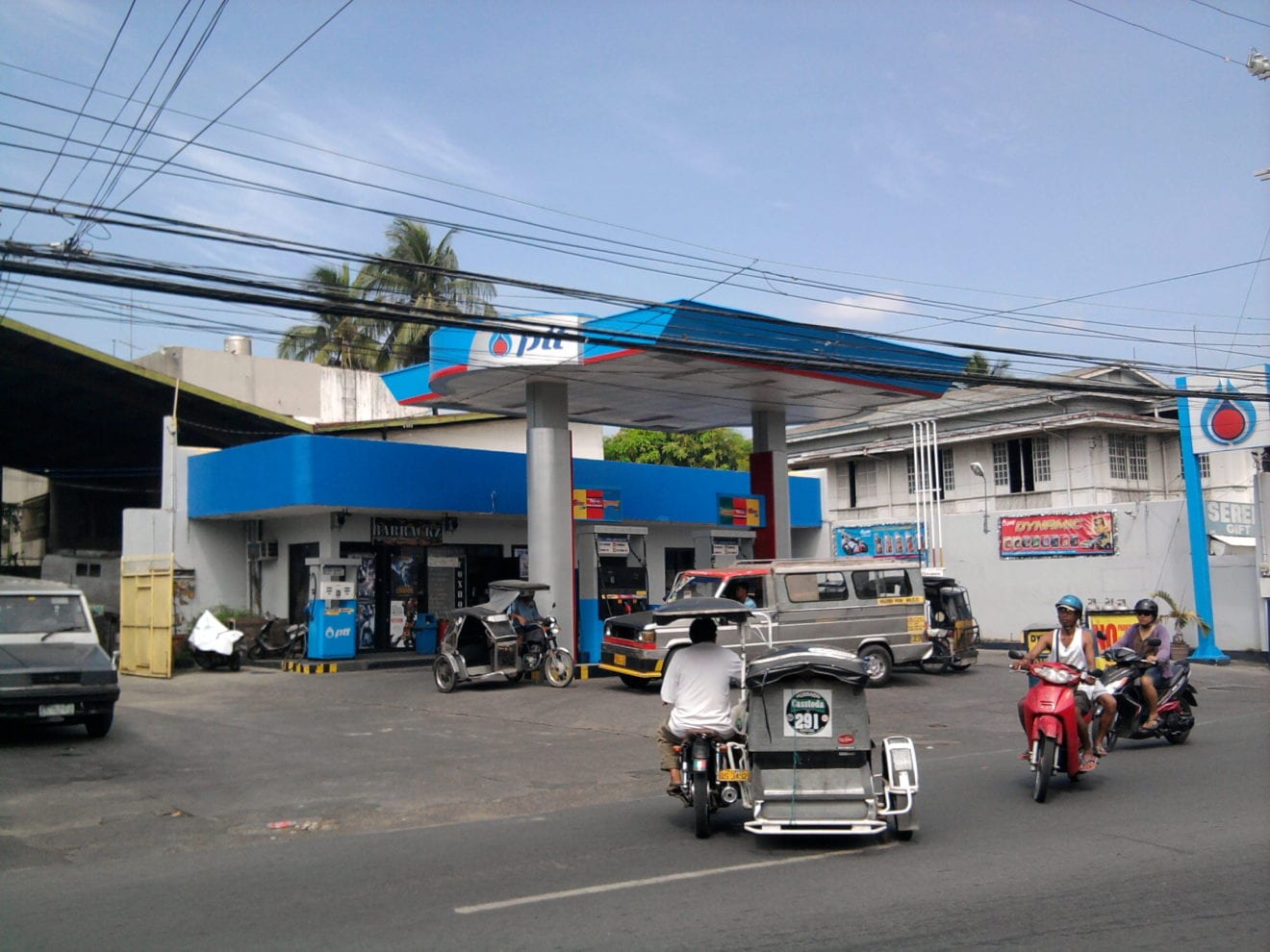
    The head of Thailand’s biggest gas station network has US$1.5 billion that says motorists will soon be stocking up on a different kind of fuel – coffee.

    That’s the bet that Jiraporn Kaosawad, Chief Executive of PTT Oil and Retail Business (PTTOR), is placing on rolling out thousands of coffee shops at home and abroad, along with other non-oil businesses, as global auto and fuel players gear up for a near future dominated by electric car growth.

    A month on from Thailand’s biggest initial public offering of the year, Jiraporn’s plans for the Cafe Amazon business – already the no.1 Thai coffee shop chain – present PTTOR’s take on the task facing oil majors from BP to Total: how to maximise profit from fuel networks as drivers of the near future wait for their electrics cars to be charged up.

    These strategies are dependent on mass-scale take-up of electric vehicles (EV), now being promoted by governments and international organisations as one key to capping and ultimately reducing the emissions that stoke climate change.

    “Our investments and partnerships have to build on the company’s strength, and align with consumer demand,” Jiraporn told Reuters in a recent interview. “Charging EVs takes about 20 minutes, while you wait you can have a meal, buy things in the service station.”

    PTTOR’s network now stands at 2,000 gas stations across Thailand: it plans to add another 500 by 2025, and to rapidly ramp up the number that are equipped with EV charging points, to 300 by 2022 from just 30 currently. That surge will come as the Thai government seeks to implement plans to have 1.05 million EVs on the road by 2025, up from current levels of about 200,000.

    To be sure, PTTOR’s expansion plans beyond oil require heavy investment, with oil business still accounting for 90% of its revenue. Some point out that its dominance within Thailand won’t do anything per se to further its international ambitions.

    “The retail business has had a competitive advantage in Thailand,” said Maybank Kim Eng analyst, Kaushal Ladha. “This advantage of course will be significantly reduced if it goes to international markets.”

    Still, PTTOR has deep pockets and strong backing. State-owned energy giant PTT Pcl retains a 75% stake in the company after it raised $1.8 billion in its listing last month.

    Jiraporn said PTTOR’s plan to invest 74 billion baht ($2.39 billion) over five years to expand will be heavily skewed toward non-oil operations, which last year carried an operating profit margin of nearly 20%, compared to a skinny 1%-2% for oil sales.

    “The investment will be heavily used in the first two years,” she said, with 65% allocated to its non-oil business, overseas expansion, and new ventures, while 35% would be for oil.

    Though not alone, coffee is PTTOR’s best-known product line outside oil.

    Cafe Amazon started out in 2002 as outlets offering coffee, cookies and other goods for motorists at gas stations, before expanding into a 3,000-store Starbucks-like chain, including shopping mall and standalone outlets. PTTOR’s goal is to expand that to 5,200 in the next five years, Jiraporn said.

    Abroad, it operates a store in Singapore’s Jewel Changi Airport as it seeks insights into adapting business for international customers. It also counts branches in Cambodia, Japan, Oman, Vietnam and China.

    PTTOR’s investments beyond coffee include 500 million baht for a 20% stake in an organic food restaurant, Ohkajhu, and it has announced a partnership for cloud kitchens – spaces where restaurateurs cook meals solely for delivery – with a food delivery platform Line Man Wongnai.

    For investors, though, the main point of interest and appeal in the PTTOR model, remains the retail network of stations that can provide more than gas.

    “The attraction is the station, not the oil,” said prominent Thai investor Niwes Hemvachiravarakorn, who doesn’t own shares in PTTOR.

    “The gas stations have become a centre for travellers and through this they can add products and services continuously to expand business – use the real estate to sell fried chicken.”
  • Thai Airways disputes $7.4bn of aircraft lessor claims

    Thai Airways disputes $7.4bn of aircraft lessor claims

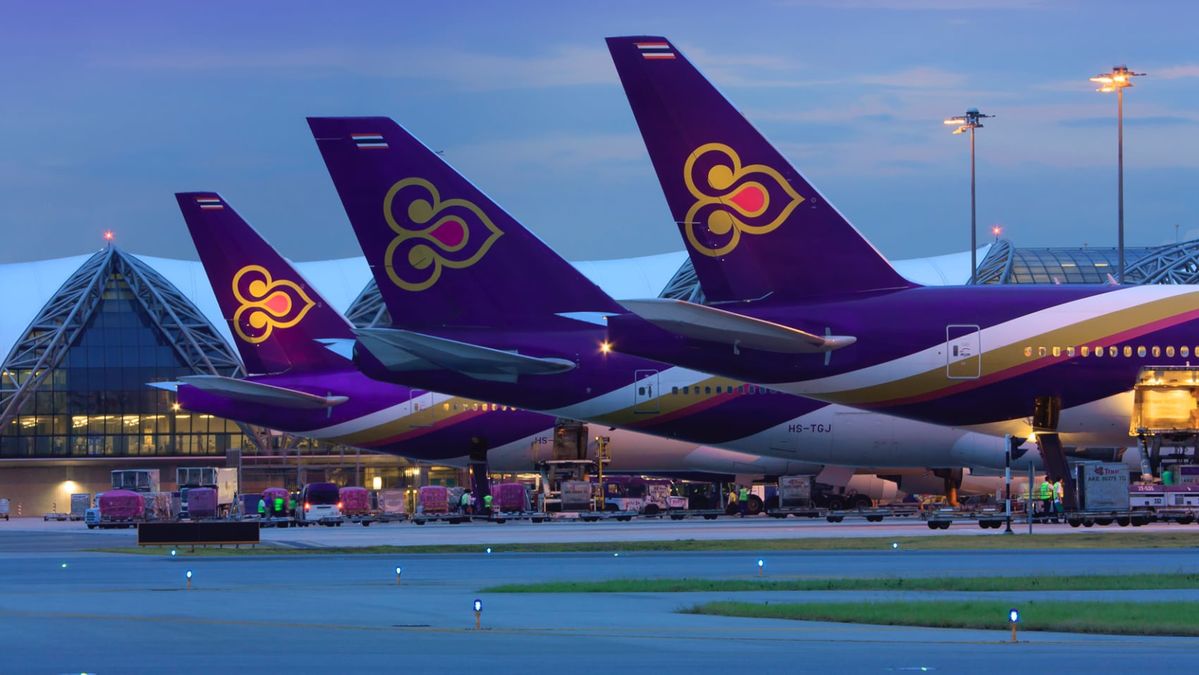
    Thai Airways International Plc is challenging some US$7.4 billion in claims from dozens of aircraft lessors and engine service provider Rolls-Royce Holdings Plc, saying it is not liable for the monies because they concern future expenses and were incurred after the airline received bankruptcy protection from a Bangkok court.

    Thailand’s flag carrier, which is undergoing a court-supervised restructuring to trim debt and return to profit by raising fresh capital, is disputing around 192 billion baht ($6.3 billion) claimed by 48 lessors including BOC Aviation Ltd and SMBC Aviation Capital Ltd, and another 33 billion baht that Rolls-Royce says it is owed for maintenance services, according to a copy of the debt rehabilitation plan seen by Bloomberg.

    A spokesperson for Thai Airways declined to comment. Representatives from BOC Aviation, and Rolls-Royce and SMBC Aviation in Europe also declined to comment.

    The disputed amount is more than half of Thai Airways’ total liabilities of 410 billion baht. Yet an amicable settlement with creditors is key for the airline to stave off bankruptcy.

  • HSBC Launches Fund Administration Services in Thailand

    HSBC Launches Fund Administration Services in Thailand

    This move is in line with the change in the securities services landscape in Thailand, which has relaxed outsourcing rules to boost the efficiency of local fund managers’ operations.

    By outsourcing their back-office operations to HSBC, asset owners and managers will be able to focus on their core offerings, the bank said in an announcement on Tuesday.

    The service will be available on HSBC’s Multifonds fund administration platform. HSBC clients already have access to custody and fund supervisory services offered by the bank.

    “Our clients have expressed a keen desire to improve efficiency and reduce cost, reduce operational risk, adapt to their investors’ need and manage regulatory changes effectively, Utumporn Viranuvatti, HSBC head of securities services, Thailand, said in the announcement.

    The bank said it has many other offerings planned as a part of HSBC Securities Services’ Asia-first strategy to accelerate growth in the region by ramping up its investment in additional solutions and capabilities.

    HSBC has been expanding its offerings in Thailand as part of its bid to strengthen its Asean coverage. HSBC Private Bank launched its onshore business in the kingdom in February 2021, the bank’s second onshore business in the region after Singapore.

  • HSBC Launches Fund Administration Services in Thailand

    HSBC Launches Fund Administration Services in Thailand

    This move is in line with the change in the securities services landscape in Thailand, which has relaxed outsourcing rules to boost the efficiency of local fund managers’ operations.

    By outsourcing their back-office operations to HSBC, asset owners and managers will be able to focus on their core offerings, the bank said in an announcement on Tuesday.

    The service will be available on HSBC’s Multifonds fund administration platform. HSBC clients already have access to custody and fund supervisory services offered by the bank.

    “Our clients have expressed a keen desire to improve efficiency and reduce cost, reduce operational risk, adapt to their investors’ need and manage regulatory changes effectively, Utumporn Viranuvatti, HCBC head of securities services, Thailand, said in the announcement.

    The bank said it has many other offerings planned a part of HSBC Securities Services’ Asia-first strategy to accelerate growth in the region by ramping up its investment in additional solutions and capabilities.

    HSBC has been expanding its offerings in Thailand as part of its bid to strengthen its Asean coverage. HSBC Private Bank launched its onshore business in the kingdom in February 2021, the bank’s second onshore business in the region after Singapore.