Tag: Thailand

  • AirAsia to resume Bangkok-Phnom Penh flights following Cambodia’s reopening

    AirAsia to resume Bangkok-Phnom Penh flights following Cambodia’s reopening

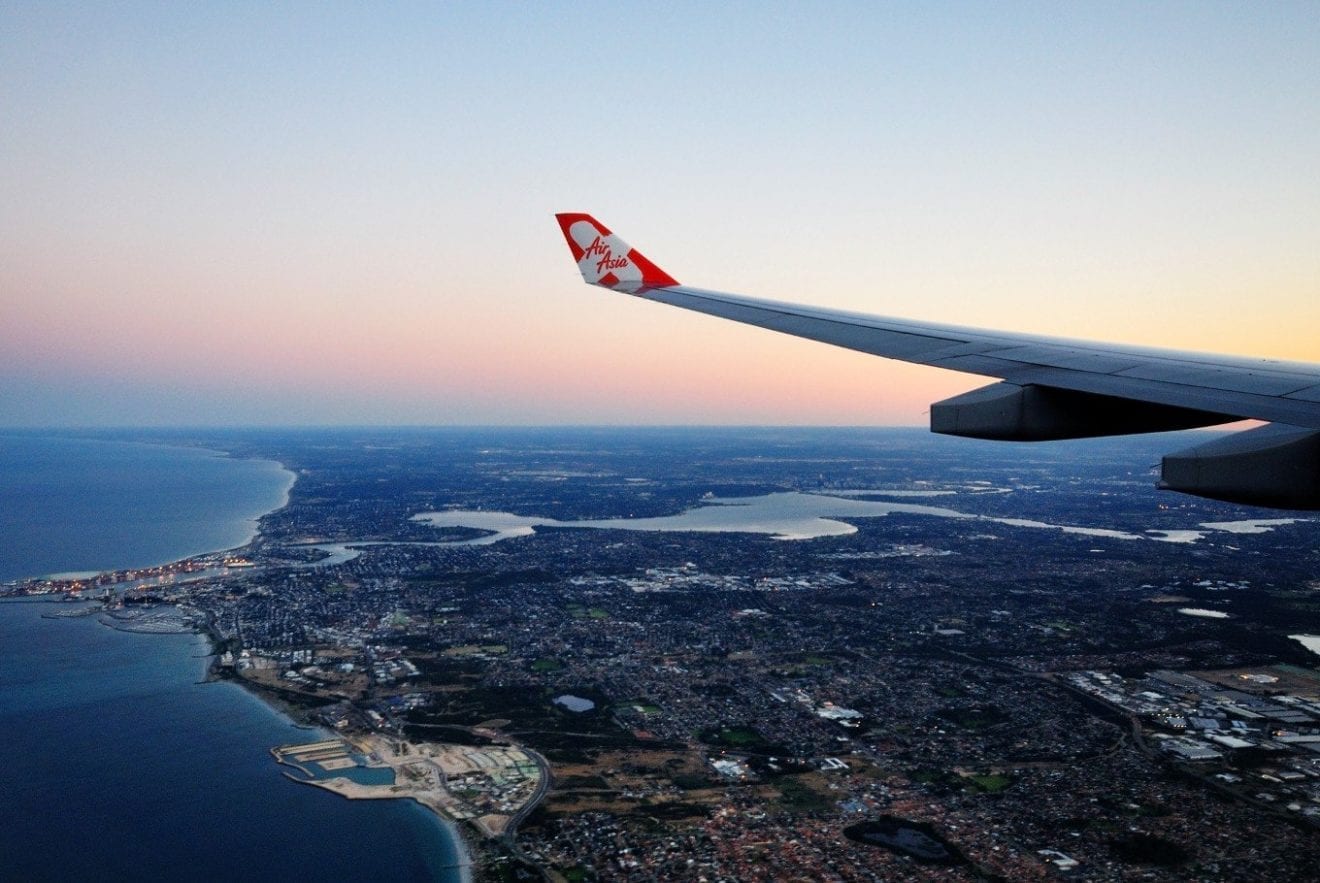
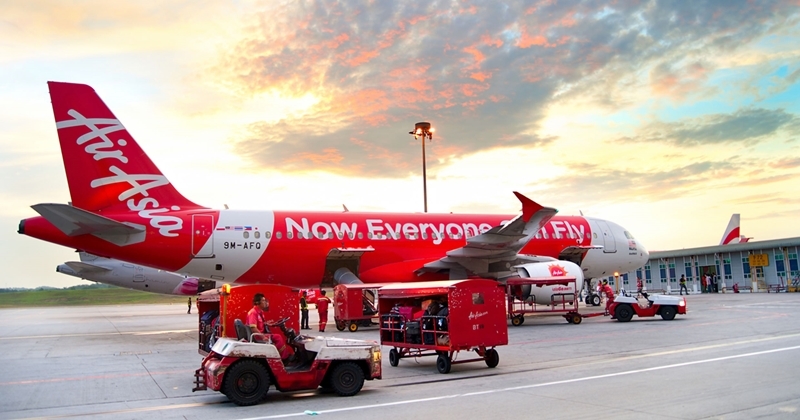
    AirAsia is resuming flights from Bangkok to Cambodia’s capital Phnom Penh starting December 22. The Southeast Asian country recently lifted restrictions to allow fully vaccinated foreign travelers to enter without undergoing quarantine.

    Next month, flights from Bangkok’s Don Mueang International Airport to Phnom Penh will take off on Wednesdays, Fridays, and Sundays. Travelers who are considered fully vaccinated under the World Health Organisation requirements within 14 days of departure will be allowed to enter under the quarantine-free travel scheme.

    Visitors will also need to test negative in a RT-PCR Covid-19 test at least 72 hours before departure and take a rapid antigen test on arrival. Those who have not been fully vaccinated will need to undergo a 14 day quarantine.

    For AirAisa BIG members, tickets start at 1,690 baht per trip with pre-booking from November 18 to 28 for flights from December 22 to March 25.

  • Telenor and CP Group to explore Thailand telecom merger

    Telenor and CP Group to explore Thailand telecom merger

    C.P. Group and Telenor Group are exploring the creation of a new telecom-tech company comprising of True and dtac. The new company will be a merger of equals, and bring the best of the two local companies, with the support of its key sponsoring shareholders.

    The new company will be a leading telecommunications service provider with capabilities to accelerate Thailand’s progressive digital technology agenda in terms of network performance, innovation, investment strength and employer brand.

    Mr. Suphachai Chearavanont, chief executive officer of C.P. Group and chairman of the board of True Corporation said, “The telecom and technology sectors are key to enabling Thailand to move up the development curve and to create broad-based prosperity.  As a telecom-tech company, we can help unleash the enormous potential of Thai businesses and digital entrepreneurs as well as attract more of the best and the brightest from around the world to do business in our country.”

    “Today is a step forward in that direction. We hope to empower a whole new generation to fulfill their potential to become digital entrepreneurs leveraging an advanced telecom infrastructure. The emergence in Thailand of IoT, AI, Cloud, and new generations of mobile network technologies will have a huge effect on the way we do everything,” he said.

    Mr. Sigve Brekke, president and chief executive officer of Telenor Group, said, “We have experienced an accelerated digitalization of Asian societies, and as we move forward, both consumers and businesses expect more advanced services and high-quality connectivity. We believe that the new company can take advantage of this digital shift to support Thailand’s digital leadership role, by taking global technology advancements into attractive services and high-quality products.”

    Mr. Jørgen A. Rostrup, executive vice president of Telenor Group and head of Telenor Asia said, “The proposed transaction will advance our strategy to strengthen our presence in Asia, create value, and support long-term market development in the region.  We have a long-standing commitment to both Thailand and the Asian region, and this collaboration will strengthen it further. Our access to new technologies as well as the best human capital will be a vital contribution to the new company.”

    Mr. Rostrup added that the new company has the intention to raise venture capital funding together with partners of USD 100-200 million to invest in promising digital startups focusing on new products and services for the benefit of all Thai consumers.

    If the transaction proceeds, it will consist of a voluntary tender offer (VTO) subject to satisfaction of conditions for all outstanding shares of dtac and True, followed by the amalgamation of dtac and True creating a new company. The VTO price for dtac will be THB 47.76, which represents a 25 percent premium to the one-month VWAP for dtac shares, and the VTO price for True will be THB 5.09, which represents a 25 percent premium to the one-month VWAP for True shares. The agreed exchange ratio is 10.221 True shares per dtac share. The outcome of the VTO will determine the final equalized ownership percentage between C.P. Group and Telenor Group.

    All shareholders of dtac and True will have the choice of participating in the tender offer or continue as shareholders in the combined company, which will be listed on the stock exchange of Thailand. The combined company faces a challenging operational environment over the next years and C.P. Group and Telenor Group recognize that not all shareholders may want to participate in this journey, which is why a cash alternative at an attractive premium is offered. The involved parties aim to reach the necessary agreements by Q1 2022.

    The current operations of True and dtac will continue to run their businesses independently until the transaction is completed. The transaction will be subject to approvals by relevant boards and shareholders and customary regulatory approvals, and the parties acknowledge that there is no certainty as to the completion of the transaction.

  • Tune Protect and AirAsia to unveil travel protection for foreign travellers into Langkawi and Thailand

    Tune Protect and AirAsia to unveil travel protection for foreign travellers into Langkawi and Thailand

    In an industry first, Tune Protect and AirAsia have launched the Covid Travel Pass as an added convenience for air travelers to meet the mandatory insurance coverage set by the governments for fully vaccinated international travelers flying into the countries. Kicking off with Langkawi, Malaysia, and various tourist destinations in Thailand, the service will be expanded to include other countries and destinations in due course.

    Currently, travelers flying AirAsia into Langkawi, Malaysia, and destinations in Thailand can subscribe to the Covid Travel Pass when booking their flight tickets on the AirAsia super app, post-flight purchase subscription options are also available before travelers depart. The introduction of the Covid Travel Pass plans is timely as they also meet the year-end travel needs of AirAsia’s guests who wish to head to their much-awaited holidays and the impending opening of regional and international borders.

    The Covid Travel Pass plans are complete with enhanced COVID-19 coverage to satisfy the Malaysian government’s requirement for international travelers coming into Langkawi to have mandatory insurance coverage of USD 80,000 while for Thailand, the required mandatory coverage is USD 50,000.

    “As Malaysia and Thailand open their international borders, AirAsia is prepared to meet the rise in the pent-up travel demand especially towards the end of the year as a peak travel period. Traveling today comes with a new set of protocols and we want to reassure our guests that we are ready to welcome them with the right travel protection products provided by Tune Protect while observing strict and disciplined protocols to ensure the safety of our passengers in-flight and beyond so that they can have total peace of mind,” said Bo Lingam, Group CEO of AirAsia Aviation.

    AirAsia has spent a period of downtime in travel over the past one-and-a-half years to further improve and revamp its flight procedures and processes. In the highest interest of safety and well-being of all its guests and employees, AirAsia will accept only fully vaccinated guests onboard its flights, and likewise, ensure only fully-vaccinated employees will operate flights and be on duty at the airport terminals.

    Despite mostly not flying for a good part of the past 18 months, all AirAsia’s aircraft are properly maintained according to procedures set by the manufacturer. AirAsia has set up an in-house maintenance, repair, and operations (MRO) unit called Asia Digital Engineering that provides services not only to AirAsia but also other airlines. Likewise, all its pilots and cabin crew are regularly sent for mandatory refresher courses and ongoing retraining so that they are always on top of their job.

  • Rubber firms report surge in profits

    Rubber firms report surge in profits

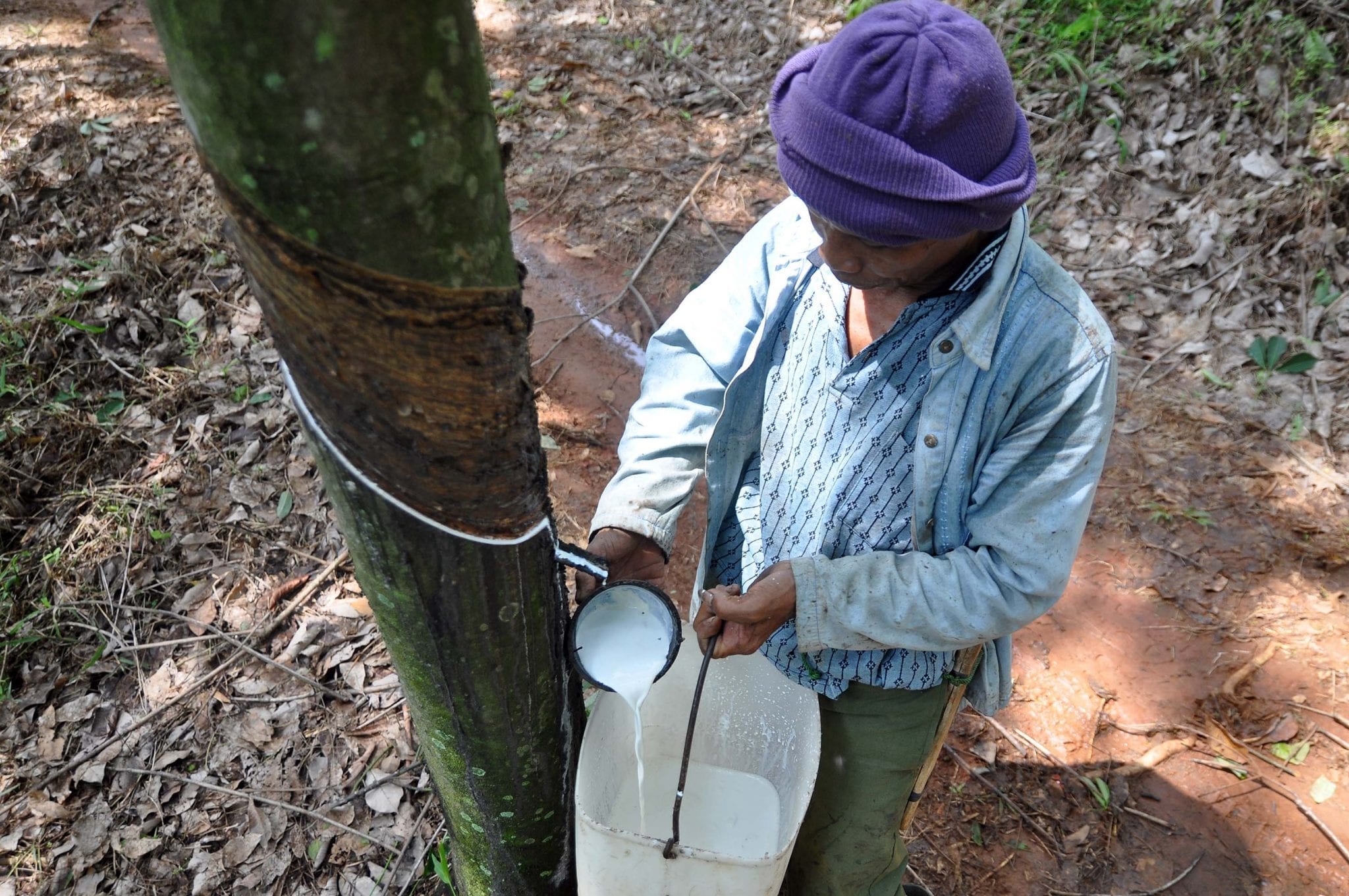
    Rubber prices have soared by 30-50 percent this year, driving up profits for companies in the industry by triple digits in Q3.

    Subsidiaries of the Vietnam Rubber Group such as Daklak Rubber JSC, Tan Bien Rubber JSC, Ba Ria Rubber JSC, Phuoc Hoa Rubber JSC, and Dong Phu Rubber JSC saw profits surge by over 300 percent.

    Thong Nhat Rubber reported a rise of 466 percent.

    Vietnam’s rubber exports increased by nearly 24 percent to $970 million in Q3, according to data from the Ministry of Industry and Trade’s import-export department.

    Exports in the year-to-date were up 50 percent to $2.17 billion.

    A recent report by the Association of Natural Rubber Producing Countries said global demand for natural rubber would grow by 9 percent to more than 14 million tons this year.

    China, which buys over 70 percent of Vietnam’s rubber exports, is expected to import 1.7 million tons between September and December and another two million tons in the first four months of 2022, according to the ministry.

  • Thai AirAsia parent to raise $419mn as Thailand reopens

    Thai AirAsia parent to raise $419mn as Thailand reopens

    Asia Aviation PCL (AAV), the parent company of  Thai AirAsia (FD, Bangkok Don Mueang), has said it is seeking to raise THB14 billion baht (USD419.4 million) to fund a restart at the low-cost carrier following the “very negative impact on the company’s business and operating results” thrown up by Covid-19 and the Thai government’s strict travel restrictions.

    Those restrictions are now starting to ease, as Thailand plots a reopening that will allow vaccinated arrivals from ten “low-risk” countries – including the United Kingdom, the United States, Germany, China, and Singapore – to skip quarantine from November. The other five countries have not yet been named, and the government will add more countries to the low-risk list in December.

    In a 70-page report issued after an AAV board of directors’ meeting, filed to the Stock Exchange of Thailand on October 19, the company said it would issue convertible bonds and new shares worth THB14 billion. It also pledged to eventually acquire all of the shares in Thai AirAsia and boost the airline’s liquidity. AAV currently owns 55% of Thai AirAsia, while Malaysia’s AirAsia Group holds the remaining stake.

    The restructuring, expected to conclude in the first quarter of next year, includes new shares worth THB8.8 billion (USD264 million) in a private placement to AirAsia Group and six high net-worth Thai investors. The senior unsecured convertible bonds will be allocated to two private placement investors to raise a total principal amount of THB2.2 billion (USD66 million).

    The company will also increase its registered capital from THB485,000,000 (USD14.5 million) to THB1,285,000,000 (USD38.5 million), issuing 8 billion new ordinary shares to accommodate the conversion of the bonds. The subscription for the newly issued shares will take place from January 10 to January 14, 2022.

    AAV said it would use the proceeds from the capital increase: to repay THB3.9 billion (USD117 million), plus interest, in loans that the company borrowed from financial institutions to acquire the newly issued shares in Thai AirAsia, a move by which its stake will rise from 55% to 69.2%; to purchase all the remaining shares in Thai AirAsia, representing 30.8%, totaling about THB4 billion (USD120 million); and to go towards the working capital of the group, including Thai AirAsia.

  • Pam Pam Buns brings authentic Thai food to Australian supermarkets

    Pam Pam Buns brings authentic Thai food to Australian supermarkets

    An Australian manufacturer of authentic Thai plant-based products, Pam Pam Buns, is releasing a new range of frozen ready meals in October. The meals (RRP $8) are Thai Pork Basil with Rice, Thai Mushroom Noodle, Pork Spring Roll, Pork and Mushroom Dumpling.

    “The new range is our first step to becoming a Thai food company that produces a variety of plant-based meals that are just as delicious as meat-based dishes,” founder Pimarada (Pamela) Watcharadechmontri says.

    Ms Watcharadechmontri, a Thailand-born entrepreneur, founded Pam Pam Buns in 2015.

    She harnessed her love of vegetarian food and Thai heritage by selling her steamed buns to family, friends and local market stalls. Following a wave of positive ‘nice buns’ feedback, she made the bold decision to set up her own factory in Riverstone in North West Sydney.

    Since its launch, Pam Pam Buns has seen exponential growth for its range of delicious Thai buns. After landing its first in-store placement in 2019, Pam Pam Buns has steadily hit the shelves across a selection of major retailers and recently expanded interstate to Victoria, Queensland, Western Australia, South Australia, and Tasmania.

    The brand is currently available online and in more than 170 stores, including select Woolworths Metro, Coles Local, Harris Farm Markets, QE Food Stores, IGA, and FoodWorks across Australia.

    “We partly owe our success to our loyal community of fans, who we treat like our friends and family,” Ms Watcharadechmontri says.

    “They buy, taste and feedback on every single one of our products and we listen. Their excitement for our new product range is what feeds our ambition to continue our business growth.”

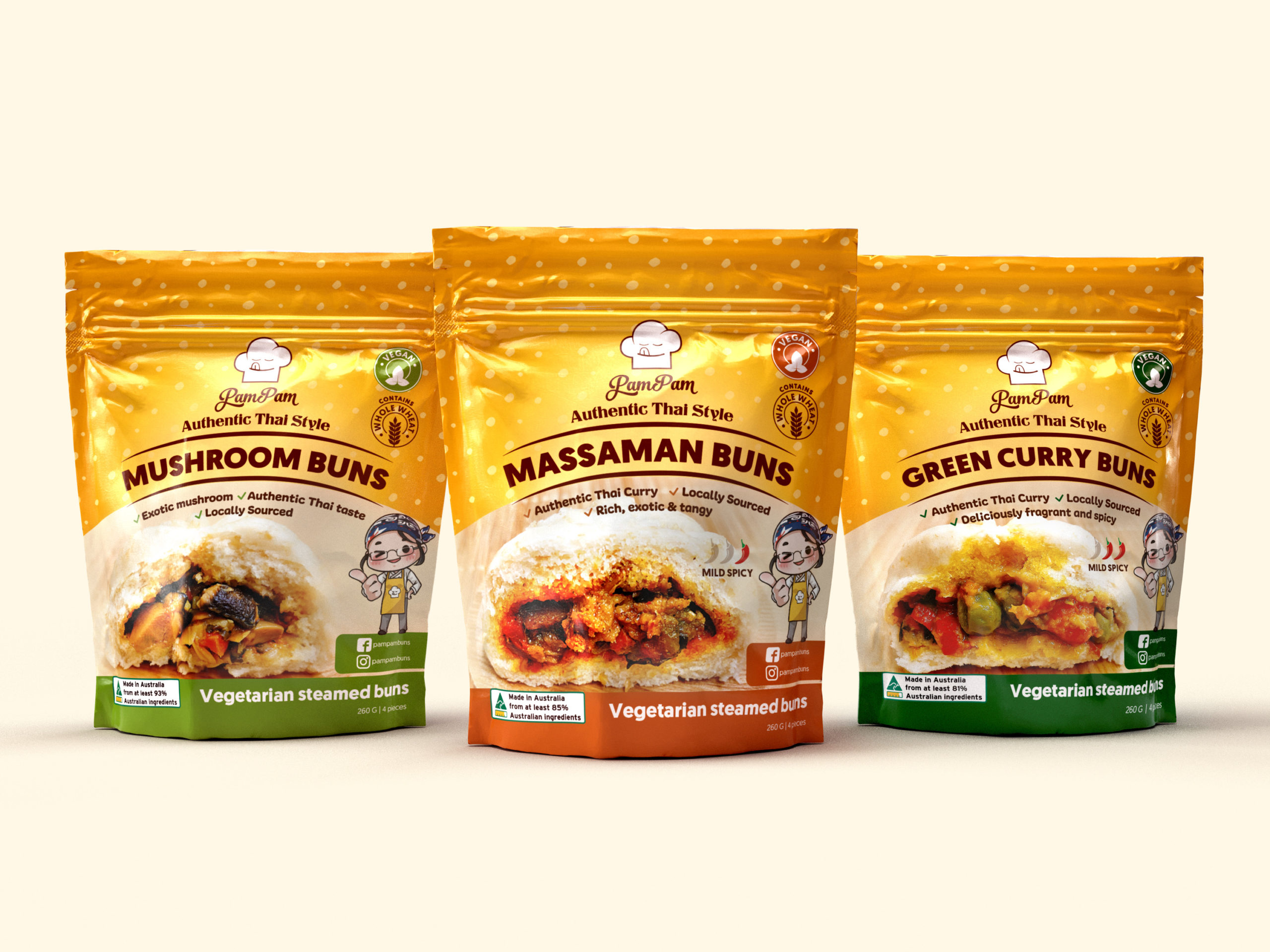
    The new product expansion will join the recently released plant-based Thai Massaman, Panang and Green curry pouches and Pam Pam’s bun range in the freezer section.

  • Siam Piwat takes Thai retail concepts to Malaysia with Pavilion Group

    Siam Piwat takes Thai retail concepts to Malaysia with Pavilion Group

    Thai mall operator Siam Piwat has partnered with Malaysia’s Pavilion Group to take Thai retail concepts to the new Kuala Lumpur lifestyle mall Pavilion Bukit Jalil.

    The launch of Siam Piwat brick-and-mortar stores in Malaysia is part of its plan to further expand its global reach. The partnership will see the debut of three Thai brands – IconCraft, Ecotopia and Absolute Siam.

    “This collaboration will not only open up additional sales channels for SMEs to help them expand beyond online or e-commerce platforms but will also help drive the Thai economy,” said Usara Yongpiyakul, CEO of retail business group at Siam Piwat.

    “This new partnership to introduce Thai products to an overseas market will make Siam Piwat’s another significant stride towards building a solid network with powerful business leaders.”

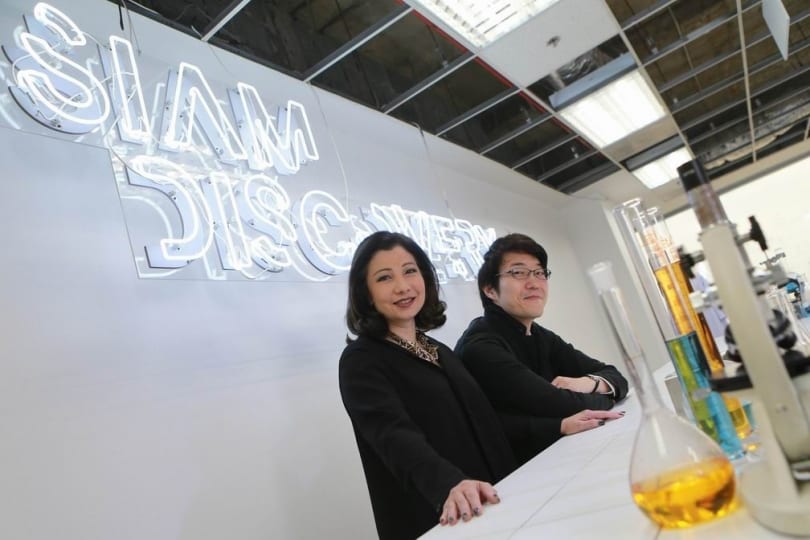
    Dubbed ‘Discover Siam’, the store is situated on the third floor of the shopping centre, spanning 1200sqm. The Siam Piwat store is scheduled to open on December 3.

    Meanwhile, Ecotopia provides products for an eco-conscious community, and IconCraft offers Thai crafted items from more than 800 local creators, designers, and local communities. Absolute Siam is a multi-brand concept store, featuring a mix of more than 60 fashion and lifestyle brands under one roof.

    “Malaysia and Thailand have very close ties and share not only borders but also various cultural similarities,” Yongpiyakul added. “We believe that this collaboration is just the beginning and will lead to even greater things, such as joint efforts to boost the region’s economy and initiatives to showcase and nurture the uniqueness and magnificence of ASEAN nations.”

    Siam Piwat is the owner and operator behind Thailand’s major retail developments, such as Siam Paragon, Siam Center and Siam Discovery, and a joint venture partner in IconSiam and Siam Premium Outlets.

    “We recognise the value and delicate magnificence of Thai culture and the creativity of Thai artisans, designers, and creators,” said Dato’ Joyce Yap, CEO of retail for Kuala Lumpur Pavilion, the retail planner of Pavilion Bukit Jalil.

    “These new stores will provide Malaysians and international visitors the chance to experience a hint of Thai culture without leaving KL.”

  • Singapore and Malaysia to Link Real-Time Payment Systems

    Singapore and Malaysia to Link Real-Time Payment Systems

    The link will enable more seamless payments for the high volume of remittances between the two neighbors, which reached S$1.3 billion ($960 million) in 2020.

    Singapore and Malaysia’s central banks will be embarking on a phased linkage of PayNow and DuitNow, their national real-time payment systems, the Monetary Authority of Singapore (MAS) said in an announcement.

    In the first phase, to be launched in the fourth quarter of 2022, customers of participating financial institutions will be able to make real-time transfers using a mobile phone number and make retail payments by scanning a PayNow/DuitNow QR code.

    The linkage will subsequently incorporate a wider range of features and participants. Both regulators will also explore the feasibility of integrating innovative features such as distributed ledger technology-based solutions to catalyse greater efficiencies in payments clearing and settlement between participating banks, the announcement said.

    Singapore’s remittance corridor with Malaysia is the city-state’s largest remittance corridor. The two countries also saw 12 million travelers crossing the border pre-pandemic.

    The PayNow-DuitNow linkage will be an important infrastructure to support cross-border payment needs of individuals and businesses, as well as the growing digital economic activity between both countries, Sponendu Mohanty, MAS chief fintech officer, said.

    The linkage also allows MAS and counterpart Bank Negara Malaysia (BNM) to incorporate the use of distributed ledger and smart contract technologies in the wholesale cross-border payments space, he added.

    Earlier this month, MAS also announced that it is working to connect PayNow to India’s Unified Payments Interface (UPI) by mid-2022.

    Singapore and Thailand have also connected their payments infrastructures to enable cross-border peer-to-peer transactions.

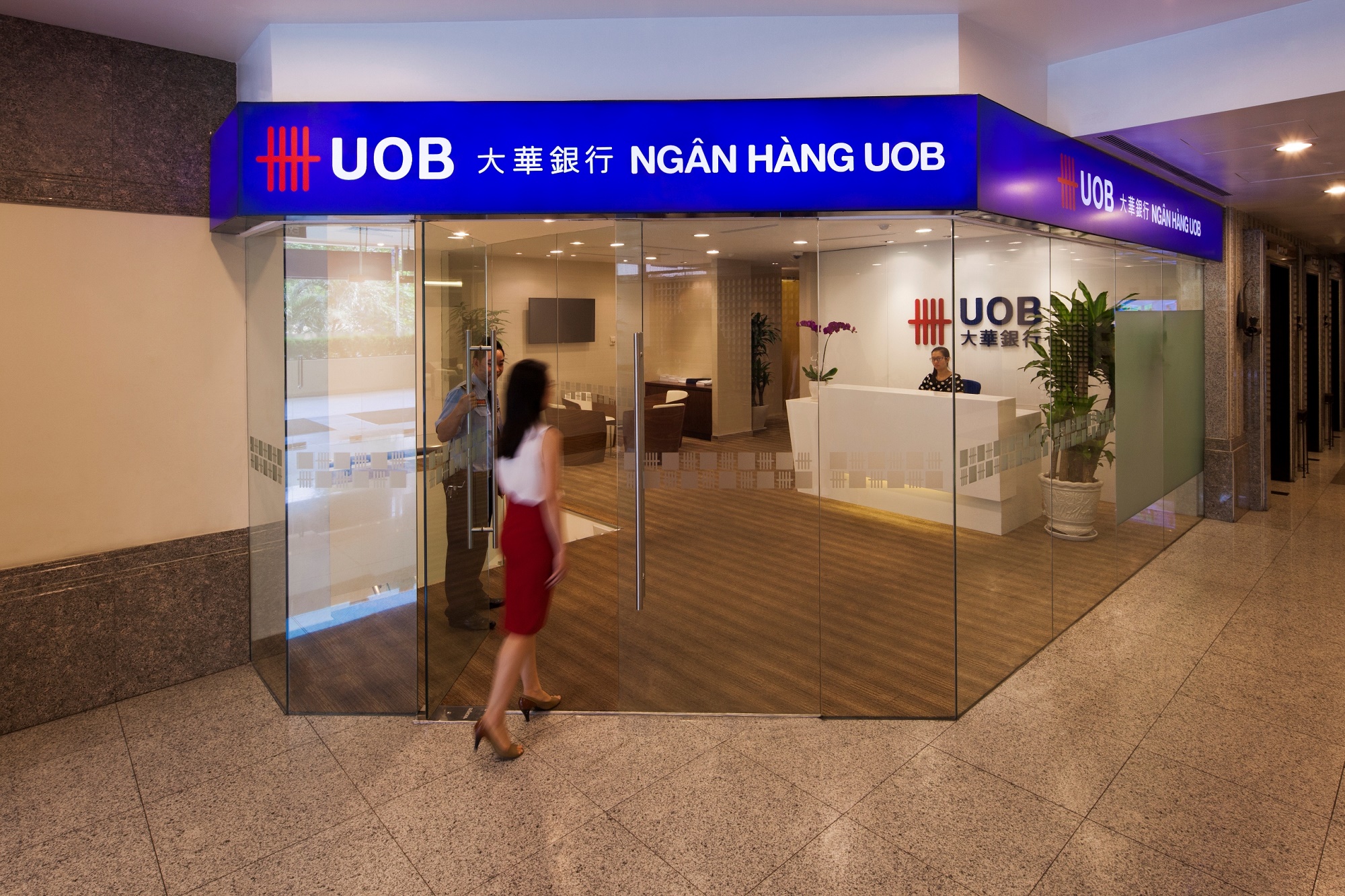
  • UOB Targets Doubling of Digital Retail Customers by 2026

    UOB Targets Doubling of Digital Retail Customers by 2026

    The bank said it would invest up to $500 million in digital innovation initiatives to reach its goal of serving more than 7 million customers in Asean.

    With digital banking now the preferred choice among UOB customers, the bank is «doubling down» on its data-driven model to create hyper-personalized digital experiences for its customers.

    The bank will be combining TMRW, its digital bank that launched in 2019 and is available in Thailand and Indonesia, with its mobile app «Mighty» on to one platform: UOB TMRW, the bank said in an announcement on Wednesday.

    By harnessing the best of TMRW and UOB Mighty in one platform, we can tap economies of scale to accelerate innovation especially in the area of hyper-personalised digital banking experiences and speed to market, Wee Ee Cheong, UOB deputy chairman and CEO, said.

    Upon the successful completion of its beta pilot currently underway among UOB employees, the platform will be launched for all UOB customers in Singapore later this year, the announcement said.

    UOB TMRW will be progressively rolled out across its key Asean markets, with the next markets expected to launch in the next 18 months.

    In this next phase, we are making it our goal to explore how technology can enable us to make the digital banking of tomorrow smarter and even more intuitive for our customers, Kevin Lam, head of TMRW and group digital banking, said.

  • Rocket Internet-backed Flash Coffee plans Asia-wide rollout

    Rocket Internet-backed Flash Coffee plans Asia-wide rollout

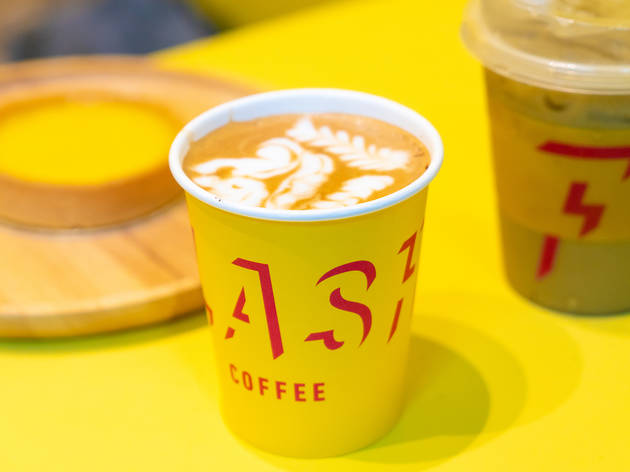
    The tech-enabled coffee chain, Flash Coffee, is accelerating its Asian expansion plan, making its Hong Kong debut this month and committing to opening its first stores in Japan and South Korea later this year.

    Launched last year, Flash Coffee already operates more than 100 locations across Indonesia, Thailand, Singapore, Taiwan and Hong Kong. The chain aims to increase its network to more than 300 stores, expanding its footprint into Malaysia, Vietnam and the Philippines next year.

    The Hong Kong launch follows Flash Coffee’s Series A funding round led by tech investment firm White Star Capital last April where it successfully secured US$20 million from a range of investors, including Rocket Internet, whose subsidiaries include Global Fashion Group and HelloFresh.

    Located at Golden Centre in Sheung Wan, the chain’s first Hong Kong store is – like its others – designed to “fit the needs of the ‘new normal’ and cater to a bustling lifestyle”. Customers can order through a mobile app and pay before picking the order at the store or have it delivered. Meanwhile, Flash Coffee connects its customers and baristas through individualized consumer and barista mobile apps, matching the order with a nearby pick-up outlet.

    The chain also offers a digital coffee loyalty program on the app, offering gamified challenges and personalized rewards.

    “Hong Kong is already recognized as a city that is willing to embrace technology,” said Jonathan Tsao, MD at Flash Coffee. “Over the past few decades the city has also built up a reputation for its love of premium coffee – but so far, this has only been available at premium prices.

    “Flash Coffee intends to shake things up, by offering a new coffee culture built around technology, affordability, and digitally-driven customer-focused solutions.”

    The launch of Hong Kong’s first Flash Coffee store will be followed by a series of new store openings in Causeway Bay, Mong Kok and Wan Chai by the end of next month. The coffee chain aims to reach 50 stores in the territory by mid-next year.

  • Thai packaging firm eyes $353-mln expansion in Vietnam

    Thai packaging firm eyes $353-mln expansion in Vietnam

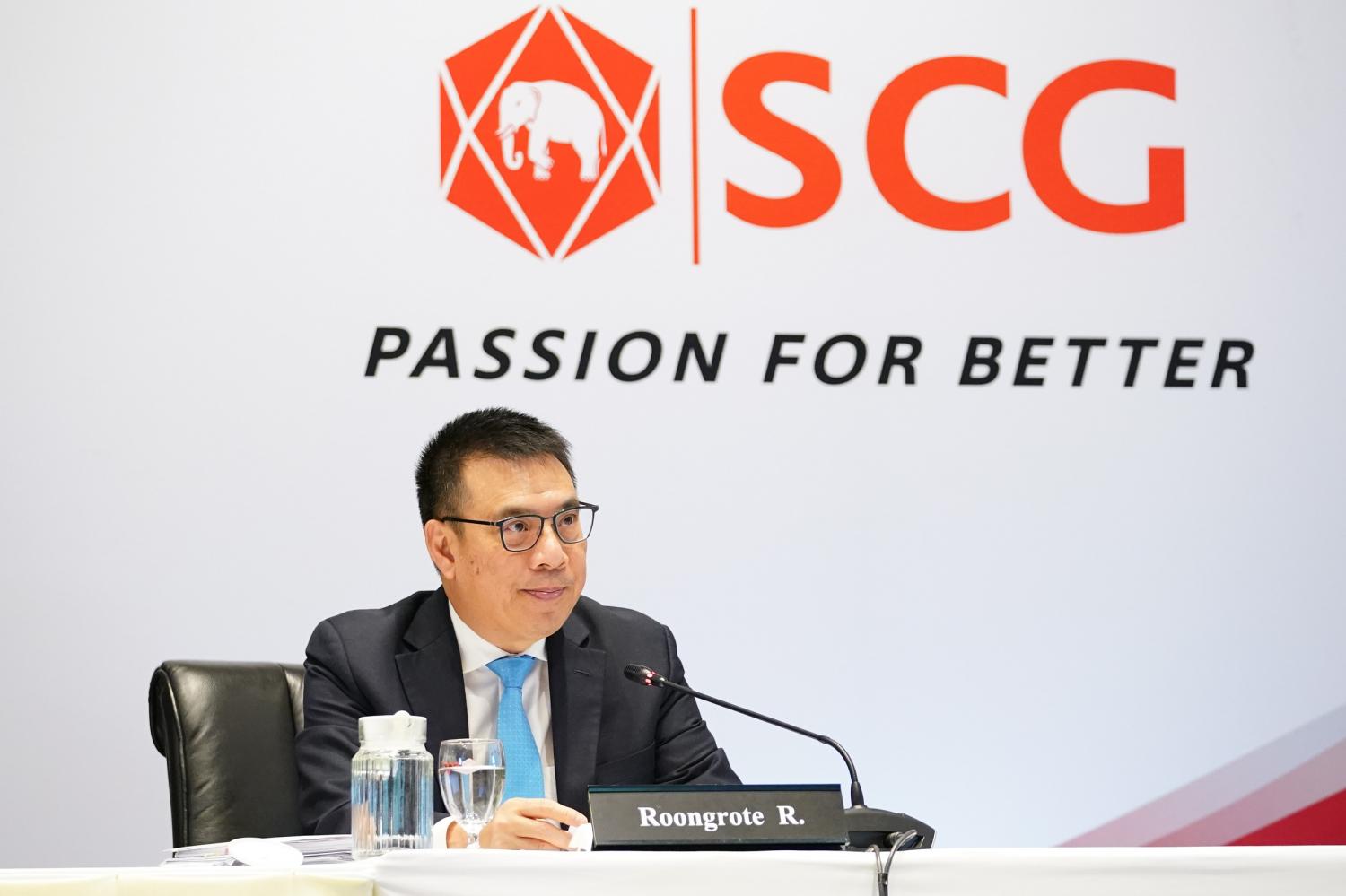
    Thai company SCG Packaging has announced plans to invest $353 million to expand in Vietnam.

    It will build a new plant in the northern province of Vinh Phuc, which will increase its capacity by 74 percent to 870,000 tons of packaging paper a year when it goes on stream in 2024.

    It will be operated by Vina Kraft Paper, a joint venture with Japan’s Rengo Company in which SCGP holds 70 percent.

    Vietnam is both a big consumer and exporter in the region, making it a big draw for multinational investors, CSGP’s chief executive, Wichan Jitpukdee, said.

    The country’s demand for packaging paper and related products is expected to grow at 6-7 percent a year in 2021-24, SCG Packaging estimates.

  • Index Living Mall opens again in Indonesia

    Index Living Mall opens again in Indonesia

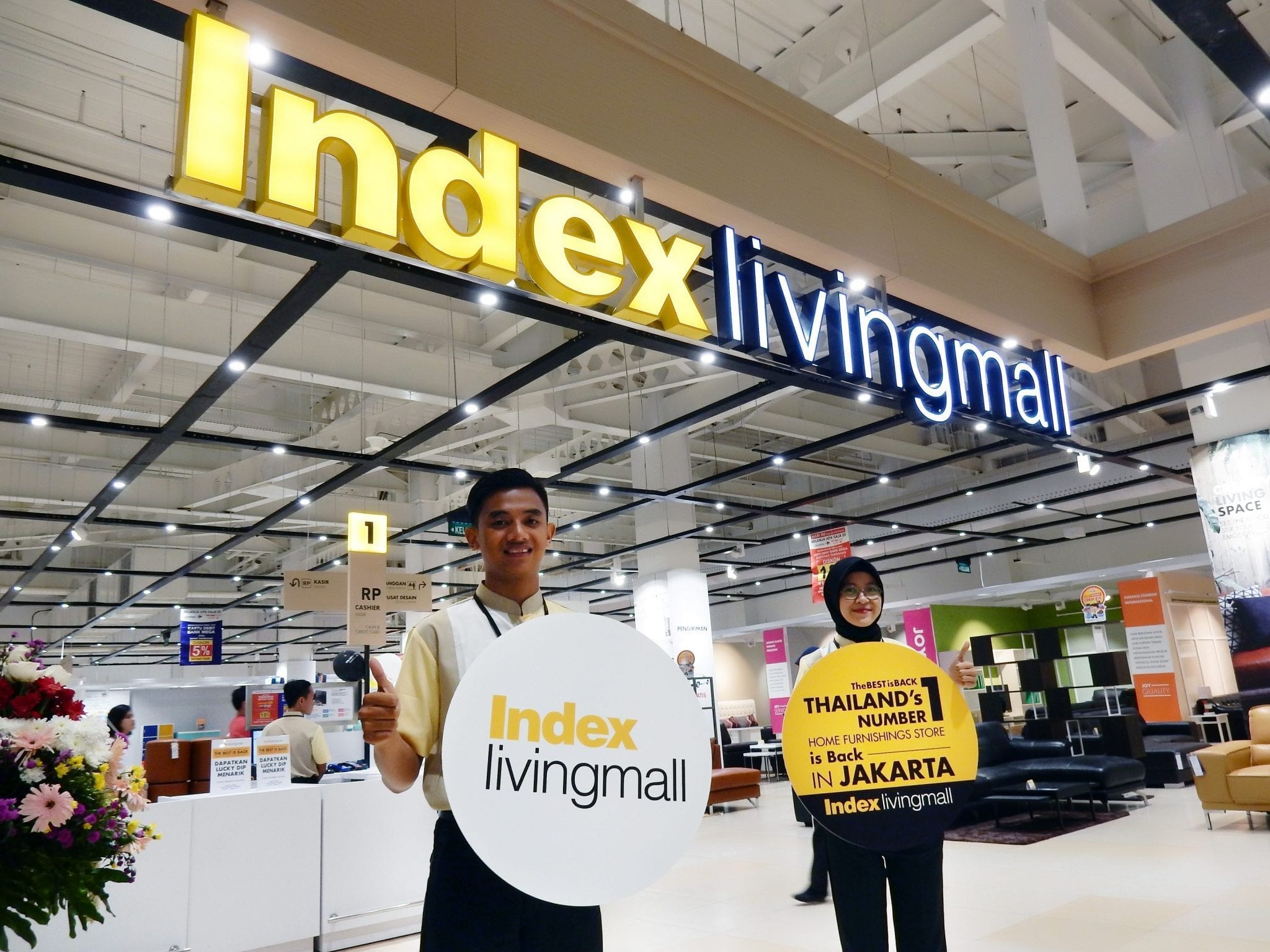
    Thai home furnishings retailer Index Living Mall Co Ltd has opened a new store under a partnership with Indonesian-based CT Corp in Jakarta.

    s in PT Retail’s Transmart Carrefour complex in the city’s CempakaPutih district. It covers 2,500 square metres of retail space.
    The company’s president and CEO Pisith Patamasatayasonthi said that the company expects to open as many as five to 10 stores next year and annually until 2020 in Indonesia.

    Shafie Shamsuddin, president director and CEO of PT Trans Retail Indonesia, said: “This strategic partnership is expected to provide added value for Indonesian consumers with more and more sophisticated choices of furniture products at Index Living Mall that are integrated in one area with Transmart Carrefour.

    “Surely this will provide a trend of positive and complementary consumer spending needs between Transmart Carrefour and Index Living Mall as well as we help to provide place and space for local products to partner with us.”

  • Vietnam goes past Thailand, becomes Israel’s biggest tuna supplier

    Vietnam goes past Thailand, becomes Israel’s biggest tuna supplier

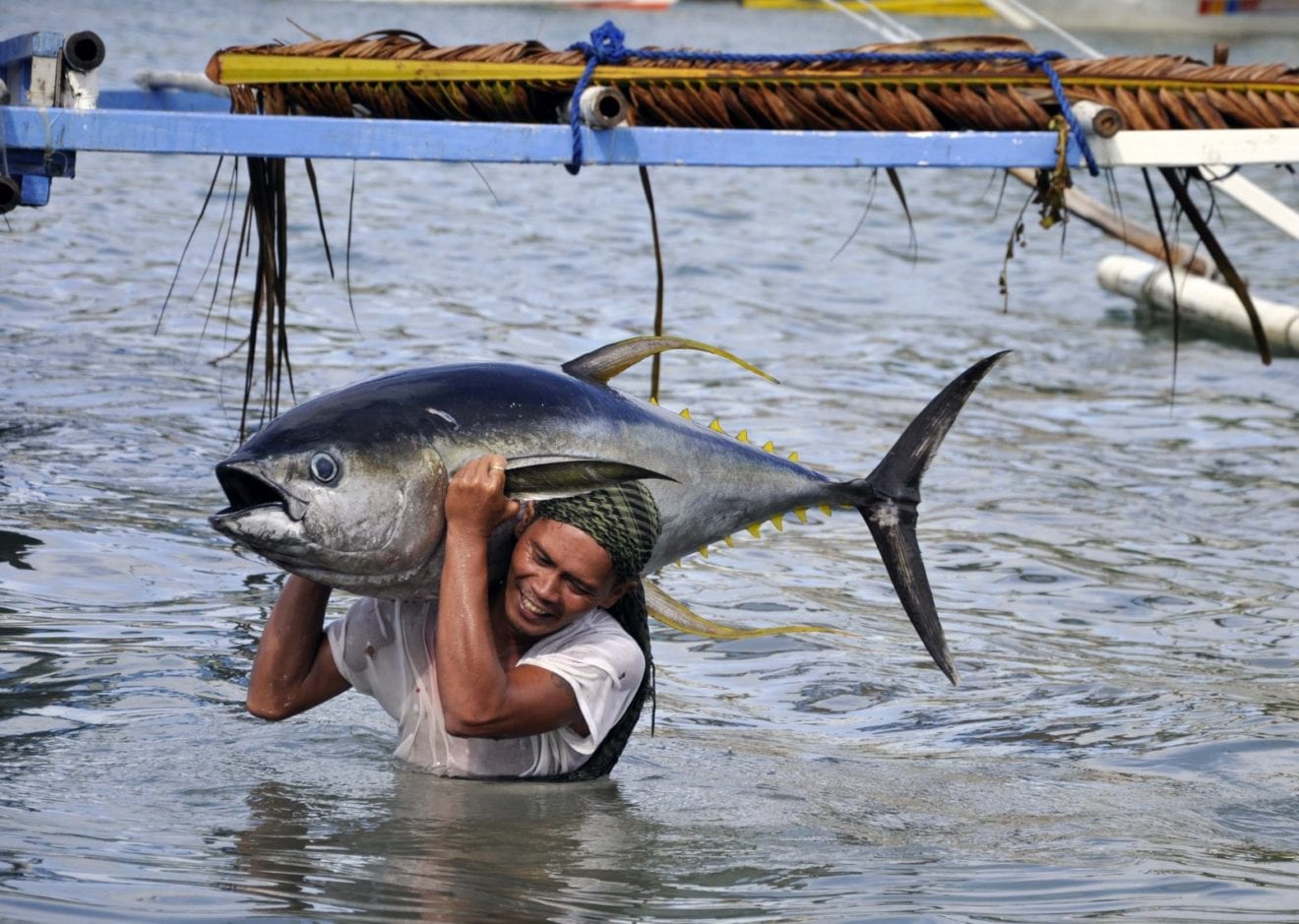
    Vietnam surpassed Thailand in the first half of this year to become the biggest exporter of tuna to Israel.

    It accounted for 31 percent of Israel’s imports while that country became Vietnam’s third largest market behind the U.S. and Italy.

    Israel bought less tuna from most countries amid the Covid-19 pandemic, but increased its imports from Vietnam, the Vietnam Association of Seafood Exporters and Producers (VASEP) said.

    Latest data from VASEP shows that Vietnam’s exports to Israel jumped by 34 percent during the year until Aug. 15 to nearly $25 million.

    Eight companies ship tuna fish to Israel, but have all complained about Covid-related restrictions hurting their production in recent months.

    VASEP has repeatedly been petitioning the government to quickly vaccinate workers in the fisheries sector to ensure the supply chain is not disrupted.

  • Dragon fruit suffers pandemic troubles

    Dragon fruit suffers pandemic troubles

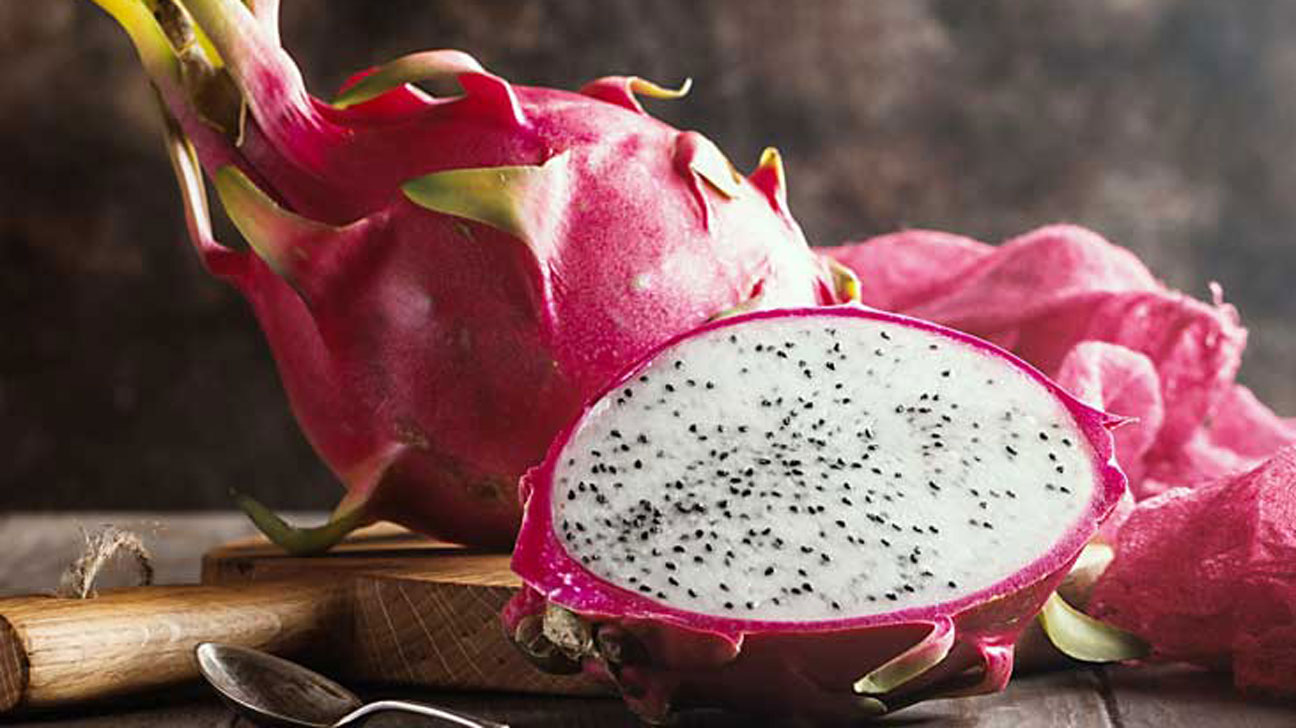
    The Covid-19 pandemic has made it difficult for Vietnamese dragon fruits, in season now, to be exported.

    China, which accounts for some 80 percent of Vietnam’s total dragon fruit exports, has restricted the flow of goods at some border gates as part of its pandemic safety precautions.

    Meanwhile, for markets like the European Union, the U.S. and some Asian countries, the pandemic has caused an increase in logistics cost, and traders are facing fiercer competition from Taiwan, Thailand and Malaysia.

    To expand markets for its dragon fruit, Vietnam is seeking ways to penetrate new markets, including Australia and Japan.

    Ta Duc Minh, the commercial counselor at the Vietnamese embassy in Japan, said Vietnamese farmers and firms should ensure synchronous cycles from cultivation, harvest and preservation to transport and export to maintain the freshness and taste of dragon fruits.

    They should also intensify the application of advanced post-harvest technology to ensure product quality, he said.

    Phu proposed the central province of Binh Thuan and the southern province of Long An, the two country’s largest dragon fruit producers, should speed up processing and export of dried fruit as well as other products made from dragon fruits like wine and syrup.

    Binh Thuan has 33,750 hectares of dragon fruits with an average annual output of 650,000 tons. It currently has 240 dragon fruit collecting, semi-processing and packaging facilities, and six processing facilities that make different products with the fruit.

    According to the Long An Department of Industry and Trade, the province produces some 330,000 tons of dragon fruit each year.

  • Hair cuts and dining in as Thai malls reopen after virus cases ease

    Hair cuts and dining in as Thai malls reopen after virus cases ease

    Thailand allowed shopping malls in the capital Bangkok to reopen on Wednesday and restaurants to operate at half capacity, after nearly three months of tough restrictions aimed at containing the country’s worst coronavirus outbreak.

    The move comes after infections numbers started falling in the middle of last month and with the government under pressure to ease lockdown measures due to the impact on the economy.

    “Thai citizens like me…will come back to normal life,” said Wanvipa Luepromchian, who was getting her hair cut in a salon in the Siam Paragon mall in Bangkok.

    The government in July started imposing strict measures including closing malls and prohibiting restaurant dining as the number of new infections surged due to the Delta variant.

    At its peak, authorities reported over 23,000 new cases in a single day in mid-August.

    On Wednesday, the health ministry reported 14,802 new cases and 252 additional deaths. Thailand has overall reported 1.2 million cases and 11,841 fatalities.

    “If you (the government) lockdown everything that’s so dangerous for the economy in Thailand,” Wanvipa said.

    Last week, the government also allowed some domestic flights to resume.

    Restaurants dining can also restart, but at half the capacity to allow for social distancing.

    “Customers need to get temperatures checked before entering and keep social distancing with only two people on one table, but if they are family, they can be seated together,” said restaurant manager Nichapha Jiwvaganont.

    While a nighttime curfew remains in place in Bangkok, the partial reopening will be supportive for Thailand’s struggling economy.

    A joint business group on Wednesday raised its 2021 economic forecast from between a 0.5% contraction to 1% growth from a contraction of 1.5% to 0% growth as curbs were relaxed.