Tag: Thailand

  • Thailand urges care over content as Lazada promotion angers royalists

    Thailand urges care over content as Lazada promotion angers royalists

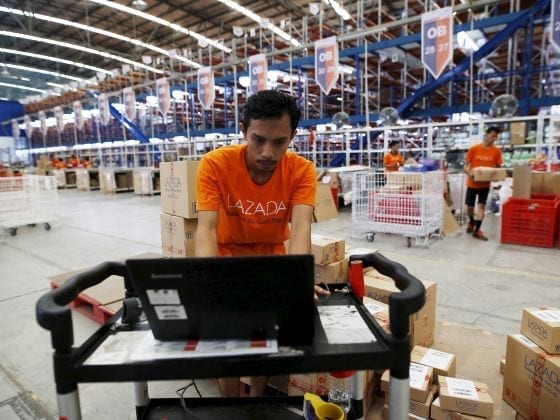
    Thailand on Saturday warned against the creation of online content that risked insulting the country’s monarchy, after a video by a social media influencer promoting e-commerce platform Lazada incensed royalists, who said it was mocking the palace.

    Thai law prescribes punishments of up to 15 years in jail for each offence if found guilty of defaming, insulting or threatening King Maha Vajiralongkorn and his closest family.

    The video, which has since been taken down, was promoting Lazada’s May 5 sale and featured a woman dressed in a traditional Thai costume sitting in a wheelchair and playing the role of an influencer’s mother.

    Royalists complained the woman in the wheelchair was a veiled reference to a royal family member. The video did not use the language used by the royal family, nor mention any of its members.

    In videos posted on Facebook, the influencer, Aniwat “Nara” Prathumthin, said the clip was a parody of a famous Thai soap opera and told critics the perceived royal insult was “all in your imagination”.

    Lazada, the Southeast Asian arm of Alibaba Group Holding, in a statement apologised for the “emotional damage” the video had caused and said it should have been more careful.

    Government spokesman Thanakorn Wangboonkongchana said such content risked damaging the reputation of brands.

    “Let us warn marketers, influencers and content creators to be careful about presenting content or promotions that reference appearances or individuals of the institution that all Thais worship and love,” Thanakorn said in a statement.

    “This is inappropriate, and will not only upset every Thai in the country, but also destroy the image and reputation of the brand. It could also be against the law.”

    The incident follows an April Fool’s prank tweeted by a staff member at budget airline Thai Vietjet Air, an offshoot of Vietnam’s Vietjet Aviation JSC, about a new route to Munich that stirred anger among royalists, who said it was a hidden joke about the Thai king spending time in Germany. The airline apologised.
  • Maxim’s to launch Shake Shack in Thailand

    Maxim’s to launch Shake Shack in Thailand

    US burger chain Shake Shack is ramping up its Southeast Asia expansion with its upcoming Thai debut in partnership with Hong Kong-based licensee, Maxim’s Caterers.

    Thailand’s first Shake Shack location, which will also be a flagship store, is expected to open in Bangkok next year, followed by 15 more stores across the country by 2032. Maxim’s, also the licencing partner of Shake Shack in Greater China, currently operates 24 Shacks across the region.

    “Shake Shack was born in New York, and Bangkok is another fantastic city with vibrant energy, friendly people and rich culinary traditions,” said Michael Kark, chief global licensing officer at Shake Shack.

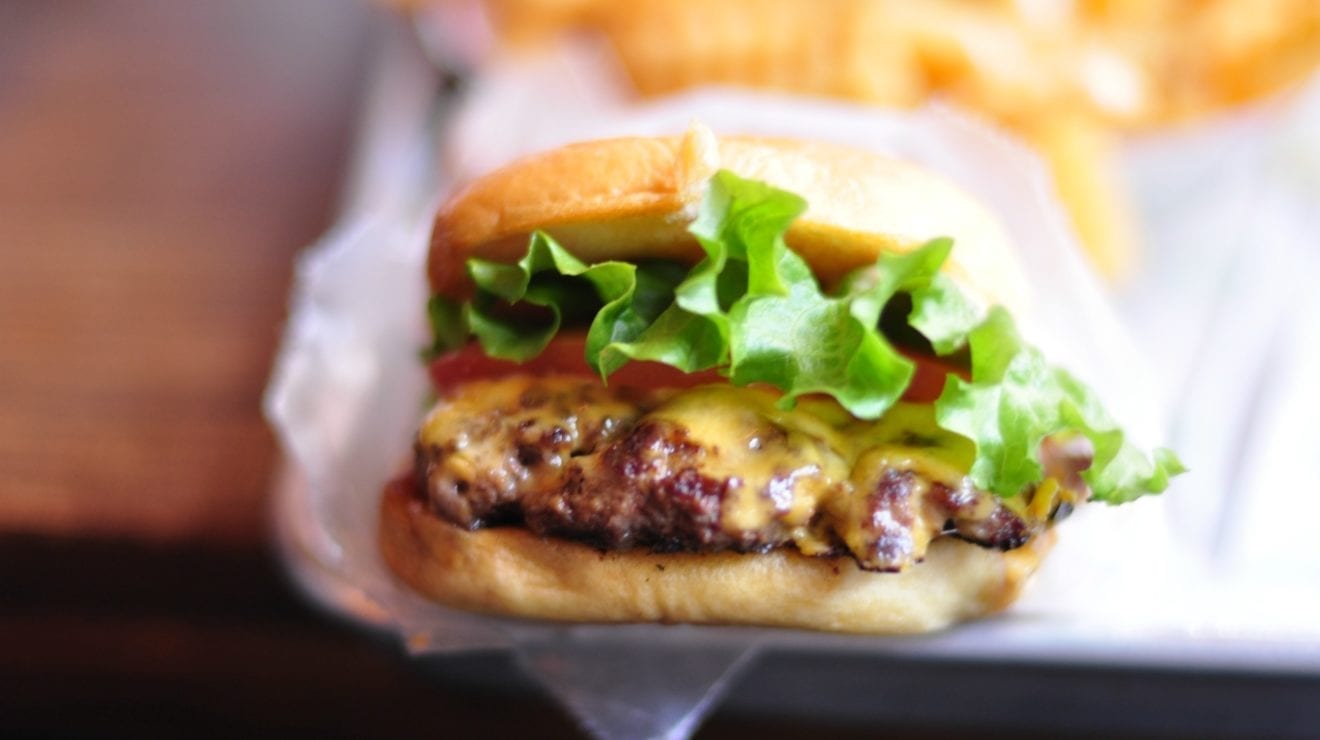
    The Shake Shack Thailand menu will feature the chain’s signature items, such as ShackBurger, Chicken Shack and Chicken Bites. The burger chain said it will also work alongside local producers, purveyors and artists to support the Thai community.

    Meanwhile, Maxim’s will open its seventh Shake Shack outlet in Hong Kong on May 9, at the Citygate Outlets in Tung Chung.

    Maxim’s operated F&B businesses for more than 60 years, including licences for brands including Starbucks, Genki Sushi and Ippudo Ramen, The Cheesecake Factory and Shake Shack. The company operates more than 1800 outlets in Hong Kong, Macau, Mainland China, Vietnam, Cambodia, Thailand, Singapore and Malaysia.

  • Apac tipped to fuel global airport retail market recovery

    Apac tipped to fuel global airport retail market recovery

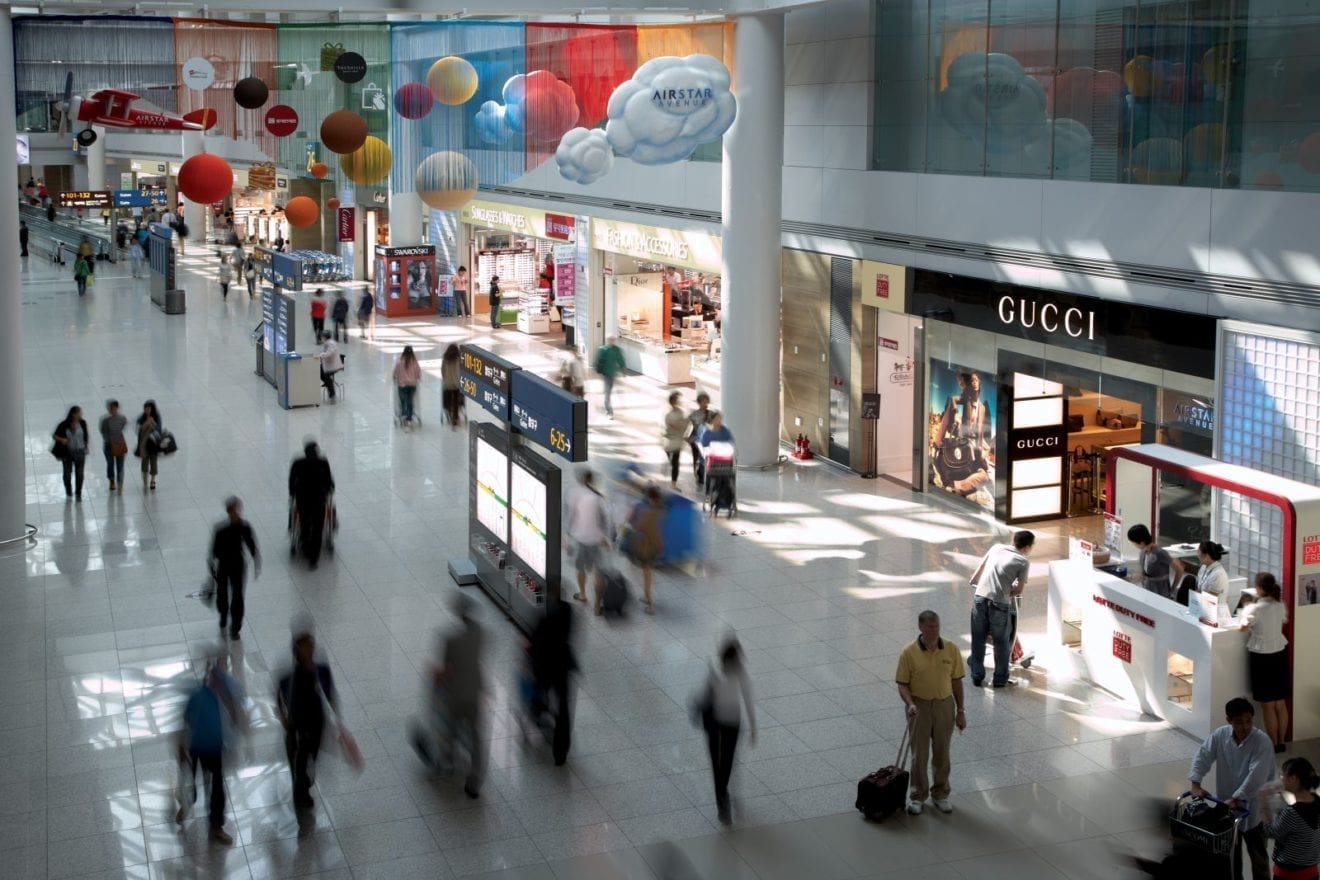
    Asia Pacific’s airport retail market is projected to grow to US$33.8 billion by 2026, driving the global market to $63.4 billion thanks to a compound annual growth rate of 7.8 percent.

    According to GlobalData, the growth will be driven by the increase in retail space and passenger numbers as cross-border travel resumes and the relaxation of lockdown and duty-free regulations. GlobalData’s latest report found the number of passengers in Apac will surge by 33.9 percent this year, resulting in a boost in retail sales. However, it does not expect pre-pandemic levels to return until 2024.

    Retail analyst at GlobalData, Koyel Ray, said Apac’s airport retail sales fell by $10 billion in 2020 before rebounding slightly last year to $11.8 billion. Ray added digitalization measures have helped provide normalcy after the pandemic, such as contactless payment systems, and antimicrobial coatings on self-service devices to keep shops clean.

    “Airport retailers are welcoming data technological innovation to improve customer engagement,” Ray said.

    “Retailers are employing rolling robots, facial biometric scanners for security check process to avoid physical contact, and 24/7 grab-and-go stores to revive airport sales and protect consumers from further outbreaks.”

  • Thailand Approves Incentives To Promote EV Shift

    Thailand Approves Incentives To Promote EV Shift

    Thailand’s cabinet on Tuesday approved a package of incentives including tax cuts and subsidies to promote a shift to electric vehicles (EVs) in Southeast Asia’s major auto production base, a government spokesperson said. The package for 2022-2025 is in line with a zero emission vehicle policy plus a goal to ensure 30% of Thailand’s total auto production are EVs by 2030, Thanakorn Wangboonkongchana told a news conference.

    In the first two years, the measures will focus on encouraging widespread domestic use of EVs by providing tax breaks and subsidies for imported models and those made locally, he said. In the last years of the package, the support will mainly be on promoting domestically produced EVs, while cancelling some benefits for imported models, Thanakorn said.

    “This is to encourage operators to accelerate the production of electric vehicles in the country to meet increasing demand,” he said. Thailand last year produced 1.7 million regular vehicles, for firms that include Toyota, Honda and Mitsubishi.

    Thanakorn did not give further details on the incentives, which he said would need to be worked out with the energy ministry. According to earlier media reports, the package will help reduce the price of each EV by between 70,000 baht ($2,165) and 150,000 baht ($4,638).

  • Thai food giant to list on Vietnam stock exchange

    Thai food giant to list on Vietnam stock exchange

    Thai food giant Charoen Pokphand Foods has green-lighted its Vietnam subsidiary’s plans to list its shares on the Ho Chi Minh Stock Exchange.

    CPF has made a filing with the Stock Exchange of Thailand, but details are unavailable about plans for an IPO and others.

    C.P. Vietnam gets around 70 percent of its revenues from processed and fresh pork and chicken products.

    It built its first processing plant in Vietnam in 1993 and now has nine around the country.

    Vietnam’s stock exchanges have eight foreign companies listed on them, and they account for 0.3 percent of their market capitalization.

    Another foreign firm, Japanese retailer Aeon, has announced its intention to list in Vietnam.

  • AirAsia resumes routes from India to Malaysia, Thailand; AirAsia X starts ops to Korea and India

    AirAsia resumes routes from India to Malaysia, Thailand; AirAsia X starts ops to Korea and India

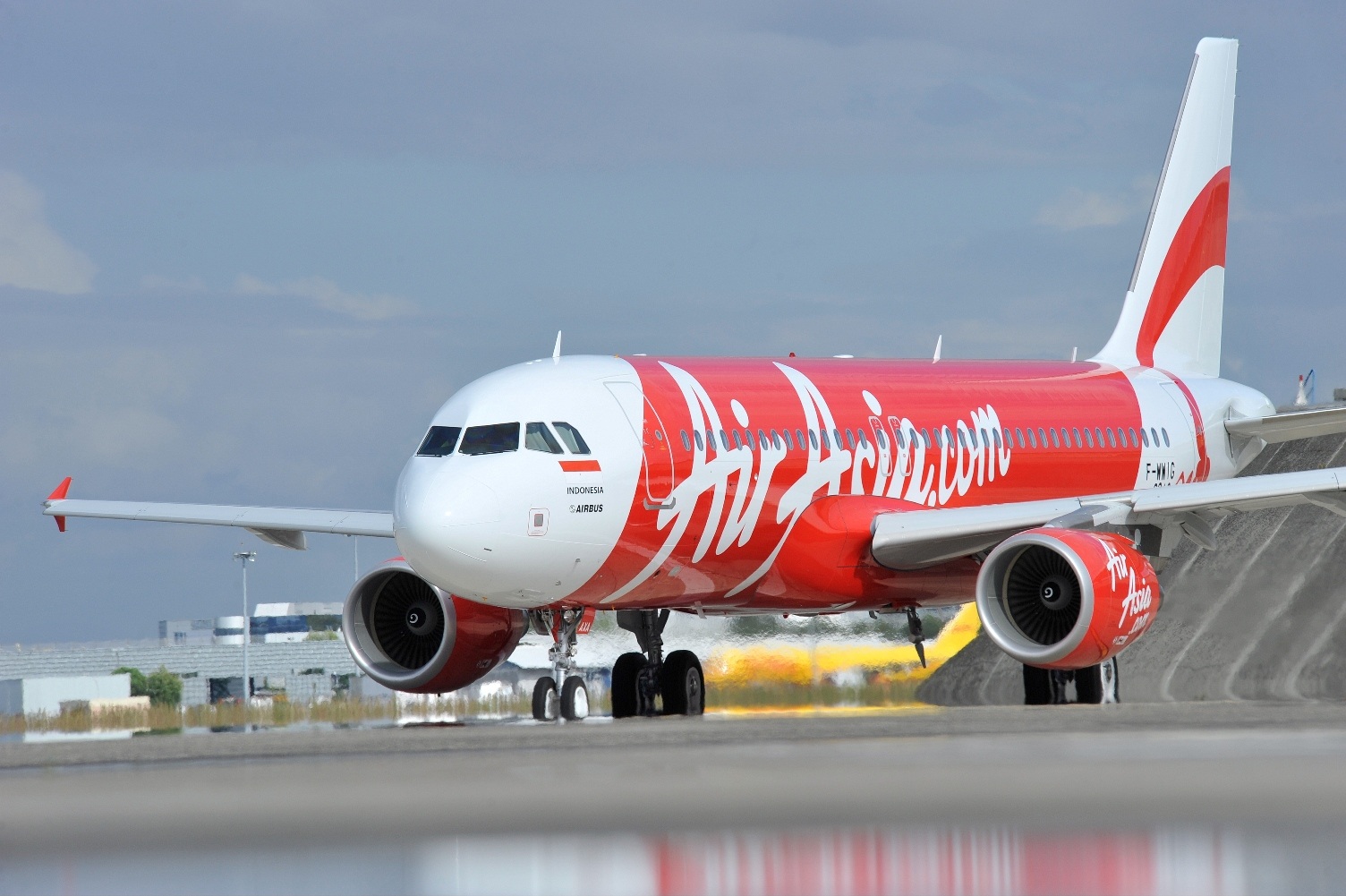
    AirAsia announced that it is resuming flights from India to Malaysia and Thailand with flights now available from April and May 2022 onward. Six new routes from India to Malaysia include Bengaluru to Kuala Lumpur (KL) and Chennai to Kuala Lumpur,  Tiruchirappalli to KL from 5 April, Kochi – KL commencing 18 April, Kolkata – KL commencing 23 April and Hyderabad – KL commencing from 1 May, 2022.

    Five new routes launching India to Thailand will include Bengaluru-Bangkok (Don Mueang) commencing on 4 May, Chennai-Bangkok (Don Mueang) on 4 May, Kolkata-Bangkok (Don Mueang) commencing on 2 May , Kochi-Bangkok (Don Mueang) commencing on 1 May , and Jaipur-Bangkok (Don Mueang) on 1 May.

    Manoj Dharmani, AirAsia’s Regional Commercial Head for India, Sri Lanka & Bangladesh, acknowledged that “AirAsia’s resumption of international flights has been highly anticipated by both the airline and its guests. With Malaysia and Thailand reopening and travel restrictions being lifted, AirAsia will be continually re-introducing international services, starting from April 2022. In this regard, India, Malaysia, and Thailand are countries with significant potential in terms of stimulating tourism and reigniting the economy. We believe that our flight resumption will bring great opportunity and support to the countries’ economic recovery.”

    AirAsia X launching new services to South Korea and India

    Following the  resumption of passenger  services to Sydney, Australia in February, AirAsia X (AAX) is expanding its flight  network from Kuala Lumpur with new services to Incheon (Seoul), South Korea and New Delhi, India commencing from 20 April 2022. Flights to Incheon (Seoul) will initially be operated weekly on Wednesdays and returning on Thursdays. Flights to New Delhi will resume twice weekly on Wednesdays and Sundays returning on the same days. Both services are on sale now for travel between 20 April 2022 to 30 June 2022, with additional services to be added in the near future. Guests with outstanding bookings or unused credit during the pandemic, will be able to use these for future bookings, by updating their original flight booking for future travel or by utilising their credit account to book the flights.

    CEO of AirAsia X Benyamin Ismail said: “After two long years, we are thrilled to return to the skies once again with the best value airfares for medium haul travel. Now that the world is finally opening up, we are gradually resuming flights to our key markets, starting with Sydney recently and now also to South Korea and India, with more popular destinations to be announced soon. We are confident our return to these markets will be well received, particularly for those longing to visit friends and family again or for much anticipated leisure travel. With Malaysia’s international border reopening last week on 1 April, and quarantine free travel both ways on our new services, it is also the perfect time to welcome back international tourists, providing a significant boost to the nation’s tourism sector and the economy, as we did pre-pandemic.”

  • Central Retail invests US$3 million for Tops Market’s new model

    Central Retail invests US$3 million for Tops Market’s new model

    Central Retail has invested US$3 million to build Tops Market’s first standalone supermarket, on Bangkok’s Pattanakarn 30.

    Catering to the residential areas in Eastern Bangkok, the new standalone supermarket spans 3400sqm, housing more than 17,000 items across seven zones, including Healthiful, Snacker, Asian Flavours and Petster. Tops Market Pattanakarn 30 offers omnichannel with personal shopper service and quick commerce service through Line.

    “The new store will cater to modern consumers who prefer shopping near their home so that they do not have to worry about commuting,” said Stephane Coum, CEO of Central Food Retail. “We recognise the spending potential of the consumers in this area, as it is an upscale residential area in Eastern Bangkok, with many large-scale real estate projects.”

    Sustainability innovations and technology are implemented at the store in line with the Central Retail Retailligence strategy. Two EV charging stations are installed to support clean energy, while energy-saving refrigerators are used to reduce the use of electricity and carbon footprints.

    Customers can also collect trash and household waste to receive points on recycling days. Each point is equal to one baht, and Tops Market adds another baht to be donated to Empty Bottles, Full Value project by Wat Chak Daeng in Samut Prakan province, to make PPE uniforms for the temple and garbage collectors.

  • Swensen’s Thailand opens next-gen regional flagship

    Swensen’s Thailand opens next-gen regional flagship

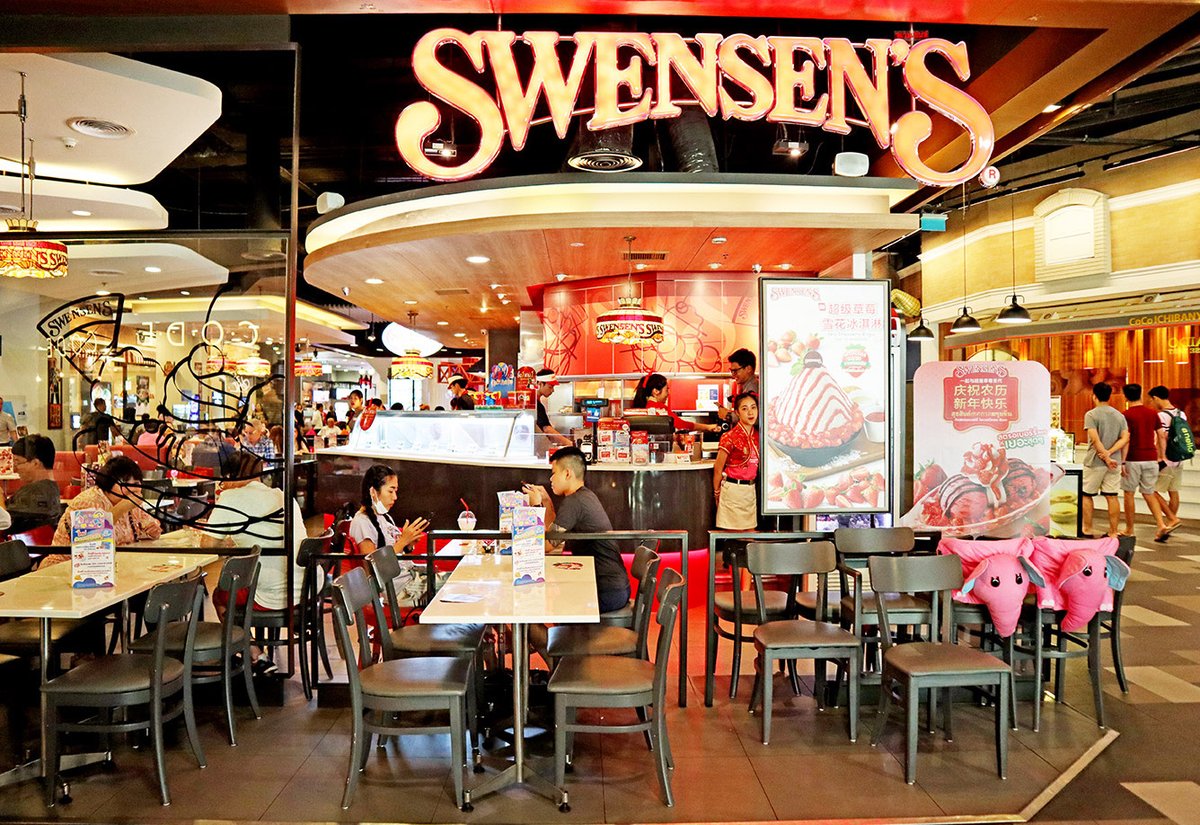
    Once again, Swensen’s reinforces to be the leading ice-cream brand that delivers a unique customer experience with the opening of Swensen’s Nan Regional Flagship Store. This store is the second store in Thailand after Phuket Town that is designed in accordance to the Regional Flagship Store concept. This concept is not just about expanding stores, but also to select a province with a character and local people including a distinctive local culture.

    Like Nan province, there is a strong community. So Swensen’s joins with local franchisee who truly understands  the Nan culture, to develop the area to become a new tourist attraction of Nan province.

    About store design, we bring the wisdom of Nan culture to create economic innovation through the store design. Customers can enjoy delicious ice-cream with a special ambience. We consulted with Nan historians, cultural experts and local designers  for store design,  to ensure that store ambience truly resonates with the local culture.

    Additionally, Swensen’s also adds a special menu ‘Bualoy Coconut Ice-cream’, which is available only in this store. If you travel to Nan, then do not forget to visit Swensen’s – Nan Regional Flagship Store and you will be truly impressed.

  • Levi Strauss sets up its own operation in Thailand

    Levi Strauss sets up its own operation in Thailand

    Levi Strauss & Co, the trademark owner of Levi’s denim, has established its own operation in Thailand after a 25-year distribution contract with DKSH ended last month, allowing the brand to connect directly with Thai aficionados.

    According to Sameer Koul, the company’s general manager for Southeast Asia, the business of Levi’s in Thailand would from now on be handled by LS&Co Thailand, the firm’s own subsidiary.

    Thailand is the second country in the Southeast Asian market in which Levi’s has decided to run its own business 100%, following Singapore. This is a strategic move to accelerate its growth, reach a wider customer base and cope with the competitive environment.

    “Thailand has a huge opportunity to grow our business due to a favorable customer demographic. Levi’s has very strong brand recognition among Thai fans. Moreover, Thai customers love to express themselves,” Mr Koul said.

    According to Mr Koul, the company expects that running its own operation rather than it being run by a distributor would ensure the brand would directly reach generations of local customers, particularly those aged between 18-30.

    Members of this age group typically buy 1.5-2 pairs of jeans per year, compared to an average of one pair per year among others not included in this group.

    Product characteristics are also being adjusted while brick-and-mortar stores will be refurbished under a new store format known as “NextGen Indigo Stores”.

    At present, there are eight NextGen Indigo Stores in Thailand including outlets at Siam Paragon, Emporium, Central Lat Phrao and Central Festival Chiang Mai.

    At Levi’s Lat Phrao shop, customers are able to customize their own products in terms of design and decoration. The company also launched an inaugural Thai version of its website allowing consumers to access its products more easily.

    Mr Koul said during 2019-2020, the global fashion industry faced a 20% decline in terms of sales due to the pandemic.

    Nonetheless, Levi reported strong financial performance in 2021, with net revenue of US$5.8 billion, which was similar to the figure for 2019.

    Of the total, 55% of revenue was from the international market, up from 49% in 2016.

  • Rice export prices rise to 3.5-month high

    Rice export prices rise to 3.5-month high

    The prices for Vietnamese 5 percent broken rice rose to $420 per ton late March, the highest in the past 3.5 months.

    Vietnam exported 1.48 million tons of rice worth $715 million in the first three months this year, up 24 percent in volume and 10.5 percent in value against the same period last year, according to the Ministry of Agriculture and Rural Development.

    The ministry said stable global demand and high transportation costs resulted in March’s price hike.

    Vietnam’s 5 percent broken rice was sold at $415-420 per ton in late March, up $20 per ton from the beginning of the month. On average, the rice has cost $414 per ton in the world market in March, up $16 per ton against February.

    Meanwhile, Thailand’s 5 percent broken standard rice was sold at $408-412 a ton, down $16 from the beginning of the month as the baht continued to drop against the dollar.

    Vietnam exported over 6.2 million tons of rice for nearly $3.3 billion last year, according to the General Department of Vietnam Customs.

    The average export price of Vietnamese rice rose 5.5 percent in 2020 to $526.8 per ton in 2021, according to the agriculture ministry.

  • Nestle opens $90 million pet food plant expansion at Blayney

    Nestle opens $90 million pet food plant expansion at Blayney

    With the last two years seeing more people adopting pets, the Purina factory is now set to meet the growing demand for wet cat food in Australia and beyond thanks to the newly installed state-of-the-art high-speed manufacturing technology.

    As well, the Purina team has expanded to meet the increased demand, with 20 new jobs now created on site, creating cat favorites such as Felix, Fancy Feast, Pro Plan and Purina One.

    Nestlé Blayney Factory Manager Charlene De Wit said the new facility is a testament to Nestlé’s commitment to local manufacturing and support for the Central West community.

    “We are proud to produce quality Purina pet food for our much-loved furry friends across Australia and around the region, right here in Blayney.

    “Our expanded facilities will allow us to scale up production of single-serve wet cat food by over 120% – as well as the dry cat and dog food we already produce,” Ms De Wit said.

    The opening brings Nestlé’s total investment in the factory to more than $200 million over the past 10 years, as the business has increased production and developed new capabilities. The wet cat food facility, opened in late 2014, was developed to create premium products with the taste profile cats prefer, and the simplicity their owners prefer.

    The expansion will position Nestlé Purina as a key regional supplier, with both wet and dry pet food exported from Blayney to New Zealand, Thailand and Japan.

    The new facilities will also see a significant quantity of local ingredients used in production. More than 85% of raw materials used at the Nestlé Blayney factory will be sourced locally, including meats and grains.

    Ms De Wit continued, “We have an incredibly dedicated and highly skilled team here at Blayney. By bringing leading technology to our factory and continuing to use high quality ingredients in our product, we are even more confident that we will continue to enrich the lives of pets and the people who love them for years to come.”

    The Nestlé factory in Blayney began operations in 1989, and now features world-class facilities to manufacture brands such as Felix, Fancy Feast, Pro Plan, Supercoat and Purina One.

  • King Power revamps Bangkok airport retail precinct

    King Power revamps Bangkok airport retail precinct

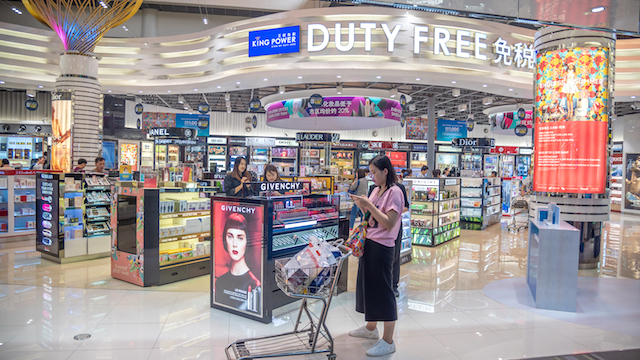
    King Power is set to unveil a revamped store at Suvarnabhumi airport today, building on its collaborations with global luxury brands.

    Aiyawatt Srivaddhanaprabha, chief executive of King Power Group, said his company was ready to welcome international travelers while also enhancing the airport’s reputation as a regional aviation hub.

    “On April 1, King Power is ready to welcome both arriving and departing travelers of all market segments, following our mission to implement a thorough store refurbishment,” Mr Aiyawatt said.

    “The makeover is inspired by our renowned banner ‘World Junction’ that has branched out into world fashion, world beauty, and world duty-free — all converging to create the ‘Duty-Free, World-Class Shopping Destination’, a phenomenon that will make Suvarnabhumi the perfect regional aviation center.”

    He added that this campaign would reinforce the image of Suvarnabhumi airport as a leading hub of world-class flagship stores of luxury products, as well as the region’s top airport duty-free operator.

    Furthermore, King Power has partnered with legendary fashion houses, including Louis Vuitton and Gucci.

    Louis Vuitton will open its first store at the airport, while Gucci will use a video wall display to advertise its goods at Gucci’s Suvarnabhumi store. This makes Gucci the first LED shop in an Asian airport.

    The renovation also gathers more than 20 flagship stores of world-leading luxury brands, such as Cartier, Hermes, Ferragamo, Bottega Veneta, Saint Laurent, Balenciaga, Celine, Loewe, and Rimowa.

    King Power’s refurbished World Beauty zone will also feature brands such as Chanel, SKII, Lancôme, Estee Lauder and Dior.

    Moreover, King Power has also revamped the entire World Duty-Free area into a hub for popular items like spirits and liquors, snacks, local and international souvenirs as well as Thai community products.

    As for the airport terminal services, King Power will have a renovated The Atlas Club and King Power Space for its members too.

  • Thais Turn To EVs At Motor Show As Petrol Prices Soar

    Thais Turn To EVs At Motor Show As Petrol Prices Soar

    Thousands attended the Bangkok International Motor Show this week where electric vehicles (EVs) were in the spotlight due to rising petrol prices and a government subsidy taking 15% off the price of some EV cars.

    Thailand, along with most other countries in Southeast Asia, has been slow off the blocks to embrace EVs, but demand is starting to gain momentum with Chinese carmakers, in particular, producing cheaper models and increasingly targeting the region.

    “I can’t handle paying for the price of gas anymore, so I’m here looking to buy an electric car,” said Natnicha Srimuang, who purchased an EV at the motor show. Thai gasoline prices are around 40 baht ($1.20) per litre, up 50% from last year.

    Some see a switch to EVs as a way to save money longer-term.

    “I (want) to invest my money in a good electric car that fits my lifestyle,” said Patricia Duangcham, who said she expects to save thousands of baht a month from the purchase.

    The combination of energy price concerns and more affordable models will help spur EV adoption, said Michael Chong, general manager of Great Wall Motor Thailand.

    This year’s motor show was also the first since government subsidies for EV buyers were introduced.

    While many global car makers displayed EVs, there were long queues to take a peek inside Great Wall Motor’s competitively priced ‘ORA Good Cat’ model.

    Domestic demand for EVs is a crucial part of a Thai government strategy to preserve its status as a major regional automaker. The government is targeting production of 725,000 EV units a year, or 30% of total vehicle output, by 2030.

    Thailand is Asia’s fourth-largest auto assembly and export hub for companies like Toyota Motor Corp and Honda Motor Co Ltd.

    State-owned energy firm PTT Pcl has teamed up with Taiwan’s Foxconn to produce EVs in Thailand by 2024.

    China’s Great Wall Motor also plans to produce EVs in Thailand in two years’ time.

    The demand for EVs has been picking up in Thailand, though from a low base. Last year, the number of registered fully electric cars doubled to about 4,000, though that still pales in comparison with total domestic car sales of 759,119 last year.

    Despite the hype around EVs, some attending the motor show intend to stick to combustion engines due to concerns about the new technology.

    “(The) EV car is only starting, and no one knows what kind of problems are going to happen,” said Ponchai Lertlai, 59.

  • AIS, Qualcomm and ZTE debut world’s first 5G NR-DC showcase with 2.6GHz and 26GHZ in Thailand

    AIS, Qualcomm and ZTE debut world’s first 5G NR-DC showcase with 2.6GHz and 26GHZ in Thailand

    AIS, Qualcomm Technologies, Inc. and ZTE have jointly announced the world’s first 5G NR-DC (new radio dual connectivity) showcase in the field with 2.6GHz and 26GHz, achieving 8.5Gbps peak downlink speed and 2.17Gbps peak uplink speed with a single mobile device. As part of the joint effort, this collaboration combines two major 5G frequency bands, sub-6 and 5G mmWave, to enhance the capabilities of Thailand’s 5G network and extend the 5G application landscape.

    The test was conducted at the AIS commercial 5G site in Korat, Thailand, using a smartphone form-factor test device powered by Snapdragon® X65 5G Modem-RF System, and ZTE’s latest mmWave AAU network infrastructure equipment.

    The NR-DC was implemented with one 100MHz carrier in 2.6GHz, and four 200MHz carriers in 26GHz. The test achieved 8.5Gbps peak downlink speed and 2.17Gbps peak uplink speed demonstrating the extraordinary capability and flexibility of NR-DC for diversified requirements from individual consumers and industry leaders.

    This NR-DC showcase drives the commercial progress of 5G mmWave into the fast lane in Thailand. AIS, Qualcomm Technologies and ZTE are together committed to accelerating and growing 5G for capability enhancement, efficiency improvement and application boundary extension.

    “AIS’s key goal is to develop the smart 5G network as a national infrastructure with investments of 30,000-35,000 MB,” Wasit Wattanasap, head of nationwide operation and support business unit at Advanced Info Service Pcl. (AIS), commented, “We are the licensee holding the most spectrum in low band, mid band and high band or mmWave, which has the outstanding feature of rapid data transmission with low latency. We have never stopped deploying innovations to level up the network, including 5G Non NSA/SA Voice over new radio (VoNR) and 5G carrier aggregation (CA), to provide increasingly improved experiences to Thai customers, which was our intention when we joined the auction for spectrum.”

    “Most recently, we have continued our collaboration with ZTE and Qualcomm Technologies, to jointly trial 5G NR-DC technology. It is a crucial step to combine different 5G spectrum, 2600 MHz (mid Band) and 26GHz (high Band) in a world-first. This enables downloads of up to 8.5 Gbps, and uplinks of up to 2.17 Gbps. This trial gave us a wider channel for the signal and extremely low latency. For instance, there could be streaming games online (cloud game), controlling driverless vehicles and commanding robots remotely in real-time. Moreover, the trial supports the development of new models of chipsets in the future, to speed up data transfer even more.”

    “This cooperation highlights how AIS is the only provider using its licensed spectrum of every waveband for development to support business growth in various dimensions. It is also continuous transformation and updates for Thai consumers. Taking this joint-trial as a good start, we are confident that AIS 5G network is ready to expand the use of mmWave technology and support growth of the business sector in various aspects,” concluded Wasit.

    “Our collaboration with AIS and ZTE proves the feasibility of deploying 5G mmWave in Thailand,” said ST Liew, vice president, Qualcomm CDMA Technologies Asia-Pacific Pte. Ltd. and president, Qualcomm South East Asia. “Qualcomm Technologies believes that 5G mmWave will be the key to unlocking the full potential of 5G. The possibility is endless and we are proud to take the first step in bringing the full benefits of 5G mmWave to the country.”

    “We’re pleased to work with AIS and Qualcomm Technologies to achieve this milestone, which lays a technology validation foundation for 5G mmWave commercialization,” said Mei Zhong Hua, senior vice president, ZTE Corporation. “With broader 5G opportunities enabled by mmWave, we will join hands with partners to continuously drive mmWave development, create ultimate experiences and usher in a wonderful 5G era.”

  • Central Retail becomes Reebok’s sole Thai distributor

    Central Retail becomes Reebok’s sole Thai distributor

    Sports brand Reebok has appointed CRC Sports, a subsidiary of Central Retail, as its sole distributor in Thailand.

    According to CRC Sports, it will take responsibility for e-commerce operations and the wholesale distribution of Reebok, pushing growth opportunities and aims to make Reebok one of the top five sports brands in Thailand.

    CRC Sports plans to expand Reebok’s network to more than 100 locations this year and enhance Reebok’s online presence through websites and e-commerce marketplaces like Lazada, Shopee and Central.

    “The heritage and potential of Reebok and its product portfolio support our efforts to offer even more of the best sporting trends to the new generation,” said Tony Morton, president of CRC Sports Company.

    “To have a world-renowned sports brand like Reebok in our portfolio helps to solidify our position as the go-to destination for sports apparel, shoes and sports equipment.”

    Other channels such as Click & Collect, Personal Shoppers, Call & Shop, Line Chat & Shop, and Facebook Live events are used to offer retail experiences for Reebok’s customers in Thailand.