Tag: Thailand

  • Ikea set to open in downtown Bangkok

    Ikea set to open in downtown Bangkok

    Swedish home furnishings retailer Ikea is expanding its footprint in Thailand with a new store slated to open at Bangkok’s latest shopping mall, Emsphere on Sukhumvit Road.

    The company announced on Facebook that Ikea Emsphere will mark the brand’s fourth store in the country after Bangna and Bang Yai in Bangkok and its third store in Phuket. The opening date has not yet been disclosed.

    “Ikea and partners will announce details of cooperation soon and look forward to a warm welcome from all customers as well,” Ikea said.

    Emsphere is part of The Mall Group’s EM District project which includes The Emporium and The EmQuatier opposite. Currently under construction, the new centre is expected to be completed later this year. The mix-used building will span more than 200,000sqm, and besides Ikea is set to become home to a series of luxury brands.

  • Chinese Automakers See Thailand EV Boost From Government Incentives

    Chinese Automakers See Thailand EV Boost From Government Incentives

    Chinese automaker Great Wall Motor has signed an agreement with Thailand’s government to slash retail prices of its electric vehicles, an executive said on Tuesday, a move aimed at boosting domestic EV sales and production.

    The agreement, which involves a government subsidy and reduction in value-added tax, could save customers up to 160,000 baht ($4,779) per unit, Michael Chong, General Manager of Great Wall Motor Thailand told Reuters.

    That would apply to vehicles typically priced 1 million baht, representing a saving of about 13-15%.

    “This is very beneficial for our customer because this price is more affordable,” he said at the annual Bangkok International Motor Show.

    A similar agreement has also been signed with the rival automaker, SAIC-CP Motor, the Thai unit of SAIC Motor Corp, the finance ministry said on Monday.

    Those come as Thailand tries to incentivize EV use and preserve its status as a major regional automaker. The government is targeting the production of 725,000 EV units a year, or 30% of the output by 2030.

    Chong said other factors like rising energy prices were also driving EV demand.

    “Oil prices keep increasing, so people who buy ICE (internal combustible engine) will feel it’s more expensive,” Chong said, adding that EVs would help make air cleaner, something Thailand’s capital has struggled with.

    Great Wall Motor in 2020 took over the General Motors plant in Thailand, Asia’s fourth-largest auto assembly and export hub.

    Auto manufacturing accounts for about 10% of Thai gross domestic product and manufacturing jobs.

    This year the firm plans to sell 20,000 units in Thailand between its two brands, the BEV Ora Good Cat and Haval SUVs, Chong added. It plans to locally produce EVs in 2024.

    But the transition will take time, however, with less than 4,000 fully-electric vehicles registered in Thailand last year, and manufacturing investments still being made in conventional engines.

    These include U.S. automaker Ford, which invested $900 million to upgrade its Thai factories to build its Ranger pickup truck and Everest SUV.

    “ICE is going to be around for a while,” said Andrea Cavallaro, Ford Operations Director, International Market Group, adding EV technology and infrastructure has yet to be adopted across Southeast Asia.

  • Instant noodle store an unlikely hit with Thai youth

    Instant noodle store an unlikely hit with Thai youth

    In Thailand, a country famous for its flavourful, spicy cuisine and street food, instant noodles may seem an unlikely culinary hit.

    But for teenagers like Ratchadaporn Krongngam, a store that stocks more than 70 types of instant noodles from across Asia and allows you to cook and eat them immediately is an experience worth savouring.

    Since Good Noodle opened in Union Mall in Chatuchak district of Bangkok last October, it has seen thousands of young customers browse its bright orange shelves for noodles from Indonesia, South Korea, China, Taiwan and Hong Kong.

    “This is my third visit. I love it here because I wanted to try out new and different kinds of instant noodles as I want to know how all of them taste,” said Ratchadaporn, 18.

    Customers often dine in the store, where they can cook their own three-minute meal, which costs between 6 and 250 baht.

    Customer Sirayakorn Charoenthat, 18, said the prices were reasonable for students compared to eating at restaurants.

    Instant noodles are hugely popular in several Asian countries because of their taste, versatility, convenience, and low price. But health experts warn against consuming too much highly processed food because it lacks key nutrients.

    Instant noodles are cooked from a self-automated machine at Good Noodle. (Photo: Reuters)

    Store’s managing director Ungkool Wongkolthoot said he scoured Bangkok’s convenience stores and supermarkets during the pandemic for all the different types of instant noodles he could find, which turned out to be more than 350.

    With this, he saw a business opportunity.

    “I wanted to give the customers an instant experience with the noodles. Not just buying the noodles from other convenience stores or supermarkets, then forgetting about them at home,” he said.

  • Thai buyer to snap up another Vietnamese plastics firm

    Thai buyer to snap up another Vietnamese plastics firm

    Plastics manufacturer Ngoc Nghia Industry – Service – Trading Jsc is set to be acquired by a Thai company. Fund management company VinaCapital, which owns a 37.8 percent stake in Ngoc Nghia, recently registered to sell it off. Founder La Van Hoang and his family, who own 58.5 percent, have also registered to sell their stake.

    Earlier Indorama Netherlands B.V., a subsidiary of Thailand’s Indorama Ventures, publicly stated its intention of buying Ngoc Nghia for an unspecified amount. Indorama Ventures is the biggest plastic and polyester yarn manufacturer in Thailand and has made acquisitions in the U.S. and Europe to become one of the biggest players in the world.

    The deal, if successful, would see a Thai company acquiring yet another Vietnamese plastic producer. Last year, SCG Packaging Public Company Ltd bought a 70 percent stake in Duy Tan Plastics, the largest manufacturer of rigid plastic packaging products in Vietnam.

    Most major companies in the plastic and paper packaging industry are foreign-owned, according to FPT Securities.

    Ngoc Nghia was established in 1993 and mostly produces plastic bottles and medical containers, with Unilever, Coca-Cola and Vinamilk being among its top customers.

    The company reported profits of VND103 billion ($4.5 million) last year.

  • Carl’s Jr to exit Thailand

    Carl’s Jr to exit Thailand

    Carl’s Jr. plans to close all six locations in Thailand by the end of the month.

    R&R Restaurant Group, which holds the rights to operate the burger chain, announced it could no longer bear the costs of operating the fast-food chain.

    “We tried to get through it during the second half of 2021. But we were forced to import our ingredients solely from the U.S. due to the restrictions imposed by CKE Restaurants Holdings,” it said of its parent company.

    The burger chain opened its first branch in Thailand in 2012 at Central Festival Pattaya Beach.

    Update: After this story was published, the group announced its last day of operation will be March. 24.

  • Siam Piwat reports surging sales despite lack of tourists in Thailand

    Siam Piwat reports surging sales despite lack of tourists in Thailand

    Solid economic growth averaging roughly 4% annually since 2000 along with the country’s solid industrial and export base has fuelled a steady rise in domestic income across all income levels over the past decade and a half, leading directly to a rise in consumer spending power. Although the sector has been buffered by several shocks in recent years, including the 2015 bombing in the central Ratchaprasong luxury retail district, political upheaval in 2014 and devastating floods in 2011, the Thai retail market has proved resilient due to these strong underlying foundations.

    Thailand’s retail market has attracted a wide variety of local and foreign retailers all vying for their share of the consumer base, resulting in a highly competitive environment. In 2015 a number of key companies continued to assert themselves as major players within the retail landscape. These include CP All and its ever-expanding national network of 7-Eleven outlets along with Tesco Lotus and network of supermarkets and hypermarkets. Central Retail remains active as well in the hypermarket and supermarket segments while Big C and Home Pro stores operate mostly in upcountry areas.

    Recent Recovery

    Retail sales expansion peaked in November 2012 at 54% year-on-year growth before political turmoil engulfed the country two years later, sending growth into the negative for the entirety of 2014 and most of 2015.

    The downturn was largely the result of widespread protests and an eventual military coup in Bangkok, which effectively restricted the flow of traffic into major commercial and retail districts while also dissuading a large portion of foreign tourists from entering the country.

    As the situation normalised somewhat through 2015, retail sales began to recover late in the year with purchases in September increasing 2.79% over the same month in 2014 followed by a 1.04% bump the following month, according to data from the Bank of Thailand. This translated into consumer spending of B1.21bn ($36.4m) in Q3 2015, up a tick from the BT1.20bn ($36.1m) spent the previous quarter.

    “Retail has remained resilient over recent years of slowing economic growth,” Pascal Billaud, the CEO of Central Food Retail Group, told OBG. “The wholesale segment continues to grow at a rate of around 10% annually, while convenience stores and supermarkets are each posting more than 5% annual growth.”

    Strong Base

    Thailand’s 68m-strong population provides retailers with a substantial domestic market to tap into, and while these numbers are eclipsed by larger populations within the region, Thais are among the more financially well-off within the Asia-Pacific region. The country’s GDP per capita increased to an estimated $6108 in 2015 from $6041 the previous year, according to official data. Strong economic growth over the past decade similarly pushed up the adjusted gross disposable income in Thailand 73% between 2005 and 2014, growing from BT7.4trn ($222.7bn) in 2005 to BT12.8trn ($385.3m) by 2014, according to the Office of the National Economic and Social Development Board, providing a greater cash flow available for the retail sector to tap into.

    Overall individual consumption expenditure of households increased to BT8.69bn ($261.6m) in 2014, up from BT7.58bn ($228.2m) the previous year and BT4.40bn ($132.4m) in 2005.

    Spending is becoming focused on the major population centres around the country as a result of a well-trodden path of urban migration as people from the villages aspire for better jobs and living conditions in the cities. This trend is magnified by another demographic shift which has seen increasing amounts of young city dwellers moving out of the parental homes and into condominiums closer to the central business districts, resulting in a reduction of households composed mostly of working adults and middle-class consumers along with shrinking family sizes in general.

    Trending Upwards

    Strong economic growth over the past decade has resulted not only in a quantitative expansion of the retail sector, but also a fundamental shift in consumer preferences and behaviour, particularly in the major urban areas.

    Once dominated by smaller local shops, these traditional mom and pop stores are now being slowly but relentlessly phased out and replaced by new, modern retail centres and shopping malls. This effect is being compounded by the second wave of smaller convenience stores proliferating across the landscape, led by the ubiquitous 7-Eleven franchise which held a 53% sales market share at the end of 2014, according to PwC’s 2015-16 “Outlook for the Retail and Consumer Products Sector in Asia” report.

    Convenience stores now rank as the fastest-growing retail channel in the country and numbered more than 12,000 outlets nationwide by the end of 2014. This growth is being driven in large part by demographic shifts as the proportion of young city-dwelling adults continues to increase.

    These urban consumers have shown increasing propensity for convenience, frequenting smaller shops, stores and supermarkets near their workplaces or transportation routes to purchase daily necessities and meals rather than less-frequent, higher purchases at larger traditional markets. Preferences among this demographic for predictable, higher-quality branded products and ready-to-eat food, along with a greater acceptance for imported food, are also shifting consumption habits.

    The rise of hypermarkets in Thailand largely follows similar expansions seen across the region as foreign retailers continue to make inroads in the market, although sales growth has lagged behind that of convenience stores and supermarkets. The composition of Thai hypermarkets, however, is somewhat unique in one aspect as their product offerings and atmosphere often seek to replicate those of traditional wet markets such as Khlong Toei, which still hold a strong position within the retail sector. These informal local markets often include dozens of separate stalls with vendors hawking all manner of food ranging from fresh meat and fish to fruits and vegetables and have proven to be stubborn competition for newer hypermarkets. But what they lack in traditional experience and reputation, hypermarkets try to make up for with a wider variety of fresh food while also offering lifestyle and entertainment options.

    The two leading players in the hypermarket segment are Big C, a subsidiary of TCC Group, and Tesco Lotus of the UK. In 2010 Big C acquired more than 40 Carrefour outlets, which have since been rebranded and operate as part of the Big C franchise, while Tesco has countered with its recently introduced Extra lifestyle hypermarket store concept offering a wider range of food and non-food products. The intense battle between the two companies for market share has also driven volume sales growth in recent years.

    Continued economic and population growth are projected to boost cumulative hypermarket sales to BT589.24bn ($17.7bn) by 2017, according to Business Monitor International data, with modest annual sales growth rates of 1.55% and 1.27% in 2016 and 2017, respectively. Supermarket sales are expected to increase at a slightly faster clip, up 3.08% and 2.25% over the same time period with national sales totalling BT187.6bn ($5.6bn) by 2017.

    Bolstered by the strongest growth rates in the retail industry, convenience store sales are on pace to eclipse those of supermarket purchases by 2017, with the sector expected to tally BT188.65bn ($5.7bn) in receipts for the year on the back of strong growth rates of 4.11% and 3.21% in 2016 and 2017.

    Bang For The Buck

    Operating at the forefront of the industry, Bangkok’s retail infrastructure continues to expand dramatically with hundreds of thousands of square metres of new retail space being added every year. In spite of the stagnating retail sales in early 2015, there were more than 1.1m sq metres of new retail space under construction in the capital city slated for completion by 2017, according to property services provider CBRE. Of this supply, nearly 500,000 sq metres is located in suburban areas with 41% situated in midtown and another 15% in downtown. This ratio follows the trend of increased focus on the suburbs by both foreign and domestic retailers, which has pushed occupancy rates in suburban Bangkok to 91.2% in Q3 2015.

    As of Q3 2015, the Bangkok retail supply totalled 7m sq metres, up 2.4% compared to the previous quarter and 6.3% greater than the same quarter the previous year. This expansion was due to the opening of six new retail centres in the city which added a combined 162,058 sq metres of net lettable area to the market. The majority of this space was attributed to the opening of the new 132,000-sq-metre CentralPlaza WestGate shopping centre situated at Bang Yai intersection. Roughly half of the total retail space is spread throughout the Bangkok suburbs totalling 3.5m sq metres, with another 2m sq metres of space situated in midtown and the remaining 1.5m sq metres located downtown. In spite of continuous expansion of stock, demand remains high in the city, with vacancy rates running at 8.7% in Q3 2015, with the more expensive downtown locations posting a slightly more elevated rate of 14%.

    International commercial real estate company Colliers put the figure slightly higher with 7.25m sq metres of retail space located in Bangkok and the surrounding area as of Q3 2015.

    Shopping malls accounted for the largest share in the market with approximately 4.23m sq metres of lettable floor space, followed closely by the rapidly growing community mall segment.

    In addition to the growing stock of retail space slated to open up in the next few years, retail developers are also embarking on a wave of renovation projects in order to attract new brands, more customers and ultimately, higher rents. Some of these refurbishment projects include Siam Discovery, MBK Centre, CentralPlaza Pinklao and CentralPlaza Bangna.

    E-Commerce

    Thailand is becoming increasingly digitally connected since the launch of 3G services in 2013, having achieved 94m mobile phone subscribers by mid-2014, one-third of which used smartphones, according to the Hong Kong Trade Development Council (HKTDC). This connectivity is translating directly into the advertising and sales sector, with 58% of Thais reporting that they shopped online using smartphones in 2014, ranking them in the top 10 markets globally for use of a mobile phone to shop online, according to Nielsen. This growing penetration rate, along with increased credit and debit card circulation, has given rise to a dramatic uptake in online retail sales which have grown at a compound annual growth rate of 21% during the 2009-14 period.

    Companies are beginning to take notice, both in terms of advertising and direct sales, as traditional store-based retailers are shifting towards multi-channel sales strategies to tap into this growing market. Although online sales are still relatively new to the country and currently represent only a small fraction of overall sales, digital advertising is providing new avenues to boost sales in traditional brick-and-mortar outlets as well.

    Key Thai retailers such as the Central Group and The Mall Group have launched mobile applications that include their latest products and promotion activities, while numerous other companies have launched their own marketing-oriented apps to promote products and communicate directly with consumers.

    Moving Upcountry

    Moving outward from the shopping epicentre of Bangkok, retailers have become increasingly eager to tap into the north and north-east regions of Thailand which are home to roughly half the country’s population. Often referred to as the “upcountry”, the economic growth of the region topped 25% from 2007 to 2012, surpassing even the impressive 16% expansion of Bangkok during the time, according to HKTDC data. Although the substantial population base has always been attractive as a relatively underserved market in terms of modern retail opportunities, it has been only recently that accelerating economic growth of the area has drawn more tangible action from retailers. Much of this is driven by the increased trade with the neighbouring countries of Myanmar, Laos, Cambodia and Vietnam as a result of formation of the ASEAN Economic Community at the end of 2015.

    Attracted by the prospects of a free flow of goods, capital and labour across borders, industrial activity has gained traction in the uplands, bringing a surge in investments across a number of industries such as food processing, electronics and rubber products. From 2009 to 2014, the inflow of foreign direct investment (FDI) into the north-east region surged at a compound annual growth rate of 49%, more than double the overall FDI growth of the Thai economy as a whole over the same period. Cross-border trade has likewise increased with the removal of tariffs and other barriers, with bilateral trade with Laos more than tripling between 2006 and 2014 to $5.4bn. This flow of money to the north is fuelling job growth in the area, leading to a labour migration to fill new manufacturing positions along cities near the Thailand-Laos border. This windfall has in turn attracted numerous prominent retailers to the region eager to establish a foothold in the budding market. These players include the Central Group, which has established its Robinson Department Stores in Chiang Mai, Udonthani and Mukdahan, while cash-and-carry chain Makro has bolstered its presence in the border areas by launching six megastores in the north and north-east regions in 2014-15. Other companies including Central Plaza, Tesco Lotus and Big C have also established outposts in Udonthani and Nong Khai, which have become busy transit hubs for travellers moving between Thailand and Laos.

    Food & Beverage

    As the largest single component of household spending, the food and beverage (F&B) sector remains a key factor in Thailand’s retail sector. In 2014 food and non-alcoholic beverage purchases made up a quarter of total household consumption valued at BT1.94trn ($58.4bn) on the year. This was up slightly from the BT1.87trn ($56.3bn) purchased the previous year and nearly double the B1.0trn ($30.1bn) consumed in 2005. Alcoholic beverages, tobacco and narcotics consumption contributed another BT265bn ($8bn) in household consumption in 2014, up from BT205bn ($6.2bn) in 2005.

    The types and quality of food consumed in Thailand are also shifting along with rising incomes and greater economic security. The increasingly urbanised customer base is demanding a wider array of processed foods now available in larger supermarkets and hypermarkets, moving away from traditional unprocessed foods sold in fresh markets. A greater exposure to international cultures and foreign food products is also exerting change within the sector in terms of diversifying the product base while the increase in women entering the workplace is also driving demand for convenient, ready-to-eat meals. Frozen food products, particularly frozen-ready meals, desserts and seafood, have shown the strongest growth in recent years along with Western processed food products, which are perceived as being of higher quality than domestically processed food.

    Thailand’s growth in this area is representative of larger overall global retail trends in which Asia as a whole has emerged as the primary growth driver for consumer expenditure on food, beverages and tobacco. Driven by shifts in consumer preferences across the region towards packaged, processed and value-added food and drink products, nominal growth for the sector is expected to average 9% annually, well above the 6.4% global average, according to the Economist Intelligence Unit (EIU). Customers purchased $3.9trn worth of F&B and tobacco in Asia in 2014, and this figure is expected to surge to $5.9trn by 2018, at which time the region will account for around 60% of global consumer expenditure in this category.

    With a stable and expansive retail base already established for the sector across Thailand, demand growth is expected to continue at a moderate pace over the next few years, increasing by 2.9%, 2.9% and 2.8% annually each year in the 2016-18 period, EIU estimates. If realised, this expansion would exceed average annual demand growth for F&B in the Asia and Australia region, which is projected at 2.0%, 1.9% and 1.9% over the same three-year span.


  • Thailand restaurateur Zen to resume expansion plan

    Thailand restaurateur Zen to resume expansion plan

    After seeing a rapid recovery in the food industry at the end of last year, Zen Corporation Plc, the operator of restaurant chains Zen, On the Table and Aka, has decided to resume expansion of its business this year.

    Boonyong Tansakul, chief executive of Zen, said the company believes the worst is behind it.

    “Chains endured a rough patch during the pandemic, but the industry has recovered faster than other sectors such as tourism,” said Mr Boonyong.

    “With better sentiment, we are ready to reinvest this year.”

    He said the company wants to resume opening new branches of the Aka Japanese restaurant this year after delaying expansion for two years during the pandemic.

    The new branches of Aka are mostly going to be located in hypermarkets over the next three years to reduce risk, instead of opting for Central malls as in the past, said Mr Boonyong.

    The company plans to open an Aka restaurant at a Big C hypermarket for the first time in Nakhon Pathom in April this year.

    Roughly 10-15 new Aka restaurants are planned for hypermarkets and Robinson Lifestyle Malls this year, with more scheduled for the next few years, boosting the total number of Aka eateries to 100 branches by 2025, up from 28 now.

    On the Table, a Tokyo café brand, was less affected by the pandemic, he said. The company plans to rebrand it this year to make it more modern, becoming a destination restaurant for younger customers.

    Restaurants are going to be redesigned to fit various customer lifestyles, said Mr Boonyong. Two branches in Lat Phrao and Bang Na have already been reworked, with a Rama IX Road branch next on the list.

    He said the company wants to open three new On the Table restaurants this year. One branch was opened at Silom Complex earlier this year, with new branches planned for The Mall Thapra and Samyan Mitrtown in the third and fourth quarters of this year, said Mr Boonyong.

    He said to overcome the pandemic, the company adjusted its business model to a hybrid restaurant, providing both a la carte and premium Japanese buffet under the same roof.

    There are a total of 44 Zen restaurants in Thailand, 29 branches of which have changed to the hybrid concept, with the remaining 15 still a la carte.

    After reworking its restaurant concept, the company wants to open more Zen hybrid restaurants at retail outlets of Central, The Mall and Robinson. It plans to open a Zen flagship restaurant at Queen Sirikit National Convention Center and a Zen Grab & Go at Muang Thong Thani in the third quarter of this year, said Mr Boonyong.

    A new Zen restaurant model will be launched this year to reach customers in office buildings, he said.

    “As consumer behaviour and spending power changes because of the pandemic, the landscape for restaurant chains has to drastically adapt in terms restaurant model, design and new facilities for pet lovers. These venues have to be reimagined to become lifestyle venues to encourage longer visits,” said Mr Boonyong.

    “More robots may be needed to serve customers who need an experience beyond just food.”

  • Thailand Approves Incentives To Promote EV Shift

    Thailand Approves Incentives To Promote EV Shift

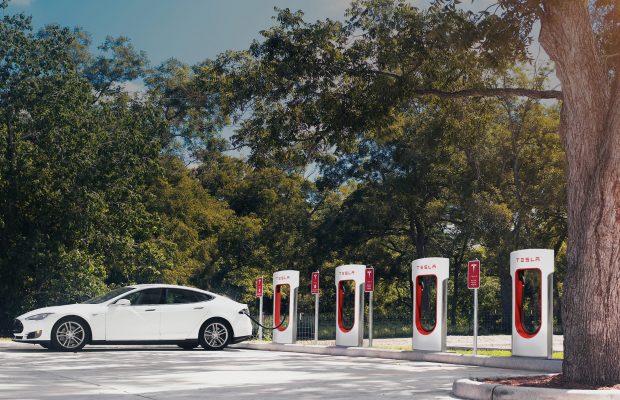
    Thailand’s cabinet on Tuesday approved a package of incentives including tax cuts and subsidies to promote a shift to electric vehicles (EVs) in Southeast Asia’s major auto production base, a government spokesperson said.

    The package for 2022-2025 is in line with a zero-emission vehicle policy plus a goal to ensure 30 per cent of Thailand’s total auto production are EVs by 2030, Thanakorn Wangboonkongchana told a news conference.

    In the first two years, the measures will focus on encouraging widespread domestic use of EVs by providing tax breaks and subsidies for imported models and those made locally, he said.

    In the last years of the package, the support will mainly be on promoting domestically produced EVs, while canceling some benefits for imported models, Thanakorn said.

    “This is to encourage operators to accelerate the production of electric vehicles in the country to meet increasing demand,” he said.

    Thailand last year produced 1.7 million regular vehicles, for firms that include Toyota, Honda, and Mitsubishi.

    Thanakorn did not give further details on the incentives, which he said would need to be worked out with the energy ministry.

    According to earlier media reports, the package will help reduce the price of each EV by between 70,000 baht ($2,165) and 150,000 baht ($4,638).

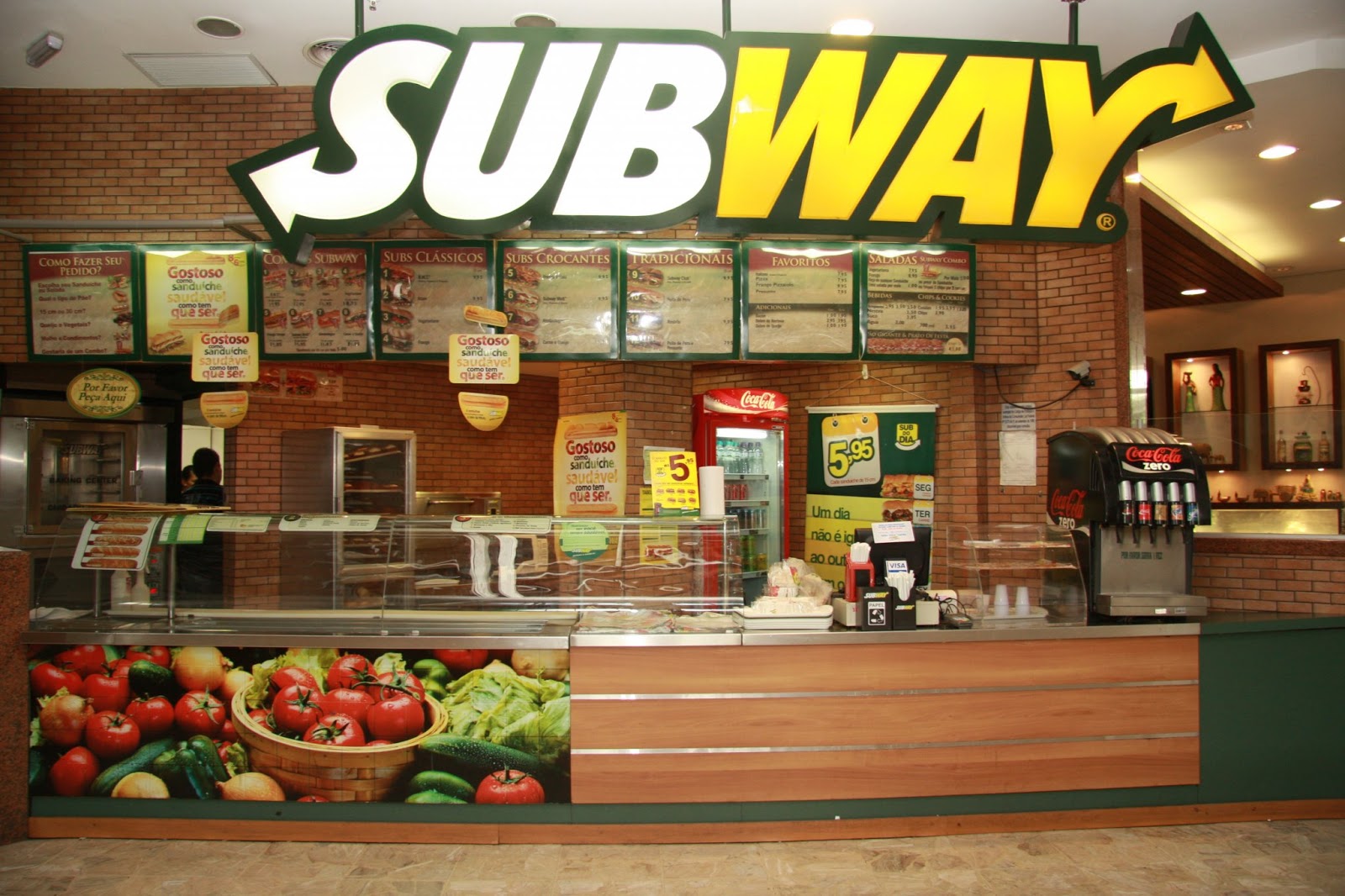
  • Subway Thailand plans 700 new stores

    Subway Thailand plans 700 new stores

    The sandwich chain is aggressively doubling its current network of restaurants in the region to over 6,000 in the next five years.

    Subway has signed a new master franchise agreement with the existing multi-unit franchisee About Passion Co. Ltd. to significantly expand its presence in Thailand.

    The new deal sees About Passion Co. Ltd. opening more than 700 new Subway locations across Thailand over the next decade, expanding on the brand’s current footprint of over 130 restaurants.

    Existing and future restaurants will adapt the sandwich chain’s “Fresh Forward” design, whilst also allowing franchisees the flexibility to incorporate elements of Thai culture into their restaurants.

    About Passion Co. Ltd.’s focus will be to ensure restaurants are in locations with “high accessibility and visibility, including drive-throughs and non-traditional restaurant models, such as kiosks and Grab & Go,” the announcement said.

    “We have seen a strong demand for Subway across Thailand and, with About Passion Co. Ltd.’s existing knowledge of our business model and success in implementing operational excellence across their current restaurant locations, we are confident they will be successful in strategically expanding our presence in the country,” Subway chief executive officer John Chidsey said.

    “We have seen enormous success in our Subway restaurants throughout Bangkok and are committed to continuing to build profitable and sustainable growth and inspiring brand love amongst Thai consumers,” added Thanakorn Thanawarith, founder and director of About Passion Co. Ltd. “As guests across Thailand increasingly seek better-for-you, convenient and affordable food options, we’re confident Subway will be a welcome and distinct alternative to the QSR brands traditionally offered in the region.”

    Last year, Subway signed similar deals to expand in Indonesia,India, Sri Lanka, and Bangladesh.

    In an interview with QSR Media, APAC president Eric Foo said he currently expects the sandwich giant to have about 6,600 restaurants in the next five years, effectively doubling their current network and has named China and Japan as markets with “significant, untapped opportunity.”

  • Thai giant Central Retail plans US$3 billion investment in expansion

    Thai giant Central Retail plans US$3 billion investment in expansion

    Thailand’s Central Retail Corp. plans to invest 100 billion baht ($3 billion) over the next five years in a bid to become a top Asian retailer and more than double its revenue and profit.

    The new investment will help Central Retail grow its revenue by 2.5 times, earnings before interest, taxes, depreciation and amortization by 3.5 times, and propel its market capitalization by 2.5 times by 2026, according to Chief Executive Officer Yol Phokasub. Thailand’s largest retailer will invest in new digital technologies to expand omnichannel platforms in all its business segments and scout for acquisitions, he said.

    Central Retail is controlled by the Chirathivat family, which owns a host of industries from real estate and retailing to hospitality and restaurants. The Central Group in December agreed to buy British department store operator, Selfridges in a joint venture with Austria’s Signa Holding for $5.4 billion, expanding the group’s overseas portfolio.

    Digital technology will play a greater role in Central Retail’s new growth strategy after it saw online sales boom during the pandemic, Yol said. “By delivering experiences that merge online and offline worlds” Central Retail expects to boost the business of its more than 3,600 branded stores, he said.

    “We have already surpassed pre-Covid sales in 2021, and this is without tourists. Once tourists return, any sales we make will only be a bonus,” Yol said, adding the company will look to leverage new technologies across all its businesses in Thailand, Vietnam and Italy to boost sales.

    Shares of Central Retail have rallied almost 16% this year on expectations that easing Thai Covid restrictions and reopening of borders to foreign tourists will help it return to profit. The company reported a net loss of 2.3 billion baht for the nine months ended Sept. 30, more than double from a year earlier. It’s yet to report full-year earnings for last year.

  • KBank earns S&P Global Sustainability Award with Gold Class distinction

    KBank earns S&P Global Sustainability Award with Gold Class distinction

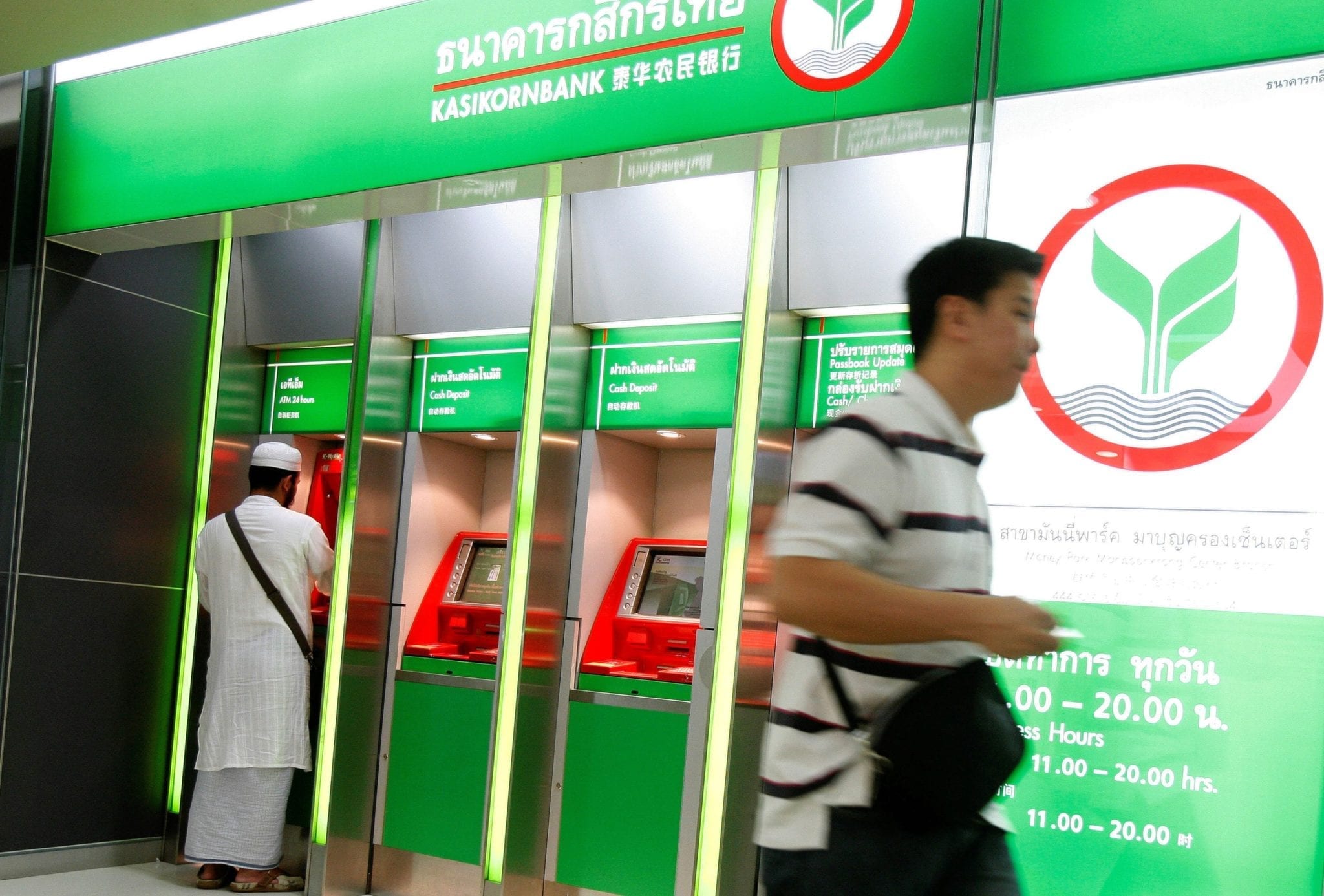
    Kasikornbank (KBank) has risen to the forefront as a world-class Bank of Sustainability after it was awarded the prestigious S&P Global Sustainability Award with Gold Class distinction in recognition of its distinctive performance that has harmoniously integrated environment, social and economic/governance (ESG) aspects into its operations. The Bank has also demonstrated its commitment to developing its work in response to challenges and opportunities balanced across all dimensions.

    Ms. Kattiya Indaravijaya, KBank Chief Executive Officer, said that with our belief in the principles of a Bank of Sustainability under good corporate governance, appropriate risk and effective cost management, KBank has focused on a balance in our business operations across all three dimensions, i.e., the economy, society and environment. We are committed to elevating our standards of sustainable operations, as evidenced by our participation in both national and international assessments.

    KBank is the first and only Thai bank to be selected for inclusion in the Dow Jones Sustainability Indices(DJSI) for the sixth consecutive year. In the latest development, the Bank has won an S&P Global Sustainability Award, earning the prestigious S&P Global ESG Score with Gold Class distinction – the highest level in the global banking industry.S&P Global has assessed 7,554 leading companies worldwide which are members of the Dow Jones Sustainability Indices (DJSI). Of this number, 71 banks have been selected to be included in the Sustainability Yearbook 2022, with 3 banks earning Gold Class distinction; 14 banks, Silver Class; and 9 banks, Bronze Class.

    In considering the award, S&P Global has assessed KBank’s operations in three dimensions, as follows:

    In terms of the economy/corporate governance, S&P Global has assessed KBank’s operations, with the weight given to economic operations at 55 percent. The assessment shows that KBank has sound corporate governance operations, plus the best crisis and risk management, as well as anti-financial crime policies and measures compared to related operations of other banks worldwide. Additionally, KBank has created value from the efficient use of numerous resources, including financial data and technologies, while also collaborating with its business partners in various ecosystems with the aim of developing innovations and services to generate sustainable returns and meet the customers’ lifestyle and business needs during both the COVID-19 crisis and ‘new normal’ period in a sustainable manner.

    In terms of the society, S&P Global has assessed KBank’s operations, with the weight given to social contributions at 32 percent. The assessment shows that KBank has the best human rights operations, plus management of CSR activity, occupational health and safety, financial inclusion, and disclosure of social data compared to related operations of other banks worldwide. Moreover, KBank has promoted sustainable society by developing platforms for the provision of financial literacy and various skills to meet the lifestyle needs of the new era. Notable endeavors include the launch of Klasssi and AFTERKLASS platforms, and other CSR activities that are intended to maintain and foster cordial relations with communities under the ‘Tham Di Tham Dai’ (Employee Volunteer Hours) project.

    In terms of the environment, S&P Global has assessed KBank’s operations, with the weight given to environmental operations at 13 percent. The assessment shows that KBank has the best reporting system for environmental data compared to related operations of other banks globally. Under its environmental operations, KBank has announced its Net Zero Commitment.  

    Along with this, the Bank has developed its climate change strategies by making necessary adjustments to the Bank’s operations in order to reduce greenhouse gas (GHG) emissions and promote awareness of climate change among customers, businesses and the society as a whole. Such strategies should enable shifts in consumer behaviors, improvement of production processes, reduced energy consumption, and creation of real changes in alignment with this urgent agenda of the global community.

    Ms. Kattiya said in closing that with our belief in the principles of a Bank of Sustainability, KBank focuses on elevating our work standards, accounting for the environment, society and governance. This can be achieved through the development of environmentally friendly financial products and services in order to support our customers on their decarbonization journeys, and aid the Thai society in the transition to a net zero economy. Furthermore, the Bank aims to provide retail customers improved access to financial services in order to generate sustainable value for all stakeholders, and pass a sustainable world on to future generations.

  • Thai cafe serves up crypto advice with coffee and cake

    Thai cafe serves up crypto advice with coffee and cake

    A cafe in northeast Thailand has become home to cryptocurrency traders, adding banks of screens showing the latest market moves and dishing out investment advice alongside coffee and cake.

    Behind a calm exterior of cherry blossom trees, customers of HIP Coffee & Restaurant stare at their laptops, supping nervously on iced coffee – part of a surging interest in digital assets in Thailand that has regulators worried.

    “It’s exciting for me to be here because I get to meet people who share the same interests,” said Detnarong Satianphut, a 35-year-old crypto trader.

    “We traders get to exchange information because in the trading world we are coming up against millions of people.”

    Cryptocurrencies have been gaining momentum in Thailand, with as much as 251 billion baht (US$7.62 billion) in digital asset traded in November, according to the latest official data.

    Earlier this month, Thailand said it would start to regulate the use of digital assets as payments, warning of potential risks to financial stability and the overall economic system.

    HIP cafe, which has been around since 2013, got its crypto makeover in 2020.

    Since then, according to staff, its customers have doubled. Manager Oakkharawat Yongsakuljinda said the cafe provides alternative investment opportunities for people in the surrounding Nakhon Ratchasima province.

    It offers free investment consulting and is planning on starting its own cryptocurrency coin.

    Its customers say trading in the cafe offers them the best chance of success in a volatile market, in which the most well-known cryptocurrency, bitcoin, hit six-month lows this week.

    “Having so many screens helps a lot … We immediately know and get to analyze crashing factors and whether we should buy,” said 23-year-old trader Apakon Putnok.


  • Thailand partners with Huawei to launch ASEAN’s first 5G smart hospital

    Thailand partners with Huawei to launch ASEAN’s first 5G smart hospital

    Thailand Office of The National Broadcasting and Telecommunications Commission (NBTC), Siriraj Hospital, and Huawei Technologies (Thailand) Co., Ltd. jointly launched the “Siriraj World Class 5G Smart Hospital.”

    Thailand General Prayut Chan-o-cha, Prime Minister and Minister of Defence, presided over the inauguration ceremony alongside Chaiwut Thanakamanusorn, Minister of Digital Economy and Society, Prof. Dr. Prasit Watanapa, MD, Dean of Faculty of Medicine Siriraj Hospital Mahidol University, Colonel Natee Sukonrat, Ph.D, Vice-Chairman of the National Broadcasting and Telecommunications Commission, Han Zhiqiang, Ambassador of the Embassy of the People’s Republic of China in Thailand, Abel Deng, Chief Executive Officer of Huawei Thailand, as well as Assoc. Prof. Visit Vamvanij, MD, Director of Siriraj Hospital, Assoc. Prof. Cherdchai Nopmaneejumruslers, Vice Director of Siriraj Hospital.

    This project marks the first and largest 5G smart hospital project in Thailand and the ASEAN region. It aims to bring more efficient and convenient experience to patients by introducing technologies such as 5G, cloud, and artificial intelligence, and promote Siriraj Hospital to become a model for smart hospitals in Thailand and the world. At the same time, Siriraj Hospital and Huawei will establish a Joint Innovation Lab to incubate innovative 5G applications. Currently, the two parties have started piloting 5G portable medical boxes, 5G unmanned vehicle, 5G medical carts, and 5G smart hospital beds. It is expected that 30 5G medical applications will be incubated and promoted nationwide in 2022.

    General Prayut Chan-o-cha, Prime Minister, addressed the national policy on 5G technology and digital economy, stating, “The Thai government understands the importance of technology, successfully drafting a plan for Digital Thailand, and today is an important first step in the utilization of digital technologies and 5G in the medical field. This will help reduce processes for medical personnel, decrease overall risk, and will improve the effectiveness and efficacy of healthcare for patients. We will use Siriraj 5G Smart Hospital as a pilot project with the aim of expanding to other hospitals in the future. We admire Siriraj Hospital and Mahidol University, and would like to thank Huawei, NBTC, private organizations, and all other partners involved in this project. We hope the project will act as a blueprint for all smart hospitals in Thailand going forward.”

    Prof. Dr. Prasit Watanapa, MD, Dean of Faculty of Medicine, Siriraj Hospital Mahidol University, shared the background and development of implementing Siriraj’s Smart Hospital Project with 5G and artificial intelligence (AI) to build a model for smart hospitals in collaboration with its partners – introducing 5G, cloud, AI, and digital disruption technologies for application in prevention, treatment, and rehabilitation to enhance the quality and productivity of medical services, bring about good experiences while using its services, provide people in remote areas with better opportunities to access advanced tertiary health care services, as well as minimize the disparity and serve as a model for new generations of medical services to the global public health industry. In addition, an innovation lab and other innovative platforms were also established to cultivate innovation projects in the future.

    Colonel Natee Sukonrat, Ph.D., Vice-Chairman of the National Broadcasting and Telecommunications Commission, addressed the NBTC’s support of the project by saying that “The NBTC, as the regulatory body of broadcasting and telecommunications businesses, has a key mission for licensing frequencies to accommodate high speed wireless communications in the 5G era, to promote the national telecommunications infrastructure development, and introduce the extension and utilization of technologies to various sectors. This is in line with the government’s policy after the National 5G Committee resolved to approve the pioneer Smart Hospital project as a prototype project for 5G application and foresaw the potential of Siriraj Hospital – equipped with specialists and fully-integrated medical equipment – as being instrumental in development into a smart hospital to produce apparent results.”

    Since the beginning of the pandemic, Siriraj Hospital and Huawei have established long-term cooperation in 5G technology development and application. In June 2020, Siriraj Hospital cooperated with Huawei Thailand to launch 5G self-driving vehicles for contactless delivery of medical supplies. In December 2020, Huawei signed a five-year Memorandum of Understanding with Siriraj Hospital to accelerate the intelligent operation of Siriraj Hospital using digital technologies such as 5G, including patient monitoring, diagnosis, and data collection, and provide technical training for doctors in the hospital. In 2020, Siriraj won the award from CommunicAsia Awards in the category of “Most Innovative 5G Trial in Asia Pacific Region.”

    Mr. Abel Deng, Chief Executive Officer of Huawei Technologies (Thailand) Co., Ltd., highlighted that “Huawei has collaborated with Siriraj Hospital to transform it into a world class 5G Smart Hospital, and introduced the Innovation Lab at Srisavarindira Building as part of its 5G infrastructure project for Siriraj Hospital last year. This signifies a model for upgrading Thailand’s public health industry in the future and contributes to Siriraj’s transition to becoming a smart hospital, in line with Huawei’s mission to Grow in Thailand, Contribute to Thailand.”

    This cross-sector collaboration will enhance and upgrade the services of Siriraj Hospital to progress it to become a smart medical center using digital technologies based on 5G, AI, big data infrastructure, and cloud edge processing for the purpose of patient tracking, disease diagnosis by AI on cloud, data storage and analysis, and allocation of resources.

  • Thai AirAsia X looking for new investors

    Thai AirAsia X looking for new investors

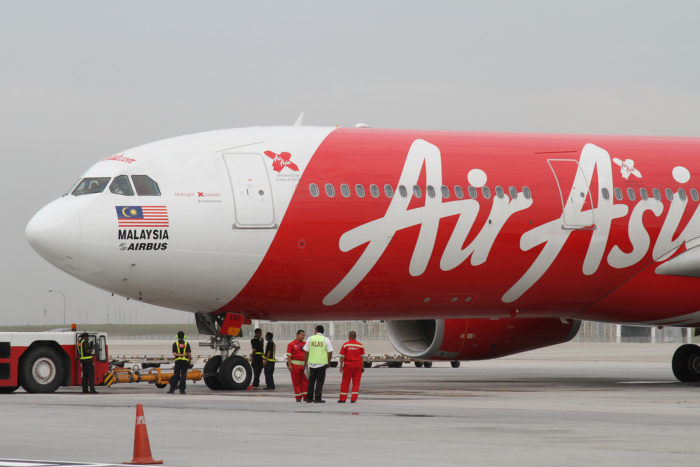
    Thai AirAsia X needs a major restructuring and new investors to prep the airline to resume international routes next year, after Thai AirAsia (TAA) already secured additional funding for the carrier last week.

    Thai AirAsia X, a long-haul, low-cost carrier under the AirAsia group, has been grounded for almost two years since the pandemic emerged in 2020. The 11-aircraft fleet was reduced to seven earlier this year, said Tassapon Bijleveld, executive chairman of SET-listed Asia Aviation (AAV), the majority shareholder in TAA.

    Mr Tassapon, also a shareholder in Thai AirAsia X, said the airline had to switch its wide-body Airbus A330 jets to cargo service to stem financial losses. Thai AirAsia X requires additional liquidity to prepare for passenger flights, which are expected to resume next year, he said.

    Tourists have started asking when international flights will resume and the airline responded by launching ticket sales for the Bangkok-Incheon (South Korea) route from April 2022 in the hope that borders will reopen by then, said Mr Tassapon.

    “Border closures should not be an option to prevent the spread of the Omicron variant as the national economy and cash-strapped tourism sector in particular cannot afford to survive another lockdown,” he said.

    Mr Tassapon said it has been over two years since the pandemic broke out and the government should learn to live with it by sourcing sufficient immunity, by using vaccines and medicines, for local communities in order to let economic activities run as usual.

    He said Thai AirAsia X, which is not yet listed on the stock market, is in negotiations with a few potential investors and will enter the restructuring process by next year.

    TAA was given approval by shareholders at a meeting on Nov 26 to commence the restructuring plan, enabling the airline to raise an additional 14 billion baht.

    Under the new structure, Mr Tassapon will hold 18% of the shares, down from 40.52% at present, while AirAsia Aviation, the investing company under AirAsia Group Berhad, will hold 40.7%, followed by commercial banks at 5.3% and new individual Thai investors at 5.2%.

    However, even though TAA is expected to receive the first allotment of fresh capital by mid-December, the cost-cutting measures have to remain until air travel fully recovers.

    On announcing massive layoffs last month, Mr Tassapon said TAA would have to bid farewell to more than 400 employees from its total workforce of 5,000. Some employees decided to join the early retirement program offered by the firm, he said.

  • Vietnam’s e-commerce traffic higher than Thailand, Malaysia

    Vietnam’s e-commerce traffic higher than Thailand, Malaysia

    E-commerce web traffic from Vietnam is double that of Thailand and triple that of Malaysia in Q3, showing high demand for online shopping amid the pandemic, a report has found.

    Digital consumption has become a new habit as the number of online vendors increases, with Vietnam becoming “a star” on the Southeast Asian e-commerce market, according to the Q3 market report by iPrice Group.

    Vietnam is set to exceed Thailand by 2025 to become the second-biggest internet economy in Southeast Asia with a scale of $57 billion, behind Indonesia at $146 billion, according to the e-Conomy Southeast Asia 2021 report by Google, Temasek, and Bain & Co.

    However, foreign companies are still dominating Vietnam’s e-commerce market in terms of web traffic.

    Singapore’s Shopee accounted for 57 percent of traffic in the third quarter, followed by another Singaporean company Lazada at 16 percent.

    Vietnamese startup Tiki ranked third with 13 percent of traffic.

    The report also pointed out Vietnamese consumers interact on the social media pages of e-commerce platforms more frequently than Thai but less than Malaysians, showing the importance of Facebook in promoting brands in Vietnam.