Tag: Thailand

  • Central Group launches Porto de Phuket lifestyle mall

    Central Group launches Porto de Phuket lifestyle mall

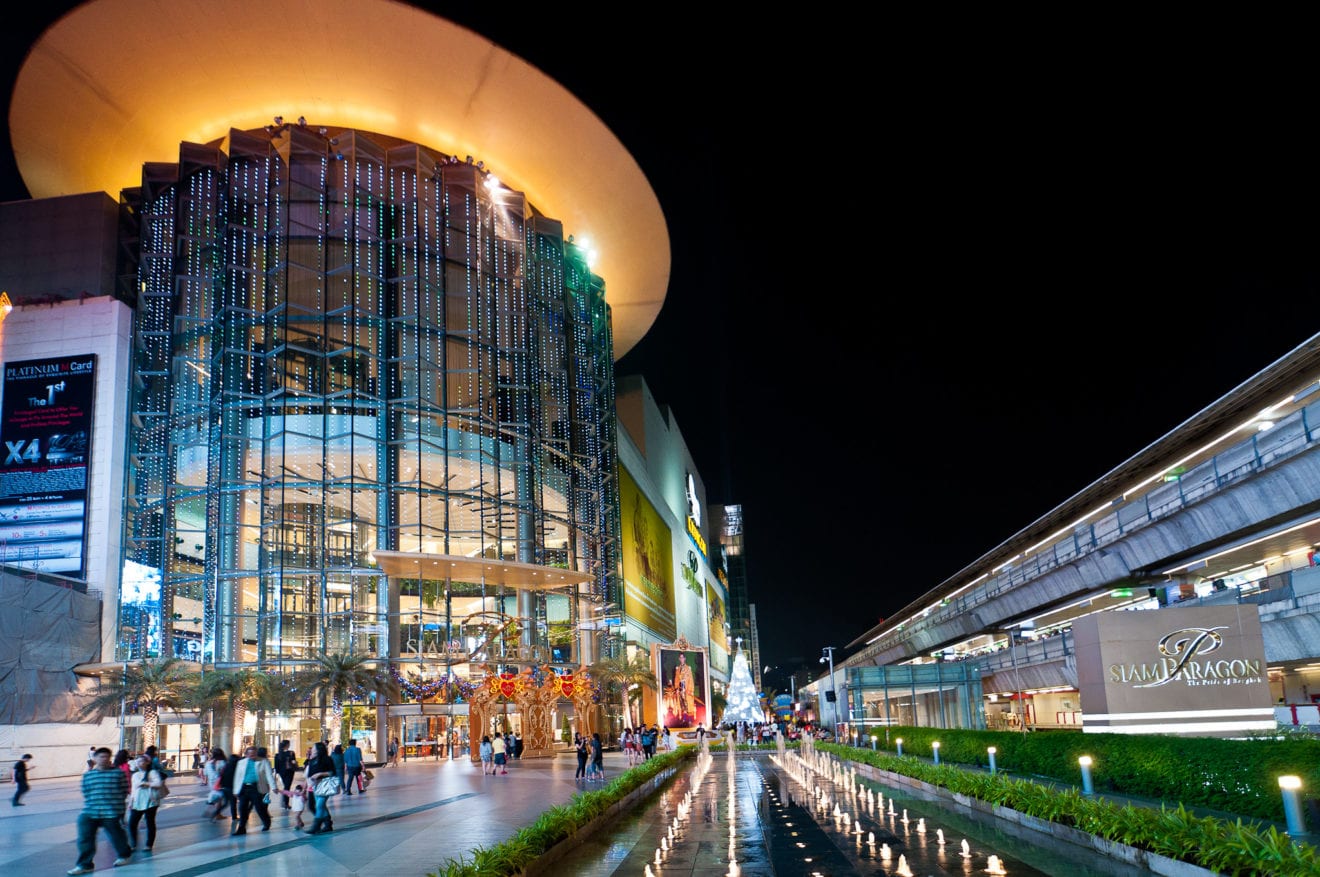
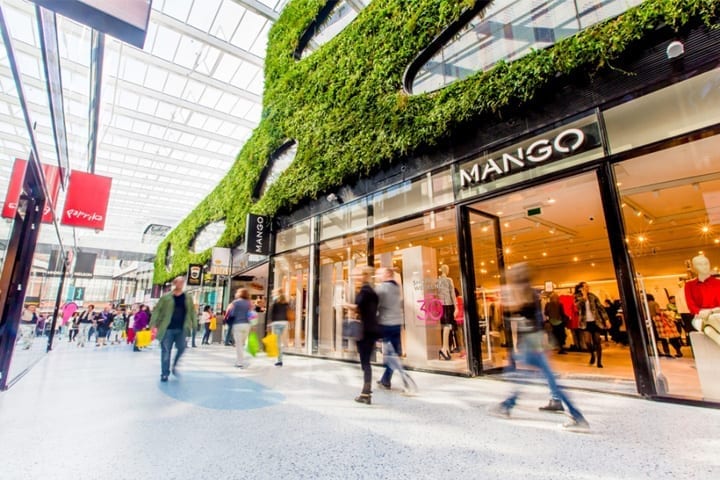
    Thailand’s Central Group has launched a new shopping mall, Porto de Phuket, in Phuket.

    Located at Thalang District, the 40,000sqm development is divided into seven highlighted zones, featuring a wide range of stores and Michelin-starred restaurants.

    The Central Food Hall provides service in standalone formats outside for the first time, offering a variety of products and the first Cheese Room in Phuket.

    Restaurant and cafe zone, The Fame, brings together famous restaurants and cafes for hipsters and the chilled, including Suay, serving a fusion of Thai and western food by the iron chef, Russian restaurant Spice House, Wine Connection and French style cafe Lady Coco.

    The third zone, Multi Design House, presents home decoration where individual styles can be found. Visitors can also find vintage furniture and furnishings from Soul of Asia, artwork from local art celebrity Sunthorn Papan at Napas Art Gallery. A Jim Thompson pop-up store will be opened in this zone, featuring ready-to-wear silk men’s and womenswear, bags and wraps. There is also a B2S store, and a Run Lab created by Supersports, which analyses customers’ walking traits and running mannerisms to find the most appropriate style and shape of footwear.

    Healthy Heaven is a zone of relaxation and health, offering different spas such as Let’s Relax, with the first Spa Gallery in the world and wax salon The Strip, which has 10 branches worldwide including New York, London and Singapore. The project also has beauty outlets from Phuket such as Devadiva and Villa Aura.

    Beside Kid Learning Space, Porto de Phuket also opens a Pet Friendly Zone with facilities provided by Phuket International Petcare (PIPC).

    Decorated under the concept of a Tin Mining Factory which recreates the atmosphere of an old tin mine with Sino-Portuguese architecture, food station The Mercado will open early this year.

    Movie theatre, fitness gym, indoor playground, edutainment and an Art Home and Decorative zone are expected to be completed by the end of this year.
  • Thailand’s Central Retail Group confirms IPO launch

    Thailand’s Central Retail Group confirms IPO launch

    Central Group subsidiary Central Retail Corporation, aims to raise up to THB81.1 billion (US$2.7 billion) in an initial public offering (IPO), which will be Thailand’s largest yet.

    Central Retail’s IPO price will range between THB40 to 48 per share. The company will sell up to 22.1 per cent of its stock or 1.69 billion shares with an overallotment option of 169 million shares. Investors can subscribe from February 6.

    Central Retail’s planned offering would be Thailand’s largest on record ahead of the BTS Rail Mass Transit Growth Fund, which raised US$2.1 billion in 2013.

    Funds raised will be used to expand its domestic and international businesses and to pay off debt, according to a spokesperson.

    As part of its listing plans, Central Group will delist its retail subsidiary Robinson PCL and offer a share swap to Robinson’s existing shareholders with no cash alternatives. The share swap will start in late January.

    Central Retail achieved sales of $3.46 billion in the six months to June. Some 43 per cent of that came via its food business, 34 per cent from fashion and the remainder from hardware.

  • Thai AirAsia X flies to Tbilisi

    Thai AirAsia X flies to Tbilisi

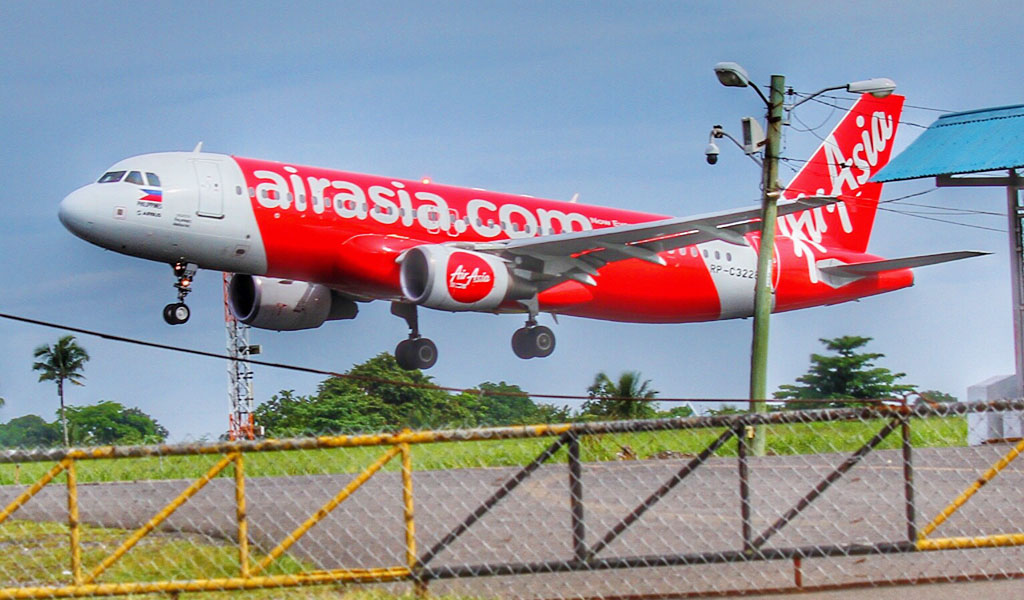
    Thai AirAsia X will operate six Christmas and New Year scheduled charter flights to Tbilisi Georgia from its home base Bangkok Don Mueang airport.

    Bookings are mainly generated by Thai outbound travel agents promoting tour packages to Georgia for the festive season. Flights will use an Airbus A330-300 with 377 seats.

    Based on Airlineroute timetable information, the first flight will take off 25 December from Don Mueang Airport at 1455 arriving in Tbilisi at 2040.

    The remaining five flights depart from 28 December to 6 January.

    According to a report in GT Georgia Today news service, Thai AirAsia X carried out two test flights in October before it was awarded a permit by Georgia’s  Ministry of Economy and Sustainable Development  on 27 November 27

    Wikipedia describes “Tbilisi the capital of the country of Georgia as a cobblestoned old town that reflects a long, complicated history, with periods under Persian and Russian rule. Its diverse architecture encompasses Eastern Orthodox churches, ornate art nouveau buildings and Soviet Modernist structures. Looming over it all are Narikala, a reconstructed 4th-century fortress, and Kartlis Deda, an iconic statue of the “Mother of Georgia.”

  • Thailand’s Nok Air seeks to raise $73.5mn from shareholders

    Thailand’s Nok Air seeks to raise $73.5mn from shareholders

    Nok Air is seeking to raise THB2.22 billion bahts (USD73.5 million) from existing shareholders through a new share issuance, the Thai low-cost carrier said in a stock market filing.

    The Thai carrier’s Board of Directors proposed issuing 888,147,358 new shares nominally valued at THB1 (USD0.03) each. If the proposal is approved by an Extraordinary General Meeting on January 14, existing shareholders will be offered purchase rights to buy one new share per 3.5 existing shares. The purchase price has been set at THB2.5 (USD0.08) per share.

    The offering period will run from February 3 to February 7, 2020.

    Nok Air said it will allocate shares not taken up in the first round to any oversubscribing shareholders but it does not foresee allocating any shares to investors who are not shareholders at the moment.

    Simultaneously, the Board of Directors proposed decreasing the number of shares in circulation by 99,030,527 shares which were not sold during previous equity increases. This will result in a decrease of the total number of shares, equivalent to the registered capital, to 3,309,019,273 prior to the new issuance planned for early February.

    Nok Air is currently controlled by the Jurangkool family, with three of its family members controlling a combined 67.4% stake in the airline. Thai Airways International owns a 15.9% stake with the remainder held by small shareholders with less than 0.5% each.

  • Thai Union Group Increases stake in Thammachart Retail

    Thai Union Group Increases stake in Thammachart Retail

    Food business Thai Union Group has increased its shareholding in Thammachart Seafood Retail to 65 per cent in a move to capture a greater portion of the seafood industry in Thailand.

    The firm purchased its initial 25.1-per-cent shareholding in Thammachart last year to build on its existing strength in frozen seafood and food services.

    “Thammachart Seafood provides professional management services to leading Thai retailers for their seafood counters, handling fresh and frozen products at 190 locations throughout Thailand,” Thammachart Seafood Retail CEO Julian G Davies told The Nation.

    “This includes four food-and-beverage concepts at 18 locations, The Dock Seafood Bar, The Lobster Lab, Seafood Mahanakorn as well as management of the Ocean Bar. We opened our third business unit earlier this year, the seafood-focused food service business, and this currently supplies top-end hotels and restaurants including several Michelin-star restaurants in Bangkok,” said Davies.

    “Having Thai Union on board will help us realise our mission to be the customers’ first choice in seafood.”

    Thai Union is expected to cross over into the Laotian, Cambodian and Chinese markets following its domestic expansion phase.

  • Bangkok Bank Snaps Up Bank Permata

    Bangkok Bank Snaps Up Bank Permata

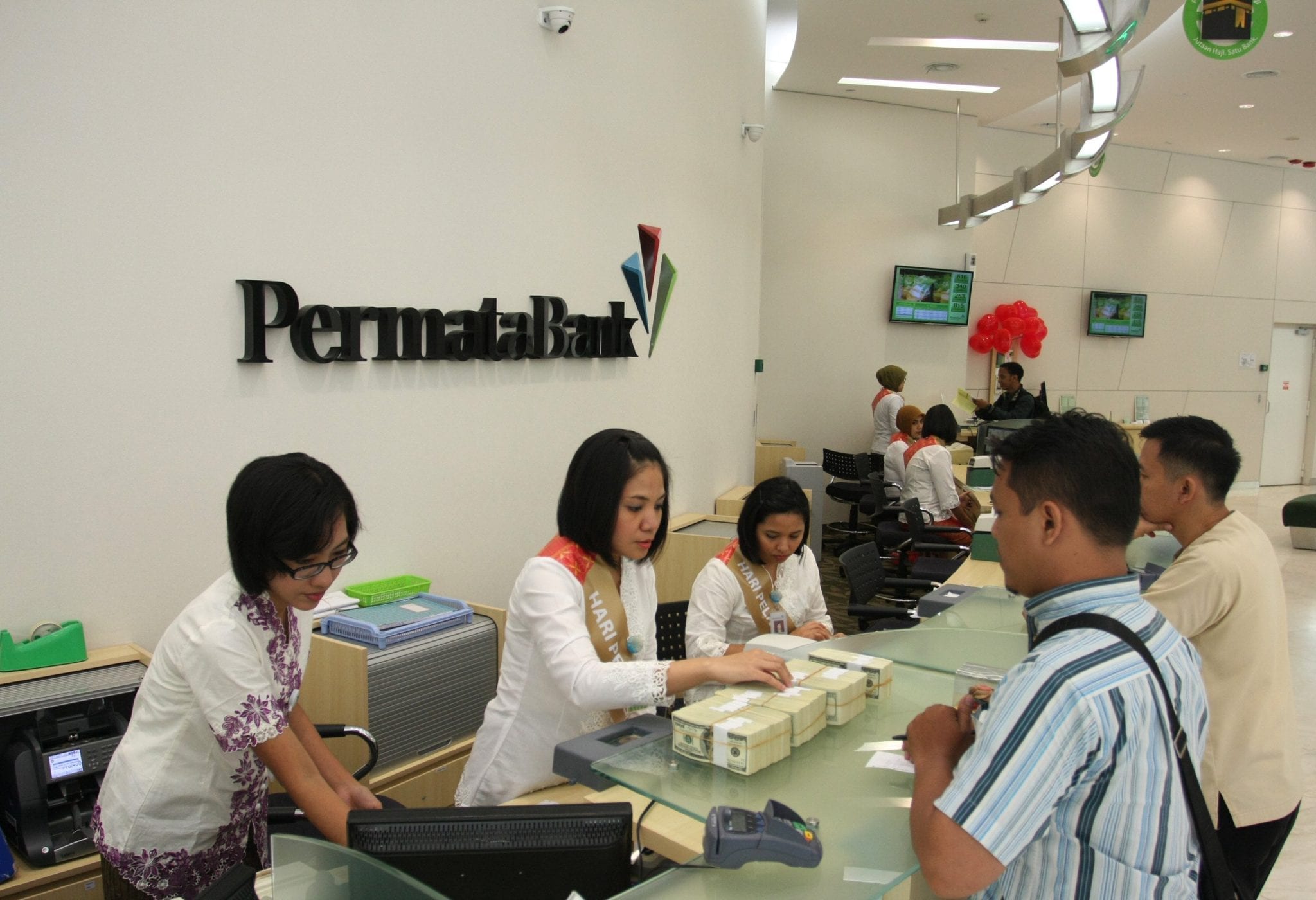
    Bangkok Bank emerges as the buyer of PT Bank Permata after Singapore’s DBS and OCBC reportedly backed out from bidding. Thailand’s second-largest lender Bangkok Bank bought Permata for about $2.7 billion to obtain a near 90 percent stake from Standard Chartered and PT Astra. The deal, which was advised by Morgan Stanley, was valued at 1.77 times Permata’s book value.

    According to a Bangkok Bank release, it found the acquisition attractive due to Permata’s «leading retail deposit franchise and best-in-class digital capabilities» with more than 300 branches in 60 cities in Indonesia.

    According to a filing, the acquisition is part of Bangkok Bank’s strategic transformation to become a regional lender, describing Indonesia as a «highly attractive and fast-growing market”.

    International expansion is our key strategy,» said Piti Sithi-Amnuai, chairman of Bangkok Bank. «Indonesia, in particular, is a key focus for us, as it is one of the fastest-growing major economies in Asia with highly attractive macroeconomic fundamentals, favorable demographics, and increasing ASEAN regional integration.

    Standard Chartered had signaled its intention to dispose of the stake in February, as it was no longer core to its strategy, and the funds raised from the sales could be used to further its share repurchase program which has already returned $1 billion.

  • Thai Lender Emerges as Contender for Bank Permata

    Thai Lender Emerges as Contender for Bank Permata

    Indonesia, forecast to grow at 5 percent in 2020, offers growth potential for Bangkok Bank, which is looking for a new market in the region.

    Bangkok Bank is said to have emerged as the frontrunner for Bank Permata, Standard Chartered’s Indonesia bank, citing people familiar with the matter.

    The bank is said to be competing with Japan’s Sumitomo Mitsui Financial Group in the race for a 90-percent stake in Bank Permata in a deal worth $2.3 billion, and a winner could emerge as soon as next week.

    Bank Permata’s current major shareholders include Standard Chartered (45 percent) and PT Astra International (45 percent).

    In February, Standard Chartered signaled that its Permata investment is no longer considered core. Permata Bank reported net income of 711.4 billion rupiah ($50.7 million) for the first half of 2019, a significant jump from 288.8 billion rupiah a year before.

    Singapore banks DBS and OCBC are reportedly interested in the deal, though Indonesia’s Financial Services Authority has called SMFG the «most serious bidder.

  • Tesco Asia sale plan comes under fire

    Tesco Asia sale plan comes under fire

    A sale of the Tesco Asia business by its UK parent would prioritize shareholders over sound long-term economic strategy, says GlobalData.

    Over the weekend, Tesco announced it had received an expression of interest from an unnamed party to acquire the Tesco business in Malaysia and the Tesco Lotus operation in Thailand. The company has subsequently launched a review of options for the Tesco Asia operations.

    Hakan Demirci, a consumer analyst at GlobalData, described a sale as outgoing CEO Dave Lewis’s plan to appease shareholders with a reported valuation of £7.1 billion for the 2000 stores.

    However, he said this would neglect the long-term importance of Asia to Tesco.

    “Selling its Asian business would be welcomed by Tesco’s shareholders, who would be granted higher returns on their investments if it were to go through. Tesco has done this before, having sold its Chinese and Japanese stores in 2013 and most recently it’s South Korean business in 2015. However, these markets were relatively developed and consolidated, with little room for growth in the retail sector.

    “Tesco’s Malaysian and Thai sectors have been constant sources of sustained success, with profit margins the highest at 6 percent compared to the UK business’s margins of 3 percent.”

    He said the Malaysian food and grocery market is set to grow from now through 2022 with a compound annual growth rate (CAGR) of 9.9 percent. Likewise, the Thai food and grocery market will grow at a smaller, yet still significant CAGR of 4.5 percent over the same period – representing a significant opportunity for Tesco to expand its business.

    “If these markets were to be sold, Tesco would be left with operations in the UK, Ireland, and Central Europe. This would leave the group vulnerable as it loses its benefit of the regional diversification, resulting in a less dynamic and flexible company.

    “This vulnerability would leave the group exposed, as it continues to lose share against the meteoric rise of discounters in both the UK and Ireland such as Lidl and Aldi, which GlobalData expects will continue to gain market share throughout 2020,” he said.

    “Finally, Tesco’s operations in Malaysia and Thailand could serve as a springboard for emerging regional neighbors, namely Indonesia, the Philippines and the rest of south-east Asia. These markets offer Tesco the ability to become a truly global player outside of their strongholds in the British Isles and Central Europe.”

  • Tesco mulls exiting Thailand and Malaysia

    Tesco mulls exiting Thailand and Malaysia

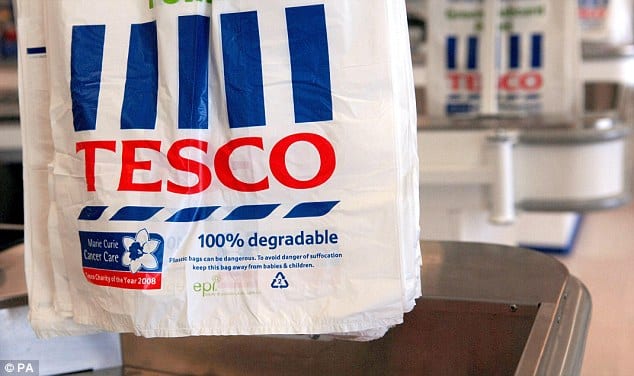
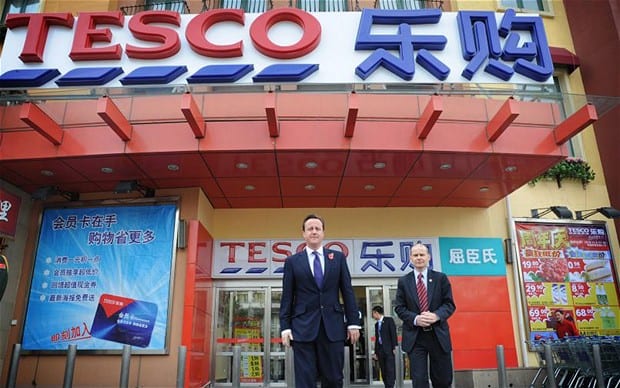
    British grocer Tesco is considering exiting Asia with a shock sale of its operations in Thailand and Malaysia.

    Tesco has confirmed that following an inbound interest, it has “commenced a review of the strategic options for its businesses in Thailand and Malaysia, including an evaluation of a possible sale of these businesses”.

    “The evaluation of strategic options is at an early stage, no decisions concerning the future of Tesco Thailand or Malaysia have been taken, and there can be no assurance that any transaction will be concluded,” the company said.

    “A further announcement will be made if and when appropriate,” it added.

    Dow Jones, citing people familiar with the plan, reported that the sale could fetch up to US$9 billion.

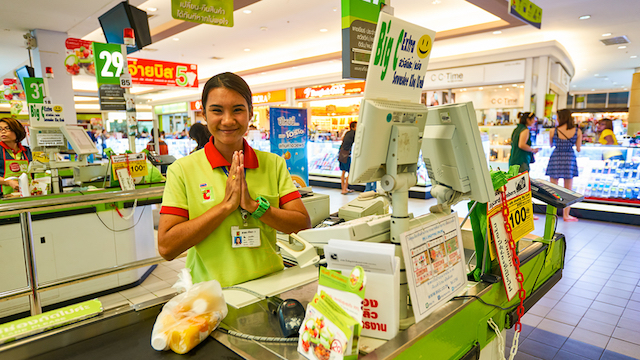
    Tesco operates 74 stores in Malaysia and 1967 in Thailand under Tesco Lotus brand. The combined stores generated £286 million (US$375.8 million) operating profit in the year to February.

    Tesco previously sold businesses in South Korea and Singapore during a period of restructuring following an accounting scandal. But the company said it believed in the long-term potential of the remaining operations in Thailand and Malaysia.

    Tesco did not identify where the approach had come from, but it is likely to be from a private equity company, or possibly Japanese retailer Aeon seeking to boost its expansion in the region. Aeon already has stores in both markets.

  • Nok Air gets new staff and planes

    Nok Air gets new staff and planes

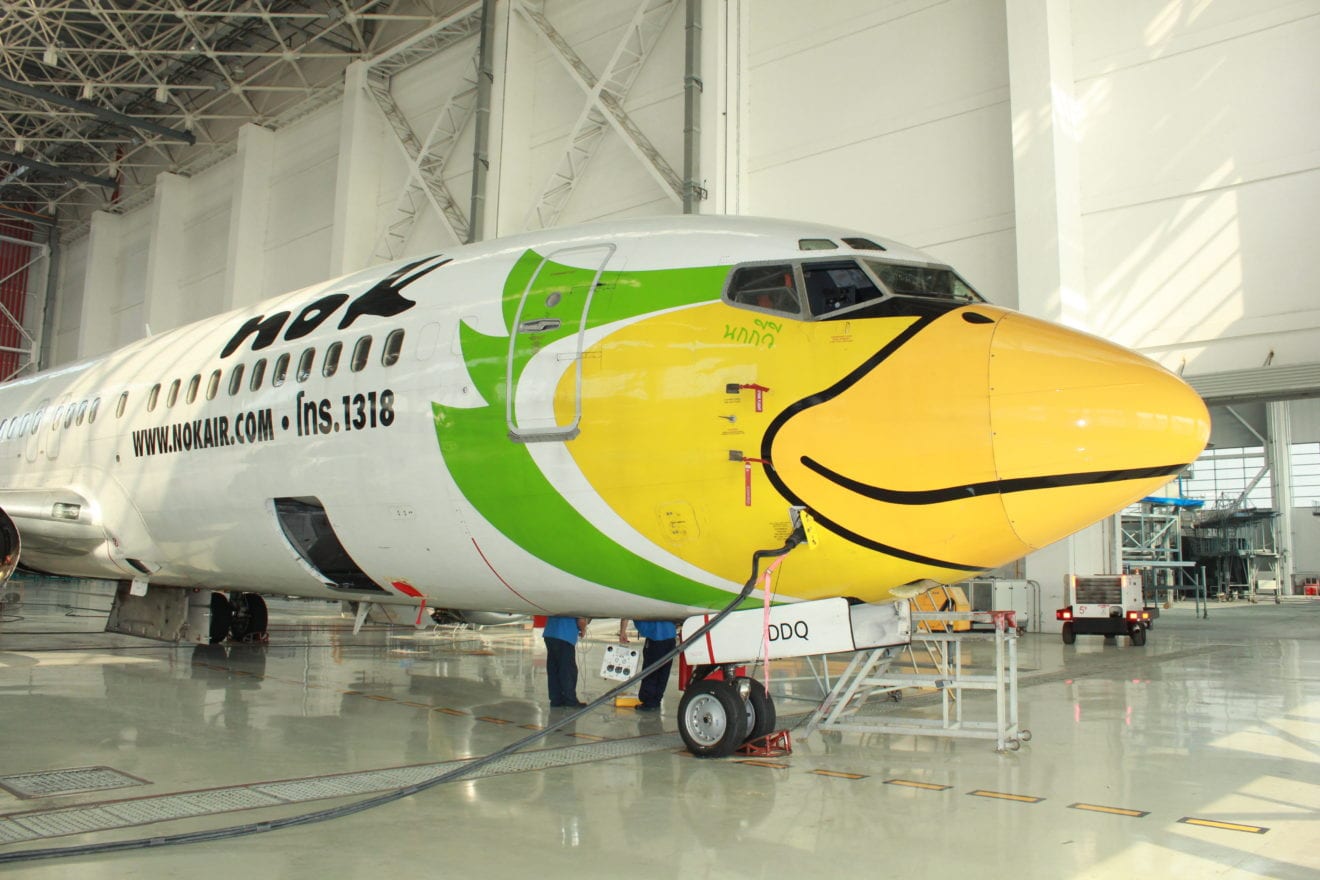
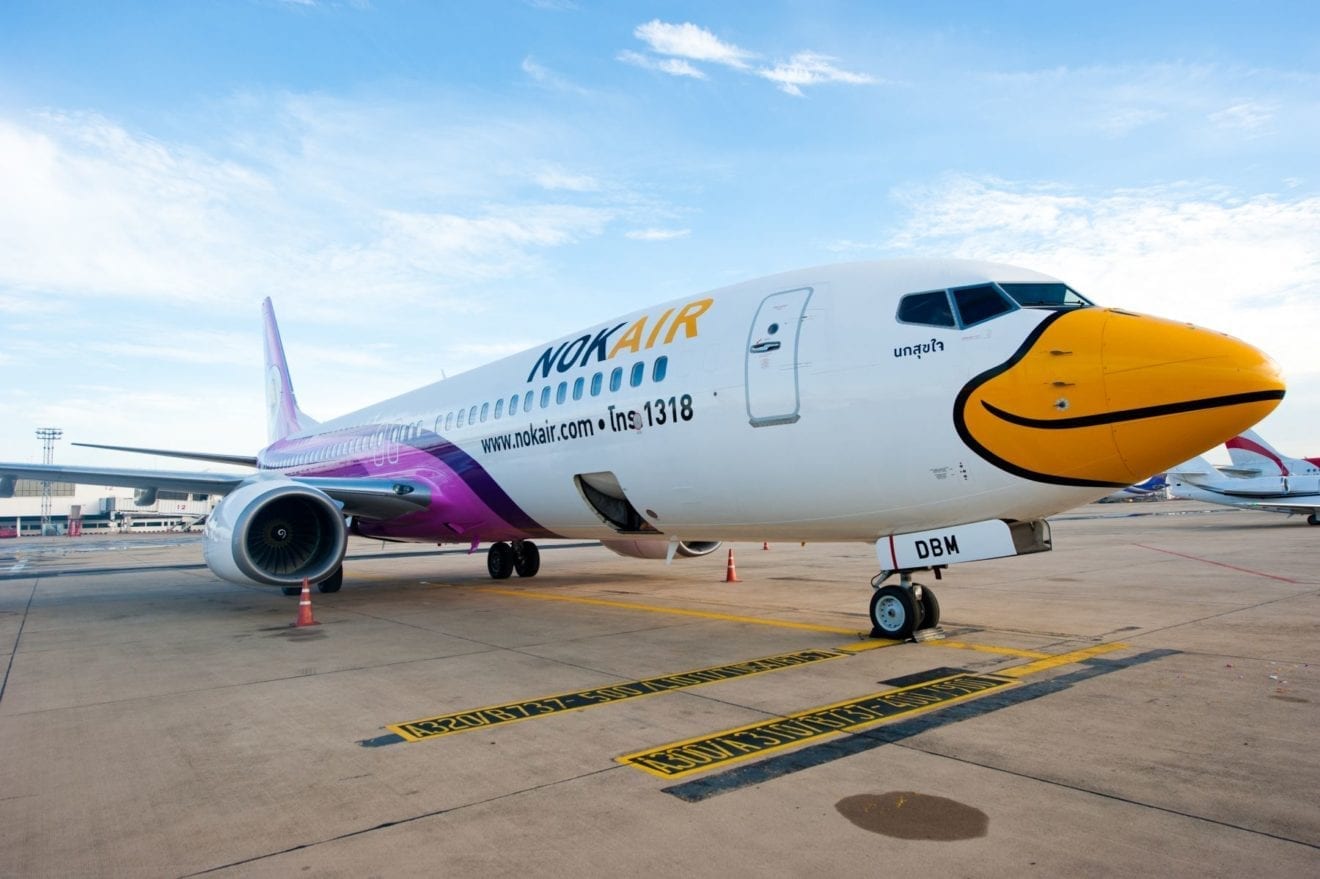
    Loss-ridden budget airline Nok Air is recruiting pilots and flight attendants and will acquire two new planes to serve high-season demand as its rehabilitation plan shows positive effects, its chief executive Wutthiphum Jurangkool said on Wednesday.

    He said that the airline’s recruitment of about 800 new pilots and flight attendants is evidence that its rehabilitation plan has been effectively implemented and has strengthened its financial status.

    Apart from staff recruitment, the airline would acquire two new aircraft to add to its 22-plane fleet by the end of the year.

    Mr Wutthiphum added that Nok Air will launch direct service between Bangkok (Don Mueang) and Hiroshima, Japan. It has increased domestic flight frequencies from three to four daily on the Don Mueang-Buri Ram route and from four to seven flights a week on the Chiang Mai-Ubon Ratchathani route.

    Nok Air’s passenger load factor stood at 88% in the first half this year, down from 91% year-on-year because of the reduction in aircraft numbers from 28 to 22, he said. The reduced fleet saw flight and passenger volume in the second quarter drop by 10.3% and 8.18 respectively.

    Nok Air reported a loss of 470 million baht in the second quarter, down from a loss of 742 million in the same period last year, and a net loss of 751 million for the first six months, down from a loss of 774 million year-on-year.

  • Big C reveals expansion plans at home and abroad

    Big C reveals expansion plans at home and abroad

    Thai supermarket business Big C is planning to spend THB6.5 billion (US$214 million) on expansion both domestically and internationally next year.

    While the majority of the funds earmarked for growth will go towards development within the brand’s home territory, THB500 million ($16.5 million) will be set aside for overseas expansion. The brand has just launched its first 8000sqm Big C in Cambodia, and has designs on a launch in Laos next year.

    The firm’s domestic thrust is focused on small retail outlets – branded Mini Big C – designed to facilitate its reach to more customers in Bangkok and beyond. It is also investigating 3000–5000sqm hypermarkets as a “town centre” concept.

    “We are committed to investing in Thailand next year because we are confident in the country’s economic foundation,” said Big C’s CEO Aswin Techajareonvikul. “From next year, we will pay more attention to expanding our retail business abroad, focusing on Cambodia, Laos, Myanmar and Vietnam, where the economies are strong.”

  • Hong Kong-Thailand Digital Currency Underway

    Hong Kong-Thailand Digital Currency Underway

    The central banks of Hong Kong and Thailand are working to launch a digital currency to facilitate cross-border trade.

    Following a signed agreement to bolster financial technology collaboration, the Hong Kong Monetary Authority (HKMA) and the Bank of Thailand (BOT) will jointly launch a digital currency to enhance cross-border trade, valued at $19.6 billion in 2018.

    HKMA’a cross-border payment platform leverages blockchain and the «depositary receipt corridor network» to enable companies in both markets to settle wholesale payments with one another directly, as opposed to the current conventional method of using multiple intermediaries that often cause delays.

    The roll-out will include a two-tier digital token with one focused on the issuance of tokens to Hong Kong banks participating in the pilot program (called «Project LionRock-Inthanon»); and another for banks to distribute to their corporate customers to settle wholesale payments with other banks or companies, according to an SCMP report.

    HKMA is currently working with HSBC and ZhongAn Technologies International while BOT is working with HSBC, Standard Chartered, and a handful of local lenders such as Kasikorn Bank and Krungthai Bank to further research and develop the project. More details on a proof-of-concept study are expected to be unveiled in the first quarter of 2020.

  • AirAsia birthday extend to Thailand

    AirAsia birthday extend to Thailand

    Following on from the launch of low-fares and holiday deals in Kuala Lumpur earlier this week, Thai AirAsia is marking the group’s 18th birthday with more promotions.

    Promotional fares are as low as THB318 for BIG members and THB361 for a non-member on domestic routes from Bangkok to Ubon Ratchathani, Udon Thani, Chiang Mai, Phuket, Krabi, and Khon Kaen.

    On international routes, the deals include bargain fares to Can Tho, Danang, Ho Chi Minh, Macau, Jaipur and Shantou.

    A return flight plus a two-night hotel package has a starting price of THB1,999 per person.

    Other deals include 8% off all add-on baggage selections and an 8% discount on a comprehensive insurance plan.

    The special fares are available on airasia.com and the AirAsia mobile app until 1 December for travel from 27 April 2020 to 1 March 2021. All-in fares including taxes and fees

  • Japanese used luxury-goods chain Komehyo opened in Bangkok

    Japanese used luxury-goods chain Komehyo opened in Bangkok

    Japanese used designer products retailer Komehyo has launched in Bangkok.

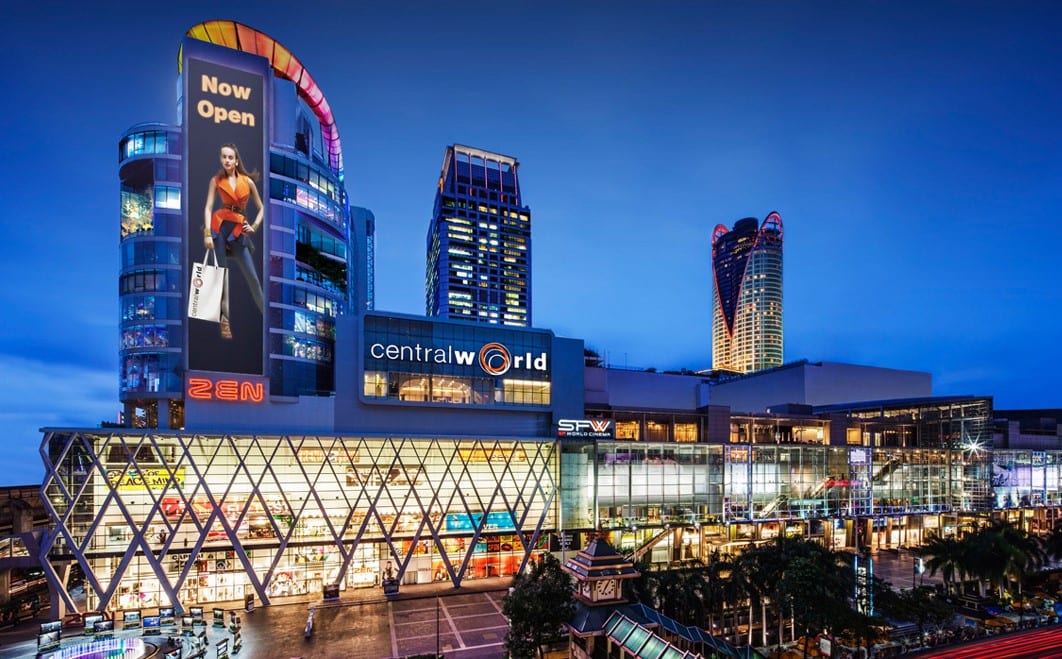
    The CentralWorld shopping complex outlet opened on Friday in cooperation with local partner Saha Group. It is part of the firm’s drive to expand throughout Southeast Asia.

    “With no other major competitors having a presence, Thailand offers hidden opportunities for Komehyo,” said president Takuji Ishihara.

    Komehyo has set up a purchasing office near its Bangkok location to facilitate sourcing used fashion products.

  • CIMB Ties Up With SESAMi Holding

    CIMB Ties Up With SESAMi Holding

    CIMB Bank Singapore branch on Thursday announced a collaboration with SESAMi Holding to finance digital invoices under an automated workflow.

    Suppliers on SESAMi Holding’s platform will be paid immediately on their outstanding invoices within two business days, as soon as they are on-boarded on to the supply-chain financing program, CIMB Bank and SESAMi Holdings said in a joint statement. SESAMi Holding is an e-procurement platform in Singapore serving the supply chain needs for customers like Singtel, SATS, SIA, and SRC.

    Capital Match, which was acquired by SESAMi Holding, is the re-financing arm leading this initiative. Customer experience is one of our primary focus and the collaboration with SESAMi-Capital Match presents another scalable avenue for us. This is aligned with the government’s framework for e-invoices and call for companies to keep up with innovation, said Victor Lee, CEO of CIMB Group Commercial Banking in a media statement on Thursday.

    Capital Match will be reaching out to the supplier community to initiate this program. «The funding process will be extremely sped up through leveraging on our Early Payment System (EPS) which was launched earlier this year for the SESAMi supplier community. With the supply-chain financing, suppliers only need to submit minimal documents to be on-boarded under the program,” said Sharath Singh, commercial director of Capital Match.

    Our objective is to ensure a cost-efficient solution and non-recourse working capital funding option that supports our customers’ growth, said Lai Ven Li, head of corporate banking at CIMB Singapore.