Tag: Thailand

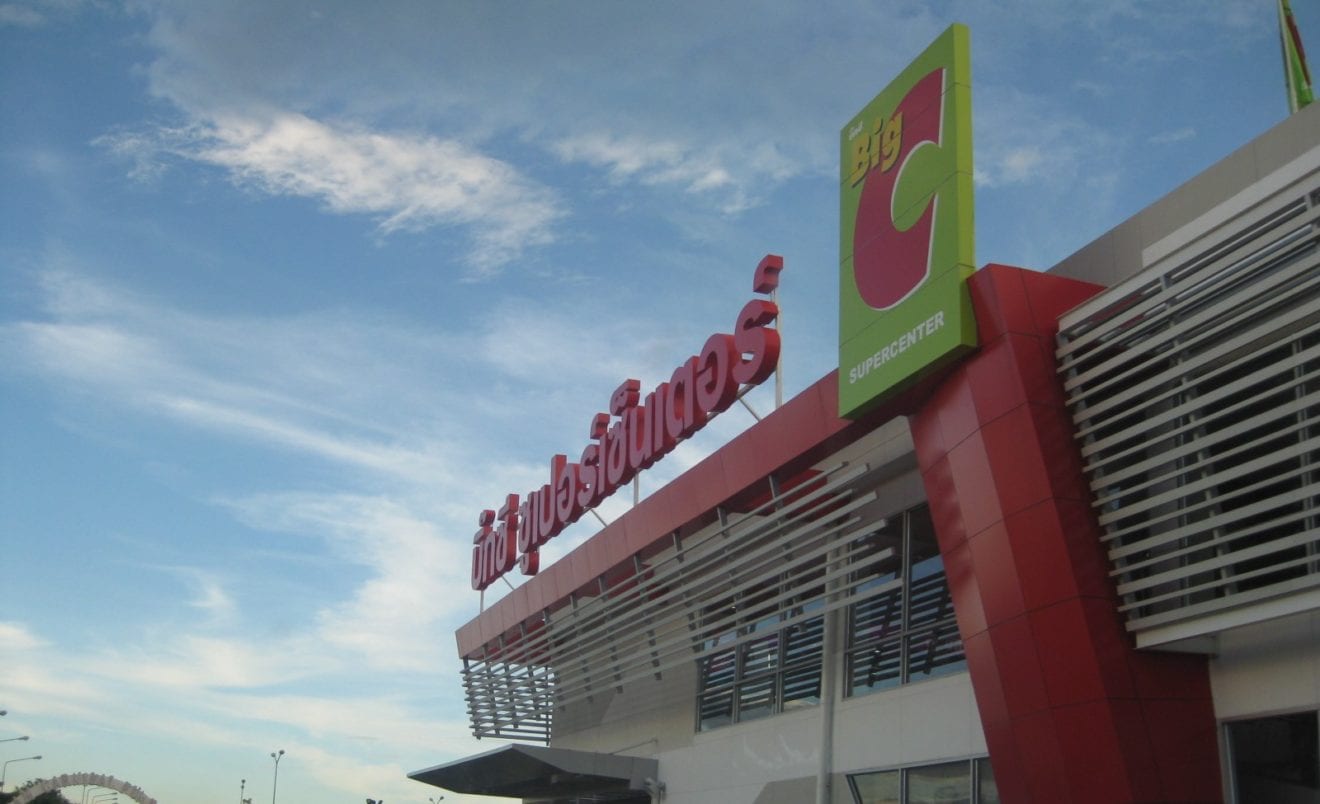
  • Big C opens first store in Cambodia

    Big C opens first store in Cambodia

    Supermarket chain Big C has opened its first store in Cambodia.

    The firm has opened on a more-than 2ha site in Poipet, a booming town on the Thai/Cambodian border, with a reported investment of US$6.8 million and offering more than 1200 jobs.

    A statement on the firm’s Facebook page reported by the Khmer Times read: “A soft opening for the Poipet Hypermarket was held under our vision to be the leading Thai retailer with customers at heart.”

    Cambodia is now the fourth country Big C operates in, following Thailand, Vietnam and Laos.

  • Thailand To Shine For IPOs in 2020

    Thailand To Shine For IPOs in 2020

    Amidst growing investor interests in firms focussed on Southeast Asian consumers, Thailand, and the Philippines are seeing a pick-up in initial public offerings (IPOs). Thailand is expected to shine next year, says Credit Suisse.

    Although Singapore still leads on overall first-time share sales in Southeast Asia in 2019, it has achieved this mainly through offerings of real estate and business trusts. In Thailand, 11 companies raised a total of $1.9 billion from January to 4th October, far surpassing the $100 million raised by five firms in the same period a year ago, according to Refinitiv data. The data excludes real estate and business trusts.

    We expect Thailand to be one of the stronger IPO markets in 2020. Some more large IPOs have started preparations this year and are set to list next year, said Ho Cheun Hon, head of Southeast Asia equity capital markets at Credit Suisse.

    Bankers point to the deal pipeline for Thailand next year, which includes fundraising by a subsidiary of the mega-retailer Central Group, a retail arm of oil company PTT and others.

    Ho explains that international fund managers continued to be attracted by the growth in consumption across Southeast Asia.

    On Thursday, Asset World Corporation, the hospitality and property firm listed by Thai billionaire Charoen Sirivadhanabhakdi, and Philippine home furnishing retailer AllHome Corp, would start trading. The two firms have raised $1.6 billion and $285 million, respectively.

    Asset World Corporation was the largest IPO by a Thai firm, while AllHome was the Philippines’ biggest in three years. In the Philippines, Allhome is the third company to tap the local market this year, compared to just one IPO last year.

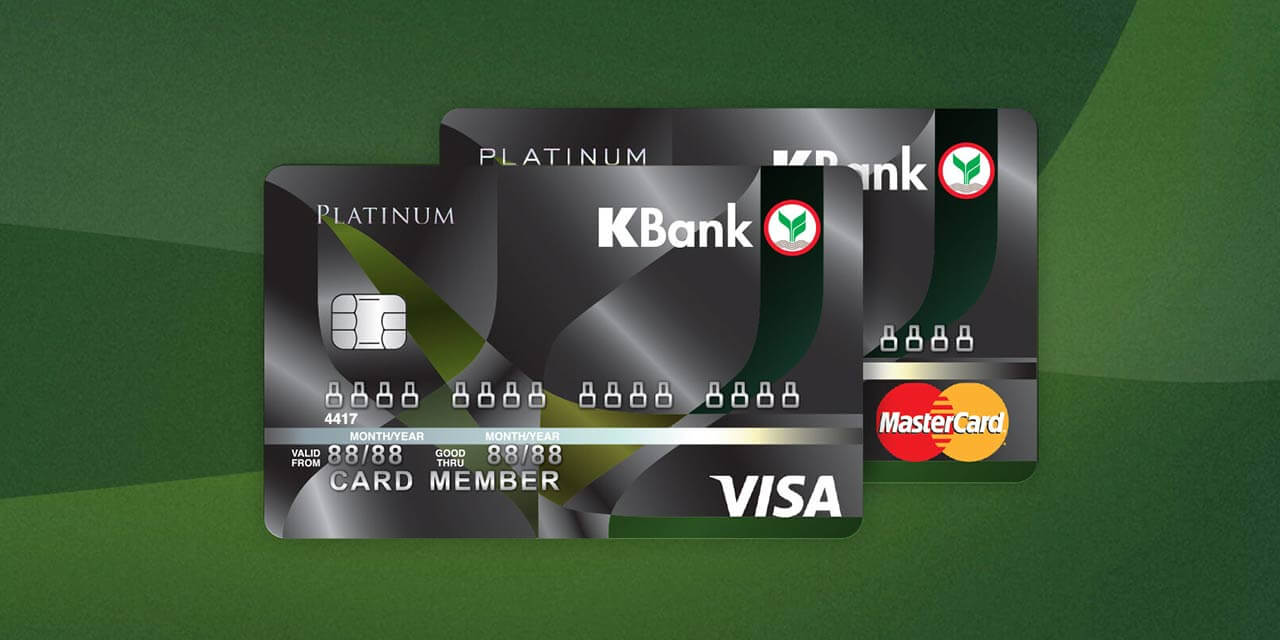
  • KBank issues USD denominated subordinated notes worth800 million USD, with oversubscription rate at 4.4x

    KBank issues USD denominated subordinated notes worth800 million USD, with oversubscription rate at 4.4x

    KBank has announced its successful issuance of USD denominated subordinated notes (the “Notes”) with a USD800 million offering that were oversubscribed four times. Such high oversubscription rate reflects the international investors’ confidence in KBank. It is the largest South-East Asia Reg-S-Only Tier-2 note issue in more than five years, and also the first USD-denominated 12NC7 Basel-III Tier-2 tenor from Asia (excluding Japan) in nine years.

    Mr. Predee Daochai, KBank President, said that KBank issued USD denominated subordinated notes worth 800 million USD with a 12-year tenor which will be due in 2031 and can be called in their 7-years (12NC7), offering at a fixed rate of 3.343 percent per annum. The objective of the issuance of the Notes which can be counted as KBank’s Tier 2 capital is to support KBank’s foreign operations. KBank also aims to strengthen funding position for suitable long-term funding cost.

    The Notes were issued through KBank’s Hong Kong branch on October 2, 2019 and were rated Baa3 by Moody’s, and BBB by Fitch Ratings, and were listed on SGX. The notes were offered to institutional investors and they were fully subscribed quickly. Of the total investors, 81 percent were in Asia and 19 percent were in Europe. Given the rarity of a Thai bank issuance, the Notes were deliverable to high quality investors with 80 percent being taken up by funds/asset management companies, with pensions/insurers and sovereign wealth funds buying up to 8 percent. Bank treasuries accounted for 3 percent of the orderbook, with the remaining 9 percent being taken up by other institution types. BNP Paribas, Citigroup, and Standard Chartered Bank acted as joint book-runners and joint lead managers.

    The issuance of KBank subordinated notes succeeds in several aspects. For example, the total books reached USD3.5 billion, representing 4.4 times of the value of the subordinated notes offered by KBank. Such high oversubscription rate reflects the international investors’ confidence in KBank and the Thai economy. This is because it is the largest South-East Asia Reg-S-Only Tier-2 note issue in more than 5 years and longest dated Basel III Tier 2 in Reg S Only format from Asia (excluding Japan).

    Moreover, the Notes have the lowest coupon as well as spread for a South-East Asia Tier-2 note issue in more than two years. The issuance is also the first USD-denominated 12NC7 Basel-III Tier-2 tenor from Asia (excluding Japan) in 9 years and the first ever 12NC7 from Thailand.

  • Pomelo plans extra 100-strong store expansion in Thailand, Singapore

    Pomelo plans extra 100-strong store expansion in Thailand, Singapore

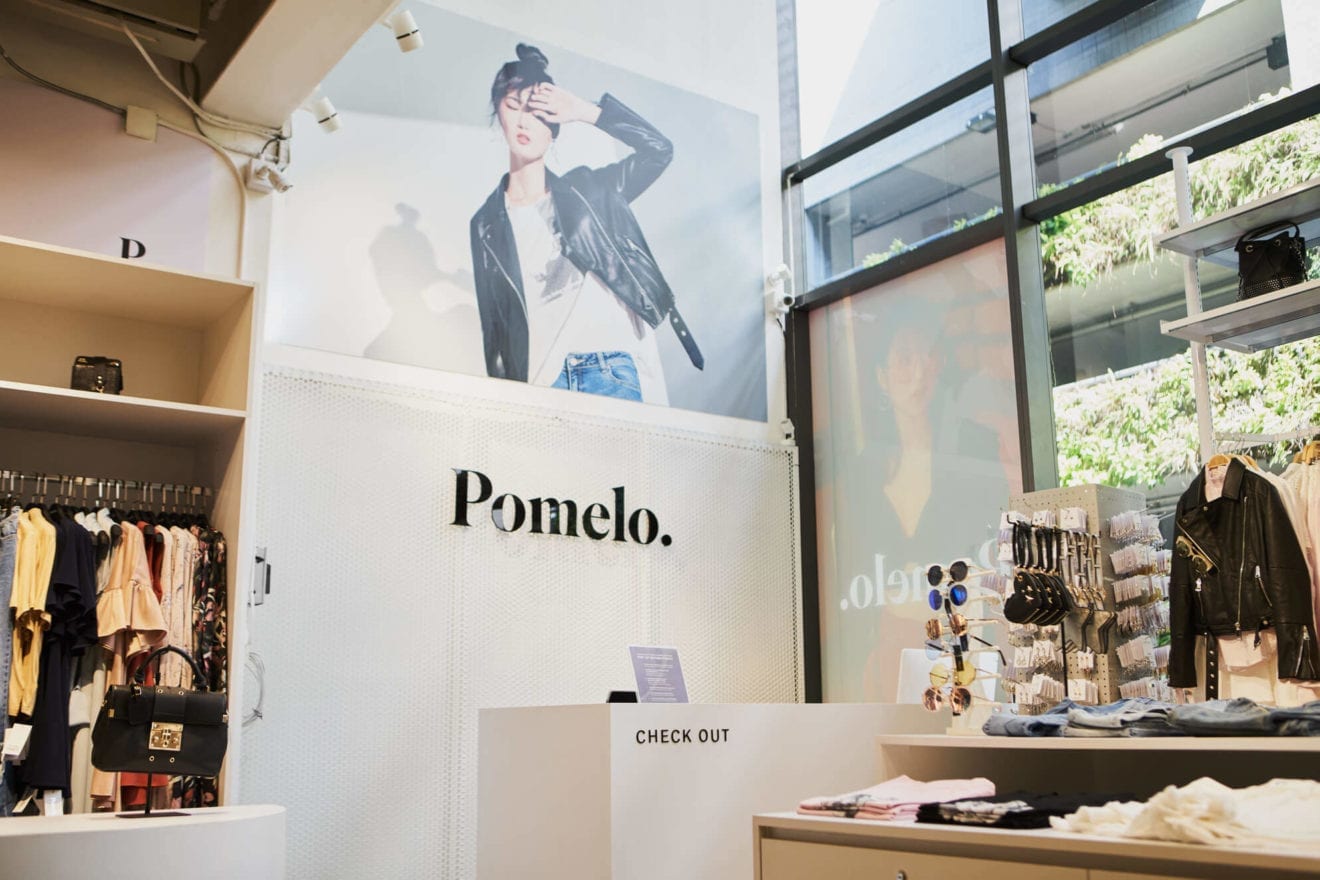
    Fashion-tech brand Pomelo plans to launch 100 additional Pomelo Partner stores by December on the back of a US$52 million Series C fundraising.

    The brand is intending to solidify its omnichannel retail presence in Asia, starting with Thailand.

    Pomelo Partner stores function as pick-up locations where customers can have their Pomelo items delivered, try on the items and pay only for what they choose to take home. The stores target a demographic of 25 to 34, and are located in convenient suburban locations such as cafes, salons, fitness studios, florists and even other clothing stores frequented by its customers.

    “Creating the best omnichannel retail experience means integrating our products with customer lifestyles, and the first 35 Partners in Thailand allow us to be where our customers live, work and play,” said Pomelo CEO and co-founder David Jou. “The growth of this network in the coming months makes returns easier and allows customers to try on and pay for only products they love with ease at a location nearest to them.”

    The Pomelo Partner store network is set to grow from the current 35 in Thailand to 100-strong come the end of the year. It also plans to cover all provinces in Thailand and then Singapore in preparation for further international expansion; it currently seeks Pomelo Partner store potentials in Singapore and looks to launch the first partner store in the territory by early next year.

    Currently, Pomelo’s nine retail stores and nine pickup locations across Thailand are strategically located in high-traffic urban locations.

  • Profit soars for Tesco in Asia

    Profit soars for Tesco in Asia

    Tesco in Asia has reported a 54.1-per-cent boost in operating profit to £171 million as the company accelerated its cost-saving initiatives in Thailand.

    Those reforms include distribution efficiency improvements and more focused, effective marketing activity.

    Tesco in Asia sales during the 26 weeks to August 24 grew 8.4 per cent year on year to £2.556 billion, although on constant exchange rates that growth was pared back to just 1 per cent. Like-for-like store sales fell by 1.3 per cent largely due to reduced sales of general merchandise.

    “We are focusing on differentiating our customer proposition in Thailand, across both large and small stores,” said CEO Dave Lewis in a review of the results. “We opened our first urban supermarket in June and our large store re-invention trial stores have been well received by customers, generating a sales uplift of 4.8 per cent.”

    He said trials of Tesco in Asia’s Express proposition in Thailand also proved successful.

    “We plan to roll out the enhanced offer to all Express stores. We have introduced 300 products in smaller pack sizes, added 100 products to our ‘ready to eat’ range and extended our ‘food to go’ drinks offer, in addition to maintaining our focus on fresh evening meal solutions.”

    “Own brand expertise and price investment on key fresh food products” led to positive sales growth in Malaysia, he said.

    Global group sales were flat at £28.3 billion during the first half, with operating profit up 25.4 per cent to £1.406 billion.

    Succession plan announced for CEO

    Declaring Tesco group’s turnaround program complete, chairman John Allan revealed Lewis will step down as CEO in the northern hemisphere summer next year.

    He will be replaced by Ken Murphy, who is currently chief commercial officer and president of global brands at Walgreens Boots Alliance.

    “Today’s results confirm that the Tesco turnaround has been delivered,” said Allan. “Under Dave’s leadership Tesco has transformed customer satisfaction and rebuilt the business. We can now move forward with renewed confidence. We have an exceptional leadership team, a very clear strategy, a re-invigorated brand and financial strength.”

    Lewis said his decision to step down was a personal one.

    “I believe that the tenure of the CEO should be a finite one and that now is the right time to pass the baton. Our turnaround is complete, we have delivered all the metrics we set for ourselves. The leadership team is very strong, our strategy is clear and it is delivering. The Tesco brand is stronger and customer satisfaction is the highest it has been for many years. Colleagues are doing an extraordinary job and their expertise shows in every store and channel every day.

    “With these firm foundations and a competitive, sustainable growth strategy in place, I have no doubt that Tesco will kick on again under new leadership next year.

    “When that time comes, I will watch progress from outside with interest, deep affection and pride. In the meantime, you can be sure that I will give the job everything I have until my very last day.”

  • Thai Cafe Ama​zon opens first China outlet

    Thai Cafe Ama​zon opens first China outlet

    Thai coffee chain Cafe Amazon has launched its first outlet in China.

    The new cafe has opened at a Sinopec-branded petrol station in the Guangxi provincial capital of Nanning.

    Cafe Amazon is owned by Thai petrol firm PTT Oil and Retail Business (OR), which is aiming to expand the chain globally. The Chinese operator is OR subsidiary PTT OR China (Shanghai), which will roll out the chain at other Sinopec petrol stations nationally.

    China is the 10th market in which the brand has launched.

  • Thai Airways adds a sixth weekly flight between Brussels and Bangkok

    Thai Airways adds a sixth weekly flight between Brussels and Bangkok

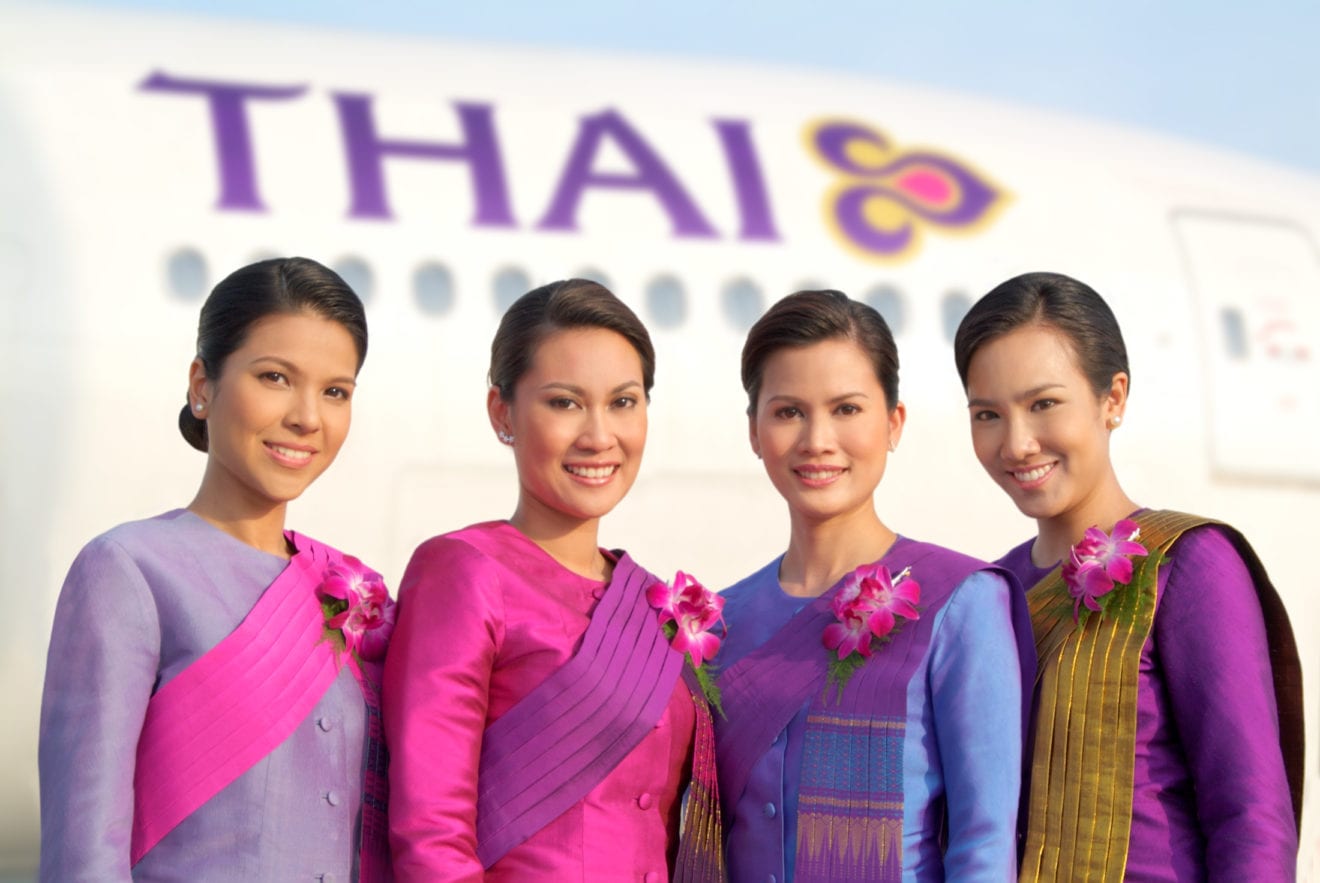
    Thai Airways is very pleased to announce the launch of its 6th weekly non-stop flight Bangkok – Brussels  – Bangkok every Monday.

    As from 28th of October 2019, THAI will operate 6 non-stop flights per week on the route Brussels – Bangkok and return, all operated by Airbus A350-900 including Royal Silk Class (Business) and Economy Class.

    TG934 BKK 00:30 - 07:40 BRU A359 12-4567
    TG935 BRU 13:30 - 05:35+1 BRU A359 12-4567

    Tickets on the new Monday flight can be booked as from today via https://www.thaiairways.be or via any travel agent in Benelux.

  • Singapore and Thailand Join Hands In Insurance Supervision

    Singapore and Thailand Join Hands In Insurance Supervision

    The authorities in both countries signed a Memorandum of Understanding (MOU) to strengthen cooperation in insurance supervision. The Monetary Authority of Singapore (MAS) and the Office of Insurance Commission (OIC), Thailand, on Thursday signed a Memorandum of Understanding (MOU) to strengthen cooperation in insurance supervision.

    This MoU is an important step which will provide OIC and MAS with a committed approach to working more closely. The MoU will advance a framework for cooperation, exchange of information and assistance in insurance supervision between two authorities as well as facilitating mutual development of the insurance sector in both jurisdictions,» said Suthiphon Thaveechaiyagarn, Secretary-General of the OIC, Thailand in a media statement.

    The MOU on insurance supervision was signed by Suthiphon Thaveechaiyagarn, Secretary-General, OIC and Daniel Wang, Executive Director (Insurance Department), MAS, in Bangkok at the sidelines of the annual Thailand Insurance Expo.

    This MOU affirms the strong relationship between MAS and OIC, as well as our mutual interest to enhance insurance supervision and collaboration in both our jurisdictions. It further deepens partnerships between insurance regulators in ASEAN,» said Ong Chong Tee, Deputy Managing Director (Financial Supervision), MAS in the media statement.

    The Office of Insurance Commission manages the supervision of insurance companies, brokers and agents and promotes the development of business conducts of insurance companies. OIC also builds confidence and accessibilities, strengthens the capacity and promotes the infrastructure of the insurance system.

  • Muji Thailand to open largest store yet in the country

    Muji Thailand to open largest store yet in the country

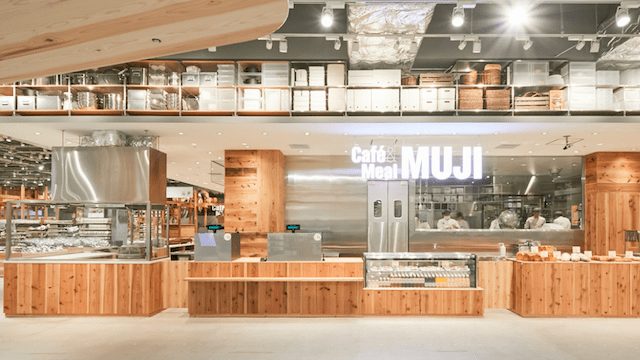
    Muji Thailand is launching its largest outlet at Bangkok’s new 222,000sqm mixed-use lifestyle complex, Samyan Mitrtown.

    The store will feature a “Muji Coffee Corner” designed in a minimalist style serving coffee made from Thai beans sourced from mountainous Doi Tung.

    The brand operates Muji restaurant concepts in Japan and Singapore, prompting speculation that the coffee corner may expand into a diner at some later time.

    The new Muji Thailand store is easily accessible from MRT Samyan’s exit No. 2.

  • Thailand’s Jaspal Group ells accessories brand Lyn to India

    Thailand’s Jaspal Group ells accessories brand Lyn to India

    Thailand’s Jaspal Group has launched its accessories brand Lyn in India.

    The group’s first store in the territory is opening at Select CityWalk Mall in New Delhi, offering its full range of fashion accessories from runway-inspired handbags and wallets to shoes, as well as staple accessories from watches to eyewear.

    The brand says its Fall/Winter 2019 collection available in-store is designed to evoke the warm summer desert shifting to the elegance of European urban, “promoting modern women’s confidence, self-expression, and sophistication”.

    Lyn has operated across Southeast Asia for 18 years, with 50 stores in Thailand, two in Cambodia, and 10 in Vietnam.

  • Thailand’s Central Group names new executive commitee

    Thailand’s Central Group names new executive commitee

    Thailand’s Central Group has appointed Stephane Coum as CEO of Central Food Retail Group.

    The appointment coincides with Alistair Taylor being handed the role of president of Central FamilyMart. Both appointments are part of the firm’s strategy to develop borderless retail and digital technology.

    Central runs food stores and supermarkets in the territory, with its Central FamilyMart subsidiary responsible for its convenience stores.

    Stephane Coum has worked in the global retail industry for more than 20 years, and was previously operations director for Carrefour Italia.

    A statement by the firm said Coum will lead CFRG to become a leader in innovation, gaining market share and growth in sales and profits. He aims to transform the business through the use of technology and digital tools.

  • Thailand’s MK Group buys into seafood restaurant chain

    Thailand’s MK Group buys into seafood restaurant chain

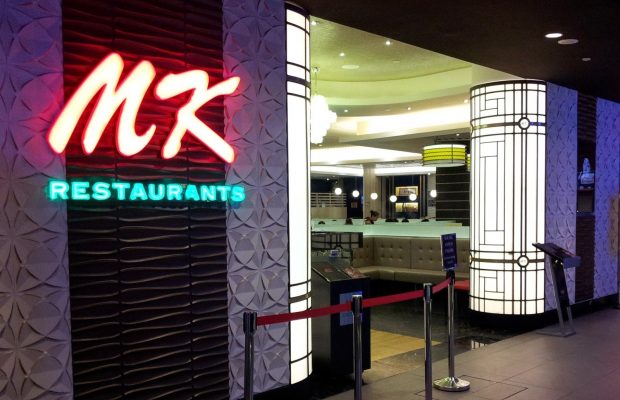
    Thailand’s MK Restaurant Group will purchase a 65 per cent shareholding in the Lam Charoen Seafood chain.

    The 40-year-old restaurant brand, which has 26 branches across Thailand, will sell for THB2.06 billion (US$67.13 million), according to an announcement posted to the Thai stock exchange last Friday.

    The acquisition, which will most likely close by December, will take place via MK Restaurant Group subsidiary Catapult, funded by working capital.

    MK Restaurant Group currently operates more than 400 locations under several brand names including MK, Yayoi, Miyazaki, Hakata, Bizzy Box, Le Petit and MK Harvest.

  • Thailand Using Less Cash As QR Codes and EMV Gain Adoption

    Thailand Using Less Cash As QR Codes and EMV Gain Adoption

    The share of cash in the overall payment volume within Thailand is expected to decline between 2018 and 2022, according to research firm GlobalData.

    GlobalData’s report Thailand Cards & Payments: Opportunities and Risks to 2022» reveals that the share of cash in the overall payment volume is expected to decline from 85.6 percent in 2018 to 77.8 percent in 2022. During the same period, the total card payment value is expected to increase from 1.8 trillion Baht ($56.1bn) to 2.7 trillion Baht ($83.8bn).

    The government’s attempts to promote non-cash payments such as the introduction of faster payments and QR codes, mandatory issuance of EMV cards and push for point-of-sale (POS) adoption are contributing to the growth of electronic payments, said Nikhil Reddy, Payments Analyst at GlobalData, in a media statement.

    As part of the National e-Payment Master Plan, the Thai government launched a nationwide program two years ago to drive POS installation among smaller retailers and government agencies. Merchants were offered benefits such as tax deduction, fee waivers on POS issuance and rental, and a cut down on merchant discount rates.

    In the same year, the central bank collaborated with American Express, JCB International, Mastercard, UnionPay, Visa and other financial services providers to introduce the Thai QR Code Payment standard, with an aim to create an open, interoperable payments infrastructure.

    In 2016, the Bank of Thailand launched a faster payment system, PromptPay, allowing users to make peer-to-peer transfers and payments through their mobile phone using only the recipient’s mobile number or national ID number. As of December 2018, 46.5 million users, over half of the country’s population, had registered for the system.

    Though cash will continue to remain dominant in Thailand, these measures will certainly propel electronic payments, thereby further reduce the usage of cash over the next five years, said Reddy.

  • Siam Piwat gives mall space to disabled and underprivileged suppliers

    Siam Piwat gives mall space to disabled and underprivileged suppliers

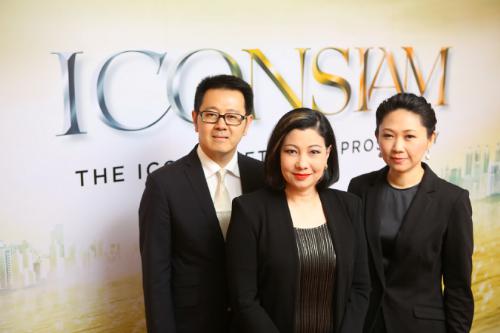
    Thai shopping-centre operator Siam Piwat has created special zones in two of its malls stocking products made by people with disabilities, underprivileged people and special-needs children.

    Called Made by Beautiful People, the products are now available at IconCraft on the fourth floor of IconSiam and in the ODS (Object of Desire Store) on the third floor of Siam Paragon. Both malls are in Bangkok.

    The initiative is an expansion of its ongoing social contribution Citizen of Love, launched in 2009 in which it aims to “share love, provide opportunities and bring pride and equality for all Thais”.

    Space for the Made by Beautiful People displays is provided free by Siam Piwat.

    “With an aim to inspire, to create opportunities and generate sustainable careers and income for the underprivileged people, the company offers full assistance for the sales and marketing of the products,” said a Siam Piwat spokesperson.

    “Products now available are from seven pioneering charitable organizations and groups:  Vocational Development Center for the Disabled, Light for the Disabilities Foundation, Anusarnsunthon School for the Deaf, Arunothai for Special Needs Project, Autistic Thai Foundation, Na Kittikun Foundation, and Sikkha Asia Foundation.

    “The ultimate goal is to culminate an empowering space, a creative showcase of their works and their talents, a place where products made by people, whose hearts know no boundaries, are connected to local consumers and visitors from across the globe,” said the spokesperson.

  • General Motors Cuts Some 350 Jobs In Thailand Operations

    General Motors Cuts Some 350 Jobs In Thailand Operations

    General Motors has cut about 350 jobs from its Thai subsidiary’s operations, a labor representative said on Friday, slashing more than 15% of the workforce for the U.S. automaker that has two factories in Thailand.

    Thailand is a major manufacturing hub in the competitive Southeast Asian auto market.

    Boonyeun Sookmai, coordinator for Labor Relations Group for Eastern Thailand, told Reuters more than 350 employees and contractors at General Motors (Thailand) were affected by the cuts, which employees and contractors were told about this week.

    GM did not confirm the number of layoffs but said in a statement it was “necessary to right-size” its operations.

    “We are taking every measure to support employees whose roles are impacted,” the statement said.

    It added: “There is no change to our ongoing business in Thailand – we continue to build and sell world-class trucks, SUVs and engines for Thailand and the world.”

    The company has about 1,900 employees in Thailand, according to the Bangkok Post, in operations that include a vehicle assembly plant that produces 180,000 units per year.

    Thailand is a regional vehicle production and export base for the world’s top vehicle manufacturers, including Toyota, Honda and Harley-Davidson.

    The auto industry accounts for about 10% of the Thai economy and has been one of a few growth drivers at a time of falling exports.

    Previously booming domestic auto sales have cooled in Thailand with finance firms using stricter lending criteria. Thai domestic car sales contracted in July for a second straight month, down 1.1% from a year earlier.

    GM has two plants in Rayong, a province on Thailand’s eastern seaboard, for vehicle assembly and another for powertrain and engines. Its vehicle assembly plant began operations in 2000 and the latter in 2011.

    The plants in Thailand produces vehicles for the domestic market and export under the Chevrolet and Holden nameplates.