Tag: Thailand

  • Aland introduces K-pop style to Bangkok

    Aland introduces K-pop style to Bangkok

    Korean fashion retailer Aland, known by millennials in its homeland for its styles influenced by K-pop, has opened a store in Bangkok.

    It has a network of shops across Seoul and also in Hong Kong. Like these, its new Siam Center outpost offers young and emerging Korean fashion and lifestyle brands.

    Run as a franchise by Thai retail and development company Siam Piwat, which owns Siam Center as well as other malls in the capital. The store’s interior design palette is dominated by stainless steel, creating a minimalist environment geared toward millennial shoppers.

    The store carries 80 Korean brands in different categories including fashion, beauty, accessories and lifestyle. It will also partner regularly with artists to launch collaborative collections, such as the 3.3 Field Trip x MMMG co-designed eco bags and pouches by Soo-yeol Bae.

  • Thailand’s Jim Thompson plans global expansion

    Thailand’s Jim Thompson plans global expansion

    A Jim Thompson flagship store will open in Bangkok’s Siam Paragon tomorrow as a preliminary step in a five-year global expansion plan.

    Similar flagship stores have been announced for Hong Kong and Singapore, and other major international retail destinations.

    The luxury brand’s first flagship, it is next to Bombyx, one of Jim Thompson’s five restaurants, and integrates touchscreens to give customers access to the catalogue as well as animated representations of its designs.

    These adaptations reflect the brand’s commitment to going digital (just two years ago it did not have a website or sell products online). It plans to launch it first online store soon in Thailand, to be followed by online stores abroad following the establishment of physical retail locations.

    Jim Thompson’s expansion plans have been presented to the board of the owner, The Thai Silk Co, by its first chief executive Gerald Mazzalovo, who has been seeking new locations and partners taking charge two years ago. He was formerly chief executive of fashion labels Bally, Clergerie and Loewe, and group president of Salvatore Ferragamo.

    The Thai Silk Co already exhibits its Jim Thompson, No.9, Fox Linton and Studio B home-furnishing products in five countries but for now offers its clothing and personal goods only in Bangkok, Malaysia and Singapore.

    Mazzalovo says Bangkok is an obvious choice for the first flagship store, given that the brand’s history and identity are so closely connected to the Thai capital. Within the next five years the company will set up similar flagship locations in London, Paris, New York, Singapore, Hong Kong and Shanghai – in that order, says Mazzalovo.

    His idea is that expansion to Europe first will help it build its reputation as a global brand before
    moving into the Chinese market.

    He says China is one of the most profitable opportunities for the brand, but the market there is much more likely to welcome the brand when it has established a name in Europe, rather than only in Southeast Asia.

    Global ambition

    Mazzalovo believes the company has all the makings of an international fashion house.
    “We have the ambition of going global because we have a lot of the prerequisites needed, including more than 70 years of heritage, know-how and historical anecdotes,” he says.

    The company’s values of authenticity and mystery are still anchored in its founder Jim Thompson, a Princeton and University of Pennsylvania graduate who arrived in Thailand in 1946 after working in Southeast Asia for a US wartime intelligence agency. He disappeared mysteriously in Malaysia in 1967.

    Meanwhile, the company opened a fabric showroom this year in Bangkok and will open a high-end contemporary restaurant in the next few months.

    Mazzalovo says the firm is highly profitable despite competing against brands like Chanel, Ferragamo, Gucci, Louis Vuitton and Prada. He considers the company to be closest to Hermes in terms of product and brand management.

    In this first year with the company he recruited 15 designers and assistants from Korea, Italy, France, Finland and Thailand. The company employs 3000 people and has nearly 40 boutiques around Thailand.

  • TOT wants telcos to be made to rent its pipes

    TOT wants telcos to be made to rent its pipes

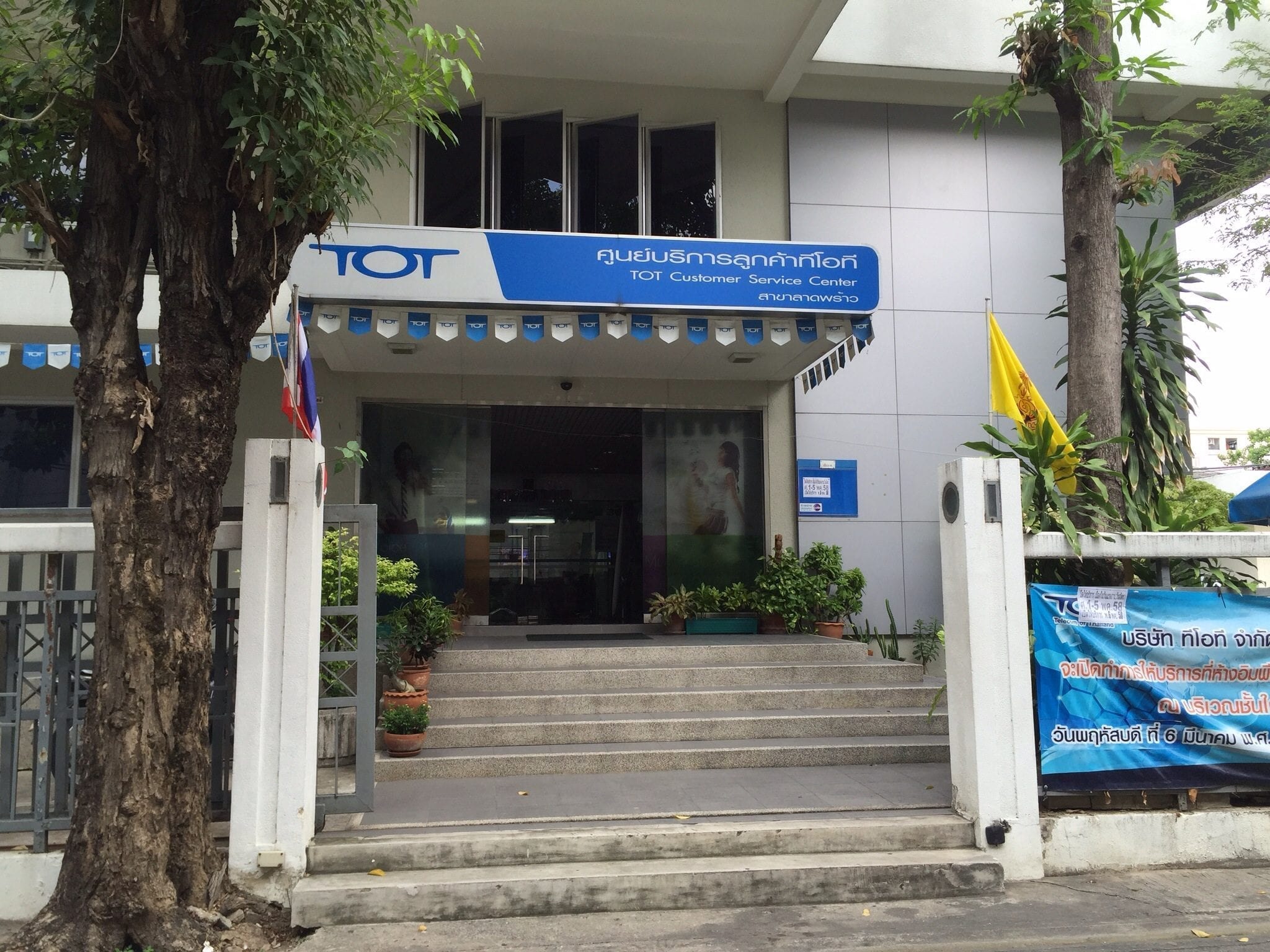
    Thai state-owned operator TOT is calling on the government to use its legislative powers to force telecoms and broadcasting companies to move their overhead cables in Bangkok into TOT’s underground pipes.

    The operator has argued that the move will accelerate the government’s target of removing all overhead power and telephone cables in three provinces to 2019, compared to the 2021 currently scheduled.

    The move to remove overhead cables in Bangkok, Samut Prakan and Nonthaburi is being managed by five state agencies – the Metropolitan Electricity Authority (MEA), TOT, National Broadcast and Telecommunication Commission, Bangkok Metropolitan Administration and the Royal Thai Police.

    Under the plan, MEA will be responsible for replacing all overhead power lines with underground lines, while TOT will be responsible for providing an underground duct system and grouping all existing telecoms and broadcast cables into these ducts.

    But TOT has argued that it lacks the authority to compel operators to relocate their cables, and that only the government can make an order.

    TOT wants the operator to be legally forced to rent the company’s pipes in the Bangkok. The company currently charges telecoms companies a monthly fee of 18,000 baht ($543) per km to access this underground infrastructure.

    TOT currently owns around 2,000km of the 5,000km worth of underground pipes in the Bangkok metropolitan area, and is set to inherit a further 1,500km next month after True Corporation’s existing fixed line phone build-operate-transfer concession with the state-owned company expires.

    The report states that TOT is ready to expand its pipe capacity to cover all 5,000km if it is assigned the installation of underground cables as part of the project.

  • Sunkist Growers seeks to bear fruit in Thai market

    Sunkist Growers seeks to bear fruit in Thai market

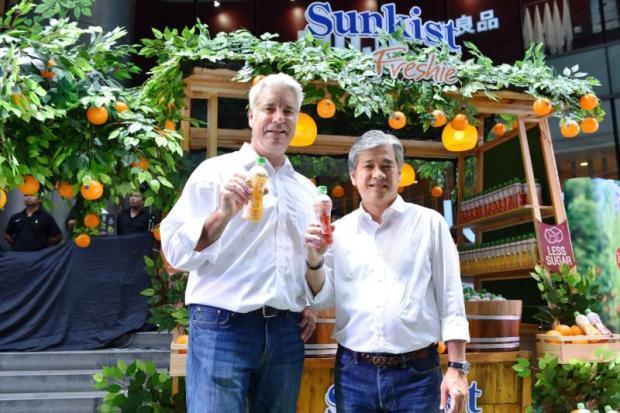
    David Bolton Director – Global Licensing, Sunkist Growers Inc (left) and Apirak Kosayodhin Chairman & CEO, V Foods Corporation Co

    Sunkist Growers Incorporated, a US-based citrus growers’ non-stock membership cooperative, has expanded its Sunkist Freshie brand to the Thai market.

    Thailand is now the 49th licensee country to make and market the products being produced by the 120-year-old cooperative, which brings together 6,000 members from California and Arizona.

    Sunkist has signed a contract with Thai firm V Foods Corporation to produce and market its drinks in Thailand for 10 years, with an option for another five-year renewal.

    V Foods Corp is owned by former Bangkok governor Apirak Kosayodhin.

    Sunkist brand product, including orange fruit juice and snacks, have been available in Thailand for over a decade, said David Bolton, director of global licensing at Sunkist Growers Inc, during a visit to Thailand yesterday.

    But this is the first time the company is launching two new orange juice flavours — Blood Orange Juice and Navel Orange Juice — in the Thai market. The drinks, with reduced sugar content, are aimed at more health-conscious consumers.

    Sunkist Freshie has been co-developed by Sunkist Growers Inc and V Foods Corporation exclusively for Thailand.

    Starting this month, the company began selling two Sunkist Freshie drinks at 7-Eleven convenience stores in Greater Bangkok, as well as in the East, said Mr Apirak.

    The beverage is expected to be available via all modern retail channels next year, he said.

    V Foods hired General Beverage Co to manufacture the beverage, while DKSH is handling the distribution.

    Mr Apirak said that the company added Sunkist to its product portfolio as a part of efforts to enhance V Foods as one of the country’s leading food and drink companies.

    “With over 20 years of experience in Thailand’s drink market, we believe there is still room for growth, due to the increasing number of health-conscious people, he said.

    Thailand’s beverage industry was valued at 13 billion baht last year, of which 2 billion baht belongs to the refreshment drink market. The segment boasts annual growth of 3-5%.

    Mr Apirak set up V Foods Corporation Co three years ago to distribute its own products, including “V Corn” brand sweetcorn, “V Farm” dried fruit and “V Kitchen soup”.

    The company also markets the popular Laotian ready-to-drink coffee, “Dao”, in Thailand.

    Sales of all products under V Foods was 200 million baht last year and is forecast to reach 250 million this year.


  • Technology for Sustainable Paths to Thailand’s Future

    Technology for Sustainable Paths to Thailand’s Future

    King Mongkut’s Institute of Technology Ladkrabang (KMITL) and Thai Canal Association for Study and Development (TCA), signed a Memorandum of Understanding (MoU) on the international conference on Technology for Sustainable Paths to Thailand’s Future, THAI CANAL: Comprehensive Study of Alternative Logistics Systems for the Maritime Silk Road which is to be held on September 11, 2017 at Grand Hyatt Erawan Bangkok Hotel.

    The MOU was signed by Prof. Dr. Suchatvee Suwansawat (2nd from the right), President of KMITL and Gen. Pongthep Thesprateep (2nd from the left), Chairman of TCA. Prof. Dr. Harald Wagner (right) and Pakdee Tanapura (left) witnessed the signing ceremony.

    The MOU will facilitate the mutual sharing of efforts and expertise in organizing the international conference which aims to bring together professionals from different disciplinary backgrounds involving various specialists in commercial canals in order to brainstorm on the feasibility of the Thai Canal from both academic and visionary perspectives.

    Moreover, the conference is officially supported by European Association for Business and Commerce (EABC). The close collaboration will make the conference a dynamic and insightful forum for ambitious practitioners from around the world who have realized that the Thai Canal construction (formerly known as Kra Canal) is vital, and believe that it will make a radical change to Thailand, and the world.

    Following the signing of the MOU to jointly organise the international conference on the Thai Canal, Prof. Dr. Suchatvee Suwansawat, currently President of King Mongkut’s Institute of Technology Ladkrabang (KMITL), announced that public and private entities involved in the development and construction of small or large projects would normally adopt the policy to study both negative and positive impact from every aspect. Relevant data collected would then serve to reassure everyone that the project is appropriate, most beneficial to the people and would have the least negative impact on the population as a whole.

    The same goes for the “Kra Canal” project which is now called “Thai Canal.” At present, the said project is still in the pre-feasibility study stage. Appropriate construction technologies would have to be considered. Advantages in the fields of economic development, transportation and logistics would have to be weighed against disadvantages for Thailand that might occur such as impact on the environment, on the livelihood of Thai people and on national security.

    Therefore, the fact that this upcoming conference will set the stage for exchange of ideas and experiences among national and international experts from different professional backgrounds will certainly help to clarify and confirm our knowledge about the Canal project from various vantage points. The KMITL, as an educational institution that houses one of the top faculties of professors and experts in engineering and technology in Thailand, is ready to share its data and its expertise in the study of this project in order to help the lasting development of our nation.

  • Kerry Logistics Records 10% Growth in 1H Core Operating Profit to HKD1,019 Million

    Kerry Logistics Records 10% Growth in 1H Core Operating Profit to HKD1,019 Million

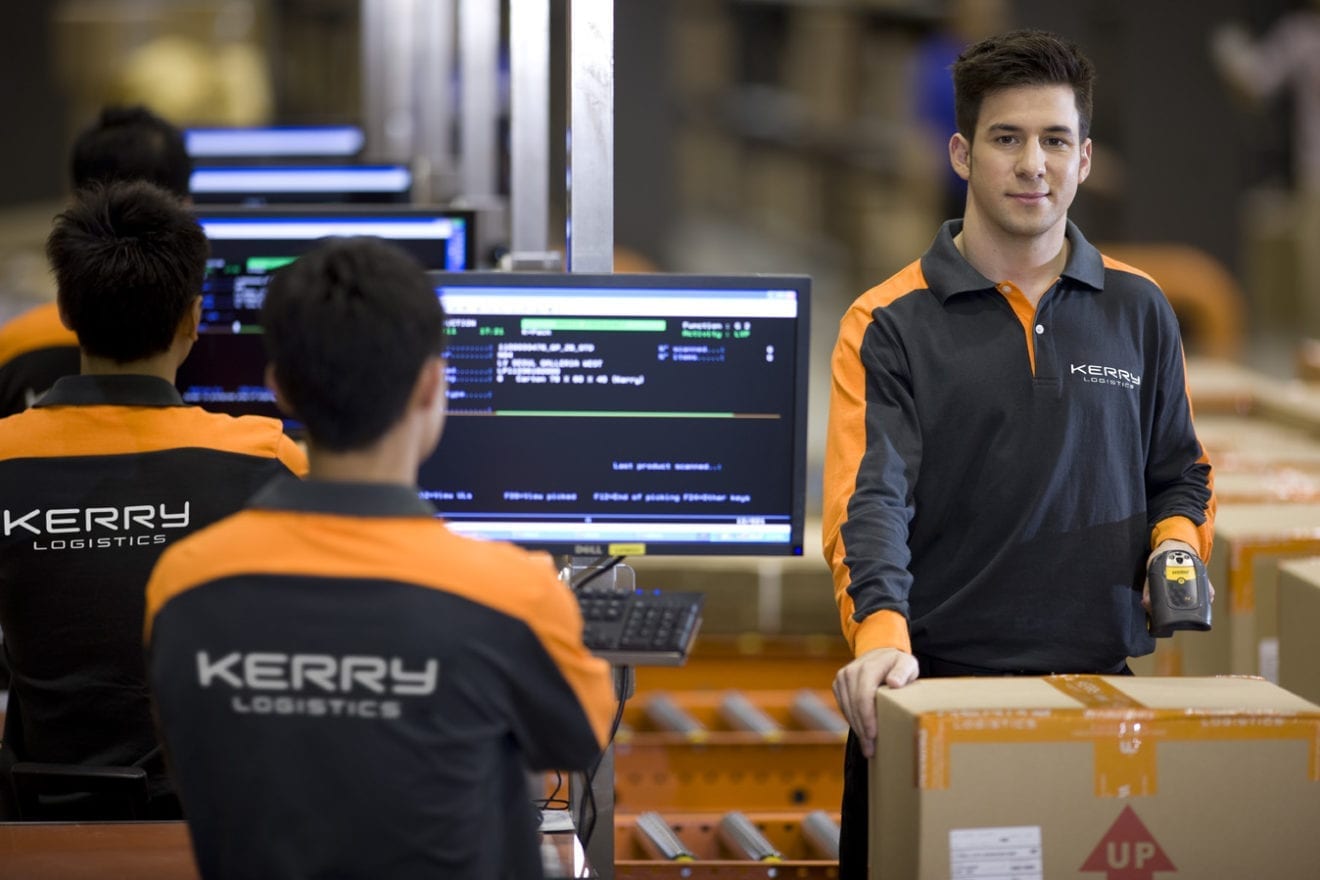
    Kerry Logistics Network Limited (‘Kerry Logistics’ or together with its subsidiaries, the ‘Group’; Stock Code 636) today announced the Group’s interim results for the six months ended 30 June 2017.

    The Group’s Financial Highlights

    • Turnover surged by 31% to HKD13,705 million (2016 1H: HKD10,461 million)
    • Core operating profit increased by 10% to HKD1,019 million (2016 1H: HKD928 million)
    • Core net profit went up by 5% to HKD576 million (2016 1H: HKD548 million)
    • Profit attributable to the Shareholders rose by 11% to HKD788 million (2016 1H: HKD709 million)
    • Integrated Logistics (‘IL’) business recorded a segment profit of HKD884 million (2016 1H: HKD799 million), which represents a lift of 11%
    • International Freight Forwarding (‘IFF’) business achieved a 7% increase in segment profit to HKD222 million (2016 1H: HKD208 million)
    • Interim dividend of 8 HK cents per share recommended

    William Ma, Group Managing Director of Kerry Logistics, said, “2017 1H has been another challenging period. Global demand stalled in Q1 and our cargo volume was at a low level in January and February. Nevertheless, the temporary slowdown in Q1 reversed as the world economy gradually stabilised with cyclical recovery starting from Q2. Supported by strong logistics volume growth in Asia and sound performance in the Americas, the Group’s performance and earnings have shown considerable improvements since Q2. Against this backdrop, for 2017 1H, Kerry Logistics recorded a 31% growth in turnover and a 10% growth in core operating profit. However, core net profit only reported a 5% growth due to the unsatisfactory performance of our investments in associates, which reported a 52% year-on-year decrease in contribution.”

    Strongest Network in Asia

    In 2017 1H, Kerry Logistics continued to adhere to the global development strategy of capturing opportunities brought forth by China’s Belt and Road Initiative. The new subsidiary Globalink Logistics, with operations spanning across Commonwealth of Independent States countries, added nine countries to Kerry Logistics’ global network. They include Kazakhstan, Uzbekistan, Kyrgyzstan, Tajikistan, Turkmenistan, Georgia, Armenia, Azerbaijan and Ukraine. Meanwhile, another new member, Lanzhou Pacific Logistics, allows Kerry Logistics to offer multimodal solutions to customers within its global network.

    The development of an integral overland transportation network with land-bridge connectivity demonstrates Kerry Logistics’ commitment to providing new options and cost-efficient solutions to customers.

    IL Maintains Stable Growth

    The IL division delivered an 11% growth in segment profit in 2017 1H. The overall performance in Greater China remained flat. In Hong Kong, the logistics business delivered continued growth as it benefitted from contribution through new business and customer wins, while the warehousing business maintained growth after a change in client mix despite rental pressure. Weak performance of some of the key accounts in Mainland China adversely affected the Group’s business performance. Although the increased operating cost under the new labour law added pressure on 1H earnings, Taiwan’s performance is expected to improve in 2017.

    The overall IL business in Asia remained strong in 2017 1H, driven by the enhancement of the Group’s service capabilities in ASEAN.

    IFF Sustains Significant Growth

    The IFF division continued to achieve significant growth in 2017 1H, fuelled by the substantial contribution by APEX in the US. As a result of the alliance shuffle, carrier consolidation and reduction in capacity, freight rates increased in 2017 1H, causing the profit margin of the IFF business to narrow, despite an increase in volume. In Europe, the acquisition of Tuvia Italia S.p.A and the launch of the new sales office in Poland further strengthened the Group’s global IFF sales and operations network.


    Asset Portfolio Expansion

    All projects in the pipeline progressed as planned. In Thailand, phase four expansion of Kerry Siam Seaport is expected to complete in 2018. Construction of three logistics facilities in Shanghai and Wuxi, Mainland China, and Phnom Penh, Cambodia were completed in 2017 1H. Inland ports in Yangon and Mandalay, Myanmar, together with three other facilities in Changsha and Wuhan, Mainland China, and Guanyin, Taiwan are under construction.

    Asset Optimisation

    In March 2017, the Group entered into a share purchase agreement to divest its entire 15% interest in Asia Airfreight Terminal Company Limited to Holistic Capital Investment Limited, a subsidiary of Hong Kong Airlines Limited.  The completion of the transaction is subject to certain conditions precedent which, the Directors believe, will be satisfied in 2017 Q3. Going forward, the Group will continue to consider divesting non-core assets and businesses.

    George Yeo, Chairman of Kerry Logistics, concluded, “The Group continues to see China’s Belt and Road initiative as a major opportunity to expand our network and to drive growth in long-term profitability across Asia. The new acquisitions made in 2017 1H added important components to our strategic plan to become the pre-eminent logistics service provider for the new overland and maritime Silk Roads. We are increasing our capabilities in e-commerce and cross-border logistics in Asia.  In 2017 Q2, we formed a joint venture with a local express operator in Indonesia to tap into the booming market there.  Singapore will be our next target for expansion.  With Q2 performance much better than Q1, we expect the momentum of recovery for the rest of 2017 to be positive.”

  • Tesco Lotus plans marketing push to bolster sluggish sales

    Tesco Lotus plans marketing push to bolster sluggish sales

    Tesco Lotus plans a major marketing push for the remainder of this year as it tries to boost sluggish sales.

    A core plank of the plan is a four-day Tesco Lotus Expo to be held at Impact Muang Thong Thani from November 9-12, the first time the retailer has sold products outside its store network.

    Chief commercial officer of Tesco Lotus parent Ek-Chai Distribution System, Sompong Rungnirattisai, says cautious spending by Thais in the first half of the year had seen the frequency of visits decline from an average of twice a month to monthly. The average check has dropped “sharply” he told the Bangkok Post, especially in the provinces where farmers were experiencing lower returns.

    But he is confident shopper sentiment will improve in coming months with the advent of the festive season.

    The Tesco Lotus Expo will feature manufacturers and producers ranging from multinational companies to One Tambon Product vendors, supplying goods from foods through to apparel and appliances. The company hopes to attract 150,000 shoppers.

    Meanwhile, Tesco Lotus will roll out price discounts across its 1900 stores nationwide, in all formats, including online.

  • KBank buys 10% stake in Bank Maspion Indonesia

    KBank buys 10% stake in Bank Maspion Indonesia

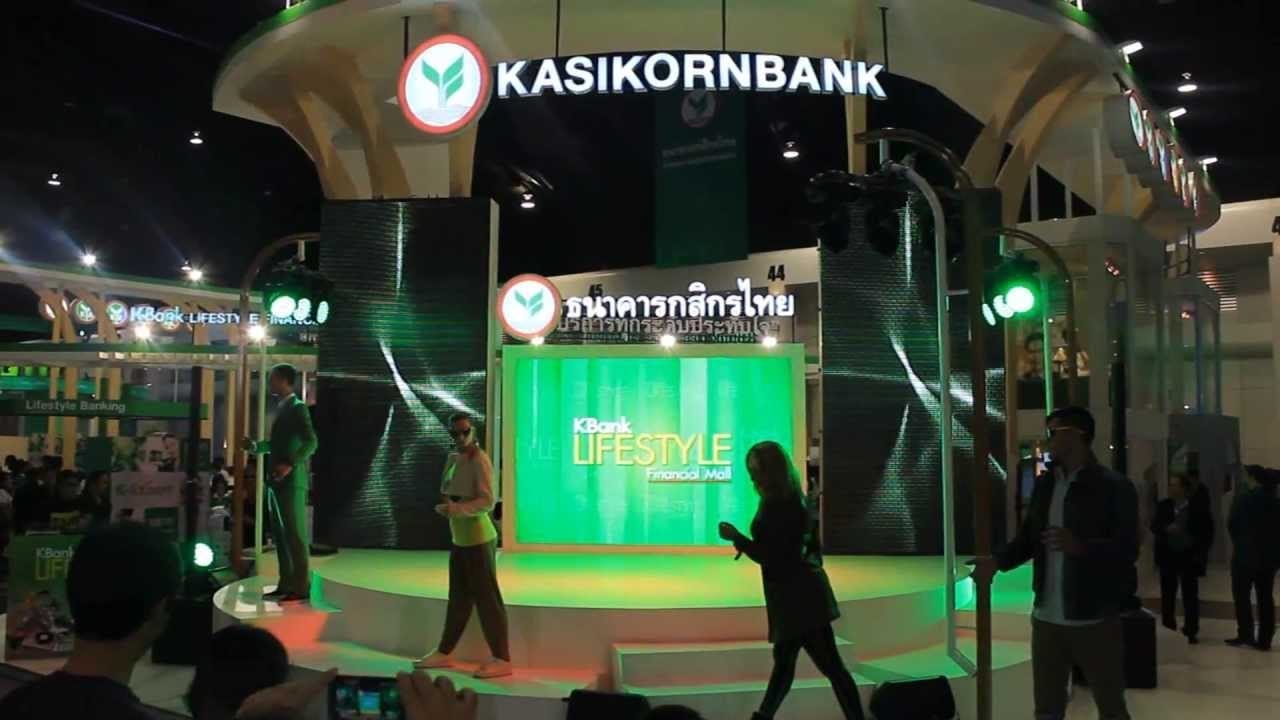
    Kasikornbank has taken a 9.99% stake in Bank Maspion Indonesia for US$20 million to help strengthen its regional presence, the bank said on Monday.

    The price paid was 615 rupiah (S$0.06) per share, nearly 62% premium to the stock’s closing price on Friday. The shares traded over 2% higher on Monday.

    “Bank Maspion is the best partner for Kbank to establish a presence in the Indonesian market,” KBank president Predee Daochai said in a statement, noting its activity in logistics and property development.

    The move would increase KBank’s presence in Southeast Asia, China, Japan and South Korea, which it considers a crucial market for Thai businesses, according to a company statement.

    KBank already has a partnership with Indonesia’s top lender, Bank Central Asia.

    Bank Maspion would benefit from KBank’s expertise in digital banking and SME banking operations, said president director and CEO of Maspion Group in a statement.

    Indonesia’s banking sector limits foreign ownership of a financial institution to 40%.

  • 7-Eleven Thailand passes 10,000 milestone

    7-Eleven Thailand passes 10,000 milestone

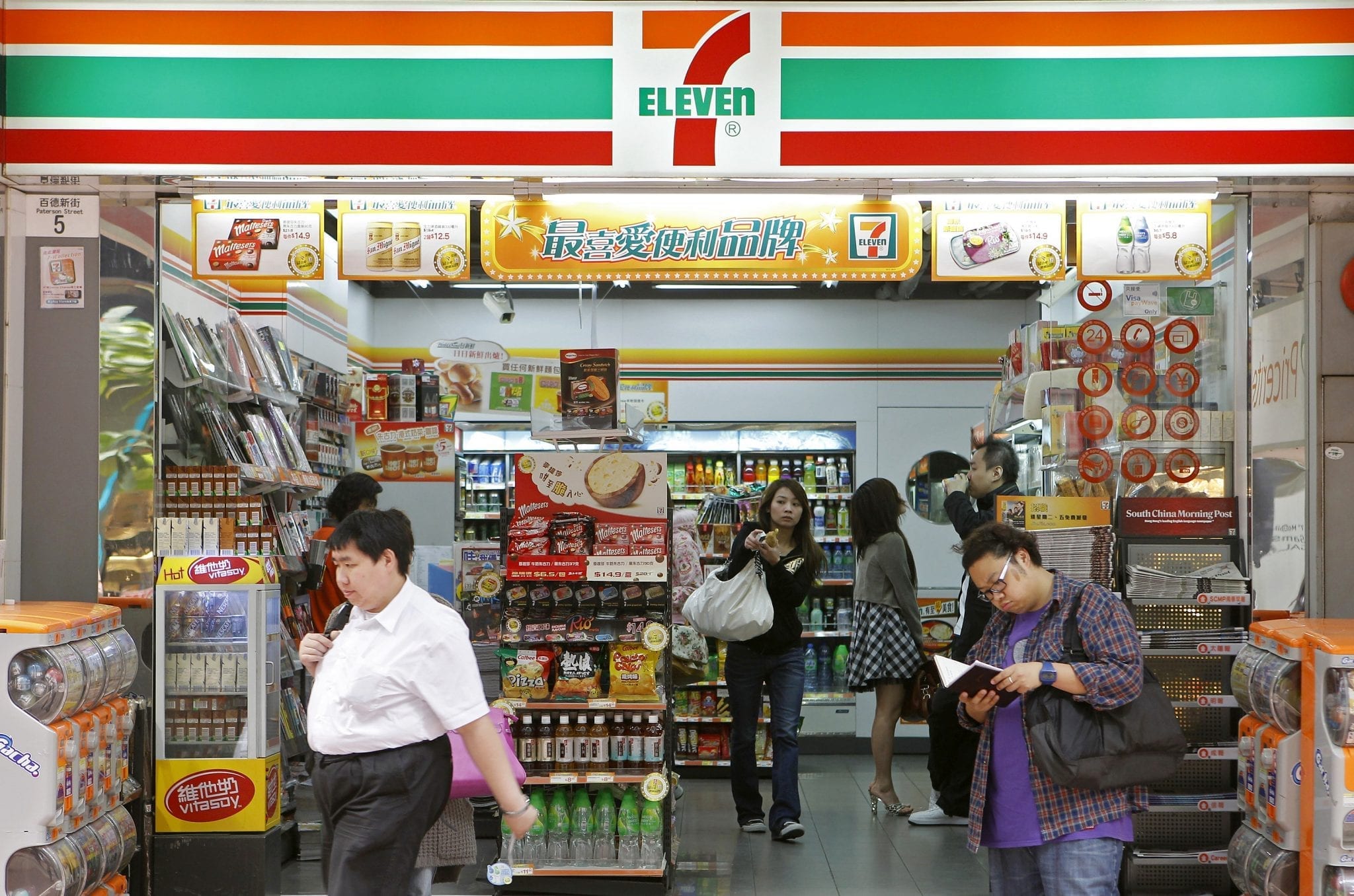
    Expansion by 7-Eleven Thailand has outpaced Japan, with the convenience store network reaching 10,007 by the end of June.

    It took CP All, under Thai conglomerate Charoen Pokphand Group, 28 years to reach the 10,000 mark since its first outlet for the Japanese brand opened.

    CP All plans to add about 700 outlets this year, hoping to reach 13,000 within the next four years. The company says it is poised to allocate 60 per cent of its planned capital expenditure of THB9.5 billion (US$286.3 million) to THB10 billion this year for store expansion and renovation.

    The franchise outpaces other Japanese convenience-store brands in Thailand, FamilyMart having 1136 stores at the end of July and Lawson 85 at the end of February.

    Regionally, 7-Eleven stores had grown to 14,699 by the end of June, accounting for nearly a quarter of the global total. Locations include Malaysia, the Philippines, Singapore and Vietnam. Japan had 19,588 stores.

  • Xiaomi Thailand launches with VST ECS

    Xiaomi Thailand launches with VST ECS

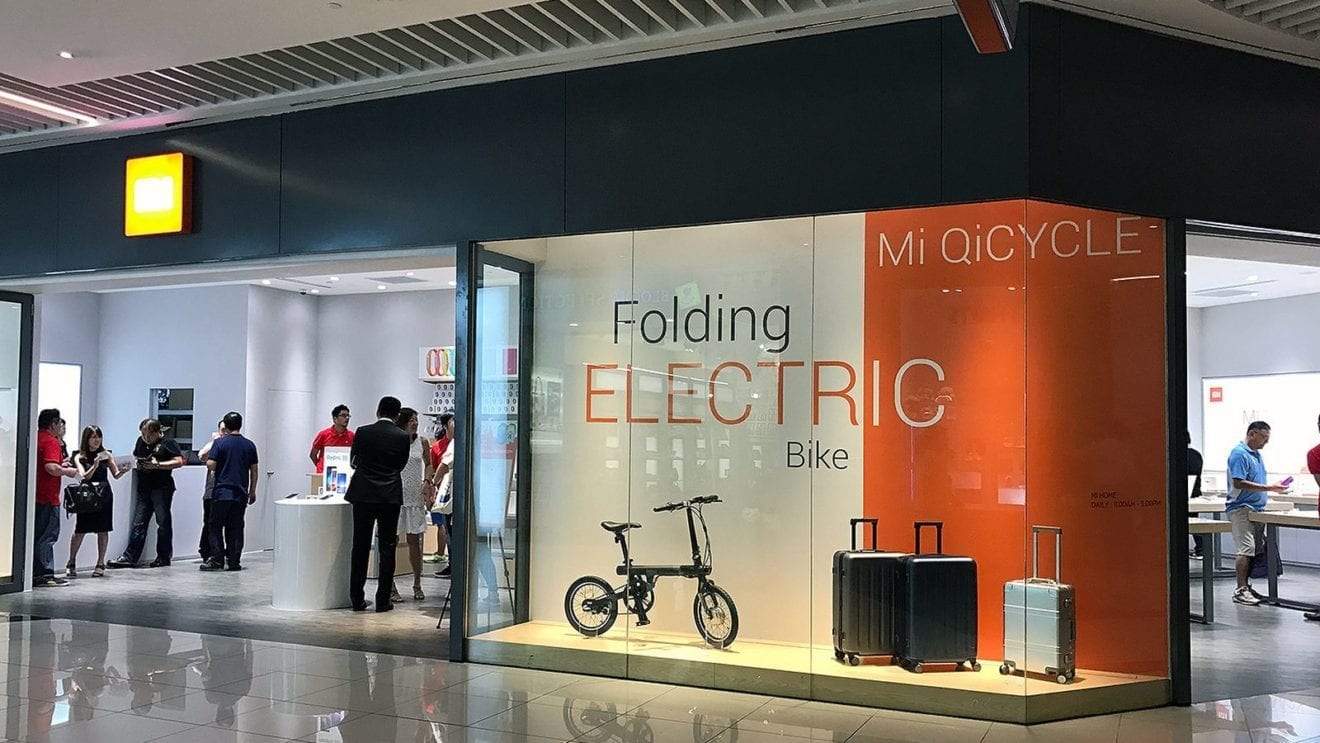
    Xiaomi Thailand has become the latest international beachhead for the Chinese smartphone maker, which has already established a presence in Vietnam, Russia and Mexico.

    In Thailand, Xiaomi is partnering with IT distributor VST ECS, which is handling distribution and after-sales services.

    Xiaomi products are available both online and offline. Its online partners include Lazada, an Alibaba Group e-commerce company, and IT City.

    Four Xiaomi models are initially available in Thailand.

  • Central Watson refreshing brand for birthday

    Central Watson refreshing brand for birthday

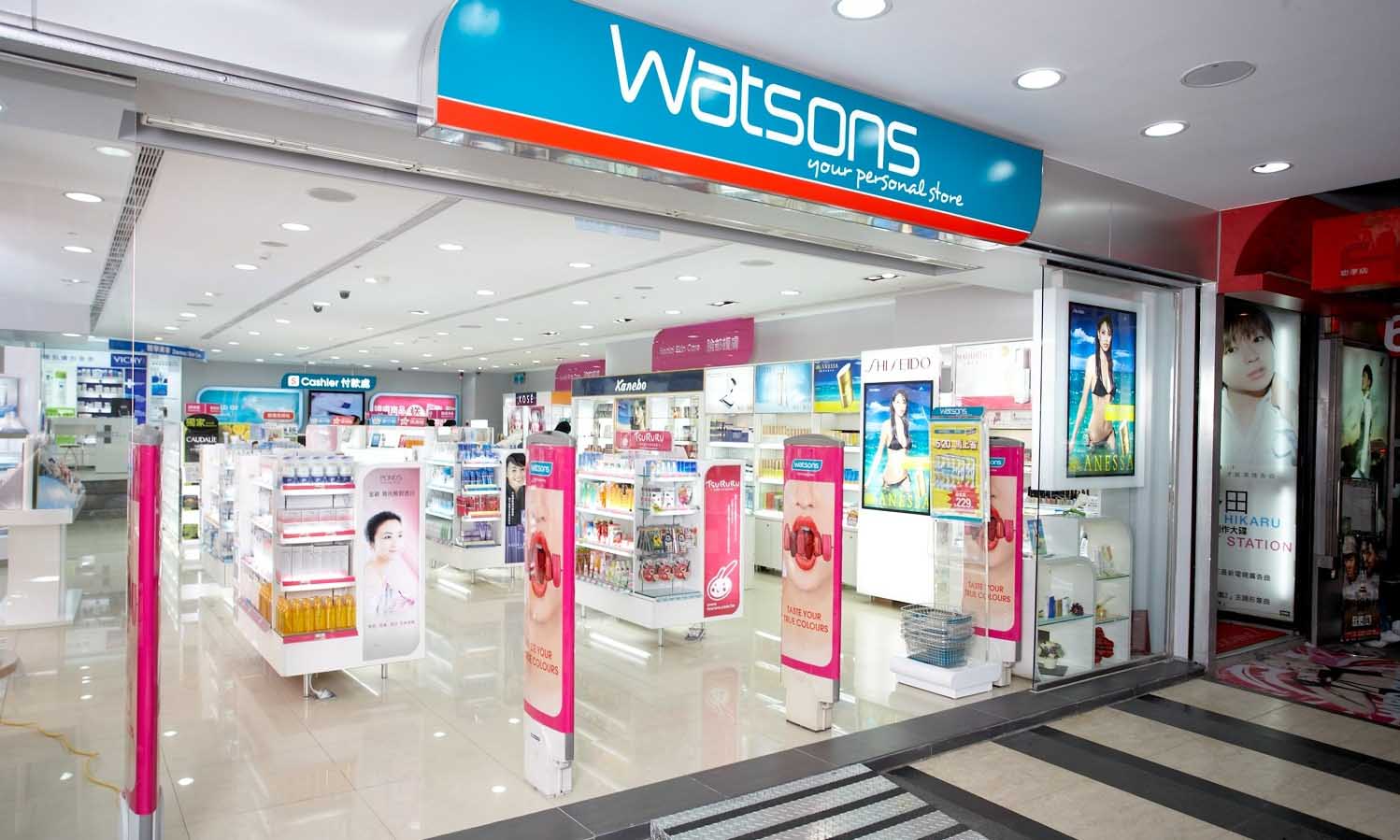
    Health-and-beauty store chain Central Watson plans to spend about THB100 million (US$3 million) this year on a “brand refreshment” as part of celebrating its 21st anniversary in Thailand.

    It aims to modernise the stores with colourful formats as well as streamline its online shopping platform.

    Part of the budget will go toward increasing digitised communication with customers, enhancing the e-commerce platform and introducing mobile apps, says MD Rod Routley.

    He says Watson customers who use multiple screens to connect with the company are starting to outnumber customers who are not digitally connected.

    Home delivery for online buyers tripled in growth last year, says Routley.

    The facelift for all formats is aimed at improving customer experience and boosting access both online and at retail outlets.

    Watson will also invest in promotion through advertising in a range of media, including out-of-home ads.
    The budget is part of the total THB500 million Watson has earmarked for business expansion this year, which is to be geared toward opening stores, developing e-commerce and investing in its own brand development.

    Central Watson has 430 stores nationwide, and the investment is expected to boost this to 467 by year-end.

  • JD.Com In Talks For A Joint Venture In Thailand

    JD.Com In Talks For A Joint Venture In Thailand

    Chinese online retailer JD.com is considering starting an e-commerce joint venture whose planned total investment would be half a billion dollars. The joint venture talks with the Central Group of Thailand would help the second biggest online retail company in China get a foothold in Southeast Asia and further diversify its business beyond its domestic market.

    Currently the only other foreign country that JD.com has a presence in is Indonesia where the Chinese online retailer runs Traveloka, a travel startup, and an e-commerce platform. A presence in Southeast Asia would also assist JD.com catch up with bigger rivals Amazon and Alibaba who already have a presence. At the moment the two are fighting for market share by introducing new services with the most recent being quick deliveries in the city state of Singapore.

    Regional hub

    According to the chief executive officer of JD.com, Richard Liu, the Chinese online retailer intends to launch in Thailand later in the year. It will use the country as a hub for servicing the region and this includes countries such as Malaysia and Vietnam.

    Besides e-commerce, JD’s joint venture in Thailand will concentrate on the financial sector. An agreement on ownership terms is holding back the conclusion of the deal. The control of Central Group is in the hands of the Chirathivat family.

    Fast-growing sector

    This will not be the first time that Central Group is eyeing e-commerce which is a fast growing sector in Thailand. Last year the firm acquired the Thai unit of Zalora, an online fashion retailer. The value of e-commerce market in Thailand is currently estimated to be $900 million and in the next decade it is projected to grow by 29%. This is as per a report published last year by Temasek and Google. Currently the major players in the Thai e-commerce sector include Lazada, an outfit backed by Alibaba; Ascend, a unit of Thailand’s CP Group and 11 Street from South Korea.

    The report prepared by Google and Temasek expects Southeast Asia’s e-commerce market to grow 16-fold by 2025 and reach a figure of $88 billion. The population of the region currently stands at about 600 million people.

    JD’s planned joint venture in Thailand comes a little more than a week after the online retailer slipped back into loss territory in the second quarter results. The retailer reported a net loss of $42.3 million despite revenues increasing by 44%.

  • Thais show significant preference for mobile wallet payments

    Thais show significant preference for mobile wallet payments

    Nine out of ten Thais are keen to make payments via mobile wallets given the right security measures, incentives and additional services such as built-in loyalty programs, according to the Visa Consumer Payment Attitudes Study.

    The fourth instalment of the annual study discovered that 94 percent of respondents would be more likely to replace cash with a mobile wallet if payment[2] comes with features such as offers and rewards. Built-in functions such as loyalty programs, instant purchase notifications, as well as digital receipts to track expenses, will make consumers more likely to try mobile wallets.

    “The findings from this study confirm that consumers not only expect fast, simple and secure mobile payments, they also want access to relevant services such as promotions and the ability to collect and utilize reward points. Whatever the form factor, people are moving away from seeing payment as just a commodity. As a global leader in payments, Visa enriches the entire payment ecosystem by offering global acceptance, innovative product platforms, reward incentives, and state of the art security,” said Suripong Tantiyanon, Visa Country Manager, Thailand.

    Payments made via mobile applications are on the rise, particularly for financial products and services such as investment units, and online shopping. The former constituted as much as half of all mobile transactions (51 percent), while the latter comprised three in ten (31 percent). In the case of financial products and services, the increase from the previous year was a robust 14 percent.

    The Study showed that nine in ten respondents (87 percent) have made a mobile payment in the past year, with 58 percent already using it on a weekly basis. Yet the biggest barrier to entry remains security.

    The main barriers to mobile payment adoption are fear of phone hacking and data theft (34 percent), losing your phone or having it stolen (22 percent), unauthorized access to personal accounts (17 percent), and viruses and malware (9 percent).

    “While people value the convenience and benefits that come with mobile payments, security remains the highest priority. For Visa, whether it is contactless payment through card, mobile device, or QR code payment, we always implement a multi-layered approach to security to ensure that customers can pay with peace of mind. This can include the Visa Token Service that replaces the traditional payment card account number with a unique digital identifier or “token” to process online and mobile payments without exposing actual account details, or two-factor authentication for mobile commerce,” said Mr. Suripong.

    QR Code in particular will help drive the global shift toward a cashless future. Visa and the other EMVCo Members have recently launched new globally interoperable EMV specifications and successfully enabled merchant-presented QR technology in 15 countries around the world.

    This new global specification is an important step that promotes interoperability and standardizes the fast growing ecosystem of QR code payments across the world. Already, 33 banks and more than 328,000 merchants across India, Kenya and Nigeria have adopted the interoperable standards as they accelerate their QR code digital payment programs.

    EMVCo is the global technical body tasked with managing, maintaining and enhancing EMV specifications to ensure interoperability and acceptance of EMV-based payments worldwide.


  • Thai retailers arrested for counterfeit footwear

    Thai retailers arrested for counterfeit footwear

    Thai authorities have arrested two men and seized 160,000 pairs of counterfeit footwear from six retail outlets.

    The footwear has a market value of about THB20 million (US$601,000), says Department of Special Investigation (DSI) deputy-chief Suriya Singhakamol.

    The DSI obtained warrants from the Central Intellectual Property and International Trade Court to search four locations in Samphanthawong and one in Rat Burana in Bangkok, plus another in Nakhon Pathom province.

    Suriya says 160,000 pairs of sneakers and other footwear were found falsely labelled as Adidas, Converse and Nike, as well as other brands.

    Two Chinese shop owners, Hongbin Lin and Lin Sow, have been charged with possession of products falsely labelled with registered trademarks, and with smuggling those products into Thailand in breach of trademark and customs laws.

    The men had set up companies to import counterfeit products, and traded them around the clock, says Suriya.

    The DSI has been talking with retail space owners over the past month, asking for their co-operation in not renting space to traders selling counterfeit products.

  • TrueMoney adds support for Apple digital purchases

    TrueMoney adds support for Apple digital purchases

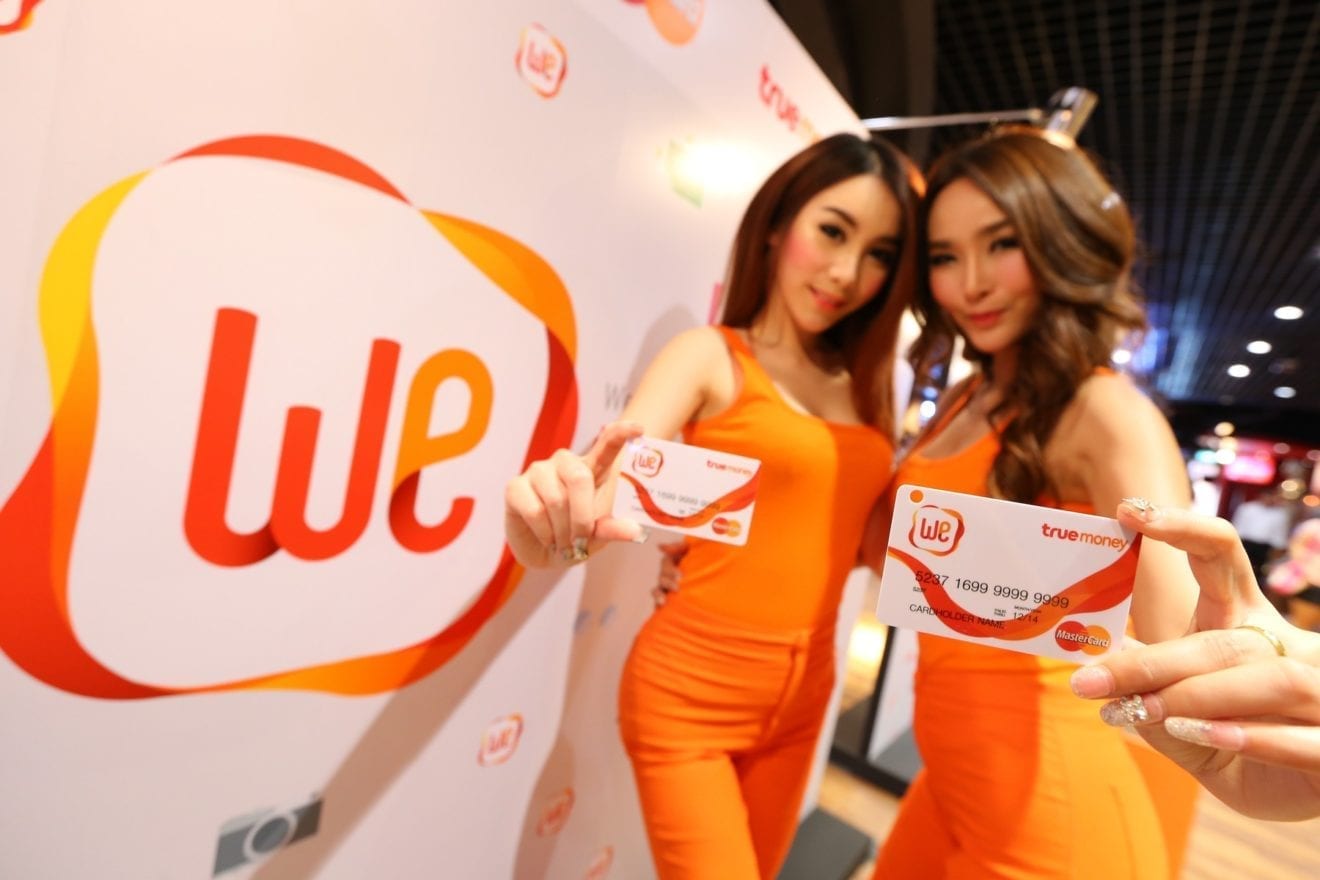
    Thailand’s True Corp has introduced the ability to pay for purchases over Apple’s digital platforms using its TrueMoney digital payment service.

    All TrueMoney customers are now able to purchase items through the App Store, Apple Music or iTunes directly from their TrueMoney accounts, the company announced.

    Customers with new or existing Apple IDs will be able to select TrueMoney is a payment method in their account settings for the three digital stores from their Apple devices or PCs in the case of iTunes.

    The payment option will allow for one-tap purchasing from Apple devices including iPhones, iPads, Apple Watches and Apple TVs.

    Last week, Vietnam’s Vinaphone became the last of the nation’s major mobile operators to introduce carrier billing for Google Play over the Fortumo payments platform.