Tag: Thailand

  • Platinum Group profits reach THB371m

    Platinum Group profits reach THB371m

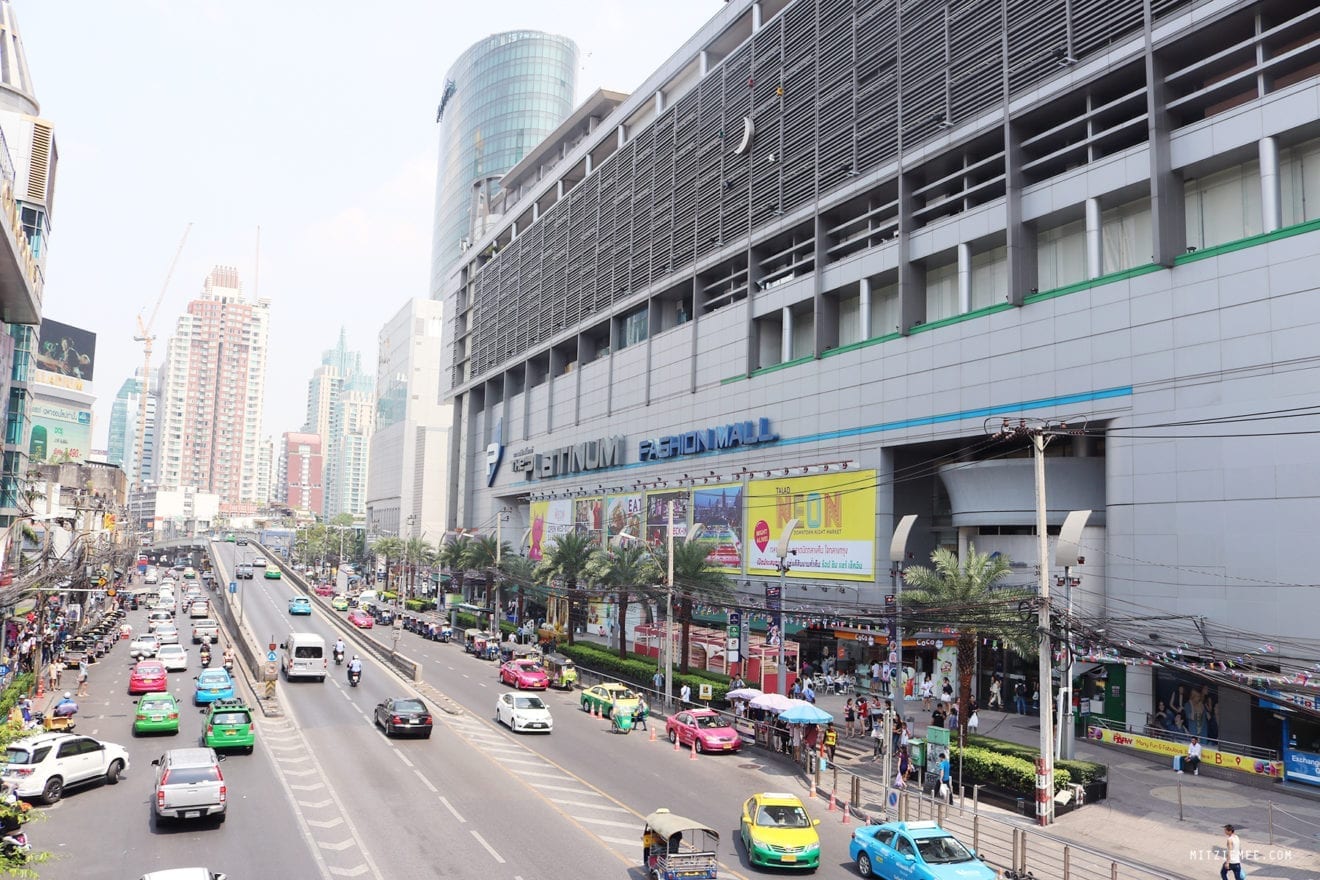
    Bangkok Platinum Fashion Mall owner the Platinum Group has reported first-half profits of THB371 million (US$11.1 million), forecasting revenue to reach THB2 billion.

    The commercial real-estate developer credits its revenue growth to “solid management of both current and new projects, in combination with an enhanced efficiency of incremental income from the shopping centre”.

    The group also expects a further revenue boost by 2019 following the opening of the Market Bangkok retail complex in the last quarter of next year.

    President Chanchai Phansopha says the first-half revenue of THB997 represents 9 per cent growth over the same period of last year, while net profit is up 8 per cent to THB371 million.

    Revenue from rental and services rose 15 per cent, with F&B rising 14 per cent.

    The gross profit margin for its core business averaged 62 per cent, with an increasing rental rate at Platinum Fashion Mall and the launch of Talad Neon Down Town Night Market in December boosting earnings. A 15 per cent rise in both Thai and foreign visitors to the mall contributed to the increased revenue in F&B. The food court was revamped to offer a wider choice.

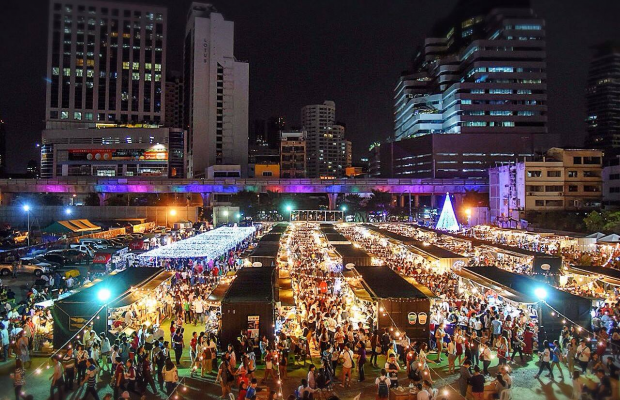
    Platinum says the Talad Neon Down Town Night Market has become popular among the younger generation and a rendezvous for food lovers. A 300-strong tour group from Indonesia visited the market last month, arriving in five buses and 90 tuk-tuks.

    The Market Bangkok will have a gross floor area of 195,000 sqm. The project has an investment value of THB5.8 billion and is set to open at the end of next year.

    Platinum is also in a JV with Gaysorn Group, building the 500m Ratchaprasong Walk (R Walk, formerly known as Bangkok Skyline). This has an investment value of THB400 million. The first two phases were connected in late March with 58,000 people a day using it. The walkway links Platinum Fashion Mall, Novotel Bangkok Platinum Pratunam Hotel, the Market Bangkok, Big C Ratchadamri, Gaysorn Village and Amarin Plaza as well as the Chidlom and Siam BTS stations.

  • Don Quijote about to take tilt at Thailand?

    Don Quijote about to take tilt at Thailand?

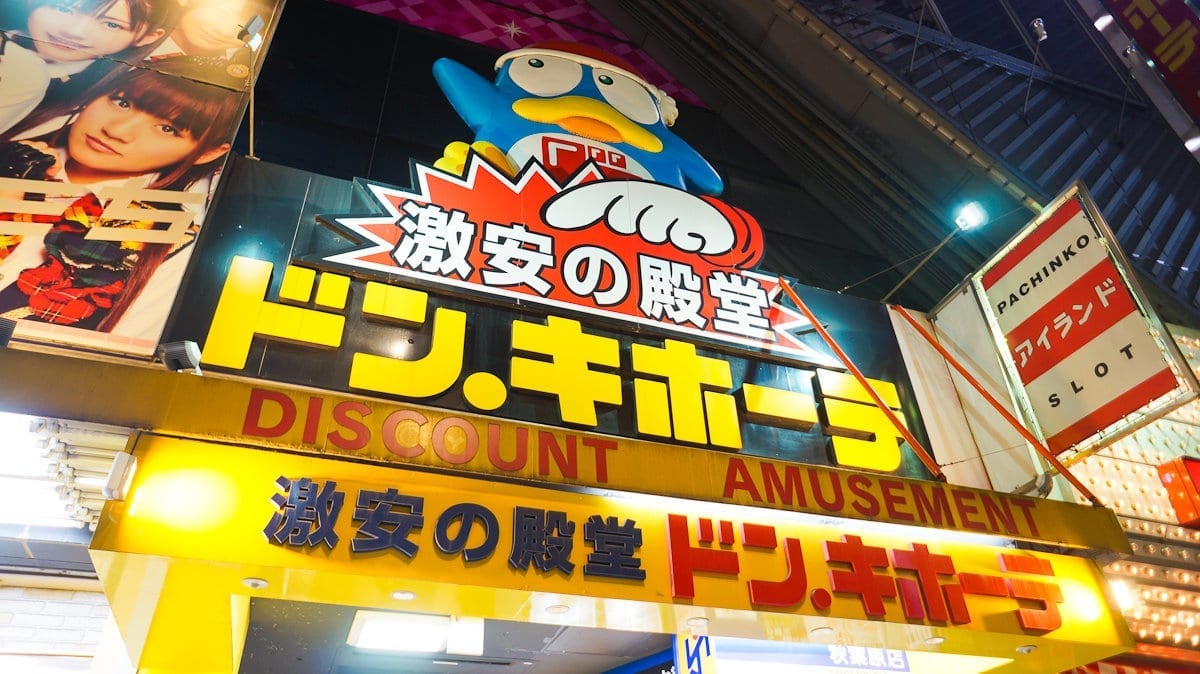
    Japanese discount chain Don Quijote could be arriving soon in Bangkok, with its penguin mascot being spotted on the fence of Ekamai Mall, which is under construction.

    Don Quijote (or Donki) sells a wide range of Japanese products including food, household supplies, medicine, electronics, clothing, beauty products and even sex toys.

    While the company has not said anything about its move into Thailand, it announced last month that it was making its first Southeast Asian expansion in Singapore.

  • Golden Gate steps into bubble-tea market

    Golden Gate steps into bubble-tea market

    Vietnam restaurant group Golden Gate has stepped into the bubble-tea market with its first Yu Tang outlet in Hanoi.

    It is on the Chua Lang site formerly occupied by failed The Coffee Inn. The group acquired the property at the end of last year.

    Yu Tang expands on the traditional bubble-tea offering with Taiwanese finger foods such as dumplings and popcorn chicken.

    Founded in 2005, Golden Gate now owns local and franchised F&B chains in Vietnam such as Gogi House, Kichi Kichi, SumoBBQ and Vuvuzela Beer Club.

    Meanwhile, Taiwanese milk-tea brands Sharetea and T4 have moved into Ho Chi Minh City this year, promising more stores in the near future. A third brand, Presotea, is seeking a partner for Vietnam.

    Cashing in, fast-food giant McDonald’s has launched its own milk-tea recipe at all its Vietnam outlets. Its Milkfoam Kacchiato is made from speciality tea grown in Bao Loc city.

  • AIS launches 1Gbps Next G mobile service

    AIS launches 1Gbps Next G mobile service

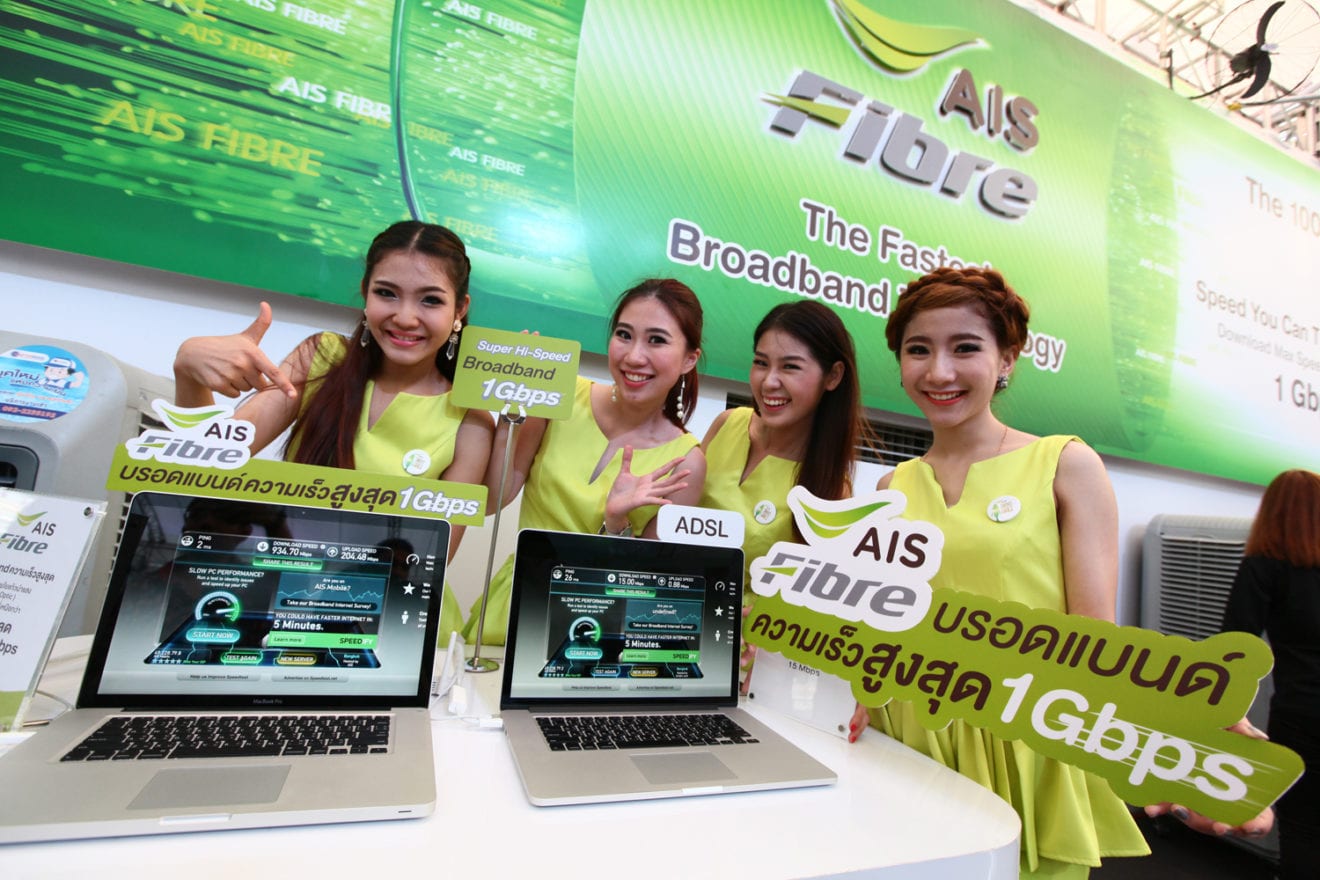
    Thailand’s AIS has launched a new mobile service offering connection speeds of up to 1Gbps by combining 4G and Wi-Fi connectivity.

    AIS’ Next G branded service is now available on supported handsets via a firmware upgrade.

    The service has been developed in collaboration with Samsung and Korea Telecom. It uses Multipath CTP technology to integrate AIS LTE-Advanced and Super Wi-Fi frequencies, providing speeds of up to 1Gbps in areas where both networks are available.

    Next G is currently compatible with Samsung Galaxy S series handsets of S7 and newer, with more handsets supporting the technology expected to be rolled out in the future.

    The upgrade forms part of AIS’ evolution to 5G, and is now available in major provinces nationwide.

    AIS currently has around 49,000 4G base stations and 80,000 Wi-Fi hotspots throughout Thailand. The operator’s 4G customer base meanwhile reached 15.8 million by the end of the second quarter.

    Concurrently with the launch, AIS is aiming to improve the customer experience, and has recently upgraded one of its major customer service shops with a new Digital Gallery concept displaying innovations from major smartphone makers and other device brands.

  • AEON gives prize Honda City from campaign “AEON Summer Cool & Safety Drive 2017”

    AEON gives prize Honda City from campaign “AEON Summer Cool & Safety Drive 2017”

    Ms. Saranya Pipoppinyo (right), Vice President, AEON Thana Sinsap (Thailand) Public Company Limited,  has recently awarded Ms. Sukarn Parnmart (left), 1st prize winner, a Honda City S-CVT car worth 589,000 baht from the ” AEON Summer Cool & Safety Drive  2017″ campaign. AEON launched the campaign for AEON cardholders who purchased air conditioners and refrigerators from 1st March 2017 to 31st May 2017 or applied for an installment plan to buy tyres, rims and car accessories from 1st March 2017 to 30th April 2017.

  • House of Fritz Hansen world first for Bangkok

    House of Fritz Hansen world first for Bangkok

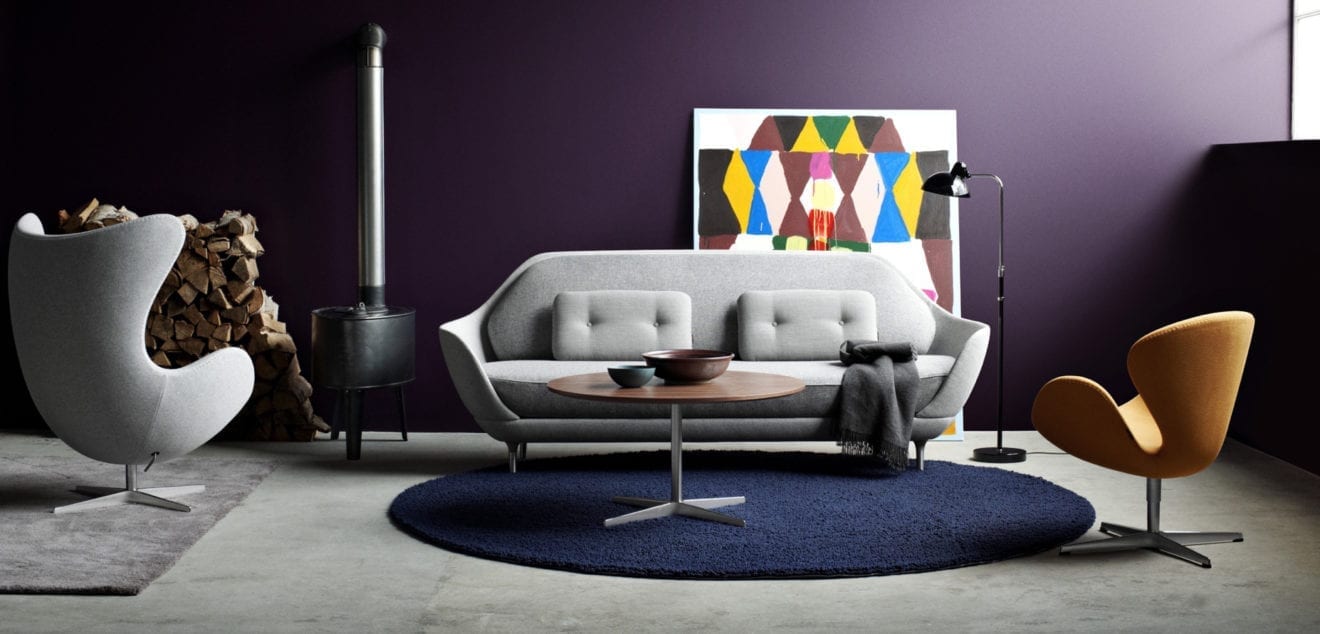
    Danish furniture design company Republic of Fritz Hansen has launched in Thailand with its world-first House of Fritz Hansen concept store in Bangkok.

    Inside a Thai modernist home-turned-showroom, the brand offers its iconic Egg, Swan and Series 7 chairs, as well as other contemporary classics. Fritz Hansen’s furniture is widely used in such places as museums, hotel lobbies, universities and public libraries – even the presidential office of the United Nations.

    Founded 145 years ago, the company is the oldest furniture manufacturer in the world. It collaborates with visionary designers such as Arne Jacobsen and Poul Kjaerholm, who in the 1950s produced the company’s most recognisable silhouettes.

    Fritz Hansen products are distributed in Thailand by Norse Republics.

  • Central Pattana lifts profit by 8 per cent

    Central Pattana lifts profit by 8 per cent

    Central Pattana Public Company (CPN) had a second-quarter consolidated net profit of THB2.4 billion (US$74.6 million), up 8 per cent year on year.

    Total revenues grew by 6 per cent to THB7.62 billion.

    CPN, which manages 30 shopping malls, says its performance was resilient as its has continually placed great emphasis on effective revenue generation from new malls, asset enhancement and efficient management of running costs.

    At the end of the quarter, the occupancy rate for its retail properties remained high at an average of 92 per cent, slightly lower that the first quarter’s 93 per cent because of major renovations at CentralWorld and CentralPlaza Rama 3.

    For the second quarter, the average rental rate of all retail properties was THB1636 a
    sqm/month. Same-store rental growth was primarily driven by rental rate growth with lower discounts in most projects, especially at CentralPlaza Chiang Rai with double-digit rental growth after contract renewal, together with impressive rental growth at CentralMarina after a renovation.

    Excluding new and renovated projects, same-store rental revenues for the quarter grew by about 3.4 per cent, while effective costs management resulted in a higher gross profit ratio of 50.1 per cent, says the group.

    It attributes the strong performance to several factors:

    • The CentralPlaza Nakhon Si Thammarat shopping mall launched in July last year, which had an occupancy rate of 88 per cent at the end of the quarter.
    • Asset enhancement, including CentralMarina (previously Central Center Pattaya) being inaugurated in December after a six-month renovation, with its occupancy rate reaching 90 per cent by the end of the quarter; plus a Food Destination Zone, incorporating a supermarket, being added at CentralPlaza Bangna, CentralPlaza Chaengwattana, CentralMarina and CentralFestival Phuket.

    On a quarterly basis, CPN had a 1 per cent drop in total revenues partly because of projects under renovation (especially CentralWorld), higher administrative expenses with the engagement of new senior-management staff members in preparation for expansion, and higher marketing and promotional expenses. As a result, net profit declined 11 per cent quarter on quarter.

    For the first half, CPN had 6 per cent growth in total revenues and a 12 per cent leap in net profit. Excluding new and renovated projects, same-store rental revenues grew by about 3.4 per cent.

    Meanwhile, CPN has participated in Malaysia’s Central i-City project as its pioneering shopping complex abroad. This is by way of a JV in which CPN, through subsidiaries, holds a 60 per cent stake. Its wholly owned subsidiary I-R&D holds the balance. The project is scheduled to launch next year. CPN has already secured key anchor tenants.

    Also, the board has approved entering into a JV to develop a theme park project in central Phuket, while CPN and Dusit Thani Public Company will jointly invest in a mixed-use development project in Bangkok including a shopping mall.

  • Thai 7-Eleven parent CP All reports sales, profit gains

    Thai 7-Eleven parent CP All reports sales, profit gains

    Same-store sales shrank 1 per cent for CP All, which runs Thailand’s 7-Eleven stores, during its second quarter despite gains in both consolidated revenue and net profit.

    Net profit was up 10 per cent year-on-year to reach THB4.647 billion (US$139 million) while revenue grew 5.3 per cent to THB120.6 billion. Convenience store sales grew 5.7 per cent to THB69.3 billion, boosted by Siam Makro’s THB6.1 million contribution.

    Gross profit rose 7.7 per cent to THB25.8 million, largely because of increased sales of higher-margin products. This advanced gross margin to 22.2 per cent from 21.8 per cent for the same period last year.

    For the first half, revenues rose 6.6 per cent to total THB2.3 billion, mainly driven by 6.7 per cent growth in sales revenue and services income. Net profit was THB9.4 billion, up by 13.9 per cent.
    Of total revenue, Siam Makro contributed 36 per cent, similar to the figures for the same period last year.

    Convenience stores accounted for 77 per cent of profit before tax, down from 78 per cent for last year’s first half, while membership-based trade accounted for 23 per cent, up from 22 per cent. Average spending per ticket was THB67 and there were 1194 customer visits per store each day.

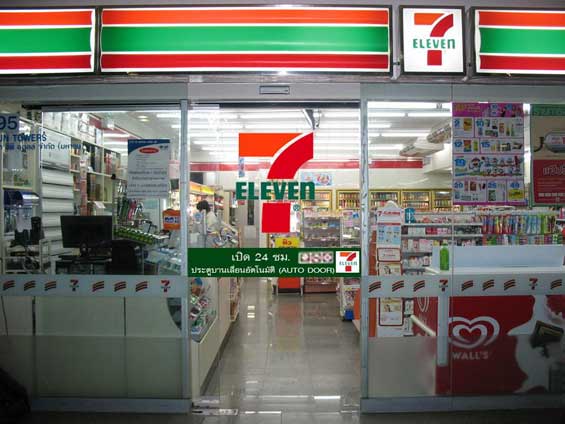
    With 700 outlets added over the past year, the total reached 10,007 at the end of June – the world’s second-largest network of 7-Eleven stores after Japan. CP’s long-term goal is 13,000 stores by 2021, and it says expansion has been on track.

    Most stores (86 per cent) are stand-alone while the others are in PTT gas stations.

  • MBK launches “Bangkok Buddy” service

    MBK launches “Bangkok Buddy” service

    Thai shopping mall MBK Center has launched a “Bangkok Buddy” service aimed at providing a memorable customer experience for local and international shoppers.

    Available from 2pm every day, the two-hour experience starts with an exclusive hip hop and contemporary dance production combining electronic music with Thai instruments. The Bangkok Buddy team then walks around the mall to offer customers and tourists any shopping or travelling help they may need.

    Founded in 1985 as Mah-Boon-Krong, MBK Shopping Center is at Pathumwan intersection in the heart of the city. The eight-storey mall offers 140,000 sqm with more than 2500 shops and stalls plus 150 eateries. It has an average of 115,000 customers a day, including 35,000 tourists.

    MBK is close to Siam Centre, Siam Discovery, Siam Paragon and Siam Square with their shopping and dining experiences.

  • CRC Sports launches Liverpool footie franchise in Thailand

    CRC Sports launches Liverpool footie franchise in Thailand

    Thai fans no longer need to travel to England to buy Liverpool Football Club merchandise, with the club’s first official shop for Thailand, CRC Sports, launching in Pattaya.

    On the second floor of Central Festival shopping mall, the shop is being run by former Pattaya City Council member Rattanachai Suthidechanai, who has invested THB3 million (US$90,000) in the venture.

    He says expects to sell between THB800,000 and THB1 million worth of merchandise a month as the latest English Premier League season starts this weekend.

  • Thailand’s Susco awarded franchise for Saha Lawson outlets

    Thailand’s Susco awarded franchise for Saha Lawson outlets

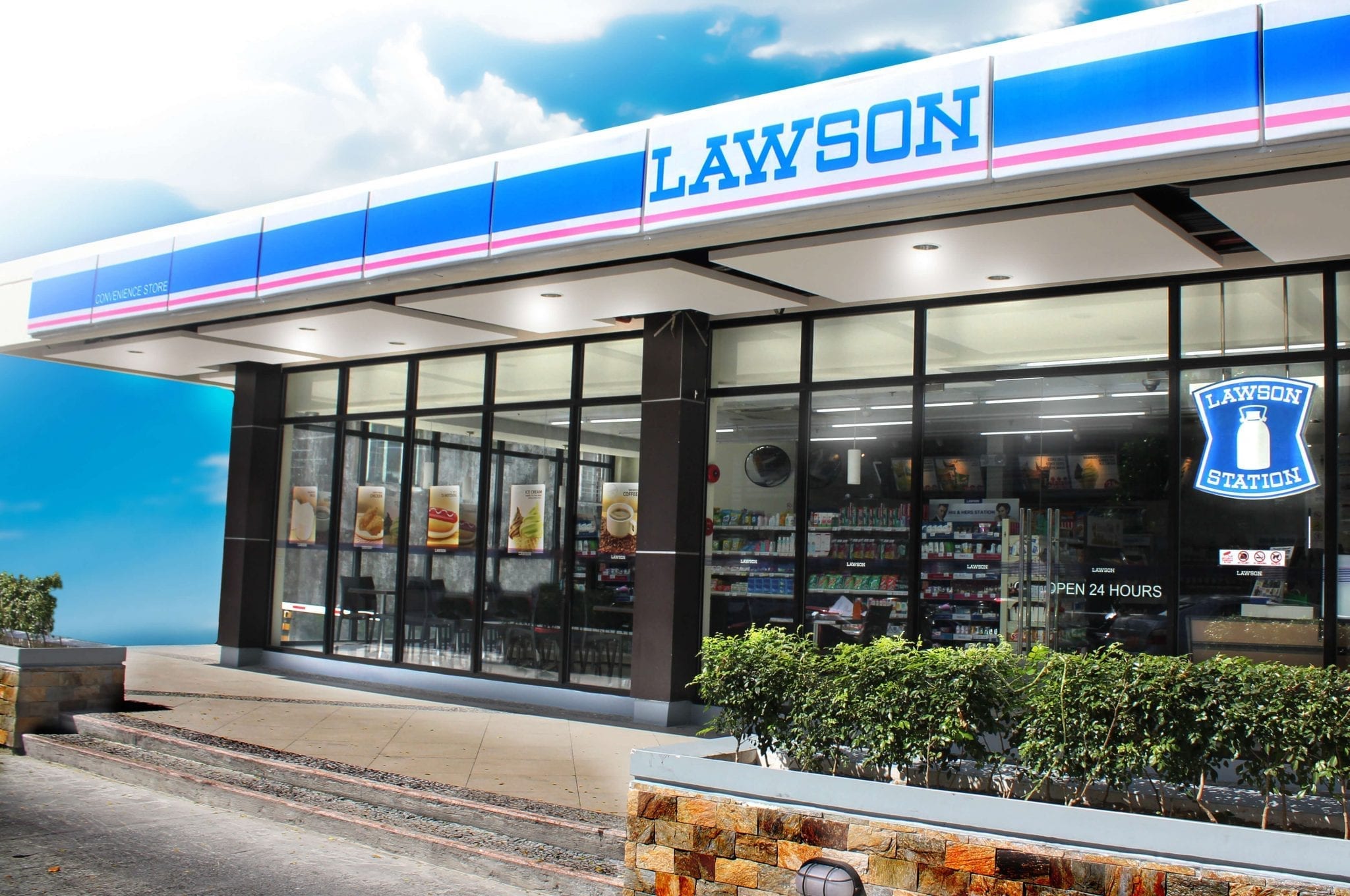
    Saha Lawson, which runs Lawson 108 convenience stores in Thailand, has awarded franchise rights to oil group Susco to open outlets at its new petrol stations.

    Under the agreement, part of Japanese company’s bid to grow Lawson 108 outlets to 500 units by 2020, Susco will initially open two stores at new petrol stations in Bangkok and Rayong this year.

    Saha Lawson senior GM Hideki Takechi says the number of Lawson stores at Susco outlets is targeted to reach 20 branches next year.

    Lawson had 84 stores nationwide last year, about 80 per cent of them in Bangkok and the balance in other provinces including Ayutthaya, Chon Buri, Nakhon Ratchasima, Prachin Buri and Rayong. The company plans to increase its outlets to 100 by year-end and open at least 400 branches in the following three years.

    Of these, the company will open half of them with the rest going to franchisees.

    Takechi says Susco is among 20 companies and individual investors that have shown interest in obtaining a licence from Lawson.

    “We are ready to start our franchise with Susco as a pilot project, and we expect that will help springboard the expansion of Lawson convenience stores upcountry.”

    He says that Japan, with an estimated population of 127 million, has 55,000 convenience stores while Thailand, with nearly 69 million people, has 15,000, “leaving ample room for growth”.

    Sales of some Japanese items at Lawson, including Odeng processed seafood-meatballs, have increased 10-fold in Saha Lawson Thailand’s first year, and Takechi says Lawson will be promoting exclusive food items to differentiate its stores. It aims to boost Japanese food items to 30 per cent of its sales mix, up from 20 per cent last year.

    Lawson expanded its convenience-store business to Thailand in August 2013 by setting up Saha Lawson as a JV with Thai consumer products conglomerate Saha Group.

    Lawson also has stores in China, Indonesia, the Philippines and the US.

  • Online marketplace Pinkoi Thailand launches

    Online marketplace Pinkoi Thailand launches

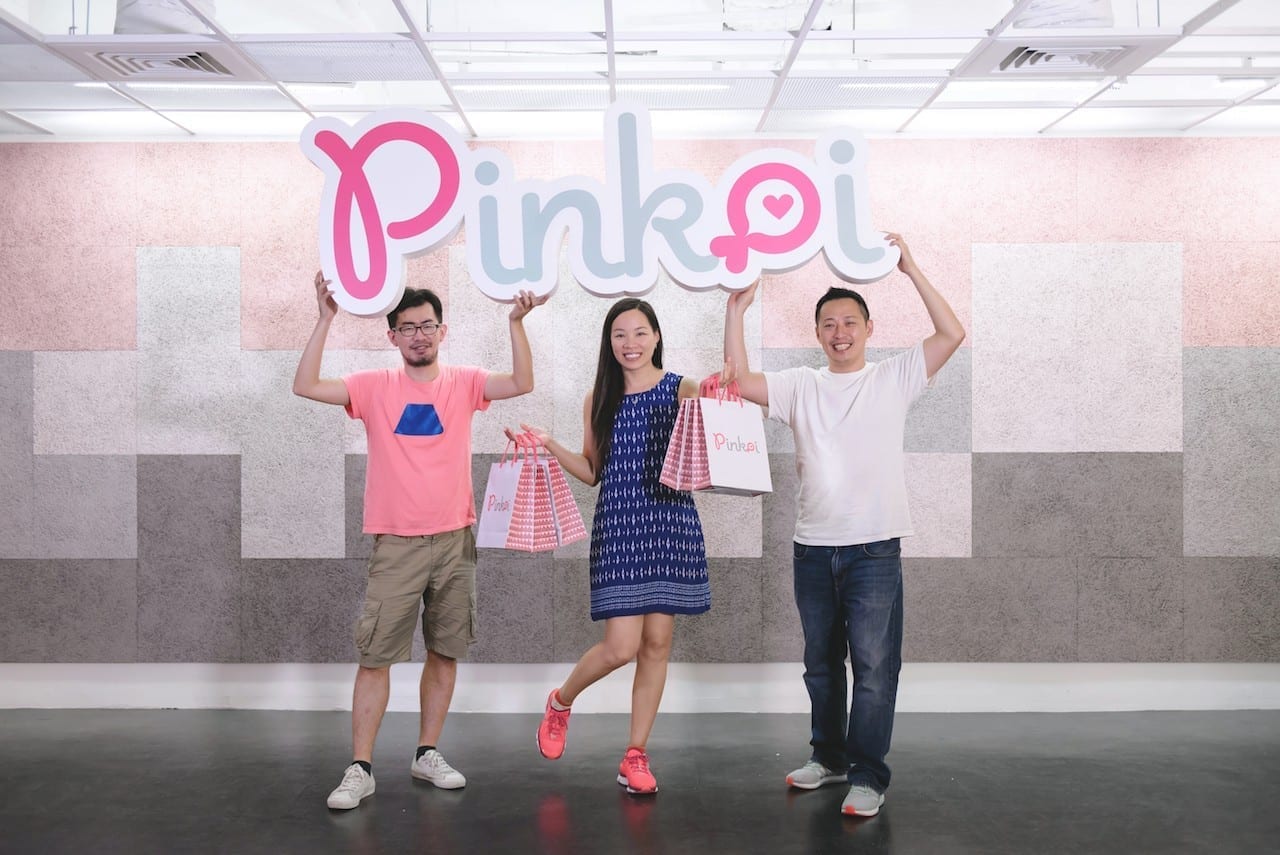
    Pinkoi Thailand, a cross-border curated online marketplace for original design products, has been officially launched.

    Founded in Taiwan in 2011, Pinkoi individually selects its items, which include original handmade or small-scale produced clothes, shoes, bags, accessories and stationery.

    By curating products, Pinkoi appeals to specific demographics, reaching e-commerce consumers in Asia who want to make quick purchases because of limited browsing time.

    In Asia, says the company, the rise of the disposable incomes of millennials has seen a growing trend toward experiential spending, which includes a greater interest in one-off designs by local artisans.

    Inspired by the weekend markets and artistic fair in Taipei, the Pinkoi team seeks out up-and- coming and established niche designers throughout Asia. It supports its network of designers through workshops covering such topics as photography and packaging, webinars and online marketing.

    Pinkoi CEO Peter Yen says the latest launch is positive news for Thai designers, with 500 already signed up and accepted. “There is an incredible art and design scene in Thailand, and these numbers are expected to grow.”

    Through Pinkoi Chatbox, consumers can chat directly with designers, and even request customised items. Through the Pinkoi Window, designers can set up their own personal web page, while the Pinkoi Zine features news about designers. The Pinkoi Wall offers gift ideas and design inspirations.

    Opal Mahavana and Koranis Nettayanuwat, who co-own WhiteOakFactory, a Thai company that creates faux-leather bags, say they have sold 4000 items through Pinkoi since joining it two years ago. “We’ve been able to reach an international market that values individuality and smaller brands, giving us a presence outside of our localised community.”

    While Pinkoi is focussed on China, Hong Kong, Japan and the US, and now Thailand, it has a presence in 88 countries. It has 1.6 million members and has sold 3.7 million items.

    Today, 8000 shops on its website and app platforms offer about 860,000 products, retailing in five languages and 12 currencies.

    Designers reap 90 per cent of sales revenues.

  • Thai Beverage signs to buy KFC restaurants

    Thai Beverage signs to buy KFC restaurants

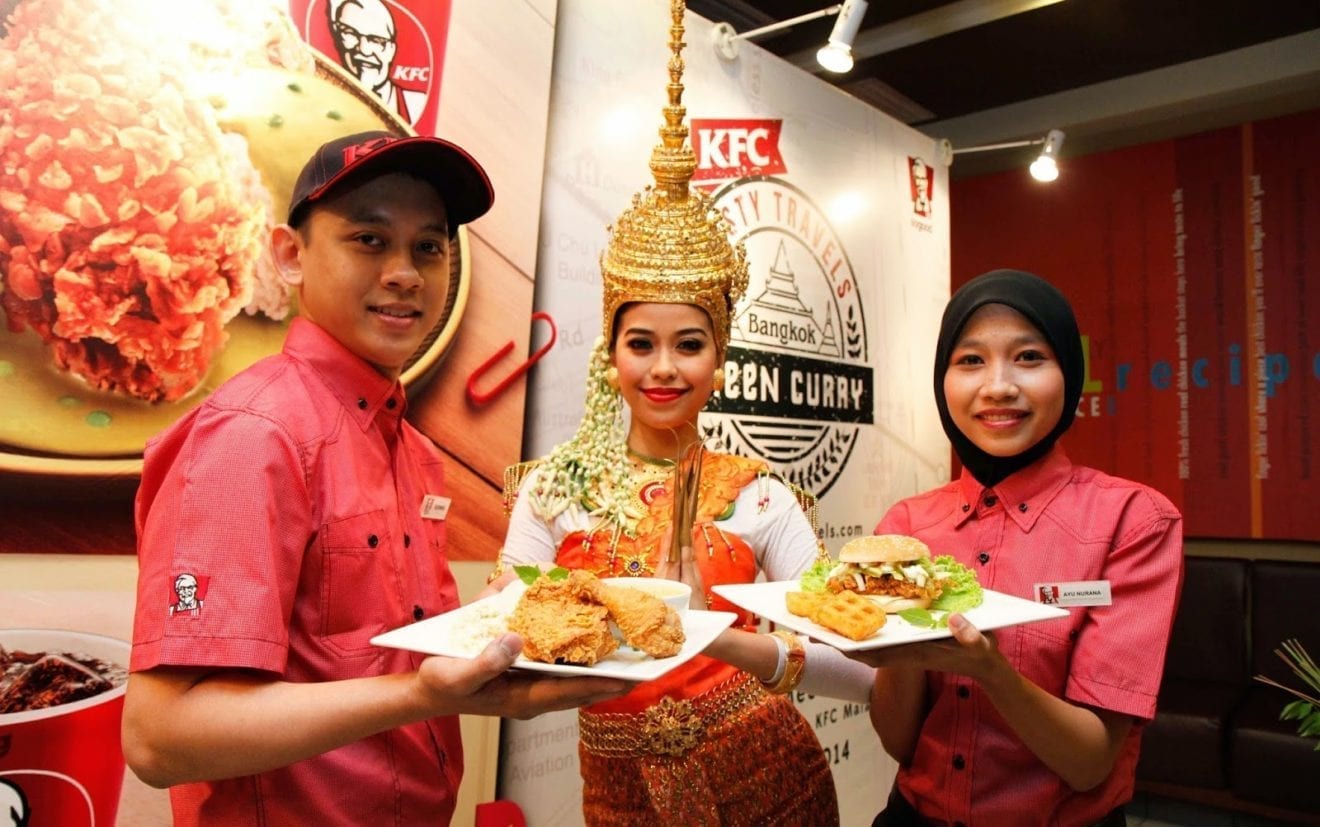
    Thai Beverage  (ThaiBev), the maker of Chang beer and SangSom rum, is expanding into the fast-food business with a deal to buy Thailand’s KFC restaurants.

    ThaiBev’s agreement, covering more than 240 restaurants, is costing it about THB11.3 billion (US$340 million). It also covers stores under development, with the cost of those locations to be determined when the transaction closes.

    KFC is owned by US corporation Yum! Brands, which also runs the Pizza Hut and Taco Bell chains.

    ThaiBev chairman/founder Charoen Sirivadhanabhakdi has been seeking to diversify the company with a goal of generating more revenue from non-alcoholic beverages by 2020.

    Thailand accounted for 2 per cent of KFC’s sales in emerging markets last quarter, and was the only region in that division to have sales drop year-over-year, posting a 2 per cent decline.

    Sirivadhanabhakdi previously expanded his property business amid government measures to curb alcohol consumption in Thailand. He was ultimately forced to list the company unit in Singapore in 2006 after activists and Buddhist monks held protests to block a local share sale. The company’s long-term strategy involves generating half of its revenue from markets outside Thailand and non-alcoholic beverage. Sales outside Thailand amounted to less than 4 per cent in the last fiscal year.

  • Bangkok retail space limited despite growth

    Bangkok retail space limited despite growth

    Downtown Bangkok retail space is limited until the end of the year, according to a second-quarter report by property consultant Edmund Tie Thailand.

    Total retail stock downtown was 1.34 million sqm for the period, with three retail completions totalling 12,513 sqm as well as one of 6311 sqm in midtown. The next project is set for completion in the first quarter of next year.
    Average occupancy levels in the downtown for the quarter were steady at 92.7 per cent from the first quarter despite the new supply. Occupancy increased by 0.6 per cent year-on-year, and the average retail rent remained the same at THB2600 baht (US$78) a sqm per month – a decline of 1.14 per cent on year-on-year.

    Retail developments in the midtown market set for completion this year are all part of either office or residential mixed-use projects.

  • AirAsia May Launch Hua Hin Flights

    AirAsia May Launch Hua Hin Flights

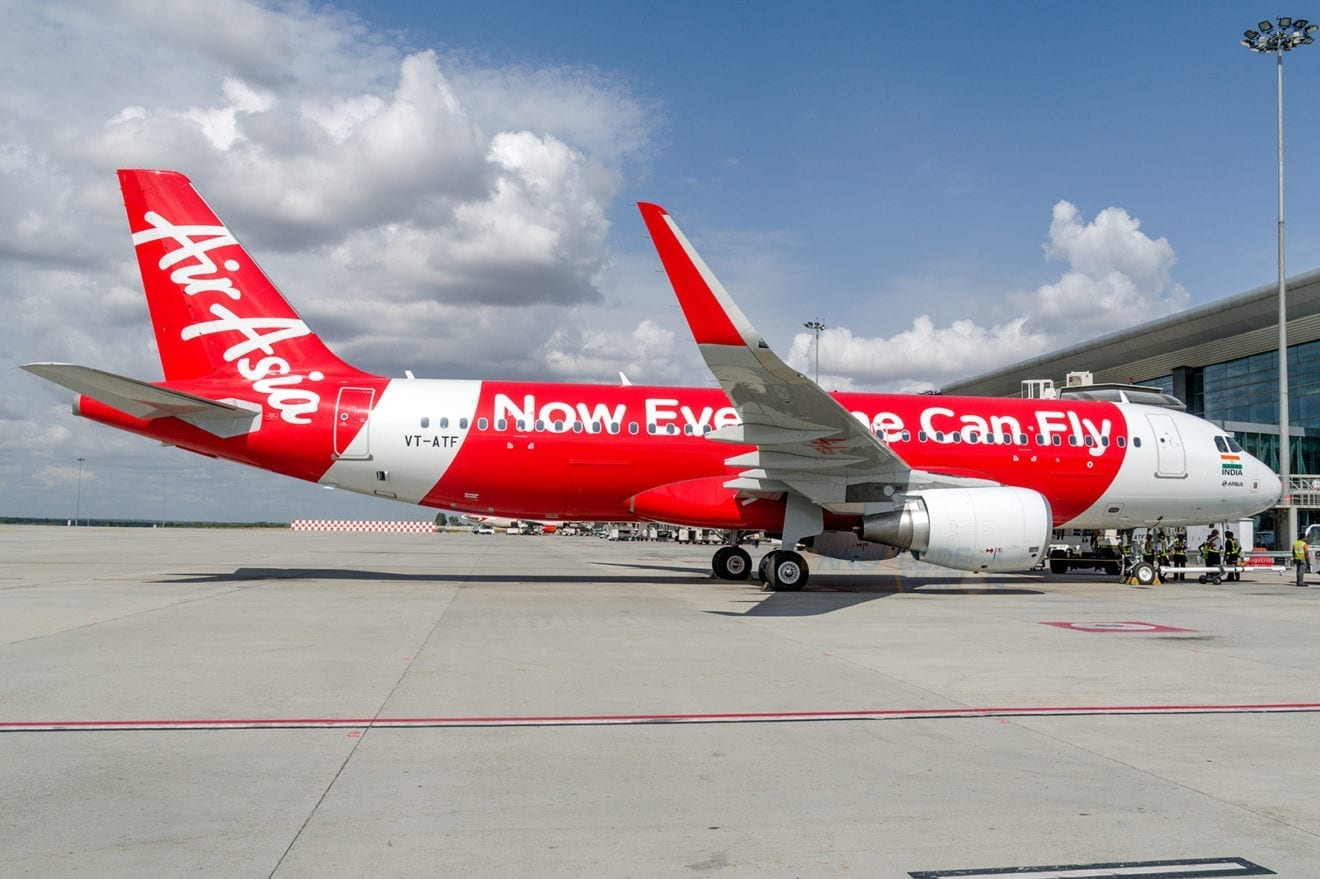
    Malaysia’s AirAsia has indicated the possibility of launching the first regular international flight to Hua Hin in December.

    The no-frills carrier intends to offer a daily service from Kuala Lumpur airport 2 (Klia2) to Hua Hin airport with Airbus A320 narrow-body jets.

    The plans can only be confirmed once the Ministry of Transport approves a package of incentives that the airline has requested to make the flight viable, Darun Saengchai, director general of the Department of Airports, told the Bangkok Post yesterday.

    He did not disclose when the approval is expected, saying only that it should not take too long if the airline is to meet the planned launch date.

    He also did not specify the extent of incentives AirAsia asked for, but insisted that they will not be exclusive to the Malaysian airline, but also offered to others wanting to start international flights to Hua Hin.

    Insiders yesterday confirmed to the Post that AirAsia asked departments to waive parking and landing fees and halve the passenger service charge (airport tax), which is at 400 baht for international passengers, for up to five years and reduce office space rental charges at the airport.

    AirAsia has also asked for a US$15 (500 baht) cash incentive for each international passenger it brings on the flight.

    Officials from local government, state agencies and the private sector held a meeting last week in the district of Prachuap Khiri Khan to make arrangements for the planned AirAsia flight launch.

    AirAsia yesterday would not confirm details of its planned Hua Hin flight launch.

    The department, local authorities and the Hua Hin tourism and hospitality industry are enthusiastic about AirAsia’s plan, which will address the lack of regular commercial flights to the vacation destination.

    Commercial air services to Hua Hin were sporadic in the past, and airlines retreated due to inadequate passenger traffic volumes.

    Thailand’s commuter airline Kan Air was the last to stop its limited domestic flights to Hua Hin early this year due to aircraft issues.

    Earlier, no-frills Thai Lion Air dropped its Hat Yai-Hua Hin flights.