Tag: Thailand

  • Visa signs MOU as the payments partner of Phuket Smart City

    Visa signs MOU as the payments partner of Phuket Smart City

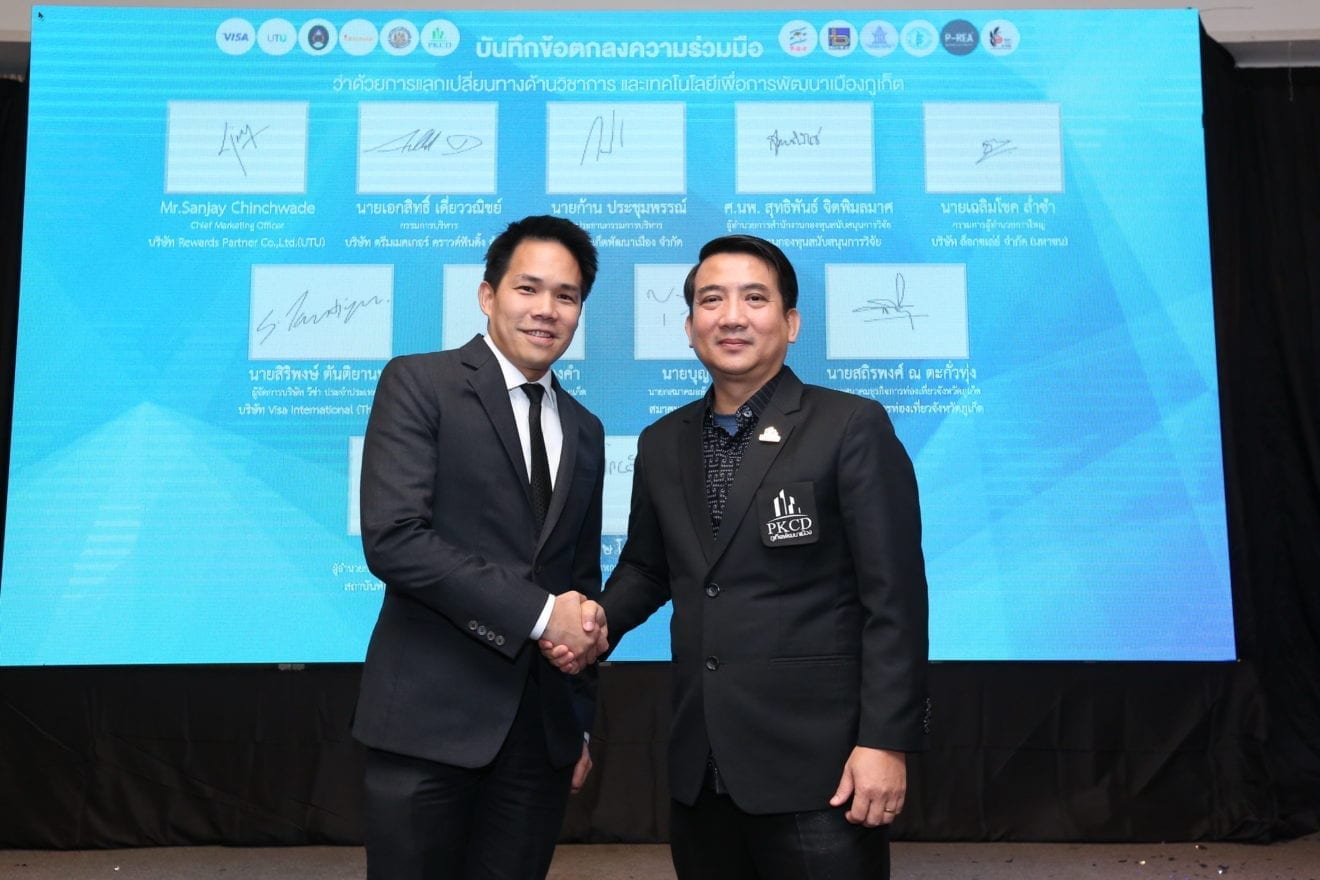
    Mr. Suripong Tantiyanon (left), Visa Country Manager, Thailand signed MOU with Mr. Karn Prachumpan (right), Co-Founder and Board of Committee, Phuket City Development Co., Ltd (PKCD) as the official partner of Phuket Smart City to develop payment solutions for both residents and tourists on the island-province.

    Phuket City Development was founded by local businesses in September 2016, with initial investment from 25 prominent Phuket families. The province is among the first in Thailand to embrace the Smart City concept. It aims to transform Phuket into a fully integrated digital economy, assisting business owners, managers, start-up entrepreneurs and residents in the transition.

    Mr. Suripong Tantiyanon, Visa Country Manager, Thailand: “Globally, Visa is speeding up the implementation of electronic payments by working closely with public and private sectors. Visa is aligning with like-minded partners around the world to help bring this vision to life. We are using our position as a global leader in innovation and technology to create solutions for businesses to connect to their consumers. The singing of MOU agreement with Phuket City Development is another milestone that help bring the country closer to a cashless Digital Thailand.”

  • ShopBack launches in Thailand and pays Thais to shop online

    ShopBack launches in Thailand and pays Thais to shop online

    ShopBack, the online Cashback platform with a strong regional presence, today announced its official launch of its website and mobile in Thailand at a media briefing

    Connecting international merchants to local shoppers, ShopBack introduces the smarter way to shop with up to 30% Cashback stacked atop discounts, coupons, voucher codes and credit card rebates.

    More than 1,300 merchants are integrated in ShopBack sites, with 100+ local and international merchants on the Thai site as of the launch. These include leading online travel booking websites Expedia and Booking.com, French beauty merchant Sephora, SE Asia’s leading online shopping platform Lazada, transport apps Grab and Uber and many more. Shoppers can get up to 30% Cashback depending on individual merchants.

  • TripAdvisor China partners with Thai retailers

    TripAdvisor China partners with Thai retailers

    Travel site TripAdvisor China has partnered with five retail groups in Thailand to further enhance the shopping experience for Chinese tourists in Bangkok.

    TripAdvisor says Chinese travellers show more interest in visiting Thailand than any other inbound market. Chinese users of its website continue to grow year-on-year by 56 per cent. During the June-to-August shopping period, the growth in inbound interest is growing year-on-year by 84 per cent, says TripAdvisor.

    Meanwhile, the retail partnership has been designed specifically for the free, independent traveller from China. With a tendency to seek information on their mobile devices while travelling, users of TripAdvisor’s Chinese domain are being offered a Bangkok shopping category via mobile web or app.

    As well as discounts and promotions, users can access floor maps, brand directories and curated shopping guides provided by the Central Group, King Power, Siam Piwat Group, Terminal 21 and The Mall Group.

    “Bangkok is one of the leading shopping capitals of the world and continues to be a top destination for the Chinese,” says TripAdvisor Asia Pacific senior director of partnerships Aaron Hung.

    “We’re pleased to extend our tourist promotions of special discounts and tax refunds to TripAdvisor’s Chinese users, and we hope to welcome more Chinese shoppers in our stores especially at Central Chidlom and Zen@Central World,” says Central marketing executive Piyawan Leelasompop.

    Promotions executive Jiraporn Srisa-an at Siam Piwat Group says the mall group is also offering TripAdvisor’s Chinese users with exclusive privileges such as a tourist platinum discount card for Siam Paragon Department Store and for participating brands in Siam Paragon, Siam Center, and Siam Discovery, as well as a gift voucher.

    “We’ve tailored promotions exclusively for TripAdvisor’s Chinese users who shop at Terminal 21 Asok,” says Terminal 21 MD Prasert Sriuranpong. These include a dining card and a Posh bag

  • Alibaba project in Thailand to support Asean e-commerce

    Alibaba project in Thailand to support Asean e-commerce

    Alibaba Group has pledged to build an e-commerce park in Thailand’s Eastern Economic Corridor (EEC) to serve the burgeoning Asean e-commerce market, says Industry Minister Uttama Savanayana.

    Covering 300 rai (50ha), the park will serve as the centre of Alibaba’s logistics business in Asean, he says.

    The Chinese e-commerce giant expects to sign the project’s first-phase contract with local developers within the next few months and start construction before the end of the year.

    The second phase will include an R&D unit and a business development centre tailored to cater to small and medium-sized companies, says Uttama, who is in talks with top-level executives of Alibaba subsidiary Lazada.

    He says the group will give more details about the project soon.

    “Alibaba is investing in the EEC because it is the most attractive investment project in Asean. Also, Thailand is the region’s most promising and best located e-commerce market.”

    Uttama says Alibaba wants to use Thailand as a stepping stone to the global market, and as a production base for Cambodia, Laos, Myanmar and Vietnam.

    The government has allotted more than 18,000 rai for the EEC project, adding to 30,000 rai already allocated.

  • Supply of Bangkok retail space keeps growing

    Supply of Bangkok retail space keeps growing

    Despite the challenges of low consumer purchasing power and the growth of online shopping, the supply of Bangkok retail space is continuing to grow.

    Colliers International Research expects about 300,000 sqm of new retail space to enter the Thai market this year.

    “Shopping malls have multiplied in numbers over the past few years, currently occupying the highest share in retail supply,” says Colliers International associate director Surachat Kongcheep.

    Around 114,350 sqm of new retail space opened in the first half of this year, pushing the total retail area in Bangkok to more than 7.6 million sqm. The new space mostly involves malls and office buildings in outer Bangkok, which comprises more than 60 per cent of total retail supply.

    Although Thailand’s economy has not fully recovered, many developers are still launching retail projects as long-term investments.

    Show DC shopping complex is the only large retail project to have opened so far this year.

    A source at IconSiam says the developer has postponed this year’s opening of the IconSiam Project, a 750,000 sqm retail space by the Chao Phraya River. Luxury Japanese department store Takashimaya is one of the project’s main anchors.

    Surachat says the growth of community malls, which boomed in Bangkok’s retail sector three years ago, started to slow down last year because of the developers’ lack of expertise in the retail business.

    As of the second quarter of this year, shopping malls in Bangkok and surrounding areas covered 4.4 million sqm, or 58 per cent of the capital’s total retail supply, which is about 7.6 million sqm.

    Even more malls

    Colliers’ research shows the major players in the retail sector will continue to increase the number of shopping malls in Thailand, especially in major cities, while other retailers will focus on expanding their portfolios internationally.

    Despite weak spending power, most hypermarkets, speciality stores and large shopping malls in Bangkok’s suburban areas are at 100 per cent occupancy level, says Surachat. Occupancy rates in all retail categories in the second quarter were nearly the same as those in the previous quarter, at rates above 96 per cent. Most of these areas are occupied by hypermarkets and surrounded by speciality stores and entertainment complexes.

    Meanwhile, shopping malls also show high occupancy rates as they are popular for local and international brands.
    “Bangkok’s total retail area has quickly risen within the past quarter through the addition of many new office buildings,” says Surachat. Office buildings have added retail space for tour and travel services, convenience stores and dessert cafes.

    Average rental rates of all locations in Bangkok in the first half of the year have risen by 5 to 10 per cent. Large shopping malls have the highest rents, says Colliers.

    Rental space in Bangkok’s city area can add up to more than THB3000 (US$88) a sqm per month, especially in central malls with direct access to BTS stations. Meanwhile, monthly rents in community malls beyond the main roads start at around THB800 a sqm.

    Despite the increasing average rental rate, Bangkok’s suburban community malls are not likely to raise their rents in the next two quarters because of their decreasing popularity, says Colliers.

  • Dachser Thailand expands Bangkok branch

    Dachser Thailand expands Bangkok branch

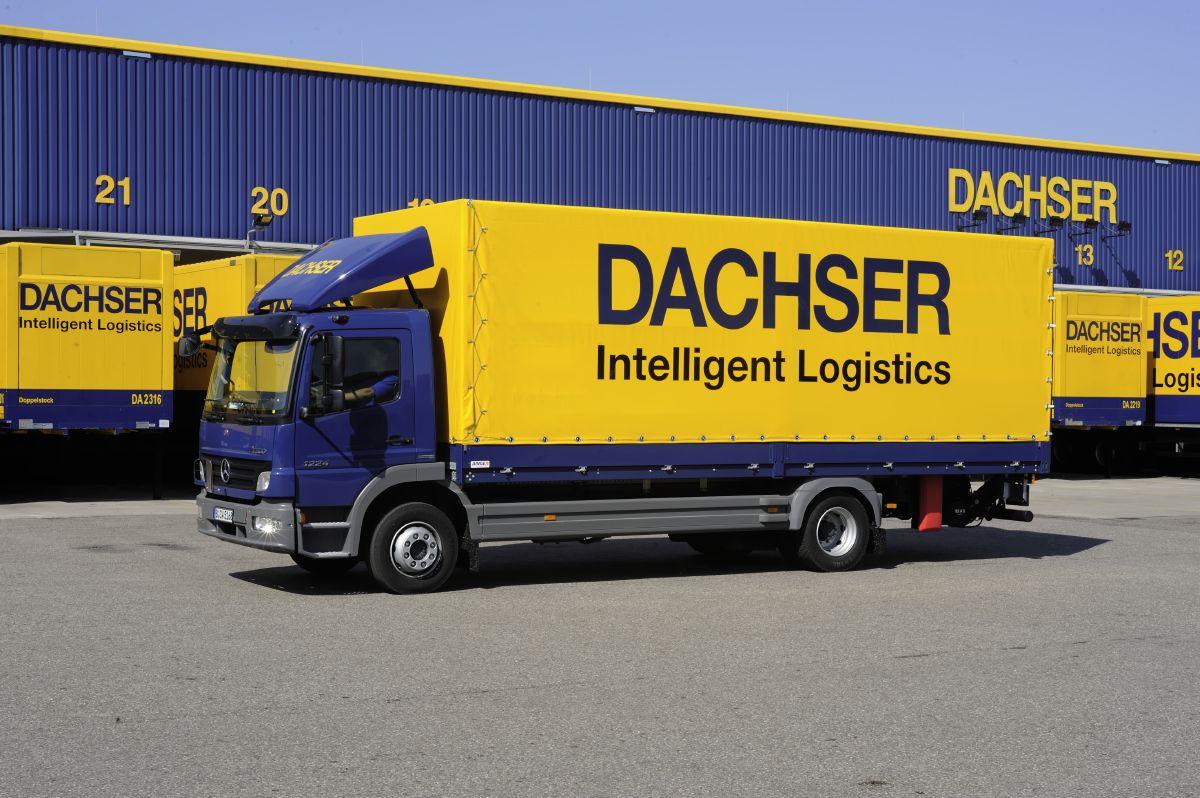
    The Dachser Bangkok branch has moved into a spacious new facility in the conveniently located Huaykwang district. The large open space gives plenty of room for the growing team and business volume.

    “Relocation to the new premises reflects our continuous development in Thailand,” said Christophe Vincent, managing director Air & Sea Logistics Thailand. “Last year, we celebrated the opening of our Bangkok airport office and the relocation of our Laem Chabang branch. It was now time to move our Bangkok branch into bigger premises to consolidate our back-office, sales and operations and to accommodate the expanding team.”

  • L’Oréal targets middle class Chinese travellers with Bangkok upgrade

    L’Oréal targets middle class Chinese travellers with Bangkok upgrade

    L’Oréal Paris has revamped and upgraded its Bangkok Downtown duty free store and is particularly aiming to appeal to the Chinese middle class traveller. It describes the segment as “the driver of today’s growth in travel retail”.

    The refit is in line with L’Oréal’s travel retail strategy “to enhance desirability by increasing retail effectiveness in travel retail shops”.

    Based on the idea of making a premium product accessible, the new store offers a showcase of  L’Oréal Paris’ key products for the market including its anti-ageing and moisturising ranges, an expanded make-up area and a focus on global best-sellers Revitalift and Men Expert.

    Described by the brand as the number one men’s grooming brand in China, Men Expert was given a prominent display featuring Hydra Energetic, the campaign for which stars celebrity Daniel Wu, alongside Pure & Matte and Hydra Sensitive.

    A spokesperson for King Power explained: “The overall look is now more attractive with multi-colour impact. The make-up zone is magnificent and delivers a better shopping experience. Traffic flow inside the shop is improved and customers have better access to their favourite products. Customers are given more insight to the products with a product box display provided for each travel retail exclusive best-seller.”

  • New laws in Bangkok may kill Thailand’s street food culture

    New laws in Bangkok may kill Thailand’s street food culture

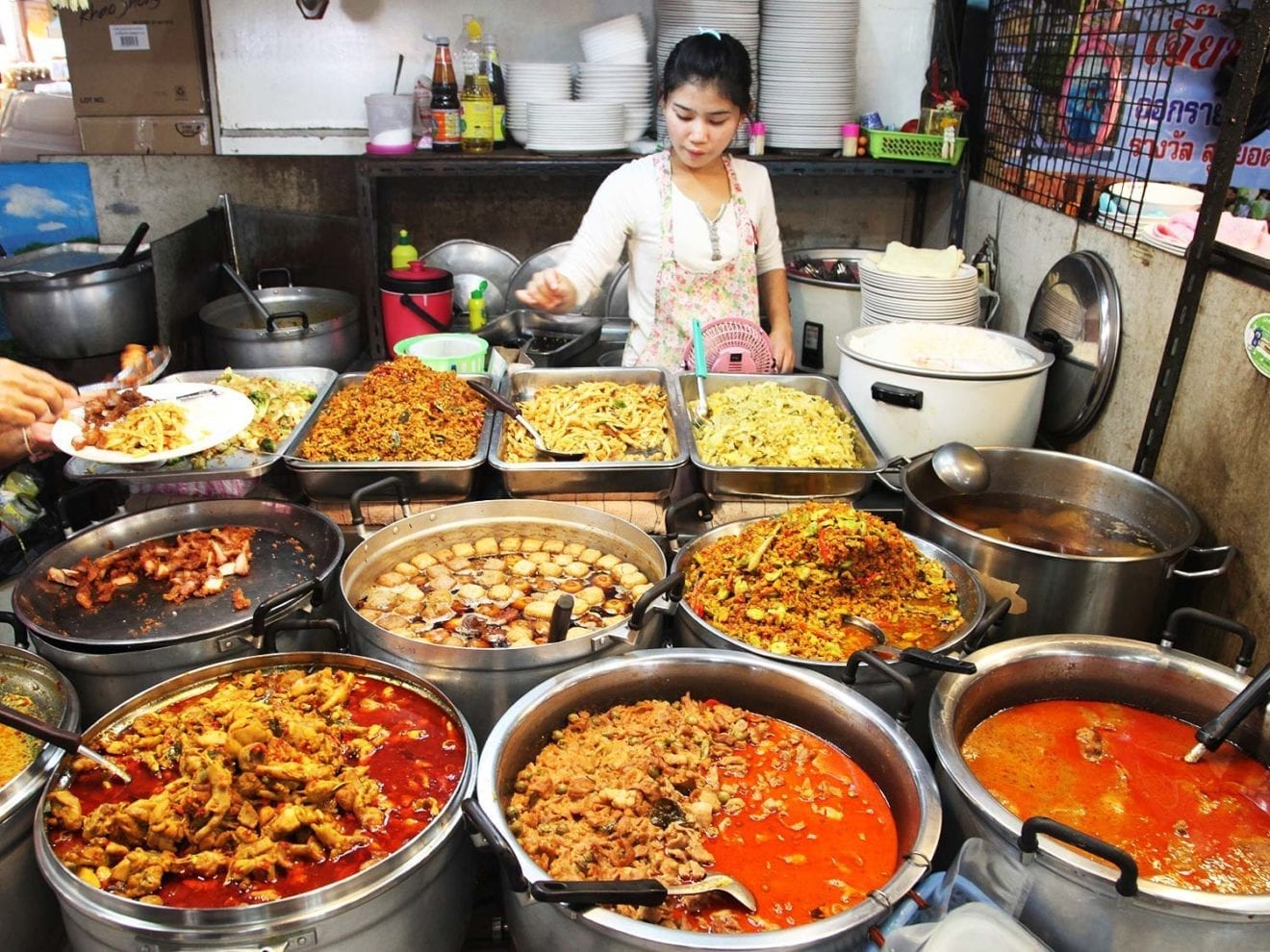
    Chances are you’re imagining all of those things. You’re probably also, however, picturing street food. You’re picturing pad thai slapped together by a vendor on a street corner. You’re picturing the “clack clack” of wooden pestles on mortars as som tum is prepared. You’re picturing clouds of smoke rising into the hot night as satays are grilled and sausages are sizzled.

    That’s Bangkok. It’s street food. It’s the sounds and smells and chaotic sights that come with this cultural staple, the crush of people, the calls of vendors, the fight for a place to sit, the sweat, the hunger, the taste of all that good food served up for next to nothing. That’s what so many travellers love about this city.

    And yet, it’s changing. Bangkok’s street food culture is disappearing. It’s being legislated out of existence. It’s being shifted out of its traditional home in the name of progress, in the name of safety, in the name of order.

    Thailand’s military junta government is attempting to change the face of its capital city. Street food is not being banned, contrary to fears earlier this year. But new laws are making life so difficult for many vendors that this cherished culture is facing extinction.

    Bangkok’s “sidewalk police” are now enforcing new rules, driving some vendors away from their regular patches, and clearing entire areas of all street food outlets. It seems clear the government is intent on sanitising Bangkok, on taking the chaos and turning it into order, on clearing the well-off areas of their unsightly street stalls and morphing the Thai capital into a place that more closely resembles somewhere like Singapore

    For tourists, this is bad news. I can’t think of any other city around the world that has legislated one of its major tourist attractions out of existence in the same way the Thai government is poised to do with its street food culture.

    The Catalans in Spain banned bull-fighting, but there’s no way many travellers were visiting Barcelona just to see that. The Laos government cleaned up the infamous tubing site at Vang Vieng, but that was never really legal in the first place. Plenty of individual tourist attractions have banned selfie-sticks, but people were visiting those places long before selfies were even a thing.

    But Bangkok is street food. People visit this city just to sit on a plastic stool on a crowded corner and eat oyster omelettes and noodle soups, to watch as curries are cooked and meat is grilled before their eyes. That’s a tourist attraction. That’s a sight.

    According to the Thai government, that street food culture will remain. Vendors are still allowed to operate in touristy areas such as Khao San Road and Chinatown, albeit with stricter sanitary regulations and fewer stalls. And other vendors are being encouraged to shift their businesses into shopping malls and other heavily regulated zones.

    But that, in our opinion at least, is not street food culture. That’s not what people love about this city. It’s the chaos that makes it great. It’s the vote-with-your-fork democracy that allows a husband and wife team from rural Thailand to compete with the city’s most famous vendors. It’s the thrilling lack of regulation in Bangkok that we love, that’s so different to the staid streets of our homes.

    Maybe, of course, that’s a problem in itself. Travellers want chaos, they revel in the dysfunction. But maybe cleaning up the streets is actually a good thing for Bangkok. Maybe its residents really would rather live somewhere that resembles Singapore, clean and orderly and efficient, than the street-vendor-strewn city they currently inhabit. Maybe they would prefer flowing traffic to 60-baht egg noodles.

    I’m sure for some residents in Bangkok that’s true. But it’s certainly not a good thing for those on low incomes who rely on eating or selling street food, or those who visit the city to soak up the anarchic flavour of a typical Bangkok sidewalk. And after all, no issues of long-term poverty are actually being addressed here, they’re just being moved on.

    To sanitise Bangkok’s streets is to make them more comfortable for the high end of town, for the people who can afford to live in the apartments that tower above the chaos, and afford to drive on the roads. But the character and the charm of the city will be forever altered, forever lost, and that, for me at least, is going to diminish it as a destination.

    There’s already a Singapore. You can go there if you want to. Regardless of the arguments for or against Bangkok’s sterilisation, the loss of the bulk of the city’s street food culture is going to make it a far less attractive proposition for potential visitors.

  • e-retail brands out of the social media loop in SE Asia

    e-retail brands out of the social media loop in SE Asia

    Over 85% of consumers in Singapore, Malaysia and Indonesia, who mention e-retailer brand names in their social media posts don’t tag brand handles, according to Digimind.

    This means brands need to be vigilant in monitoring their brand reputation in the wider social media space to ensure they aren’t missing out on key conversations and trends, and are able to act upon any customer service concerns quickly.

    With the rise of empowered consumers and an increasing adoption of online shopping, e-retailers need to adopt customer-centric strategies in order to thrive. With so much of our daily conversations happening online, data from social media can provide key insights for e-retailers wishing to optimize customer experiences.

    Digimind’s study, Social Shopping in 2017, assessed the state of the e-retail industry in the three countries by monitoring 15 local and regional e-retailers, including Lazada, Zalora, and Berrybenka.

    “It’s no secret that brands who implement customer-centric strategies are excelling. With 2.8 billion active social media users in Southeast Asia, it is crucial for e-retailers to listen to what is being said about their brand, competitors and the industry online,” said Stephen Dale, general manager of APAC at Digimind.

    “Understanding what consumers are saying on social media can provide companies with an arsenal of insights that can be used to develop content strategies, improve customer service, build brand advocacy, and increase sales,” said Dale.

    He added that when analyzed in conjunction with other data such as web page visits and browsing behavior, this can further inform marketing plans and Voice of the Customer programs.

    The study also revealed that while the majority of e-retailer’s followers in the countries studied were on Facebook, consumers were most actively publicly posting their opinions and experiences on e-retailers on Instagram and Twitter.

    This means while Facebook is the ideal channel for brands to communicate with followers, Instagram and Twitter are key channels for community engagement.

  • Aggressive Thai pricing for 2017 BMW 430i Coupe and Convertible

    Aggressive Thai pricing for 2017 BMW 430i Coupe and Convertible

    Due to increased competition in the Thai premium mid-size coupe and convertible segments, BMW Thailand has given the facelifted 4 Series Coupe and Convertible aggressive pricing.

    To be officially launched next week, the two 4 Series models come in 430i forms boasting 252hp 2.0-litre petrol-turbo engine. The 420i Coupe, for one, goes from 0-100kph in 5.8sec and is priced at 3.499 million baht in Luxury spec. The M Sport trim, mainly distinguished with sportier appointments and M-like steering wheel, asks for an additional 300k.

    The 430i enjoys the same 30% excise tax (emitting no more than 150g/km of CO2) as the 420i, which uses a 190hp version of the same 2.0-litre block and is slower from 0-100kph by 1.7sec. Hence, the 420i isn’t available anymore.

    Sales of the pre-facelift diesel-powered 420d have also been discontinued. Two possible reasons could be its higher production costs and Thai preference for petrol power in two-door sports cars.

    How does its competition fare?

    The two most direct rivals in terms of performance are the Audi A5 Coupe 45 TFSI Quattro and Lexus RC200t F-Sport.

    Although the A5 Coupe 45 TFSI boasts the same power and engine size of the 430i Coupe, it is slower from 0-100kph, at 6.3sec. The Audi’s price of 4.299 million baht is also way higher. Even the 190hp 40 TFSI is jaded by the 430i due to its price kicking out at 3.699 million baht.

    The RC200t is in an even more crippling state. It has 245hp from a similar displacing petrol-turbo motor yet is slowest with 7.5sec time. Worse, it asks for 5.49 million baht.

    The Mercedes-Benz C250 Coupe, meanwhile, comes with lesser 211hp 2.0-litre petrol-turbo unit and costs 3.24 million baht for Sport and 3.59 million baht for AMG Dynamic. This kind of means less performance (0-100kph in 6.8sec) for less money.

    What about the open-top 430i?

    The only opponent for the 252hp 430i Convertible is the 245hp C300 Cabriolet. The 430i Convertible Luxury goes for 3.999 million baht and an extra 300k for M Sport. The C300 Cabriolet AMG Dynamic is priced at 4.24 million baht – 59k less than the spec-on-spec M Sport.

  • Vietnam beats Thailand, Indonesia with big jump in global innovation ranking

    Vietnam beats Thailand, Indonesia with big jump in global innovation ranking

    The country, at number 47, is now only behind Singapore and Malaysia in Southeast Asia. Vietnam has been named the 47th most innovative economy in the world, its best performance to date, according to this year’s Global Innovation Index report.

    The country jumped 12 spots compared to last year, thanks to its efforts to improve business environment as well as competitiveness.

    Vietnam also ranked first among lower-middle income economies. Among Southeast Asian countries, it overtook Thailand to secure the third place, only behind Singapore and Malaysia.

    Global Innovation Index of Southeast Asian economiesSingapore (7th)Malaysia (37th)Vietnam (47th)Thailand (51st)Brunei (71st)Philippines (73rd)Indonesia (87th)Cambodia (101st)010203040506070Source: Global Innovation Index (GII)

    Knowledge and Technology Outputs, one of the main pillars of the index, was found to be Vietnam’s strong point.

    The country also performed well in Market Sophistication and in Creative Outputs. However, Vietnam’s performance was mediocre in the other pillars that measure institutional framework, human capital, infrastructures and business sophistication.

    “New Asian Tigers — such as Indonesia, the Philippines, and Vietnam — are emerging too, and they increasingly join not only Asian high-tech value chains but also other activities such as ICT offshoring. These and other countries in Asia are also active in improving their innovation performance,” the report said.

    The report, co-published by the World Intellectual Property Organization, Cornell University and the business school INSEAD, surveys the innovation performance of 127 economies around the world.

    Vietnam has been part of the index since its debut in 2007. The country has been climbing up since 2013, after several years of hovering just above the 70th place.

  • Visa Thailand Grand Sale goes digital as the flagship inbound program gets a mobile revamp

    Visa Thailand Grand Sale goes digital as the flagship inbound program gets a mobile revamp

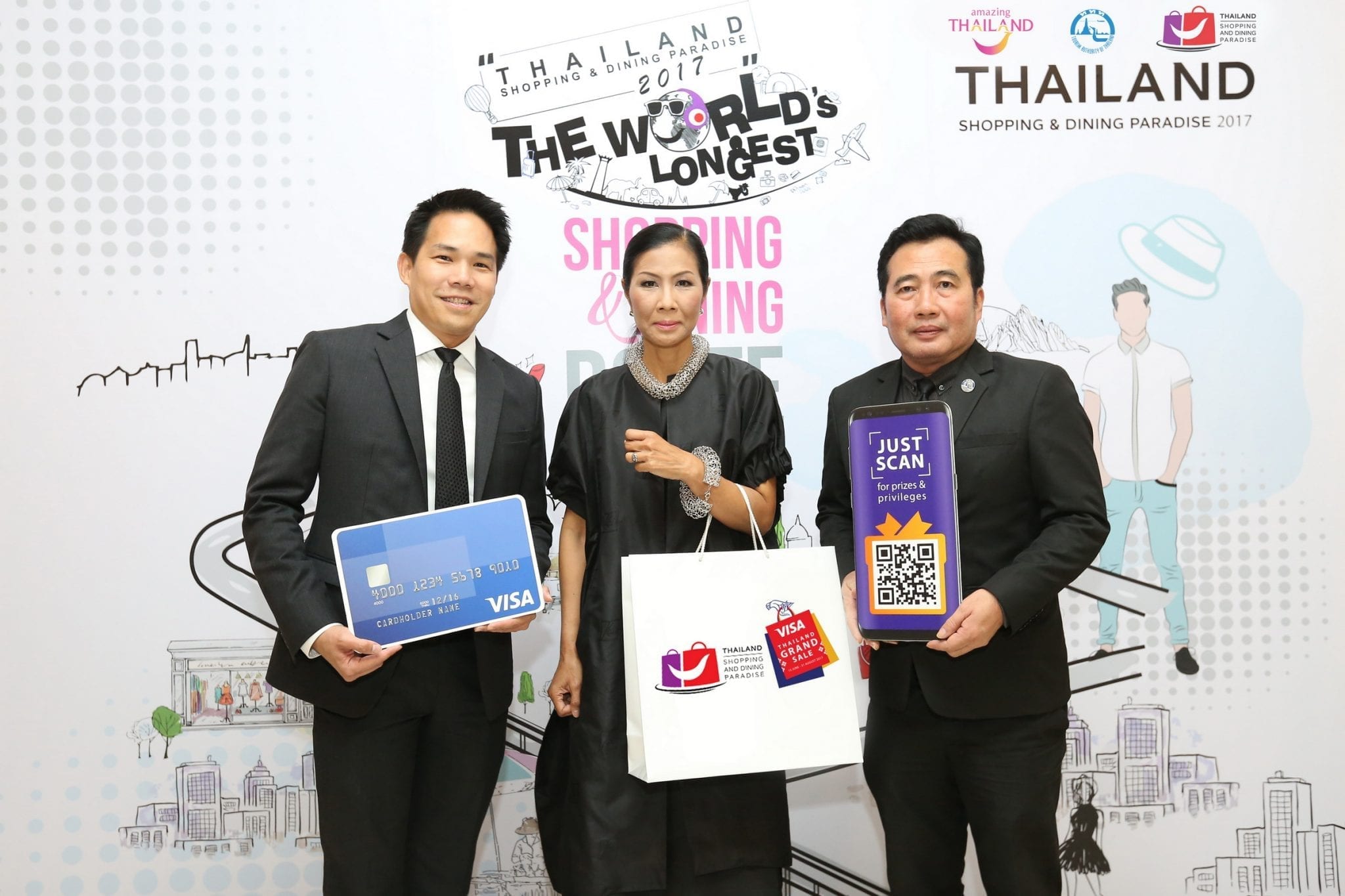
    Thailand Minister of Tourism and Sports Ms. Kobkarn Wattanavrangkul (center), Mr. Noppadon Pakprot (right), Deputy Governor for Tourism Products and Business, Tourism Authority of Thailand (TAT), and Mr. Suripong Tantiyanon (left), Visa Country Manager, Thailand launch Visa Thailand Grand Sale 2017.

    This year the entire customer journey will be made available for the first time on mobile. Visa cardholders can simply sign up by scanning a QR code at more than 7,000 merchant locations nationwide. To claim the offers, cardholders simply present the code or screen capture with merchants.

    Customers with internationally issued Visa cards who registered upon arrival at the airport will receive a welcome pack consisting of a complimentary SIM card with WIFI access, Grab ride worth THB 100, and a complimentary drink at Coffee World.

    More than 50 leading retailers in Bangkok, Pattaya, Chiang Mai and Phuket take part in Visa Thailand Grand Sale, which runs from 15 June to 31 August 2017. In Bangkok, Visa Thailand

    Grand Sale is present in three shopping and dining clusters: Downtown Bangkok from Siam to Asoke; Along the Chaophraya River at River City and Asiatique; and outer Bangkok on Bangna and Ramintra.

    Offers extend to popular online shopping websites: Lazada Thailand and Sephora.

    Suripong Tantiyanon, Visa Country Manager, Thailand said: “Having served millions of visitors to Thailand over the past 20 years, this platform has been revamped to meet the changing travel needs and behaviours. This year it has been renamed “Visa Thailand Grand Sale” from “Amazing Thailand Grand Sale” in partnership with TAT’s Thailand Shopping and Dining Paradise program.”

    For every THB 1,000 spent with Visa during the campaign, cardholders will receive a ticket to enter a lucky draw. There are ten prizes, each including two return air tickets and a maximum of seven-night stay at one of the program’s destinations. Five prizes are for international Visa cardholders and the other five are for participants with Thailand-issued Visa cards.

  • SPAR and DHL launch first of 300 convenience stores in Thailand

    SPAR and DHL launch first of 300 convenience stores in Thailand

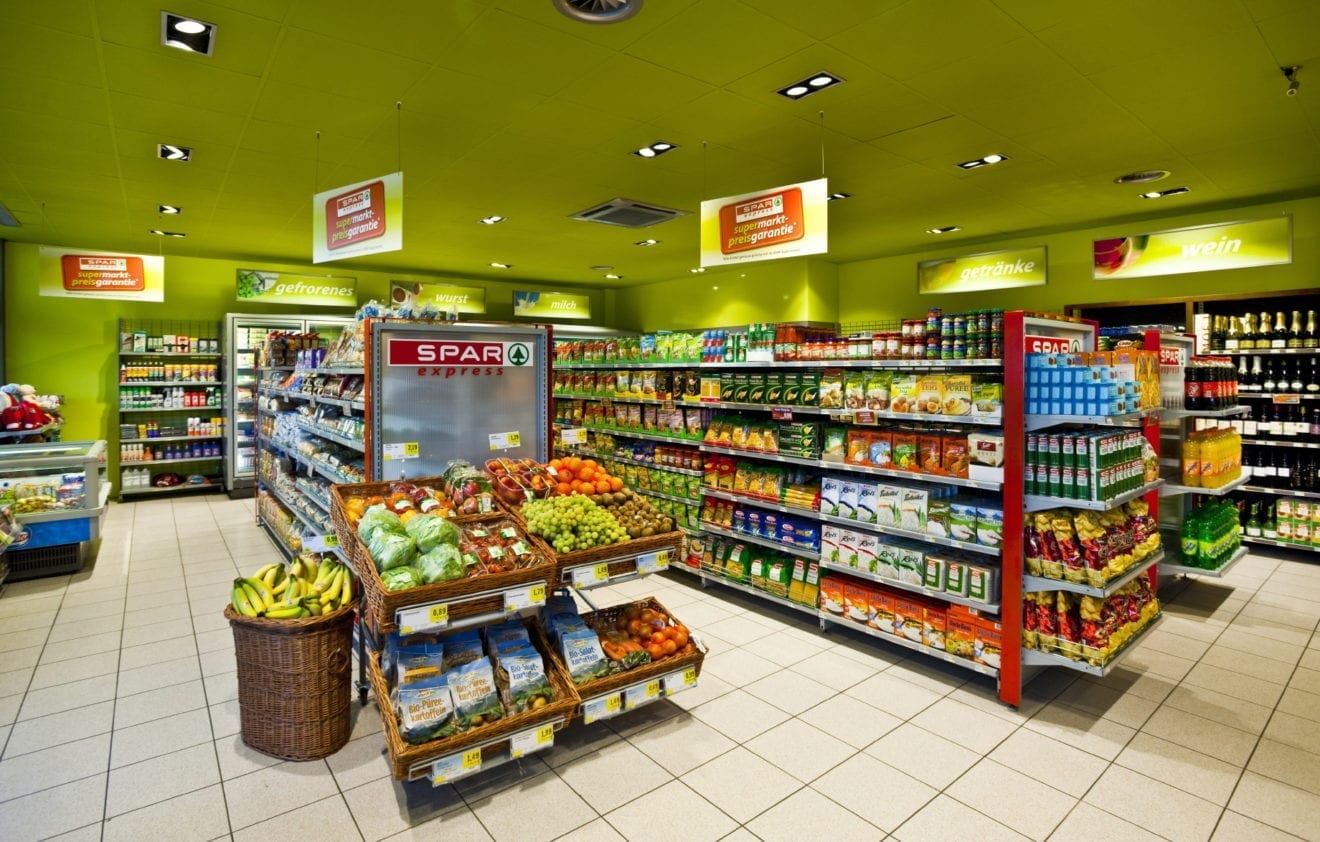
    SPAR International, the world’s largest food retail voluntary chain, will partner with DHL Supply Chain and the Bangchak Retail Company (BCR) to establish up to 300 new convenience stores in Thailand by the end of 2020.

    The deal will see DHL Supply Chain support SPAR’s expansion plans with end-to-end transport, distribution and warehousing services across Thailand, with BCR providing the front-end store infrastructure for the Dutch retailer. SPAR’s supply chain will currently use the DHL Bangna Logistics Campus for ambient warehousing and distribution; and its Klong Prapa warehouse for handling frozen goods.

    “To support SPAR Thailand in delivering SPAR’s global reputation for freshness, choice, quality, and service, we knew we needed a logistics partner with proven experience in maintaining world-class food retail supply chains,” said Tom Rose, Head of Operations at SPAR International. “DHL’s track record in sustaining fast-growing food retailers, both in Thailand and other markets worldwide, gave us the confidence to use their infrastructure as the foundation of our local supply chain.”

    “Since working with DHL, they have impressed SPAR with the smoothness and visibility of its third-party logistics services, leaving us in no doubt that this partnership will help SPAR reach its sizable ambitions for growth in the Kingdom.”

    The infrastructure at DHL Supply Chain will support SPAR’s quality standards with a range of features including CCTV systems, automatic fire protection, and temperature controlled warehousing. Both warehouses will also be managed by WMOS, a warehouse management platform, to maintain levels of inventory accuracy and productivity in line with SPAR’s global best practices.

    “Retail operations require highly specialized experience to achieve the levels of inventory quality, shipment accuracy, and timeliness needed to meet swift changes in consumer demand,” said Kevin Burrell, CEO, Thailand Cluster, DHL Supply Chain. “With Thailand’s retail sector expected to continue growing steadily alongside disposable income levels, we’re keen to take our award-winning services to the next level as we help SPAR bring its world-class quality direct to Thai consumers.”

  • Canterbury open new stores in Bangkok

    Canterbury open new stores in Bangkok

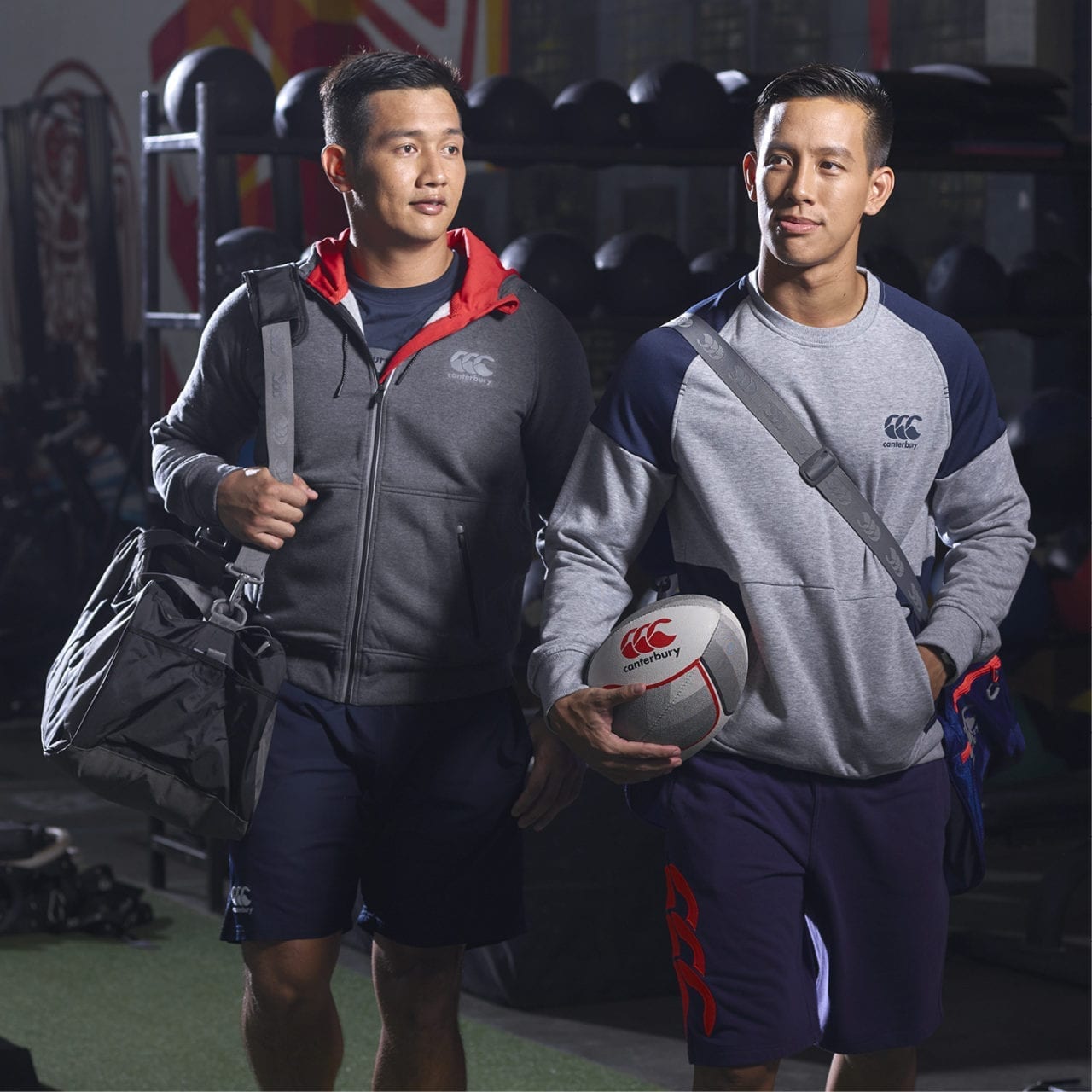
    Leading sports brand Canterbury has opened its latest store in Bangkok, bringing the total number to five since the New Zealand-founded company launched its flagship store in February this year.

    Canterbury’s expansion in Thailand reflects the increasing popularity of the sport of rugby and the fitness industry, and showcases how attitudes towards healthy living and exercise have shifted in recent years. Rugby is the fastest growing team sport on the planet and player numbers in Thailand are rapidly increasing due to initiatives of the Thai Rugby Union.

    The latest store opening at Go Sports Mega Bangna follows four successful store openings in Bangkok in just five months: Supersports at CentralWorld, Sports Mall at Emporium, the lifestyle section of EmQuartier, and the flagship Phayathai Building shop.

    “We have expanded our footprint here in response to the flourishing rugby, and fitness industry, and are proud to be able to play our part in advocating a healthy lifestyle,” said Mark Bennett, Managing Director, Silver Fern Holding Ltd., the exclusive distributor of Canterbury.

    Although Canterbury is widely recognized as the “world’s original rugby brand”, its product line goes beyond rugby essentials, and includes a wide range of quality sportswear featuring innovative technology that is both practical and stylish. Canterbury’s latest Vapordri+ collection, for example, has been specially engineered to help regulate the wearer’s body temperature, and is especially useful in tropical climates like Thailand.

    All pieces in the Vapodri+ range are made with a special fabric that features advanced wicking properties that help evaporate sweat, allowing garments to dry quickly. The Vapodri+ technology provides dynamic cooling and this adaptive technology reacts to the wearers’ changing body temperature to ensure they can focus on performance.

    “Eating right and exercising regularly is the core to any healthy lifestyle, but it is also essential that people wear the right sporting gear when they exercise, in order to train better and maximize performance.” said Mr. Bennett.

  • Centara Wins Recognition of Chinese Guests with “Best City Hotel” Award

    Centara Wins Recognition of Chinese Guests with “Best City Hotel” Award

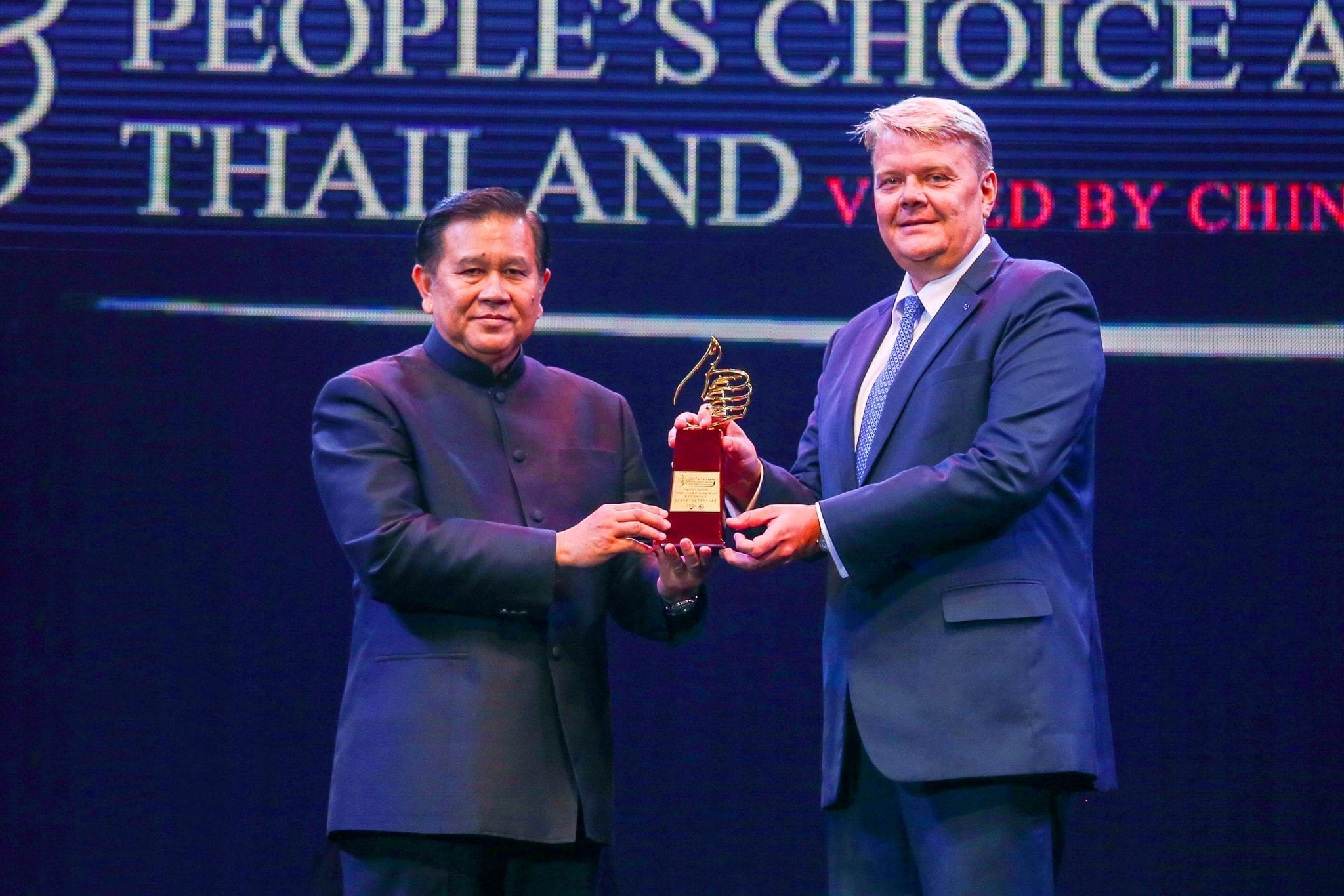
    Over 10 million Chinese tourists visit Thailand each year. The Tourism Authority of Thailand (TAT) polled many of them for the 2017 People’s Choice Awards and Centara Grand & Bangkok Convention Centre at Central World was voted “Best City Hotel.” The poll, just completed in June, is evidence of Chinese visitors’ growing importance to Thailand, and Centara’s success in meeting their needs.

    Centara Hotels & Resorts, Thailand’s largest hotel operator, is making a concerted effort to appeal to Chinese guests. Their 66 deluxe and first-class properties includes 43 Thailand hotels across all major tourist destinations and another 23 located in prominent international destinations. The award-winner, Centara Grand & Bangkok Convention Centre at CentralWorld, is one of the group’s premier properties, located in the heart of Bangkok’s central shopping district and integrated with a popular convention and shopping complex.

    Centara also operates properties in Vietnam, Sri Lanka, the Maldives and Oman. The group offers diverse formats — integrating multi-ethnic restaurants, Thai spas, Kids’ Clubs, water parks, and other innovative features – that appeal to couples, individuals, families, and business professionals. Thailand’s famous hospitality culture is also a key ingredient of the brand’s recipe for success.

    Most Centara hotels and resorts have Chinese-speaking staff and serve Chinese meals including breakfast. Centara offers Chinese information about its hotels and destinations, promotions, and online booking on its official website, which is now hosted in China for optimum speed. The group also accepts the popular Chinese payment channel UnionPay, in addition to major credit cards, and is active on China’s leading social media applications, Wiebo and WeChat.

    The Centara management team led by 3 top executives; Tom Thrussell – Vice President of Marketing, Paul Wilson – Vice President of Sales and Harry Thaliwal – Group Director of Operations, recently completed a roadshow that included five major Chinese cities and Hong Kong. The tour raised awareness of the Centara brand and shared news of the group’s expansion plans into China and the Middle East with members of China’s travel industry and key trade and consumer media.

    “China now represents our most significant inbound market and the numbers will continue to rise”, said Tom Thrussell. “We are committed to developing a deep understanding of Chinese guests’ needs and by visiting key Chinese cities and partners, engaging with our guests and soliciting feedback, we are able to communicate more effectively, better meet their travel needs and ultimately equipped ourselves to manage successful properties in China itself.”

    Centara is planning to open its first properties in China in 2019.