Retail News CRM

Tag: tiktok

  • Thriving Live Commerce: TikTok Boosts Thai Durian Sales by Tenfold

    Thriving Live Commerce: TikTok Boosts Thai Durian Sales by Tenfold

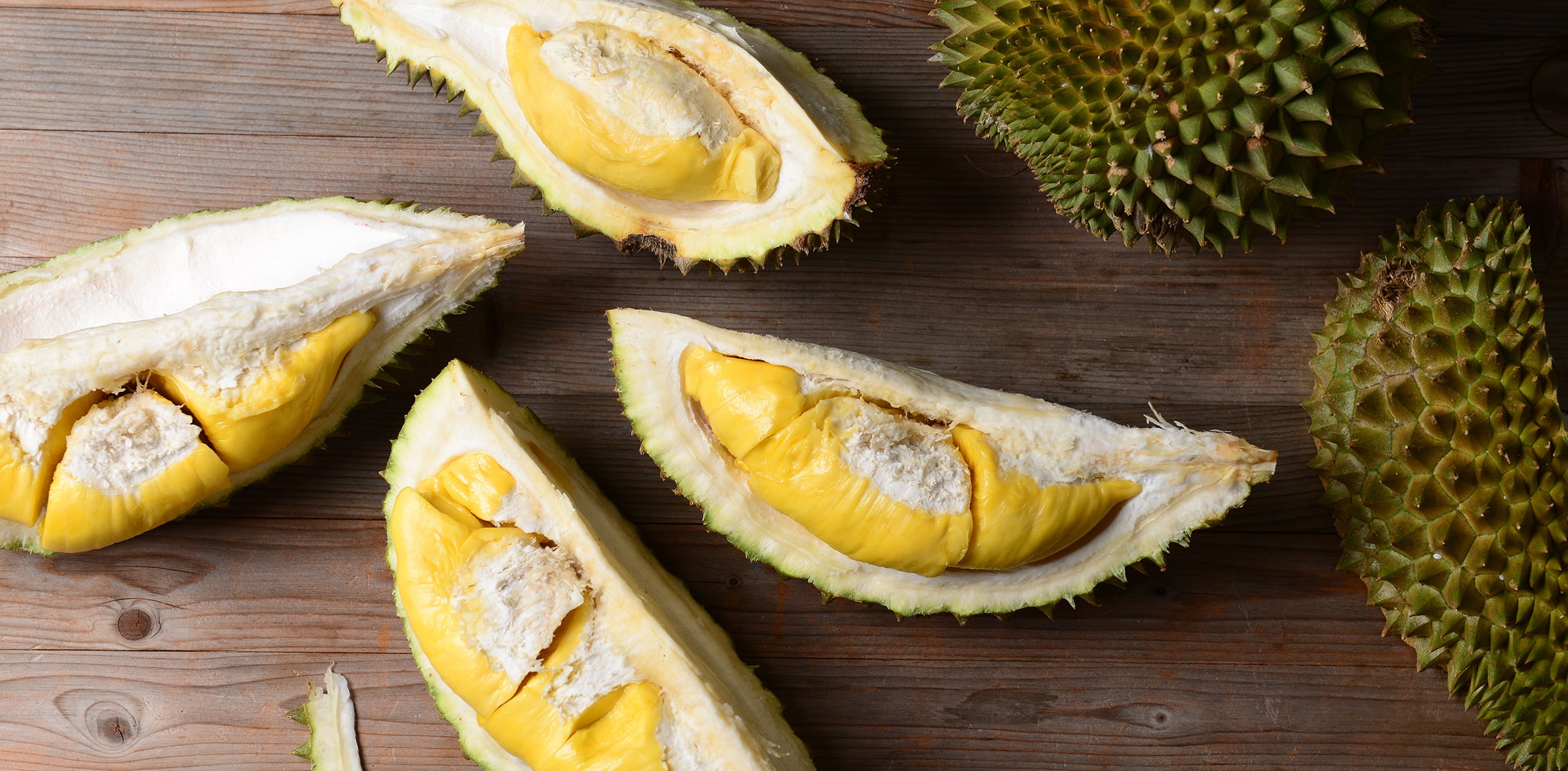
    In a collaborative effort, TikTok and Thailand’s Department of Internal Trade have drastically elevated durian sales on TikTok Shop, underscoring live commerce as a significant conduit for Thai agricultural commodities. The initiative led to a tenfold surge in durian sales, facilitated by more than 89,000 live durian broadcasts on the platform in the past quarter. Remarkably, a new live session was initiated approximately every 90 seconds, lasting an average of 118 minutes.

    During the apex of the durian harvest season, the gross merchandise value for the fruit surged by a factor of 10.6 in comparison to the average weekly sales recorded prior to the campaign. A key contributor to the success of this venture has been TikTok’s creator ecosystem. Over 1.8 million creators generate content that correlates with products available on TikTok Shop.

    Engaging Farmers and Influencers

    Content creators aren’t the only ones to credit for the success of this fruitful venture; farmers and local influencers have also climbed aboard the bandwagon. By actively promoting their produce through live streams, they’ve facilitated consumer discovery of agricultural products. The campaign has effectively doubled the number of fruit purchasers on TikTok Shop, year on year. Furthermore, total fruit orders have seen an impressive 134% increase in the first half of 2026.

    Notably, almost half of the consumers who bought durian via the platform returned for another purchase within the same season. This indicates a trend of stronger repeat-buying behavior among online shoppers.

    Looking Beyond Durian

    Yanee Srimanee, the Deputy Director-General of the Department of Internal Trade, anticipates that Thailand will produce approximately 2.07 million metric tons of durian this year. The majority (70%) of this yield is slated for export, with the remaining being distributed in the domestic market.

    The department aims to bolster domestic consumption and sees the collaboration between public and private sectors as a key strategy in connecting farmers with consumers. TikTok Shop has been a crucial tool in enhancing digital skills and creating new avenues for agricultural products to reach online markets.

    Chanida Klyphun, TikTok’s Director of Public Policy for Southeast Asia, characterized the departmental partnership as a crucial step towards broadening Thai farmers’ entry into the digital economy. This includes skill development and the adoption of live commerce as a sales strategy.

    As the eastern Thailand durian season wraps up, TikTok and the department have plans to continue supporting durian sales from the southern region of the country. The collaboration also aims to expand the program to other agricultural products and farming communities and to leverage content, creators, and e-commerce to widen market opportunities.

    Questions & Answers

    What has been the impact of the TikTok and Department of Internal Trade initiative on durian sales?
    The collaboration led to a tenfold increase in durian sales on TikTok Shop, with over 89,000 live durian broadcasts in the past quarter.

    What strategies were key to the success of the campaign?
    The success of the initiative can be attributed to the active participation of content creators, farmers, and influencers, and a strong emphasis on live commerce.

    What are the future plans of this collaboration?
    The partnership plans to continue supporting durian sales in the southern region of Thailand and aims to expand the program to other agricultural commodities and farming communities.

  • Decade-Old BBQ & Hotpot Restaurant Closes Following Surge of Negative Online Reviews

    Decade-Old BBQ & Hotpot Restaurant Closes Following Surge of Negative Online Reviews

    For over a decade, a small-town barbecue and hotpot restaurant enjoyed a regular and content clientele, primarily consisting of employees from a neighboring industrial park. The eatery was particularly bustling over the weekends, basking in the laudatory comments of its patrons, until an unfavorable online review sent shockwaves through its reputation.

    The Power of Social Media

    The advent of various Facebook pages and groups disseminating information and instigating discussions about the local area introduced an unforeseen variable to the restaurant’s business operations. While these platforms initially focused on benign topics such as local weather or picturesque landscapes, they soon evolved into forums for promoting new businesses, including milk tea shops and eateries in the vicinity. One day, a disparaging post targeting the barbecue and hotpot restaurant surfaced in one of these groups. The review characterized the food as “overpriced” and “mediocre,” encouraging patrons to explore “better and cheaper” alternatives.

    This single review unleashed a flood of negative feedback, severely tarnishing the restaurant’s hard-earned reputation. The previously steady stream of customers trickled to a halt, and, unable to recover from the sudden downturn, the establishment was soon compelled to close its doors.

    The Dark Side of Food Reviewers

    This incident underscores the growing concern among many restaurateurs regarding the disproportionate influence wielded by self-proclaimed food reviewers active on platforms such as TikTok and YouTube. Questions arise regarding the legitimacy of these reviewers’ authority to critique an establishment and the objectivity of their assessments. For instance, when reviewing pricing, do they account for factors like portion sizes, the quality of ingredients, or prevailing market rates?

    Taste, being a highly subjective matter, varies significantly from person to person. The certainty with which these reviewers label a dish as appealing or repugnant potentially sways their audience’s opinion, often without them having sampled the food themselves.

    In the current digital age, where smartphones equip ordinary individuals with the power to document, judge, and “expose” others, we must tread with caution. While these online exposés may help spotlight unhygienic or exploitative practices, they also pose the risk of damaging the reputation of legitimate establishments through orchestrated smear campaigns.

    Questions & Answers

    What impact did the unfavorable review have on the barbecue and hotpot restaurant?
    The negative review led to a surge of similar feedback, causing a significant decline in the customer footfall. Unable to recover from the reputational damage, the restaurant was forced to close down.

    What concerns do restaurant owners have about food reviewers on platforms like TikTok and YouTube?
    Restaurateurs worry about the credibility and objectivity of these self-proclaimed reviewers. They question whether these reviewers consider factors like portion sizes, ingredient quality, or market rates when critiquing pricing and how they confidently label food as good or bad without accounting for varying taste preferences.

    What are the potential risks associated with the power of judgment that smartphones provide individuals?
    While smartphones can help highlight unethical business practices, they also risk damaging legitimate businesses through potential smear campaigns.

  • TikTok’s $125M Digital Expansion: Chinese Giant to Bolster HCMC’s Tech Sector

    TikTok’s $125M Digital Expansion: Chinese Giant to Bolster HCMC’s Tech Sector

    TikTok, the renowned Chinese social media platform, has pledged an investment of $125 million in Ho Chi Minh City. The funds are intended to boost logistics services, digital commerce, and digital payment systems in the bustling Vietnamese metropolis.

    Pledged Investment

    According to an announcement published by the Ho Chi Minh City Department of Finance last Thursday, the commitment was made by TikTok’s investment arm based in Singapore. The department, however, did not provide any details regarding the expected timeline of the project.

    The decision followed several meetings between city officials and TikTok’s executive team, which took place at the end of last year. TikTok’s intention is to set up three business entities within the Ho Chi Minh City International Financial Center.

    Q1 Foreign Direct Investment Round-Up

    The Department of Finance stated that the city has attracted almost $2.9 billion in foreign direct investment (FDI) during the first quarter of this year, a significant increase of 220% compared to the same period last year.

    Among the prominent projects contributing to this FDI surge include a new manufacturing facility by Techtronic Industries Company based in Singapore, which will require an investment of $81 million. Other contributors include the Dutch firm MSD Animal Health ($80 million), Singapore’s SP Vietnam ($67 million), and Indonesia’s Momogi Group ($55 million).

    The Department credited this substantial uptick in investment to the confidence of foreign investors in the city’s business environment, despite the currently volatile global economy.

    Ho Chi Minh City’s strategic goal for this year is to attract $11 billion in FDI. The city’s primary focuses are high-tech, innovation-driven projects, data centers, logistics, and green growth initiatives.

    Questions & Answers

    What is the purpose of TikTok’s $125 million investment in Ho Chi Minh City?
    The social media giant aims to enhance logistics services, digital commerce, and digital payment systems in the city.

    What are some of the key projects contributing to Ho Chi Minh City’s Q1 foreign direct investment?
    Noteworthy projects include a new manufacturing facility by Techtronic Industries Company, expansions by MSD Animal Health, SP Vietnam, and Momogi Group.

    What are Ho Chi Minh City’s investment priorities for this year?
    The city plans to attract $11 billion in FDI, focusing on high-tech, innovation-driven projects, data centers, logistics, and green growth initiatives.

  • Introducing PineDrama: TikTok’s Free, Ad-less Portal to Micro Drama Series, Now Live in the US

    Introducing PineDrama: TikTok’s Free, Ad-less Portal to Micro Drama Series, Now Live in the US

    For devotees of brief video content, the introduction of TikTok’s latest application focused on ‘micro dramas’ comes as exciting news. This new application is a development of TikTok’s commitment to fostering engagement and innovation in the realm of digital entertainment.

    Micro Dramas – The New Craze

    Micro dramas, also known as mini or vertical dramas, are swiftly gaining popularity in the mobile entertainment space. These dramas are segmented into brief episodes that typically last for around 60 to 90 seconds. This app, named PineDrama, has been launched in the United States and Brazil and is exclusively dedicated to this format.

    Unlike standalone videos, these mini series are designed to be viewed in order, drawing in the audience with numerous quick clips. In doing so, the potential for higher view counts increases dramatically, potentially reaching into the millions.

    Modern Day Soap Operas

    Drawing parallels with the global popularity of soap dramas several decades ago, micro dramas seem to be enjoying a similar resurgence. PineDrama tends to favor genres of romance and the supernatural, with common narratives revolving around love triangles, billionaires, vampires, and werewolves.

    One of their series, titled ‘Love at First Bite’, has already amassed 18 million views. The three most popular shows on the app have all garnered over 100 million views according to in-app counters, which speaks to the traction that this app is already gaining.

    Monetization Strategy

    Traditionally, the majority of micro drama platforms resort to aggressive monetization strategies, often involving viewer payments. In 2025, micro dramas were estimated to have generated $1.3 billion in the United States largely from these direct viewer payments.

    Typically, platforms like DramaBox and ReelShort offer a limited number of free episodes before implementing a paywall that can cost upwards of $20 a week. PineDrama is adopting a markedly different stance at its launch, allowing users to sign in with their existing TikTok accounts to access full series at no cost, with no advertisements or visible payment prompts.

    This lack of an advertising model or paywall implies that PineDrama may still be in the early stages of testing. It appears that, at least initially, TikTok is prioritizing user engagement over revenue generation.

    Questions & Answers

    What are micro dramas?
    Micro dramas, also known as mini or vertical dramas, are a rapidly growing format in mobile entertainment. They are brief episodic dramas that usually last for around 60 to 90 seconds.

    What kind of content does PineDrama focus on?
    PineDrama primarily focuses on romance and supernatural themes. Storylines often involve love triangles, billionaires, vampires, and werewolves.

    How does PineDrama plan to monetize its content?
    Unlike other platforms that use aggressive monetization tactics such as paywalls, PineDrama currently allows users to watch full series for free. This suggests that the platform is prioritizing user engagement over revenue generation during its initial phase.

  • Groundbreaking Deal: TikTok’s U.S. Assets Acquired by American-led Consortium

    Groundbreaking Deal: TikTok’s U.S. Assets Acquired by American-led Consortium

    The well-known, short-form video application, TikTok, has made strides towards securing its future in the U.S. market. The company’s U.S. assets will be sold to an American investor group following the signing of necessary agreements. This move is a significant step towards relieving the app from its present Chinese owners, ByteDance, as mandated by a law passed last year and validated by the Supreme Court. ByteDance is required to relinquish at least 80% of TikTok’s U.S. assets or face a potential ban.

    Investor Agreements and Implications

    TikTok’s CEO, Shou Chew, informed the company’s staff about the new developments through a memo delivered on a Thursday. The memo highlighted the signing of agreements with investors that would result in the creation of a new TikTok U.S. joint venture. This venture would enable the 170 million American users of the app to continue being part of the global community that TikTok provides.

    The U.S. had previously shown significant bipartisan support for a TikTok ban due to worries about ByteDance’s collection of personal data from American children and possible propagation of Chinese government propaganda through the app’s feeds. However, the company’s crucial algorithm, which powers the ‘For You’ page and controls user feeds, will remain with ByteDance. ByteDance will license a copy of the source code to the new U.S. entity.

    Deadline Extensions and User Preferences

    The deadline for the sale of TikTok had been extended multiple times during the second Trump presidency. The deadline was pushed further when President Trump signed an executive order, following a deal with China, which allowed the transfer of control of TikTok’s U.S. operations to American investors. The executive order provided a qualified divestiture, delaying the enforcement of the deal’s deadline for 120 days.

    Interestingly, Americans spend more time on TikTok each day than on YouTube, Instagram, and Facebook.

    Closing the deal

    Despite the leaps made in the transaction, more work remains before the sale can be finalized. The current target for the deal’s closure is January 22nd, 2026. ByteDance and TikTok have come to an agreement on the terms of the deal. A new American entity, TikTok USDS Joint Venture LLC, will be created as part of the agreement.

    Three companies will jointly own 50% of TikTok USDS Joint Venture LLC. These are Oracle, Silver Lake, and MGX. Oracle is a U.S. firm tasked with storing TikTok’s data in the U.S. Silver Lake is a U.S. private equity firm with ties to the tech and media industries. MGX is an Abu Dhabi-based firm responsible for providing funding.

    Investment Details

    Other equity partners include affiliates of existing investors, who hold 30.1% stake in the venture. These investors are U.S.-based firms, such as General Atlantic and Susquehanna, which had already invested in ByteDance globally. ByteDance, the original Chinese parent company, will retain a 19.9% stake, ensuring that the new venture does not fall under the classification of “foreign controlled”.

    TikTok’s Global Impact

    TikTok’s global influence is undeniable, as its 1.59 billion monthly active users in early 2025 made it the fifth-largest social media platform globally. In the U.S. alone, there are 135.79 million users, the highest of any country. The app also boasts notable financial success, generating $23 billion in global revenue last year, with advertising making up 77% of this revenue.

    In terms of user demographics, the majority of TikTok’s user base (71%) is aged between 18 and 34, totalling 1.05 billion individuals. Users aged 45 and above make up a mere 3.6% of the total user base. Regarding gender distribution, 55.7% of TikTok users are male, with women comprising 44.3%.

    American users spend an average of 52 minutes daily on the platform, surpassing the average time spent on YouTube (48 minutes), Instagram (35 minutes), and Facebook (30 minutes).

    Questions & Answers

    What is the current status of TikTok’s U.S. operations?
    The short-form video app has taken steps towards securing its future in the U.S. market by signing agreements that enable the sale of its U.S. assets to an American investor group.

    What are the implications of the new investor agreements?
    The crucial algorithm of TikTok, which powers the ‘For You’ page and controls user feeds, will remain with ByteDance, while a copy of the source code will be licensed to the new U.S. entity.

    Who are the new investors in TikTok?
    Three companies will jointly own 50% of the newly created entity—TikTok USDS Joint Venture LLC. These are Oracle, Silver Lake, and MGX. Other equity partners include affiliates of existing investors and ByteDance.

  • Social Commerce Revolution: How Tiktok Influencers Are Transforming Asian Retail Landscape

    Social Commerce Revolution: How Tiktok Influencers Are Transforming Asian Retail Landscape

    Retailers in Asia are embracing the revolution of social commerce, with platforms like TikTok leading the charge in transforming shopping habits across the region. A recent report from the social media giant revealed an astonishing statistic: over 70% of TikTok users in Asia are more inclined to make purchases based on recommendations and content from influencers. This shift highlights how traditional shopping behaviors are evolving, as younger consumers prioritize engaging, authentic experiences over conventional advertising.

    The Rise of Influencer-Driven Shopping

    Brands are not sitting idle amid this monumental change. Many are actively partnering with TikTok influencers to reach their target audiences more effectively. The appeal of shopping through curated content is undeniable; it feels fresh, immediate, and often more enjoyable than trawling through a typical online store. With influencers effectively acting as personalized shopping guides, it’s no wonder that brands are leaning heavily into this strategy, hoping to tap into the collective power of user-generated content.

    Innovative Strategies in Social Commerce

    As retailers focus on adapting to these new dynamics, many are launching creative campaigns designed to resonate with their communities. For instance, the recent collaboration between local fashion brands and viral TikTok personalities not only aims to boost sales but also fosters a sense of community around shared interests and lifestyles. Watching a fashion influencer try on dozens of outfits can sometimes feel like a digital fashion show, encouraging a more personal connection with the brand.

    Challenges and Opportunities for Retailers

    However, social commerce isn’t without hurdles. Brands must navigate the intricacies of online engagement, all while staying authentic to their core values. Consumers can spot a phony recommendation from a mile away, and maintaining trust is paramount. Retailers are honing in on transparency and authentic storytelling, crafting narratives that resonate on a personal level. After all, a good story can sell just about anything—whether it’s a luxury handbag or the latest pair of trendy sneakers.

    In a surprising twist, a recent viral TikTok challenge involving dance moves while showcasing products led to a notable spike in sales for participating brands. It turns out that adding a little fun (and a dash of cringe) can yield substantial returns in traffic and engagement.

    Market Trends Point to Continued Growth

    The future of retail in Asia is undeniably intertwined with these evolving social platforms. According to market analysts, social commerce in the region is projected to continue its robust growth, fueled by a blend of mobile connectivity, creative content, and evolving consumer preferences. Retailers who embrace these changes stand to not only survive but thrive, tapping into a new wave of consumers eager for connection and discovery.

    As we watch this trend unfold, the fusion of social media and retail creates a dynamic landscape, one where shopping is not just transactional but a new dimension of entertainment and engagement.

    Questions & Answers

    What role does TikTok play in reshaping retail in Asia?
    TikTok is leading the charge in social commerce, with over 70% of its users in Asia expressing a higher likelihood to purchase based on influencer recommendations, fundamentally changing how brands engage with consumers.

    How are brands using influencer partnerships?
    Brands are increasingly collaborating with TikTok influencers to create engaging, authentic content that resonates with young shoppers, transforming their approach to marketing and sales.

    What challenges do retailers face in social commerce?
    Retailers must navigate the need for authenticity and trust while adapting to rapidly changing consumer behaviors, all while ensuring their marketing strategies remain genuine and relatable.

  • Skittles Introduces ‘swicy’ Gummies Fuego To The Us Market: A Sweet And Spicy Revolution

    Skittles Introduces ‘swicy’ Gummies Fuego To The Us Market: A Sweet And Spicy Revolution

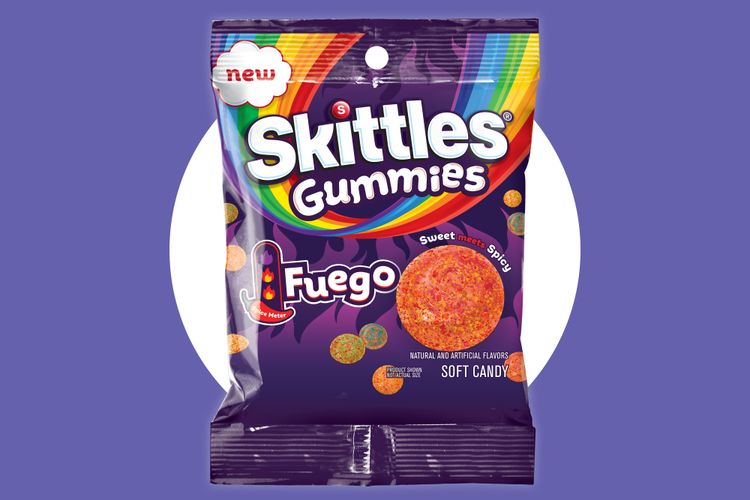
    Skittles, a popular brand operated by Mars Wrigley, has recently introduced a novel gummy flavor to the US market. The new offering, called Gummies Fuego, presents a unique blend of sweet and spicy flavors that is sure to intrigue the palates of consumers.

    Innovation in Line with Tradition

    The new spicy gummy variant adds to the innovative line of products the brand has been developing, including Skittles Pop’d, Littles, and Gummies. These creations aim to cater to the preferences of fans who appreciate a fusion of sweet and spicy, or ‘swicy’, tastes.

    Ro Cheng, the Vice President of Marketing at Mars Wrigley North America, commented, “With Skittles Gummies Fuego, we’re enhancing a sweet, original fan favourite by introducing a daring flavor experience that we believe our ‘swicy’ fans will appreciate.”

    A Unique Flavor Experience

    The Skittles Gummies Fuego offers a flavorful combination of five fruity tastes: mango, watermelon, strawberry, raspberry, and lemon. Adding an interesting twist, these gummies come coated with a zesty chili layer that delivers a tangy punch.

    Availability and Distribution

    The Fuego gummies are currently available in packs of 5.8 ounces, or 164 grams. At present, these can be procured exclusively from the TikTok shop. However, the company plans to expand its distribution network across the US in the coming year.

    Last year, Skittles ventured to offer consumers a different texture experience with the launch of Squishy Cloudz.

    Questions & Answers

    What is the new flavor introduced by Skittles?
    Skittles has introduced a new flavor called Gummies Fuego, which offers a blend of sweet and spicy tastes.

    What are the fruit flavors incorporated in Gummies Fuego?
    Gummies Fuego incorporates a mix of five fruit flavors: mango, watermelon, strawberry, raspberry, and lemon.

    Where can consumers currently purchase Gummies Fuego?
    At present, Gummies Fuego can be purchased exclusively from the TikTok shop. However, broader distribution across the US is planned for the next year.

  • TikTok Shop’s Japanese Launch Hits Snags as Sellers Voice Concerns Over New Platform

    TikTok Shop’s Japanese Launch Hits Snags as Sellers Voice Concerns Over New Platform

    While TikTok has made waves in various markets across the globe, its live commerce feature appears to be treading water in Japan, just a month after its rollout. Many brands are hesitating to dive into this vibrant but relatively uncharted marketing medium, wary of the risks associated with investing in a format that has yet to blossom in the local landscape.

    Despite the platform’s popularity, local hesitance seems to stem from Japan’s unique retail culture and the cautious approach many companies take towards new digital strategies. With its traditional emphasis on polished advertising and customer service, Japan presents a complex backdrop for a platform that thrives on spontaneous and interactive shopping experiences.

    Understanding the Local Market

    Analysts suggest that part of the hesitation may lie in TikTok’s image. While internationally it’s seen as an innovative trendsetter, companies in Japan are not yet convinced that live commerce will resonate with their consumer base. Many brands are still grappling with the traditional retail norms and the allure of TikTok’s less conventional format.

    However, the story isn’t over for TikTok in Japan. Experts argue that, with time, a shift might occur as consumers become more familiar with live shopping. The platform could evolve from a novelty into a staple of Japan’s e-commerce scene. It’s a risky gamble that could pay off, much like opening a treasure chest filled with unexpected gems—and perhaps some amusing surprises.

    What Lies Ahead

    To navigate these choppy waters, TikTok may need to tailor its approach to align with local preferences and establish trust among retailers, thereby encouraging them to explore new horizons. As the retail landscape continues to change, Japan’s retailers are left to ponder: will they embrace this digital wave or continue to watch from the shore?

    Questions & Answers

    What are the main challenges TikTok faces in Japan regarding live commerce?
    The primary challenges include a reluctance among local brands to adopt new marketing strategies and a retail culture that heavily favors traditional advertising methods.

    How might TikTok adapt its strategy to succeed in the Japanese market?
    To succeed, TikTok could focus on customizing its approach to resonate with local consumer preferences and building trust among retailers in the live commerce space.

    Is there potential for growth with TikTok’s live commerce feature in Japan?
    Yes, there is potential for growth as consumers may become more familiar with live shopping, gradually transforming it from a novelty into a more established part of the e-commerce landscape.

  • TikTok Shop Gains Ground, Closing In on E-commerce Leader Shopee in Retail Competition

    TikTok Shop Gains Ground, Closing In on E-commerce Leader Shopee in Retail Competition

    TikTok Shop is making waves in the Southeast Asian e-commerce landscape, capturing a notable 39% share of gross merchandise value, a substantial increase from 29% in the first half of the previous year, according to data from Metric. In stark contrast, its competitor Shopee has seen a decline, with its market share slipping from 63% to 58%. When it comes to revenue growth, TikTok Shop outpaced Shopee dramatically, reporting a staggering 69% growth compared to Shopee’s more modest 16%.

    Combined, TikTok Shop and Shopee command an impressive 97% of the market, leaving the remaining 3% to Lazada and Tiki, while other players remain too small to feature in Metric’s data. The analytics firm suggests that TikTok Shop’s ascent highlights a significant consumer trend towards platforms that marry entertainment with shopping, a seamless integration some are dubbing “shoppertainment.”

    At the recent TikTok Shop Vietnam Summit, the platform celebrated the remarkable success of this entertaining shopping model. Metrics from 2024 show revenue growth surging by 2.3 times in affiliate marketing and 1.9 times in livestreaming and short videos. However, TikTok Shop is not just riding the wave of entertaining content; official brand stores are emerging as a crucial growth driver. Despite representing only 3.4% of total stores on Shopee and TikTok Shop, these brand malls accounted for an impressive 28.7% of total revenues, reflecting an eye-popping year-on-year growth of 63% and 107% respectively. It seems consumers are becoming increasingly discerning, gravitating towards trusted brands amid the prevalence of low-quality goods.

    As we look ahead to the third quarter, forecasts from Metric indicate a projected gross merchandise value increase of 21.6% among the four major platforms, expected to reach VND122.8 trillion. Key sales events like the Mid-Autumn Festival and the back-to-school season are anticipated to fuel demand for education, gifting, and food products.

    In a recent forum, Nguyen Lam Thanh of TikTok Vietnam emphasized a commitment to optimizing seller operations, enhancing user security, and bolstering community support initiatives within the industry. Meanwhile, rival platforms Shopee and Lazada are ramping up competition by offering free shipping, with Shopee announcing free shipping on all orders, except for bulky items, and Lazada launching similar offers for orders under 15kg from official brand stores.

    Questions & Answers

    What trends are fueling TikTok Shop’s growth in Southeast Asia?
    The growth of TikTok Shop is largely attributed to the blending of entertainment and shopping—termed “shoppertainment”—which is increasingly resonating with consumers, alongside a notable rise in trust for official brand stores amidst a crowded market.

    How is the competition responding to TikTok Shop’s success?
    In response to TikTok Shop’s explosive growth, both Shopee and Lazada are implementing aggressive strategies, including offering free shipping on various orders to attract more customers.

    What does the future look like for e-commerce platforms in the region?
    The outlook for the coming months appears promising, with projections of a 21.6% increase in gross merchandise value across major platforms, driven by key shopping events and seasonal demand for various products.

  • Tiktok Influencers Arrested: 800,000 Counterfeit Products Sold In Massive Scheme

    Tiktok Influencers Arrested: 800,000 Counterfeit Products Sold In Massive Scheme

    Le Van Hai, the creator behind a popular TikTok channel boasting 2.6 million followers, has been arrested for a staggering scheme involving the sale of 800,000 counterfeit food and cosmetics products. Alongside his accomplice, Tran Dai Phuc, the duo was apprehended on Monday in the northern province of Ninh Binh.

    The dynamic pair was promoting a range of cosmetic and food items on their TikTok channel, dubbed Hai Sen Family, for the past two years. Among their offerings was Hai Be Syrup, touted as a remedy for stimulating children’s appetites. However, their operation took a nosedive when authorities raided their company and discovered hundreds of products lacking the necessary licenses.

    Upon examination, the contents of the syrup raised eyebrows; tests revealed that the actual concentrations of calcium and vitamins A and C were less than 70% of what the labels advertised. In total, Hai and Phuc managed to distribute a shocking 800,000 products online since last year, including 100,000 boxes of the infamous syrup. The TikTok account has now been suspended, and an ongoing police investigation seeks to unearth the full extent of the operation.

    This incident serves as a vivid reminder that while the social media platform can inspire creativity, it can also provide a stage for deception—who knew the road to digital fame could be paved with imitation goods?

    Questions & Answers

    What charges are Le Van Hai and Tran Dai Phuc facing?
    They are facing charges related to selling counterfeit food and cosmetics products without proper licenses.

    How many products did they sell before their arrest?
    The duo sold over 800,000 products online, which included 100,000 boxes of their Hai Be Syrup.

    What has happened to their TikTok account?
    Their TikTok account has been locked as part of the ongoing police investigation into their activities.

  • Tiktok Poised To Revolutionize Japanese Market With Integrated E-commerce Feature

    Tiktok Poised To Revolutionize Japanese Market With Integrated E-commerce Feature

    TikTok, the globally popular social media platform, is poised to debut its integrated e-commerce feature, TikTok Shop, in Japan. This is a significant move into a market where live commerce is relatively unexplored but ripe with potential. The initiative is aimed at capitalizing on the platform’s high levels of user engagement to facilitate direct purchases within the application.

    A recent update to TikTok’s privacy policy in Japan that included references to “shopping features” has stirred conjectures that the official launch might occur this month.

    TikTok Shop offers an in-app shopping experience where users can purchase items during live streams or via short videos. It comes with built-in payment and checkout features, thus eliminating the need for customers to be redirected to external websites. TikTok benefits monetarily from this feature by earning referral fees from sellers who participate.

    ByteDance, TikTok’s parent company based in China, has successfully implemented this feature across the United States and Southeast Asia.

    In preparation for the rollout, companies are gearing up to offer support. AnyMind Group, for instance, is planning to offer data analytics tools and launch training programs for live-commerce streamers through its production unit, Grove. Shodai Fujita, Country Director for Japan at AnyMind, said, “We want to create stars and take the No 1 position in Japan.”

    Simultaneously, Hakuhodo, a Japanese advertising titan, is collaborating with a group subsidiary to provide comprehensive services for TikTok Shop sellers, including planning, operations, and performance analysis. Septeni Holdings, part of the Dentsu Group, is also readying to assist brands making their debut on the platform.

    “The fusion of social media and e-commerce will become a new experience for customers,” Fujita added, indicating the groundbreaking potential of this venture.

    Questions & Answers

    What is TikTok’s new initiative in Japan?
    TikTok is planning to launch its integrated e-commerce feature, TikTok Shop, in Japan. This feature will facilitate direct in-app purchases during live streams or through short videos.

    What is the advantage of TikTok Shop for users?
    TikTok Shop offers a seamless shopping experience for users, eliminating the need to be redirected to external websites for purchases. It provides integrated payment and checkout features for a smoother transaction process.

    Who will be supporting the launch of TikTok Shop in Japan?
    Several companies, including AnyMind Group, Hakuhodo, and Septeni Holdings, part of the Dentsu Group, are preparing to support the launch by providing data analytics tools, training programs, and a range of services for TikTok Shop sellers.

  • TikTok Launches Innovative Business Solutions to Accelerate Brand Growth and Engagement

    TikTok Launches Innovative Business Solutions to Accelerate Brand Growth and Engagement

    TikTok has unveiled a remarkable suite of business tools crafted to fuel growth for brands at every stage of the marketing journey. This innovative approach introduces artificial intelligence-powered technologies, fresh advertising formats, and broadened measurement capabilities designed to transform user engagement into tangible business results.

    Empowering Brands with TikTok Market Scope

    Among the standout features is TikTok Market Scope, an analytics powerhouse that guides brands in tracking and engaging audiences as they navigate the purchase journey. Complementing this is a newly launched mid-funnel ad format called Brand Consideration Ads, meticulously crafted to transition viewers from mere awareness to genuine interest.

    Unifying Creativity with TikTok One

    TikTok has also elevated its creative hub, TikTok One, an all-in-one platform that connects creators, agencies, and essential tools. The introduction of Insight Spotlight—a trend-tracking instrument—enables marketers to grasp which content truly resonates with their target audience. Moreover, the Content Suite offers an extensive, searchable library of user-generated content, curated for ad potential and delivering over 40 times more relevant results compared to conventional in-app searches.

    Expanding Creative Opportunities

    In a rebranding move, TikTok has upgraded its creative agency network to the new name Partner Exchange, previously known as TikTok Creative Exchange, while also extending access to its Creator Marketplace, now available to creators in 26 countries.

    Automating Campaigns with AI Tools

    On the automation front, TikTok is scaling its arsenal of three key AI-driven tools: Symphony, Smart+, and GMV Max. These tools empower advertisers to streamline their campaign performance efficiently. Symphony’s content creation capabilities have integrated with Smart+, enhancing its ability to automate performance campaigns with precision.

    Smart+ now boasts enhanced audience targeting, robust brand safety measures, and integration with Catalog Ads that ensure personalized product recommendations are always on display. Furthermore, TikTok is broadening its measurement offerings with new Media Mix Modeling partners, helping brands understand their impact across various channels. The platform’s TopView ad format, which captures users’ attention as they open the app, has also enhanced its delivery controls and interactive features to drive engagement further.

    In a world where creativity meets AI, TikTok is setting the stage for a marketing revolution—who knew social media could be this resourceful?

    Questions & Answers

    What is TikTok Market Scope?
    It’s an analytics platform designed to assist brands in tracking and activating audiences throughout the purchasing journey.

    What new ad format has TikTok introduced?
    TikTok has launched Brand Consideration Ads, intended to transition audiences from awareness to interest.

    How is TikTok enhancing its creative capabilities?
    TikTok has revamped its creative hub to TikTok One, which combines creators, agencies, and tools, along with new features like Insight Spotlight and Content Suite to maximize engagement.

  • Doctors concerned as patients bet their life on TikTok ‘clinic’

    Doctors concerned as patients bet their life on TikTok ‘clinic’

    Two weeks after taking an online “liver cancer cure,” a 37-year-old man was brought back to hospital in a near-terminal state.

    Diagnosed with liver cancer in early 2025, the patient’s doctor had recommended medical treatment combined with palliative care, given the poor prognosis. However, his family declined the advice and opted instead for a treatment advertised on social media.

    The advertisement, on TikTok, promised “a medicine that can destroy tumors and prolong life” at a cost of several tens of millions of dong. Two weeks into this “treatment,” the man was hospitalized with severe liver failure, and all efforts to save him failed.

    “This is an unfortunate case because you bet your health on unverified medical advertisements, and then the disease progresses severely, with no treatment options left,” Dr. Ngo Van Ty of the Hanoi Medical University Hospital’s oncology center says.

    “I was truly heartbroken at seeing the sorrow of the patient’s relatives. But this is an inevitable outcome when the patient turns himself into a victim of baseless promises.”

    According to doctors, this is not an isolated incident. They have seen numerous other cancer patients return to the hospital, often when it is too late, after falling prey to misleading medical claims on social media.

    In one case, a 40-year-old woman with breast cancer stopped her prescribed treatment and followed a regimen she discovered online, drinking papaya leaf juice and asparagus juice to “naturally reduce tumors.”

    Two months later, when her tumor ruptured and the pain became unbearable, she returned to the hospital. But at that stage all doctors could do was provide palliative care, helping her endure her final days with less pain.

    A 47-year-old man with late-stage stomach cancer refused chemotherapy recommended by doctors at K Hospital. Instead, he turned to an online-promoted alkaline water therapy, hoping it would improve his resistance, detoxify his body and shrink his tumor.

    Within three weeks he deteriorated badly and died.

    Dr. Ha Hai Nam, deputy head of the department of abdominal surgery 1, K Hospital, says: “This is the patient’s choice and faith. It is very difficult to convince them if they don’t trust their doctor from the beginning.”

    Cancer is a growing health challenge in Vietnam, with more than 300,000 people currently living with the disease.

    The number of cases has been increasing steadily: There were 182,000 in 2020 with 122,690 of the patients dying.

    The three most common cancers—lung, liver and stomach—have among the highest mortality rates.

    On being diagnosed with cancer, many patients or their families turn to “miracle” treatments they find online, fueled by a combination of fear, despair and misinformation.

    Concerns about chemotherapy’s side effects, fears of tumors spreading during surgery and blind trust in unscientific claims often lead patients away from evidence-based medical care.

    There is no credible medical research supporting the idea that herbal remedies, macrobiotic diets or alkaline foods can cure cancer, doctors say.

    Yet social media, particularly TikTok, has become a fertile ground for unlicensed practitioners to exploit patients’ vulnerabilities.

    In short videos, these “online quacks” often wear white coats to appear credible as they promote unproven methods like fasting or consuming blood-alkalinizing foods to dissolve tumors.

    These videos often get thousands of views and shares, enticing patients to abandon standard treatments in favor of sham remedies that jeopardize their lives.

    While there are no official statistics on how many patients have fallen victim to TikTok-promoted “cures,” cancer hospitals report a troubling rise in their incidence.

    “Most patients only come back to doctors for help when they are past the treatment stage, at the cost of their lives,” Ty says.

    Medical professionals point out that modern medicine offers hope for millions of cancer patients worldwide.

    Data from the U.S. National Cancer Institute shows cancer mortality rates have decreased by nearly 30% since 1991 thanks to advancements in treatment and early screening.

    In Vietnam, early detection and proper treatment have led to cure rates exceeding 90% for thyroid, breast, prostate, and colon cancers.

    “Cancer detected early can be completely cured,” Ty stresses.

    He urges patients to remain clear-headed, trust their doctors and adhere to established treatment protocols.

    Families should remain calm and consult with medical professionals to ensure their loved ones receive the best care available, he adds.

  • TikTok readying to enter Japan’s e-commerce market

    TikTok readying to enter Japan’s e-commerce market

    Chinese social media platform TikTok will enter the online shopping industry in Japan within the next few months, the Nikkei newspaper reported on Sunday.

    The company is preparing to recruit sellers soon for its e-commerce arm TikTok Shop in Japan, Nikkei said, citing a source involved in the operations.

    TikTok Shop, where users can run livestreams selling everything from sneakers to eyeshadow and earn a commission on sales, is known for discounted products.

    TikTok is looking to expand its business outside of the US, where it awaits a deal that will secure its presence in the country. In March, TikTok Shop launched to users in France, Germany, and Italy on Monday, expanding its reach further into Europe.

    Last week, US president Donald Trump said a deal over the fate of the social media platform may have to wait, as he signaled a potential end to the tit-for-tat tariff hikes between the US and China that shocked markets.

    Earlier, Trump had extended the deadline to spin off the US assets of TikTok for the second time in April and reassured a potential deal is still “on the table”.

    The future of TikTok in the US, used by nearly half of all Americans, has been up in the air since a 2024 law, passed with overwhelming bipartisan support, required China-based parent, ByteDance, to divest the app by January 19.

  • Amazon’s last-second bid to buy TikTok is not being taken seriously

    Amazon’s last-second bid to buy TikTok is not being taken seriously

    By law, short-form video app TikTok has until this Saturday, April 5th, to be divested by its current owner ByteDance, or else face banishment in the U.S. The legislation requires ByteDance to find a buyer for the popular app that is not a Chinese company. TikTok has been accused of stealing users’ personal data, and disseminating propaganda from China and the Chinese Communist Party to U.S. viewers.

    It looks like an American company, as American as Apple Pie, has thrown a last-second bid for TikTok into the ring. An unnamed U.S. administration official said today that Amazon has made a bid to acquire TikTok, which had about 1.5 billion monthly active users early this year. Last week, Reuters reported that private equity firm Blackstone was looking at joining a group made up of TikTok’s non-Chinese stockholders Susquehanna International Group and General Atlantic to bid for the app.

    Another U.S. company believed to be interested in buying TikTok from ByteDance is Oracle. The firm is already involved with TikTok as it is designated as the app’s “trusted technology provider” in the U.S. and its servers are used to store the personal data of U.S. TikTok users.

    The New York Times reported today that Amazon’s bid for TikTok came in the form of a letter sent from the company to Vice President JD Vance and Commerce Secretary Howard Lutnick. However, the Times story says that various parties are not taking Amazon’s bid seriously. The value of Amazon’s bid as well as those of competing bids are unknown. The online retailer had previously attempted to copy TikTok by launching a similar feature inside its app called Inspire. However, Inspire was considered a failure and was removed from the Amazon app earlier this year.

    Meanwhile, President Donald Trump is reportedly hosting a meeting in the Oval Office on Wednesday to discuss TikTok and the possible suitors for the app. You might recall that in 2020 during Trump’s first term, he tried to broker the sale of TikTok to American firms that showed interest including Oracle, Walmart, and Microsoft. This time, there is legislation involved as a bill to ban TikTok in the U.S. was signed by then-President Joe Biden last April.

    The bill forced ByteDance to divest its holdings in TikTok by January 19th or get banned in the U.S. President Trump signed an executive order on January 20th, his inauguration day, that prevents the Justice Department from taking action against TikTok until the April 5th deadline.