Tag: tourism

  • Thailand Plans $362M Mega Cruise Terminal on Koh Samui to Boost Tourism

    Thailand Plans $362M Mega Cruise Terminal on Koh Samui to Boost Tourism

    Thailand is advancing a significant cruise terminal project, valued at THB12.2-billion (US$362-million), on Koh Samui, the country’s second-largest island. The terminal has been designed to accommodate large cruise ships and is part of 262 substantial transport initiatives slated for completion by 2027. The collective investment for these projects totals THB229.76 billion, as divulged by the Transport Ministry.

    Project Management and Approval Process

    The Marine Department is overseeing this major development, which aims to bolster maritime transportation, host larger cruise vessels and facilitate the growth of Thailand’s cruise tourism industry. The project is presently under review by the Transport Ministry, and once approved in principle, it will be put forward to the Cabinet for further approval.

    Simultaneously, applications for land usage under the jurisdiction of pertinent agencies such as the Royal Forest Department are being processed. The ministry expects Cabinet approval by 2027, followed by the bidding process in 2028. Construction is anticipated to begin shortly after and operations are projected to start by 2032, with an operational period of 30 years.

    Projected Benefits and Economic Impact

    Upon completion, the terminal is slated to serve between 200,000 and 400,000 tourists annually and should be able to manage approximately 240 cruise ship dockings each year. A study of the project estimates that the terminal could produce around THB46 billion in economic value over its 30-year lifespan, with an economic rate of return exceeding 15%.

    Koh Samui, located in the Gulf of Thailand and approximately 700 kilometers south of Bangkok, is the country’s second-largest island after Phuket. The island is renowned for its stunning beaches, luxurious resorts, vibrant nightlife, and access to nearby marine attractions such as the Mu Ko Ang Thong National Marine Park.

    Questions & Answers

    What is the main purpose of the cruise terminal project on Koh Samui?
    The cruise terminal project aims to enhance maritime transportation, accommodate larger cruise vessels, and support the growth of Thailand’s cruise tourism industry.

    When is the terminal expected to commence operations?
    The terminal is projected to start operations by 2032, with an operational period of 30 years.

    What is the expected economic impact of the terminal?
    The terminal could generate approximately THB46 billion in economic value over 30 years, with an economic rate of return surpassing 15%.

  • Vietnam’s Retail Boom: Tourism Wave Drives Double-Digit Sales Growth

    Vietnam’s Retail Boom: Tourism Wave Drives Double-Digit Sales Growth

    Vietnam’s retail sector experienced significant growth in the first quarter, with sales figures revealing a year-on-year increase of 10.9%. This rise is largely attributed to increased consumer spending over the holiday period, in addition to a significant upsurge in international tourism numbers. These figures were provided by the National Statistics Office of Vietnam.

    During the quarter, total retail sales of consumer goods and services reached an impressive US$72.2 billion, marking a 7% increase. The product categories contributing to this growth include apparel, food, and household goods.

    As well as retail, the country’s accommodation and food services sectors also saw an increase in revenue, generating $8.9 billion – a 13.3% increase.

    To further boost the country’s finances, tourism revenue also showed signs of growth, increasing to $870 million. This growth can be largely attributed to an increase in visitors during the Lunar New Year period.

    According to the National Statistics Office, the retail sector remains the largest contributor to Vietnam’s revenue. Accounting for a significant 76.3% of turnover, the retail sector generated $55.1 billion.

    Questions & Answers

    What was the increase in Vietnam’s retail sales figures in the first quarter?
    Vietnam’s retail sales experienced a year-on-year increase of 10.9% in the first quarter.

    Which sectors contributed to this growth?
    The growth in retail sales can be attributed to increased consumer spending in the apparel, food, and household goods sectors, as well as a surge in international tourism.

    What percentage of Vietnam’s revenue is contributed by the retail sector?
    The retail sector accounts for a significant 76.3% of Vietnam’s revenue.

  • Ring in New Year 2026 with a Four-Day Break: Boosting Rest, Spending, and Tourism

    Ring in New Year 2026 with a Four-Day Break: Boosting Rest, Spending, and Tourism

    Thursday, January 1, 2026, brings a national holiday to celebrate New Year’s Day. However, the jubilance of embarking on a fresh chapter may be dampened somewhat by the fact that the holiday falls in the middle of the week. This means that workers will return to the office for a day before once more enjoying a break over the weekend.

    An Auspicious Start

    The significance of New Year’s Day may differ from the vibrant Lunar New Year often celebrated in mid-February, but it still carries an aura of tranquility and renewal. It is a moment of introspection as people reflect on the past year and look forward to the new one with anticipation and optimism. This sentiment of hope and positivity is especially pertinent in navigating the complexities of contemporary life.

    A One-Day Holiday Conundrum

    However, as the holiday falls smack in the middle of the week, it presents an awkward predicament. A mere 24-hour respite may not suffice for workers wishing to travel, relax, or spend quality time with family and friends. The disruption in the regular work week can lead to feelings of wasted opportunities and rushed activities.

    Advocacy for Extended Breaks

    In response to this, there has been a recent proposal to allow students in Ho Chi Minh City to enjoy a four-day break for the New Year. An extension of such an initiative to the working population seems plausible and beneficial. Companies could allow employees to take Friday off and compensate by working on the preceding Saturday, December 27.

    This modification would not reduce the total number of working days, and it is unlikely to significantly impact business operations. The potential benefits of a longer break include a more meaningful holiday for millions of workers. It could also stimulate spending and boost the service and tourism sectors.

    Societal Implications

    The societal impact of such an arrangement could be far-reaching. The extended holiday period would enhance the shared festive spirit and positively impact the workforce’s wellbeing. The potential for increased spending and tourism could also stimulate economic growth.

    Questions & Answers

    What is the significance of New Year’s Day?
    New Year’s Day marks the start of a new year, offering a fresh start. It’s a time for people to reflect on the past year and look forward with hope and positivity to the year ahead.

    What is the issue with New Year’s Day falling on a weekday?
    When a holiday falls in the middle of the week, it can disrupt the regular work week and may not provide sufficient time for workers to rest or spend quality time with their families.

    How could extending the New Year’s holiday benefit society?
    An extended holiday could provide a more meaningful break for workers, stimulate spending, and boost the service and tourism sectors. This shared festive spirit could potentially enhance societal well-being and stimulate economic growth.

  • Tourism Trends Shift in South Korea: Visitors Opt for Affordable, Lifestyle Retail Over Luxury Shopping

    Tourism Trends Shift in South Korea: Visitors Opt for Affordable, Lifestyle Retail Over Luxury Shopping

    Tourists visiting South Korea are increasingly opting for value-driven shopping experiences that align with their personal preferences, marking a departure from the previously popular high-end, large-scale purchases. This shift in consumer behaviour has been highlighted in recent data from the Korea Tourism Organization (KTO).

    Shift in Shopping Patterns

    A comprehensive analysis of foreign credit card transactions from 2018 to September 2024 reveals that shopping remains the primary expenditure for tourists, accounting for 51 percent of total spending. Notably, the nature of these purchases has transitioned over time. The average amount spent per transaction has dropped from 150,000 won in 2019 to 120,000 won in the current year, despite an overall increase in per-person spending by 83 percent. This surge can be attributed to a significant 124 percent rise in the number of purchases, indicating tourists are buying a larger quantity of items at lower prices.

    According to KTO, this change signifies a growing predilection for moderately priced goods and lifestyle products that embody a unique Korean aesthetic. For instance, sales at ‘gacha’ toy capsule shops have seen a remarkable 142 percent rise in the first nine months of the current year compared to the same period in the previous year. Similarly, transactions at stationery stores and bookstores have increased by 48.7 percent and 39.9 percent, respectively. The iconic stationery brand Artbox has seen substantial growth across transportation hubs and regional commercial districts.

    Rise in Fashion and Beauty Purchases

    The fashion sector has also benefited from this trend, recording an increase of 23.4 percent from the previous year. This is largely driven by significant growth in the purchases of underwear, sportswear, and accessories.

    Korean beauty and wellness-related products continue to be strong contenders in the market. Spending in these categories has seen a steady annual growth rate of 19.1 percent from 2018 to 2023, and further expanded by 40.4 percent this year. Retailer Olive Young has experienced phenomenal growth in emerging commercial areas such as Seongsu and around Gyeongbokgung. Pharmacy sales have also seen a boost due to the rising trend of everyday wellness, while the demand for traditional health foods like red ginseng and ginseng continues to ascend.

    Influence of Korean Culture

    Lee Mi-suk, head of KTO’s tourism data strategy team, commented on this evolving consumer behavior. She stated, “The move toward practical, lifestyle-driven consumption shows how Korean culture and K-content are increasingly shaping global tastes.”

    Questions & Answers

    What is the primary expenditure for tourists in South Korea?
    The primary expenditure for tourists in South Korea is shopping, accounting for 51 percent of total spending.

    How has the nature of tourist purchases in South Korea changed over time?
    The average amount spent per transaction has decreased, but the total per-person spending has increased. This suggests that tourists are buying a larger quantity of items at lower prices.

    What are some of the key sectors benefiting from the shift in tourist spending in South Korea?
    Mid-priced goods and lifestyle products have experienced a significant increase in sales. Additionally, the fashion sector, K-beauty, and wellness-related product sectors have also seen a rise in purchases.

  • Western Australia’s New Liquor Law Reforms: A Toast to Hospitality Growth and Enhanced Tourism Experience

    Western Australia’s New Liquor Law Reforms: A Toast to Hospitality Growth and Enhanced Tourism Experience

    The recently approved revisions to liquor laws in Western Australia are set to streamline processes, reduce bureaucratic hindrances, and inject vitality into the region’s liquor, tourism, and hospitality sectors.

    Enhancements to Alcohol Service and Trading Hours

    The legislation overhaul permits licensed establishments such as hotels, taverns, small bars, and alcohol manufacturers to offer alcoholic beverages with or without an accompanying meal on notable public holidays such as Good Friday and Christmas Day. Furthermore, the trading hours on these holidays, as well as on Anzac Day, will see an extension of up to four hours, permitting operation from 10 am to midnight.

    Introduction of Digital ID Checks

    In alignment with modern technological trends, the Liquor Control Act 1988 will also integrate digital ID checks into its enforcement mechanism. However, the law stipulates that digital evidence such as photographs or screenshots of IDs will not be deemed acceptable.

    Reducing Paperwork and Boosting Growth

    As part of the drive to slash red tape, the new laws will eliminate the need to renew extended trading permits, thus reducing paperwork and related costs for business operators. Small bars stand to benefit from these changes, as the legislation raises their patron capacity limit from 120 to 150.

    Expanding Product Range and Strengthening Penalties

    The reforms also broaden the scope for spirit producers, enabling them to produce a wider array of products, including ready-to-consume beverages like hard seltzers. To address potential alcohol-related issues, the Banned Drinkers Register (BDR) will become a permanent measure in Kimberley, Pilbara, Goldfields, Carnarvon, and Gascoyne Junction. The law will also amplify penalties for unauthorized alcohol sales and distribution.

    According to Racing and Gaming Minister Paul Papalia, these reforms echo the government’s dedication to facilitating business operations in Western Australia. He underscored the legislation’s dual benefit for businesses and customers, stating, “We’re backing growth in tourism, hospitality and the night-time economy with a modern liquor licensing system that works for both businesses and patrons.”

    Questions & Answers

    What are the key changes in Western Australia’s new liquor law reforms?
    The primary changes include extended trading hours on public holidays, introduction of digital ID checks, eradication of extended trading permit renewals, increase in customer capacity at small bars, and expansion of the product range for spirit producers.

    How will the reforms affect small bars?
    The reforms will ease administrative burdens for small bars by dispensing with the need for extended trading permit renewals. They will also allow for an increase in customer capacity from 120 to 150.

    What measures will be taken to address potential alcohol-related issues?
    The reforms will make the Banned Drinkers Register (BDR) a permanent feature in certain areas, and also strengthen penalties for illegal alcohol sales and distribution.

  • Bangkok Set to Unveil Over 3,200 New Hotel Keys by End of 2025, Transforming Hospitality Landscape!

    Bangkok Set to Unveil Over 3,200 New Hotel Keys by End of 2025, Transforming Hospitality Landscape!

    According to a recent report from Knight Frank, Bangkok is entering the second half of 2025 amidst a complex mix of challenges and opportunities in its tourism and hospitality sector. The initial half of the year witnessed a noticeable dip in hotel occupancy, which fell by 3.7 percentage points to 75.1%. Despite this setback, average daily rates (ADR) showed only slight improvement, reaching THB 4,260. Now, all eyes are on how the market will accommodate the 3,283 new hotel rooms anticipated to debut by the end of the year, pushing the total new supply for 2025 beyond 5,100 keys—marking the most rapid annual growth since the pandemic’s onset.

    The report highlights a particularly significant hurdle: a marked decrease in Chinese tourist arrivals, which plummeted nearly 35% year-on-year in the first half of 2025. While China remains Thailand’s leading source of international visitors by volume, this decline has been felt acutely in Bangkok’s midscale and group-tour-oriented hotels.

    Interestingly, the outbound travel trends from China present a different narrative. In the early months of the year, Vietnam welcomed 2.7 million Chinese visitors, while Japan recorded 3.13 million. This indicates that the demand for outbound tourism is still robust, but Thailand is losing some of its competitive edge. Factors contributing to this shift include safety concerns, adverse media coverage, and changing preferences among travelers.

    In response, the Thai government is implementing various domestic stimulus measures, including the Co-Pay Thai Travel subsidies, the “Half-Price Thailand Travel” campaign, and new tax incentives aimed at boosting domestic tourism, especially during the typically slower off-peak seasons.

    Looking ahead, the latter half of the year will be crucial for a market-driven recovery, closely tied to increases in airline capacity. While growth in arrivals from India (+14.6%) and Russia (+11.1%) shines as a silver lining, momentum from other ASEAN markets remains moderate and insufficient to offset declines from China and South Korea.

    As the year progresses, revenue per available room (RevPAR) growth in the second half is expected to hinge on occupancy rates during busy months like November and December, spurred by year-end festivities and MICE (Meetings, Incentives, Conventions, and Exhibitions) demand. Still, pressure on average daily rates, particularly in the mid-tier segment, will likely continue as competition intensifies with the influx of new hotel openings. Ultimately, rate performance will depend increasingly on brand reputation, distribution strategies, and choice locations.

    In contrast, the luxury sector appears set to remain stable, buoyed by consistent interest from long-haul travelers and affluent regional visitors. Although growth in rates for high-end properties is expected to be moderate—with fierce competition among top-tier hotels—Bangkok’s attractive pricing compared to regional staples like Singapore, Hong Kong, and Tokyo could continue to lure experience-seeking travelers hunting for value.

    Questions & Answers

    How is Bangkok’s tourism market evolving as we move into the second half of 2025?
    The market faces a dip in Chinese tourist arrivals, leading to a drop in hotel occupancy rates. However, new hotel openings and government initiatives aim to stimulate domestic travel amidst a challenging environment.

    What measures is the Thai government taking to boost tourism?
    The government has introduced several domestic stimulus initiatives, including travel subsidies, a “Half-Price Thailand Travel” campaign, and new tax incentives, particularly aimed at increasing tourism during low seasons.

    Which markets are showing growth potential amidst these challenges?
    Growth from India and Russia is noteworthy, with increases of 14.6% and 11.1%, respectively. However, gains from these markets are currently not enough to counterbalance the significant declines in visitors from China and South Korea.

  • Hanoi: The Rising Star of Dental Tourism in Southeast Asia

    Hanoi: The Rising Star of Dental Tourism in Southeast Asia

    Hanoi is not just the heart of Vietnam; it’s rapidly becoming a beacon for dental tourism in Asia. In recent years, the sector has exploded, drawing in over 100,000 foreign patients annually, with revenue soaring past US$150 million, according to Global Newswire. Patients from Australia, New Zealand, North America, and Europe are flocking to Hanoi for a range of dental procedures, including implants, crowns, and full-mouth restorations. This revival in international interest is especially pronounced since the easing of pandemic-related travel restrictions, marking a notable comeback for the city.

    Cutting-Edge Clinics at Competitive Prices

    Investment in Hanoi’s dental sector is evident, with new clinics rolling out state-of-the-art technology, including advanced 3D imaging and high-end dental laboratory equipment. These facilities adhere strictly to international sterilization standards and utilize materials from reputable global brands. The expertise of local dentists has also grown; many have honed their skills internationally, bringing back a level of care that rivals the best in the world. Their commitment to quality is just as impressive as the hospitality extended to overseas patients, with English-speaking staff and dedicated patient coordinators simplifying the treatment journey. Some clinics are so welcoming that an industry expert likens them to “healing hotels,” offering everything from airport transfers to city tours.

    Smart Savings Without Sacrificing Quality

    One of the most compelling reasons patients are choosing Hanoi is the cost. Dental procedures here are significantly cheaper, often 70% to 90% less than in Western nations. For example, a dental implant in Hanoi costs around $1,000, while similar treatments can run $1,500 in Bangkok and $850 in Bali. Crowns, which start at $250 in Thailand, are generally priced between $150 and $200 in Vietnam. These savings not only ease the financial burden on patients but ensure that they do not compromise on quality, as Hanoi’s clinics adhere to rigorous standards and often provide warranties and aftercare services, instilling further confidence in international patients.

    Hanoi: Where Dental Care Meets Adventure

    What sets Hanoi apart in the realm of dental tourism is its ability to blend quality healthcare with rich cultural experiences. With its international airport providing convenient access from various global locations, visitors often find it easy to extend their trip, mixing dental appointments with explorations of famous sites like Ha Long Bay. The city has also become a hub for significant dental events, such as the 2023 ASEAN Dental Congress and the upcoming 2025 Osstem World Meeting, showcasing its rising prominence in the dental field.

    Forging a Competitive Edge

    As it carves its niche in the dental tourism landscape, Hanoi presents a formidable alternative to established players like Bangkok and Bali. While Thailand welcomes over a million dental tourists yearly, Hanoi is narrowing that gap with more competitive pricing and a reputation for exceptional care. Plus, the patient experience here is enriched by the city’s vibrant culture, world-class cuisine, and historical charm, leading many Australians to view their dental trips as dual investments in health and leisure.

    In its quest for global recognition, Hanoi’s dental industry is pursuing international certifications, establishing partnerships with foreign insurance providers, and actively participating in global tourism events. Satisfaction levels among international patients consistently reveal a high degree of professionalism and personalized care. A representative from one prominent clinic noted, “We have dentists and nurses fluent in English, Chinese, Russian, and Korean, making our patients feel right at home.” Facilities like Dental 365 are key players in reinforcing Hanoi’s international dental reputation.

    Looking Ahead

    Support from the Vietnamese government has further bolstered the country’s medical tourism landscape, with initiatives aimed at promoting healthcare services overseas and streamlining visa processes for medical visitors. Analysts forecast steady growth in dental tourism in Vietnam, predicting an annual increase of over 4% through 2030. As international patient numbers rebound to pre-pandemic levels and with continued investments in healthcare infrastructure, Hanoi is poised to ascend as a premier dental tourism hub in the region.

    Offering a trifecta of affordability, quality care, and an enticing tourism experience, Hanoi is shaping up to be a hot destination for dental tourism everywhere. It’s not just about a brighter smile; it’s about turning medical needs into memorable adventures. And as more patients rave about their experiences, the city’s reputation is set to flourish, potentially rivaling or even outshining established giants like Bangkok and Bali in the near future.

    Questions & Answers

    How has the COVID-19 pandemic impacted dental tourism in Hanoi?
    Since the lifting of pandemic-related travel restrictions, Hanoi has seen a surge in international patients seeking dental care, marking a significant recovery for the sector.

    What are some unique features of Hanoi’s dental clinics?
    Hanoi’s clinics are noted for their cutting-edge technology, adherence to international sterilization standards, and a strong emphasis on hospitality, including airport transfers and city tours for international visitors.

    What advantages does Hanoi offer compared to traditional dental tourism hotspots?
    Hanoi combines lower costs for dental procedures with high-quality care and a rich cultural experience, making it an attractive alternative to established destinations like Bangkok and Bali.

  • Thailand’s Tourism Decline Casts Shadow on Struggling Stock Market

    Thailand’s Tourism Decline Casts Shadow on Struggling Stock Market

    Thailand’s tourism sector, a critical pillar of its economy, is facing significant turbulence, largely due to a steep decline in foreign visitor numbers. This downturn is sending ripples through tourism-related stocks, impacting everyone from airlines to hoteliers and retailers. As a result, the Thai equity market is struggling to keep pace with its regional counterparts.

    Recent weeks have seen a modest rise in share prices, buoyed by the initiation of a new government travel subsidy scheme. However, analysts are quick to temper any enthusiasm with caution. They point to two major factors constraining growth: the waning influx of Chinese tourists, who previously played a pivotal role in the industry, and a noticeable dip in consumer spending among locals. Additionally, the simmering border conflict between Thailand and Cambodia is casting a shadow of uncertainty over the sector, heightening concerns about both travel safety and economic stability.

    Optimism may be a tough sell these days, but many in the industry are finding creative ways to draw in visitors. After all, in tourism, as they say, sometimes it takes a little bit of magic to make customers forget their worries.

    Questions & Answers

    What factors are contributing to the decline in Thailand’s tourism sector?
    The decline is primarily driven by a drop in the number of foreign visitors, particularly from China, along with decreased spending among Thai consumers and regional tensions, such as the conflict with Cambodia.

    How has the Thai government responded to these challenges?
    The Thai government has launched a travel subsidy program aimed at boosting tourism and encouraging domestic travel, which has led to a slight increase in share prices recently.

    What is the outlook for tourism-related stocks in Thailand?
    While there has been a recent uptick in share prices due to government initiatives, analysts remain cautious, highlighting ongoing challenges that could affect future performance.

  • Makara Capital Sets Ambitious Goal to Mobilize $7B for Strategic Investments in Vietnam

    Makara Capital Sets Ambitious Goal to Mobilize $7B for Strategic Investments in Vietnam

    In a significant meeting held in Hanoi on Wednesday, Ali Ijaz Ahmad, chairman and CEO of Makara Capital Partners, expressed strong interest in expanding the firm’s footprint in Vietnam. Joined by other company executives, Ahmad highlighted the group’s substantial presence in Singapore in areas such as fund and asset management, financial structuring, and advisory services.

    Vietnam: A Promising Investment Landscape

    Demonstrating due diligence, the leaders outlined their comprehensive analysis of the Vietnamese market, underscoring their confidence in the country’s strategic development trajectory and long-term growth ambitions. Their enthusiasm mirrors Vietnam’s reputation as a burgeoning hub for investment in Southeast Asia.

    Strategic Projects in the Pipeline

    Makara Capital Partners is currently championing an investment initiative to establish a biopharmaceutical industrial park in the northern province of Hung Yen. Moreover, the company is engaging with Vietnamese authorities to explore collaborations in energy, infrastructure, and banking restructuring, as well as contributing to the development of a global financial center in the country.

    Such ambitious ventures could potentially mobilize between US$5 and $7 billion in investments, showcasing the firm’s commitment to driving economic growth in Vietnam.

    A Call to Action

    Prime Minister Pham Minh Chinh encouraged Makara Capital Partners to expedite its investment decisions and scale up operations within Vietnam’s priority sectors. He emphasized the philosophy of “working together, benefiting together, winning together, and sharing joy and happiness.”

    Reiterating the Vietnamese government’s commitment to facilitating successful investments, Chinh assured that the country will protect the legitimate rights and interests of investors, grounded in principles such as regulatory transparency, market alignment, and international standards.

    Aligning Interests for Sustainable Development

    Chinh warmly welcomed Makara Capital’s ambitions in biopharmaceuticals and finance, aligning them with Vietnam’s goals for rapid, green, and sustainable development. He provided insights into the nation’s socio-economic strategies and highlighted ongoing efforts in institutional reform, infrastructure expansion, and human resource enhancement.

    Vietnam is embarking on a transformative journey, restructuring its administrative framework and implementing key resolutions aimed at fostering swift and sustainable growth. The nation has set its sights on achieving a GDP growth of at least 8% this year, with aspirations for double-digit growth in the years to follow, all while aiming to transform into a high-income developed country by 2045. A tall order? Perhaps. But in Vietnam, the potential often exceeds the challenge.

    Questions & Answers

    What investment projects is Makara Capital Partners pursuing in Vietnam?
    Makara Capital is focused on developing a biopharmaceutical industrial park in Hung Yen, while also exploring opportunities in energy, infrastructure, and banking restructuring.

    What is the expected investment range from Makara Capital in Vietnam?
    The initiatives being discussed could mobilize between US$5 and $7 billion in total investments.

    What are Vietnam’s economic growth targets for the coming years?
    Vietnam aims for a GDP growth of at least 8% this year, with a vision for double-digit expansion in subsequent years, striving to become a high-income developed nation by 2045.

  • Malaysia Sets Sights on Foreign Films to Boost Employment and Attract Tourists

    Malaysia Sets Sights on Foreign Films to Boost Employment and Attract Tourists

    The exciting new TV series “Lord of the Flies,” produced by Sony Pictures and the BBC, marks another high-profile project under the Film in Malaysia Incentive, as shared by Datuk Azmir Saifuddin Mutalib, the CEO of the National Film Development Corporation. Filming took place in picturesque Langkawi, Kedah, late last year, according to reports from the state-owned media outlet Bernama.

    This production attracted over 30 young actors from abroad, alongside their parents and tutors, necessitating the rental of a major hotel in Langkawi for nearly five months. “In accordance with Fimi’s requirements, a substantial number of local crew members were also employed,” Azmir noted.

    Strengthening Local Talent

    The National Film Development Corporation is proactively addressing the increasing demand for local talent. By providing film production training to those in the tourism sector, the goal is to boost the local crew quota for foreign projects from 30% to 40% next year. “This initiative will not only create more job opportunities for Malaysians but will also fast-track skills development, exposing local talent to international production standards,” Azmir elaborated.

    Since its inception in 2013, the Film in Malaysia Incentive has approved a total of 128 projects—76 local and 52 international—with post-production subsidies surpassing MYR419 million (around US$100 million) and direct investments hitting MYR2.71 billion. Notably, Michael Bay’s Netflix action thriller “6 Underground” was the first to receive the 30% subsidy for visual effects, incorporating around 90 shots from a Malaysian-based company, as highlighted by Screen Daily.

    Emphasizing Competitive Edge

    Despite the intense competition from regional players like Singapore, Thailand, Indonesia, and the Philippines, Azmir remains confident in Malaysia’s unique advantages, including a skilled English-speaking workforce, economic stability, and an efficient permit approval process. “Malaysia offers attractive locations, cost-efficiency, and a production-friendly environment. We are building a comprehensive ecosystem—from talent training and modern tech utilization to post-production,” he stated.

    As part of a strategic initiative, there are plans to collaborate with Tourism Malaysia to use film as a means of marketing the country to potential tourists. “This partnership will not only promote Malaysia as a filming destination but also showcase our tourism offerings to global audiences through films shot here,” Azmir added.

    In an exciting recent development, Malaysia’s Skop Productions has joined hands with Hong Kong’s Mandarin Motion Pictures, renowned for the esteemed “Ip Man” franchise, signing a Memorandum of Understanding to strengthen their filmmaking collaboration. Azmir expressed that this partnership aims to expand markets, foster technology and skills transfer, and further enhance Malaysia’s reputation as a world-class filming location.

    With the waves of creativity rolling in, it seems Malaysia is not just aiming for the silver screen, but is set to shine brightly on it!

    Questions & Answers

    What is the main goal of the Film in Malaysia Incentive?
    The primary aim of the Film in Malaysia Incentive is to boost local talent and attract international productions, creating job opportunities and enhancing skill development within the film industry.

    How does the initiative plan to market Malaysia as a filming destination?
    By partnering with Tourism Malaysia, the initiative intends to showcase the country’s filming locations and tourism offerings through movies shot in Malaysia, thus attracting more tourists.

    What recent partnerships have been formed in the Malaysian film industry?
    Recently, Skop Productions from Malaysia and Hong Kong’s Mandarin Motion Pictures signed an MOU to strengthen their collaboration in filmmaking, enhancing Malaysia’s brand as a premier destination for film production.

  • Marine tourism sector expected to contribute US$4 billion

    Marine tourism sector expected to contribute US$4 billion

    The marine tourism sector is expected to contribute US$4 billion in 2019, or a four-fold increase from the present contribution, according to Tourism Minister Arief Yahya.

    “We hope that the foreign exchange earnings from marine tourism will increase in 2019 from $1 billion this time,” Yahya remarked, during the signing ceremony of cooperation between the Ministry of Maritime Affairs and Fisheries and the Ministry of Tourism in the field of marine tourism here, on Tuesday.

    The minister admitted that the contribution of marine tourism to the foreign exchange at present was still lower than that of the tourism sector as a whole.

    He said that the marine tourism currently contributes to only about 10 percent of the overall foreign exchange of national tourism that reaches $10 billion per year. Thus, the contribution of marine tourism is only about $1 billion.

    The minister compared this to Malaysia, where marine tourism contributes to about 40 per cent of the total foreign tourists.

    Malaysia itself is expected to rake in tourism foreign exchange of about $25 billion per year.

    Yahya argued that the factors that lead to minimal contribution of marine tourism in Indonesia, among others, were regulatory factors, human resources, and the approach on being more concerned about security than services.

  • Ocean City Elevates Hanoi Tourism Through Dynamic Visitor Engagement Initiatives

    Ocean City Elevates Hanoi Tourism Through Dynamic Visitor Engagement Initiatives

    Beyond its viral beginnings, Ocean City has blossomed into a vibrant epicenter of culture, entertainment, and lifestyle, captivating enormous crowds and reshaping the regional tourism landscape. What initially sparked social media buzz has transformed into a weekly tourist magnet, drawing in hundreds of thousands of visitors. Notably, the Anh Trai Vuot Ngan Chong Gai concert attracted a staggering 130,000 attendees in just one day, while events like the Korea Travel Festa and the Vincom 20th Anniversary Concert, hosting 30,000 and 20,000 attendees respectively, have culminated in an impressive milestone of over 12 million visitors in 2024.

    Unwavering Appeal Through Year-Round Programming

    Ocean City’s charm thrives on its year-round programming, offering a consistent slate of retail, cultural, and entertainment activities. Daily events—ranging from art performances to community gatherings—keep visitors engaged and encourage them to linger longer. The business ecosystem of Ocean City has matured significantly, demonstrating operational stability complemented by strong commercial performance. With nearly 1,000 stores scattered across themed areas such as The Venice, K-Town, Little Hong Kong, and Sake Village, the hustle and bustle are particularly vibrant on weekends and holidays. Many brands within the fashion, beauty, F&B, and entertainment sectors are delighting in revenue surpassing expectations, proving that Ocean City is as lucrative as it is picturesque.

    A Lifestyle Beyond Living: Residents Weave Community in Ocean City

    For residents like Cho Ducksang, a South Korean national who has called Vietnam home for the past nine years, Ocean City is much more than just a residence. It is a lifestyle hub that fosters relaxation, social connections, and a sense of community. “I often kick off my day with a swim, enjoy fishing on weekends, and relish vibrant nights with friends in Little Hong Kong,” Cho shared, fondly recalling memories from a BBQ festival at Sake Village filled with grilled meats and cold beers. “Even when friends arrive late from Korea, we can always find lively restaurants in Little Hong Kong. It’s where we’ve created many unforgettable evenings.” He cherishes the community events, particularly live music and street performances, which inject vitality into the area each day.

    A Destination Shaped by Experiences

    These enriching experiences fortify Ocean City’s identity, showcasing it not merely as a residential development but as an evolving urban destination where both residents and visitors contribute to its vibrant tapestry. The customer journey is crafted through consistent operations and continual enhancements, rather than relying solely on architecture.

    Thriving Future with Vincom Mega Mall

    Looking forward, Ocean City is poised to elevated its allure with the upcoming Vincom Mega Mall Ocean City set to launch in 2025. Spanning nearly 70,000 square meters, this commercial complex aims to embody the “One-Stop Shoppertainment” model in Vietnam, enhancing visitor experiences through shopping, entertainment, dining, and relaxation. With four experience pillars—Show, Shop, Food, and Fun—the mall plans to introduce several innovative features. Among these is VinPalace, Vietnam’s first theater within a shopping mall, boasting 1,600 seats and state-of-the-art production technology for shows inspired by Vietnamese folklore, representing over $13 million in investment. Moreover, northern Vietnam will welcome its first full-scale Korean-style wellness complex, Aquafield, providing a rejuvenating blend of sauna, jjimjilbang, and specialized massage services in one venue.

    The mall will house more than 150 brands, including well-known names like AEON, Mr. D.I.Y., CGV, Kidzooona, and Phuong Nam Book City. Positioned strategically at the heart of Ocean City, Vincom Mega Mall Ocean City is expected to bolster the momentum that has made Ocean City a trending destination. With its expansive scale, unique amenities, and experiential design, the mall is set to redefine contemporary urban living. “More than just a shopping destination, it promises to be a transformative journey,” remarked a Vinhomes representative, hinting that each visit might just lead you to rediscover a bit of magic.

    Questions & Answers

    What types of events can visitors expect at Ocean City? Ocean City hosts a variety of activities year-round, including concerts, art performances, and community gatherings to keep visitors engaged.

    How has the business ecosystem at Ocean City evolved? With nearly 1,000 stores operating in themed areas, the business ecosystem has matured, showcasing operational stability and robust commercial performance.

    What will Vincom Mega Mall offer that sets it apart? Vincom Mega Mall will introduce Vietnam’s first theater within a shopping mall, alongside a full-scale Korean-style wellness complex, making it a unique destination for shopping and entertainment.

  • Thailand Lifts Alcohol Ban on Five Buddhist Holidays at Airports and Hotels, Boosting Tourism Appeal

    Thailand Lifts Alcohol Ban on Five Buddhist Holidays at Airports and Hotels, Boosting Tourism Appeal

    Thailand is stepping into a new era for travelers, as the government embarks on a journey to boost tourism by allowing limited alcohol sales during five prominent Buddhist holidays. Specifically, from Saturday, international airports, hotels, venues hosting major events, and select nightlife spots will welcome patrons looking to raise a glass—even on days traditionally marked by sobriety.

    Selected Venues, Select Days

    However, not every establishment will be joining the celebration; the rule relaxation is strategically aimed at specific locations rather than a blanket policy. In a statement reported by the Bangkok Post, government spokesman Jirayu Houngsub emphasized that the change is part of the “Amazing Thailand Grand Tourism and Sports Year 2025” campaign, aimed at providing a much-needed boost to the tourism industry. “It will directly benefit businesses in the tourism sector,” he noted.

    Despite its reputation as a premier tourist hotspot known for stunning beaches, lively nightlife, and being the only Southeast Asian nation to decriminalize cannabis, Thailand has often left visitors scratching their heads. Tourists frequently encounter closed bars during religious holidays, even amid peak travel seasons.

    A Cautious Celebration

    People’s Party MP Taopiphop Limjittrakorn, a notable advocate for liberalizing Thailand’s alcohol laws, urged caution in celebrating this change. He pointed out that the ban on alcohol sales persists for many retail outlets. “Roadside food stalls, convenience stores, and supermarkets are not included in the new announcement. They still cannot sell alcohol,” he shared on Facebook.

    In recent months, Thailand has taken significant steps toward relaxing restrictions in the alcohol sector. Earlier this year, lawmakers in the House of Representatives passed an amended alcohol control bill, repealing an outdated 1972 military decree that prohibited alcohol sales before 11 a.m. and during certain afternoon hours. This exciting legislation is currently making its way through the Senate, paving the way for further changes in the beverage industry.

    Who knows—maybe soon, you’ll be sipping a cold one during sunset by the beach, even on a holiday!

    Questions & Answers

    What are the specific locations where alcohol sales will be allowed during Buddhist holidays?
    Alcohol sales will be permitted at international airports, hotels, venues hosting major events, and select nightlife spots.

    Why was this change implemented?
    The change is part of the “Amazing Thailand Grand Tourism and Sports Year 2025” campaign aimed at stimulating the tourism sector and benefiting related businesses.

    Are all businesses allowed to sell alcohol during these holidays?
    No, the new regulations only apply to select locations, and many places like roadside food stalls, convenience stores, and supermarkets will still be prohibited from selling alcohol.

  • Emirates and Sun Group Join Forces to Enhance Vietnam Tourism

    Emirates and Sun Group Join Forces to Enhance Vietnam Tourism

    Emirates and Sun Group Forge Partnership to Elevate Vietnam’s Tourism

    Key Agreement Unveiled at Arabian Travel Market in Dubai

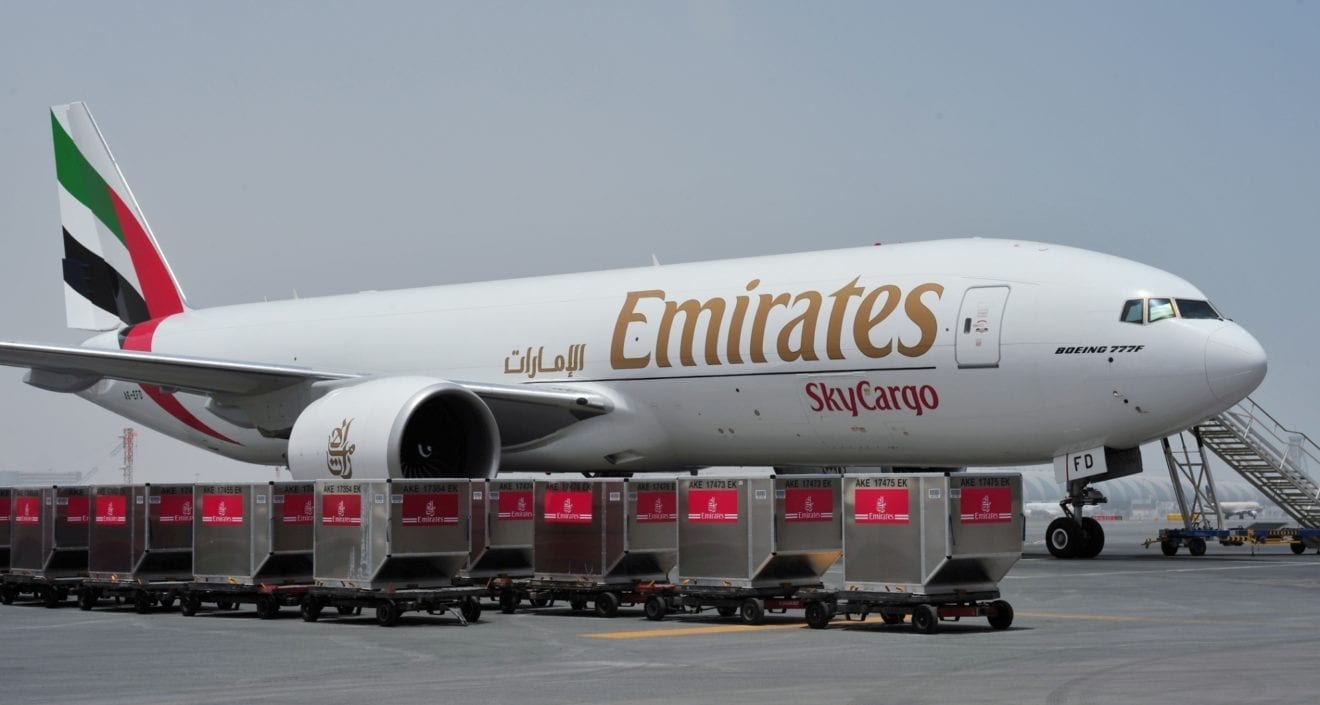
    In a significant move to boost Vietnam’s profile as a top travel destination, Emirates Airline and Sun Group have signed a Memorandum of Understanding (MoU) during the Arabian Travel Market (ATM) held in Dubai. This alliance aims to enhance marketing efforts and improve tourism offerings across Emirates’ extensive network.

    Collaborative Marketing Efforts to Promote Vietnam

    The agreement, inked by Orhan Abbas, Emirates’ Senior Vice President of Commercial Operations for the Far East, and Nguyen Vu Quynh Anh, Deputy CEO of Sun Group, will initiate joint marketing campaigns designed to place Vietnam front and center for international travelers. The collaboration includes organizing familiarization trips for media and travel agents from key markets, alongside incentives for tour operators to elevate awareness of Vietnam’s diverse tourism experiences.

    “We’re thrilled to expand our Southeast Asia operations by introducing new weekly flights to Da Nang starting in June, establishing it as our third Vietnamese gateway,” stated Abbas. “This partnership will allow us to showcase Vietnam’s vibrant culture, rich heritage, and stunning landscapes to a wider audience.”

    Positive Impact on Vietnam’s Tourism Sector

    Vietnam’s tourism is poised for a robust boost, with Anh expressing confidence in the collaboration’s potential: “Emirates’ new route to Da Nang will create a significant impact on the city and the broader Vietnamese tourism landscape.”

    Adding to this sentiment, Anh remarked that Emirates will serve as an “ambassador” for Vietnam’s tourist attractions, highlighting iconic sites such as Da Nang’s Golden Bridge and Phu Quoc’s renowned resorts. She emphasized how the airline’s global reach and media prowess will raise Vietnam’s profile, promoting unique destinations developed by Sun Group.

    Tailored Experiences for Emirates Passengers

    In addition to enhancing connectivity, the partnership aims to deliver bespoke experiences for Emirates travelers. Sun Group plans to offer exclusive access to its distinguished leisure attractions, ensuring an enriched journey from sky to ground. “This is just the beginning of a long-term collaboration that aims to add value for travelers and showcase Vietnam as a leading destination in Asia,” Anh added.

    Emirates’ flights will provide passengers with both luxury and comfort, with the airline scheduled to introduce four weekly flights to Da Nang utilizing its state-of-the-art Boeing 777-300ER, which features spacious accommodations across both business and economy classes.

    Strengthening Vietnam’s Global Tourism Standing

    Operating 21 weekly flights to Hanoi and Ho Chi Minh City, Emirates is strategically positioned to support Vietnam’s growing tourism sector. The airline’s modern fleet and innovative partnerships highlight its commitment to bolstering not just its own brand, but the overall vibrancy of Vietnam’s tourism economy.

    As Vietnam aims to reclaim its position as an attractive destination for international tourists, this partnership with Emirates signifies a pivotal step forward. By combining marketing might and consumer appeal, the collaboration promises to set the stage for transformative growth in the retail and tourism sectors.

    Stay tuned for further updates on this groundbreaking alliance and its impact on consumer trends in the travel industry.

  • How Vietnam is overtaking Thailand as favorite destination for Indian travelers

    How Vietnam is overtaking Thailand as favorite destination for Indian travelers

    Vietnam’s landscapes, growing upscale tourism infrastructure, globally recognized cuisine, and expanding network of direct flights have made it a top destination for travelers from India in Southeast Asia, steadily surpassing Thailand.

    For years, Thailand was the go-to destination for Indian travelers visiting the region. However, more Indian tourists are now turning their attention to Vietnam, which offers a similar experience at more affordable prices. In late March, The Economic Times published an article titled “Forget Thailand, Vietnam is the new playground for Indian tourists,” noting that Vietnam is now drawing more interest from Indian travelers than any other Southeast Asian destination.

    New playground for India’s wealthy

    Vietnam has become a strong contender among high-end Indian travelers, as they seek alternatives to Japan and Singapore after visiting Thailand’s popular islands like Koh Samui and Phuket. The rising presence of luxury hotels, particularly in beach destinations like Phu Quoc, is attracting India’s elite.

    The Economic Times highlights that India’s wealthy organize approximately 5,000 ultra-luxury weddings annually, with budgets ranging from $250,000 to $500,000. Despite intense competition, JW Marriott Phu Quoc Emerald Bay successfully hosted the wedding of Indian billionaire Rushang Shah in 2019 and another billionaire couple’s ceremony in early 2024. The arrival of luxury brands like The Luxury Collection and Ritz Carlton Reserve in Phu Quoc further bolsters the island’s appeal.

    Beyond luxury stays, Phu Quoc offers a range of experiences that appeal to Indian travelers.

    Sun Paradise Land in southern Phu Quoc features attractions like the Guinness World Record-holding “Kiss of the Sea” multimedia show, nightly fireworks, the world’s longest three-wire cable car, and the Kiss Bridge.

    “Phu Quoc offered so many surprises. A morning cable car ride over the sea, fireworks at night… I’ve never experienced anything like that anywhere else,” said Rohan Khanna, a visitor from New Delhi.

    In addition to Phu Quoc, Ha Long Bay is also becoming a popular destination for Indian travelers. More and more wealthy Indian families are choosing Phu Quoc and Ha Long for milestone events, positioning Vietnam as a top Asian wedding destination. With its natural beauty, luxury hotels, and professional event services, both locations are proving ideal for hosting special moments.

    Outstanding culinary experiences

    Food plays a decisive role for Indian tourists when choosing a travel destination. Given the diversity in dietary and religious preferences across India, catering to halal or halal-friendly standards is essential to ensure repeat visits.

    Top tourist destinations in Vietnam, such as Sun World Ba Na Hills in Da Nang and Sun World Fansipan Legend in Sa Pa, have embraced these dietary needs, offering Indian tourists familiar flavors that meet their cultural requirements.

    Da Nang, which was added to the Michelin Guide’s 2024 expansion, has seen a significant increase in Indian visitors.

    Da Nang welcomed 222,000 Indian tourists in 2024, accounting for 5.3% of total international arrivals. Nearly 50% of Indian visitors to Vietnam chose Da Nang as their primary destination, solidifying its position as the most popular Vietnamese city among Indian travelers.

    Affordable food prices in Da Nang and other beach destinations like Phu Quoc also add to Vietnam’s appeal.

    Compared to regional competitors like Thailand, seafood in Vietnam is significantly more affordable. Thailand’s Nation Story even noted that seafood in Phu Quoc costs about half as much as in Thailand.

    More direct flights

    Vietnam’s growing network of direct flights from major Indian cities is also contributing to the rising demand. There are currently around 56 direct flights per week between the two countries. Several new direct routes, including one from Ahmedabad to Da Nang, were launched in 2024.

    Sandeep Arya, Indian Ambassador to Vietnam, shared that aviation authorities from both countries are planning to add 14 more flights connecting cities like New Delhi, Chennai, and Mumbai with Vietnam. India is also encouraging airlines like Vietnam Airlines, Vietjet, and IndiGo to open more direct routes to boost tourism.

    According to the General Statistics Office, international arrivals to Vietnam in the first quarter of 2025 exceeded 6 million, a 29.6% increase year-on-year. Over 143,000 of these visitors were from India, continuing the trend of double-digit growth compared to the same period last year.

    In 2024, Vietnam welcomed more than 500,000 Indian tourists, making India one of its most promising inbound markets. With an expanding range of competitive offerings, Vietnam is well on its way to becoming the top destination for Indian travelers in Southeast Asia by 2025.