Tag: tourism

  • Thailand to lift 53-year ban on afternoon alcohol sales

    Thailand to lift 53-year ban on afternoon alcohol sales

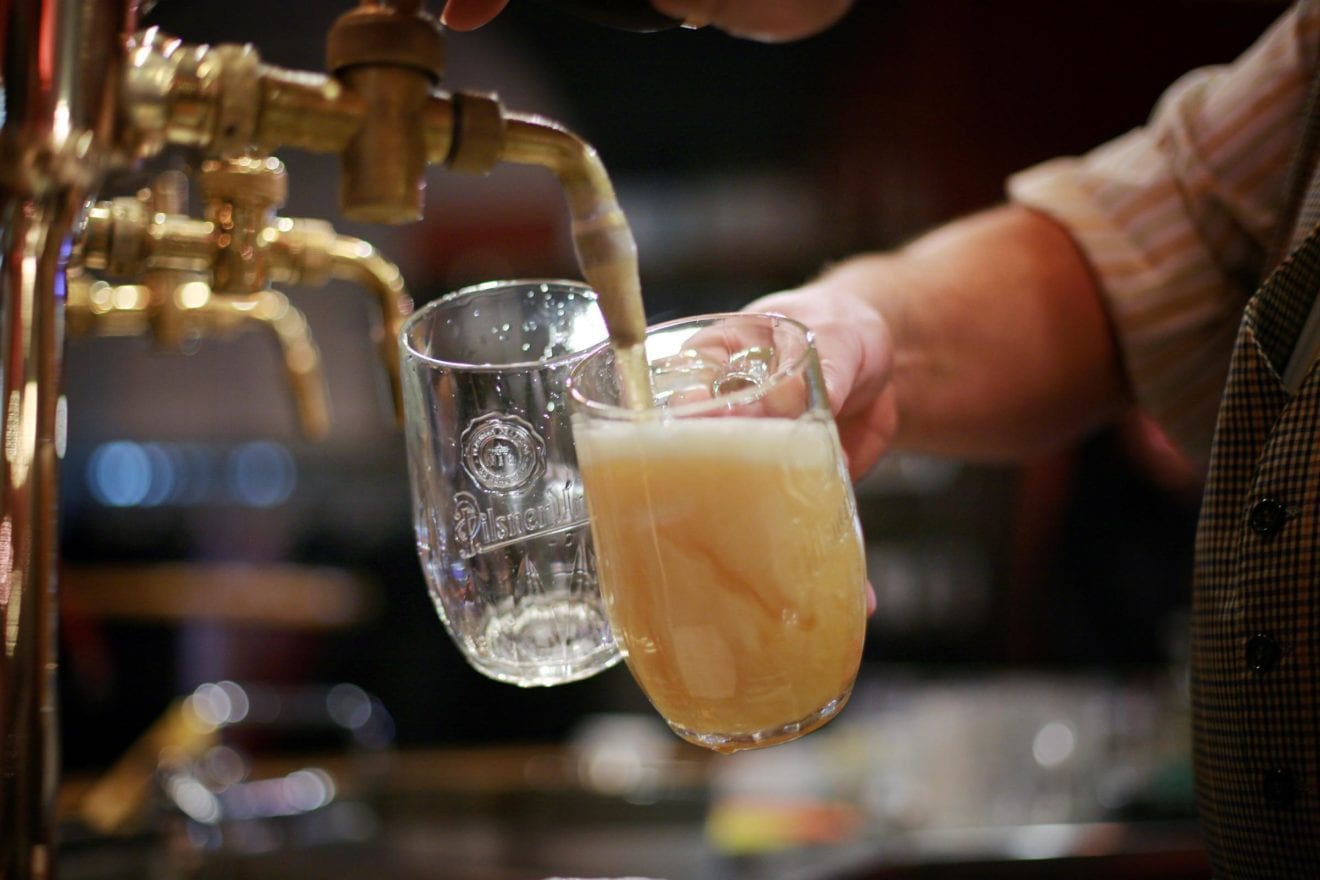
    Thailand is set to ease its restrictions on alcohol sales and advertising in an effort to support the beverage industry and boost tourism.

    Lawmakers of the House of Representatives on Wednesday voted to approve an amended alcohol control bill, though it still requires Senate approval to become law.

    The bill is set to repeal a 1972 military decree that prohibits alcohol sales before 11 a.m. and between 2 p.m. and 5 p.m

    The new regulations will also ease advertising advertising restrictions, permitting the promotion of alcoholic beverages.

    Current laws prohibit displaying the names, trademarks, or images of alcoholic products for promotional purposes.

    Lawmaker Chanin Rungtanakiat, a deputy head of the house committee overseeing the Bill, stated that the amendments aim to reduce “unreasonable control” to encourage economic growth.

    These relaxed regulations follow a broader trend of loosening control over Thailand’s alcohol market, which has historically been dominated by a duopoly of Singapore-listed Thai Beverage Pcl and Boon Rawd Brewery Co.

    Earlier in 2025, legislation was passed to support liquor production by microbreweries and small distilleries.

    Thailand is implementing various measures to enhance its appeal as a key tourist destination. It is the only Asian country with legal marijuana and is also planning to legalize casinos.

    Prime Minister Paetongtarn Shinawatra announced in February that the government would review several alcohol-related restrictions that could impact tourism, such as the prohibition on alcohol sales on Buddhist holy days and through online platforms.

  • Siam Piwat unveils US$28 million plan to attract visitors to Thailand

    Siam Piwat unveils US$28 million plan to attract visitors to Thailand

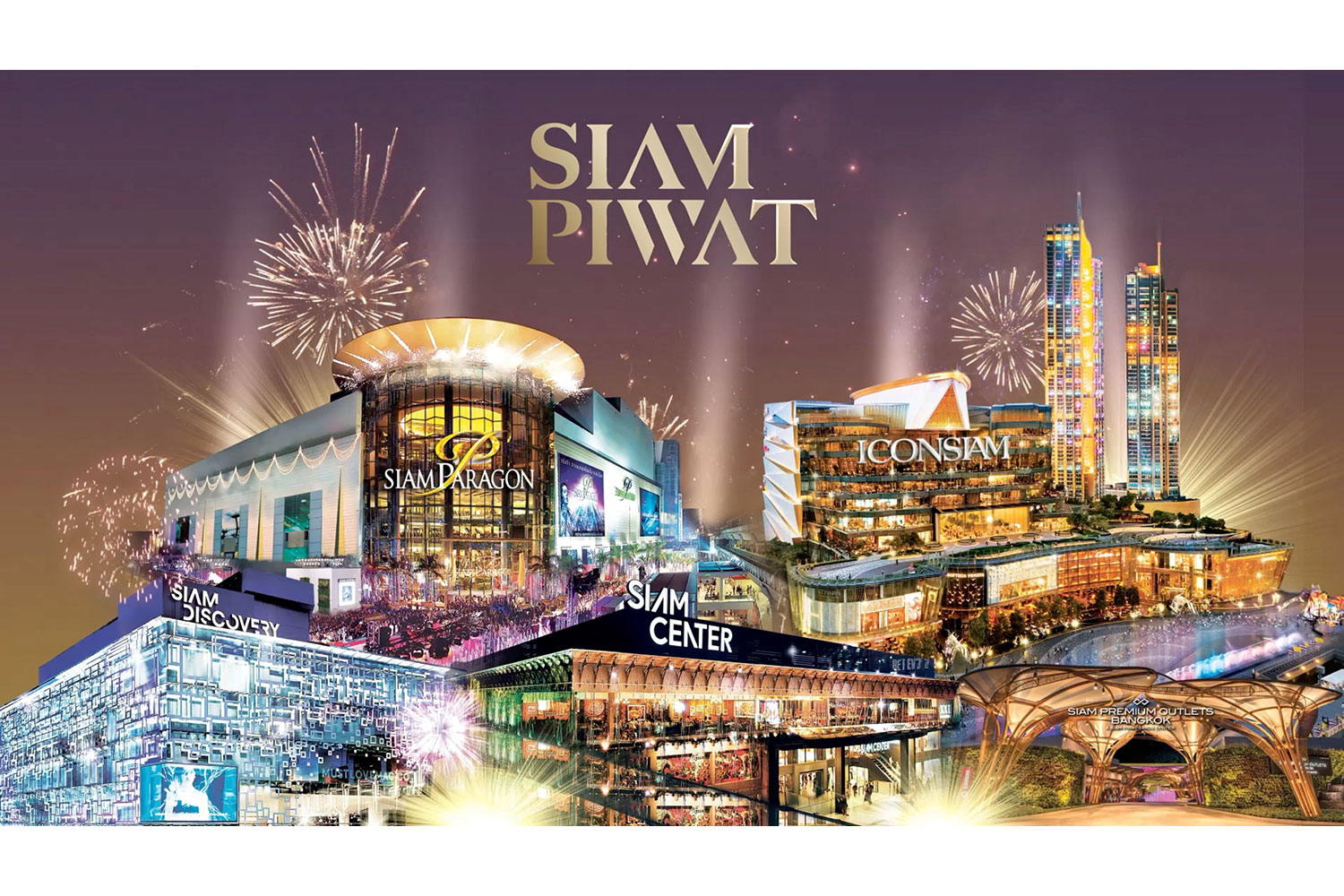
    Siam Piwat Co Ltd, has unveiled a four-pillar strategy it says will help boost its strengths as Thailand’s leading real estate and retail developer and maintain its leadership as a developer of global destinations, as part of its move to underpin the government’s plan to draw overseas visitors back in the post-pandemic era.

    As the owner and operator of world-renowned retail destinations including Siam Paragon, Siam Center, and Siam Discovery – and a joint venture partner of IconSiam and Siam Premium Outlets Bangkok – the company is well placed to support the government’s new tourism promotion policy.

    The company will invest more than 1 billion THB (US$28 million) during the fourth quarter to help the government achieve its target of 30 million overseas visitor arrivals into Thailand – and plans to double that investment next calendar year.

    “Siam Piwat is the leading developer of global destinations that have not only served as tourist magnets and solidified Thailand’s position as the top destination among global visitors for a long time, but are also highly successful and widely recognised in the global real estate industry,” said Chadatip Chutrakul, CEO of Siam Piwat Group.

    “Siam Piwat is prepared to move forward at full throttle. We are confident that the government will be able to transform our tourism sector into a formidable asset and create phenomena that will firmly establish Thailand as a premier destination on the map for travellers from all over the world,” she concluded.

    Siam Piwat’s four strategic pillars comprise world-class shopping leadership and leadership in luxury retail; hosting world-class events and MICE leadership; elevating Thai art and establishing Bangkok as a global art hub; and introducing Thailand’s soft power to the global stage.

    During the first eight months of this year, Siam Piwat’s shopping malls combined welcomed 14 million visitors, representing a 46 per cent increase over last year. Those visitors spent an average of 8500THB (US$238) each. The company also hosts the most affluent customer base in Thailand.

    As it works to help realise the country’s inbound tourism targets, Siam Piwat has developed four-pillar strategies of its own, in concert with the government’s.

    Leadership in creating extraordinary shopping experiences and strengthening its dominance in the luxury retail segment: Siam Piwat will join forces with luxury brands, tenants, and business partners to open 20 new shops of luxury brands during the fourth quarter – many of them making their Thai debut. The company will launch pop-up stores and world-class events in collaboration with more than 40 brands between now and the end of next year. All the leading luxury brands at Siam Paragon and IconSiam are preparing to expand their store spaces to become the regionally largest flagships.

    Leadership in world-class events and global MICE: Siam Piwat is working with state agencies, the Thailand Convention and Exhibition Bureau (TCEB) and the private sector to attract business travellers and high-spending tourists from across the world. The Royal Paragon Hall on the fifth floor of Siam Paragon and True Icon Hall on the seventh floor of IconSiam have this year hosted about 40 major events, while bookings are already at 70 per cent for next year. Siam Piwat will work within a global ecosystem of partners across businesses including airlines, hospitality, tourism and restaurants, to accommodate diverse event formats, and support Thailand in becoming the leading international MICE destination in Southeast Asia. In addition, Siam Piwat is currently in talks with a world-class event organiser to jointly invest and build a new convention centre in Bangkok.

    Leadership in promoting Thai art and establishing Bangkok as a global art hub: Siam Piwat has been a pioneer in supporting and hosting Thai artists for more than 15 years. It was the first company to publicly exhibit the works of Thai artists in shopping centres and has enhanced the role of Thai artists in supporting quality tourism. The company plans to work with the government and state agencies to establish Bangkok as Southeast Asia’s art hub to exhibit global art pieces, such as Art Basel and Frieze, in order to attract global artists to Thailand and create an opportunity for Thai artists to showcase their art alongside their global peers.

    In 2026, Siam Piwat plans to open the 8000sqm River Museum on the eighth floor of IconSiam. As Thailand’s first international-grade museum it will be able to showcase global masterpieces at the same level as leading museums in Europe and North America. This is part of a strategy to attract public art industry figures as well as collectors of artworks from around the world. In doing so, Siam Piwat hopes to attract a new category of affluent travellers that will help strengthen Thai tourism in the long term.

    Leadership in introducing Thailand’s soft power to the global stage: Over the past decade, Siam Piwat has developed a platform of opportunities to promote Thailand’s soft power and bring together the best of the best that Thailand has to offer from across industries including food, film, fashion and design. In addition, Siam Piwat has created SookSiam, bringing together more than 6000 independent SME businesses from across all 77 of Thailand’s provinces to showcase the many forms of Thai identity. SookSiam attracts at least 70,000 visitors daily and is widely shared by visitors on social media channels worldwide. Siam Piwat has also worked to develop Thai brands through its retail business, including IconCraft, ODS and Ecotopia – which have successfully helped businesses expand overseas. The company will continue working with Thailand’s Ministry of Commerce and Ministry of Interior and world-class partners to elevate Thailand’s soft power and draw global recognition.

    “Siam Piwat is ready to join hands with all parties to promote the tourism and hospitality industry, establish Thailand’s position as the top global destination, and support the government’s policy to bolster the tourism industry,” said Chadatip. “This will play a vital role in driving the Thai economy, stimulating economic activities, generating income, and creating employment for many people.”

    Siam Piwat says the tourism industry is vital to the nation, attracting many international visitors. The presence of those visitors yields far-reaching benefits, not only to tourism

  • Macau In 2023: More Than Just Casinos

    Macau In 2023: More Than Just Casinos

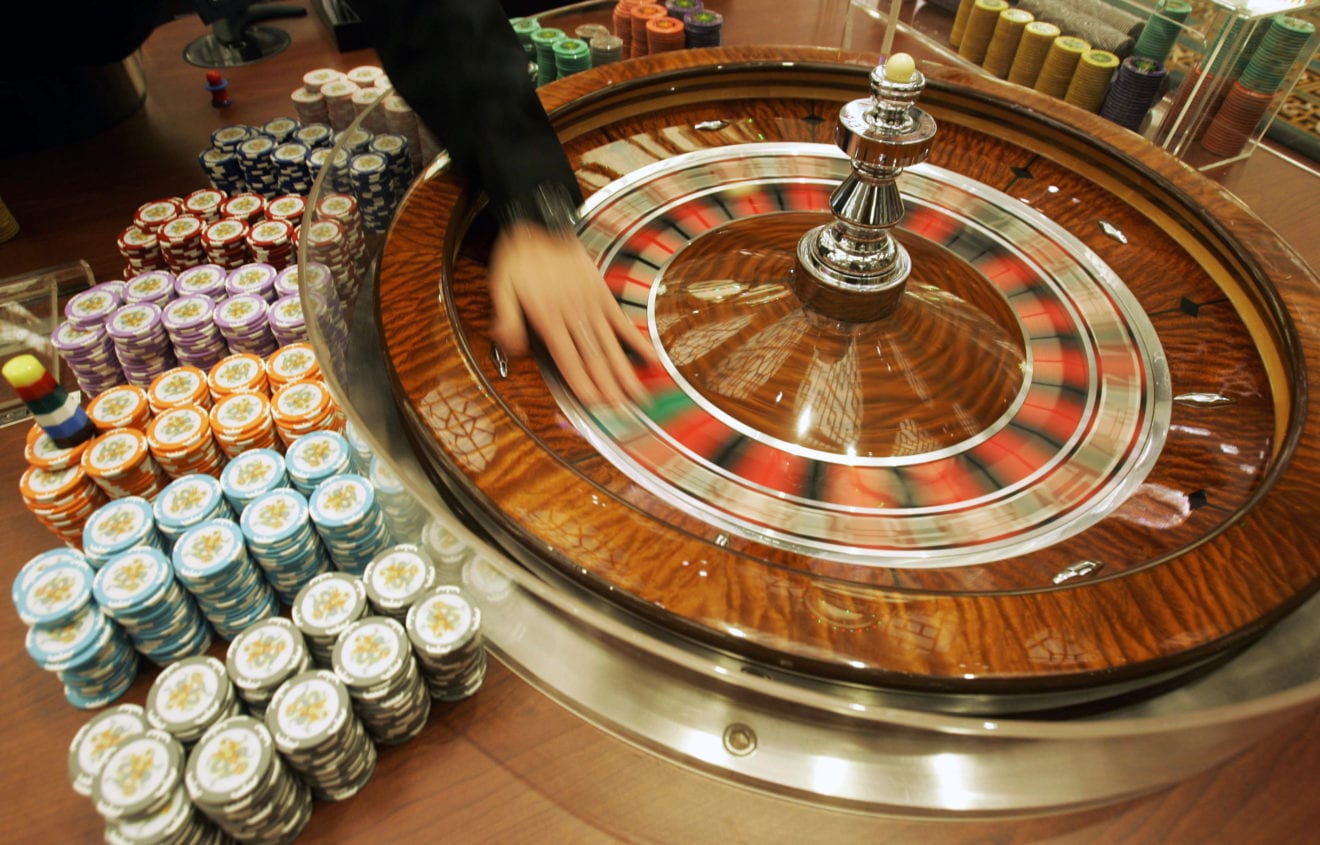
    Known as the “Vegas of Asia”, Macau’s economy has traditionally relied on gambling as its primary source of revenue. But the world changes and both the government and independent traders have seen the need to diversify as the economy can’t rely on casino footfall alone. This has led to interesting innovations in other industries, which have rapidly developed from the ground up, often using local products, and appealing to the 600,000 Macau residents as much as the tourists. With the allure of Macau’s gambling scene still bringing in millions of tourists a year, hundreds of independent businesses have a great chance to thrive and expand.

    Macau’s tourism industry is being driven by visitors from nearby Hong Kong — so far this year more than 2.5 million people have traveled to Macau to play in the gaming halls. This is a major shot in the arm for the gambling industry in the city, as well as the restaurants, cinemas, and retail outlets that rely on casino tourism.
    The gambling industry worldwide hasn’t slowed down either, powered by online casinos, which continue to develop more sophisticated games for those who play slots online or enjoy live dealer games at the card tables. As far as destinations for land-based casinos go, Macau is at the top of the pile, and despite the iconic status of Las Vegas as a playground for gamblers, it regularly outperforms its American counterpart by six times.

    Innovative & Independent BusinessesDespite the dominance of the casinos, a vibrant market has opened up, giving opportunities for small businesses to establish themselves. Macau’s small size means that local companies can make more impact than they could on the Chinese mainland or other huge markets, with their intense competition in all sectors. A good example is the food delivery app Aomi because in a larger country, it wouldn’t stand a chance, but a local service needs less capital to penetrate the market and can operate at a competitive level.

    While major brands still dominate the malls and resorts, many small businesses have emerged, which are often taking advantage of increased online engagement with independent companies. Macau has seen a rising trend in people monetizing their hobbies and creating fresh ideas and concepts — handmade jewelry by Miden Designs and bespoke scented candles from Imbali Essentials, to name a couple that have launched in the last three years.

    Somewhere beneath the bright lights Portuguese influence can still be felt in Macau, and is probably best represented in food form. Monoymous Macau entrepreneur Asai has collaborated with Portuguese chef Pedro Almedia on several projects, and over the last two years they have successfully opened fine-dining spot Portucau, as well as a traditional pie-shop Pastéis de Chaves. And their tavern Three Sardines serves petiscoes — small plates similar to tapas — to enthusiastic locals and tourists alike.

    Another independent company, The Moo Creamery, has been proffering vegan and lactose-free ice cream online since 2020, and proved so successful that a retail shop opened in 2021. Not only is the ice cream delicious, but it is also low in sugar and made mainly from raw ingredients, making it a great healthy option for kids and adults.

    Macau will always be a casino town. But if you scratch the surface you’ll find a buzzing hive of activity, with local retailers to check out and support, great independent eats and drinks, and a whole host of other interesting small businesses. Hopefully, these innovative companies will continue to thrive.

  • Vietnam among 10 most popular destinations for Australian tourists

    Vietnam among 10 most popular destinations for Australian tourists

    Vietnam was one of the 10 favorite destinations for Australian tourists in July, according to the Australian Bureau of Statistics.

    Over 18,500 visited Vietnam during the month, a 44% increase from the previous month.

    New Zealand topped the list of favorite destinations with 96,500 visiting the island nation, followed by Indonesia, the U.K., the U.S., Fiji, India, Singapore, Thailand, and Italy.

    ABS statistics showed that Australians spend 19 days in a foreign trip on average.

    The Vietnamese government has allowed quarantine-free entry for foreign visitors since March.

    It also offers 30-day e-visas for citizens from 80 countries and territories, including Australia.

    So far this year the country has received 1.44 million foreign tourists and has a full-year target of five million.

  • China Tourism seeks $2.16 billion in Hong Kong’s biggest listing this year

    China Tourism seeks $2.16 billion in Hong Kong’s biggest listing this year

    China Tourism Group Duty Free Corp is aiming to raise up to $2.16 billion through a new listing in Hong Kong, according to a term sheet reviewed by Reuters, in what will be the largest share sale in the city so far this year.

    Shanghai-listed China Tourism is planning to sell 102.76 million shares priced between HK$143.50 and HK$165.50 ($18.30 and $21.10) each, the term sheet said.

    The offer has already been fully subscribed, according to two people with direct knowledge of the matter. The sources spoke on condition of anonymity because they were not authorised to discuss the matter with media.

    China Tourism, which has built the largest duty-free retail network in China, did not respond to a request for comment on the deal’s launch or subscription rate.

    The launch of the deal comes as Hainan island, in China’s south where China Tourism has several major shopping outlets, remains under tight restrictions due to an outbreak of COVID-19.

    The price range represents a 29.3% to 38.7% discount to the stock’s 201.19 yuan closing price on Thursday in Shanghai. The Shanghai shares fell 3.1% on Friday after the Hong Kong deal was launched.

    Hong Kong share sales of Chinese-listed companies are typically offered at a discount to entice investors to buy the stock but the flagged discount of China Tourism is higher than normal. The rate was chosen to help ensure the stock trades positively in the secondary market, one of the sources with direct knowledge told Reuters.

    China Tourism’s Shanghai-listed shares have recovered most of their losses since lockdowns across Hainan began to be ordered last week. Its shares are down 11% year-to-date.

    China Tourism plans to set the final price next Thursday, the term sheet said, and the Hong Kong stock will start trading Aug. 25.

    Almost 40% of the stock on offer in the deal has been sold to cornerstone shareholders who will invest about $795 million, according to the term sheet.

    Sanya, a holiday city on the southern end of Hainan island at the centre of the COVID outbreak, reported 1,690 symptomatic and 1,504 asymptomatic cases from Aug. 1 through Aug. 10.

    The duty-free shop operator’s deal, if executed, would surpass Tianqi Lithium’s $1.71 billion deal, which opened in late June, to become the biggest share sale in Hong Kong in 2022.

    Tianqi’s Hong Kong shares were priced at a 50% discount to its Shenzhen stock and are trading only marginally higher since it debuted in mid-July.

    “After the tepid performance by Tianqi Lithium, the only way they could get away with the China Tourism deal was by offering it at a decent discount,” said Aequitas Research director Sumeet Singh, who publishes on Smartkarma.

    “If it does go well other deals should follow as the pipeline for Hong Kong deals is now fairly full and needs to get moving soon.”

    There has been $4.9 billion worth of initial public offerings and secondary share sales in the city this year compared to $34.7 billion at the same time last year, according to Dealogic data.

  • Nha Trang hotels up for sale as Covid puts paid to tourism

    Nha Trang hotels up for sale as Covid puts paid to tourism

    Hit hard by the successive waves of Covid-19, hotel owners in tourism hotspot Nha Trang are putting up their properties for sale on realty forums.

    They have price tags of VND20-300 billion ($0.9-13 million), but are mostly in the VND30-70 billion range.

    Most are in the downtown area on streets like Tran Phu, Hung Vuong, Tran Quang Khai, Pham Van Dong, and Nguyen Thi Minh Khai.

    A seven-story hotel with 19 rooms on Nguyen Thi Minh Khai Road is now available for sale at VND30 billion. “The hotel is a few dozen meters from the beach, and was built a few years ago,” its owner said on a forum.

    The owner of a newer hotel said: “Our hotel operated for only two months and then stopped due to Covid-19. I want to sell it to repay bank loans and engage in another field of business because I think that the pandemic will prolong.”

    According to insiders, in 2015-19, the heyday of Nha Trang’s tourism and property sectors, many non-tourism businesses and wealthy individuals built or bought hotels in the city and hired people to run them.

    However, since 2020, after tourism has been devastated by Covid with almost no international arrivals and few domestic travelers, many have been forced to sell out to cut losses.

    Some two- and three-star properties with 50 rooms or fewer are on sale partly because they face fierce competition from condotels, Phan Viet Hoang, general secretary of the Khanh Hoa Real Estate Brokerage Association, said, pointing out that few four- and five-star hotels are being sold.

    According to the Khanh Hoa Province Tourism Department, there were only 210,000 visitors in the first quarter of 2021, a year-on-year drop of nearly 67.3 percent. The number of foreigners was down 97.6 percent to 10,000, all people stranded due to Covid.

    Hotels in the province reported an occupancy rate of just 8.6 percent during the quarter.

    As of the end of last year Khanh Hoa had over 1,100 tourist accommodation establishments with nearly 50,000 rooms, including 125 hotels rated between three and five stars with 24,000 rooms.

  • Tourism recovery can take off alongside flights resumption

    Tourism recovery can take off alongside flights resumption

    Tourism companies see a proposed plan to gradually resume international flights as a necessary first step for their sector to recover from the pandemic-inflicted slump. Nguyen Minh Man, head of marketing at the HCMC-based TST Tourist Co., said that a slow and careful reopening of Vietnam’s borders can form a strong foundation to resume tourism activities.

    “This is a golden time for the tourism industry to prepare their human resources and products to recover and achieve a breakthrough next year,” he added.

    Nguyen Cong Hoan, deputy director of Hanoi Redtours, said that although the flight resumption won’t be able to “save” Vietnamese tourism this year, it will be a necessary first step for recovery.

    International flights will first help resume trade and business activities, which will boost demand for niche tourism segments such as golf and luxury tourism, and after that, other popular segments will start to recover, he said.

    “If vaccinated passengers can enter the country in September, that would be an ideal time to travel to Vietnam’s warm beaches or visit terraced fields during the harvest.”

    The Civil Aviation Authority of Vietnam (CAAV) is considering the resumption of international flights starting July, with Japan, South Korea and Taiwan the first destinations, each side operating four flights a week.

    All passengers will be quarantined upon arrival as per the Health Ministry protocol. It is expected that around 6,000 to 7,000 passengers would enter the country each week from the three Asian destinations.

    The CAAV has proposed that starting September, vaccinated foreign passengers into the country are allowed into the country without requiring centralized quarantine.

    Vietnamese carriers are eagerly awaiting the government’s green light to take to the skies again.

    Budget airline Vietjet resumes regular flights to Thailand, Japan, South Korea, and Taiwan this month, serving Vietnamese citizens wishing to study and work abroad, as well as stranded foreigners wanting to return home.

    On return trips, the carrier will only carry Vietnamese citizens being repatriated or foreign experts with permission to enter the country as per government regulations.

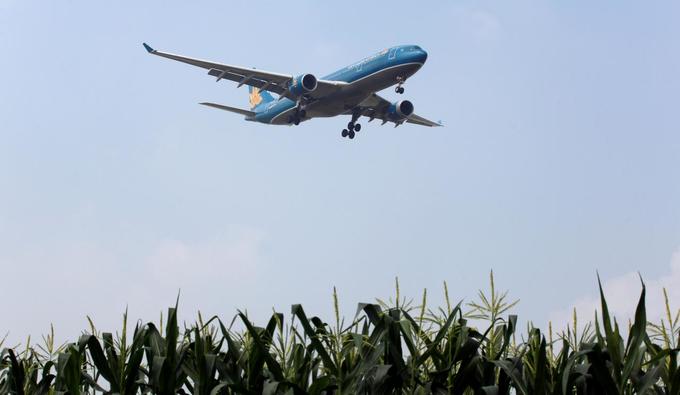
    Meanwhile, national flag carrier Vietnam Airlines has said it will reopen international commercial flights connecting Hanoi and HCMC with several Asian destinations including South Korea, Japan, and Australia this month.

    However, tourism companies are not too optimistic about a quick recovery. Hoan of Hanoi Redtours said that for this year and the next, domestic travel will be the main revenue source for his company, and prospects for international travel will only look up in 2023 as the earliest.

    “We are seeing rising numbers of individual and company trips bookings domestically, and this will be our main focus for the time being. Until the Covid-19 situation is well under control globally, we should not pin our hopes on international travel.”

    Vietnam closed its national borders and canceled all international flights in March 2020. Since then, only Vietnamese repatriates, foreign experts, and highly-skilled workers are being allowed in under strict conditions.

    The number of foreign visitors to Vietnam in the first quarter fell 98.7 percent year-on-year to 48,000 with travel restrictions in place to mitigate the impacts of Covid-19.

  • Hotels continue to suffer Covid-19 impacts

    Hotels continue to suffer Covid-19 impacts

    Vietnam’s third Covid-19 outbreak last month has exacerbated the problems of low occupancy and plunging revenues for hotels and resorts nationwide.

    Average daily rates in October slumped 25 percent year-on-year, said Mauro Gasparotti, director of real estate consultancy Savills Hotels Asia Pacific.

    In HCMC, occupancy has hovered under 20 percent since the April lockdown, compared to 72 percent during the same period last year.

    The latest outbreak in HCMC last month followed the second one that hit July and August with hundreds of cases, all linked to Da Nang City, which badly affected the high season for the hospitality industry, Gasparotti said.

    Savills data shows that overall, the resort market is barely crossing the 25 percent occupancy mark, except for some located in drive-to destinations where it is 10 to 15 percentage points higher than the national average.

    “The market is in a slow recovery. Even though local demand has delivered a strong rebound, it has not proven steady enough to support hotel and resort performances.”

    While expectations for 2021 are positive, they are mainly focused on the third and fourth quarter when it is anticipated that travel restrictions will be eased and corporate guests and independent travellers from neighbouring counties will be able to return, partially supporting recovery of the hotel and resort market, he added.

    In the first 11 months of this year, foreign arrivals hit 3.8 million, down 76.7 percent year-on-year, according to the General Statistics Office.

  • Hong Kong faces tourism bust

    Hong Kong faces tourism bust

    Hundreds of parked tour buses are gathering dust at a northern Hong Kong container port, having been off the road for 10 months since authorities banned non-resident arrivals into the city due to the new coronavirus.

    The area has turned into a “bus cemetery,” said Freddy Yip, president of Hong Kong’s Travel Agent Owners Association. He said the former British colony – which was the world’s leading tourist city destination last year – faces a similar fate at the end of November, when the government ends a wide-ranging wage subsidy program that has helped about 2 million employees in all types of industries.

    The program was introduced in June and renewed in September, but the Hong Kong government has ruled out an extension beyond the end of November citing the high cost, leaving many tourism-dependent businesses on the brink of collapse, unable to find other revenue sources and unable to pay wages.

    “If they cannot see any light ahead of them, they will just stop and cut their losses,” said 70-year-old Yip, who has worked in the trade for nearly 50 years.

    A spokesperson for the Hong Kong government said it would “keep a close watch on the latest situation and respond in a timely manner,” but gave no further details.

    About 56 million people visited Hong Kong last year. The city was ranked number one for arrivals globally last year by research company Euromonitor International. Visitors, most of them from mainland China, are drawn to its vibrant mix of cultures, dramatic harbour views and world-class shopping.

    The Chinese-ruled, semi-autonomous global finance hub makes about 5 per cent of its gross domestic product, or about US$18 billion, directly from tourism, not counting money spent in local shops and restaurants. Hong Kong’s tourism sector directly employs about 260,000 people, according to the government.

    Mainland Chinese visitors typically spend more per day than the average resident on baby formula, cosmetics and luxury goods, driven by a perception that Hong Kong has better quality standards than at home. That source of spending was cut off in early February, when Hong Kong sealed its borders to mainland China, with exemptions only for a small number of business travellers.

    Bubble trouble

    Visitor arrivals have been down 96 per cent to 99 per cent year-on-year every month since February, according to government figures. A travel bubble with Singapore – allowing a limited number of people to move between the cities after being tested for the virus – is due to begin this week, but is not likely to halt that decline, industry executives said.

    The arrangement lets travellers forgo quarantine, but is initially limited to one daily flight of only 200 passengers each way. That is a drop in the ocean for Hong Kong, which set its own record in January last year with 6.8 million visitors, including 5.5 million from Mainland China.

    Tour guide Mimi Cheung, 46, said she was pessimistic about the travel bubble, due to the limited number of people, strict regulations and high costs – around HK$2000 ($260) for mandatory virus tests, plus around HK$6000 ($774) to buy a tour in either city.

    “The government should open the mainland border under safe conditions. It will bring some hope,” said Cheung, who has found temporary work as a night security guard to provide for her parents and two children.

    Hong Kong leader Carrie Lam has said reopening the border with the mainland remains a priority, but Chinese officials have shown no indication they are willing to do so until virus cases fall to zero in Hong Kong.

    The city’s government has been trying to spur local tourism by offering free tours for small groups, but operators say it has been little help.

    Dozens of travel agencies have told staff to take unpaid leave from December, saying they can no longer afford to pay salaries or rent, according to employees interviewed by Reuters, travel associations and local media reports.

    Violent anti-government street protests in the second half of last year discouraged some tourists, leaving many operators without cash buffers to weather this year’s crisis.

    The city’s meetings and conventions business is also likely to see a 90 per cent revenue drop this year, equivalent to about HK$50 billion ($6.45 billion), said Stuart Bailey, chairman of the Hong Kong Exhibition & Convention Industry Association.

    The sector, which employs around 80,000 people, has had to cancel most of this year’s events, he said.

    “People are not optimistic we will be back to 2019 levels for at least 18 months to two years.”
  • Vinpearl loss triples as pandemic hits tourism

    Vinpearl loss triples as pandemic hits tourism

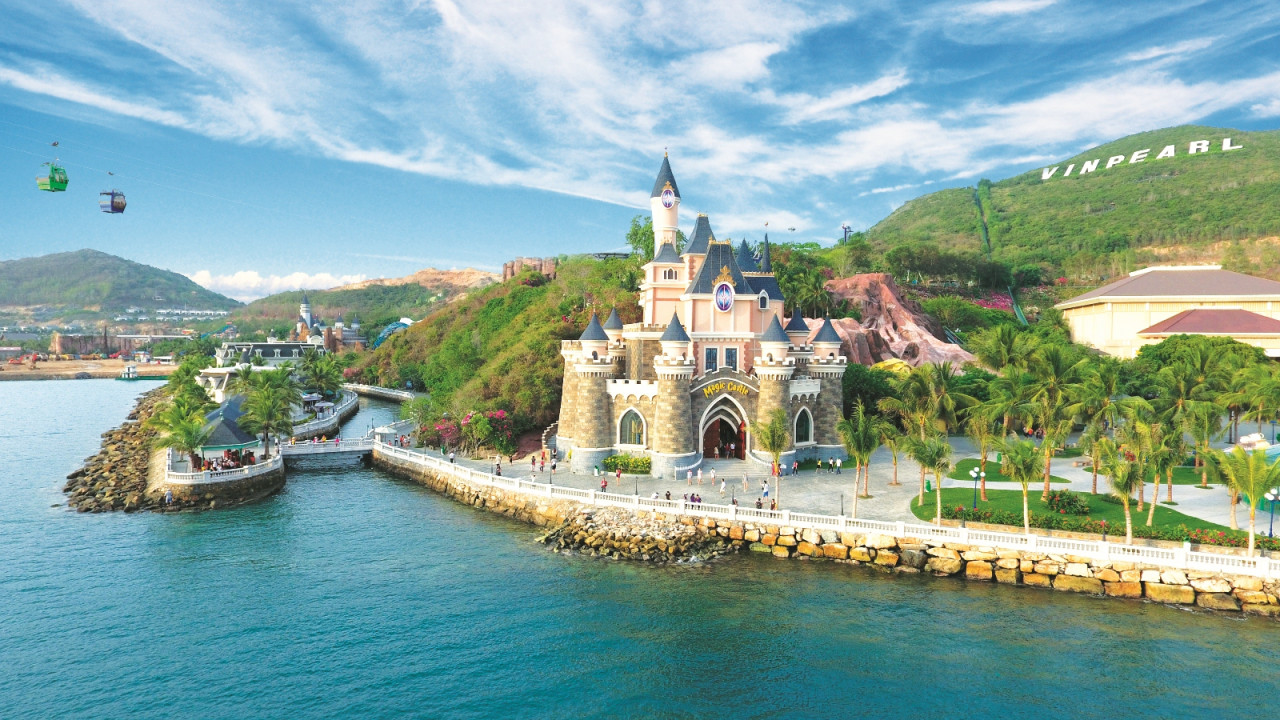
    Vinpearl Jsc, the hospitality and entertainment arm of conglomerate Vingroup, saw first-half losses triple year-on-year due to the impacts of the coronavirus pandemic.

    The operator of premium resorts and theme parks recorded a loss of nearly VND5.1 trillion ($220 million), up from VND1.69 trillion.

    Its debt to equity ratio rose to 22.57 at the end of H1 from 2.2 a year earlier.

    The rising loss and debts were the result of the pandemic crippling the tourism and hospitality industries in Vietnam since the first quarter.

    In March Vinpearl shut down some of its resorts and golf courses amid travel restrictions and dwindling demand.

    The company recently raised VND865 billion through three-year bonds. In 2018 and 2019 it had issued a total of VND14.3 trillion worth of bonds.

    The company operates 43 resorts and hotels nationwide with over 17,000 rooms, golf courses, theme parks, and a safari park.

  • International flights resumption fails to enthuse Vietnam tourism firms

    International flights resumption fails to enthuse Vietnam tourism firms

    Vietnamese tourism companies are not enthused about the possibility of flight resumption to six Asian destinations because they don’t expect large numbers of tourists to board these flights.

    Nguyen Cong Hoan, deputy CEO of Hanoi Redtours, said that flights to these destinations will mostly serve businesspeople, workers and students and not tourists.

    “Although this shows that the Vietnamese government is opening up the doors to other countries, tourism will not see immediate benefits because the mandatory 14-day quarantine policy will discourage tourists,” he said.

    Hoan was commenting on a plan by Vietnam aviation authorities to resume commercial flights to Guangzhou (mainland China), Seoul (South Korea), Tokyo (Japan), Taipei (Taiwan), and Cambodia and Laos as early as later this month.

    The Civil Aviation Authority of Vietnam (CAAV) said this plan, if approved, will bring in about 5,000 passengers a week to Ho Chi Minh City, Hanoi and Can Tho City.

    Phan Dinh Hue, CEO of Ho Chi Minh City-based tourism firm VietCircle, said people only travel when they feel safe, and amid the ongoing pandemic, not many are willing to take the risk contracting the virus on a flight.

    People also do not want to be “trapped” in a destination if it is locked down, as happened to many last month when there was an outbreak in Da Nang City, he added.

    What tourism companies want now is a chance to reboot domestic travel. Nguyen Quoc Ky, chairman of leading tourism company Vietravel, said authorities need to establish a map of safe travel destinations in the country to boost demand and help tourism companies survive.

    Hoan of Hanoi Redtours proposed that authorities in each locality assess the Covid-19 situation in their area and make appropriate decisions.

    If there were no Covid-19 cases recorded in a locality, tourism and entertainment activities should be allowed, he said.

    He added that in the long run, if the resumption of international flights does not result in a surge of community transmissions of the novel coronavirus, the government could remove the 14-day quarantine policy. Only then would tourism companies be able resume their international operations.

    The Covid-19 pandemic has seriously damaged Vietnam’s tourism sector. Tourism revenues in the first eight months fell over 54 percent year-on-year to VND13.1 trillion ($569 million), according to the General Statistics Office.

    Foreign arrivals fell 67 percent to 3.77 million in the period.

    Last year, Vietnam welcomed 18 million foreign tourists, up 16.2 percent year-on-year.

  • AirAsia’s charter flights to boost Malaysia’s medical tourism

    AirAsia’s charter flights to boost Malaysia’s medical tourism

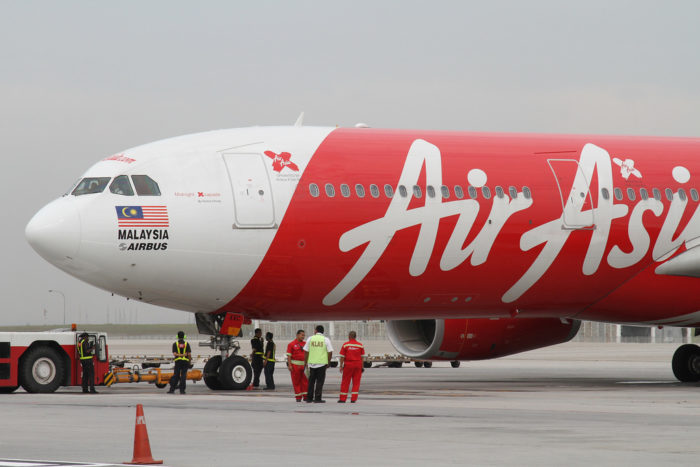
    AirAsia is set to grow its medical tourism business by providing charter flight services from Indonesia, giving patients and medical tourists from Indonesia greater access to medical treatments and health services in Malaysia.

    On August 14, AirAsia welcomed its first international medical charter flight from Medan into Penang International Airport. The next medical charter flight from Indonesia will be from Jakarta to Kuala Lumpur on August 24.

    AirAsia set to grow medical tourism business with charter flight service from Indonesia

    The medical charter service will be expanded to other cities in Indonesia and soon develop into an end-to-end service offering under the AirAsia.com platform.

    AirAsia.com CEO Karen Chan said that the carrier is committed to connecting people to their critical needs amid Covid-19 travel restrictions.

    “These are stressful times for families with members suffering from chronic illnesses that require specialized medical treatments. AirAsia is working closely with medical institutions and government authorities to ensure inbound patients have a seamless traveling experience from Indonesia to Malaysia,” she said.

    She added that the airline will continue to work with strategic partners like Island Hospital in Penang, and with the full support of Malaysia Healthcare Travel.

    According to Chan, Indonesia as a country accounts for the highest inbound healthcare tourists arriving into Malaysia.

  • Macau chain Koi Kei Bakery shuts stores as tourists stay away

    Macau chain Koi Kei Bakery shuts stores as tourists stay away

    Macau souvenir bakery Koi Kei Bakery, known for its peanut brittle and almond biscuits, will be closing its Hong Kong branches in Tsim Tsa Tsui, Causeway Bay and Mong Kok this Saturday, leaving the airport outlet (pictured) its sole remaining store in the territory.

    Hong Kong’s tourism board says inbound visitor numbers have plunged 98 percent this month against last year’s figures, affecting businesses that are heavily reliant on foreign and mainland visitors, including chains such as Sasa, watch and jewelry stores and luxury retailers.

    Koi Kei Bakery says the ongoing epidemic has led to problems sourcing raw materials, managing logistics and labor shortages at their Macau headquarters. While production lines are expected to resume soon, the company sees few signs of tourist numbers rebounding in the near future.

    Despite the retailer strikes against shopping center owners last week, some tenacious landlords are still unwilling to ease rents.

    Even though several property groups, such as Hysan Development and MTR Corp, have offered rent relief to tenants, many retailers are unable to keep afloat due to the effect of the tourists disappearing.

    Annie Tse, chairwoman of Hong Kong Retail Management Association, told the South China Morning Post she predicts more than 7000 retailers will be forced to close their stores if landlords fail to show leniency.

  • Japanese shopping service Nippon Passport secures funding

    Japanese shopping service Nippon Passport secures funding

    Nippon Passport has raised ¥200 million (US$1.82 million) in pre-series A funding, led by private investors and business companies through a third-party allotment.

    In response to the Japanese government’s target to attract 60 million foreign tourists annually by 2030, the firm has launched its “NP Pass” service, driving foreign visitors through affiliate shops for a commission fee of 10 percent of total sales. Travelers who download the app can receive discounts and vouchers for participating retailers.

    With the financing, Nippon Passport intends to improve the “NP Pass” app as well as develop its network of affiliate shops and agents.

    “Japan’s population has been steadily decreasing,” said Nippon Platform CEO Shinsuke Hishiki.

    “We believe that Nippon Passport’s service makes significant headway in collaboration with Nippon Platform related to tablet solutions, and transfers from attracting customers for tourism consumption to making solutions for paving the way for regional revitalization.”

    Tharminder Singh, a director at Nippon Passport, says the ever-changing nature of technology such as AI and self-driving cars is starting to move consumers away from products and towards experiences and travel.

    “Using technology and smart mechanisms to harness the value of bringing people together through tourism inbound and outbound [we are] creating a value proposition that helps drive the industry and new ways of attracting people and traffic and increasing business.”

  • Paris starts to suffer as Chinese tourists disappear

    Paris starts to suffer as Chinese tourists disappear

    As the hordes of mainland Chinese tourists who used to descend on the prime shopping districts of Paris have dried up within just a fortnight, luxury brands are beginning to plan staff layoffs and other strategies to reduce costs.

    With the rapid spread of the coronavirus across Mainland China, outbound tour groups have been suspended and airlines all over the world have curtailed or canceled all services to the area. In 2018, about 2.2 million Chinese people visited France. But this week, stores they would normally frequent around Paris were almost empty.

    In just one example of the coronavirus’ impact on the city is the manager of cosmetics store Paris Look, Chomphunut Supraditapron, who told Thomson Reuters she fears for her job since the steady daily stream of Chinese shoppers stopped arriving in her store.

    “We need Chinese customers because it is Chinese customers who buy the most,” she said.

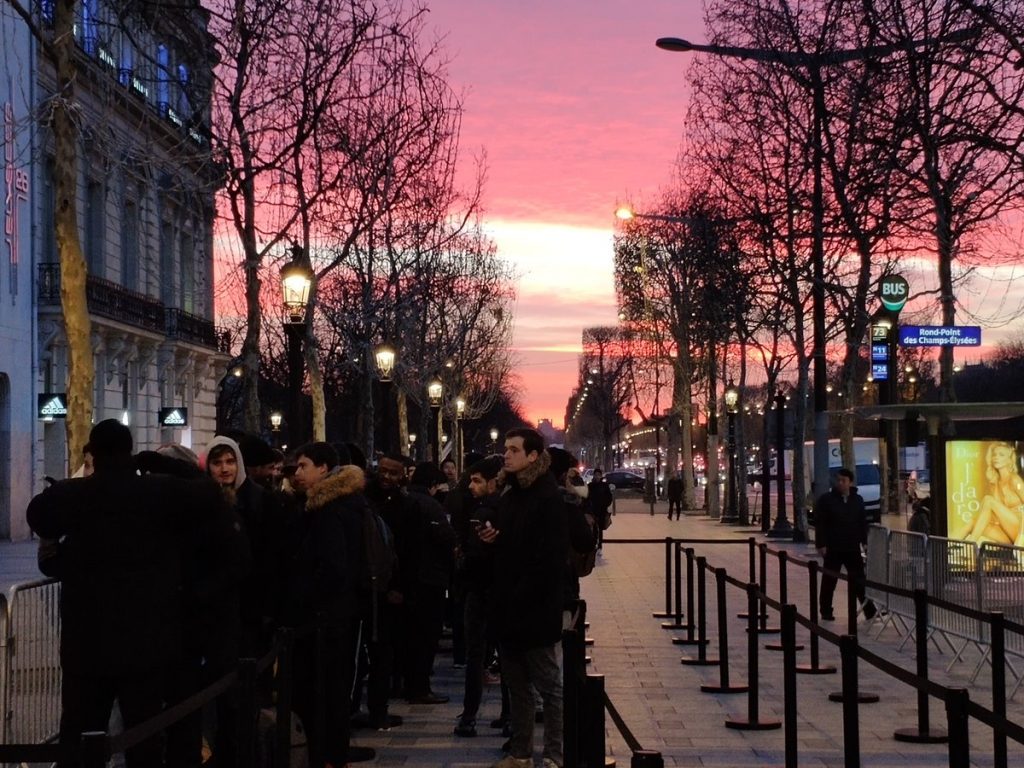
    The world-famous Avenue des Champs-Elysees is home to flagship stores for a variety of luxury European brands, including a giant Louis Vuitton Maison and one of the world’s largest Sephora stores.

    LVMH, which owns Louis Vuitton and Sephora, among other luxury retail brands, has seen its stock price fall 9 percent since January 17 – entirely due to fears over the coronavirus’s impact on retail spending. The company’s Paris flagship reportedly attracts 37 million visitors every year.

    Footfall in Paris Maisons has plummeted since the Chinese stopped coming, although, until recently, some of those brands said they are noticing a compensatory upturn in Mainland China sales. That outcome is now in doubt as many retailers have been forced to close more than half of their Chinese stores as authorities try to restrict the spread of the virus.

    The timing of the virus’ outbreak – on the eve of the busiest trading period of the year for any retailer targeting Chinese – Lunar New Year – has exacerbated the problem.

    Regional Tourism Board data shows Chinese shoppers spend an average of €1024 (US$1136) on a five-night stay in Paris – significantly more than the average of tourists from other countries which is around €640

    “The crisis is deepening and we are witnessing some kind of hysteria,” Didier Kling, the head of the Paris chamber of commerce told Thomson Reuters.