Tag: tourists

  • Korean Wave Drives Tourism Boost: Retailers Enhance Strategies To Meet K-culture Demand

    Korean Wave Drives Tourism Boost: Retailers Enhance Strategies To Meet K-culture Demand

    The rising popularity of South Korean culture, often referred to as the ‘Korean Wave’, is driving record numbers of international tourists to the country. In response, South Korean retailers are intensifying their marketing strategies to cater to the growing demand for K-beauty products, K-pop merchandise, and unique cultural experiences.

    Boost in Tourist Numbers

    Data from the industry, released on October 19, indicated that the number of foreign tourists visiting Korea between January and August reached 12.38 million. This is a 16 per cent increase compared to the same time frame in 2024 and even exceeds pre-pandemic levels in 2019 by nearly 8 per cent. Capitalizing on this influx, retailers are offering a variety of services such as beauty consultations, pop-up stores, and immersive events that blend modern retail with traditional Korean culture.

    Beauty and Tourism Merge

    One of the leading health and beauty retailers, CJ Olive Young, expanded its ‘personal shopper’ and skin consultation services at its flagship stores, which are typically frequented by foreign visitors. At its Central Gangnam location, tourists can schedule a 45-minute personalized shopping session via the travel platform Klook. These sessions include product recommendations and makeup advice.

    At Olive Young N Seongsu, guests are offered skin and scalp analysis, personalized color consulting, and custom beauty tutorials. A company spokesperson highlighted the high interest of foreign tourists in understanding K-beauty trends and receiving customized product advice. They noted that foreign customers now constitute 60 to 70 per cent of consultation users at the Seongsu branch.

    Olive Young has also introduced K-pop pop-up stores at its Myeongdong, Seongsu, and Hongdae locations. These stores allow shoppers to buy albums and receive exclusive photo cards, a strategy aimed at capturing the worldwide K-pop fan base.

    Convenience Stores and Duty-Free Retailers Participate

    Convenience store chains are also morphing into mini K-culture centers. GS25’s “New Annyeong Insadong” location features an AI-powered beauty device that analyzes a visitor’s facial shape and personal color, providing immediate product recommendations that can be bought on-site.

    Seven-Eleven, under Lotte Group, has established special retail zones that sell albums and merchandise from popular groups like SF9, NCT Wish, and Seventeen.

    Duty-free retailers are also providing experiences beyond shopping. Shilla Duty Free’s Seoul branch offers complimentary jjimjilbang (Korean sauna) vouchers to Taiwanese customers who buy a certain amount of K-brand products. Lotte Duty Free’s Myeongdong main store organizes postcard-writing events, allowing visitors to send messages overseas.

    Combining Pop Culture and Tradition

    Retailers are also leveraging the global interest generated by the Netflix animated film K-Pop Demon Hunters, which showcased traditional Korean medicine and crafts. Lotte Duty Free is issuing discount coupons to tourists visiting Seoul K-Medi Center, the real-life counterpart to the film’s setting.

    Hyundai Department Store’s The Hyundai Seoul recently hosted a traditional crafts event. Here, foreign visitors could create Korean accessories like norigae charms and bracelets, guided by English-speaking instructors.

    According to industry experts, these initiatives reflect the retail sector’s transformation beyond conventional shopping towards immersive experiences steeped in Korean culture. As articulated by a tourism official, “Korean retailers are no longer just selling products – they’re selling a piece of Korea itself.”

    Questions & Answers

    Q: What is the ‘Korean Wave’?
    A: The ‘Korean Wave’ refers to the global rise in popularity of South Korean culture, encompassing music, television dramas, films, fashion, and beauty trends.

    Q: How are South Korean retailers responding to the increased number of foreign visitors?
    A: Retailers are tailoring their services to cater to these visitors. This involves offering personalized shopping sessions, setting up pop-up stores dedicated to K-pop, and organizing events that blend modern retail with traditional Korean culture.

    Q: How are convenience stores participating in the trend?
    A: Convenience stores are transforming into mini K-culture hubs. For example, GS25 provides an AI-powered beauty device that provides immediate product recommendations, while Seven-Eleven sells albums and merchandise from various K-pop groups.
  • South Korean Retailers Innovate To Welcome Returning Chinese Tour Groups Amid Changing Consumer Trends

    South Korean Retailers Innovate To Welcome Returning Chinese Tour Groups Amid Changing Consumer Trends

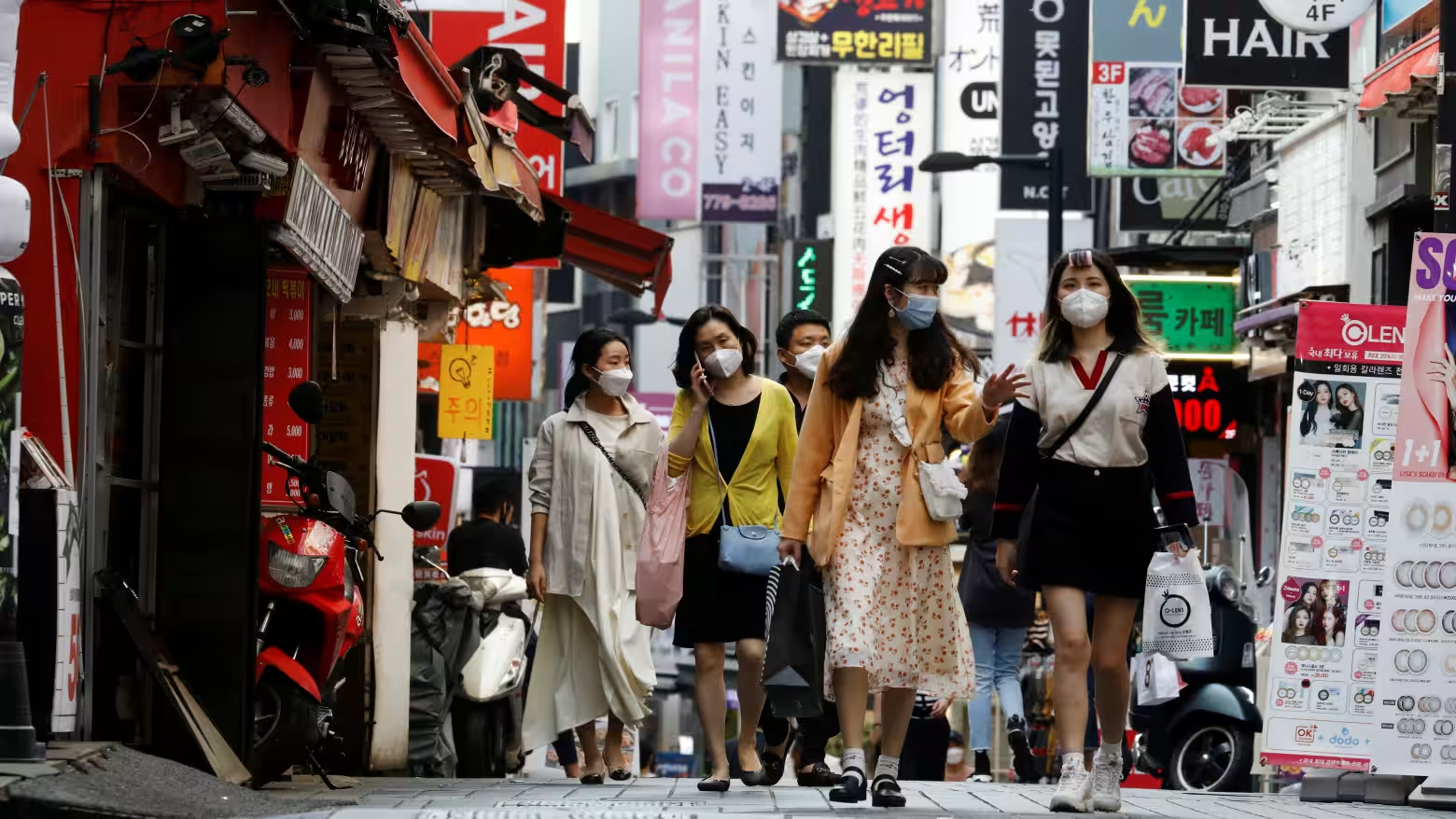
    As South Korea prepares for the much-anticipated return of Chinese tour groups from September 29, retailers are taking proactive measures to welcome them. To cater to these visitors, who will be allowed visa-free entry, a wave of new promotions is on the horizon, and retailers are expanding their product ranges. Instead of focusing solely on luxury cosmetics, retailers are branching out to incorporate fashion, lifestyle, and even convenience store exclusive items.

    Change in Chinese Tourists’ Preferences

    In the mid-2010s, Chinese travelers, often referred to as “Youke,” were known for their bulk purchases of high-end skincare products. However, recent industry data indicates a significant shift in their preferences. Currently, eyewear brands such as Gentle Monster, K-fashion labels, health foods, and lifestyle goods are gaining popularity among these travelers.

    Retailers’ Innovative Strategies

    In response to these changing demands, Lotte Department Store has launched curated boutiques as part of the “Kinetic Ground” platform. These boutiques will feature trendy domestic brands. In addition, the department store’s duty-free branch has plans to inaugurate a new “K-Beauty Hall” in Myeongdong, accompanied by an expansion of local specialty food offerings.

    Shinsegae Department Store is orchestrating a “Global Shopping Festa” around the Chuseok holiday, with a focus on categories popular with foreign shoppers. Convenience chains are also making preparations. GS25 is advertising Greek yogurt, highballs, and K-pop albums as emerging favorites. They have even released a “K-Convenience Store Guidebook,” presenting product rankings and celebrity snack choices. Additionally, 7-Eleven is promoting souvenir items that represent Korean symbols like the national flag and old currency.

    Duty-Free Shops Gear Up

    Duty-free shops, known to benefit most from group tourism, are also gearing up. Lotte Duty Free is bolstering relationships with agents in second- and third-tier Chinese cities such as Chongqing and Qingdao, while Shilla is setting its sights on corporate travel groups. Shinsegae Duty Free is honing in on smaller groups that tend to spend more. Retailers are further enhancing the shopping experience by introducing experiential attractions like revamped “Star Avenues” and Artificial Intelligence (AI)-aided translation services to facilitate shopping for international visitors.

    Challenges Ahead

    Despite these proactive measures, retailers face several challenges. One critical issue is the shift in travel patterns towards individual tourism, making it uncertain whether duty-free operators will regain their past dominance. Another concern is the increase in hotel costs since the pandemic, which could potentially impact package competitiveness.

    A duty-free executive expressed optimism, stating that visa-free entry for Chinese group tourists might signal a turning point for Korea’s tourism recovery. However, the real litmus test lies in whether spending bounces back. The industry is eagerly waiting for the APEC summit in late October, hosted by Seoul, as it could provide more clarity on the situation. The event is also likely to attract China’s President Xi Jinping.

    Questions & Answers

    What changes are South Korean retailers making to accommodate the return of Chinese tour groups?
    Retailers in South Korea are launching new promotions and expanding their product offerings. They are diversifying their product lineups to include not just luxury cosmetics, but also fashion items, lifestyle goods, and exclusive convenience store products.

    How are duty-free shops preparing for the return of Chinese tour groups?
    Duty-free shops are looking to strengthen ties with agents in Chinese cities, targeting corporate travel groups, and focusing on smaller, high-spending groups. They also aim to improve the shopping experience by introducing experiential attractions and AI-powered translation services.

    What challenges do retailers face with the return of Chinese tour groups?
    Retailers are facing challenges such as the shift in travel patterns towards individual tourism, which raises questions about the future dominance of duty-free operators. Additionally, rising hotel costs since the pandemic could impact package competitiveness.

  • Siam Piwat unveils US$28 million plan to attract visitors to Thailand

    Siam Piwat unveils US$28 million plan to attract visitors to Thailand

    Siam Piwat Co Ltd, has unveiled a four-pillar strategy it says will help boost its strengths as Thailand’s leading real estate and retail developer and maintain its leadership as a developer of global destinations, as part of its move to underpin the government’s plan to draw overseas visitors back in the post-pandemic era.

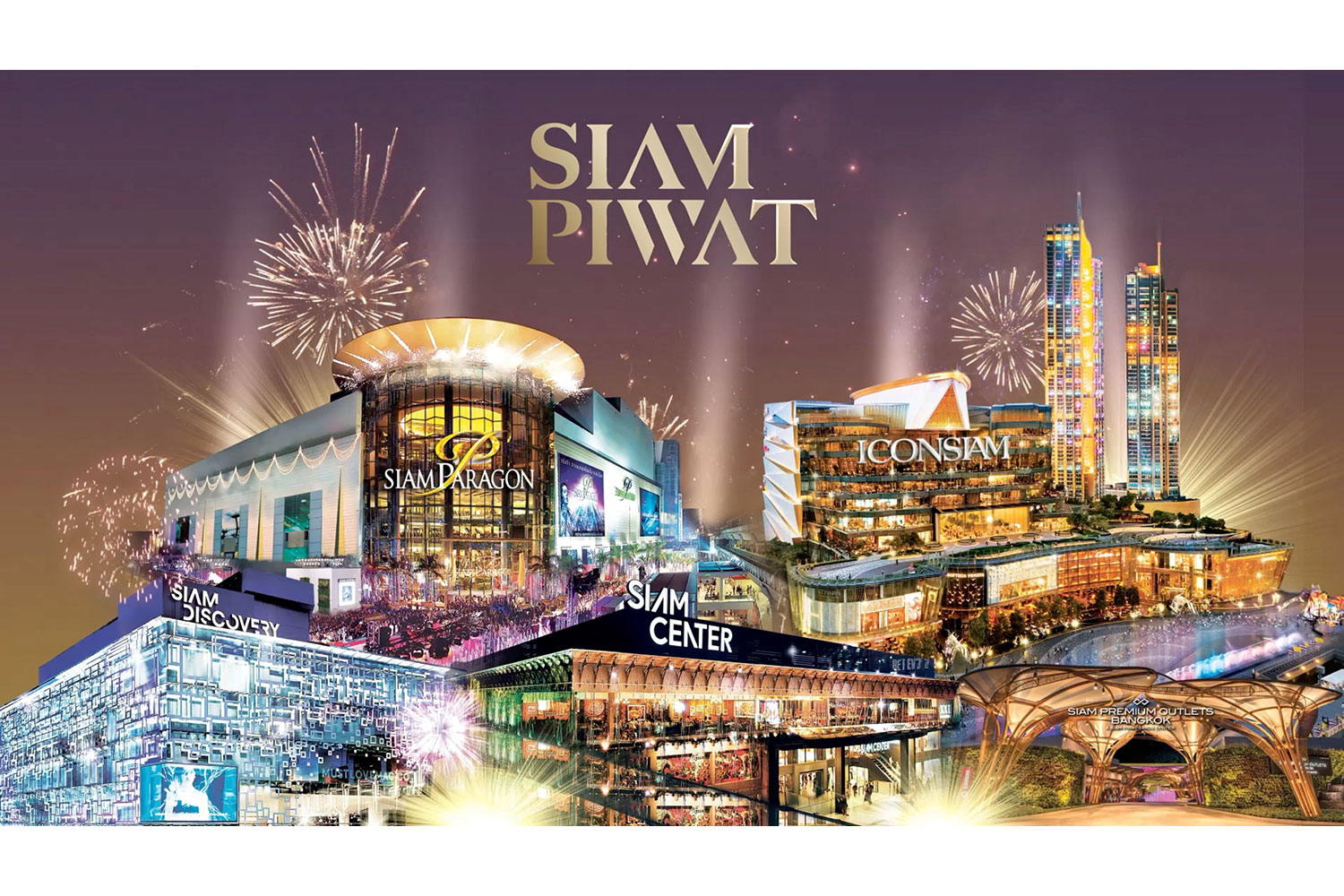
    As the owner and operator of world-renowned retail destinations including Siam Paragon, Siam Center, and Siam Discovery – and a joint venture partner of IconSiam and Siam Premium Outlets Bangkok – the company is well placed to support the government’s new tourism promotion policy.

    The company will invest more than 1 billion THB (US$28 million) during the fourth quarter to help the government achieve its target of 30 million overseas visitor arrivals into Thailand – and plans to double that investment next calendar year.

    “Siam Piwat is the leading developer of global destinations that have not only served as tourist magnets and solidified Thailand’s position as the top destination among global visitors for a long time, but are also highly successful and widely recognised in the global real estate industry,” said Chadatip Chutrakul, CEO of Siam Piwat Group.

    “Siam Piwat is prepared to move forward at full throttle. We are confident that the government will be able to transform our tourism sector into a formidable asset and create phenomena that will firmly establish Thailand as a premier destination on the map for travellers from all over the world,” she concluded.

    Siam Piwat’s four strategic pillars comprise world-class shopping leadership and leadership in luxury retail; hosting world-class events and MICE leadership; elevating Thai art and establishing Bangkok as a global art hub; and introducing Thailand’s soft power to the global stage.

    During the first eight months of this year, Siam Piwat’s shopping malls combined welcomed 14 million visitors, representing a 46 per cent increase over last year. Those visitors spent an average of 8500THB (US$238) each. The company also hosts the most affluent customer base in Thailand.

    As it works to help realise the country’s inbound tourism targets, Siam Piwat has developed four-pillar strategies of its own, in concert with the government’s.

    Leadership in creating extraordinary shopping experiences and strengthening its dominance in the luxury retail segment: Siam Piwat will join forces with luxury brands, tenants, and business partners to open 20 new shops of luxury brands during the fourth quarter – many of them making their Thai debut. The company will launch pop-up stores and world-class events in collaboration with more than 40 brands between now and the end of next year. All the leading luxury brands at Siam Paragon and IconSiam are preparing to expand their store spaces to become the regionally largest flagships.

    Leadership in world-class events and global MICE: Siam Piwat is working with state agencies, the Thailand Convention and Exhibition Bureau (TCEB) and the private sector to attract business travellers and high-spending tourists from across the world. The Royal Paragon Hall on the fifth floor of Siam Paragon and True Icon Hall on the seventh floor of IconSiam have this year hosted about 40 major events, while bookings are already at 70 per cent for next year. Siam Piwat will work within a global ecosystem of partners across businesses including airlines, hospitality, tourism and restaurants, to accommodate diverse event formats, and support Thailand in becoming the leading international MICE destination in Southeast Asia. In addition, Siam Piwat is currently in talks with a world-class event organiser to jointly invest and build a new convention centre in Bangkok.

    Leadership in promoting Thai art and establishing Bangkok as a global art hub: Siam Piwat has been a pioneer in supporting and hosting Thai artists for more than 15 years. It was the first company to publicly exhibit the works of Thai artists in shopping centres and has enhanced the role of Thai artists in supporting quality tourism. The company plans to work with the government and state agencies to establish Bangkok as Southeast Asia’s art hub to exhibit global art pieces, such as Art Basel and Frieze, in order to attract global artists to Thailand and create an opportunity for Thai artists to showcase their art alongside their global peers.

    In 2026, Siam Piwat plans to open the 8000sqm River Museum on the eighth floor of IconSiam. As Thailand’s first international-grade museum it will be able to showcase global masterpieces at the same level as leading museums in Europe and North America. This is part of a strategy to attract public art industry figures as well as collectors of artworks from around the world. In doing so, Siam Piwat hopes to attract a new category of affluent travellers that will help strengthen Thai tourism in the long term.

    Leadership in introducing Thailand’s soft power to the global stage: Over the past decade, Siam Piwat has developed a platform of opportunities to promote Thailand’s soft power and bring together the best of the best that Thailand has to offer from across industries including food, film, fashion and design. In addition, Siam Piwat has created SookSiam, bringing together more than 6000 independent SME businesses from across all 77 of Thailand’s provinces to showcase the many forms of Thai identity. SookSiam attracts at least 70,000 visitors daily and is widely shared by visitors on social media channels worldwide. Siam Piwat has also worked to develop Thai brands through its retail business, including IconCraft, ODS and Ecotopia – which have successfully helped businesses expand overseas. The company will continue working with Thailand’s Ministry of Commerce and Ministry of Interior and world-class partners to elevate Thailand’s soft power and draw global recognition.

    “Siam Piwat is ready to join hands with all parties to promote the tourism and hospitality industry, establish Thailand’s position as the top global destination, and support the government’s policy to bolster the tourism industry,” said Chadatip. “This will play a vital role in driving the Thai economy, stimulating economic activities, generating income, and creating employment for many people.”

    Siam Piwat says the tourism industry is vital to the nation, attracting many international visitors. The presence of those visitors yields far-reaching benefits, not only to tourism

  • Vietnam among 10 most popular destinations for Australian tourists

    Vietnam among 10 most popular destinations for Australian tourists

    Vietnam was one of the 10 favorite destinations for Australian tourists in July, according to the Australian Bureau of Statistics.

    Over 18,500 visited Vietnam during the month, a 44% increase from the previous month.

    New Zealand topped the list of favorite destinations with 96,500 visiting the island nation, followed by Indonesia, the U.K., the U.S., Fiji, India, Singapore, Thailand, and Italy.

    ABS statistics showed that Australians spend 19 days in a foreign trip on average.

    The Vietnamese government has allowed quarantine-free entry for foreign visitors since March.

    It also offers 30-day e-visas for citizens from 80 countries and territories, including Australia.

    So far this year the country has received 1.44 million foreign tourists and has a full-year target of five million.

  • China Tourism seeks $2.16 billion in Hong Kong’s biggest listing this year

    China Tourism seeks $2.16 billion in Hong Kong’s biggest listing this year

    China Tourism Group Duty Free Corp is aiming to raise up to $2.16 billion through a new listing in Hong Kong, according to a term sheet reviewed by Reuters, in what will be the largest share sale in the city so far this year.

    Shanghai-listed China Tourism is planning to sell 102.76 million shares priced between HK$143.50 and HK$165.50 ($18.30 and $21.10) each, the term sheet said.

    The offer has already been fully subscribed, according to two people with direct knowledge of the matter. The sources spoke on condition of anonymity because they were not authorised to discuss the matter with media.

    China Tourism, which has built the largest duty-free retail network in China, did not respond to a request for comment on the deal’s launch or subscription rate.

    The launch of the deal comes as Hainan island, in China’s south where China Tourism has several major shopping outlets, remains under tight restrictions due to an outbreak of COVID-19.

    The price range represents a 29.3% to 38.7% discount to the stock’s 201.19 yuan closing price on Thursday in Shanghai. The Shanghai shares fell 3.1% on Friday after the Hong Kong deal was launched.

    Hong Kong share sales of Chinese-listed companies are typically offered at a discount to entice investors to buy the stock but the flagged discount of China Tourism is higher than normal. The rate was chosen to help ensure the stock trades positively in the secondary market, one of the sources with direct knowledge told Reuters.

    China Tourism’s Shanghai-listed shares have recovered most of their losses since lockdowns across Hainan began to be ordered last week. Its shares are down 11% year-to-date.

    China Tourism plans to set the final price next Thursday, the term sheet said, and the Hong Kong stock will start trading Aug. 25.

    Almost 40% of the stock on offer in the deal has been sold to cornerstone shareholders who will invest about $795 million, according to the term sheet.

    Sanya, a holiday city on the southern end of Hainan island at the centre of the COVID outbreak, reported 1,690 symptomatic and 1,504 asymptomatic cases from Aug. 1 through Aug. 10.

    The duty-free shop operator’s deal, if executed, would surpass Tianqi Lithium’s $1.71 billion deal, which opened in late June, to become the biggest share sale in Hong Kong in 2022.

    Tianqi’s Hong Kong shares were priced at a 50% discount to its Shenzhen stock and are trading only marginally higher since it debuted in mid-July.

    “After the tepid performance by Tianqi Lithium, the only way they could get away with the China Tourism deal was by offering it at a decent discount,” said Aequitas Research director Sumeet Singh, who publishes on Smartkarma.

    “If it does go well other deals should follow as the pipeline for Hong Kong deals is now fairly full and needs to get moving soon.”

    There has been $4.9 billion worth of initial public offerings and secondary share sales in the city this year compared to $34.7 billion at the same time last year, according to Dealogic data.

  • Tourism recovery dogged by lack of staff

    Tourism recovery dogged by lack of staff

    The number of new hospitality businesses is rising, but a shortage of staff and tourists from pre-Covid major markets are hampering the tourism industry’s revival.

    The number of foreign tourists rose 582 percent year-on-year to 602,000, while over 3,000 new accommodation and hospitality businesses were registered, up nearly 28 percent year-on-year, according to the General Statistics Office.

    However, as 60.8 million domestic tourists started to travel after two years of Covid-19 constraints, businesses are struggling to recruit enough staff to cater to the surging demand in many localities.

    “Recruitment is difficult for the whole industry. In our hotel chain, each staff has to undertake several different jobs,” said Vo Thi Thien Huong, director of business and marketing at Fleur De Lys Hospitality hotel chain.

    Jakob Helgen, Marriott International area vice president for Thailand, Vietnam, Cambodia and Myanmar, said many companies are experiencing a labor crisis as employees were forced to quit in droves during the Covid-19 restrictions.

    Other hotels have reported staff shortage in the reception, housekeeping and food and beverage departments.

    The reason for the shortage is erstwhile staff had left for other jobs over the last two years, said Le Thi Ngoc Cuong, director of business and marketing at The Secret Con Dao hotel.

    “Many former tourism staff have found other stable jobs and so it is unlikely that they will return.”

    Phan Trong in Ho Chi Minh City is one of the former tourism staff who is unlikely to return.

    The 33-year-old had worked as a tour guide for five years before leaving for a new job last year, when most tourism activities were shut down.

    He now works as a group leader for a call center with a salary of VND13 million ($556) a month.

    “My salary is the same as before. Even though the new job is a little bit more demanding, I have settled down with it and do not want to go back.”

    Le Nguyen Ngoc Thanh, country director at headhunting platform Adecco Vietnam, said that demand for tourism, hospitality and accommodation staff has increased since the first quarter, but many companies were struggling to fill the empty positions.

    Adding to the shortage is the lack of skill among workers, with many receiving no training or the last two years and fresh graduates having no experience, she added.

    In addition, many workers who left for their hometowns are reluctant to return to major cities because of high living costs and inadequate salary offers, she said.

    Missing tourists

    Another key problem for the industry is the lack of foreign tourists.

    The 602,000 foreign tourist arrivals in the first six months marked a decline of nearly 93 percent over the same period in 2019, when the pandemic had yet to hit the world.

    The four major markets of China, South Korea, Japan and Taiwan together accounted for 66 percent of foreign tourists in the first six months of 2019, but as these countries and territories still maintained quarantine policies for returning tourists, people were not eager to fly.

    The Russia-Ukraine crisis has also blocked Russian tourists, who used to pack Nha Trang and Mui Ne beaches.

    The Russia-Ukraine tension and China’s ‘zero Covid’ policy has had a major impact on Vietnam’s tourism recovery, said HSBC’s country head of markets and securities services Ngo Dang Khoa.

    Inflation and Covid-19 are other factors that keeps tourists from traveling globally, he added.

    One of the solutions the Vietnam National Administration of Tourism has proposed is better utilization of the markets that Vietnam has resumed air travel with, such as South Korea, Japan, Western Europe, Australia and ASEAN.

    New markets that should be focused are India, U.S. and the Middle East, it has said.

    Thanh suggested that tourism companies provide trading for college graduates and employ part-term workers.

    “Businesses should conduct surveys on workers’ expectations in terms of salary and benefits and make necessary changes.”

    Thanh also proposed that companies try to reach out to former employees and convince them to come back.

    Trong said scenario was unlikely, at least for now.

    “There are still so many global issues like geopolitical tensions, diseases and natural disasters. If I go back and the industry freezes again, that would be a tragedy.”

  • Travel firm temporarily stops Russia tourist services

    Travel firm temporarily stops Russia tourist services

    The largest Vietnamese travel agency for Russian tourists has temporarily suspended its services for the market as a fallout of Western sanctions imposed on Russia.Anex Vietnam Travel and Trading announced the suspension after taking more than 300 Russian tourists home Thursday.

    Bui Quoc Dai, Deputy Director of Anex Vietnam, said they made the decision after Russian authorities advised the country’s airlines to halt all international flights (except from and to Belarus) following Western sanctions.

    “We will stop conducting tours for customers from Russia at least until March 28, when Russian authorities are scheduled to announce further changes,” Dai said.

    Earlier this month, the Russian federal agency for aviation transport FAVT told Russian airlines “which have planes registered abroad under leasing contracts with foreign partners” to halt most international flights between March 6-8. It cited the “high level of risk for planes to be detained abroad” as a reason for the recommendation.

    Dai noted that the number of Russian tourists had fallen sharply since the end of February after Russia launched its “special military operation” in Ukraine. He said his firm has racked up losses despite receiving nearly 6,000 Russian visitors since last December, as they were unable to fill charter flights.

    Vietnam tour operators specializing in Russian and Eastern European markets have also warned that the devaluation of the Russian ruble would affect the inbound market.

    In 2019, Vietnam received a record 646,000 tourists from Russia, making it the sixth-largest tourism market after mainland China, South Korea, Japan, Taiwan, and the U.S.

  • Vinpearl loss triples as pandemic hits tourism

    Vinpearl loss triples as pandemic hits tourism

    Vinpearl Jsc, the hospitality and entertainment arm of conglomerate Vingroup, saw first-half losses triple year-on-year due to the impacts of the coronavirus pandemic.

    The operator of premium resorts and theme parks recorded a loss of nearly VND5.1 trillion ($220 million), up from VND1.69 trillion.

    Its debt to equity ratio rose to 22.57 at the end of H1 from 2.2 a year earlier.

    The rising loss and debts were the result of the pandemic crippling the tourism and hospitality industries in Vietnam since the first quarter.

    In March Vinpearl shut down some of its resorts and golf courses amid travel restrictions and dwindling demand.

    The company recently raised VND865 billion through three-year bonds. In 2018 and 2019 it had issued a total of VND14.3 trillion worth of bonds.

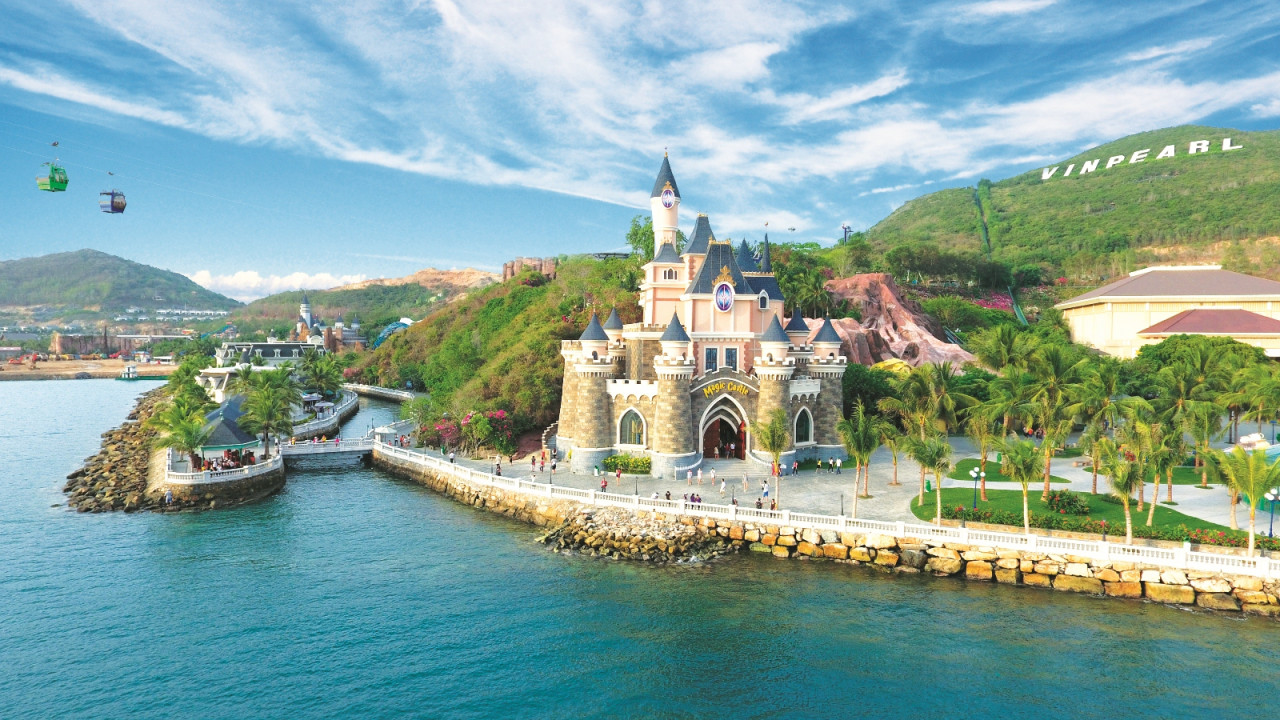
    The company operates 43 resorts and hotels nationwide with over 17,000 rooms, golf courses, theme parks, and a safari park.

  • Macau chain Koi Kei Bakery shuts stores as tourists stay away

    Macau chain Koi Kei Bakery shuts stores as tourists stay away

    Macau souvenir bakery Koi Kei Bakery, known for its peanut brittle and almond biscuits, will be closing its Hong Kong branches in Tsim Tsa Tsui, Causeway Bay and Mong Kok this Saturday, leaving the airport outlet (pictured) its sole remaining store in the territory.

    Hong Kong’s tourism board says inbound visitor numbers have plunged 98 percent this month against last year’s figures, affecting businesses that are heavily reliant on foreign and mainland visitors, including chains such as Sasa, watch and jewelry stores and luxury retailers.

    Koi Kei Bakery says the ongoing epidemic has led to problems sourcing raw materials, managing logistics and labor shortages at their Macau headquarters. While production lines are expected to resume soon, the company sees few signs of tourist numbers rebounding in the near future.

    Despite the retailer strikes against shopping center owners last week, some tenacious landlords are still unwilling to ease rents.

    Even though several property groups, such as Hysan Development and MTR Corp, have offered rent relief to tenants, many retailers are unable to keep afloat due to the effect of the tourists disappearing.

    Annie Tse, chairwoman of Hong Kong Retail Management Association, told the South China Morning Post she predicts more than 7000 retailers will be forced to close their stores if landlords fail to show leniency.

  • Puma experiences its best year yet as sales soar globally

    Puma experiences its best year yet as sales soar globally

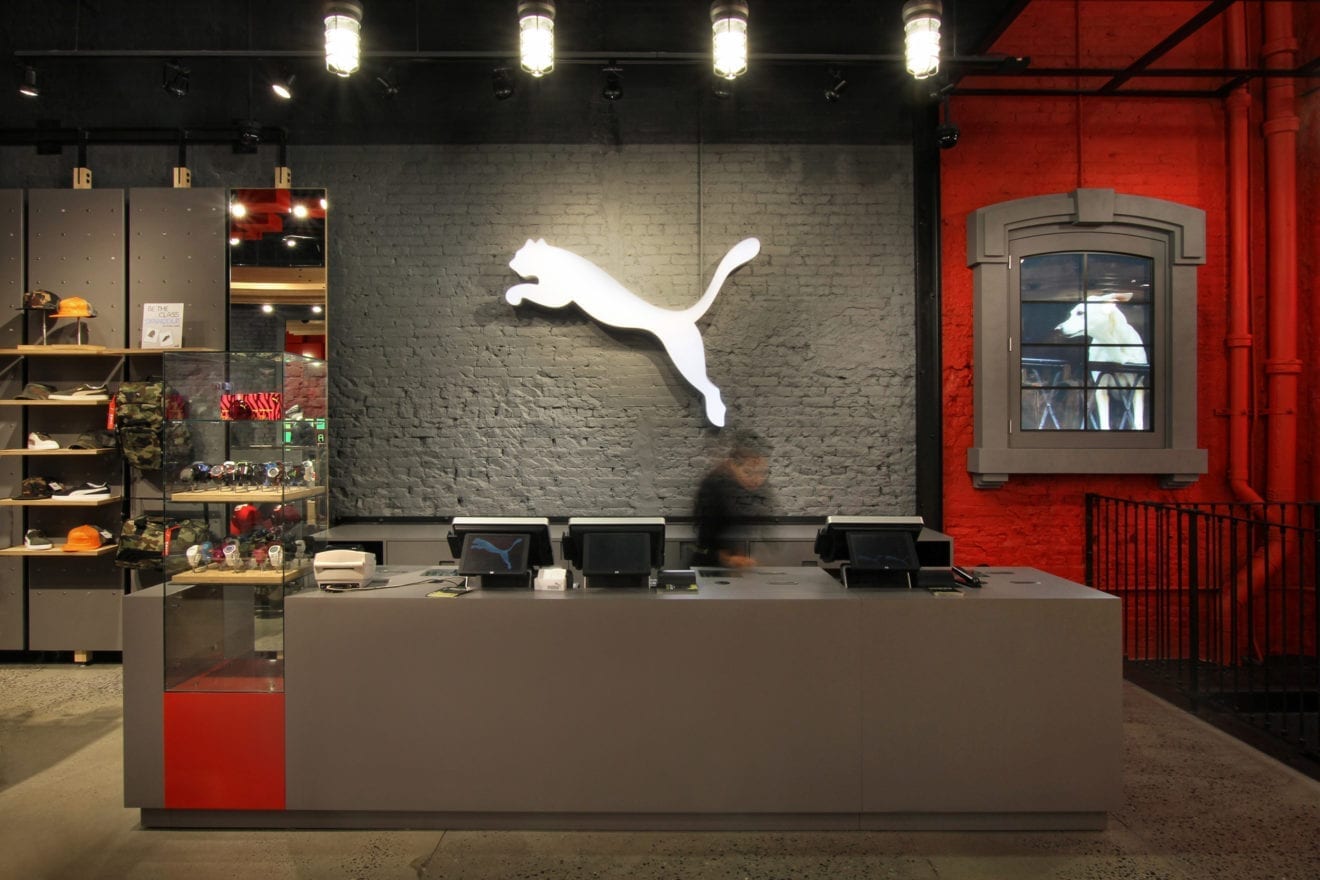
    Puma’s worldwide sales surged 18.4 percent last year, to €5.502 billion and its pre-tax profit rose 40 percent to €262 million.

    But the positive results were tempered by a warning from CEO Bjorn Gulden about the year ahead given the outbreak of coronavirus in China.

    “After a good start into 2020, February has of course been negatively affected by the outbreak of COVID-19. The business in China is currently heavily impacted due to the restrictions and safety measures implemented by the authorities.”

    He said businesses in other markets, especially in Asia, are suffering from lower numbers of Chinese tourists.

    “Given the current uncertainty around the virus, it is, of course, impossible to forecast its impact on the business. We will do everything we can in the short term to minimize the damage and remain very positive in the long term both for our industry and for Puma,” said Gulden.

    Puma’s year ended with a strong fourth-quarter result, with revenue up by 20.6 percent and pre-tax earnings up by 47 percent.

    “All regions and all product divisions were up by double-digits. This made 2019 the best year in Puma‘s history,” said Gulden. “I am very proud of what the team has achieved and thought this performance shows the global potential of the Puma brand.”

  • Philippine airlines are losing Chinese tourists amid coronavirus outbreak

    Philippine airlines are losing Chinese tourists amid coronavirus outbreak

    When Philippine President Rodrigo Duterte pursued closer foreign relations with China, he helped attract planeloads of Chinese tourists to the Southeast Asian nation. Now, the coronavirus outbreak is reversing the trend, much to the chagrin of airline companies.

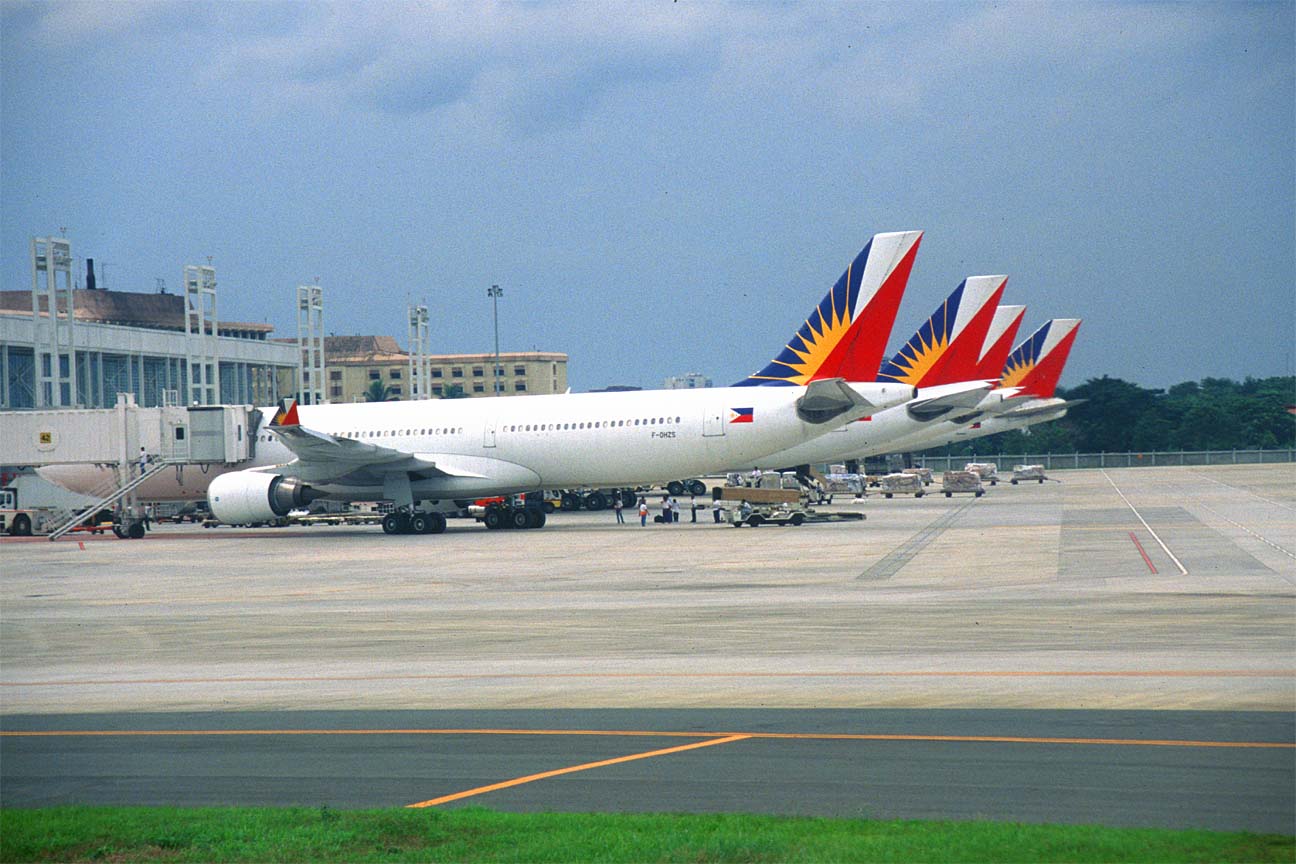
    Budget carrier Cebu Pacific has put its expansion plans into the Chinese market on hold after the Covid-19 disease triggered the biggest health scare in the region since the Sars (severe acute respiratory syndrome) outbreak in 2003. Cebu Pacific and Philippine Airlines have both canceled all China-related flights until the end of March, and both stocks have taken a beating along the way.

    The country has reported three infection cases, and recorded the first death outside China on February 2. After that, Duterte imposed a sweeping ban on travels to and from mainland China, Hong Kong and Macau to protect the country in one of the most drastic reactions by regional governments. Approvals for visas on arrival have also been tightened.

    “Traveller volumes on China-Philippines routes have fallen,” said Jose Enrique Perez De Tagle, vice-president of corporate communications at PAL Holdings, which owns Philippine Airlines. Mainland Chinese account for about 10 percent of its global passengers, he added.

    Global travel restrictions on Chinese travelers as airlines cut flights to mainland
    15 Feb 2020

    Since Duterte won the presidential election in June 2016, the combative president has embraced closer ties with Beijing despite territorial disputes in the South China Sea. He has also distanced the country from the US, including a decision last week to end the Visiting Forces Agreement, a 21-year pact that allowed US troops to be based in the country for bilateral exercises.

    Mainland Chinese tourists have since become the nation’s second-largest source of tourist arrivals in the Philippines, according to government data. They made up more than one-fifth of the 7.5 million arrivals in the first 11 months of last year, versus 9.1 percent in 2013.

    The Philippines received 1.26 million Chinese tourists in 2018 versus 491,000 in 2015, according to Colliers, citing government data. They spent US$1,130 per person on average, boosting the retail and tourism sectors. In January to November last year, arrivals jumped 40 percent year-on-year, faster than the national average of 10-15 percent, Colliers said.

    Ending Philippines-US military pact will affect South China Sea disputes: analysts
    16 Feb 2020

    The coronavirus outbreak has claimed more than 1,800 lives and infected more than 71,000 people worldwide, mostly in mainland China.

    Before the outbreak, which originated in Wuhan, local carriers were emboldened by the surge in Chinese visitors to consider adding more routes in China to take advantage of the growth.

  • Japanese shopping service Nippon Passport secures funding

    Japanese shopping service Nippon Passport secures funding

    Nippon Passport has raised ¥200 million (US$1.82 million) in pre-series A funding, led by private investors and business companies through a third-party allotment.

    In response to the Japanese government’s target to attract 60 million foreign tourists annually by 2030, the firm has launched its “NP Pass” service, driving foreign visitors through affiliate shops for a commission fee of 10 percent of total sales. Travelers who download the app can receive discounts and vouchers for participating retailers.

    With the financing, Nippon Passport intends to improve the “NP Pass” app as well as develop its network of affiliate shops and agents.

    “Japan’s population has been steadily decreasing,” said Nippon Platform CEO Shinsuke Hishiki.

    “We believe that Nippon Passport’s service makes significant headway in collaboration with Nippon Platform related to tablet solutions, and transfers from attracting customers for tourism consumption to making solutions for paving the way for regional revitalization.”

    Tharminder Singh, a director at Nippon Passport, says the ever-changing nature of technology such as AI and self-driving cars is starting to move consumers away from products and towards experiences and travel.

    “Using technology and smart mechanisms to harness the value of bringing people together through tourism inbound and outbound [we are] creating a value proposition that helps drive the industry and new ways of attracting people and traffic and increasing business.”

  • Vietnam aims to free tourist areas of plastic waste

    Vietnam aims to free tourist areas of plastic waste

    Vietnam will cut down 75 percent of its marine plastics and stop generating plastic waste in coastal tourist areas by 2030, the government says.

    Prime Minister Nguyen Xuan Phuc has issued a national action plan on the management of plastic waste in the ocean until 2030, which aims to fulfill the country’s international commitment to resolve the issue of marine plastics.

    According to the plan, by 2030, Vietnam would have reduced the amount of plastic waste being dumped into the ocean and collected 100 percent of lost or discarded fishing equipment. Additionally, 100 percent of coastal tourism service providers would stop using disposable plastic products and non-degradable plastic bags, and 100 percent of marine protected areas would be free of plastic waste.

    The government has asked the Ministry of Natural Resources and Environment to expand its annual monitoring activities and evaluate the current status of marine plastics at river mouths and in 12 island districts every five years.

    To achieve its goals, the government will work to promote and raise public awareness on the issue of plastic waste; change the public’s behavior and treatment of plastic products and marine plastics; collect, sort, store, transport and treat plastic waste generated by activities in coastal areas and on the seas.

    The PM asked the Ministry of Natural Resources and Environment to work with authorities of coastal provinces and municipalities to develop and pilot models for managing, reducing and eventually stopping the use of disposable plastic products and hard-to-degrade plastic bags in coastal areas.

    According to the United Nations Environment Program, Vietnam is the world’s fourth-largest marine plastic polluter after China, Indonesia and the Philippines. It has been estimated that Vietnam dumps an average of 300,000-700,000 tons of plastic waste into the ocean per year, accounting for six percent of the world’s marine plastics.

  • Harvey Nichols suffers as Mainland Chinese tourists ‘disappear’

    Harvey Nichols suffers as Mainland Chinese tourists ‘disappear’

    Declining Mainland Chinese visitors to Hong Kong have put a dent in Dickson Concepts’ sales and profit in the first half of its fiscal year.

    Dickson Concepts, which owns the Harvey Nichols department store network, has reported a 6.6 percent decline in sales to HK$1.713 billion (US$218.8 million), and net profit attributable to shareholders down 10.9 percent to $119 million.

    But it was a tale of two quarters, according to chairman Sir Dickson Poon.

    “The group achieved significant growth in both sales and profit in Hong Kong during the initial few months. However, the retail climate in Hong Kong deteriorated significantly thereafter and Mainland Chinese tourists all but disappeared.”

    The impact of that was partially offset in Taiwan where like-for-like profits increased by 169 percent as a result of margin improvement and cost and inventory control.

    Sir Dickson did not mince words in his shareholder announcement, describing the outlook for Hong Kong retail as “bleak”.

    “The group is extremely pessimistic about the retail climate in Hong Kong. Trading has been adversely affected and sales have been achieved at the expense of margin. Meanwhile, fixed costs remain very high. Additionally, the group does not expect a return of Asian and Mainland Chinese tourists in the foreseeable future. The significantly worse result could be expected in the second half of this financial year. With Hong Kong in recession, the future looks bleak.”

    Dickson Concepts opened the new Harvey Nichols store at Pacific Place on September 19, the first of its new generation stores globally, mixing the company’s online and offline stock seamlessly using interactive displays and digital technology.

    “The new store has been well received since its opening,” said Sir Dickson. “We are confident that the store and the new model will become a long-term success.”

    By combining interactive digital displays alongside traditional physical display units, the store now showcases more than three times the number of products within half the floor space, thereby enabling an increase in sales density with significantly reduced fixed costs, while offering customers “a truly differentiated shopping experience”.

    Despite the gloomy era in Hong Kong, Sir Dickson said the company has net cash of $1.728 billion and a strong balance sheet.

    “The group is in a strong position to cope with Hong Kong’s recession and the very difficult retail climate.”

  • Alipay now available for tourists in China

    Alipay now available for tourists in China

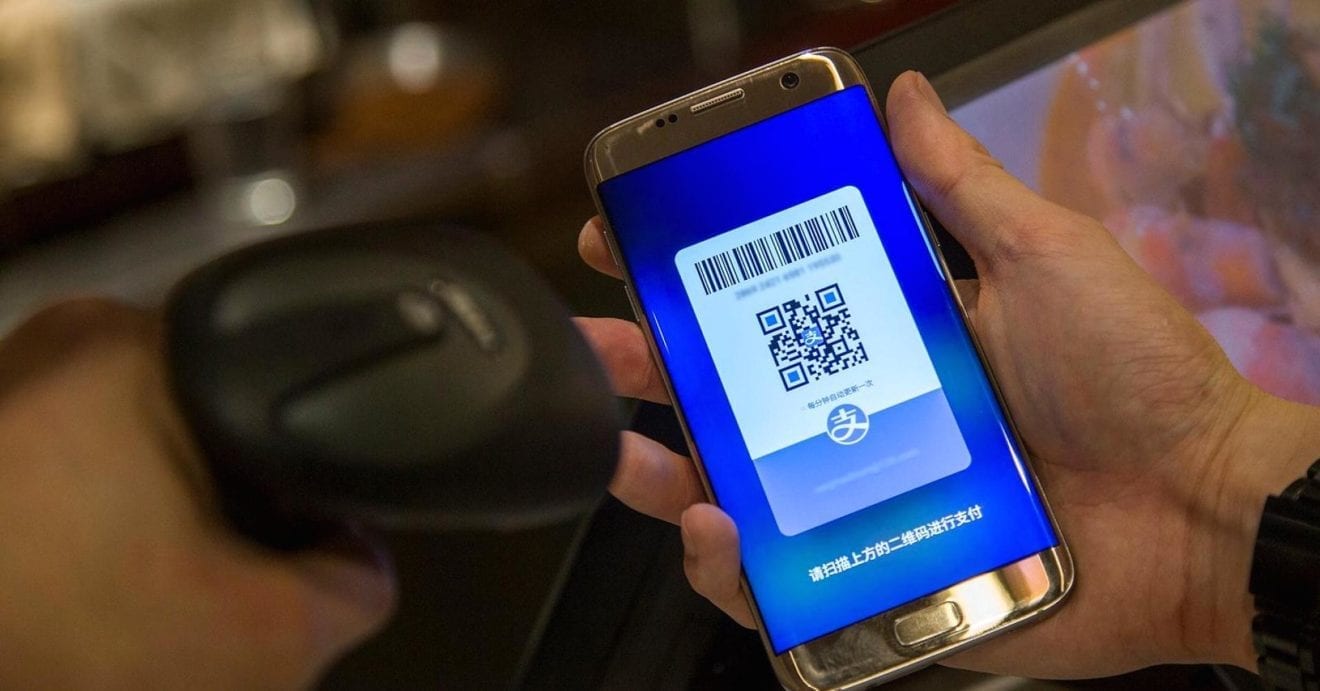
    International travelers can now use mobile payments in China as Alipay has launched a new version of its payment app designed for short-term overseas visitors.

    After installing the Alipay app, international visitors can register with their overseas mobile phone number to access the “Tour Pass” mini-program through which they can use the “Prepaid Card” service provided by the Bank of Shanghai.

    The minimum top-up for each card is CNY100, with balance capped at CNY2000. The card is valid for 90 days, after which any remaining funds will be refunded automatically.

    With the new Alipay service, visitors can pay through QR code or make online purchases through the app.