Tag: tourists

  • Indonesia, China cooperate to boost tourist arrivals

    Indonesia, China cooperate to boost tourist arrivals

    The Tourism Ministry, in cooperation with Chinese provincial tourism administrations, aims to raise the number of tourist arrivals from China by 50 percent to 2.1 million in 2017 from 1.4 million last year.

    The ministry’s director for Asia-Pacific tourism promotion, Vinsensius Jemadu, said that this year’s increase would be part of Indonesia’s target to attract 10 million Chinese visitors by 2019.

    “China is our strategic partner and main market for tourism. Therefore in the Tourism Ministry, China gets more than 50 percent of its budget for promotion,” he said in a meeting with Hubei tourism administration in Jakarta on Friday.

    Vinsensius further said that aside from cooperation with the Hubei tourism administration, the ministry had also established cooperation with China’s Hainan tourism administration.

    “Next month, Hainan Airlines and Capital Airlines can fly to Jakarta three times a week,” he said.

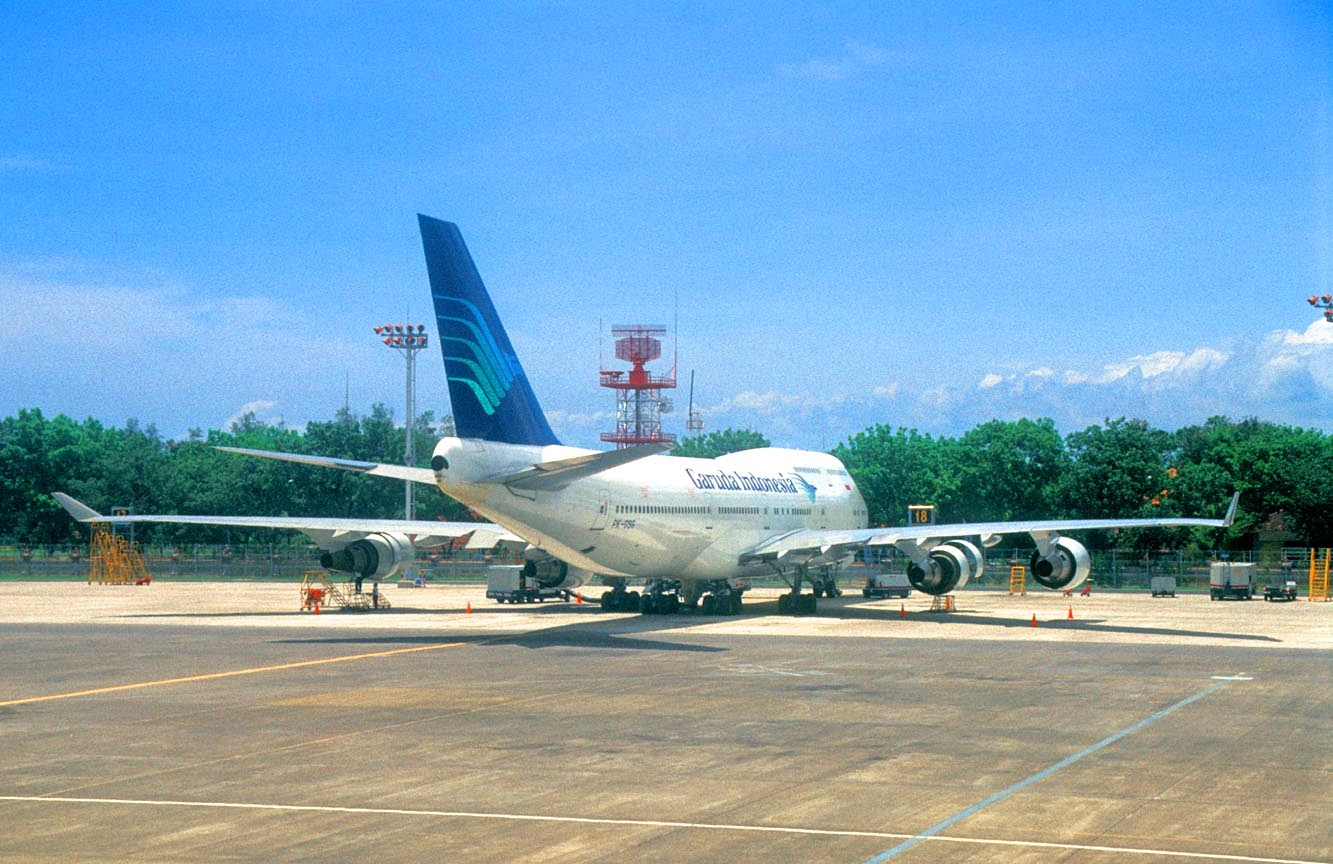
    Citilink, a subsidiary of national flag carrier Garuda Indonesia, was expected to fly to 17 cities in China from Tanjung Pinang in Riau Islands and Manado in North Sulawesi, based on the memorandum of understanding (MoU) signed by the Indonesian tourism minister in Beijing last year, Vincensius said.

    The ministry offers an incentive of US$15 (Rp200,895) or $20 per passenger to airlines and wholesalers bringing visitors to Indonesian destinations outside of Bali and Jakarta. In addition, the Transportation Ministry will provide licenses of direct flights and offer free parking and landing to aircraft from Chinese airlines.

  • Indonesia still largest contributor of tourists to Singapore

    Indonesia still largest contributor of tourists to Singapore

    About 2.89 million Indonesians visited Singapore throughout 2016, the biggest contribution of tourists to the city state, about 17.7 percent of the country’s 16.4 million total foreign tourist arrivals, according to a statement released by Singapore Tourism Board (STB).

    The number of tourists from Indonesia grew by 6 percent, which was categorized as a sharp jump from the 10 percent decline in 2015, the statement says.

    STB area director to Indonesia Raymond Lim said on Tuesday in a media gathering in Jakarta that his office would continue trying to attract more Indonesians to visit Singapore.

    “We really hope that we can maintain what we had last year,” he said, adding that about 30 percent of Indonesians who visited Singapore went there for business.

    However, to boost the numbers of tourists from the eastern part of Indonesia, the board will hold roadshows in Palembang in South Sumatra and in Medan in North Sumatra in March and April, he said, adding that it would continue the roadshows in Bali in August and in Sulawesi in September.

    Lim said the board aimed for 16.4 to 16.7 million foreign tourists to visit Singapore in 2017 and expected revenues of between US$25 and $25.8 billion.

  • How Indonesia Increases Number of Tourists from Scandinavian Countries

    How Indonesia Increases Number of Tourists from Scandinavian Countries

    The Indonesian Embassy in Copenhagen, Denmark, participated in the Danish Travel Show 2017 in Herning city, Denmark, from Feb 24 to 26, 2017.

    A statement from the Indonesian Embassy in Copenhagen received by Antara here on Monday stated that Indonesia’s participation in the Travel Show is part of its efforts to promote the country in non-traditional markets, which is expected to increase the number of tourists from Denmark and other Scandinavian countries to Indonesia.

    Currently, the number of Danish tourists visiting Indonesia is about 30 thousand. Meanwhile, about 120 thousand people from Northern Europe visit Bali, Lombok (West Nusa Tenggara), Java, and Sumatra.

    At the exhibition, the Indonesian Embassy promoted Indonesian dishes that have been widely known in the world, such as fried rice (nasi goreng), fried noodles, rendang (spicy beef made using various spices, including coconut milk), and Indonesian coffee. The embassy also presented several Indonesian chefs to demonstrate the cooking to a number of businessmen and importers, who are engaged in business in Denmark.

    The involvement of businesses in the travel show is expected to improve business-to-businesses deals, increase travel packages sales, and expand the network of cooperation between Indonesian and Danish businessmen.

    Danish Travel Show is the largest annual travel exhibition in Northern Europe participated by about 1 thousand participants from 42 countries and attended by more than 65 thousand visitors from Denmark and other European countries. In 2016, the event was attended by some 4 thousand tourism businessmen, 1,196 exhibitors from 51 countries, 11 airlines, and 80 travel agencies.

  • Thai airports feel impact of reduced ‘illegal’ Chinese tours

    Thai airports feel impact of reduced ‘illegal’ Chinese tours

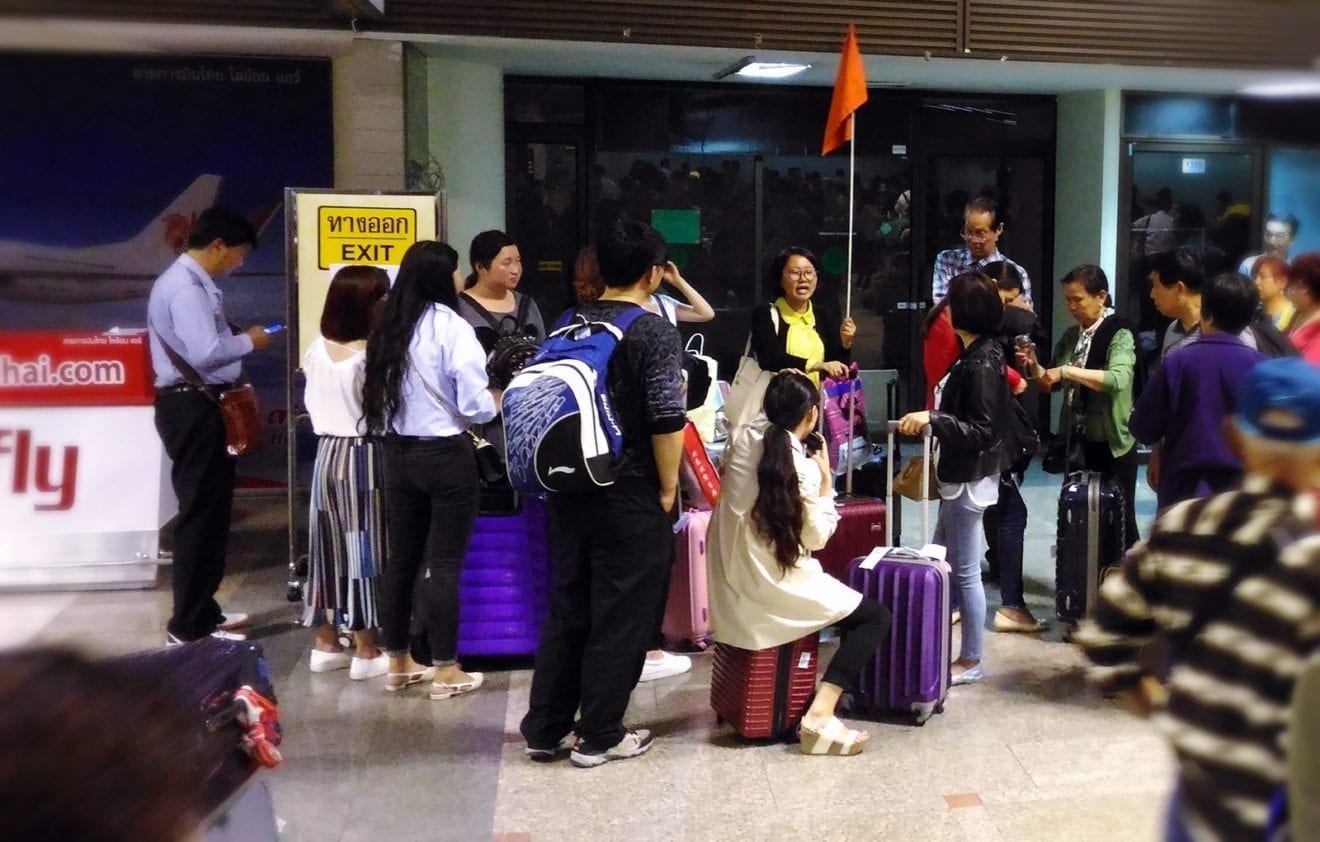
    According to the Airports of Thailand (AOT) the country’s aviation industry performance only improved ‘slightly’ between October-December 2016 (Q1 FY2017), due to a reduced number of Chinese tourists visiting through ‘illegal tours’.

    During the period, concession revenue grew by just +2.68% year-on-year to Baht 3,302.71m (US$94m).

    “After the repressive measures against illegal tours by the cooperation between the Thai government and the Chinese government, Chinese tourists reduced consequently,” said the airports operator.

    “Therefore, tourism industry didn’t grow as fast this quarter because the Chinese are the largest group of foreign tourists visiting Thailand.”

    GROWTH OF MIDDLE-INCOME PASSENGERS

    However, ‘a more stable domestic political situation’, the government’s domestic and international tourism stimulus policies, and the rapid expansion of low cost airlines, increased new demand for air travel for middle-income groups, says AOT.


    The effects of the aforementioned ‘repressive measures’ were also compensated by increases in other foreign travellers, especially Russian and European passengers.

    “The consequence of the repressive measures against illegal tours by the government is expected to affect the volume of Chinese tourists for a short period of time,” adds AOT.

    The total number of passengers served by Thai airports reached 30.69m in the October-December 2016 period; a 6.11% increase compared to the same period last year. International traffic made up the majority of total traffic at 16.52m international passengers.

    Net profit for the three-month period ended 31 December, 2016 reached Baht 5,084.22m (US$145m), up +9.91% compared to the same period last year.

    INCREASE SALES OR SERVICES REVENUES

    Revenues from sales or services increased by Baht 798.77m or 6.76% as a result of an increase in aeronautical revenue of Baht 254.32m or 3.72% and non-aeronautical revenue of Baht 544.45m or 10.93% because of an increased number of flights and passengers.

    Non-aeronautical revenue of Baht 5,526.73m increased by Baht 544.45m or 10.93% comparing to the same period last year due to an increase in service revenues of 31.02% attributed to advance check in costs to passengers.

    “This was because AOT installed Advance Passenger Processing System (APPS)on 1 December, 2015.

  • Tourists give local businesses a big boost

    Tourists give local businesses a big boost

    Tourism spending was a silver lining for the struggling retail industry last year. Tourists spent $4.3 billion on shopping between January and September. That is nearly 50 per cent more than in the same period in 2015, according to figures released yesterday by the Singapore Tourism Board (STB).

    And local businesses are benefiting. These visitors are turning to “mass market” goods such as confectionery, gifts and souvenirs, and fashion and accessories, as opposed to globally available luxury items, STB said.

    One shop that has been pulling in the crowds is local souvenir shop Supermama.

    “Souvenir” brings to mind run- of-the mill keychains and magnets, but the shop, which opened in 2011, sells nothing of that sort.

    Instead, stocked at its four outlets are Singapore-themed porcelain items, with designs such as the HDB corridor and tembusu tree.

    Founder Lee Meiling said today’s savvier tourists avoid the “usually tacky souvenirs created to get a quick buck from the tourist”.

    “The visuals are designed by local Singapore designers telling very local aspects of the Singapore culture and lifestyle,”she said.

    Some items come with a write-up on the Singapore icons they feature. Tourist sales make up between 20 per cent and 35 per cent of sales, an increase from the 15 per cent two years ago, added Ms Lee.

    Explaining visitors’ interest in home-grown brands, deputy chief executive of STB Melissa Ow said during a press briefing yesterday: “People want to have some affinity with the destination, so something that is going to be intrinsic and unique, and speaks to the attributes of the destination will, I think, continue to have a lot of value among our visitors.”

    Another retail store, Megafash, which carries more than 600 independent local brands, has also gained traction among tourists, which comes as a bit of a surprise to the company, as it did not target this group.

    Items sold by the outfit include plates that are designed with recipes for local dishes such as nasi lemak, “rainbow agar agar” doorstops, and T-shirts with Singlish phrases.

    Several of its six stores are near tourist areas. The outlet in Tanjong Pagar shopping mall 100AM, for example, is next to a hotel.

    The Farm Store – which sells items such as chilli-crab aprons and supplies these items to other shops, including Megafash, Naiise and Tangs at Tangs Plaza – has seen a 30 per cent year-on-year increase in tourists looking for “uniquely Singapore” souvenirs.

    Head of retail and marketing at Singapore Polytechnic’s business school Amos Tan said such Singapore brands tend to do well because consumers are looking for novelty.

    “Consumers today, they have been there, done that, travelled all over, and seen the global brands elsewhere. So they look for something that is truly Singaporean, and these shops offer them.”

  • Raja Ampat to organize various festivals to lure tourists

    Raja Ampat to organize various festivals to lure tourists

    The district administration of Raja Ampat in West Papua Province will organize various festivals to lure tourists to the island.

    The planned festivals will be part of the tourism campaign for the region, according to the Head of Raja Ampat tourism office, Yusdi Lamatenggo, on Saturday (Jan. 21).

    This years list of festivals include a maritime festival, a flute and drum festival, the Wonderful Misol festival, the Wonderful Salawati festival, the Wonderful Waigeo festival, a fish cooking festival and a Red and White festival.

    There will also be a spiritual festival, a blue sea festival, the Raja Ampat Fair and the Raja Ampat childrens reading festival.

    The events are also intended to preserve and promote the regions local culture and arts, he added.

    In an effort to improve transportion access to Raja Ampat, the government has also launched several key infrastructure projects on the islands.

    Regular transportation will be made available from the regional capital of Waisai to other islands, including Misol Island.

    “Foreign and local tourists will now be able to visit the islands without having to hire expensive speedboats,” explained Lamatenggo.

    The Wing Air Lion Group will also operate direct return flights from Jakarta to Manado and Waisai to improve the access to West Papua from outside the region, he said.

    “At the moment, tourists wishing to visit Raja Ampat have to take a long flight from Jakarta to Sorong,” he added.

    The Indonesian archipelago of Raja Ampat, fondly called the Living Eden or Paradise on Earth, was a lesser-known tourist destination and was familiar only to intrepid travelers and avid divers.

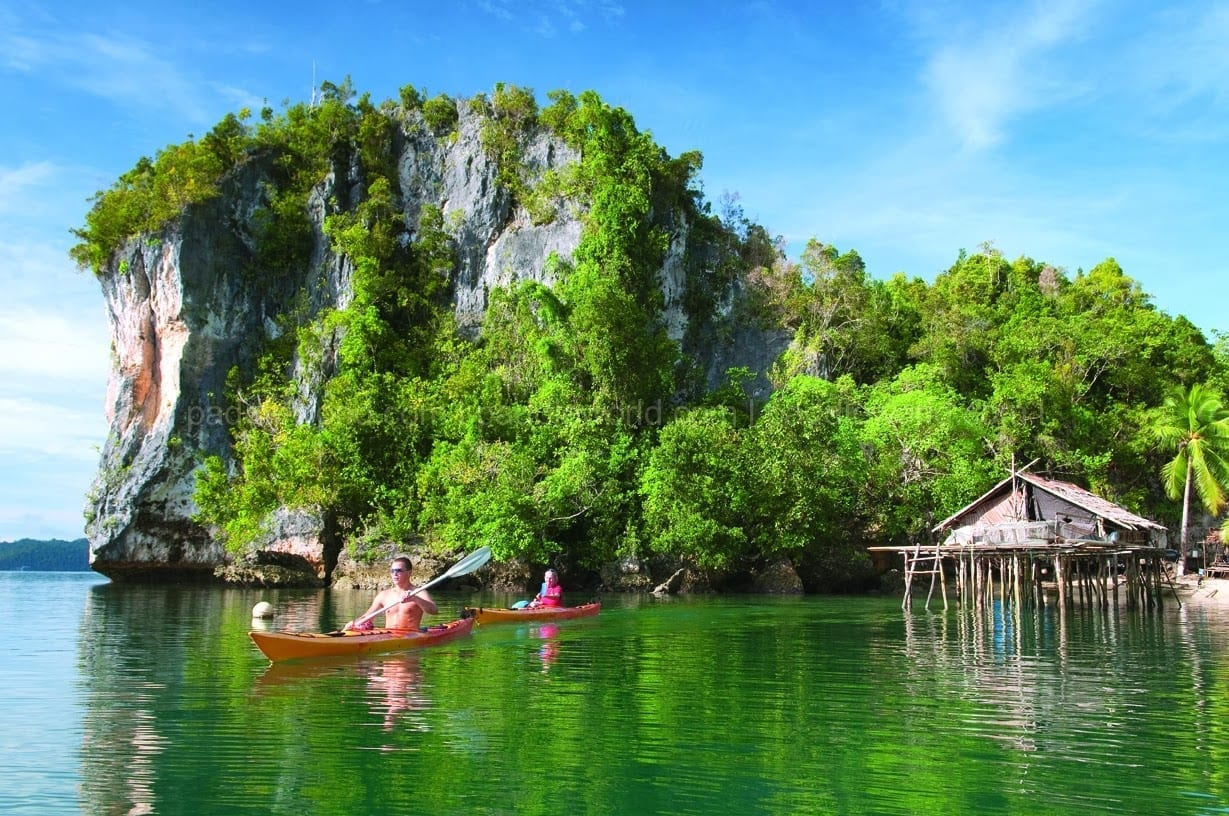
    Considered to be a crown jewel in Indonesia, Raja Ampat has crystal clear turquoise waters and islands covered by dense green forests and mangrove swamps.

    Located in an area called the “Coral Triangle” between the Pacific and Indian oceans in eastern Indonesias West Papua province, the world is now taking notice of Raja Ampat after the Indonesian government intensified its tourism campaign to promote the region.

  • Bali expected to lure 40% of 2017 tourist arrivals

    Bali expected to lure 40% of 2017 tourist arrivals

    Bali is expected to attract 40 percent of the total target of 15 million foreign tourists to Indonesia in 2017.

    The province has been given a bigger portion than other regions because it still remains the prime destination for foreign tourists, according to the Assistant Deputy for Tourism Human Resource Development, Wisnu Bawa Tarunajaya, on Saturday (Jan. 21).

    “Bali is still number one compared to the other regions in Indonesia,” he said.

    The capital Jakarta is expected to attract 30 percent, while Batam in the Sumatran province of Riau Islands is expected to get 20 percent. All other regions of the country are expected to get the remaining 10 percent.

    The three major regions will play important roles in meeting the targets for attracting foreign tourism in Indonesia, added Tarunajaya.

    In order for the other regions to compete, the Ministry of Tourism is also planning to develop new tourist destinations. These include Toba Lake in North Sumatra, Tanjung Klayang in Bangka-Belitung province, Thousand Islands in Jakarta and Tanjung Lesung in Banten province, West Java. Mandalika in Lombok in West Nusa Tenggara, Labuhan Bajo in East Nusa Tenggara, Wakatobi in Southeast Sulawesi and Morotai in North Maluku are also listed for potential development.

    Through careful planning and sustainable development, the Ministry of Tourism is hoping to boost the promotion of new tourist destinations to attract more foreign visitors, said Tarunajaya.

    He also mentioned that most of the foreign tourists that are expected to visit this year are likely to come from China and other ASEAN countries, as well as Australia.

  • Tourist arrival number 32m sets new Thai tourist record

    Tourist arrival number 32m sets new Thai tourist record

    The Tourism Authority of Thailand (TAT) says a new record was broken at the end of December when it received its 32-millionth visitor. The red carpet was laid out to welcome the fortunate arrival as part of ’Thailand’s Luckiest Visitor’ campaign which was originally started in 2015 to recognise and reward every millionth visitor to Thailand, from the 13 millionth to 29 millionth during June to December.

    TAT says that this campaign has subsequently proved to be hugely popular, with both tourists and media helping to enhanced Thailand’s brand image.

    So much so, that Thailand is expecting to earn total international tourism revenue of around Baht1.62 trillion (US$46bn) in 2016, representing a year-on-year increase of 11.68% compared to 2015.

    BIG PUSH TO ENCOURAGE MORE ARRIVALS

    To boost these numbers further, TAT says that several initiatives have been put in place to encourage more tourist arrivals, including visa waiver fees for visitors from 19 countries from 1 December, 2016, to 28 February, 2017 and a halving of visa-issue fees on arrival over the period.

    Meanwhile, the Tourism Authority of Thailand and the Tourism Ministry have announced newly revised tourism revenue targets for 2017 Bt2.71 trillion ($76.1bn) which represents an 8.2% rise on 2016.

    This follows earlier statements suggesting that Thailand’s tourist numbers for 2016 are now expected to total around 32.6m when the final count is in – an increase of around 8%.

    In addition, TAT has confirmed that it is bringing back its Thailand Tourism Festival (TTF) to coincide with Chinese New Year 2017 between 25-29 January this month. It is hoping his will attract more than 650,000 visitors.

  • Chinese tourists visiting Bali up 41.28 percent in number

    Chinese tourists visiting Bali up 41.28 percent in number

    The number of visits by Chinese tourists to Bali rose 41.28 percent to 907,028 in the first 11 months of 2016 from 642,000 in the same period in 2015.

    “Most of them flew directly to Bali via the Denpasar International Airport of Ngurah Rai with only 886 of the visits by sea as passengers of tourist boats, head of the Provincial Central Bureau of Statistics (BPS) Adi Nugroho said here on Thursday.

    He said Chinese made up 20.22 percent of the total number of 4.48 million visits by foreign tourists to Bali in the January-November period of 2016.

    China is now the second largest country of origin of foreign tourists to Bali after Australia.

    Adi Nugroho said the number of visits by Australian tourists to Bali in the same period totaled 1.04 million, up 19.46 percent from 876,748 visits in the same period in the previous year.

    Australia accounted for 23.35 percent of the total number of visits by foreign tourists to Bali topping other countries, he added.

    Meanwhile, tourism observer Tjokorda Gde Agung said Chinese, who had come in throngs for holidaying in Bali could soon overtake Australians in number.

    “It is very likely especially with the growing number of direct flights between Denpasar and Chinese cities,” Tjokorda said.

    The nations flag carrier Garuda Indonesia itself already served regular flights directly between Bali and China, he said.

    “The direct flights would certainly contribute greatly to growing number of Chinese tourists to Bali,” he said.

    The 41.28 percent increase was the second highest after a 60.59 percent increase recorded in the number of Indian visitors to Bali in the same period.

    The number of visits from 10 largest countries of origin all increased excepting from Malaysia and South Korea.

    With the trend , the target of 5.5 million visitors to Bali set for 2017 is expected to be easily reached.

    Indonesia hopes to draw more Chinese tourists to meet its target of 20 million visits by foreign tourists in 2019 from the target of 12 million in 2016.

    China has become a potential tourism market. A record high of 133 million Chinese tourists were estimated to make outbound trips by the end of 2016, according to the report released by the China Tourism Academy and the financial services company UnionPay International.

    The figure would mark an 11.5 per cent rise from 2015.

    Hong Kong, Macau and Taiwan remain the top choices for mainland tourists, according to a report.

    Chinese tourists are increasingly getting involved in leisure activities and learning about local lifestyles when traveling overseas rather than just shopping, according to the report.

    Chinese tourists spent US$104.5 billion overseas in 2015, up 16.6 per cent from 2014, and a growing number of foreign countries including Indonesia are relaxing their visa requirements for Chinese tourists to tap their purchasing power.

    Tourists from China along with many other countries are offered visa free travel by Indonesia.

  • Indonesia seeks to boost tourist visits from Europe

    Indonesia seeks to boost tourist visits from Europe

    Indonesia is seeking to lure more European tourists to visit the country by promoting its national tourism industry in the Matka-Nordic Travel Fair 2017 that will be held from January 19-22 in Messukeskus, Helsinki, Finland.

    “Indonesia has set the target of attracting at least 2.1 million European tourists to Indonesia,” Deputy Assistant of Europe, Middle East, America and Africa Market Development of the Tourism Ministry Nia Niscaya said here Monday.

    Pointing out that the travel fair will be held in Finland, Niscaya stated the Nordic countries, including Denmark, Finland, Iceland, Norway and Sweden, offered great potentials for the countrys tourism industry.

    In 2015, the official data showed that as many as 98,960 tourists from the Nordic countries had visited Indonesia.

    “The number is predicted to be more in 2016, as until October itself, the number of tourists from the Nordic nations visiting Indonesia had reached 95,196,” Niscaya revealed.

    During the largest travel exhibition in Northern Europe, Indonesia will showcase several industries that will present and promote the countrys tourism potential at the Pavilion Indonesia booth.

    Several Indonesian traditional dances will also be performed during the travel fair. Visitors would also be invited to taste Indonesias traditional drink in the exhibition booth, Niscaya mentioned.

    “Using the tagline Wonderful Indonesia Explore Further, we want to showcase its biodiversity, unique handicrafts, music, variety of culinary delights, tourism destinations and most importantly, its diversity and the hospitality of the people,” Niscaya explained.

    The government of Indonesia has set a target of increasing the number of tourist visits from 9.5 million in 2014 to 20 million in 2019.

    The country has also developed 10 prioritized destinations, namely Lake Toba in North Sumatra, Tanjung Kelayang in Belitung, Mandalika in South Lombok, Wakatobi in Southeast Sulawesi, Morotai in North Maluku, Seribu Islands in Jakarta, Tanjung Lesung in Banten, Borobudur Temple in Central Java, Mount Bromo in East Java, and Labuan Bajo in East Nusa Tenggara.

    The government has also provided short stay free visa on arrival for tourists from 169 countries, including Finland, to increase the number of tourist visits.

  • Over 4.48 million tourists visit Bali

    Over 4.48 million tourists visit Bali

    More than 4.48 million foreign tourists visited Bali via the resort islands Ngurah Rai Airport from January to November 2016, up 23.52 percent from 3.63 million in the same period last year.

    Some 4.48 million tourists traveled to Bali by air, and 70,449 others by sea, Chief of the Central Statistics Agency (BPS) Office in Bali, Adi Nugroho said here Tuesday.

    The number of foreign tourists visiting the resort island from January to November 2016 exceeded the target of tourist arrivals for all of 2016 at 4.2 million, he said.

    Bali has set the target of tourist arrivals for 2017 at 5.5 million.

    In November 2016 alone, the number of tourist arrivals in Bali reached 413,232 consisting of 396,150 who traveled to the island by air and 17,082 by sea.

    The figure increased 52.52 percent compared to the same month a year earlier but declined 4.39 percent compared to the previous month.

    The number of tourists from eight out of top ten sources of tourist arrivals in Bali increased significantly, Nugroho said.

    The eight countries were Australia, China, Japan, Britain, India, France, the United States, and Germany, while the number of tourists from Malaysia and South Korea declined.

  • Foreign tourist arrivals in Bali reach 4.07 mln

    Foreign tourist arrivals in Bali reach 4.07 mln

    The tourist resort province of Bali, which had received 4.07 million foreign tourist arrivals up to October, is expected to have attracted more than 4.4 million more tourists by the end of the year.

    “Foreign tourist arrivals account for 40 percent of the national target of about 15 million tourists,” said the Head of the Bali Provincial Tourism Office, A.A. Yuniartha Gede Putra, here on Friday.

    He added that the foreign tourist arrivals in Bali are expected to go up to 5.5 million in 2017.

    Putra said foreign tourists in Bali mainly came from ten countries, namely Australia, China, Japan, Britain, France, India, Malaysia, the United States, Germany and South Korea.

    “Given the uniqueness of Balinese art and culture, it attracts tourists from various countries around the world,” Putra noted.

    He noted that he promoted the region in various countries to lure more travelers to Bali. The Ministry of Tourism also made similar efforts.

    Besides, steps were taken to improve cultural tourism as Bali has a regional identity.

    He urged everyone to ensure that the local tourism department works well so that tourists in Bali feel safe and comfortable as they enjoy their holidays.

    Referring to Australian governments travel advisory, tourism observer Putu Gede Perma claimed it will not affect tourist visits to Bali.

    “Based on our observations and the results of the academic studies on the impact of this travel advisory, we have deduced that the advisory did not have any impact on the number of Australian tourists visiting Bali,” Putu Gede Perma informed here on Thursday.

    Australian tourists were of the view that bomb attacks can happen anywhere in the world and were not unique to Bali, he stated.

    “They will not delay or cancel their planned trips to Bali,” remarked Gede.

    Gede, who is also an academician at the Ganesha Education University, hoped that Australian tourists would not blindly follow their governments recommendation.

    “We found that Australian tourists had continued to come to Bali, irrespective of how serious the advisory was,” he recalled, adding that the situation was unlike what had happened more than a decade ago when Bali was crippled by bomb attacks.

    “Yes, it did affect tourism. After the Bali 1 and Bali 2 bombings, a travel advisory had significantly reduced the influx of Australian tourists,” he conceded.

    He called upon the police and military officers to remain alert to terror threats, particularly after the arrest of terrorists in South Tangerang, Banten, by the polices anti-terror squad, Densus 88, on Wednesday (Dec 21).

    “Bali will always remain a target. Security officers and the people should, therefore, continue to maintain security and order. We should be watchful of suspicious visitors,” the tourism observer stressed.

  • Thailand tourism breaks records and welcomes 30 millionth visitor to the kingdom

    Thailand tourism breaks records and welcomes 30 millionth visitor to the kingdom

    Mr. Yuthasak Supasorn, Governor of the Tourism Authority of Thailand (TAT) said, “This has been an amazing year for tourism in amazing Thailand as shown by the huge numbers of visitors. We have reached 30 million and the high season has only just kicked off. We know that more people will be coming to enjoy the cool weather and holiday festivities. Thailand has so much to offer the world and we know that the Thai people make every visitor feel as welcome as we made Ms. Huang Junyi feel today.”

    Ms. Huang Junyi receives a certificate naming her as “Thailand’s Luckiest Visitor – The Amazing, Smashing Success” from Mr. Yuthsak Supasorn, TAT Governor

    Ms. Huang Junyi,“Thailand’s Luckiest Visitor – The Amazing, Smashing Success”, was greeted at Suvarnabhumi Airport with a fantastic welcoming ceremony co-hosted by the Tourism Authority of Thailand (TAT), Thai Airways International and True Corporation.

    Ms. Huang’s prize will be two economy-class return tickets to Thailand from her original destination, which are valid for a year. She will also be given a voucher for a five-night stay in one of Thailand’s luxury hotels in Bangkok, Pattaya or Hua Hin as well as a mobile phone with a 4G sim card and seven days of Internet usage and a certificate naming her as “Thailand’s Luckiest Visitor – The Amazing, Smashing Success” so that she can remember this day forever. The lucky 30 millionth visitor was also given an exclusive limousine transfer from the Airport to her accommodation in Bangkok.

    This is the second time that Ms. Huang Junyi has travelled to Thailand. During this trip, she will be spending 10 days in Bangkok and Pattaya.

    The “Thailand’s Luckiest Visitor” campaign was launched in 2015 to welcome and reward every millionth visitor to Thailand from June to December. The campaign was a great success and garnered interest from the public and media organisations across the world, boosting Thailand’s tourism sector and brand image. It has been brought back in 2016 to welcome the 30th and 31st million visitors and will continue till the end of 2016.

    In 2016, Thailand is projecting total international tourism revenue of 1.62 trillion Baht (USD 46 billion), representing a year-on-year increase of 11.68% over 2015.

    To boost tourism numbers, various initiatives have been put in place to encourage tourists to visit and spend. This includes the waiver of tourist visa fees for visitors from 19 countries from 1 December, 2016, to 28 February, 2017, and the price of visas issued on arrival will be halved. To encourage more domestic travel, a long New Year holiday of four days including 31 December, 2016, and 1 to 3 January, 2017, has been confirmed.

  • President calls for serious effort to attract 10 million Chinese tourists

    President calls for serious effort to attract 10 million Chinese tourists

    President Joko Widodo (Jokowi) has called for a serious effort to attract at least 10 million Chinese tourists to visit Indonesia per year.

    “Some 150 million Chinese citizens travel abroad every year. Most of them travel to the US and Europe. I want some 10 million Chinese tourists to visit Indonesia,” he said at a function to familiarize the public with the second phase of tax amnesty program here on Friday night.

    The president said he has signed an agreement with the Chinese government related to Chinese tourists visit to Indonesia.

    “The agreement has been in place. We only prepare flights from China to Indonesia. If the flights are already there, the target of attracting 20 million tourists can be achieved in 2019,” he said.

    The government is developing 10 key tourist destinations expected to attract more tourists, he said.

    “The target of tourist arrivals two years ago was 9 million. We want to increase the target to 20 million in 2019 by all available means including improving our positioning, diversifying products, and building brands,” he said.

    To achieve the target, the government continued to carry out tourism promotion in major cities abroad, he said.

  • Microsoft extends CityNext project to Hong Kong

    Microsoft extends CityNext project to Hong Kong

    Microsoft has extended its global CityNext smart city initiative to Hong Kong and is seeking local partners to collaborate.

    Through the CityNext initiative, Microsoft is working with partners including system integrators to deliver smart city offerings to businesses and governments.

    Microsoft held an industry event in Hong Kong last week to discuss the transformative potential of intelligent systems and data analytics in smart city applications. Over 100 channel partners and potential customers attended.

    Speaking at the event, Microsoft Hong Kong national CTO Fred Sheu said the CityNext program will help governments deliver digital services to ensure their citizens enjoy healthier lives, as well as access to high-quality education and other critical needs.

    “Together with our partners, we can transform a city’s operations and infrastructure, engage citizens and accelerate innovation to create truly sustainable cities — where citizens, businesses and governments work alongside one another for a better tomorrow,” he said.

    “Through CityNext, we provide solutions that focus the most powerful modern technology — cloud, big data, mobile, and social technologies — on the city’s most pressing issues. For example, two critical components of any smart city are machine learning and IoT, which we are proud to offer to our partners via our much-heralded Azure cloud platform.”

    Microsoft CTO for data insights John Nisi added that the use of intelligent systems is helping businesses and governments re-imagine the value chain.

    “Modern businesses faced with economic uncertainty and disruptive competitors can leverage analytics and predictive data to create new revenue streams and opportunities that will allow them to thrive in the digital era,” he said.

    According to Sheu, more than 300 partners worldwide have already signed up for the CityNext program. In Hong Kong, over 10 partners have joined the program to provide smart healthcare, smart building, smart government and geographical information system (GIS) offerings and the like.