Tag: tourists

  • Bossini Singapore opens new store concept at Jewel Changi

    Bossini Singapore opens new store concept at Jewel Changi

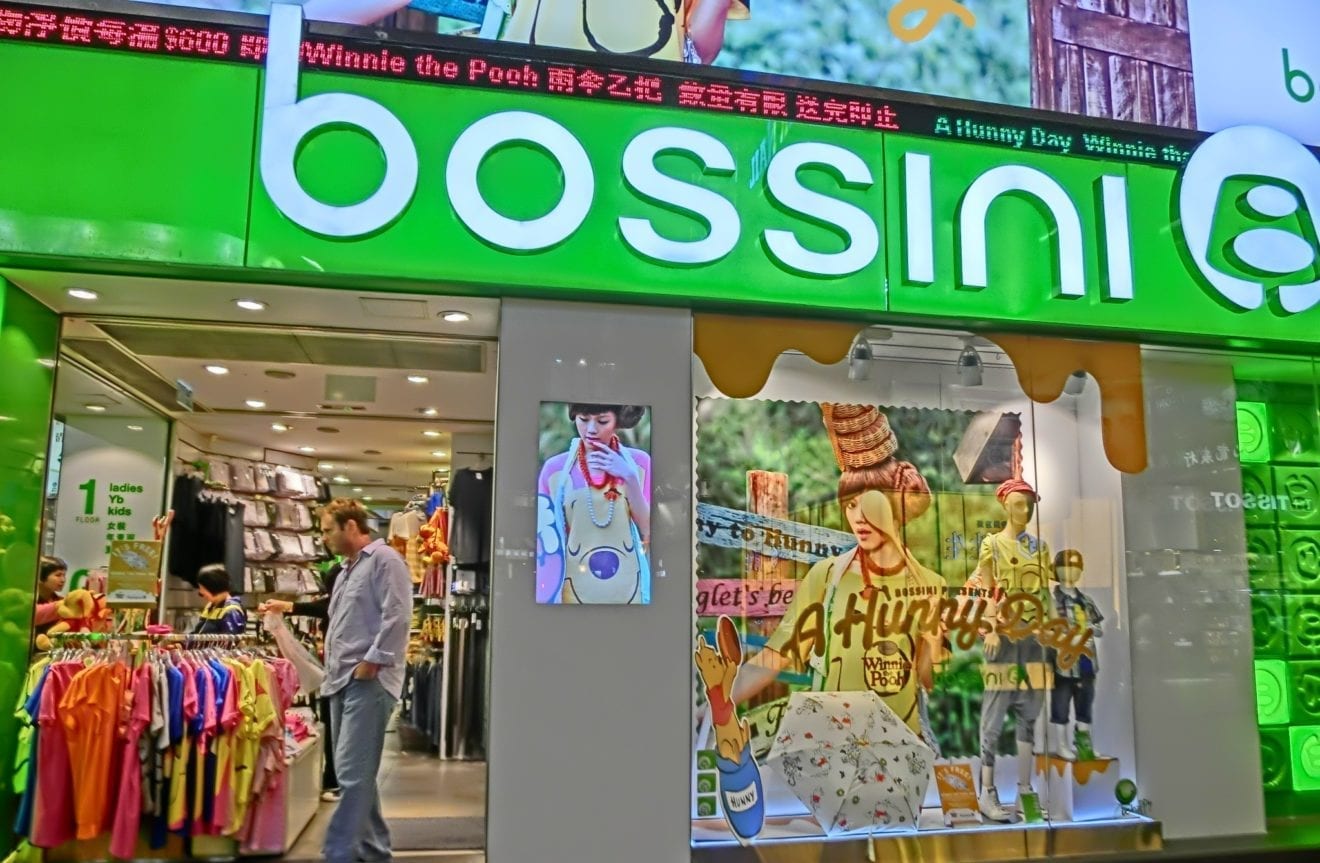
    Bossini Singapore opened a new store concept at Jewel Changi today. The fashion retailer says shoppers can look forward to an enhanced visual and shopping experience in the new store.

    The interior is fitted out with materials that resemble nature while walls are fitted with LED TV screens and an interactive Lego panel for further engagement.

    The entrance is designed with three-dimensional LED lights for an inviting shop-front.

    The store will carry athleisure wear, windbreakers, jogger pants and quick-dry tops and regularly changing collaborative capsules. Past such collaborations include Disney characters featuring on an extensive and fun range of t-shirts, jackets, dresses and bottoms for both adults and kids.

    Local souvenirs for tourists are also in the pipeline.

    Bossini Singapore opens new store concept at Jewel Changi

  • AuMake in trading halt

    AuMake in trading halt

    Shares in daigou-focused retailer AuMake have been placed in a trading halt pending an announcement on an acquisition and related capital-raising.

    The company, which last month extended its bricks-and-mortar presence beyond Sydney, has requested the halt be lifted before the open of markets on Wednesday April 17, or when its anticipated announcement is released to the market.

    AuMake sells Australian skin care, supplements and milk formula to Chinese tourists and personal exporters.

    It has 17 stores across Sydney, Brisbane, and Auckland and is aiming for a bigger bite of the $2 billion cross-border commerce market.

    In February the company announced it had halved its losses after more than doubling its sales in the space of a year, with its internal sales forecast upgraded 30 to 40 per cent in March after it flagged the expansion of its stores.

  • Rent reductions causes Bonjour Holdings a big loss

    Rent reductions causes Bonjour Holdings a big loss

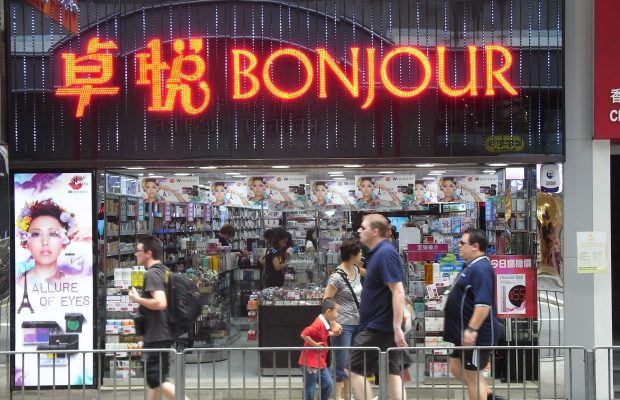
    Bonjour Holdings sales fell 7.3 per cent last year as the health and beauty products retailer reorganised its store network.

    The company reported a loss attributable to shareholders of HK$39.6 million (US$5 million), which was a significant improvement on the previous year’s loss of $202.3 million.

    Same-store sales crept up 0.8 per cent, albeit that is a slower rate than the 2.3 per cent of 2017.

    The Hong Kong-listed group finished the year with 39 stores in Hong Kong, Macau and Guangzhou, a reduction of just one. But during the year it relocated some stores and negotiated more favourable rental deals from its landlords on others. That strategy saw rent, as a proportion of turnover, fall from 19.1 per cent in 2017 to 15.5 per cent last year, the total rent bill down from $368.8 million to $277.6 million.

    “Although the high-street shop rents started to raise slightly last year due to the recovery of the retail sector in the first half, the group has adopted an optimistic cautious strategic planning in its store network in response to the market changes,” the company said in its results announcement.

    “Stores were deliberately chosen at both tourists shopping hotspots and community districts or residential areas with high population density to cater to both tourists and local communities’ needs which also helped the group to increase the market penetration.”

    Tourist demographics change

    The structural change to the mix of mainland tourists during the last few years has impacted on the average ticket size at Bonjour Holdings’ stores. An increasing number of arrivals are now coming from lower-tier cities with less spending power. In addition, the weak RMB and uncertain economic environment dampened the attractiveness of Hong Kong goods to mainland shoppers that they became more cautious in their spending, the company said.

    Bonjour Holdings said pressure on profitability remained last year, despite the group increasing its profit margin by 0.3 per cent.

    E-commerce expansion

    One bright point in Bonjour Holdings’ results was the increase in online sales, up 9 per cent year on year.

    As well as upgrading its own online store, Bonjour has opened flagships on e-commerce platforms Tmall Global, Kaola and Xiahongshu to increase brand visibility, provide customers with more information on products, and launch timely promotions.

    “E-commerce keeps growing and social media continues to play a bigger role,” the company said in its results filing.

    “The group put more effort into digital media by distributing promotional videos on Facebook and Weibo pages and regularly launched online promotional activities and special events, including “Double Eleven”.

  • Tumi powers solid Samsonite sales growth, focus in Asia

    Tumi powers solid Samsonite sales growth, focus in Asia

    Hong Kong-listed luggage giant Samsonite International has achieved its seventh consecutive year of sales growth following its listing in 2011.

    Net Samsonite sales were up 8.4 per cent on a constant-currency basis to US$3.797 billion in the year to December 31. Profit attributable to shareholders rose by 23.9 per cent before extraordinary items saw that figure reversed into a 29.2 per cent decline to $236.7 million.

    Net sales in Asia increased by 10.2 per cent year on year to $1.324 billion, driven by the Tumi, American Tourister, Samsonite and Kamiliant brands. Tumi’s sales increased by 29.5 per cent, due in part to the full-year contribution from having taken direct control of Tumi distribution in certain Asian markets during 2017, as well as increased brand penetration in key Asian markets.

    A boost in marketing saw American Tourister’s net sales increase by 8.9 per cent in Asia, while Samsonite sales rose by a more modest 2.1 per cent. The group’s entry-level brand Kamiliant achieved a 44.1 per cent increase in sales in Asia as it continued to take market share from other entry-level brands across the region.

    Overall, Asia recorded second-half net sales growth of 6.5 per cent and full-year growth of 10.2 per cent.

    CEO Kyle Gendreau said sales in Japan rose by 14.1 per cent and in India by 28.5 per cent, in the second half, but these gains were partially offset by slower growth in China, which recorded just 3.2 per cent growth as consumer sentiment weakened amid concerns about trade relations with the US; and in South Korea where net sales decreased by 1.5 per cent in the second half.

    “Our growth was underpinned by positive performances from our core brands,” said Gendreau. “Tumi continued to perform ahead of expectations, making great strides in enhancing its international presence, with strong growth in Asia and Europe.”

  • The Shilla Duty Free partners with comics strip artists

    The Shilla Duty Free partners with comics strip artists

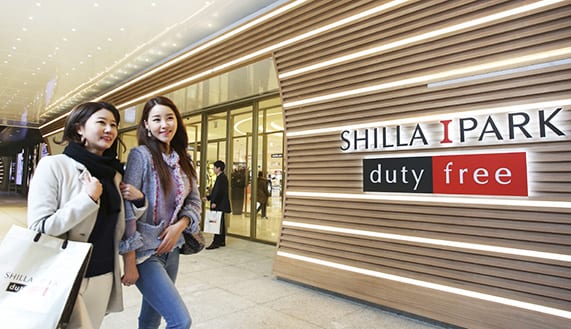
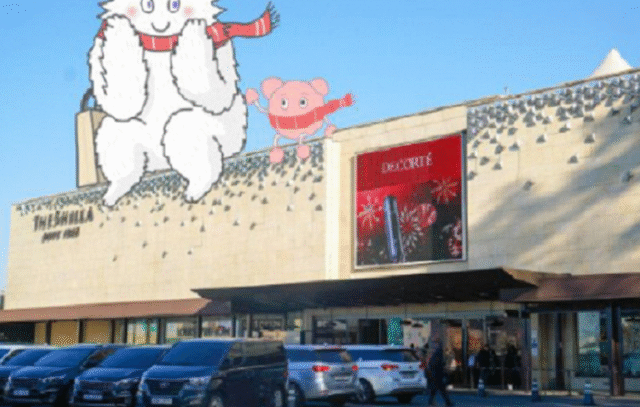
    The Shilla Duty Free is partnering with popular Chinese webtoon artists to boost its appeal to travelling Chinese shoppers. The travel retailer said that this is the first marketing partnership of its kind in the Korean duty free industry. Webtoons have become an increasingly influential media tool to connect closely with consumers, Shilla noted. “Unlike traditional advertisements, webtoons use storytelling that is easily relatable while utilising artists’ existing fandom.”

    The partnership with two webtoon artists, Niu Hong Hong (牛轰轰) and Ruo Guan (弱冠), specifically targets Chinese women in their 20s to 30s – The Shilla Duty Free’s main customer base (as the charts below show, visitors between 21 and 40 made up 57.3 percent of Chinese arrivals in South Korea last year and those between 21 and 30 almost 31 percent).

    Shilla’s stores are being featured in webtoons and the contents promoted through each artist’s social media platforms.

    Real-time comments such as “I would like to shop there”; “I should visit there during my next visit to Korea”; and “I like the store interior” appear on the webtoons.

    Besides introducing The Shilla Duty Free shops, the webtoons also highlight nine local eateries near the retailer’s flagship Seoul Store, showcasing the surrounding area as a local attraction. Since 2016, The Shilla Duty Free has promoted its local communities by introducing nearby restaurants through various channels such as The Shilla Online Duty Free in Chinese and its official Weibo account.

    A spokesperson said, “The partnership with Chinese webtoon artists is a first in the industry. We expect to be able to connect better with Chinese customers. Creative marketing like this will be continued during the peak seasons such as Chinese Lunar New Year, the Mid-Autumn Festival and the National Day of China, to broaden the communication with our customers.”

  • ICONSIAM to launch event to boost Thai’s tourism

    ICONSIAM to launch event to boost Thai’s tourism

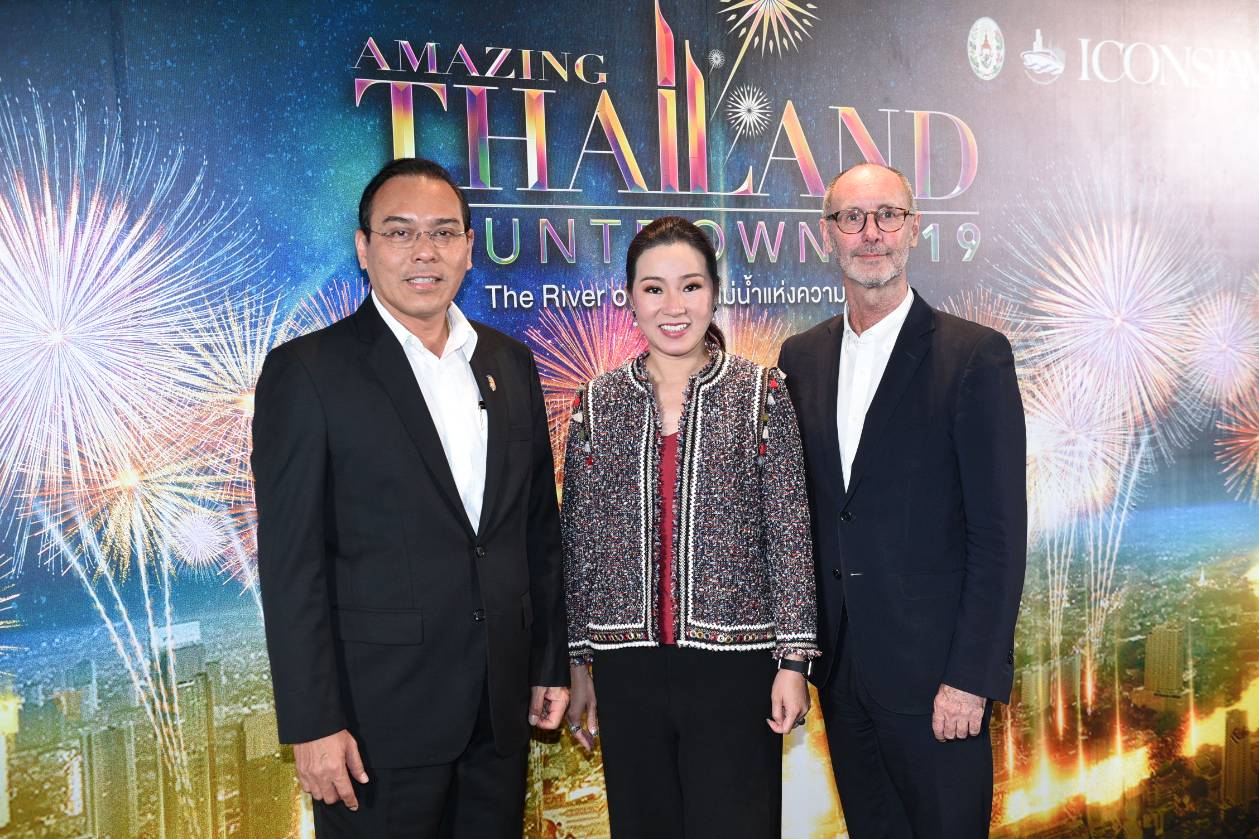
    Amazing Thailand Countdown 2019 at ICONSIAM is a truly amazing event of the country with a great collaboration of entities from the public and private sectors and surrounding communities to organize a New Year Celebration in a scale never before seen along the Chao Phraya riverside, the place that has become the NATIONAL ICONIC LANDMARK and ICON of Eternal Prosperity.

    Amazing Thailand Countdown 2019 under the theme of “The River of Prosperity” will make the New Year Celebration sensational on Monday, December 31, 2018, from 18:00 hrs. This New Year Celebration is jointly organized by the Tourism Authority of Thailand and ICONSIAM in collaboration with The ICONSIAM Superlux Residence Corporation Limited, The ICONSIAM Residences Corporation Limited. In addition, our partners both from the public and private sectors are also actively involved—including Association of Chao Phraya Commerce, Marine Department, Siam Commercial Bank, TRUE Corporation Public Company Limited, Kasikorn Bank, Thai Shipping Association, Bangkok River Partners, and Chao Phraya Riverside Communities.

    According to Yuthasak Supasorn, Governor of Tourism Authority of Thailand (TAT), said that “Amazing Thailand Countdown 2019 is a major event that TAT has consistently organized over the years at various destinations throughout the country. The purpose is to promote Thailand as the ultimate destination for Thai and overseas tourists alike. It’s also an effective way to help stimulate the economy and distribute income to people in every region in the country. More importantly, it supplements our effort to make tourism sustainable. This year we’ll organize the event in 5 different regions: Bangkok, NakornPanom, Chiangrai, Rajburi, and Satul.

    In Bangkok, TAT and ICONSIAM plus other partners have mapped out a plan to make the upcoming event a grand New Year Celebration by the Chao Phraya River on December 31, where the venue will be at the River Park of ICONSIAM. This very venue is characterized by diversity comprising, for example, a unique way of life and local culture that would satisfy all tourists alike. Furthermore, local business entrepreneurs and hotels on both sides of the River will take part in this celebration in various forms such as lighting and colouring their premises, and overnight Buddhist praying. Another spectacular event is a fireworks display along the Chao Phraya River which will brighten the water current and create a favourable image of Thailand as an attractive tourist destination for all people throughout the world.

    Tourism is a major income earner for the Thai economy. As such, TAT’s mission is to promote tourism in Thailand and, as a result, engaged in an extensive public relations activities both at home and overseas. It is anticipated that over one million people shall attend the New Year Celebration that will transmit to the world a favourable image of Thailand as a vibrant and dynamic country. Equally important is that substantial spending will keep the money flowing into our economy.”

    Moreover, Narong Chearavanont, Chairman of the Board of The ICONSIAM Superlux Residence Corporation Ltd., added that “we are proud to have organized the “Amazing Thailand Countdown 2019” with TAT and other partners. It is an effective way to present the beautiful image of the Chao Phraya River to the world and ICONSIAM as a riverside destination on the Chao Phraya River. We are honored to have been selected by TAT to organize the event. We are grateful for the active involvement of our partners who are committed to making the New Year Celebration event grand, impressive, and memorable for all tourists.” Here are major highlights of the upcoming Amazing Thailand Countdown 2019.

    A display of fireworks made from Thai sticker rice. These fireworks are an innovation that is      eco-friendly. This fireworks display is based on the concept of “The River of Prosperity.” It demonstrates the history of the Chao Phraya River pertaining to our way of life, tradition, and legends of Siam as a country. This 5-minute fireworks display is composed of 5 Acts.

    Act 1 – “The River of Prosperity” is a fireworks display in silver, gold, and bronze colours held together consecutively. Based on the beliefs of people, the three elements symbolize prosperity. As such, the first second of the New Year is to make the Chao Phraya River bright, beautiful, peaceful and prosperous as it has been over the years.

    Act 2 – “The Siam Treasure” is a fireworks display of multiple shapes and colours that reflect a close interconnection between our tradition, a way of life and the Chao Phraya River. Not only that the River was essential in daily human activities, it was also what people utilized for transportation, a naval route for diplomatic corps coming in to establish diplomatic relations with Siam, a way to transport products and conduct trade since Ayutthaya to present, a way to perform religious rites, and an attractive scenes that capture imagination of overseas tourists and generate income for our country.

    Act 3 – “The Blossom of Joy” is a fireworks display that creates excitement in more ways than one. The display is accompanied by Thai folk songs that reflect our uniqueness as fun-loving, friendly, and smiling people. Any overseas tourist visiting Thailand will become impressed with, for example, reciprocity of Thai people. Such an impression is enough to start a happy New Year by the Chao Phraya River-a bloodline of Thailand.

    Act 4 – “One World” is a fireworks display that highlights the flags of all countries. It also represents their connectivity through tourism, trade, education, cultural exchange based on equality that will flourish from the start of the New Year and in the years to come.

    Act 5 – “Thailand” is a fireworks display of the tricolours of the Thai flag along the Chao Phraya River. The tricolours of red, white and blue collectively represent our national identity as an independent country shielded by our solidarity and unity.

    The upcoming display of 5-Act fireworks will take place along the Chao Phraya River from                    5 different locations. The brightness of the fireworks can be seen within the vicinity of 1,400 meters, which is the longest and grandest display of fireworks ever on the Chao Phraya River.    The vicinity encompasses Peninsula Hotel, Millennium Hilton Hotel, Shangri-La Hotel, Mandarin Oriental Hotel, and Royal Orchid Sheraton Hotel. It is expected that over one million people will watch this display of fireworks within the 2-km vicinity.

    Furthermore, there will be a “Khon” performance (a type of Thai drama) at the event in honour of it being recognized by UNESCO as a World Heritage. The Khon performance will be a New Year present for visitors.  It will be magnificent owing to the great number of performers, composition, details relating to Thai classical dance, warrior costumes and weapons. All of these protocols are truly our cultural treasures that are worth watching.

  • 40 travel agents join Garuda Indonesia Travel Fair 2018

    40 travel agents join Garuda Indonesia Travel Fair 2018

    More than 40 travel agencies, including five pilgrimage agencies, are joining the second phase of the Garuda Indonesia Travel Fair (GATF) 2018. The event, held by the flag carrier in partnership with Bank Mandiri, is held at the Jakarta Convention Center (JCC) in Senayan, South Jakarta, from Friday to Sunday. Various travel packages are offered by the agencies, including for the umrah as well as for cruise and winter vacations. Garuda Indonesia promises competitive prices for international as well as domestic routes. The South Korean capital city of Seoul, for instance, can be visited with round trip fares starting at Rp 2.7 million (US$177), while a return ticket to Raja Ampat in West Papua can be bought for Rp 2.1 million.

    Other programs available throughout the biannual event are Happy Hour, which offers up to 80 percent discounts from 10 a.m. to 2 p.m. and from 4 p.m. to 8 p.m., Best Deal with up to 50 percent discounts, an additional 1,000 miles for GarudaMiles customers and 30 percent discounts on prepaid baggage.

    Pikri Ilham Kurniansyah, Garuda Indonesia’s commercial director, speaks at the opening ceremony of the second phase of the Garuda Indonesia Travel Fair (GATF) 2018 at the Jakarta Convention Center (JCC) in Senayan, South Jakarta, on Friday.

    Having joined the GATF in 2017, Bank Mandiri also presents numerous special offers, including a 50 percent discount with fiestapoin, zero percent installments for up to 12 months using their credit card and up to Rp 2 million cashback using their credit or debit cards.

    One of the visitors, Citra, 27, from Bekasi, West Java, praised the variety of travel agencies there. “It’s worth it [coming to the travel fair], especially if you’re on a budget,” said Citra, who plans to fly to Labuan Bajo in East Nusa Tenggara. “The place is also comfortable.”

    The GATF has been held in 30 cities since last September. It targets total transactions of Rp 448 billion, including Rp 218 billion in Jakarta.

    Collaborating with the Tourism Ministry, Garuda Indonesia has also conducted the Wonderful Indonesia – Garuda Indonesia Travel Fair (WI-GATF) abroad to lure foreign travelers to Indonesia.

    Pikri Ilham Kurniansyah, the airline’s commercial director, said its WI-GATF event in Shanghai, which ended in early September, had generated 8.5 million yuan ($1.3 million) in sales, and the airline was focusing on the WI-GATF this year by adding Singapore and Australia as forthcoming venues.

  • Philippines island Boracay reopens for test run following huge cleanup

    Philippines island Boracay reopens for test run following huge cleanup

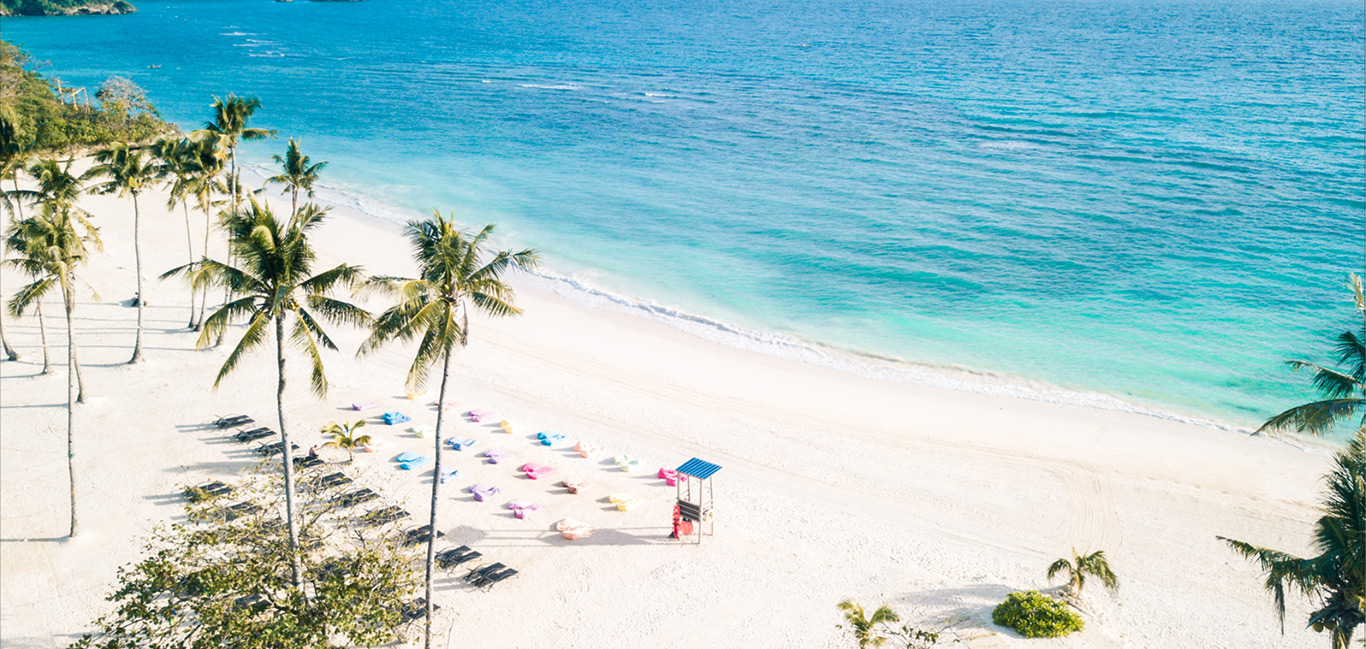
    Boracay, one of the world’s most famous beach destinations, has reopened for a limited-numbers test run almost six months after closing for a cleanup operation to reverse the fortunes of the resort island once labeled a “cesspool” by Philippines President Rodrigo Duterte. The sun was out to welcome a small group of tourists from the province of Aklan, where the island is located, and other parts of Western Visayas. The group was invited to test the newly improved facilities, which include a comprehensive overhaul of the island’s outdated and insufficient sewerage.

    The resort island, which was shuttered in April for six months for rehabilitation work, is scheduled to reopen further later this month — labeled a “soft opening” by authorities. Its famous white-sand beaches were signed off in August as “very clean” and safe for swimming, according to Environment Secretary Roy Cimatu. While the cleanup has left the beaches immaculate and the waters crystal clear, significant work needs to be done to get the road system up to speed before larger numbers of tourists are allowed back on the island.

    Tourists asked to manage expectations

    On Monday, Cimatu told  in a Facebook Live-broadcast panel, which featured the four secretaries who make up an inter-agency task force, that the sewerage and drainage for 68 accommodation establishments cleared to open was “100%” complete. The system overhaul cost over 1 billion pesos ($18.5 million), Tourism Secretary Berna Romulo-Puyat said during the discussion. While some road surfaces were not yet completed they would be “significantly finished” — 75-80% — by the wider opening on October 26, Public Works and Highways Secretary Mark Villar said.

    The full rehabilitation could take up to two years, the panel said, and while Romulo-Puyat praised reform efforts she said tourists should “manage expectations” during this period. Interior and Local Government Secretary Eduardo Año told Coren and Webb that almost 200 illegal structures had been demolished, many voluntarily and by their owners.

    Strict laws

    The new-look Boracay will be subject to rigorously enforced by-laws, the panel said, including limits to combustion engine transport, a ban on single-use plastics and offshore zones for watersports, providing a 100-meter (328-feet) swimming area from shore. Deckchairs and tables, as well as beachside entrepreneurs like masseuses and snack and drink vendors, will be banned from the beach, as will the famous fire dancers, who will have to make do with LED lights instead of the kerosene-soaked torches they used before the shutdown.

    The island should be a model of sustainable tourism, Romulo-Puyat said, and the panel stated that following the overhaul the famous island could regain its crown as one of the world’s best beach resorts.

    “We can make Boracay one of the most prestigious tourist destinations in the world,” Año said. Romulo-Puyat added that “when (the rehabilitation) is all done,” Duterte will visit the island, perhaps next year.<

    Economy needs a kickstart

    The island’s residents have been eagerly awaiting the return of the tourists and were thrilled to welcome the advance party — the last six months have been a struggle for many, especially the large numbers who rely on tourism for their livelihoods.

    During the cleanup operation, many of the 11,000 residents participated in the government’s “cash for work” program, which paid a daily minimum wage of 323 pesos ($6). In August, Lilibeth Panganiban, who sells rice cakes on a street corner, told that she’s seen her daily income drop from 1,800 pesos to 500 pesos, or even less.

    Overdue cleanup

    The archipelago nation of the Philippines boasts well over 7,000 islands. Among them, Boracay had become almost a byword for white-sand beach paradise.

    But with the influx of tourists that began in the 1980s, the island has struggled to maintain its idyllic allure. Last year almost 1.7 million tourists, including a significant number of cruise line passengers, visited the island during a 10-month period, according to the governmental Philippines Information Agency. Among the problems caused by the island’s long-running tourism boom were unregulated development, and pipes carrying raw effluence directly into the sea.

    In a survey of the island’s sewerage facilities prior to the closure, the vast majority — 716 of 834 — of residential and business properties were found to have no discharge permit and were presumed to be draining waste water directly into the sea, according to a report by the official Philippines News Agency.

    In February Duterte directly called out the alleged mismanagement of the island, accusing those responsible of turning it into a “cesspool.”

    “As long as there is shit coming out of those pipes draining to the sea, I will never give you the time of the day (to return)” to the island, he said at the time.

  • Tourism Ministry to Lure More Asia Pacific Tourists

    Tourism Ministry to Lure More Asia Pacific Tourists

    Tourism Ministry claimed that they will keep adding the number of international flight routes especially from Asia Pacific to Lombok, West Nusa Tenggara. One of the potential markets targeted is South Korean tourists.

    Tourism Ministry’s Asia Pacific deputy assistant Vincent Djemadu said that the potential tourists from Asia Pacific to Indonesia are high in number. They are mostly attracted to Indonesia’s nature and culture.

    Nationwide, in a year there are at least 350 thousand Korean tourists choose Indonesia to spend their holiday. Vincent mentioned that this year the figure will increase to 500 thousand tourists.

    “At present, nationally, the existing market is roughly 350 thousand tourists per year. It will most likely increase up to 500 thousand by the end of this year,” Vincent said in Praya on Saturday (29/7).

  • Bad news for Japan’s retailers as Chinese tourists cut back on buying

    Bad news for Japan’s retailers as Chinese tourists cut back on buying

    They’re still coming in droves — but no longer buying in spades. After propping up sales for overseas retailers over the past decade with a shopping-driven tourism agenda, Chinese visitors are no longer returning home with suitcases bulging like before.

    A new survey by consultancy Oliver Wyman shows Chinese tourist numbers and holiday expenditure continuing to rise last year, even as shopping during overseas travel dropped 17 percent from a year earlier.

    The average Chinese tourist spent about 6,705 yuan ($986) on shopping when traveling, down from 8,050 yuan in 2015. But overall holiday spending — including on hotels and sightseeing — rose 3.5 percent to 20,317 yuan from 19,635 yuan, according to the survey of 2,000 travelers from the mainland.

    The sea change in spending habits is dealing a blow to retailers from Parisian department stores to Japanese duty-free operators and Hong Kong jewelers, but bigger numbers of wealthier Chinese may create other opportunities for leisure and entertainment operators in popular overseas destinations.

    “Businesses globally have to adjust their strategy to think about how to capture the new Chinese tourist dollar,” said Oliver Wyman’s Shanghai-based partner, Hunter Williams. “It’s less about the outlet mall now and more about the national park.”

    One reason for the change is the easier access to foreign goods in mainland China due to a booming $60 billion cross-border e-commerce market.

    Imported items can now be ordered online and delivered in as quickly as a day, often exempt from taxes levied on goods from store shelves.

    That’s damped the practice of buying overseas for the purpose of reselling locally, and the survey showed such resales falling to 3 percent of shopping expenditures from 8 percent in 2015.

    Chinese outbound spending still ranks highest in the world. In 2016, travelers from the country spent $261 billion, a fifth of the global total, up from $249.8 billion in 2015, according to the World Tourism Organization.

    But the portion contributed by shopping has fallen to 33 percent of overall travel expenditure, from 41 percent in 2015, the Oliver Wyman survey showed.

    Chinese consumers no longer need to travel overseas to stock up on items from Playtex bras to Christian Dior lipsticks and Blue Nile diamond rings, which are now available on online portals run by firms like Alibaba Group Holding Ltd. and JD.com Inc. With foreign brands increasingly using the internet to reach Chinese buyers, foot traffic to malls and outlet stores in popular overseas destinations is slumping.

    Duty-free retailer Laox Co. reported a 33 percent fall in revenue for 2016 as Chinese tourists spent less, while U.S retailer Macy’s Inc. is shutting 14 percent of its stores to stem sales declines.

    Luxury houses like LVMH Moet Hennessy Louis Vuitton SE and Cie Financiere Richemont SA and brewer Kirin Holdings Co. have pointed to sales pressures from fewer Chinese shoppers visiting stores globally, said Bloomberg Intelligence retail analyst Catherine Lim.

    The survey also showed that more Chinese tourists are traveling with children and spouses rather than going alone or with friends. That could benefit destinations that offer unique leisure experiences or entertainment options, said Oliver Wyman’s Williams.

    “The number of Chinese tourists is still rising rapidly and at quicker pace than their overall spending,” he said. “This should give industry players some pause to think about how to make up for the loss of shopping-related spending through volume.”

  • Over 1 million passengers travel through Bali airport

    Over 1 million passengers travel through Bali airport

    State-owned airport operator PT Angkasa I said that over 1 million passengers have traveled through Balis Ngurah Rai International Airport during the homecoming flow of post-fasting travelers since 10 days (D-10) before the Lebaran D-Day to D+4.

    Head of Public Relations of PT Angkasa Pura I at I Gusti Ngurah Rai International Airport, Arie Ahsanurrohim, stated in Denpasar on Saturday that the passengers recorded during the period were those for domestic and international routes.

    Arie added that the movement of passengers was calculated based on regular and unscheduled flights.

    He explained that the unscheduled flights were the ones used by former US president Barack Obama and Malaysian Prime Minister and family when they visited during the Lebaran holiday season.

    Meanwhile, related to the flow of Lebaran homecoming, Arie explained that the movement at the local airport was quite unique compared to other airports in Indonesia, which are mostly dominated by the flow of departing passengers.

    At Ngurah Rai Airport, the flow of departure and the arrival of passengers were high or only slightly different, considering Bali as a tourist destination where many tourists spend the long Lebaran holidays.

    Data from Integrated Monitoring Lebaran Command Post at the airport mentioned on H+4 or on Friday (June 30) that the number of domestic passenger arrivals reached 19,174 people, up 10.6 percent compared to the same period in 2016.

    Passengers departing from the airport reached 21,573 people, or jumped 14 percent compared to the same period in the previous year.

    The number of those arriving and departing through the international routes increased with arrivals recorded at 16.3 thousand, or up by 16 percent, and departure at 17.7 thousand, or up by 14 percent.

  • Over two million Chinese tourists to visit Indonesia in 2017

    Over two million Chinese tourists to visit Indonesia in 2017

    The number of Chinese tourists visiting Indonesia is estimated to reach more than 2 million tourists in 2017, an official said. Charge d’Affaires of the Embassy of the Peoples Republic of China in Jakarta Sun Weide said here on Tuesday that the tourism cooperation between Indonesia and China continues to grow.

    The Chinese Embassy has recorded around 560,000 Chinese tourists to have visited Indonesia during the first three months of this year.

    “The number of Chinese tourists visiting Indonesia is estimated to reach more than two million this year,” Sun Weide said in a press conference followed by an iftar at the Chinese Embassy in Jakarta.

    Last year, 1.45 million Chinese tourists had visited Indonesia. The number was the second largest after Singapores with 1,47 million tourists.

    It is estimated that the visiting Chinese tourists had contributed around two billion US dollars of foreign exchange to Indonesia last year, he said.

    Cooperation in the tourism sector between Indonesia and China has been robust, he said.

    On the same day, delegation from Guizhou Province of China held a conference to promote its tourism potential in Jakarta.

    Ren Xiang Sheng, Guizhou Provincial Secretary in southwestern China, said the increased cooperation in the fields of tourism and culture has become part of efforts to strengthen Chinas One Belt and One Road (Obor) initiative.

    In 2016, more than one million tourists had visited Guizhou, a region dotted with picturesque mountain in China. Out of one million visiting tourists, 128,000 were Indonesians.

    Indonesian Ministry of Tourism has estimated that the number of Chinese tourists visiting Indonesia will reach 2.4 million in 2017, surpassing Singaporeans who were estimated to top around 2.275 million in the same year.

    Achieving its 12 million tourist visit target in 2016, Indonesia has set a target to attract 15 million tourist in 2017.

  • Indonesia may lose 50,000 tourists because of Qatar crisis

    Indonesia may lose 50,000 tourists because of Qatar crisis

    The Indonesian government is predicting that the recent severing of ties between several Arab countries and Qatar would deal a blow to the archipelago’s tourism industry, with 50,000 expected tourists not showing up because of the crisis, a senior official said on Tuesday.

    That is the number of visitors Tourism Minister Arief Yahya said Qatar Airways, for the most part, would have brought to Indonesia this year.

    “Given that seven months are left in the year 2017, we estimate we will lose about 50,000 foreign tourists as a result of the boycott of Qatar,” Arief told reporters at the State Palace on Tuesday.

    In order to reduce the expected loss, Arief said his ministry would coordinate with the Transportation Ministry to transfer the license given to the Qatari airline to other airlines, such as Emirates and Etihad.

    “First of all, I will ask the Transportation Ministry to transfer the aircraft license given to Qatar Airways to other airlines. We have no option as they Qatar Airways could not fly their aircraft anyway,” Arief said.

    Qatar Airways said on its official website it had suspended all flights to Saudi Arabia.

    Saudi Arabia and several of its allies on Monday cut relations with Qatar, accusing it of supporting extremism.

  • Florentia Village opens in Hong Kong

    Florentia Village opens in Hong Kong

    Despite the decline of tourist arrivals into Hong Kong last year and challenges in the luxury retail sector, Italian-owned mall operator RDM has just opened its first Hong Kong outlet.

    Located in the KC100 complex near Kwai Hing MTR station, Florentia Village is hoping to attract 500,000 customers this year thanks to its proximity to the airport and mainland immigration checkpoints.

    The 60,000-sqft boutique-style mall comprises upscale luxury brands, such as Prada, Salvatore Ferragamo, Versace and Kenzo.

    Of its visitors, the mall is forecasting 50 per cent to be mainlanders, 25 per cent Hong Kongers and the remaining 25 per cent international travellers and expats.

    With three existing malls in China – Shanghai, Tianjin and Guangzhou – RDM is confident their brand name will travel.

    “Our brand is growing fast in China, so having the same type of operation in a different approach with a very strong mix of luxury brands, we are sure to attract customers from China visiting Hong Kong,” said Maurizio Lupi, managing director of RDM Asia.

    In China the mall is expecting double-digit turnover growth. Here in Hong Kong, perhaps the optimistic figures from December 2016, when mainland visitor numbers increased 6.1 per cent to 3.95 million, may bear out Lupi’s certainty.

  • Healthcare Tourists in Malaysia Mostly from Countries Such as Indonesia

    Healthcare Tourists in Malaysia Mostly from Countries Such as Indonesia

    In January, International Living (IL), an authority on global retirement and relocation opportunities, had put Malaysia in sixth place for its “10 Best Places to Retire” list. Part of the Annual Global Retirement Index, Malaysia received high scores in the “Healthcare” and “Fitting In” categories — the latter was due to the fact that the country was a melting pot of world communities, according to IL senior editor Dan Prescher.

    Last year, Malaysia welcomed more than one million healthcare tourists, who contributed more than RM1 billion in hospital revenue, said Malaysia Healthcare Travel Council (MHTC) chief executive officer (CEO) Sherene Azli.

    “There has been an overall growth in tourists for medical tourism. “From 643,000 travellers in 2011, the number rose to 859,000 in 2015. In terms of revenue, we recorded RM527 million and RM914 million for 2011 and 2015, respectively,” she said.

    “If we take other medical revenue into account, healthcare travel contributed between RM3 billion and RM4 billion to the country’s economy in 2015.” She said the travellers were mostly from Indonesia, India, China, Japan, the United Kingdom (UK), Australia and Middle Eastern countries.

    Among the treatments they sought were in cardiology, orthopedics, oncology, neurology, dental and fertility treatments, cosmetic surgery and rehabilitation services. MHTC is an agency under the Health Ministry that has been entrusted with the responsibility of promoting the country’s healthcare travel sector, which is a National Key Economic Area.

    This year, the MHTC aims to achieve RM1.3 billion in revenue, and potentially contribute RM5 billion to the nation’s gross domestic product through other medical travel revenue, including dental, cosmetic, wellness, logistics and hospitality services.

    “MHTC has also identified Indonesia, Vietnam, Myanmar and China as core markets based on the volume of healthcare tourists received, as well as growth potential of the respective markets.

    “Additionally, we have representatives in Indonesia (Jakarta), Myanmar (Yangon), Vietnam (Hanoi and Ho Chi Minh City), China, and most recently, India, to gain faster access to our core markets and facilitate potential visitors with enquiries and healthcare travel assistance.”

    She said the MHTC planned to increase its market penetration in those countries while aggressively raising the country’s profile in secondary markets like Bangladesh, Australia, the UK and the Middle East. The number of healthcare tourists from India, for example, had doubled in less than five years, she said.

    “In 2011, there were over 18,000 Indian travellers who sought various treatments in Malaysia. That figure rose to more than 39,000 in 2015 at a rate of 116 per cent.” She said healthcare tourism in the country had moved from strength to strength in the last few years.

    “The country was named Medical Travel Destination of the Year at the Medical Travel Awards for two consecutive years in 2015 and 2016 by the International Medical Travel Journal. “Malaysia was also named ‘Best Country in the World for Healthcare’ by IL’s Global Retirement Index for three consecutive years, from 2015 to 2017,” Sherene added.

    Sherene herself had been honoured as one of 50 outstanding women in healthcare at this year’s World Health and Wellness Congress in February — another global milestone for the country. To further attract foreign tourists to our shores for healthcare tourism, the MHTC has embarked on a “Malaysia Loves You” campaign in February.

    Launched by Health Minister Datuk Seri Dr S. Subramaniam, it aims to promote Malaysian healthcare in several key areas, namely quality, accessibility, affordability and ease of communication. At the same time, Sherene said the campaign hoped to increase global awareness on Malaysia’s potential as a leading healthcare travel destination.

    “We believe that Malaysia has all the qualities in international healthcare tourism. To top it off, it is easy for travellers to communicate with health professionals here, be it in English, Tamil, Hindi or Chinese.”

    Malaysian Society for Quality in Health (MSQH) CEO Kadar Marikar said the accreditation received by Malaysian hospitals and healthcare providers had raised travellers’ confidence in the country as a healthcare tourism destination.

    “Foreign patients will be well-assured of safe care when they seek medical care in MSQH accredited facilities. The accreditation process focuses on patient care with measurable safety outcomes, while minimising the risk of adverse events.

    “Accreditation of healthcare facilities and services in Malaysia by MSQH since 2000 has helped put in place the Standards of Services. Among others, it focuses on putting the right structures and processes, minimising risks as well as measuring performances to ensure safe patient care and outcome.”

    The MSQH accreditation programme is internationally-recognised by the International Society for Quality in Healthcare (ISQua). Kadar said the four-year accreditation programme also helped to build tourists’ confidence in healthcare industry providers.

    To boost the arrival of foreign patients to Malaysia and bolster their confidence in local healthcare facilities, he said medical healthcare/medical tourism facilitators should have a strong presence to assist patients.

    “We need to develop and certify professional medical tourism facilitators to make sure they are knowledgeable in the field.” International Islamic University Malaysia Associate Professor Noor Hazila Abd Manaf of the Department of Business Administration agrees.

    Noor Hazila co-authored a paper entitled “Medical Tourism Service Quality”, on the local healthcare tourism industry that focused on service quality, perceived value, overall satisfaction and future intention of medical tourists in Malaysian hospitals.

    “Malaysia already has a strong footing in the accreditation of its hospitals through MSQH. “The government has also established the MHTC, a one-stop centre to promote the country’s medical services abroad.

    “Although a relative newcomer, the results of promoting the industry can be seen from the increasing number of international patients coming to the country,” she said. Noor Hazila said her report aimed to identify important constituents of medical tourism, which might assist policymakers and hospital managers in understanding the industry better.

    “In order for Malaysian hospitals to continue competing on the global front and attracting more international healthcare tourists, it needs to follow the examples of leading medical tourist hospitals by widely publicising the outcome of their services on their websites as a means of communicating their technical competency.

    “For example, India’s Apollo Group of Hospitals publicises a 90 per cent success rate in more than 500 liver transplants they performed. “Similarly, Thailand’s Spine Institute at Bumrungrad International claimed a 95 per cent rate of success in its website for its spinal endoscopic surgeries performed on more than 600 patients.”

    Revealing information on technical competence, she said, could give patients a sense of assurance in quality. “However, browsing the websites of Malaysian medical tourism hospitals show a gap in the dissemination of such information.”

    Aside from this, she said it was also important for service providers to ensure a high quality of service from its medical staff.

    Tech and experience, a winning combination for Sunway Med

    Since winning the International Hospital of the Year award in Madrid, Spain, last year, Sunway Medical Centre has seen a steady growth in international patients.

    The award was presented by the International Medical Travel Journal. Sunway Healthcare managing director Lau Beng Long said the hospital recorded an 18 per cent increase in the number of international patients from 2015 to last year, with 13 per cent increase in revenue.

    “We found that there is a 30 per cent increase in healthcare tourist traffic and 12 per cent increase in expatriate patients.”

    He attributed the hospital’s success to its “people, our technology and our product”.

    “There are a couple of factors, I believe, have enabled us to clinch this award. We differentiate ourselves in the market by positioning it as the one-stop centre not just in medical services, but also the entire supply chain of medical tourism experience”.

    Sunway Medical Centre is strategically located in Sunway Resort City, which is a stone’s throw away from Sunway Hotel, Sunway Theme Park, Sunway Shopping Mall and Sunway University. This provided a comprehensive solution for patients who need a healing environment.

    “We also have a dedicated international patient centre team, which provides one-stop services for our international patients, ranging from providing treatment options, to cost estimate, hotel and transport booking, interpreting services and so on.

    “We serve international patients from more than 130 countries, and are recognised for orthopedics, digestive health, neurology, ENT and urology. “Last year, we set up our cancer, radiosurgery and nuclear medicine centre, which provides comprehensive solutions for cancer treatment. “

    He said Sunway Medical Centre was also the first hospital in Southeast Asia to have received the accreditation from the Australian Council on HealthCare Standards. “Ultimately, people are our best asset. We take pride in our specialists, majority of whom are trained overseas in Australia, the United States and the United Kingdom, and also our dedicated nursing and allied health teams.

    “With technology and experienced, SunMed is the first private hospital in Malaysia to perform total joint knee replacement surgery using computer navigation, deep brain stimulation for Parkinson’s Disease, endoluminal grafting for abdominal aortic aneurysm, cornea transplant, etc.

    “Overall we see a balanced distribution of patients coming for different treatments.” On the profile of medical tourists visiting the hospital, he said most of the patients were from neighbouring countries.

    “Again, we are seeing a fair distribution of patients from Southeast Asia, South Asia, North Asia, Middle East and the West. “Top of the list are patients from Indonesia, China, Bangladesh, Yemen, India, Australia, Pakistan, the US, Japan and Maldives.

    “A majority of our foreign patients are aged 30 and over. The length of stay will vary based on their treatment and procedure.” He said the hospital was currently undergoing an expansion.

    “Upon completion of Tower C in the second quarter of this year, there will be 600 beds at Sunway Medical Centre’s facilities, with 180 consultation suites and 1,470 parking bays.

    “We are also growing our services to strengthen our centres of excellence, recruiting more consultants and nurses to provide competent care, upgrading our facilities, and introducing more technology,” he said.