Retail News CRM

Tag: Toyota

  • Thailand’s Car Sales Surge Back to Life After Nearly Two-Year Decline

    Thailand’s Car Sales Surge Back to Life After Nearly Two-Year Decline

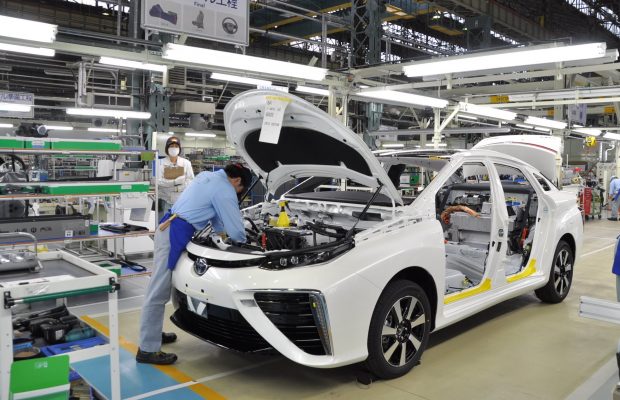
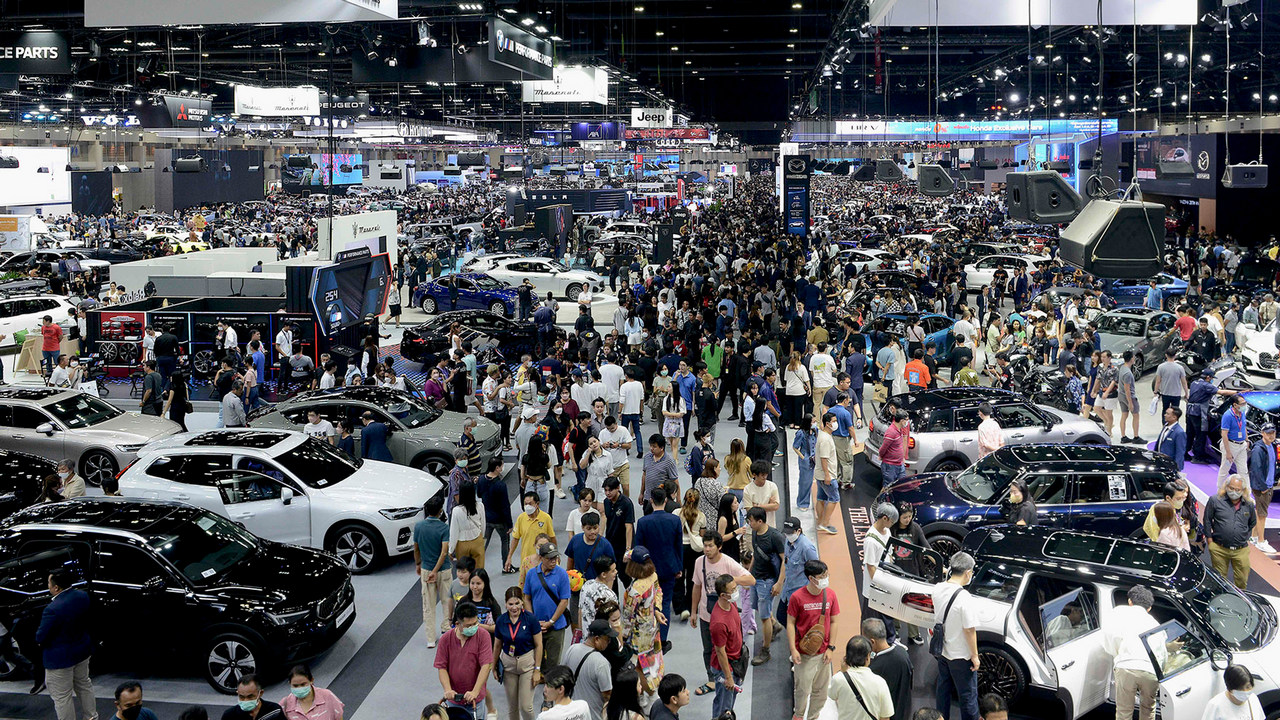
    Domestic car sales in Thailand experienced a glimmer of hope in April, marking a 1% year-on-year increase—the first boost in nearly two years, as reported by the Federation of Thai Industries (FTI). This slight recovery comes as a welcome surprise amid a string of declines in both vehicle production and exports.

    Ongoing Challenges in Vehicle Production

    Despite the uptick in sales, production figures told a different story. In April, car manufacturing dipped by 0.4% from the previous year, totaling 104,250 units. This marks the 21st consecutive month of declining production, following a relatively steep 6.1% drop in March. Meanwhile, the export of vehicles fell by 6.3% compared to the same period last year, although this decline represents a gentler decrease than the 14.9% seen in the prior month.

    Thailand’s Role in the Automotive Landscape

    As Southeast Asia’s premier auto manufacturing hub, Thailand plays a crucial role as an export base for some of the globe’s leading car manufacturers, including heavyweights like Toyota, Honda, and China’s BYD. While car sales may be on the rise, the industry continues to grapple with production challenges—proving that the road to recovery is still a winding one. Who knew car sales could be just as turbulent as a roller coaster ride!

    Questions & Answers

    What factors contributed to the rise in car sales in Thailand?
    The increase in car sales is attributed to growing consumer demand, providing a much-needed boost after an extended period of decline.

    How has production been affected recently?
    Car production fell by 0.4% in April compared to the same time last year, marking the 21st straight month of decreased output.

    What is Thailand’s position in the automotive sector?
    Thailand remains Southeast Asia’s largest automotive production center and serves as an export base for major car manufacturers like Toyota, Honda, and BYD.
  • Toyota recalls nearly 26,000 cars to tighten shock absorber nuts

    Toyota recalls nearly 26,000 cars to tighten shock absorber nuts

    Toyota Vietnam has announced the recall of 25,971 Avanza Veloz, and Yaris Cross cars to fix faulty front shock absorber nuts.

    The nuts were not tightened sufficiently due to design issues, and could become loose and cause noises, even fall off.

    The affected Toyota Avanza and Veloz models were manufactured between Jan. 7 and Oct. 28, 2022, in Indonesia, or assembled in Vietnam between Nov. 14, 2022 and Aug. 14, 2023.

    A total of 25,523 Avanza and Veloz cars will be recalled. Also recalled are 448 Yaris Cross cars made in Indonesia between June 2 and Aug. 30, 2023.

    There have been no accidents caused by the fault, the Japanese company said.

    It also said 6,368 Avanza, Veloz and Raize cars manufactured in Indonesia between Sept. 12 and Dec. 7, 2022, have brake pads that are at risk of failing sooner than designed.

    Their front fork dust covers were damaged during assembly, and this could cause dust and water to enter the covers, causing the pads to rust and wear out.

    The affected cars will be repaired free of charge at authorized Toyota dealers. The recall began on Jan. 19 and will last until the repairs are completed.

  • Toyota dominates compact CUV segment in Q1

    Toyota dominates compact CUV segment in Q1

    Toyota’s Raize and Corolla Cross now account for 40% of the compact CUV segment, with the rest divided between Kia, Mazda, Honda, and Hyundai.

    In the last two years the competition in the urban compact CUV segment has been hot, persuading car companies to bring in new products.

    The race in this segment is mainly between Toyota, Hyundai and Kia.

    The compact CUVs have significantly contributed to Toyota’s top position in terms of revenues.

    So far this year Toyota has sold a combined 5,100 Corolla Cross and Raize cars. Both models are imported. The former in particular is a global product with all kinds of bells and whistles and new technologies.

    Like the Mitsubishi Xpander in 2019, the Corolla Cross has become a phenomenon in the Vietnamese car market, zooming to the top of its segment within just half a year after entering the market in May 2020, and remaining there.

    Kia has two models in this segment, Sonet and Seltos. The Sonet has sold 2,006 units this year, representing 22% year-on-year growth, while the Seltos sold 1,481, down 63%. Together they hold a 27% market share.

    The Seltos’ decline was mainly because of the Creta, of which Hyundai sold 2,647 in Q1.

    Kia and Hyundai are sister companies, with the latter owning a one-third stake in Kia.

    Mazda CX-3, Honda HR-V, Nissan Kicks, Volkswagen T-Cross, MG ZS, and Peugeot 2008 account for the rest of the segment. While the first two sold fewer than 1,000 cars in Q1, the rest did not publish sales figures.

  • Toyota’s Upcoming Hybrid Sedan Teased Ahead Of Global Debut

    Toyota’s Upcoming Hybrid Sedan Teased Ahead Of Global Debut

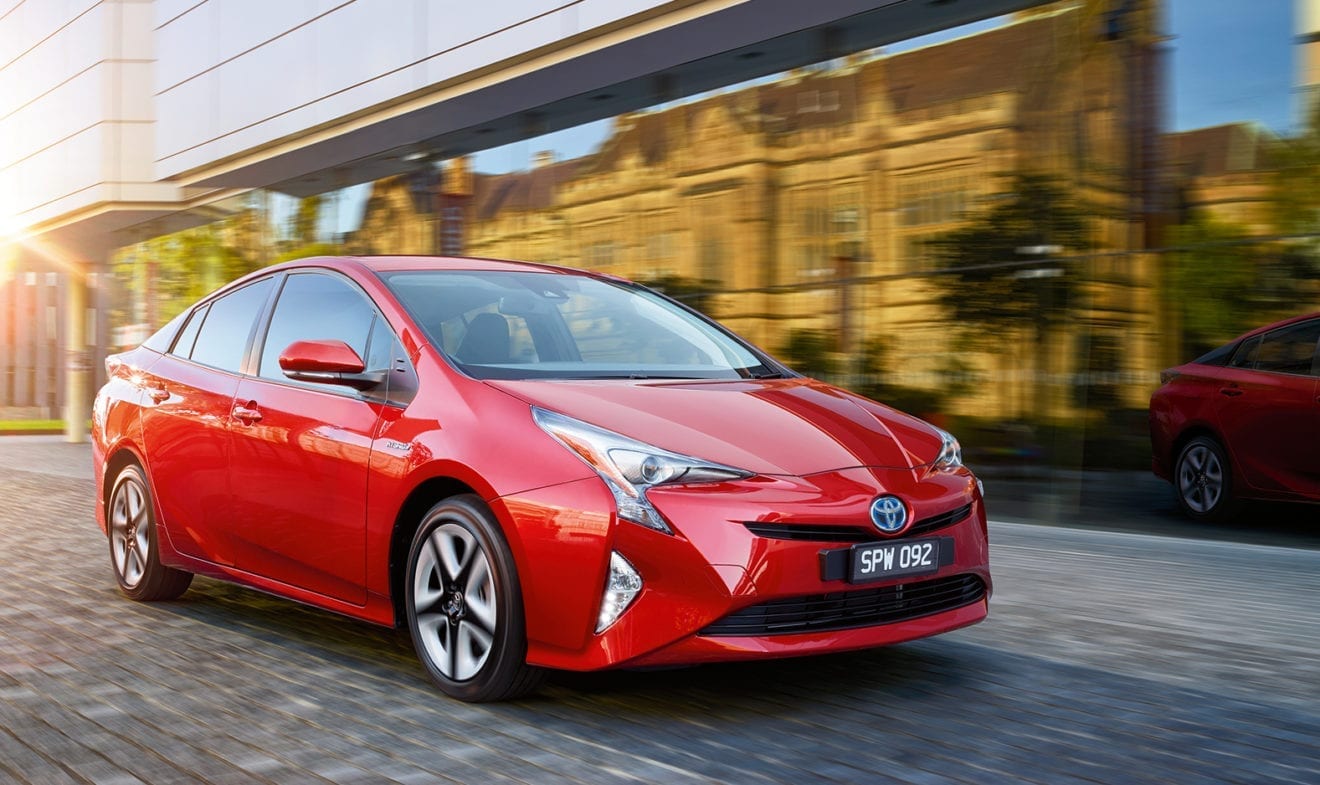
    Electrification has been one of the key focus areas for Toyota in the global markets. Earlier this year Toyota showcased its all-electric range and now it has released a teaser image of its upcoming hybrid sedan, which is likely to be the successor of the Prius hybrid. In fact, it’s most likely the same mysterious model that it teased alongside the bZ4x crossover. The model is expected to share its underpinnings and powertrain with the bZ3 sedan which is sold in China and will make its debut on November 16.

    The teasers were released on the company’s Japanese social media handles, however, the brand is refraining from sharing any further details as yet. In fact, the company hasn’t even revealed its name yet, while we expect it use the venerable Prius moniker for this hybrid model. Both teasers show “Hybrid Reborn” lettering while the tapering roofline silhouette will remind you of the Prius sedan. Moreover, the word “reborn” itself hints at Toyota going with the Prius name for this new model rather than coming up with a new branding

    The fourth-gen Prius has been around since 2015, and it’s high time for a generation update. The previously teased bZ had a similar profile, but that was a different car since bZ brand is reserved for pure electric models. Toyota had earlier said that the Prius will remain one of the front-runners in its electrified range and we expect the next-gen model to be a plug-in-hybrid, followed by a hydrogen fuel-cell iteration.

  • Toyota stops selling Hilux truck in Vietnam over fuel quality

    Toyota stops selling Hilux truck in Vietnam over fuel quality

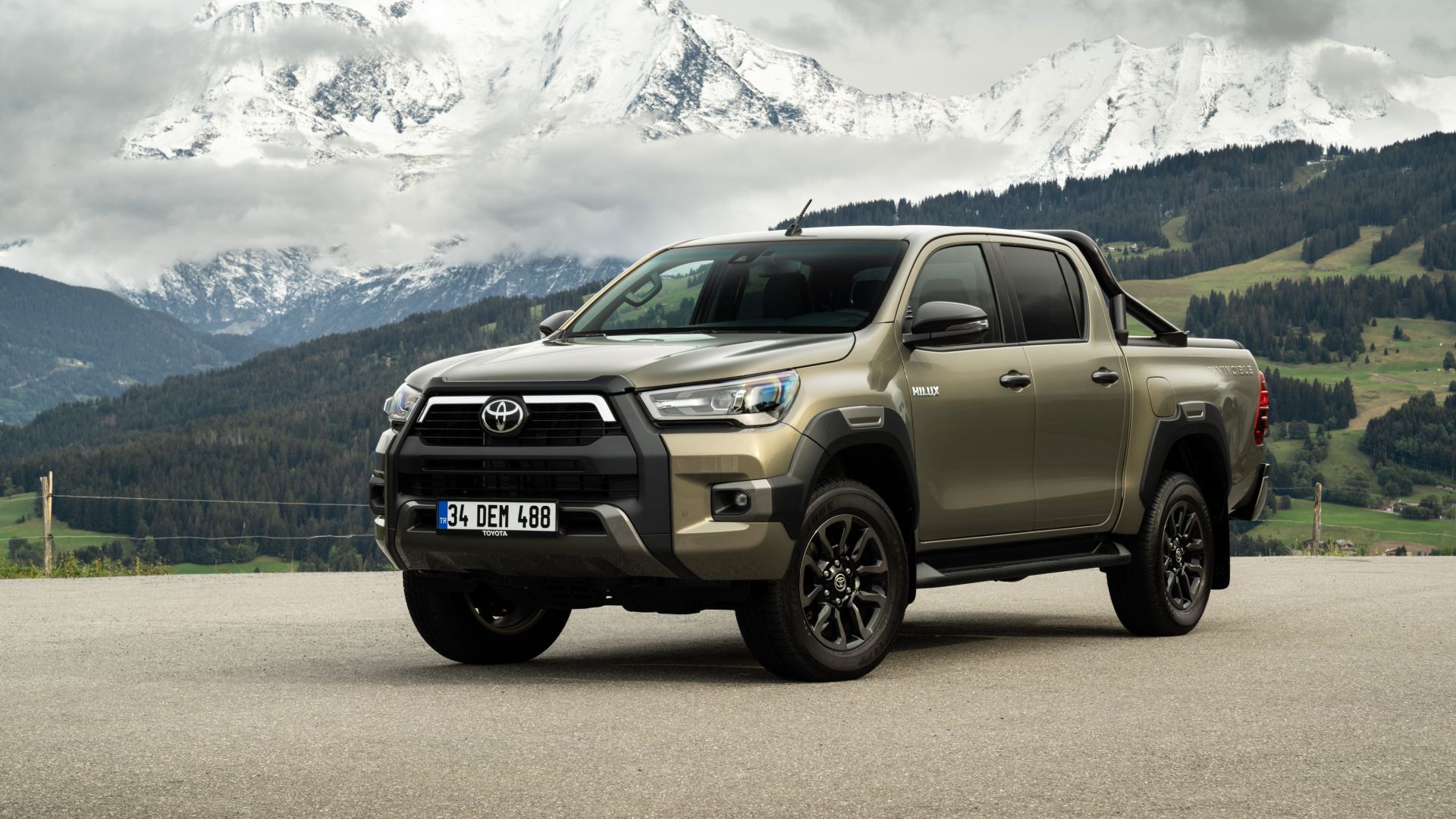
    Toyota has called a halt to the import of its 2022 Hilux pickup into Vietnam over a lack of diesel supply meeting Euro 5 standards.

    Using low-quality diesel could damage the Hilux’s engine, and supply of Euro 5 diesel (DO-V) outside Ho Chi Minh City and Hanoi is limited, a spokesperson for the Japanese automaker said.

    It is unclear when Toyota plans to sell the vehicle again.

    Many dealers have stopped accepting deposits for the truck, while some have scheduled delivery for the beginning of 2023.

    In the first five months only 10 units were sold, all 2021 models with engines that only meet Euro 4 standards.

    The Hilux is imported from Thailand.

    There are around 1,100 gas stations, or only 6.5 percent of the total number, that supply DO-V in Vietnam, according to the Vietnam Petroleum Association.

    In 2011 the government had instructed that by 2022 all vehicles assembled in and imported into Vietnam must meet the Level 5 emission standards (equivalent to the Euro 5 standards).

  • Toyota recalls hundreds of Raize SUVs over bad weld

    Toyota recalls hundreds of Raize SUVs over bad weld

    Toyota is recalling 191 Raize SUVs in Vietnam to fix poor welding in front shock absorbers, which could even cause the undercarriage to fall apart.

    The units were made in Indonesia between March 29 and October 8 last year and all of them have been sold, according to the Vietnam Register.

    The recall was issued after problems were found in front fender apron connections, which caused rattling sounds when the car drove over bumps and potholes.

    In the worst case, the welded part can detach and potentially cause a major accident, though no mishaps have been reported so far.

    The automaker has also recalled nearly 15,000 Raize SUVs in Indonesia, and Lexus, its luxury division, recalled 4,200 NX SUVs in the U.S. for the same defects.

    Toyota topped auto sales in the first quarter with 18,615 units, according to data from the Vietnam Automobile Manufacturers Association. It sold 1,671 Raize SUVs in Q1, marginally more than its closest competitor Kia Sonet (1,651 units).

  • Japanese brands top auto imports in Vietnam

    Japanese brands top auto imports in Vietnam

    Japanese brands, including Toyota and Mitsubishi, were the biggest sellers among imported cars in Q1. Toyota sold 11,661 completely built units, while Mitsubishi imported 7,797.

    They were followed by Honda, Mazda and Suzuki. Last year, Toyota, Mitsubishi and Suzuki sold the most imported cars, with Toyota alone selling more than half of all imported cars.

    Fifteen out of 17 models Toyota sells are imported from Indonesia, Thailand and Japan. The sedan Vios and SUV Innova are assembled locally, while the SUV Fortuner is both assembled and imported.

    Mitsubishi also imports most of its models, with the popular MPV Xpander, imported from Indonesia, accounting for 53 percent of its total imports sold last year.

    The remaining models, like the pickup truck Triton and sedan Attrage, are imported from Thailand.

    Suzuki and Isuzu also import from Thailand and Indonesia.

    Nearly 7,000 Mazda cars, distributed by Truong Hai Auto Corporation, were imported from Thailand last year. This accounted for 26 percent of total Mazda sales in Vietnam.

    Honda has its two main models City and CR-V assembled locally and imports the rest.

    Ford has recently started assembling its pickup truck Ranger model in Vietnam while the other models SUV Everest and SUV Explorer are imported from Thailand and the U.S. respectively.

    Some luxury brands like Volkswagen, Audi and BWM only import completely built units.

    Kia, Hyundai and VinFast only assemble.

  • Toyota Joins Tesla In Developing Self-Driving Tech With Low-Cost Cameras

    Toyota Joins Tesla In Developing Self-Driving Tech With Low-Cost Cameras

    Toyota Motor unit Woven Planet has joined Tesla Inc in trying to advance self-driving technology without expensive sensors such as lidars.

    Woven Planet told Reuters it is able to use low-cost cameras to collect data and effectively train its self-driving system, a “breakthrough” that it hopes will help drive down costs and scale up the technology.

    Gathering diverse driving data using a massive fleet of cars is critical to developing a robust self-driving car system, but it is costly and not scalable to test autonomous vehicles with expensive sensors, it said.

    Tesla has been betting on cameras to collect data from over 1 million vehicles on the road to develop its automated driving technology, while Alphabet’s Waymo and other self-driving car firms added expensive sensors like lidars to a small number of vehicles.

    “We need a lot of data. And it’s not sufficient to just have a small amount of data that can be collected from a small fleet of very expensive autonomous vehicles,” Michael Benisch, vice president of Engineering at Woven Planet, said in an interview with Reuters.

    “Rather, we’re trying to demonstrate that we can unlock the advantage that Toyota and a large automaker would have, which is access to a huge corpus of data, but with a much lower fidelity,” said Benisch, a former engineering director at Lyft’s self-driving division, which Toyota acquired last year.

    Woven Planet uses cameras that are 90% cheaper than sensors that it used before and can be easily installed in fleets of passenger cars.

    Woven Planet says it uses cameras that are 90% cheaper than sensors it used previously.

    It said using a majority of data coming from low-cost cameras increased its system’s performance to a level similar to when the system was trained exclusively on high-cost sensor data.

    He said, however, Toyota would still use multiple sensors such as lidars and radars for robotaxis and other autonomous vehicles to be deployed on the road, as this currently seemed to be the best, safest approach to developing robotaxis.

    “But in many, many years, it’s entirely possible that camera type technology can catch up and overtake some of the more advanced sensors,” he said.

    “The question may be more about when and how long it will take to reach a level of safety and reliability. I don’t believe we know that yet.”

    Tesla’s CEO Elon Musk said it can achieve full autonomy with cameras this year after missing his previous targets several times.

  • Toyota Gears Up Its First EV With Safer, Longer-lasting Battery

    Toyota Gears Up Its First EV With Safer, Longer-lasting Battery

    Toyota Motor Corp, a late-comer to the battery electric vehicle (BEV) market, is weaving in all efforts to make sure its first mass-market model is safer and lasts longer than rivals’ products when it goes on sale later this year.

    BEVs have grown in popularity globally, but some consumers have been put off by EV battery-related fire risks and rapid degradation.

    General Motors and Hyundai Motor were forced last year to recall EVs, carrying batteries manufactured by LG Energy Solution, after reports of fires.

    “We focused on balancing three factors: cruising range, battery degradation, and charging speed,” Masaya Yamamoto, a project manager at Toyota, said at a test-drive event for the bZ4X sport utility vehicle (SUV) prototype last week.

    BEVs typically take hours to charge and using quick-charging methods often causes the battery’s cells to heat up, leading to degradation. That, in turn, reduces cruising range over time, hurting a vehicle’s resale value.

    Toyota said its batteries, developed with Panasonic Corp, contain a special coolant that does not conduct electricity easily. Battery packs are also structured to keep the cells and coolant separated in case of a leak.

    This and other innovations mean the new BEV series’ batteries would retain more than 90% of their capacity after a decade, Toyota said.

    For consumers in Japan, where EVs have been slow to take off, Toyota is considering offering the EVs only through “subscription” – a bid to address worries over battery life and resale value. The subscription fee would cover the cost of maintenance and battery replacement among other features.

    Toyota has said it would start selling the SUV model in Japan and other major markets in mid-2022.

    Toyota has set a goal of selling 3.5 million BEVs annually by 2030 through an 8 trillion yen ($70 billion) investment to electrify its vehicles.

  • Toyota To Launch Its Own Automotive Software Platform By 2025

    Toyota To Launch Its Own Automotive Software Platform By 2025

    Japanese automaker Toyota Motor is planning to launch its own operating system, which would be capable of handling advanced operations such as autonomous driving, for its vehicles by 2025, Nikkei reported on Monday. Software is playing an increasing role in vehicles, from managing electric motors and batteries to supporting functions such as autonomous driving, entertainment, and navigation.

    Toyota’s automotive software platform Arene will compete with German rivals, Volkswagen AG and Daimler AG, with Volkswagen working on its ‘VW.OS’ software and Daimler planning to roll out its own ‘Mercedes-Benz Operating System’ in its cars by 2024.

    Toyota is considering a licensing model to make Arene available to other car manufacturers and companies working on electric or self-driving cars

    The Japanese carmaker aims to put the operating system in its own vehicles by 2025, with plans to make it available to affiliates such as Subaru in the future, Nikkei said.

    Toyota is considering a licensing model to make Arene available to other car manufacturers and companies working on electric or self driving cars, the report added.

    Toyota did not immediately respond to Reuters’ request for comment.

  • Toyota Promises 100% Zero Emissions Sales In Europe By 2035

    Toyota Promises 100% Zero Emissions Sales In Europe By 2035

    In an about-face from its anti-EV stance, Toyota has now pledged to have 100 percent zero-emissions sales in Europe by 2035 something which is revealed in a recent media event in Brussels, Belgium. This goal is a follow-up to a commitment of at least 50 percent zero-emissions vehicles sales in Western Europe by 2030. Toyota has still not given up on hydrogen fuel cell-based vehicles as its plan is based on a combination of EVs and fuel cell-based cars. This comes after the company launched its first EV and is preparing to launch another affordable EV in partnership with BYD. This commitment could be bolder should customer demand be higher than what the Japanese giant has envisioned.

    “Moving beyond 2030, we expect to see further ZEV demand acceleration and Toyota will be ready to achieve 100% CO2 reduction in all new vehicles by 2035 in Western Europe, assuming that sufficient electric charging and hydrogen refueling infrastructures are in place by then, together with the renewable energy capacity increases that will be required,” said Matt Harrison, Toyota’s CEO for Europe.

    Toyota is still not committing on its own account but is rather been forced to do so after the new European Green deal which proposes a 55 percent reduction in new car emissions by 2030 and a 100 percent reduction by 2035. A number of nations have already agreed to a 2040 mark following the recent COP26.

    What’s interesting is that unlike some major automakers like Daimler, Volkswagen Group, Stellantis, GM, and Ford, Toyota’s commitment is restricted to only Europe, not globally. Why so? Because Europe is the place where laws are being enacted to ban the internal combustion engine – and hence it has no choice, if it wants to operate in the continent.

  • Toyota Joins Opposition To Proposed US EV Tax Credit

    Toyota Joins Opposition To Proposed US EV Tax Credit

    Toyota urged Washington on Tuesday not to “play politics” with environmental issues by offering tax credits for US-made electric vehicles, joining a chorus of foreign opposition to the issue. President Joe Biden’s focus on helping blue-collar American workers led to a proposal in his Build Back Better legislation to offer $4,500 in tax credits for electric vehicles built in the United States by union workers.

    Toyota, with 10 US-based auto plants employing 36,000 workers, favors “incentives for the purchase of electric vehicles to speed the transition” to all-electric, the company said in a statement.

    However, the Japanese automaker said the proposed credits for union-made vehicles devalue the work of those who chose not to join a union, and send a message that promoting unions is more important than combating climate change.

    “Let’s not play politics with the environment, the American autoworker or the American consumer,” Toyota said.

    “This isn’t fair. This isn’t right.”

    Washington’s major trading partners Canada and Mexico also sent letters to American congressional leaders in the past week objecting to the tax credits, saying they violate US commitments under the United States–Mexico–Canada Agreement governing trade.

    Canadian Trade Minister Mary Ng also warned the action would undermine the highly integrated continental auto industry.

    “If passed into law, these credits would have a major adverse impact on the future of EV and automotive production in Canada, resulting in the risk of severe economic harm and tens of thousands of job losses in one of Canada’s largest manufacturing sectors,” Ng said.

    “US companies and workers would not be isolated from these impacts.”

    A letter from Mexico’s US ambassador Esteban Moctezuma Barragan and two dozen other ambassadors said the tax credit “conflicts with the goal of the quick deployment of new sustainable technologies” since it would apply to only two vehicles out of over 50 electric vehicles currently available.

  • Toyota Slashes September Output Amid Chip Crunch, COVID Resurgence

    Toyota Slashes September Output Amid Chip Crunch, COVID Resurgence

    Toyota said it will slash global production for September by 40% from its previous plan, becoming the last major automaker to cut output due to a global chip crunch, but it maintained its annual sales and production targets. Toyota’s success in navigating the chip shortage better than rivals has come down to its larger stockpile of chips under a business continuity plan adopted after the 2011 earthquake and the Fukushima nuclear disaster. The world’s largest automaker by sales volumes reiterated on Thursday its global production target of 9.3 million vehicles for the year ending in March, as well as its plan to sell 8.7 million cars in the period.

    “The 9.3 million global production plan takes into account certain risks,” executive Kazunari Kumakura told reporters. “We want to achieve the numbers.”

    Toyota said the September cuts included 14 factories in Japan and overseas plants, and that the company would reduce its planned global production that month by around 360,000 vehicles.

    Of these, 140,000 will be at Japanese plants, with the rest in the United States, China, Europe and other Asian countries.

    Car makers worldwide have been cutting production due to the months-long chip shortage, but a resurgence in COVID-19 cases in Japan, Philippines, Thailand, Vietnam and Malaysia – home to auto factories and chip plants – have led to stricter curbs and compounded the crisis.

    Germany’s Volkswagen said on Thursday it may need to cut production further and that it expected the supply of chips in the third quarter to be “very volatile and tight.”

    Ford Motor Co said Wednesday it will temporarily shut its Kansas City assembly plant that builds its best-selling F-150 pickup truck due to a semiconductor-related part shortage as a result of rising cases in Malaysia.

    Earlier this month, Toyota had flagged an unpredictable business environment due to fresh COVID-19 cases in emerging economies, the semiconductor shortage and soaring material prices.

    The carmaker had already halted assembly lines at some Japanese factories between late July and early August, including its Tahara plant, due to a surge in infections in Vietnam which had constrained the supply of parts, the Nikkei reported earlier.

    A person familiar with the matter told Reuters this month that Toyota had also suspended production at one assembly line in Guangzhou, China, which it operates with its Chinese joint-venture partner Guangzhou Automobile Group Co Ltd.

    In Thailand too, Toyota suspended production last month at three factories due to a pandemic-related parts shortage.

  • Toyota Launches Virtual Showroom To Further Digitize Customer Experience

    Toyota Launches Virtual Showroom To Further Digitize Customer Experience

    Toyota Kirloskar Motors has launched its virtual showroom to further expand the digital experience for its customers in India. Calling it a step towards the new normal, the Indian arm of the Japanese carmaker says that the virtual showroom will allow customers to have an in-depth look at Toyota’s vehicle line-up online. Customers can also book their new Toyota directly from the virtual showroom, as it’s fully integrated with a payment gateway. The carmaker says that the virtual showroom will facilitate offers, finance options, loan applications and other value-added services in the future.

    Commenting on the new initiative, V. Wiseline Sigamani, Associate General Manager (AGM), Sales and Strategic Marketing, TKM, said, “Owing to the pandemic and growing access to technologies, customers increasingly prefer digital and contactless experience. Last year, as COVID-19 disrupted the purchase lifecycle, we took immediate steps to digitalize our sales process by making available pricing, offers and booking in the online realm. The virtual showroom further simplifies all the elements of car buying by digitizing and integrating the key touchpoints in a customer’s purchase cycle as a one-stop-shop solution. The core idea behind the virtual showroom is to empower our customers to access our world-class cars from wherever they want to. Moving forward, we will continue to listen to our customers keenly and introduce new solutions and tools leveraging digital technologies to further improve their buying experience.”

    Customers visiting Toyota’s virtual showroom will be able to select any model and get a 360-degree external and internal view of the car. They can even check out all the available variants and colour options, switch on the lights, open and close the doors, virtually experience the top features in the day or night modes and get variant-wise prices. The platform also comes with an augmented reality mode for smartphones, which allows customers to see how a Toyota vehicle will look when parked in their garage or portico.

    The virtual showroom also gives you the option to schedule a test drive. Customers can also book their Toyota vehicle directly from the virtual showroom and get it delivered to their nearest dealership or their homes. In fact, Toyota says that it has also integrated all its dealer partners onto the new platform, and soon the virtual showroom will be made available on the websites of all its dealer partners as well.

  • Toyota-Backed Self-Driving Startup Pony.ai Considers Going Public

    Toyota-Backed Self-Driving Startup Pony.ai Considers Going Public

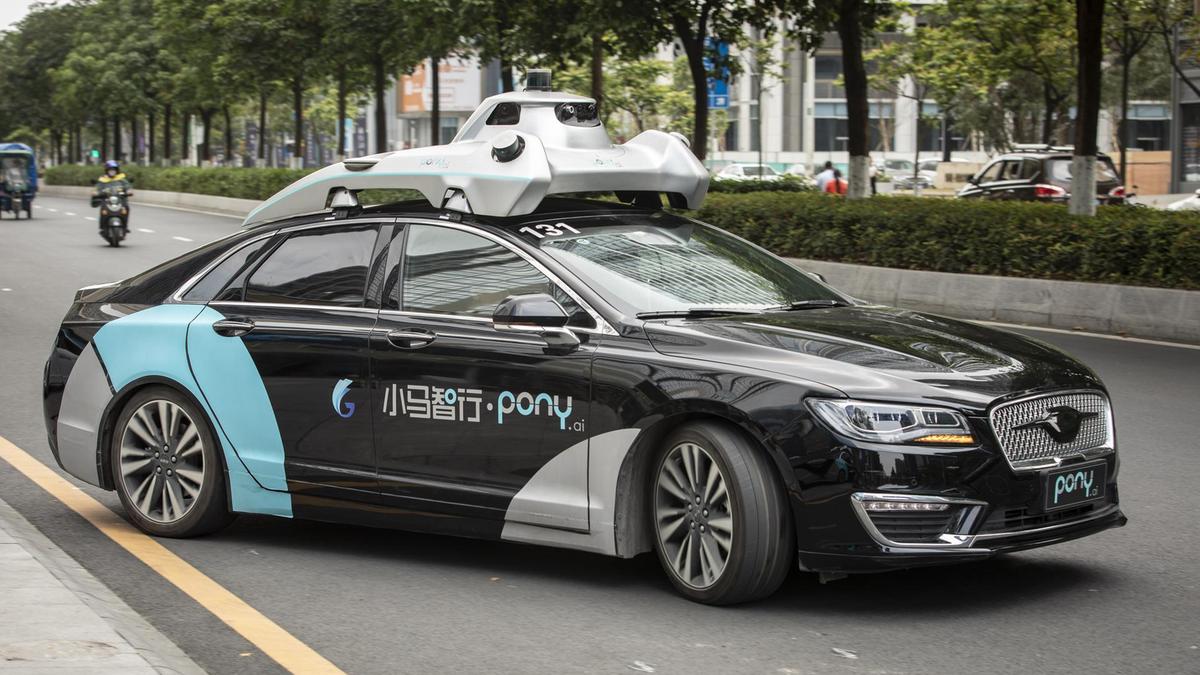
    Self-driving tech company Pony.ai, backed by Toyota Motor, is considering going public in the United States to help fund its goal of commercializing driverless ride-hailing services, its chief executive said. The startup, active in the United States and China, plans to install its technology in hundreds of vehicles next year, rising to tens of thousands in 2024-2025, he said.

    Self-driving startups such as Alphabet Inc’s Waymo and General Motors Co’s Cruise have been racing to raise capital as the industry prepares to scale up operations.

    Still, beyond the time taken to address technological challenges and the massive cost of producing self-driving cars, the industry still has to persuade global regulators as well as the public as to the safety of full automation.

    “For autonomous driving, it’s a big opportunity. But at the same time, it’s a long-term, big opportunity,” CEO James Peng said in an interview with Reuters.

    “So it requires a long lead way for spending. That means all the autonomous driving companies need to raise enough funding to support their operations,” he said.

    The comments come as Pony.ai on Friday said it had tapped Lawrence Steyn, vice chairman of investment banking at JPMorgan Chase & Co, as chief financial officer to help “accelerate its commercial growth and global deployment”.

    “We’re still debating and considering,” said Peng, when asked about the time frame for a public share sale.

    “It’s just a different way of raising funds.”

    Pony.ai, founded by former Google and Baidu Inc engineers Peng and Lou Tiancheng in 2016, has so far raised more than $1 billion, including $462 million from Toyota, valuing the startup at $5.3 billion as of late last year.

    Earlier this month, it said it had begun driverless testing on public roads in California’s Fremont and Milpitas ahead of the planned launch of a robotaxi service next year. It has also been testing driverless vehicles in Guangzhou, China.

    The firm has operated robotaxi services with safety drivers behind the wheel in some parts of China, as well as in Irvine, California. That has yielded diverse data which it could use to train its driver system and tap a talent pool in both countries, Peng said.

    He said the next big challenge is to reduce manufacturing costs for driverless vehicles while expanding into more cities and regions and ensuring safety in different environments.