Tag: trade

  • Surge in Durian Imports: Chinas Growing Craving Boosts Trade for Thailand and Malaysia

    Surge in Durian Imports: Chinas Growing Craving Boosts Trade for Thailand and Malaysia

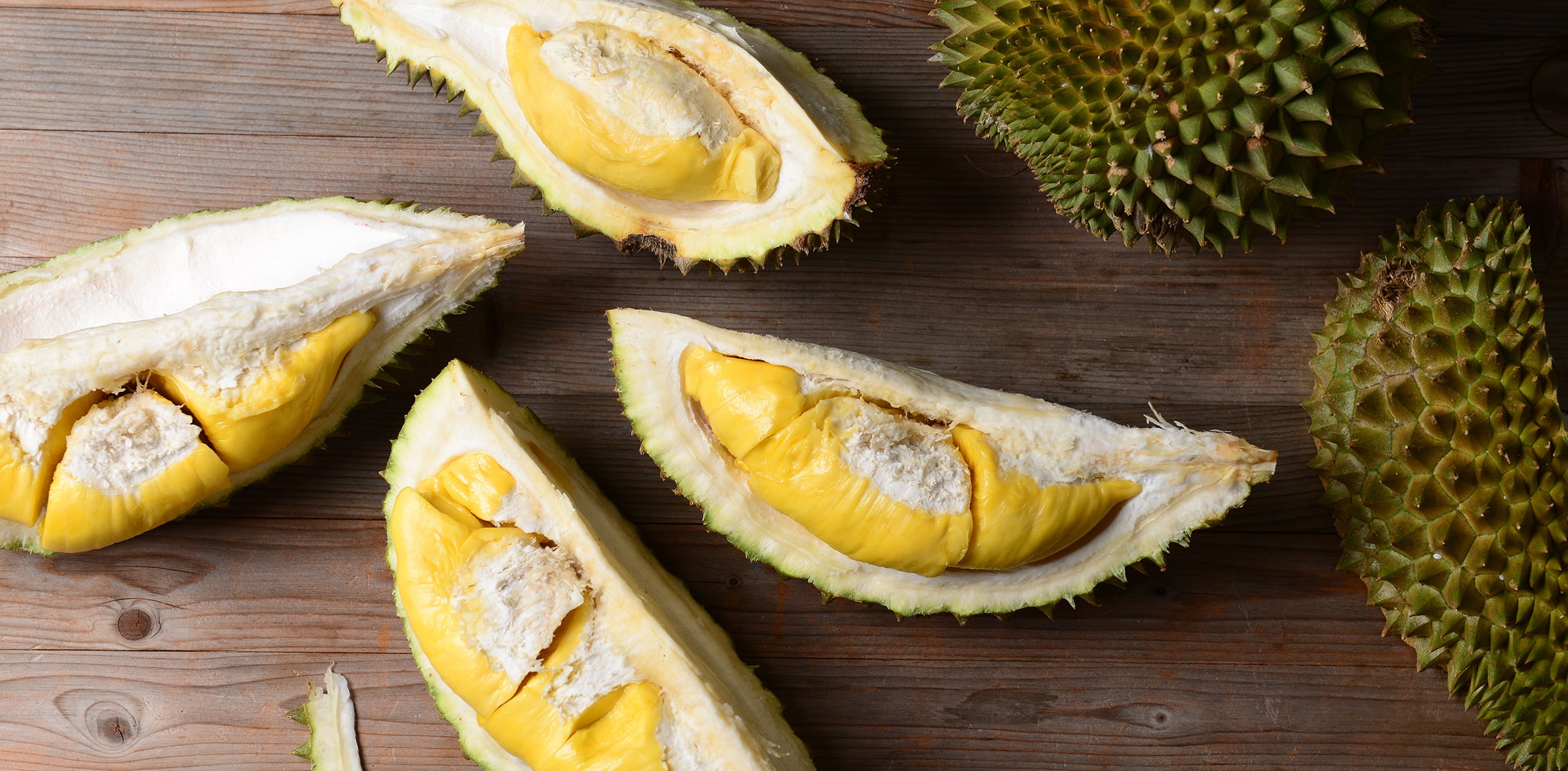
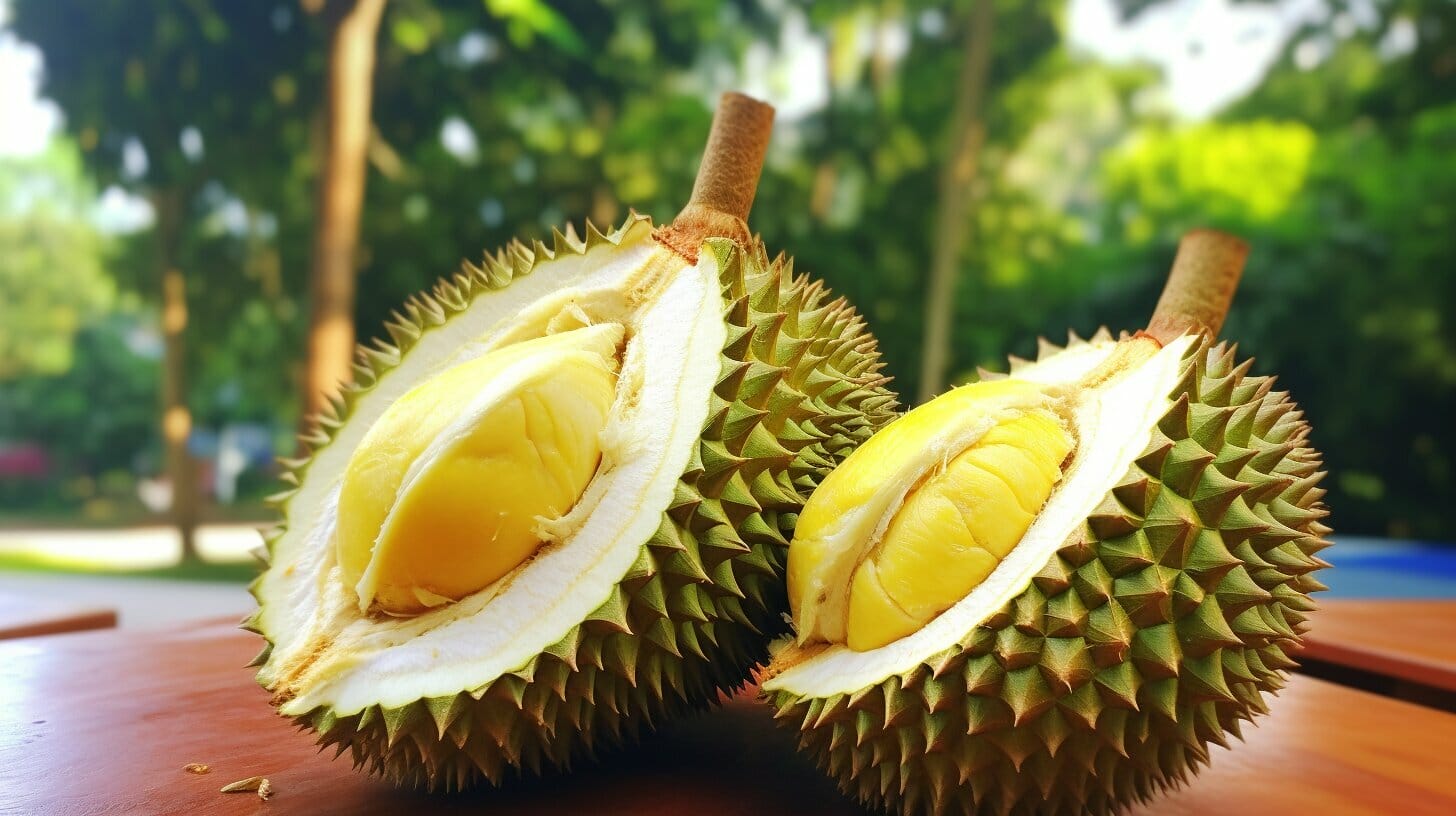
    In the first half of 2026, China’s durian imports saw a significant increase of 47% compared to the previous year. This was largely due to surplus stock from Southeast Asian exporters, such as Thailand and Malaysia, following a decrease in durian prices. According to Chinese customs data, Thailand exported roughly US$3.79 billion worth of durians to China within this period, dominating 81% of the market share.

    The Durian Market

    Vietnam came in second in the durian export market throughout the first half of 2026, with exports reaching an estimated value of $846 million. This makes up 18% of the total durian imports into China. Despite this, Thailand’s durians remain a favorite among Chinese consumers, thanks to a robust logistics and quality-control system that effectively enhances the fruit’s reputation.

    Vietnam has also increased its durian exports to China since it received the green light to export fresh durians in 2022. However, some challenges were faced concerning quality control. Malaysia, a newcomer to China’s fresh durian market, exported roughly $30.26 million worth of the fruit within the first half of 2026, marking a whopping 342% increase compared to the same period the previous year.

    The Changing Durian Landscape

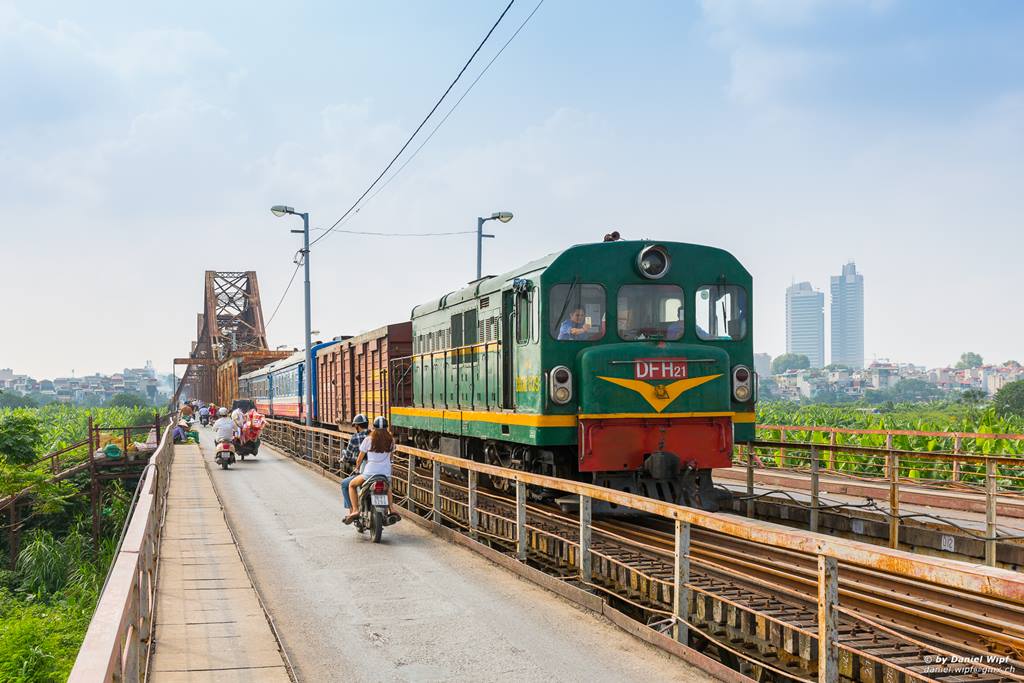
    In total, the volume of durian imports from all countries reached 1.07 million tonnes in the first half of 2026, increasing from 708,000 tonnes in the same period a year earlier. Factors such as improved services on the China-Laos Railway and the growth of Chinese e-commerce platforms have significantly boosted Southeast Asian durian exports to China, which is the world’s largest market and accounts for 90% of global durian consumption.

    Currently, durian producers like Malaysia, Thailand, and Vietnam are experiencing an oversupply due to the peak durian harvest season. This is a result of orchards reaching full production capacity and an output growth that surpasses demand.

    Despite the strong long-term demand from China, an imbalance has been noted where production has not expanded at the same pace as demand. This has resulted in a fall in durian prices during peak season. Officials in Malaysia are seeking permission from China’s General Administration of Customs to open a land-based shipping route in response to the oversupply.

    There has been a notable drop in durian prices in China, between 14% and 20%, due to factors such as increased supply from different origins, high inventories, and cautious consumer spending.

    Questions & Answers

    What caused the significant increase in China’s durian imports?
    There was a surplus of durians from Southeast Asian exporters due to a decrease in prices, leading to an increased supply to China.

    Which country is the largest exporter of durians to China?
    Thailand is the leading exporter, supplying approximately 81% of China’s durian imports in the first half of 2026.

    Why are durian prices falling in China?
    The decrease in durian prices in China can be attributed to increased supply from different countries, high inventories, and more conservative consumer spending.

  • Vietnam Customs Expedite Clearance for Durian, Other Ag Exports: A Boost for Border Trade

    Vietnam Customs Expedite Clearance for Durian, Other Ag Exports: A Boost for Border Trade

    In a bid to streamline border operations and facilitate smoother trade of agricultural goods, particularly durian exports, Vietnam’s Department of Customs has instructed its local sub-departments to hasten customs clearance processes at border checkpoints.

    This directive, which was issued recently, calls for the regional customs branches to provide maximum assistance and ensure same-day clearance of exported agricultural, forestry, and fishery products. This is to be implemented even outside standard operational hours. Furthermore, the order advised the appointment of officers to oversee export shipments and handle customs procedures, even during off-hours, such as evenings, weekends, and public holidays.

    Sub-departments have been directed to swiftly resolve any issues that may arise during customs clearance. Should the situation exceed their jurisdiction, they are to promptly refer the matter to the department for further guidance.

    Cooperation and Coordination

    The directive also emphasized the need for collaboration with warehouse and storage operators at border gates. This collaboration is essential to ensure the availability of proper facilities for the storage and sorting of goods awaiting export. This measure will help maintain the quality of agricultural, forestry, and fishery products.

    Regular updates regarding the progress of agricultural, forestry, and fishery exports are required, along with offering timely information and advice to exporters using local border gates. Coordination with relevant authorities is needed to control traffic and prevent congestion that could disrupt customs clearance.

    Constant dialogue is also critical with customs authorities at corresponding Chinese border gates. This is to ensure the swift resolution of issues that may arise during customs clearance, as well as keeping Vietnamese exporters abreast of any changes to China’s customs management and inspection policies for compliance assurance.

    For shipments that have exited Vietnam but are denied entry into China, customs authorities have been asked to prioritize and expedite re-import procedures based on the request of enterprises.

    The department has also explicitly forbidden any acts of obstruction, harassment, or unnecessary delays in customs clearance, which could escalate costs and result in losses for businesses.

    Questions & Answers

    What is the main aim of the directive issued by Vietnam’s Department of Customs?
    The aim is to expedite customs clearance at border gates for agricultural exports, particularly durian shipments, and to ensure smooth trade operations.

    How will the regional customs sub-departments facilitate this process?
    They are instructed to provide maximum assistance, ensure same-day clearance of exports, resolve issues promptly, and maintain regular communication with corresponding Chinese border gates.

    What measures are being taken to prevent potential issues during customs clearance?
    The sub-departments must coordinate with warehouse and storage operators at border gates for appropriate facilities, provide regular updates, inform exporters of changes in China’s customs policies, and prioritize re-import procedures for rejected consignments.

  • DBS Unveils Singapores First Retail-Ready Tokenised Gold Offering: Buy, Trade, and Hold via One Digital Platform

    DBS Unveils Singapores First Retail-Ready Tokenised Gold Offering: Buy, Trade, and Hold via One Digital Platform

    DBS Bank is set to revolutionize the financial market in Singapore by launching tokenized physical gold for retail customers in the latter half of 2026. With this initiative, DBS Bank takes the lead as the first bank in the nation to empower its customers with the capability to purchase, possess, and transact in tokenized physical gold via a singular digital platform.

    Tokenizing Precious Metal

    The advanced DBS Physical Gold Tokens will be available through the DBS digibank app. With each token backed by an equivalent amount of physical gold that will be securely stored in a dedicated DBS vault located in Singapore. Each token will stand for one gram of gold, providing customers the opportunity to acquire fractional ownership of this valuable metal.

    DBS Bank assures that this offering will facilitate 24/7 trading, almost immediate settlement, and the choice to exchange tokens for physical gold. Moreover, the bank is looking into the possibility of having the tokens listed on the DBS Digital Exchange (DDEx) for accredited and institutional investors.

    This launch coincides with the escalating interest in gold and the tokenization of real-world assets. DBS Bank will oversee the entire procedure internally, including tokenization, custodial services, vaulting, and distribution.

    Li Zhen, Head of Foreign Exchange, Precious Metals, and Digital Assets at DBS, commented on the initiative, stating that the bank’s comprehensive digital asset capabilities will simplify access to and management of physical gold for clients.

    James Tan, Group Head of Investment Product and Advisory, also shared his views on the subject. He mentioned that tokenization would expand access to an asset class that has typically been accessible mainly to wealthy and institutional clients.

    Expanding Digital Asset Services

    The introduction of tokenized gold expands upon DBS Bank’s existing array of gold investment products. Moreover, it is part of the bank’s broader endeavor to delve into digital assets and blockchain-based financial services.

    Questions & Answers

    What is the DBS Physical Gold Tokens initiative?
    This initiative by DBS Bank allows customers to purchase, hold, and trade tokenized physical gold via a single digital platform.

    What features does the tokenized gold offering include?
    The offering will enable 24/7 trading, near-instant settlement and the option to redeem tokens for physical gold. The bank is also exploring a future listing of the tokens on the DBS Digital Exchange for accredited and institutional investors.

    How does this initiative fit into DBS Bank’s broader strategy?
    The tokenized gold offering expands DBS Bank’s existing range of gold investment products and is part of the bank’s broader push into digital assets and blockchain-based financial services.

  • OCBC Joins Forces with Major Business Chambers to Boost China-ASEAN Trade

    OCBC Joins Forces with Major Business Chambers to Boost China-ASEAN Trade

    OCBC, Singapore’s second-largest bank, is amplifying its efforts to harness the expanding economic ties between Greater China and Southeast Asia. This new endeavor sees the bank forming a strategic partnership with two prominent business chambers, the Singapore Chinese Chamber of Commerce & Industry (SCCCI) and the China Chamber of Commerce for Import and Export of Machinery and Electronic Products (CCCME). This partnership aligns with OCBC’s recently announced corporate strategy, The Next Frontier. A crucial element of this strategy is the ‘Asia Shift’, which aims to boost trade and investment flows between ASEAN and Greater China.

    Riding the Intra-Asia Growth Trend

    OCBC’s strategic alliance combines the bank’s regional banking prowess with the expansive network of the CCCME, which involves more than 10,000 Chinese enterprises, and the SCCCI’s robust business connections across Southeast Asia.

    This initiative is in response to the continued expansion of Chinese companies into ASEAN markets. As per OCBC’s data, there was a 50 percent increase in 2025 in the number of new Chinese businesses the bank assisted in setting up operations in Southeast Asia. This significant rise follows a 30 percent growth in the preceding year.

    The cooperation agreement stipulates the support of small to mid-sized enterprises and corporations seeking cross-border trade and investment opportunities in both regions.

    Focus on Strategic Sectors

    The collaboration will be focused on industries predicted to fuel future growth. These include green technologies, sustainable development, digitalization, and advanced manufacturing. Additionally, the partners aim to reinforce trade and financing ecosystems that stimulate cross-border business activities.

    To manage this initiative, a joint coordination group will be set up. This group will be tasked with tracking progress and ensuring the successful execution of plans.

    Roy Tan, Head of Enterprise Banking International at OCBC, shared that Chinese enterprises have quickened their globalization pace in recent years, which necessitates robust on-the-ground assistance when penetrating new markets. The partnership will enable the bank to merge financing solutions with business matching and market-entry support. Tan believes this will enhance the efficiency of Chinese companies venturing into ASEAN while generating opportunities for businesses on both fronts.

    Singapore is positioning itself as a primary gateway for Chinese companies seeking expansion into Southeast Asia. This strategic move also aims to allow local businesses to take advantage of the escalating intra-Asian trade and investment flows.

    Questions & Answers

    What is the main goal of OCBC’s new partnership with SCCCI and CCCME?
    The partnership aims to capitalize on the growing economic ties between Greater China and Southeast Asia by supporting small to mid-sized enterprises and corporations seeking cross-border trade and investment opportunities.

    Which sectors will the collaboration focus on?
    The collaboration will focus on sectors expected to drive future growth, including green technologies, sustainable development, digitalization, and advanced manufacturing.

    How does this partnership align with Singapore’s position in the global market?
    The partnership aligns with Singapore’s efforts to fortify its role as a gateway for Chinese companies looking to expand into the ASEAN region, and to benefit local businesses from growing intra-Asian trade and investment flows.

  • Standard Chartered Pioneers in Chinas Market with First Bond Futures Trade

    Standard Chartered Pioneers in Chinas Market with First Bond Futures Trade

    Standard Chartered Bank China (SCB China) recently completed its first-ever Qualified Foreign Investor (QFI) investment in China Government Bond (CGB) Futures following the market’s recent opening. The bank served in dual roles, both as the QFI’s custodian and futures margin depository bank. This service facilitated the comprehensive execution of the trade.

    Opening Up of China’s Capital Markets

    On April 24, 2026, the China Securities Regulatory Commission, the People’s Bank of China, and the State Administration of Foreign Exchange sanctioned QFIs to trade in CGB futures for hedging purposes. This move opened up broader access to onshore risk management tools. Jerry Zhang, the Global Head of Banks and Broker Dealers & Head of Coverage for Greater China & North Asia, noted that Standard Chartered was among the first six banks authorized to participate in CGB futures. He explained that this development is a significant step towards the continued opening of China’s capital markets. It also satisfies the high demand from global institutional investors for improved risk management and portfolio diversification tools. Zhang asserted that, with its robust cross-border connectivity, Standard Chartered is ideally positioned to assist clients in efficiently and effectively executing their investment strategies in China.

    Pierre Mengal, the Regional Head of Financing & Securities Services for Greater China & North Asia, expressed that this initial transaction’s completion just over a month after the market opening highlights their strong collaboration with local regulators and partners, as well as their expertise in China market access schemes. He echoed that this also showcases the strength and consistency of their services and operations developed over decades of on-the-ground presence. Mengal concluded by saying that they are eager to enable more global investors to access China’s capital markets with speed and assurance.

    Standard Chartered’s Long-standing Presence in China

    Standard Chartered initiated its custodial business in China’s capital markets as early as 1992 and has since been a leading custodian in both inbound and outbound schemes. In 2018, Standard Chartered China became the first international bank to receive a domestic fund custody license. Since then, it has been custodizing products from local brokers, fund managers, and wholly foreign-owned enterprises, developing a unique proposition to facilitate collaboration between local and overseas investors.

    Questions & Answers

    What was the significance of the recent QFI investment completed by SCB China?
    The completion of this investment signifies the opening of China’s capital markets, promoting broader access to onshore risk management tools and catering to the strong demand from global investors.

    What roles did Standard Chartered play in this transaction?
    Standard Chartered acted as both the custodian and futures margin depository bank for the QFI, facilitating the comprehensive execution of the trade.

    How is Standard Chartered China positioned in the Chinese market?
    Standard Chartered has been a leading custodian in China’s capital markets since 1992 and was the first international bank to receive a domestic fund custody license in 2018. It has built a unique proposition of facilitating collaboration between local and overseas investors.

  • Malaysia Rattles Bullion Trade with 10% Duty on Gold Bar Imports

    Malaysia Rattles Bullion Trade with 10% Duty on Gold Bar Imports

    In the latest regulatory development, Malaysia has imposed a 10% import duty on certain inbound shipments of gold bars. This unexpected decision has jolted the nation’s gold trade, with effects felt since early May, as per anonymous reports from traders and dealers. Consequently, some shipments have been detained at customs or rerouted due to the absence of a corresponding rise in local gold prices, which rendered the imports unprofitable.

    The Impact on Customers

    Bank Muamalat Malaysia, a local Islamic bank offering gold investment products, has stated that the imposition of a 10% import tax on bullion will inevitably be transferred to customers. This could lead to a considerable price hike for investors. For instance, purchasing a one-kilogram bar via a Malaysian bank after June 8 could cost approximately MYR45,000 (US$11,300) more than it would have a week before.

    A representative from the Royal Malaysian Customs Department has noted that the Ministry of Finance plans to discuss the issue of “minted gold products” imports with industry leaders.

    Increasing Interest in Gold

    The value of gold surged to a record high earlier this year, stoking investor interest in the precious metal, including in Asia. In response to this trend, several Malaysian banks have debuted gold investment products over the past year. Furthermore, bullion logistics firm, Loomis AB, has established a vault near the nation’s capital to cater to the growing demand.

    According to the country’s Department of Statistics, Malaysia imported around US$2.5 billion worth of non-monetary gold up until April this year.

    This move by the Malaysian government mirrors a similar abrupt shift in import policies in India, the world’s second-largest gold and silver market. This change has yielded a domino effect across its metals and currency markets.

    Questions & Answers

    How has Malaysia’s imposition of a 10% import duty on gold bars affected the bullion trade?
    This move has disrupted the bullion trade, with some shipments being held at customs or diverted due to the increased cost, which, without a corresponding rise in local gold prices, made the imports unprofitable.

    What is the likely impact of this decision on customers?
    Bank Muamalat Malaysia has indicated that the imposition of this import tax will eventually be passed on to the customers, leading to increased prices for investors.

    Has there been a change in the demand for gold?
    Yes, there has been a growing interest in gold, spurred by its record high value earlier this year. In response, several Malaysian banks have launched gold investment products, and bullion logistics company, Loomis AB, has opened a vault near the country’s capital.

  • OCBC and Australia Aim to Double Trade and Investment in Southeast Asia by 2030: A New Strategic Partnership

    OCBC and Australia Aim to Double Trade and Investment in Southeast Asia by 2030: A New Strategic Partnership

    Overseas-Chinese Banking Corporation (OCBC) and the Australian High Commission in Singapore have recently launched a five-year strategic alliance aimed at fortifying trade and investment flow between Australia and Southeast Asia. The partnership is designed to considerably boost these economic currents by 2030, with OCBC setting their sights on a surge of over 200%.

    Focus on Key Sectors

    The strategic partnership aligns with Australia’s ambitious Southeast Asia Economic Strategy towards 2040, known as ‘Invested’. The focus of the collaboration will be on pivotal sectors such as energy transition, infrastructure, green transportation, fintech, and digital innovation.

    The cooperation brings together OCBC’s robust regional banking network and formidable financing ability, alongside the policy know-how of the Australian government. It also encompasses collaboration with various Australian departments including External Affairs and Trade, Export Finance and the Australian Trade and Investment Commission. This synergistic effort aims to pave the way for Australian companies to grasp lucrative opportunities sprouting across Southeast Asia.

    Celebrating its 40th anniversary of operation in Australia this year, OCBC reported significant growth in its Sydney branch in recent times. The surge in growth can be attributed to thriving sectors such as real estate, energy, utilities, and digital infrastructure.

    Creating Opportunities for Expansion

    Elaine Lam, Head of Global Corporate Banking at OCBC, expressed that the strategic collaboration is set to form a potent platform for Australian enterprises and investors looking to spread their wings into Southeast Asia. She identified burgeoning opportunities in the region, particularly in energy transition, infrastructure development, and green transportation.

    Notably, big Australian players like Lendlease and Qantas are among the companies supported by OCBC. The bank has recently provided backing for Qantas’ fleet renewal financing programme and has also lent support to several Lendlease developments situated in Singapore, Sydney, and Kuala Lumpur.

    Questions & Answers

    What is the goal of the strategic partnership between OCBC and the Australian High Commission in Singapore?

    The partnership aims to substantially enhance trade and investment flows between Australia and Southeast Asia by 2030.

    What sectors will the cooperation focus on?

    Key sectors encompass energy transition, infrastructure, green transportation, fintech, and digital innovation.

    Which Australian companies are currently supported by OCBC?

    OCBC is currently backing major Australian companies such as Lendlease and Qantas.

  • Malaysia’s Food Prices Set to Skyrocket by 50% in Wake of Fuel Crisis, Trade Associations Warn

    Malaysia’s Food Prices Set to Skyrocket by 50% in Wake of Fuel Crisis, Trade Associations Warn

    Trade associations in Malaysia are warning that the country’s food prices could potentially surge by up to 50% due to the escalating energy crisis linked to the conflict in Iran. This crisis has led to an increase in fuel costs, which in turn is inflating the prices of raw materials. These materials are vital in the preparation of daily staples like nasi lemak, a popular dish of rice and meat served on a pandan leaf with spicy chili paste. The prices of these ingredients have already witnessed a significant rise, leaving traders little choice but to pass on the increases to consumers.

    Impact on Traders

    Rosli Sulaiman, president of the Federation of Malaysian Hawkers and Traders Associations, noted that even before the spike in fuel prices, costs had already risen by around 20% to 30%. He warned that when costs are high and return profits are non-existent, traders are compelled to raise their selling prices, albeit at a small margin. The impact of this situation is most deeply felt by small traders, hawkers, and the general public.

    The Malaysian Muslim Restaurant Owners Association (Presma), representing the Indian-Muslim community’s 24-hour eateries, already reported a cost increase of up to 30% within the past year. These cost upticks are affecting raw ingredients like chicken and vegetables, as well as cooking gas and plastic packaging.

    Pressures on the Food and Beverage Industry

    Government data reveals that Malaysians’ expenditure on dining out surpassed MYR870 (US$216) per month in 2024, denoting a 17% rise from the previous year. This trend indicates a growing affinity towards eating out as opposed to cooking at home and accounts for over 12% of the median monthly household income of MYR7,017.

    However, experts caution that the country’s MYR60 billion food and beverage industry could struggle to maintain growth if global crude oil prices – which peaked at $115 per barrel recently – stay high for an extended period. Fertilizer shortages impacting agriculture, as well as increasing shipping and logistics costs, could also contribute to imported inflation, thus affecting the sector beyond higher energy and transport costs.

    Potential Impacts on the Economy

    Doris Liew, an economist specializing in Southeast Asian development, warns that these secondary effects are likely to be more persistent in a trade-dependent economy like Malaysia than the initial energy shock. Despite Malaysia’s targeted fuel subsidies potentially buffering households from immediate price shocks, they are unlikely to offset the rising input costs for businesses. These costs are anticipated to trickle down to consumers, which could dampen business sentiment and consumer confidence, leading both companies and households to curtail spending amidst uncertainty.

    Questions & Answers

    What impact is the energy crisis having on Malaysia?
    The energy crisis associated with the conflict in Iran is driving up Malaysia’s food prices, with potential surges of up to 50%. The cost increase is affecting raw materials essential for daily living, and these costs are being passed on to consumers.

    What impact could the surge in prices have on the wider economy?
    The surge in prices could dampen both business sentiment and consumer confidence, causing companies and households to reduce spending due to uncertainty. This has the potential to slow economic growth amidst increasing inflation.

    What are potential solutions to offset the rising costs?
    While Malaysia’s targeted fuel subsidies may buffer households from immediate price shocks, these measures are unlikely to mitigate the rising input costs for businesses. It is crucial for the government to assure citizens of sufficient fuel and food supplies, backing up these claims with data to regain public confidence.

  • Doji Dives into Silver Bar Trade: New Online and In-store Opportunities for Vietnamese Investors

    Doji Dives into Silver Bar Trade: New Online and In-store Opportunities for Vietnamese Investors

    DOJI, a renowned jewelry retail chain, recently joined the ranks of the nation’s silver bar distributors, making it the fourth such establishment in the country. The company initiated the sale of one- and five-tael silver bars in the cities of Hanoi and HCMC on Tuesday, with plans for expansion into Da Nang City and Hai Phong City. It’s notable to mention that a tael is a unit of measurement equivalent to 37.5 grams or 1.2 ounces.

    Customers are given the option to either purchase from DOJI’s physical stores or use the company’s eGold app to shop online. The company expressed that there has been a rapid increase in demand for physical silver as a store of wealth. However, the market is experiencing a shortage of standardized products, particularly regarding weight and quality.

    The Current Silver Bar Market

    As it stands, the silver bar market is serviced by three other distributors, Phu Quy Silver, Sacombank, and Ancarat. Despite the growing popularity of silver bars, market analysts have issued warnings regarding the volatility of silver prices. They noted that price fluctuations for silver tend to be more drastic compared to gold, which may make it less suitable for novice short-term traders and those employing leverage.

    Recent Silver Market Trends

    Following the Lunar New Year holidays, silver has been trading at VND3.4 million (US$126.21) per tael, which is 25% below the record high it reached at the end of January. The average price forecast for the metal this year is $81 per ounce, as per the prediction of a major banking institution. This is more than double the 2025 figure.

    Another financial institution provided a more optimistic short-term forecast at the close of January, suggesting that silver could potentially reach $150 within three months. This prediction was attributed to technical factors and developments in supply and demand.

    Questions & Answers

    What is the latest addition to DOJI’s offerings?
    DOJI has recently started selling one- and five-tael silver bars, becoming the country’s fourth distributor of this product.

    What has led to the increased demand for physical silver?
    The surge in demand for physical silver is largely due to its appeal as a store of wealth. However, the market currently lacks standardized products in terms of weight and quality.

    What are the current predictions for silver prices?
    A major banking institution projects an average price of $81 per ounce this year, more than double the 2025 figure. Another financial institution anticipates that silver could reach $150 within three months due to technical factors and supply-demand developments.

  • Vietnam-Singapore Trade Skyrockets to Historic $36B in 11 Months: A Booming Bilateral Success

    Vietnam-Singapore Trade Skyrockets to Historic $36B in 11 Months: A Booming Bilateral Success

    The trade relationship between Vietnam and Singapore has flourished, with bilateral trade hitting a new high of $27.8 billion in the first 11 months of this year. This marked a significant upsurge of 25.7% from the previous year and is 13.56% over the $31.67 billion reported for the entire of 2024. As a result, Vietnam has retained its position as the 10th largest trading partner of Singapore throughout this period.

    November Trade Growth

    In November alone, bilateral trade between the two nations totalled $2.9 billion, indicating a 15.8% rise from the corresponding month in the previous year. Singapore’s exports to Vietnam were valued at $1.8 billion, a marginal 0.1% increase year-on-year, while its imports from Vietnam saw a substantial surge of 55.2% to $1.1 billion. Among these, the value of domestically manufactured goods fell 13.4% to $450.3 million, while re-exports rose 5.6% to $1.4 billion.

    Impressive Year-to-Date Performance

    The 11-month period saw Singapore’s exports to Vietnam reach $24.5 billion, marking a 17.7% increase year-on-year. Meanwhile, its imports from Vietnam soared to $11.5 billion, posting a massive 47.2% growth. Domestically manufactured exports were valued at $6.6 billion, a 4.8% rise, while re-exports shot up 23.3% to $17.9 billion.

    In terms of trade accounting, Singapore recorded a trade surplus of approximately $13 billion with Vietnam, similar to the preceding year’s figure. However, as re-exports constituted more than 73% of Singapore’s exports to Vietnam, when considering only goods of Singaporean and Vietnamese origin, Vietnam ended up with a trade surplus of $4.88 billion.

    Key Trade Categories

    Machinery and electrical equipment parts, along with mineral fuels, oils and related products, continue to be the two largest export categories from Singapore to Vietnam. These represented a combined value of $16.5 billion, or 67.5% of total exports. Furthermore, machinery and electrical equipment emerged as the top import category from Vietnam for Singapore, with its value more than doubling year-on-year to nearly $5.9 billion.

    Cao Xuan Thang, the Trade Counselor of Vietnam in Singapore, noted that while Singapore’s economic growth in 2026 may decelerate compared to 2025, maintaining product quality, improving design and packaging, employing technology for enhanced efficiency, and protecting brand reputation will be crucial for Vietnamese businesses to sustain export growth in this important trans-shipment market.

    Questions & Answers

    What was the total amount of bilateral trade between Vietnam and Singapore in the first 11 months of the year?
    The total amount of bilateral trade between Vietnam and Singapore in the first 11 months of the year was $27.8 billion.

    What was the percentage increase in Singapore’s imports from Vietnam in the first 11 months compared to the previous year?
    Singapore’s imports from Vietnam witnessed a significant increase of 47.2% in the first 11 months compared to the previous year.

    Which were the two largest export categories from Singapore to Vietnam?
    The two largest export categories from Singapore to Vietnam were machinery and electrical equipment parts, along with mineral fuels, oils and related products.

  • DHL Express Boosts Trade Potential with Expanded Cargo Capacity on Hong Kong-Penang Route

    DHL Express Boosts Trade Potential with Expanded Cargo Capacity on Hong Kong-Penang Route

    DHL Express has enhanced its network with increased capacity for the Hong Kong to Penang route. A Boeing 767 freighter will now ply the route, taking over from the previous Airbus A321, adding an extra 20 tons of cargo capacity per flight.

    Meeting Rising Demand

    Operating on a daily basis with its partner Raya Airways, DHL is poised to meet the increasing demand for time-sensitive shipments from technology and semiconductor manufacturers in Malaysia’s northern manufacturing hub. The Boeing 767 freighter provides enhanced payload and range capabilities, thus accommodating more shipments. This ensures that clients in Penang are better linked to their trading partners in Hong Kong and beyond.

    Peter Bardens, Senior Vice President for Network Operations & Aviation – Asia Pacific, DHL Express, expressed pride in the firm’s significant footprint and network that have contributed to the growth in Penang, a long-standing attractive destination for tech giants. “The introduction of a larger aircraft and a daily schedule not only increases capacity, but it also reaffirms our commitment to connecting Asia’s innovation hubs with the rest of the world. As trade routes evolve, we remain focused on maintaining our network’s flexibility and agility to cater to changing customer needs,” Bardens said.

    Supporting Malaysia’s Growing Role

    This strategic enhancement reflects DHL’s commitment to bolster Malaysia’s growing role in global supply chains, particularly in the electronics and semiconductor sectors. This move is timely as Penang continues to attract high-value investments and expand its footprint in the global tech ecosystem. The state marked a significant manufacturing investment of approximately EUR2.56 billion (RM12.5 billion) in the first half of 2025, a 150% increase compared to the same period in 2024.

    Julian Neo, Country Manager, DHL Express, Malaysia, affirmed that the network enhancement aligns with findings from the DHL Global Connectedness Tracker 2025. It showed that Asia Pacific is increasingly central to global trade, despite geopolitical tensions and tariff disruptions. “Intra-Asia trade continues to show momentum, with Malaysia ranked among the top 10 fastest-growing trading nations globally in the first half of 2025,” said Julian Neo.

    Strengthening Partnerships

    “Our partnership with DHL Express has grown over the years through operational reliability and close collaboration. The introduction of the Boeing 767 further strengthens our support for Penang’s expanding electrical and electronics industries, while enhancing Malaysia’s connectivity to global markets. We look forward to continuing this partnership as we grow our capacity and serve the evolving needs of our customers,” said Mohamad Najib Ishak, Group Managing Director, Raya Airways.

    Malaysia’s trade value growth highlights its resilience and increasing significance in global supply chains, despite shifting trade dynamics. DHL Group has identified Malaysia as one of the 20 global markets with the highest growth potential. The recently concluded DHL GoTrade Summit 2025, held for the first time outside Germany in Kuala Lumpur, also underscores the logistics provider’s commitment to elevating local enterprises and reinforcing Malaysia’s position as a key player in the global marketplace.

    Questions & Answers

    What is the significance of the Boeing 767 freighter in DHL’s operations?
    The Boeing 767 freighter adds an extra 20 tons of cargo capacity per flight, offers enhanced payload and range capabilities, and accommodates more shipments.

    How does the network enhancement impact Malaysia’s position in global trade?
    The enhancement bolsters Malaysia’s growing role in global supply chains, particularly in the electronics and semiconductor sectors, and strengthens Malaysia’s connectivity to global markets.

    What does the DHL GoTrade Summit 2025 signify?
    Held in Kuala Lumpur, the summit underscores DHL’s commitment to supporting local enterprises and reinforces Malaysia’s position as a key player in the global marketplace.

  • First 24/7 Gold ATM Sparkles in Dubai: Emirates Gold Revolutionizes Bullion Trade

    First 24/7 Gold ATM Sparkles in Dubai: Emirates Gold Revolutionizes Bullion Trade

    Emirates Gold, a leading bullion retailer, has made history by unveiling the first-ever gold Automated Teller Machine (ATM) in the United Arab Emirates (UAE). This pioneering system gives customers the ability to withdraw and trade physical gold around the clock.

    Gold Trading at Your Fingertips

    Located within the towering architecture of Almas Tower in Dubai, this gold ATM is the inaugural installation of what is projected to be a network of up to 40 such machines, due to be set up within the current and coming year.

    The ATM gives users access to more than 70 diverse designs of gold and silver bars in smaller denominations, presenting them with a wide variety of options for collection, investment, or gifting purposes. The process is simple and efficient – users scan to make the payment, select their desired products at live spot prices and are able to receive their physical bullion in an instant.

    Future Prospects and Features

    In addition to the current offering, there are plans to incorporate additional features in the near future. These include options for online order collection as well as the conversion of cryptocurrency.

    Surge in UAE Gold Demand

    In recent years, the UAE has seen a significant influx in gold demand. In 2024 alone, gold demand reached an impressive 66 tonnes. This substantial demand is largely driven by tourist purchases, accounting for a substantial 30% of the total, and local residents seeking to diversify their portfolios beyond traditional real estate and equities.

    The sale of smaller bars, ranging from 1g to 100g in weight, has also seen a significant surge, constituting 40% of the retail market, a marked increase from the 25% in 2020.

    The Rise of Gold Recycle ATMs

    On a global scale, the popularity of gold recycling ATMs has also been on the rise. For instance, in May, a gold recycling ATM in China’s Shanghai attracted large crowds, particularly among older residents eager to cash in their long-held jewelry as global gold prices continue to climb.

    Questions & Answers

    What is a gold ATM?
    A gold ATM is an automated machine that allows customers to withdraw and trade physical gold around the clock.

    What future features are expected to be added to the gold ATMs?
    In the near future, the gold ATMs will incorporate features for online order collection and the conversion of cryptocurrency.

    What factors have led to the surge in UAE gold demand?
    The surge in UAE gold demand is largely attributable to tourist purchases and the growing interest of local residents to diversify their portfolios beyond traditional real estate and equities.

  • Renewed Confidence in Asian Trade: HSBC Reveals Progress in Intra-Region Connectivity and Policy Certainty

    Renewed Confidence in Asian Trade: HSBC Reveals Progress in Intra-Region Connectivity and Policy Certainty

    Recent reports indicate that trade policy uncertainty in Asia has lessened, largely due to ongoing adjustments within supply chain structures that boost intra-regional connections. This is an important development considering the unpredictable global business climate, exacerbated by persistent geopolitical tensions. However, there is now evidence of adaptation and stabilization in the sector, a stark contrast to the anxiety prevalent in the early months of 2025, during the height of the “Liberation Day” fear.

    Revelations from the Trade Pulse Report

    Based on the findings of the “Global Trade Pulse” report by HSBC, approximately 68% of Asian respondents expressed a higher degree of certainty about the effects of trade policy compared to their sentiments six months prior. Looking forward, an average of 13% predict a negative impact on their revenue in the upcoming two years, a decrease from the 18% who held similar concerns half a year ago.

    Reconfiguration as a Means of Adaptation

    One of the key strategies to alleviate these concerns has been the reconfiguration of supply chains, particularly within the Asian region. Southeast Asia emerged as the top choice for Asian firms seeking to increase their dependencies, with 41% of companies making this shift. This is followed by East and North Asia (34%), and South Asia (29%).

    Aditya Gahlaut, HSBC’s Regional Head of Global Trade Solutions in Asia, provides further insight into these trends. He notes that the data suggests a positive adaptation from Asian companies to the shifting trade environment. While there is a noticeable easing of concerns about potential revenue loss, companies are still actively identifying and managing risks. The uncertainty around tariffs has, in fact, stimulated the Asian markets. Additionally, a growing sense of certainty is empowering companies to make more informed decisions, better preparing them for the future.

    Questions & Answers

    What is the key finding of the “Global Trade Pulse” report?
    The report found that 68% of Asian respondents feel more certain about the impact of trade policy compared to six months ago.

    How are firms in Asia adapting to the uncertain trade environment?
    Firms are adapting by reconfiguring their supply chains, particularly within the Asian region. Southeast Asia has become the leading destination for this change.

    What has been the impact of tariff uncertainty on Asia?
    While the uncertainty has galvanized the region, it has also stimulated the markets and created a growing sense of certainty that is enabling companies to make more informed decisions and plan better for the future.

  • US Dollar Slides against Vietnamese Dong in Black Market Trade Amid Global Market Tremor

    US Dollar Slides against Vietnamese Dong in Black Market Trade Amid Global Market Tremor

    On Wednesday morning, the Vietnamese dong experienced a slight increase against the U.S. dollar on the unofficial market while maintaining a robust stance against other major counterparts. In unregulated exchange locations, the U.S. dollar dropped by 0.24% from the preceding day to a rate of approximately VND27,772. Despite this fluctuation, Vietcombank’s exchange rate remained stable at VND26,388.

    Global Performance of the U.S. Dollar

    In the worldwide market, the U.S. dollar exhibited steady performance against most of its major competitors during the early trading hours in Asia on Wednesday. This stability is attributed to investors seeking refuge in safe haven assets in the wake of a global stock sell-off that has lasted for several days.

    Global equity markets have experienced a significant blow this week, with factors such as concerns over the valuation of AI stocks triggering a four-day losing streak for the S&P 500. U.S. equity futures continued this downward trend during Asian trading on Wednesday.

    Simultaneously, the dollar index, an indicator of the U.S. dollar’s strength against six other currencies, remained unchanged at 99.594. This level is nearing a one-week high as U.S. Treasury bonds began to attract bids.

    Performance of Other Currencies

    The yen saw a slight increase of 0.1% after reaching a nine-month low against the dollar on Tuesday, with the exchange rate standing at 155.49 yen to the dollar.

    Meanwhile, the Australian dollar was slightly weaker, trading at $0.65085, a 0.1% decrease. This dip came after new data showed a steady rise in wages during the third quarter. The New Zealand dollar, or kiwi, also slid by 0.2% to $0.5659.

    The euro remained virtually unchanged, trading at $1.1580 but hovering close to a one-week low of $1.1572. Similarly, the British pound sterling remained stable, trading at $1.3148.

    Questions & Answers

    How did the U.S. dollar perform against the Vietnamese dong?
    On the unofficial market, the U.S. dollar experienced a slight decrease against the Vietnamese dong, dropping by 0.24% to a rate of approximately VND27,772.

    What factors have contributed to the global stock sell-off?
    The global stock sell-off has been attributed to concerns over the valuation of AI stocks, which has led to a four-day losing streak for the S&P 500.

    How have other major currencies performed against the U.S. dollar?
    The yen, Australian dollar, and New Zealand dollar all experienced slight decreases against the U.S. dollar. In contrast, the euro and British pound sterling remained stable.

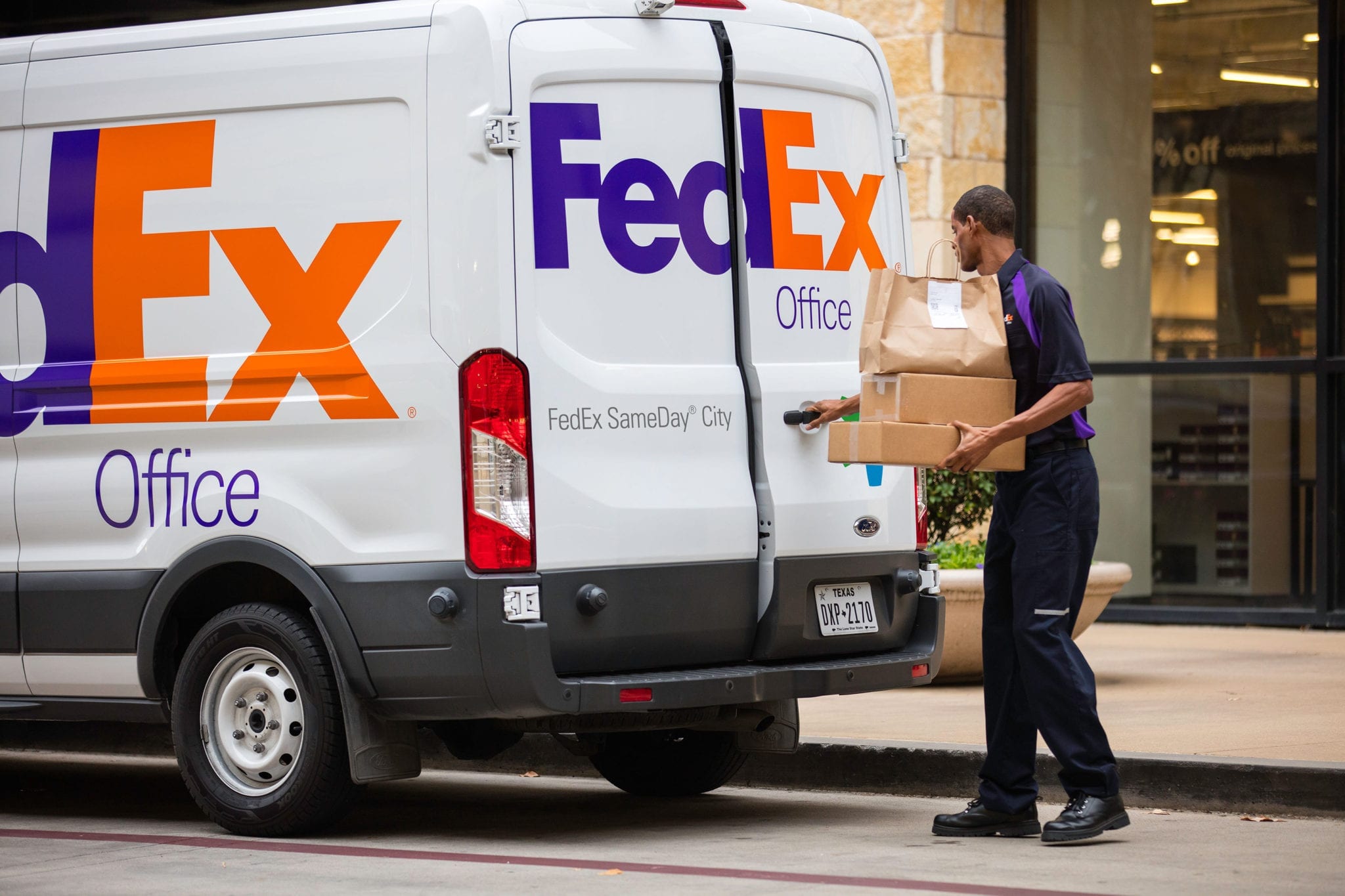
  • FedEx Bolsters APAC-Europe Trade Lane with Five New Weekly Flights, Fueling E-commerce and Retail Growth

    FedEx Bolsters APAC-Europe Trade Lane with Five New Weekly Flights, Fueling E-commerce and Retail Growth

    Federal Express Corporation (FedEx), a prominent international express transportation corporation, recently disclosed its plans to add five additional weekly flights connecting the Asia Pacific region (APAC) with its European base at Paris Charles de Gaulle Airport. This move will not only reinforce the reliability of services on the Asia-Europe trade route but also paves the way for businesses to access European markets swiftly and reliably. Moreover, this move comes just in time for the year-end holiday shopping season, offering businesses increased flexibility.

    Details of the Expansion

    The additional flights will emanate from two main hubs: three flights from the FedEx APAC hub at Guangzhou Baiyun International Airport and two from the FedEx Shanghai International Express and Cargo Hub. Employing Boeing B777 freighters, all flights will connect directly to the FedEx European hub at Paris Charles de Gaulle Airport.

    This expansion will augment the average daily capacity between APAC and Europe, enabling businesses in the area to leverage growth prospects in sectors experiencing high demand, such as e-commerce, manufacturing, hi-tech, and retail industries. The Europe-Asia trade lane has been thriving, with a consistent increase in air freight volume over the previous two and a half years and an impressive 13% year-on-year surge in August 2025.

    The European Union serves as the largest import market for more than 100 countries, with APAC economies being among the fastest-growing suppliers. This upward trend is expected to accelerate as businesses are seeking out new trade and growth prospects in Europe.

    Supporting Asia-Europe Trade

    Salil Chari, Senior Vice President of Marketing and Customer Experience, Asia Pacific, FedEx, noted that the Asia-Europe corridor is one of the fastest-growing trade routes. According to a survey conducted by FedEx of nearly 4,000 customers in Asia this year, over 20% stated plans to shift their trading focus to Europe within the coming year.

    FedEx’s increased service frequency between APAC and Europe means that the company now operates 26 weekly flights connecting APAC deliveries to Europe. This enhanced service allows express shipments to reach major European destinations in as little as 48 hours. FedEx has also improved its connectivity from Northern Vietnam to Europe, further strengthening trade links for Asia’s importers and exporters.

    Long-term Commitment

    This expansion of flight services underlines FedEx’s long-term commitment to facilitating global commerce and boosting the success of businesses across the Asia Pacific and beyond.

    Questions & Answers

    How is FedEx enhancing its services?
    FedEx is adding five additional weekly flights connecting the Asia Pacific region to its European base at Paris Charles de Gaulle Airport.

    Which sectors will benefit from this expansion?
    High-demand sectors such as e-commerce, manufacturing, hi-tech, and retail industries will benefit from this expansion.

    What is the frequency of FedEx’s service between APAC and Europe?
    With the increased service frequency, FedEx now operates 26 weekly flights connecting Asia Pacific deliveries to Europe.