Tag: trade

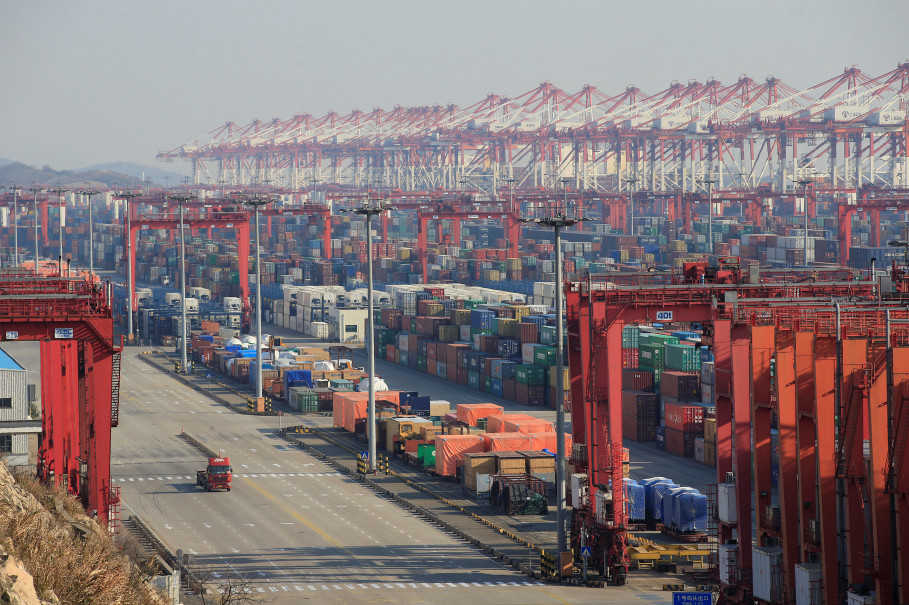
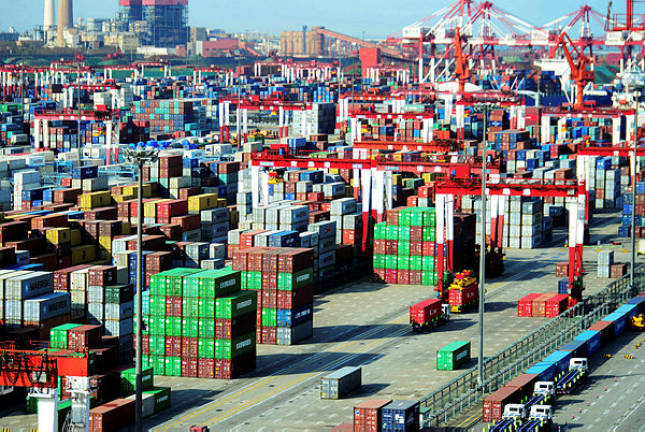
  • Trade surplus at $10.6B for 2022

    Trade surplus at $10.6B for 2022

    The trade surplus was US$0.78 billion in November, which took the year’s figure to $10.6 billion, the General Statistics Office said Tuesday.

    The surplus in the same period last year was $0.6 billion.

    But exports fell in November by 8.4% to $29.18 billion, which took the full-year figure to $342.21 billion.

    The U.S. has been Vietnam’s biggest export market ($101.5 billion).

    Meanwhile, imports were worth $331.61 billion, a year-on-year increase of 10.1%.

    They included shipments of $109.9 billion from China, the biggest exporter to Vietnam.

    Last year exports had been worth $336.31 billion, up 19%, and imports, $332.23 billion, up 26.5%, for a trade surplus of $4.08 billion.

    The surplus has been growing since 2016, according to the GSO.

  • Gold prices continue to drop

    Gold prices continue to drop

    Prices of gold bars branded SJC on Monday dropped 0.4% from the weekend to VND67.35 million ($2,716.82) per tael.

    Selling prices of gold rings remained unchanged, reaching VND54.05 million per tael. A tael is equal to 37.5 grams or 1.2 ounces.

    Globally, gold prices slipped on Monday, as a stronger U.S. dollar made the greenback-priced metal more expensive for buyers holding other currencies.

    Spot gold was down 0.2% at $1,752.66 per ounce, as of 0016 GMT. U.S. gold futures fell 0.1% to $1,751.80, according to Reuters.

    SPDR Gold Trust, the world’s largest gold-backed exchange-traded fund, said its holdings rose 0.2% to 908.96 tonnes on Friday from 906.93 tonnes on Wednesday.

  • Vietnam, US trade to hit unprecedented $100 billion

    Vietnam, US trade to hit unprecedented $100 billion

    Vietnam–U.S. trade could reach $100 billion for the first time this year, up 221 times against the figure in 1995 when the two countries first established diplomatic relations.

    In the first eight months, the figure hit $73 billion. Last year, it was $90.8 billion, Hoang Quang Phong, deputy chairman of the Vietnam Chamber of Commerce and Industry (VCCI), told a forum Tuesday.

    In the last five years, Vietnam’s exports to the U.S. increased on average by 230 percent each year, while the figure from U.S. to Vietnam was 175 percent.

    Vietnam is the 10th biggest trade partner of the U.S., while the U.S. is Vietnam’s biggest trade partner.

    Although the Covid-19 pandemic has disrupted supply chains, many U.S. businesses have been investing in projects in Vietnam in the sectors of manufacturing and processing, clean energy, aviation, healthcare, and pharmaceuticals.

    On the other hand, Vietnam’s exports to the U.S. are in the areas of furniture, footwear and garments.

    Ngo Sy Hoai, deputy chairman of the Association of Vietnam Timber and Forest Products, said Vietnam is the biggest exporter of wood products to the U.S.

    Vietnam is also the second biggest importer of U.S. wood material behind China, he added.

    Although the wood sector has targeted a value of $10 billion exports to the U.S., actual figures are likely to reach $8 billion this year due to Covid-19 impacts, he said.

    Hoai added that Vietnamese companies need to pay more attention to U.S. regulations on legal logging to prove their materials were not illegally cut.

    Former Vietnam Ambassador to the U.S. Pham Quang Vinh said although the U.S. cannot come back to the Comprehensive and Progressive Agreement for Trans-Pacific Partnership (CPTPP), it has made economic initiatives in digital trade, infrastructure and energy, which will offer new partnership potential between both countries.

    Vietnam and the U.S. could consider another bilateral free trade agreement based on existing commitments.

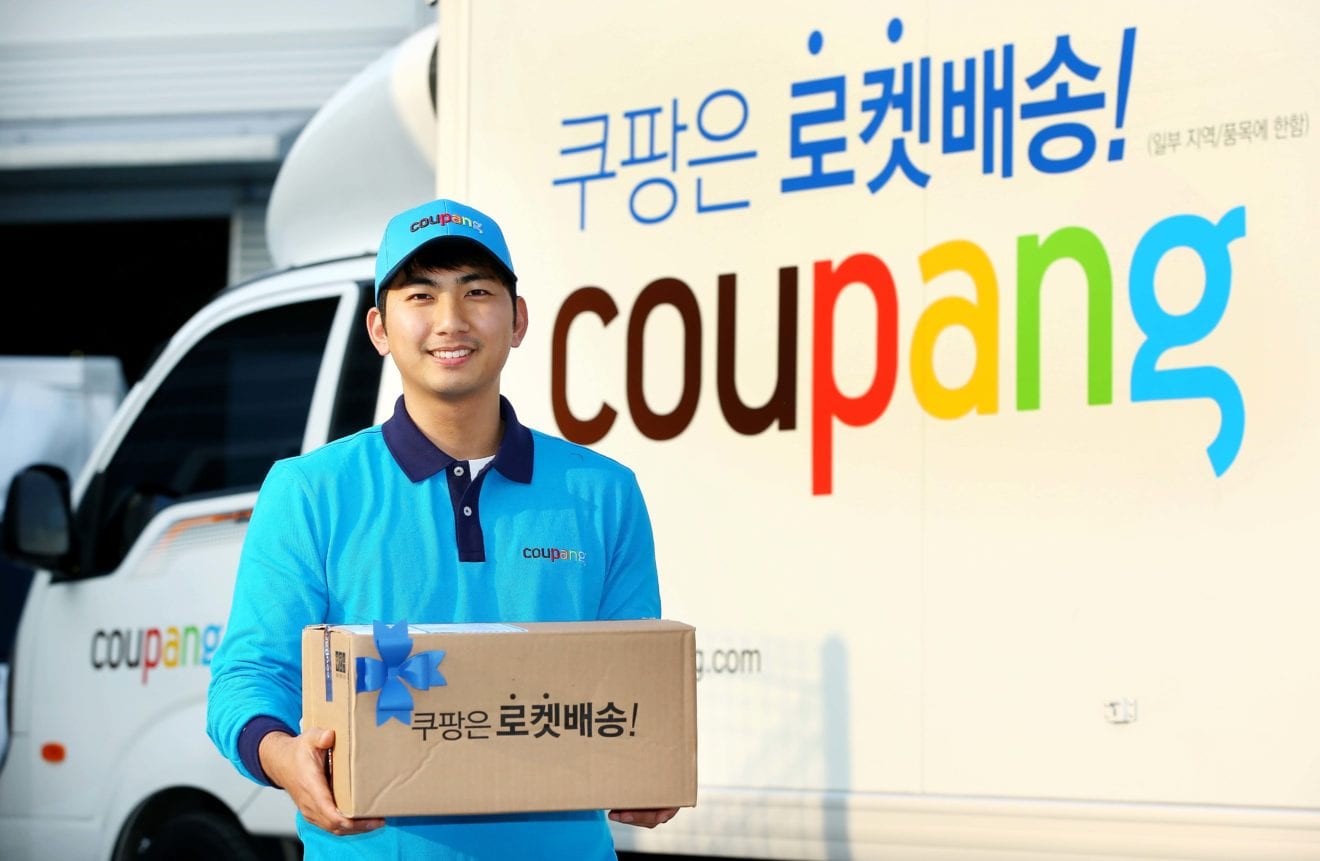
  • Coupang faces probe into unfair trade practices

    Coupang faces probe into unfair trade practices

    After stoking a series of controversies, including a fire at a logistics centre and poor working conditions, South Korean e-commerce giant Coupang is now facing a government investigation into alleged unfair trading practices.

    The Korea Fair Trade Commission (KFTC) recently noted that Coupang might have violated the Fair Trade Law and carried out a field investigation at Coupang’s headquarters in Songpa-gu in Seoul late last month.

    Coupang has allegedly manipulated its search algorithm to make its private-label products more visible than the products of other suppliers.

    The company manipulated the algorithm towards prioritizing and placing its private-label products at the top of the search results while placing other products at the bottom.

    The antitrust regulator is also investigating whether Coupang conducted ‘gapjil’ against suppliers. Gapjil is a Korean term referring to power harassment and abuse of power.

    Coupang has allegedly required suppliers to offer their products at the lowest price and penalized those who refused to supply their products at a lower price than the supply price for other platforms.

    In the field investigation, the KFTC checked the allegations that Coupang forced suppliers to purchase advertising space and excluded those who refused to do so from various benefits, including the company’s rocket delivery service.

    Another allegation was that Coupang unfairly returned products to suppliers.

  • Vietnam posts $665 million trade surplus with the UAE

    Vietnam posts $665 million trade surplus with the UAE

    Vietnam posted a $665 million trade surplus with the United Arab Emirates (UAE) in the first two months of 2021, alongside an increase in both exports and imports.

    Vietnam’s exports to the UAE rose 60 percent year-on-year $737 million, while imports increased 44 percent to $72 million, according to the General Department of Vietnam Customs.

    Total Vietnam-UAE trade value surged 58 percent year-on-year during this period.

    Phones and components were Vietnam’s foremost exports to the UAE with a value of $551 million, up 108 percent year-on-year. Exports of agriculture and aquaculture products also experienced robust growth. Cashew exports hit $10.3 million, a year-on-year rise of 600 percent.

    Vietnam’s main import from the UAE is the plastic raw material, reaching $41.8 million, a year-on-year increase of 66 percent. Among the products imported from the UAE, only petroleum products saw a 42 percent year-on-year decline to $2.5 million.

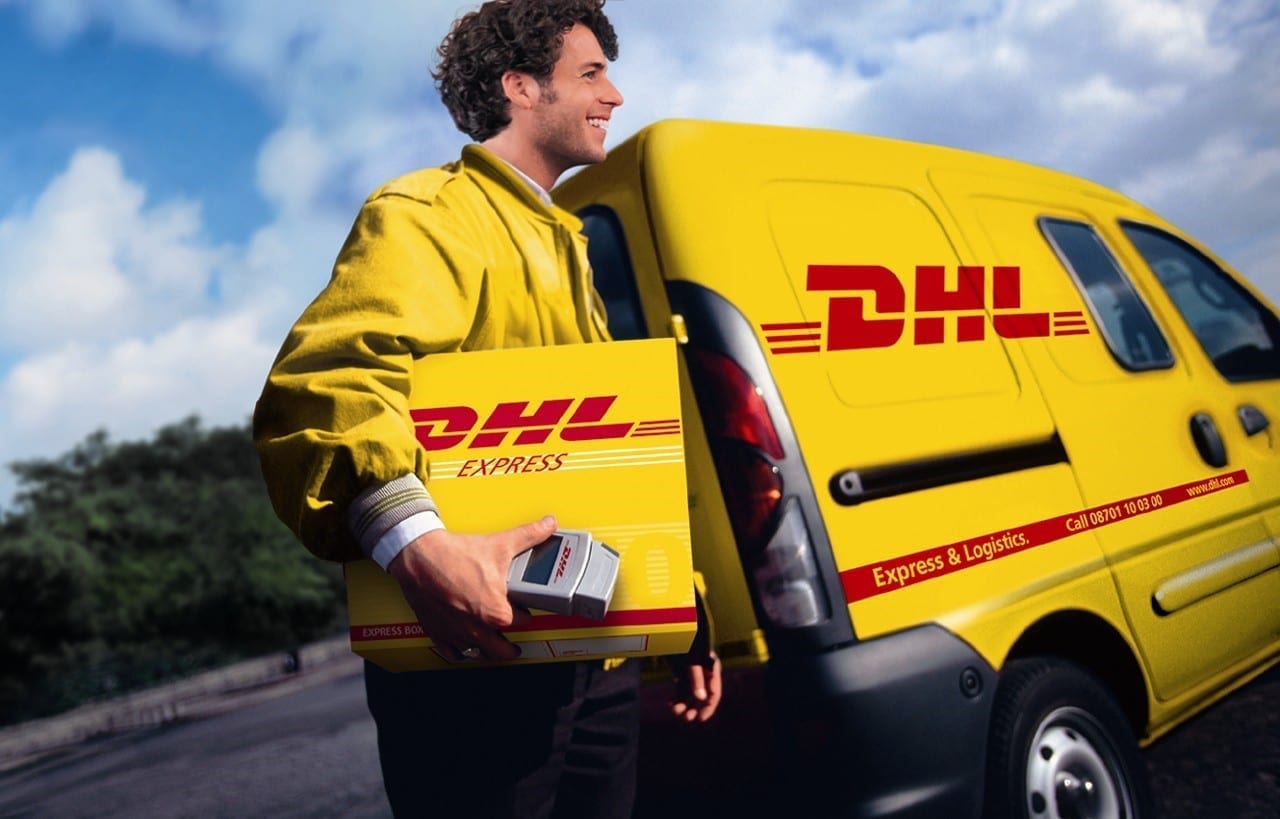
  • DHL Survey Reveals COVID-19 Impact on International Trade

    DHL Survey Reveals COVID-19 Impact on International Trade

    In addition to the current economic issues caused by COVID-19, there are other significant events in 2020, such as the U.S. presidential election and the United States-Mexico-Canada Agreement (USMCA) implementation, which could directly affect international trade.

    To collect deeper insights into how businesses are being impacted by COVID-19 and capture their perspectives on international trade developments, DHL conducted a survey of U.S. SMEs, including its customers.

    Key findings from the more than 2,000 responses include:

    • COVID-19 causes pullback on international business outlook: Almost half (49%) of respondents said the coronavirus has resulted in them taking a more conservative approach to their business’ global trade strategy. Only 15% are taking a more aggressive approach, while 36% are staying the path on their international approach as a result of coronavirus. It is no surprise that the majority are being conservative since according to our survey, overwhelming 78% of respondents have had business revenues decrease either slightly or significantly due to COVID-19.

    • International policies will the tip scales at the voting booths: An overwhelming majority (78%) of respondents said the U.S. presidential candidate’s view on international trade will affect the way they vote this election year.

    • Business owners are willing to make sacrifices to make trade easier: 37% would forgo all their vacation for a year if it guaranteed no additional international trade barriers/regulations for their business.

    • Asia remains a top business target: Despite COVID-19 originating in China, almost one-third (32%) of respondents said Asia is the top priority region for their business this year. In last year’s survey, 21% selected Asia as their top priority region. The YOY increase in confidence in Asia is likely due to progress in potential relief with China tariffs. Additionally, other countries in Asia, such as Vietnam and Japan, have emerged as top trade and manufacturing partners for U.S. businesses as a result of the U.S.-China trade war.

    Rosemary Coates, President of Blue Silk Consulting and a columnist for Supply Chain Management Review, feels that relations between the U.S. and China remain fragile:

    “The U.S. government is creating even more animosity toward China, blaming them for the pandemic and threatening more tariffs in retaliation for allowing the virus to spread to America,” she said. “This is creating an even bigger gap in cross-border trade and cooperation that will likely enflame the trade wars even further.”

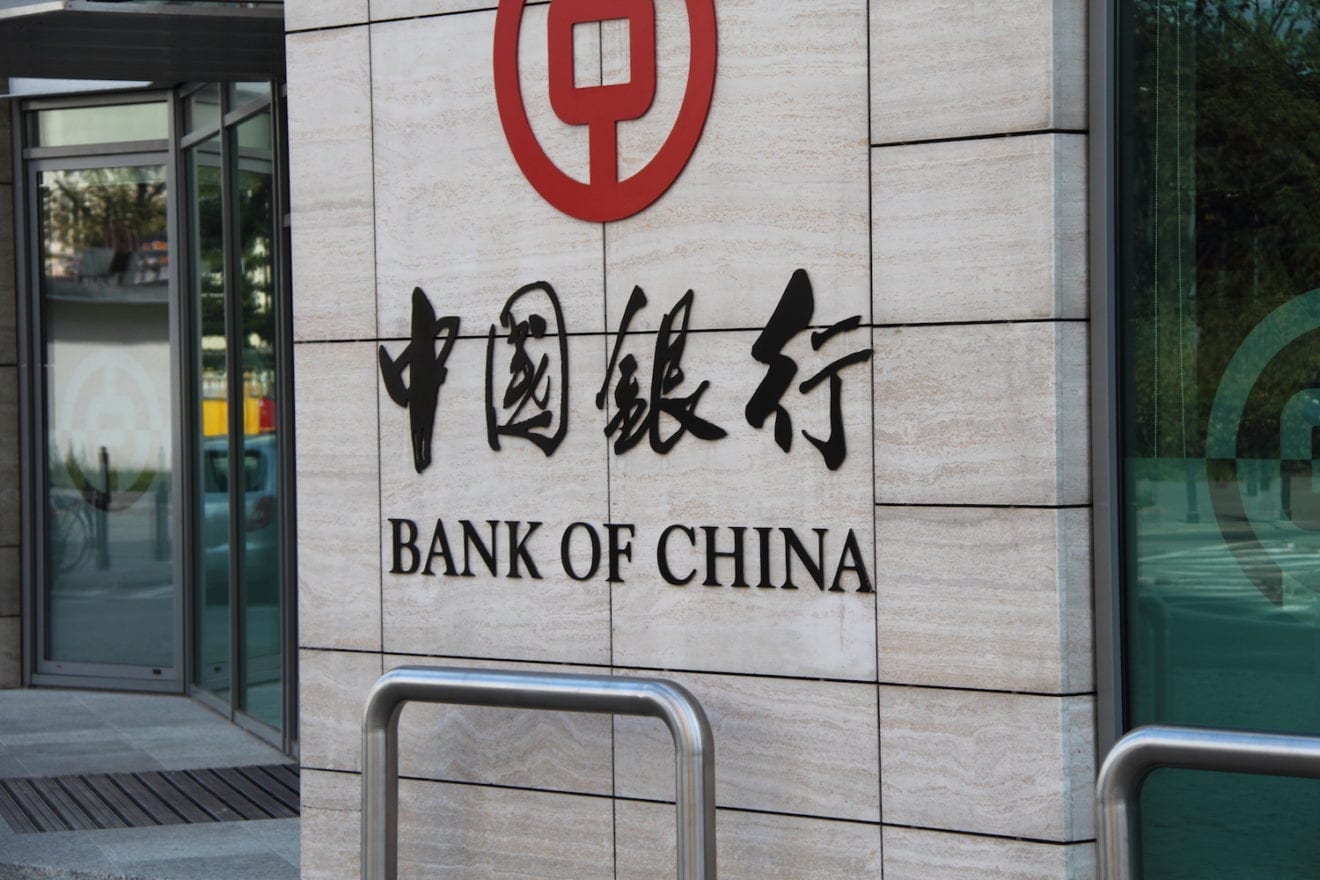
  • Bank of China Partners Refinitiv for AI-Based FX Trading App

    Bank of China Partners Refinitiv for AI-Based FX Trading App

    Developed by the bank’s Digital Asset Management department, the application is the first third-party app from a China-based financial institution on the Eikon platform.

    Bank of China is launching DeepFX, an AI-based forex trading prediction application through Refinitiv’s financial data platform Eikon, the firm announced in a statement on Tuesday.

    The app uses deep learning technology to predict the short-term price movements of major foreign exchange currency pairs, which currently include EUR-USD, AUD-USD, GBP-USD, USD-CAD, USD-JPY and USD-CHF, the announcement said.

    The Lite version of DeepFX provides a 5-minute interval real-time FX trade signal forecasting service, while displaying back-test results within 10 days. The service is available for free through Refinitiv’s App Studio.


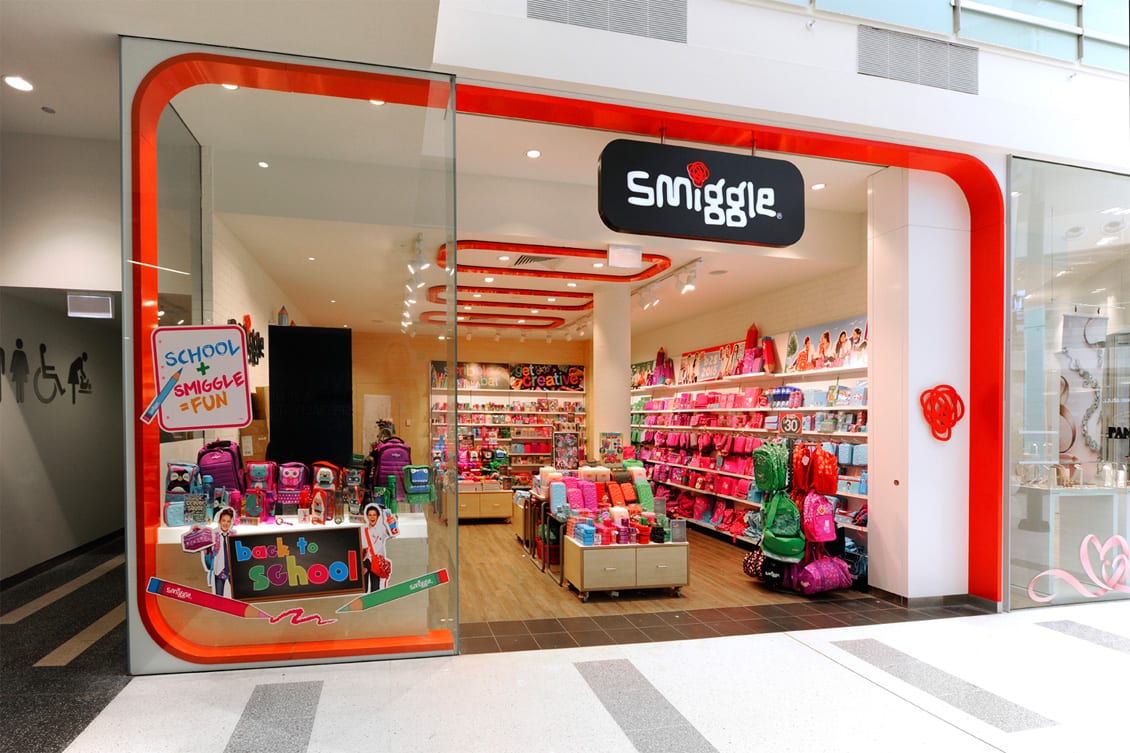
  • Smiggle parent Premier Investments feeling the impact of Covit-19

    Smiggle parent Premier Investments feeling the impact of Covit-19

    Premier Investments has weathered a string of global crises, including Brexit, Hong Kong protests and Australia’s bushfires to post record sales and earnings in the first half of the financial year – but now it says the coronavirus pandemic is impacting trade across every brand in its portfolio.

    On Friday, the owner of major national and international retail brands, including Smiggle, Peter Alexander, Just Jeans, Portmans, Dotti, Jacqui E, Jay Jays and Breville, reported a 7.6-per-cent increase in first-half sales year on year, to $732.1 million (US$427.7 million), and a 10.7-per-cent increase in earnings before interest and tax, to $126.1 million ($73.7 million).

    But the strong performance may be cold comfort, as the coronavirus outbreak and strict self-isolation measures introduced to contain the spread in certain markets have already severely impacted Premier’s trade in the second half.

    Smiggle sales have been “severely disrupted” in Hong Kong, Singapore, and Malaysia, and “deteriorated significantly” in the UK and Ireland, the company said in a statement to the Australian Stock Exchange.

    Trade-in all brands in Australia and New Zealand have been impacted, and the company warned gross margin could be affected as it moves to clear inventory in each market.

    Premier Investments CEO Mark McInnes declined to provide specifics on changes in sales or foot traffic, saying on a media call that the company was not “in control of what’s happening on a daily basis” and “merely responding” to the crisis at hand.

    He described the current situation as “unprecedented” and unlike anything he has experienced, including the Global Financial Crisis in 2008 and recession in 1991.

    He also warned there could be widespread store closures if landlords do not start supporting their tenants by renegotiating rents.

    “Since the outbreak of COVID-19, we have closed two stores in Hong Kong, and we are prepared to close many more stores globally if landlords do not respond to the current crisis,” McInnes said.

    While he noted that Premier Investments could exit 70 percent of its leases in Australia and New Zealand with just 30 days’ notice, he said it wasn’t about “profiteering”, but rather “sharing the reality”.

    “Historical rents are just…all we’re pointing out to landlords is the reality of the situation,” he said.

  • StanChart Names Global Head of Trade

    StanChart Names Global Head of Trade

    Standard Chartered hires a global head of trade in Singapore as its transaction banking business undergoes a tech-fueled transformation.

    Michael Spiegel joins in his new role reporting to Lisa Robins, global head of transaction banking at Standard Chartered. Spiegel has over 30 years of experience in Europe, the U.S. and Asia and was most recently with Deutsche Bank where he held various senior roles such as global head for trade finance and corporate cash management. Previously, he also held senior positions in client coverage and at the bank’s executive management committee.

    The new hire coincides with what Robins calls the next phase of the evolution in Standard Chartered’s transaction banking business with various tech-related milestones to boast for in recent times.

    Earlier this month, the bank made a strategic investment into Linklogis, China’s leading blockchain-enabled supply chain financing platforms to expand its ecosystem of partners. In the same week, it also became the first bank to introduce a public portal for real-time tracking of cross-border payments called SCI GPI Track.

  • Trade war, climate erode first-half Giordano sales

    Trade war, climate erode first-half Giordano sales

    The China-US trade war and unseasonably warm winter have been blamed for Giordano sales falling 11 percent in the first half of the year.

    Profit for the Hong Kong-headquartered apparel retailer was impacted even more, dropping 36.6 percent to HK$161 million (US$20.5 million) on revenue of $2.542 billion ($324 million).

    By market, sales in Mainland China fell 22 percent, in Hong Kong and Macau by 11.9 percent and in Taiwan by 15.2 percent.

    Giordano sales in the rest of Asia-Pacific – its largest single market accounting for 31.8 percent of revenue – were down a lighter 3.7 percent, with performances by country mixed.

    Indonesia stood out with an overall same-store growth of 2.8 percent for both Giordano and non-Giordano brands, and with operating profit increasing by 6 percent. Thailand continued to achieve stable growth, with operating profit advancing by 9.1 percent, attributable mainly to sales growth and improvement of gross margin by 1.5 percentage points from 63.7% percent to 65.2 percent, the company reported.

    Sales in Singapore and Malaysia declined by 13 percent and 8.4 percent, respectively, due to weak consumer sentiment and slow economic growth.

    In Mainland China, promotional activities were intensified to curtail falling sales and clear slow-moving stock, resulting in a 1.4 percentage-point decrease in gross profit margin.

    Chairman and CEO Peter Lau said a series of marketing programs and smart promotional activities have been launched to “galvanise customer traffic”. On the mainland, Giordano is focusing on developing its franchise business, opening 24 new stores in the first half.

    The Middle East business stabilized and rebounded, with operating profit improving by 36 percent.

    South Korea (a 48.5-per-cent joint venture under an independent management team) reported a slight decrease in sales, while its gross profit was almost flat. Net profit declined due primarily to increased marketing and logistics expenses.

    In terms of the company’s outlook, Lau said the trade war is “taking its toll” on consumer sentiment.

    “In addition, Hong Kong’s weakening retail sector continues to be exacerbated by social unrest. The global economic environment is becoming more uncertain, with signs of economic slowdown in many different parts of the world.

    “Singapore is proving challenging, although management has already taken steps to shake up the local management team and remains confident that the business can be improved. Malaysia and Taiwan failed to meet expectations in the first half, although the local teams have stabilized their businesses and are showing signs of turnaround through effective cost control and improved product mix and localized campaigns.

    “Our Middle East business is showing positive signs of recovery while our Southeast Asian markets, in particular, Indonesia and Thailand, have performed positively and will continue its momentum into the second half of 2019.”

    Lau said the company’s initiative to develop local e-commerce businesses within its existing markets will also continue, in order to offer customers a more comprehensive shopping experience and serve a wider local customer base.

    “This will require resilience and determination in the face of growing competition in this online domain, but we have sowed the seeds and will continue to pursue the opportunities that lie in this realm.

    “That being said, cost pressures remain within the industry as a result of increasing production costs in a number of traditional manufacturing hubs in the region, as well as increasing costs of front-line shop staff in a number of the markets we operate,” concluded Lau.

  • India, Indonesia Set $50 Billion Trade Target By 2025

    India, Indonesia Set $50 Billion Trade Target By 2025

    India and Indonesia on Saturday set an ambitious USD 50 billion target for bilateral trade over the next six years as Prime Minister Narendra Modi and President Joko Widodo discussed ways to deepen cooperation in a number of key areas including economy, defense and maritime security.

    The two leaders, who are in Osaka, Japan for the G20 Summit, met in the morning and discussed ways to boost bilateral ties and enhance cooperation in trade and investment. According to the Ministry of External Affairs spokesperson Raveesh Kumar, India and Indonesia set a USD 50 billion target for bilateral trade by 2025.

    Trade between the two countries in 2016 was USD 12.9 billion. It rose 28.7 percent to USD 18.13 billion in 2017 with Indonesia’s exports to India reaching USD 14.08 billion and its imports from India standing at USD 4.05 billion, according to Indonesia’s Central Statistics Agency.

    During his meeting between Prime Minister Modi and Indonesian President Widodo, the two leaders discussed ways to deepen bilateral cooperation in trade and investment, defense and maritime fronts. This was Modi’s first official engagement on the second day of the June 28-29 Summit.

    “Beginning Day 2 of the G20 Summit by meeting a valued friend. PM Narendra Modi holds talks with President Joko Widodo on ways to deepen India-Indonesia cooperation,” the prime minister’s office tweeted.

    In a tweet, Kumar said, “Taking forward the comprehensive strategic partnership. PM Narendra Modi had a productive meeting with Indonesian President Joko Widodo on margins of G20 Summit. Discussed expanding cooperation in trade & investment, defense, maritime, space & exchanged views on Indo-Pacific vision”.

    On Friday, Modi held bilateral and plurilateral meetings with many leaders, including US President Donald Trump, Russian president Vladimir Putin and China’s Xi Jinping.

  • Alibaba not affected by the Trade War

    Alibaba not affected by the Trade War

    Alibaba executive chairman Joe Tsai told analysts the company’s position as “China’s number-one platform for overseas brands” puts it on the right side of the trade war between the US and China.

    While discussing the group’s recent full-year results, which saw Alibaba grow revenue 51 per cent during the year to March 31, 2019, to US$56.2 billion (RMB376.8 billion) and net income 31 per cent to $13.1 billion (RMB80.2 billion), Tsai said he wanted to address the “elephant in the room”.

    “First, the reduction of the US trade deficit. China’s commitment to purchase more American products means China will over the next several years become a net importing country,” Tsai said.

    “We are the platform of choice for global producers of products and brands selling into China because we have the reach and deep insights on over 650 million active Chinese consumers on our platform. The scale and effectiveness of our access to Chinese consumers is simply unrivaled.”

    Alibaba’s active customers grew to 654 million over the year to March 31- an increase of 104 million year on year.

    Tsai said the ongoing trade negotiations also create an opportunity for other markets to do more foreign business within China, satisfying growing demand from the Chinese public as the country’s economy shifts from an “export economy to a domestic consumption economy”.

    “As we look at the evolution of the Chinese economy, Alibaba is on the right side of all of the issues,” Tsai said.

    Alibaba was recently ranked as the world’s most valuable retail brand outside of the US by research firm Kantar earlier this week, which valued the brand at US$131.2 billion, up 48 per cent on last year.

    Partly, this was due to the group’s New Retail strategy, which this year saw Alibaba partner with Starbucks to enable on-demand coffee delivery across 35 cities throughout China.

    “If you want to see the future of retail, look to China,” the report said.

    “In many ways, it is leading the world… Chinese consumers are using mobile in every aspect of their lives.”

  • Jail Sentence for trade-show Fraudsters

    Jail Sentence for trade-show Fraudsters

    Two trade-show fraudsters have received jail sentences after Customs caught them selling fake goods at the Hong Kong Convention & Exhibition Centre.

    A person in charge of an exhibition booth and a salesperson were sentenced to three months’ imprisonment and three months’ imprisonment suspended for 12 months respectively on March 15 and April 12 at the Eastern Magistrates’ Courts for offering to supply goods with false trade description and possession of goods with a forged trademark for the purpose of trade or business.

    They had contravened the Trade Descriptions Ordinance (TDO), according to a spokesperson for Customs.

    The sentence imposed on the person in charge of the exhibition booth is the heaviest penalty in the past decade among similar cases of infringement that took place at exhibition fairs.

    Customs earlier received the trademark owner’s information alleging the display of counterfeit handbags for order at a booth in a leather fair held at the Hong Kong Convention and Exhibition Centre.

    After investigation, Customs officers conducted a test-buy operation and successfully ordered 500 counterfeit handbags and seized five counterfeit handbag samples at a booth with an estimated market value of about $40,000 in total. A 36-year-old man in charge and a 29-year-old saleslady were arrested and prosecuted.

    The Customs spokesperson promised to continue to take “stringent enforcement action” to combat infringing activities. Booth exhibitors are reminded to respect intellectual property rights and not to sell counterfeit goods.

    Under the TDO, any person who sells or possesses for sale any goods with a forged trademark commits an offence. The maximum penalty upon conviction is a fine of $500,000 and imprisonment for five years.

    Despite stringent vetting of exhibitors, fake products at major Hong Kong exhibitions has been concerning authorities for some time. In September 2016, Customs officers seized a fake branded jewellery at a trade show in the Hong Kong Convention & Exhibition Centre.

  • Trade War Talks May Never Solve China’s Economic Issues

    Trade War Talks May Never Solve China’s Economic Issues

    The “trade war” between the US and China is misguided when it comes to economic fortunes, according to one analyst. As Chinese Premier Li Keqiang gave a speech at the Boao Forum for Asia on March 27, he played down the idea of an economic slowdown. As ongoing disputes with President Donald Trump are still unresolved, fears are that the crisis is starting to bite. However, in addressing the conference, Keqiang said that market expectation had “significantly improved” and major economic indicators have been “steady”.

    The Gold Standard for Economic Analysis May Not Apply

    As it often is, gold has been used as a measuring stick for the state of the global economy and, specifically, national economies. By reviewing gold price movements using XAU/USD charts, as noted by DailyFX, traders can get an insight into the underlying health of a nation. In support of this, we can look back through history and see how the price of gold correlations to major financial slumps.

    As noted by this guide to financial bubbles, gold prices dropped by 64% in 1982. This slump came at the same time the US was in the midst of a recession. With gold prices and economies so closely linked, the precious metal has become a marker of China’s recent economic movements.

    Following a slowdown in China’s GDP at the start of 2019, gold prices took a tumble. Erasing a seven-month high, the price per ounce dropped by $20 to $1,278 in late January. By the end of February, the price had surpassed $1,300, according to CNBC, and was holding firm in light of the latest round of US/China trade negotiations.

    However, while another round of talks will have investors tracking the gold markets, chief economist Daniel Lacalle believes such moves are misguided. Discussing the trade war with Tyler Yell, Lacalle said that economic swings were a product of “general growth issues”, not trade wars. In his opinion, governments and central banks see a financial crisis as a problem with demand. For him, that’s a mistake, and forcing stimulus into the market creates a “sugar rush” effect that doesn’t actually increase demand.

    Put simply, he believes that pumping an economy full of stimulants creates the facade of demand and masks the underlying problem. What’s more, he believes it causes adjustment issues further down the line. Much like a patient on medication doesn’t immediately return to a normal state, economies suffer a similar comedown. Therefore, to focus on the trade wars as the reason for slower rates of economic growth in China is wrong, in Lacalle’s opinion. While he stops short of offering a simple solution, the idea is interesting in the context of retail in Asia.

    Retail Issues May Belie a Bigger Problem

    The consensus is that tensions have harmed retail across the two continents. In November 2018, Bloomberg reported that US Asian supermarkets had seen a drop in sales because Trump’s tariffs forced them to pay more for imported goods. The end result is higher prices for groceries, which has subsequently led to a loss of trade. While this can be directly linked to the trade war, these micro issues can’t be applied on a macro scale if Lacalle’s perspective is correct.

    China’s economy and, in turn, its retail sector may be stagnating because of too much artificial growth. The idea of a trade war is juicy headline fodder for media outlets. However, analysts are by no means in agreement on why growth has slowed. While it may well be because of tensions with the US, there are those that believe the crisis runs much deeper than that.

  • Li & Fung Announces 2018 Annual Results

    Li & Fung Announces 2018 Annual Results

    Li & Fung Limited, the world’s leading supply chain solutions partner for brands and retailers, today announced its annual results for the year ended 31 December 2018.

    For the year under review, the Company was affected by the rapidly changing retail landscape, with record store closures and customer bankruptcies. Owing to the Company’s investments in a speed-enabled supply chain, its customers have been able to reduce their inventory levels, although this produced short-term negative impacts on the Company’s turnover. The ongoing US-China trade war had a minimal impact on Li & Fung’s business due to the company’s diversified sourcing network outside of China.

    On a like-for-like basis and excluding the impact of the strategic divestment of the three Product Verticals in April 2018, which triggered a one-off disposal loss of US$114 million, core operating profit (“COP”) of Continuing Operations decreased by 20% to US$285 million. This was largely due to decreases in turnover and total margin in the Supply Chain Solutions business, as well as continued investment in digitalization in line with the Company’s long-term strategic plan. Turnover decreased by 6.2% to US$12.7 billion, mainly due to customers’ ongoing destocking, customer turnover and bankruptcies. Total margin percentage improved by 0.4% to 10.6%, primarily a result of the increased contribution from the higher-margin Logistics business. Adjusted Profit Attributable to Shareholders decreased 15.9% to US$117 million, excluding gain on remeasurement of contingent consideration payable. Profit attributable to shareholders for Continuing Operations decreased by 26.2% to US$126 million. The Board of Directors has proposed a final dividend of 4 HK cents (2017: 2 HK cents). This brings the full-year total dividend to 7 HK cents per share.

    Spencer Fung, Group CEO of Li & Fung, said: “2018 was a demanding year and we’ve made a fundamental reorganization of our business in line with our Three-Year Plan to build the Supply Chain of the Future. We initiated a structural change with a new management team to focus on our core customers and operational excellence. This includes a new Group President, a new Chief Operating Officer and an entirely new Chief Digital Officer position. We have the right strategy, and now the right structure and people in place. With all three elements in place we have built the right foundation for the future. I am confident that we are on the right track.

    Mr Fung continued, “Group President, Joseph Phi, has a strong track record having organically grown LF Logistics over the past decade. In his new role, Joseph will focus on account management and business development. As a team, we are focused on driving greater productivity in our global production platform by truly leveraging the scale of Li & Fung for our customers, capitalizing on our clear leadership in 3D design, and accelerating the build-out of our end-to-end digital platform. These initiatives are already helping to strengthen relationships with core customers and to convert new customers.”

    The Logistics business continued to grow organically with double-digit increases. With strong demand for in-country logistics services, turnover and COP increased 10.2% and 14.6% to US$1.13 billion and US$86 million respectively. The growth of the Logistics business continued to be driven by strong growth momentum in China; e-logistics growth; accelerating growth in ASEAN across all services; and rapid expansion in the newer geographies of Japan, Korea and India. To further accelerate the pace of its growth, preparation is underway for the potential spin off and separate listing of LF Logistics to take place in 2019 depending on market conditions and other factors.

    In addition, 2018 was a turnaround year for the Onshore Wholesale business in the Americas, Europe and Asia with its turnover increasing by 7.4% to US$1.7 billion with recovery at major US customers and growth in the Asia onshore wholesale business. Furthermore, operating costs as a percentage of turnover improved by 80 basis points.

    Joseph Phi, Group President of Li & Fung, said: “The strong organic growth of LF Logistics is due to active engagement with our people and close collaboration with our customers. At Li & Fung, we are well positioned to integrate logistics with our traditional sourcing and supply chain solutions offering. This provides a faster and more digital supply chain, enabling us to cultivate closer and longer-lasting customer partnerships. We are pursuing market share gain and pipeline conversion as the twin drivers for our growth.”

    Group Chairman, William Fung added, “With ongoing trade uncertainties, we continue to help existing and new customers optimize their production across over 50 countries of export. This provides the best defense against fluctuations in trade policy and mitigates any negative impact from tariff increases. I am confident that our new leadership team and organizational structure will help us drive productivity, strengthen customer relationships and, in turn, grow market share.