Retail News CRM

Tag: trade

  • Dollar Dips Against Dong, Soars to Two-Week High Against Yen Amid Global Trade Talks

    Dollar Dips Against Dong, Soars to Two-Week High Against Yen Amid Global Trade Talks

    The US Dollar’s Fluctuating Performance Against Foreign Currencies

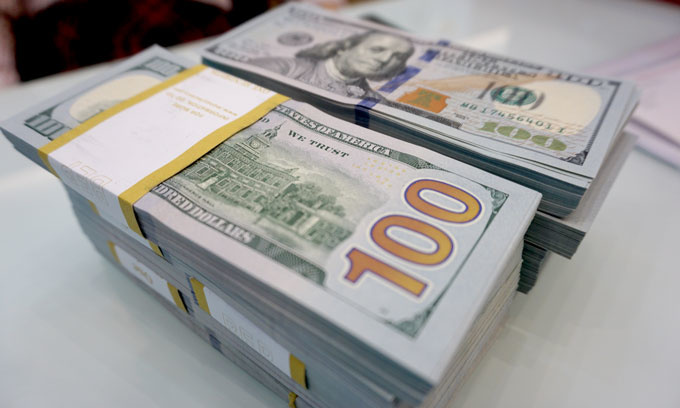
    The US dollar experienced a decline against the Vietnamese dong on Monday morning, while it simultaneously reached its most robust position in over two weeks against the Japanese yen. The greenback was sold by Vietcombank at a rate of VND26,351, marking a 0.004% dip from the weekend. However, the currency witnessed an increase of 0.18% on the black market, bringing it to VND27,750.

    Rate Adjustments by the State Bank of Vietnam

    The State Bank of Vietnam responded to these shifts by lowering its reference rate by 0.004% to VND25,097.

    Global Performance of the US Dollar

    Globally, the US dollar climbed to a high that hasn’t been seen in over two weeks against the yen on Monday, as critical worldwide trade negotiations and central bank meetings commenced. The dollar experienced a 0.15% increase against the yen, bringing it to 153.07 and hitting a peak of 153.17, the highest since October 10th. The dollar index, which assesses the greenback against a select group of peers, rose by 0.05% to reach 98.97.

    Performance Against Other Currencies

    Apart from the yen, the US dollar’s performance against other currencies remained steady. The euro remained at $1.1622 while sterling saw a slight boost of 0.04% to $1.3314. The Australian dollar also gained 0.2% against the greenback, reaching $0.6528.

    Mahjabeen Zaman, head of foreign exchange research at ANZ, suggested in a recent podcast that the strength of the dollar would likely continue in the near term. She stated: “Fed cuts are fully priced in for October and December meetings. So if anything, any cautious communication from the Fed would likely be more supportive for the U.S. dollar.”

    Questions & Answers

    What was the performance of the US dollar against the Vietnamese dong and Japanese yen recently?
    The US dollar declined against the Vietnamese dong, but it reached a more than two-week high against the Japanese yen.

    How did other currencies perform against the US dollar?
    The euro and sterling remained steady against the US dollar, while the Australian dollar saw a slight increase.

    What are the predictions for the near-term performance of the US dollar?
    According to Mahjabeen Zaman, head of foreign exchange research at ANZ, the dollar’s robust performance is expected to persist in the near term.

  • Asia Pacific Bolsters Global Trade Resilience Amid Policy Fluctuations: DHL Tracker Reveals

    Asia Pacific Bolsters Global Trade Resilience Amid Policy Fluctuations: DHL Tracker Reveals

    The Asia Pacific region is becoming an increasingly significant catalyst in bolstering worldwide trade resilience, despite international commerce encountering numerous challenges due to policy fluctuations. This finding is part of a recent update to the DHL Global Connectedness Tracker, produced in collaboration with New York University’s Stern School of Business. This update is the first systematic evaluation of the responses of international trade and business investment to alterations in U.S. trade policy during the second term of President Trump.

    Asia Pacific’s Strategic Adaptability

    According to Ken Lee, DHL Express’s CEO for Asia Pacific, the region has exhibited unique adaptability and strategic positioning. “The latest data illustrates how cooperation within the region is intensifying, even amidst global uncertainty,” said Lee. He pointed out that businesses in the Asia Pacific are demonstrating agility and a forward-thinking attitude, from the ASEAN’s growing role in accommodating trade flows to Asia Pacific countries engaging more intensively with neighboring nations. Lee emphasised that DHL is well-placed to assist its customers in navigating any changes in trade patterns and pledged to continue developing capabilities in customer-preferred locations.

    Global Trade Growth Amidst Tariff Uncertainty

    In the first half of 2025, the DHL Global Connectedness Tracker indicated that international trade grew at an unprecedented pace, unmatched by any previous half-year since 2010, barring the pandemic recovery. There was a significant surge in U.S. imports early in 2025 as purchasers hastened to make purchases before the impending tariff increases. After this initial rush, global trade volumes continued to exceed the levels of the previous year.

    On examining the world’s 100 largest trade routes, six out of the ten fastest-growing were exports from an Asian economy, emphasising Asia’s integral role in propelling global trade. Notably, Hong Kong SAR, Thailand, Malaysia, and Vietnam were among the top 10 fastest-growing markets, underlining Asia Pacific’s increasing influence and durability in supply chain networks.

    Rise of Intra-Asia Trade

    Intra-Asia trade demonstrated ongoing integration and burgeoning connections. The intra-regional trade share of East Asia & Pacific rose from 55% to 56%. Furthermore, the greatest reductions in trade distances were observed in countries including Thailand, China, Singapore, and Hong Kong SAR. These shifts represent Asian economies’ redirection of trade flows towards regional partners to sustain growth and their efforts to boost infrastructure and connectivity, thereby enhancing the attractiveness of participating in cross-border trade.

    ASEAN’s Growing Role in Chinese Exports

    Despite a 15% decrease in exports to the U.S. during the first eight months of 2025, China fully balanced this loss with a 15% rise in exports to the ASEAN region. ASEAN emerged as a significant growth destination for Chinese exports, signifying the region’s increasing relevance in China’s trade portfolio. Vietnam, Thailand, and India witnessed the most substantial increases in their share of China’s exports, while the U.S., Russia, Korea, Brazil, and Mexico experienced decreases.

    Reflecting on the latest trends, Prof. Steven A. Altman, Director of the DHL Initiative on Globalization at NYU Stern’s Centre for the Future of Management, stated, “The trends in trade and international business investment thus far in 2025 do not substantiate the belief that globalisation is in regression.” He noted that despite existing policy threats to globalisation, companies are not generally retreating from international markets. Instead, they are managing risks and opportunities in a connected world.

    Questions & Answers

    What factors have contributed to the Asia Pacific region’s role in driving global trade resilience?
    Adaptability, strategic positioning, and increased collaboration among countries in the region have played major roles in solidifying the Asia Pacific’s position in global trade.

    How has the ASEAN region become a crucial aspect of China’s export strategy?
    Despite a drop in exports to the U.S., China has compensated by increasing exports to the ASEAN region by 15%. This shift highlights the growing importance of ASEAN in China’s trade portfolio.

    What trends in global trade have been observed during 2025?
    Despite policy shocks and tariff turbulence, global trade has grown significantly. Asian economies, in particular, have demonstrated resilience by adjusting trade flows towards regional partners and enhancing infrastructure and connectivity.

  • Adapting To Trade Changes: Fedex Bolsters Support For Asia Pacific Businesses Amid Market Shifts

    Adapting To Trade Changes: Fedex Bolsters Support For Asia Pacific Businesses Amid Market Shifts

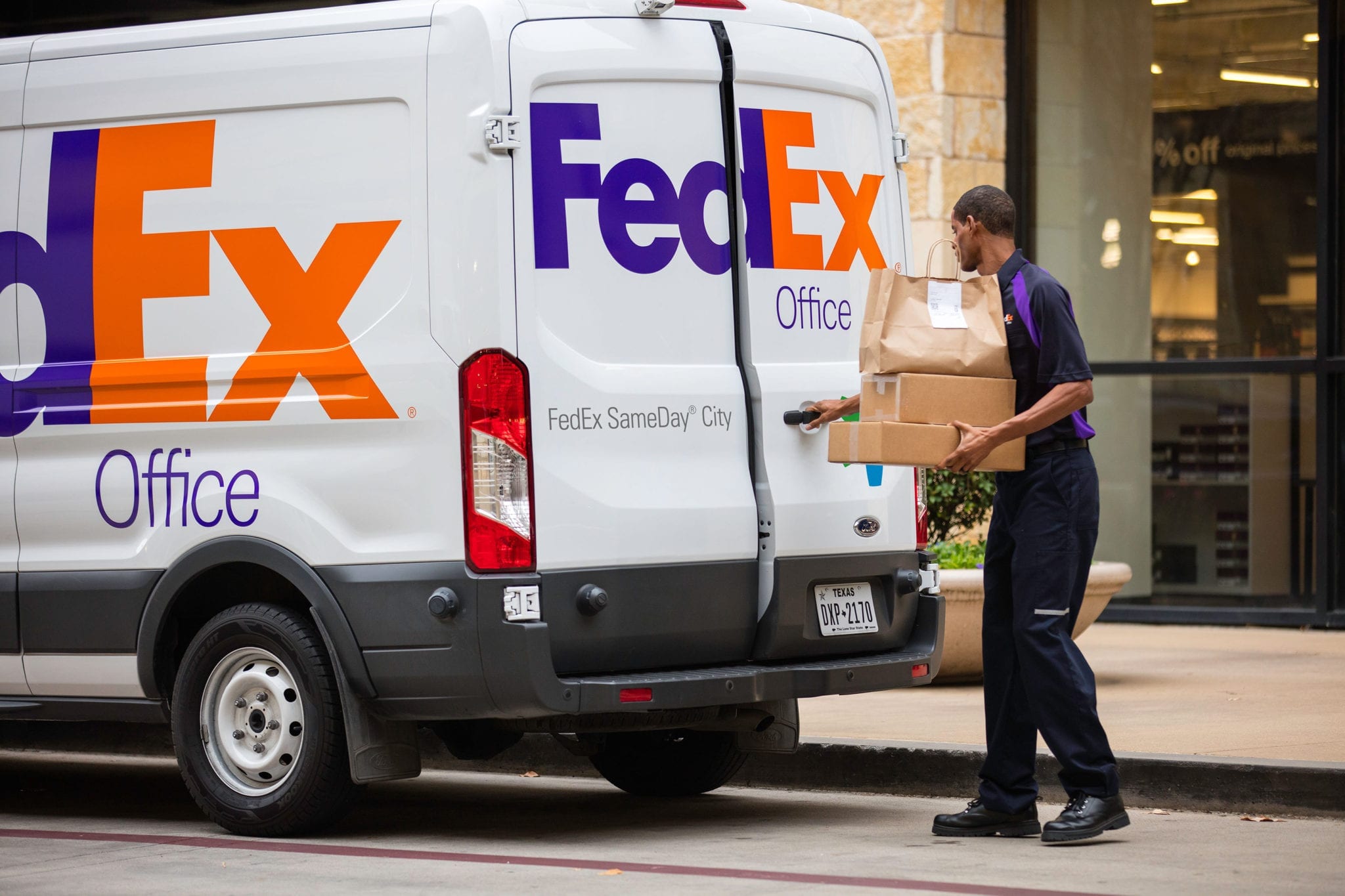
    Federal Express Corporation, a world-leading express transportation company, is enhancing its support for businesses throughout the Asia Pacific. This move is in response to adapt to shifting market priorities, alterations in tariffs, and changes in customs regulations.

    In response to recent modifications to the U.S. de minimis exemption rules, FedEx arranged a series of webinars across nine markets in the Asia Pacific. These sessions attracted over 3,800 customers ranging from small- and medium-sized enterprises to multinational corporations. The webinars offered valuable insights on maintaining operational efficiencies, customs clearance, avoiding unexpected costs, and enhancing shipping automation. This has equipped businesses with the necessary tools and guidance to navigate the intricate trade environment of today.

    Trade Priorities and Market Shifts

    Feedback received after the webinars underlined two significant trends in cross-border trade priorities: Delivered Duty Paid disbursement fees and shipment duties and taxes.

    Whilst one-fourth of the APAC businesses surveyed still regard the United States as their primary market, over 40% are planning to redirect their attention to Intra-Asia (22%) and Europe (21%) over the coming year.

    Cost control and duty visibility are key concerns, with 25% of APAC businesses emphasising the need for clear pre-regulatory volatility. The difficulty of keeping pace with ever-changing rules has been cited by 27% of businesses as a significant barrier to trade.

    Salil Chari, Senior Vice President of Marketing and Customer Experience for the Asia Pacific at FedEx, stated, “We are working closely with our customers to ensure they maintain efficient access to vital markets. We are leveraging our deep regulatory expertise, innovative digital tools, and the strength of our global network to help Asia Pacific businesses improve cost and duty transparency, reduce clearance friction, and unlock new growth opportunities across the region and Europe with confidence.”

    Strengthening Cross-Border Business

    In response to businesses’ increasing demand for greater trade guidance and digital solutions to support supply chain diversification and cross-border trade expansion, FedEx plans to expand its comprehensive suite of offerings.

    FedEx is one of the leading entry-filers in the U.S. and provides 24/7 support to ensure smooth shipment movement across more than 220 countries and territories. For U.S.-bound trade requiring particular attention, FedEx’s U.S. Tariff Hub offers updated guidance on tariffs, required documentation and customs policies.

    Furthermore, 27% of APAC businesses are seeking automated tools to expedite customs clearance. To this end, FedEx continues to invest in digital trade solutions, such as the industry-leading AI-enabled Harmonized Tariff Schedule code-lookup feature and a Customs AI chatbot.

    FedEx is also working to strengthen connectivity across critical intra-Asia and Asia-Europe trade corridors to support Asia Pacific businesses looking to diversify beyond the U.S.

    Questions & Answers

    What initiatives has FedEx introduced to support businesses in the Asia Pacific?
    FedEx has arranged a series of webinars providing insights on maintaining operational efficiencies, customs clearance, and cost management. They are also expanding their suite of offerings to include automated tools for customs clearance and strengthening connectivity across critical trade corridors.

    What are the top concerns of APAC businesses according to the feedback received by FedEx?
    The top concerns are cost control, duty visibility, and the difficulty of keeping pace with changing trade regulations.

    What digital solutions has FedEx introduced to support customs clearance?
    FedEx has introduced an AI-enabled Harmonized Tariff Schedule code-lookup feature and a Customs AI chatbot to help expedite the customs clearance process.

  • Apple’s Supply Chain At Risk As China Tightens Rare Earth Materials Regulations

    Apple’s Supply Chain At Risk As China Tightens Rare Earth Materials Regulations

    Apple’s CEO, Tim Cook, has expressed serious concerns about the potential implications of a Chinese invasion of Taiwan on the company’s supply chain, particularly for the electronic chips vital to Apple’s devices. This fear has been sparked by recent satellite images showing China’s mock-up of Taipei, including Taiwan’s Presidential Office. In response, Taiwan’s President Lai Ching-te has accelerated the development of an aerial defence shield for Taiwan.

    Apple’s Close Call

    China’s announcement last week regarding stricter regulations on the export of rare earth materials almost led to a significant predicament for Apple. The new regulations would necessitate licensing for end products made from Chinese materials. Considering China produces 90% of the world’s rare earth materials, which are essential for chip production, this could have spelled disaster. These materials are used to enhance chips’ electrical, optical, and magnetic properties and are also critical as a polishing agent in chip manufacturing. Notably, samarium, a material uniquely found in China, is used by the U.S. to build F-35 fighter jets and missiles.

    Amid Beijing’s crackdown on rare earth materials, there were concerns that China could force chip manufacturers like TSMC, Samsung, and SK hynix to obtain a license. This move could have allowed China to gain control over the advanced chips produced by these foundries. In a worst-case scenario, Apple may not have been able to rely on TSMC and Samsung Foundry for the manufacture of the essential chips for the iPhone and other products.

    The Relief

    However, the situation might not be as severe as initially feared. Taiwan has assured that China’s crackdown on rare earth materials does not affect the materials necessary for chip production. According to Taiwan’s Economy Ministry, China’s restrictions apply to metals that are not required by TSMC, Samsung, or SK hynix. Instead, the production of drones and electric vehicles could be impacted by China’s new policy. China justified its stricter stance, expressing concerns about the materials’ use in “military applications” amid an atmosphere of “frequent military conflict.” These new rules are set to come into effect on November 8th.

    Meanwhile, even though most of TSMC’s suppliers get their metals from China, the company has various sources for its rare earth materials. However, the future could see China imposing restrictions on the materials used for the production of advanced chips, affecting not only Apple but also other major TSMC customers like Nvidia, AMD, and Qualcomm.

    US Efforts and Futures Concerns

    As tensions rise, the U.S. has been stepping up efforts to find alternatives to rare earth materials. Domestic mining has been explored, and significant funding has been allocated for finding alternate sources. The Department of War has granted hundreds of millions of dollars to U.S. firms in this pursuit.

    While the current situation is under control, should China choose to escalate matters, it could expand the crackdown on rare earth materials to include metals used by foundries. This potential move underscores how crucial it is to find alternative sources of rare earth materials outside China.

    Questions & Answers

    What are the implications of China’s restrictions on the export of rare earth materials?
    The restrictions could disrupt the manufacturing processes of major tech firms, as these materials are integral to chip production.

    How could China’s crackdown affect Apple’s supply chain?
    China’s crackdown could potentially affect Apple’s ability to source the necessary materials for chip production, directly impacting their product supply.

    What measures are being taken to mitigate the impact of China’s new restrictions?
    The U.S. is actively seeking alternatives to rare earth materials, with efforts focused on domestic mining and finding other sources. The Department of War has also awarded significant funding to U.S. firms to aid in this endeavour.

  • Vietnam And U.S. To Advance Trade Agreement Talks In Upcoming 2025 Meetings

    Vietnam And U.S. To Advance Trade Agreement Talks In Upcoming 2025 Meetings

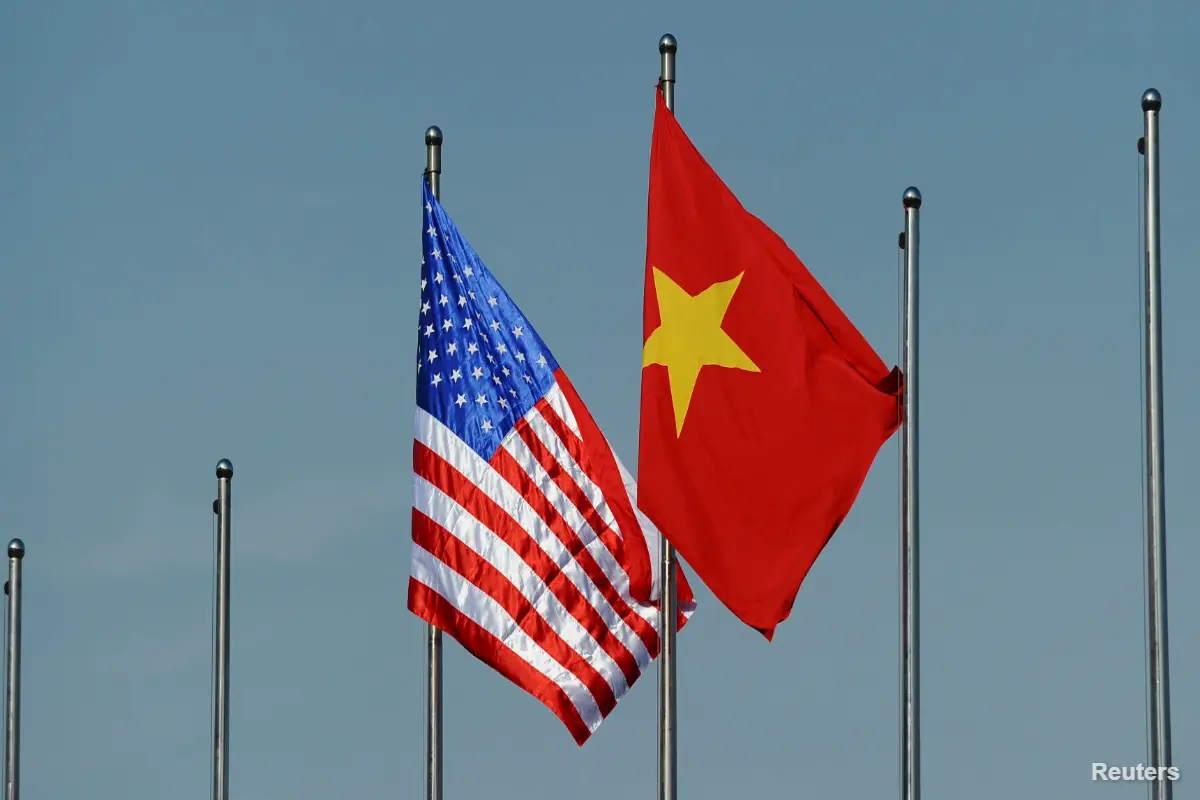
    Vietnamese representatives are set to visit the United States in October and November 2025, with the goal of progressing discussions and finalizing a balanced trade agreement. Deputy Minister of Industry and Trade, Nguyen Sinh Nhat Tan, revealed this during a recent press conference, pointing out that Vietnam has been diligently working to expedite negotiation proceedings.

    Negotiation Principles and Goals

    The ongoing negotiations are being guided by principles of openness, constructiveness, equality, mutual respect, independence, self-reliance, and shared benefits. These principles consider the level of development of both nations. The ultimate aim is to foster stable and harmonious economic, trade, and investment relationships, in accordance with the Comprehensive Strategic Partnership between Vietnam and the U.S.

    End-of-Year Plans and Measures

    Bui Huy Son, Director of the Department of Planning, Finance and Enterprise Management at the Ministry of Industry and Trade (MoIT), stated the department is committed to meeting set targets and making new strides in the remaining months of the year. The MoIT is set to enforce a resolution from the Politburo that was issued on January 24, 2025, regarding international integration in a new context.

    Simultaneously, the MoIT is carefully observing changes in the U.S. tariff policy and is actively working with relevant authorities from both countries to identify and resolve emerging issues. This is in an effort to limit the risk of unfavorable trade measures being imposed on Vietnamese exports.

    Future Trade Negotiations

    The MoIT is prioritizing the commencement of Free Trade Agreement (FTA) discussions with the Southern Common Market (Mercosur) and the Gulf Cooperation Council (GCC) in the fourth quarter of 2025. It is also planning to initiate talks with Pakistan to broaden export opportunities, and aims to conclude FTA negotiations with the European Free Trade Association (EFTA) by the end of the year.

    Supporting Domestic Enterprises

    The MoIT is committed to addressing issues within domestic enterprises to decrease dependence on the FDI sector. It plans to continue working closely with businesses through regular consultations with industry associations and local authorities, thus providing timely policy advice to the Government and ensuring appropriate support.

    The department will also step up efforts around trade promotion, supply-demand connection, and product marketing to assist Vietnamese companies in reaching new customers and maintaining robust relations with traditional partners, especially in the U.S. market.

    The MoIT reiterated its commitment to enforcing origin-related regulations through inspections, licensing, and violation settlements, while also reinforcing supervision to combat trade remedy evasion and origin fraud.

    Questions & Answers

    What is the purpose of the Vietnamese delegation’s visit to the U.S. in late 2025?
    The delegation aims to progress discussions and finalize a reciprocal trade agreement with the United States.

    What principles guide the ongoing trade negotiations between Vietnam and the U.S.?
    The principles of openness, constructiveness, equality, mutual respect, independence, self-reliance, and shared benefits guide the negotiations, with the development levels of both nations taken into consideration.

    What are the MoIT’s plans for supporting domestic enterprises in Vietnam?
    The MoIT plans to address limitations within domestic enterprises, reduce reliance on the FDI sector, and work closely with businesses for regular consultations. The department also plans to intensify efforts around trade promotion, supply-demand connection, and product marketing.

  • Vietnam’s Import-export Turnover Hits Record $680.66b In 2025, Reflecting 17.3% Yoy Increase

    Vietnam’s Import-export Turnover Hits Record $680.66b In 2025, Reflecting 17.3% Yoy Increase

    In the initial three quarters of 2025, Vietnam’s total import-export turnover reached a staggering $680.66 billion, which signifies a 17.3% increase in comparison to the same period in the previous year.

    Exponential Export Growth

    The National Statistics Office released data revealing export figures of $348.74 billion during this period, marking an impressive 16% year-on-year rise. The domestic economic sector contributed 24.5%, or $85.41 billion, to the total sum, reflecting a modest 2% annual increase. Meanwhile, the foreign-invested sector, including crude oil, made a more substantial contribution of $263.33 billion, posting a robust 21.4% year-on-year surge.

    A breakdown of the export data shows 32 items with exports surpassing the $1 billion threshold, accounting for 93.1% of the total export turnover. Notably, seven of these items exceeded a hefty $10 billion each.

    Category Analysis

    Further analysis by category illuminates that manufactured industrial products led the pack, generating $309.03 billion or 88.6% of the total exports. Following this were agro-forestry products, with earnings of $29.51 billion, equivalent to 8.5% of the total. Aquatic products and fuels and minerals contributed $8.17 billion (2.3%) and $2.03 billion (0.6%) respectively.

    Import Increase

    On the other side of the trade coin, imports amounted to $331.92 billion during the same period, reflecting a significant 18.8% increase from the prior year. The domestic sector accounted for $105.67 billion of this total, up 4.6%, while an impressive $226.25 billion, up 26.8%, was attributed to the foreign-invested sector.

    In terms of individual items, 43 surpassed the $1 billion mark, contributing to 92.9% of the total import value. Among these, three items went beyond $10 billion.

    Examining imports by category, production inputs formed the vast majority, accounting for $311.22 billion or 93.8%. The remaining $20.7 billion comprised consumer goods.

    Trade Surplus and Services Trade

    Vietnam registered a trade surplus of $16.82 billion in the first nine months of 2025, according to the National Statistics Office.

    Simultaneously, service exports and imports were estimated at $21.99 billion and $30.29 billion respectively, marking a 19.1% and 16.3% increase year-on-year. This resulted in a service trade deficit of $8.3 billion for the period.

    Questions & Answers

    What was the total import-export turnover for Vietnam in the first nine months of 2025?
    The total import-export turnover for Vietnam during this period was $680.66 billion.

    What sector made the most substantial contribution to Vietnam’s exports in this timeframe?
    The foreign-invested sector made the most significant contribution, accounting for $263.33 billion of the total exports.

    How much was Vietnam’s trade surplus in the first nine months of 2025?
    Vietnam recorded a trade surplus of $16.82 billion in the first nine months of 2025.

  • Australian Beef Exports Surge Amid Us-china Trade Tensions: A Shift In Global Market Dynamics

    Australian Beef Exports Surge Amid Us-china Trade Tensions: A Shift In Global Market Dynamics

    The Australian beef industry has recently experienced a surge in exports to China, taking market share formerly held by the US. This shift has transpired in the wake of US President Donald Trump’s return to the White House and the ensuing trade tensions between the US and China. The shift of trade from the US to Australia has channelled hundreds of millions of dollars that were once funneled into the US cattle industry into Australian coffers.

    A Shift in Beef Trade

    US beef exports to China, which were valued at approximately A$182 million per month, experienced a significant decline when permits at several American meat facilities were allowed to expire by Beijing in March. This situation was further exacerbated by the trade war initiated by Trump. Other agricultural exports from the US to China have also taken a hit since Trump resumed power. The most notable among these is soybeans, with US farmers missing out on billions of dollars’ worth of exports in the current harvest season.

    In addition to these factors, US beef exports have generally been on a downward trend in recent years due to drought conditions shrinking the national cattle herd, leading to reduced production and record high prices. However, the slump in trade with China has been both more sudden and severe.

    According to Chinese trade data, the value of US beef exports to China dropped dramatically to just $12 million in July and $14 million in August, compared to $179 million and $189 million during the same period a year earlier.

    Australia’s Beef Boom

    Simultaneously, Australia has seen a surge in its beef exports to China. These shipments have soared from $212 million a month in the two years leading up to March to $335 million in July and $342 million in August. From April through August, US beef exports to China were valued at $587 million less than if trade had remained at the average levels from the previous two years. During this same period, Australian shipments were worth $474 million more.

    While Brazil, China’s largest beef supplier, has also increased its exports in recent months, Australia has reaped the most benefits due to its grain-fed beef, which most closely resembles US products.

    Matt Dalgleish, a meat and livestock analyst at Australian consultancy firm Episode 3, noted that this shift has been beneficial for Australia, helping to drive up cattle prices.

    The Future of Beef Trade

    Despite these changes, there is potential for US beef exports to rebound. Trade negotiations between Beijing and Washington could potentially end the current impasse, according to Joe Schuele, a spokesperson for the US Meat Export Federation.

    Even in the case of a trade agreement being reached, it could still take several years for the US to regain its former market share, according to Dalgleish. This is due in part to Australia’s beef production reaching an all-time high and its meat being significantly cheaper than that of the US.

    Adding another layer of complexity to the situation is an ongoing investigation by Beijing into beef imports, which could potentially result in trade restrictions to address a surplus of beef in China. The outcome of this investigation is expected to be released by November 26.

    Questions & Answers

    What caused the shift in beef exports from the US to Australia?
    This shift can be attributed to a combination of expired permits for American meat facilities, initiated trade war by President Donald Trump, and drought conditions in the US which led to reduced beef production.

    How has this shift impacted Australia’s economy?
    This shift has resulted in a boom for the Australian beef industry, driving up cattle prices and channeling hundreds of millions of dollars into the Australian economy.

    What could potentially alter the current state of beef trade?
    Potential changes in the beef trade could be prompted by the ongoing Beijing investigation into beef imports and the outcome of ongoing trade negotiations between the US and China.

  • India Pursues Trump Tariff Agreement Following UK Trade Pact Breakthrough

    India Pursues Trump Tariff Agreement Following UK Trade Pact Breakthrough

    Starting July 9, U.S. President Donald Trump’s vast array of global trade tariffs is set to roll out, posing serious implications for economies and businesses worldwide.

    In a race against time, India is working diligently to forge an agreement that could shield its exports from a hefty 26% tariff imposed on goods shipped to its largest market. However, unlike many nations navigating these choppy waters, New Delhi has a fresh strategy in place: the recently announced free trade agreement (FTA) with the U.K. This deal not only highlights India’s proactive stance but also mandates some tough choices as it seeks to solidify its trading relationships.

    With the clock ticking down to the implementation of these tariffs, all eyes are on how India can maneuver its way through the evolving trade landscape. Meanwhile, business owners and consumers alike watch anxiously, wondering how these changes will ripple through their wallets and shopping carts.

    Questions & Answers

    Questions & Answers

    What are the main implications of the U.S. tariffs for India?
    The tariffs could impose a 26% levy on Indian goods, significantly increasing costs for exporters and potentially leading to a drop in trade volumes.

    How is India responding to the impending tariffs?
    India is actively seeking trade agreements and has recently announced a free trade agreement with the U.K. as part of its strategy to mitigate the impacts of U.S. tariffs.

    What does the future hold for India’s trade relationships?
    The path ahead is uncertain, but with proactive measures like the FTA with the U.K., India is positioning itself to adapt and thrive in the changing global trade landscape.

  • Australia And Eu Resume Free Trade Talks: Farming, Food Labeling, And Intellectual Property Rights In Focus

    Australia And Eu Resume Free Trade Talks: Farming, Food Labeling, And Intellectual Property Rights In Focus

    Trade Minister Don Farrell has announced that Australia and the European Union (EU) are set to resume negotiations for a free trade agreement immediately. This comes two years after Australia withdrew from discussions due to an unsatisfactory market access proposal for its beef, sheep, dairy, and sugar sectors.

    Changing Global Trade Landscape

    The global market has reshaped in unexpected ways due to the unanticipated tariff hikes imposed by the United States under President Donald Trump. As a result, the prospects for fruitful negotiations between Australia and the EU, specifically centered on enhancing access for select agricultural products and reducing bureaucratic hurdles, have considerably improved.

    One of Australia’s prime objectives is to amplify its beef and lamb exports to Europe. However, this is a task easier said than done, considering the significant political sway held by European farmers. An offer made by the EU in 2023 accounted for a scant 0.3% of its agricultural imports and was inferior to what it proposed to other trade partners.

    Contentious Discussion Points

    Another significant obstacle has been the EU’s insistence that Australia relinquish naming rights for hundreds of food and beverage products. The EU is pushing for Australia to adopt its system of controlling the names of region-specific food and spirits specialties, which, if agreed upon, could adversely affect Australian consumers, dairies, and boutique spirit manufacturers.

    The EU is advocating for Australia to implement its “geographical indications” model to safeguard the names of European goods. This includes a list of 170 food names and 236 spirit names that the EU wishes Australia to concede.

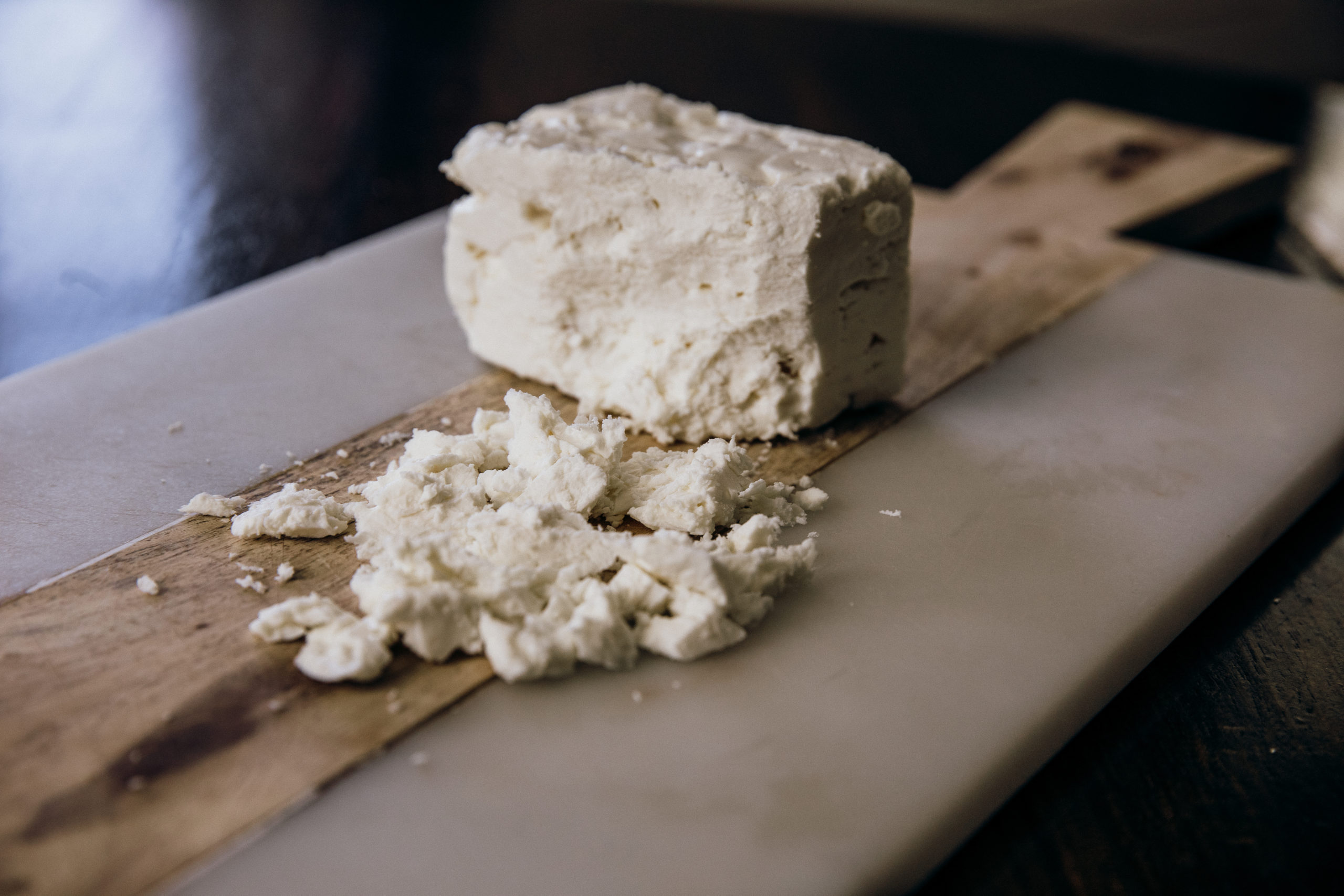
    The EU’s proposition is that only Greek feta should be allowed for sale in Australia; currently, Australian, Greek, Danish, and Bulgarian feta are sold nationally. It also seeks to reserve the names prosecco and parmesan exclusively for European manufacturers.

    Australia’s approach to food labeling is primarily driven by consumer protection laws and there is minimal history of fraud. By contrast, Europe initially introduced this system for wines due to rampant fraud, before extending it to food products.

    Intellectual Property Challenges

    Issues arise with the specific food and spirits names that the EU wishes to reserve for its producers. Australia contends that these are common names for the food items and it should not lose access to them. The country’s trade agreements allow for an objection process in situations where intellectual property rights limit what other producers can do. However, the government has thus far failed to offer a resolution process or feedback for those affected by the EU’s naming demands, hindering due process of law.

    Questions & Answers

    What impact could the EU’s naming demands have on Australian producers and consumers?

    It could negatively affect Australian dairies and boutique spirit manufacturers, as well as consumers who are accustomed to products with certain names.

    Why is Australia resisting the EU’s naming demands?

    Australia argues that these are common names for food items and that they should not lose access to them. The country also maintains that its approach to food labeling, driven by consumer protection laws, is adequate.

    What concessions could Australia potentially make to reach an agreement?

    Australia could follow the precedent set by Canada by accepting feta as a geographical indication while allowing existing Australian producers to continue producing and selling feta. Similar safeguards could be sought for other products.

  • Vietnam and U.S. Conclude Dynamic Second Round of Ministerial Trade Talks

    Vietnam and U.S. Conclude Dynamic Second Round of Ministerial Trade Talks

    Vietnam and the U.S. have wrapped up their second ministerial-level meeting focused on a reciprocal trade agreement, which took place on June 4 in the enchanting city of Paris. This pivotal discussion featured Vietnamese Minister of Industry and Trade Nguyen Hong Dien and U.S. Trade Representative Jamieson Greer, who led their negotiation teams with a shared purpose: to elevate trade relations between the two nations.

    As the talks unfolded, Minister Dien presented Vietnam’s formal responses to additional proposals from the U.S., emphasizing the nation’s commitment to reaching a consensus beneficial to both parties. He expressed a strong determination to navigate the complexities of the agreement while looking out for Vietnamese interests.

    Greer reciprocated with gratitude for Vietnam’s willingness to engage in constructive dialogue and address U.S. concerns. Highlighting the strategic partnership between the two nations, he stressed the urgency of finalizing reciprocal taxation policies, which are crucial at this juncture. Greer acknowledged Vietnam’s key issues and offered potential solutions to the trickier aspects of the negotiations.

    In a spirited commitment to expedite the process, both ministers agreed to ramp up discussions before the third technical round slated for mid-June. They also directed their technical teams to enhance virtual coordination, aiming to resolve outstanding differences and foster further advancements in the negotiations.

    Ultimately, both sides reaffirmed their dedication to close collaboration and the possibility of additional high-level meetings in pursuit of a mutually advantageous outcome. As the cups of café au lait cooled, the atmosphere buzzed with optimism for the future of U.S.-Vietnam trade relations—could this be the start of a beautiful friendship?

    Questions & Answers

    What was the main focus of the recent Vietnam-U.S. meeting?
    The meeting concentrated on advancing a reciprocal trade agreement, specifically discussing previous proposals and ensuring both nations’ interests were addressed.

    Why is the issue of reciprocal taxation policies considered critical?
    Reciprocal taxation policies are seen as vital for facilitating smoother trade operations and enhancing economic relations between Vietnam and the U.S., especially as both nations navigate more complex trade dynamics.

    When is the next round of negotiations scheduled?
    The third technical round of talks is scheduled for mid-June, with both sides eager to make significant progress ahead of that meeting.

  • Vietnam Delivers First Frozen Durian Shipment to China, Opening New Trade Frontiers

    Vietnam Delivers First Frozen Durian Shipment to China, Opening New Trade Frontiers

    The recent shipment of frozen durian, arriving through the Bac Luan II border gate as part of the bustling Mong Cai (Vietnam) and Dongxing (China) border collaboration, has certainly stirred excitement. Thoroughly examined and cleared by officials, this exquisite cargo hails from Vietnam’s Lam Dong province and is now set to make its way to various food processing companies across China.

    Frozen durian isn’t just a sweet tropical treat; its long shelf life and versatility make it a darling of both consumers and food processing firms alike in China, where culinary creativity knows no bounds. With the popularity of durian on the rise, the importation of this delicacy marks a significant shift in agricultural trade between China and Vietnam, expanding the range of exotic fruits available at this vital border.

    In a move that underscores the commitment to fostering trade relations, Dongxing Customs has deployed a team of experts focused on providing thorough support and guidance to businesses navigating the import-export landscape. This means smoother sailings for enterprises keen on tapping into the growing demand.

    During his recent diplomatic mission to China, Minister of Agriculture and Environment Do Duc Duy engaged in discussions with Sun Meijun, Minister of the General Administration of Customs. Their talks, held on May 28, emphasized the need to streamline challenges associated with exporting Vietnam’s agricultural treasures, particularly the king of fruits, durian.

    The statistics paint a promising picture: in the first four months of 2025, trade turnover of agricultural, forestry, and aquatic products between Vietnam and China soared to an impressive US$5.07 billion, reflecting a 3.7% increase from last year. However, Vietnam’s exports experienced a slight dip of 1.1% year-on-year to approximately $3.62 billion, while imports saw a notable rise of 17.6%, totaling $1.45 billion.

    As part of their ongoing commitment to enhancing trade, the two nations have inked 28 agreements and protocols focused on facilitating the exchange of agricultural products. Delightfully, a bouquet of Vietnamese offerings, from watermelon and mangosteen to crocodile and farmed monkeys, have found their way to China’s eager market.

    In what could be considered a delicious twist to the agricultural trade narrative, who knew that durian could be a diplomat’s secret weapon?

    Questions & Answers

    What are the benefits of frozen durian for consumers?
    Frozen durian boasts a long shelf life and is easy to incorporate into various dishes, making it a favored choice amongst both consumers and food processors.

    How has trade between Vietnam and China in agricultural products evolved?
    The trade turnover in the first four months of 2025 reached US$5.07 billion, a 3.7% increase compared to the previous year, showing a robust demand for agricultural products across borders.

    What agreements have Vietnam and China made regarding agricultural exports?
    The two countries have signed 28 agreements aimed at facilitating the import and export of a wide variety of agricultural products, ensuring a flourishing exchange of goods.

  • China Seeks US Trade Dialogue, Insists on Lifting Tariffs as Preliminary Step

    China Seeks US Trade Dialogue, Insists on Lifting Tariffs as Preliminary Step

    Escalating Trade Tensions: U.S. and China Exchange Heavy Tariffs Amidst Negotiation Hopes

    In a dramatic escalation of the ongoing trade war, the U.S. has imposed significant tariffs of up to 145% on a variety of Chinese products starting in April. In retaliation, China has introduced a new set of tariffs, matching the U.S. with a 125% duty on American imports. This development comes amidst tentative talks and fluctuating market reactions.

    Temporary Reprieve for High-Tech Goods

    Notably, certain high-end tech products such as smartphones, semiconductors, and computers have been temporarily exempted from the U.S. tariffs. This sector will be closely watched by analysts as an indicator of potential longer-term policy shifts in these pivotal industries.

    Dialogue and Diplomacy: A Path Forward?

    Amidst these aggressive fiscal maneuvers, U.S. President Donald Trump has suggested that China is keen to negotiate, citing a “very good chance we’re going to make a deal.” Conversely, official statements from Beijing assert that it was the U.S. that initiated contact, with China now evaluating the outreach.

    However, any progression towards substantive talks appears contingent on concessions, particularly regarding unilateral tariffs. The Chinese Commerce Ministry emphasized that without the U.S. showing sincerity by reversing its tariffs, dialogue would be insincere and erode trust further.

    Hard Stances on Both Sides

    Expert opinions suggest a tough stance from China, with signals that negotiations will commence only after the U.S. exhibits concrete actions towards compromise. Wu Xinbo of Fudan University highlighted that revocation of tariffs might pave the way for addressing deeper issues such as the unbalanced trade relationship and technological suppressions alleged by Beijing.

    The Global Impact and Deadline Pressures

    As the 90-day deadline in July looms for several countries to negotiate terms with Washington, the broader international community remains on edge. Beijing’s firm resolve was echoed in a recent social media campaign, emphasizing their readiness to combat a prolonged trade war if necessary.

    Economic Strains and the ‘Olive Branch’

    Recent economic data from China and the U.S. expose vulnerabilities exacerbated by these trade tensions. China’s factory activity has contracted, and similarly, the U.S. economy faced contraction in early 2023. Amid these challenges, calls for a resolution have intensified, with some analysts like Stephen Innes from SPI Asset Management recognizing Beijing’s recent statements as a potential initial step towards de-escalation.

    Looking Ahead: Implications for the Retail Sector

    These unfolding events hold profound implications for the retail sector. Consumer trends could shift significantly as product prices and availability are impacted by the tariffs. Retail news will continue to monitor how retail chains and consumers adapt to these new economic realities. As the situation develops, the resilience of the global trade framework and international economic relations will be tested. This period may well define the future dynamics of international trade and consumer behavior in a deeply interconnected world economy.

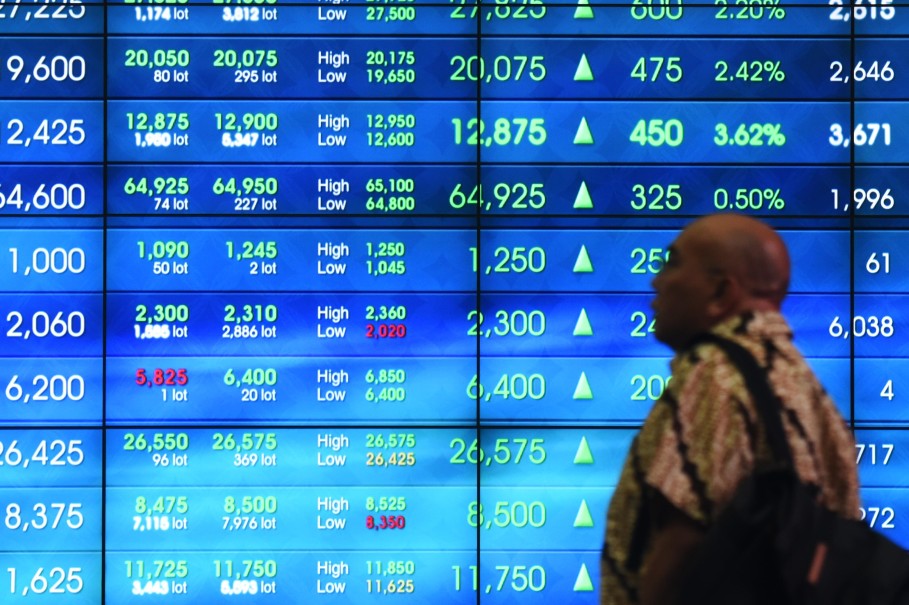
  • VN-Index tiptoes up after plunge

    VN-Index tiptoes up after plunge

    Vietnam’s benchmark VN-Index rose 0.15% to 1,179.76 points Monday.

    The index closed 1.77 points higher after losing 55.49 points on Friday.

    Trading on the Ho Chi Minh Stock Exchange (HoSE) fell by 38.49% to VND22.17 trillion ($930.73 million).

    CTG of state-owned lender VietinBank led with a 4.2% rise, followed by BID of state-owned lender BIDV, up 3.2%.

    TPB of private TPBank went up 2.2% and BCM of Becamex Investment and Industrial Development closed 2.1% higher.

    SSB of Southeast Asia Commercial Bank (SeABank) lost 3.1%, and GVR of Vietnam Rubber Group was down 2.8%.

    Foreign investors were net buyers to VND82.45 billion, mainly buying VIC of private conglomerate Vingroup and CTG of state-owned lender VietinBank.

    The HNX-Index at the Hanoi Stock Exchange, where mid and small-caps list, was up 0.85% while the UPCoM-Index at the Unlisted Public Companies Market was up by 0.26%.

  • Vietnam-dominant Mercedes challenged by cheaper BMWs

    Vietnam-dominant Mercedes challenged by cheaper BMWs

    Mercedes has been dominating Vietnam’s luxury car market in recent years, but that could start to change this year as BMW lowers prices.

    “We have always considered BMW a major competitor in most markets globally, but things are different in Vietnam,” said CEO Brad Kelly on the sidelines of the launch of the new Mercedes GLC models in Ho Chi Minh City recently.

    He added that in Vietnam, BWM does not yet seem to threaten Mercedes in terms of sales.

    Between 2019 and 2022, Mercedes secured and average of around 60% of Vietnam’s total luxury car market share, and the German brand last year sold over 7,900 units alone.

    Its competitor from the same country, BMW, only secured fourth place last year – behind Lexus and Volvo – with the sale of 973 units.

    However, Thaco, the Vietnamese company that distributes BMW cars, has been assembling several BMW models, such as the 3 Series, the 5 Series, and the X3 and X5.

    This implies that BMW wants to reduce its retail prices in Vietnam as assembling the vehicles locally will bring down costs.

    The strategy seems to have succeeded as the BMW X3s assembled last year are now selling from VND1.8 billion ($76,700), compared to the new Mercedes GLC price tag of VND2.3 billion.

    Thus, the cheapest luxury car in Vietnam now belongs to BMW, not Mercedes.

    The rising competition with BMW therefore will benefit Vietnamese customers and the local auto industry, and it will motivate Mercedes to come up with more new ideas, Kelly said.

  • Vietnam poised for record trade

    Vietnam poised for record trade

    Vietnam’s foreign trade is set to exceed US$700 billion this year, the highest ever, the customs department said.

    It has risen steadily from $500 billion in 2020 and $600 billion last year.

    In the first 11 months exports rose bviy 13.4% from a year earlier to $342.2 billion, and imports were up 10% to $331.6 billion, resulting in a surplus of $10.6 billion.

    Exports to the U.S. alone, the largest export market, were worth $101.5 billion. Imports from China, the
    country’s biggest source, topped $109.9 billion.

    According to the General Department of Vietnam Customs, the country’s global import-export ranking
    will go up this year.

    In 2021 the World Trade Organization had ranked Vietnam 23rd in terms of exports and 20th in imports.

    In the 10-member ASEAN, Vietnam ranked second behind only Singapore.