Retail News CRM

Tag: Transport

  • Unprecedented Semiconductor Cargo Movement: Kitakyushu Airport and DHL Global Forwarding Set New Standards in Air Transport

    Unprecedented Semiconductor Cargo Movement: Kitakyushu Airport and DHL Global Forwarding Set New Standards in Air Transport

    In a noteworthy collaboration between Kitakyushu Airport and DHL Global Forwarding, a division of DHL Group that specializes in air and ocean freight, the airport successfully facilitated the transportation of semiconductor manufacturing equipment towards the end of the preceding year. This operation is considered to be the airport’s largest and most technically complex cargo operation to date, necessitating an exceptional level of transportation expertise.

    Details of the Unprecedented Semiconductor Equipment Transport

    The equipment in question, semiconductor manufacturing equipment, weighed nearly 180 tons. The transport route commenced from Amsterdam Schiphol Airport, located in the Netherlands, and culminated at Kitakyushu Airport. The dedicated cargo aircraft, a sizable freighter, was used for this purpose.

    Development of a Robust Handling System for Semiconductor Equipment

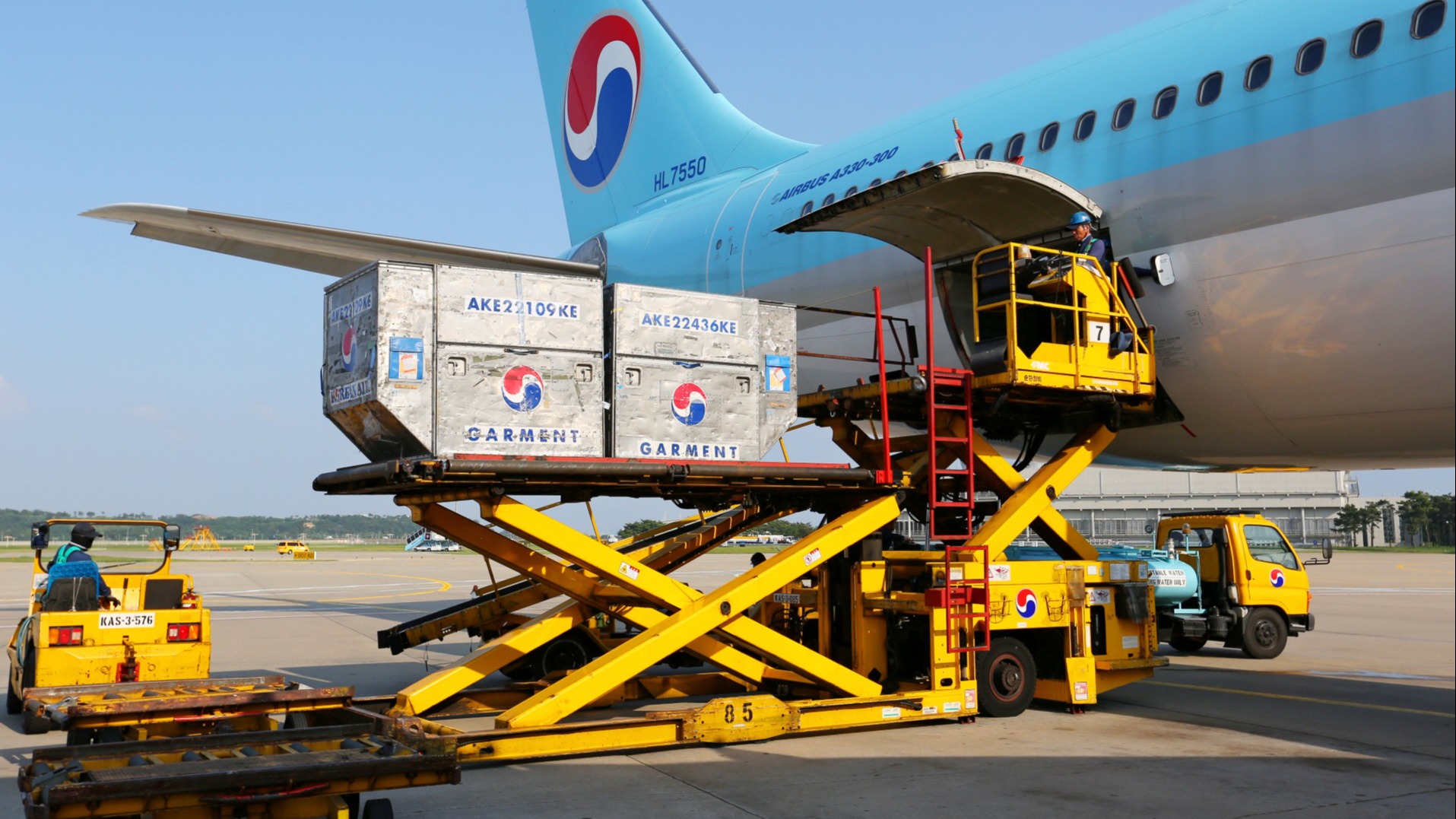
    Commencing in 2023, Kitakyushu Airport, spearheaded primarily by DHL Global Forwarding Japan Co., Ltd. (DGF) and Korean Air, planned to import semiconductor manufacturing equipment to satisfy regional transport requirements. By working in close association with companies in charge of regular cargo flights’ ground handling, the airport was able to develop a strong handling system.

    Staff members from each entity joined forces to devise and implement comprehensive strategies, ensuring the safe and efficient transport of the equipment from Amsterdam Schiphol Airport to Kitakyushu Airport. Every aspect, ranging from risk management to temperature, humidity control, and vibration reduction, was meticulously taken care of. These collective endeavors have contributed to establishing a steady operational structure for managing similar consignments in the future.

    Joint Effort for Sophisticated Semiconductor Logistics

    Karsten Michaelis, the CEO of North Asia, DHL Global Forwarding, and the President and Representative Director of DHL Global Forwarding Japan, acknowledged the vital role of semiconductors in contemporary technology. He emphasized that DHL had constructed a solid framework to facilitate this significant supply chain operation with precision and expertise. The establishment of a dedicated office at Kitakyushu Airport, coupled with the collaborative efforts of the Semiconductor Specialist Team, Kitakyushu Airport authorities, and Korean Air, led to the creation of an integrated setup. This amalgamation of infrastructure development and seamless operational collaboration extends beyond this project. DHL’s global CapX Qualification Program and standardized processes across multiple locations ensure consistency, safety, and operational excellence.

    Kitakyushu Airport Promotion Council’s Semiconductor-Related Cargo Consolidation Efforts

    The Kitakyushu Airport Promotion Council, comprising Fukuoka Prefecture, Kitakyushu City, and other members, provides subsidies to businesses for international air cargo transport. They also offer subsidies for the transportation of semiconductor manufacturing equipment and related items.

    Questions & Answers

    What was the weight of the semiconductor manufacturing equipment transported?
    The semiconductor manufacturing equipment weighed approximately 180 tons.

    Who were the key entities involved in the transportation project?
    The key entities involved were Kitakyushu Airport, DHL Global Forwarding Japan Co., Ltd. (DGF), and Korean Air.

    What steps have been taken by the Kitakyushu Airport Promotion Council regarding semiconductor-related cargo?
    The Kitakyushu Airport Promotion Council provides subsidies to businesses for international air cargo transport, including the transportation of semiconductor manufacturing equipment and related items.

  • Ease Your Commute: Singapore Offers $46 Public Transport Vouchers to Qualifying Households

    Ease Your Commute: Singapore Offers $46 Public Transport Vouchers to Qualifying Households

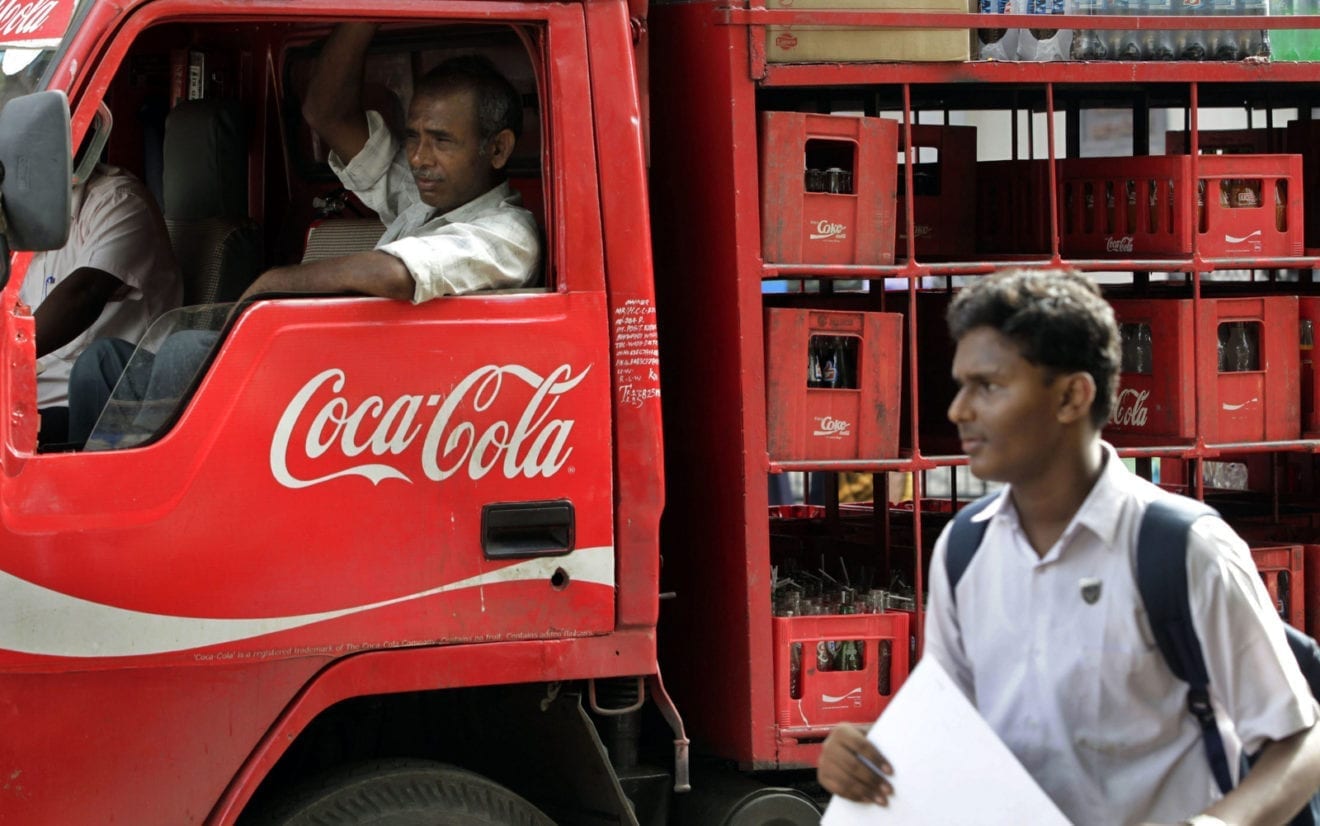
    Singaporean households that meet the eligibility criteria can now submit their applications for public transport vouchers valued at S$60 (equivalent to US$46). These vouchers are intended to alleviate the increased cost of commuting.

    Details of the Voucher Scheme

    The vouchers became available on Tuesday and will continue to be so until October 31. The eligibility requirement is set at a monthly household income per person of S$1,800 or lower.

    This move signifies the second phase of the program. The first round of vouchers was issued last month, benefitting approximately 300,000 households.

    In the current round, households that did not previously receive a voucher and those seeking additional assistance, including households that do not meet the income requirement, can apply. Applications can be submitted either online or in person at local community centers and clubs.

    These vouchers can be applied towards topping up fare cards or purchasing monthly passes. They are redeemable until March 31, 2027.

    The main goal of the initiative is to assist lower-income families in counterbalancing the recent increase in public transport fares.

    Changes in Public Transport Fares

    The basic bus and train card fares for adults in the city-state have seen a hike of 9-10 cents per trip, an approximate increase of 5% based on distance. At the same time, the express bus services have levied a surcharge, marking its first-ever introduction.

    In addition to the vouchers, the cost of monthly passes has been cut by 5% for adults, senior citizens, and individuals with disabilities as a measure to support frequent users of public transit.

    Questions & Answers

    What is the purpose of the public transport vouchers?
    The vouchers are intended to help lower-income families mitigate the impact of the recent increase in public transportation fares.

    Who is eligible to apply for these vouchers?
    Families with a monthly household income per person of S$1,800 or lower can apply for these vouchers. In the latest round, even those households that didn’t receive a voucher in the first round or do not meet the income requirement can apply for additional assistance.

    How can these vouchers be used?
    These vouchers can be used to top up fare cards or to purchase monthly passes. They are redeemable until March 31, 2027.

  • VinFast Set to Revolutionize Transport with Hybrid Vehicles in 2023: A Game Changer in the EV Market?

    VinFast Set to Revolutionize Transport with Hybrid Vehicles in 2023: A Game Changer in the EV Market?

    VinFast, a Vietnamese automaker, is reportedly planning to tap into the hybrid vehicle market by next year. The company will reportedly add gasoline-powered generators to its existing electric vehicle models, easing the transition for consumers into the electric vehicle market.

    VinFast’s Hybrid Vehicle Plans

    Informed sources have revealed that VinFast is gearing up to roll out hybrid versions of its VF 8 and VF 9 models. However, the automaker has yet to officially confirm these plans. The recent buzz surrounding VinFast’s entry into the hybrid market was stoked when Sailun, a Chinese tire manufacturer with operations in Vietnam, used images of a car resembling a VinFast model in their promotional materials for an upcoming line of hybrid vehicle tires.

    According to insiders, the VinFast hybrid vehicles will likely fall under the extended-range electric vehicle (EREV) category. These vehicles are fully powered by an electric engine, but feature a gasoline-fueled generator to recharge the battery. This specific type of hybrid vehicle could broaden the customer base for electric vehicles by addressing common concerns about long-distance travel and the availability of charging stations.

    Global Shift Towards Hybrid Vehicles

    VinFast’s move towards hybrid vehicles mirrors a broader global trend among automakers. Several leading companies, including Honda, Mercedes, and Volvo, initially committed to exclusively manufacturing electric vehicles. However, they later modified or abandoned these plans, incorporating hybrid vehicles into their lineups. BYD, currently the top-selling new-energy vehicle brand worldwide, also heavily relies on hybrid vehicle sales.

    In recent years, hybrid vehicle sales in Vietnam have seen consistent growth, with a variety of options available from manufacturers like Toyota, Honda, Nissan, Suzuki, and Subaru. Chinese brands like BYD, Jaecoo, and Lynk & Co are further expanding the hybrid vehicle segment. Depending on the design, the interaction between the gasoline engine and the electric motor produces diverse hybrid formats.

    Extended-range electric vehicles are relatively rare in the Vietnamese market. The Nissan Kicks was the only model in this category, but it is no longer available for sale.

    Questions & Answers

    What are VinFast’s plans for entering the hybrid vehicle market?
    VinFast is reportedly planning to introduce hybrid versions of its VF 8 and VF 9 models by next year.

    What is an extended-range electric vehicle (EREV)?
    An EREV is a vehicle that is entirely powered by an electric engine but also has a gasoline-fueled generator to recharge the battery.

    How does VinFast’s shift towards hybrid vehicles fit into global automotive trends?
    VinFast’s move aligns with a broader international trend, with many automakers initially committing to electric vehicles but later incorporating hybrid vehicles into their lineups.

  • Korean Air Takes Flight with A350F: New Era of Eco-Friendly and Efficient Cargo Transport Unveiled

    Korean Air Takes Flight with A350F: New Era of Eco-Friendly and Efficient Cargo Transport Unveiled

    Korean Air has joined the ranks of customers for the world’s only newly designed large freighter, the A350F, by modifying seven of its current A350-1000 passenger aircraft orders to the freighter model.

    Endorsement from a Major Cargo Operator

    Korean Air is a leading global cargo operator, making its choice to incorporate the A350F into its fleet a significant endorsement of the freighter’s unique capabilities. The A350F is set to provide Korean Air with the most efficient solution in the large freighter segment.

    The A350F’s Unique Features

    The A350F stands out with the industry’s largest main deck cargo door, its fuselage length and capacity optimally designed for standard pallets and containers. More than 70% of its airframe boasts advanced materials, resulting in a take-off weight that is 46 tonnes lighter than its nearest competitor. Indeed, the A350F is the only freighter aircraft that completely complies with the International Civil Aviation Organization’s (ICAO) forthcoming CO₂ emissions standards, set to take effect in 2027.

    Technological Advancements and Payload Capacity

    The A350F, which is currently under development, can carry an impressive payload of up to 111 tonnes and can fly up to 4,700 nautical miles or 8,700 kilometers. It’s equipped with the latest Rolls-Royce Trent XWB-97 engines, which will enable the aircraft to reduce its fuel consumption and carbon emissions by up to 40% compared to previous generation aircraft with similar payload-range capabilities.

    A350 Family’s Growing Popularity

    As of the end of September 2025, the newest generation A350 family had secured 1,445 orders from 63 global customers. This includes 65 orders for the brand-new A350F from 10 cargo carriers and one leasing company.

    Korean Air’s total order of A350 aircraft now stands at 33, which includes 20 A350-1000s, seven A350Fs, and six A350-900s. The first two of these have already been delivered.

    Questions & Answers

    What is significant about Korean Air’s decision to incorporate the A350F into its fleet?
    Korean Air is a major global cargo operator. Its decision to include the A350F in its fleet is seen as a significant endorsement of the aircraft’s unique capabilities.

    What sets the A350F apart from other freighter aircraft?
    The A350F has the industry’s largest main deck cargo door and has a fuselage length and capacity designed to optimize standard pallets and containers. The airframe uses advanced materials in more than 70% of its construction, making the aircraft lighter and more efficient.

    What can be expected from the A350F in terms of its payload and emissions?
    The A350F can carry a payload of up to 111 tonnes and fly up to 4,700 nautical miles or 8,700 kilometers. Powered by the latest Rolls-Royce Trent XWB-97 engines, the aircraft is expected to reduce fuel consumption and carbon emissions by up to 40%, meeting the ICAO’s enhanced CO₂ emissions standards due in 2027.

  • Singapore’s LTA Partners With Nokia, Hitachi To Boost Rail Surveillance And Operational Efficiency

    Singapore’s LTA Partners With Nokia, Hitachi To Boost Rail Surveillance And Operational Efficiency

    The Land Transport Authority (LTA) in Singapore is taking the initiative to upgrade its rail infrastructure’s video transport and CCTV network. The project is being launched in partnership with Nokia and Hitachi Rail, and its primary goal is to boost real-time monitoring, enhance safety for commuters and bolster operational efficiency.

    Impacts of the Upgrade

    The initiative will focus on over 50 train stations, employing Nokia’s fiber-based Optical LAN and IP/MPLS solutions to bolster high-resolution video surveillance across the city’s railway system. The system, which caters to in excess of 3.65 million passengers per day, stands to benefit greatly from the enhanced surveillance capabilities.

    Nokia’s Optical LAN technology features robust optical network units (ONUs) and optical line terminals (OLTs) that can offer speeds up to 25 Gbps. When compared with traditional copper-based LAN infrastructure, this system utilizes about 70% less cabling and approximately 40% less power. These factors contribute to increased efficiency and sustainability. The deployment’s IP/MPLS component will provide dependable backhaul connectivity to the LTA’s centralized Operations Control Center, thus enabling efficient transport of live video data. This will lead to improved network reliability and quicker response capabilities.

    Stuart Hendry, Vice President of Enterprise Sales for Network Infrastructure at Nokia Asia Pacific, highlighted the importance of the project. He noted that fiber is being used to connect critical systems, including those responsible for monitoring transportation hubs worldwide. Ensuring a highly available, reliable, and secure real-time surveillance system is critical to the safety of those utilizing Singapore’s transit lines daily. The partnership with Hitachi Rail allowed Nokia to deliver a comprehensive solution for LTA, ensuring they had the necessary video capacity for their extensive CCTV surveillance and broader network operations for years to come.

    Nokia has stated the upgraded system will enhance the capacity and reliability of the LTA’s surveillance network and allow for future expansion as bandwidth and monitoring needs increase.

    Other Railway Project Improvements in Asia

    In addition to the Singapore project, various other improvements are being made to railway projects across Asia. One major project in Malaysia will see YTL Communications leading a significant fiber optic project. Meanwhile, in Indonesia, another project is being implemented to ensure high-speed railway safety and efficiency.

    Joaquim Santos, Vice President of Integrated Communication and Supervision Solutions (ICS) at Hitachi Rail, expressed satisfaction with the collaboration. He stated that the project is part of Hitachi’s ongoing relationship with the LTA and will play a crucial role in upgrading the transport infrastructure.

    Questions & Answers

    What is the primary goal of this upgrade project?
    The primary goal is to boost real-time monitoring, enhance safety for commuters and bolster operational efficiency.

    What are the technical specifications of the upgrade?
    The upgrade will employ Nokia’s fiber-based Optical LAN and IP/MPLS solutions which can offer speeds up to 25 Gbps. This will allow for efficient transport of live video data and improved network reliability.

    What is the significance of this upgrade for Singapore’s railway network?
    This upgrade will enhance the capacity and reliability of the LTA’s surveillance network and allow for future expansion as bandwidth and monitoring needs increase. This will contribute to the safety and efficiency of the rail network.

  • Pharma Leaders At Flypharma Highlight Air Cargo’s Role In Global Health

    Pharma Leaders At Flypharma Highlight Air Cargo’s Role In Global Health

    At the FlyPharma Amsterdam 2025 conference, leaders from the worldwide pharmaceutical industry gathered to highlight the importance of collaboration for the steady global transportation of essential healthcare items and life-saving medicines. The conference took place amidst the backdrop of rapidly changing regulations, shifting trade flows, and an uncertain geopolitical landscape.

    Growth in Pharma Sector Increases Demand for Specialised Air Cargo

    The global healthcare and pharmaceutical industry is projected to achieve a total worth of USD 1.77 trillion by 2025. This growth is primarily attributed to advances in biologics, digital health, and personalized medicine, along with increased patient access on a global scale.

    The industry’s momentum is directly reflected in increased demand for airfreight capacity, especially for temperature-sensitive, high-value shipments. The pharma airfreight segment alone is predicted to witness over 6 percent annual growth, as manufacturers and logistics providers prioritize speed, dependability, and adherence to Good Distribution Practice (GDP) standards.

    Air cargo carriers and airports are making significant investments in IoT tracking, cold-chain infrastructure, and digital visibility tools to cater to this growing vertical. The fastest growth is anticipated in corridors linking Asia, Europe, and North America. The pharma and healthcare logistics sector is emerging as a strong and premium segment within the global air cargo market.

    Schiphol: A Global Centre for Pharma Logistics

    Amsterdam Airport Schiphol is a crucial global hub for pharmaceutical logistics. With its central European location, advanced infrastructure, and robust network of logistics partners, the airport is essential for global pharmaceutical supply chains. Schiphol contributes significantly to the worldwide distribution of vaccines and medicines and enhances the Dutch economy, further establishing the Netherlands as a hub for international trade and innovation in life sciences.

    The pharmaceutical logistics ecosystem at Schiphol has considerable implications not only for global public health but also for the Dutch economy. In 2024, the Netherlands exported pharmaceutical products worth USD 38.49 billion, highlighting the sector’s role in driving trade, innovation, and high-value employment. Schiphol’s success as a pharma logistics hub encourages companies to invest, expand, and drive innovation in the Netherlands, making the country more competitive and appealing to life sciences entities.

    Schiphol’s importance as a global logistics hub was further underscored during the COVID-19 pandemic, during which it served as one of Europe’s primary gateways for vaccine transportation and temperature-sensitive pharmaceuticals.

    The Role of Air France KLM Martinair Cargo in Pharma Logistics

    Air France-KLM Martinair Cargo (AFKLMP Cargo) has positioned itself as a leading player and innovator in pharmaceutical logistics, being among the first airlines to receive IATA CEIV Pharma certification. The airline’s dual-hub structure in Amsterdam Schiphol and Paris Charles de Gaulle, situated in Europe’s “pharma belt,” provides unique resilience and adaptability in a fluctuating market.

    According to GertJan Roelands, SVP Commercial, AFKLMP Cargo, the company’s growth in the pharmaceutical and healthcare segment has been a strategic priority over the past five years. The airline has made considerable investments in infrastructure and introduced new digital solutions while optimizing processes to enhance resilience and transport quality. The airline’s commitment to this strategy is reflected in its record-breaking performance in the pharmaceutical and healthcare segment and its increasing market share.

    Innovation, Sustainability, and Excellence in Cool Chain

    AFKLMP Cargo continues to expand cool-room capacity, develop digital monitoring dashboards for operational visibility, and pioneer sustainable temperature-control solutions such as CO₂-based refrigerant technology at Paris CDG. As personalized medicine and advanced therapies gain traction, the airline collaborates closely with shippers, forwarders, and life science clusters, providing time-critical solutions that are fully compliant with GDP and CEIV.

    Despite market volatility and geopolitical pressures, AFKLMP Cargo remains steadfast in its focus on on-time delivery and maintaining the integrity of the cool chain supply. The resilience demonstrated during the pandemic continues to shape the airline’s long-term strategy.

    In the words of GertJan Roelands, “Pharmaceutical logistics is not just about transportation — it’s about trust, responsibility, and resilience. Our mission is to deliver healthcare products safely and reliably, adapting to new challenges while ensuring patients around the world receive the medicines they need.”

    Questions & Answers

    What are the main factors driving the growth of the global pharmaceutical industry?
    The main factors driving this growth include advances in biologics, digital health, and personalized medicine, along with increased patient access globally.

    What is the projected growth for the pharma airfreight segment?
    The pharma airfreight segment is predicted to grow more than 6 percent annually.

    What role has Schiphol played in global pharmaceutical logistics?
    Schiphol serves as a crucial global hub for pharmaceutical logistics, contributing significantly to the worldwide distribution of vaccines and medicines, and enhancing the Dutch economy.

  • Lawmakers Approve $61B High-Speed Rail Boosted by Private Investment Opportunities

    Lawmakers Approve $61B High-Speed Rail Boosted by Private Investment Opportunities

    In a significant move for infrastructure development, the National Assembly of Vietnam has paved the way for private investment in the ambitious North-South high-speed rail project by approving two new development models: public-private partnerships and fully private funding. This decision, reached during a vote on Friday, grants the government the mandate to select both the investment model and the investors for this extensive initiative.

    Initially framed as a public sector endeavor, the project garnered renewed interest from the private sector following a recent resolution from the Politburo which emphasized the importance of advancing private enterprise in national development. This shift not only signals a move towards more flexible funding options but also invites major players to join in one of Vietnam’s largest infrastructure projects to date.

    Two prominent domestic conglomerates have stepped forward with proposals to construct the railway. VinSpeed, led by Vietnam’s wealthiest entrepreneur Pham Nhat Vuong, has committed to covering 20% of the estimated US$61 billion project cost while seeking to borrow the remaining $49 billion from the government. On the other hand, Thaco Group has put forth a similar proposal but intends to secure its financing through loans from both domestic and international financial institutions, with the government serving to guarantee these loans.

    What’s particularly intriguing is Thaco’s approach to maintaining local control; they plan to create a dedicated subsidiary to oversee the project, ensuring that a significant portion of the funding and management remains within Vietnam.

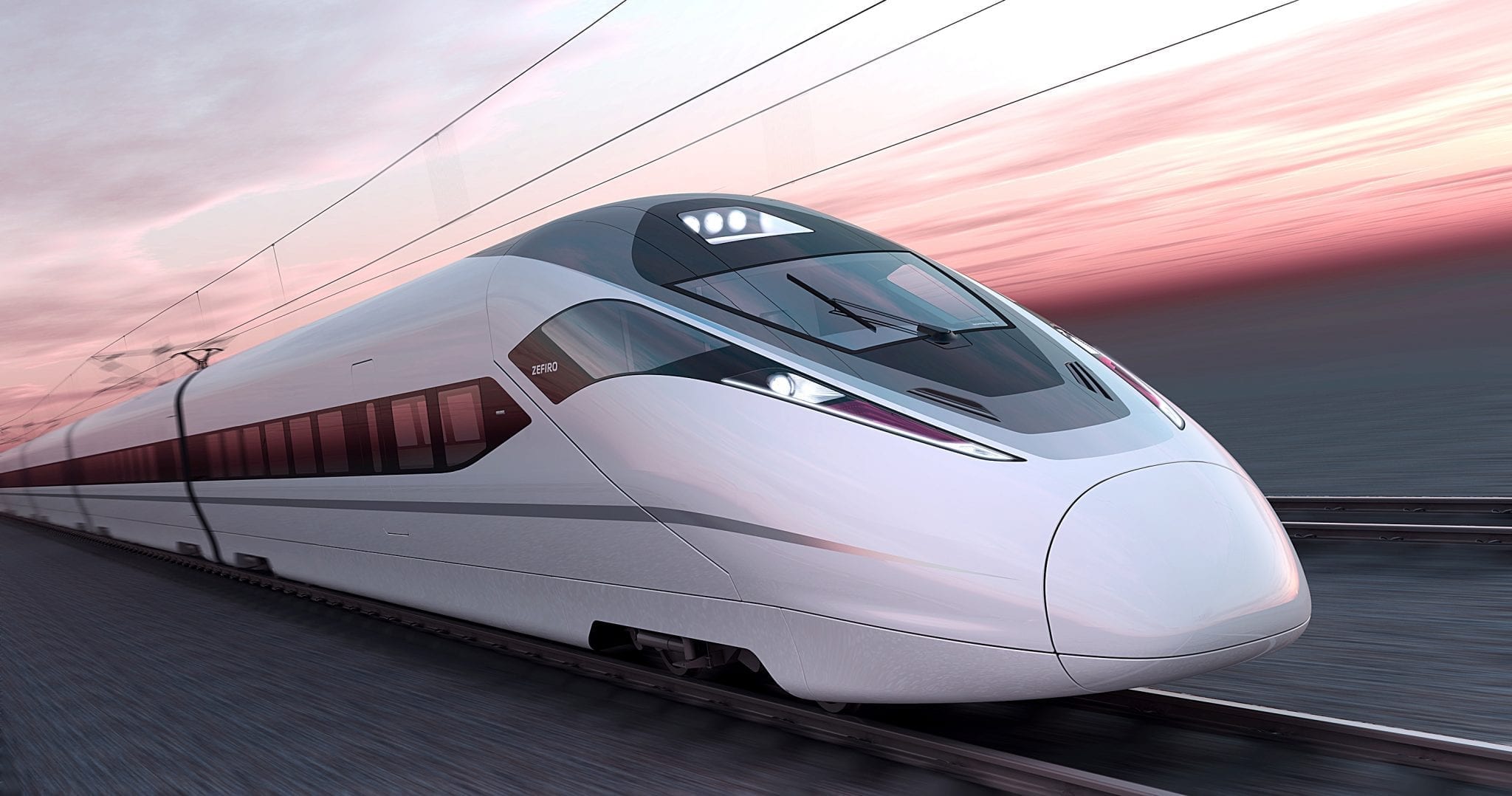
    The rail line, stretching an impressive 1,541 kilometers from Hanoi to Ho Chi Minh City and traversing 20 provinces and cities, is designed to facilitate speeds of up to 350 kilometers per hour. It will feature 23 passenger stations and five dedicated freight terminals, transforming travel and cargo transport across the region.

    The feasibility study for this landmark project is set to commence this year, with ambitious plans for completion by 2035, a timeline that keeps an eye firmly on future connectivity and economic growth.

    Questions & Answers

    What new investment models have been approved for the North-South high-speed rail project?
    The National Assembly has approved public-private partnerships and fully private investment options for the project.

    Who are the major domestic companies proposing to fund the railway?
    VinSpeed, owned by Pham Nhat Vuong, and Thaco Group are the two major conglomerates vying to invest in the railway project.

    What are the key features of the planned high-speed rail line?
    The rail line will span 1,541 kilometers, connect 20 provinces and cities, and operate at speeds of up to 350 kilometers per hour, with numerous passenger and freight stations along the route.

  • airBaltic Cargo partners with cargo.one to accelerate and enhance its digital sales

    airBaltic Cargo partners with cargo.one to accelerate and enhance its digital sales

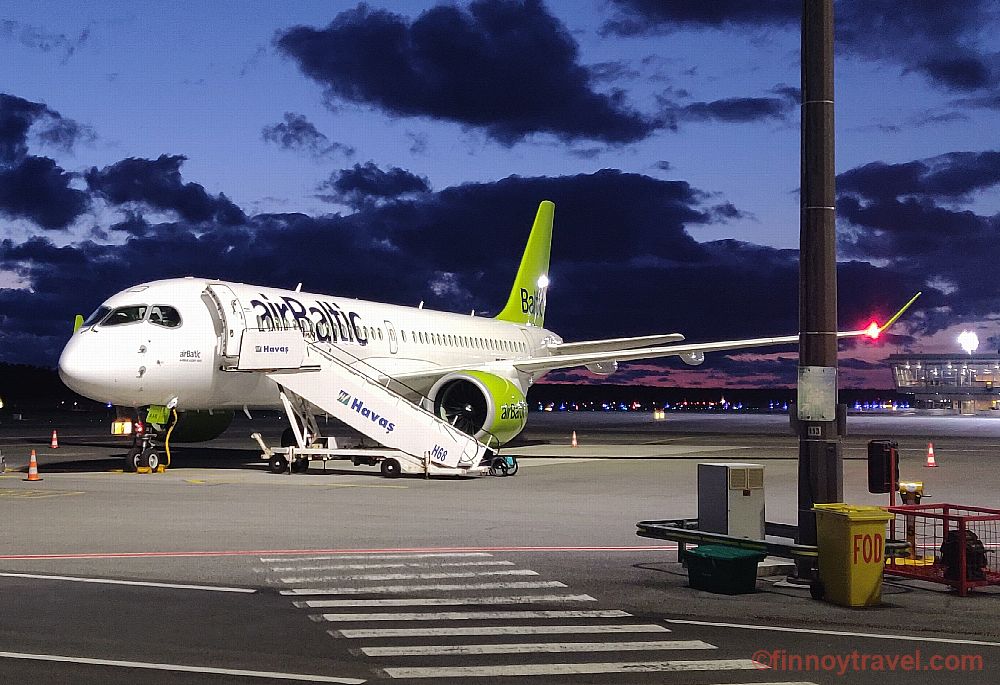
    airBaltic Cargo, the cargo division of the Latvian national airline, has joined forces with cargo.one to soon offer its services upon the air freight industry’s go-to procurement platform. airBaltic Cargo is partnering with cargo.one as part of plans to expand its market presence globally and boost revenues. cargo.one will offer airBaltic Cargo customers the most convenient and user-friendly booking method, and will enable the airline to market its services to a footprint of freight forwarders across 134 countries.

    Headquartered in Riga, Latvia, airBaltic Cargo offers freight forwarders modern and flexible belly capacity on more than 100 routes throughout Baltics, Europe, the Middle East, North Africa, and the Caucasus. Leveraging its main hub in Riga and additional bases in Tallinn, Vilnius, Tampere, and seasonally Gran Canaria, airBaltic Cargo flies into many shorter runway destinations that other airlines often do not. airBaltic Cargo also boasts one of the youngest and most efficient fleets in the world, consisting of 49 Airbus A220-300 aircraft, and planned to expand to 100 aircraft by 2030.

    The partnership coincides with airBaltic Cargo’s exciting program of expansion, having recently invested in The Baltic Cargo Hub – soon to be the largest dedicated air cargo handling center in the Baltics, and will further enhance airBaltic Cargo’s import, export and transit capabilities at RIX Riga Airport. cargo.one will soon deliver thousands of forwarders a step-change in access to airBaltic Cargo capacity for its entire network – with the ability to discover, quote, book and track its capacity in seconds. The addition of airBaltic Cargo is the latest example of cargo.one’s uniquely strong depth and diversity of global supply options.

    Iļja Seļiverstovs, VP Cargo at airBaltic, commented, “Digital sales is a vital driver of our cargo growth plans. It makes every sense to leverage cargo.one to expand our market reach and sales, and ensure airBaltic Cargo services remain front of mind with thousands of forwarders using the platform daily. Working alongside cargo.one, we will ensure that every customer receives the best possible end-to-end experience.”

    Moritz Claussen, Founder & Co-CEO of cargo.one, added, “We are thrilled to enable airBaltic Cargo to take its digital sales strategy to the next level, and our collaboration will capitalize upon its strengths in relevant markets. Forwarders rely upon cargo.one’s comprehensive global market view to discover, quote and book their air shipments, and the addition of airBaltic Cargo capacities will provide a strong option for many.”

    Accelerating its digital distribution with cargo.one allows airBaltic Cargo to better scale sales across a truly global footprint, build its brand presence within thousands of forwarding branches, lower its cost of sale, and boost sales efficiency and market responsiveness. cargo.one is the industry leader for optimizing the digital distribution progress of all sizes of airline.

    airBaltic Cargo’s partnership with cargo.one strengthens the airline’s digitalization program, ensuring that a greater proportion of customers benefit from digital speeds, accuracy and convenience. Booking on cargo.one also equips airBaltic Cargo customers with cutting-edge tools for winning and processing air shipments.

    From Winter 2024, freight forwarders using cargo.one will be able to book airBaltic Cargo capacity for general cargo, perishables and temperature sensitive pharma shipments, across its entire network.

  • Vietnam high-speed railroad to cost $500M annually to operate

    Vietnam high-speed railroad to cost $500M annually to operate

    Vietnam’s north-south high-speed rail is expected to cost US$500 million a year to operate in the initial time, with the government footing a substantial part of the bill.

    According to the Ministry of Transport, in the first four years revenues are expected to cover only operational and rolling stock maintenance costs, and the government will need to provide funds for infrastructure maintenance.

    The 1,541 km line, running between Hanoi and Ho Chi Minh City, is estimated to cost $67.3 billion, with construction expected to last from 2027 to 2035.

    In 2037 the annual operating costs are estimated at $477 million, with the government providing $238 million.

    They are projected to rise to $524 million and $213 million, $571 million and $187 million and $618 million and $140 million in the next three years. Vietnam’s GDP last year was $430 billion, according to the General Statistics Office.

    The project is expected to take 33.61 years to break even if infrastructure costs are not considered, the ministry said in a new report addressing feedback from National Assembly deputies regarding the railway project.

    During the feasibility study phase, detailed calculations of financial indicators would be done based on investment plans, operational strategies and the conditions obtaining at the time the railroad begins operation, it said.

    The ministry was confident of the project’s economic viability, citing quantifiable benefits such as reduced travel time, lower logistics costs, fewer accidents, and reduced CO2 emissions.

    The economic internal rate of return is estimated at 12%, the benefit-cost ratio at 1.06 and net present value at $9.15 billion.

    The ministry said while economic and indirect benefits had been carefully considered, they could not be included in the financial calculations.

    In addition to measurable benefits, the railroad is also expected to enhance Vietnam’s competitiveness, restructure its transportation and create new economic opportunities through effective land use.

    The construction is projected to boost the country’s GDP by an average of 0.97 percentage points annually.

    Addressing legislators’ concerns about prioritizing the high-speed railway over other infrastructure projects, the ministry explained that the funding would be spread over 12 years, averaging $5.6 billion annually, or 16.2% of the medium-term public investment plan for 2026-30, and only account for 1% of GDP in 2027, when construction is expected to begin.

    Besides, investment for 3,000 km of expressways has been arranged, and another 1,700 km are being built, meaning reaching 5,000 km of expressways by 2030 should not be difficult, it said.

    Allaying concerns about increasing public debts and potential cost overruns, it said public debt indicators are projected to remain within acceptable limits through 2030.

    While external debt obligations and budget deficits may see slight increases, these are manageable and considered reasonable compared to scenarios without the high-speed rail.

    The railroad is designed to integrate with regional and international networks, linking up with China through routes from Hanoi via Lao Cai and Lang Son, with Laos through the Vung Ang–Vientiane route and with Cambodia through Trang Bom.

    By 2050, even with significant investments in aviation and road transport, the north-south corridor is projected to have unmet passenger demand of 122.7 million trips annually.

    The high-speed railroad is expected to address this, the ministry said.

    It will have a double track with a 1,435 mm gauge, electrified for a designed speed of 350 kph and a load capacity of 22.5 tons per axle.

    The existing north-south railroad will continue to handle freight and short-distance passenger transport.
  • FedEx strengthens healthcare capabilities in Asia Pacific with expansion of its Life Sciences center in Korea

    FedEx strengthens healthcare capabilities in Asia Pacific with expansion of its Life Sciences center in Korea

    Federal Express Corporation (FedEx), one of the world’s largest express transportation companies, has expanded its state-of-the-art Life Science Center in Gimpo, Gyeonggi-do, Korea. This strategic enhancement, along with FedEx Life Science Centers in Singapore and Japan, is addressing the rising demand for a robust logistics network with advanced capabilities to support the rapidly growing healthcare industry across the Asia Pacific region.

    The advanced FedEx Korea Life Science Center spans 2,288 square meters – almost triple the size of the previous facility. The new operation includes five temperature-controlled areas for temperatures ranging from -150°C to +25°C, which are monitored 24/7 to ensure continuous compliance with pharmaceutical cold chain requirements. The facility is also Korea Good Supply Practice (KGSP)-certified, in accordance with market-specific quality and regulatory requirements for the healthcare industry. Along with temperature-controlled Inventory management capabilities, the Korea Life Science Center is equipped to support both domestic and international transportation needs.

    By expanding its capacity, FedEx is strengthening its life sciences logistics expertise, ensuring seamless and reliable transportation of critical healthcare shipments including investigational medicinal products (IMP), biological samples, and biopharmaceutical product lines while enabling pharmaceutical and clinical trials customers to prioritize patient care.

    The pharmaceutical market in Asia Pacific is projected to reach USD 290 billion by 2028. Additionally, the region accounts for approximately 50% of global clinical trials, highlighting its increasing role in global pharmaceutical research and development. Customers in the healthcare and pharmaceutical sector need precise, temperature-controlled services to preserve product efficacy. With decades of experience, FedEx provides expertise in specialized healthcare and clinical trial solutions, enabled by its international Express network, customized Time Critical Special Services (SpS), and a global network of Life Science Centers with locations in Korea, Singapore, Tokyo (Japan), Mumbai (India), Memphis (United States), and Veldhoven (the Netherlands). The company’s extensive healthcare infrastructure also includes 130+ cold-chain facilities worldwide, ensuring continuous temperature integrity for shipments moving through our domestic and international networks.

    “Asia Pacific’s healthcare sector is evolving at an unprecedented pace, driven by demographic shifts, infrastructure investments, and rapid tech advancements,” said Kawal Preet, president, Asia Pacific at FedEx. “At FedEx, we are leveraging our decades of healthcare expertise, extensive global network and differentiated solutions to propel this growth. Through strategic investments in cutting-edge facilities and AI-driven smart logistics, we are reshaping healthcare supply chains and enabling the future of life sciences research and business innovation across the region.”

    FedEx Clinical Care, part of the company’s portfolio of dedicated healthcare transportation solutions, provides end-to-end delivery capabilities for time and temperature-sensitive healthcare shipments. This service ensures expedited delivery within 24 to 48 hours, leveraging specialized features including temperature-controlled packaging, priority handling and clearance, and 24/7 monitoring and intervention using sensor-based real-time tracking.

    Recently, FedEx was recognized for ‘Innovation in Clinical Supply Chain Logistics’ at the Korea Biopharma Excellence Awards 2024 for exceptional contribution to clinical supply chains in Korea. In August, the company introduced FedEx Surround®, an innovative monitoring and intervention solution for enhanced control and visibility for healthcare and other critical shipments.

  • Passenger, goods transport volume sees strong surge in H1

    Passenger, goods transport volume sees strong surge in H1

    The transport sector carried over 2.17 billion passengers in the first half of 2023, up 15.9% year-on-year, heard a conference hosted by the Ministry of Transport in Hanoi.

    In the review period, about 1.10 billion tonnes of goods were transported, up 15.9% compared to the same period last year.

    The volume of railway passengers has experienced a strong increase in the period, recording a revenue growth of 138.92% compared to the same period last year.

    The aviation sector has basically met the demand. Some international routes have gradually recovered to the pre-pandemic level. The Ministry of Transport has also implemented various solutions to reduce flight delays and cancellations, and better the quality of air transportation services.

    The maritime sector has paid attention to implementing a project to develop Vietnam’s shipping fleet; simplifying administrative procedures, strongly applying information technology and the national one-stop-shop mechanism for 11 administrative procedures at 22 maritime port authorities nationwide.

  • Hanoi’s first metro line gets $38M capital hike

    Hanoi’s first metro line gets $38M capital hike

    The Cat Linh – Ha Dong Metro Line in Hanoi has received an additional VND911 billion ($38.6 million) capital increase.

    The money will come from state coffers, with 24.4% of it from domestic funds and the rest foreign funds, according to a decision signed by Deputy Prime Minister Le Minh Khai.

    The Ministry of Planning and Investment and the Ministry of Finance are responsible for reporting the disbursement of this capital to the Prime Minister’s Office.

    The 13-kilometer Cat Linh – Ha Dong Metro Line earlier saw its cost increase from VND8.77 trillion in 2008 to VND18 trillion in 2017.

    It is one of five metro lines nationwide that has seen cost increases.

    The Cat Linh – Ha Dong Metro Line started operating commercially at the end of last year and so far it has served 7.3 million passengers, among them 10,000 monthly subscribers.

    The line has recorded a revenue of around $53 billion so far with a monthly growth of 20%.

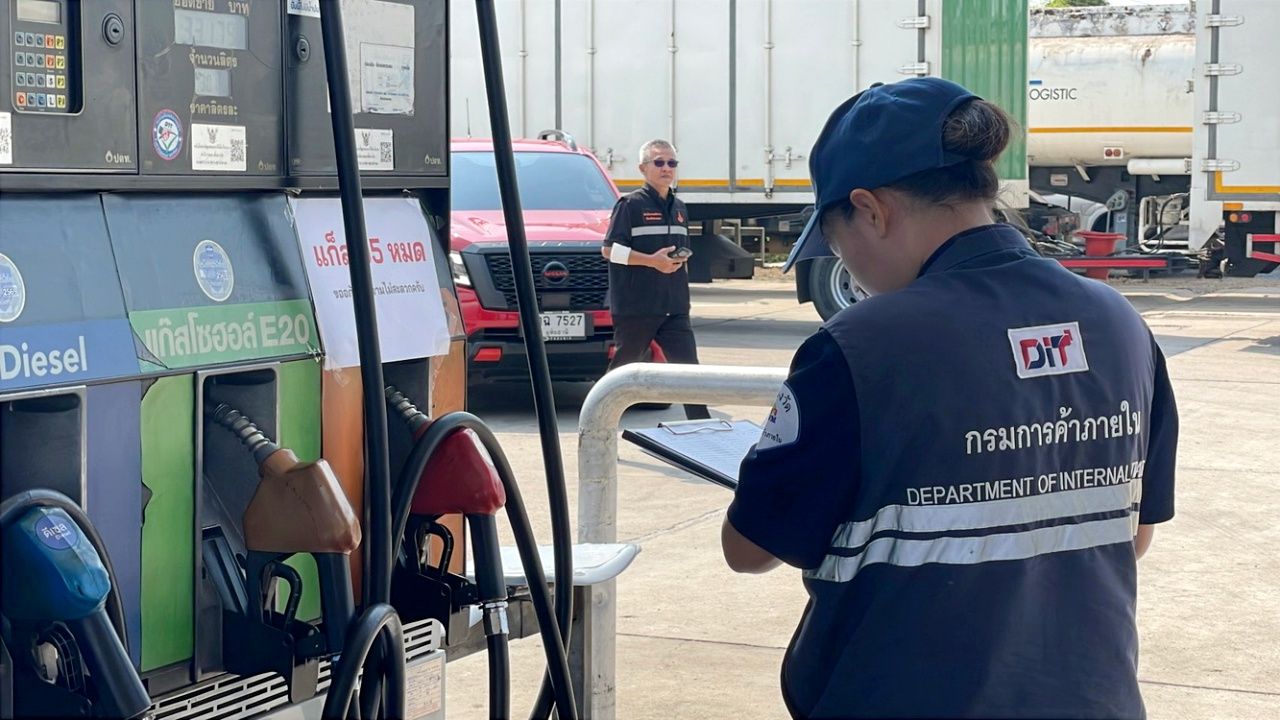
  • Fuel price hikes a great burden on transport businesses

    Fuel price hikes a great burden on transport businesses

    It is among many businesses that are suffering due to the surge in fuel prices, which threatens to cause inflation and eventually slow down the recovery of the economy hit by two years of Covid-19.

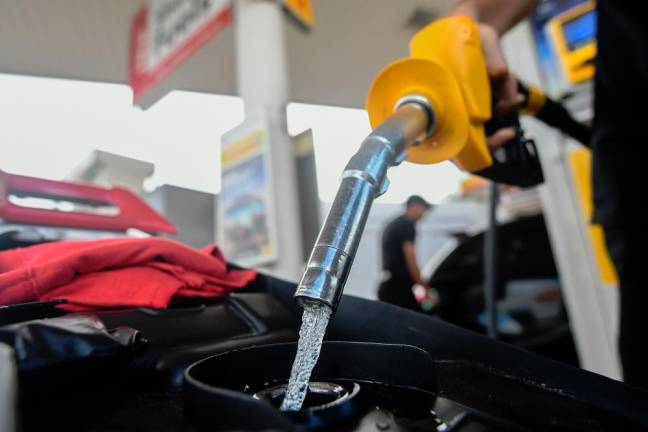
    RON95 gasoline saw its price increased by another 2.5 percent to a new peak of VND32,370 ($1.39) on June 13.

    This means it has risen by nearly 39 percent since the beginning of this year. For Tuan Duyen bus company, which operates on the Hanoi-Ho Chi Minh City route, this means diesel costs have doubled since before the pandemic to VND30 million for a round trip.

    But the number of passengers has fallen by 40 percent in the two years, Dao Ngoc Tuan, the owner of the company, said.

    He said he is considering selling the buses but it is difficult to get reasonable prices as there are few buyers amid the rising gasoline prices.

    Raising prices is an option, but business owners are concerned about its effect on sales.

    Some companies have however decided they cannot sustain losses any more.

    Viet Tan Phat bus company this week raised fares on routes between HCMC and Central Highlands provinces by 29 percent to VND400,000.

    Another transport company, Vintrans, sold some of its buses that require a lot of fuel and bought 20 new fuel-efficient ones.

    The company is also increasing the number of deliveries per trip to lower costs though this means speed is reduced.

    Airlines are set to face continued difficulties with rising fuel prices.

    Dang Anh Tuan, Vietnam Airlines’ communications head, said at a recent event in Thailand that oil prices have surged to $120-160 per barrel as against $80 the company had budgeted for.

    This means expenses could be VND8 trillion higher than estimated, and fares have been hiked as a result, he said.

    Companies are doing all they can to ensure smooth operations amid inflationary pressures.

    Ride-hailing firm Gojek, which has seen its drivers’ operating costs rise by 10-15 percent, is offering new bonuses to the most productive drivers to offset their increasing expenses.

    It has been seeking to increase recruitment of drivers to ensure demand is met during peak hours.

    Between April and May, its number of car drivers increased by 20 percent in HCMC and doubled in Hanoi.

    Transport industry insiders are seeking further tax cuts to help reduce their costs.

    Bui Danh Lien, deputy chairman of the Hanoi Transport Association, said fuel costs used to account for 40 percent of expenses, but have now risen to 50 percent for many companies.

    They could hike prices but end up losing passengers, he said.

    The government should further cut taxes such as the special consumption tax to bring down fuel prices, he said.

    Nguyen Duc Nghia, deputy director of the HCMC Business Association’s small and medium enterprises support center, proposed a tax break on gasoline for three to six months.

    Meanwhile, the government has been saying the increase in gasoline prices in Vietnam is lower than in other countries, only rising by 24-62 percent since the beginning of this year, while in Singapore, which Vietnam often uses as a benchmark, they have risen by 41-84 percent.

    This is because Vietnam has used its fuel stabilization fund and cut environmental tax on gasoline by half to VND2,000, Le Viet Nga, deputy head of the Ministry of Industry and Trade’s domestic market department, said recently.

    The ministry has proposed scrapping the tax altogether to bring prices down further.

    For now companies are caught between a rock and a hard place as continued operations means accepting low profits or even losses while increasing prices could mean losing customers.

    Tu of Nhat Tin Logistics said his company is doing all it can to ensure prices are not raised, but if inflation continues, it would have no choice but to make further adjustments to prices.


  • Helicopter operator profits up 11 percent

    Helicopter operator profits up 11 percent

    Vietnam Helicopter Corporation’s profits rose by 11 percent to VND263 billion (US$11.3 million) last year despite the severe impact Covid-19 had on the aviation industry.

    It saw a 6.7 percent drop in revenues to VND2.08 trillion.

    The company transports cargo and people, trains pilots, imports aviation devices, and offers firefighting services.

    Owned by the Ministry of National Defense, it has seven affiliates and subsidiaries and a charter capital of VND3.98 trillion.

    It charges $3,650-7,300 for an hour of chartered flying.

  • Transport ministry wants several airports to be privatized

    Transport ministry wants several airports to be privatized

    The Ministry of Transport wants private investors to build and operate proposed airports such as Sa Pa in the north and Quang Tri in the central region.

    It wants two others built under public-private partnerships in Lai Chau and Cao Bang in the north.

    It also said local authorities should take over the management of runways in 13 airports.

    Four central airports that have military components, Tho Xuan in Thanh Hoa Province, Chu Lai in Quang Nam Province, Phu Cat in Binh Dinh Province, and Tuy Hoa in Phu Yen Province, can also involve private investors if the Ministry of Defense transfers runway management to local authorities.

    Many companies have expressed interest in building and upgrading airports.

    Vietjet has been eyeing Chu Lai in central Quang Nam Province, Cat Bi Airport in Hai Phong City, Tuy Hoa, and Dien Bien in the namesake northwestern province.

    IPP Group wants to invest in Phu Quoc and Tuy Hoa, Vingroup in Chu Lai and FLC in Dong Hoi Airport.

    Vietnam began building and upgrading airports before the Covid pandemic hit since tourism was growing rapidly.

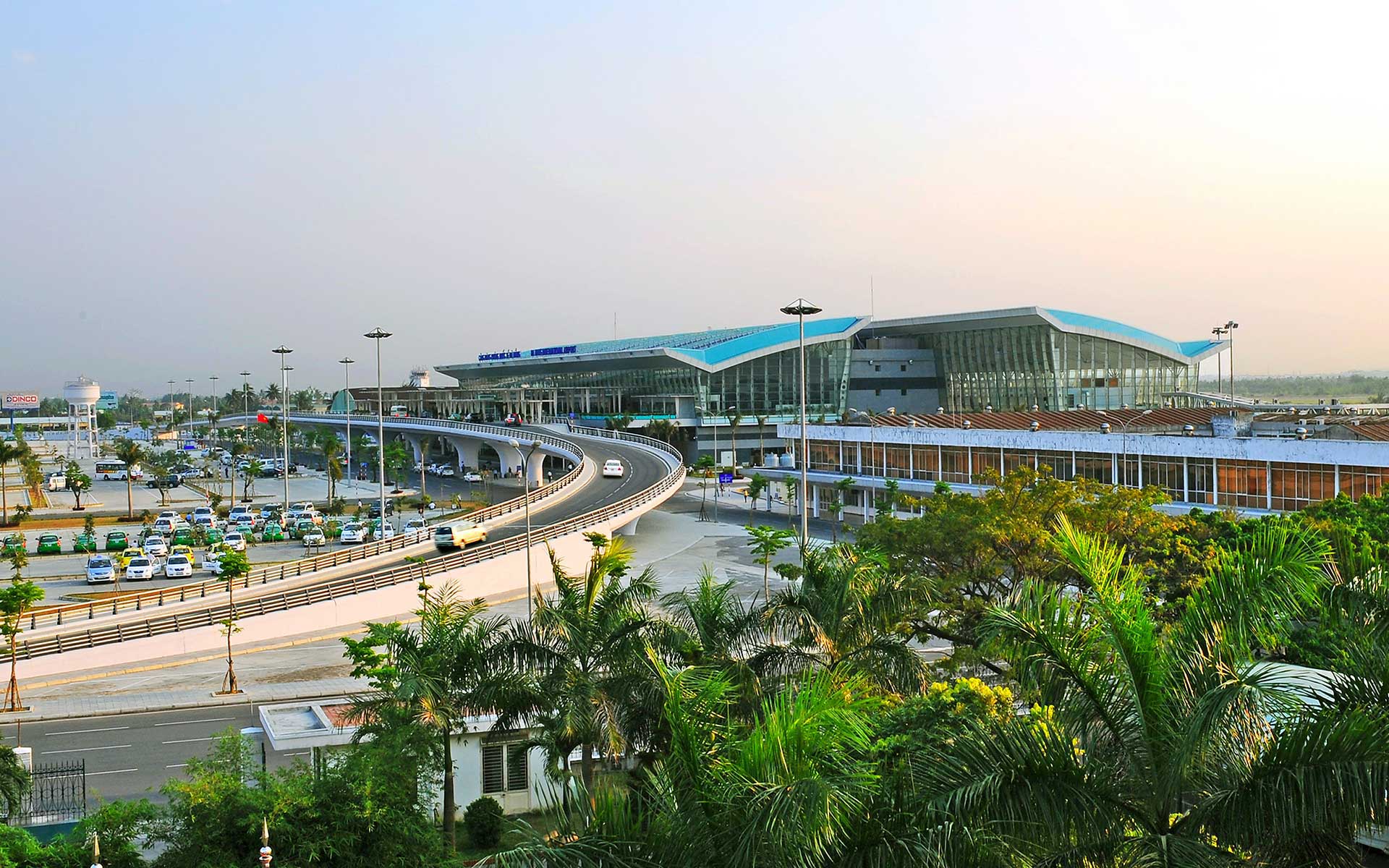
    By 2025, the government plans to have the first phase of Long Thanh International Airport operational with a capacity of 25 million passengers a year.

    Tan Son Nhat in HCMC and Noi Bai in Hanoi are set to be expanded to handle 50 million and 60 million passengers by 2030.

    The country needs VND403.1 trillion ($17.75 billion) to build and expand airports by 2030.