Retail News CRM

Tag: Transport

  • Imported seafood prices skyrocket amid transport restrictions

    Imported seafood prices skyrocket amid transport restrictions

    The prices of imported king crabs and abalones have risen by 30-50 percent in HCMC due to limited supply caused by mobility restrictions.

    King crabs are sold at VND2.5-2.9 million ($109-126) per kilogram, 50 percent higher year-on-year.

    Australian and South Korean abalones are sold at 30 percent higher at VND1.6-1.8 million.

    Salmon prices are up 18 percent at VND650,000.

    A seafood importer who owns a restaurant in the city’s Tan Binh District blamed the price rise on a supply shortage, saying the semi-lockdown has made transporting seafood difficult.

    Another reason is the limited number of flights coming to Vietnam from abroad.

    Another importer said half the crabs died on the way to Vietnam due to flight delays, causing him losses. He has stopped selling for now.

    Tran Van Truong, CEO of seafood chain Hoang Gia, said flights from Norway to HCMC are rare and in most cases have to transit in other countries.

    Many sellers are increasing the sale of domestic seafood items such as red tilapia and squid to survive.

  • Transport Ministry Plans To Introduce Uniform PUC Certificate With QR Code For All Vehicles

    Transport Ministry Plans To Introduce Uniform PUC Certificate With QR Code For All Vehicles

    The Ministry of Road Transport and Highways (MoRTH) is planning to introduce uniform pollution under control (PUC) certificate for all vehicles across the country. As per the report in ETAuto, the transport ministry will soon be made uniform PUC certificates throughout the country and will come with QR code bearing important details. The QR code on the uniform PUC certificates will have specifics of the owner, vehicle and emission status. The ministry of transport issued a draft notification proposing these changes on Friday and has pursued suggestions and objections of the stakeholders.

    The transport Ministry has already proposed the changes in the Central Motor Vehicle Rules and will have the provision for a system generated SMS to the registered mobile number of the owner before getting the PUC done. This system will also help in reducing vehicle thefts which can be detected when taken to testing centres for procurement of a PUC certificate.

    According to the report, officials said that uniform format of the PUC certificates has been proposed for linking the PUC database with the national register. The government has also planned to provide a rejection slip for the first time, specifying the reason for rejection. The rejection slip will also include where the engine emission values exceed the limits set under the CMVR.

    Under the proposed modifications in the law, if the enforcement officer has a reason to believe that a vehicle is not fulfilling the provisions of the emission standards, he can direct the owner or person-in-charge for conducting a test at any authorised PUC testing stations. The communication needs to carried out to the owner or person-in-charge of the vehicle in the form of writing or electronic modes.

    Do note, if the driver or person-in-charge of the vehicle fails to submit the vehicle compliance certificate, he/she shall be liable for plenty under the provisions of Motor Vehicle Act. The owner can face up to three months of jail or up to ₹ 10,000 fine and cancellation of driving licence for three months.

  • Saigon metro to test run in Q3

    Saigon metro to test run in Q3

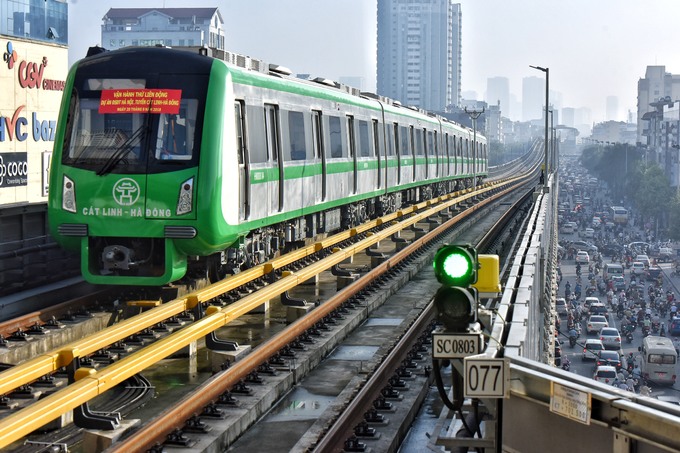
    An elevated section of Ho Chi Minh City’s Ben Thanh-Suoi Tien Metro Line 1 will be tested out within the third quarter this year.

    This elevated section crosses Ho Chi Minh City’s District 9, spanning from central Binh Thai Station to Long Binh Depot, a train maintenance center, the HCMC Management Authority for Urban Railways (MAUR) said in a report to the city’s People’s Committee.

    Once testing is complete, MAUR said it would test another section between Binh Thai and Van Thanh stations in District 2.

    The city targets project completion to advance to 85 percent before the end of this year, to officially enter operation by the end of 2021, it was added.

    The first locomotives and trains for the line, produced by Japanese manufacturer Hitachi, are set to arrive in HCMC from Japan in June.

    Hitachi is currently testing out two trains to deliver first, then will send over another 15, all of which will have three carriages each, as Metro Line 1 is being completed, the MAUR said.

    All 17 trains are part of a $370 million package signed with Hitachi in 2003, which includes delivery of other equipment such as signaling and communication, electricity generation, and electronic fee collection systems.

    On Monday, the city removed a barrier between the metro line’s two underground segments, integrating the entire length of Ben Thanh-Suoi Tien Metro Line 1. Removal of the barrier, erected to facilitate construction of both segments, paves the way for the next phase of the project – equipment installation, officials said.

    When completed, HCMC’s Metro Line 1 will span 19.7 kilometers from Long Binh in District 9 to Ben Thanh in District 1 with a total of 14 stations.

    Work on the line started in August 2012, with the elevated segment cleared in June 2018.

    It was approved in 2007 with a total investment of VND17.4 trillion ($747 million). This was raised to VND47 trillion ($2.02 billion) in 2010 after design changes and fluctuations in the exchange rate of the Japanese Yen, though the increase was not approved by relevant ministries.

    Last November, the National Assembly allowed HCMC authorities to approve a new total investment of VND43.6 trillion ($1.87 billion).

  • Electric Scooter Startup Bird Raises $275 Million In Latest Funding Round

    Electric Scooter Startup Bird Raises $275 Million In Latest Funding Round

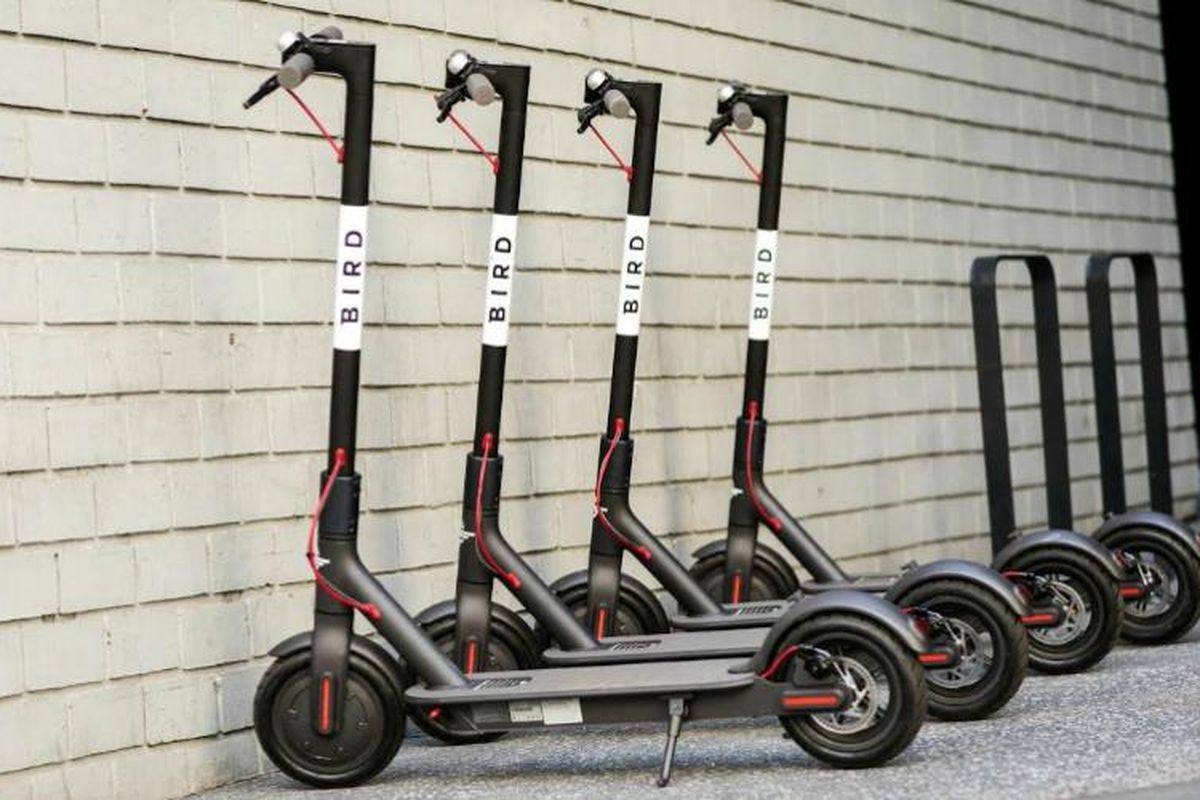
    Bird, an electric scooter rental company, said on Thursday it had raised $275 million in a funding round led by Canadian pension fund CDPQ and Sequoia Capital, as it looks to take a bigger share of a rapidly growing transportation sector.

    The deal values the firm at $2.5 billion before the investment, Chief Executive Officer Travis VanderZanden told a tech conference in San Francisco.

    VanderZanden said Bird has been working hard to improve its financials, deflecting criticism that the company has been chasing growth at all costs.

    The company has designed its own rugged scooters, which last about 15 months on average, compared with the three-month life span it got from retail scooters, he said.

    Bird, known for its dockless scooters that riders can locate and unlock through a smartphone app, has enjoyed a stratospheric rise, while also causing mayhem in cities such as San Diego and San Francisco.

    It has raised the ire of regulators and residents because the scooters, which can be left anywhere, have littered sidewalks and parks and blocked driveways and doorways. Scooter riders on crowded sidewalks have also caused problems.

    A dozen electric scooter companies have received more than $1.5 billion in investments in total, according to a report issued earlier this year by Boston Consulting Group.

  • Visa Expands Contactless Payments to Public Transport

    Visa Expands Contactless Payments to Public Transport

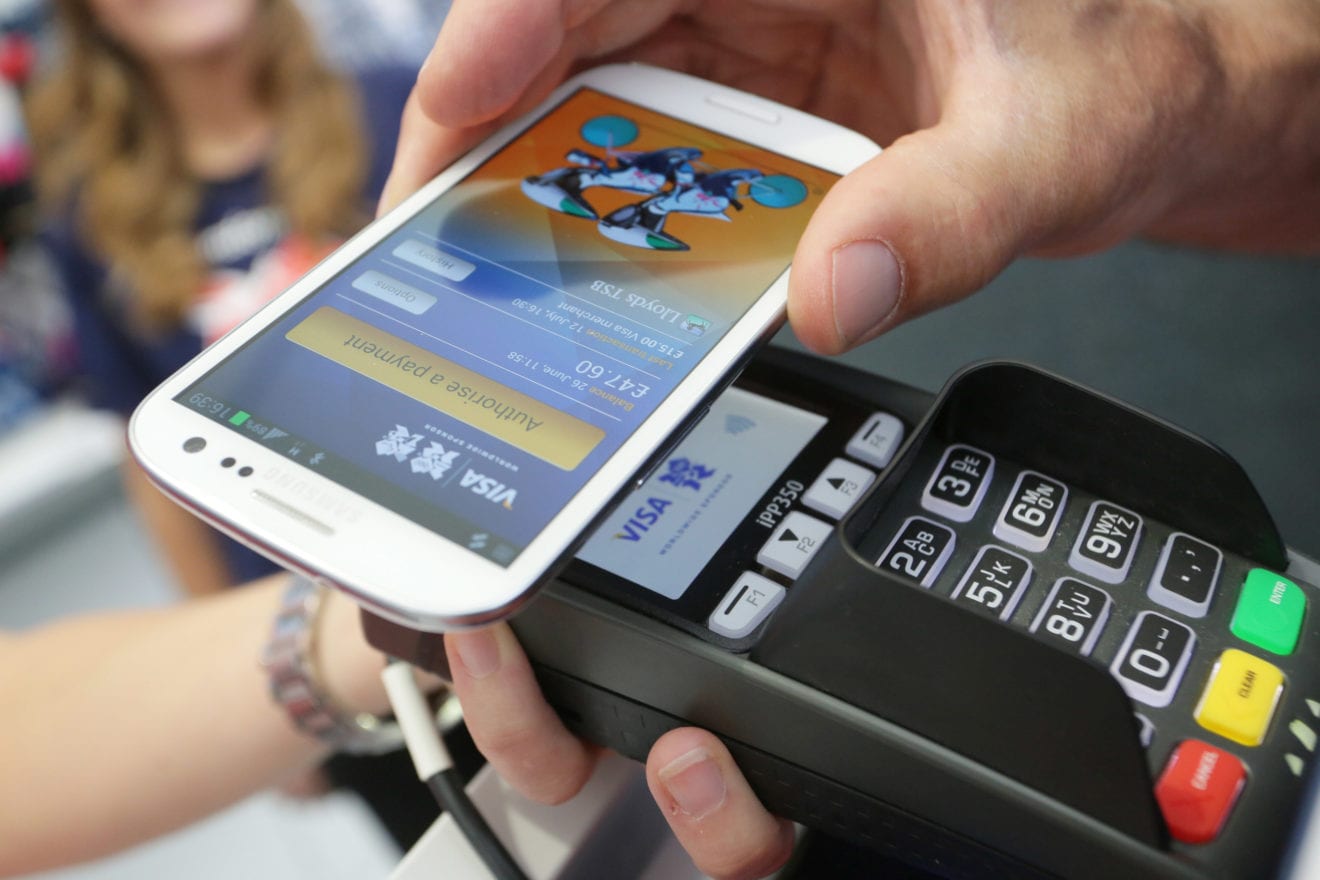
    Singapore joins other major cities that have enabled open-loop Visa payment cards for public transport, including London, Sydney and New York. Commuters in Singapore can now use their Visa contactless cards or compatible devices to pay for bus or train rides under the Land Transport Authority’s (LTA) SimplyGo initiative, Visa said in an announcement on Thursday.

    According to Visa, the project with LTA is one of its largest implementation for contactless acceptance for transit globally, with 30,000 acceptance points.

    SimplyGo was rolled out for MasterCard users in April, aiming to make traveling by public transport seamless and convenient by eliminating the need to carry a travel card or wait in line to purchase or top up a travel card. Fees under SimplyGo are the same as paying with a travel card.

    Visa said has been working with partners and merchants to expand the acceptance of contactless payments nationwide, including transport, quick service restaurants and hawker centers.

    Today, Singapore is already one of the top markets globally in terms of contactless penetration with more than 80 percent of all Visa transactions being contactless. We expect this number to grow even faster with the opening of transit acceptance, Kunal Chatterjee, Visa country manager for Singapore and Brunei, said.

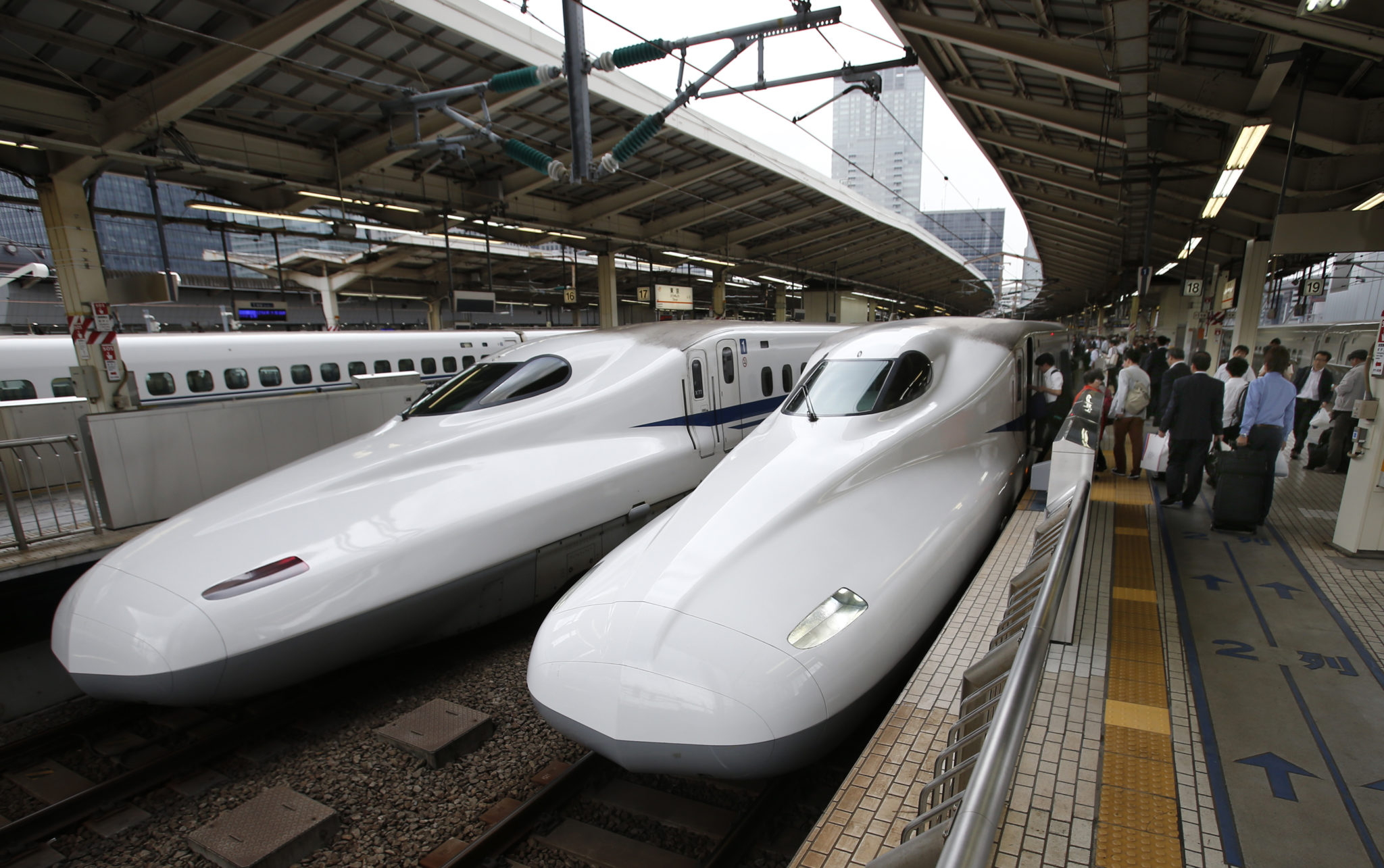
  • Bullet train to connect Hanoi with HCMC in five hours

    Bullet train to connect Hanoi with HCMC in five hours

    Vietnam’s bullet train will cut travel time between Hanoi and Saigon to five hours from the current 24. The railway project management board has submitted a pre-feasibility study to the Ministry of Transport, which quotes transport consultants’ estimate that if the train travels at 320 km/h, its running time would be from 5 hours 17 minutes to 6 hours 50 minutes depending on the number of stops.

    The route from Hanoi Railway Station to Thu Thiem Station in HCMC’s District 2 will be 1,545 kilometers (960 miles) long and run through 20 provinces.

    Sixty percent of the tracks will be on viaducts, 10 percent underground and 30 percent on the surface, completely protected by fencing and without a single crossing.

    It will have double standard-gauge tracks of 1.435 meters width and 24 stations, according to a consultancy consortium comprising Vietnamese firms TEDI, TRICC and TEDIS.

    It will use the distributed traction technology used by Japanese high-speed trains.

    The project is estimated to cost a total of $58.7 billion, comprising $2.23 billion for land, $43.3 billion for construction and equipment and $4.3 billion for management, consulting and other costs.

    It will be undertaken as a public-private partnership (PPP), with the government accounting for 80 percent of the cost and private investors for the remaining 20 percent.

    Construction will be in two phases, with the 282-km Hanoi-Vinh section and 362-km Nha Trang-HCMC section built first in 2020-2030 at a cost of $24 billion. Commercial operations on these stretches are likely to begin in 2032. The second phase connecting Vinh and Nha Trang is expected to be built in 2030-2045.

    The consultants have estimated the project to cost 0.4 – 0.55 percent of the country’s GDP in 2020-2030 and 0.35 – 0.4 percent in 2030-2040.

    After being reviewed by the Ministry of Transport, the study will be submitted to the State Appraisal Council and the government for review and to the National Assembly for approval next October.

    Vietnam currently has over 3,000 kilometers of railway tracks, none of them high-speed. The railway accounts for just 1.9 percent of the transportation sector in the country, according to the Vietnam Railway Authority.

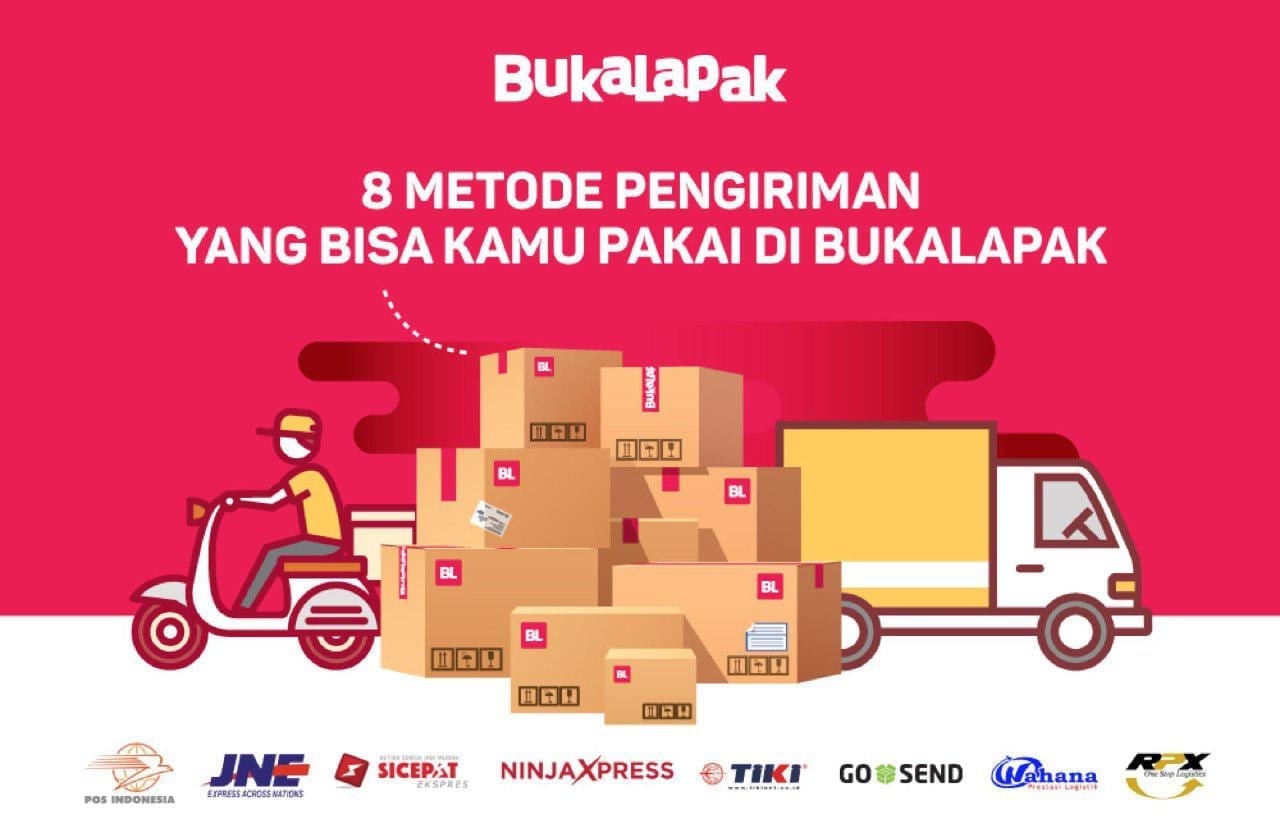
  • Bukalapak teams up with TIKI to ease delivery

    Bukalapak teams up with TIKI to ease delivery

    E-commerce platform Bukalapak kicked off on Wednesday the expansion of its partnership with courier service and logistics company TIKI to facilitate small and medium enterprises (SMEs) in selling their products.

    The new partnership will enable vendors to accelerate product delivery.

    For instance, TIKI provides a “booking code” feature in which vendors can fill in the data of senders and receivers online before sending the packages. When vendors arrive at a TIKI branch, they do not need to wait for TIKI employees to fill in the information anymore.

    “There will be [system] integration between Bukalapak and TIKI. The new features will be launched soon,” Bukalapak co-founder and chief financial officer Muhammad Fajrin Rasyid told at its headquarters in Kemang, South Jakarta.

    Another new feature offered to vendors is pick-up service that allows TIKI couriers to pick up goods from the vendors’ locations. Bukalapak has more than 1.7 million vendors with more than 38 million products offered on its online marketplace. About 500,000 vendors at Bukalapak use TIKI’s services.

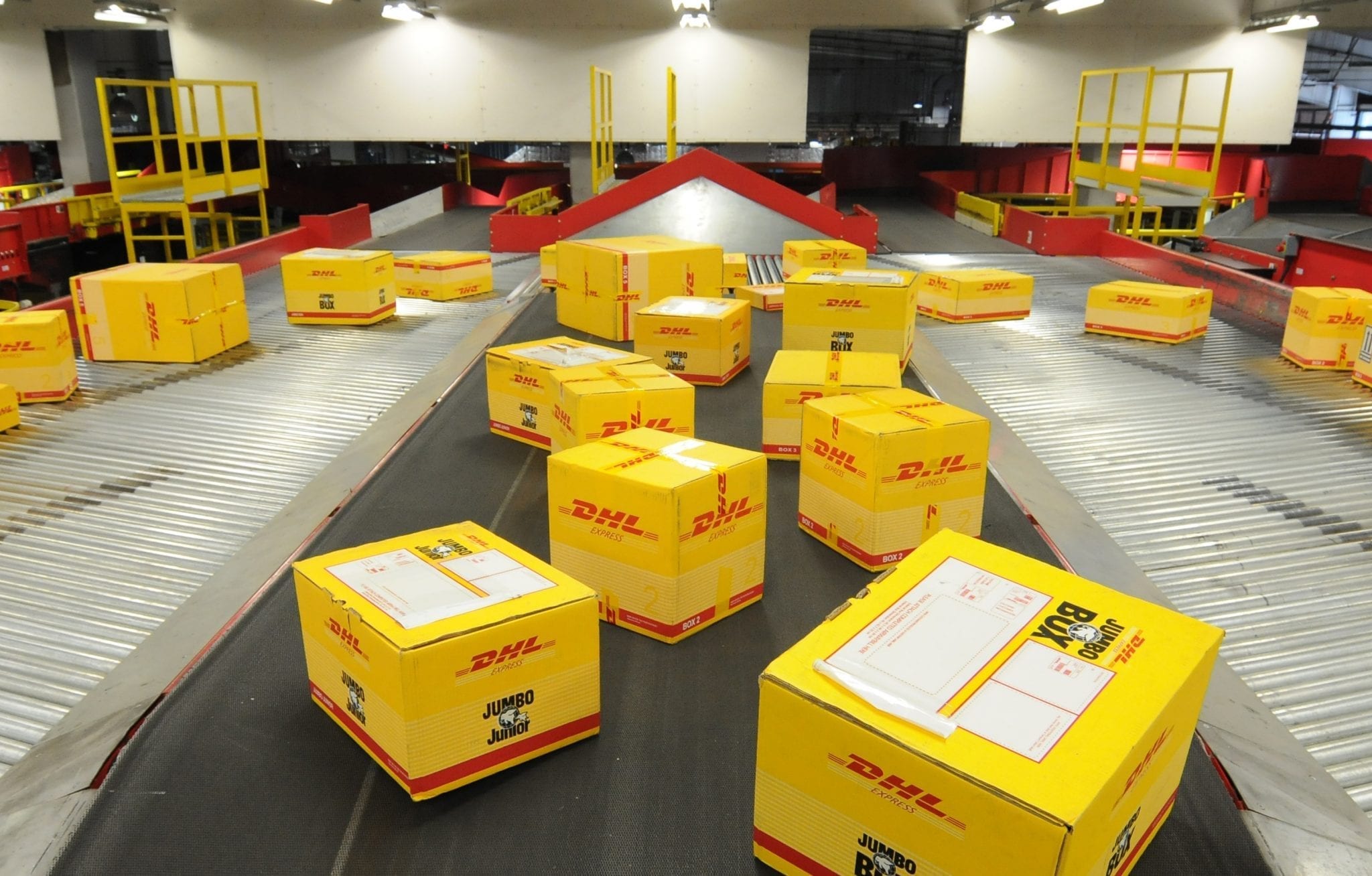
  • Tips For Packaging And Transporting Goods

    Tips For Packaging And Transporting Goods

    It’s important to be cautious when transporting products. Just one dropped box could cause a lot of problems for you. If you’re careful about how you pack, you’ll be able to protect your items from the challenges ahead.

    These simple and effective tips will help you to keep your products safe.

    Make Sure Your Pallet Can Support The Items It’s Carrying

    It’s important to properly secure any items you are transporting to the pallet beneath them.

    You also need to confirm that the pallet can fully support the weight of the items.

    Ideally, there should be several centimeters between your goods and the pallet’s edge. You should never have items hanging over the edge of the pallet.

    Make sure there are no loose nails or planks.

    Stainless steel banding will help ensure things on the pallet are kept strongly in place. It prevents movement and limits the chance of problems. A lot of companies recommend Reid Brothers UK – stainless steel banding as they find it to be of excellent quality.

    If the goods are stacked too high, or if the pallet seems heavily weighed down, you may

    Properly Protect Any Bulk Bags That Are Being Transported

    If you’re transporting bulk bags, such as bags of feed or flour, you should make sure you protect them.

    If you place the bags directly on a ballet, they could wind up tearing. If there are gaps between the planks, the bags could wind up falling through those cracks. It’s a good idea to place a carton on top of the pallet before you load the bags up.

    That way, you can keep your bags secure and safe.

    Make sure the carton carrying the bags isn’t too close to the edge of the pallet.

    Take Advantage Of Plastic Wrap

    You never want to ship out boxes that are unassembled.

    Plastic wrap can help you to consolidate the parts you are shipping out. It can also keep boxes from becoming misplaced during the shipping process. Make sure you wrap the boxes several times over.

    If the boxes are wrapped securely, you won’t have to worry about them slipping off of the pallet.

    You should start wrapping from the bottom. From there, you should layer over half of the wrap at each turn.

    You should wrap the pallet a few times over. Make sure that all of the boxes, including the boxes at the very top, are fully covered.

    Provide Instructions As Needed

    Carriers unload thousands upon thousands boxes each day. If you have special needs, you’re going to have to make sure you properly convey them. You should include labels that will help carriers transport your boxes properly.

    Examples of the kind of labels you should use include “This Side Up,” “Fragile,” or “Do Not Stack” labels.

    You should use a bright color like orange for the labels; this will ensure that they are easy to spot. You should also use a large, easy-to-read font.

    Additional Packaging Tips:

    What sort of information should be included on packaging?

    You’ll want to have the destination and the origin point clearly printed on the box. If you’re transporting hazardous materials, you’ll need to make sure you use the proper identification.

    Are there additional steps you need to take if you are shipping goods from or to the United States?

    While transporting items to the United States can be more complex, we recommend that you follow the same basic advice.

    Can a driver refuse to ship out goods that are packaged improperly.

    If you ask a driver to transport unsecured merchandise, they have the right to refuse. Improperly secured merchandise can put the other items that driver is transporting at risk. If you are shopping out something that can’t be fully secured, such as a snowmobile, the driver may write something like “Bourret not responsible for damages” on the bill.

    Looking For Additional Tips?

    If you’re dealing with a problem or have additional questions, get in touch with us as soon as you can. We’d be happy to help you securely ship out your cargo!

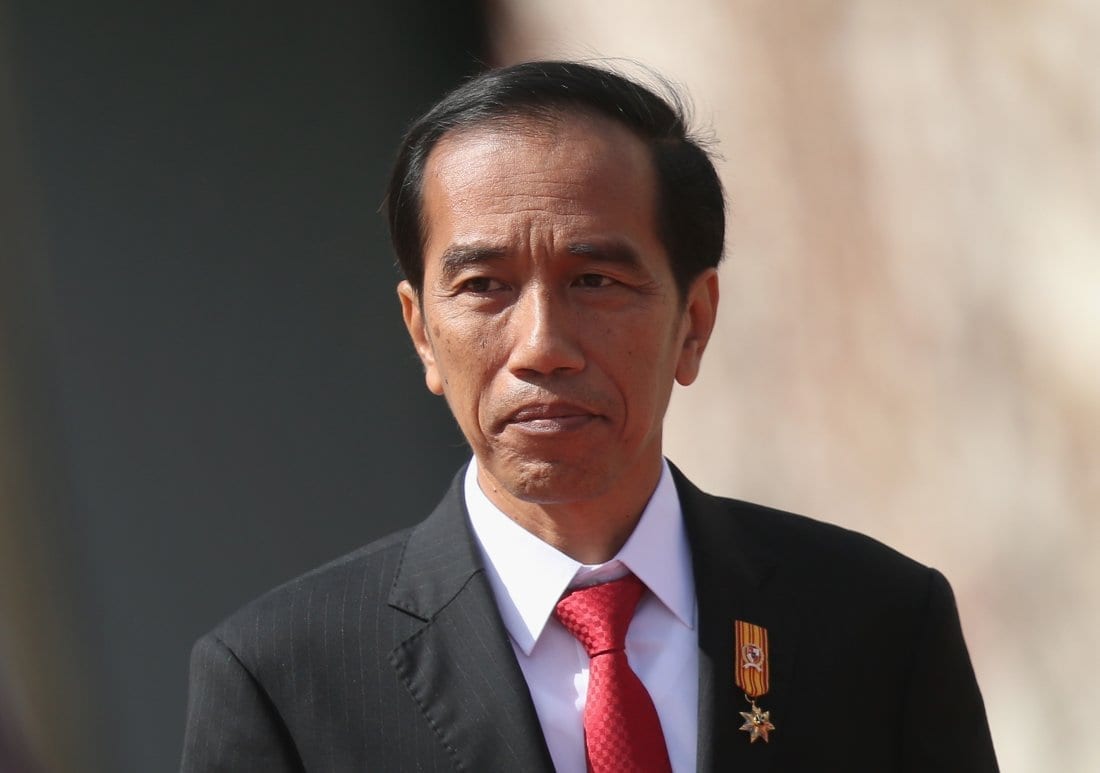
  • President Jokowi calls for better transportation between Sumatra and Java

    President Jokowi calls for better transportation between Sumatra and Java

    President Joko Widodo (Jokowi), during a closed-door meeting on Monday, emphasized the need for improving transportation services between the islands of Sumatra and Java by operating better ferries.

    “We are concerned about the operation of the toll road from Lampung Province to Palembang, which leads to vehicle queues in Merak-Bakauheni crossing lane,” the Lampung Governor M Ridho Ficardo stated here on Monday.

    Jokowi and Vice President M. Jusuf Kalla (Jokowi), along with Ricardo and other officials, held a meeting in the Presidents Office to discuss the National Strategic Project and Prioritized Program.

    Ficardo stressed that the transportation authority should deploy several ferries of better quality to improve cargo transportation between Merak and Bakauheni ports that connect Sumatra and Java islands.

    According to Ficardo, the authority should operate ferry trips every hour to transport cargo and passengers.

    He reiterated that the authority can increase the ticket price to provide better services and deploy faster ferries.

    “The improved toll road should be offset by better crossing access. It is fine to increase the price to provide better services,” Ficardo pointed out.

    The meeting also discussed the development of industrial areas in Tanggamus District that builds maritime industry, Mesuji District, and Waypisan District.

    The governor added that the industrial area in Mesuji District could be developed, because the region has a mine of low calorie coals that can supply fuel for power plants.

    The Trans Sumatera toll road has entered the second phase of construction with the development of toll road of 250 kilometers. The government is targeting its completion in 2018.

  • Nokia adds 10Gbps PON to mobile transport solution

    Nokia adds 10Gbps PON to mobile transport solution

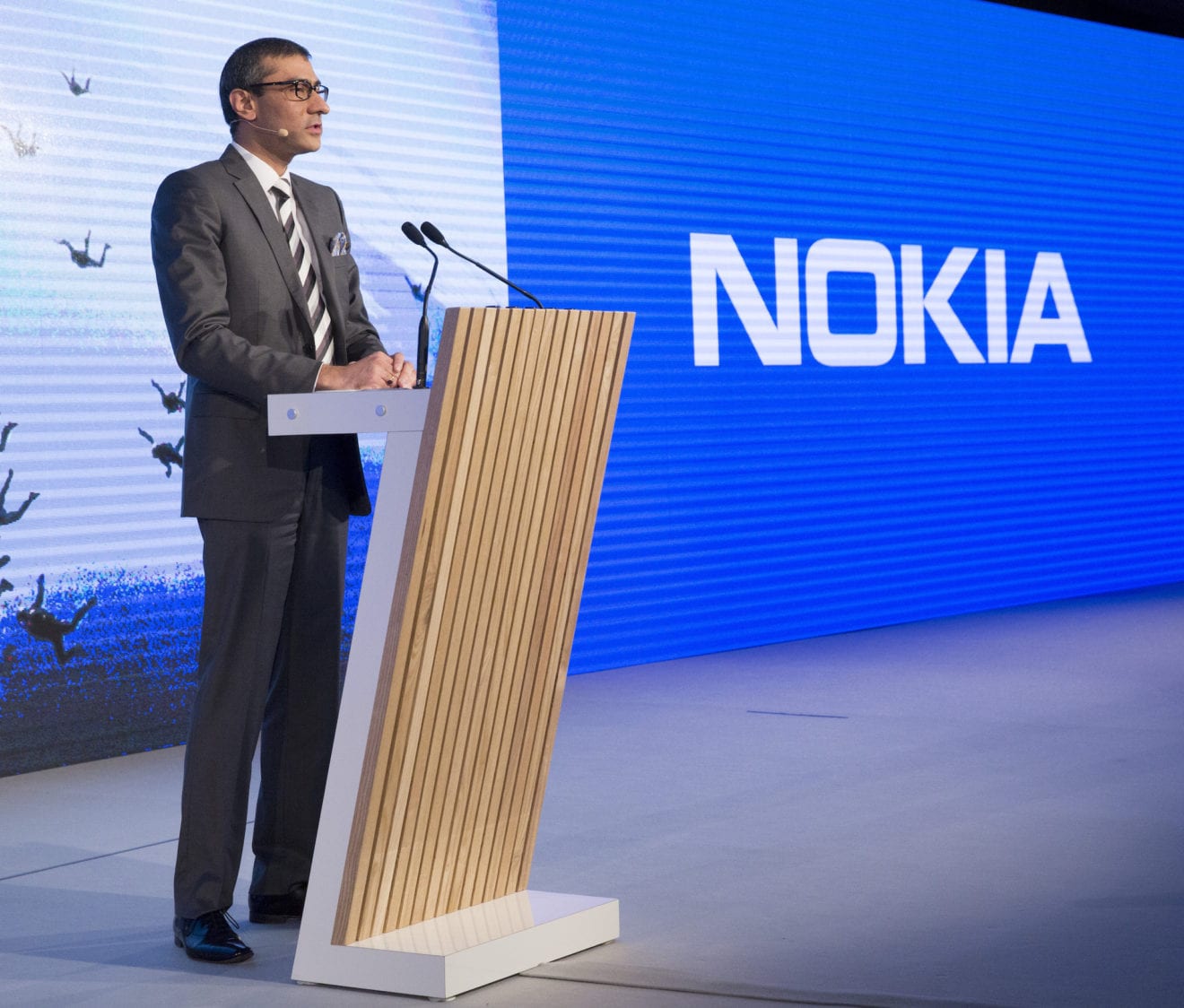
    Nokia has added 10Gbps PON and point-to-point fiber to its access portfolio to help meet demand for high-capacity mobile transport in the 5G era.

    The mobile transport solution is designed to allow operators to use existing PONs used in FTTH deployments to gain the capacity and coverage 5G requires.

    The portfolio is also being used as part of a Bell Labs proof-of-concept to demonstrate the flexibility of 10G symmetrical PON networks for low latency applications such as mobile fronthaul.

    By adding gateway functionality, Nokia is able to convert mobile fronthaul CPRI signals to Ethernet, the company said.

    “The biggest opportunity on the horizon for fixed networks is the arrival of 5G. It’s clear that 5G will require very high capacity and low delay, but what is less certain is just how much capacity will be required for backhaul and what latency will be sufficient,” Nokia president of fixed networks Federico Guillen said.

    “We take the guesswork out of the equation. Our solution allows operators to access existing PON networks that have virtually unlimited capacity to meet their needs today, with the added flexibility to add 10G PON evolutions gradually as demand for more bandwidth and services increases. The massive throughput and cell densification strategy of 5G make it a perfect match for existing FTTH deployments.”

    Meanwhile Calix announced it has worked with New Zealand’s Northpower Fibre to complete the first demonstration of 10Gbps NG-PON2 technology in a live network.

    Northpower Fibre plans to deploy NG-PON2 technology based on Calix’s AXOS software-defined access architecture to help differentiate in New Zealand’s growing Ultra-Fast Broadband (UFB) marketplace stimulated by the government’s second phase of the UFB program.

    “New Zealand is undergoing a major broadband vitalization effort, and we see the emergence of NG-PON2 technology as a major enabler going forward,” Northpower Fibre CEO Darren Mason said.

    “As attention in the second phase of UFB shifts from the cities to bring fiber broadband to more rural areas, Northpower Fibre will be leading the way having committed to connect 12 new towns to fiber within the next four years.”

  • Hanoi announces transport plan to 2030

    Hanoi announces transport plan to 2030

    According to the plan, from now to 2030 Hanoi will develop a system of highways with 4-8 lanes linking Hanoi-Lang Son, Hanoi-HCM City, Hanoi – Thai Nguyen, Ha Noi – Hai Phong, Hanoi – Ha Long, Hanoi – Hoa Binh, Tay Bac – Highway 5, Hanoi-Ho Chi Minh Highway, and turn Thang Long Boulevard and Phap Van – Cau Gie Highway into urban highways.

    From now until 2030 Hanoi will also complete its belt roads and build 18 bridges crossing the rivers of Red, Duong, Day and Da.

    The city will give priority to developing public transport systems, which aims to serve up to 50-55% of the travel demand in the inlying areas and 40% in the suburbs.

    The plan also specifies that about 33,237 hectares of land will be devoted to traffic system development and the total funding needed for this plan is estimated at over $55 billion.

    The capital is expected to come from the state budget, ODA loans, and from private investors through transport projects in the forms of BT (build-transfer), BOT (build-operate-transfer), PPP (public private partnership), and BOO (build-own-operate).

    The capital city of Hanoi was extended in accordance with Resolution No. 15/2008/NQ-QH12 on May 29, 2008 of the National Assembly with a total area of more than 3,344 sq.km. However, its transportation system has fallen short of requirements for urban development at present and for the future.

    In late 2012, Hanoi submitted to the Ministry of Construction a Master Transport Plan for 2030, with a vision to 2050, and the master plan was approved by the prime minister on March 31, 2016.

    Accordingly, the population of Hanoi is forecast to grow to 7.44 million by 2020, around 9.2 million by 2030, and 10.8 million by 2050. The plan sets a target to increase the public transit share to over 30-35% by 2020, 50% by 2030, and 70% after 2030.

  • Maritime transport sees growth for two consecutive years

    Maritime transport sees growth for two consecutive years

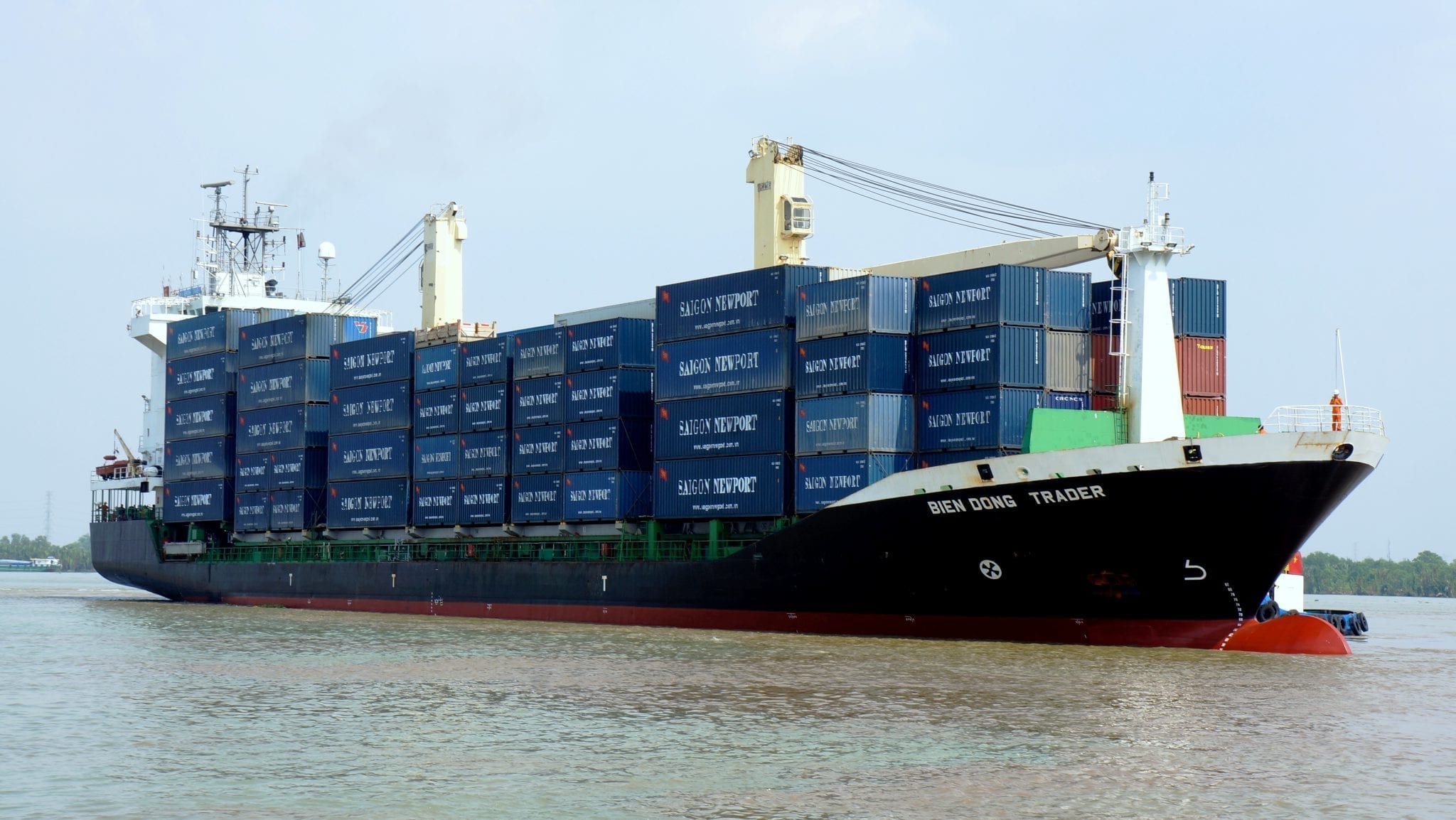
    The country’s maritime transport sector posted growth for two consecutive years, notwithstanding losses, restructuring and even bankruptcy of several large foreign carriers.

    Nguyễn Văn Công, Deputy Minister of Transport, hailed results of the maritime transport sector at the conference of the Việt Nam Maritime Administration (Vinamarine) held in Hà Nội on Monday.

    In 2016, Vinamarine was active in issuing documents guiding the implementation of the Việt Nam Maritime Law 2015. The two most important contents — price listing and seaport service prices — have eased business difficulties, helping to avoid economic losses.

    Công said growth rate of 4 per cent this year, with total output of 123 million tones, is impressive in the current situation.

    “In particular, the Cái Mép-Thị Vải seaport saw a high growth rate of containers. In 2016, the seaport received two million twenty-foot equivalent units (TEU), surging from 499,000 TEU in 2012. More than 1,200 arrivals of vessels weighing more than 80,000 tonnes came to the seaport,” he said.

    The deputy minister asked Vinamarine to continue undertaking checks on seaport service prices. Vinamarine was particularly asked to research and invest into key maritime corridors to develop multi-modal transportation.

    Đỗ Hồng Thái, Vinamarine’s deputy head, said this year, the number of maritime accidents was 21, reducing by two cases from last year. The port authorities also conducted checks on nearly 13,000 arrivals of vessels on local routes, discovering 1,300 vessels with defects. The authorities also implemented checks on more than 2,000 foreign vessels and uncovered 817 with defects.

    “There is no security incident with the country’s seaport system this year. Vietnamese seaports continue to be safe destinations for foreign vessels,” Thái said.

    In 2017, Vinamarine will continue to prepare legal documents guiding implementation of the Việt Nam Maritime Law 2015. It is expected to submit eight decrees and one decision to the Prime Minister for approval. It will also complete several plans such as the seaport development planning by 2020 with a vision to 2030.

    In addition, it will also ensure maritime security by investing in infrastructure and enhancing international co-operation.

  • Pelindo to build seaport for food transportation

    Pelindo to build seaport for food transportation

    The Indonesia Port Corporation, PT Pelabuhan Indonesia (Pelindo) I, will build seaport infrastructure that supports food logistics transportation in order to reduce shipping costs and improve the quality of food products, Pelindo I Director Bambang Eka Cahyana said.

    “Right now we are paying attention to the food sector. In Belawan, North Sumatra, this year we are building a cold storage,” Bambang Eka said here on last Thursday.

    Cold storage, he added, can retain the quality of food products before they are exported overseas.

    The construction of cold storage in Belawan is a short-term plan for Pelindo I.

    Meanwhile, the medium-term plan of the company is to build a specialized cluster for food processing in Tanjung Balai port, North Sumatra.

    “During this time food processing has not received full attention. If we strengthen the cluster at the port, it will lower logistics costs,” he said.

    Bambang said for the long-term project, Pelindo I will build food processing infrastructure at all seaports throughout the country that are under its management.

  • Gravity’s transport app offers real time shipping schedules

    Gravity’s transport app offers real time shipping schedules

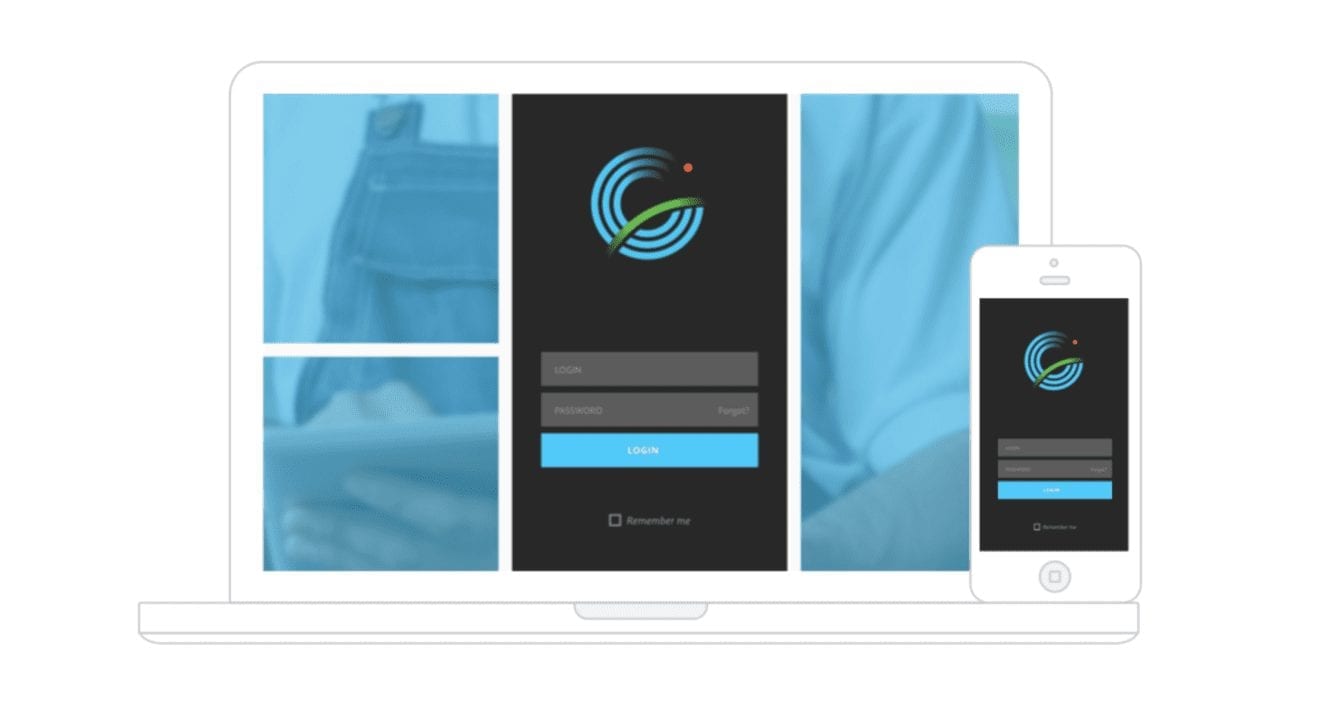
    Gravity Supply Chain, a developer of cloud-based apps that helps companies modernize the management of their global supply chains, released RTM (Route-to-Market), a new tile for its Transport app that provides up-to-date sailing schedules for over 50 major ocean carriers, over 250,000 port pairs covering over 90 percent of the world’s container capacity. Transport RTM is an advanced solution that enables logistics providers to deliver these capabilities directly to their customers as part of their end-to-end supply chain visibility and execution solution.

    The Transport RTM tile offers a sailing schedules search engine 3PLs and supply chain managers can use to select any global port pair and date range, and instantly see all sailing options. Uploading information related to contracted rates with various shipping lines enables users to create lists of routes that can be filtered by factors such as quickest sailing route and cost.

    “RTM is the newest feature of our mission to create one holistic data hub that provides our users with the real-time information they need to view, control, share and execute sourcing, supply, transport, inventory and selling activities anywhere in the world,” said Darren Palfrey, COO, Gravity Supply Chain. “This is especially valuable to 3PLs struggling to close the  technology gap between what shippers need, and what all but the industry’s largest players can offer.”

    The RTM tile is available today at no additional cost to all Transport app users. The Transport app integrates with your transportation partners and systems and automates the creation of packing lists, advance ship notices and compliance documents, and provides real-time tracking so retailers, brands and product companies know where their products are at all times with real-time tracking visibility. Transport is one app in Gravity’s suite of apps that make up its cloud-based end-to-end supply chain management and logistics platform.

  • Despite problems at home, SMRT eyes Indonesian market

    Despite problems at home, SMRT eyes Indonesian market

    Transport operator SMRT has been awarded the tender for the construction of a public rail project in Bandung, the Mayor of Indonesia’s third-largest city said, a development that has elicited a thumbs-up from analysts.

    Local media in Indonesia had reported in recent days that SMRT will be the project operator for the Light Rail Transport (LRT) in Bandung. Bandung Mayor Ridwan Kamil was quoted in the reports as saying that in the initial stage, SMRT will build the LRT Corridor 1, a 10.2km route from Babakan Siliwangi to Leuwipanjang.

    In a Facebook post last Monday (Sept 19), Mr Kamil wrote SMRT had been awarded the tender for Corridor 1 and that construction would begin by next year if everything went well.

    In the wake of those reports, SMRT on Monday (Sept 26) said in a regulatory filing with the Singapore Exchange (SGX) that its wholly-owned subsidiary, SMRT International, had on Sept 9 submitted together with T-Files Indonesia a formal bid to participate in a tender for the construction of a public rail project in Bandung, about 180km from Jakarta.

    SMRT said in its filing that it had not received official notification of the tender award and that no agreement had been reached on any of the terms with regard to the construction and implementation of the project. It declined to comment beyond the SGX filing.

    Assistant Professor Yang Nan, Department of Strategy & Policy at NUS Business School, said: “Obviously this is an interesting project. Even if it doesn’t promise immediate high returns, SMRT is eyeing the future. As the largest economy in Asean, Indonesia has very underdeveloped transport infrastructure but is ready to catch up quickly.”

    He added: “Getting an early and strong foothold in these new markets is crucial for rail expansions and SMRT’s move is in this direction. I’m optimistic about SMRT’s perspective in winning this and future tenders, for its specialties and experiences operating in the Asean market.”

    CMC Markets Singapore analyst Margaret Yang said: “Indonesia is a fast-growing emerging economy, with a large population and high demand for infrastructure upgrading. This would be a good opportunity for SMRT to explore new business in Asean’s largest economy.”

    The latest development comes two years after SMRT International joined a consortium to provide consultancy services and secured first rights to operate and maintain the Jakarta Eco Transport monorail, due to commence operations next year.

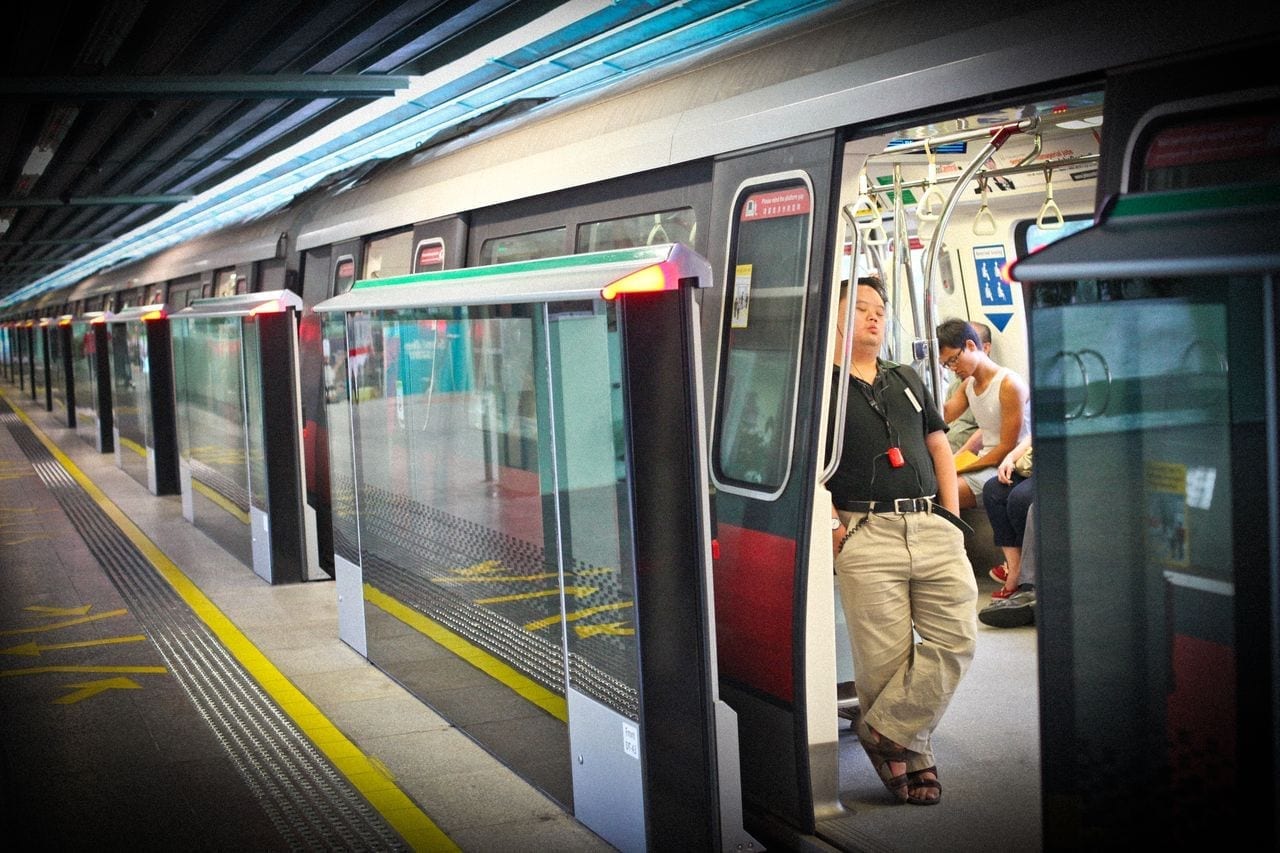
    At home, SMRT has come under heavy criticism in recent years as frequent train disruptions and delays on its various lines held up passengers on their daily commutes.

    In March, two employees carrying out routine maintenance work on a track near Pasir Ris MRT Station were killed after they were hit by a train approaching the platform. In July, SMRT said it had sent back 26 China-made trains to the manufacturer for repairs after cracks were found in them.

    Earlier this month, SMRT said it had not been able to determine the source that caused the intermittent loss of signalling communications on the Circle Line last month, which led to days of train service delays.

    Transport analyst Park Byung Joon, who lectures at SIM University, said that any operator with a long-enough history in operations will have its own record of mishaps. “As a train operator, it has a responsibility to the public, of course, but as a commercial entity there is nothing wrong for a business expansion opportunity,” he said.

    “Despite some recent operational hiccups suffered by SMRT, it is still a very strong operator of trains. As an operator of trains, it can bring in its knowledge on how to oversee the construction project and what kind of considerations you have to have for safety concerns. This kind of knowledge can be very useful for the consortium.”

    This Thursday, SMRT shareholders will vote on state-owned investment fund Temasek Holdings’ proposed buyout of the public transport company and experts have mixed views on how news of the Indonesian tender will affect the vote.

    Temasek’s wholly-owned subsidiary Belford has proposed to buy the 46 per cent of SMRT shares that the state-owned fund does not already hold, by way of a scheme of arrangement at S$1.68 per share.

    More than 50 per cent of shareholders present in person or by proxy must vote to approve, and they have to hold at least 75 per cent of the value of SMRT shares among those present. This excludes shares held by Temasek, which is not eligible to vote.

    SMRT said in Monday’s filing that the company does not expect the Indonesian bid to have a material impact on its net tangible assets per share or earnings per share (EPS) for the current financial year.

    “There shouldn’t be a material impact on shareholder’s decision due to the uncertainty surrounding the bid, and no material impact on its tangible assets or EPS in the near term,” said Ms Yang.

    However, Mr Yang disagreed.

    “The shareholders may vote for SMRT to remain publicly-listed as they see this announcement as something that can boost the future stock value of SMRT, and an opportunity to receive higher future dividends,” he said.