Retail News CRM

Tag: Transport

  • UPS wins package network visibility tool award

    UPS wins package network visibility tool award

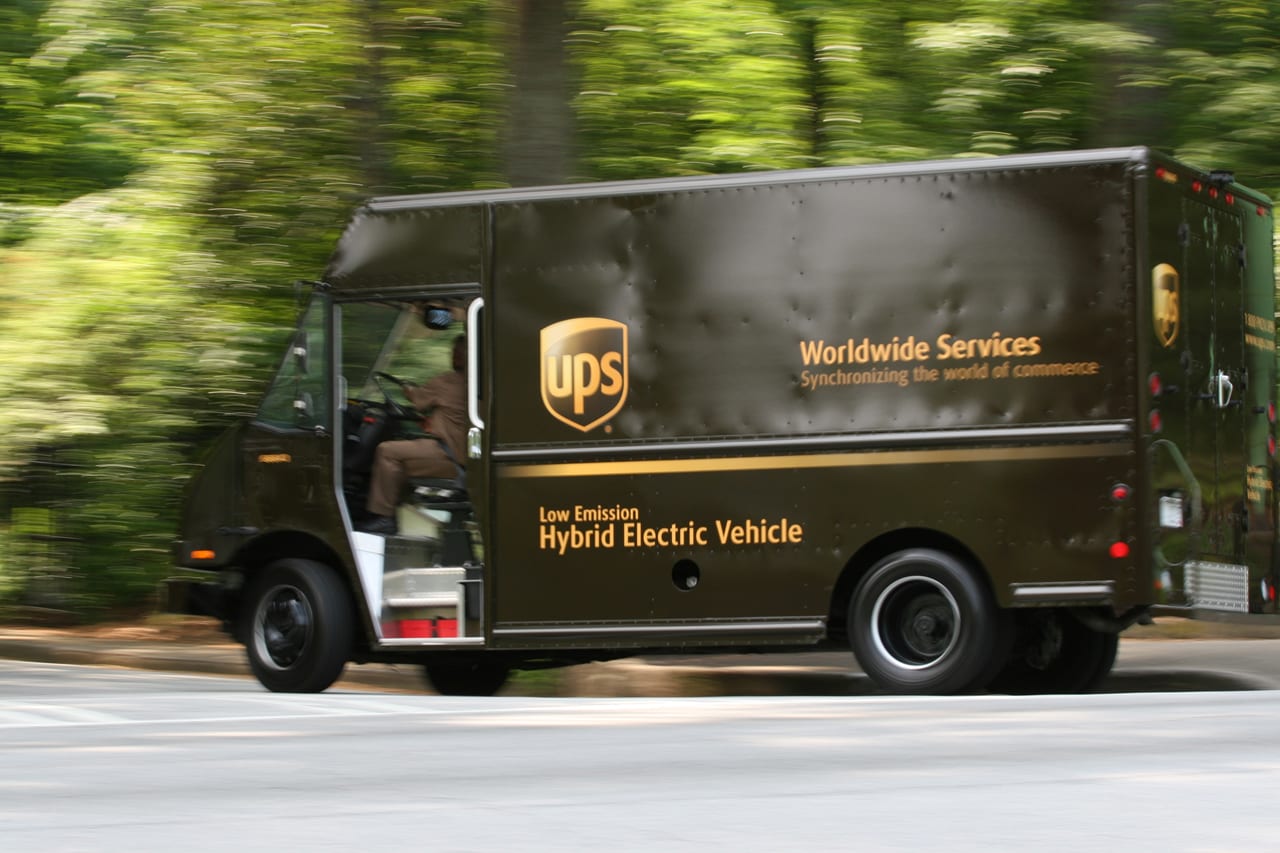
    UPS has been named to the 2016 CIO 100 listing for the successful launch and integration of the UPS Near Real-Time Service Performance Reporting tool (NRT) – marking the tenth time the company has been honored at the annual IDG CIO 100 Awards.

    The annual listing to recognize technology innovation is selected by the CIO editorial team, working with more than three dozen judges including industry experts, academics and former CIOs.

    A business intelligence platform, NRT uses advanced analytics to take traditional network management, package tracking and package visibility tools to the next level. It provides UPS operations with the ability to see the state and performance of the service network across all packages moving through all modes of transportation and all buildings, for all UPS customers.

    “NRT is an industry-first solution, designed to find new ways to improve our network performance, overall customer service, and ultimately, customer satisfaction,” said Juan Perez, UPS chief information officer.

    “NRT represent the next step in UPS’s big data and analytics journey, complementing proven customer visibility services like UPS My Choice, and our award-winning route optimization platform, ORION. It’s another example of how UPS is using data to transform our operations and continually improve the customer experience.”

    With the ability to execute complex analytics processes for over 1.5 billion information records daily, NRT consumes data at a rate of 8,700 transactions per second from multiple global sources around the clock, including pick-ups, sorting, transfers and deliveries being moved by truck, train or airplane.

    Applying predictive analytics, NRT provides the ability to proactively identify weather or other conditions that may require alternate plans to meet service commitments and maintain an on-time network. UPS ships more than four billion packages worldwide each year using this real time status monitoring platform.

    The end result is improved visibility across the supply chain and enhanced quality of service for millions of customers every day.

    “Delivering innovation and business value are top priorities for CIOs everywhere, and our CIO 100 awards program celebrates the leading IT organizations that excel at both,” said Maryfran Johnson, Editor in Chief of CIO Events.

    “Our 2016 winners are raising the bar even higher this year with their outstanding work in digital transformation, customer focus and IT-business collaboration.”

    The 29th annual award program recognizes organizations around the world that exemplify the highest level of operational and strategic excellence in information technology.
  • Hong Kong and Shenzhen should improve transport connections

    Hong Kong and Shenzhen should improve transport connections

    Hong Kong and Shenzhen are key points on China’s planned “Maritime Silk Road”, and the emergence of east and south axes in the Pearl River Delta bay area will help to realize Beijing’s bigger strategy.

    However, the existing transport infrastructure, based on the “stores in front and factories behind” model, is no longer sufficient for the deepening interaction among cities in the region.

    In recent years, both Hong Kong and Shenzhen have planned new metropolitan areas in the western Pearl River Delta.

    For example, the focus of development in Shenzhen has shifted from its commercial hub in Lo Wu and administration and finance centre in Futian to Qianhai and Houhai, while the financial and technology industries are also moving to the bay area.

    The western part of the city is now turning into a new central business district.

    Meanwhile, the future development of Hong Kong will center around Lantau Island, which will become a new centre for retail, business, tourism and exhibitions.

    Also, the soaring number of passengers commuting between Hong Kong and Shenzhen requires a review of the existing transport system, which focuses on moving goods rather than people.

    The “one-hour living zone” — where home, office, shopping and leisure venues are within an hour’s traveling time of one another — has increased cross-border living and consumption among residents of both cities.

    Leisure travel and visits to families and friends have increased rapidly in recent years.

    Shenzhen Bay Port was designed for daily traffic of 50,000 vehicles and 60,000 passengers.

    However, vehicle traffic is around 10,000 a day at present, while passenger traffic has already surged to 160,000.

    Emerging cross-border e-commerce will push both cities toward a three-level transport system, which includes a national high-speed railway, regional intercity rail and connecting subway systems.

    First, the authorities should push and further improve the high-speed railway network between Hong Kong and Guangdong.

    Rail transport is fast, convenient and green.

    China’s nationwide high-speed railway network is in the midst of developing a link between Shenzhen and Hong Kong.

    The Guangzhou-Shenzhen-Hong Kong high-speed railway will shorten the travel time from Hong Kong to Guangzhou to 48 minutes.

    The high-speed railway link will bring Hong Kong into China’s ambitious nationwide high-speed railway network.

    It will become a key route for Hong Kong to connect with the mainland, as well as connect with the intercity railway network in the Pearl River Delta region.

    In addition, as Shenzhen gradually becomes one of China’s key high-speed transport hubs, Hong Kong will also benefit from the six main high-speed railway lines connecting Shenzhen with other parts of the country.

    The six lines will be the Shanghai-Shenzhen coastal high-speed railway, the Ganzhou-Shenzhen high-speed railway, the Beijing-Guangzhou-Hong Kong high-speed railway, the Guangzhou-Guiyang-Chongqing high-speed railway, the Guangzhou-Nanning-Kunming high-speed railway and the coastal high-speed railway in western Guangdong.

    Also, both cities should strive to create an integrated intercity railway link, which would enhance goods and passenger transport in the region.

    Lantau Island will be a gateway and new metropolitan area for Hong Kong after land reclamation and construction of the Hong Kong-Zhuhai-Macau bridge.

    The area will become the city’s third major business area, as well as a key hub connecting Hong Kong with Shenzhen.

    Hong Kong should also improve the connection of its metro system with that of Shenzhen.

    The MTR Lok Ma Chau Station already connects with Line 4 of Shenzhen’s metro system, and the MTR Lo Wu Station connects with Line 1 of Shenzhen.