Tag: travel

  • Emirates offers summer promotion tickets

    Emirates offers summer promotion tickets

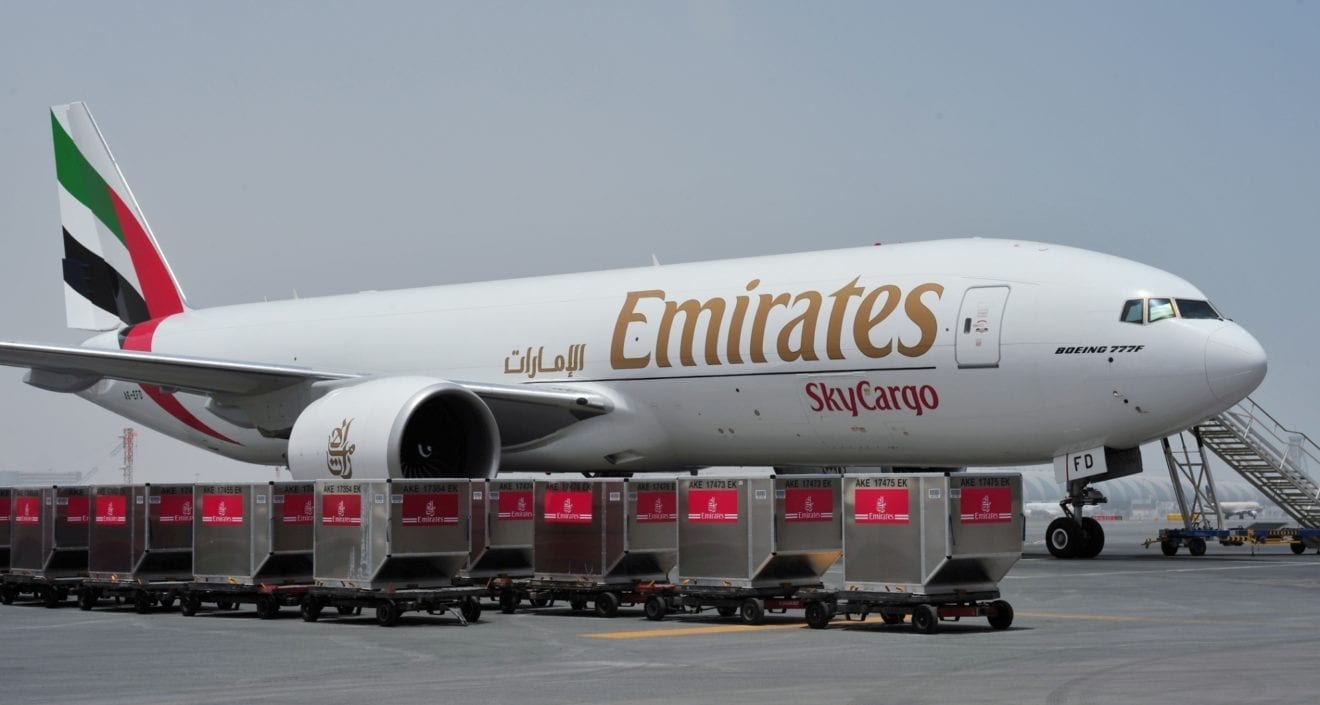
    Emirates offers summer promotion fares for customers from Vietnam who book tickets from now until April 22 and travel from April 15 until November 30, 2019.

    Economy Class fares start from VNĐ17,189,000 (US$747) to Dubai, VNĐ19,999,000 ($870) to Paris, VNĐ21,809,000 ($948) to London, VNĐ23,819,000 ($1,035) to Amsterdam, VND25,189,000 ($1,095) to Madrid, and VNĐ27,179,000 ($1,181) to Boston.

    The Early Bird promotion also offers very attractive Business Class fares, only from VNĐ66,079,000 ($2,873). Business Class passengers traveling on the Boeing 777 can enjoy unprecedented levels of comfort with wider and more ergonomic seats that recline into a lie-flat position for a restful sleep.

    In addition, Emirates passengers from Vietnam who purchase Economy Flex or Flex Plus fares can enjoy 30kg and 35kg baggage allowance, respectively. When booking Flex or Flex Plus fares, Skywards members earn more Skywards and Tier Miles, allowing them to earn the next reward or reach the next tier faster.

    Emirates currently operates daily non-stop flights between HCM City and Dubai, and daily non-stop flights between Hà Nội and Dubai. Through its Dubai hub, Emirates offers passengers travelling from Việt Nam convenient connections to an extensive global network in the Middle East, Africa, Europe, the US and South Asia.


  • Vietjet expands international network

    Vietjet expands international network

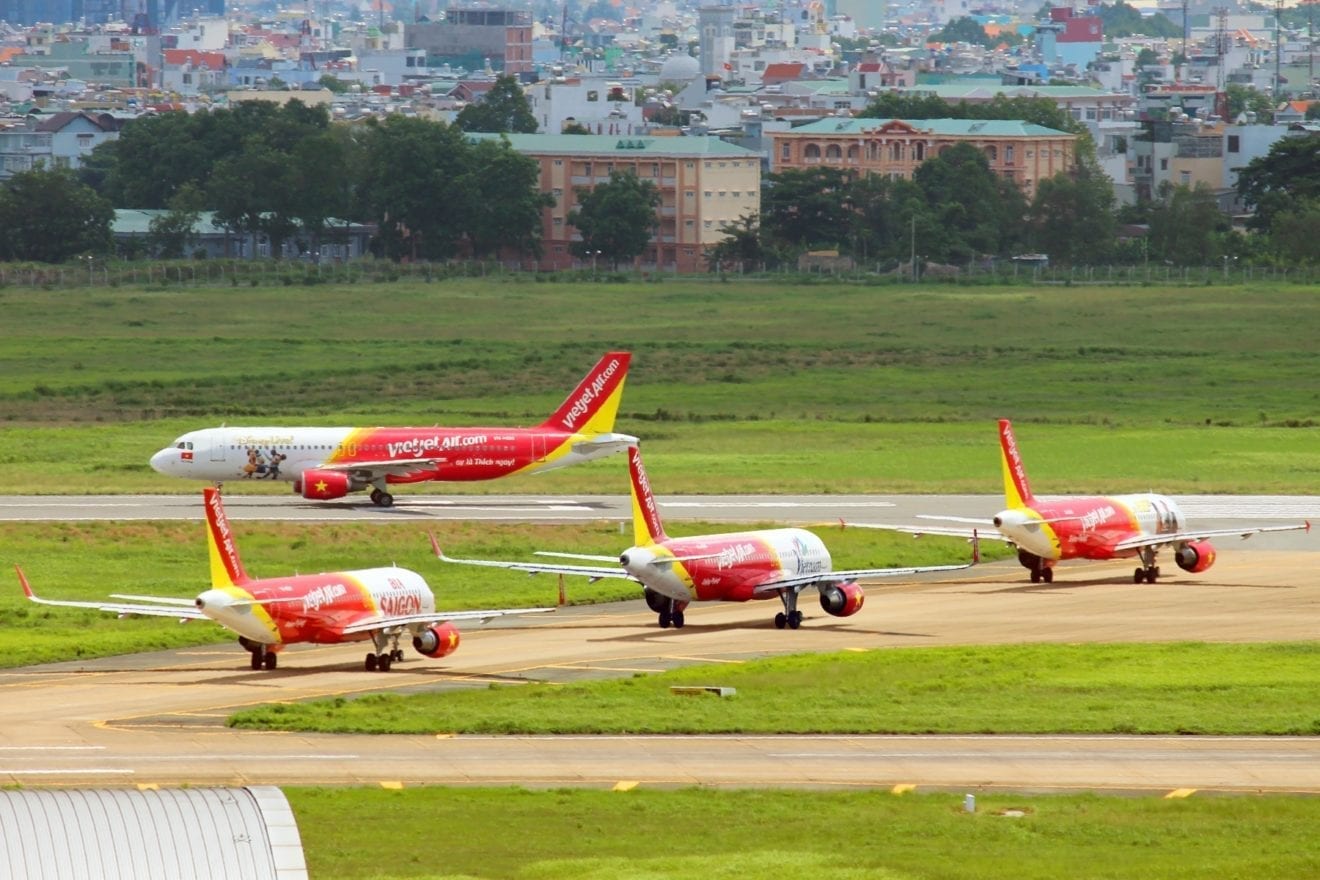
    Low-cost carrier Vietjet on Tuesday announced its operation plan for the Hong Kong market and the launch of a new route linking Phú Quốc and Hong Kong, one of Asia’s most well-known destinations.

    The Phú Quốc – Hong Kong route will operate return flights with a frequency of four flights per week, starting from April 19. With a flight time of two hours and 45 minutes per leg, the flight will depart Phú Quốc at 10:50am and land in Hong Kong at 2:35pm (local time) while the return flight will depart from Hong Kong at 3:40pm and arrive in Phú Quốc at 5:25pm (all local times).

    “After nearly three years of operating our HCM City-Hong Kong route, Vietjet has gained the love and trust of Hong Kong residents, business people and international tourists, and has contributed positively to the promotion of air travel and trade between Việt Nam and Hong Kong as well as across the region,” said Lưu Đức Khánh, Vietjet’s managing director.

    Khánh said the airline has thus far transported more than 300,000 passengers on this route, which includes a significant number of transit passengers who boarded in Hong Kong.

    The director said the new direct route between Phú Quốc and Hong Kong, the first direct flight connecting the two destinations, will enhance the flying experience and reduce travel time for passengers, as well as offer flight opportunities for millions of people.

    Victor Liu, deputy director of the General of Civil Aviation Authority in Hong Kong, said that Việt Nam and Hong Kong have enjoyed very good and long-standing economic and social relations.

    “With the addition of the direct passenger services between Hong Kong and Phú Quốc, it will no doubt further enrich the bilateral links between Hong Kong and Việt Nam,” he said.

    Known as “the Pearl Island”, Phú Quốc is the biggest island in Việt Nam. As one of the most talked-about tourism destinations in Asia with beautiful beaches and friendly local people, Phú Quốc in the southern province of Kiên Giang has attracted strong levels of investment in hotels and resorts in recent years and has become one of the most popular holiday destinations in the country.

    Adding to the island’s appeal, international travellers are exempt from visas for visits of 30 days or less.

  • AirAsia to Launch Flights Between Bangkok and Ahmedabad

    AirAsia to Launch Flights Between Bangkok and Ahmedabad

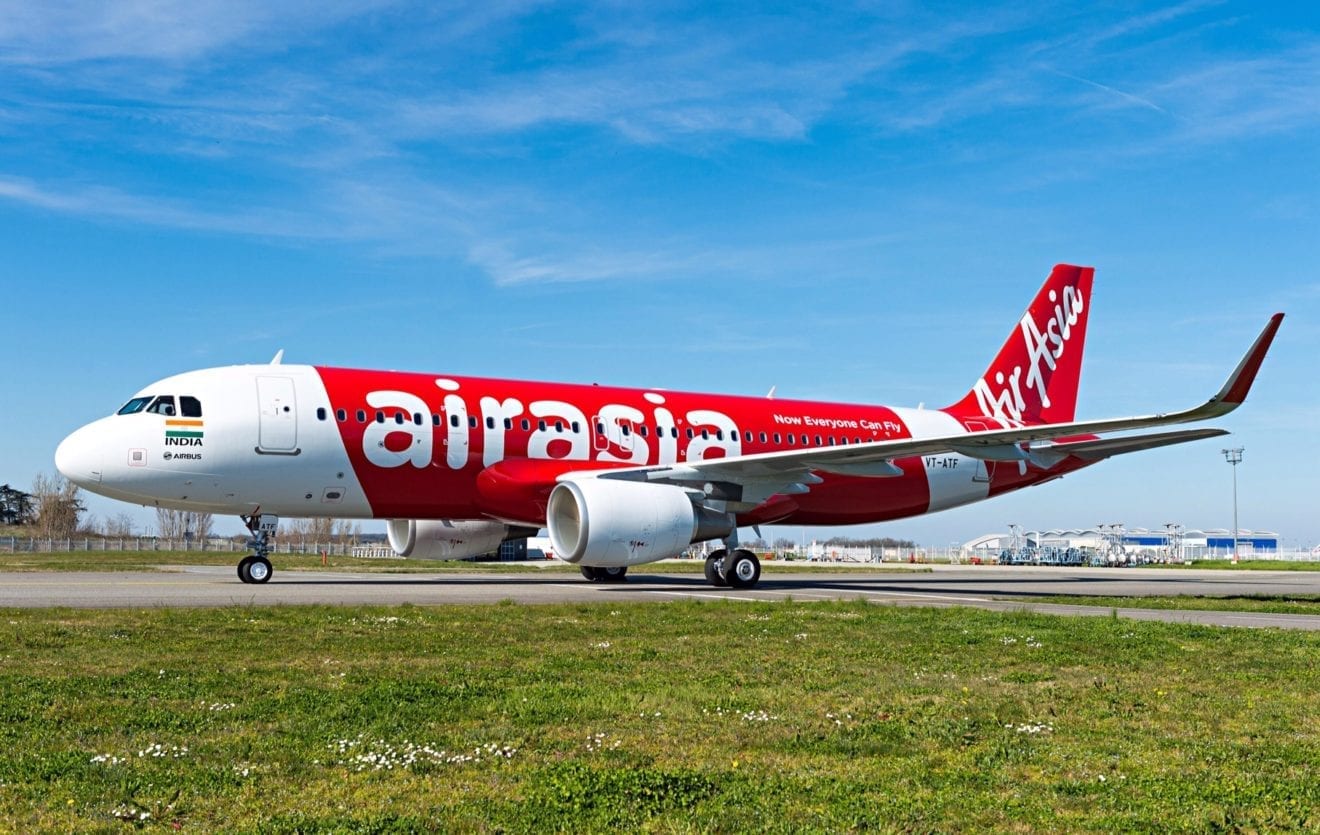
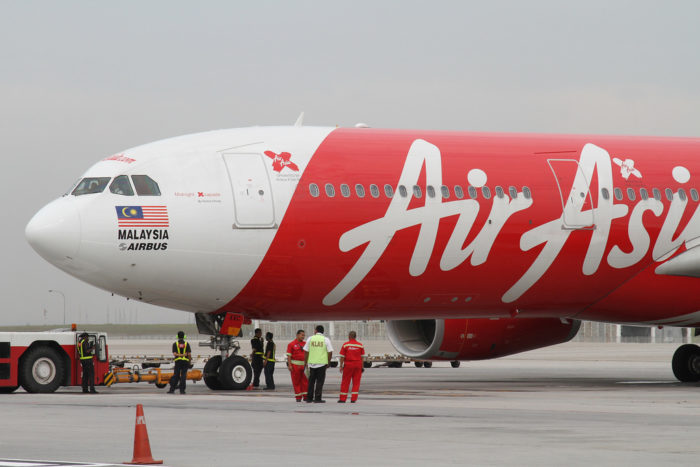
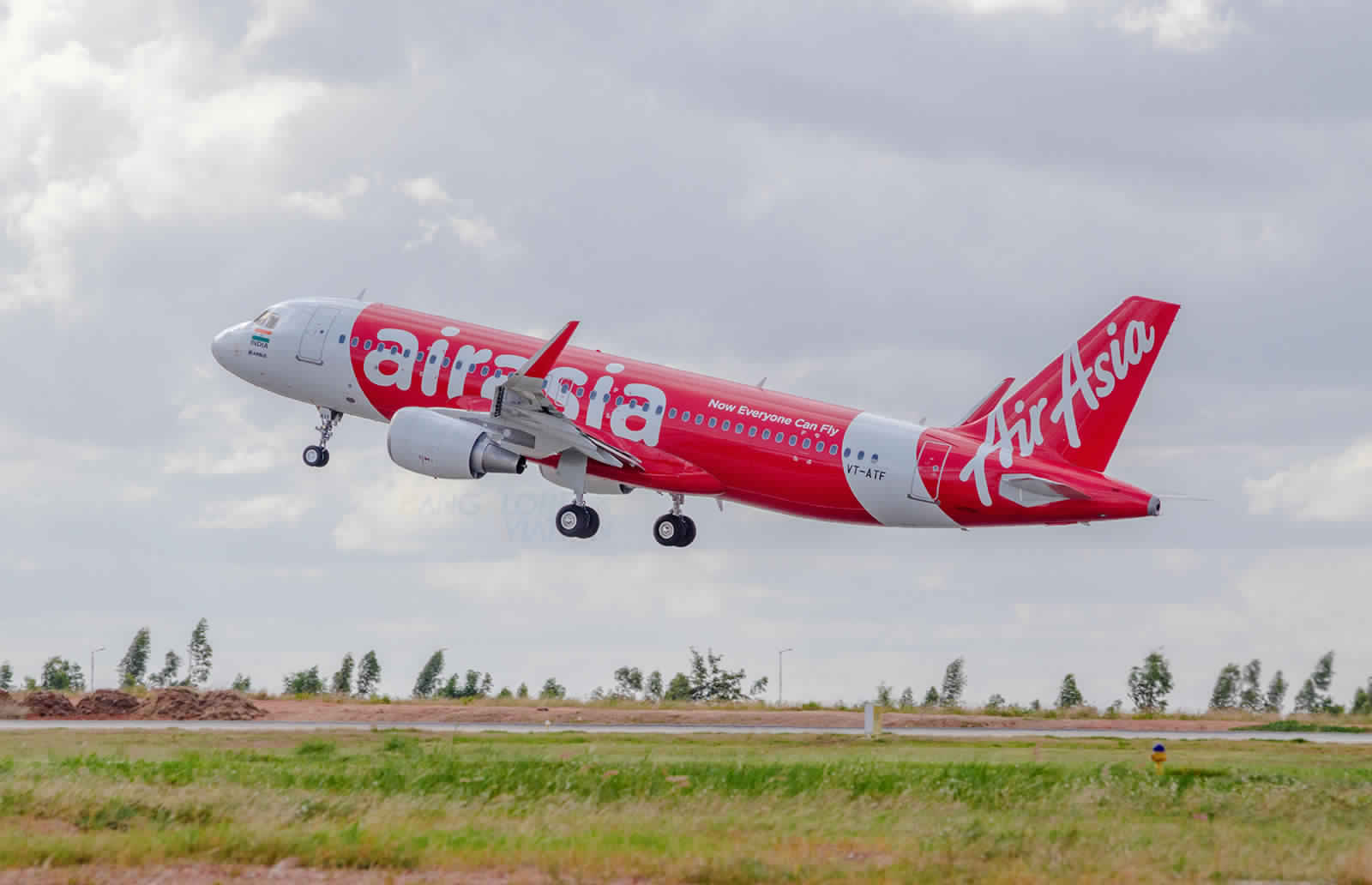
    AirAsia is to launch flights between Bangkok and Ahmedabad, the capital of Gujarat state and India’s first UNESCO World Heritage City. The airline will operate the route four times per week on Mondays, Wednesdays, Fridays and Sundays, from 31 May 2019.

    AirAsia Thailand CEO, Santisuk Klongchaiya, said, “India is a strategic market that is fast becoming an important contributor of inbound tourists for AirAsia Thailand. To fully leverage on this, we plan to regularly introduce routes connecting the two countries, focusing particularly on India’s burgeoning metros. Thailand’s own worldwide fame for hospitality should attract travellers from Ahmedabad, which is the capital of Gujarat state and India’s fifth most populous city.”

    According to Thailand’s Ministry of Tourism and Sports, Thailand welcomed 1.5 million Indian visitors in 2018, up 12% on the previous year.

    Thai AirAsia has recorded a load factor of up to 87% on its India routes, with passengers travelling between Bangkok and existing destinations in India increasing 7% year-on-year. Indian nationals made up 85% of passengers on those routes.

  • Flight Centre Looking at Corporate Travellers

    Flight Centre Looking at Corporate Travellers

    Travel retailer Flight Centre has made a 25 per cent investment in The Upside Travel Company, strengthening its presence in the global corporate travel sector.

    Flight Centre, which is now the business’s largest shareholder, will gain access to its technology platform and software development resources, enabling it to fast track growth in the small-to-medium sized corporate sector.

    “Upside is an emerging corporate travel business with an innovative customer offering that has the potential to disrupt traditional offerings in the SME sector in the future,” Graham Turner, Flight Centre’s managing director, said.

    Turner said the business is taking steps to future proof its SME offerings, which it predominantly provides through its Corporate Traveller brand, while also creating a blended on and offline offering for customers.

    Dean Smith, president of Flight Centre’s operations in the Americas, said the company planned to utilise Upside’s technology platform to grow Corporate Traveller’s digital offering.

    “We’ve been impressed by the capability and flexibility of Upside’s technology and team to improve the business traveller experience,” Smith said.

    For Upside, the deal will significant improve the business’s reach by giving it access to Flight Centre’s supplier relationships and global business.

    “Flight Centre is the perfect partner for Upside as we get aggressive in serving small corporate clients,” Jay Walker, CEO of Upside, said.

    “Not only does Flight Centre’s global scale, content and experience immediately make our product more complete and more credible, but its people and expertise also make us smarter, which is key as we accelerate into the future.”

    The investment is the latest in a string of such moves by Flight Centre, which recently invested in Bangkok-based 30SecondsToFly, and the acquisition of travel companion app Sam.

    The enhanced Corporate Traveller option will initially only be available in the Americas, but will be pushed to the United Kingdom in the “medium-term”.

  • AirAsia adds Quanzhou to its Asian routes

    AirAsia adds Quanzhou to its Asian routes

    AirAsia will be flying direct daily from Kuala Lumpur to Quanzhou in Fujian, China.bOnce, one of the world’s biggest ports and the starting point of the Maritime Silk Road, Quanzhou was known to Arab traders as Zaiton and was praised by Marco Polo as the “one of the two greatest havens in the world for commerce”.

    Thanks to its status as a major trading port for more than three centuries, Quanzhou today remains a melting pot of diverse cultures and religions, and boasts many Buddhist and Hindu temples, mosques and churches, as well as museums celebrating its proud maritime heritage.

    Some of these must-visit sites include the Kaiyuan Temple, the largest Buddhist temple in Fujian, which was built over 1,300 years ago, as well as the Qingjing Mosque, China’s oldest Arab-style mosque, inspired by the Umayyad Mosque in Damascus.

    Then there is the Luoyang Bridge, one of the ‘four ancient bridges of China’, which resembles a silver dragon lying above the green waters of the Luoyang River.

    Another site is the largest stone carving of the famous Chinese sage Laozi made during the Song Dynasty, which is found at the foot of Mount Qingyuan.

    Meanwhile, the beautiful port city of Xiamen is only an hour away by high-speed train.

    AirAsia Malaysia CEO Riad Asmat said: “AirAsia has been championing connectivity to secondary cities in China such as Guilin, Shantou, and Nanning.

    “This Kuala Lumpur-Quanzhou service further grows our footprint of unique destinations in China, and will provide greater accessibility to Malaysian and Chinese travellers.

    “We look forward to exploring opportunities to connect our, other secondary hubs in Malaysia to China as well.”

    AirAsia currently is offering promotional all-in fares from RM99 for those who book flights from Kuala Lumpur to Quanzhou from now till Sunday at airasia.com or via the AirAsia mobile app, for travel from May 1 to Oct 26, 2019.

  • AirAsia to sell tickets of non-competing carriers on website

    AirAsia to sell tickets of non-competing carriers on website

    AirAsia, whose website is used by 65 million customers every month, is considering a plan to sell tickets of non-competing carriers on airasia.com, using its size to give online travel agents a run for their money. The Kuala Lumpur-based carrier, Southeast Asia’s largest airline group, which already sells car rentals, accommodation at half a million hotels and serviced apartments worldwide and holiday packages in five regional destinations, thinks it can do a better job of selling these services than the travel industry because of the volume of data available from frequent travellers on its network.

    “I have a phenomenally strong platform that I [can] open for business to sell other content,” Tony Fernandes, AirAsia’s founder and chief executive, said in an interview with the South China Morning Post during Credit Suisse’s Asia Investment Conference in Hong Kong. “We can be as strong as any online travel agent in terms of selling hotel content. I think we can be stronger than Klook at selling activities.”

    Data is at the heart of the low-cost carrier’s ambitions to grab a bigger share of tourism revenue, which is projected to rise by 53 per cent to US$625 billion (S$847 billion) in Asia in the next five years, according to the Pacific Asia Travel Association (PATA). Airasia.com boasts 65 million unique monthly visitors, as well as data of 50 million repeat customers. Klook, an online tour agency and activities organiser founded in Hong Kong in 2014, had 16 million monthly visits last summer.

    The airline, which prefers to be seen and heard as part of a wider travel technology group, is leveraging data to know its customers better and keep them spending in its ecosystem.

    “Everyone is excited about platform businesses. Everyone is excited by GoJek and Grab and the unlimited potential of who they can reach and what they can sell,” the AirAsia founder added.

    Fernandes pointed out that the first thing people did when they wanted to travel was to buy an airline ticket, not a hotel. AirAsia.com generated US$4 billion in ticket sales last year for the budget carrier.

    “We are going to see the customer first, so we are going to take a large share of the wallet and we’re going to be good at it,” he said. “The first step would be to be as good as anyone selling hotels, selling activities. And then we may start selling [tickets of] airlines who don’t compete with us.”

    The plan may have easyJet or Ryanair selling their European flights to an Asian traveller planning a trip to the continent, he said, adding that AirAsia was currently not engaged in any active discussions with other airlines.

    “He is thinking more about a lifestyle, digital platform than a traditional airline,” said Mohshin Aziz, an analyst at Malaysian lender Maybank in Kuala Lumpur.

    AirAsia has enough user data to “formulate or create an algorithm to predict the buying pattern” of travellers, Mohshin said. “So many airlines are backwards – they don’t have a well-functioning distribution system. So [AirAsia] can easily become the one that is willing to share for some money and intelligence.”

    ​​​​​​​The scope and potential for AirAsia to sell foreign airline tickets was substantial, Mohshin said, particularly for carriers that operate services in Southeast Asia as non-stop flights to Europe or Australia, and did not have the same success in sales as a local airline would.

    Airlines such as KLM, which operates a connecting flight from Kuala Lumpur to Jakarta, or Ethiopian Airlines’ service to Singapore, could also benefit from AirAsia’s data and sales power.

    “For foreign carriers to try and get Singaporean customers, they are not going to put much effort into it. It is better for them to pass it on to AirAsia, to try and sell tickets on their behalf,” Mohshin said.

    AirAsia was well positioned in Southeast Asia, said Raini Hamdi, Asia Editor at travel and technology website Skift, citing a growing population of 650 million people, high mobile and internet use and a shift to online travel booking.

    “If AirAsia puts its energy into this, it will be successful,” she said. “It is a torch-bearer of great value, convenience, ease of use. It has a strong customer base. Add personalisation through data mining, AI, machine learning, ease of payment and ease of earning and burning points for customers, the stickiness of airasia.com will increase rapidly.”

  • CIMB IB Research expects higher operating costs

    CIMB IB Research expects higher operating costs

    CIMB Investment Bank Research (CIMB IB Research) has retained its “reduce” call on AirAsia Group Bhd as it forecasted the company to face higher operating costs and gearing levels until 2021.

    The research house lowered its target price for AirAsia to RM1.50, from RM1.82 previously, as it expects lower core earnings per share and dividend of 13 sen.

    At 11.00am, AirAsia was trading down 1 sen or 0.38% at RM2.64 with 1.55 million shares transacted. Its market capitalisation stood at RM8.86 billion.

    In a note today, CIMB IB Research analyst Raymond Yap pointed out that AirAsia had sold 79 aircraft to lessor BBAM Ltd Partnership in 2018 and is expected to sell a further 25 planes to lessor Castlelake LP by the third quarter of this year.

    Given this, Yap explained that together with other existing operating lease aircraft, AirAsia is expected to capitalise RM11.8 billion worth of borrowings related to the operating leases in financial year 2019, effectively bringing back to the balance sheet what had previously been off-balance sheet.

    “The impact would be to raise reported gross gearing of 19% in FY18 to 198% on a pro forma basis after MFRS 16.

    “The overall impact to P&L (profit and loss) earnings from the above sale and leasebacks (S&LB) is negative because AirAsia would have to pay for the lessors’ profit margin as well as provide for a higher level of maintenance charges based on lessors’ conditions for lease returns, which tend to be strict. The net result would be a squeeze on AirAsia’s profit margins,” he said.

    Yap added that with the squeeze in profitability, AirAsia will experience greater operating leverage from unexpected changes in fuel prices, exchange rates, competitive dynamics, and airport taxes and levies.

  • AirAsia takes partnership with World Surf League to new heights

    AirAsia takes partnership with World Surf League to new heights

    AirAsia and the World Surf League (WSL) Australia / Oceania are excited to announce the extension of their partnership to support the three Australian Championship Tour events in 2019.

    As the Official Airline Partner of the WSL, the world’s best low-cost airline has unveiled an AirAsia Beach Club and the AirAsia Flight Cam at each event, beginning with the Quiksilver Pro and Boost Mobile Pro Gold Coast this week, and continuing through to the Rip Curl Pro Bells Beach and Margaret River Pro.

    AirAsia will also extend its ‘Surfboards Fly Free’ initiative in 2019, meaning surfers from Australia will be able to travel with their surfboard with no excess luggage cost, to any of the surfing hotspots found in AirAsia’s network of more than 140 destinations.

    “We are really excited to be continuing our partnership with a company that keeps the dream of the perfect surfing holiday a reality for Australians from all walks of life. We’re really excited about the continuation of these programs but especially the engagement of our fans through this partnership,” said Andrew Stark, General Manager, WSL Australia and Oceania.

    “Partnering with the WSL is a natural fit for AirAsia. Since announcing the deal last year, we’ve been able to showcase the breadth and depth of our fast-growing network. Take Padang in Indonesia, for example – the gateway to the Mentawais – where we now see thousands of surfers each year travel with us. This is what makes the partnership so unique,” said AirAsia Group Head of Branding Rudy Khaw.

    To celebrate the renewed partnership, AirAsia and WSL are offering two lucky winners with the chance to see pro-surfing at its best, including access to corporate hospitality and multi-day passes for each event. To enter, simply follow @AirAsiaAustralia on Facebook and look out for the competition details.

    The AirAsia Beach Club is now open at the Quiksilver Pro and Boost Mobile Pro Gold Coast on at Snapper Rocks in Queensland, Australia

  • AirAsia X Wants To Launch A330neo Flights To Europe

    AirAsia X Wants To Launch A330neo Flights To Europe

    AirAsia X is looking to launch flights to Europe using the Airbus A330neo. Flights could commence as soon as 2019, with the airline keen to reenter the market as quickly as possible.

    AirAsia X previously operated flights to Europe, but suspended these flights back in 2012. Now, it seems that the airline is ready to restart these flights. AirAsia X have 100 A330neo aircraft on order, with deliveries due to start later this year. As well as eyeing European service for these new planes, they may also look to start flying to the US too.

    Europe Again

    When AirAsia X abandoned their European flights in 2012, they said this was to “focus on markets where it can build a leadership position”. It seems that now they are happy with their place in the world, and are ready to start service to Europe once again.

    When it flew to Europe, AirAsia X flew to Paris’ Orly Airport (ORY), London’s Stansted Airport (STN), and London Gatwick Airport (LGW). Given the airline’s low-cost operation, it is likely that AirAsia would look at flying to Stansted Airport again. In September last year, the airport announced that it plans to launch direct services to at least 25 new long-haul destinations in the next five years. This includes services to Los Angeles, Shanghai, Vancouver, and Manila. As such, Flights to Malaysia with AirAsia X could be an attractive route for them.

    The A330neo

    The A330neo, the newest iteration of the family, would be used by AirAsia X for flights to Europe. The neo in its name stands for New Engine Option, as the aircraft are equipped with newer, more fuel-efficient engines.

    There are two models of the A330neo; the A330-800 and the A330-900. While the A330-900 has sold relatively well, the -800 has not sold well at all. In fact, as of January, only eight had been ordered in total, all by the same carrier, Kuwait Airlines.

    AirAsia has ordered a total of 100 A330-900 aircraft, with the most recent order being for 34 at the Farnborough Airshow in 2018. The airline will be the first airline in Asia to operate the A330neo, and deliveries of the aircraft are due to begin in late 2019. The total list price of the order was just short of $30billion.

  • AirAsia receives highest number of air traffic rights from Mavcom

    AirAsia receives highest number of air traffic rights from Mavcom

    Airasia received the highest number of approvals from the Malaysian Aviation Commission (Mavcom) for Air Traffic Rights (ATR) with 26 allocations, followed by Malindo Air with 15 allocations.

    This was revealed in an update release from Mavcom for the Commissions’ allocation of ATR to Malaysia’s local carriers for the period of Jan 1 to march 31, 2019.

    One hundred percent of Air Traffic Rights (ATR) applications by Malaysia’s local carriers for the period of Jan 1 to March 31, 2019 were approved by MAVCOM, with 53 allocations in total. Of these, 52 ATR applications were approved in full while one application was approved partially.

    As reference, for the year 2018, a total of 205 ATR were issued. AirAsia Group was recorded as the highest recipient with 98 ATR allocated, followed by Malindo Air with 52.

    Of the 53 applications, 32.1 per cent were for domestic routes while 67.9 per cent was for international routes. Mavcom approved ATRs for 17 domestic routes, 13 for routes to Asean destinations, 11 for destinations in China, two for destinations in India, five for destinations in Australasia and five for other Asian destinations.

    Breaking down the numbers further, a total of 26 international ATR were issued for flights originating from Kuala Lumpur International Airport, three for Kota Kinabalu International

    Airport, one each for Penang International Airport and Senai International Airport and five for other airports in Malaysia.

    In addition, 20 ATR that were previously approved by Mavcom were not utilised by the ATR recipient and were returned to the Commission during the period of Jan 1 to March 31, 2019.

    The highest number of unused ATR returned to the Commission was from the AirAsia Group with 13, followed by Malindo Air with five.

    “In allocating ATR, the Commission undertakes a thorough analysis, taking into consideration multiple aspects in order to facilitate orderly growth, competition and consumer choice over the long term as well as the prevention of consumer inconvenience,” Mavcom executive chairman Dr. Nungsari Ahmad Radhi said in a statement.

  • Lion Air to reduce Ticket Prices From April

    Lion Air to reduce Ticket Prices From April

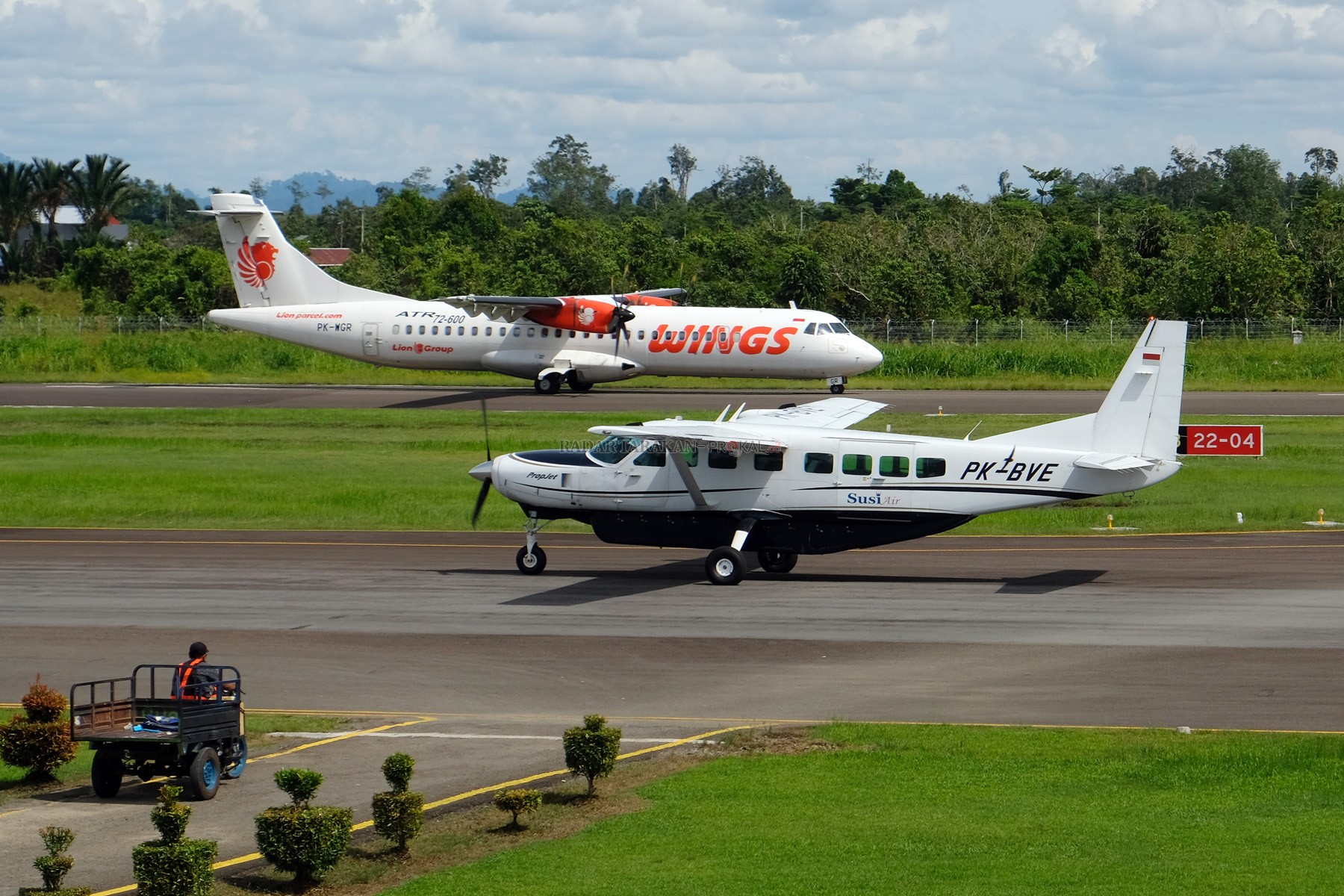
    Airlines under the Lion Air group, namely Lion Air, Wings Air and Batik Air, operate with reduced airfares on all routes starting Saturday.

    “The reduction in ticket prices is Lion Air group’s answer to challenges and opportunities in the travel business, and aims to accommodate demand for air travel while improving flight operations,” Lion Air spokesman Danang Mandala Prihantoro said in a release on Saturday.

    He went on to say that Lion Air was striving to provide convenience for passengers while prioritizing safety and comfort.

    Lion Air tickets with the new lower fares can be reserved through all travel agents and Lion Air’s website.

  • Nam Air to lure millennials with boutique airline

    Nam Air to lure millennials with boutique airline

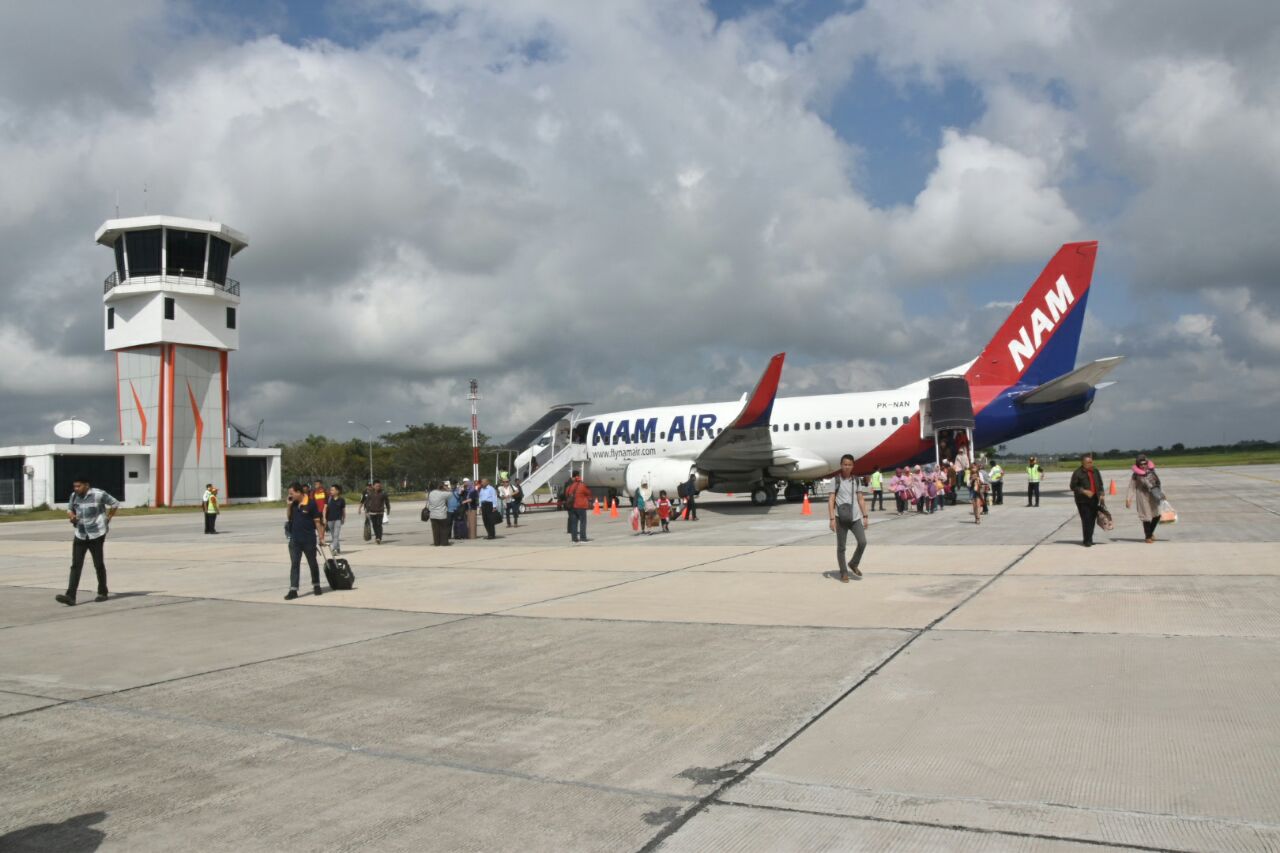
    Nam Air, a subsidiary of Sriwijaya Group, has announced a plan to apply the boutique airline concept, which mainly focuses on lifestyle branding.

    The carrier aims to make itself more appealing for customers of the millennial generation by delivering what it refers to as a “unique concept that is more masculine”.

    Nam Air director Asa Perkasa said passengers would experience the new concept even prior to their departure, and it would continue until their arrival at an airport. “There will be a number of changes, starting from our style to our products,” said Asa in an official statement. “But it will still have an Indonesian touch.”

    Asa described millennials as a promising target group, as they made up a large portion of the market and medium-service airlines were challenged to cater to their needs.

    Entering its fifth year of operation, Nam Air plans to change its internal operations as well. “We plan to apply the millennial lifestyle to our internal work pattern, from our outfits and offices to our business processes,” said Asa. “We’ll provide training for all of our employees to keep up with market trends.”

  • AirAsia prepares to fly to Japan starting in July

    AirAsia prepares to fly to Japan starting in July

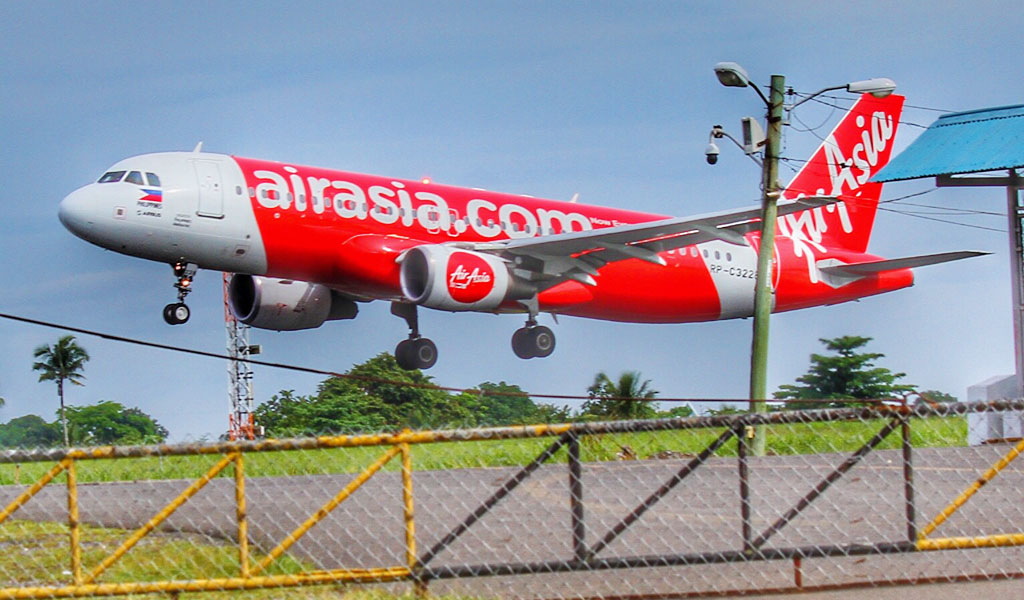
    Budget carrier AirAsia Philippines is launching its first flights to Japan on July 1 this year. The carrier, a unit of Malaysia’s AirAsia Berhad, said in a statement over the weekend that it would link its Manila hub to Osaka, paving the way for direct flights to Japan.

    “The launch of direct flights between the Philippines and Japan is a milestone occasion, and we’re excited to connect our capital, Manila, with Osaka,” said AirAsia Philippines President and CEO Dexter Comendador.

    “We are also excited to welcome guests from Osaka and its neighboring regions to the Philippines. This international route will contribute to the government’s target of 8.2 million visitors this year,” he added.

    Similar to the launch of other new routes, the budget airline said it would offer promotional fares at P1,990 for a one way ticket.

    For the whole of 2018, AirAsia Philippines carried 6.87 million passengers, a gain of 30 percent.

    Capacity for the year also rose 34 percent as it increased its fleet of Airbus A320s to 22 planes in 2018 versus 17 aircraft the previous year.

    AirAsia Philippines was established in 2012 with a fleet of two A320s operating out of Clark International Airport.

    Since then, it has opened new hubs, including Manila’s Ninoy Aquino International Airport and Mactan Cebu International Airport.

    At present, it flies to 13 international destinations from Manila in the Philippines, including Kuala Lumpur, Kota Kinabalu, Bangkok, Bali, Seoul, Taipei, Kaohsiung, Shanghai, Guangzhou, Shenzhen, Hong Kong, Macau and Ho Chi Minh City.


  • How founder’s distaste for buying drove AirAsia’s growth

    How founder’s distaste for buying drove AirAsia’s growth

    AirAsia, the region’s biggest budget airline, said it prefers to pursue organic growth instead of expansion through acquisitions, partly explaining why it declined to buy Hong Kong’s sole low-cost carrier Hong Kong Express Airways (HK Express). Cathay Pacific Airways, Hong Kong’s flagship premium carrier, this week offered HK$4.93 billion (S$850 million) to buy its budget competitor from the indebted HNA Group. AirAsia looked at the proposal to buy HK Express and its full-service sibling Hong Kong Airlines, declining to acquire either, said founder Tony Fernandes.

    “My philosophy has been organic growth,” Fernandes said in an interview with South China Morning Post during Credit Suisse’s Asia Investment Conference in Hong Kong. “I generally don’t believe in acquisition because it comes with a lot of inherent issues. When you import through acquisition, it comes at a risk, so it’s not my preference.

    Fernandes’ approach illustrates how he turned the Kuala Lumpur-based airline from a near-bankrupt company into Asia’s largest budget carrier in less than two decades, with more than 140 destinations and flying on 320 routes at the lowest unit cost in the global aviation industry.

    Fernandes, who worked for Warner Music Group before striking out on his own, bought AirAsia in December 2001 for a token 1 ringgit, taking on the carrier’s 40 million ringgit (S$15 million at the time) of debt. Within a year, the carrier reported a profit, qualifying for a listing on the Kuala Lumpur Stock Exchange two years later.

    AirAsia’s 2018 revenue rose 9 per cent to 10.6 billion ringgit (US$2.5 billion), while pre-tax profit rose by the same quantum to a record 1.7 billion ringgit. Low-cost, long-haul AirAsia X notched revenue of 4.5 billion ringgit, flat year-on-year, but the 2017’s profit performance turned into a loss of 312 million ringgit.

    The airline and its affiliates flew 73 million passengers last year, a figure that beat even full-service flag carriers in Southeast Asia. AirAsia had made a single acquisition in 18 years, when it bought 49 per cent of Zest Airways for an undisclosed sum to secure a landing slot in the Philippines in 2013. Elsewhere in the region, AirAsia expands its network through joint ventures in seven countries, including Japan, India and Thailand.

    The airline, operating with 21,000 employees with no union representation, wants to steer clear of importing “inherent issues” and excess baggage from taking on another airline, Fernandes said.

    Now AirAsia has a chance to help revive Malaysia Airlines, the very competitor that the low-cost carrier had beaten into the ground. Malaysia’s Premier Mahathir Mohamad broached the idea of either selling or shutting the nation’s flag carrier two weeks ago.

    Malaysia Airlines, now under the ward of the country’s sovereign wealth fund Khazanah Nasional after a 6 billion ringgit capital infusion, “can definitely be turned around,” Fernandes said.

    Still, AirAsia is in no hurry to revive its 2011 share swap plan with the flag carrier, which was vetoed by the government of then-premier Najib Razak.

    “Many people will say that [AirAsia’s] expertise could be used to hurt Malaysia Airlines and benefit AirAsia. There is a genuine interest to help but in this day and age, not everyone will see it that way, ” Fernandes said. “It’s best that we do our own thing, and we’ve got a lot on out plate.”

    Worldwide aviation is booming, where 8.2 billion passengers could take to the sky by 2037, according to a 20-year forecast made in October by the International Air Transport Association (IATA), with the Asia-Pacific region driving the biggest growth.

    Still, not everything is hale and rosy in the region, as intense competition in a price-sensitive travelling weighed on airlines’ bottom lines. Only six of the 20 publicly traded airlines or affiliates in Southeast Asia were in the black, with 19 of them reporting declines in third-quarter profitability compared with a year earlier, according to CAPA Centre for Aviation.

    AirAsia had been approached for help. It has already evaluated and declined buying a stake in Bangkok-based NokAir. AirAsia’s Indonesia unit was also linked to – and denied – the possible purchase of Citilink, the low-cost brand of Indonesia’s flag carrier Garuda.

    “I never say no to any M&A, but it has to be a sexy opportunity to go down that route,” Fernandes said.

    Turning to India, and the troubles associated with Jet Airways, which was saved from near-bankruptcy at the last minute, the Malaysian-owned budget carrier said it was positioning itself for the opportunity to grow if runways slots relinquished come up for sale.

    “India is a prize, but just like with prizes, nothing comes easy. It’s been a lot of hard work,” Fernandes said.

    Expecting runway slots to be freed up, the AirAsia chief added. “We want to [buy] it in the right way. We’re not vultures. There will be a few airlines hoping Jet goes bust and we don’t want anyone to lose their jobs, we want every airline to survive and grow, but if an opportunity arises to take those slots, then for sure.”
  • AirAsia to fly Manila-Osaka route starting July 2019

    AirAsia to fly Manila-Osaka route starting July 2019

    Budget airline AirAsia announced it will operate flights between Manila and Osaka, Japan for the first time in July 2019.

    In a statement, AirAsia said its daily services for the Manila-Osaka route will begin on July 1.

    AirAsia Philippines president and CEO Dexter Comendador called the launch of the new route a “milestone occasion.”

    “Being able to travel directly and affordably to Osaka is fantastic news for Filipinos and we’re confident this new route will serve as a gateway for guests to connect to other popular destinations in Japan such as Kyoto and Nara,” said Comendador.

    “We are also excited to welcome guests from Osaka and its neighboring regions to the Philippines. This international route will contribute to the government’s target of 8.2 million visitors this year.”

    Along with the launch of this new route, AirAsia also announced an all-in, one-way promo fare starting at P1,990 for its BIG loyaty program members. The airline said bookings for this promo should be made from March 29 to April 7, for travels from July 1 to October 26.