Tag: travel

  • Vietnamese Airbnb startup raises $3 mln from venture capitalists

    Vietnamese Airbnb startup raises $3 mln from venture capitalists

    Vietnamese homestay platform Luxstay has raised $3 million from CyberAgent Ventures and other foreign investors in its bridge round. Representatives of Luxstay, the Vietnamese homestay booking start-up, said the total capital raised could rise to $5 million as negotiations are still ongoing with interested investment funds. CyberAgent Ventures (CAV), a Japan based investment firm specializing in incubation and investment in early-stage companies, played a leading role in directing the structure and execution of this funding round, the third for the firm after the seed and pre- Series A rounds.

    This is also the second time the firm has injected capital in Luxstay, after its initial investment in the company’s pre-Series A round in early 2018.

    Dzung Nguyen, CyberAgent managing director for Vietnam and Thailand, believes that the “sharing economy” is a development trend in many business areas, and it will impact both tourism and real estate markets.

    “We believe the Luxstay model capitalises on this trend, and will create a major impact on the market in the coming time,” he said.

    According to Luxstay, there may be millions of townhouses, condominiums and holiday villas that are willing to participate in the short-term accommodation market.

    Therefore, the company has targeted having several hundred thousand properties participating in its home-sharing platform over the next 5 years.

    The founder of the application, Nguyen Van Dung, said that with the current development speed and market potential, Luxstay will focus on accumulating resources to speed up technological development towards building an effective ecosystem to lead this new industry.

    The startup plans to find new investors for its next Series A round in mid-2019 with a potential scale of $10 million.

    Launched in 2016, Luxstay now has a network of nearly 10,000 properties across the country. This is a short-term rental booking platform for apartments, villas and other homestay accommodations positioned in the mid and high-end segments of Vietnam’s real estate market.

    A pioneer in building a platform allowing Vietnamese homeowners to participate in the rental market, the company has created new accommodation facilities for increasing numbers of youth and professionals who travel for work or leisure.

    Luxstay had also received much attention from foreign funds in its previous venture rounds. According to Crunchbase, an online database on investment activity, Luxstay raised $500,000 in its seed round in June 2017 from Vietnam-based ESP Capital and Japanese Genesia Ventures.

    Another $2.5 million was raised in May 2018 in its pre-Series A round from CyberAgent Ventures (Japan), Genesia Ventures (Japan), ESP Capital (Vietnam) and Nextrans (South Korea).

    In September 2018, the startup became a Vietnamese strategic partner of Rakuten Travel, the tourism branch of Japanese e-commerce giant Rakuten. Y1 Venture and other firms were also involved in the bridge round.
  • AirAsia eyes Vietnam launch, turnaround India and Japan units

    AirAsia eyes Vietnam launch, turnaround India and Japan units

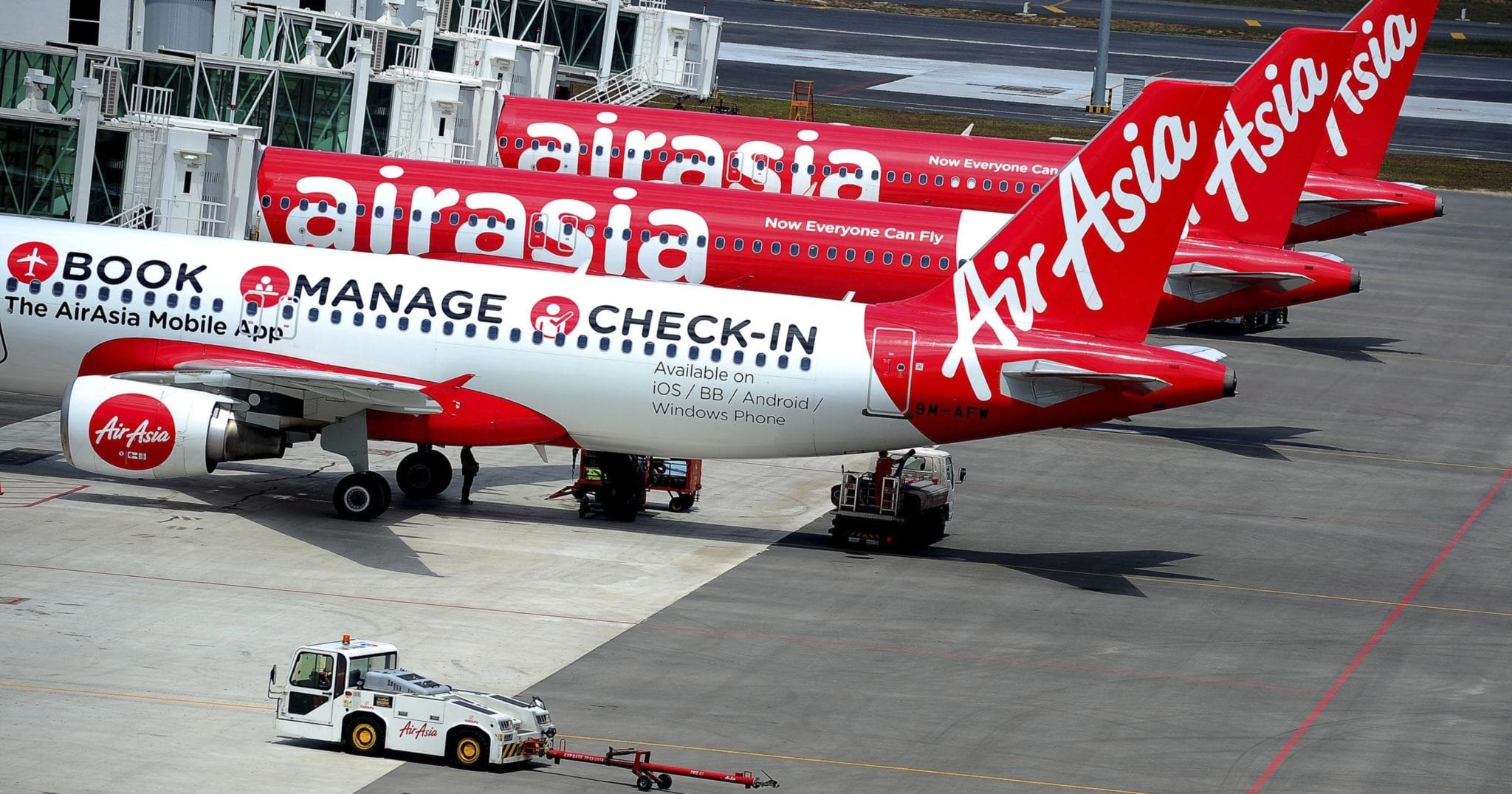
    AirAsia Group chief executive Tony Fernandes says the group has no plans to establish new subsidiaries over the next three years, apart from a unit in Vietnam. In a series of tweets, Fernandes says the low-cost carrier will focus its efforts on launching AirAsia Vietnam, as well as making Indonesia AirAsia and AirAsia Philippines “very profitable”. Last December, AirAsia signed a memorandum of cooperation with Thien minh Travel for a Vietnamese joint venture.

    Meanwhile, AirAsia‘s Indonesia and Philippines units, which have suffered losses over the years, have had their financials incorporated into the Group since the start of 2017. AirAsia has said that it is planning for a secondary listing for its Indonesia operations in fiscal 2019.

    Fernandes is also expecting AirAsia India and AirAsia Japan to be profitable by 2021. AirAsia India is working towards launching international services while AirAsia Japan plans to start connecting to points in North Asia.

    “We have a great seam[less] franchise. Indonesia, Malaysia, Thailand, Philippines and Vietnam… All the major populations and growing economies. Coupled with two great countries to enable us to cover the world – India and Japan.”

    The AirAsia Group previously had plans to launch a China unit and signed a MoU in May 2017. The pact with China Everbright Group and the Henan Government Working Group however lapsed in August 2018.

  • New Vietnam international airport welcomes first passenger flight

    New Vietnam international airport welcomes first passenger flight

    An international airport that will be used for both commercial and military purposes was officially opened to traffic after two years of construction. A Vietnam Airlines Airbus A321 carrying Vietnam’s Prime Minister Nguyen Xuan Phuc and government officials made the first touchdown at the Van Don International Airport near the world-famous Ha Long Bay on Sunday morning, marking the opening of the first private airport in Vietnam.

    Construction of the airport, 50 kilometers away from Ha Long Bay in the northern province of Quang Ninh, began in 2015.

    The 325-hectare (803 acres) airport, owned by real estate giant Sun Group, costs VND7.7 trillion ($330 million) and can handle 2.5 million passengers a year equivalent to 1,250 passengers per hour. Its parking bay will have place for at least four aircraft by 2020 and seven by 2030.

    It is expected to focus on services to Northeast Asian destinations like South Korea, Japan, Taiwan, and mainland China and Southeast Asian ones like Thailand, Malaysia, Singapore, and Cambodia. Domestically, flights will mostly be to and from the southern and central regions.

    The airport now has four gates and the number will be increased to seven by 2030.

    Prime Minister Nguyen Xuan Phuc said at the airport’s opening ceremony that Quang Ninh has much potential to attract more tourists and the new airport would help the province raise the number of tourists from current 15 million to 50 million in the coming time.

    As Van Don District is home to one of the three special economic zones planned in the country, the airport is expected to open up opportunities for socio-economic development in the area, including tourism at Ha Long Bay, said Nguyen Duc Long, Chairman of Quang Ninh Province.

    The private airport is among a series of infrastructure projects aimed at boosting the tourism industry, including a new expressway between Ha Long and the proposed special economic zone in Van Don and the Ha Long International Passenger Port, which were both officially operational from December 30.

    The launch of the Van Don Airport made it easier for foreign tourists to touch down in Ha Long Bay, which was named among the world’s seven new natural wonders by Swiss organization New Open World in 2011.

    The bay was used to film the recent Hollywood blockbuster “Kong: Skull Island”, and has been raved about by many travel bloggers.

    Quang Ninh welcomed 7.5 million travelers in the first half of 2018, including 2.46 million foreigners, up 14 percent from a year ago. Tourism revenues for the period rose 31 percent year-on-year to VND12.8 trillion ($546.7 million), according to official figures.

    Vietnam’s aviation industry has experienced rapid growth in recent years. The country served some 106 million passengers this year, a 12.9 percent increase from last year and highest of all time.

  • Korean Air’s jets get name of East Sea badly wrong

    Korean Air’s jets get name of East Sea badly wrong

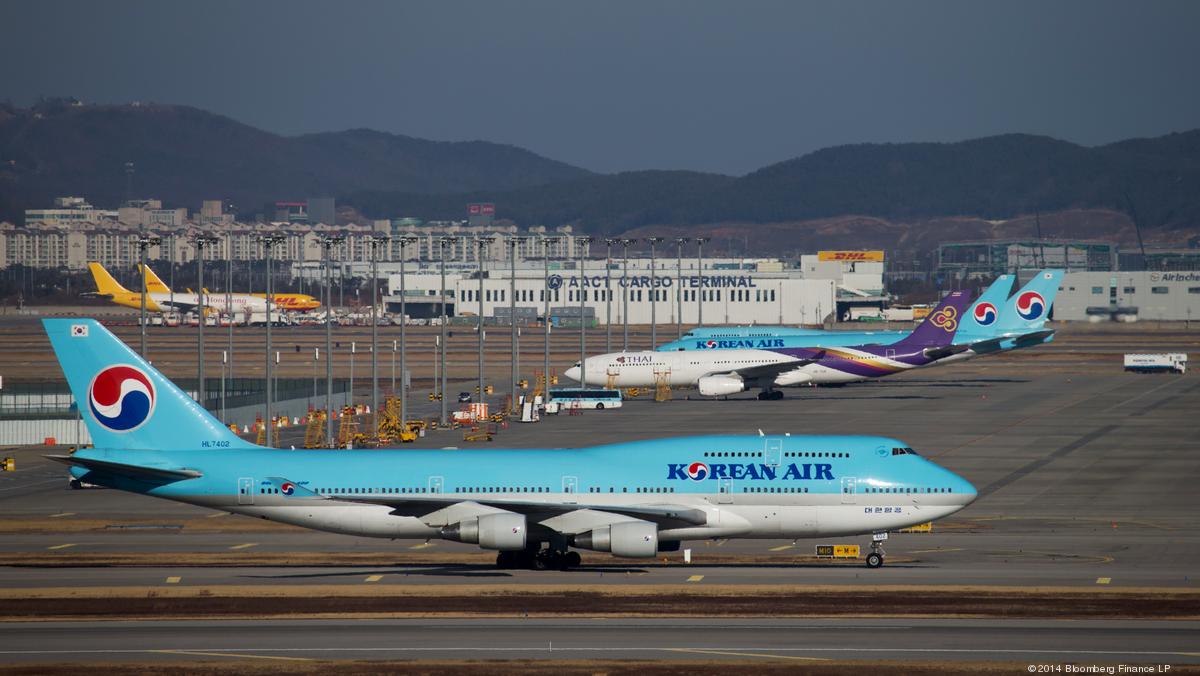
    Korean Air, the country’s flag carrier, displayed maps with the “Sea of Japan” aboard some its flights rather than the East Sea, the name supported by the Korean government. The Japanese name of the sea, which is opposed by Korea, was found on a number of passenger-entertainment monitors. According to news reports Sunday, 3-D maps on the displays aboard 787-9 Dreamliner aircraft were found to make the designation.

    Korean Air confirmed Monday that seven of its nine B787-9 planes had the problem. All other aircraft marked the location as the East Sea.

    A spokesman explained that a software upgrade was undertaken to change the maps into 3-D visuals, and that the company failed to notice the wording supplied by the developer.

    “The developer of the 3-D map is a company in the United States,” he said.

    Adjustments to replace the Sea of Japan by the East Sea in the seven aircraft were to be finalized Monday.

    “I was told that the modified version was sent to us today and delivered to the division in charge by 5 p.m,” added the spokesman, saying that the changes would be made by the end of the day.

    He said the company did not know why the other two B787-9 aircraft did not have the same problem.

    The controversy is the result of an ongoing dispute between Korea and Japan over the name of the sea located between the two countries. Both argue that their respective names had been used historically.

    Since South and North Korea first raised objection to the “Sea of Japan” name in 1992, the research on the subject has yielded conflicting conclusions.

    Korean Air received similar criticism in 2012, when its official homepage used the “Sea of Japan” name instead of the East Sea. The problem resulted from the company’s use of the Google Map service.

  • Bamboo Airways postpones maiden flight again

    Bamboo Airways postpones maiden flight again

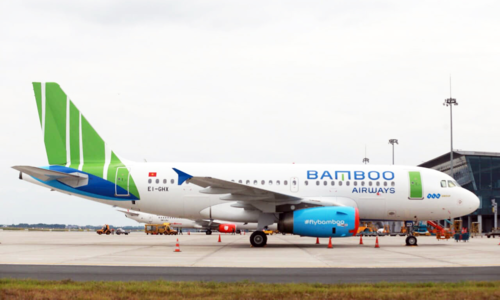
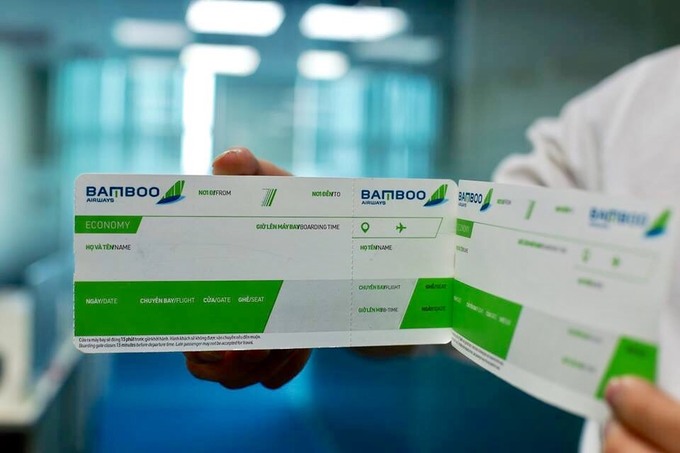
    Vietnam’s newest airline Bamboo Airways will not operate its maiden flight Thursday as scheduled, the second time it has been delayed. Its CEO Dang Tat Thanh said Bamboo Airways could not take off since it is going through “the most difficult examination ever.” “Bamboo Airways is currently going through the final stage of a tight examination by authorities before taking off,” he said, adding that the first flight would now be in mid-January. The airline aimed to launch the first flight on December 29, after failing to launch services in October as previously planned.

    The carrier, owned by conglomerate FLC, received a license last November but is still awaiting an aircraft operator certificate (AOC).

    It was established in May last year with a charter capital of VND700 billion ($30 million), which it increased two months later to VND1.3 trillion ($55.68 million).

    It has signed deals to buy 24 Airbus A320neo and 20 Boeing B787-9 Dreamliner aircraft worth a total of $8.6 billion. Earlier this month it took delivery of the first aircraft, an Airbus A319 leased from an Irish company.

    The airline plans to operate on 100 routes, connecting major cities and travel destinations in Vietnam with the rest of the world.

    FLC chairman Trinh Van Quyet said earlier that the first routes could be between Hanoi and Ho Chi Minh City and from the two cities to Quy Nhon.

    Vietnam has four other carriers still in operation: Vietnam Airlines, Vietjet Air, Jetstar Pacific, and VASCO.

  • Korean passengers break record in November

    Korean passengers break record in November

    Korea’s air passenger traffic reached a new record for November on the back of the rise in the number of Chinese tourists and increased overseas travel demand, government data showed Tuesday. The number of air passengers came to 9.57 million last month, up 5.6 percent from a year earlier, making it a new record for November, according to a tally from the Ministry of Land, Infrastructure and Transport.

    The ministry attributed the surge to the return of Chinese visitors and the steady increase in overseas travel demand.

    Passenger traffic on Chinese routes spiked 24 percent to 1.32 million, slightly lower than the same month in 2016, when a row between the two countries over the U.S. Terminal High Altitude Area Defense (Thaad) missile system had yet to emerge.

    China banned the sale of group travel packages to South Korea in March 2017 due to a diplomatic row with Seoul over the deployment of a Thaad battery in Korea. China has since partially lifted the ban.

    International air passenger traffic rose 8.8 percent on year to a record 7.01 million last month, while domestic passenger traffic dropped 2.5 percent to 2.56 million, according to the ministry.

  • Vietjet boosts the business by opening new route

    Vietjet boosts the business by opening new route

    Vietjet continues to solidify its presence in Vietnam this holiday season with the announcement of its newest route connecting Ho Chi Minh City with Van Don (Quang Ninh Province). Bridging the gap between Vietnam’s largest city and the attractive island district in Quang Ninh Province, the new route will serve to meet the growing travel and trade demands of locals and tourists alike.

    Starting 20 January 2019, passengers will be able to travel from Ho Chi Minh City to Van Don (and vice versa) with flights operating every Monday, Wednesday, Friday and Sunday. With a flight time of 2 hours and 15 minutes per leg, the flight will depart from Ho Chi Minh City at 07:00 am and arrive in Van Don at 09:15 am. The return flight takes off from Van Don at 09:50am and lands in Ho Chi Minh City at 12:05 pm.

    In celebration of the new route, Vietjet is currently running a three golden day promotion starting 20 to 22 December 2018. 2.2million tickets priced only from MYR0 (*) will be available for booking during the promotional time between 1.00pm to 3.00pm (Malaysian time) via the website. The promotion is applicable on all domestic flights within Vietnam and the travel period is from 20 January 2019 to 31 December 2019 (excluding public holidays).

    Located in close proximity to Ha Long Bay – a UNESCO World Heritage Site, the Van Don Islands District is an attractive tourist destination comprising of over 600 large and small islands. Van Don has a unique beauty that boasts serenity and wilderness. It is home to many famous destinations such as Bai Tu Long National Park, Dua Islet, Thien Nga Islet, Quan Lan Island, Minh Chau Island, and Ngoc Vung Island.

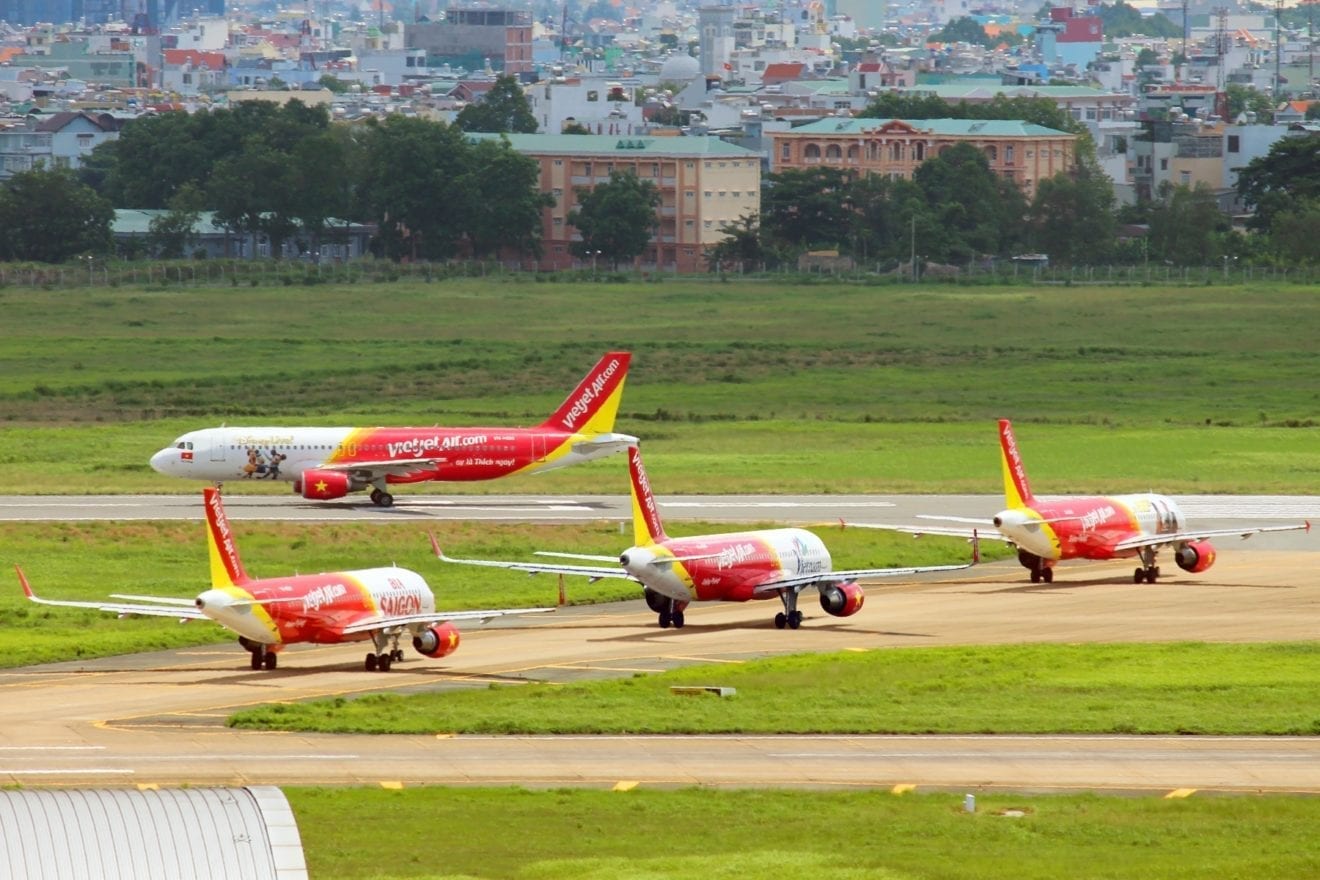
    Aiming to be a Consumer Airline, Vietjet has continually opened many new routes, added more aircraft, invested in modern technology, while offering more add-on products and services to serve all demands of customers.

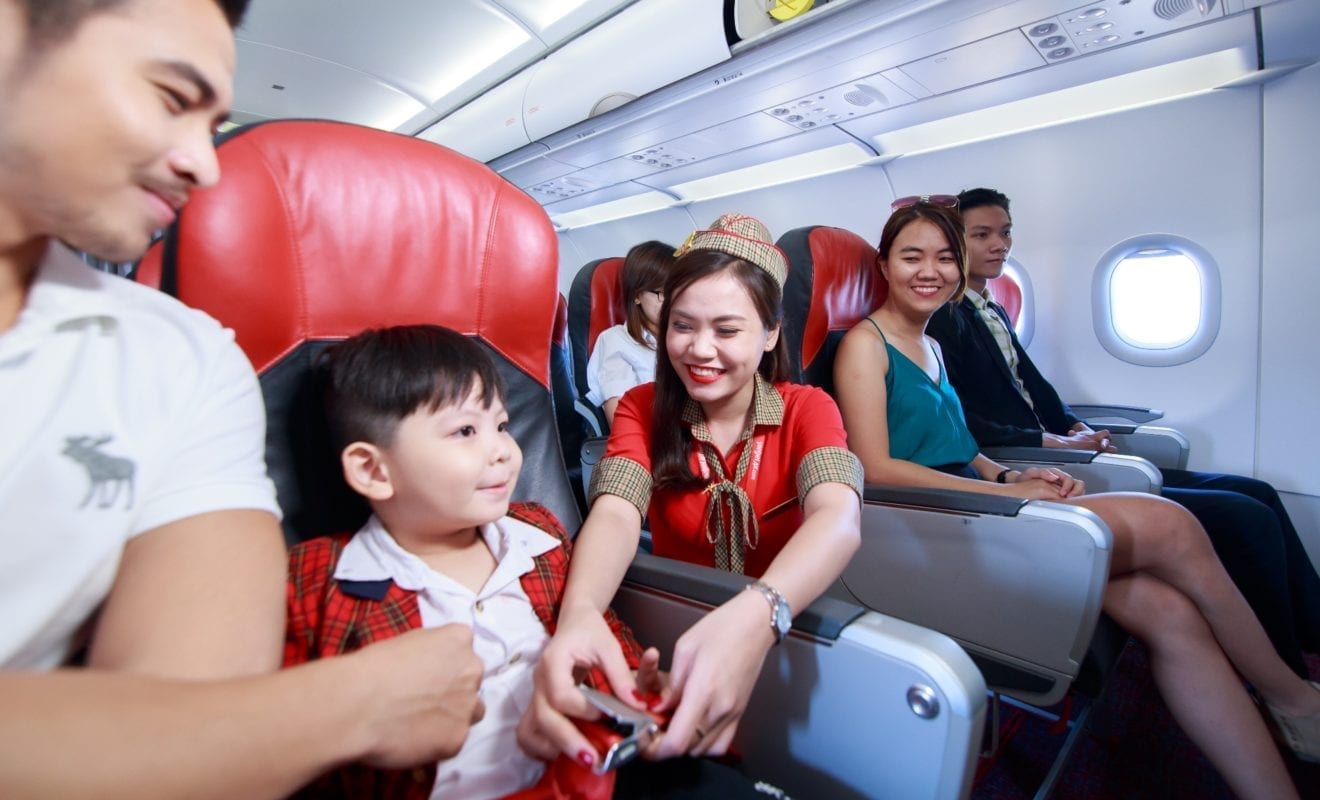
    Vietjet has been a pioneering airline, winning the hearts of millions of passengers thanks to its exciting promotions, entertainments, especially during the festive seasons. With high-quality services, diverse ticket classes and reasonable airfares, Vietjet offers its passengers flying experiences on new aircraft with comfy seats and delicious hot meals served by beautiful, dedicated and friendly cabin crews, and many more enticing add-on services.

  • Vietnamese carriers get busy with early holiday plans

    Vietnamese carriers get busy with early holiday plans

    With six weeks to go for Tet, the Lunar New Year festival, Vietnamese carriers are bracing for the upsurge in demand. Jetstar Pacific, the low-cost arm of flag carrier Vietnam Airlines, announced Tuesday that it would increase the number seats on local routes by 80,000.

    It has also opened a new route from Hanoi to the southern city of Can Tho to meet travel demand between the two destinations before and after the Tet holiday, which falls February 2-10 next year.

    Earlier, the carrier had announced plans to operate 3,210 flights, or 600,000 seats, to serve customers for the Tet holiday.

    Vietnamese people traditionally move from the cities to their hometowns and villages all over the country to reunite with their families before the Lunar Near Year begins.

    State-owned Vietnam Airlines has also raised its number of seats from January 20 to February 19 to 1.4 million, 100,000 higher than the same period last year. This involves an addition of 566 more flights, to serve customers in Tet.

    The flag carrier has also announced that it will open a new route from Ho Chi Minh City to the new Van Don International Airport near Ha Long Bay in Quang Ninh Province. It will start operating one flight a day between the two destinations starting December 30.

    About 90 percent of flights between Ho Chi Minh City and Hanoi, central cities of Vinh and Da Nang have already been booked, a Vietnam Airlines representative said.

    As there are signs of the demand increasing further, the largest airline in the country by passengers carried plans to open another 56,000 seats in the next few days.

    Many VietJet Air agents have confirmed that VietJet has opened ticket sales from Ho Chi Minh City to Van Don Airport in Quang Ninh Province starting January 20. The Van Don International Airport, the first private airport in the country, is set to open for business on December 25, 2018.

    Dinh Viet Thang, head of the Civil Aviation Administration of Vietnam (CAAV), said at a conference last month that the number of airplanes will increase by 32 to 180 to meet the high travel demand around Tet time. This means that the transport capability of the Vietnamese aviation sector will increase by 20 percent, he added.

    The number of air passengers for the upcoming New Year’s Eve and Tet holidays is expected to increase by 11 percent year-on-year, according to the Civil Aviation Administration of Vietnam (CAAV).

    It also says that local airlines have registered to increase the number of flights by 2,611 to 19 airports for Tet. The number of passengers during the holiday is expected to increase by around 280,000 over normal days.

    The highest holiday surge in the number of passengers will be seen on the HCMC-Hanoi route, which will have 519 additional flights, or 20 percent of the total increase. The corresponding numbers for the HCMC-Da Nang route will be 354 flights and 14 percent; HCMC-Vinh, 306 flights and 12 percent; and Hanoi-Phu Quoc, 24 flights and one percent.

    Vietnamese carriers have served almost 45.1 million passengers in the country in the first 11 months of this year, up 11.9 percent from a year ago, according to the General Statistics Office.

  • Flood of new passengers to stoke demand for jet fuel in Vietnam

    Flood of new passengers to stoke demand for jet fuel in Vietnam

    Vietnam’s jet fuel demand will surge to a record this year as its tourism booms and the country’s airlines are rapidly expanding. The country is on track to have 38 million international passengers and 16 million visitors this year, according to data from CAPA Centre for Aviation. That is up from 18 million passengers and 8 million visitors in 2015, according to the data.

    “Aviation demand in Vietnam is booming… Fuel consumption in Vietnam will reach a record high this year and will keep rising for the years to come,” said Tran Hoai Nam, vice president of Vietjet, Vietnam’s biggest private airline.

    He added Vietnam’s growth in foreign arrivals was the highest in Southeast Asia, rising 8.7 percent annually.

    The surge in traffic has translated into a rush of jet fuel demand in Vietnam. Through November, the country has imported 1.87 million tonnes of the fuel, according to customs data, equal to 14.8 million barrels, and up 18 percent from the same period last year.

    “For 2018, jet fuel demand in Vietnam is estimated to be increased by about 20 to 25 percent in comparison with 2017, mostly due to the increase in consumption of the international flights,” said a Hanoi-based trader at one of country’s jet fuel suppliers, who asked to remain unidentified due to company policy.

    Vietnam currently consumes about 18 million barrels of jet fuel per year, according to data from Petrolimex Aviation.

    By 2035, Vietnam will have 150 million airline passengers per year, nearly four times what it was in 2015, according to a 20-year forecast from the International Air Transport Association (IATA).

    Over the same period, India will have 442 million passengers, 3.6 times what it was in 2015, while China will have 1.3 billion passengers, 2.7 times what it was in 2015, IATA said.

    In November, Vietnam issued an aviation licence to Bamboo Airways, which would be the country’s fifth airline after Vietnam Airlines, Jetstar Pacific Airlines, Vietjet Aviation VJC.HM and Vietnam Air Services Co.

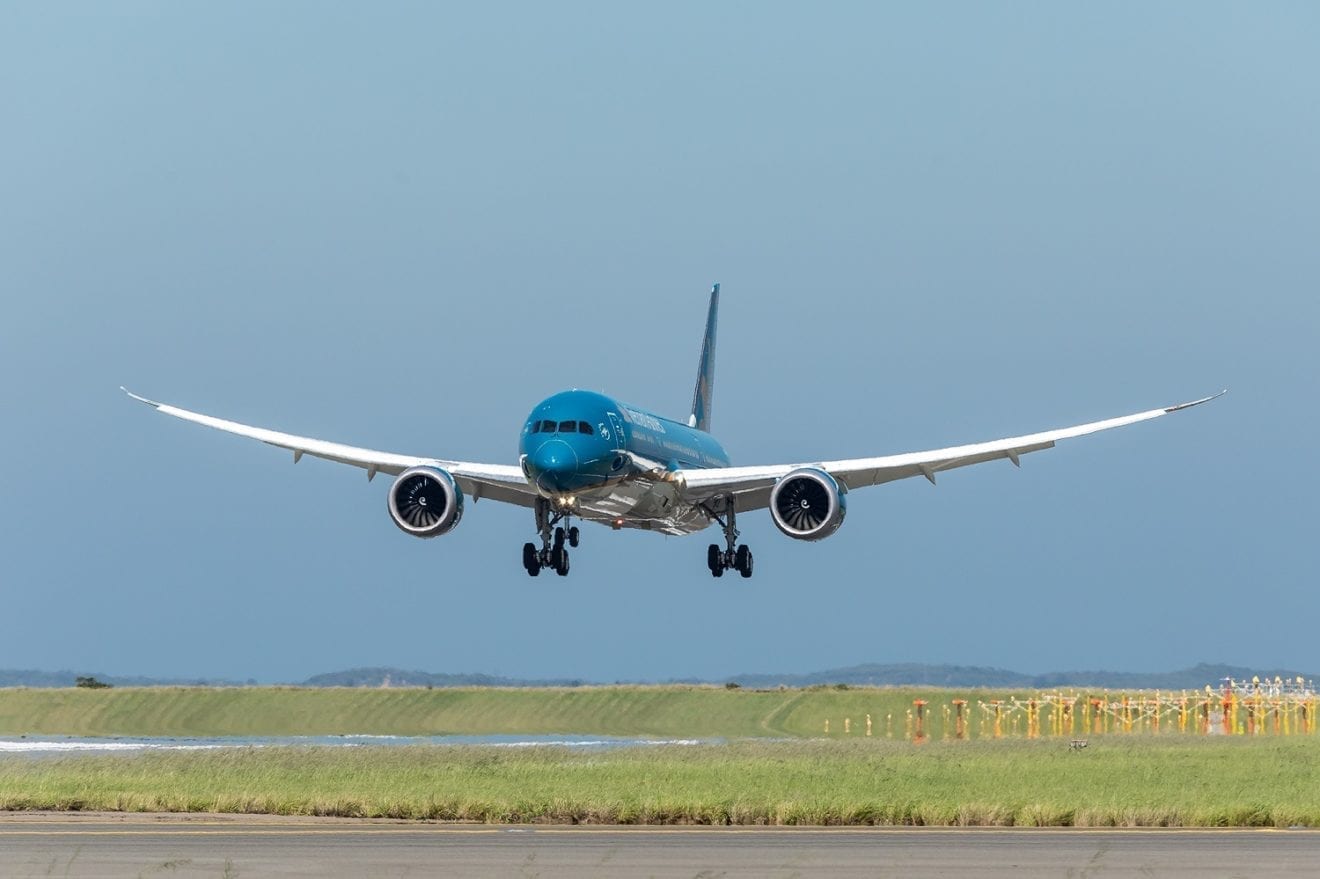
    Bamboo is expected to launch its first flights within weeks. It signed a provisional deal in July to buy 20 of the wide-body 787-9 jets from U.S. manufacturer Boeing and agreed a memorandum of understanding with Europe’s Airbus for up to 24 of the narrow-body A320neo jets in March.

    VietJet, which currently operates 60 Airbus jets, has signed a $6.5 billion (5.2 billion pounds) agreement to buy 50 new jets.

    Vietnam’s jet fuel imports will continue to surge as the country only has two refineries, Dung Quat in the central province of Quang Ngai and Nghi Son in Thanh Hoa Province, near to the capital Hanoi, which only started operations this year.

    “Both Dung Quat and Nghi Son refineries are primarily catered towards the production of gasoline and diesel, and thus, jet fuel yield is relatively low at 5 percent,” said Peter Lee, an analyst at Fitch Solutions Macro Research.

    Nghi Son, once fully operational, will produce about 4.6 million barrels of jet fuel per year, said a source at the refinery. Dung Quat can produce as much as 2.3 million barrels per year, according to the company website.

    “Vietnam will be reliant on imports to meet most of its jet fuel demand going forward,” Lee added.

    Vietnam imports most its jet fuel from refineries in Singapore, Thailand and China, trade data showed.

    Despite the steep growth outlook for Vietnam’s aviation sector, passenger growth might may be uneven as the country grapples with capacity constraints at its airports.

    Vietnam’s biggest airport Tan Son Nhat, serving Ho Chi Minh city in the south, receives about 10 million more passengers per year than it is designed to serve.

    The government is planning a second international airport at Long Thanh, 40 km (24 miles) east of Ho Chi Minh City, that will serve 25 million passengers a year starting in 2025.

  • Bamboo Airways receives first aircraft, to take off earlier than planned

    Bamboo Airways receives first aircraft, to take off earlier than planned

    Vietnam’s newest airline, Bamboo Airways, has advanced its maiden flight by two days to December 27, its CEO said Sunday. Dang Tat Thanh said the private carrier’s first aircraft, an Airbus A319 leased from an Irish company, has arrived in Hanoi.

    Earlier, Trinh Van Quyet, chairman of FLC, the company that owns the airline, had said the first flight would be on December 29.

    Bamboo Airways received the aviation license to become Vietnam’s fifth airline early last month. But it is still awaiting an aircraft operator certificate and permissions for parking and selling tickets.

    It is also leasing an Airbus A320 from the same Irish company, and the airplane is expected to arrive later this month or early next month.

    Bamboo Airways is allowed to operate 10 aircraft on both domestic and international routes and to carry passengers and cargo on its flights.

    It plans to fly on 100 routes, connecting Vietnam’s major cities with popular domestic and international tourist destinations.

    The carrier was founded with a charter capital of VND700 billion ($30 million), which it increased recently to VND1.3 trillion ($55.68 million).

    It has signed deals to buy 24 Airbus A320neo and 20 Boeing B787-9 Dreamliner aircraft worth a total of $8.6 billion.

    The other four carriers in Vietnam are Vietnam Airlines, Vietjet Air, Jetstar Pacific and VASCO.

  • Malaysia Airlines launches business suite

    Malaysia Airlines launches business suite

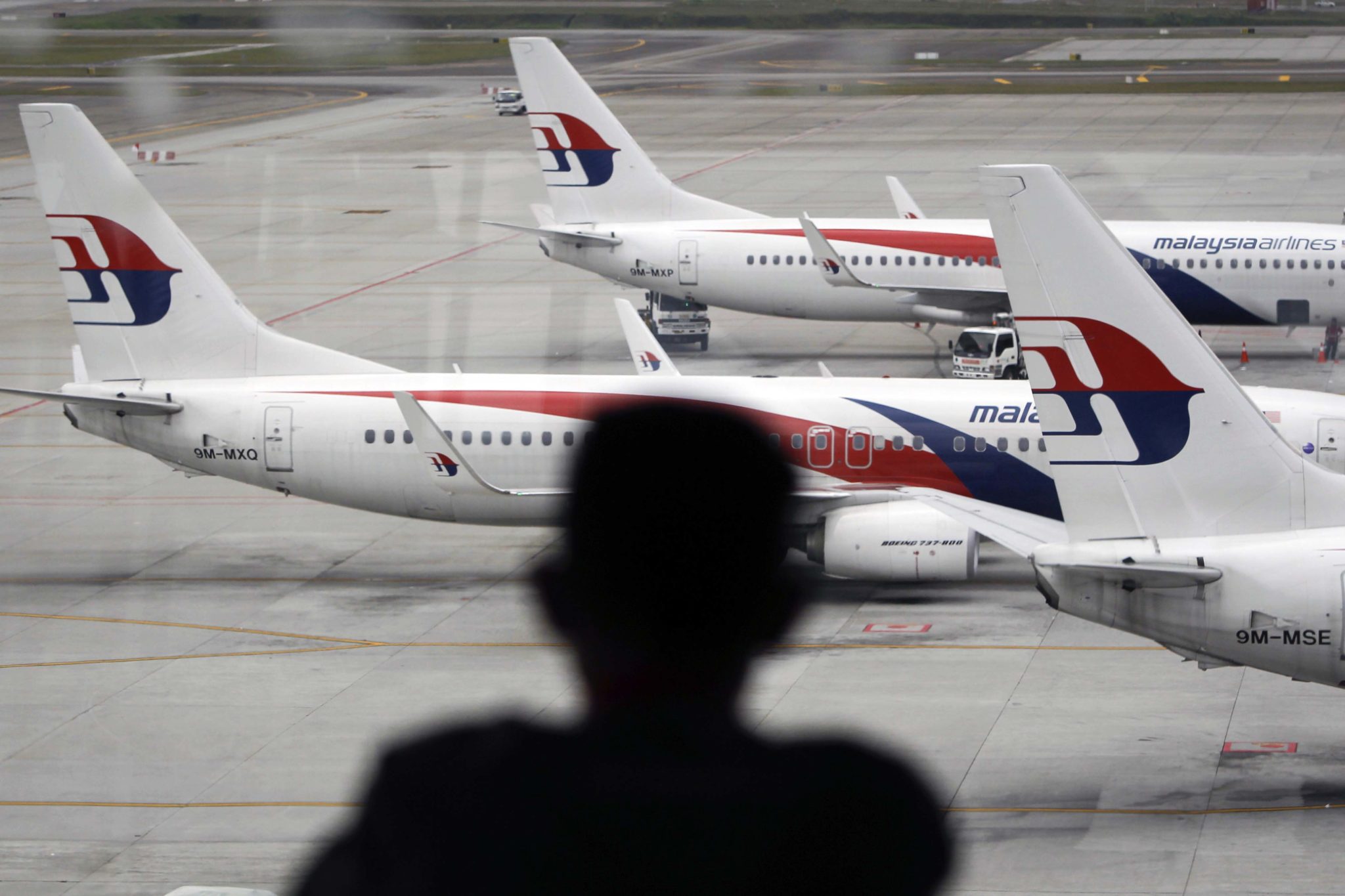
    Malaysia Airlines announced the rebranding of its First Class cabin to Business Suite offering passengers new levels of luxury with ample cabin space and privacy. “The new Business Suite was introduced in response to the growing demand of our guests. Our target is to enable the frequent flyer, looking for enhanced comfort, to now be able to enjoy a premium experience at competitive prices,” Malaysia Airlines group CEO Captain Izham Ismail said in a statement.

    “We are confident that our new Business Suite will change the way people travel in business class,” Izham added.

    Starting Dec 12, 2018, the Business Suite will be available on all of the airline’s A350-900 and A380-800s.

    The suite comes with a dedicated check-in counter, access to Malaysia Airlines premium First Class Lounge, 50kg baggage allowance as well as fine-dining experience onboard.

    The Business Suite cabin will be available on the London, Tokyo, Osaka route and on the Sydney and Seoul route during the winter season.

  • Tourists from China are back to Korea, but not like before

    Tourists from China are back to Korea, but not like before

    Chinese group tours, which helped fuel local retail sector growth in recent years, have yet to make a full comeback despite the easing of restrictions by Beijing, Korean duty-free store operators said on Sunday. The assessment came as official data from the Bank of Korea showed that 475,000 Chinese nationals visited the country in October, up 37.6 percent from a year earlier.

    Local tax-exempted outlet operators like Lotte Duty Free and Shilla Duty Free, as well as the umbrella Korea Duty Free Shops Association (KDFA), said that most Chinese customers were individual travelers and so-called “daigongs,” rather than “youkers,” or group travelers.

    Daigongs are small-scale merchants who buy products here on behalf of customers back home.

    Chinese authorities clamped down on group tours to Korea in March 2017 after Seoul allowed the deployment of a U.S. anti-missile defense system on its soil, despite objections from Beijing. China has since partially lifted restrictions, but the number of group tours has not returned to past levels.

    Lotte said that it had almost no youkers, who enter the country on a group visa, and that most shoppers were individual travelers or small merchants.

    It said that before the frictions caused by the U.S. Terminal High Altitude Area Defense’s deployment, there were 7,000 to 8,000 youkers daily at its main duty free store in downtown Seoul. This dropped to around 2,000 after the uproar and then to zero.

    Shilla said it did receive 820 youkers in October.

  • AirAsia’s Vietnam venture set to fly in August

    AirAsia’s Vietnam venture set to fly in August

    A new Vietnam-based airline set up by Malaysian budget carrier AirAsia and a local company is expected to fly by next August. Tran Trong Kien, CEO of Hanoi-based resort ooperator Thien Minh Group, AirAsia’s partner, said that applications for aviation licenses would be made next February and likely obtained in six months.

    Vietnam will become the newest market for AirAsia, the largest low-cost carrier in Southeast Asia, which has affiliates in India, Indonesia, Malaysia, the Philippines, and Thailand.

    Kien said Prime Minister Nguyen Xuan Phuc had expressed support for the airline, which has yet to be named.

    The airline plans to deploy five or six Airbus SE A320 and A321 aircraft on domestic and regional routes, and expand the fleet to 30 within three years, he added.

    Last week Thien Minh Group signed a memorandum of understanding with AirAsia for setting up the new airline with a capital of VND1 trillion ($44 million).

    AirAsia will hold a 30 percent stake in it, and Thien Minh, 70 percent.

    The new airline would be a direct competitor to Vietnam’s budget carriers Vietjet Aviation and Jetstar Pacific, according to industry insiders.

    Vietnam Airlines is currently the biggest airline in terms of passengers carried.

    Bamboo Airways, owned by private corporation FLC, last month received a license and expects to make its maiden flight on December 29. It is allowed to operate 10 aircraft on domestic and international routes.

    There are five carriers in Vietnam: Vietnam Airlines, Vietjet Air, Bamboo Airways, Jetstar Pacific and VASCO. Vietnam Airlines owns VASCO and has a 70 percent stake in Jetstar Pacific.

    Vietnam received 14.12 million foreigners in the first 11 months of the year, up 21.3 per cent year-on-year, according to the General Statistics Office. Eighty percent of foreign tourists arrive by air.

    Vietnam’s aviation market has averaged 17.4 percentage growth in the past decade, far higher than the 7.9 percent rate for the Asia-Pacific, according to the International Air Transport Association.

    AirAsia almost struck a deal with Vietjet, but in 2010 the deal collapsed.

  • Vietjet CEO climbs Forbes list of World’s Most Powerful Women

    Vietjet CEO climbs Forbes list of World’s Most Powerful Women

    Nguyen Thi Phuong Thao has been named the 44th most powerful woman in the world by Forbes, up 11 places from last year. Thao is the only Vietnamese to make the magazine’s list of 100 most powerful women this year. Forbes estimated the CEO of budget carrier Vietjet Air and the richest woman in Vietnam to have a net worth of around $2.6 billion.

    Forbes compiles the list based on assets, impact, spheres of influence, media presence, and social media power.

    Thao has extensive experience in doing business in Vietnam and abroad in multiple fields such as finance, banking, aviation, real estate, and retail.

    She launched Vietjet in 2011. The airline leads the domestic market with a 45 percent share. It operates 385 flights daily within Vietnam and to Japan, Hong Kong, South Korea, Taiwan, Singapore, mainland China, Thailand, Myanmar, and Malaysia.

    Thao also has interests in banking and real estate, which includes owning three beach resorts.

    Topping the list of the most powerful women in the world, for an astonishing eighth year, was German Chancellor Angela Merkel.

    She was followed by British Prime Minister Theresa May, former U.S. Federal Reserve Chairwoman Janet Yellen and General Motors CEO Mary Barra.

    The list comprises business leaders, politicians, investors, scientists, philanthropists, and people who are finding solutions to the world’s most difficult problems or have the most global impact.

  • Jeju Air co-CEO plans to depart

    Jeju Air co-CEO plans to depart

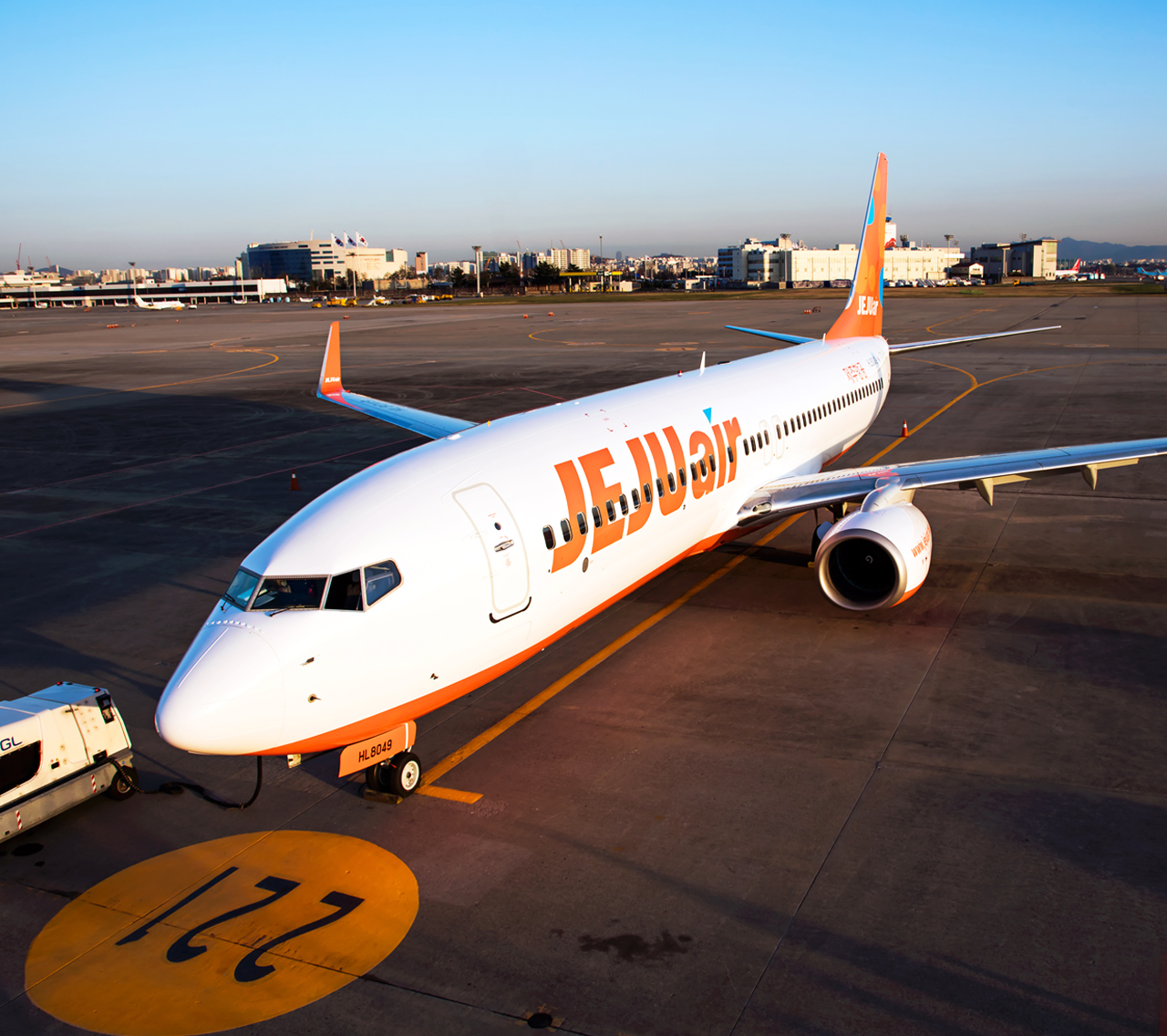
    Jeju Air said on Wednesday that co-CEO Ahn Yong-chan has expressed his intent to step down from his post, leaving the company to operate under the sole leadership of current co-CEO Lee Seok-ju. Ahn leaves Jeju Air after working under the company’s parent Aekyung Group since 1987.

    The co-CEO served in numerous positions at Jeju Air’s group affiliates such as in Aekyung Petrochemical and Aekyung Industry.

    The company said that Ahn served as CEO at the group’s affiliate companies for 23 years, and that he felt it was right to leave the company at a time when it is performing well, along with his original plan to retire at 61-years-old.

    Jeju Air has become a sizeable contender in the low-cost carrier industry in Korea. It reported 349.5 billion won ($311.6 million) in revenue in the third quarter this year, a 31 percent increase from the previous year.

    Ahn is the son-in-law of Aekyung Group’s Chairwoman, Chang Young-shin.