Tag: travel

  • New shopping ambassadors at Hong Kong International Airport

    New shopping ambassadors at Hong Kong International Airport

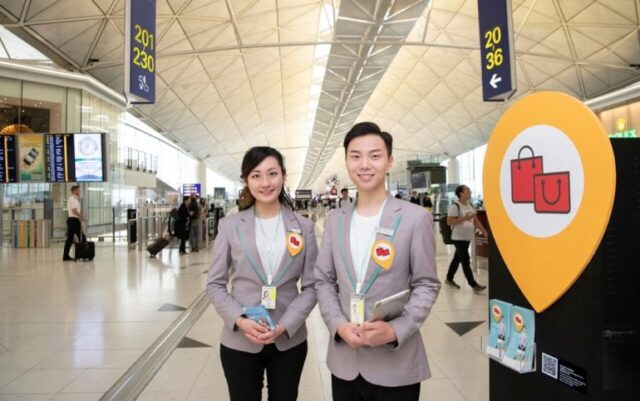
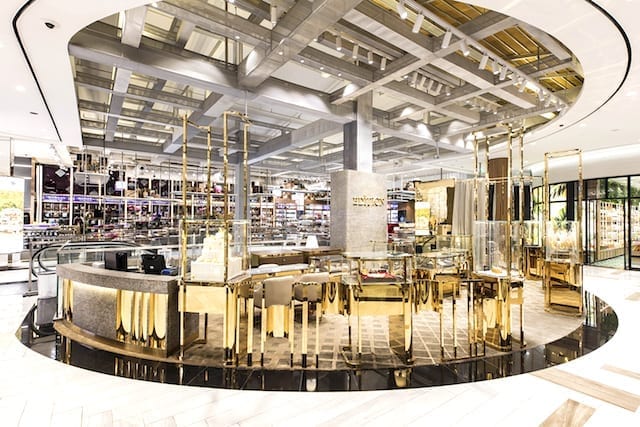
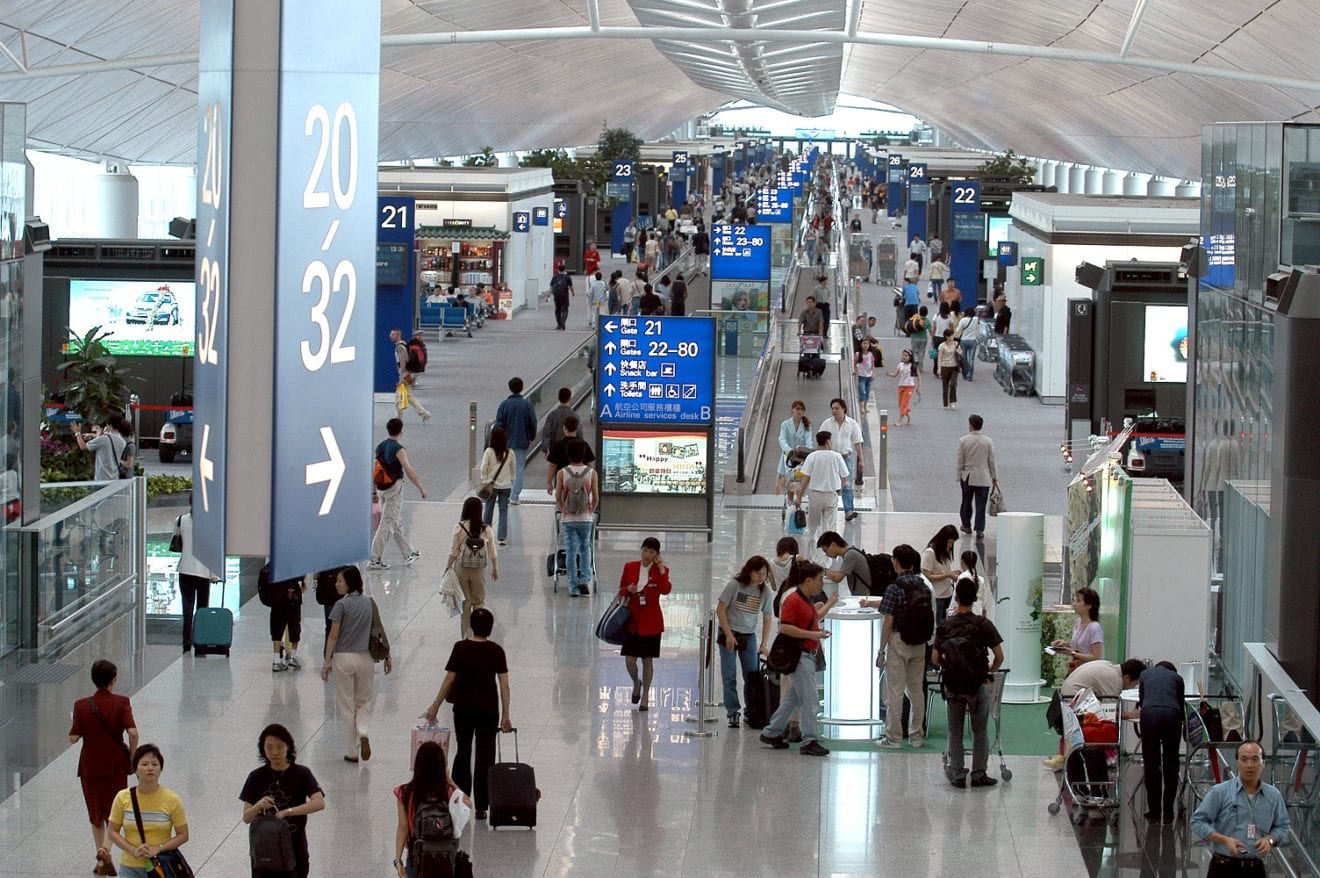
    Shopping for travelers will be even easier at Hong Kong International Airport (HKIA) with the introduction of Airport Shopping Ambassadors. The Airport Shopping Ambassadors are stationed at key locations within the airport’s retail areas. They are well acknowledged on shopping and dining offerings at HKIA, providing a friendly and personalized service to travelers. The ambassadors can provide helpful advice or last-minute shopping recommendations, as well as hot-picks, latest promotions and dining options from a wide range of global and local cuisine.

    Travelers can also receive personalised shopping and dining itineraries online, simply by filling in the Airport Shopping Ambassadors enquiry page on HKIA’s website https://www.hongkongairport.com. After completing the online request section, together with flight schedule and other information, travelers will be able to receive the ambassadors’ recommendations within 48 hours.

    HKIA is an international and regional aviation hub connecting about 220 destinations around the world, including 50 Mainland cities. HKIA achieved record-breaking passenger throughput of 74.7 million in 2018.

  • Indonesia Prepares New Strategy to Meet 2019 Tourist Arrival Target

    Indonesia Prepares New Strategy to Meet 2019 Tourist Arrival Target

    When President Joko “Jokowi” Widodo set out to double Indonesia’s foreign tourist arrivals within the five years of his presidency, many were skeptical. Now, the target seems to be within reach. Combined government efforts that included the massive development of airports and tourist destinations, aggressive digital promotions and a visa-free policy have, along with the weakening rupiah, attracted 16,2 million foreign tourists to Indonesia last year, which is 71 percent more than four years ago.

    Still, some setbacks were unavoidable. A series of volcanic eruptions, earthquakes and tsunamis over the past 12 months, as well as the tragic crash of Lion Air flight JT-610 into the Java Sea near Jakarta, resulted in the government missing its target to woo 17 million foreign tourists last year.

    Industry players worry that the bad image created by these disasters would take long to erase and thus undermine the country’s ability to attract 20 million foreign tourists this year.

    “Indonesia is situated on the Ring of Fire; we could not predict or prevent any disaster. What we need now, is to work extra hard to ensure that the world knows that when disaster strikes here, all tourists and local residents are well cared for,” said Elly Hutabarat, chairwoman of the Indonesian Travel Agent’s Association (Astindo).

    She cited Mexico as an example of a country that had just been hit by an earthquake, but still managed to quickly revive its tourism industry.

    “We see Mexico, which had just experienced an earthquake, is responsive and is able to give up-to-date information to the world. Such efforts are able to quickly revive their tourism industry,” Elly said.

    Border Tourism, Low-Cost Terminals

    The government has not given up, as the tourism industry could potentially generate $20 billion in foreign exchange revenue this year, which is crucial to plugging the country’s persistent current-account deficit.

    Guntur Sakti, head of communications at the Ministry of Tourism, said the government has implemented a strategy to meet this year’s tourist arrival target by developing border tourism, hub tourism and the renovation of airport terminals to cater to low-cost carriers.

    The government’s border tourism plan is aimed at making it easier, faster and cheaper for tourists to visit Indonesia from neighboring countries.

    Malaysia, Singapore and the Philippines also have a similar cultural heritage and history as Indonesia.

    “The potential from border tourism is massive, especially from neighboring countries,” Guntur said.

    Through the hub tourism strategy, the government expects to attract a larger number of foreign tourists that travel to the capitals of neighboring countries, specifically Bangkok, Kuala Lumpur and Singapore.

    The government estimates that more than 11 million foreign travelers – excluding Indonesians – transit at Singapore’s Changi Airport annually before continuing their travels to other countries for business or leisure. Guntur said this represents a massive potential for Indonesia.

    He added that tourists frequently transit in Singapore or other cities in the region because of limited direct flights to Indonesia from Europe, the United States and even parts of East Asia.

    For instance, about half of all Chinese tourists heading to Indonesia must transit in Singapore or Malaysia before reaching the archipelago, while 80 percent of tourists from Thailand and Malaysia are able to reach the country via direct flights.

    The government also plans to renovate several terminals at Soekarno-Hatta International Airport outside Jakarta to exclusively accommodate low-cost carriers.

    Terminal 1 at the airport will soon only cater to passengers of low-cost airlines traveling to domestic destinations, while Terminal 2 will cater to passengers of low-cost airlines on both domestic and international flights.

    Many countries have built terminals or even whole airports to specifically accommodate low-cost airlines. This lowers the airport’s operating budget, which in turn helps to reduce airport taxes and airline ticket prices, which ultimately attract more foreign tourists.

    Guntur said at least 70 percent of foreign tourists use low-cost carriers to travel to Indonesia.

    “To realize our strategy and attract more tourists, we are working with state-owned airport operator Angkasa Pura to renovate Terminal 1 and 2 at Soekarno-Hatta Airport. We’ve noticed many countries operate several terminals that cater to full-service carriers and low-cost carriers separately,” he added.

    The number of passengers traveling to Indonesia on low-cost carriers grows by about 55 percent annually, while the number of passengers arriving on full-service airlines only increases by about 7 percent per year, according to tourism ministry data.

    Ten New Balis

    The government also actively promoted its “10 New Balis” program last year to develop and promote several destinations beyond Bali, Indonesia’s most popular destination.

    The 10 New Balis include Mandalika in Nusa Tenggara, Thousand Islands in Jakarta, Tanjung Lesung in Banten, Tanjung Kelayang in Bangka Belitung, Borobudur Temple in Central Java, the Bromo Tengger Semeru National Park in East Java, Labuan Bajo in East Nusa Tenggara, Wakatobi in Southeast Sulawesi and Morotai in North Maluku.

    The project, spearheaded by the tourism ministry, has also established programs to develop each of the destinations by building 5,000 homestays, improving infrastructure, increasing financing for tourism to around Rp 2.5 trillion ($177 million), implementing sustainable tourism in 16 destinations, developing 10 special economic zones and developing nomadic tourism.
  • Vietjet to open Phu Quoc-Hong Kong route in April

    Vietjet to open Phu Quoc-Hong Kong route in April

    Budget airline Vietjet said Saturday it will launch direct flights between Phu Quoc Island and Hong Kong in April. The new route will operate four flights per week starting from April 19, Vietjet said. Each flight will take 2 hours and 45 minutes per leg. Dubbed “the Pearl Island”, Phu Quoc, located in the southern province of Kien Giang, has attracted strong investments in hotels and resorts in recent years.

    Vietjet said it wants to create traveling opportunities for locals and tourists, thereby contributing to trade growth between the two destinations. The largest private airline in Vietnam currently operates 40 domestic routes and 66 international routes.

    Vietnamese airlines have been launching new international flights in recent years, with the domestic market showing signs of saturation.

    The country’s aviation industry has seen increasing demand each year. It welcomed 12.5 million air passengers last year, up 14.4 percent from 2017, according to the General Statistics Office.

    Vietnam’s aviation traffic increased 16 percent on average each year from 2010 to 2017, data from the civil aviation regulator shows.

  • Vietnamese travel agency intends to invest in sixth airline: CEO

    Vietnamese travel agency intends to invest in sixth airline: CEO

    Vietravel is nurturing a plan to launch its own airline to meet the demand that it predicts will keep rising in the future. The company’s CEO Nguyen Quoc Ky said the domestic aviation market is still “full of potential.” With a population of more than 100 million and the number of foreign visitors rising steadily year after year, hitting the highest ever at 15.5 million last year, it is still modest for Vietnam to have only five airlines, he said recently.

    Vietravel wants to have its airline headquartered in the central town of Hue, he added.

    “The plan of Vietravel will help create more new flight routes to and from Hue, and thus connect the city with more tourists,” said Nguyen Van Phuc, deputy director of Thua Thien – Hue Province, home to the imperial town of Hue.

    This will also get along with a plan to upgrade Phu Bai International Airport in Hue to raise its annual capacity from 1.5 million passengers to 5 million.

    Vietravel has taken the first steps into the airline industry through organizing charter flights with its partners.

    For the past two years, it has operated around 300 charter flights both domestically and internationally each year.

    Vietnam’s newest airline, Bamboo Airway, recently completed its maiden flight.

    The four other carriers currently in Vietnam are Vietnam Airlines, Vietjet Air, Jetstar Pacific, and VASCO.

    Together, the four of them transport more than 50 million passengers last year, up 14 percent against 2017, according to the Civil Aviation Authority of Vietnam.

    The number of passengers through Vietnam airports during the year increased 12.9 percent to 106 million passengers.

    is nurturing a plan to launch its own airline to meet the demand that it predicts will keep rising in the future. The company’s CEO Nguyen Quoc Ky said the domestic aviation market is still “full of potential.” With a population of more than 100 million and the number of foreign visitors rising steadily year after year, hitting the highest ever at 15.5 million last year, it is still modest for Vietnam to have only five airlines, he said recently.

    Vietravel wants to have its airline headquartered in the central town of Hue, he added.

    “The plan of Vietravel will help create more new flight routes to and from Hue, and thus connect the city with more tourists,” said Nguyen Van Phuc, deputy director of Thua Thien – Hue Province, home to the imperial town of Hue.

    This will also get along with a plan to upgrade Phu Bai International Airport in Hue to raise its annual capacity from 1.5 million passengers to 5 million.

    Vietravel has taken the first steps into the airline industry through organizing charter flights with its partners.

    For the past two years, it has operated around 300 charter flights both domestically and internationally each year.

    Vietnam’s newest airline, Bamboo Airway, recently completed its maiden flight.

    The four other carriers currently in Vietnam are Vietnam Airlines, Vietjet Air, Jetstar Pacific, and VASCO.

    Together, the four of them transport more than 50 million passengers last year, up 14 percent against 2017, according to the Civil Aviation Authority of Vietnam.

    The number of passengers through Vietnam airports during the year increased 12.9 percent to 106 million passengers.

  • Korean Air swings to net loss in 2018 from 2017 profit

    Korean Air swings to net loss in 2018 from 2017 profit

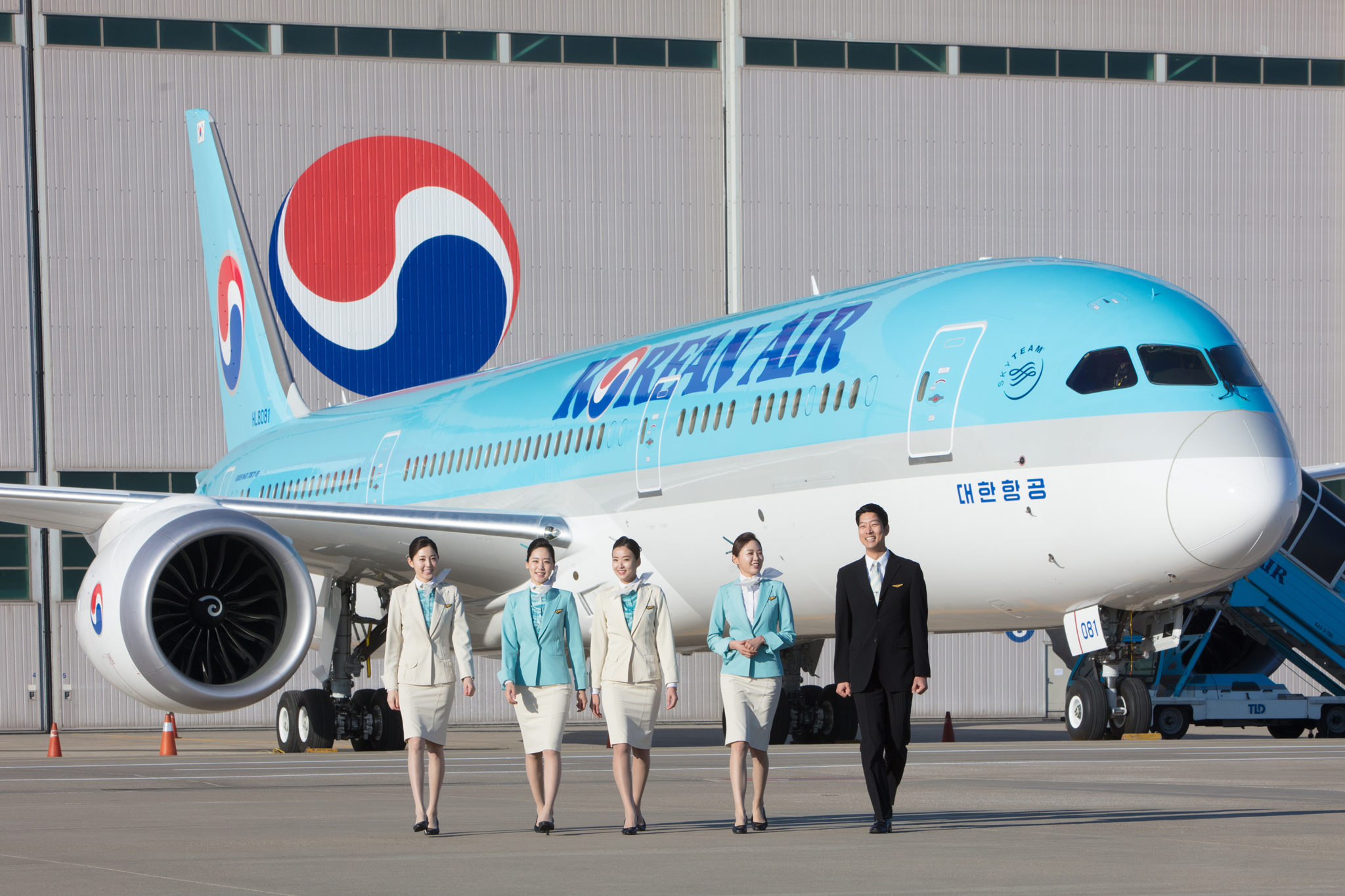
    Korean Air Lines said Tuesday it swung to a net loss in 2018 from a year earlier due to hefty foreign-exchange losses. The Korean flag carrier posted a net loss of 167.59 billion won ($150 million), after a net profit of 801.9 billion won a year earlier. As the dollar rose to 1,118.1 won at the end of 2018 from 1,071.4 won at the end of 2017, foreign-exchange translation losses reached 363.6 billion won and it cut into the annual earnings results, the statement said.

    The won’s weakness also drove up net interest costs to 454.8 billion won, up 55.5 billion won from the previous year, it said. Operating profit fell 28 percent to 676.33 billion won last year from 939.78 billion won a year ago. Sales climbed 7.7 percent.

  • The Sanctuary by Pure Yoga opens at HKIA

    The Sanctuary by Pure Yoga opens at HKIA

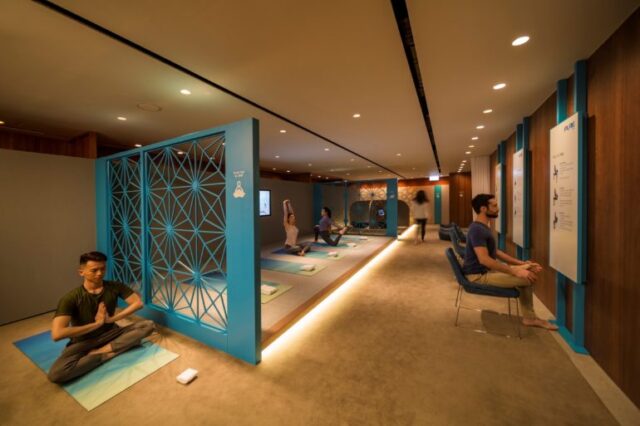
    A visit to Cathay Pacific’s Business Class lounge at The Pier in Hong Kong has just become even more beneficial for mind, body and soul following the opening of The Sanctuary by Pure Yoga. Designed in partnership with the Pure Group, The Sanctuary by Pure Yoga is a 700 square-foot area divided into two zones – The Body Sanctuary, which is dedicated to yoga, and The Mind Sanctuary, where travellers can meditate to focus and calm the mind.

    Cathay Pacific General Manager Customer Experience and Design, Vivian Lo said: “Wellness is becoming increasingly important to our customers and The Sanctuary by Pure Yoga in our Pier Business Class lounge is the perfect place for to relax before the flight. We listen to the needs of our customers and continuously evolve to improve their experience with us.

    “Whether it’s dining at our popular Noodle Bar, catching up with some work, or enjoying a drink at the bar or at the Teahouse, there are myriad ways for our customers to spend time at the lounge. Now they’ll also be encouraged to meditate and practice yoga before flying with us.”

    The Body Sanctuary

    Among the wellness offerings, The Body Sanctuary provides travellers with a space for gentle yoga with guided videos led by Pure Yoga teachers. There’s also a secluded space for self-practice. Seated stretching is an alternative option; chairs overlook instructions on how to stretch different parts of the body whilst seated. The exercises are designed to improve circulation, enhance joint mobility, and relax the mind for a comfortable and restful journey.

    The Mind Sanctuary

    Within The Mind Sanctuary there are two types of meditation on offer. The first is audio meditation: four cushioned pods are equipped with noise-cancelling headphones and iPads, and customers can listen to guided meditation sessions narrated by Pure Yoga’s expert teachers. The second is gazing meditation: comfortable cushions overlook graphics placed on the wall ahead and facilitate Trataka yoga practice.

    These practices help to improve focus, memory and visualisation skills, as well as centring the mind in a state of awareness and attention.

    Wellness on the ground and in the air

    The Sanctuary by Pure Yoga is the latest collaboration between Cathay Pacific and the Hong Kong-headquartered Pure Group following the January 2018 launch of ‘Travel Well with Yoga’, a series of inflight videos to help passengers ease into their journeys with meditation and yoga.

    Additionally, Diamond and Gold Marco Polo Club members arriving in Hong Kong on Cathay Pacific or Cathay Dragon flights are given complimentary one-day access to any Pure Fitness centre or a choice of any Pure Yoga class up to 12 times a year.

    Pure Group Regional Marketing Director Gary Wise said: “We’re delighted to extend this fantastic partnership between Pure Yoga and Cathay Pacific, giving people even more chance to feel the benefits of yoga and meditation on their travels. No matter how rushed the trip is, just a few minutes of calm can make all the difference.”

    The Sanctuary by Pure Yoga is open to travellers who have access to Cathay Pacific The Pier Business Class Lounge at Hong Kong International Airport, as well as Diamond, Gold and Silver Marco Polo Club members. Cathay Pacific and Cathay Dragon First and Business Class passengers will also be able to enjoy the new offering.

  • US set to green-light direct flights from Vietnam

    US set to green-light direct flights from Vietnam

    U.S. aviation authorities are expected to grant a Category 1 rating to Vietnam soon, allowing direct flights between the two countries. Two U.S. officials who asked not be named said that the permission should be issued in the coming weeks. Dinh Viet Thang, head of the Civil Aviation Authority of Vietnam (CAAV), said that the U.S. Federal Aviation Administration (FAA) completed safety assessments in December and was supposed to provide the results this month.

    “But as the U.S. government was closed, we couldn’t receive the results. We expect to have it soon,” he said.

    Local airlines including state-owned Vietnam Airlines, budget airline Vietjet and new private airline Bamboo Airways have already expressed interest in opening direct flights between Vietnam and the U.S.

    The direct route is expected to cater to the large demand for travel between both countries.

    Passengers travelling between Vietnam and the U.S. now have to transit through different countries and territories like China, Hong Kong and Japan.

    Vietnam has never held an FAA rating, unlike Thailand, which once had a Category 1 rating and is seeking to regain it after a downgrade to Category 2. The FAA determines whether a country has a 1 or 2 rating depending on its safety assessment of the country’s airlines.

    The Vietnamese government had early last year approved plans to expand the network of national carriers to major markets including Australia, China, Europe and the U.S.

    Under plan, Vietnam Airlines will go through with its proposal to open non-stop services to the U.S., starting with direct flights to San Francisco or Los Angeles.

    Vietnam and the U.S. signed an air transport agreement in 2003 to allow airlines to operate direct flights between the two countries.

    In 2004, national flag carrier Vietnam Airlines sought permission from the U.S. to provide direct services. However, the request was denied because the CAAV did not meet safety supervision requirements set by the FAA.

    Vietnam’s aviation industry has seen increasing demand in recent years. The country welcomed 12.5 million air passengers last year, up 14.4 percent from 2017, according to the General Statistics Office.

    The country’s aviation traffic increased 16 percent on average each year from 2010 to 2017, data from its civil aviation regulator shows.

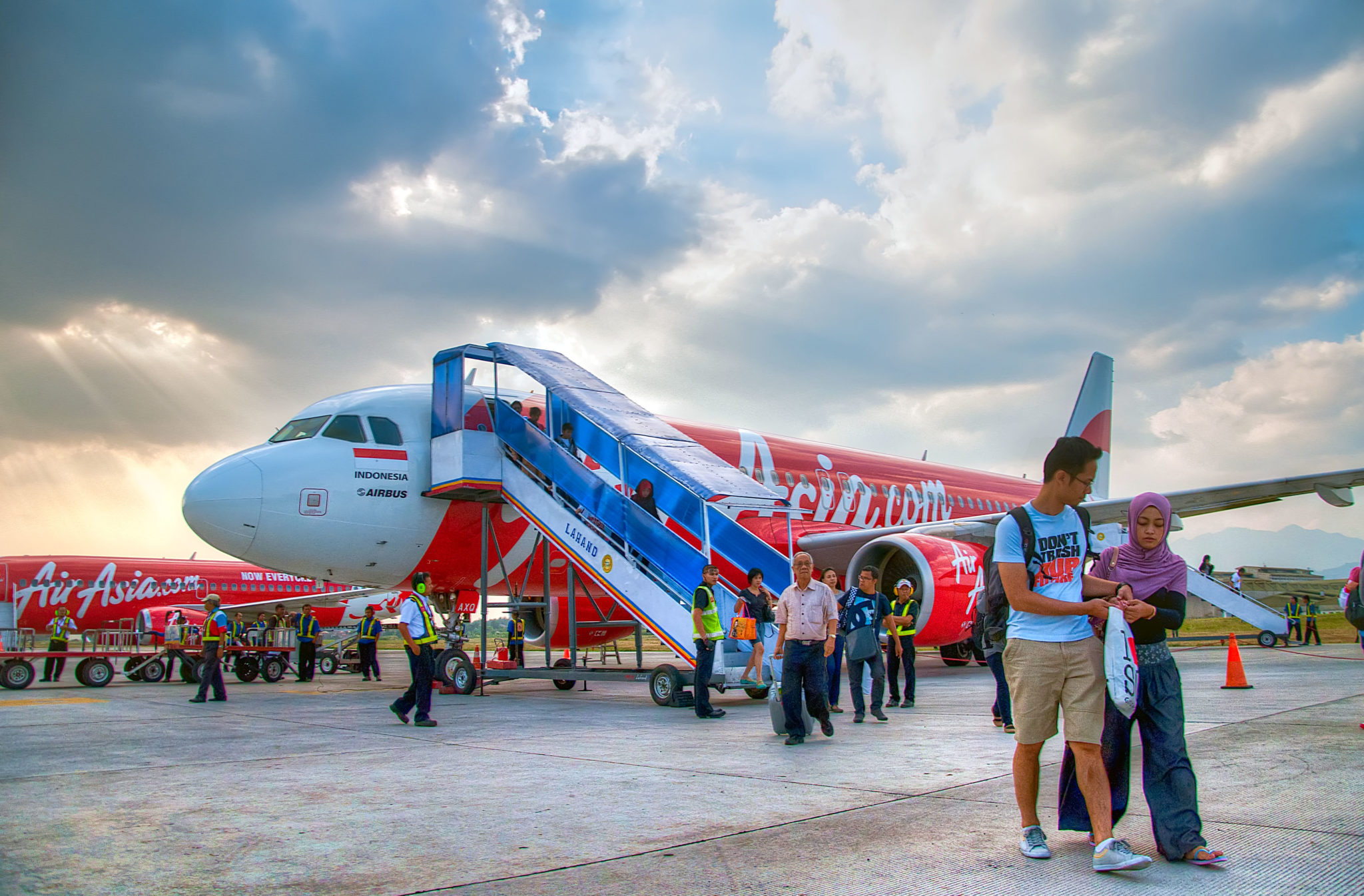
  • AirAsia strengthens Malaysia-Thailand connectivity with new Chiang Rai hub

    AirAsia strengthens Malaysia-Thailand connectivity with new Chiang Rai hub

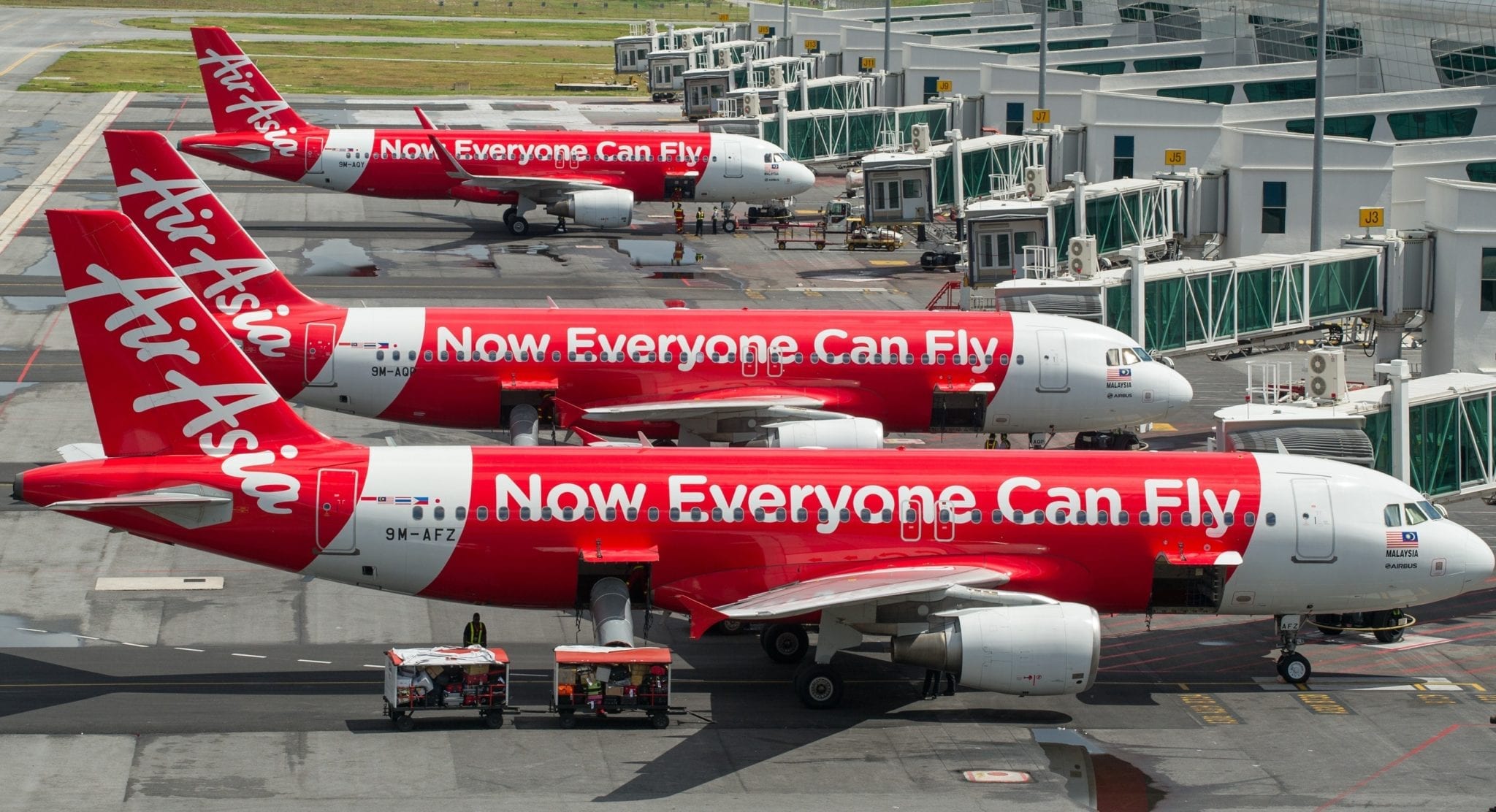
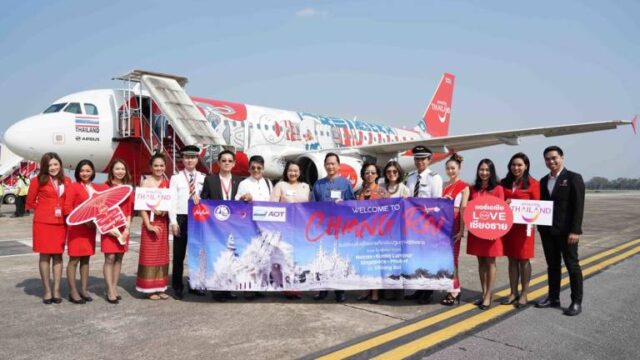
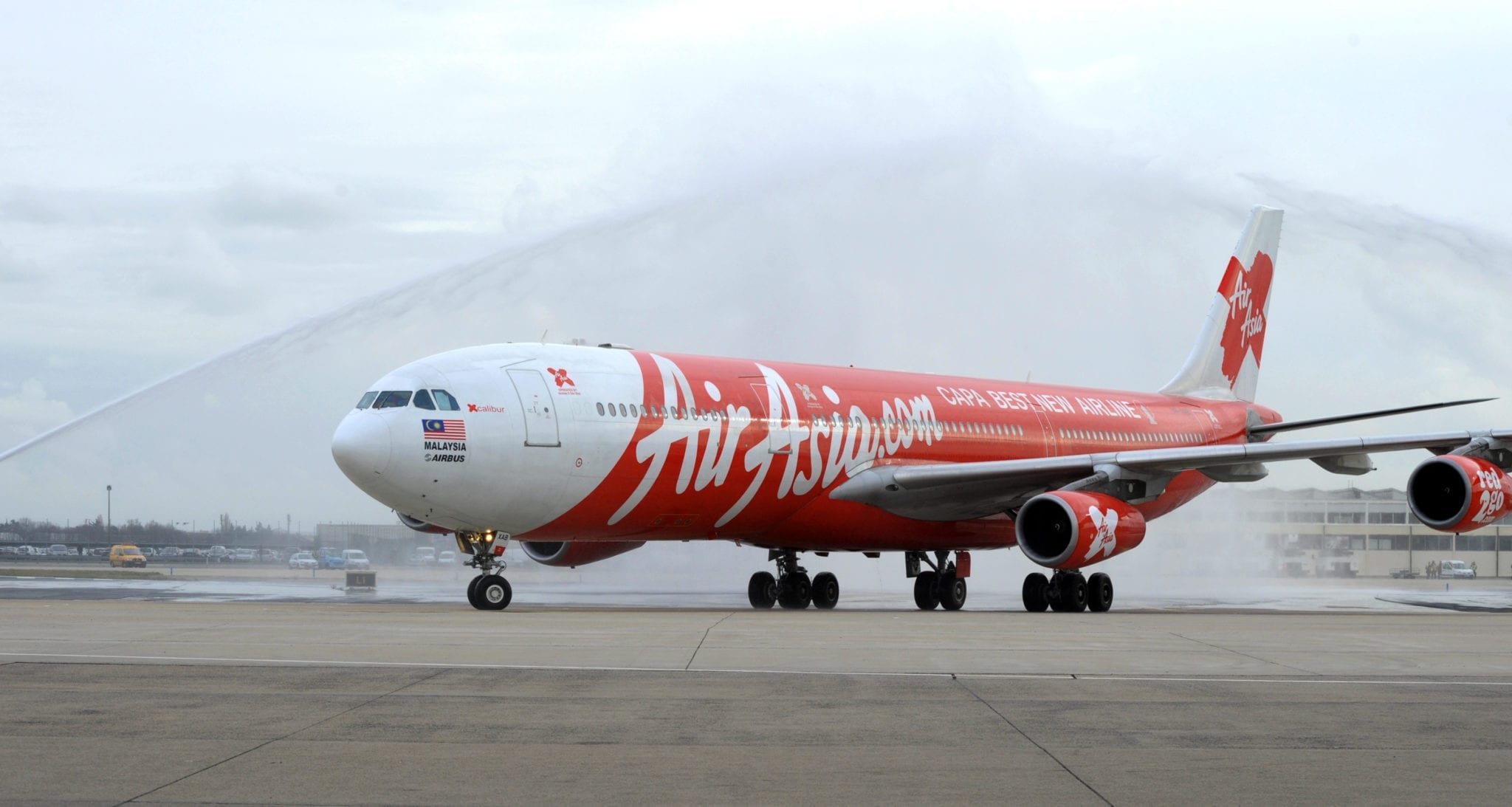
    AirAsia has further strengthened Malaysia-Thailand connectivity with the launch of a new route from Kuala Lumpur to Chiang Rai, its seventh and newest hub in Thailand. AirAsia Thailand, which will base an Airbus A320ceo at Chiang Rai’s Mae Fah Luang International Airport, will also operate new services to Phuket, Singapore and Macau, providing a massive boost to the local tourism and business communities, the airline said in a statement.

    AirAsia currently operates a total of six routes to and from the capital of Thailand’s northernmost province, including existing services from Bangkok Don Mueang and Hat Yai.

    AirAsia Thailand director of ground operations Witchunee Kuntapeng said the opening of its new hub in Chiang Rai is much like building a new home.

    “Chiang Rai has great potential to be one of the top tourism destinations in Thailand, with its unique Lanna culture and hill tribe way of life recently gaining global attention.

    “We believe it is a great time to promote Chiang Rai to travelers and are pleased to see that our four new routes between Chiang Rai and Phuket, Macau, Singapore and Kuala Lumpur have been well received. We’d like to thank the local community for their wonderful support,” Kuntapeng added.

    A welcoming ceremony led by Chiang Rai vice governor Paskorn Boonyalug, Tourism Authority of Thailand executive director for the East Asia region Titiporn Manenate and local travel agents was held at the new hub for each of AirAsia’s four inaugural flights from Phuket, Macau, Singapore and Kuala Lumpur between Jan 30 and Feb 1, 2019.

    The flight from Kuala Lumpur saw a load factor of 85% percent, proving the airline’s efforts to promote Chiang Rai as a leading destination for overseas visitors was off to a great start, it added.

  • AirAsia carried 16% more passengers in 2018

    AirAsia carried 16% more passengers in 2018

    AirAsia Group Bhd Consolidated AOCs carried a total of 12.1 million passengers in the fourth quarter ended Dec 31, 2018 (4Q18), reflecting a 16% growth from 10.4 million passengers carried a year ago. During the quarter, load factor was 4 percentage points lower at 84% from 88% a year ago, due to significant increase in capacity, which rose 21% to 14.3 million from 11.9 million a year ago.

    The group said in a statement that its available seat kilometres (ASK) grew 14% year-on-year, in line with the group’s strategy to grow its market share.

    For the full financial year ended Dec 31, 2018 (FY18), the group carried a total of 44.4 million, an increase of 14% from 39.0 million passengers carried a year ago.

    Capacity grew 18% to 52.5 million from 44.4 million a year ago while load factor fell 3 percentage points to 85% from 88% a year ago. ASK for the period grew 14%.

    The consolidated AOCs refers to AOCs whose financial and operational results are consolidated for financial reporting purposes, namely the Malaysian, Indonesian and Philippines AOCs.

    In 4Q18, Malaysia AirAsia carried a total of 8.5 million passengers, reflecting a 9% increase from 7.7 million passengers carried a year ago. Load factor fell 5 percentage points to 84% from 89% a year ago.

    The Malaysian operations saw a 16% increase in capacity to 10.2 million from 8.8 million a year ago while ASK rose 9% year-on-year.

    For FY18, Malaysia AirAsia carried 32.3 million passengers, 11% higher than 29.1 million passengers carried a year ago while load factor fell 4 percentage points to 85% from 89% a year ago.

    Capacity grew 16% to 38.0 million from 32.8 million a year ago while ASK rose 12% year-on-year.

    Overall, the group carried a total of 74.8 million passengers in FY18, which is an increase of 14% year-on-year. This includes all operations in Malaysia, Indonesia, Philippines, Thailand, India and Japan.

    The group also expanded its capacity during the year, with ASK up by 15% and load factor of 85%. The group’s total fleet size closed at 224.

  • Senai Airport Malaysia records 13% passenger growth in 2018

    Senai Airport Malaysia records 13% passenger growth in 2018

    Senai International Airport handled 3.52 million passengers last year, a 13% increase from the number of passengers recorded in 2017. Md Derick Basir, CEO of Senai Airport Terminal Services Sdn Bhd (SATSSB), the airport operator, said growth was mainly driven by domestic passengers with an increase of 234,650 passengers while international passenger traffic rose by 37% to 600,000 in 2018.

    “Growth was fuelled by the southern region’s rigorous economic activities, escalating demand for business and corporate travel, as well as the leisure sector,” he said in a statement.

    Commercial aircraft movement grew 8% with a total of 32,574 landings and takeoffs compared with 2017.

    “The rise in total passenger traffic in 2018 was mainly attributed by the introduction of new routes including Seoul by Jin Air, Sanya and Haikou by Malindo Air, as well as Alor Star and Ipoh by AirAsia.

    “In addition, the increase in flight frequencies to existing sectors such as Kuala Lumpur, Penang, Kota Kinabalu, Langkawi and Bangkok had also contributed to the growth,” he said.

    Md Derick added that SATSSB had also collaborated with industry players including tourism bodies and airlines to promote Johor as a destination, ultimately to encourage the demand for more air connectivity.

    “For 2019, Senai International Airport aims to handle 3.76 million passengers,” he added.

  • Thai’s King Power Duty Free, World’s Leading Airport Duty Free Operator 2018

    Thai’s King Power Duty Free, World’s Leading Airport Duty Free Operator 2018

    Thailand’s King Power Duty Free has won the world’s ultimate accolade for travel, tourism and hospitality industry excellence, voted ‘World’s Leading Airport Duty Free Operator 2018 in the 25th World Travel Awards. King Power Duty Free triumphed ahead of than a hundred duty free operators worldwide including shortlisted finalists China Duty Free Group, Hong Kong’s DFS, Dubai Duty Free, Swiss-based Dufry, Duty Free Americas, Germany’s Heinemann Duty Free, France’s Lagardere Travel Retail, and South Korea’s Lotte Duty Free and The Shilla Duty Free.

    “The award strengthens Thailand’s tourism image as a world class destination while underlining the outstanding capability of a Thai company,” said King Power Group CEO, Mr Aiyawatt Srivaddhanaprabha. “King Power is proud to be Thai and committed to the national travel retail business, setting a new benchmark for world-class duty free shopping experience.”

    Operated by King Power International, King Power Duty Free was earlier voted Asia’s Leading Airport Duty Free Operator 2018 in the regional finals of the World Travel Awards.

    World Travel Award was established in 1993 to annually acknowledge, reward, and celebrate excellence across key sectors of the travel, tourism and hospitality industries. Today the brand is recognized globally as the ultimate hallmark of industry excellence, voted by travel, tourism and consumer trade executives.

  • Travel Food Services India introduces the futuristic robot – Mitri

    Travel Food Services India introduces the futuristic robot – Mitri

    Travel Food Services (TFS), India’s leading Travel Food and Retail Company, unveils the latest in technology – Mitri, the Robot, to make the experience of travellers interactive and fun. Mitri will be engaging with customers at TFS’s Dilli Streat outlet at Indira Gandhi International Airport, New Delhi, and is the first ever airport installation in the F&B segment.

    Visitors to the Dilli Streat outlet will be met and greeted by Mitri, who will facilitate activities and engage with them by providing menu detail. It would also be offering food recommendations. Mitri is a testament to Travel Food Service’s commitment of enhancing the travel experience in India, and presents a true example of how technology like Artificial Intelligence can help improve customer satisfaction, and drive productivity and sales.

    Commenting on the latest technology, Gaurav Dewan, COO and Business Head, Travel Food Services said, “We are always on the lookout for latest innovative technologies that can enhance the experience and satisfaction of our customers. We are extremely excited to present Mitri at our Dilli Streat outlet at the Delhi Airport. With Mitri being such an innovative and futuristic concept, and given her success, we are hopeful to bringing her to more outlets across India.”

  • AirAsia, AirAsia X in RM400m counterclaim against MAHB

    AirAsia, AirAsia X in RM400m counterclaim against MAHB

    AirAsia Group Bhd and its affiliate AirAsia X Bhd are seeking over RM400 million in counterclaims against Malaysia Airport Holdings Bhd (MAHB) in relation to the suit filed against them over the passenger service charges (PSC) collection. AirAsia and AirAsia X told Bursa Malaysia that they had filed a statement of defence against Malaysia Airports (Sepang) Sdn Bhd (MASSB), a wholly-owned subsidiary of Malaysia Airport Holdings Bhd (MAHB).

    “In the statement of defence, AirAsia Bhd (AAB) contended, amongst others, that the claim by MASSB is misconceived, invalid and/or premature as MASSB has not complied with and/or availed itself of the statutory provisions for dispute resolution within the Malaysian Aviation Commission Act 2015 (Mavcom Act). Accordingly, AAB has filed an application to strike out the suit on the above grounds,“ said AirAsia.

    “Further, AAB together with its affiliate AirAsia X Bhd (AAX), will be availing themselves of the statutory provisions for dispute resolution within the Mavcom Act to seek more than RM400 million in counter-claims against MASSB and/or MAHB for losses and damages experienced by AAB and AAX due to operational disruptions at klia2,” it added.

    Last month, AirAsia was being sued for refusing to collect the additional RM23 PSC per passenger at klia2.

    AAB was served with an unsealed copy of a writ of summons in the sum of RM9.4 million by MASSB pertaining to PSC that AAB has not collected and refuses to collect from traveling passengers. Meanwhile, AAX was served with an unsealed copy of a writ of summons in the sum of RM26.7 million for alleged PSC arrears.

    AirAsia yesterday closed up 1.33% to RM3.05 with 5.17 million shares done; while AAX closed 1.72% lower at 28.5 sen with 12.17 million shares traded. MAHB was up 0.25% at RM8.12 with 3.33 million shares changing hands.

  • Shilla Vietnam to open hotel at Da Nang

    Shilla Vietnam to open hotel at Da Nang

    Hotel Shilla announced Tuesday that it will actively begin expanding its brand abroad this year, the first new location being a resort in Da Nang, Vietnam. “Starting with Da Nang, we hope to expand our brand to more than 10 overseas locations in Southeast Asia, United States and China,” the hotel company said in a statement. Hotel Shilla is Samsung’s hotel and duty-free business arm. The 46-year-old company currently operates The Shilla Seoul and The Shilla Jeju.

    It also runs 11 business hotels under its Shilla Stay name.

    The company said that it will expand overseas through hotel management agreements with local companies, a common structuring for hotel chains. This means the local partner will own the hotel building while Shilla will operate the business. For Shilla, this minimizes investment risks.

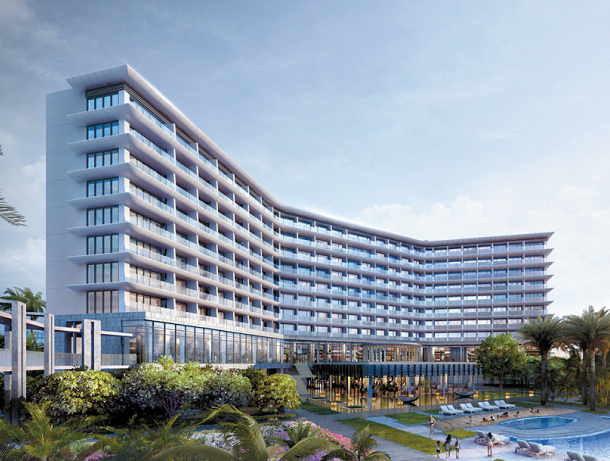
    Shilla’s new Da Nang hotel – slated to open this year under the brand-new Shilla Monogram name – will be a nine-floor building with 300 rooms. The hotel will be located on Non Nuoc Beach in Da Nang, a popular destination for Korean tourists.

    The hotel, still under construction, will feature an outdoor pool, restaurants and bars. Every room will be equipped with a balcony.

    Hotel Shilla also announced that it is preparing to open a 200-room premium business hotel in San Jose in Silicon Valley, California, under its Shilla Stay brand by 2021.

    “We hope to continue raising more revenues abroad by expanding our overseas hotel business,” said a Hotel Shilla spokesperson.

    Some 20 percent of the company’s total revenues today, or 1 trillion won ($892.5 million), come from abroad. Hotel Shilla operates several duty-free stores in domestic and foreign airports, including locations at three of Asia’s busiest airports: Singapore’s Changi Airport, Hong Kong International Airport and Incheon International Airport.

    Hotel Shilla has been operating Jinji Lake Shilla Hotel in Suzhou, China, since 2006. It was the first overseas hotel managed by the company.

    Following Tuesday’s announcement, Hotel Shilla’s stock prices closed at 76,100 won on Tuesday, 1.33 percent higher than Monday.

    As for upcoming domestic projects, Hotel Shilla is planning to open a hotel themed after hanok, or traditional Korean houses, by 2023 in central Seoul.

    If the company receives approval to build the new hotel from domestic land authorities, it will become the first to operate such a hotel in Seoul.

  • Hennessy celebrates Chinese New Year by opening pop up store at Changi

    Hennessy celebrates Chinese New Year by opening pop up store at Changi

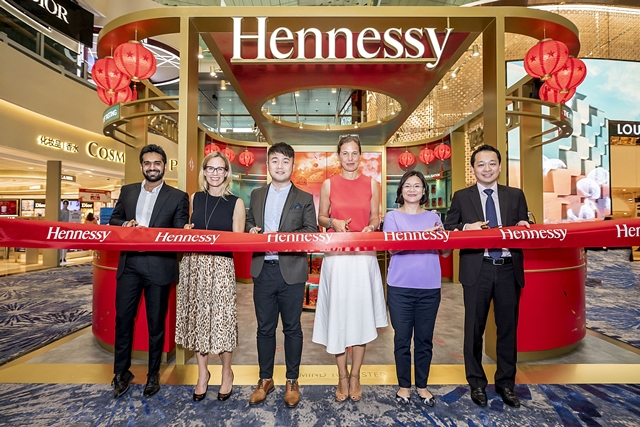
    Moet Hennessy is partnering with DFS Group in Hennessy pop-up store a Changi Airport celebrate Chinese New Year. The store, a Travel Retail Concept Exclusive, features interactive consumer experiences and will remain open until February 19. Located at the Terminal 3 Departure Hall, the pop-up experience, the only one of its kind globally. It invites travellers to “engage in a joyous reunion through experiences such as interactive digital games, Hennessy’s bottle engraving service, limited edition offers, as well as exclusive gifts with purchase,” the companies said in a statement.

    Travellers are also welcomed to test the Firecracker, a unique Hennessy cocktail, which will be available exclusively at the pop up.

    Hennessy collaborated with contemporary artist Guang-Yu Zhang to create an art piece centrestage in the pop up. The design, A Joyous Reunion, celebrates the love for nature, mastery of savoir-faire and spirit of conquest.

    Gallery of the pop up stores (6 images) :

    “Hennessy shares the dream of Harmony, from vine to grape to distillation to glass, from nature to people, Hennessy takes the best of nature and offers it to the Chinese people to celebrate this special moment,” said Guang-Yu Zhang.

    The also features on the limited-edition packaging that has been created for Hennessy XO, Hennessy VSOP and James Hennessy products.

    After purchase, customers at Changi are invited to use Hennessy’s first-ever engraving station at the pop-up store to add a personalised messages to their bottles.

    “At Hennessy, we are honoured to have collaborated with a world-class artist to deliver these beautiful, one-of-a-kind Chinese New Year limited-editions for our travellers,” said Moet Hennessy MD travel retail Asia Pacific, Vanessa Widmann.

    A rising star in the international art world, Guang-Yu Zhang grew up in Shanghai and graduated from Central Saint Martins College in London in 2012. In 2014, he was selected for the International Emerging Artists Exhibition at the Saatchi Gallery in London; that year, he also exhibited his work at the Tate Britain Museum in London. He is known for his unique fusion of Eastern and Western cultures and traditional and contemporary techniques.