Tag: travel

  • Asiana and pilots reach safe operations agreement

    Asiana and pilots reach safe operations agreement

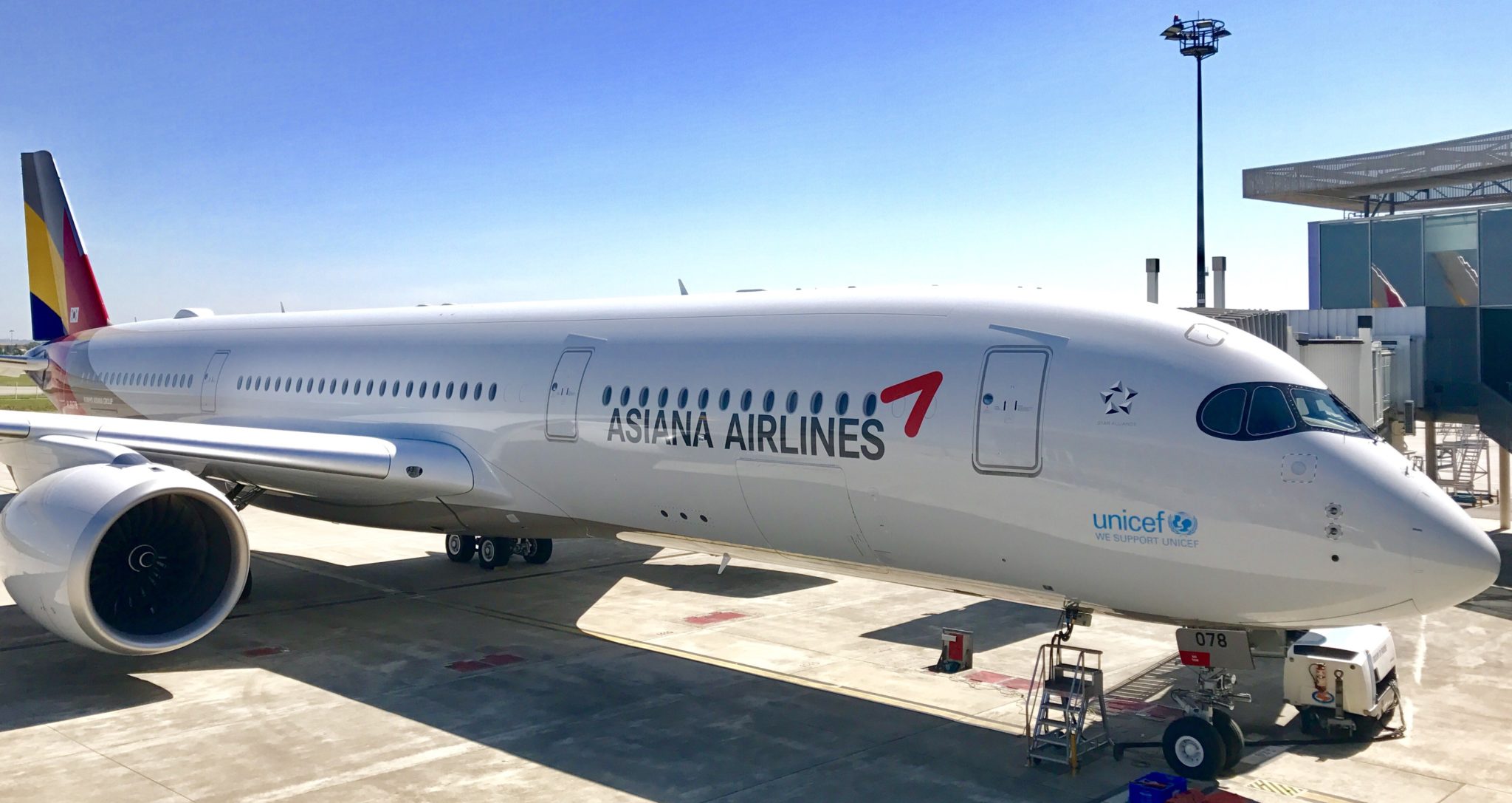
    Asiana Airlines and its pilot labor union jointly announced their vision for safe airline operations, the airline said Friday. During a ceremony held for the announcement Thursday, they vowed to strengthen communications for safe flight operations and cooperate in enhancing airline sustainability. The ceremony was held at the company headquarters in Gangseo District, western Seoul.

    Asiana Airlines CEO Han Chang-soo and Asiana Pilot Union head Kim Young-gone attended.

    The union requested the company establish a new team that will make sure there are no obstacles to safe flight and improve pilot rights and interests. The company agreed to fully support safe and secure flight operations.

    The two parties completed wage negotiations in September and have since worked toward cooperation.

  • Bamboo Airways to sign deal for 10 Boeing planes during Trump-Kim summit

    Bamboo Airways to sign deal for 10 Boeing planes during Trump-Kim summit

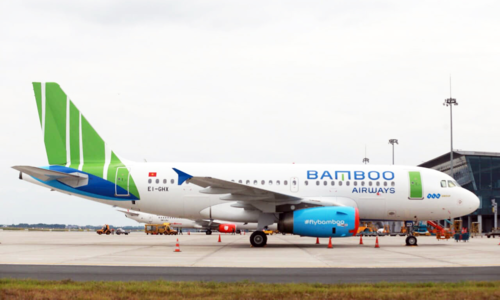
    Vietnam’s newest carrier, Bamboo Airways, which began flying last month, is set to sign a deal with Boeing to buy 10 aircraft. The signing will take place on the sidelines of the second summit between U.S. President Donald Trump and North Korean leader Kim Jong-un in Hanoi on Wednesday and Thursday, an unnamed airline executive said. In July last year the airline had signed a provisional deal to buy 20 Boeing 787-9 wide-body jets worth $5.6 billion at list prices.

    “We will sign with Boeing a deal to buy 10 Boeing 787s,” the executive said. “This is different from the deal signed earlier for 20 Boeing planes.”

    The U.S. Federal Aviation Administration (FAA) recently allowed Vietnam to operate direct flights to the U.S.

    Bamboo Airways and other Vietnamese airlines have expressed interest in operating direct flights to that country.

    Bamboo was set up by private conglomerate FLC in 2017 with a charter capital of VND700 billion ($30 million), which it recently increased to VND1.3 trillion ($55.68 million).

    Budget airline Vietjet also plans to sign on the sidelines of the summit a deal to buy 100 narrow-body Boeing aircraft.

    Vietnam’s aviation industry is booming demand. The country welcomed 12.5 million air passengers last year, up 14.4 percent from 2017, according to the General Statistics Office.

  • Sands China mall sales increase when land-based visitors return

    Sands China mall sales increase when land-based visitors return

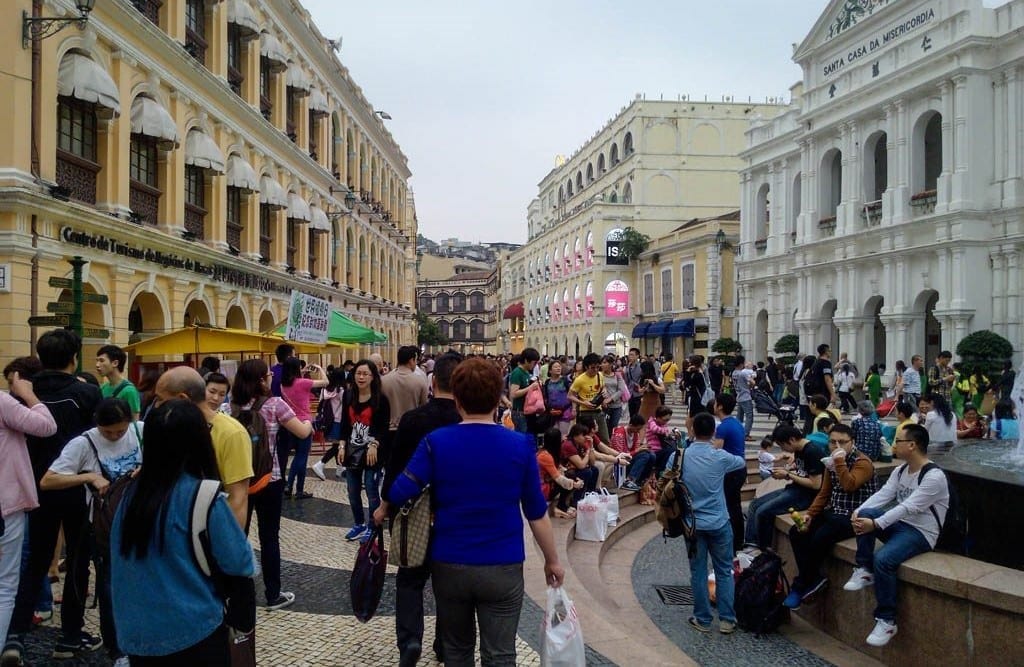
    Sands China mall revenue rose 5.8 per cent last year as Mainland China visitor numbers rebounded. Sands China owns The Venetian Macao, Sands Cotai Central, The Parisian Macao and The Plaza Macao shopping centres which boast a combined 1.87 million sqft of retail-mall space. They form a key part of the company’s giant gaming and resorts business in the territory, which combined posted US$8.67 billion in sales last year, up more than 14 per cent, and achieved a post-tax profit of $1.87 billion, up 17 per cent.

    The company says mall revenues for the year increased 5.8 per cent overall to $507 million, compared to $479 million the previous year.

    The increase was primarily driven by higher turnover fees from Shoppes at Four Seasons, Shoppes at Venetian and Shoppes at Cotai Central, and from additional retail space becoming available at Cotai Central.

    The strongest-performing mall complex was the smallest of the four, The Plaza Macao, which has the 241,548sqft gross leasable area (GLA). It achieved 99 per cent occupancy with a base rent of $460 per sqft and tenant sales of $4373 per sqft, contributing $145 million in revenue, up 10.7 per cent year on year.

    The weakest-performing mall was The Parisian Macao, with 89.8 per cent occupancy of its 295,915sqft GLA. Base rent per sqft was $156 and tenant sales per sqft $649. Revenue there fell 13.6 per cent year on year to just $57 million.

    The company’s largest Macau property, and its first, The Venetian Macao, has 813,376sqft of GLA. It achieved total mall revenues of $233 million last year – up 6.4 per cent – with 90.3 per cent occupancy, a base rent of $263 and tenant sales of $1746.

    Sands Cotai Central, with 519,681sqft GLA, achieved $69 million in revenue – up 9.5 per cent – and achieved 91.5 per cent occupancy. Base rent was $108 and tenant sales $892.

    Sands China said its food and beverage revenues rose 4.1 per cent last year to $304 million, driven primarily by increased foot traffic.

    Chairman Sheldon G Adelson said Macao’s development and evolution as Asia’s leading tourism destination accelerated during the year, with market-wide visitation from China reaching a record 25.2 million visits, an increase of 14 per cent compared to last year.

  • Retail report says holiday sales were disappointing

    Retail report says holiday sales were disappointing

    Shoppers did not spend as much as expected this past holiday season. Holiday sales were up just 2.9 percent in 2018, the National Retail Federation said, on the heels of the Commerce Department announcing retail sales for December fell 1.2 percent, the largest decline since September of 2009. NRF, the retail industry’s trade organization, had been calling for 2018 holiday sales, those from Nov. 1 through Dec. 31, to rise between 4.3 and 4.8 percent.

    “It appears that worries over the trade war and turmoil in the stock markets impacted consumer behavior more than we expected,” NRF President and CEO Matt Shay said in a statement. “There’s also a question of whether the government shutdown and resulting delay in collecting data might have made the results less reliable.”

    NRF said online and other nonstore sales were up 11.5 percent this past holiday season, while the group had been calling for growth of between 11 and 15 percent.

    It said sales, both in stores and online, were down 1.5 percent in November year over year, and in December were up just 0.9 percent. It added that October sales were up 5.7 percent year over year, but spending during that month isn’t included in NRF’s holiday sales tally.

    NRF chief economist Jack Kleinhenz said the sales results were “truly a surprise” and “in contradiction to the consumer spending trends” NRF had been monitoring.

    The fresh retail sales data from the Commerce Department has, meanwhile, raised new concerns about a recession. But economists also say the biggest drop in nine years clashes with other data and may be suspect.

    NRF is still calling for retail sales, excluding automobile dealers, gasoline stations and restaurants, to climb between 3.8 and 4.4 percent this year, amounting to as much as $3.84 trillion.

  • Where Chinese tourists go for shopping

    Where Chinese tourists go for shopping

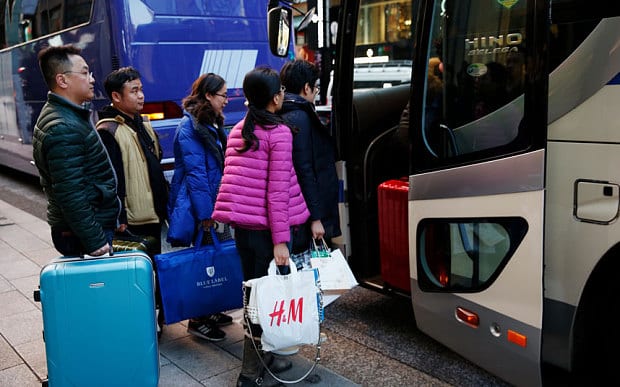
    Hong Kong, Tokyo, Seoul and Singapore were among the hottest shopping destinations for Chinese tourists last year, according to Ctrip. In the latest big-data report from the Chinese travel-services provider, Edinburgh, Singapore and San Francisco were also among the top 10. Last year, nearly 150 million overseas trips were made by Chinese tourists, who collectively spent US$120 billion.

    London was the city that saw the highest per-capita spending by Chinese tourists – more than US$4428 – followed by Paris, Macau, Dubai, Okinawa, Kyoto, Osaka, Nagoya, Hong Kong, Singapore and Fukuoka.

    Europe is still a hot destination for Chinese luxury goods buyers because prices there are much lower than the global average, and a tax-refund system also facilitates sales.

    Despite the recovery of the British pound last year, the UK remained a popular destination for Chinese tourists, said Ctrip.

    Experts noted that Chinese consumers would still be a focus of competition between shopping destinations this year, and many retailers internationally have upgraded their shopping facilities to lure Chinese tourists.

  • Vietnamese airlines continue to be plagued by pilot shortage

    Vietnamese airlines continue to be plagued by pilot shortage

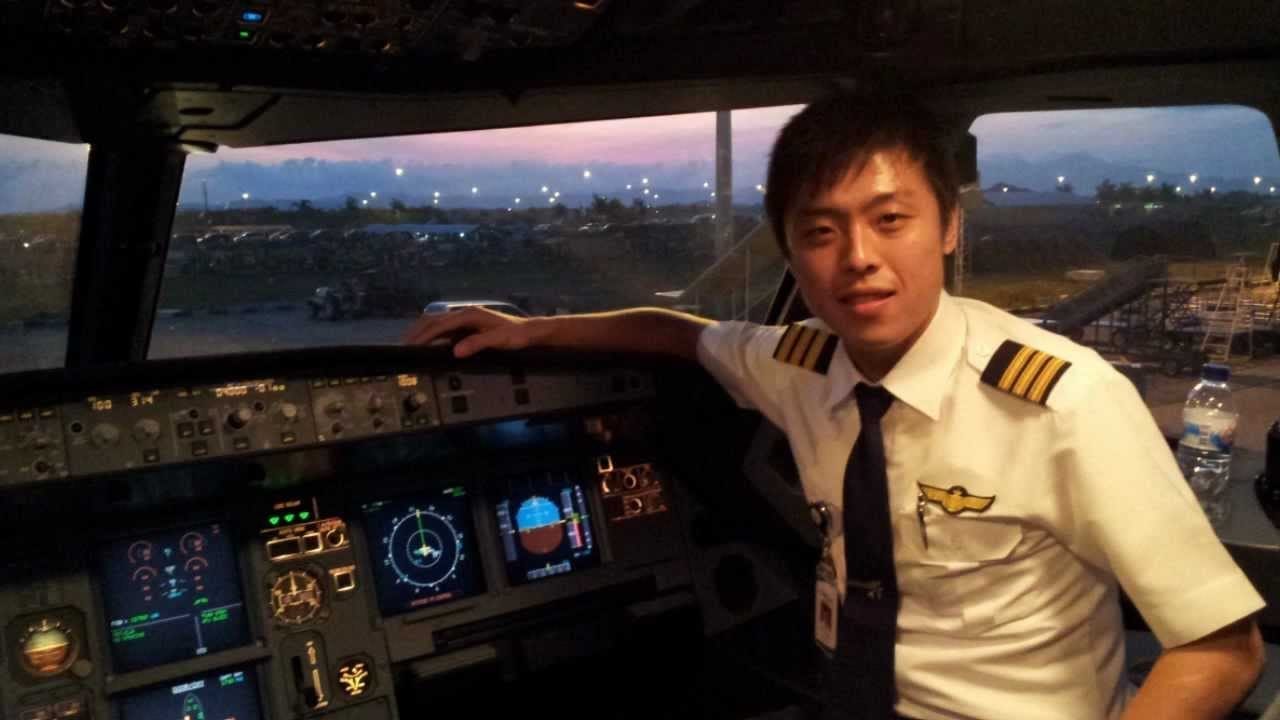
    With increasing demand for pilots as they expand, Vietnamese airlines have had to raise salaries, spend more on training and hire foreign pilots. Figures from the Civil Aviation Authority of Vietnam show that by 2020 Vietnam will need a total of 2,680 pilots for commercial flights, 1,320 more than now. Vietnam Airlines, the country’s flag carrier, needs to hire 193 more pilots to increase the number on its payroll to 1,293 pilots to meet demand in 2019, according to the carrier’s recent assessment report.

    The assessment forecast the demand to keep rising increasing to 1,340 by 2020 and 1,570 by 2025. This is a challenging number given the increasing shortage of pilots globally, according to industry insiders.

    According to a recent report from Boeing, the global aviation industry will need 790,000 new pilots by 2037, or double the current number, driven by an anticipated doubling of the commercial airplane fleet, record travel demand and tightening labor supply.

    Pilot training has always been extremely expensive, with stringent health and technical knowledge requirements, meaning that the number of pilots qualifying is always limited, according to industry insiders.

    A former Vietnam Airlines pilot revealed that because of the shortage, soon after he gave notice of termination he received many offers from airlines both domestic and foreign.

    He said many other pilots at Vietnam Airlines also constantly offered 15-25 percent higher salaries by head hunters.

    As a result the carrier has been focusing on hiring trainees. Duong Tri Thanh, its general director, said given the global shortage of pilots and carry out its expansion plans in time, Vietnam Airlines has been training internally and recruiting foreign pilots despite high costs.

    Similarly, Jetstar Pacific or Vietjet Air are facing difficulties filling their vacancies with pilots when trying to rapidly expand in South Korea, Japan, and other countries in Southeast Asia. Currently, the number of pilots at these firms is largely foreign due to limited domestic supply. Typically, at Jetstar Pacific, foreign pilots account for 80 percent of their fleet.

    However, foreign pilots can be hard to come by since many other companies in Asia can offer them better remuneration and working conditions.

    An aviation expert said airlines need to combat the pilot shortage by investing in training facilities and recruitment programs and subsidizing training for pilot trainees.

    Vietnam’s aviation industry has been growing rapidly in recent years. There were 12.5 million air passengers last year, up 14.4 percent from 2017.

    The number of flights in the country grew by 16 percent on average between 2010 and 2017, according to official data.

    Vienam’s five airlines are Vietnam Airlines, its low-cost carrier Jetstar Pacific, budget airline Vietjet Aviation, Bamboo Airways and Vietnam Air Services Co.

  • Higher fuel prices dent AirAsia X’s Q4 performance

    Higher fuel prices dent AirAsia X’s Q4 performance

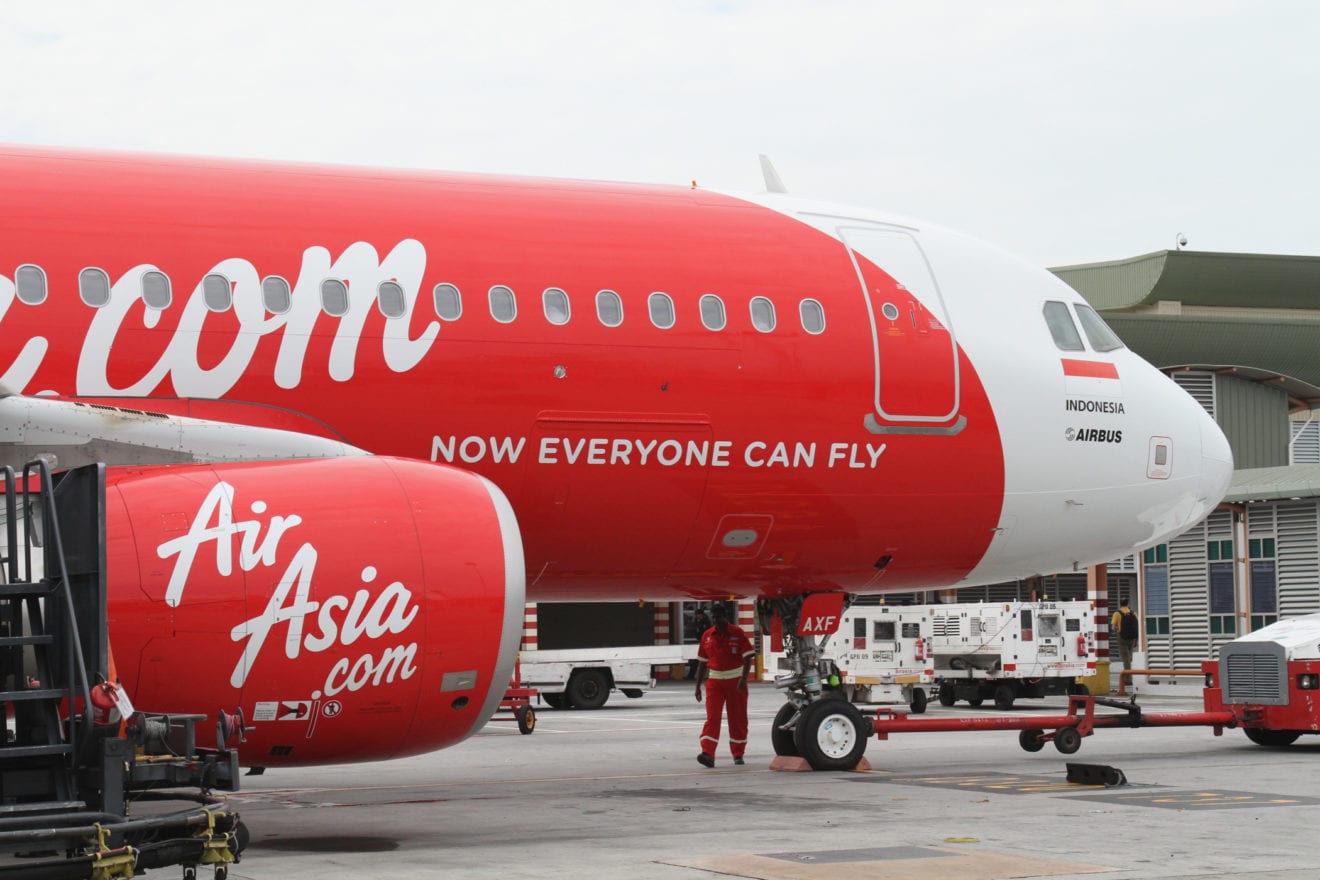
    AirAsia X Bhd suffered a net loss of RM99.27 million in the fourth quarter ended Dec 31, 2018 compared with a net profit of RM84.42 million a year ago due to higher fuel prices. In a filing with Bursa Malaysia, the airline reported an increase in average fuel price to US$89 per barrel during the quarter from US$69 per barrel a year ago, which resulted in a lower net operating profit of RM27.4 million from RM120 million a year ago.

    In addition, the group provided an impairment on amount due from joint venture amounting to RM24 million during the quarter under review.

    During the quarter, the group reported a 1% improvement in cost per available seat kilometre (CASK) to 12.27 sen while CASK ex-fuel improved by 16% from 8.22 sen to 6.94 sen a year ago, due to enhanced cost management.

    Revenue for the quarter fell 5.93% to RM1.15 billion from RM1.22 billion a year ago.

    For the financial year ended Dec 31, 2018 (FY18), the group also swung into the red registering a net loss of RM312.7 million compared with a net profit of RM98.89 million a year ago while revenue fell marginally to RM4.54 billion from RM4.56 million a year ago.

    AirAsia X said its current forward booking trend and average fares for the first quarter of 2019 are within expectation and prospects are anticipated to remain encouraging.

    The airline will be adding up to five aircraft through operating leases this year via AirAsia X Thailand while AirAsia X Malaysia will remain with 24 aircraft.

    AirAsia X Malaysia will focus on maximising aircraft utilisation of its current fleet and leverage on the group’s strategy in new route launches as well as increasing frequencies of core routes.


  • Vietjet to ink $13 billion Boeing deal during Trump-Kim summit

    Vietjet to ink $13 billion Boeing deal during Trump-Kim summit

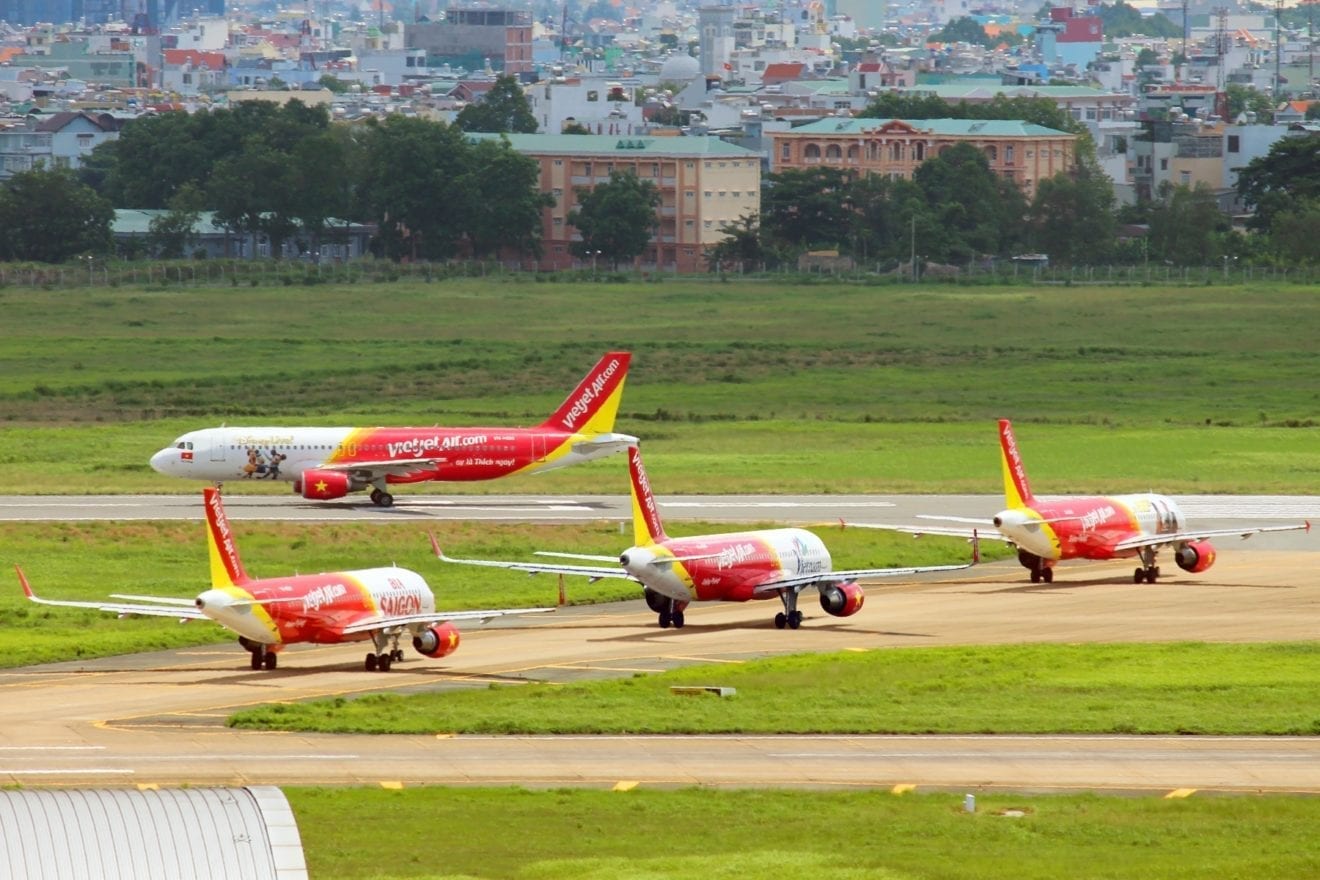
    Vietnamese budget airline Vietjet will sign next week a deal to buy 100 narrow-body Boeing aircraft. The signing will take place on the sidelines of the upcoming Trump-Kim summit, sources said. The sources also said Vietjet will finalize next week a provisional deal agreed last year to buy 100 narrow-body Boeing 737 MAX jets worth almost $13 billion at list prices.

    The U.S. Federal Aviation Administration (FAA) last week gave Vietnam a Category 1 safety rating, allowing local airlines to operate direct flights to the U.S.

    Vietjet, along with other local airlines, had previously expressed interest in operating direct flights to the U.S.

    The carrier, the largest private airline in Vietnam, had also signed a deal to buy Boeing 737 MAX narrow-body jets when former U.S. President Barack Obama visited Hanoi in 2016.

    It also finalized a deal in November last year with Airbus for 50 A321neo jets during a visit to Hanoi by French Prime Minister Edouard Philippe.

    Vietjet currently operates 40 domestic routes and 66 international routes. It has 385 flights daily within Vietnam and to places such as Japan, Hong Kong, South Korea, Taiwan, Singapore, mainland China, Thailand, Myanmar and Malaysia.

  • Korean Air plans to make 16 trillion won in sales by 2023

    Korean Air plans to make 16 trillion won in sales by 2023

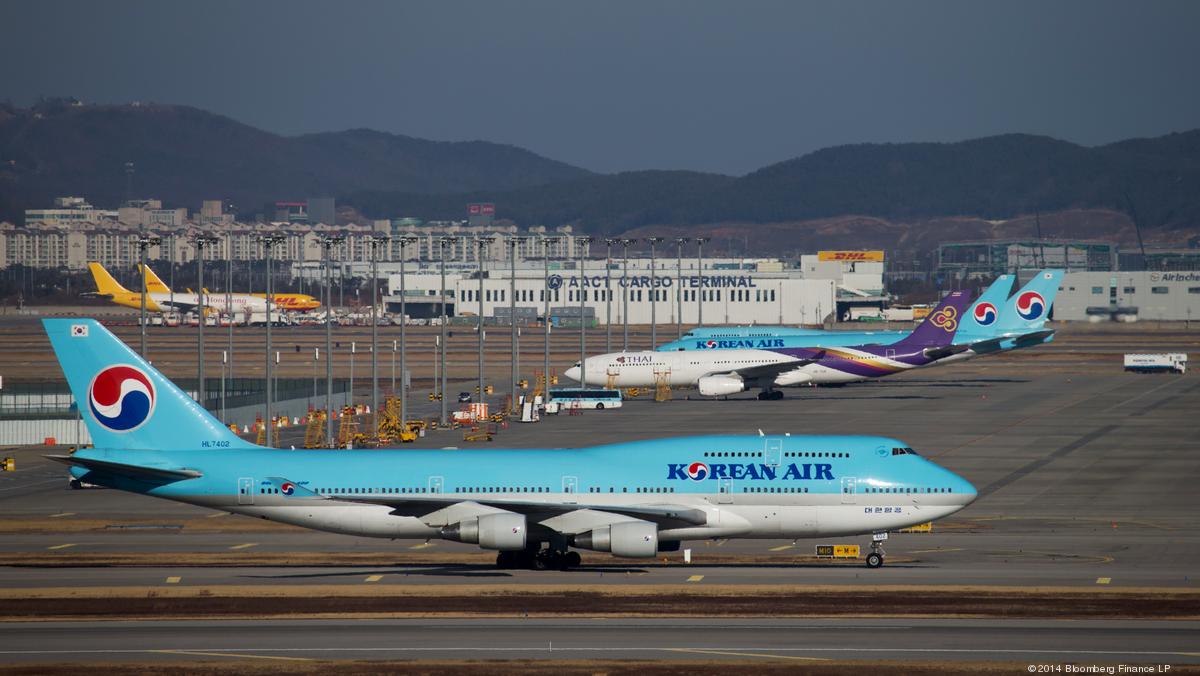
    Korean Air unveiled its mid-term business strategy Tuesday, saying it aims to record 16.2 trillion won ($14.4 billion) in sales by 2023. The goal comes as the airline’s March shareholders’ meeting draws near. Korean Air Chairman Cho Yang-ho’s term at the country’s largest airline ends this year and shareholders will vote on his re-election. To achieve the sales target, it needs to grow by an average 5.1 percent every year. Last year, the airline inked 12.7 trillion won in sales.

    Its operating profit target for 2023 is 1.7 trillion won, about 2.5 times more than last year’s 692.4 billion won.

    The company said it will work to raise the profitability of its business to reach a 10.6 percent profit to sales ratio. Last year, the ratio stood at 5.5 percent. Along with improved profits, the company plans to lower its debt ratio to below 400 percent from last year’s 699 percent.

    To expand sales, Korea’s largest full-service carrier plans to expand routes connecting America and Asia through a joint venture inked with U.S. airline Delta Air Lines last year. The partnership enables the two companies to share revenue, costs, flights and sales networks with antitrust immunity on their trans-Pacific operations.

    The airline also plans to open up new flight routes headed to Europe and Southeast Asia, both growing as popular travel destinations.

    As for its cargo business, the airline plans to bolster its business with emerging markets like Vietnam, India and Central and South America.

    In the aerospace business, the company said it will develop new technologies to build parts for passenger aircraft and start mass producing unmanned aerial vehicles to secure future growth engines.

    This year, Korean Air proposed a target of 13.2 trillion won in revenue and 1 trillion won in operating profits.

  • Incheon Airport to add AI to security systems

    Incheon Airport to add AI to security systems

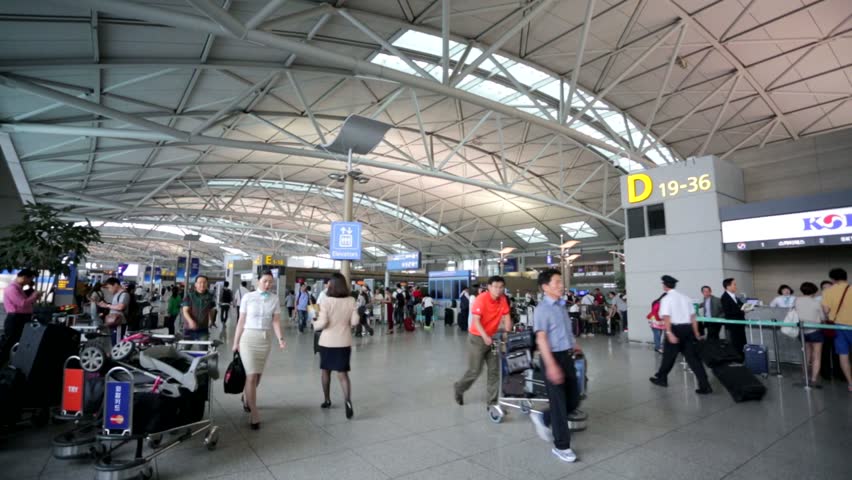
    Never mind airport security, artificial intelligence (AI) may also be rooting through your luggage in the near future at Incheon International Airport. Incheon International Airport Corporation said Wednesday it will incorporate AI into its security systems in a bid to improve accuracy in screening passenger luggage for prohibited items.

    The airport has already started working on the project to develop an AI-based X-ray screening system to be tested in the second half of next year.

    Instead of the existing system that relies on X-ray scanning, manual image checking by security officers and a final physical check, artificial intelligence will crosscheck the X-ray scan and the analysis will be available to officers along with the X-ray image.

    The first-stage AI scan is expected to complement and improve the accuracy of the security check as an officer will continue to be responsible for the final call to physically inspect luggage.

    The airport said it will apply deep-learning technology on over 600,000 pieces of footage of around 20 prohibited items and 20,000 commercially sold liquid products to develop an algorithm for imagery interpretation and improve the AI’s screening accuracy.

    The development project is expected to take two years overall, with a proof-of-concept system to take 10 months to develop.

    “By preemptively incorporating AI technology into security, [we] will strengthen airline security and plan to provide a safer and more convenient environment for passengers,” said Chung Il-young, CEO of Incheon International Airport Corporation.

    This will be the country’s first large-scale practical application of the technology, according to the airport.

    It is part of broader efforts to introduce a “Smart Security System” with the Ministry of Land, Infrastructure and Transport.

    The airport is also planning to introduce a tunnel security search system, the first of its kind, which will allow passengers to simply go through security checks by walking through a tunnel.

    The airport screened around 60 million pieces of luggage last year through the conventional X-ray system and found 3 million prohibited items such as firearms and swords.

  • Air France-KLM more than doubles profits in 2018 despite strikes

    Air France-KLM more than doubles profits in 2018 despite strikes

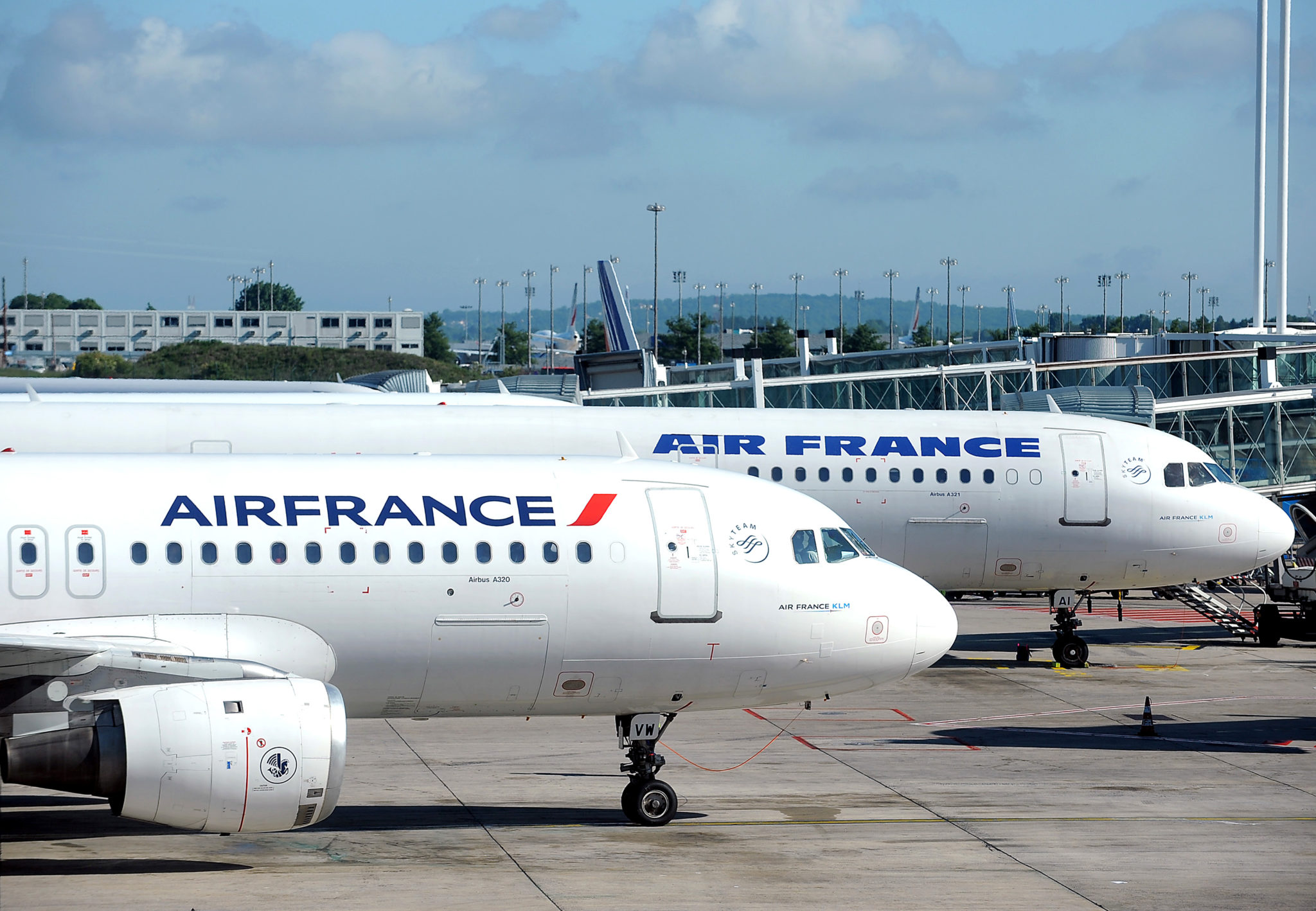
    Air France-KLM, which was badly hit last year by strikes and management upheaval, reported on Wednesday that its annual net profits rose by 150% to 409 million euros (US$463 million). “The strong performance of our front-line teams and continued cost control helped partly offset the impact of strikes at Air France in the first half of the year, as well as significant fuel headwinds,“ Benjamin Smith, the company’s new chief executive, said in a statement.

    The Canadian businessman took over in September following Jean-Marc Janaillac’s sudden exit in a bitter dispute over salaries in the group’s French wing.

    Fifteen days of strike cost the company 335 million euros, Air France said.

    On Tuesday, Air France pilots voted by 85% in favour of a new pay deal, concluding a series of long employee-management negotiations.

    Revenue growth last year was up in all business segments, with operating earnings coming in at of 1.3 billion euros, the Franco-Dutch airline group reported.

    The group said it had carried more than 100 million passengers last year, making it the leading European airline for long-haul traffic.

    Transavia, a low-coast subsidiary, carried 15.8 million passengers last year, an increase of 7.1% on 2017.

    Full year 2018 capacity increased by 2.1%, mainly driven by the South American, North Atlantic and Asian networks, with respective growth of 8.6%, 3.0% and 2.1%, Air France-KLM said.

    In 2019, the group will concentrate on “operational efficiency”, financial director Frederic Gagey said.

    “We can make a lot more money compared to last year,“ he said, adding that Air France-KLM would also be looking to renewing its fleet to replace some of its more fuel-guzzling planes.

  • Malaysia ranks second in SEA for Chinese tourist transactions during CNY

    Malaysia ranks second in SEA for Chinese tourist transactions during CNY

    Malaysia is the second largest market in Southeast Asia for Chinese tourists spending over the Chinese New Year holiday season, as recorded by Alipay, the digital payment and lifestyle platform offered by Ant Financial, an affiliate company of Alibaba Group. The transactions were recorded between Feb 4 and 10 this year. Malaysia saw a 16% increase in average per-capita spend by Chinese tourists this year, with a growth in transaction volume by 71% compared to 2018.

    What’s more, Chinese millennials can no longer claim to be the dominant user group spearheading spending while travelling, as 68% of Chinese tourists born between 1960 and 1979 were found to be the main driving force in outbound tourism and overseas consumption.

    Alipay head of business operation for cross-border business Janice Chen said this year’s findings highlight how mobile payment is taking root in China’s outbound tourism market, and it is excited to see the robust growth in the use of Alipay by overseas tourists from third-and-fourth tier cities and middle-aged vacationers.

    “While providing a better experience for Chinese travellers, Alipay is, at the same time, a huge drawcard for overseas merchants as a platform to help grow their business,” Chen said in a statement.

    This is in accordance to a recent report published by Nielsen and Alipay, called the 2018 Trends for Mobile Payment in Chinese Outbound Tourism.

    Chinese tourists are bringing their cashless lifestyles outside of China, paying for 32% of their overall travel transactions using mobile payment, overtaking their use of cash for the first time ever.

    The survey found that merchants offering Alipay as a payment option has experienced growth in both foot traffic (58%) and revenue (56%).

    Heinemann, a travel-retailer with a store in Kuala Lumpur International Airport 2 (KLIA2) has also reported an increase in sales. Its general manager for retail operations Alexander Maas said since implementing Alipay, it is now able to provide added convenience to its customers from China, and provide them with a familiar shopping experience, ultimately seeing over 20% of all its transactions completed on the Alipay app with Chinese tourists.

    With the increased popularity of Alipay among both young and old Chinese tourists, brick-and-mortar retailers across the region can continue to adopt Alipay as a payment option to further boost profitability moving forward.

  • No more loss for Hong Kong’s Cathay

    No more loss for Hong Kong’s Cathay

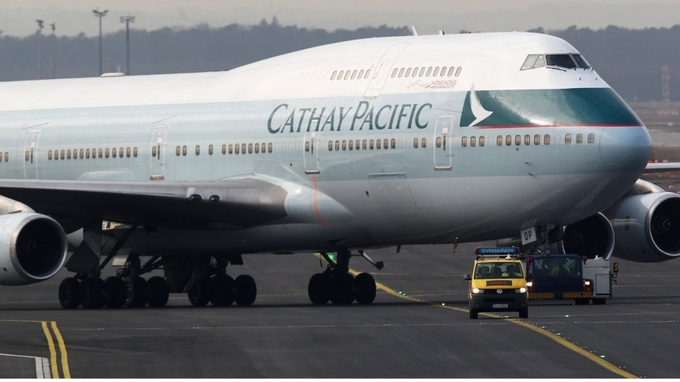
    Hong Kong flag carrier Cathay Pacific said on Wednesday it is expected to have swung back to profit in 2018, ending two successive losses as it embarks on a massive overhaul. The recovery also came in a year that saw it suffer an embarrassing data breach that dented its reputation and could could prove costly. The airline said it expects to record a consolidated profit of around US$293 million (RM 1.2 billion) for 2018, compared with US$160 million (RM651 million) losses the year before, according to a preliminary profit alert.

    The company’s share price jumped more than seven percent after the announcement as investors took comfort in the turnaround after two grim years for Asia’s largest carrier.

    “In 2018, the passenger business benefited from capacity growth, a focus on customer service and improved revenue management,“ the company said in a statement, adding its cargo sector was also “strong”.

    Cathay has been overhauling its business after posting its first losses in eight years in 2016, firing more than 600 workers and paring overseas offices and crew stations as it faced stiff competition from budget rivals on the mainland.

    It also added international routes and better services on board its flights in a bid to compete with well-heeled Middle Eastern long-distance carriers.

    The profit alert suggests those moves have paid off.

    The airline narrowed its losses to US$33.5 million for the first half of 2018 – a tenth of what their losses were for the same period in 2017. But the second half of the year appears to have brought Cathay squarely back into the black.

    Dickie Wong, an analyst with Kingston Securities, said Cathay is expected to further benefit from the end this year of costly fuel-hedging contracts.

    “I would say the unfavorable impact to Cathay would continue to reduce,“ he said.

    Wong said the introduction of premium economy had attracted new customers while ticket discounts helped it compete against budget carriers. But he said the company still had “much room to improve in their luxury classes” if it wants to take on Middle Eastern rivals.

    Cathay will announce its full-year result next month.

    But the year was not without trouble.

    In October it sparked outrage when it admitted to a massive breach five months after hackers made off with the data of 9.4 million customers, including some passport numbers and credit card details.

    The airline faces potentially steep payouts in Europe, which boasts strong protection laws and financial penalties for companies that do not swiftly own up to data breaches.

    British-based law firm SPG Law has already launched a group action against the carrier over the breach to help customers seek compensation.

    This year Cathay’s website mistakenly offered first and business class flights for a fraction of their value in two high-profile and costly blunders.
  • Vietnam aviation faces safety rating challenge

    Vietnam aviation faces safety rating challenge

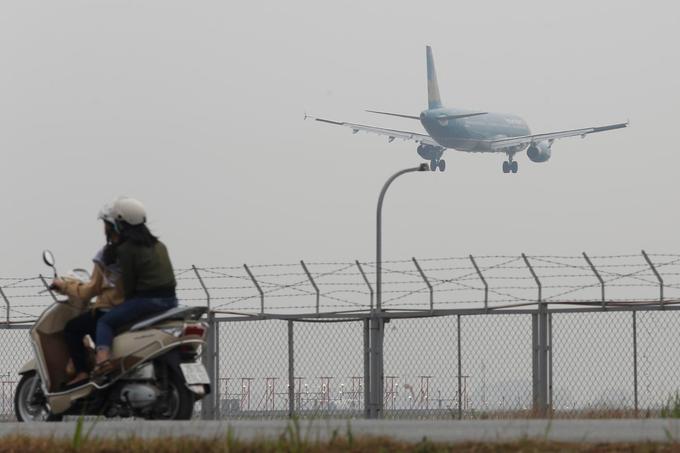
    Vietnam might find it difficult to maintain its aviation safety rating due to a lack of qualified personnel, experts caution. The U.S. Federal Aviation Administration (FAA) Friday gave Vietnam a Category 1 safety rating, allowing local airlines to operate direct flights to the U.S. “Acquiring this rating is hard, keeping it is going to be even harder,” Dinh Viet Thang, head of the Civil Aviation Authority of Vietnam (CAAV) said.

    He said that the CAAV currently has only 30 aviation safety officers, meeting only 30 percent of the demand. They hire the rest from other airlines.

    The U.S. Federal Aviation Administration (FAA) has required that the CAAV has enough aviation safety officers on its own in upcoming years so that it doesn’t need to hire people from outside, and CAAV plans to meet this goal by 2025.

    However, training these officers is costly, with an individual bill costing over VND5 billion ($216,000).

    One of the biggest hiring difficulties is that aviation safety officers are attracted by the higher salaries offered by airlines compared to state-owned companies, Thang said.

    An aviation safety officer at CAAV earns only VND10 million ($432) a month, while local airlines pay them about VND300 million ($12,960).

    “The government gives us VND20-30 billion ($864,000-1.29 million) each year to hire aviation safety officers and VND10 billion ($432,000) to train new ones, but we really need more investment from the government to develop this team,” he noted.

    Another challenge is meeting FAA safety requirements as they conduct unannounced safety examinations. If Vietnam doesn’t meet these requirements, FAA will downgrade the rating to Category 2, meaning no direct flight to the U.S. is allowed.

    This has happened before in Thailand, Indonesia, Philippines and most recently India, he said.

    Local airlines, including state-owned Vietnam Airlines, budget airline Vietjet and new private airline Bamboo Airways, have previously expressed interest in operating direct flights to the U.S.

    Vietnam’s aviation industry has been growing rapidly in recent years. There were 12.5 million air passengers last year, up 14.4 percent from 2017.

    The number of flights in the country grew by 16 percent on average between 2010 and 2017, according to official data.

  • AirAsia opening restaurant based on its in-flight menu

    AirAsia opening restaurant based on its in-flight menu

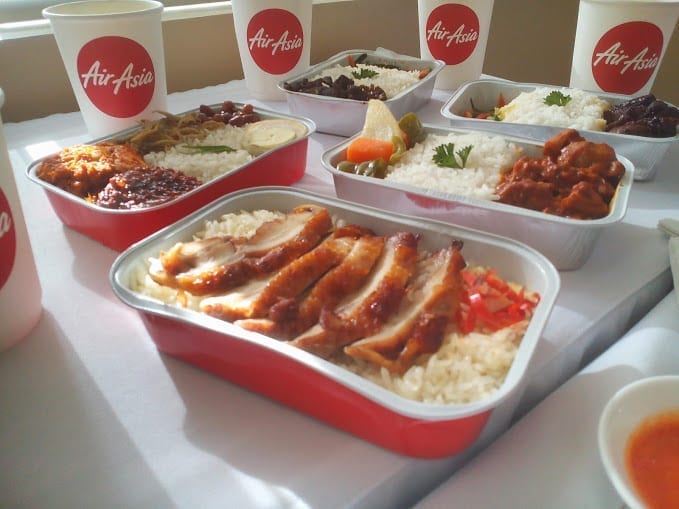
    Low-cost carrier AirAsia may launch restaurants serving its Santan “gourmet” in-flight menu on the ground. The proposal was revealed by AirAsia Group CEO Tony Fernandes while promoting his recent autobiography in an interview with US talk show host Larry King. “I think our food is fantastic,” said Fernandes in response to a question from the audience. “We believe in it so much we’re going to start a fast-food restaurant out of it.”

    But Fernandes gave no more details away about the plan, such as where the restaurants might be located or whether he favoured airport locations or city centres.

    News that AirAsia may launch restaurants on the ground may come as a surprise to travellers, but Fernandes has previously spun off new business concepts from the airline’s business model including a short-lived budget hotel chain where occupants paid extra for features such as air conditioning, towels and amenities, and a bus service connecting Kuala Lumpur Airport with downtown.

    AirAsia also made news recently for its new chatbot Ava (AirAsia Virtual Allstar) which, along with a new look for the firm’s website and mobile app, are designed to deliver a more seamless and user-friendly experience to customers.

    Fernandes has also indicated the airline will place increased focus on the Indonesian and Philippines markets in the near future.