Tag: trends

  • Vietnam’s Gold Prices Tumble: Global Market Trends and Implications Explored

    Vietnam’s Gold Prices Tumble: Global Market Trends and Implications Explored

    Gold prices in Vietnam witnessed another slump on Monday afternoon, following an earlier decrease of 0.2% in the same session. Saigon Jewelry Company reported a fall in the price of gold bars by 0.82% from the morning rate, settling at VND146 million (US$5,552.39) per tael. This resulted in an overall loss of approximately 1% for the day.

    Additionally, the price of gold rings also declined by 1%, reaching VND145 million per tael. It should be noted that a tael is equivalent to 37.5 grams or 1.2 ounces.

    Global Gold Price Trend

    Internationally, gold prices remained stable on Monday. Investors worldwide were assessing the influence of the escalating tensions between the U.S. and Iran on oil prices. Concurrently, U.S. Federal Reserve policymakers hinted at potential interest rate hikes to alleviate inflationary pressure.

    The spot price of gold lingered at $4,018.75 per ounce. Meanwhile, U.S. gold futures for August delivery slightly advanced by 0.1%, reaching $4,023.20.

    UBS analyst Giovanni Staunovo noted the negative correlation between gold and oil prices. He stated that market players are vigilantly monitoring the developments in the Middle East. Staunovo predicted a weaker dollar would bolster gold prices in the next 6 to 12 months, with expectations of the precious metal surpassing the $5,000 per ounce mark.

    Questions & Answers

    How much did gold prices in Vietnam fall on Monday?
    Gold prices in Vietnam fell by approximately 1% on Monday.

    What is the recent global trend in gold prices?
    Globally, gold prices have remained steady. However, the impact of the U.S.-Iran conflict on oil prices and possible interest rate hikes by the U.S. Federal Reserve are being closely observed by investors.

    What are the predictions for gold prices in the future?
    According to Giovanni Staunovo, a UBS analyst, a weaker dollar is expected to support an increase in gold prices over the next 6 to 12 months, potentially moving above the $5,000 per ounce mark.

  • New Trends in Lifestyle Retail: Sustainability, Personalisation, and Silver Economy Spotlighted at Upcoming Hong Kong Fairs

    New Trends in Lifestyle Retail: Sustainability, Personalisation, and Silver Economy Spotlighted at Upcoming Hong Kong Fairs

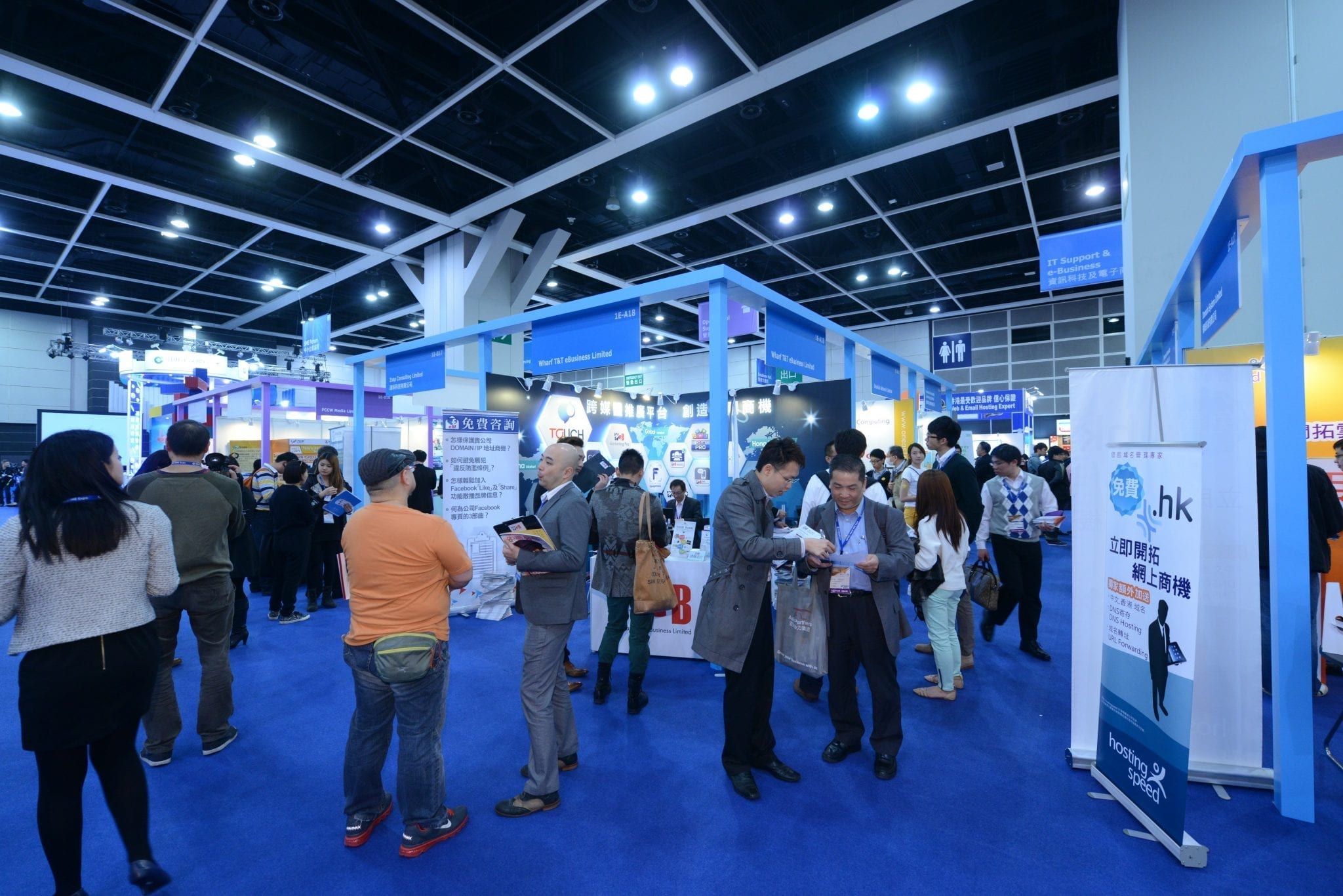
    The upcoming Hong Kong Gifts & Premium Fair and Home InStyle, set to take place later this month, are poised to once again underscore Hong Kong’s pivotal role in highlighting changing trends in Asia’s lifestyle and retail sourcing sectors.

    Program Overview

    Scheduled from April 27th to 30th at the Hong Kong Convention and Exhibition Centre, the two events are components of a broader program of seven parallel trade fairs. These fairs cover a wide array of areas including gifts, home, fashion, packaging, and licensing.

    Key Themes of 2026

    This year, the Hong Kong Gifts & Premium Fair will center around four main themes: personalisation, sustainability, health and wellness, and culture and creativity. The Color of the Year for 2026, ‘Cloud Dancer,’ will be showcased, reflecting the fair’s ongoing partnership with Pantone. This demonstrates how international color forecasting is being incorporated into commercial applications across a variety of lifestyle sectors.

    Focus on New Materials and Gerontechnology

    Concurrently, Home InStyle will shed light on innovative materials, cultural design, and gerontechnology. These highlights align with the increasing business interest in aging populations and the expanding ‘silver economy’ throughout Asia. The event will also present international exhibitors known for their design-led and craft-focused products. These range from Bohemian glassware and handmade woven baskets to bamboo homeware and licensed lifestyle items such as illuminated signage featuring popular characters.

    Creating Business Opportunities

    According to the Hong Kong Trade Development Council (HKTDC), these fairs aim to facilitate business opportunities by bringing together a broad spectrum of suppliers and buyers. Simultaneously, they provide a platform to exhibit an assorted mix of lifestyle products and services spanning multiple categories.

    Questions & Answers

    What are the key themes of the 2026 Hong Kong Gifts & Premium Fair?
    The key themes are personalisation, sustainability, health and wellness, and culture and creativity.

    What will Home InStyle highlight in its upcoming event?
    Home InStyle will highlight innovative materials, cultural design, and gerontechnology, which aligns with the increasing business interest in aging populations and the expanding ‘silver economy’ throughout Asia.

    What is the purpose of these fairs according to the Hong Kong Trade Development Council (HKTDC)?
    The HKTDC states that these fairs aim to generate business opportunities by connecting a wide spectrum of suppliers and buyers, while also showcasing a diverse mix of lifestyle products and services across multiple categories.

  • Tourism Trends Shift in South Korea: Visitors Opt for Affordable, Lifestyle Retail Over Luxury Shopping

    Tourism Trends Shift in South Korea: Visitors Opt for Affordable, Lifestyle Retail Over Luxury Shopping

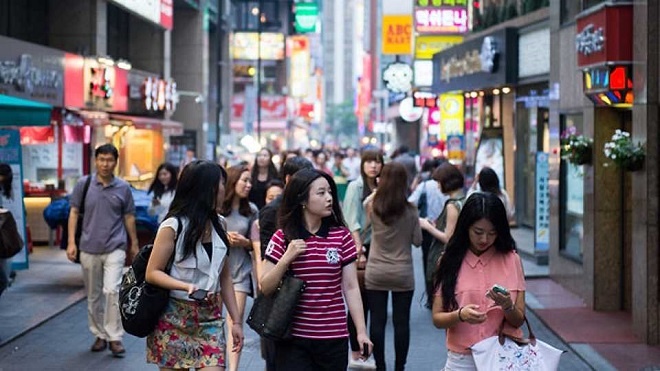
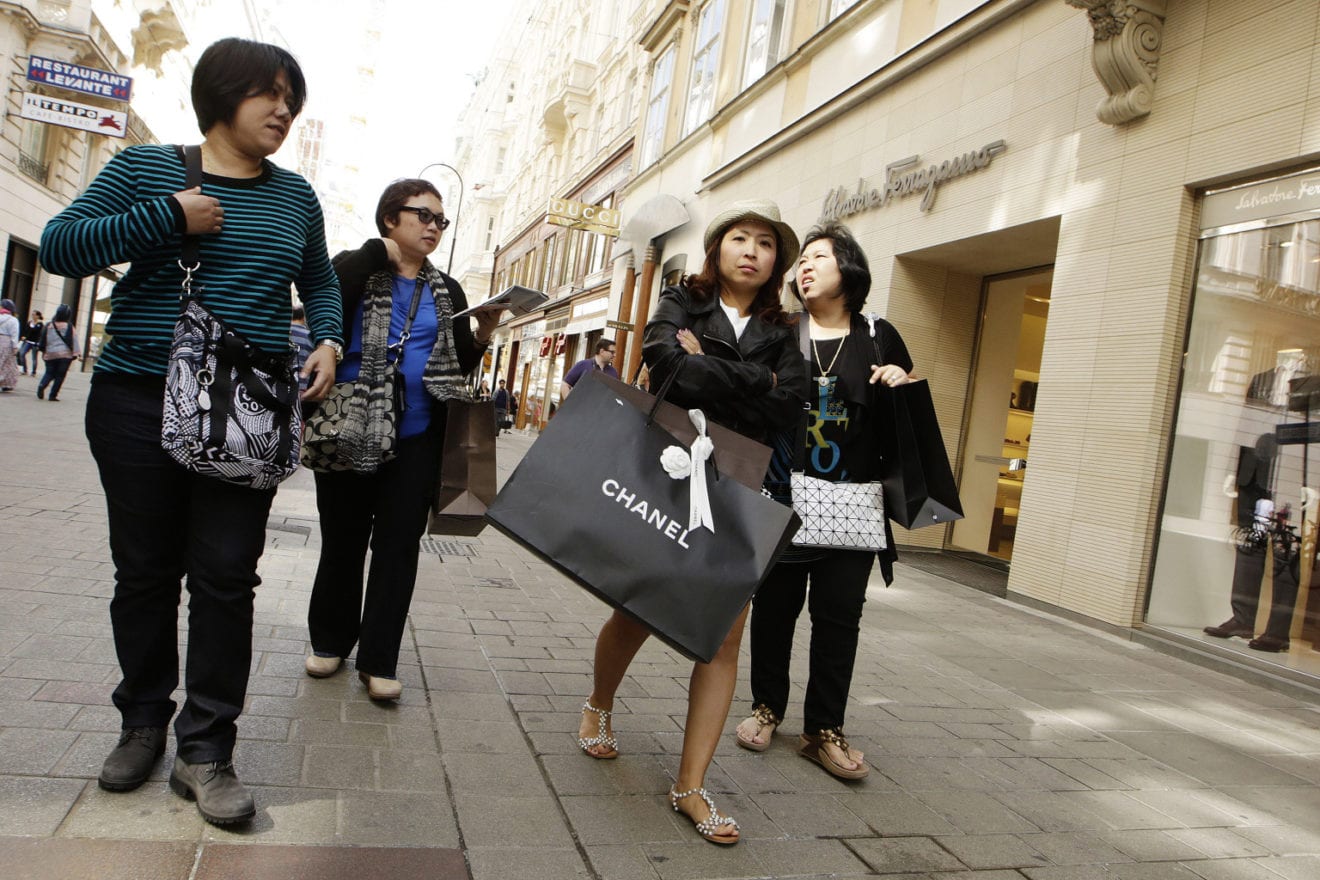
    Tourists visiting South Korea are increasingly opting for value-driven shopping experiences that align with their personal preferences, marking a departure from the previously popular high-end, large-scale purchases. This shift in consumer behaviour has been highlighted in recent data from the Korea Tourism Organization (KTO).

    Shift in Shopping Patterns

    A comprehensive analysis of foreign credit card transactions from 2018 to September 2024 reveals that shopping remains the primary expenditure for tourists, accounting for 51 percent of total spending. Notably, the nature of these purchases has transitioned over time. The average amount spent per transaction has dropped from 150,000 won in 2019 to 120,000 won in the current year, despite an overall increase in per-person spending by 83 percent. This surge can be attributed to a significant 124 percent rise in the number of purchases, indicating tourists are buying a larger quantity of items at lower prices.

    According to KTO, this change signifies a growing predilection for moderately priced goods and lifestyle products that embody a unique Korean aesthetic. For instance, sales at ‘gacha’ toy capsule shops have seen a remarkable 142 percent rise in the first nine months of the current year compared to the same period in the previous year. Similarly, transactions at stationery stores and bookstores have increased by 48.7 percent and 39.9 percent, respectively. The iconic stationery brand Artbox has seen substantial growth across transportation hubs and regional commercial districts.

    Rise in Fashion and Beauty Purchases

    The fashion sector has also benefited from this trend, recording an increase of 23.4 percent from the previous year. This is largely driven by significant growth in the purchases of underwear, sportswear, and accessories.

    Korean beauty and wellness-related products continue to be strong contenders in the market. Spending in these categories has seen a steady annual growth rate of 19.1 percent from 2018 to 2023, and further expanded by 40.4 percent this year. Retailer Olive Young has experienced phenomenal growth in emerging commercial areas such as Seongsu and around Gyeongbokgung. Pharmacy sales have also seen a boost due to the rising trend of everyday wellness, while the demand for traditional health foods like red ginseng and ginseng continues to ascend.

    Influence of Korean Culture

    Lee Mi-suk, head of KTO’s tourism data strategy team, commented on this evolving consumer behavior. She stated, “The move toward practical, lifestyle-driven consumption shows how Korean culture and K-content are increasingly shaping global tastes.”

    Questions & Answers

    What is the primary expenditure for tourists in South Korea?
    The primary expenditure for tourists in South Korea is shopping, accounting for 51 percent of total spending.

    How has the nature of tourist purchases in South Korea changed over time?
    The average amount spent per transaction has decreased, but the total per-person spending has increased. This suggests that tourists are buying a larger quantity of items at lower prices.

    What are some of the key sectors benefiting from the shift in tourist spending in South Korea?
    Mid-priced goods and lifestyle products have experienced a significant increase in sales. Additionally, the fashion sector, K-beauty, and wellness-related product sectors have also seen a rise in purchases.

  • Hong Kong Sees 42% Dip in Q1 Commercial Property Investment: What’s Driving the Shift?

    Hong Kong Sees 42% Dip in Q1 Commercial Property Investment: What’s Driving the Shift?

    Transaction values in Hong Kong’s commercial property market plummeted to HK$4 billion during the first quarter of 2025, according to the latest report by Savills. This reflects a staggering 42% decline compared to the previous year and amounts to just one-tenth of the total transaction volume for 2024. As the stock market began to show signs of recovery and the impact of interest rate cuts lessened, investment sentiment within the commercial sector has remained tepid.

    Positive Trends Amid the Decline

    Despite the overall downturn, there was a noteworthy reduction in distressed sales during this period. The ratio of distressed transactions dropped to 40%, amounting to HK$1.8 billion for deals over HK$50 million. For context, these figures contrast sharply with the previous quarter, which recorded a rate of 49% and a total transaction value of HK$6.3 billion.

    High-Profile Transactions Mark the Quarter

    Among the most significant deals of early 2025 was the sale of nine office floors and select retail units at One Exchange Square, sold to the Hong Kong Exchange for HK$6.3 billion in April. This acquisition will serve as HKEX’s permanent headquarters, showcasing a remarkable average price of HK$32,000 per square foot—70% higher than recent stratified Grade A office transactions, all while featuring floor efficiency estimates of about 80%.

    This strategic move also involves extensive renovations, with Hongkong Land planning to upgrade the reception lobby and provide direct access to the HKEX Connect Hall. Public-facing areas, including the rooftop, will feature HKEX-branded signage, with total refurbishment costs potentially soaring to HK$400 million. With such ambitious updates, it seems the Hong Kong Exchange is setting itself up not just for business but for a grand presence as well.

    End Users Capitalizing on Opportunities

    In another significant transaction, the Airport Authority purchased the Winland 800 Hotel in Tsing Yi for HK$765 million, translating to HK$960,000 per room, for their own use. Meanwhile, the English Schools Foundation secured two office floors totaling 40,380 square feet for about HK$300 million, equating to approximately HK$7,429 per square foot, also intended for self-use.

    The founder of Meitu made headlines as well by acquiring Park Aura in Tin Hau for HK$650 million, planning to dedicate part of the space to AI, IT, and crypto-related ventures. Meanwhile, religious institutions are also taking advantage of declining prices, with a Buddha religious institution purchasing a retail podium on the second floor of Amber Commercial Building for an impressive HK$108.5 million, or merely HK$5,000 per square foot, further emphasizing the opportunity-filled terrain of the commercial sector.

    Market Challenges and Future Outlook

    Despite these transactions, the overall fundamentals of the office and retail sectors remain weak, with rents decreasing by 1.6% and 3.6%, respectively, during Q1 2025. Rising vacancies and an influx of new supply continue to dampen investor enthusiasm, leading many to adopt a cautious investment approach, typically seeking initial yields of 6% or higher.

    As investors gaze into the future, the trajectory of interest rate movements and lending policies from banks will be pivotal in shaping the investment landscape. If the current low levels of HIBOR hold true, and further rate cuts are on the horizon, distressed sales may decline over the next few months. However, this could also spur local investors to divest non-distressed commercial assets proactively, preparing for any anticipated shifts in interest rates.

    The broad approach of banks will significantly affect how willing investors are to offload commercial assets and the level of interest from potential new entrants into the market. With a cocktail of caution and ambition, the commercial real estate scene in Hong Kong remains one to watch closely.

    Questions & Answers

    What was the total transaction value in Hong Kong’s commercial market for Q1 2025?
    The total transaction value was HK$4 billion, reflecting a 42% decline year-over-year.

    Which entity made a significant acquisition at One Exchange Square?
    The Hong Kong Exchange acquired nine office floors and retail units for HK$6.3 billion, marking a notable transaction early in the year.

    How have rental rates in the office and retail sectors changed recently?
    Rental rates have decreased by 1.6% in the office sector and 3.6% in the retail sector during Q1 2025.

  • Chart of the Week: Hong Kong’s Credit and Charge Card Market Set to Hit $132.4 Billion!

    Chart of the Week: Hong Kong’s Credit and Charge Card Market Set to Hit $132.4 Billion!

    Banks in Hong Kong are stepping up their game with exciting new offerings like mobile virtual cards and dual-currency payment options. As a reflection of this growing competitiveness, the credit and charge card payments market is projected to expand by 6% to reach an impressive $132.4 billion (HK$1 trillion) by 2025, according to insights from data and analytics firm GlobalData.

    Currently, credit and charge cards account for a staggering 77% of all card payments in Hong Kong. This remarkable uptick in consumer spending is driven by a rapidly evolving payment infrastructure, an increasing number of merchant acceptances, and enticing benefits tailored for customers.

    With 27,252 point-of-sale (POS) terminals per million inhabitants, Hong Kong proudly outpaces Japan, Thailand, and Indonesia in this regard. As banks roll out innovative schemes, the appetite for adopting digital payment solutions is only expected to grow.

    Revolutionary Offerings Fuel Market Growth

    In June 2025, HSBC partnered with Mastercard to introduce the city’s pioneering mobile virtual corporate card, specifically designed for commercial clients. This avant-garde solution allows businesses to instantaneously issue virtual cards through a user-friendly portal. For added convenience, these cards can be linked to compatible digital wallets for immediate use through the Mastercard In Control Pay mobile app. Users enjoy the flexibility to activate or deactivate their virtual cards at any time and from any location — because why not take control of your finances while sipping a coffee at your favorite café?

    First Dual-Currency Card Takes Center Stage

    In a related development, the Bank of China Hong Kong (BOCHK) collaborated with UnionPay International to launch a dual-currency BOC Go credit card. This innovative card enables holders to make purchases in both Chinese yuan and Hong Kong dollars, blurring the lines of currency accessibility.

    Transaction Growth Points to Consumer Confidence

    Recent data from the Hong Kong Monetary Authority (HKMA) reveals that in the first quarter of 2025, the total value of credit card transactions surged by 8.4% year-on-year to reach $34.9 billion (HK$274.1 billion). Delving deeper, of this sum, $23.7 billion (HK$186.1 billion) stemmed from retail spending within Hong Kong. Overseas retail spending accounted for $10.06 billion (HK$79 billion), with cash advances making up $1.15 billion (HK$9 billion).

    Flexible Repayment Options to Enhance User Experience

    Recognizing the importance of managing risk, banks are enhancing credit card user experience by introducing flexible repayment options. For instance, Citibank’s Merchant Instalment Plan allows consumers to convert purchases of HKD2,000 ($256) or more at over 600 participating merchants into manageable monthly installments. Similarly, Standard Chartered offers customers the ability to convert purchases of HKD500 ($64) and above into payments spread over three to 60 months, fostering greater financial ease.

    Questions & Answers

    What is the projected growth rate of Hong Kong’s credit and charge card payments market by 2025?
    The market is expected to grow by 6%, reaching $132.4 billion (HK$1 trillion) by 2025.

    How are banks encouraging the adoption of new payment solutions?
    Banks are introducing innovative products like mobile virtual corporate cards and dual-currency credit cards, alongside flexible repayment options to enhance user convenience.

    What percentage of all card payments in Hong Kong currently comprises credit and charge cards?
    Credit and charge cards account for a significant 77% of all card payments in Hong Kong.

  • Singapore’s Millionaire Exodus Sees Dramatic Drop: Only 1,600 Expected to Migrate This Year, Report Reveals

    Singapore’s Millionaire Exodus Sees Dramatic Drop: Only 1,600 Expected to Migrate This Year, Report Reveals

    The latest Henley Private Wealth Migration Report for 2024 paints a revealing picture of high-net-worth migration trends, highlighting Singapore’s enduring allure despite a slight decline in millionaire inflow. The city-state is projected to welcome a fresh cohort of millionaires boasting a staggering $8.9 billion in wealth, solidifying its position as the sixth most popular destination for affluent migrants globally, behind the likes of the United Arab Emirates, the United States, Italy, Switzerland, and Saudi Arabia.

    Thailand: A Rising Star in Asia’s Millionaire Migration

    Shifting dynamics in Southeast Asia reveal that Thailand is emerging as a strong competitor to Singapore, particularly as its capital, Bangkok, experiences a surge in attraction from high-net-worth individuals hailing from China, Vietnam, and South Korea. The Thai capital’s appeal lies in its mix of international schools, an expanding financial services sector, and a flourishing luxury real estate market. This year alone, Thailand is expected to witness a net inflow of 450 million, marking it as a “rapidly emerging” safe haven in the region, according to the report.

    Challenges Facing Other Asian Countries

    However, not all Asian nations are basking in the glow of millionaire migration. South Korea is set to see a significant departure of 2,400 millionaires this year, more than doubling last year’s outflow amid ongoing economic and political volatility. Similarly, Vietnam is also grappling with a notable uptick in millionaire exits, with around 300 individuals expected to leave. In a global context, this trend is far from isolated; an unprecedented 142,000 millionaires are projected to relocate internationally in 2024.

    Global Insights and Shifts

    The UAE stands poised to maintain its status as the world’s foremost magnet for wealth, with an anticipated net inflow of 9,800 relocating millionaires. In stark contrast, the United Kingdom is forecast to witness the most significant outflow, with 16,500 millionaires expected to leave, followed closely by China, which looks set to lose 7,800 individuals. “For the first time in a decade of tracking, a European country leads the world in millionaire outflows,” remarked Juerg Steffen, CEO of Henley & Partners. This reflects not just shifting tax structures but a broader sentiment among the wealthy that greater opportunities, freedoms, and stability can be found in other global hotspots. The implications for Europe’s economic competitiveness and investment allure could be profound.

    Questions & Answers

    What factors are contributing to Singapore’s appeal for wealthy migrants?
    Singapore remains a top destination due to its robust economy, political stability, and high-quality education options, making it attractive for high-net-worth individuals looking for a safe place to live and invest.

    How is Thailand positioning itself in the race for millionaire inflows?
    Thailand is emerging as a competitor to Singapore by offering a strong real estate market, quality international schools, and an expanding financial services sector, particularly appealing to individuals from nearby countries.

    What are the broader implications of millionaire migration trends for Asia?
    The shifts in millionaire migration can significantly impact economic competitiveness, with countries like South Korea and Vietnam facing challenges while others like the UAE and Thailand benefit, reshaping the wealth landscape in Asia.

  • Luxury Home Prices in Hong Kong Set to Decline by Up to 5% – What Buyers Should Know!

    Luxury Home Prices in Hong Kong Set to Decline by Up to 5% – What Buyers Should Know!

    In the first half of 2025, Hong Kong’s luxury property market has seen a surge in activity, primarily driven by an influx of distressed units sold at attractive prices. This situation has piqued the interest of affluent buyers, eager to seize the opportunity to acquire high-value properties at reduced rates. William Lau, Senior Director and Head of Residential Agency at Knight Frank, observed that this trend is temporarily stabilizing luxury prices, especially for homes valued between HK$20 million and HK$40 million. Lau predicts a modest decline of 0% to 5% in this segment while properties exceeding HK$40 million are likely to hold their ground.

    Leasing Market Shines in Hong Kong’s Luxury Sector

    Contrasting the sales market, leasing has taken center stage, bolstered by rising demand from the Top Talent Pass Scheme, which attracts skilled professionals to the city. The unique attributes and scarcity of luxury properties have further fortified the leasing sector’s resilience. Notably, demand is robust in Mid-Levels, particularly for apartment units measuring between 800 and 1,000 square feet—ideal for families seeking that coveted extra storage space.

    With a strong leasing pipeline, Knight Frank expects luxury rents to rise by a steady 0% to 3% throughout the year. As the market realigns amidst these dynamics, investors and tenants alike are keenly eyeing this resurgence, hoping to capitalize on the evolving landscape of Hong Kong’s high-end real estate.

    Questions & Answers

    What factors are driving the recent activity in Hong Kong’s luxury property market?
    The increase in distressed properties available for sale, often at reduced prices, has attracted cash-rich buyers, providing investment opportunities in high-value segments.

    What is the forecast for luxury home prices in Hong Kong over the next year?
    Prices for residential homes priced between HK$20 million and HK$40 million may see a decline of 0% to 5%, while properties valued above HK$40 million are expected to remain stable.

    How is the leasing market performing compared to the sales market?
    The luxury leasing market has outperformed the sales sector, driven by demand from initiatives like the Top Talent Pass Scheme, with expected rent increases of 0% to 3% this year.

  • Coconut Prices Soar to $7 a Dozen: What This Means for Retail and Consumers

    Coconut Prices Soar to $7 a Dozen: What This Means for Retail and Consumers

    Coconut prices have soared six-fold since 2022, reaching VND190,000 (US$7.26) per dozen, driven by soaring global demand.

    Soaring Demand Meets Shrinking Supply

    According to the Vietnam Coconut Association, the appetite for coconut-derived products—including food, cosmetics, and biofuels—is expanding rapidly. Yet, this booming demand stands in stark contrast to the declining coconut output in Vietnam, a situation exacerbated by climate change, persistent droughts, pests, and outdated farming practices.

    Farming Challenges Highlighted

    Investments in proper crop care remain woefully low; only about 20% of coconut farmers engage in necessary fertilization and pest control, leading to unsatisfactory and erratic yields. Most farmers opt for a more laissez-faire approach, allowing their trees to grow naturally, which contributes to the ongoing supply crunch.

    Global Markets Pivot to Vietnamese Coconuts

    The U.S. officially welcomed fresh coconut imports from Vietnam in 2023, adding to existing exports to China and a surge in purchases from various Middle Eastern nations. These international openings have tightened domestic supply and propelled prices upward, according to Cao Ba Dang Khoa, General Secretary of the Vietnam Coconut Association.

    While the rise in prices signals a potential boost to farmers’ incomes, it presents difficult challenges for processing companies, which find it hard to increase their prices in an intensely competitive global market. Notably, prices are also climbing in neighboring coconut-producing nations such as Thailand, Malaysia, the Philippines, and Indonesia.

    A Thriving Industry in the Face of Challenges

    Vietnam boasts over 200,000 hectares dedicated to coconut cultivation, yielding approximately two million tons annually. The processing sector has witnessed impressive growth, expanding from just eight facilities in 2015 to 45 by 2024. Prominent firms like Betrimex, Luong Quoi, and Beinco are adopting modern technologies to adapt to this evolving market landscape.

    As the coconut industry lumbers forward, it seems we may be witnessing the rise of the “water of life” from the tropics—because who could resist those benefits?

    Questions & Answers

    What is driving the rising price of coconuts in Vietnam?
    The surge in coconut prices is largely attributed to increasing global demand for coconut-based products, combined with a decline in domestic supply due to factors like climate change and inadequate farming practices.

    How has the processing sector adapted to these market conditions?
    The number of coconut processing facilities has escalated from eight in 2015 to 45 in 2024, with companies investing in modern technologies to enhance efficiency and meet growing demand.

    What challenges do farmers face in coconut cultivation?
    Many farmers struggle with consistent yields due to outdated farming techniques, with only a minority investing in essential crop maintenance practices such as fertilization and pest control.

  • Gold Prices Dip Slightly: What This Means for Investors and Shoppers Alike

    Gold Prices Dip Slightly: What This Means for Investors and Shoppers Alike

    Vietnam’s gold prices dipped on Tuesday afternoon, reflecting a downward trend in global rates as geopolitical tensions eased.

    Market Shifts: Vietnamese Gold Prices Reflect Global Trends

    On Tuesday, the price of gold bars at the Saigon Jewelry Company decreased by 0.17% to VND119.5 million (approximately US$4,569.09) per tael. Meanwhile, the price of gold rings showed stability at VND116.5 million per tael. Notably, gold prices in Vietnam have surged by an impressive 41.9% since the start of this year, a testament to the metal’s allure in the market.

    Global Influences: Easing Tensions Affecting Gold Demand

    Globally, gold prices suffered a drop of over 1%, reaching a near two-week low on Tuesday amid an improved appetite for risk following the announcement of a ceasefire to end a 12-day conflict between Iran and Israel. This reduction in geopolitical worries appears to have dampened the demand for gold as a safe-haven asset. Spot gold was down 1.4% at $3,319.84 an ounce, marking its lowest point since June 11.

    Expert Insights: What Lies Ahead for Gold Prices?

    Ilya Spivak, head of global macro at Tastylive, shared insights on the market’s trajectory, stating, “It seems like there’s a good bit of geopolitical risk that’s exiting the market here in the near term after signs of de-escalation between the U.S. and Iran.” However, he also cautioned that while the long-term outlook for gold prices remains bullish, a short-term correction may be in store should the U.S. Federal Reserve’s Jerome Powell reassure markets that interest rates might not see significant cuts this year. Gold generally flourishes in lower interest rate environments, making these developments crucial for investors aiming to navigate this evolving landscape.

    Questions & Answers

    How much have gold prices in Vietnam changed since the beginning of the year?
    Gold prices in Vietnam have increased by 41.9% since the start of 2023.

    What has influenced the recent dip in global gold prices?
    The recent drop in global gold prices can be attributed to reduced geopolitical tensions, particularly following the ceasefire in the Iran-Israel conflict.

    What is the outlook for gold prices according to experts?
    Experts suggest that while the long-term trend for gold prices remains positive, there may be a short-term correction if the U.S. Federal Reserve signals fewer rate cuts.

  • Global Toy Market Set to Soar to $446 Billion by 2032: What’s Driving the Boom?

    Global Toy Market Set to Soar to $446 Billion by 2032: What’s Driving the Boom?

    STEM Demand and Technological Integration Drive Global Toy Market Growth

    The global toy market is on a remarkable trajectory, with projections showing growth from $316.14 billion in 2024 to a whopping $445.97 billion by 2032. This surge represents a compound annual growth rate (CAGR) of 4.33%, according to a recent report from Credence Research Inc. What’s the secret sauce behind this momentum? It’s a delightful mix of rising demand for educational toys, the allure of digital features, and the increasing accessibility of online retail.

    Modern parents are gravitating towards STEM-compliant toys that enhance learning and foster development, providing children not just with playthings, but pathways to knowledge. As if toys weren’t delightful enough, the integration of cutting-edge technology—think artificial intelligence, augmented reality, and app-connected devices—is redefining playtime. Children are no longer just engaging with their toys; they’re embarking on interactive journeys that blend education with entertainment.

    E-commerce is proving to be a powerful engine for growth, broadening the market’s reach and offering a seamless shopping experience. Meanwhile, licensing agreements with beloved entertainment franchises continue to create a boom in demand for character-based products, because let’s face it, who could say no to toys that come with a sprinkle of nostalgia?

    With the world becoming increasingly eco-conscious, sustainability is also taking a front seat. Parents and consumers are opting for recyclable and eco-friendly choices, leading manufacturers to rethink their approaches. However, it’s not all smooth sailing; the industry faces headwinds. The lure of screen-based entertainment is diverting children’s attention from traditional toys, while more stringent safety regulations are driving up production costs.

    Furthermore, economic uncertainty, rising tariffs, and evolving age preferences are exerting additional pressure on manufacturers. As the toy industry anticipates the future, navigating these challenges will be crucial to sustaining growth in a rapidly shifting landscape.

    Questions & Answers

    What are the primary drivers of growth in the global toy market?
    The growth is largely fueled by the increasing demand for educational toys, tech integration, online retail access, and sustainability trends among consumers.

    How is technology influencing children’s interaction with toys?
    Technology, through AI, augmented reality, and app-connected devices, is transforming the way children play, enhancing their engagement with toys by adding layers of interactivity.

    What challenges does the toy industry currently face?
    The industry is grappling with competition from screen-based entertainment, rising production costs due to stricter safety regulations, economic uncertainty, and changing consumer preferences.

  • FedEx report: Micro-business boom in APAC

    FedEx report: Micro-business boom in APAC

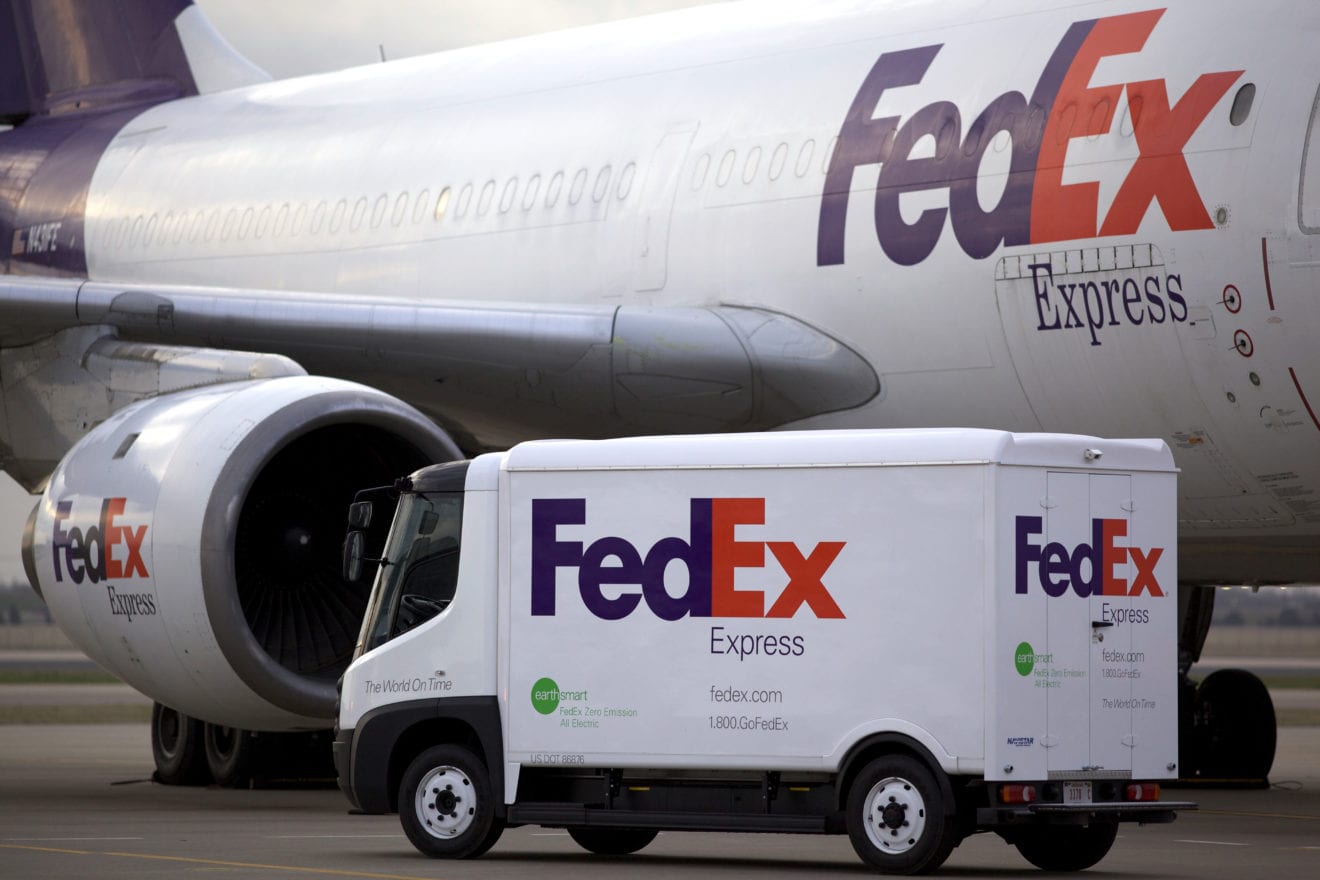
    Micro-multinational businesses in the Asia Pacific are experiencing a business boom, according to new FedEx research.

    Its study shows that 63 per cent of these businesses are achieving annual revenue growth, a success rate achieved by only half of small- to medium-size enterprises (SMEs).

    A previous study last year revealed the greater potential for business growth among SMEs that export goods to overseas markets compared to those that do not. Taken together, the two studies underscore the business benefits of export markets generally, either through simple exports or, like the micro-multinationals in the latest study, by establishing a more direct presence.

    Conducted in September by Harris Interactive for FedEx Express, the study examined trends and characteristics among micro-multinationals, a subset of SMEs that either set up with a presence in multiple markets, or leverage online business platforms and the increased openness of the global economy to expand into overseas markets.

    Another key finding was that APAC micro-multinationals have a marked preference for markets within the region. Other APAC markets make up six of the top eight overseas markets targeted by APAC micro-multinationals, with China topping the list of markets with a micro-multinational presence.

    “We’ve long believed that businesses don’t need to be big to be global, and this study confirms that small businesses that have established a presence in other markets are seeing this strategy pay off substantially,” says FedEx Express Asia Pacific president Karen Reddington.

    “Asia Pacific micro-multinationals have overwhelmingly chosen to set up in other Asia Pacific markets, strengthening regional interconnectivity and driving growth in the intra-Asia trade corridor, the world’s fastest-growing international trade lane. This will translate into job creation, a more efficient pipeline for goods and services and, ultimately, economic growth across the region.”

    As well as accelerated growth opportunities, APAC micro-multinationals believe their presence in multiple markets provides other advantages unavailable to SMEs in a single market. These include access to lower-cost workers (46 per cent), lower overheads (37 per cent) and the availability of different skill sets (36 per cent).

    Also, 63 per cent of micro-multinationals say that running a business in multiple markets is easier than it would have been even five years ago, while 19 per cent do not even believe this would have been possible for them then.

    Harris Interactive used a mix of telephone and online interviews to survey 595 senior decision-makers in micro-multinational companies (companies with 1-249 employees based in more than one country). The research covered 12 global markets across four regions.

  • Gold Prices Stage a Strong Comeback Following Weekend Decline

    Gold Prices Stage a Strong Comeback Following Weekend Decline

    Gold prices in Vietnam experienced a rebound on Monday afternoon, recovering somewhat from a sharp decline over the weekend, while global bullion rates remained stable.

    Gold Prices on the Rise

    The price of gold bars from the Saigon Jewelry Company increased by 0.43%, reaching VND117.7 million (approximately US$4,500.77) per tael, partially reversing the 0.68% drop recorded last Saturday. Meanwhile, gold rings saw a modest uptick of 0.26%, bringing the price to VND113.8 million per tael, following a 0.7% dip over the weekend. To clarify, a tael is equivalent to 37.5 grams or 1.2 ounces.

    Globally, gold prices stabilized on Monday as investors exhibited caution ahead of U.S.-China trade talks, which could potentially alleviate ongoing tensions, as reported by Reuters. Spot gold edged up by 0.1%, reaching $3,313.54 an ounce, while U.S. gold futures slipped by 0.4% to $3,333.80.

    Market analyst Kelvin Wong from OANDA noted that short-term traders are hesitant to adopt aggressive long positions in advance of the U.S.-China discussions. Though tariffs may still persist, Wong suggested that the talks could mitigate some cost pressures in the U.S. However, he cautioned that the widening budget deficit could exacerbate inflationary issues.

    In a related development, Trump stated that a decision regarding the next Federal Reserve chair will be made soon, hinting that a favorable chair could lead to reduced rates. As a safe-haven asset, gold traditionally flourishes amid economic uncertainties and in low-interest environments.

    On the technical side, analysts predict that spot gold may retest support levels at $3,296. Should it break below this point, prices could potentially slide towards $3,262.

    And just like magic, a slight change in trade talks can turn the tide for gold prices faster than a rabbit out of a hat!

    Questions & Answers

    What caused the increase in gold prices in Vietnam?
    Gold prices rose due to a partial recovery from a steep drop over the weekend, coinciding with stable global bullion rates.

    How are global gold prices behaving amid the U.S.-China trade talks?
    Spot gold has shown a slight increase of 0.1%, as investors are cautious yet optimistic about the outcome of the trade discussions, which could lessen tensions between the two nations.

    What are analysts expecting for gold prices in the near future?
    Analysts are watching key support levels closely; if gold prices break below $3,296, they could fall further towards $3,262.

  • Global Paper Packaging Market Set to Reach $527.1 Billion by 2030: What’s Driving This Growth?

    Global Paper Packaging Market Set to Reach $527.1 Billion by 2030: What’s Driving This Growth?

    Asia Pacific is the fastest-growing region.

    The global paper packaging market is set to soar from $416.1 billion in 2025 to a staggering $527.1 billion by 2030, boasting a compound annual growth rate (CAGR) of 4.8%. A new report from The Research Insights reveals that this remarkable growth is fueled by a surge in consumer demand for sustainable alternatives and increasingly stringent regulations targeting plastic use.

    The Rise of Eco-Friendly Packaging

    As consumers become more environmentally conscious, they’re embracing minimalist and eco-friendly packaging solutions. Flashy designs and excessive materials are falling by the wayside in favor of simpler, recyclable options that reflect both brand transparency and a commitment to environmental stewardship.

    A Shift in Materials

    The report also notes a growing preference for mono-material packaging, particularly paper and paperboard, which can be effortlessly recycled using standard systems. This stands in stark contrast to mixed-material packaging that often includes plastics or foils, making recycling a far more complicated affair. This shift represents not just a trend but a pivotal movement in public consciousness surrounding waste reduction and the vitality of a circular economy.

    Dominance of Corrugated Boxes

    Unsurprisingly, corrugated boxes continue to dominate the market, given their durability, lightweight nature, and recyclability. They have become the go-to packaging choice for the booming e-commerce and electronics sectors. Adding flair to form, innovations such as water-resistant coatings and digital printing are giving these boxes an edge, enhancing their appeal and functionality.

    Asia Pacific Leads the Way

    The Asia Pacific region is taking the lead in this growth surge, propelled by urbanization and increasing consumption patterns in nations like China, India, and various Southeast Asian countries. With a vibrant and evolving market, the possibilities seem endless—imagine a world where every package not only protects its contents but also plays a part in saving our planet!

    Questions & Answers

    What is driving the growth of the paper packaging market? Consumer demand for sustainable alternatives and stricter regulations on plastic usage are the primary forces behind this growth.

    Which type of packaging is gaining popularity among consumers? There is a notable preference for minimalist, eco-friendly mono-material packaging like paper and paperboard, which can be easily recycled.

    Why are corrugated boxes the top choice for packaging? Corrugated boxes are favored for their durability, lightweight properties, and recyclability, making them ideal for e-commerce and electronics sectors.

  • Gasoline Prices Hit 10-Week High: What It Means for Consumers and Retailers

    Gasoline Prices Hit 10-Week High: What It Means for Consumers and Retailers

    In a notable shift for consumers, gasoline prices in Vietnam surged to their highest level since early April. This change, marked by a notable uptick in fuel costs, came into effect Thursday afternoon, leaving many to watch their wallets a bit more closely.

    Rising Costs at the Pump

    The widely used RON95 fuel experienced a 1.37% increase, reaching VND19,960 (approximately US$0.77), while the biofuel variant, E5 RON92, rose by 1.04% to VND19,460. Additionally, diesel prices climbed by 1.61%, settling at VND17,700.

    Global Factors at Play

    This latest price spike is attributed to a combination of global dynamics. Regulatory authorities have pointed to a variety of influences impacting the fuel market. Key factors include heightened tensions between the U.S. and Iran regarding nuclear negotiations, a reduction in U.S. crude oil reserves, fluctuations in U.S. tax policies affecting trading partners, and the continuing military conflict in Ukraine. As a result, market prices have seen significant shifts, with RON95 reporting a climb to $79.7 per barrel, while diesel saw an increase to $81.51, marking a substantial impact on the overall cost landscape for consumers and businesses alike.

    As we navigate these changes, one has to wonder: will we ever see a dip in prices again, or are we destined for a rollercoaster ride at the pump?

    Questions & Answers

    What are the new prices for RON95 and E5 RON92 fuels? RON95 is now priced at VND19,960, while E5 RON92 costs VND19,460.

    What global events are influencing these price changes? Factors include rising tensions between the U.S. and Iran, falling U.S. crude oil inventories, and ongoing conflicts in Ukraine.

    How much has diesel fuel increased in price? Diesel saw an increase of 1.61%, bringing its cost to VND17,700.

  • Gold Prices Surge to Two-Week High: What This Means for Retail Investors

    Gold Prices Surge to Two-Week High: What This Means for Retail Investors

    Gold jewelry shines brightly in a Hanoi shop as Vietnam’s gold market experiences a notable surge this Thursday morning. Prices have climbed to their highest levels in over two weeks, driven by rising global rates.

    Gold Prices Rebound

    The Saigon Jewelry Company reported a 0.76% increase in the price of gold bars, now valued at VND119.7 million (approximately US$4,598.99) per tael, where a tael is equivalent to 37.5 grams (1.2 ounces). Similarly, gold rings saw a boost of 0.87%, reaching VND115.8 million per tael.

    Global Trends Impact Local Market

    On a global scale, gold prices saw a boost as geopolitical tensions in the Middle East added pressure and a weakening dollar rendered the precious metal more appealing to international buyers. Spot gold jumped 0.7% to reach $3,375.06 per ounce, while U.S. gold futures enjoyed a 1.5% increase to $3,395.

    The U.S. dollar index, recently falling to a near two-month low, has created conditions conducive to gold investment. “The weakness in the dollar index serves as a strong catalyst,” noted Kelvin Wong, a senior market analyst at OANDA in Asia Pacific. He highlighted that the bullish breakout of the $3,346 resistance level has triggered technical buying among investors.

    While gold’s allure often shines brightest in uncertain times, it appears that the market remains a vibrant space for both seasoned investors and curious newcomers alike.

    Questions & Answers

    What caused the rise in gold prices in Vietnam?
    The rise in gold prices is attributed to increased global prices due to geopolitical tensions in the Middle East and a weakening dollar.

    How did gold perform in the international market?
    Globally, spot gold increased by 0.7% to $3,375.06 per ounce, with U.S. gold futures rising 1.5% to $3,395.

    What is the significance of the U.S. dollar’s performance?
    The U.S. dollar index’s decline makes gold more attractive to international buyers, boosting demand and values in the market.