Retail News CRM

Tag: trends

  • Korea braces for next industrial trends in 2017

    Korea braces for next industrial trends in 2017

    Korean businesses’ quest to step closer to future industries is expected to accelerate in the New Year, regardless of the political scandal, the ongoing investigations into dubious business-political ties and the looming presidential election.

    The year 2016 was an opportunity for general consumers to familiarize themselves with the innovative concepts of technologies. And the year 2017 is likely to see some of these technologies become reality.

    The convergence of the automotive industry with technology will speed up along with a transition to green cars, amid the growing competition in the battery market and the rising price of oil.

    Devices including smartphones and home appliances operated by artificial intelligence will come to the fore, with virtual reality and augmented reality technologies becoming mainstream in the tech world.

    The shifting technologies are also expected to affect the retail market with consumers looking for products that offer experience and value beyond a simple price benefit.

    Go player Lee Se-dol at a press conference at the Four Seasons in Seoul on March 12, 2016

    AI to be next big thing in the tech industry

    Artificial Intelligence, which astonished the world in a match with the top Go player Lee Se-dol, is expected to become the next big thing in the smart device and appliances industry in 2017.

    The nation’s largest tech company Samsung Electronics, which acquired the AI startup Viv Labs in October, seeks to recover from the note 7 debacle with its new AI-based smartphone Galaxy S8, which is set to be unveiled early this year. Viv Labs is the US tech firm set up by Apple’s Siri developers.

    Samsung Electronics’ Vice President Rhee In-jong said in October, “Galaxy S8 will be Samsung’s first platform, which adopts AI-based voice recognition technology,” adding that the technology has reached close to the level of the understanding humans.

    Korean tech firms — both smartphone makers and mobile carriers — are spurring AI development as the technology will ultimately be used to connect and control all home appliances and electronics.

    Samsung is set to unveil more advanced AI-based home appliances, which can be connected via Wi-Fi technology and controlled through smartphones, at the upcoming Consumer Electronics Show in January.

    LG Electronics is also slated to unveil AI-based home appliances, which adopt deep learning technology at the upcoming show. The deep learning technology enables products to provide customized services and functions by learning users’ habits and surroundings.

    The nation’s largest telecom carrier SK Telecom is also upgrading its AI-based speaker NUGU after first launching it in August. This device figures out users’ taste to recommend music, control home appliances and provides customized information such as weather and schedules based on their preferences.

    Market consulting firm IDC predicted that the global AI market would grow 55 percent on average annually from $8 billion in 2016 to $47 billion in 2020.

    Journalists and participants wear the Samsung Gear VR headset at the company‘s flagship Galaxy S7 launch event in Barcelona in February 2016.

    AR, VR to gain bigger presence

    Virtual reality and augmented reality technologies are geared to gain a bigger presence in the tech world in 2017, building upon the landmark developments made in 2016.

    VR is a technology that completely immerses users in computer-generated virtual worlds via a head-mounted display, while AR technology overlays, or augments, digital images onto a person’s view of the world.

    The year 2016 saw the release of next-generation VR headsets such as the HTC Vive, the Oculus Rift and Sony’s Playstation VR, which prompted the emergence of thousands of VR video games and mobile apps.

    The explosive popularity of AR-based mobile game Pokemon Go also highlighted AR’s potential to appeal to the masses on the mobile platform.

    The two cutting-edge technologies are geared to further advance and draw closer to the public in 2017 as the price of VR headsets further drop to boost the VR gaming sector, and as AR technologies are embraced by more industries.

    “After several years of hype, the operative reality behind virtual, augmented and mixed digital worlds is set to manifest more fully in 2017,” IHS Markit said in a recent outlook report.

    The firm expects AR and VR technologies will “advance significantly as Facebook, Google and Microsoft consolidate their existing technologies into more exhaustive strategies.”

    According to tech market intelligence company IDC, worldwide revenues generated by the AR and VR market will jump from just $5.2 billion in 2016 to more than $162 billion in 2020, as the two technologies expand their applications across diverse industries and services.

    IDC predicts that revenues generated by VR systems will surpass that of AR-related revenues until 2017, due to rising consumer uptake of VR-based video games and paid contents.

    After 2017, AR revenues will grow bigger as AR technology finds mass applications across areas such as healthcare delivery, product design and management tasks, it said.

    Just about every major tech company in the world has already entered the race to secure its place in the approaching era of VR and AR technologies. In the lead is Facebook-owned Oculus, Google and Microsoft, with Apple and Samsung Electronics working to catch up.

    Kia’s EV autonomous vehicle Soul

    Auto industry to face unprecedented race

    It was a tough year for the auto industry in Korea with an emissions scandal, strikes, low demand and negative growth.

    With the auto market expected to continue negative growth next year, carmakers will face unprecedented competition in the industry where automotive and technology are converging rapidly.

    South Korea’s largest automaker Hyundai Motor conducted a survey on the most anticipated technology next year. Almost 76,000 of 320,000 voters picked the autonomous driving technology. Although self-driving cars won‘t populate the road next year, most of the major carmakers and tech companies are putting all-out efforts to commercialize the self-driving technology.

    The debut of US electric automaker Tesla Motors and Chinese electric car maker BYD Auto will likely boost the EV market in South Korea, giving customers more choice in this growing segment. Tesla is set to open its flagship store in Korea and BYD officially launched its Korean office in Jeju Island in October.

    Backed by growing popularity, sport utility vehicles will remain as the silver lining for the sluggish auto market, which is expected to decline 1.2 percent on-year.

    Domestic carmakers, especially Hyundai Motor Co and Kia Motors Corp, will face fierce competition in 2017 in the Korean market as imported cars expand its market share. Currently, imported carmakers take up 13 percent of the total market.

    Outside Korea, South Korean automakers will struggle to thrive in mature markets, like the US and EU where analysts expect a zero growth next year, and in China where they saw disappointing sales figures in 2016. China’s auto market is expected to grow 4 or 5 percent in 2017 while other developing markets, like Russia and East Europe, will recover from the 2016 slump.
    China looms over Korean battery makers

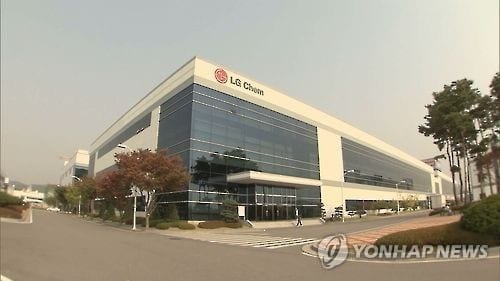
    For Korea’s major battery makers — Samsung SDI and LG Chem — concerns over their performance in the Chinese market are likely to persist next year amid the neighboring country’s stricter rules on providing battery certification.

    The two companies have been dealt with a blow after the Chinese government suspended subsidies for electric vehicles using batteries produced by the two firms earlier this year. The two were excluded from the subsidy list as they failed to acquire the battery certification amid tightened regulations in China’s alleged protectionism moves.

    Unless China changes its policies, the Korean battery makers are unlikely to see improvement in their business there, the companies said.

    “While (the company) had anticipated the EV battery certification process will resume in the third quarter, (the Chinese government) did not carry it out. It is difficult to project an accurate timing,” a Samsung SDI official said in the third quarter’s conference call.

    LG Chem shared a similar view.

    “The biggest variable for the company’s sales growth for next year is China. If the status quo continues next year, the automotive battery business growth rate will be around 30 percent. If (the certification issue) is solved, the growth rate will possibly jump up to 60 percent.”

    Amid the higher threshold to the Chinese market, Korean battery makers are seeking to sustain their top position in the global ESS market next year.
    LG Chem topped the global ESS market share with 21 percent this year, standing at No.1 for two years straight, followed by Samsung SDI with 19 percent.

    “Amid the three-party competition of LG Chem, Samsung SDI and BYD Auto in the market, Tesla has risen as the new competitor. As the supply amount of the two Korean companies is projected to surpass 2 gigawatt hours next year, the two are likely to make up half of the market in total,” SNE Research forecasted.

    LG Chem has made aggressive ESS moves with supplying ESS for California’s largest power company SCE and other European companies.
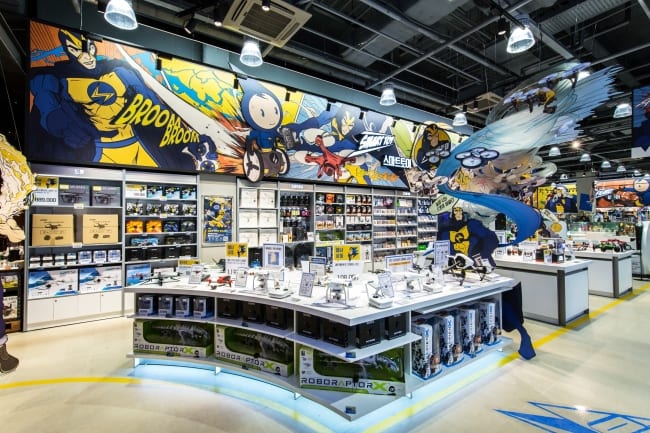
    Experience-focused electronics retailer Electromart at Starfield Hanam

    ‘YOLO’ trend to rule retail in 2017

    In 2016, the retail sector saw consumers shifting their focus to stores and products that offer value and experience, rather than simply low prices.

    Despite the stagnant economy, brands saw consumers reaching for premium and healthy products, packing newly opened malls offering experience-based stores.

    In “Trend Korea 2017,” Seoul National University consumer studies professor Kim Nan-do dubbed this the “YOLO,” or “you only live once,” trend.

    “Consumers who used to think of restraint as a virtue are now enjoying and challenging themselves each moment, and spending money on simple, clear value,” he said.

    The most notable examples of YOLO spending can be found in travel, with consumers facing record-low interest rates choosing to spend money on meaningful experiences rather than saving it away. All retail sectors, meanwhile, have seen consumers choosing to open their wallets and enjoy the “here and now.”

    For example, consumers are buying more decorative products for the home to create better surroundings for themselves. According to the online open market Auction, sales of products like sculptures and music boxes from January to November rose by over 200 percent on-year. Hobby-related products such as classical guitars and model buildings and model airplanes also nearly doubled on-year.

    The Samsung Fashion Research Institute saw “selfness,” or the importance of brands‘ personalities matching those of consumers, to be a major factor moving the fashion industry in 2017.

    Starfield Hanam, a shopping mall featuring stores that allow consumers to experience products as well as buy them, saw nearly 2 million shoppers each month since it opened in September. Starfield Hanam’s popularity during a year when department stores struggled to maintain sales indicated that consumers are visiting and spending money at places that have an element of entertainment, rather than simply shopping options.

    “In an ‘experience economy,’ it will become more important for brands to find new marketing strategies that can satisfy the now-focused experience consumption of the YOLO consumers,” Kim wrote.

  • Is HK still a ‘cool’ place for luxury shopping?

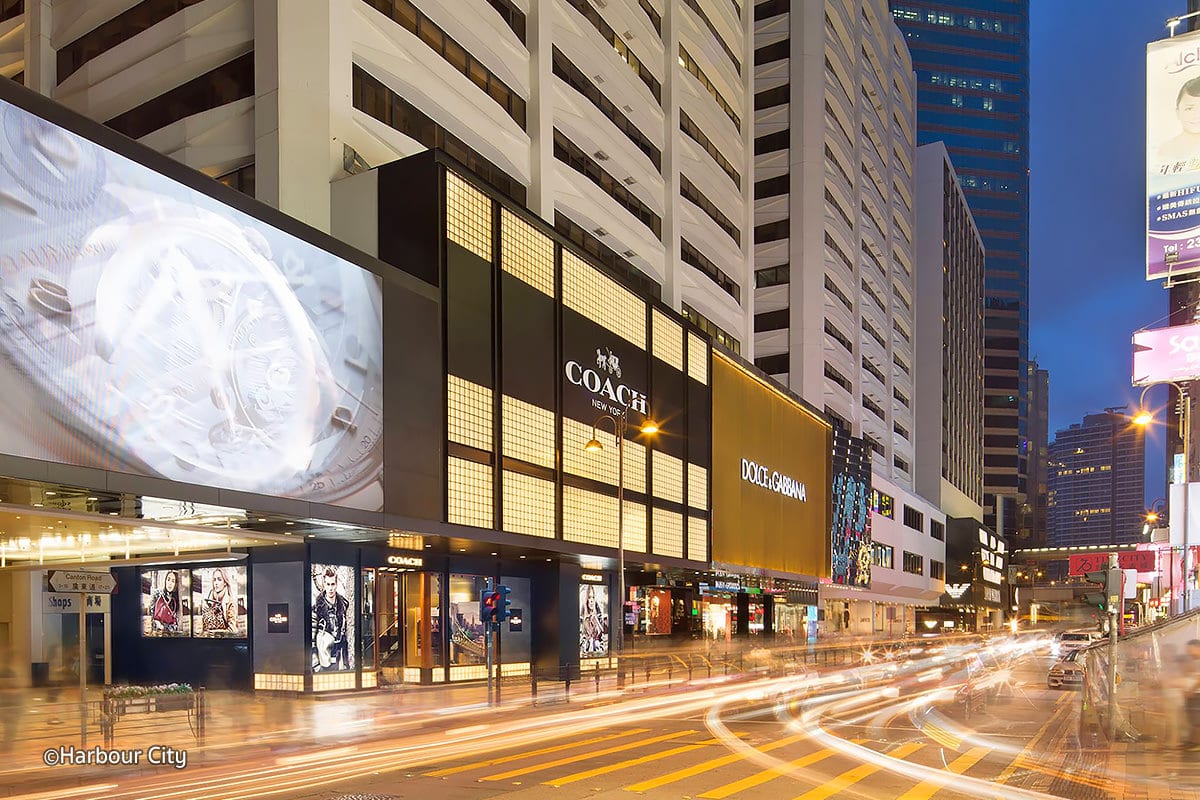
    Is HK still a ‘cool’ place for luxury shopping?

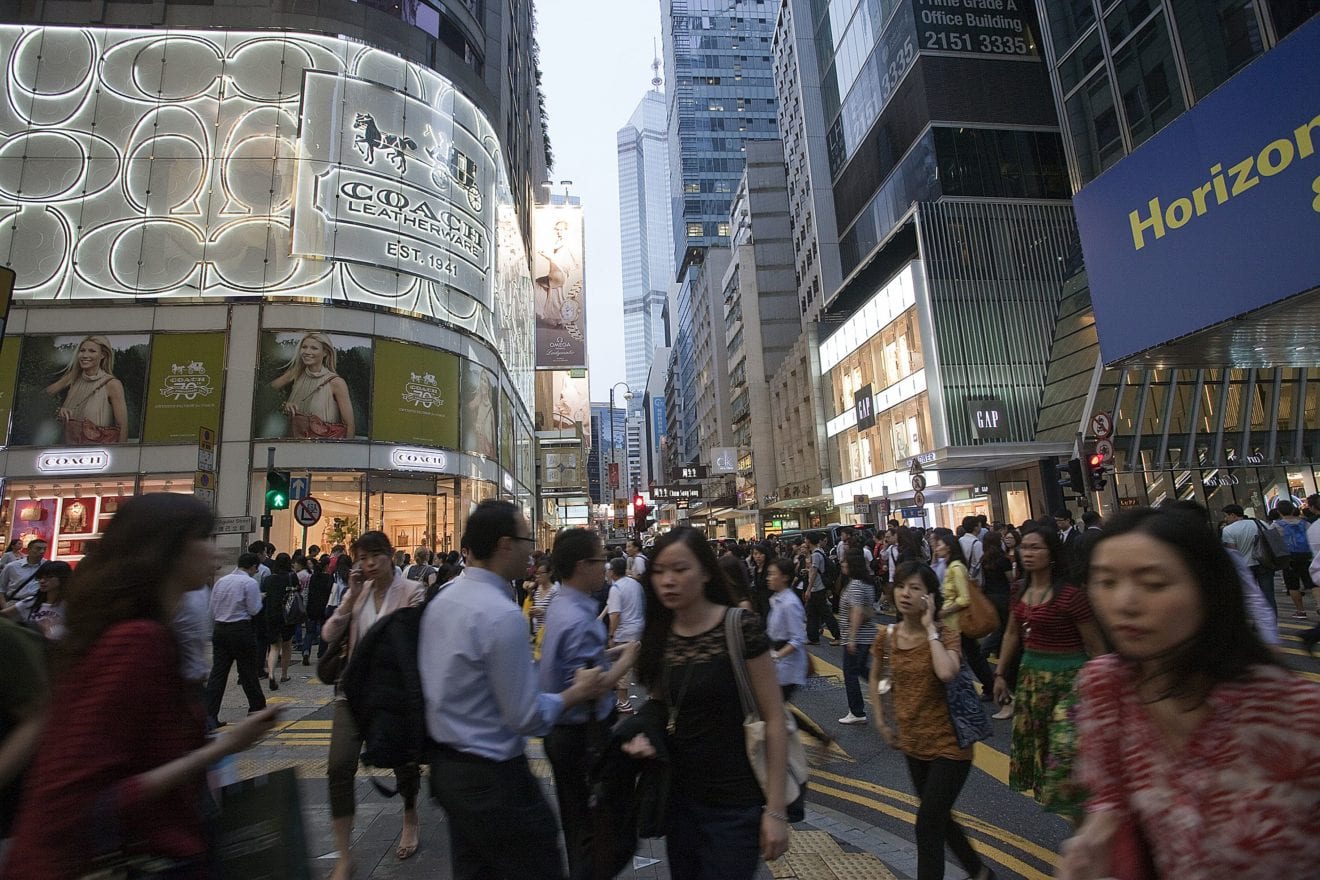
    Retailers in Hong Kong preparing to welcome Chinese mainland tourists over the Lunar New Year festive period face a real crisis: Canny shoppers don’t think the special administrative region is cool enough.

    HSBC’s global co-head of consumer and retail research, Erwan Rambourg, said luxury goods are now cheaper in other markets, bringing the wealthy, sophisticated Chinese travelers to places such as Japan, Korea, and Australia.

    “There were a lot of attractions in Hong Kong for mainlanders to come in and purchase here,” Rambourg told CNBC’s “Squawk Box”. “It used to be cheaper than a lot of other places in the region. That’s not the case anymore, given the strength of the Hong Kong dollar.”

    The Hong Kong dollar is pegged to the U.S. dollar, which implies if the latter strengthens, the former follows.

    “Price arbitrage doesn’t work anymore [in Hong Kong],” Rambourg said. “It’s actually cheaper to buy in Seoul, in Tokyo, and elsewhere.”

    Between Hong Kong and Japan, and the strength of their respective currencies, he said “the difference is you reclaim VAT [Value-added tax] when you go to Japan,” which makes luxury goods slightly cheaper there.

    Retail sales were also battered in Hong Kong as a result of lower consumer spending, mostly from mainland Chinese tourists. Sales were down 8.5 percent on-year in December to HK$43.7 billion ($5.62 billion) in value terms, the biggest percentage decline since January 2015. In volume terms, sales declined by 6.1 percent.

    Hong Kong’s lack of entertainment and diversity outside of shopping is also an issue as it sends wealthy tourists to other, more exciting locations, added Rambourg.

    A quick look at tourism numbers in Hong Kong show tourist arrivals fell 2.5 percent in 2015 to 59.32 million.

    Chinese mainlanders, who comprise a bulk of Asia’s luxury consumers, purchase mostly personal items such as handbags and apparels, according to David Dubois, an assistant professor of marketing at business school INSEAD.

    “This is because of the importance of luxury as a social signal, which puts focus on a product’s conspicuous features – example, it’s logo,” Dubois told CNBC by email. “The strong gift-giving culture also fuels such a drive for highly recognizable goods.”

    Rambourg noted in a recent report there are several factors that propel Chinese shoppers to make their luxury purchases abroad, instead of at home. Consumption taxes, moves in the foreign exchange market, and price differences in different geographies for a single product are motivations for travel.

    Most luxury companies have wide pricing discrepancies, the report noted, and on average, prices in mainland China are at a 37 percent premium compared to euro zone prices.

    For example, data compiled by HSBC show a Hermes plain silk twill tie costs 160 Euros ($177.69) in France and Italy; it costs 1,600 Yuan in China ($243.37) – a 36.9 percent premium -, $180 in the United States, 25,920 yen ($219.74) in Japan, and HK$1,650 ($211.79) in Hong Kong.

    HSBC also calculated how different products cost across regions relative to the euro. Here’s how a few of them stack up:

    Many brands are dealing with price gaps through new products whose prices will not vary much among regions. “The Prada brand, for instance, is set to launch collections for the spring, which will have prices in mainland China at a [estimated] 10 [percent] premium to Italy vs. a current [estimate of] 40 [percent],” the HSBC report said.

    There are non-economic considerations too.

    Easing of travel regulations, authenticity of the product, validation – such as buying a Hermes tie in Paris instead of Kunming – and perception that in-store experience will be better also factor in, the HSBC report noted.

    But overall luxury consumption in China, Dubois said, has slowed in the last two years over weaker growth prospects while luxury consumers from newer engines of growth such as Malaysia, Vietnam, and Thailand are emerging with better access to luxury products.

    “This was expected as there is a well-known correlation between GDP growth and luxury consumption,” he said.

  • A Short Overview of Malaysian Shopping Trends

    A Short Overview of Malaysian Shopping Trends

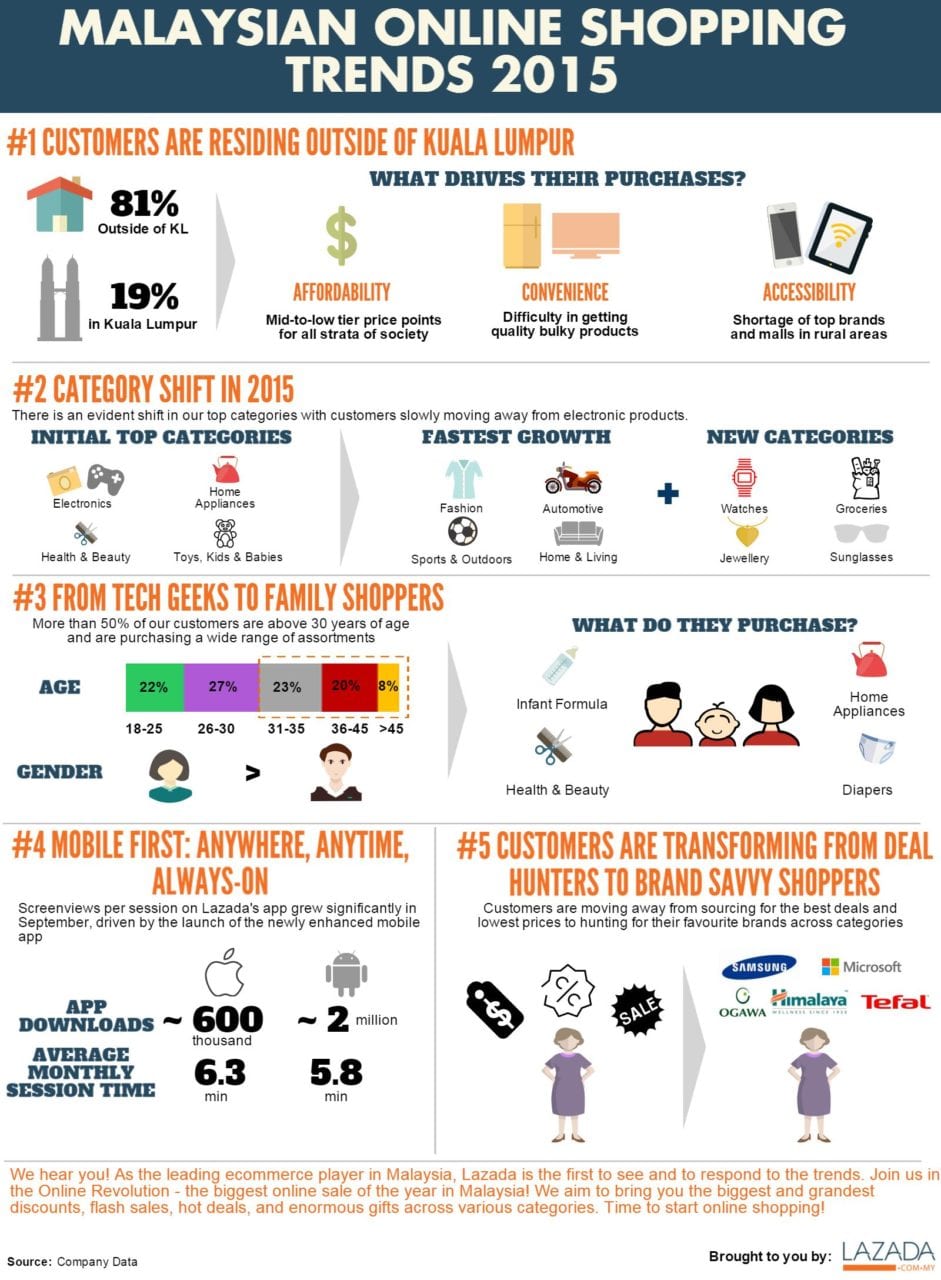
    #1 Majority of our customers are residing outside of Kuala Lumpur

    – There is an evident shift of customers shopping on Lazada with 81% of them residing outside of Kuala Lumpur

    –  Reasons behind this shift include 

        a) Affordability of products – Consumers from various backgrounds are able to purchase products from a wide price-range ( mid to low-tier)

        b) Convenience  – Consumer located outside of KL are able to purchase high- quality bulky products delivered to their location of choice            without having the need to locate these products at the shopping mall and sourcing for delivery trucks

       c) Accessibility – Consumers outside of KL now have access to purchase a variety of top brands online which were previously unavailable 

          at their area. This ensures that they are kept abreast on the best deals and promotions despite their geographical location.

    #2 Category shift in 2015

    – Previously our top selling categories were electronics, home appliances and toys kids and babies. However, there has been a surge in        

      demand in other categories ranging from sports and outdoor, fashion and groceries

    #3 From tech geek to family shoppers

    – Online shopping is commonly associated with the Gen Ys as they are presumed to be tech- savvy and are more comfortable shopping 

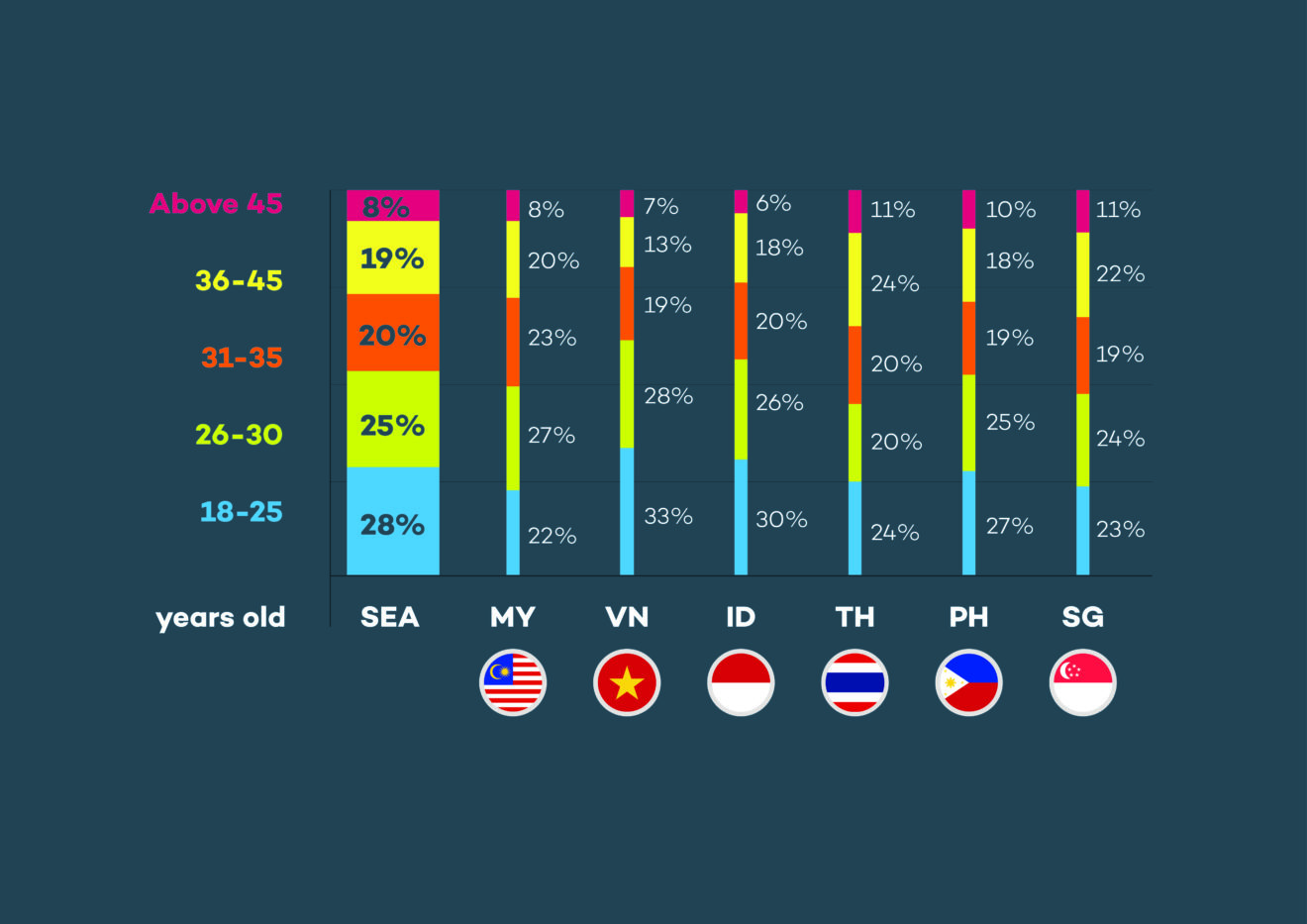
      online compared to the older generations. There has been a change in trend whereby majority of the online shoppers now are aged 30   years and above and are sourcing for a wide range of household related products ( home appliances, baby products etc)

    #4 Mobile-First: Anywhere, Anytime, Always – On

    –  Malaysia is transforming into a digital nation with high mobile penetration across the country. Hence, it comes to no surprise that majority of Malaysians are hooked to their mobile devices to obtain further information on a particular product/ source for the best online deals via mobile platforms.

    #5 Customers are moving away from deal hunter to brand savvy shoppers

    –  Consumers are no longer exclusively shopping online only during sales or are constantly on a lookout for special deals or promotions before purchasing a product. Instead, consumers now have high-brand loyalty whereby they source products from their favourite brands across categories when shopping online.

    Lazada_Infographic-06_age range

    LZD Trends v1

  • Saturation hits luxury retail, but new trends provide hope

    Saturation hits luxury retail, but new trends provide hope

    The Asia Pacific region is experiencing a slowdown in the luxury retail sector, but new emerging trends are set to provide the retail sector with a solid new stimulus for demand in the coming years, according to the CBRE’s special report, ‘The Future of Luxury Retail in Asia Pacific: New Demand Drivers and Shifting Occupier Requirements’.

    Most major luxury retailers are now well established in Asia Pacific with China and Hong Kong being two of the most penetrated markets at 89 per cent and 81 per cent, respectively. However, following several years of rapid expansion, these markets are approaching saturation point.

    “Accounting for one-third of personal luxury goods sales globally in 2014, Asia Pacific is a key region for international luxury brands with key markets including China, Hong Kong, Japan, Singapore, South Korea and Taiwan. However, the high growth period for luxury retailers in the region is gradually coming to an end,” said Dr Henry Chin, Head of Research, CBRE Asia Pacific.

    ”Over-saturation, surging operational costs and weaker retail sales – especially in Hong Kong due to the slowing mainland China economy – have prompted retailers to consolidate their existing store networks and slow their rate of entry into new markets focusing on operational efficiency,” said Dr Chin.

    CBRE has identified three emerging trends which will partially offset some of the negative effects arising from the slowdown and compensate for the loss of demand: Emergence of Affordable Luxury, Inclusion of F&B and Growth of Luxury Childrenswear.

    “With the momentum behind these trends, this will account for a bigger slice of leasing demand for prime retail space,” says Joel Stephen, Senior Director, Head of Retailer Representation, CBRE Asia. “Retailers and landlords can benefit from the projected growth in these market segments,” he adds.

    Emerging retail trends are already impacting luxury retailers’ real estate requirements, resulting in new, and in some cases, weaker demand for different types of retail property, the report said.

    Some of the key trends that CBRE have identified include weaker interest in department stores despite continued interest in prime locations; stronger focus on flagship stores; increased popularity in short-term opportunities for brands to set up exhibitions, pop-up and concept stores, and workshops, to generate greater consumer awareness; affordable luxury brands continuing to drive demand; and more interest in upper floor retail space, but limited to top-tier malls and driven by F&B and childrenswear segments.

  • Japan’s households begin opening their wallets

    Japan’s households begin opening their wallets

    Japan’s households opened their wallets a bit wider than anticipated in Might, with family expenditures leaping for the primary time in additional than a yr.

    Family expenditures rose four.eight % on yr in Might, topping a Reuters ballot forecast for three.four % and marking the primary on-year improve because the nation elevated its consumption tax in April of 2014.

    Some took the leap as a transparent constructive.

    “Most individuals have been extraordinarily skeptical on the entire Japanese package deal. 90 % of out of doors observers stated there was no means a rustic in a state of decline for 20 years might flip itself round,” Mark Matthews, head of analysis for Asia at Julius Baer, stated in a telephone interview. “These good numbers present there’s some momentum within the financial system.”

    Japan’s policymakers have struggled to kick begin the financial system after many years of deflation, with the Financial institution of Japan launching an enormous easing program in 2013 as a part of “Abenomics,” Japanese Prime Minister Shinzo Abe’s plan to return the nation to progress.

    However after a consumption tax hike to eight % from 5 % in April of 2014, the financial system acquired clobbered when shoppers stopped spending, forcing the federal government to postpone a second gross sales tax initially due this October.

    Different knowledge launched concurrently the family expenditures have been extra muted. Japan’s core shopper worth index (CPI) rose zero.1 % on-year in Might, only a tad above a Reuters ballot forecast for a flat studying and down from a zero.three % rise in April. The unemployment fee was regular at three.three % in Might, as anticipated.

    A few of Japan’s financial knowledge has supported the restoration expectations, with gross home product (GDP) progress for the primary quarter revised greater to an annualized three.9 %, up from 1.5 % within the October-to-December quarter, amid better-than-expected capital spending.

    To make certain, not everyone seems to be shopping for into the restoration story.

    “The large image stays that there’s nonetheless substantial spare capability within the financial system which is dragging down costs,” Marcel Thieliant, a Japan economist at Capital Economics, stated in a word Friday. “There are scant indicators that the tighter labor market has resulted in stronger worth strain,” he added, noting that the determine was barely above expectations on account of an increase in risky recent meals costs. He expects costs will fall within the third quarter.

    Thieliant additionally does not see a lot to get enthusiastic about from the family spending knowledge.

    The rise adopted a pointy drop in April, he famous.

    “Even when spending continued to rise by one other 2 % month-on-month in June, personal consumption might subsequently have stagnated final quarter,” he stated.” The upshot is that GDP progress ought to have slowed sharply within the second quarter.”

    The Japanese yen held flat at round 123.59 towards the U.S. greenback after the info.

  • Pure & natural cosmetics manufacturers lunch idea shops to boost visibility in Asia

    Pure & natural cosmetics manufacturers lunch idea shops to boost visibility in Asia

    China is the most important marketplace for pure & natural cosmetics in Asia, regardless of of many inexperienced manufacturers boycotting the Chinese language market, in line with a brand new research by Natural Monitor. Excessive-end manufacturers are coming into the Chinese language market, interested in the rising buying energy of its shoppers. Japan has the second largest marketplace for pure & natural cosmetics in Asia.

    Rising shopper consciousness of pure and natural merchandise is fuelling product gross sales throughout the area. Asia has one of many quickest rising markets for pure & natural cosmetics, with gross sales revenues projected to exceed USD1 billion within the coming years.

    Idea shops are an important channel for pure & natural cosmetics. Many manufacturers – Western and Asian – are opening stand-alone shops or salons for his or her manufacturers. The American firm Aveda is the frontrunner, working idea salons throughout Asia. A rising variety of Asian manufacturers, corresponding to Forest Necessities, are additionally investing in idea shops to boost visibility and consciousness of their product ranges, says Natural Monitor.

  • Retailers in China have to adapt to thrive within the “new regular”

    Conventional retailers and shopper items corporations want to vary the enterprise methods shortly within the realities of a “new normaI” in China. Worldwide shopper companies, particularly, have to be extra versatile and complicated with their offline and on-line propositions to be aggressive, in line with a brand new report by OC&C Technique Consultants.

    The New Regular: Time to cease making excuses and adapt as an alternativeunits out a roadmap for retail companies responding to the change in progress dynamic in China. The report reveals that offline targeted companies who used to see the retail progress of nearer 13-14 % earlier than at the moment are seeing nearer to 7-Eight % if they’re nationally distributed and even as little as Three-Four % if they’re extremely targeted on tier one and two cities. Equally, these companies which might be under-exposed to well-performing areas of the market, reminiscent of on-line and decrease tier cities, have seen their progress charges halved up to now two years.

    A number of the largest offline operators reminiscent of grocers, malls and electrical shops, have skilled particularly troublesome occasions as they’ve been depending on additional area to drive progress. Many overseas shopper items corporations additionally suffered because of the emergence of home on-line gamers with their very own shops hosted by Tmall, inflicting many shoppers to shift away from established, worldwide manufacturers as they transfer on-line.

    “There’s nonetheless loads of progress to be present in China, nevertheless corporations must be nimble to profit from it. Accepting this new regular actuality, understanding the right way to faucet into these areas of market progress, after which planning and investing appropriately for the longer term will put retail and shopper items companies on a stronger footing,” says Richard McKenzie, Companion, OC&C Technique Consultants.

    Regardless of considerations over slower, and even destructive progress for some retailers, China continues to increase far faster than most different world markets. With ranges of private disposable revenue remaining excessive and shopper confidence nonetheless robust, the fast problem for retailers and shopper items corporations is to turn out to be profitable on-line, because it now accounts for over half of retail market progress.

    There are 4 key actions that shopper companies in China have to be contemplating as a part of coping with this modification in progress dynamic:

    1. Be practical about underlying market and price range appropriately: So as to carry out like the general market, multi-nationals particularly have to undertake a extra balanced strategy that provides applicable consideration to the expansion pillars of on-line and decrease tier cities.

    2. Offline is way from lifeless however does deserve much less focus: Though nonetheless the most important channel for many retailers, an excessive amount of of a spotlight might maintain again the enterprise for embracing the quicker shifting on-line market.

    Three. Look to decrease tier cities: Extra engaging than ever as a supply of progress, companies want to make sure they’ve entry to those shoppers in decrease tier cities, though the size of alternative might be very totally different for every enterprise and any strategy will must be tailor-made.

    Four. Constructing the correct proposition for progress in every channel: The expansion and pricing dynamics of every channel are radically totally different and must be assessed individually, relative to each a enterprise’s personal efficiency and people of its rivals.

  • Japan retail sales rebound

    Japan retail sales rebound

    Reported sales from Japanese department stores suggest a significant improvement in spending in April.

    Japan retail sales, based on department stores data, lept 13.7 per cent on a same store basis compared with the same month in 2014.

    The Japan Department Stores Association said a major part of the reason for the increase is that Japanese consumers restrained their spending last year following the increase of the national sales tax to eight per cent.

    Official figures for Japan retail sales in March showed a plunge of nearly 10 per cent, year-on-year. But when that data was released last month, analysts cautioned that in March 2014, sales were artificially high as Japanese brought forward spending to avoid a sales tax increase that took effect on April 1.

    That decrease was the worst March fall since 1998.

    This year, however, tourism is proving a boon to at least some of Japan’s retailers. Foreign tourists are spending more: their purcashes more than trebled for the third month in a row, the most popular items being cosmetics and luxury watches.

  • Overseas grocers wrestle in fast-moving China retail market

    From quick meals to smartphones, from luxurious items to groceries, the best way China outlets — and what mainland consumers need to purchase — is altering quickly. The modifications are leaving overseas grocery store and hypermarket chains struggling to maintain up by revamping retailer codecs and promoting extra groceries on-line, retail analysts say.

    On Wednesday Walmart introduced a plan to show spherical its declining gross sales in China by boosting retailer numbers by greater than 25 per cent, renovating present outlets and introducing a brand new on-line buying app.

    The U.S. chain has been hit by meals security scandals in China, together with quickly intensifying competitors from different massive hypermarket chains and from new on-line grocers.

    However Walmart is way from the one overseas grocer that has struggled in China in recent times: Tesco, the U.Okay. chain, did not make it alone on the mainland regardless of an formidable program of constructing so-called “way of life malls” in China, anchored by a Tesco retailer.

    From quick meals to smartphones, from luxurious items to groceries, the best way China outlets — and what mainland consumers need to purchase — is altering quickly. The modifications are leaving overseas grocery store and hypermarket chains struggling to maintain up by revamping retailer codecs and promoting extra groceries on-line, retail analysts say.

    On Wednesday Walmart introduced a plan to show spherical its declining gross sales in China by boosting retailer numbers by greater than 25 per cent, renovating present outlets and introducing a brand new on-line buying app.

    The U.S. chain has been hit by meals security scandals in China, together with quickly intensifying competitors from different huge hypermarket chains and from new on-line grocers.

    However Walmart is way from the one overseas grocer that has struggled in China in recent times: Tesco, the U.Okay. chain, did not make it alone on the mainland regardless of an formidable program of constructing so-called “way of life malls” in China, anchored by a Tesco retailer.

    That gamble failed, largely as a result of Tesco didn’t have the experience to compete as a property developer within the troublesome mainland property market, retail analysts say. Tesco was pressured right into a three way partnership with one of many mainland’s main retailers, China Assets Enterprise.

    However turning spherical Tesco’s mainland enterprise has not proved straightforward for CRE both, and the corporate final week bought its loss-making non-beer (together with grocery) companies to its dad or mum, China Assets Holdings.

    The sector’s woes are usually not restricted to overseas manufacturers both. A brand new report by OC&C technique consultants finds that “almost all the most important gamers amongst China’s big-box grocers … have skilled near-consistent unfavourable progress since 2010.” Progress throughout that interval has come virtually totally from new retailer openings, OC&C stated.

    Competitors from on-line grocers is likely one of the largest threats to brick and mortar gross sales at chains akin to Walmart, Carrefour and Auchan’s SunArt Retail, retail analysts say. Shopper tastes in China change extra quickly than in lots of established markets, and up to now yr or two, on-line grocery gross sales have exploded.

    OC&C says on-line gross sales rose almost 50 per cent in 2014, yr on yr, in contrast with a paltry 6.7 per cent for hypermarkets and grocery store gross sales (together with new retailer openings). Many shoppers are shifting their shopping for to comfort shops too, retail analyst say, prompting grocers together with Walmart and Carrefour to attempt new, smaller codecs for his or her shops in massive cities.

    “In China, older individuals do not have a variety of leisure so purchasing (even in grocery shops) is leisure for them, however our youthful era has grown up with a pc at their aspect and they also want to entertain themselves by travelling, not purchasing in bodily shops,” says Huang Aizhu, head of Tmall’s meals enterprise. The enterprise, a part of the Alibaba group, is rising yearly within the “triple digits”, she says.

    “The mixture of on-line and offline is the best way of the longer term,” she provides. Gross sales of recent meals like fruit, greens and seafood — historically the protect of brick and mortar shops or conventional moist markets — are rising quicker on-line than different grocery gadgets, Ms Huang says.

    Walmart already has one of many strongest e-commerce presences in China, via its 51 per cent stake in Yihaodian, the favored on-line grocer.

    Tesco is experimenting with on-line grocery purchasing in Shanghai, and its digital expertise have been one of many parts that attracted CRE to the three way partnership with the retailer. Nevertheless, in the meanwhile, the emphasis is on integrating Tesco and CRE’s retail companies in China, in accordance with individuals accustomed to the state of affairs.

    Doug McMillon, Walmart international chief government, informed a press convention in Beijing on Wednesday that the corporate plans to increase each on-line and offline. “We need to assist clients store in a approach that’s most handy for them. For some comfort is purchasing on-line and having merchandise delivered to their houses, for others it’s purchasing on-line and choosing up at a retailer and for others it is the expertise of being in a retailer, seeing and dealing with merchandise that they purchase … new methods are being invented each week.”

    “Shopper spending energy in China is rising at about 10 per cent per yr and tastes are altering quickly. Maintaining with that for retailers is hard, and there’s more and more competitors with one another. A number of chains are having to shut present shops and reopen and redevelop new codecs,” says Matthew Crabbe, China retail analyst at Mintel.

    Fixing the chilly chain logistics drawback is vital for on-line meals retailers, he says. JD.com, a pacesetter mainland ecommerce firm, has struck a deal to distribute recent, chilled and frozen merchandise by way of comfort shops that both maintain them for buyer assortment or ship to their houses.

    “They’re leapfrogging the large chains, which should reply in variety to compete,” he provides, noting that Walmart and Tesco have been “creating their shops to be extra like supply depots”.

  • Buyers favor trendy retail codecs

    Buyers favor trendy retail codecs

    One-third of the Vietnamese shoppers (34 per cent) love purchasing at hypermarkets, supermarkets, and different trendy channels, based on the newest Way forward for Grocery Report ready by Nielsen.

    The report is predicated on a web-based survey of greater than 30,000 respondents throughout 60 nations in Asia-Pacific, Europe, Latin America, the Center East, in addition to Africa and North America. The survey was held to look at how trendy and digital purchasing channels have been altering the retail market scene.

    In response to the report, 42 per cent shoppers within the Philippines have made purchases at supermarkets extra typically up to now 12 months.

    The report additionally highlights the rising significance of comfort shops as one other trendy retail format for shoppers to purchase meals and groceries. Multiple-fourth of the shoppers within the Philippines shopped for meals and groceries at comfort shops extra typically final yr. The figures in different areas are: 22 per cent in Viet Nam, 21 per cent in Thailand, 15 per cent in Indonesia, and 14 per cent globally.

    Kaushal Upadhyay, Nielsen’s government director of shopper service in Southeast Asia, North Asia, and Pacific, stated supermarkets and hypermarkets have already been dominant in developed nations and can appeal to extra shoppers in creating nations in Southeast Asia. Nevertheless, smaller shops have additionally gained a substantial market share, he famous.

    He added that it means producers ought to perceive the place and what shoppers are purchasing. Producers ought to think about items distribution based mostly on the mixture of each channels.

    As well as, the report additionally revealed that on-line purchasing has been an essential approach for retailers to combine digital channels with buying expertise. Some 28 per cent of the Vietnamese shoppers shopped on-line, whereas the worldwide determine for a similar was 25 per cent.

    Merchandise comparable to physique wash, shampoos, and conditioners have been common gadgets shopped on-line by Vietnamese shoppers, based on the survey that was carried out between August 13 and September 5 final yr.

    Vu Vinh Phu, chairman of Ha Noi’s Grocery store Affiliation, advised on-line newspaper vnexpress that smaller shops nonetheless have their benefits as clients could make a fast purchase due to their proximity.

    Phu remarked that these shops can compete with trendy buying channels by providing skilled providers and good high quality merchandise at aggressive costs.

    Some 80 per cent of the time, the way forward for these shops depends upon their house owners, who should develop their very own model names and providers.

    Statistics from the Ministry of Business and Commerce exhibits that by the center of 2014, the nation had 724 supermarkets, 132 business centres, greater than 400 comfort shops and 1 million small outlets. Trendy retail channels accounted for 25 per cent of the market share, a lot decrease than that in different nations within the area.

    The nation is predicted to have 1,200 to 1,300 supermarkets and 337 business centres by 2020.