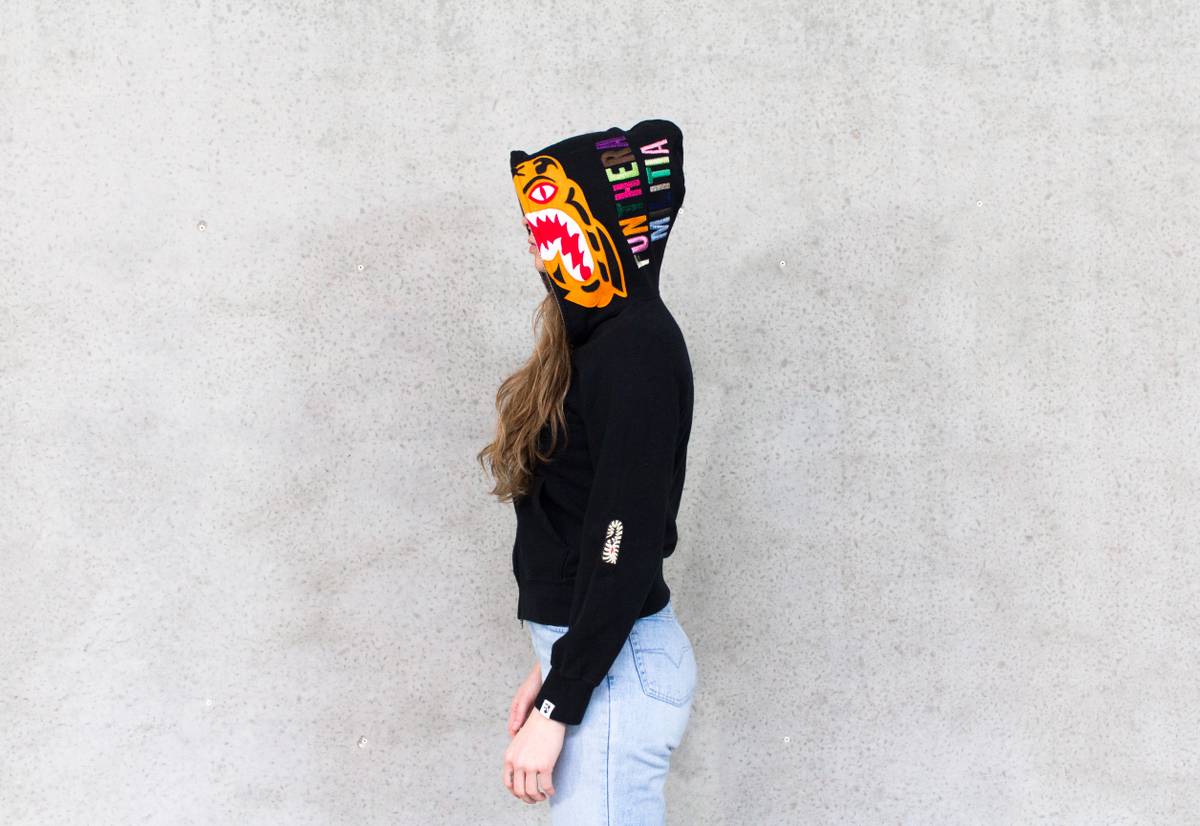
Chinese streetwear brand INXX is officially launching its US e-commerce site.
“We want to open up to a broader market and develop more forward-looking and global design paths while forming our own symbols,” said co-founder Henry Mao.
Targeting global youth, INXX achieved US$3.5 million in sales on China’s 2018 Single’s Day and is now setting sights on the major fashions of worldwide street trends. By keeping roots in its blended Asian streetwear background, the brand has been able to forge a strong identity while growing into new markets.
INXX made its 2018 debut with a presentation on Vfiles. In its showcase at New York Fashion Week SS19, INXX blended craftsmanship with an underground urban street aesthetic, mixing surreal grungy graphics and a strong focus on design detail to achieve “a look without boundaries”.
Indian conglomerate Reliance Industries will expand its low-cost fashion store network Reliance Trends to 2500 locations within five years.
The chain currently has just 557 stores in 160 cites, and will target a presence in 140 more, involving deeper penetration into tier 3 and 4 cities.
The planned expansion will involve an integration with the firm’s online activities and will serve as a gambit to seize a commanding market share of consumer spending against e-commerce competitors Amazon and Flipkart.
The move follows recent restrictions on foreign investment into India that have at least temporarily disadvantaged the online giants. The new legislation bans online retailers from making exclusive contracts with vendors, among other restrictions.
The Reliance Trends expansion is expected to help the firm boost its own labels in a territory that is home to the world’s largest population of millennial consumers.
Chinese e-commerce giant JD has announced it plans to recruit up to 15,000 staff this year – just a week after saying it would let go 10 per cent of its senior executives. The majority of positions expected to be filled this year will be in logistics, with up to 10,000 delivery and low-level management positions being recruited. Other staff will be hired to improve user experiences in the firm’s retail arm.
JD pledged in its announcement to promote competent staff and offer more leadership training to young people as part of its contribution to society. The firm currently hires around 170,000 full-timers, according to last year’s estimates, and is moving to extend its supply network throughout every one of China’s county-level territories.
Some 20,000 R&D staff were hired last year in an RMB8.64 billion (US$1.29 billion) investment in technology research.
Led by transformation in sales channels and customer demand, consumer trends for 2019 will center on subscription e-commerce, faster delivery, and eco-packaging, according to market experts. Subscription e-commerce, a field of business that involves curating products and delivering them on a regular basis, has been gaining popularity because it meets needs for tailored services, value, and convenience. From clean, neatly ironed business shirts to craft beers, you can get almost anything through a subscription service — now, even a car.
Earlier this month, Hyundai Motor’s Genesis introduced a car subscription program that offers subscribers a choice of four Genesis vehicles for 1.49 million won (US$1,330) per month.
“Our target group is drivers who want to experience a different variety of vehicle without having to worry about car management. The ultimate goal of our subscription program is to satisfy consumer needs amid shifting mobility trends,” Hyundai Motor said.
According to industry data, subscriber-based businesses are undergoing an explosive expansion, having grown from 241 trillion won in 2000 to 470 trillion won in 2015, globally. Industry experts expect that number to surpass 594 trillion won by 2020.
McKinsey & Company said in its “State of Fashion 2019” report that the subscription trend goes hand in hand with users’ desire for experiences, as they are more willing to spend money for a service that delivers tangible benefits along with personalized offerings.
Meanwhile, over the past year, delivery has gotten faster for merchandise purchased via websites and apps. With services like Coupang’s Rocket Delivery, expecting one’s purchase to arrive the next day has become the new norm.
Cutting down even further on delivery times will be a major sticking point for e-commerce businesses looking to stay afloat, market insiders said, with businesses now competing to ensure overnight deliveries, particularly of fresh food items.
Overnight delivery is usually available only in Seoul and some parts of Gyeonggi Province and Incheon for now. Experts estimate that the market value of the industry will have reached 400 billion won this year.
Lotte Mart currently plans to test-operate a 30-minute delivery service in the first quarter of the new year. Since September, it has offered a delivery service that moves products from its stores within three hours after purchase at an offline store.
E-commerce company Coupang also plans to make a concerted effort to expand the overnight and even same-day delivery of fresh food products in 2019.
“Our latest paid membership service, Rocket Wow club, which guarantees next-morning delivery for signed-up members, had already garnered almost 1 million members just two months after the service’s launch. We plan to expand the service to cover all customers across the country in the new year,” a Coupang representative said.
The environmental packaging boom is set to continue well into 2019 as well. While plastic is not inherently bad, the way it is thrown away is problematic. As a result, an increasing number of consumers are rethinking their plastic use in an effort to cut waste.
With environmental packaging campaigns spreading worldwide, manufacturers have been challenged to innovate their packaging methods.
Since September, Starbucks Korea has replaced plastic straws with paper straws at some 100 of its stores in Seoul, Busan and Jeju, in an effort to reduce waste and protect the environment. All its paper straws are coated with soybean oil to make them more durable, the company said.
The coffee franchise plans to eliminate single-use plastic straws from its 28,000 stores worldwide by 2020. Angel-in-us Coffee, the cafe chain operated by South Korean retail giant Lotte, also introduced special lids for cold drinks in an effort to reduce plastic use.
“The throwaway culture is rapidly being challenged by increasing consumer awareness of the perils of plastic waste. A dramatic change in attitudes has occurred, forcing brands to rethink how they make better use of plastic in what they offer to consumers, who increasingly demand brands reduce, reuse and recycle plastic waste to better protect them and their world,” said Matthew Crabbe, a director of Trends APAC, in Global Consumer Trend report by Mintel.
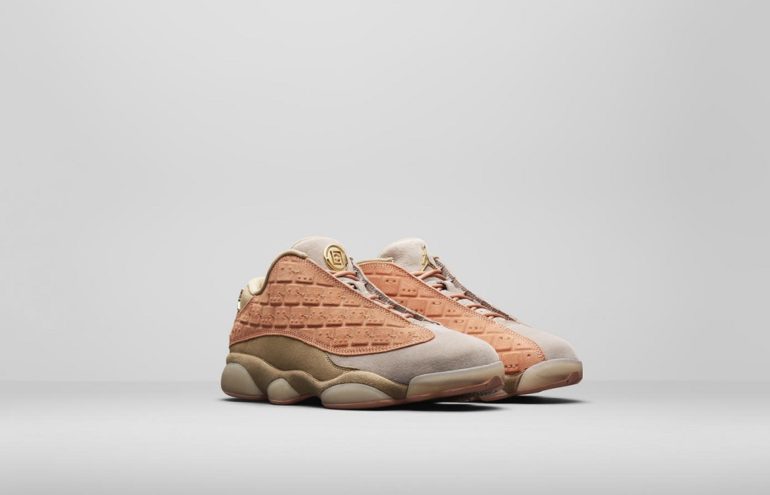
International brand and retailer CLOT’s Air Jordan XIII pays tribute to co-founder and creative director Edison Chen’s youth, which he spent between Canada and Hong Kong. Chen chose to work on the Air Jordan XIII because it was his go-to during his high school basketball career — and remains a favorite shoe.
To honor his Chinese heritage, he drew from a recent visit to Lintong county, Shaanxi province, where the Terracotta Warriors statues have remained for more than 2,000 years.
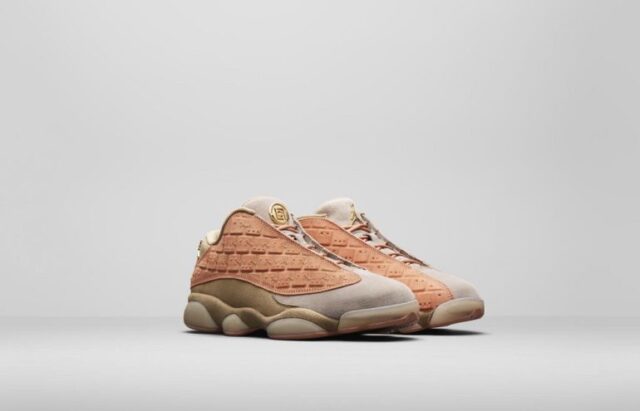
To replicate the oxidation of that terracotta earthenware, the CLOT x Air Jordan XIII Low uses a Sepia Stone, Terra Blush and Canteen colorway.
The design of the padded upper mirrors the armor worn by the Terracotta Warriors.
Subtle nods to MJ come through in the side panel, where dots on each tile appear in twos and threes. To finish it off, metallic gold CLOT and Jordan Brand logos appear on the tongue, heel and sole.
The CLOT x Air Jordan XIII Low releases exclusively at Innersect Shanghai, China, on December 8, followed by a global release December 13 at Juice Stores.
U.S. brand Heron Preston which, as Vogue defines it, finds the interface of luxury and streetwear has arrived in Hong Kong. The New York-based designer announced on Instagram that his Hong Kong debut also served as Heron Preston’s first-ever storefront anywhere.
“I can’t believe I started hand printing t-shirts in San Francisco and now I’m here. I want to thank my amazing team for the love and support!” he said.
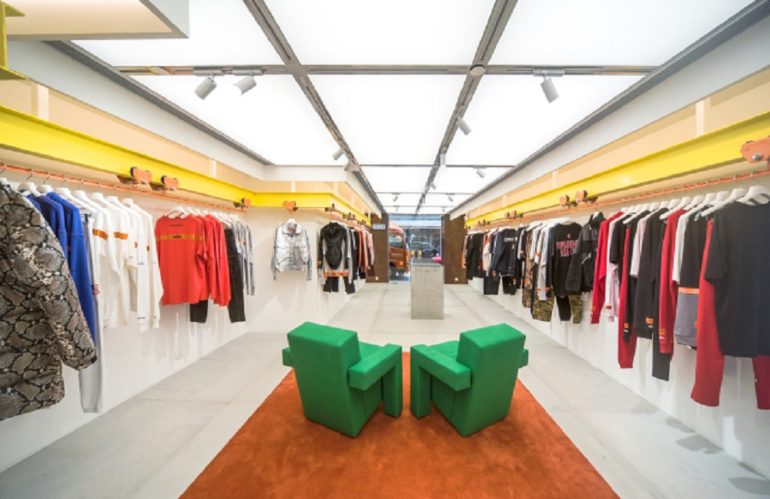
Located on Paterson Street, Fashion Walk, in the city’s Causeway Bay area, the new Heron Preston store was designed by the contemporary designer too.
Inside, Hong Kong shoppers are greeted by industrial interior fixtures such as steel shelving, painted wooden crates and licks of safety orange throughout.
An emerald green chair is set up in the centre of the shop next to the concrete sales counter. The light is bright and remainder of the store minimal in design, allowing the Heron Preston collections to speak.
Offering a full selection of the designer’s wares, clothes are displayed hanging from the racks, with accessories kept under the glass shelf of a table and hosted on shelves.
Marking the store opening, Heron Preston has teamed up with fellow American and sportswear heavyweight Nike for a limited edition eyewear collection.
Dubbed “Nike Tailwind HP Sunglasses”, the glasses are lightweight and wrap-around style, the frames mimicking the brand’s innovative rubber ventilation. The collection comes with interchangeable lenses too.
A standout piece is the Nike MAX Optics glass, which comes with an anti-fog Flying Lens setting.
The collection dropped worldwide November 29 and is available at Nike store and Heron Preston sales points.
Seamless in-store shopping experiences coupled with innovative advances in technology are among IGD’s five key retail trends for 2019. “Next year’s biggest trend of all is likely to be the continuation of rapid and radical change in the food and grocery industry,” said Toby Pickard, head of insight, innovation and futures at IGD.
“We have already seen a significant pivot towards innovative new technology, and there is no sign of this letting up next year. Shoppers’ expectations have changed, and the retail and grocery sectors are working to meet those expectations in every area of business,” he said.
IGD’s five key retail trends for 2019 are:
Data dictates the way: This year has seen data become more valuable to the retail sector than ever, with 46 per cent of supply-chain experts now actively prioritising data-driven business. As well as helping to boost sales, accurate data will be vital for tools that allow retailers to understand customer behaviour – and reward their loyalty.
Through customer datasets, artificial intelligence (AI) and machine learning in-store, retailers can target products and offers more effectively while maintaining appropriate stock levels and improving customer service. Insights gained through closer customer engagement will provide invaluable guidance to retailers looking to grow their businesses: making stronger connections beneficial to both groups.
Doing good is good businesses: Companies will increasingly take the lead on sustainability while issues such as food waste and plastic pollution make headline news. This has translated to changing attitudes across the generations. Nearly three quarters (74 per cent) of UK shoppers say they have become more aware of the environmental impact of plastic packaging over the past year, and this has led to innovations such as biodegradable wrapping and plastic-free supermarket aisles. Retailers are no longer thinking about just reducing waste, but want to make a positive, tangible contribution. The next wave of innovative and leading retailers and brands will move beyond reducing their impact.
Seamless stores: Physical stores will offer a much more digital experience next year, by using technology to make it easier for customers to find items and gain more product information. Some 85 per cent of UK shoppers would like to see the roll out of more in-store technologies. This should lead to a faster shop for many, where searching aisles and shelves for the right item is replaced by an app that guides shoppers to where they want to be.
“Physical stores offer customers a more tangible shopping experience, where they can see products before they commit to purchase,” sais Pickard. “This gives these spaces an advantage over online providers, and we are seeing stores begin to capitalise on that and add in extras to incorporate more of the benefits of online.
“A recent example of this is Il Viaggiator Goloso, a premium Italian brand, which has enabled its electronic shelf-edge labels to show the online reviews and scores products have received. This gives customers a more informed choice in store.”
Help me be healthy: Most shoppers aspire to eat and live well, with 85 per cent saying they are actively trying to improve their diet, but aspirations don’t always translate into action. “We believe shoppers will be more health conscious going forward, so supporting them to both look and feel good will be a major priority for retailers and their suppliers. This means that both consumers and businesses will be thinking more about wellness and the role of retail in promoting cleaner living going forward,” says Pickard.
Anywhere, anytime: IGD expects innovative new social-commerce solutions to emerge throughout next year. Retailers and suppliers will deliver targeted marketing, and new ways to make online shopping more social, instantaneous, and convenient.
“Next year, we will see retailers think increasingly about making every moment shoppable,” says Pickard. “A recent innovation was EasyJet making it possible for Instagram users to find and book holidays to new destinations, simply by clicking on a photo they have seen. Whether through targeted marketing or simple ways to make purchasing more seamless, shopping is becoming not just more convenient but more instant as well.”
IGD says shopping will become seamless and omnipresent, with people no longer needing to visit a retailer’s online store. As they look at pictures, watch videos or TV they’ll be able to just add products to a shopping cart.
“This has the potential to change the way that retailers think about selling in the future.”
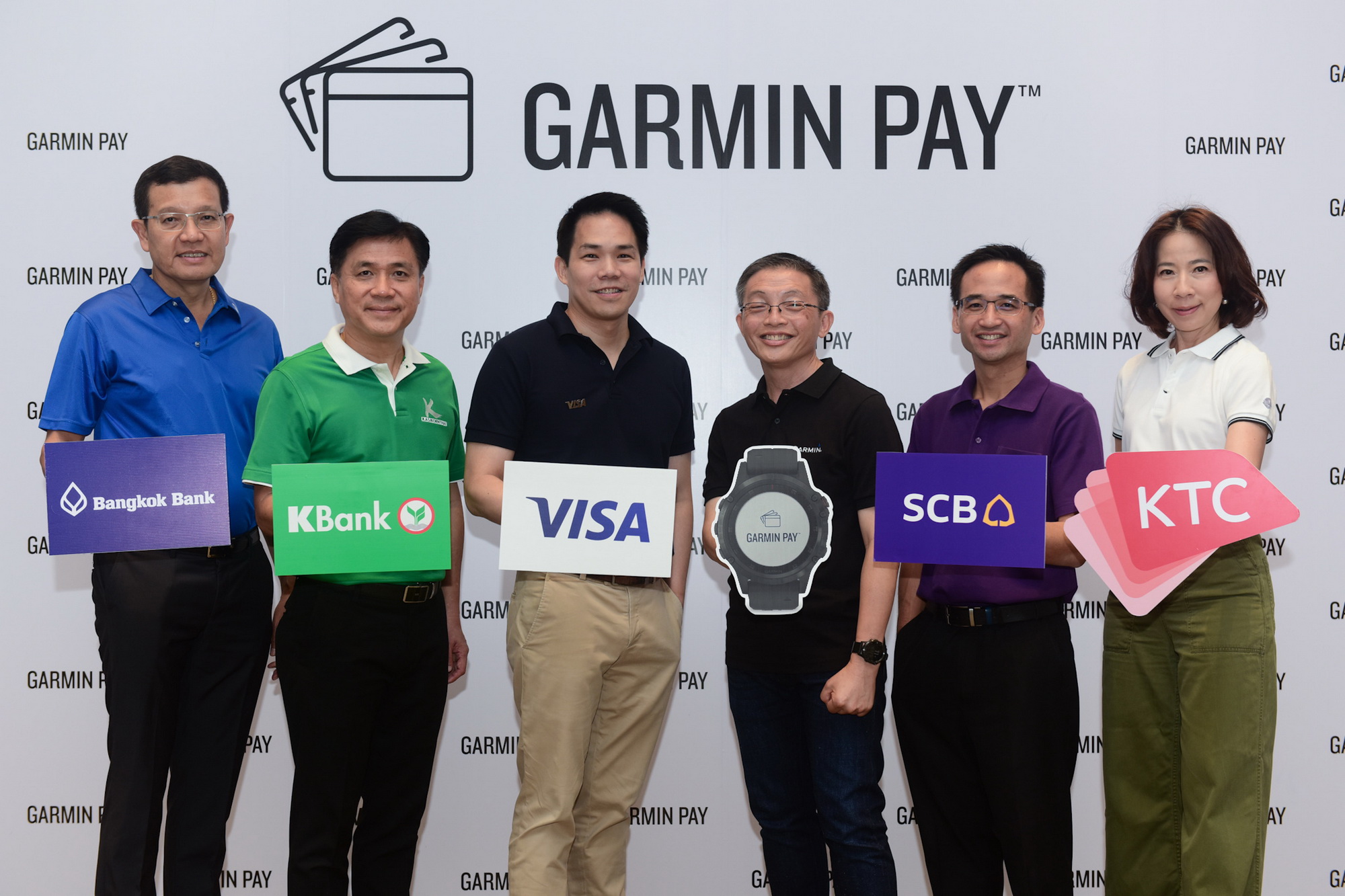
Visa, the world’s leader in digital payments and GARMIN, in partnership with leading financial institutions, announced the launch of GARMIN Pay, a new contactless payment feature on GARMIN smartwatches. Starting 15 November, customers of Kasikornbank, Krungthai Card and Siam Commercial Bank can add their Visa credit or debit card to their GARMIN smartwatches, while Bangkok Bank is in line to launch by first quarter 2019. The feature offers a new cashless experience, where purchases can be made seamlessly at growing contactless-accepted merchant locations. The emergence of payment innovation and technology mark yet another milestone helping to transform Thailand into a less-cash society.
Mr. Suripong Tantiyanon, Visa Country Manager for Thailand said: “Visa is pleased to support the launch of Garmin Pay, bringing Visa contactless payments to Garmin smartwatches in Thailand. Visa believes payments wearables are the future of fast, simple and secure payments, for people who lead an active lifestyle. According to Visa’s “sweaty money” survey, 57 percent of people who bring cash or a payment.
card along on their workouts are stashing it somewhere uncomfortable and inconvenient. Garmin Pay will be a welcome solution for anyone looking for an effortless way to pay while on the go. This launch is another milestone in Visa’s commitment to continue providing payment innovations and experiences across a wide range of form factors to consumers in Thailand.”
Mr. Krairop Luang U-Thai, General Manager of GIS, the authorized distributor of GARMIN products in Thailand said: “GARMIN Pay is the latest feature on the GARMIN smartwatch. Select the credit card you want to connect to the watch and create the GARMIN Pay Wallet by filling in the card information on the GARMIN Connect application along with your passcode. All customers then have to do is place their wrist near a card reader that supports contactless payments to purchase goods and services. GARMIN Pay uses tokenization offered by the global payment networks to secure users’ information. The tokenized data is saved in an isolated safety chip which is in device, so to keep sensitive data from malware or virus. In addition to Thailand, GARMIN Pay is also currently available in 22 countries around the world.”.
GARMIN Pay is available on vivoactive 3 series, forerunner 645 series, fenix 5 plus series. Check back for future additions and more information about GARMIN Pay, visit Garmin.co.th/Garmin-Pay
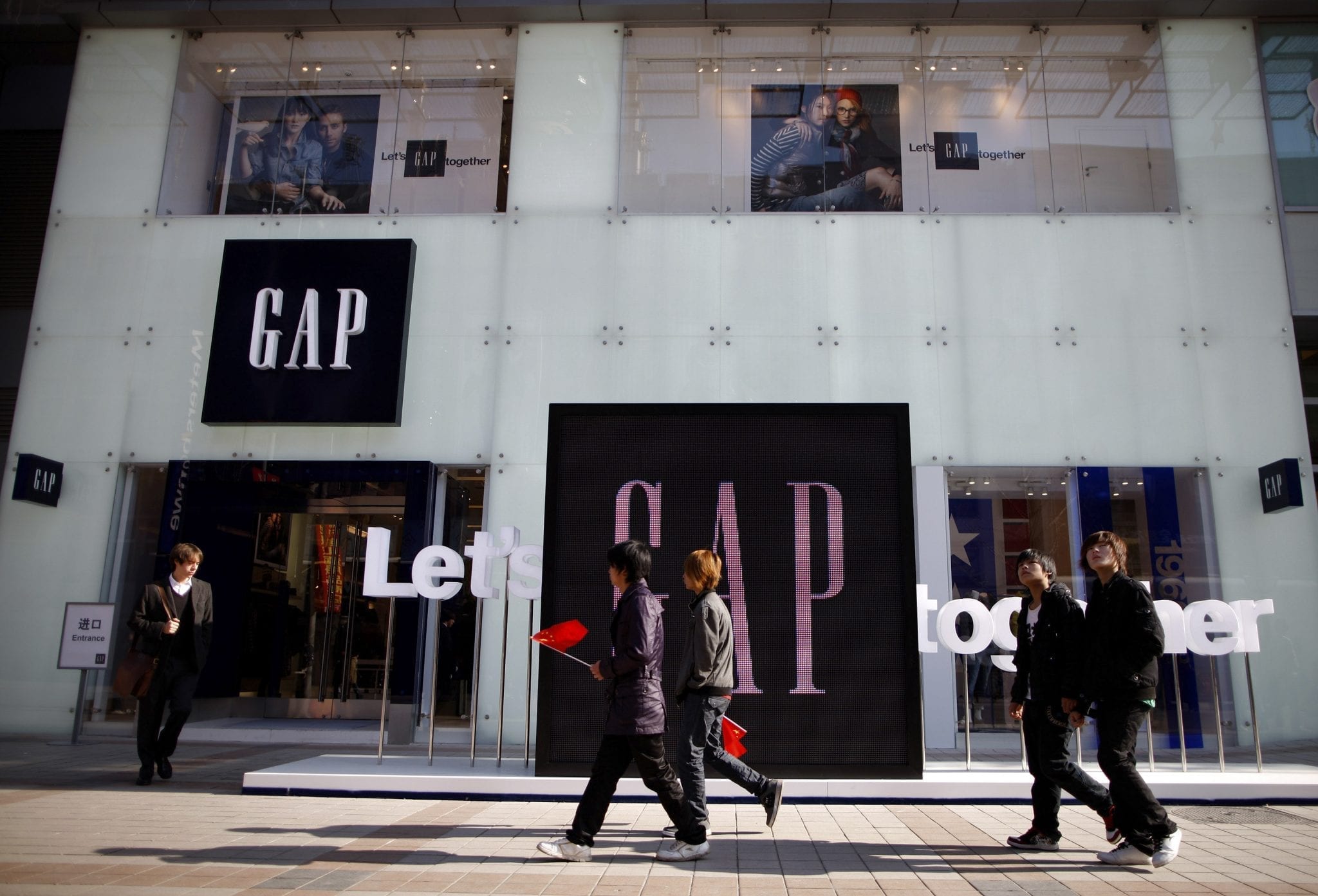
Gap brand sales fell 7 per cent globally in the last quarter as the US apparel retailer fails to re-engage consumers.
However Gap Inc increased its overall sales by 6.5 per cent to US$4.09 billion on the back of solid growth in its Old Navy business and a modest 2 per cent improvement of the more upmarket Banana Republic banner. Net income rose to $266 million, up $37 million year on year.
“Old Navy is doing all of the heavy lifting while the Gap brand languishes,” observed retail analyst Neil Saunders, MD of GlobalData Retail.
“When it comes to Gap the numbers are particularly bad. Despite protestations from management that improvements to the range and inventory are coming through, we do not buy the story of recovery. Gap’s brand image is still lacklustre and it is not bringing anything new or exciting to the market. Products are still samey and boring and they are still being discounted because Gap is unable to sell them at full price.”
Saunders said the sales results testify to the deep-seated problems at the Gap brand – especially when they are delivered against the backdrop of a robust consumer economy in which people are spending more on clothing than they have done for many years.
“Our consumer data still shows that shoppers see Gap as bland and increasingly irrelevant in the apparel space. This is not healthy and it underlines the fact that Gap still has an enormous amount of work to do before it can even start down the road to recovery.”
In contrast, Old Navy’s fashion edits and the brand’s ability to put out well-curated collections are attracting the attention and spend of family shoppers.
“The strong economy is giving consumers a little more money to spend and we believe that Old Navy is benefitting from this as consumers buy more treats for themselves and their families. The strength of Old Navy’s brand is evidenced by the fact that all categories and channels have benefitted from growth.”
Gap Inc will end the year with a net gain of about 70 new stores, including outlets in Canada and Mexico, where the brand continues to perform well.
Banana Republic turns a corner
Meanwhile, Banana Republic achieved a 9.2 per cent uplift in US sales due to store openings and a 2 per cent increase in comp sales.
“The work to re-engineer the brand is paying off,” said Saunders. “Fall and winter collections were stronger than they have been for many years and there is now more cohesion between marketing and assortments. While the recovery remains in its early phases, Banana Republic is moving in the right direction.”
Overall, said Saunders, despite poor Gap brand sales figures, the business is in a reasonable state. “However, the ongoing issues at the Gap brand are raining on what would otherwise be a sunny parade.”
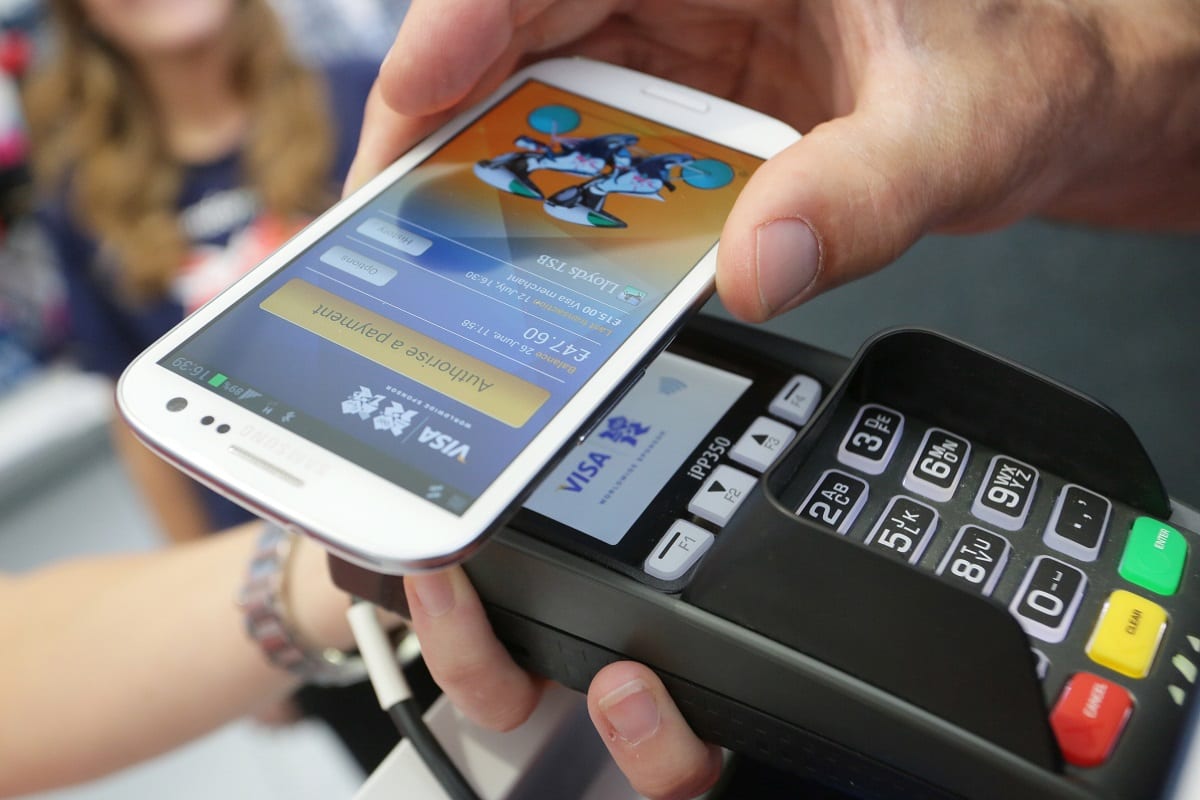
Mobile payments at South Korean convenience stores have more than doubled this year thanks to the greater use of smartphones and the expansion of mobile settlement services. South Korea’s top convenience store chain CU said the number of so-called easy mobile payments at its outlets soared 121.5 per cent year on year in the first 10 months.
Convenience chain operators in Asia’s fourth-largest economy adopted the easy mobile payment system in 2011, but the service only started to take off last year.
The percentage of mobile payments out of total settlements at convenience stores expanded to 3.5 per cent this year, compared with 1.9 per cent last year and just 1 per cent in 2015.
“The number remains in the single-digit range, but the easy mobile-settlement system has been growing at an exponential pace,” a CU spokesperson said.
Currently, CU allows customers to use Samsung Electronics’ Samsung Pay and 19 other payment tools at its stores.
Samsung Pay accounted for 85.5 per cent of CU’s mobile settlements during the January-October period, followed by Kakaopay with 4 per cent and LG Pay with 2.8 per cent.
Industry sources said retailers in South Korea have been ramping up efforts to develop their own mobile payment platforms as more tech-savvy consumers turn to their smartphones to make mobile payments at South Korean convenience stores.
Some seven in 10 South Koreans are known to own a smartphone, the fourth-highest smartphone penetration rate in the world.
I.T has been in fashion retail in Hong Kong and China for over 30 years, offering a wide designer portfolio.It is renowned for curating collections across international womenswear, menswear, footwear, accessories, and lifestyle that is tailored meticulously for the Greater China customer.
At the turn of the century, I.T opened its first China flagship in Shanghai, one of China’s fastest growing markets.
In 2017, the company launched its multi-brand fashion lifestyle platform ITeSHOP.
“I.T now sets sight on creating a seamless omni-channel experience that will define the future of fashion” said Kar-Wai Sham, Founder and Chief Executive Officer of I.T Group.
To envisage the digital landscape that will shape the next 30 years, I.T took the opportunity to invite its community of brands partners and creative talents to share their vision of the future.
Their perspectives are expressed through a series of exclusive designs, capsule collections, artistic compilations and digital exhibitions that bids the viewer to visualise the future.
I.T’s 30 th Anniversary Exhibition integrates a see-now-buy-now approach, with live digital kiosks and a shoppable app for exhibition-goers to fully immerse in an authentic digital shopping experience.
Hong Kong lingerie brand 6ixty8ight is trebling its Singapore store network. 6ixty8ight Singapore will open new stores at Tampines 1 on December 1 and at Bugis Junction this week. They follow the brand’s debut at VivoCity in July.
The Bugis Junction 6ixty8ight Singapore store will take up340sqm of space, a little larger than the 270sqm site at Tampines 1 – but both are considerably larger than the first store, which is just 185sqm.
6ixty8ight was founded in 2005 by Hop Lun Group which has manufactured lingerie for many international brands for more than 25 years. Its strategy was to use its manufacturing expertise to create underwear for Chinese women. Such a course did not cannibalise sales from its manufacturing customers, which primary target western markets. It was the first time the manufacturer had developed its own label.
The brand, which targets women aged 15 to 30, has found a ready market in Hong Kong, Taiwan and South Korea where its value offer and fun store decor has differentiated it from rivals. It now has more than 150 stores in the region.
Choosing the right padded jacket — this winter’s ‘it’ item — is a much more complicated task than one may think. It is not just design and color, but the type of insulation also has to be decided — goose, duck or synthetic materials, as well as their composition ratios, waterproof or not and even the overall weight.
For many South Koreans, however, it all seems to come down to a choice between luxury and cost-effective alternatives.
On the high-end side, with brands like Canada Goose, Nobis, Herno and Moncler, the jackets are priced at well over 1 million won (US$920).
As for Moncler, the retail prices of long padded jackets for women hover around 2-3 million won. But some of the popular models have been sold out since summer and there’s a long waiting list still, an employee at a Moncler shop in Seoul said.
The passion for the French fashion brand is high, as a growing number of people are purchasing online instead and have them delivered directly from Europe.
“The price is 20-30 percent cheaper,” said Oh Su-hyun, who bought a Moncler coat this year via a Paris-based online shopping mall.
“It cost me around $1,800, including tax. But I think it as an investment. Winter is long and you can wear it for many years because it’s Moncler.”
More cost-conscious consumers have turned to more affordable options, chief among which is the PyeongChang Winter Olympic official down jacket, which was offered only in limited numbers.
High-performance yet stylish and affordable, the PyeongChang coat has become an instant top seller.
Since its launch on Oct. 26, people have been lining up for the coat which costs 149,000 won. But no more jackets are available now as the 300,000 pre-ordered items are completely sold out. The coats were manufactured by a local company in request by the nation’s retail giant Lotte, a licensed partner to the PyeongChang Olympics, to commemorate the global sports event.
Some of the coats are being traded online, with a mark-up of 2-3 times the original price.
The long padded coat craze seems to have led to an overall increase in winter coat purchases.
According to Lotte Department Store, the sale of winter clothes surged 70 percent this month, while other retailers Hyundai and Shinsegae saw sales growing 12.7 percent and 13.4 percent, respectively.
As we enter into the new year, it seems only natural that we share all the Singapore technology trend in 2017 what we’re excited about, and what we foresee happening in the digital space this year.
Here are our top 6 picks!
1. The Rise Of Chat Bots
Chat bots have been made popular especially since June 2016 – when Facebook launched them in Messenger.
Over the past few months, developers have been experimenting with various chat bot use cases, and according to Facebook, while the early chat bot attempts by developers have been “really bad“, the quality of chat bots have generally improved over time.
According to David Marcus, Facebook’s vice president of messaging products, the best use cases include driving people toward subscriptions, facilitating small transactions, and customer service.
This year, we definitely expect companies in Singapore to come out with smart use cases for Chat Bots and integrate them into their product offerings. We also expect a rise of companies offering professional services around Chat Bots.
2. Mega Apps
One of the fastest growing regions in the world now is China – and if you have been following its development closely, the dominant platform now is undeniably WeChat.
WeChat introduced the idea of “apps in apps” or “instant app”, and is literally the “one app to rule them all” in China.
Its concept is very interesting, because with it, you can perform everything beyond just chatting with your contacts – from product purchases to payment, to joining interest clubs (WeChat has a fitness tracking feature called WeRun), to booking a cab and making restaurant reservations, there’s a high possibility of relying on the app for most everyday processes!
If you are interested in finding out more, here are 10 WeChat travel industry case studies where companies integrating their business with WeChat’s platform – very fascinating.
And who knows, we might just see a mega app in Singapore to rule them all this year.
3. Breakout Gaming Apps
The third thing we’re excited about this year is in the mobile gaming space.
We’re expecting at least 2 or 3 mega breakout gaming apps this year. While we have no clue on what would pop up, we expect more gaming developers to take the cue from Pokemon GO’s brilliant use of augmented reality to create a real world interactive gaming experience. Pokemon GO was (still is) a game that transcends age, gender and race, and sets very high standards in the gaming community.
We have yet to see a huge breakout gaming app from Singapore – and hopefully, 2017 is the year we will see one that will fly our Singapore flag high and proud in the global gaming arena.
After all, there’s a dedicated area by the government called Pixel Studios dedicated to catalyse the creation of valuable gaming apps in Singapore.
4. Smart Companies Taking Up Dead Retail Space
One of the biggest trends is that retail vacancy is at its highest in decades. With recession (Singapore only reported an overall economic growth of 1% in 2016, and projects a growth of 1% this year) looming, as well as competition from e-commerce, it’s no wonder that retailers are unable to make ends meet, and some are even forced to move out from their physical locations.
Of course, not all is doom and gloom though – we’re expecting resourceful and entrepreneurial individuals to negotiate contracts and/or deals with shopping mall operators which would be flexible and thus beneficial to the former.
We expect smarter usage of spaces, with digital companies taking up physical locations around in Singapore as an extension of their business.
Take Naiise for example. Originally a design centric e-commerce company, it has now expanded to 6 physical locations around in Singapore. Or take co-working space operator Spacemob for example, which raised almost S$8 Million in funding last year.
Both Naiise and Spacemob are examples of smart innovators taking advantage of retail space in Singapore, and bringing the arrangement’s benefits to both space owners and consumers alike.
5. Live Streaming
Another space that we (ok, maybe just me) are personally very excited about is the live streaming space.
At this moment, I think that we are still barely scratching the surface of the possibilities of live streaming. Live streaming is something different from usual platforms, and allows brands and personalities to appear more authentic and spontaneous. It also helps garner immediate interaction with the public – something which brands are all severely lacking nowadays, as they seem to chase quantity over quality.
Another thing about live streaming is that it is completely powered by millennials, given how they often have FOMO (fear of missing out), and want to always be in-the-know of the latest trends and happenings. Where stock images and highly-edited content flood our social feed, live streamed content also offers experiences that are more ‘honest’.
Live streaming has already exploded in China, but we have yet to see mainstream adoption in Singapore – but that’s something we’re expecting to change dramatically this year.
6. Government Becoming Increasingly Digitised
The last thing that we are excited about this year is that Singapore is becoming increasingly digitised.
Taking the lead for digitising Singapore is GovTech, which sits under the newly-formed stat board IMDA. As the agency responsible for most of the digital applications used by the different government bodies, they are helping government services to move online and become mobile-friendly, all in the name of convenience for the average Singaporean.
They also constantly monitor data from these e-Government services and get user feedback so as to keep improving what’s offered.
Today’s consumers are increasingly looking for specific and engaging experiences while shopping, according to an analysis from Lotte Department Store’s research team for retail trends. The team proposed a set of guidelines to help retailers prepare next year’s business strategies.
“For modern customers, shopping is not only about buying products, but a complex experience,” said Na Hyun-jun, head of Lotte Department Store’s retail research team. “The key would be how successfully retailers provide new shopping experiences while catering to the increasingly segmented needs of consumers.”
The first is the trend for smaller department stores that focus on catering to tastes of specific demographics. Mini department stores are frequent in Japan. Tokyo-based retail giant Isetan Mitsukoshi has more than 120 small and midsized stores nationwide near airports and train stations. Lotte Department Store opened three “el CUBE” stores in a similar concept this year, and their contents slightly differ according to visitors’ demographics.
Personal curation for shoppers is another target selected by the team. Item choice is becoming more difficult for consumers as new products are constantly released. In the past retailers used personal shopping assistants, but recently shoppers have been using new technology like artificial intelligence and big data. In March, KT released the app Shodoc, which recommends products according to consumer demographics.
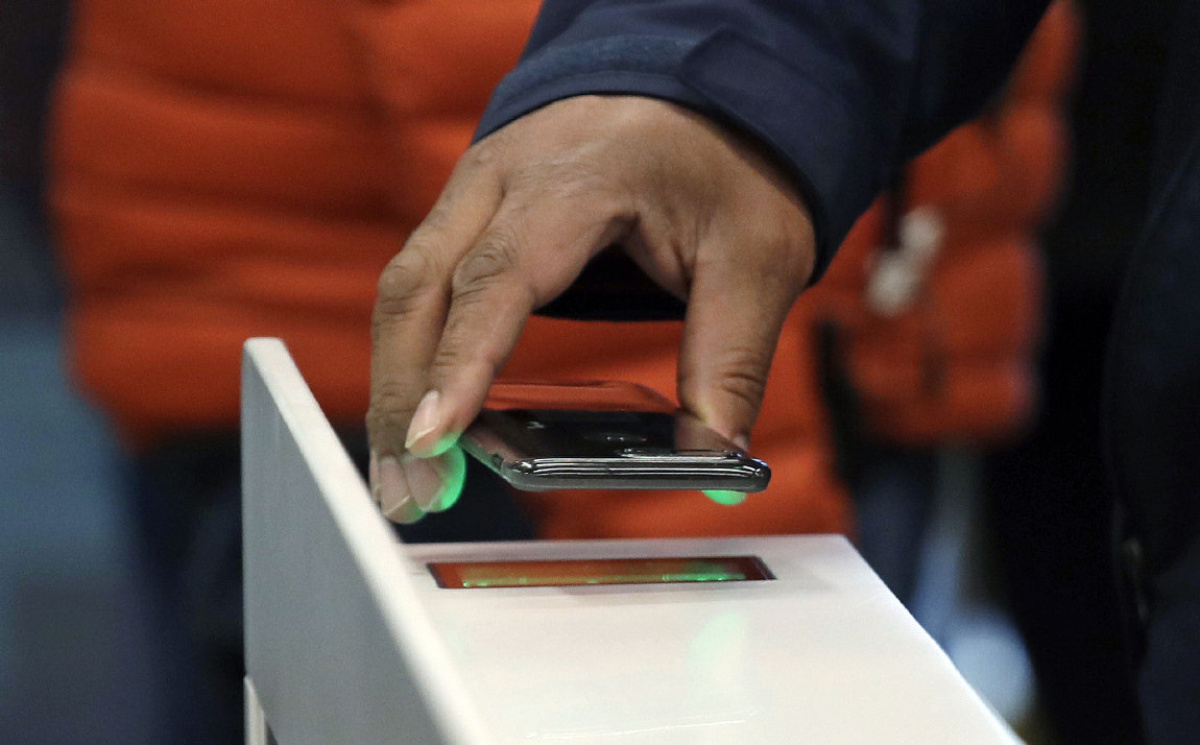
Lotte also pointed out that consumers are more impulsive due to the development of technology related to shopping, like easy payment methods via apps. This has helped consumers purchase items immediately after seeing them online or via smartphones. The human-less supermarket Amazon Go launched this month, marked the start of a trend of moving offline.
Retailers are providing virtual reality services at brick-and-mortar stores. Virtual reality is a field especially favorable in the fashion industry. In May, eBay and U.S. retail brand Myer launched a VR department store that is accessible by a VR headset and an app. For luxury or high-end brands, however, expanding contact with consumers and providing the chance to experience products will become a core task in establishing brand image. In the past, companies had the image of being too difficult to relate to due to their premium images. This year, high-end car brand Bentley set up a showcase “studio” in a London mall just for brand image rather than sales.
In terms of product category, retailers are slowly expanding their reach outside industrial goods to products they have not carried in the past. This year, Harrods Department Store in London had a pop-up store to display Emaar Properties’ real estate in Dubai.