Retail News CRM

Tag: trends

  • Gold Prices Climb as Global Market Rates Surge: What This Means for Investors

    Gold Prices Climb as Global Market Rates Surge: What This Means for Investors

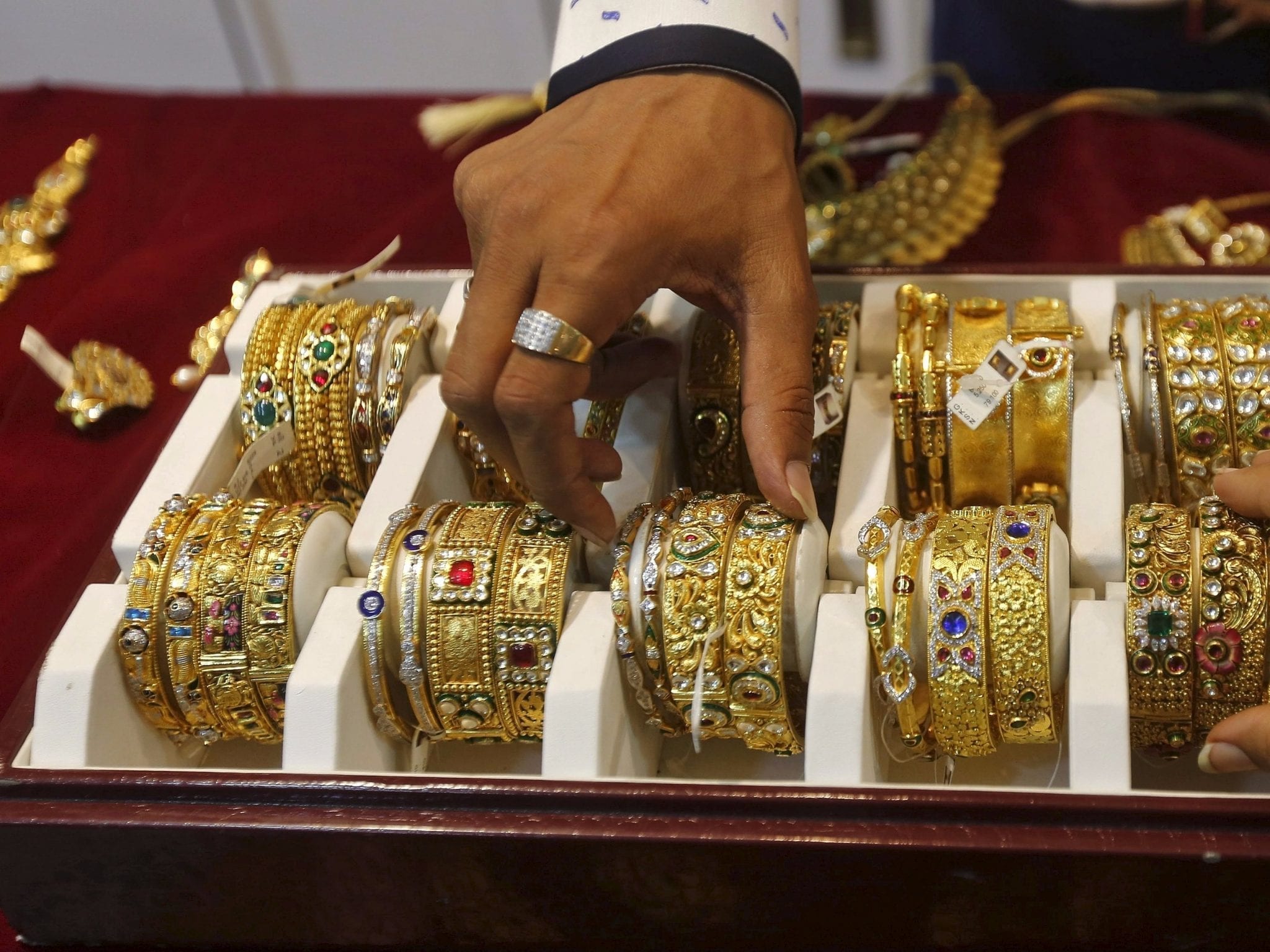
    Gold jewelry displayed in a bustling shop in Ho Chi Minh City reflects vibrant market activity as Vietnam experiences a rise in gold prices.

    On Wednesday morning, the cost of gold surged slightly, driven by an uptick in global bullion rates. The Saigon Jewelry Company reported a 0.25% increase in the price of its gold bars, now standing at VND118.8 million (approximately US$4,564.84) per tael. Similarly, the price for gold rings ticked up by 0.44%, reaching VND114.5 million per tael—a tael equals 37.5 grams, or around 1.2 ounces.

    The global gold market echoed this trend as prices climbed amid mounting uncertainty surrounding the finalization of a U.S.-China trade agreement. Investors, driven by a sense of caution, are turning to gold as a secure investment, especially with pivotal U.S. inflation data on the horizon. Spot gold experienced a modest rise of 0.2%, hitting $3,328.89 an ounce, while U.S. gold futures also gained 0.2%, climbing to $3,349.80.

    Amid recent talks, U.S. and Chinese officials announced a draft framework aimed at revitalizing their trade truce and addressing China’s export limits on rare earth minerals and magnets. U.S. Commerce Secretary Howard Lutnick shared this update following two days of intense negotiations in London. However, uncertainty still looms. As City Index senior analyst Matt Simpson pointed out, though a framework has been established, the final go-ahead from leaders Trump or Xi remains pending, keeping investors on edge. This sense of trepidation is fueling gold’s rise as everyone anticipates the forthcoming inflation data.

    Gold may be shining a bit brighter today, but will it outshine market volatility tomorrow?

    Questions & Answers

    What recent developments have influenced gold prices in Vietnam?
    Gold prices in Vietnam increased as global bullion rates rose amidst uncertainty regarding a U.S.-China trade agreement.

    How have global gold prices behaved recently?
    Spot gold saw a 0.2% rise, reaching $3,328.89 an ounce, while U.S. gold futures climbed to $3,349.80.

    What factors are contributing to current market uncertainty?
    The pending approval of a trade framework by leaders Trump and Xi creates an atmosphere of uncertainty, compelling investors to seek safety in gold as they await crucial inflation data.

  • Gold Bar Prices Soar as Global Rates Take a Dive

    Gold Bar Prices Soar as Global Rates Take a Dive

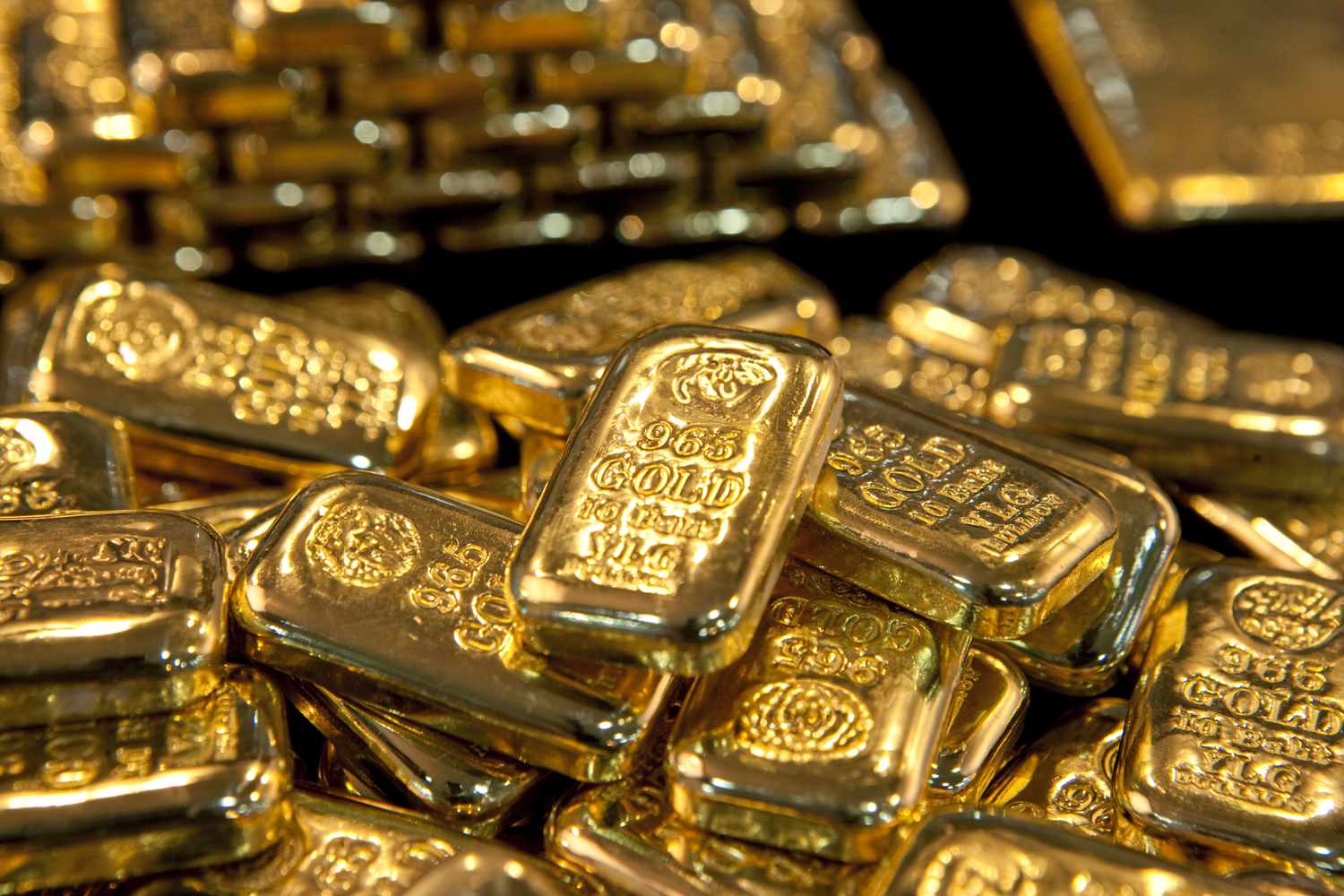
    In a striking turn of events, gold bar prices in Vietnam took a downward plunge on Monday morning, even as global bullion rates experienced a modest uptick. The Saigon Jewelry Company reported that gold bars saw a decline of 1.01%, settling at VND117 million (approximately US$4,496.03) per tael. Meanwhile, gold rings staged a minor comeback, rising 0.18% to VND113.7 million per tael—a tael equals 37.5 grams or 1.2 ounces.

    Internationally, the landscape for gold shifted as escalating tensions in the Russia-Ukraine conflict, coupled with U.S. President Donald Trump’s renewed threats to double tariffs on imported steel and aluminum, prompted investors to flock to the safety of bullion. According to Reuters, spot gold increased by 0.5% to reach $3,305.85 an ounce, while U.S. gold futures climbed 0.4% to $3,329.80.

    Tim Waterer, chief market analyst at KCM Trade, noted, “With trade and geopolitical worries bubbling to the surface once again, it’s no surprise to see gold ticking higher to start the week.” He added that riskier assets are losing steam while a dip in the dollar continues to support gold’s upward trajectory.

    The recent dip in the U.S. dollar index rendered bullion more affordable for international buyers, reinforcing gold’s status as a safe-haven asset amid global uncertainties. Given its tendency to flourish in low-interest rate environments, gold remains a shiny beacon for investors eyeing stability in the face of economic volatility.

    What a modern-day treasure hunt it is! As geopolitical tensions rise, it seems gold is the new black—always in style and never out of demand.

    Questions & Answers

    What caused the drop in Vietnam’s gold bar prices?
    Vietnam’s gold bar prices fell due to a decrease in local demand, even as global gold prices rose in response to geopolitical tensions.

    How did global gold prices react on the same day?
    Globally, gold prices climbed, with spot gold increasing by 0.5% to $3,305.85 an ounce, driven by investor concerns over escalating geopolitical issues.

    What factors typically support gold prices?
    Gold prices tend to thrive during periods of geopolitical and economic uncertainty, especially in low-interest rate environments, as it is seen as a safe-haven asset.

  • Gold Prices Surge as Global Rates Decline: A Shift in the Market Landscape

    Gold Prices Surge as Global Rates Decline: A Shift in the Market Landscape

    Vietnam’s gold market saw an uptick on Friday morning as global bullion rates experienced a slight dip. This increase reflects a growing interest in gold amidst fluctuating financial conditions.

    Local Gold Prices on the Rise

    Saigon Jewelry Company reported a 0.42% rise in the price of gold bars, now trading at VND118.5 million (approximately US$4,558.22) per tael. Meanwhile, gold rings climbed 0.62%, reaching VND114 million per tael. For context, one tael is equivalent to 37.5 grams or about 1.2 ounces.

    Global Trends Impacting Gold Values

    On the international front, gold prices experienced a decline on Friday, pressured by a slight increase in the dollar’s value. Investors are keeping a close eye on an upcoming key U.S. inflation report, which could steer the Federal Reserve’s monetary policy decisions. According to Reuters, spot gold prices fell 0.5% to $3,300.59 an ounce, marking a 1.7% drop for the week. U.S. gold futures mirrored this trend with a 0.5% decline to $3,298.30. The rising dollar index is making gold costlier for buyers outside the U.S.

    Market Insights and Future Outlook

    Brian Lan, the managing director at GoldSilver Central in Singapore, noted, “Gold prices are largely consolidating at this point. What we’re witnessing are normal market fluctuations, albeit in a slightly wider range due to confidence in the U.S. dollar.”

    San Francisco Fed President Mary Daly highlighted the potential for policymakers to reduce interest rates two times this year, although she emphasized that keeping rates steady is crucial for guiding inflation towards the central bank’s 2% target. Non-yielding bullion often thrives in low-interest-rate scenarios, making the current market environment particularly relevant for gold investments.

    Who knew gold could dance with dollars?

    Questions & Answers

    What caused the rise in local gold prices?
    The increase in local gold prices can be attributed to a dip in global bullion rates, alongside investor speculation about future monetary policy.

    How are international gold prices faring?
    Internationally, gold prices have fallen by about 0.5%, influenced by a stronger dollar and anticipation of upcoming economic reports.

    What factors will shape the future of gold pricing?
    Key factors include interest rate decisions by the Federal Reserve and shifts in the dollar’s strength, both of which could affect the attractiveness of gold as an investment.

  • Gold Prices Slump to Lowest Level in Five Weeks: What’s Driving the Drop?

    Gold Prices Slump to Lowest Level in Five Weeks: What’s Driving the Drop?

    Gold jewelry displayed in a Hanoi shop shines less brightly this week, as the value of gold in Vietnam has dipped to its lowest point since April 21.

    On Thursday morning, the price of gold bars from Saigon Jewelry Company fell by 1.01%, bringing it down to VND 117.5 million (around US $4,514.20) per tael. Meanwhile, gold rings saw a decline of 0.87%, now sitting at VND 113.4 million per tael. To give you a sense of scale, a tael weighs about 37.5 grams, or 1.2 ounces. Despite this drop, gold has managed to climb 39.5% since the start of the year, a fact that may leave some investors scratching their heads amid recent fluctuations.

    Globally, the metal is facing pressure, having slipped to a one-week low following a U.S. federal court’s decision to block President Donald Trump’s “Liberation Day” tariffs. This unexpected ruling has diminished gold’s appeal as a safe-haven asset while a strengthening dollar adds further downward pressure. As per reports, spot gold has dipped by 0.7% to $3,268 an ounce, marking its lowest value since May 20.

    “This was obviously the most important news driver, and looking at the broad dollar, it rallied on that, pushing gold lower,” said Nicholas Frappell, global head of institutional markets at ABC Refinery. Yet, there remains a silver lining for the gold market; Frappell notes that the long-term outlook hints at a potential weakening of the dollar and persistent inflationary pressures in the near future.

    Could it be that in the world of gold, what glitters truly is not gold after all?

    Questions & Answers

    What was the recent price drop for gold jewelry in Vietnam?
    Gold bars dropped to VND 117.5 million, and gold rings fell to VND 113.4 million per tael.

    How much has gold increased this year?
    Gold prices have risen by 39.5% since the beginning of the year.

    What factors are impacting global gold prices?
    The recent decision to block “Liberation Day” tariffs and a robust dollar have dampened gold’s safe-haven appeal.

  • Gold Bar Prices Surge as Global Market Momentum Intensifies

    Gold Bar Prices Surge as Global Market Momentum Intensifies

    Vietnam gold bar prices edged higher Wednesday morning as global bullion prices recovered slightly after falling in the previous session.

    A Slight Uplift in Local Gold Prices

    In a bright turn of events, the price of gold bars from Saigon Jewelry Company climbed by 0.25%, reaching VND118.3 million (approximately US$4,560.52) per tael. Meanwhile, the price for gold rings remained steady at VND114 million per tael, with one tael equivalent to 37.5 grams or 1.2 ounces.

    Global Market Trends at Play

    On the international stage, gold prices enjoyed a modest uptick as investors seized the opportunity to buy on the dip, even as easing U.S.-EU trade tensions constrained further gains. The market now eagerly anticipates the upcoming U.S. core Personal Consumption Expenditures report for hints on future interest rates, as noted by Reuters.

    The spot gold price rose by 0.3% to $3,308.99 an ounce, making a slight recovery after a 1% plunge in the previous session. U.S. gold futures also saw an increase of 0.2%, now valued at $3,308.30.

    Market Analyst Insights

    “Gold’s dip below $3,300 attracted some buyers. However, the overall market sentiment remains upbeat with diminishing U.S.-EU trade tensions, which is limiting gold’s upside potential for the time being,” stated Tim Waterer, chief market analyst at KCM Trade. He also added, “If support holds in the $3,250-$3,280 range, gold could be well-positioned to rally towards $3,400 should risk appetite wane.” It’s almost like waiting to see if the stock market will need its morning coffee!

    Questions & Answers

    What factors contributed to the rise in Vietnam’s gold bar prices?
    Prices increased due to a slight recovery in global bullion prices following a previous decline, as well as local market dynamics.

    What is the current price of a tael of gold in Vietnam?
    As of Wednesday morning, a tael of gold from Saigon Jewelry Company is priced at VND118.3 million, which is about US$4,560.52.

    How are global market trends affecting local gold prices?
    Easing trade tensions between the U.S. and EU have contributed to a generally upbeat market sentiment, somewhat capping potential gains in gold prices.

  • Dollar Hits 5-Week Low Against Dong: A Significant Shift in Currency Trends

    Dollar Hits 5-Week Low Against Dong: A Significant Shift in Currency Trends

    The U.S. dollar experienced a notable decline against the Vietnamese dong on Monday morning, reaching its lowest point since April 21. This dip reflects a series of movements in the currency markets that are drawing attention from analysts and investors alike.

    A Shift in the Currency Landscape

    Vietcombank reported a 0.11% decrease in the dollar’s value, pricing it at VND26,100. Meanwhile, the State Bank of Vietnam made adjustments to its reference rate, reducing it by 0.08% to VND24,940. On the black market, the dollar fell further, dropping 0.34% to VND26,340. Despite this recent decline, the dollar has still experienced a 2.15% increase against the dong since the start of the year.

    Global Currency Reactions

    In global markets, the euro surged alongside risk-sensitive currencies like the Australian dollar. This rise follows President Donald Trump’s decision to retract proposed 50% tariffs on European Union imports, a move that occurred after the EU sought additional time to negotiate a more favorable deal. Trump’s sudden policy reversals, compounded by a comprehensive spending and tax-cut bill currently working its way through legislation, have led to a broader sell-off of U.S. assets. In response, the U.S. dollar index, which measures the dollar against six major currencies, dropped 0.3% to 98.813, building on a significant 1.9% decline from the previous week.

    As the dollar’s uncertainty lingers, investors are left wondering how these developments will impact the future of global trade and currency exchanges.

    Questions & Answers

    What recent event contributed to the dollar’s decline against the dong?
    The dollar fell after President Donald Trump backed away from imposing 50% tariffs on European goods, a move that appeased investors and allowed for risk-sensitive currencies to rise.

    How much has the dollar changed against the dong since the beginning of the year?
    Despite the recent decline, the dollar has increased by 2.15% against the dong this year, showcasing a complex dynamic in currency exchange rates.

    What does the decline in the U.S. dollar index signify for investors?
    The drop in the U.S. dollar index signals growing investor skepticism towards U.S. assets, driven by recent policy shifts and ongoing legislative changes that may reshape economic conditions.

    In a world where currencies dance to the rhythm of policy and international negotiation, the dollar’s performance can often feel like watching a thrilling game of cat and mouse.

  • Gold Prices Edge Higher Amid Market Shifts and Economic Uncertainty

    Gold Prices Edge Higher Amid Market Shifts and Economic Uncertainty

    Vietnam’s gold market saw a subtle uptick on Saturday morning, buoyed by a surge in global bullion prices.

    Vietnam’s Gold Prices on the Rise

    The Saigon Jewelry Company reported a 0.41% increase in gold bars, pricing them at VND121 million (approximately $4,662.09) per tael. Gold rings also experienced a slight gain of 0.43%, reaching VND116 million per tael. Notably, since the start of the year, gold prices have skyrocketed by 44%.

    On the international scene, gold prices climbed more than 2% on Friday, marking the best weekly performance in six weeks. This surge occurred as investors turned to gold as a safe-haven asset amidst new tariff threats from U.S. President Donald Trump and a weakening dollar, as reported by Reuters. Spot gold jumped 2.1% to $3,362.70 an ounce, and bullion posted a 5.1% weekly increase, hitting its highest point in over two weeks.

    “U.S. President Donald Trump has been on a tear the last 24 hours. Threatening 50% tariffs on the EU as of June 1, biting Apple, and hammering Harvard has stocks in a black mood, which is great for gold,” noted Tai Wong, an independent metals trader. It seems when the stock market frowns, gold shines—truly a case of financial opposites attracting!

    Questions & Answers

    How much has gold increased since the beginning of the year?
    Gold prices have surged by 44% since the start of the year.

    What influence did President Trump have on the gold market recently?
    His recent tariff threats contributed to a decline in investor confidence in stocks, leading many to turn to gold as a safer investment.

    What was the percentage gain for spot gold on Friday?
    Spot gold rose by 2.1% on Friday, marking an impressive increase amidst global market fluctuations.

  • Gasoline Prices Rise, Impacting Drivers Across the Nation

    Gasoline Prices Rise, Impacting Drivers Across the Nation

    An employee fills up a vehicle at a fuel station in Ho Chi Minh City, illustrating Vietnam’s evolving fuel landscape. Gasoline and diesel prices saw a modest uptick in Vietnam on Thursday afternoon, following a decline the previous week. This change reflects the dynamic nature of the global fuel market.

    Price Movements

    The widely-used RON95 fuel rose by 2.19%, now priced at VND19,590 (approximately US$0.76) per liter. Meanwhile, the biofuel E5 RON92 also saw an increase of 2.18%, bringing it to VND19,180. Diesel prices surged by 2.5% to reach VND17,220.

    These fluctuations in Vietnam’s fuel prices are tied to a plethora of global factors. Over the past week, a temporary agreement between the U.S. and China aimed at reducing import tariffs has influenced market dynamics. Coupled with increasing tensions in the Middle East, a boost in oil production from OPEC+, and the continuing ramifications of the Russia-Ukraine conflict, the landscape remains anything but stable.

    In the international arena, RON95 climbed to $77 per barrel, while diesel prices also saw a bump, increasing 3% to reach $79.11 per barrel. The interplay of these variables leaves many wondering how prices will continue to evolve.

    As pocketbooks get squeezed globally, it’s clear that even the most routine gas station visit can become a rollercoaster ride of price fluctuations.

    Questions & Answers

    What prompted the recent rise in gasoline and diesel prices in Vietnam?
    The increase is linked to global factors such as tariff agreements between the U.S. and China, tensions in the Middle East, OPEC+ production adjustments, and the ongoing Russia-Ukraine conflict.

    How much have gasoline prices increased recently?
    RON95 prices rose by 2.19% to VND19,590 per liter, while diesel saw a 2.5% increase, now priced at VND17,220.

    What are the current prices on the global market for RON95 and diesel?
    RON95 is currently priced at $77 per barrel, whereas diesel has reached $79.11 per barrel.

  • Dollar Stays Strong Against Dong as Markets React to Economic Trends

    Dollar Stays Strong Against Dong as Markets React to Economic Trends

    The U.S. dollar held steady against the Vietnamese dong on Wednesday, even as it experienced a slight decline against several major world currencies. At Vietcombank, the dollar remained unchanged at VND26,140, while the black market valued it at VND26,500. The State Bank of Vietnam also kept its reference rate stable at VND24,973.

    Globally, the dollar found some stability following its most significant drop in over three weeks. This came in the wake of lower-than-anticipated U.S. consumer inflation data, which tilted the scales toward a potential easing by the Federal Reserve, especially as global trade tensions seem to be calming. Reports suggest, however, that this stability may be short-lived, as the U.S. dollar index, which evaluates the currency against six major peers, dipped 0.1% to 100.87 after a 0.8% decline the previous day.

    Earlier in the week, the index surged 1% and reached a one-month high, bolstered by optimism surrounding a de-escalation in U.S.-China trade tensions, which many believed could stave off a looming global recession. Nevertheless, analysts at TD Securities predict a 5% decline in the dollar during the second half of the year as investors consider diversifying away from U.S. assets amidst rising uncertainty and volatility surrounding U.S. policies.

    In offshore trading, the dollar appreciated by 0.24% to 7.2122 yuan, recovering slightly after falling to a six-month low of 7.1791 yuan on the prior day. However, it took a hit against the yen, declining 0.41% to 146.89, extending Tuesday’s drop of 0.66%. The dollar also slipped 0.1% to 0.8384 Swiss francs, while the euro and sterling remained largely unchanged at $1.1191 and $1.3307, respectively.

    This financial juggling act is quite a spectacle—it’s almost like watching a game of currency twister!

    Questions & Answers

    Why did the U.S. dollar remain stable against the Vietnamese dong?
    The U.S. dollar held steady as Vietcombank and the black market showed little fluctuation, with the dollar consistently valued around VND26,140 and VND26,500, respectively.

    What factors influenced the global dollar’s recent performance?
    A combination of lower-than-expected U.S. consumer inflation data and easing global trade tensions contributed to the dollar’s slight decline against major currencies.

    What do analysts predict for the dollar’s future?
    Analysts at TD Securities foresee a potential 5% drop in the dollar in the latter part of the year as global investors look to diversify their portfolios amid ongoing uncertainty and policy volatility in the U.S.

  • Gold Prices Retreat Amid Rising Global Interest Rates

    Gold Prices Retreat Amid Rising Global Interest Rates

    In a market flush with volatility, Vietnam’s gold prices slipped on Monday, reflecting a contrasting trend in the global bullion market where prices surged. This divergence highlights the complex dynamics of consumer trends and trading behaviors.

    Local Market Movements
    The Saigon Jewelry Company’s gold bars saw a decrease of 0.82%, bringing the price down to VND 120.3 million (approximately USD 4,630.22) per tael. Similarly, gold ring prices fell by 1.29%, settling at VND 115 million per tael, as domestic consumers reacted to both global market shifts and local economic signals.

    Government Oversight
    In response to the fluctuating prices, Deputy Prime Minister Ho Duc Phoc has urged the State Bank of Vietnam and relevant authorities to closely monitor the evolving domestic and international financial landscape. This includes rigorous enforcement of regulations aimed at stabilizing the gold market, promoting transparency, and mitigating potential violations.

    Global Trends Influence Local Prices
    Globally, gold prices climbed on Monday, buoyed by a weakening dollar and investor anticipation regarding U.S. trade policies. Notably, spot gold prices increased by 0.7% to $3,261.59 per ounce, while U.S. gold futures rose by 0.8% to $3,269.60. Market analysts anticipate that with the Federal Reserve meeting approaching, the dollar’s subdued performance will lend additional support to gold prices.

    Future Predictions
    KCM Trade’s Chief Market Analyst, Tim Waterer, suggested that gold may hover between $3,200 and $3,350 before the Fed’s announcement. However, he warned that any developments regarding international trade deals could trigger increased market volatility.The juxtaposition of declining local gold prices against a backdrop of rising global rates reflects intricate consumer trends and varying economic conditions. Shifts in gold prices could profoundly influence purchasing behaviors and investment strategies for consumers and the broader retail sector.

    Questions & Answers

    Why did gold prices drop in Vietnam? Gold prices in Vietnam declined due to local market reactions, even while global prices rose, particularly influenced by shifts in the dollar’s value and investor sentiment towards U.S. trade policies.

    What actions is the Vietnamese government taking to manage the gold market? The Vietnamese government, through Deputy Prime Minister Ho Duc Phoc, is monitoring the financial landscape, emphasizing the need for transparency and strict regulatory enforcement to stabilize the gold market.

    How are global gold prices trending? Global gold prices experienced an uptick, with spot gold rising by 0.7% amid a weaker dollar and investor anticipation of the Federal Reserve’s policy decisions in the coming days.

  • Private Labels Fuel 8% Surge in Global FMCG Sales Growth

    Private Labels Fuel 8% Surge in Global FMCG Sales Growth

    In a notable shift within the retail landscape, private label products are becoming increasingly popular among consumers, contributing nearly 8% to global sales growth in the fast-moving consumer goods (FMCG) sector in the past year, according to recent insights from NIQ. With 53% of global shoppers indicating they are purchasing more private labels, retailers are reimagining these store brands as innovative alternatives to traditional national brands.

    Rising Demand for Private Labels
    The study reveals a striking 4.3% year-over-year increase in global private label sales, showing strong growth potential as these brands carve out significant share in the marketplace. Furthermore, projections from Technavio indicate a compound annual growth rate of 6.64% for private labels through 2028, signaling sustained consumer interest and brand expansion potential.

    Innovation Drives Brand Perception
    Retailers are shifting from viewing private labels as mere budget options to positioning them as premium offerings. This transformation is fueled by consumer demand for innovative products that prioritize wellness, sustainability, and convenience. Brands that can effectively adapt and showcase these qualities stand to benefit greatly.

    Omnichannel Strategy Becomes Essential
    To capitalize on the growing trend, retailers must enhance their omnichannel strategies. Today’s consumers expect private label products to match, if not exceed, the quality and presentation of established national brands. This means robust digital content is essential, with a focus on making private label offerings informative, discoverable, and visually appealing.

    The Importance of High-Quality Visuals
    Visual appeal plays a crucial role in influencing purchasing decisions. High-resolution images allow consumers to assess product quality and foster trust, simultaneously reducing return rates. With 87% of grocery shopping now conducted via mobile devices, optimizing visuals for smaller screens is increasingly important.

    Leveraging CGI for Consistency
    Computer-generated imagery (CGI) presents a scalable solution for retailers managing large portfolios of private label products. This technology enables consistent, high-quality product images, which is particularly beneficial for those frequently updating packaging or launching seasonal items.

    Detailed Information Enhances Discoverability
    Beyond visuals, providing comprehensive product details—such as dietary claims and allergen information—improves discoverability on e-commerce platforms. This is particularly vital for categories witnessing rapid growth, such as gluten-free foods or eco-friendly household items.

    Consistency Across Channels
    As consumers expect a seamless shopping experience, maintaining consistency in product naming, packaging visuals, and descriptions is critical. A cohesive presentation across online and offline channels not only fosters brand trust but also helps shoppers navigate their choices confidently and efficiently.

    Conclusion: Implications for the Retail Sector
    The rise of private labels reflects shifting consumer trends and heightened demand for value, quality, and innovation. As retailers adapt to this changing landscape, the focus on strong digital strategies and consistent branding will be pivotal in defining the future of the retail sector. This dynamic evolution will ultimately empower consumers, offering them more choices and enhancing their shopping experiences.

  • Gold Prices Decline as Consumer Demand Shifts

    Gold Prices Decline as Consumer Demand Shifts

    Gold Prices Retreat from Historic Peaks as Market Conditions Shift

    The price of gold in Vietnam has experienced a notable decline on Wednesday, moving further away from the record heights reached just days before. This fluctuation reflects broader trends in both local and global markets as investor sentiments shift.

    Steep Decline in Local Gold Prices

    In a recent update from the Saigon Jewelry Company, the price of gold bars dropped to VND 119.5 million (approximately $4,597) per tael, which marks a 1.24% decrease from the morning and a more significant 3.63% dip from Tuesday’s peak of VND 124 million.

    Similarly, gold ring prices saw a decline of 0.86%, now sitting at VND 115.5 million per tael after an earlier drop of 2.1%. For reference, a tael is equal to 37.5 grams or 1.2 ounces.

    Global Market Influences

    Globally, gold prices also faced downward pressure after remarks from U.S. President Donald Trump, who indicated a potential easing of tariffs on China and expressed no intention to dismiss Federal Reserve Chair Jerome Powell. These developments resulted in a 2.1% drop in spot gold prices, now standing at $3,310.29 an ounce, following a record high of $3,500.05. Concurrently, U.S. gold futures declined by 2.9% to $3,321.30.

    UBS analyst Giovanni Staunovo noted, “The comments from President Trump, coupled with a softer tone on the Fed chairman and relations with China, have alleviated some market anxieties, which has weighed on gold prices.” Despite this temporary downturn, Staunovo maintains a bullish outlook, projecting gold could climb to $3,500 per ounce in the coming months.

    Gold’s Resilient Performance

    Gold has typically been viewed as a safe haven amid global uncertainties. Since the beginning of 2025, its value has remarkably surged by over 26%, breaking several records along the way, indicating a robust demand amidst fluctuating economic conditions.

    As gold prices adjust due to changing economic indicators and geopolitical developments, the ongoing fluctuations hold critical implications for both local investors and the broader retail market. With consumer trends leaning towards security in investments, gold may continue to attract interest as a hedge against further instability.

    Questions & Answers

    1. What are the current gold prices in Vietnam? As of Wednesday, gold bar prices are at VND 119.5 million per tael, and gold rings cost VND 115.5 million per tael.
    2. What influenced the recent decline in gold prices? Remarks from U.S. President Donald Trump regarding lower tariffs on China and his support for Federal Reserve Chair Jerome Powell eased market tensions, contributing to the drop in gold prices.
    3. How has gold performed this year? Gold has risen over 26% since the start of 2025, hitting multiple record highs before the recent decline. Analysts still predict potential rises in the future.
  • Gold Prices Surge Near Historic Peak Amid Rising Consumer Demand

    Gold Prices Surge Near Historic Peak Amid Rising Consumer Demand

    In a landscape marked by global market shifts, Vietnam’s gold prices remain resilient, hovering near historic highs. As consumer demand continues to shape this precious metal’s valuation, local investors are navigating a dynamic market climate.

    Steady Gains in Pricing

    On Saturday morning, the price of gold in Vietnam saw a slight increase. The Saigon Jewelry Company reported a rise of 0.41%, bringing the price to VND 121 million (approximately USD 4,650.01) per tael, which equals 37.5 grams or 1.2 ounces. Similarly, gold rings observed a bump of 0.86%, priced at VND 116.5 million per tael.

    Yearly Surge Driven by Global Factors

    Gold prices in Vietnam have surged an impressive 43.7% this year. Analysts attribute this meteoric rise to various factors, including escalating geopolitical tensions, increased purchases by central banks, and higher import tariffs imposed by the United States. The State Bank of Vietnam recently highlighted these global influences as key drivers of local gold market trends.

    Global Market Trends

    Despite Vietnam’s strong performance, global gold prices experienced a dip, falling 2% on Friday. This downturn is linked to a strengthening dollar and reports indicating easing U.S.-China trade tensions, particularly as Beijing exempted certain U.S. goods from tariffs. As a result, spot gold decreased by 1.7% to USD 3,292.99 an ounce, reflecting an overall decline of 1.2% for the week.

    Looking Forward: Implications for Retail and Consumers

    The fluctuations in gold prices not only signify important trends in the retail market but also carry implications for consumer behavior and investment strategies. As consumers remain cautious, the state of gold prices could influence purchasing decisions in the jewelry sector and beyond. Stakeholders in the retail industry must stay attuned to these developments to effectively respond to evolving consumer trends and market conditions.

  • Stability Prevails in Singapore’s Retail Sales Amid Consumer Demand Trends

    Stability Prevails in Singapore’s Retail Sales Amid Consumer Demand Trends

    Singapore’s Political Landscape: Stability Persists Amid Growing Challenges

    Amid rising consumer concerns and economic pressures, Singapore’s political scene sees a reaffirmation of the status quo as the People’s Action Party (PAP) retains power.

    In a political landscape marked by uncertainty, Singapore holds its position as a leading financial hub, drawing parallels with global giants like New York and London. This weekend’s elections have revealed not only the resilience of the PAP but also the complex dynamics that shape the future of this Southeast Asian city-state.

    The Enduring Influence of the People’s Action Party

    For 60 years, the PAP has been synonymous with governance in Singapore, a legacy built by the late Lee Kuan Yew. His vision transformed the nation from a developing country into a thriving economy, establishing a reputation for stability and reliability. Despite occasional challenges, Singaporeans have consistently supported the PAP, reflecting their trust in the party’s ability to maintain these foundational values.

    A New Face: Prime Minister Lawrence Wong

    Prime Minister Lawrence Wong’s ascent marks a generational shift in Singapore’s leadership. As the successor to Lee Hsien Loong, Wong is the first Prime Minister not directly linked to the founding generation. His comparatively shorter political career raised questions about his popularity and experience, creating an unpredictable environment ahead of the recent parliamentary elections.

    Rising Consumer Concerns and Inflation Pressures

    Increasing living costs and heightened inflation — particularly in the property market — have fueled public dissatisfaction, especially among younger voters. With calls for a stronger opposition to challenge the ruling party’s authority, many were anticipating a change in the political tide.

    Unexpected Election Results

    Contrary to expectations of a potential setback for the PAP, the ruling party achieved a decisive victory, while opposition parties made only modest gains. This outcome underscores the electorate’s preference for stability amid global uncertainties, particularly influenced by geopolitical tensions involving superpowers like the United States and China.

    Implications for Singapore’s Financial Sector

    The implications of this election are significant for Singapore’s financial sector, which houses numerous Swiss enterprises. The PAP’s continuation in power signals a commitment to maintain the country’s reputation for stability and reliability, vital traits in an increasingly complex global landscape.

    Looking Ahead: A Stable Future for Singaporeans

    As Singapore continues to navigate the fluctuations of world trade and international diplomacy, the recent electoral results affirm the public’s desire for dependable governance. The PAP’s sustained leadership suggests a concerted effort to balance local needs with global aspirations, making it a key player in shaping future consumer trends and economic policies in the region.

    As the retail sector adapts to changing dynamics, consumers can expect a focus on stability that will influence economic growth and opportunities in the coming years.

  • March Sees 3.5% Drop in Hong Kong Retail Sales Amid Consumer Demand Shift

    March Sees 3.5% Drop in Hong Kong Retail Sales Amid Consumer Demand Shift

    Retail sales in Hong Kong experienced a notable decline in March, dropping by 3.5% year-on-year to a provisional total of HKD 30.1 billion, according to the latest report from the Census and Statistics Department. When adjusted for inflation, the decrease in retail sales volume is even steeper, with a 4.8% drop recorded.

    Online Sales: A Small Bright Spot

    Despite the overall downturn, online sales contributed 8.1% of total retail figures, amounting to approximately HKD 2.4 billion. However, this segment also saw a slight decrease, down by 0.5% compared to the previous year.

    Categories Feeling the Pinch

    Several key retail categories experienced significant downturns in March:

    • Jewellery, Watches, and Gifts: down 3.9%
    • Wearing Apparel: down 10.8%
    • Department Stores: down 5.0%
    • Motor Vehicles and Parts: down a staggering 46.4%
    • Footwear and Accessories: down 7.7%
    • Furniture: down 17.3%

    Conversely, certain sectors demonstrated resilience amidst the broader market decline. Supermarkets reported a 5.2% increase in sales, while food and drink sales surged 7.8%. Additionally, electrical goods grew by 6.7%, and miscellaneous consumer goods noted a modest uptick of 0.6%.

    Looking Ahead: Opportunities Amidst Challenges

    The government remains optimistic, highlighting that growth on the Mainland, a resurgence in tourism, and rising incomes are expected to support retail recovery. However, they caution that global uncertainties and shifting consumer habits pose significant risks moving forward.

    As these trends unfold, the potential impact on the retail sector could reshape shopping experiences for consumers, encouraging brands to adapt and innovate in response to evolving preferences.