Retail News CRM

Tag: uk

  • Restructure for Rakuten Europe

    Restructure for Rakuten Europe

    A restructure of Rakuten Europe will see the Japanese eCommerce company exit two countries to focus on France and Germany.

    Following a strategic review of its operations in Europe, Rakuten has decided to close its operations in the UK and Spain, due to the high capital cost of growth relative to the size of the businesses. The company says the move will “ensure it is fit to capitalise on future opportunities in the region”.

    “Rakuten will focus its eCommerce marketplace investment in France and Germany as the businesses there have the scale and potential for sustainable growth,” it said in a statement.

    Rakuten has started to talk with employees around the its plans to close the Rakuten UK marketplaceand its Cambridge operations and the Rakuten Spain marketplace and its Barcelona operations.

    The company will also start serving Austrian merchants from its German operations base after closing its dedicated Austria portal, currently managed out of Vienna.

    Rakuten says the marketplaces will close by the end of August, subject to completion of the consultation process with impacted employees in relevant jurisdictions, as well as other legal processes.

    “Rakuten will continue to evolve the eCommerce business model in countries across Europe, including initiatives such as the launch of a new Price Club to enhance membership loyalty in France and Rakuten Pro in Germany, a low-commission model for merchants aimed at enhancing service quality,” the statement said.

    “Rakuten will also continue to grow its presence in Europe across its diverse business portfolio, from eCommerce to digital content businesses such as Wuaki and Kobo, to the Viber messaging platform and the adtech business Rakuten Marketing.

    Headquartered in Tokyo, Rakuten Inc is one of the world’s leading internet services companies, offering a wide variety of services for consumers and businesses with a focus on eCommerce, finance, and digital content. It is Japan’s largest online retail portal, long referred to as “Japan’s Amazon”.
  • Do recent acquisitions signal investor confidence?

    Do recent acquisitions signal investor confidence?

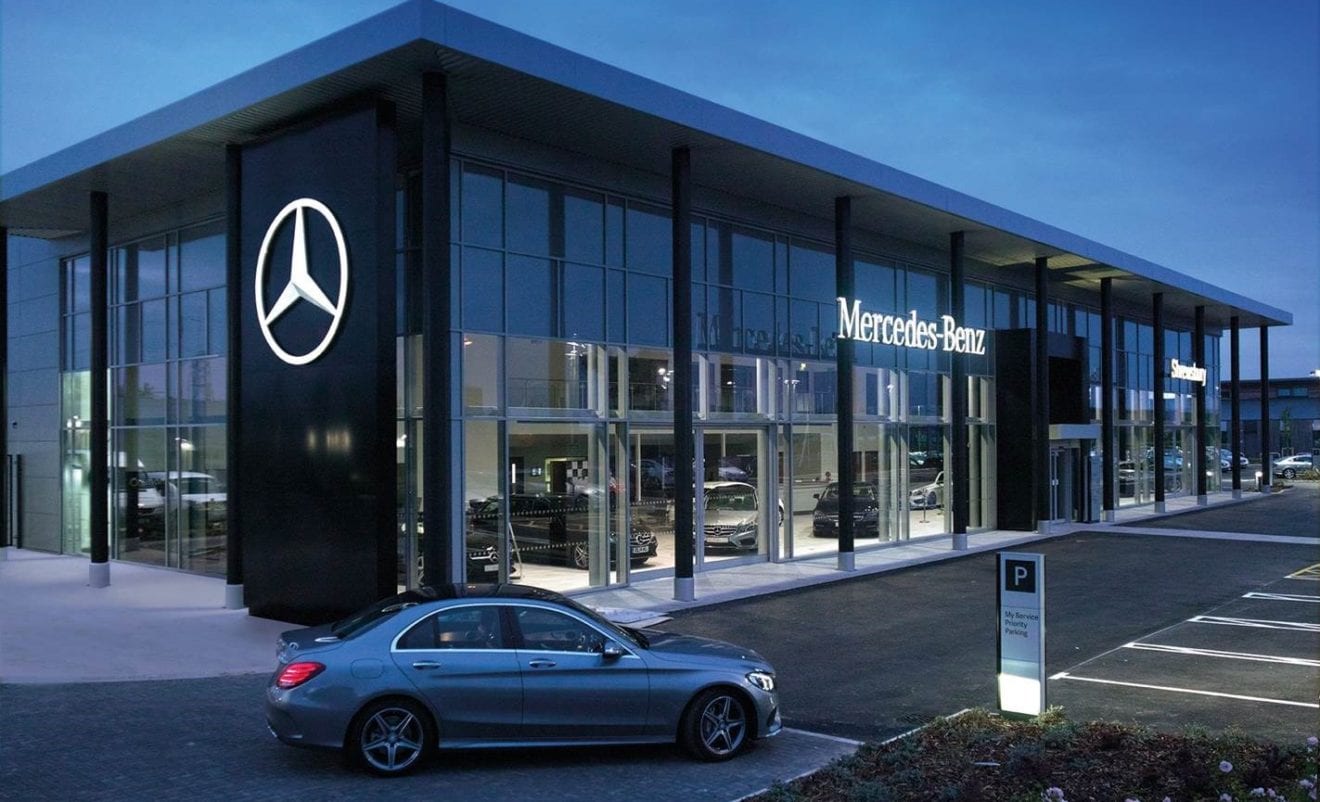
    News of Mercedes-Benz Retail selling its Manchester and Birmingham businesses to Hong-Kong auto retailer Lei Shing Hong could be seen as proof that the UK auto retail sector is worth investing in. This comes despite the underperforming share prices of some PLCs in the market, financial jitters surrounding the forthcoming EU vote and the general state of the domestic economy.

    And while the Mercedes deal was something of a surprise, the acquisition wasn’t an isolated one. With Wessex Garages also being snapped up by a Far East business recently – this time Japanese auto group VT Holdings – clearly there’s value in investing in UK PLC.

    However, the money is from the Far East, not the EU or homegrown. It begs the question: do these investors know something we don’t? With industry in general in flux thanks in the part to issues over the forthcoming EU referendum, stagnant interest rates, a downturn in construction activities and consumer confidence, uncertainty has become the new normal. Granted, some of this depressed mood could be short term but no one knows for sure.

    Still, it could be that these canny investors have decided to look past June 23 and set their sights on the long term. With projections of another strong year in terms of new car registrations and positive light commercial sales, these deals could be the start of a long and prosperous adventure.

  • Three Indonesians Receive UK Alumni Award

    Three Indonesians Receive UK Alumni Award

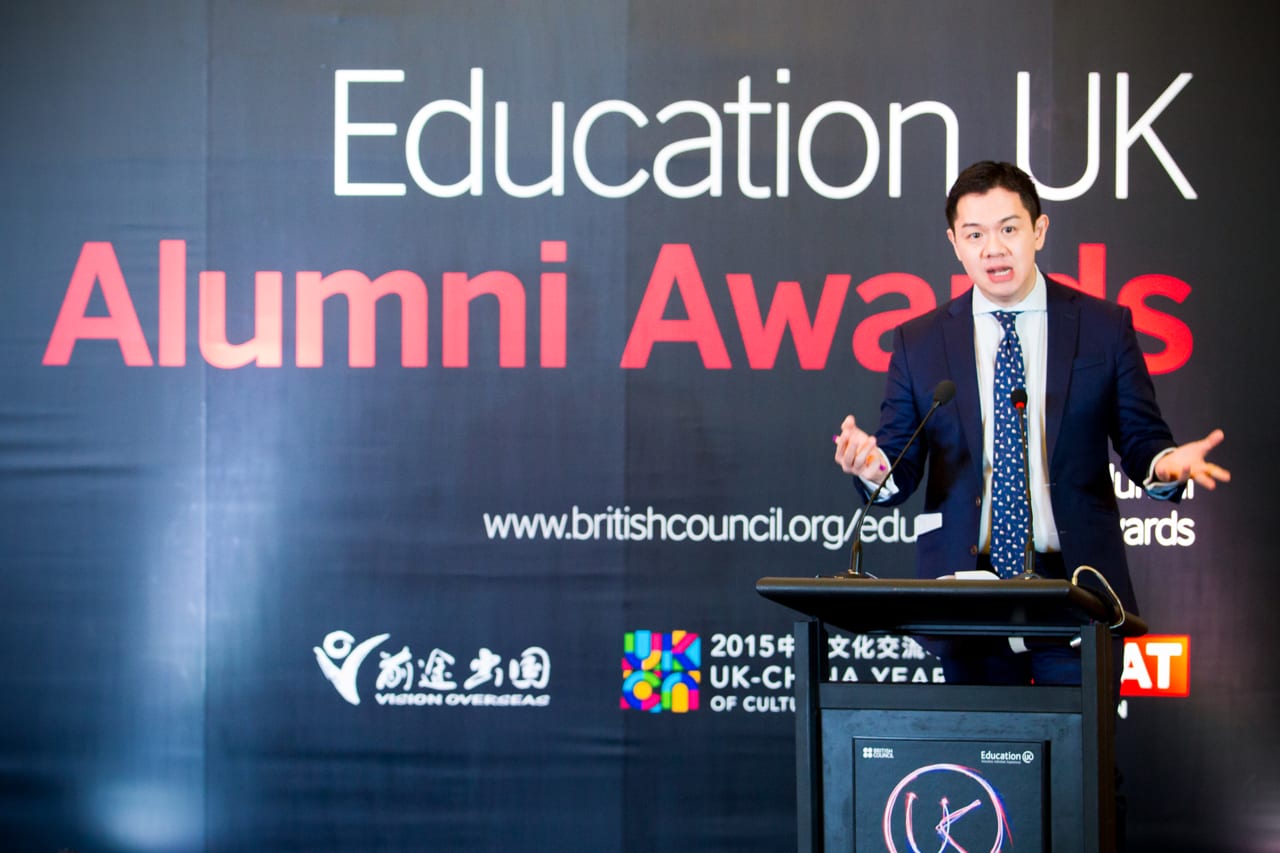
    Three Indonesian nationals, who graduated from universities in UK, received awards from the UK government at the British Council’s Education Alumni Award 2016 held on Thursday, March 3, 2016.

    The three graduates are Betty Purwandar, director of information technology at the University of Indonesia, Theresia Alit Widyasari, young entrepreneur and founder of three clothing companies, and Ahmad Fuadi, author of Negeri 5 Menara (The Land of Five Towers) novel.

    Betty was awarded as the best alumni in the professional achievement category. After completing her computer science doctorate program at Southampton University, Betty returned home to work at the University of Indonesia (UI). Betty was considered as the best alumni for helping UI to reform and improve information technology services in the university.

    “I learned how to study the World Wide Web and how the web can have positive impacts on humanity,” Betty said.

    Theresia was awarded as the best alumni in the entrepreneurship category for facilitating young generations to design, produce and market their products through her brands. Theresia, who majored in fashion business at Westminster University, said that living and studying overseas had broadened her horizon and sharpened her business skills.

    Despite doubts over the future of the fashion industry, Theresia remains confident with three of her brands, Bloop, Endorse and Urbie.

    “I learned that being good is not enough. You have to be excellent and creative,” Theresia said in her speech delivered by her colleague, since she could not attend the event.

    In addition to Betty and Theresia, Ahmad was awarded as the best alumni since his novel was considered to have positive social impacts on many people. With his readers, Ahmad founded a non-profit community called `Komunitas Menara` that provides education access and books to poor people.

    Ahmad said that the award was a proof of how a teacher can be influential to students.

    “My teacher told me to study anywhere, to go outside and not to limit myself. The advice gave me quite a push,” Ahmad, who was graduated from Royal Halloway, University of London, said.

    The Education UK Alumni Award is an event to commemorate the UK Education Month and to tighten Indonesian and UK partnership in the higher education sector. The event is also held in nine other countries, namely Brazil, China, Hong Kong, India, Nigeria, Pakistan, Saudi Arabia, Turkey, and the United States.

  • Tesco Nears $6B Deal To Sell South Korea Unit

    Tesco Nears $6B Deal To Sell South Korea Unit

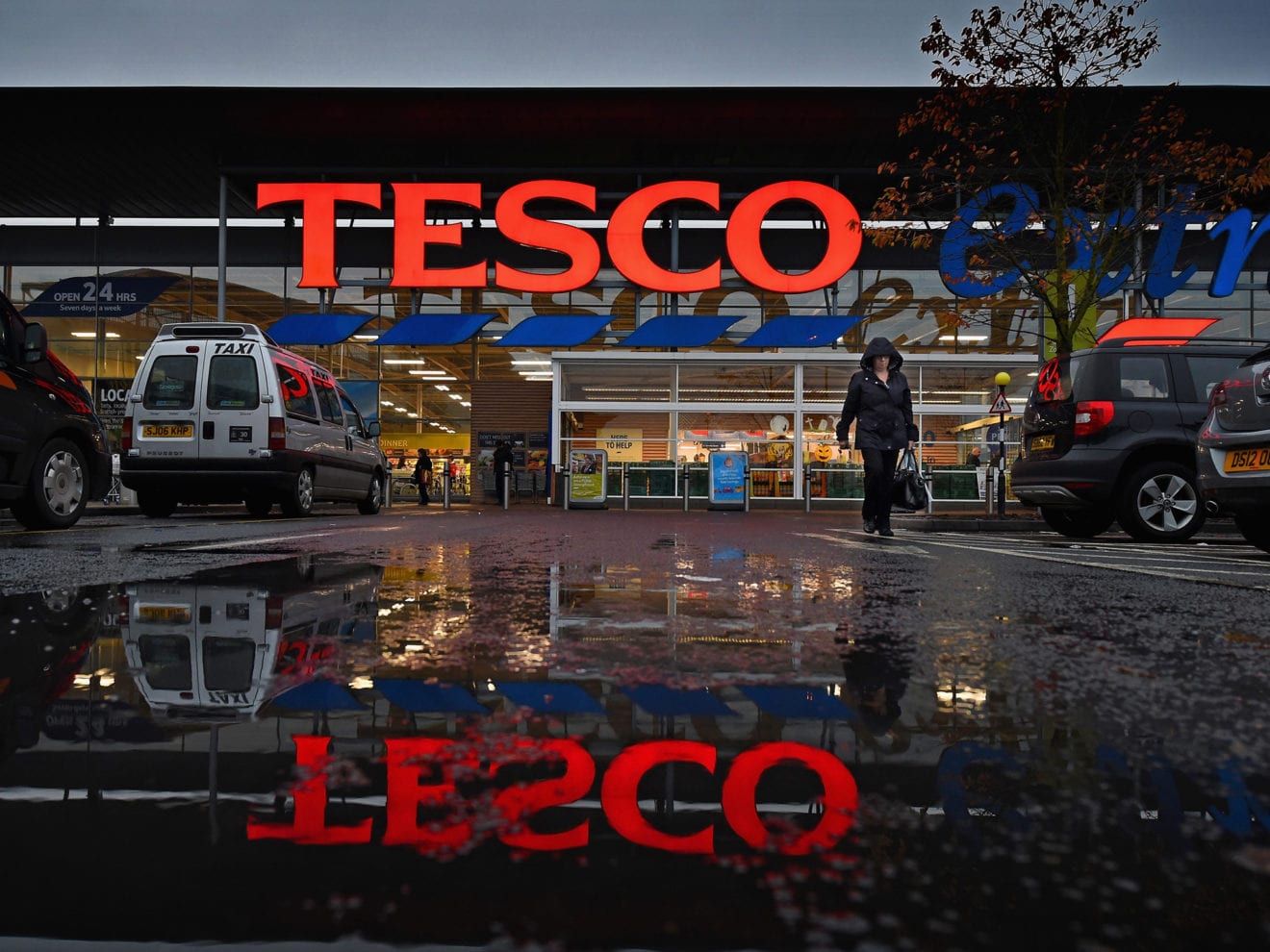
    A group led by MBK Partners Ltd., North Asia’s biggest independent buyout firm, is trying to close a deal to buy Tesco Plc’s business in South Korea for about $6 billion, including debt. The acquisition, if completed, would be the country’s biggest private equity deal, Bloomberg reported, citing people familiar with the matter.

    The group, which includes South Korea’s National Pension Service, got exclusive negotiating rights Wednesday to take over Tesco’s Homeplus business. If the deal goes through, it would give the MBK-led group a retail chain that stands second only to market leader E-Mart of the family-run Shinsegae Group Co., through more than 900 stores and over $7 billion in annual revenue.

    The deal would also allow U.K.’s Tesco to pay off its massive debt of 21.7 billion pounds ($33.2 billion). The Bloomberg report added that Tesco is also looking at options to sell its analytics business, Dunnhumby.

    MBK’s consortium reportedly beat a rival consortium led by New York private equity firm KKR & Co. The South Korean business is considered Tesco’s “crown jewel” in Asia, Bloomberg reported, citing estimates from Credit Suisse (SIX:) Group AG.

    The business has a valuation of 4 billion pounds, more than the 1.6 billion-pound valuation of Dunnhumby, a U.K customer science company owned by Tesco. However, Homeplus posted a net loss of 300.1 billion won ($255 million) for the year ending February 28, down from last year’s profits of 463 billion won. Revenues for the company also reportedly shrank to 8.6 trillion won, down 4 percent, due to weak household spending. Homeplus reportedly had a market share of 25 percent, behind E-Mart’s 29 percent.

    Tesco posted a loss of 6.4 billion pounds ($9.56 billion) in April, the biggest-ever in its 96-year history. The Bloomberg report added that the company’s chief executive Dave Lewis is trying to revive sales for the company’s market-leading grocery business, which is facing a severe price war due to the expansion of German discount retailers Aldi and Lidl.

    The retailer entered South Korea in 1999 through a joint venture with Samsung (KS:) Group in which Tesco held an 81 percent stake initially, Bloomberg reported. It came in with an investment of 130 million pounds and slowly bought out Samsung’s stake.

    Tesco’s shares have fallen close to 20 percent in the past one year while London’s benchmark has seen a decline of nearly 11 percent in the same period. On Wednesday, the stock was up 0.11 percent in mid-morning trade.

  • Tawandang eyes foreign expansion

    Tawandang eyes foreign expansion

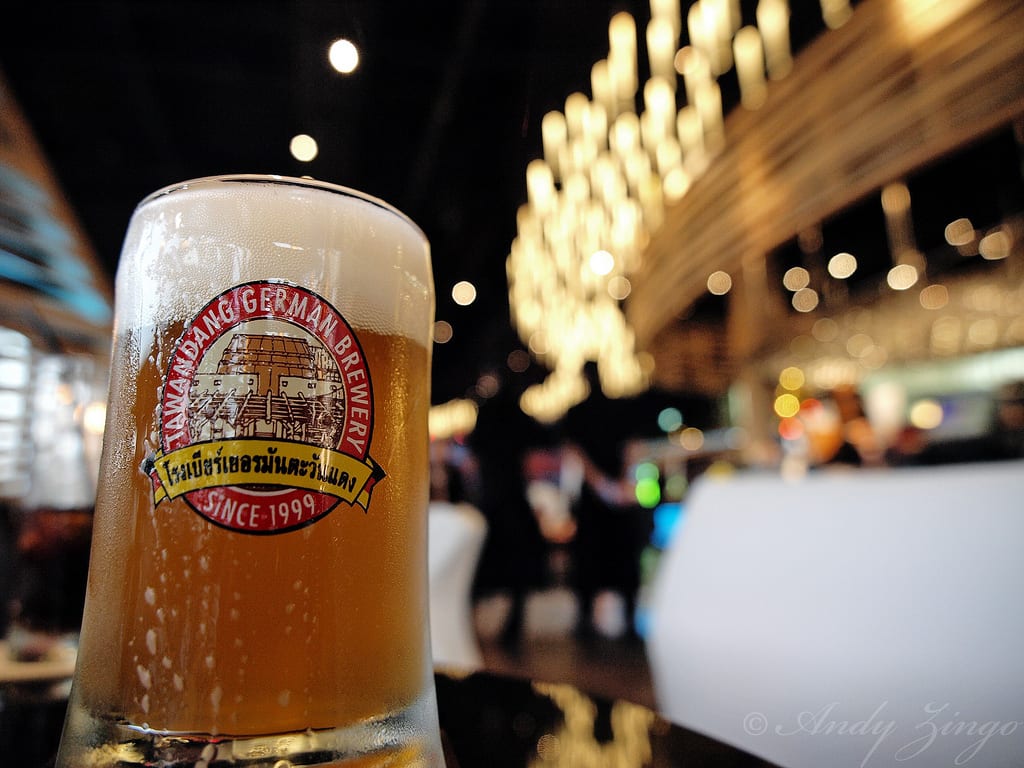
    Thai-based brewery restaurant chain Tawandang is planning further expansion at home and abroad as its concept gains favour with consumers.

    There are currently three Tawandang Germany brewery restaurants operating in Bangkok, with a third scheduled to open on August 7. The first two are located on Rama III and Ram Intra, and the third will open on Chaeng Watthana Rd.

    Tawandang also has breweries in Singapore and Cambodia and a restaurant in Australia.

    In an interview with the Bangkok Post newspaper, CEO Supote Teerawatanachai said the company is now considering expanding into Myanmar and the UK.

    Meanwhile, a further two outlets have been confirmed for Bangkok over the next five years- one at Srinakarin and the other at Bang Khae, each outlet to cost about 200 million THB (US$5.7 million)

    The new Chaeng Watthana Tawandang brewery restaurant features 5000 sqm of space and a dining hall which can seat 1200.

    “The brewery business has shown significant growth every year we have operated,” Supote told the bangkok Post.

    “Even though spending per head may be down because of the poor economy, we believe our sales this year will grow 15 per cent as expected from more new clients and a bigger customer base.”

  • Chinese in bid for New Look

    Chinese in bid for New Look

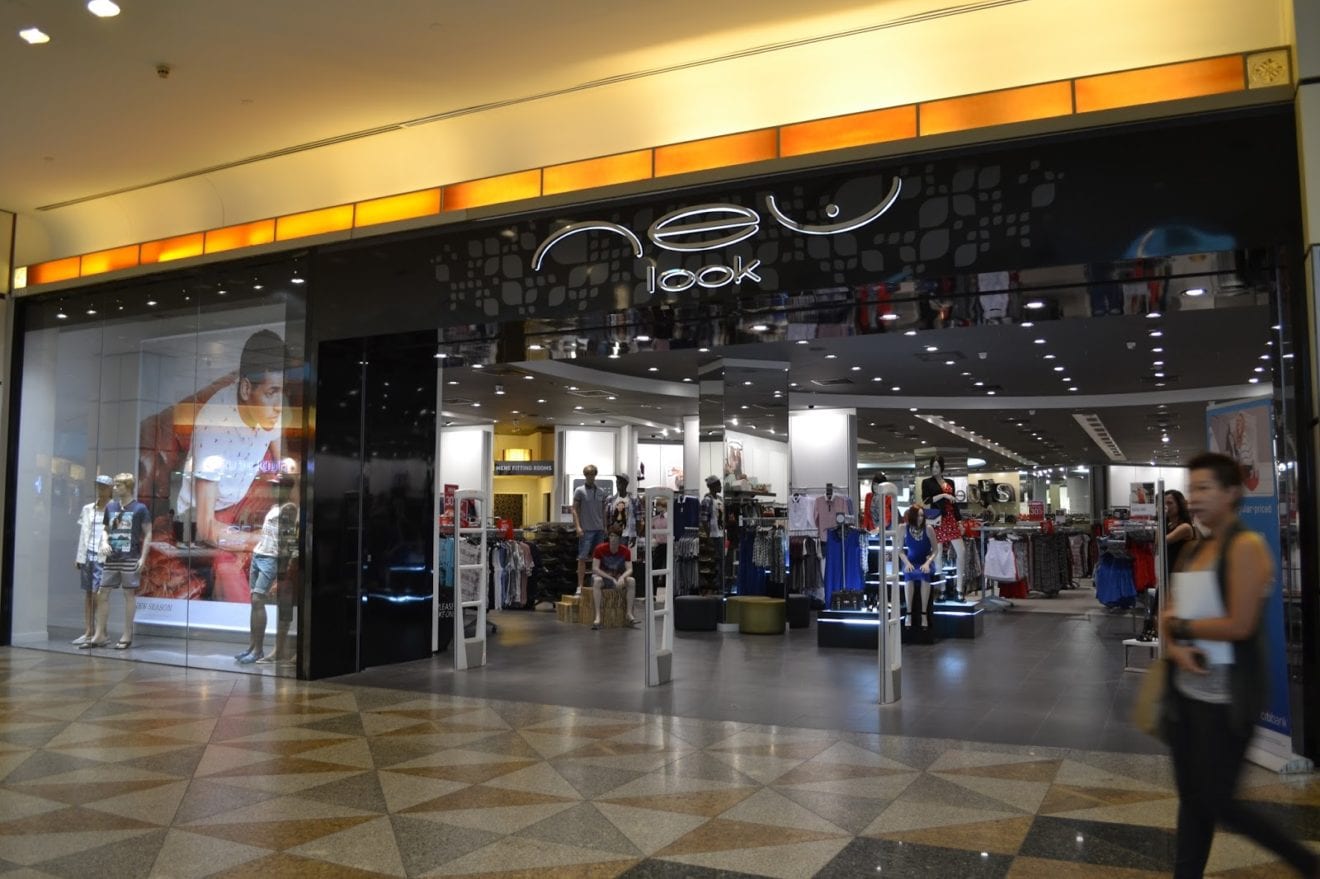
    Chinese buyers are circling high profile UK fashion brand New Look.

    UK news media are reporting negotiations are underway between a business linked with former Tesco CEO turned retail investor Sir Terry Leahy and a Chinese private equity group. The plan is to mount a joint venture bid for the business.

    New Look is currently owned by founder Tom Singh and private equity groups Permira and Apax Partners. The reports suggest a bid of £2 billion for New Look, which has more than 1000 stores internationally and a staff of more than 30,000.

    The US partner is Clayton, Dubilier & Rice, a private equity firm which owns 60 per cent of Luxembourg-based B&M. The Chinese partner is identified as CDH, another private equity group.
    Sir Terry reportedly has a shareholding in CD&R through a Cayman Islands based fund and is an advisor to the group on its retail investments.

    New Look has stores in Thailand, Korea, Singapore, Indonesia, China, Malaysia, Europe and the Middle East.

  • Tesco Lotus confirms expansion plans

    Tesco Lotus confirms expansion plans

    Tesco Lotus remains committed to Thailand and will continue to invest in expanding its retail and online channels, according to a report in the Bangkok Post newspaper.

    Tesco Lotus has previously announced plans to open five large stores and 50 express stores over the coming year.

    But a cloud descended over the company’s future in the wake of parent Tesco UK’s financial turmoil, with talk the Thai division may be sold off to pay off debt in the UK.

    However, in an interview with the Bangkok Post, CEO John Christie said Tesco will also increase investment in programs to help reduce the prices of fresh food, groceries and household items.

    It would appear that any plan to liquidate Tesco’s Asian assets are at least on ice.

    In its annual result announced last week Tesco said its combined Asian operations posted a profit of £565 million, down 18.4 per cent largely on falling sales in China, where the brand is being phased out. That’s considerably more than the £467 million profit in the UK and £164 million in Europe.

    Christie also said Tesco Lotus has so far invested over 4 billion baht (US$30.6 million) under its Roll Back price campaign to help cut product prices, and another 600 million baht ($18.37 million)to help slash the price of fresh food.

    “Tesco Lotus has made huge investments over the years to help Thais save on their cost of living. We are confident that our investment plan will strengthen our leadership in the modern retail sector, while we continue to work with Thai suppliers and business partners to grow together with us and help Thai people cut the cost of living,” Christie said.

    “Thailand is a strategic market for the Tesco Group. Growth opportunities here remain promising and we will continue to invest to grow our business”.

  • John Lewis eyes 11 store openings in the Philippines this summer

    John Lewis eyes 11 store openings in the Philippines this summer

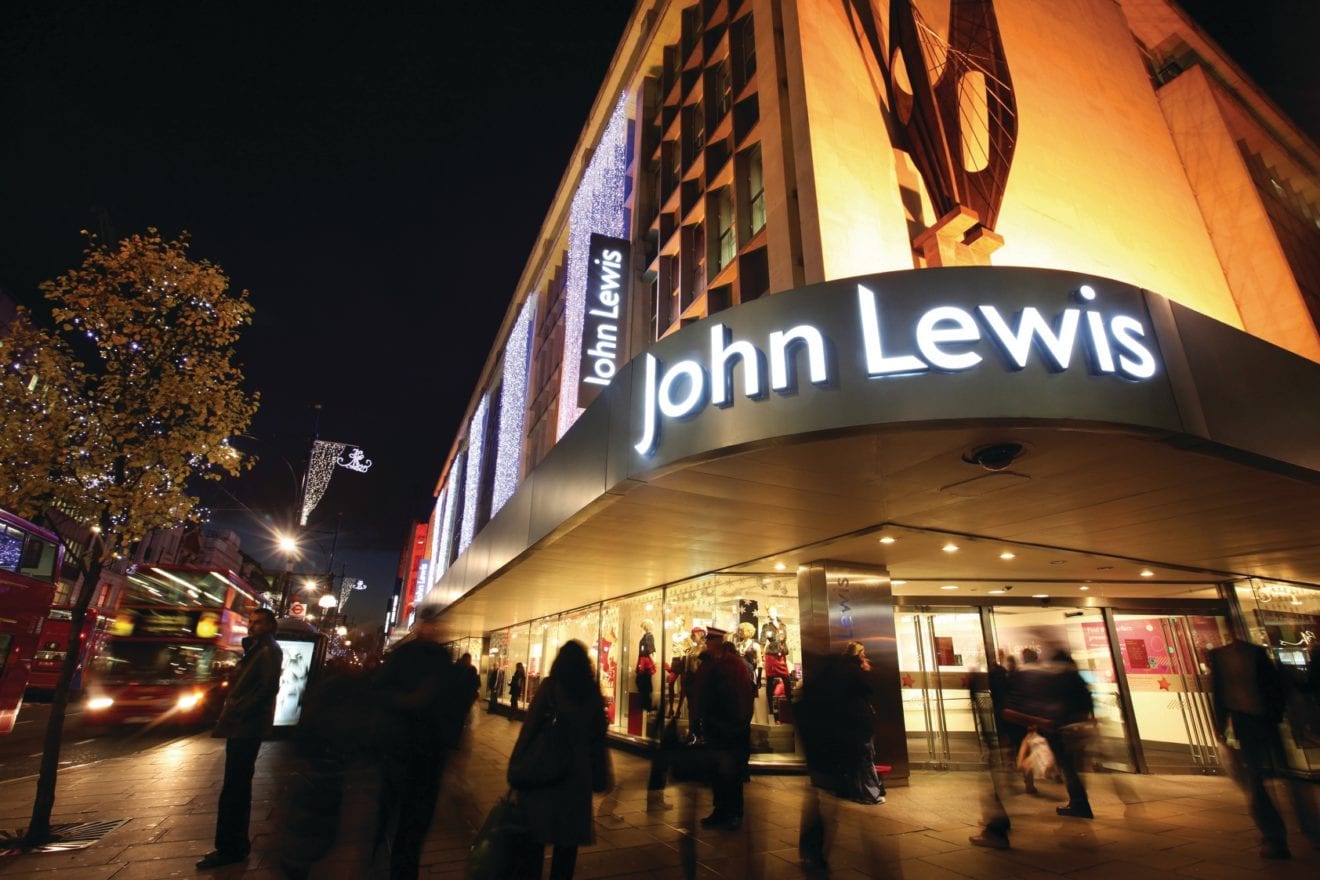
    Britain’s John Lewis Partnership said on Sunday it planned to expand internationally by opening outlets in 11 branches of department stores in the Philippines.

    The outlets, due to open this summer, follow its establishment of shops in seven branches of South Korean chain Shinsegae and an already announced plan to open outlets in three branches of Singapore department store Robinsons.

    The Philippines stores will be set up within branches of SM Retail and Our Home, John Lewis said in a statement, and will be between 300 and 1,000 square feet (30-93 square meters) in size.

    “The success of our partnership with Shinsegae has given us the confidence to continue our expansion in the international market,” said Andy Street, managing director at John Lewis.

    “We are actively looking for more international partnerships, and expect to make more announcements about our international plans in the next year.”

    Street said that while the move would give John Lewis, which already delivers to 33 countries, access to a new emerging market, its focus on physical expansion remained on Britain.

  • British bag brand Zatchels eyes Asia

    British bag brand Zatchels eyes Asia

    Hip British bag brand Zatchels says it plans to make inroads into Asia as its young brand gains international awareness.

    Zatchels was established in April 2011 and has its manufacturing base in Leicester, UK.  A multi-channel retailer, it has shops in York, Westfield London and now Bath.

    Now it says it wants to enter Vietnam, Thailand, Cambodia and Singapore to make the most of their young populations and a growing love of products made in Britain among southeast Asians.

    The company manufactures and retails, with boutique stores in the UK. Overseas stores are usually operated as concessions in department stores.

    The manufacturer already exports a third of the designer satchels and bags made at its factory near Leicester’s city centre to around 90 countries. It makes more than 25 styles of bags, turns over £3.5 million annually and employs 70 people in manufacturing and retail.

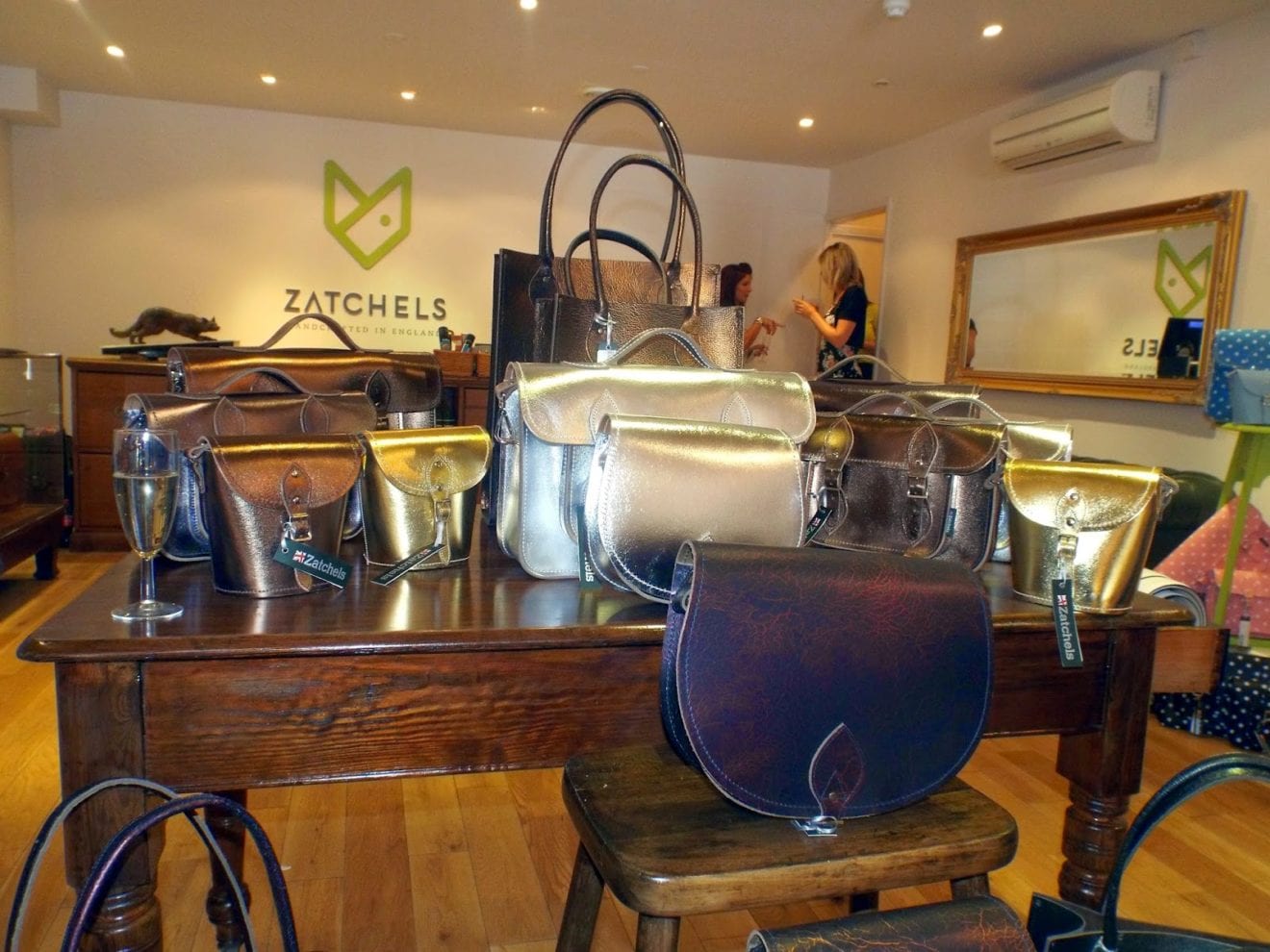
    Zatchels store York 315*The Zatchels store in York.

    The business has just hosted a visit by Douglas Barnes, HM Consul General to Ho Chi Minh City and Director of Trade and Investment Vietnam, to discuss the opportunities available.

    MD Dean Clarke, who founded Zatchels with business partner Brian Brady, said exports are a growing and vastly important part of the company’s business plan for 2015 onwards.

    “We hope to include Vietnam in those plans, along with other important areas of South East Asia and the Pacific region,” Clarke said in an interview with the Leicester Mercury newspaper.

    “Meeting with Mr Barnes gave us the opportunity to further investigate this emerging high growth country in more detail and potentially make influential contacts to help us grow our business in this exciting market.”

    Barnes said Vietnam is one of the fastest-growing retail markets in the world and there is a huge demand for products as consumer spending power grows.

    “It has a young and dynamic population – with 60 per cent under the age of 30. I am impressed with Zatchels’ hugely ambitious approach to exports which has placed them at the top of their game and I’m keen to help them develop their business in Vietnam.”

    Zatchels focuses on making quality leather goods, with each bag made to order. Zatchels currently has 10 Collections designed for men, women and children as well as a range of accessories.

    Zatchels people inside 315


  • Royal Mail online in China

    Royal Mail online in China

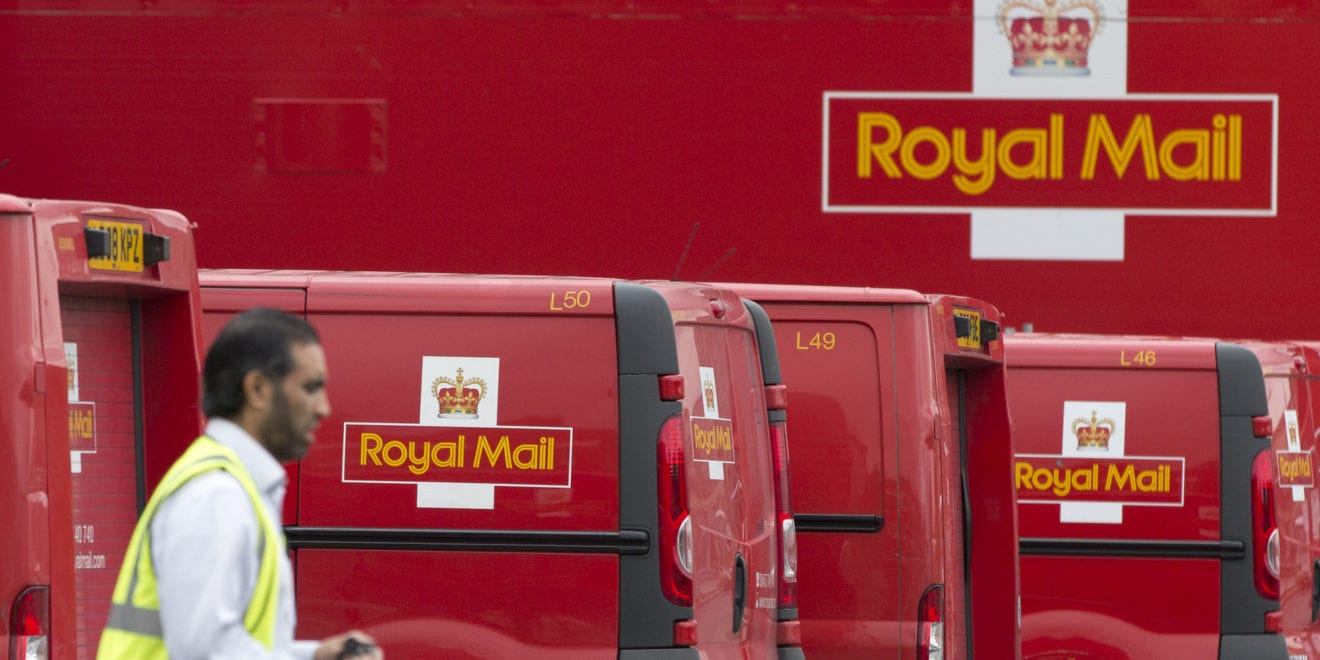
    Great Britain’s Royal Mail is to open an online store in China to sell British products to Chinese.

    Royal Mail will launch a shop front on Alibaba’s Tmall, providing Chinese consumers with “increased access to premium, authentic and high quality British products”.

    CEO Moya Greene unveiled the Royal Mail online initiative at the start of the three day Great Festival of Creativity in Shanghai, China.

    She said the store will offer British retailers and exporters an accelerated opportunity to access the China market when it goes live towards the end of March.

    “It will remove the challenges that many companies would otherwise face in getting their products into the hands of Chinese consumers, including promotion on Chinese e-commerce sites, local customer support service, customs duties, documentation, shipping and logistics,” she said.

    China is the largest economy by purchasing power parity and the biggest internet user base in the world, with 302 million online shoppers already, a figure which grows by the day.

    Almost half of the country’s internet users purchase goods online, with 75 per cent of online shoppers in China buying products every week. Online shopping now accounts for just over 10 per cent of total retail sales of consumer goods in China, with the overwhelming majority of these online purchases being made through e-marketplaces, like Tmall and Taobao.

    Among the goods soon to be sold on Royal Mail’s store are Brompton Bicycles, which Royal Mail will deliver to the purchaser’s doorstep.

    “Royal Mail’s new shop front will help support British retailers and exporters expanding into the China market, fulfilling the strong demand of Chinese consumers for authentic, high quality British goods.

    “Online shopping, and the connection it facilitates between retailers and consumers is a key channel to develop sustainable trade between China and Britain and we are excited at the prospect of offering UK companies a new and streamlined way to increase the accessibility of their products to Chinese consumers.”

    The rapid growth in online shopping has also mirrored the increased demand from Chinese consumers for authentic, high quality goods. Chinese consumers represent almost one third of the global market for personal luxury goods and spend three times more abroad on high quality, designer goods than they spend locally.

    Chinese consumers are also concerned about the source of luxury goods they purchase, meaning they will trust foreign vendors ahead of Chinese.

    Royal Mail says China is now the biggest overseas consumer of British products online, accounting for 25 per cent of overseas online shoppers purchasing goods from the UK.

    The Great Festival of Creativity in Shanghai is a UK Government-led initiative to showcase the innovative and creative edge that British businesses bring to markets across the globe.

    Royal Mail is also marking its Chinese foray with a special postmark, which will appear on items delivered to addresses across Britain from March 2 to 4.