Retail News CRM

Tag: uk

  • Marks & Spencer UK plans to cut 351 management jobs

    Marks & Spencer UK plans to cut 351 management jobs

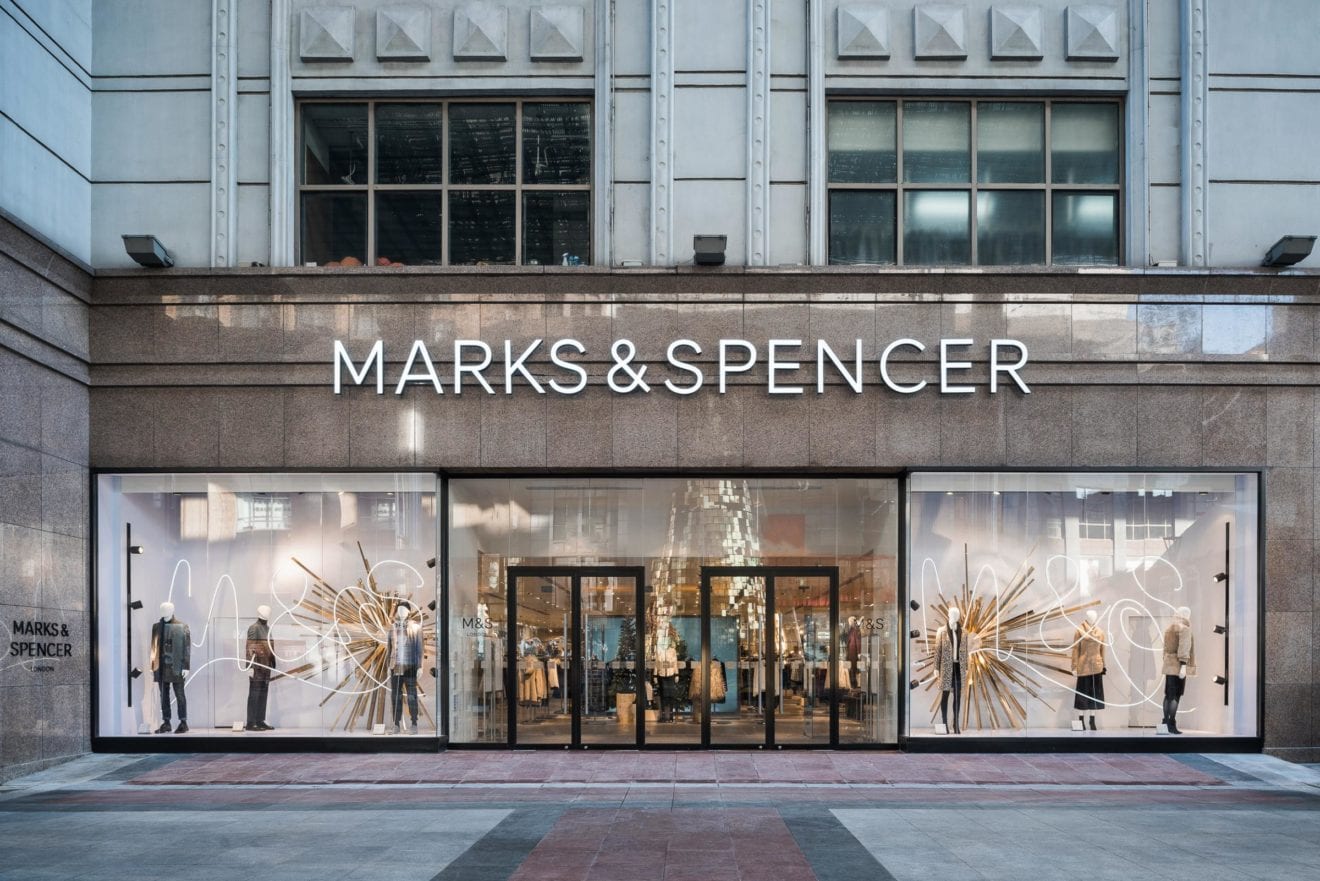
    Marks & Spencer UK reportedly plans to axe more than 300 jobs across the UK as it continues its restructure to counter falling sales.

    As reported seeing documents proposing 351 job cuts, almost all of them in management roles, including operations, section managers and “visual managers”.

    Marks & Spencer, which is flourishing in Asia under a franchise agreement with Middle Eastern-based Al Futtaim, has seen sales fall by 7.5 per cent in its home market over the last two years, which has reduced store profitability. That decline is behind a plan announced in May to close 100 stores by 2022.

    Earlier this month, chairman Archie Norman and CEO Steve Rowe warned there may be further closures, with Norman describing the scale of the Marks & Spencer store network as “a drag” on performance.

    Rowe is eyeing savings of £350 million by 2021, a target likely to lead to more redundancies. However to date, the company says 86 per cent of staff affected by the closure of stores so far have been relocated to new positions within the company.

    Marks & Spencer’s pre-tax profit nin the year to March 31 fell 62.1 per cent to £66.8 million, largely the result of £321.1 million in costs associated with store closures.

  • Korean investor inks UK’s largest retail warehouse deal of the year

    Korean investor inks UK’s largest retail warehouse deal of the year

    It is thought to be the biggest deal for a retail warehouse site so far this year and is the first time Korean investors have stepped into the UK retail sector.

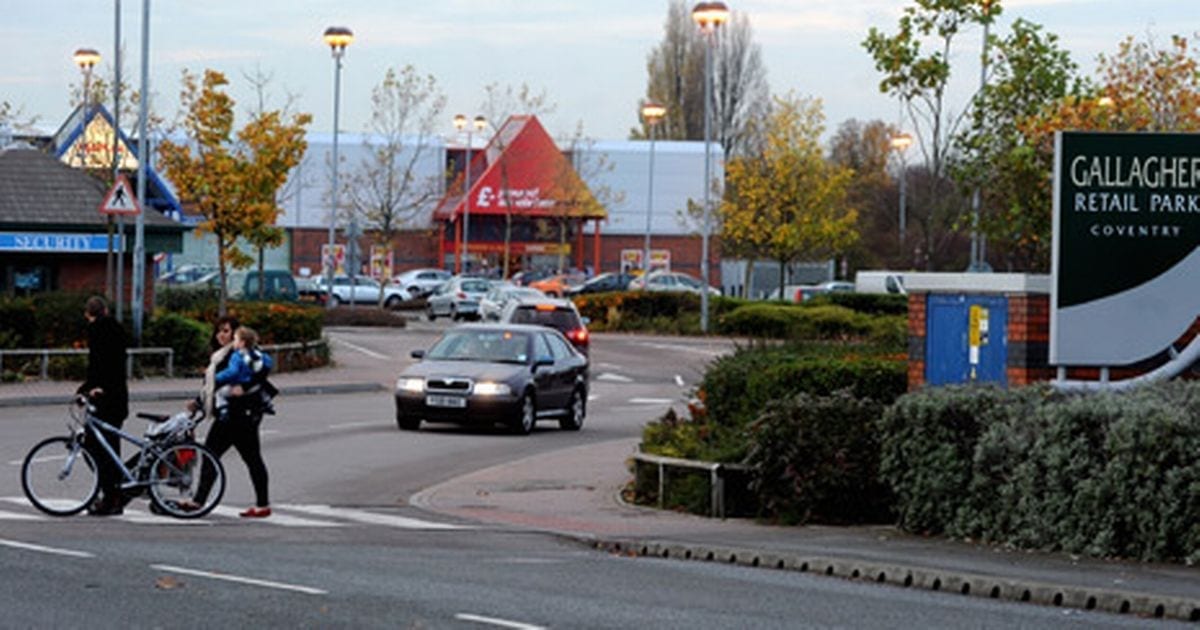
    The 195,000 sq ft shopping park called Gallagher off Junction 9 of the M6 is anchored by Next and Currys and includes major stores run by TK Maxx, Outfit, Mamas and Papas, Boots, Furniture Village, SCS, Harveys, M&S Simply Food, Oak Furniture Land, Sofology and Tapi as well as Costa, Burger King and Pizza Hut restaurants.

    It has been sold by owner KKR, a global investment group, but its operating partner Quadrant Estates is being retained by the Koreans to run the site.

    The new owner is a real estate fund managed by Korean asset manager KAIM and backed by South Korean banking giant Hana. Sangmin Lee, chief information officer of KAIM, said: “We are delighted to have acquired this asset, which offers our investors an attractive combination of secure income returns and longer term upside potential. We are attracted to it by its inherent strength evidenced by the retailers’ trading performance and location.

    “We are looking forward to working with Quadrant as our local asset manager to secure the future performance of the park during our investment period. ”

    The site was acquired by KKR and Quadrant Estates in 2014, bought in three deals totalling £123m.

    Quadrant drew up plans for a major revamp of the site, merging three car parks into one, merging the Currys and PC World stores, developing new space including four new restaurants. It resulted in £17 million investment in the park over the last few years but attracted new tenants M&S, JD Sports, Sofology, DFS, Nando’s, Costa and Smash Burger, which in turn has seen a ‘significant’ increase in customers coming to the park.

    Guillaume Cassou, head of European real estate at KKR, said “We backed a fundamentally good asset in need of repositioning and Quadrant implemented an intensive business plan over four years that has resulted in a great end product, which we have now sold to long term income-focussed capital. We were delighted to transact with Hana and KAIM on their first foray into the UK market.”

    Christopher Daniel, founding partner at Quadrant Estates, said “We achieved exactly what we set out to do with the park. We created an asset that is now ranked by CACI as one of the top 10 in the country.”

  • Hai Di Lao will open first London store

    Hai Di Lao will open first London store

    Chinese hot pot chain Hai Di Lao will open its first UK restaurant at the Trocadero in Piccadilly Circus, London.

    In a deal facilitated by real estate firm Savills, the brand has signed a 15-year lease of an almost 10,000sqft site. It is the chain’s first venue in Europe and follows the opening of its New York restaurant in Times Square.

    Savills’ leisure team associate director Richard Thomas said “Hai Di Lao is a globally recognised brand with fans of the concept worldwide… the chain already has its sights set on expansion both in the UK and across Europe and we are very pleased to have secured this prime spot for its flagship restaurant.”

    To date, Hai Di Lao has opened 310 locations around the world.

  • HIJUP UK debuts at London Eid Festival

    HIJUP UK debuts at London Eid Festival

    Malaysian-owned Hijup UK made its debut in London’s modest fashion scene at the recent London Eid Festival.

    Participating in the year’s largest international modest fashion showcase coincided with the launch of the Hijup UK online store.

    Hijup UK will follow this up with the opening of its first brick-and-mortar concept store and a fleet of mobile stores in London to make modest fashion more accessible to women.

    At the London Eid Festival, the fast-fashion and lifestyle brand showed off its latest collection by Indonesian designers Dian Pelangi, Vivi Zubedi, Jenahara and Ria Miranda and displayed its range of clothing and scarves in mobile stores set up on site.

    Along with its own brands handpicked from popular designers from Indonesia, Malaysia, Australia, the UAE, US and the UK, Hijup UK will be retailing popular and versatile Aidijuma hijabs and luxury modest fashion labels carried by Haute Elan.

    The company says it will adopt the online-to-offline business model in the UK, complementing e-commerce with personal retail experiences in both concept and mobile stores to provide a seamless experience for consumers wherever they are.

    Hijup UK is owned by Hijup, the world’s first Islamic fashion e-commerce and modest fashion brand, and Aidijuma Colors Group of Companies from Malaysia.

    “Hijup UK will be the first modest-retail group to create retail revolution through the online merging offline platform which includes the breakthrough concept of having a mobile store to complement the consumer shopping experience,” said Norjuma Habib Mohamed, founder and CEO of Aidijuma Colors Group, which holds the majority stake in Hijup UK.

    “We have a clear vision and that is to bring fashionable modest wear to women wherever they are, through multiple retail platforms and at competitive prices.

    “There is a growing market for modest wear and we are making it even more accessible and mainstream in more and more markets to cater for the needs of women while developing the brand,” added Norjuma.

  • Tumi Opens a New Travel and Lifestyle Shop

    Tumi Opens a New Travel and Lifestyle Shop

    TUMI, purveyors of premium luggage and travel, business and lifestyle essentials, has opened its third London boutique

    Calling all fans of luxury travel, TUMI has opened a new boutique in London’s Covent Garden. Visit the store to browse the range of high-end bags, luggage, travel, business and lifestyle essentials.

    The stylish, 103sqm store showcases the latest TUMI products, including the new Latitude range of premium luggage.

    The design of the premier retail space is line with the chic aesthetic that TUMI is famous for.

    Sophie Ellis Bexter performed in-store at an event to celebrate TUMI’s third London opening – and fourth standalone store in the UK.

    Damien Mignot, TUMI’s General Manager Europe, hosted the party, during which guests enjoyed a menu inspired by first-class travel.

    Guests on the night included Lorraine Pascale, Pietro Boselli, Oliver Proudlock, AJ Pritchard, Neil Jones and Annaliese Dayes.

  • Bankrupt Toys ‘R’ Us is closing all US and UK stores

    Bankrupt Toys ‘R’ Us is closing all US and UK stores

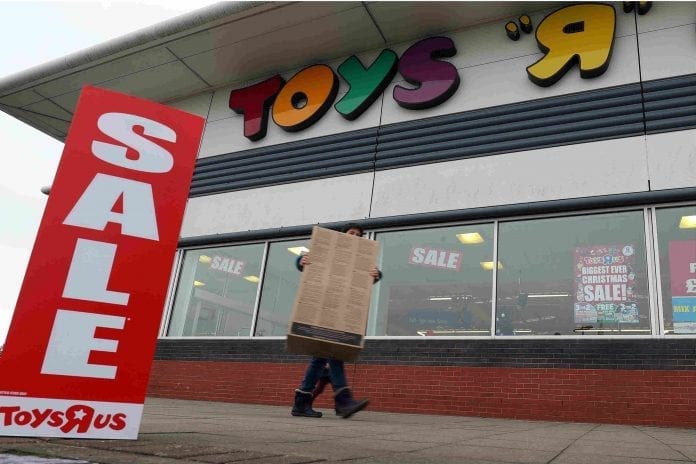
    Toys R Us will sell or close all of its US and UK stores in coming months.

    The decisions, by respective liquidators appointed on both sides of the Atlantic, will leave Canada, Asia and Central Europe up for sale as the last remaining Toys R Us businesses internationally, with operations in France, Spain, Poland and Australia tipped for closure as well.

    Toys R Us has 885 stores in the US and employees about 33,000 people there. It had already begun closing about 20 per cent of its outlets as part of a plan to exit Chapter 11 bankruptcy protection.

    But no buyer could not be found for the remaining business as a going concern.

    Asia appears to be the only region in the world where the Toys R Us business is robust. It is a joint venture with Fung Group, which holds a 15 per cent stake and is reportedly planning a takeover of the business, possibly funded in part by an IPO. But with the brand having failed almost everywhere else in the world, it is unclear how keen investors would be in Hong Kong.

    Neil Saunders, MD of analysts GlobalData Retail, described the liquidation of Toys R Us as “unfortunate but inevitable” given the retailer had lost its way and forgot its core retail competencies.

    “Even during recent store closeouts, Toys R Us failed to create any sense of excitement.”i

    Saunders said management may blame suppliers and competitors for its demise, but the primary responsibility lies with poor decisions.

    “As the competitive dynamics of the toy market intensified, management failed to respond and evolve. As such, the brand lost relevance, customers and ultimately sales.

    “Admittedly, the leveraged buyout which burdened the company with debt reduced the room for maneuver and left Toys R Us vulnerable. Questions should be asked as to the wisdom of this particular financial transaction which weakened the sustainability of the company.”

    The decision to close down Toys R Us was essentially made by its lenders who believed that without a clear reorganisation plan, they could recover more from a liquidation, closing stores and raising money from merchandise sales, according to sources quoted by AP.

    The Toys R Us UK operation was placed in administration at the end of last month.

    Yesterday, administrator Moorfields Advisory confirmed that no prospective buyer had been found for the business and that all 101 stores would close progressively.

  • New Look to close 60 stores, with 980 jobs at risk

    New Look to close 60 stores, with 980 jobs at risk

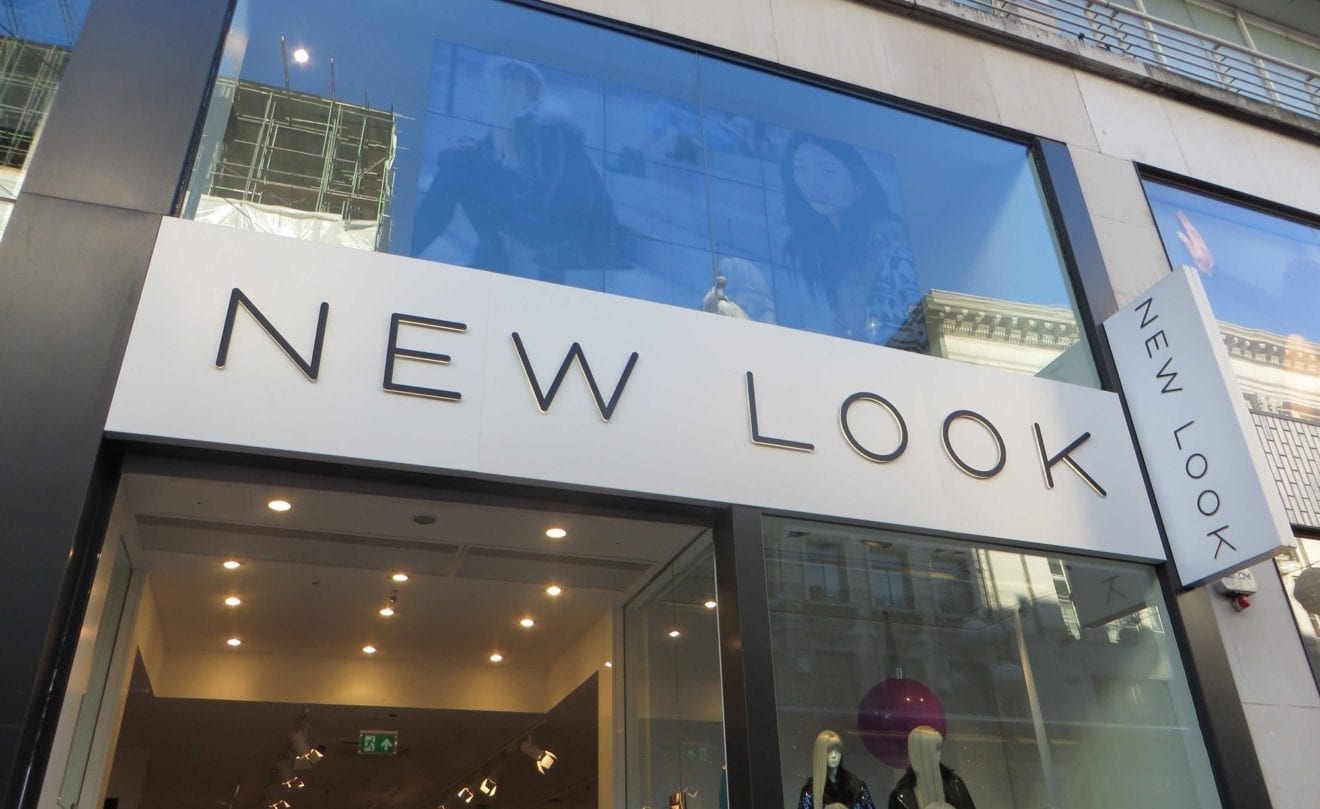
    UK Fashion retailer new Look is to shutter 60 stores – but at least one analyst fears that may not be enough to arrest its sliding performance.

    The closures are a core feature of a company voluntary agreement (CVA) proposal to its creditors that will also see rents reduced and the loss of almost 1000 jobs. It has 593 stores in the UK.

    Stores slated for closure include its flagships in Oxford Street and some standalone menswear stores, suggesting  that strategy failed.

    “While the closure of stores will lead to market share loss in the short term, it is a long awaited and necessary move,” commented Charlotte Peace, a retail analyst with GlobalData.

    “New Look is now in danger of slipping out of the top 15 UK clothing retailers this year. The retailer’s plan to close just circa 10 per cent of its UK store estate is not enough and New Look must continue to rationalise its remaining oversized store network given it is a huge encumbrance for the retailer.”

    Peace said New Look is suffering from “a loss of brand appeal and growing irrelevance among its core UK shopper base”.

    “A leaner store estate will improve space productivity, increase profit per store and provide a more consistent brand image, which is much needed for the retailer’s survival,” she said.

    Deloitte’s Daniel Butters and Neville Kahn have been appointed as nominees to the CVA.

    “Given our challenged trading performance and over-rented UK store estate, we are having to take tough but necessary actions to reduce our fixed cost base and restore long-term profitability,” said New Look executive chairman Alistair McGeorge.

    “We have held constructive discussions with our key landlords and strategic partners and will now seek creditor approval on our CVA proposal.”

    Butters said the retail trading environment in the UK remains extremely challenging, driven by weaker consumer confidence, the implications of Brexit and competition from online channels.

    “New Look is an iconic brand on the high street and the CVA will provide a stable platform upon which management’s turnaround plan can be delivered.”

    In the 39 weeks to December 23, New Look reported an underlying operating loss of £5.1 million and a pre-tax loss of £123.5 million after sales slumped 10.7 per cent in the UK..

    No stores will be closed ahead of the March 21 deadline for creditor approval of the CVA.

  • Jaguar Land Rover needs Brexit detail before building electric cars in Britain

    Jaguar Land Rover needs Brexit detail before building electric cars in Britain

    Jaguar Land Rover (TAMO.NS) is waiting for more information on trading conditions after Brexit before it decides whether to make electric cars in its home market, the boss of Britain’s biggest carmaker said.

    The Indian-owned automaker, which makes just under one in three of Britain’s 1.7 million cars at three factories, is building its new I-PACE electric model in Austria.

    The company is due to decide this year whether to build electric vehicles in Britain but, like its peers, is worried about the imposition of tariffs or customs checks after Brexit, snarling up supply chains and adding costs to production.

    “That makes the decision this year very, very critical and I don’t know whether we can make it,” Chief Executive Ralf Speth said at the Geneva Motor Show.

    London and Brussels hope to agree on a transitional deal this month to maintain free and unfettered trade until at least the end of 2020 ahead of a long-term Brexit agreement to be decided by the end of the year.

    Speth cited the need for support from government and academia but when asked whether Brexit was a factor in the decision-making process, he said:

    “We are waiting for these kinds of decisions. It goes without saying because uncertainty is really challenging us very much and not only us, it’s for the complete industry.

    “You hardly see inward investment any more or every decision is taking longer from every faculty. Therefore it would be … appropriate to get more information about these kinds of deals.”

  • House of Fraser’s Chinese owners to sell stake in department store

    House of Fraser’s Chinese owners to sell stake in department store

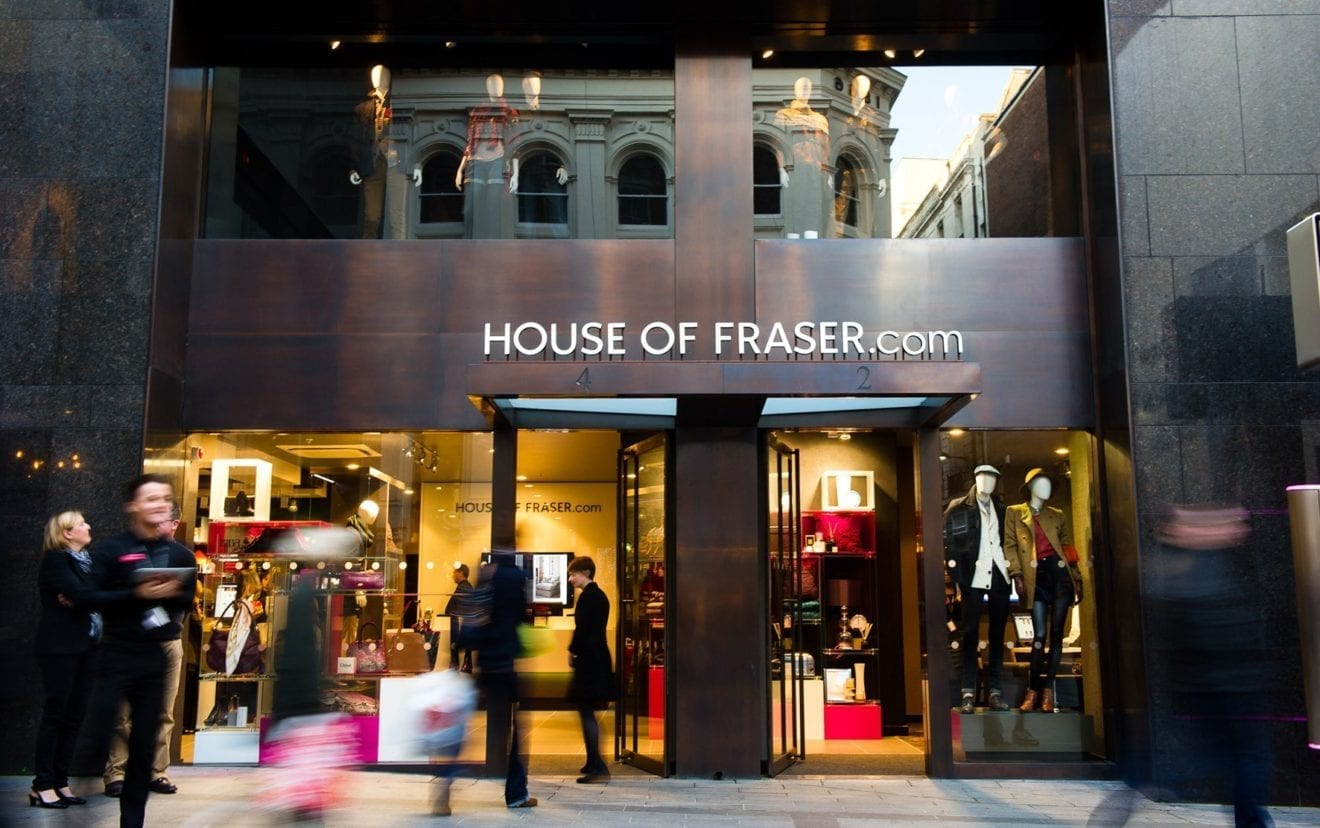
    The Chinese firm which has a majority ownership in House of Fraser has confirmed plans to offload most of its stake.

    A Chinese stock-exchange filing indicates that Nanjing Xinjiekou Department Store (or Nanjing Cenbest) is poised to sell off most of its holdings to tourism development company Wuji Wenhua.

    Nanjing Cenbest has an 89 per cent stake in House of Fraser, and is looking to sell off 51 per cent of it. This would mean retaining a 38 per cent stake in the retailer.

    Meanwhile, Nanjing Cenbest has confirmed it is in “advanced discussions” with Wuji Wenhua about it investing in the British department store chain.

    Nanjing Cenbest – a subsidiary of Sanpower Group, which acquired House of Fraser in 2014 – also hailed the potential collaboration as a strategy that could “further internationalise” the retailer. “We are very proud of our continued stake in the 169-year-old House of Fraser brand.”

    House of Fraser had a slump in Christmas sales, its credit rating has been downgraded, and it has drafted in Rothschild to help refinance its debt package.

    Nanjing Cenbest is a department store retailer in China, where it runs both the Xinjiekou fascia and Chinese House of Fraser stores.

    Bloomberg data shows Sanpower Group has a 27.32 per cent stake in Nanjing Cenbest. When the firm acquired its 89 per cent ownership of House of Fraser in 2014, it had planned to open 50 outlets in China.

    So far it has opened only two. The remaining 11 per cent stake in the retailer is owned by Sports Direct founder Mike Ashley.

    The department stores have struggled amid the rise of online shopping and a surge in sourcing costs driven by the pound’s 7 per cent fall against the US dollar and 14 per cent decline against the euro since the Brexit vote.

    House of Fraser reported a 2.9 per cent drop in sales over the holiday shopping season and has entered negotiations with landlords to reduce rents on some of its 59 UK stores. In the year ended January last year the company reported net income of £26.8 million (US$37.2 million).

    Sanpower Group, which owns a 27.32 per cent stake in Nanjing Xinjiekou, acquired House of Fraser in 2014 in a deal that valued the chain at £450 million.

  • Tesco UK to tackle food waste with new Colleague Shops

    Tesco UK to tackle food waste with new Colleague Shops

    Grocery and general merchandise retailer Tesco is set to introduce ‘Colleague Shops’ in all its UK stores to give employees the opportunity to take food approaching its expiry date, as part of its wider work to prevent good food from going to waste.

    Dedicated storage areas and fridges will be set up in back-of-store employee rooms to safely store quality food on its use by or best before date, and has the added benefit of helping to reduce food waste.

    The company said the move is part of Tesco’s on-going drive to ensure that no food safe for human consumption will go to waste in its UK retail operations by the end of 2017/18. Colleague Shops will form an additional part of Tesco’s established approach to managing stock in store which includes using sophisticated systems to predict and order the amount of food that customers are expected to buy in stores.

    Additionally, the price of products are ‘reduced-to-clear’ as they approach their expiry date to minimise surplus. If food cannot be sold, it’s offered to local charities and community food groups via Tesco’s surplus food redistribution initiative, Community Food Connection. However, charities don’t always need everything offered to them, so any food left over will now be made available to Tesco staff.

    Tesco’s head of food waste reduction Mark Little said: “We want to do everything we can to make sure perfectly good food doesn’t go to waste. Our Colleague Shops are a win-win, providing an additional step to support our efforts to tackle food waste in our own operations and offer colleagues an extra little help at the end of their shift.”

    Colleague Shops will be introduced to Tesco stores by the end of February. The surplus food will initially be made available for 1p before becoming free of charge in a few months’ time.

  • UK chooses HK for its biggest trade event abroad

    UK chooses HK for its biggest trade event abroad

    The UK to showcase the best of British innovation in Hong Kong this March with top industry leaders and innovators taking part in the GREAT Festival of Innovation 2018.

    World-leading innovators from the UK and Asia will take part in the GREAT Festival of Innovation, which will be held in 50 days’ time. The Festival will be a platform to connect the cutting-edge businesses and brilliant thinkers who will drive trade partnerships of the future, while highlighting the UK’s position as a global centre for innovation.

    Held from 21 to 24 March 2018 at Asia Society Hong Kong Centre, GREAT Festival of Innovation will showcase over 100 speakers across 60 engaging sessions, panel discussions and interactive workshops which will explore how innovation and technology is set to change the way we work, live, play and learn in the future.

    Leading the discussion will be an impressive line-up of some of the world’s brightest minds, business pioneers, innovators and policy makers from UK and Asia. Some of the key speakers set to take the stage include Charles Bowman, Lord Mayor of London, Paul Priestman, Chairman of PriestmanGoode, Richard Deverell, Director of Royal Botanic Gardens, Kew, Tea Uglow, Creative Director of Google’s Creative Lab in Sydney, and Eiji Uda, Chief Technology Innovation Officer of Tokyo 2020 Organising Committee.
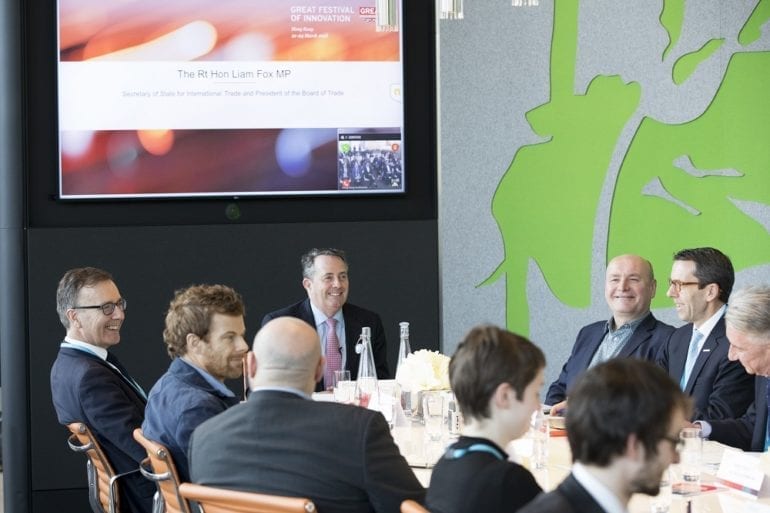
    The core programme of the GREAT Festival of Innovation will explore four key themes over its four days.

    The first two days will be dedicated to the theme ‘work’ and ‘live’. The first day will discuss topics such as sustainable energy, cybersecurity, FinTech, workplaces of the future and a discussion on some of the most pressing issues around artificial intelligence.

    The second day the discussion will move to the way we live, and explore a wide range of topics from smart cities to autonomous transport, and sustainable farming to alternative energy sources.

    More interesting for our readers are definitely the third and fourth day. Day three,  speakers reimagine how we ‘play’, discussing how innovation, technology and creative thinking will alter the future of fashion, luxury, art and sport in a climate in which consumers are becoming curators. Highlight speakers will include Chester King, Founder and CEO of British eSports Association, Tom Aikens, Chef, Tristram Hunt, Director of V&A Museum and a leading historian and journalist, and Duncan Pescod, CEO of West Kowloon Cultural District Authority.

    Day four, the Festival will conclude with insights into the future of education and learning. Through talks and hands-on events led by educators and students alike, audience members will understand how leading sectors are engaging with learning institutions to strategically link higher education, research and business to help create tomorrow. Andre Fu, architect, designer and Founder of Andre Fu Living will be among the key names to feature on this day.

    Attending the Festival will be business leaders and decision makers, with a strong delegation coming from the UK looking to create new business partnerships with their Asia counterparts.

    Supporting the Festival is a rich Culture Programme showcasing the best of British talent. Taking place across multiple venues, in unexpected places and into the evenings, the Programme will showcase the most captivating music, dance, visual art, literature, theatre, food and drink and moving image in the UK today.

    From storytelling to soundscapes, live music to wearable technology and even immersive food and drink experiences, the GREAT Festival of Innovation promises to tell the story of UK culture in a truly original way. In conjunction with the invitation-only Festival will be a host of satellite cultural events open to the public, the full programme of which will be announced shortly.

    Marking the 50-day countdown, the UK International Trade Secretary, Dr Liam Fox, said the Festival showcases a country prime for investment opportunities.

    UK International Trade Secretary, Dr Liam Fox said:

    “In 50 days, the GREAT Festival of Innovation will bring together the best entrepreneurs and the most advanced technology from across the UK and Asia to explore how we will work, live, play and learn in the future.

    “Led by my international economic department, this festival will be a major showcase for our talent, creativity and design on the world stage. From smart robots and cities to autonomous vehicles, the UK is already a global technology hub and the festival will help secure that position for generations to come.”

    Director General, UK Department for International Trade in Hong Kong, Paul McComb said:

    “Taking part at a historic moment for UK and Asian economies, the event highlights that the UK is open for business and committed to Asian trade partners. The Festival will serve as a platform for creating new life-long partnerships, strengthening relationships between British and Asian business leaders and investors that will drive a future of free trade and prosperity.”

    The first round of announced speakers from the UK joining the GREAT Festival of Innovation includes: Dr. Liam Fox, UK International Trade Secretary; Charles Bowman, Lord Mayor of London; Tristram Hunt, Director of V&A and leading UK historian and journalist; and Ian Stuart, CEO, HSBC UK, to name a few.

    Among the Asia-based speakers: Carrie Lam Cheng Yuet-ngor, GBM, GBS, JP, Chief Executive of the Hong Kong Special Administrative Region of the People’s Republic of China; Andre Fu, Founder of Andre Fu Living; Eiji Uda, Chief Technology and Innovation Officer for Tokyo 2020; and Duncan Pescod, CEO of West Kowloon Cultural District Authority.
  • World’s biggest brands put on notice over 5,000,000-tonne laminate packaging problem

    World’s biggest brands put on notice over 5,000,000-tonne laminate packaging problem

    Big brands have been put on notice about their inaction over the world’s growing 5,000,000-tonne problem of plastic aluminium laminate waste.

    Following revelations about the scale of the problem in the UK and internationally, the CEO of the company behind the world’s only solution for recycling laminates – food pouches, pet food pouches, toothpaste tubes, sachets – has called on the world’s biggest FMCG companies to support investment in new processing capacity.

    Enval CEO Dr Carlos Ludlow-Palafox has written an open letter addressed to the CEOs of companies that benefit from laminate packaging, such as Unilever, Kraft, Nestlé Mars, Colgate, Campbell’s, GSK and Hain-Celestial to get behind efforts to process post-consumer waste.

    Across Europe and the US, billions of plastic aluminium laminate pouches, tubes and sachets are being discarded and sent to landfill or incineration while consumers are often misled into thinking that they are recycled, as reported.

    In the UK alone more than 10 billion laminate packaging items are sold annually but fewer than 1 in 20,000 is recycled. Of the remainder two thirds go to landfill and the rest are incinerated. This recycling rate is 50 times worse than that of disposable coffee cups, which has received great attention from media and politicians alike.

    Because the material contains bonded plastic and aluminium, the packages cannot be treated either as plastic or as aluminium. Only the Enval process can deal with them, however currently there are no major initiatives in place in the UK or the world to collect and sort post-consumer packages and genuinely recycle them.

    To process the waste, Enval has developed the world’s only commercial scale plant to deal with the material, which uses a microwave heating method to recover the aluminium into reusable ingots and process the plastic into reclaimed oil.

    Manufacturers and waste companies have undertaken successful trials with the Enval plant but have failed to support wider collection and processing efforts due to a reluctance to make the initial investment required.

    Enval CEO Dr Ludlow-Palafox said the lack of involvement by the FMCG brand owners and the risk-averse nature of the waste handling sector has meant the Huntingdon plant is still the only one in operation.

    “We believe the time for complacency is over. FMCG brands are using laminate packaging because of its exceptional characteristics and cost and environmental benefits. Yet the fact remains that more than 10 billion pouches, tubes and sachets end up being thrown away in the UK alone. This is inexcusable now that we have an environmentally sustainable and economically viable solution. These same companies boast about their environmental credentials: it is time for some action.

    “Consumers are buying laminate packaging in good faith – often either thinking it can be recycled or because there is no other choice. Big brands have reaped the benefits of advancements in packaging technology while delivering no certainty to consumers.

    “The problem of single-use laminates dwarfs that of coffee cups. Brands and regulators now need to put their money where their mouth is and ensure that laminates can be genuinely reprocessed and these materials brought into a circular economy that benefits both the market and the planet.”

    Independent studies commissioned by WRAP UK and the UK’s Department for Environment, Food and Rural Affairs (DEFRA) have shown that laminates can be readily separated from waste streams using conventional sorting technology. These studies also proved that a majority of householders, when asked, sort laminates for recycling for collection as they do with other materials.

  • Retailers suffer worst December since 2010

    Retailers suffer worst December since 2010

    Retail sales fell more sharply than expected in the core Christmas month, capping the worst December performance for volumes since 2010.

    The Office for National Statistics (ONS) issued the grim update on the health of the high street just hours after Carpetright became the latest big name chain to announce a profit warning .

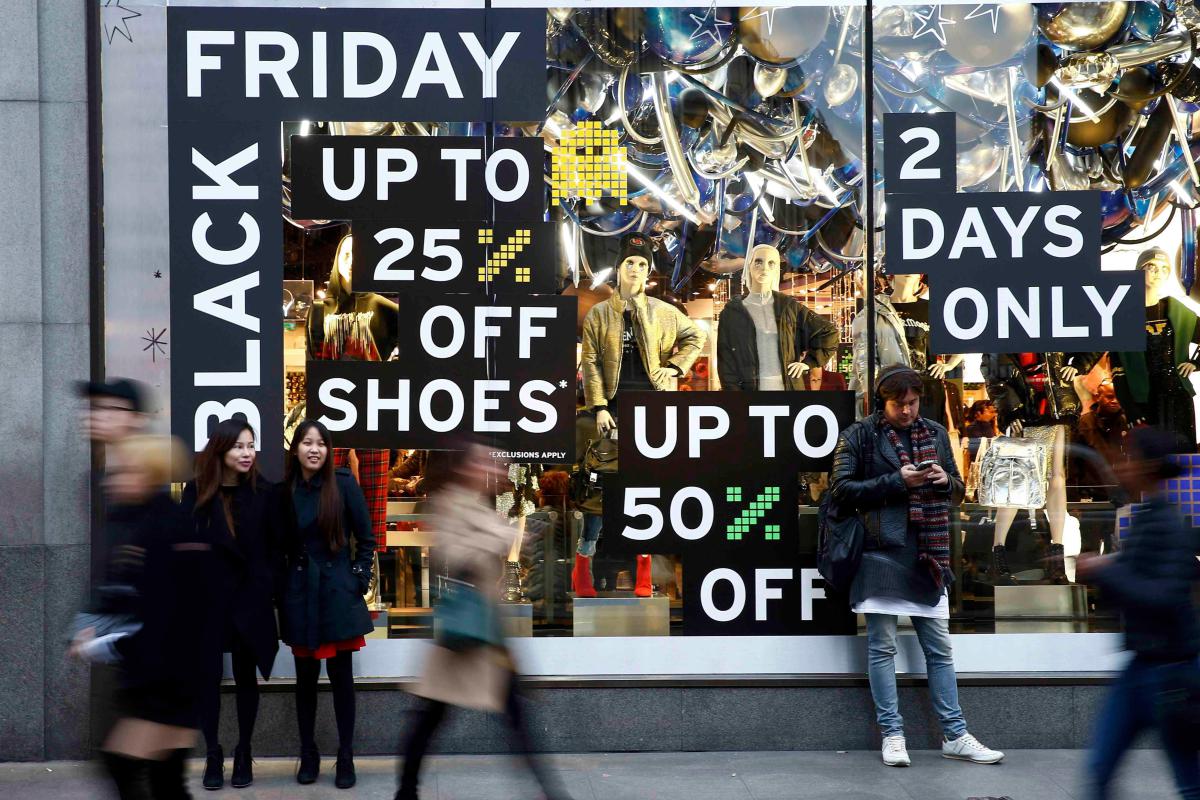
    The retail figures showed sales volumes fell 1.5% on November which was boosted by strong Black Friday trade.

    It marked the biggest month-on-month fall since June 2016 – the month when the UK was focused on the Brexit vote on 23 June.

    The Leave win prompted a collapse in the value of the pound, resulting in a leap in shop prices during 2017 as a whole as stores passed on higher import costs.

    Higher inflation, coupled with earnings failing to keep pace, has been a thorn in the side of the retail sector as the squeeze on shoppers’ budgets has dented demand for non-essential goods.

    The ONS said 2017 was the weakest year for retail since 2013 but it still recorded year-on-year growth of 1.3% and a rise of 1% over the final quarter of the year.

     How the major retailers have fared over Christmas

    Senior statistician, Rhian Murphy, said: “Retail sales continued to grow in the last three months of the year partly due to Black Friday deals boosting spending.

    “Consumers continue to move Christmas purchases earlier with higher spending in November and lower spending in December than seen in previous years.

    “However, the longer-term picture is one of slowing growth, with increased prices squeezing people’s spending.

    “Over the year the proportion of internet spending is continuing to rise, with almost one in every five pounds spent online by the end of 2017.”

    Ruth Gregory, UK economist at Capital Economics, said it was difficult to get a clear picture of the state of the high street because the ONS figures showed retail sales values rising – suggesting a limited impact from price pressures.

    “A fall in retail sales volumes in December had always looked likely, given November’s hefty rise.

    “After all, UK retailers’ adoption of “Black Friday” discounting appears to have caused consumers to bring forward their Christmas purchases, rather than to buy more overall in recent years,” she wrote.

  • Paid less than male peers, BBC China editor quits and speaks out

    Paid less than male peers, BBC China editor quits and speaks out

    The BBC’s China Editor Carrie Gracie has quit her post in Beijing to fight for her right to pay equality with male peers, posting an attack on what she called the “secretive and illegal BBC pay culture”.

    Gracie’s revolt is part of the fallout from pay disclosures the British broadcaster was forced to make last July, which showed that two thirds of the highest earners on air were men, and that some of them were earning far more than women in equivalent roles.

    Funded by a license fee levied on TV viewers and reaching 95 percent of British adults every week, the BBC is a pillar of the nation’s life, but as such it is closely scrutinized and held to exacting standards by the public and rival media.

    Gracie’s stand was one of the top news headlines of the day on the BBC itself and on other British media, and many prominent women from the BBC and beyond voiced their support on social media under the slogan #IStandWithCarrie.

    Gracie, who speaks fluent Mandarin and has reported on China for three decades, has not left the BBC. She said she was returning to her former post in the TV newsroom in London where she expected to be paid equally to men in equal jobs.

    “I am not asking for more money. I believe I am very well paid already — especially as someone working for a publicly funded organization. I simply want the BBC to abide by the law and value men and women equally,” she wrote on her website.

    Gracie said she was paid 135,000 pounds ($182,800) a year as China editor. According to last July’s disclosures, North America Editor Jon Sopel earned between 200,000 and 250,000 pounds a year, while Middle East Editor Jeremy Bowen was in the 150,000 to 200,000 bracket.

    Europe editor Katya Adler, the BBC’s only other female editor in foreign news, did not feature in the disclosures, meaning her pay was less than 150,000 pounds.

    Gracie said managers had offered to increase her pay to 180,000 pounds, but that was no solution. She rejected the rise and insisted that all four of the BBC’s international editors should receive equal pay.

    “I was not interested in more money. I was interested in equality,” she said during an interview on BBC radio.

    Britain enacted legislation outlawing sex discrimination in the 1970s and this was followed by an equality act in 2010, but women still earn less than men across much of the economy.

    “Enough is enough”

    The BBC defended itself by saying its gender pay gap was below the national average and less bad than at many other organizations, adding that it was committed to wiping it out by 2020. It also said an independent audit of rank and file staff had found “no systemic discrimination against women” at the BBC.

    Several high-profile women seized on the Gracie story to say the problem was much bigger than the BBC and affected the whole of society.

    “Tip of the iceberg in @BBC & most other orgs (organizations). Equality Act 2010 means no hiding place for shameful discrimination against women. Ending it long overdue,” wrote prominent lawmaker Harriet Harman of the opposition Labor Party, a long-time advocate of women’s equality, on Twitter.

    As in many other countries, pay inequality based on gender has been a persistent problem in Britain, which by some measures has performed worse than comparable European countries in recent years. Britain was ranked 15th in the World Economic Forum’s global gender gap index 2017, below France and Germany.

    But Gracie said her complaint was not about the gender pay gap the BBC admits to, which stems from men earning more on average because they do more of the best paid jobs. “It is men earning more in the same jobs or jobs of equal value. It is pay discrimination and it is illegal,” she said.

    Gracie accused the BBC of adopting a botched “divide and rule” response to the legitimate anger of female staff, offering pay rises to some women while locking down others in a protracted complaints process. In her own case, the process had been “dismayingly incompetent and undermining”, she said.

    “Enough is enough. The rise of China is one of the biggest stories of our time and one of the hardest to tell,” she wrote, citing Chinese state censorship, surveillance, police harassment and official intimidation.

    “I cannot do it justice while battling my bosses and a byzantine complaints process.”v

  • Facebook opens new London hub, creating 800 jobs

    Facebook opens new London hub, creating 800 jobs

    Social media titan Facebook will open a new office in London on Monday that is set to be its biggest engineering hub outside America, the company has announced.

    The investment in the office, near Oxford Street in the heart of the city’s West End district, will also lead to the creation of 800 jobs, more than half of which will be in engineering.

    The company, which opened its first office in the British capital ten years ago, said the new site would allow its local workforce to reach 2,300 by the end of next year, a sign that it “is more committed than ever to the U.K.”.

    The country “has been a huge part of Facebook’s story over the past decade”, Nicola Mendelsohn, Facebook’s vice president for Europe, the Middle East and Asia.

    “The U.K.’s flourishing entrepreneurial ecosystem and international reputation for engineering excellence makes it one of the best places in the world to build a tech company,” she said.

    The 23,000 square meters (247,000 square feet) of office space was designed by architect Frank Gehry, and is spread over seven floors while also incorporating a new public square.

    It includes an incubator space called “LDN_LAB” for technology start-ups.

    Finance minister Philip Hammond said it showed that Britain is “the best place” to grow new businesses.

    “It’s a sign of confidence in our country that innovative companies like Facebook invest here, and it’s terrific news that they will be hiring 800 more highly skilled workers next year,” he said.

    London Mayor Sadiq Khan said Facebook’s commitment indicated the city remained “at the forefront of global innovation”, while predicting that the incubator would “pave the way for the next generation of successful start-ups”.