Retail News CRM

Tag: uk

  • Kellogg’s tests cereal refill concept in UK supermarket

    Kellogg’s tests cereal refill concept in UK supermarket

    UK supermarket Asda is undertaking a 12-month trial to test initiatives to reduce, remove and reuse plastic packaging at its Middleton store in Greater Manchester.

    Shoppers are invited to bring their own containers to stock up on products such own brand coffee, rice and pasta at designated refill stations. The grocery has partnered with FMCG giants Unilever and Kellogg’s to create refill points for cereals such as Rice Krispies and Coco Pops and PG Tips tea.

    “We’re getting ready to trial lots of new and innovative ways to reduce and remove plastic packaging in our first-ever sustainability store. Customers at our Middleton store in Leeds will be the first to try the new innovations starting in May this year. Before then we’ll be working hard in the store to install new refill solutions and recycling options, like in the artist’s impression above,” said Asda in a statement.

    “We know lots of our customers would like to see us remove packaging on loose produce so this is another thing we’ll be trialing at the store. We will be removing the plastic packaging from mushrooms and cucumbers on produce and we’ll also be selling “naked” flowers without any plastic packaging,” said Asda.

    The supermarket will also install new recycling facilities in store. It will have a reverse vending machine for plastic bottles and cans, hanger recycling and a deposit box for unwanted small plastic toys.

    Asda said it will monitor feedback from customers to see if the new program will affect consumer’s shopping habits.
  • Ted Baker CEO and chairman quit as sales plunge

    Ted Baker CEO and chairman quit as sales plunge

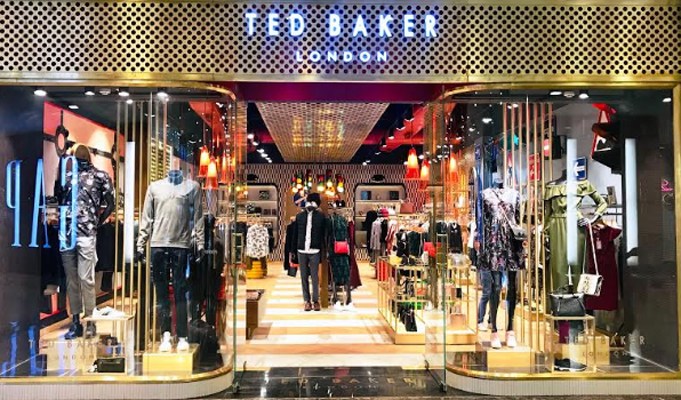
    The CEO and executive chairman of UK fashion retailer Ted Baker have quit in the wake of falling sales and a controversy over the valuation of inventory.

    The company yesterday reduced its profit forecast for the current year to a minimum pre-tax profit of £5 million, 90 percent less than the £50.9 million it achieved in the year to March.

    That prompted a 15-per-cent drop in its already decimated share price. The company blamed a lack of consumer demand for its products, despite heavy discounting.

    The fashion company’s woes began a year ago when its founder Ray Kelvin was forced to resign after denying allegations he harassed staff and forced them to hug him, prompting an 80-per-cent plunge in the company’s share price.

    CEO Lindsay Page, a 21-year veteran at Ted Baker assumed leadership after Kelvin’s departure, lasting just nine months at the helm before yesterday’s resignation. Chairman David Bernstein followed suit.

    Last month, Ted Baker appointed external consultants to assess its inventory value after an apparent overstatement of stock in the company’s books in the range of £20 to £25 million.

    Some commentators in the UK say the company may be forced to take Kelvin back to restore the company’s fortunes. He still owns 35 percent of the business.

    Emily Salter, retail analyst at GlobalData, said the departure of the key executives and the profit warning “demonstrate the severity of its poor trading performance and how the retailer is grappling to remain popular”.

    “After an already turbulent year for its leadership team, the acting CEO and acting chair of the board must ensure that stability is maintained in the crucial Christmas trading period, as well as dealing with the impact of the overstatement of stock,” she said.

    “Trading over November and Black Friday was below expectations with lower-than-anticipated margins as consumers were still not persuaded to purchase despite the brand offering a blanket 30 percent off all items. Ted Baker must address its waning popularity, by attracting back its loyal shoppers and innovating instore and online to make the shopping experience more exciting.”

    Salter said while Ted Baker had previously been able to rely upon its online channel to drive group revenue growth with a robust multichannel proposition, its online sales fell by 0.7 percent.

    “Although its digital channels still outperformed retail revenue, declining sales while the online clothing-and-footwear market continues to grow proves just how strong the effects of weakened consumer confidence and demand for the brand have been, as well as the fallout from negative press coverage surrounding Ray Kelvin.

    “It will be a long road to recovery for Ted Baker, and it must focus on reviving previous demand for the brand and reducing its reliance on discounting to boost sales,” Salter concluded.’

  • UK stationery brand Paperchase launches in Malaysia and Singapore

    UK stationery brand Paperchase launches in Malaysia and Singapore

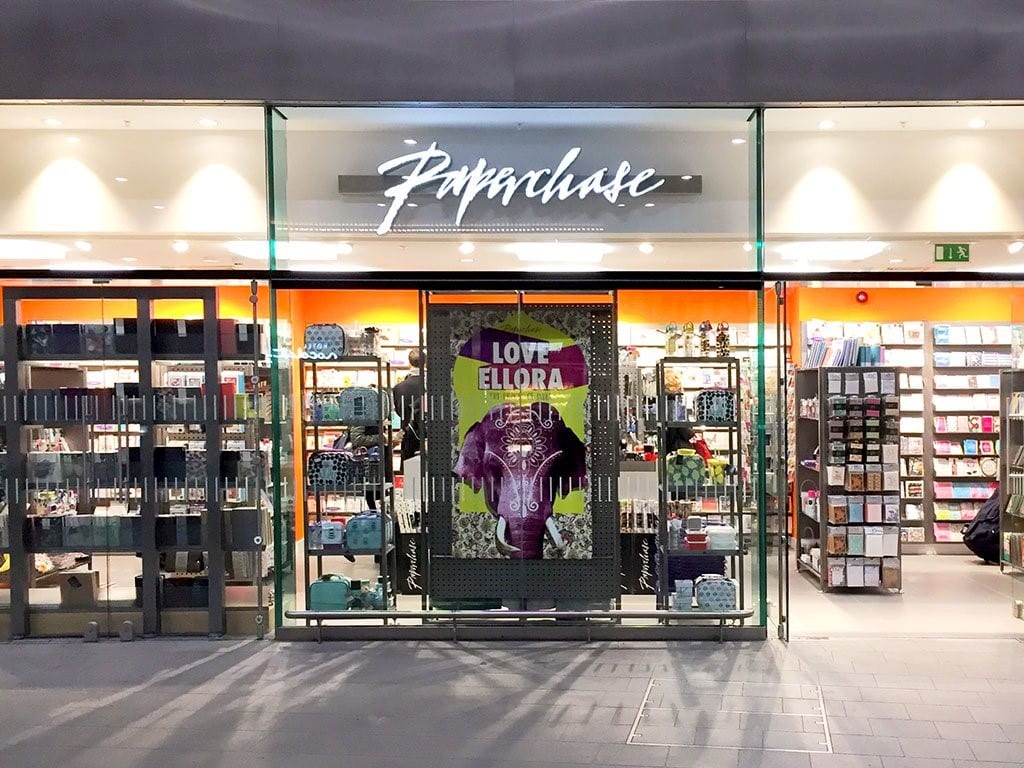
    British stationery brand Paperchase is now selling in Malaysia at selected MPH bookstores.

    According to a Malaysian Reserve report, the London-based firm – one of the largest gifts and stationery retailers in the UK – is joining brands such as Typo and Smiggle in planning their Asia expansion, with selling in Malaysia and Singapore the first step. It is currently seeking further retail partners in various countries.

    “Being the exclusive partner of Paperchase in Malaysia and Singapore, it is our aim to introduce new and interesting merchandise by reputable brands and make it available to our customers,” said MPH GM of business and strategic development Ivy Tan.

    “Having these unique offerings in our store also helps us differentiate our offerings and stand out from other players in the market.”

    Paperchase operates more than 200 stores internationally.

  • Jollibee is expanding in the UK with more outlets

    Jollibee is expanding in the UK with more outlets

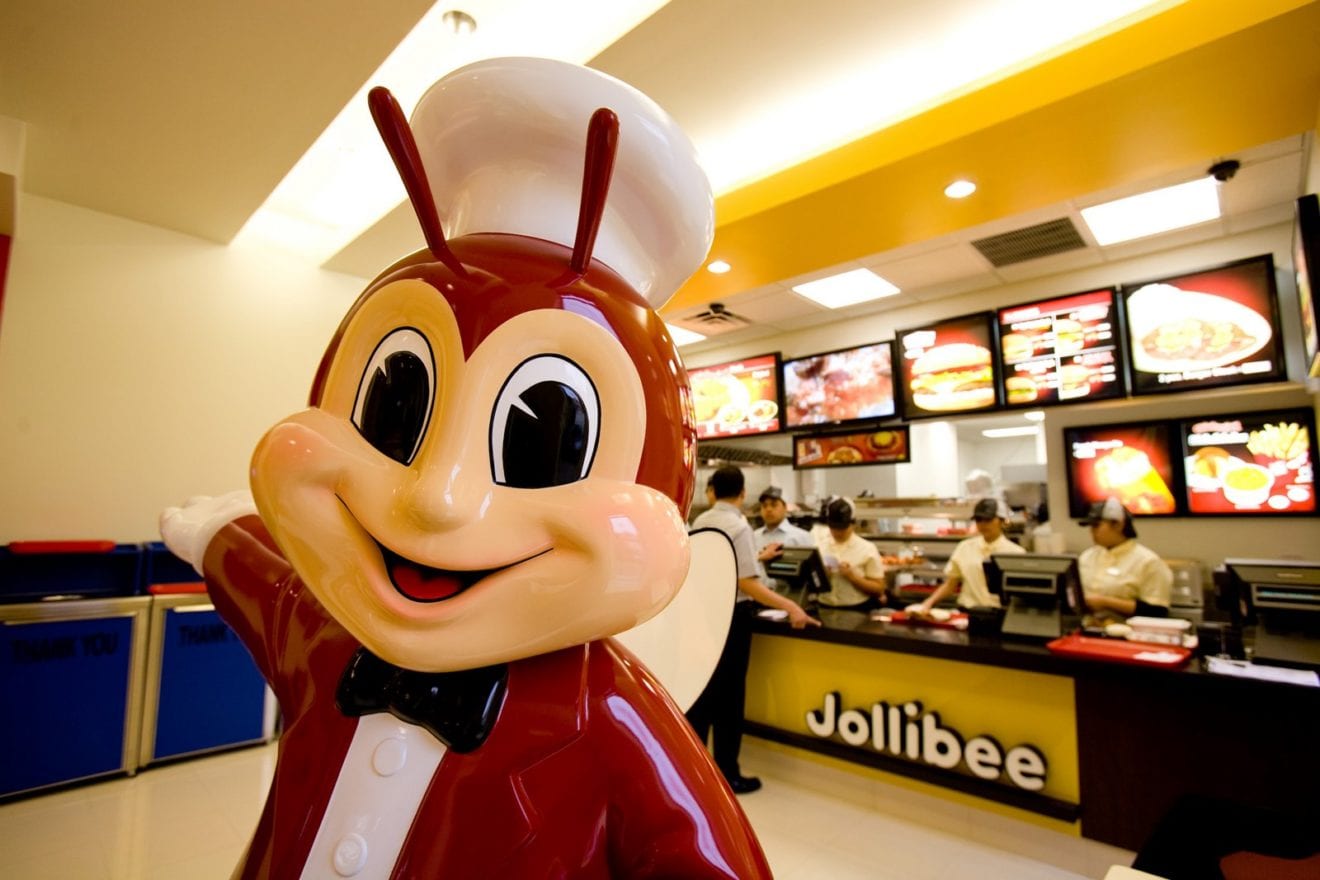
    Filipino fast-food chain Jollibee is set to open its second UK restaurant, in Liverpool.

    Bee World UK, part of the Jollibee Foods Corporation, has already submitted a plan to transform a Lush store on Whitechapel into its flagship restaurant in the northwest England city. The expansion comes after the successful opening of its first UK restaurant in London’s Earl’s Court last year. The opening is set to create 70 jobs, according to the planning application.

    Jollibee’s head of international business for Europe, Dennis Flores, said last year that the company plans to continue expansion by opening 25 restaurants and creating 1,500 jobs across the UK by 2023. He also said that they expect the brand to appeal not only to the Filipinos living and working in the UK but to the locals as well.

    Further expansion will see the fast-food chain launch in new cities including Manchester and Birmingham, said Flores.

    Jollibee, known for its Chicken Joy fried chicken and Jolly spaghetti, has a network of more than 1,300 restaurants in the Philippines, making it a dominant leader in the industry. Internationally, it has more than 200 branches spanning across countries including the US, Canada, Vietnam, Singapore, Saudi Arabia, Qatar, Italy, Bahrain, Singapore, and the UAE.

    Its parent company, Jollibee Foods Corporation, also owns brands including Chowking, Greenwich, Red Ribbon, Mang Inasal, Yonghe King, Hong Zhuang Yuan and Smashburger. It also owns 60 percent of the SuperFoods Group which operates Highland Coffee and Pho24 brands in Vietnam. It recently entered into an agreement to operate Panda Express in the Philippines and to buy the Coffee Bean & Tea Leaf business globally.

  • India’s Nappa Dori Opening Store in UK

    India’s Nappa Dori Opening Store in UK

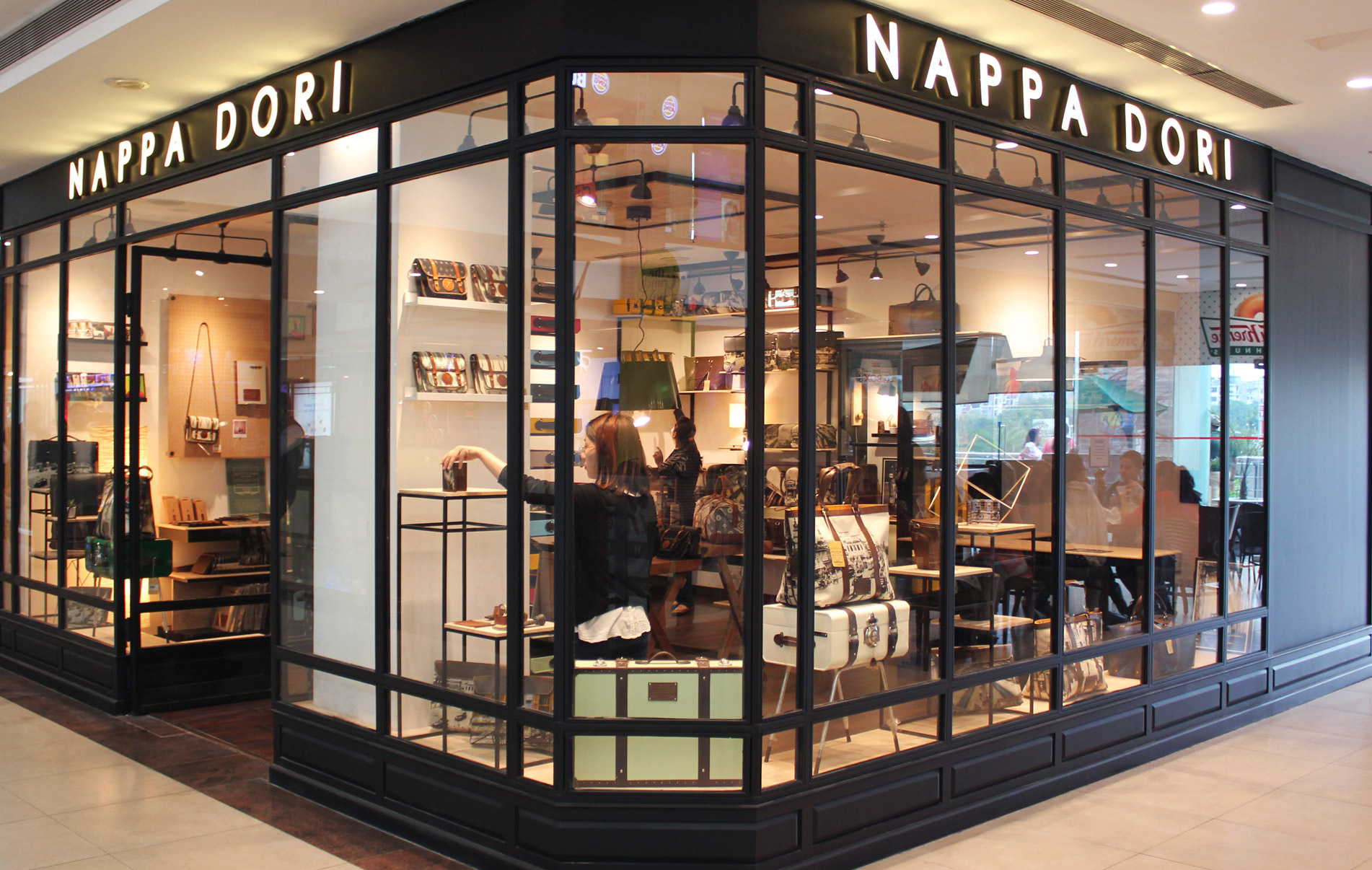
    Indian luxury handcrafted-bags and luggage retailer Nappa Dori has launched in London.

    The firm’s 1400sqft location in Seven Dials on Monmouth Street is its first in Europe, adding to its seven-store network in India and an outlet in the Maldives. It features an in-store cafe serving traditional beverages such as chai tea.

    “The high volume of tourists and locals who frequent the stylish streets of Seven Dials made it the obvious choice for our first UK and European venture,” said Nappa Dori founder Gautam Sinha.

    “This opening reflects the increase in brands selecting this unique West End destination for debut UK and European stores,” said Shaftesbury senior retail portfolio manager Addy Williams, “following in the footsteps of leading brands such as Away and Beast.”

    Nappa Dori has previously engaged in collaborations with Kiehl’s and Qatar Airways, among other partnering businesses.

  • Honda Confirms Closure of UK Car Plant

    Honda Confirms Closure of UK Car Plant

    Honda has confirmed its western England car factory, which employs 3,500 people, will close in 2021. The Japanese carmaker announced Monday that the Swindon plant will shut in two years, “at the end of the current model’s production life cycle.” Honda makes its popular Civic model at the factory, 70 miles (115 kms) west of London.

    Reports of the closure first emerged in February, heightening concerns about the impact of Brexit-related uncertainty on the U.K. economy. Honda said the closure is not Brexit-driven but “is part of Honda’s broader global strategy in response to changes to the automotive industry.”

    The British government and union consultants, but “no viable alternatives to the proposed closure of the Swindon plant have been identified.”

  • Naked Wines about to sell all UK stores

    Naked Wines about to sell all UK stores

    Majestic Wine is reportedly looking to sell its entire UK retail portfolio to focus on its international e-commerce business, Naked Wines.

    Bankers at Rothschild have been contacting private equity firms to buy the British bricks-and-mortar business, which includes around 200 stores, on behalf of the retailer, according to Sky News.

    Majestic Wine acquired Naked Wines in 2015, and appointed the e-commerce company’s founder, South African entrepreneur Rowan Gormley, as CEO of the entire company. Naked Wines now operates in Australia, the UK and the US.

    Gormley told investors last month that Majestic would present a transformation plan in June, which would include growing the Naked Wines business by releasing capital in Majestic. The brands were to be combined into a single management team under the banner of Naked Wines plc.

    “It is clear Naked Wines has the potential for strong sustainable growth and a transformed Majestic business does have the potential to be a long-term winner,” Gormley said at the time.

    “But we risk not maximising the potential of Naked if we try to do both.”

    Gormley said the business would minimise job losses by migrating employees at the closed stores to the revised Naked brand.

    A spokesperson for Majestic told the combination of migrating existing customers to the Naked brand, selling assets and closing stores would lead to the business becoming an “out-and-out growth business”.

    According to Majestic, almost 45 per cent of its business now takes place online, and 20 per cent internationally, providing further growth opportunities should further focus be centered on these areas.

    The spokesperson said that “while a total sale of Majestic Retail continues to be a potential option, it would be wholly unwise to pursue a single-track process and materially limit the potential value that can be realised to drive growth.”

    Naked Wines Australia has been contacted for comment.

  • Primark opens world’s largest fashion store

    Primark opens world’s largest fashion store

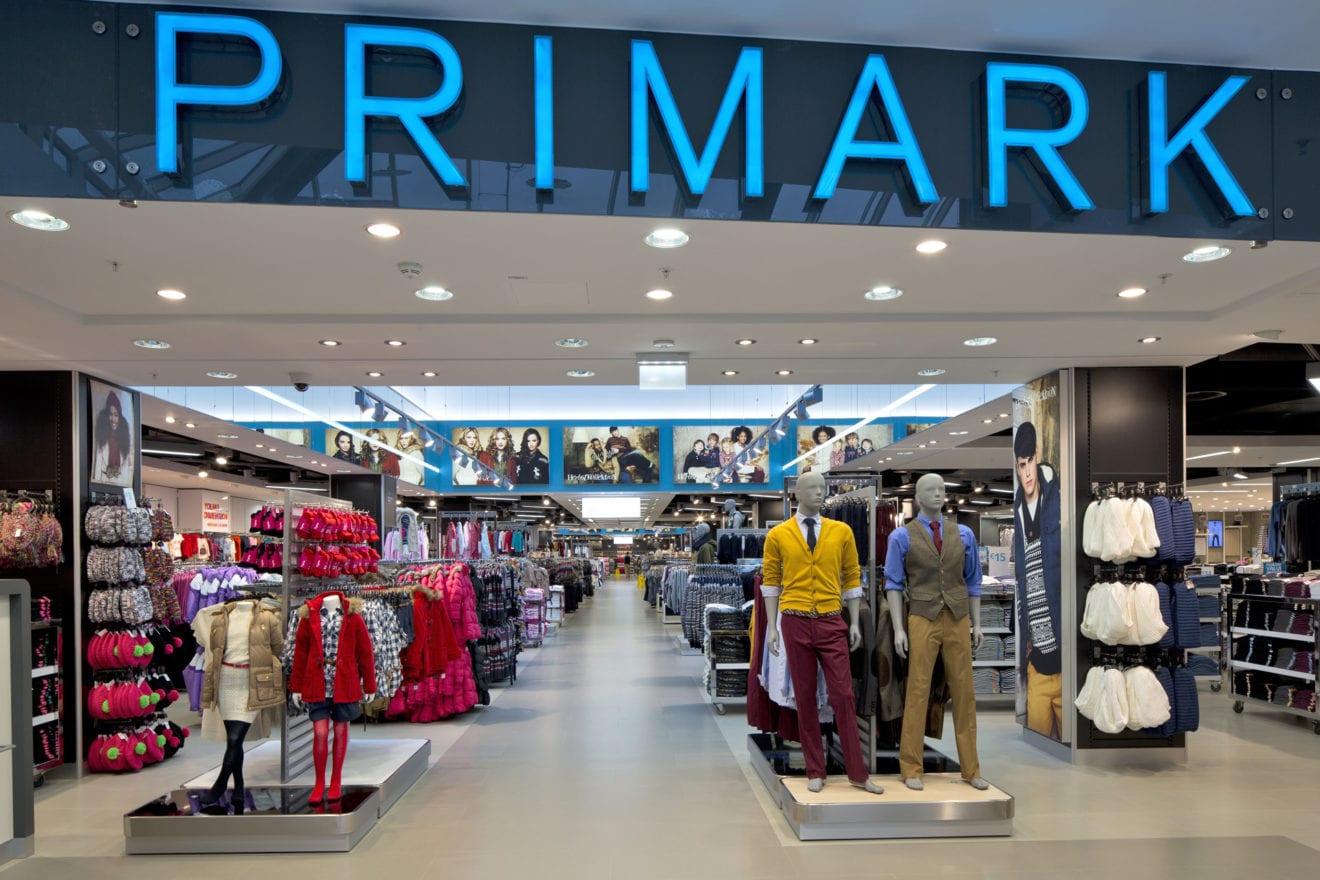
    Primark has launched the world’s largest fashion store in Birmingham, the UK. The 160,100sqft store is built over five stories and has been officially recognised by Guinness as the largest fashion store in the world. It has effectively taken over the former Pavilion shopping centre in the city’s downtown heart.

    The entire building is given over to Primark’s ranges and includes several in-store shops, a custom lab for personalised goods, and three dining options including a Disney-themed cafe and the first own-brand Primark cafe.

    Primark’s store design director Sanjay Dihman told that the combination of food-and-beverage offers will attract footfall, along with the new store design and the sheer scale of the store.

    “People will be intrigued by that, and also personalisation, barbers and the beauty studio make it whole collection of different offers that will attract footfall.”

    The store, believed to have cost £70 million to construct, also contains a Duck and Dry salon, a Duck and File Xpress nail boutique, and Joe Mills barber shop.

    The Irish retailer launched in 1969, entering the US market in 2015 where it plans to expand beyond its current nine outlets.

  • Inmarsat receives $3.3b buyout bid

    Inmarsat receives $3.3b buyout bid

    Satellite operator Inmarsat is in talks to be acquired by a consortium of private equity investors in a deal worth $3.3 billion.

    UK-based Inmarsat is still negotiating with the consortium members over the possible takeover and a binding offer has not yet been received. But the preliminary offer involves cash payment of $7.21 per share.

    The consortium, which includes Apax Partners, Canada Pension Plan Investment Board, Ontario Teachers’ Pension Plan Board and Warburg Pincus International, has until April 16 to submit a binding offer or decline to make one.

    The $3.3 billion offer price is only marginally higher than the price offered by US-based satellite provider EchoStar during its takeover bid for Inmarsat in July last year, which was then worth $3.25 billion.

    At the time, Inmarsat’s board rejected the offer on the ground that it “very significantly undervalued Inmarsat and its standalone prospects.”

    But Bloomberg notes that Inmarsat’s share price has been barely changed over the intervening time – until the price was lifted by takeover speculation – and UK-based stocks have been struggling recently due to public investors’ concerns over Brexit. The publication attributes these factors to Inmarsat’s decision to come to the negotiating table this time.

    The deal values Inmarsat at around $6 billion, and represents a 34% premium on the company’s average share price over the past three months.

  • Footasylum shares soar after JD Sports takes stake

    Footasylum shares soar after JD Sports takes stake

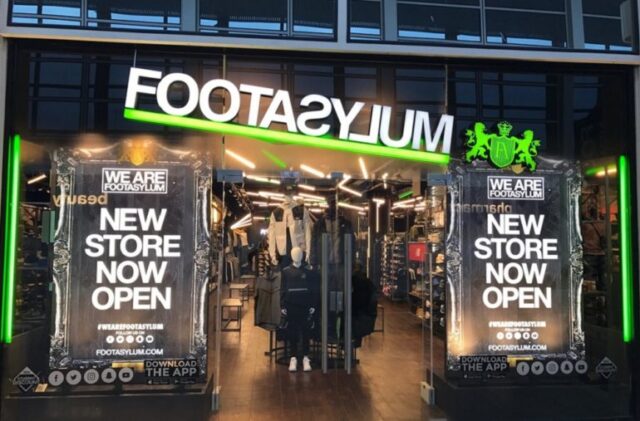
    Shares in Footasylum soared after British retailer JD Sports said it had acquired an 8.3 percent stake and could buy nearly 30 percent of its smaller rival. JD, which has used a number of corporate acquisitions to assemble its network of more than 2,400 stores over the past two decades, said that it “confirms it is not intending to make an offer for Footasylum” under merger regulations.

    But investors drove shares in the company, which is listed on the secondary market of the London Stock Exchange, rose 58.6 percent to 46 pence in the first hour of trading.

    Footasylum, started by JD Sports co-founder David Makin in 2005, was forced to cut prices at its 60 stores after a disappointing run up to Christmas which saw British consumers rein in spending.

    It now competes with JD Sports, Sports Direct and Asos among others, which are all feeling the impact of sluggish British consumer spending amid squeezed household incomes and uncertainty ahead of Britain’s impending exit from the European Union.

    Makin and fellow JD Sports founder John Wardle were bought out by the company’s current majority owners Pentland Group in 2005 and later resigned as directors.

    Footasylum said in January its full-year core earnings would come in at the lower end of analysts’ estimates.

    JD Sports shares were up about 1 percent at 454.03 pence.

  • UK-based international chain bar Toy Room enters India

    UK-based international chain bar Toy Room enters India

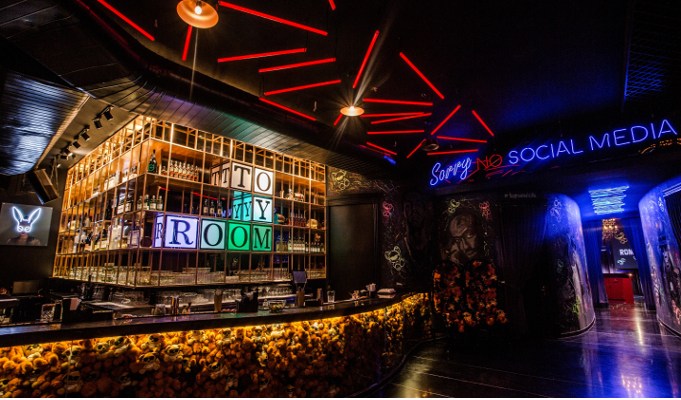
    Toy Room, one of the most talked-about premium and international brand which has attracted visits from A-listers around the world including Jessie J, Lindsay Lohan and Nicole Scherzinger, has opened its first outlet in India in Aerocity. According to Akshay Anand, Owner Toy Room India, “Present in eight different countries, Toy Room is one of the biggest and hottest UK-based international entertainment brands with outposts already operating in London, Dubai, Istanbul, Rome, Mykonos, Athens, São Paulo and now India.”

    “This was the right time to introduce the brand in the country as food service industry is at its full-bloom all thanks to the well-informed and frequent travelling consumers,” he adds.

    Toy Room is the first international nightlife brand to enter the Indian market.

    Elaborating more about the brand, Anand says, “Toy Room is a playful, provocative, unpretentious and sexy place with a special focus on intimate hospitality and service and that is going to set it apart from other brands in the same category.”

    “With capacity for over 400 guests and a Hip-hop/ Rock ‘n’ Roll only music policy, Toy Room is derived from an urge to create an intimate setting for people to have fun,” he adds.

    Spanning across 4,500 sq.ft. Toy Room has been positioned as a finest party place that delivers an upscale nightclub experience with a focus on delivering premium hospitality, while still retaining its brand of sexy and provocative playfulness, which made it a worldwide sensation.

    The Toy Room brand internationally is known for placing children’s toys and imagery in an entertaining setting for adults, bringing together the notion of innocence alongside deviant party behaviour.

    “We are eyeing Rs 25 crore per annum revenue from Toy Room and going ahead we will be opening more outlets in Mumbai and Goa,” Anand concludes.

  • Xiaomi is coming to UK

    Xiaomi is coming to UK

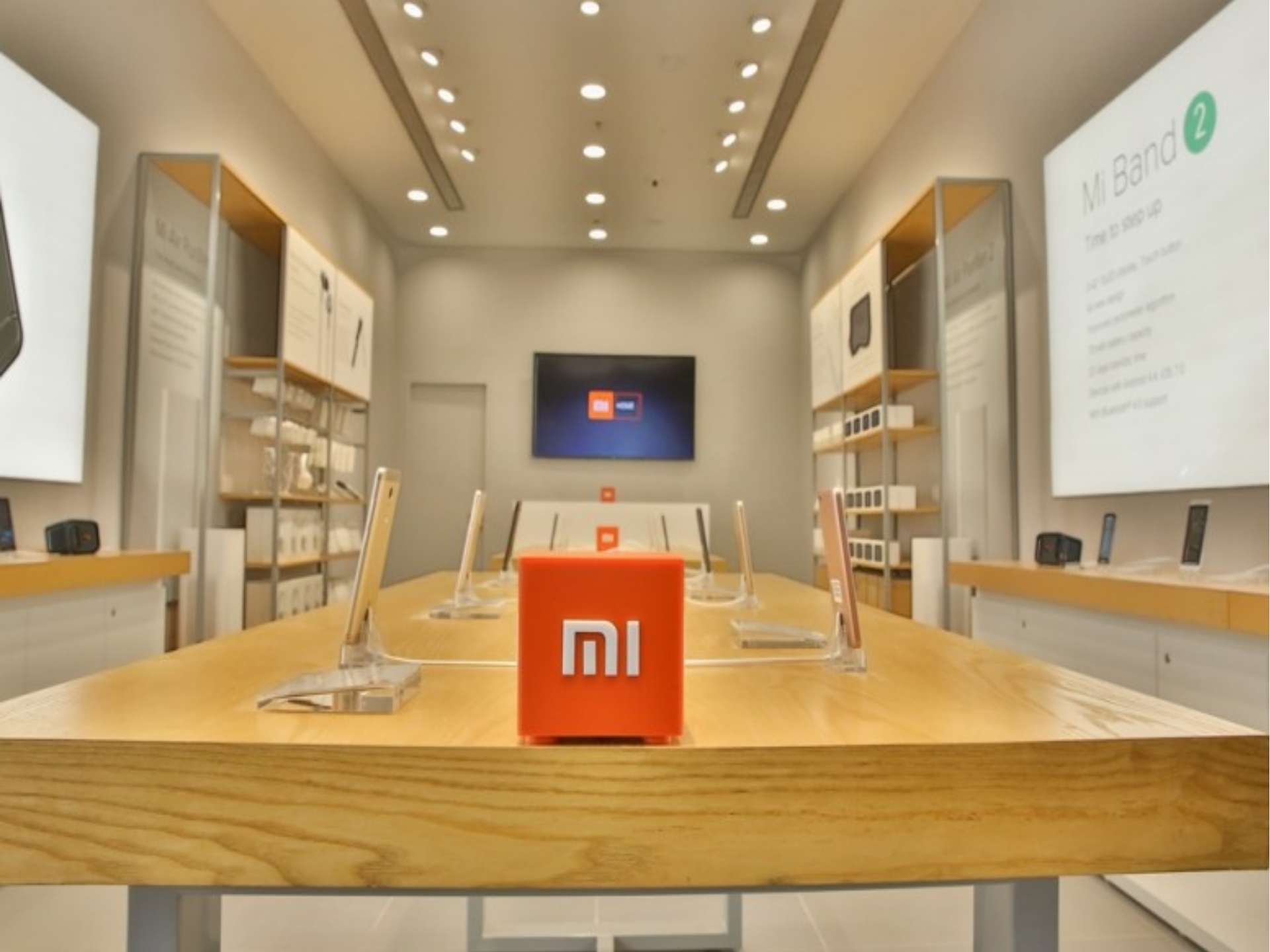
    Xiaomi will open its first store in the UK next week. The fast-growing Chinese electronics company will also sell its smartphones through the Three network, giving the brand exposure in hundreds of stores across the UK and in the Republic of Ireland.

    The Xiaomi UK launch follows openings in Spain and Paris as it joins other major global phone brands fighting for European market share.

    The first store, to be located in Westfield London, will open on November 10 and besides smartphones, will sell consumer electronics and accessories.

    In a Tweet, Xiaomi global spokesperson Donovan Sung wrote: “Excited to announce that Xiaomi will be officially entering the UK. See you all in London!”

    Just eight years after its launch, Xiaomi is now sold in 80 countries and boasts 200 million users. Already the fourth-largest smartphone brand in the world, behind Samsung, Huawei and Apple, Xiaomi sold 28.5 million handsets in the first quarter of this year.

  • Jollibee UK launches soon

    Jollibee UK launches soon

    Philippine fast-food chain Jollibee has hinted at opening its first store in the United Kingdom.

    The potential of a Jollibee UK debut was revealed in a tweet featuring a photo of its mascot bee with British Ambassador to the Philippines Daniel Pruce, hashtagged #JollibeeLondon and #1stJollibeeInUK.

    The ambassador had previously said Jollibee would open in Britain this year in a TV interview, during which he professed his love for the brand’s fried chicken.

    The opening will expand Jollibee’s footprint in Europe, which was initiated in March this year with the opening of a store in Milan. It has previously targeted mainly Filipino communities in the US, the Middle East and Southeast Asia.

  • Harvey Nichols bucks high street trend with profit rise

    Harvey Nichols bucks high street trend with profit rise

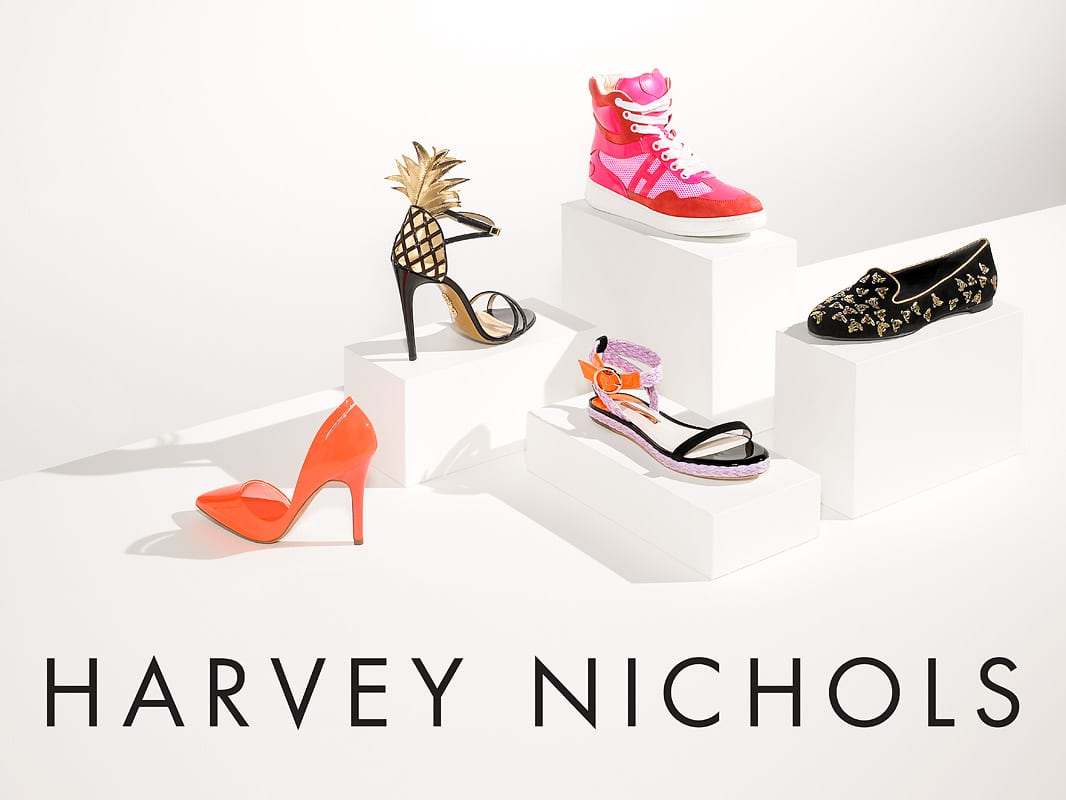
    Upscale UK department store Harvey Nichols doubled its pre-tax earnings this year to £14.7 million – a stark contrast to rival chains.

    Group sales rose 9 per cent to £210 million during the year to March 31, the retailer’s high-end positioning seemingly shielding it from the challenges facing companies like House of Fraser, John Lewis and Debenhams, all struggling to achieve growth or profitability.

    Harvey Nichols says its Kensington flagship store delivered a “strong performance” following refurbishment, but that trading generally remained tough.

    “We are extremely pleased to see a strong financial performance last year, and our ambitious Knightsbridge store refurbishment plans have had a positive impact,” said joint COOs Manju Malhotra and Daniela Rinaldi.

    “However, the retail environment remains challenging and competitive. With this uncertain outlook, we are focused for the remainder of this year on continuing to drive sales and delivering an omnichannel experience for our customers.”

    The revamp of the flagship commenced two years ago with the menswear department and the company has just completed the womenswear international section.

  • UK shoppers prefer self-serve checkouts

    UK shoppers prefer self-serve checkouts

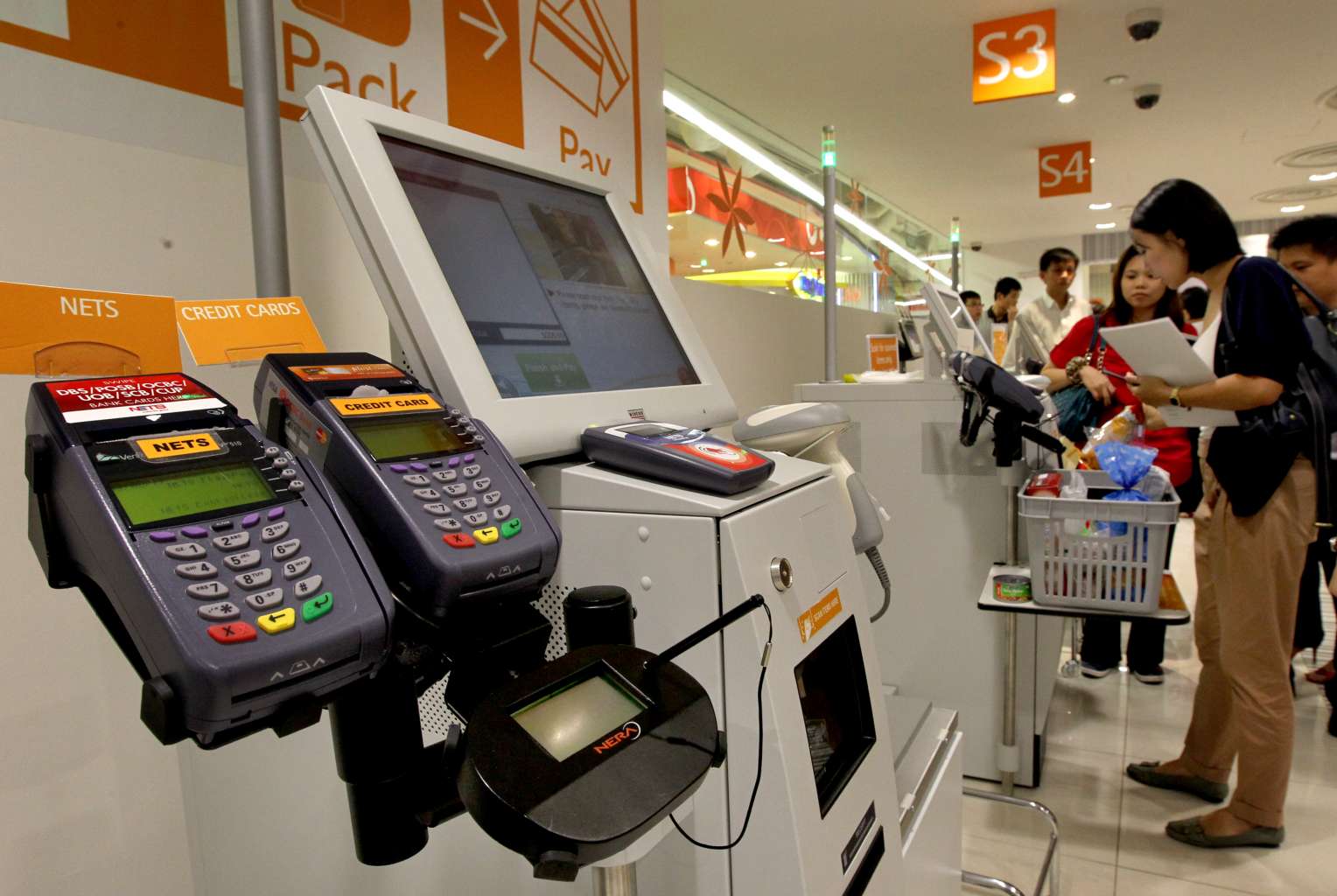
    Brits are increasingly turning to retailers who offer self-service payment options, with 57 per cent preferring to avoid human interaction while shopping, new research shows.

    Research by delivery management company Whistl found that when it comes to buying groceries, only 17 per cent consider human interaction important.

    The over 45s still prefer old-fashioned service with 70 per cent of this age bracket preferring to deal with real people, compared to just 25 per cent of 18-24 year-olds.

    It seems men are more likely to opt for a self-service payment option with 53 per cent admitting this is their preferred choice, compared to 47 per cent of women.

    The tables turn however when it comes to customer support, with more than half of Brits preferring to speak to a real person when they have an issue.