As a raft of UK Toys R Us closures were announced, management moved to reassure customers it is business as usual, globally.
With the Toys R Us US parent trading under Chapter 11 bankruptcy protection, the company is moving to restructure the business globally. The UK division has initiated a process by which it is seeking creditor approval to “reposition its real estate portfolio for future growth and profitability”. That would lead to 26 stores closing, equal to about a quarter of its retail network in the market.
Toys R Us head office has issued a statement assuring customers the UK Company Voluntary Arrangement (CVA) process will not impact any Toys R Us entities or stakeholders outside the UK, including employees, vendors and customers.
“The company’s approximately 1600 Toys R Us and Babies R Us stores around the world, including all stores in the UK, are currently open for business and continuing to operate as usual. Customers can also continue to shop for the toy and baby products they are looking for online.”
Toys R Us in Asia, a joint venture with the Fung Group, continues to trade unaffected by the US company’s problems. A partial float of the Asian business is being discussed as a means of reducing the parent company’s debt.
Dave Brandon, chairman and CEO of Toys R Us, said the closure of stores in the UK would “put our UK operation on stronger financial footing”.
“Through the CVA process, we hope to receive authorisation to restructure our UK lease obligations so that we will be better able to invest in our UK business and further improve the customer experience. Importantly, our stores and operations in our other global markets will not be impacted by this process.
“We are confident that we are taking the right steps to ensure that the iconic Toys R Us and Babies R Us brands live on for many generations in the UK and around the world. We remain committed to championing play for kids and serving as a trusted resource and friend for parents around the world. Today’s proactive measure better positions us to achieve these goals and ensures customers can continue to shop us with confidence over the Holiday season and beyond.”
Under the UK CVA process, Toys R Us UK has submitted a restructuring plan to its creditors and will solicit their approval of this plan over the next 14 days. It will need approval by 75 per cent of the creditors to proceed
In the middle of London’s Camden Market, a trader from China hands red-bean cakes to a group of tourists from Sweden, as tattooed locals dressed in black leather weave their way between food stalls cooking up dishes including barbecued meat and fish and chips.
The market, which has been at the heart of London’s punk scene since the 1970s, has evolved into one of the capital’s busiest tourist attractions. It draws hundreds of thousands of people every week to its maze of clothing shops, tattoo and piercing parlors, and food stands.
And starting this month, Chinese visitors will be able to buy goods with the help of mobile payment platform WeChat Pay.
Camden Market is a sharp contrast to luxury shopping hotspots such as Bicester Village and Oxford Street where Chinese tourists spend millions of pounds each year and might not seem the obvious choice for the United Kingdom launch of WeChat’s hugely popular digital wallet, which accounts for 40 percent of the Chinese mobile payment market.
However, the number of Chinese visitors to Camden is climbing. In September 2016, 5 percent of visitors were Chinese. The proportion doubled to 10 percent in March.
“In terms of demographics, the number of Chinese tourists in Camden is certainly growing, and in terms of a brand, Camden was an obvious choice. It’s iconic in London,” said Craig Jacoby, head of retail payments at SafeCharge.
WeChat has worked with SafeCharge, a British payment technology company, to make WeChat Pay available at point-of-sale locations in the UK for the first time.
During the next four months, SafeCharge will provide more than one thousand Camden Market vendors with a software update that enables in-store payment terminals to generate QR codes and perform transactions.
Chinese tourists spent 513 million pounds ($681 million) in the UK last year, according to tourism authority VisitBritain. Camden Market’s management wants to better accommodate those bigspenders.
Jacoby said WeChat Pay will soon be available at other shopping destinations in London, and it is also launching at six large retailers in Paris as WeChat moves forward with its international expansion.
WeChat Pay rival Alipay has also made recent moves in Europe. In October, Alipay expanded its partnership with Dutch payment company Adyen to facilitate in-store mobile payments at retail partners in the UK.
In Camden, merchants and customers were upbeat about the development. Yi-yin Wei, a shopkeeper from Taiwan who sells red-bean cakes at Wheel Cake Island, thought the update will be useful.
“Chinese people are used to paying for things with their phones, so it will be like home for them,” Wei said.
And Angel Chow, a tourist from Hong Kong, said Chinese shoppers will likely spend more now they have WeChat Pay as an option.
“They will find it convenient if they can use their phones and will buy more. I think they will be excited to be able to use it in England,” Chow said.
Other Camden merchants were not sure there would be enough demand. Vari McGeachy, manager of Books Iconica, said fewer than 5 percent of her customers are from Asia.
“We don’t have many Chinese people coming through the doors, and when they do they don’t have a problem paying with cash or card,” McGeachy said. “It wouldn’t be worth having to train my staff about a new system.”
SafeCharge Chief Executive David Avgi said in general there is great motivation to accommodate Chinese consumers in Europe, where 50 percent of luxury purchases are made by Asian tourists.
And he said it is a matter of time before the mobile payment systems that are ubiquitous in China catch on in the West.
“This innovative payment method is seen as the next big payment phenomenon in Europe,” Avgi said.
Stadium Group, owned by the Healey family, has completed a conditional acquisition agreement with Ediston Property Investment Company (EPIC), which is based in Edinburgh.
The sites, which are let to 23 tenants, include Kingston Retail Park in Hull, which has a market value of £25-30m, and Wombwell Retail Park in Barnsley, which has a market value of £10-15m.
The value of all four sites nearly doubles Ediston’s portfolio to £317.6m.
To fund the acquisition Ediston Property plans to raise £37m of capital by way of a new share issue.
EPIC is currently trading at a marginal discount and the board is also increasing its annualised dividend by 4.5 per cent, to 5.75p per share.
Stadium Group has agreed to subscribe for a maximum of £36.5m of new ordinary shares which will be subject to a 12 month lock-in.
Ediston chairman William Hill said: “The board believes that acquiring the new portfolio will be accretive to the level of dividend cover and will provide a number of asset management opportunities which should enhance the income profile and the capital value of the group’s property assets.
“There is a value play in retail parks as highlighted by low supply, good tenant demand and development potential all of which underpin future growth.”
Retailing brothers Eddie and Malcolm Healey are the second wealthiest businessmen in Yorkshire with a collective wealth of £1.48bn, behind Robert Miller, the 84-year-old who co-founded the Hong Kong-based Duty Free Shoppers chain of airport kiosks and is worth a total of £1.58bn.
For the past few years, Black Friday has become a focal point for many US and UK retailers – and for media outlets hungry for images of shoppers bursting into stores in pursuit of posh televisions. The event, supposedly named after the moment when retailers move into profit for the year, has quickly escalated into a four-day shopping festival. But it is not the only game in town – or even the biggest.
Black Friday falls the day after Thanksgiving in the US (November 23 this year) and is followed up by a long-weekend extravaganza which culminates in the online-focused “Cyber Monday”. It has recalibrated, and brought forward, many consumers’ pre-Christmas shopping plans.
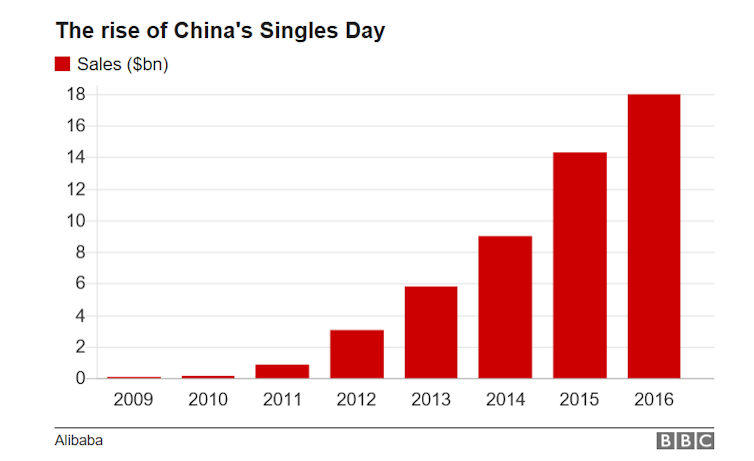
However, unlike Black Friday, China’s November 11 “Singles Day” is still predominately focused on local consumers and completely dominated by one online retailer – Alibaba. The economic impact of Black Friday is dwarfed by this online one-day retail festival from China. Singles Day has gone under the radar for most of the general public in the West, but in 2016, Chinese shoppers spent an incredible US$17.8 billion in 24 hours on the Alibaba online platform – China’s Amazon equivalent.
This online sales bonanza shifts more goods than the Black Friday and Cyber Monday sales days in the US combined. Black Friday in the US saw online sales hit a record of just over US$3 billion in 2016.
Origins
Singles Day started as an obscure “anti-Valentine’s” celebration for single people in China back in the 1990s. The popular story is that it was started by students at Nanjing University who celebrated their singledom by treating themselves. It takes place on November 11 every year and is sometimes known as “bare sticks holiday”, after the way the date is written (11/11).
The event is also known as “Bachelors’ Day”, and it’s not hard to see why. China has a surplus of males caused by years of the government’s “one child” policy. By 2020, sociologists expect the gender imbalance to have widened to 35m and by 2030, it is estimated that one in four Chinese men in their late 30s will never have married. That is a big market.
Black Friday was, of course, initially driven and then “exported” to the UK and other markets by major US retailers, specifically Walmart and Amazon. In China, it was the e-commerce giant Alibaba which adopted Singles Day in 2009, just as online shopping started to explode.
It has now become a day when everyone, regardless of their relationship status, buys themselves gifts. Alibaba spotted this as a chance for retailers to generate interest and excitement and to boost sales in the lull between China’s Golden Week national holiday in October and the peak Christmas season.
Like much of the global growth in online sales, Singles Day has been driven by mobile. Nowhere is this more stark than in China where, with 1.3 billion smartphone users, mobile shopping is huge. Around 37 per cent of Chinese shoppers buy products using their phones, compared to the global average of 13 per cent.
We’ve seen that Alibaba’s sales numbers for Singles Day are astonishing. And the growth has been too. The chart below shows how Singles Day sales for Alibaba have risen over the past seven years. Last year alone, sales were up 32 per cent on the previous year.
Alibaba/BBC, Author provided
According to Alibaba, during the event on 2016 they processed more than a billion payment transactions in total, with 120,000 transactions per second at peak and their distribution system processed more than 657m delivery orders.
Analysts have predicted this year’s event could see Alibaba rack up sales of US$20 billion despite a slowdown in China’s economy, partly due to it having a broader audience.
Copy cats
Of course those kinds of numbers attract the interest of Western retailers too and the 2016 event saw 37 per cent of total buyers purchasing products from international brands or merchants. Companies like US retailers Costco and Macys as well as Britain’s Top Shop and House of Fraser have marketplaces on Alibaba’s Tmall site have already got involved.
And, for the first time, Alibaba’s 2017 Singles Day festival will bring more than 100 Chinese brands to overseas buyers, offering special promotions targeting over 100m overseas Chinese consumers in Asia and around the world.
There is one rather sensitive obstacle to the adoption of Singles Day in the UK, however. The eleventh day of the eleventh month is Armistice Day when Britain marks the end of World War I and the nation remembers all those who have died in military service. There will be many who think it distasteful to run a shopping event on that day. However, as David McCorquodale, head of retail at KPMG, pointed out: “Singles Day in China is the biggest promotions day in the world. [The date] will stall its entry to the UK, but not forever.”
Given the rapid globalisation of most retail trends and the way online retail now allows immediate access to millions of products from thousands of manufacturers, it is indeed impossible to envisage that Singles Day won’t extend it’s reach, in some form, to Western consumers very quickly.
Jollibee Foods may open its first store in the UK by next year, says British Ambassador to the Philippines Daniel Pruce.
This followed him visiting Jollibee’s 1000th branch in a “show of support” for plans by the Philippines’ largest fast-food company to expand to the UK, where tens of thousands of Filipinos are living.
The Philippine company has already sealed a deal with Singapore’s Blackbird Holdings which will see it enter continental Europe, starting with Italy.
Jollibee is also reportedly in talks to acquire a stake in British-based sandwich and coffee chain Pret-A-Manger.
Aldi UK plans to open 70 new stores next year as it eyes 1000 by 2020.
The German discount grocer says its sales increased by 13.5 per cent to £8.74 billion last year as it grew market share and continued to expand its store network.
Gross profit, however, fell 7 per cent to £324.5 million due to investment in its distribution operations.
Aldi UK currently has 726 stores.
“Our growth is accelerating, thanks to the hundreds of thousands of new customers switching their shop to Aldi,” said Matthew Barnes, Aldi UK and Ireland CEO.
“This is happening right across the UK and is all down to a simple, straightforward commitment – products comparable to the leading brands and supermarket premium ranges at the lowest prices in Britain.
“We’re doing everything we can to insulate customers from those cost increases, making sure our prices are the lowest in the UK, every day of the year.
“At the same time, we’ve been improving the quality of our range and introducing the new products our customers have asked for. The result is a carefully selected range of exclusive own-label brands and award-winning products.”
Telstra has acquired Company85, a UK-based technology services business and provider of data center, workspace, cloud, security and network services.
Christopher Smith, executive director of Telstra’s business technology services, said the acquisition was aligned to Telstra’s strategy to grow its technology services business internationally and would significantly enhance Telstra’s service offering for UK and European based business and government customers.
“Company85’s offering is strongly aligned to the existing suite of technology consulting services we offer our Australian customers, and is consistent with the strategic investments we have made in Australia. Importantly, it aligns with our strategy to grow our services business in regions that are key hubs for multinational corporations,” Smith said. “We see the UK as a key market for our growing technology services business and a strong platform to expand into Europe.”
Smith also said Company85 was highly regarded in the UK for its consulting and technical expertise, including the market-leading approach it has developed for standardizing and automating data center migrations.
“Company85’s broad set of consulting capabilities will help us to differentiate our offerings in Europe. We will be able to engage in IT transformation conversations with prospective customers early in the proposal stage, which we believe will help to strengthen our position and create demand for our network services in the region,” Smith said.
Company85 CEO Adrian Spink said the combination of Telstra’s world class network and global reach, with Company85’s technical expertise and strong relationships with CIOS and Chief Information Security Officers at leading organizations, would create exciting growth opportunities.
“Being part of Telstra we see a tremendous opportunity to reach new customers and accelerate our international expansion,” Spink said.
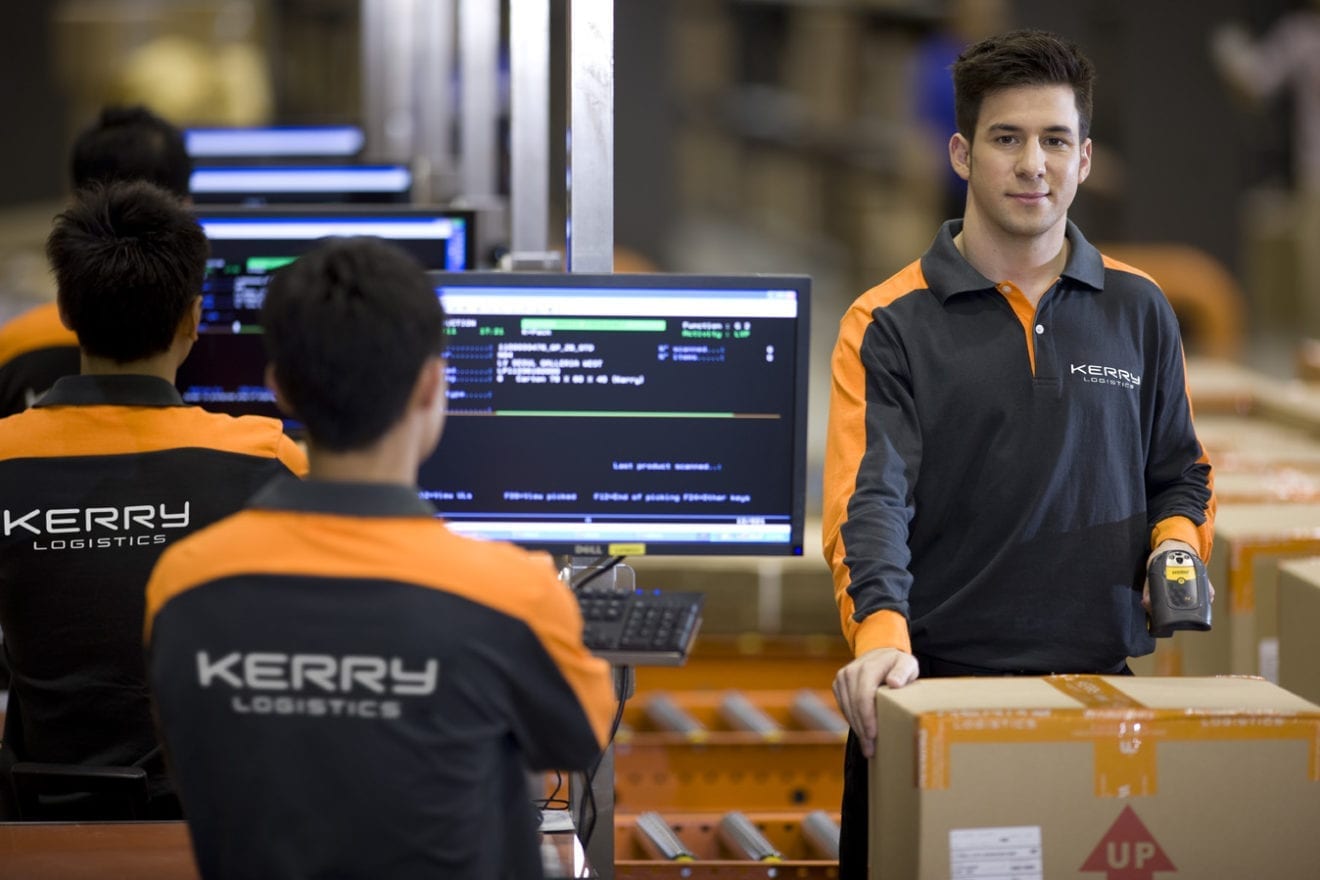
Kerry Logistics Network participated in the commencement ceremony of the first eastbound freight train from London to Yiwu with the support of a long-standing customer for this service. The project is not only a significant step forward in the Group’s development strategy in line with the ‘One Belt One Road’ Initiative, but also a strategic move advancing the Group’s further expansion into the rail freight and multimodal services.
The train, which departed on 10 April 2017 from London, is scheduled to arrive eastern China’s Yiwu in around 18 days. The 7,500-mile journey will pass through nine countries, including France, Belgium, Germany, Poland, Belarus, Russia and Kazakhstan. The freight cost is lower than that of air and ocean freight, while it is twice as fast as ocean transport.
In August 2016, Kerry Logistics delivered a rail freight shipment of over 80 containers from Yiwu to Madrid, Spain, passing through eight countries in 19 days.
London is the 15th European city and the latest destination added to the China-Europe rail network under the Belt and Road Initiative. The first freight train from Yiwu to London launched on 1 January 2017 took 18 days. It was mainly for carrying clothes, shoes and other consumer goods made in China.
William Ma, group managing director of Kerry Logistics, said, “We are extremely excited to be the first Asia-based global 3PL to move eastbound freight from Europe along the One Belt One Road trade route, turning part of the roadmap into reality. We are committed to developing an overland transportation network for road, rail and multimodal freight services in China to Central Asia and Europe. We will leverage our global international freight forwarding network to provide end-to-end and cost-effective logistics solutions to connect China with Europe and Asia via air, road, rail and sea.”
Kerry Logistics will continue to develop under the Belt and Road Initiative to create new form of transportation models, offering more options to customers across various industry segments.
China has launched its first UK-bound freight train from the city of Yiwu in Zhejiang province to London. The train, which is jointly operated by the Yiwu government and China Railway Container Transport Corp., Ltd., a subsidiary of the state-owned China Railway Corporation, set off from Yiwu West Station and will leave China at Alanshankou, passing through Kazakhstan, Russia, Belarus, Poland, Germany, Belgium, France and the English Channel before arriving at Barking in East London.
The journey, which is over 12,000km long, is expected to take approximately 18 days.
According to China Railway, goods carried on the train include household commodities, apparel, textiles and suitcases.
Yiwu is also the origin of various China-Europe and China-Central Asia trains.
The new link to the UK is part of China’s Belt and Road initiative and will strengthen trade ties between China and West Europe, according to China Railway.
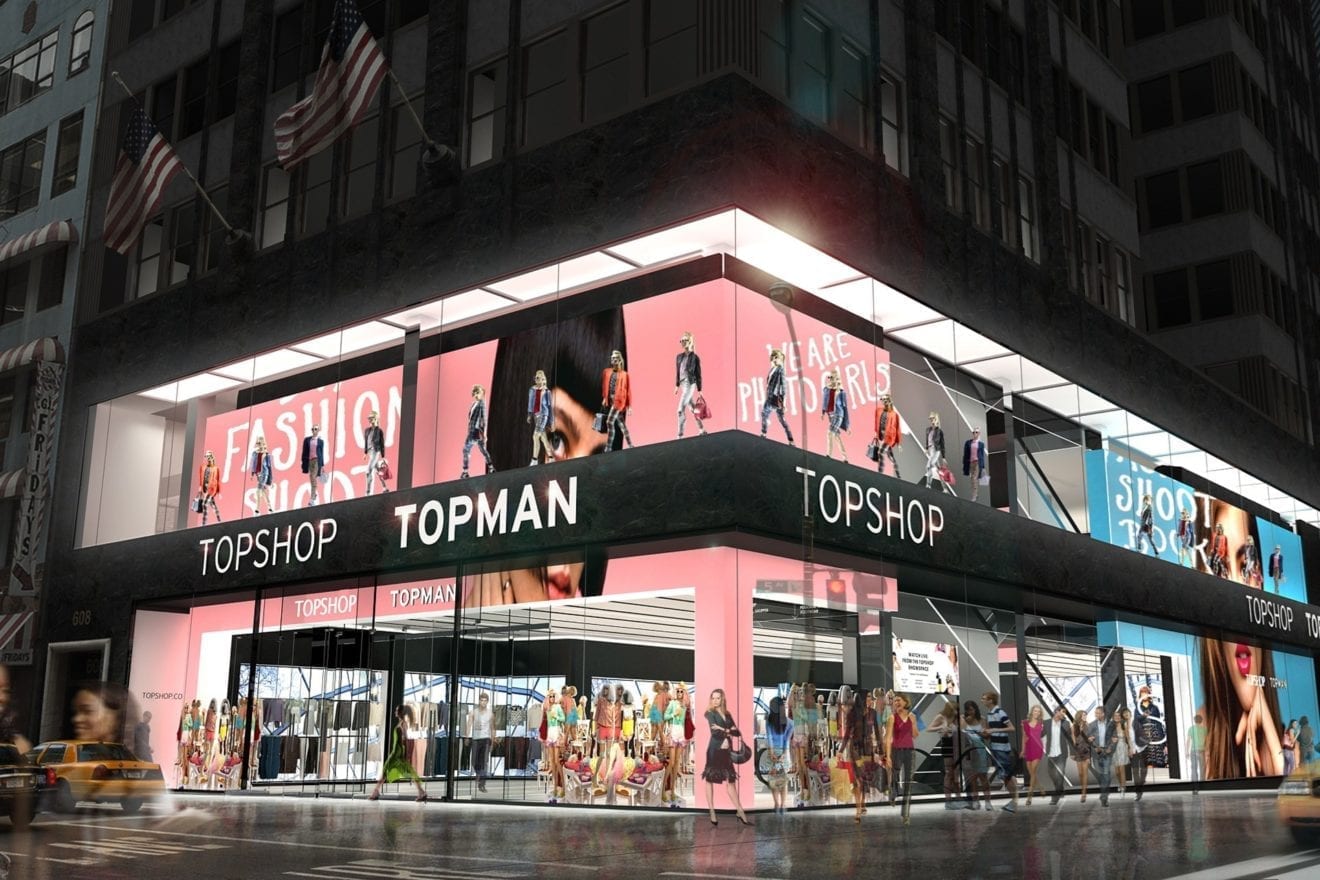
UK fashion chain Topshop is the latest British retail company attempting to tap into China’s market by opening its first standalone store in 2018.
The British high-street retailer has agreed a deal with Chinese partner and online fashion retailer Shangpin.com. The e-commerce business had already started to push Topshop into the Chinese mainland by selling the brand on Shangpin.com two years ago.
Arcadia Group, Topshop’s owner company, said the first shop will open in top tier cities in the spring or summer of 2018 which could be either Beijing or Shanghai.
Media reports said if the move was successful, as many as 80 outlets could be opened. Arcadia Group would not comment on the plans for 80 stores. Currently Topshop’s only presence in China is a small concession in the Galeries Lafayette department store in Beijing and a handful of shops in Hong Kong.
Shangpin.com is a members-only website with 30 million registered subscribers, founder and chief executive David Zhao said: “It is gratifying to be trusted by such a world-renowned fashion brand to take them further in China.”
Topshop is part of retail tycoon Sir Philip Green’s Arcadia Group fashion empire and he described the deal as “the start of a unique, exciting and exclusive partnership that will cement Topshop and Topman’s mission of becoming truly global businesses”.
Green added:”For the first time, both brands will deliver high fashion to the shop floor and beyond by opening full-scale stores in China – host to the world’s fastest-growing retail economy.”
The businessman was embroiled in the controversial sale and subsequent collapse of the long-establish UK department store BHS earlier this year. The high-street chain went into administration in April, less than a year after Green sold it for one pound to a consortium.
The collapse led to the loss of 11,000 jobs and a 571 million pound pensions black hole.
According to analysts, Topshop is by far the most valuable part of Arcadia Group. Sir Philip owns a 75 percent stake in Topshop after selling 25 percent to US private equity firm Leonard Green in 2012
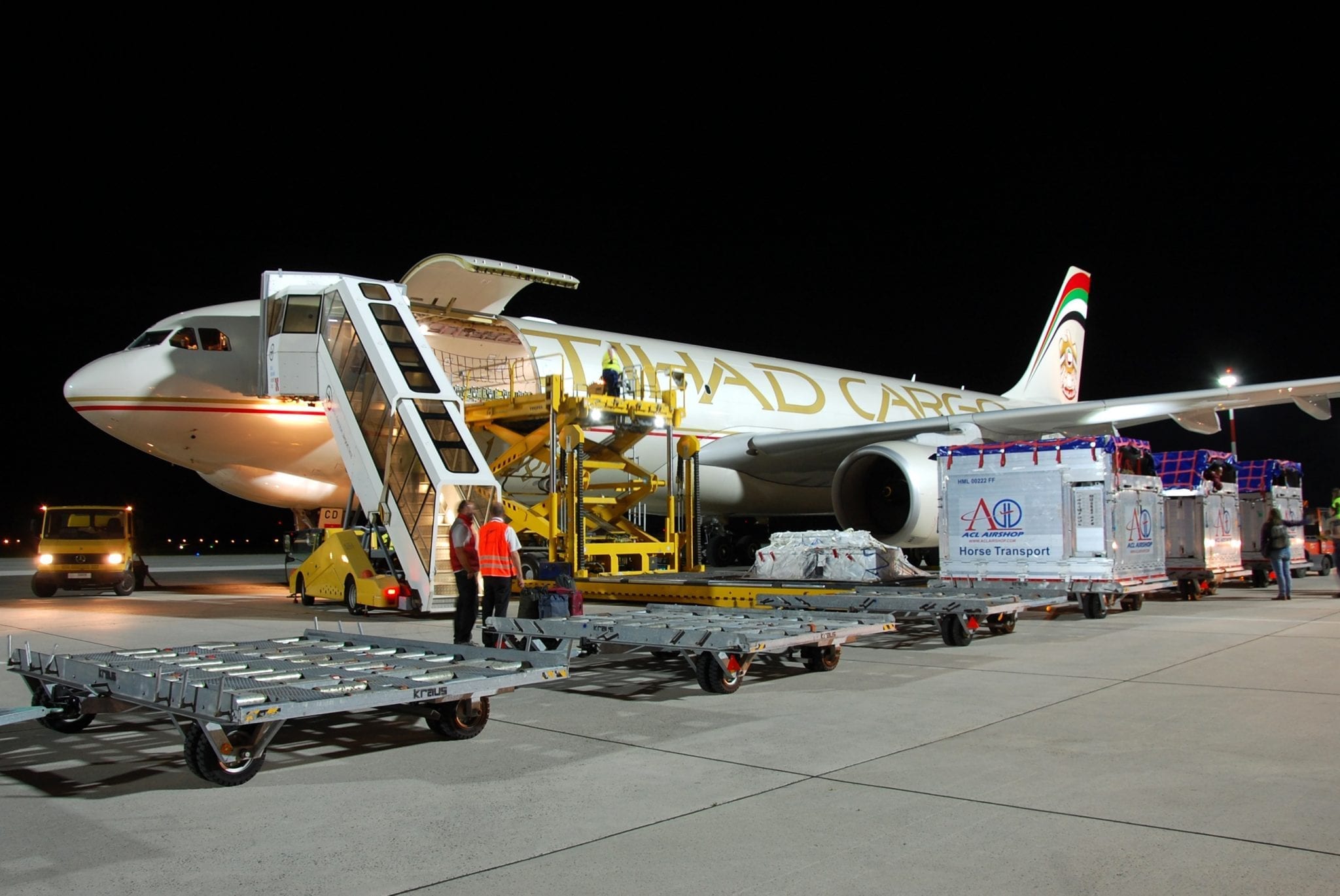
Etihad Cargo has successfully shipped more than 70 elite racehorses from England to Kuwait after the European racing season. In all, 72 racehorses – worth a combined £36 million (US $45 million) – were transported from London Stansted Airport to Kuwait City, where they will spend the winter months training and racing in the temperate Middle Eastern climate. They were flown on one of the carrier’s state-of-the-art B777 freighters which are equipped with comfortable seating for up to nine grooms and can accommodate up to 75 horses at a time.
David Kerr, senior VP of Etihad Cargo, said: “Safety is the most important thing for our equine customers, which is why it is imperative we offer a safe and reliable service on all of our shipments. The Middle East has strong ties to these magnificent creatures dating back thousands of years and, to this day, they are arguably the most precious cargo we carry. In 2016 alone Etihad Cargo has been entrusted to transport more than 1,200 horses, with several more large shipments scheduled before the end of the year.”
A team of six professional grooms handled the horses during loading, while on board the flight – when they visit them in the cargo hold to ensure they are comfortable and calm – and on arrival in Kuwait.
When the horses arrived at Stansted they were loaded by their grooms into jet stalls, specially designed with non-slip floors which hold three horses apiece. The IATA-approved stalls were then loaded onto the temperature controlled cargo hold of the aircraft in an operation which took more than six hours.
Conan Busby, MAG’s head of cargo, owners of London Stansted Airport, said: “We are delighted that Etihad Airways chose Stansted to handle this delicate and valuable cargo. Stansted is the UK’s number one airport for horse travel and handles many specialist flights every year. Many of the horses taking part in this year’s Olympic Games and the Queen’s 90th Birthday celebrations passed through Stansted’s dedicated equine facility.”
Etihad Cargo operates a fleet of nine wide-body freighters – five B777Fs and four A330Fs – which can be configured to carry 75 and 30 horses respectively.
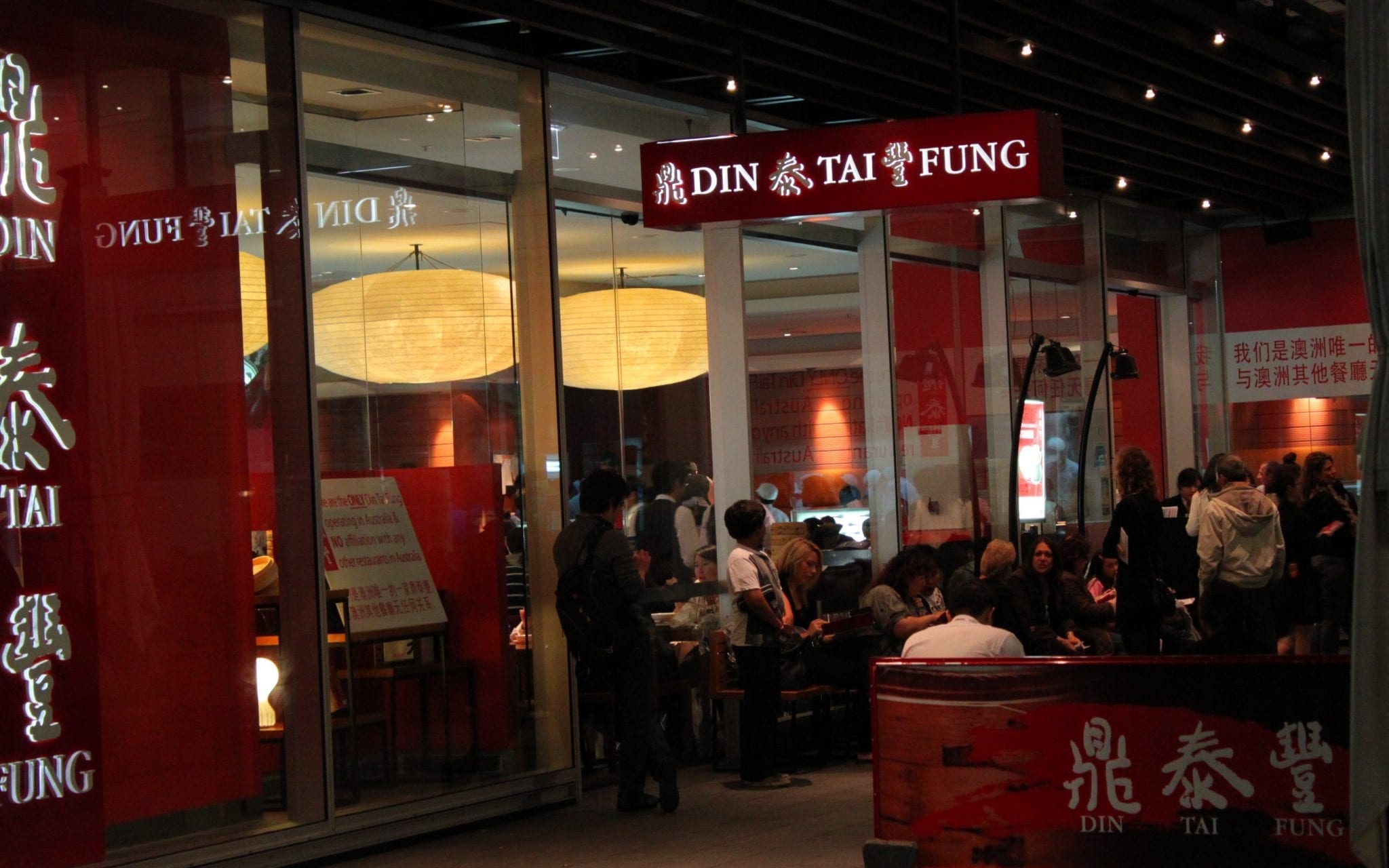
BreadTalk Group has signed a franchise agreement with the parent of the Din Tai Fung brand of restaurants to take the Taiwanese concept into the UK.
BreadTalk Group says the deal with Fairy Rise Development, the owner of Din Tai Fung, will see the first restaurant opened in London next year, followed by outlets in England, Ireland and Northern Ireland. They will be run by a joint venture company TFUK, comprising BreadTalk subsidiary Together Inc as majority shareholder, Din Tai Fung Taiwan, Fairy Rise, a UK partner and Taiwanese investors.
Cheng William, divisional CEO (restaurant) of BreadTalk Group says the deal will see the concept enter Europe for the first time.
“With our experience in operating the brand for the last 13 years in both Singapore and Thailand, we hope to bring the much loved Din Tai Fung to new consumers who will appreciate this authentic Taiwanese cuisine,” he said.
Din Tai Fung’s owner, Chi-Hwa Yang, says the international recognition Din Tai Fung enjoys today “is in no small part attributable to our long-standing partnership with the BreadTalk Group. BreadTalk Group has played an integral role in our success by growing and exposing our Taiwanese brand to an international audience.”
BreadTalk Group operates 21 Din Tai Fung restaurants in Singapore and three restaurants in Thailand with more planned.
Globally, Din Tai Fung’s stores have won multiple awards, including a Michelin star in Hong Kong, and are favoured by celebrities and food critics alike with a total of 135 restaurants in 13 territories.
BreadTalk Group won the franchise rights to operate Din Tai Fung in Singapore and Thailand, in 2003 and 2011 respectively. The Taiwanese brand also has branches in Australia, China, Hong Kong, Indonesia, Japan, Malaysia, the Philippines, South Korea, the UAE and the US.
BreadTalk Group has nearly 1000 stores spread across 17 markets, its brand portfolio comprises BreadTalk, Toast Box, Food Republic, Din Tai Fung, Thye Moh Chan, Bread Society, The Icing Room and RamenPlay.
BreadTalk Group has a network of owned bakery outlets in Singapore, China, Malaysia, Hong Kong, and Thailand, as well as franchised bakery outlets across Asia and the Middle East. It also owns the Food Republic food atria in Singapore, China, Taiwan, Hong Kong, and Malaysia.
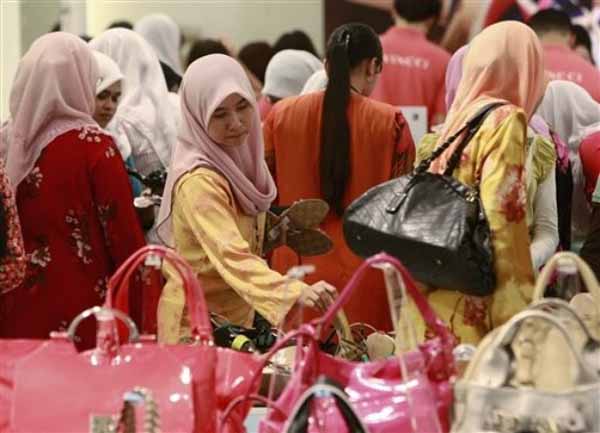
Indonesian Muslim fashion brand Elzatta Dauky by Elhijab successfully penetrated the UK market at the Muslim Lifestyle Expo in Manchester city over the weekend.
“Elzatta Dauky is participating in this exhibition for the second time, having appeared previously at the Indonesian Weekend,” the companys Head of Brand Strategy Ina Binandari said here on Tuesday. In addition to exhibiting Muslim fashion products, Elzatta Dauky also showcased 10 designs at a fashion show themed “Gloomessence.”
The Muslim Lifestyle Expo, one of the biggest Muslim-focused fairs in the world, saw participation from over a hundred exhibitors from various countries, including the United States, Turkey, Germany, Russia, Austria and Malaysia.
Elzatta Dauky was the only Indonesian participant.
The organizers said more than 10,000 people from across the city had visited the exhibition.
Speaking of the brands future plans, Binandari explained that Elzatta Dauky by Elhijab was gearing up to launch an online store in the United Kingdom.
“Hopefully, with the online store, we will be able to meet the fashion demands of the Muslim community here,” Binandari stated.
Reports from Thomson Reuters suggested Muslim consumer spending on food, lifestyle products, and services will reach an estimated 1.9 billion pounds sterling in 2020, up from the 1.3 billion pounds sterling seen in 2014.
Data from the Office for National Statistics, released in late January 2016, show that the number of Muslims in the United Kingdom has, for the first time, exceeded three million, amounting to 3,114,992 people in 2014, equivalent to 5.4 percent of the total population of the country.
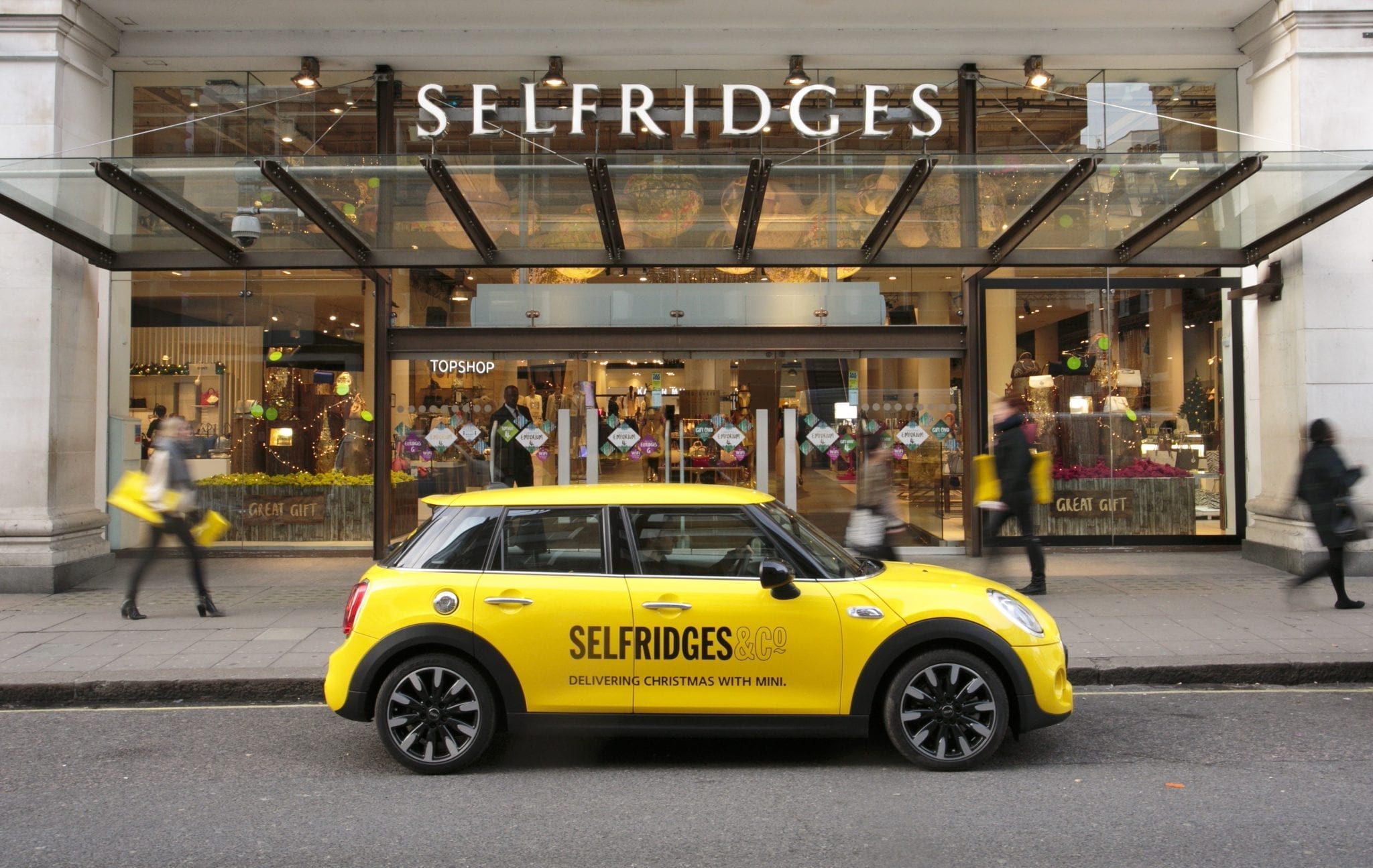
Two iconic British department store brands released their annual trading figures overnight – and the contrast was blinding.
Debenhams underwhelmed with like-for-like figures showing a decline in sales of 1.1 per cent, ts growth driven purely by the addition of five new stores and online advances.
Yet Selfridges’ “winning formula” delivered another year of robust sales growth, in the words of Verdict Retail lead analyst Honor Strachan.
“Its ability to bring on board the right mix of brands, tailor each of its stores to the local audience and create an ever-changing in-store shopping experience has ensured Selfridges remains relevant and an exciting destination among an increasingly demanding shopper base,” said Strachan.
His colleague Kate Ormrod, a senior analyst, was less complimentary about Debenhams, describing the company’s UK gross transactional value of £2.352 billion as “underwhelming”.
“Debenhams is slightly in limbo at present while new CEO Sergio Bucher familiarises himself with the company and forms his strategy to revitalise the business. Focus on clothing and homewares is much needed in FY2016/17, as well as ensuring the instore experience is consistent across its UK store portfolio.”
Ormrod said Debenhams’ online business remains a key asset, and now represents 14.7 per cent of group sales – aided by its focus on mobile, its click & collect service, and investment in IT and systems, which bode well for the Christmas peak.
“Refocusing the business away from clothing has been successful with solid growth achieved in beauty, gifting and accessories. While trading in the overall clothing market has been volatile, Debenhams must review and refresh its ranges to maintain its appeal and relevance in the market – or face further market share erosion. Selected Designers at Debenhams sub-brands such as Star by Julien Macdonald and J by Jasper Conran feel dated, along with core ranges such as Red Herring and Mantaray. Though Debenhams appears hesitant to rectify its problems in clothing, there is opportunity to target mature shoppers and better compete with the likes of JD Williams,” she said.
“Debenhams’ strength lies in beauty and the addition of cult brands such as Kat Von D ensure the retailer garners destination appeal both instore and online. Driving cross-sector spending is essential to turn younger beauty shoppers into core Debenhams customers. Plans to introduce lighting to 30 stores, a clear attempt to muscle in on area BHS excelled in, and introduce furniture hubs in eight branches are positive steps, though Debenhams’ overall homewares offer pales in comparison to rival John Lewis in terms of breadth and destination appeal.
Selfridges deflects the pressure
Strachan paid tribute to Selfridges’ ability to prosper while facing “immense pressure from sector specialists and online pureplays”. Gross transactional value rising 5 per cent to £1.4 billion.
A £300 million commitment to refurbishing its Oxford St, London, flagship dented its operating profit, which slipped marginally to £152 million, trimming margins to drop one percentage point to 10.9 per cent.
“The modernisation of its flagship London store, taking over two years and due to be completed in spring 2018, is central to Selfridges’ strategy in creating destination departments, such as its 2016 openings of the Body Studio and Designer Studio, off the back of its success of its Denim Studio (2013) and Shoe Galleries (2010),” said Strachan.
“The accessories department is currently being overhauled with the first phase due to open in time for peak Christmas trading, and will undoubtedly benefit from the influx of tourists taking advantage of the weak pound.”
He said with Selfridges’ proposition heavily skewed to the luxury end of the market, he expects Selfridges to have a very strong second half in 2016/17, resulting in full year growth exceeding its 2015/16 financial year and an increase in its UK department store market share.
“Selfridges continues to raise the bar by surprising its shoppers – with brand launches including Missguided for example – which is key as we approach a period of more considered spending among domestic consumers.”
EVER get that sinking feeling when the last of the battery drains from your mobile phone while in the middle of something? What makes it worse is that you haven’t got your power bank with you, and there’s not a plug point in sight! Now, a cute-looking product called MoBeeGo – a one-time mobile phone charger may just be the answer you have been waiting for.
The cute black and yellow miniature barrels are able to juice up your dying mobile phones for another four hours maximum. Produced by NASDAQ-listed Life Clips Inc, MoBeeGo is an innovative one-time charger that does not require any pre-charging nor the use of cumbersome cords. Brought in to Malaysia by Kelvin Hun and Edric Foong, the founders of Veloster Technology, a local company that specialises in cutting-edge devices and technological gadgets, MoBeeGo is designed with two elements.
One is a re-usable ultra-compact adapter – there are separate ones available for Google Android and Apple iOs smartphones – that connects to the phone’s charging outlet. The second element is the battery can (shaped to look like a can of an energy drink) or charging unit, which is mounted onto the adapter that attaches to the phone. The charger is tiny and can be easily stored in pockets, purses, and bags. The battery has a 10-year shelf life, enabling consumers to keep them on hand for prolonged periods.
According to Hun, the battery is hardy enough to withstand extreme temperatures of up to minus 12 and still be able to function well. That’s certainly good news for those planning to travel to cold places this winter. He also added that MoBeeGo is intended to offer convenience and safety, and to be an immediate solution to complement the busy lifestyle of today’s mobile consumers who often carry multiple devices at a time. “With today’s busy lifestyle, we rely heavily on our mobile devices to keep us connected to the world around us.
Whether we are searching for places to eat on our mobile or playing games during our commute, today’s mobile apps consume lot of power from your devices. The problem lies in trying to squeeze a full day’s worth of power into such mobile devices. Hence, MoBeeGo is designed with ease of use in mind and lets you charge instantly when you need it – anytime and anywhere,” said Hun. The charger and battery is easily available from local stores from next week onwards.
In the meantime, Veloster Technology is planning to further expand the network of stores where MoBeeGo can be made available. “We are thrilled to have myNEWS as the first convenience retail chain for our award-winning charger. We look forward to expanding our distribution network to even more stores and new markets such as check-out counters in pharmacies, grocery stores, cafes, magazine kiosks, shopping malls, airports and other places where people shop in the near future. So the next time you are running low on battery, just grab a can from the stores, plug it in and go!” said Hun.
MoBeeGo batteries are recyclable. MoBeeGo is currently sold in 14 countries including Canada, United Kingdom, Malaysia, France and Russia. It recently received an Honourable Mention on the Red Dot Design Award: Product Design this year. The Red Dot Design Award is an international product design and communication design prize awarded by the Design Zentrum Nordrhein Westfalen in Essen, Germany.